


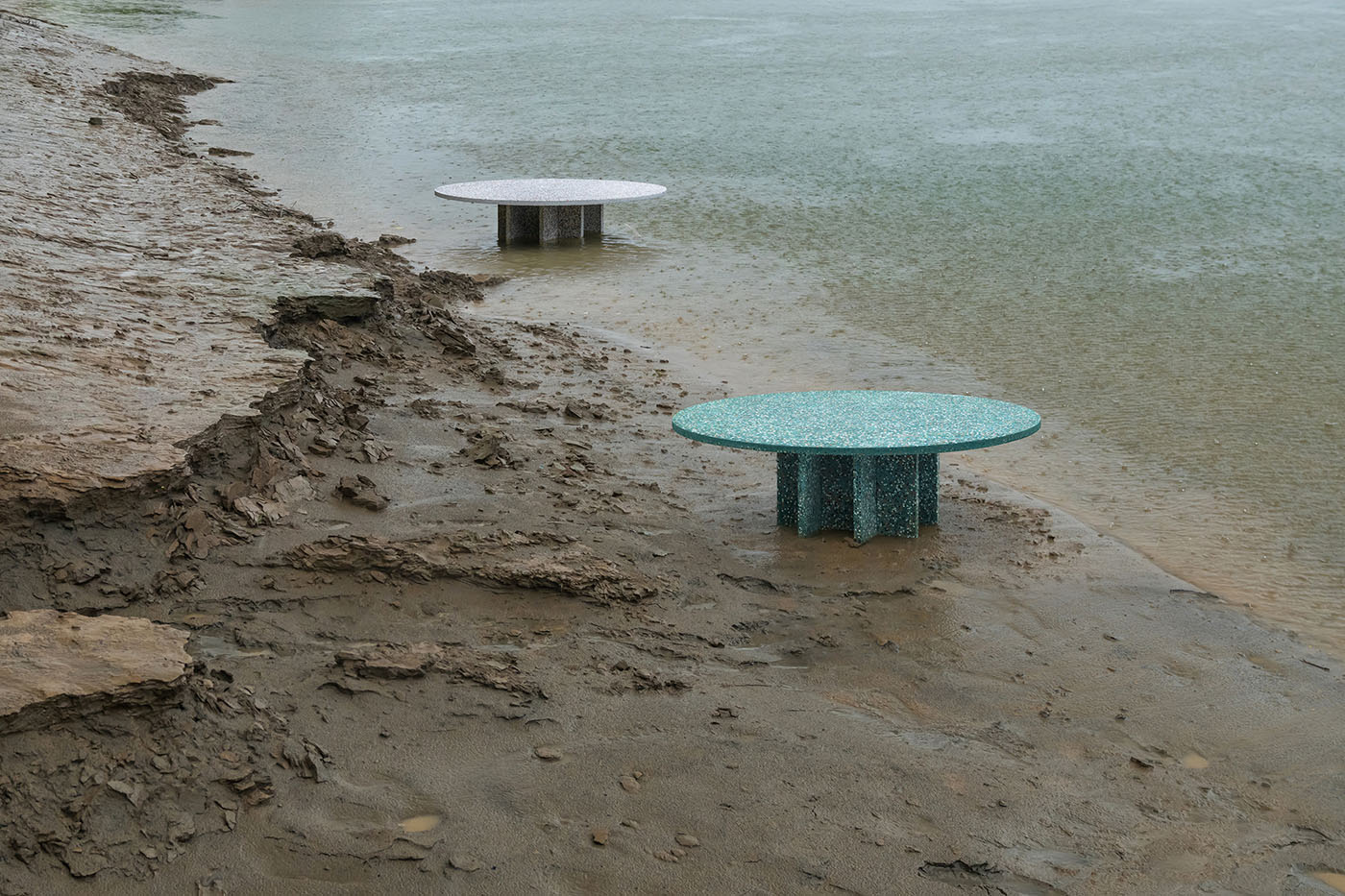
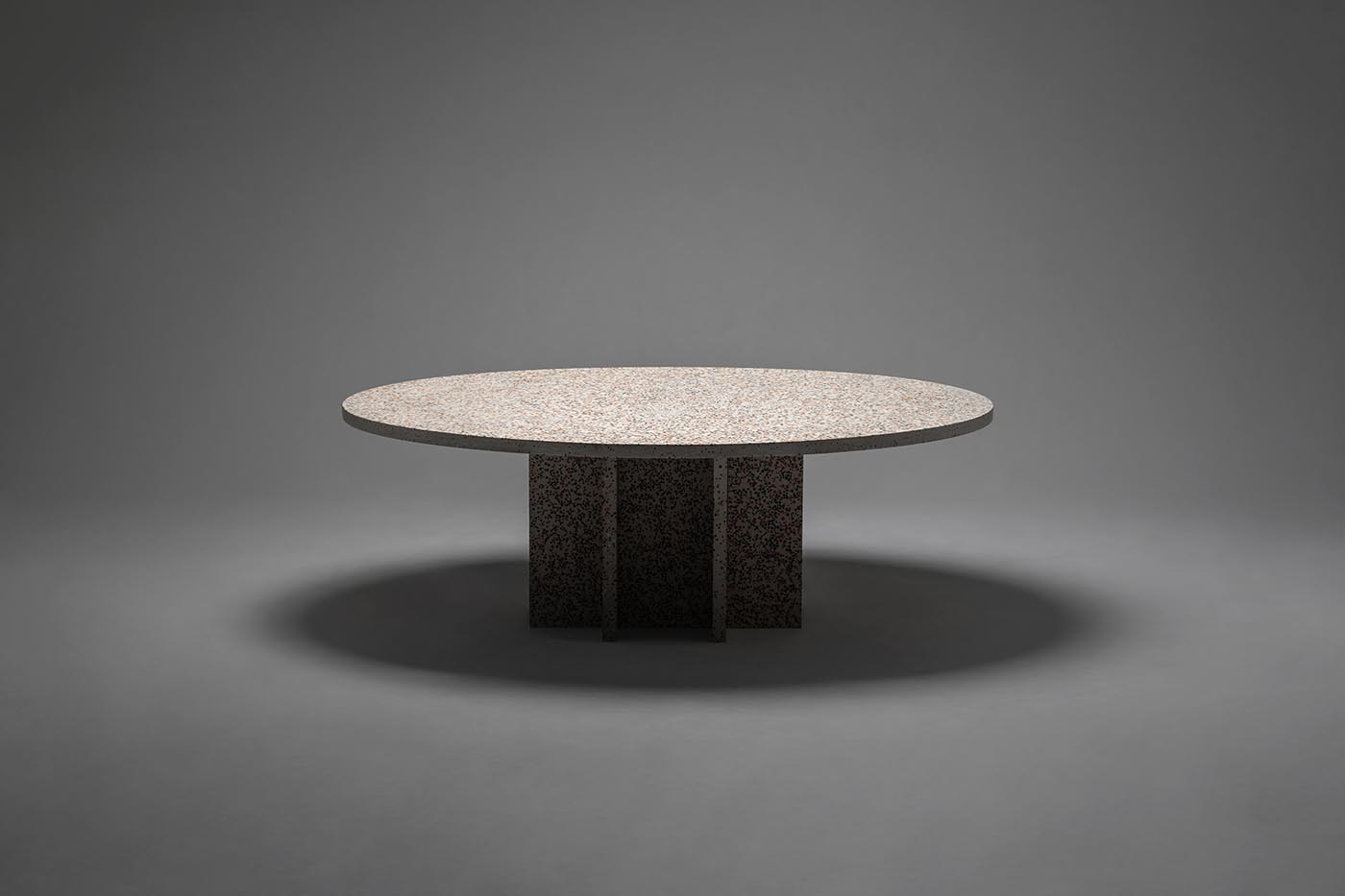
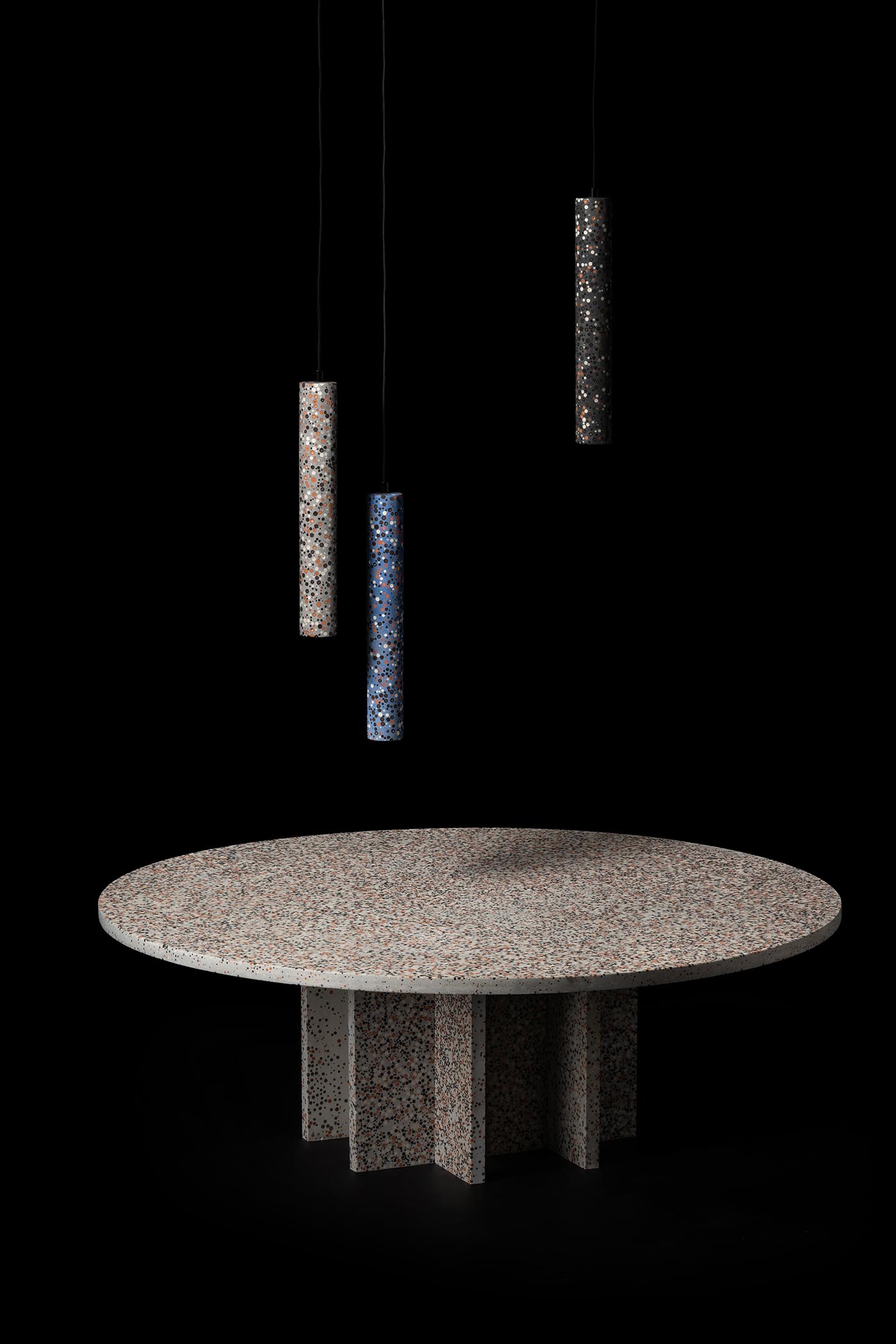
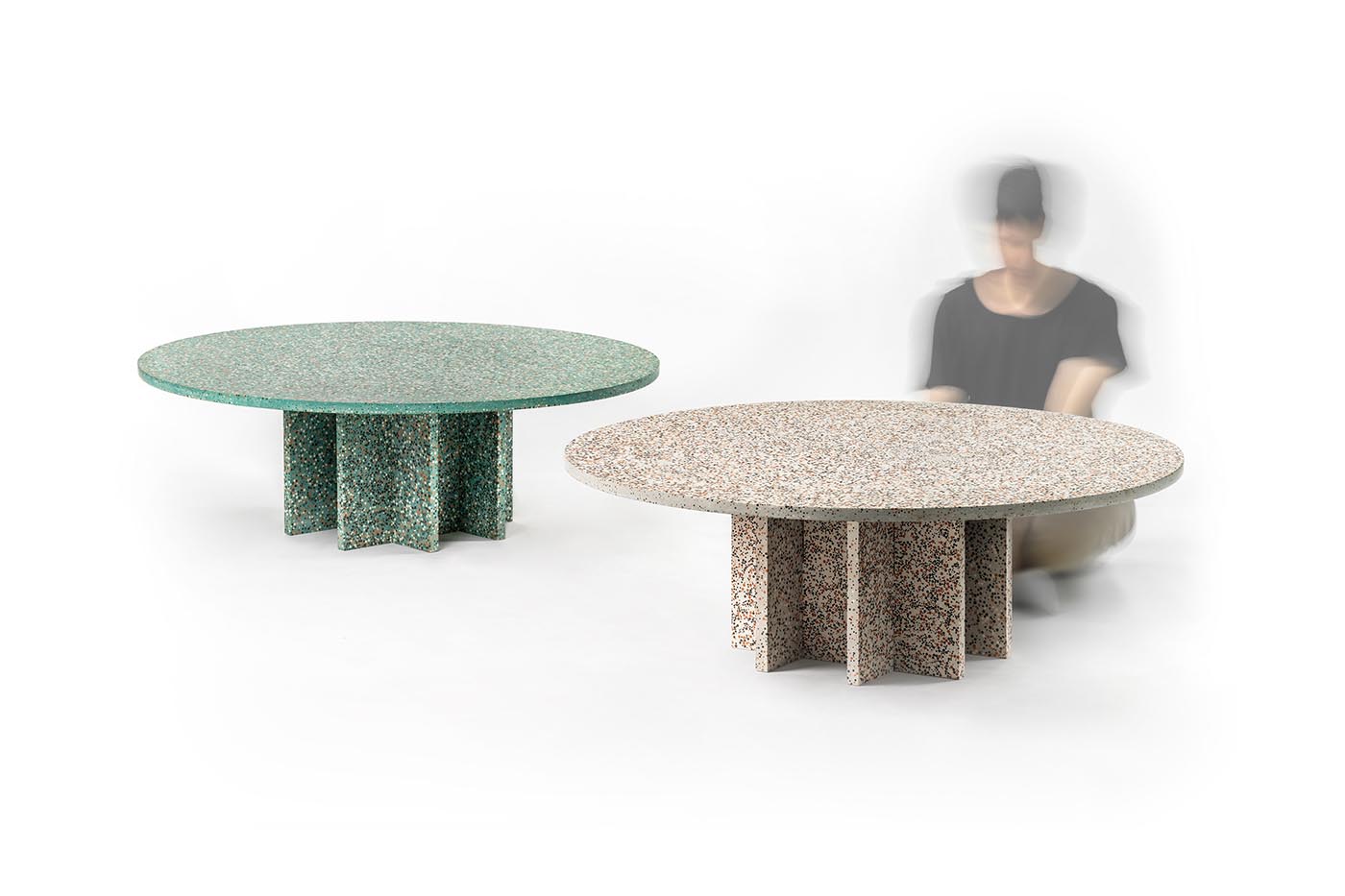
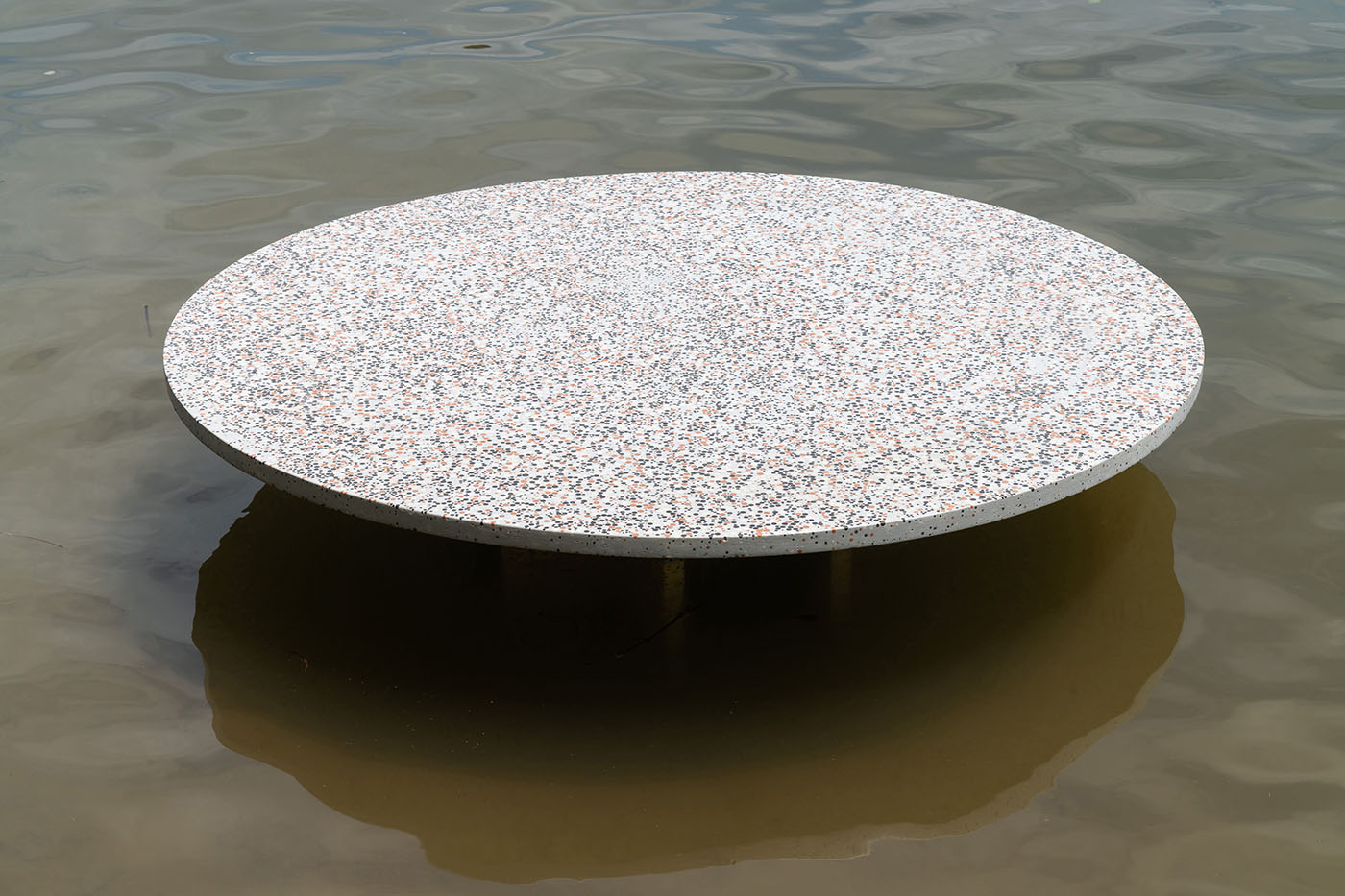
Table · ER
Material: Recycling Pond Silt
Size: Ø1400×H350 mm
Weight: 83 kg
Colour: black / green / white
Recycling Pond Silt
Waste into Furniture - ER
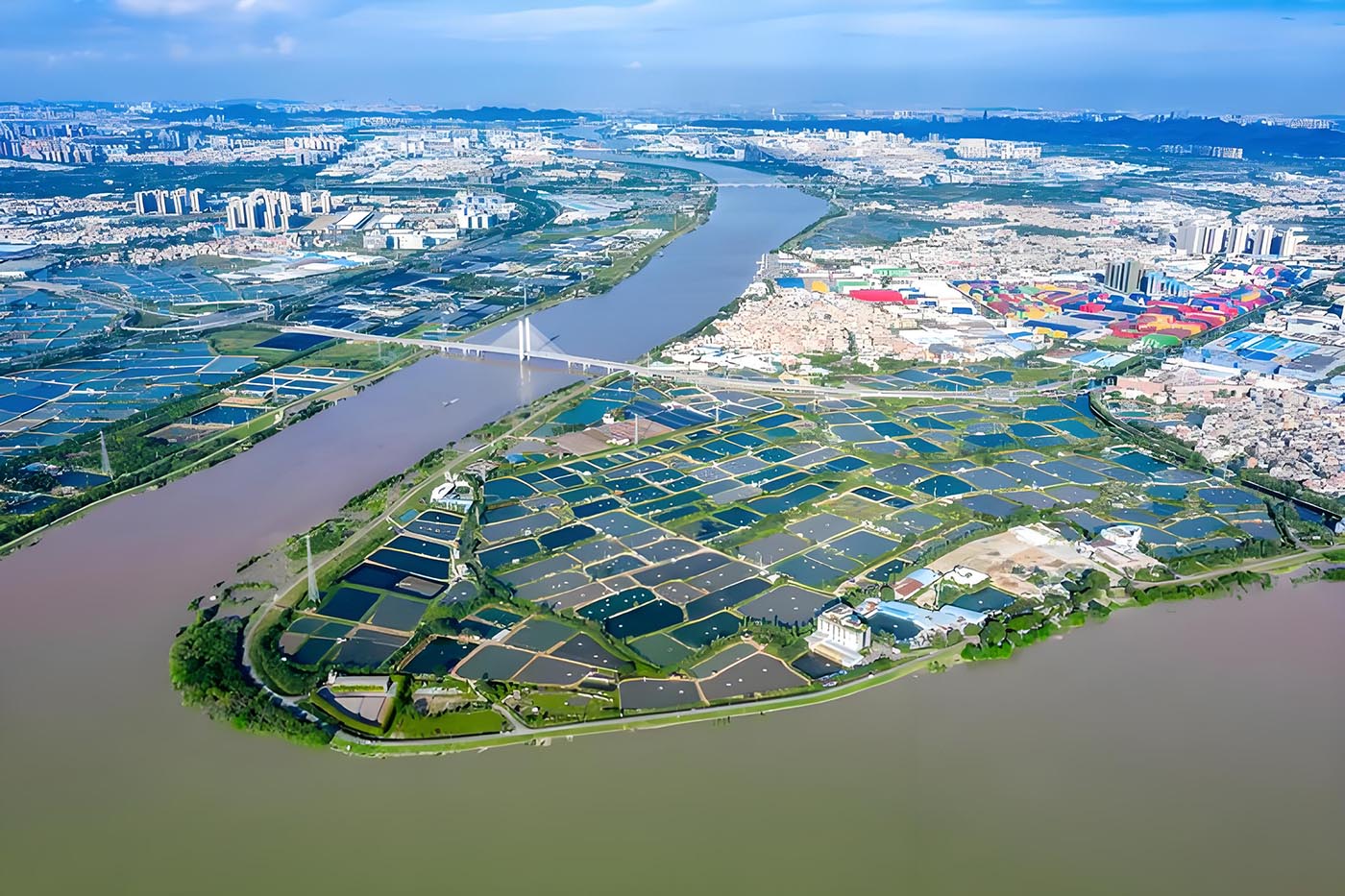
A dense network of waterways and crisscrossing rivers is the most distinctive geographical feature of the Pearl River Delta. This characteristic has shaped the region's natural landscape, economic models, and cultural identity.
To make optimal use of natural resources, people in low-lying, flood-prone areas excavated mud to create ponds and piled it up to form dykes. This established a perfect cycle: "Dykes for growing mulberry trees, ponds for raising fish, mulberry leaves for feeding silkworms, silkworm waste for feeding fish, and pond silt for fertilizing the mulberry dykes." This ingenious, ecologically cyclic agricultural system—the "Mulberry-Dyke-Fish Pond"—enabled the Pearl River Delta to produce a rich variety of agricultural products with remarkable efficiency and sustainability. It thereby supported dense human settlements and nurtured a unique and prosperous Lingnan agricultural civilization.
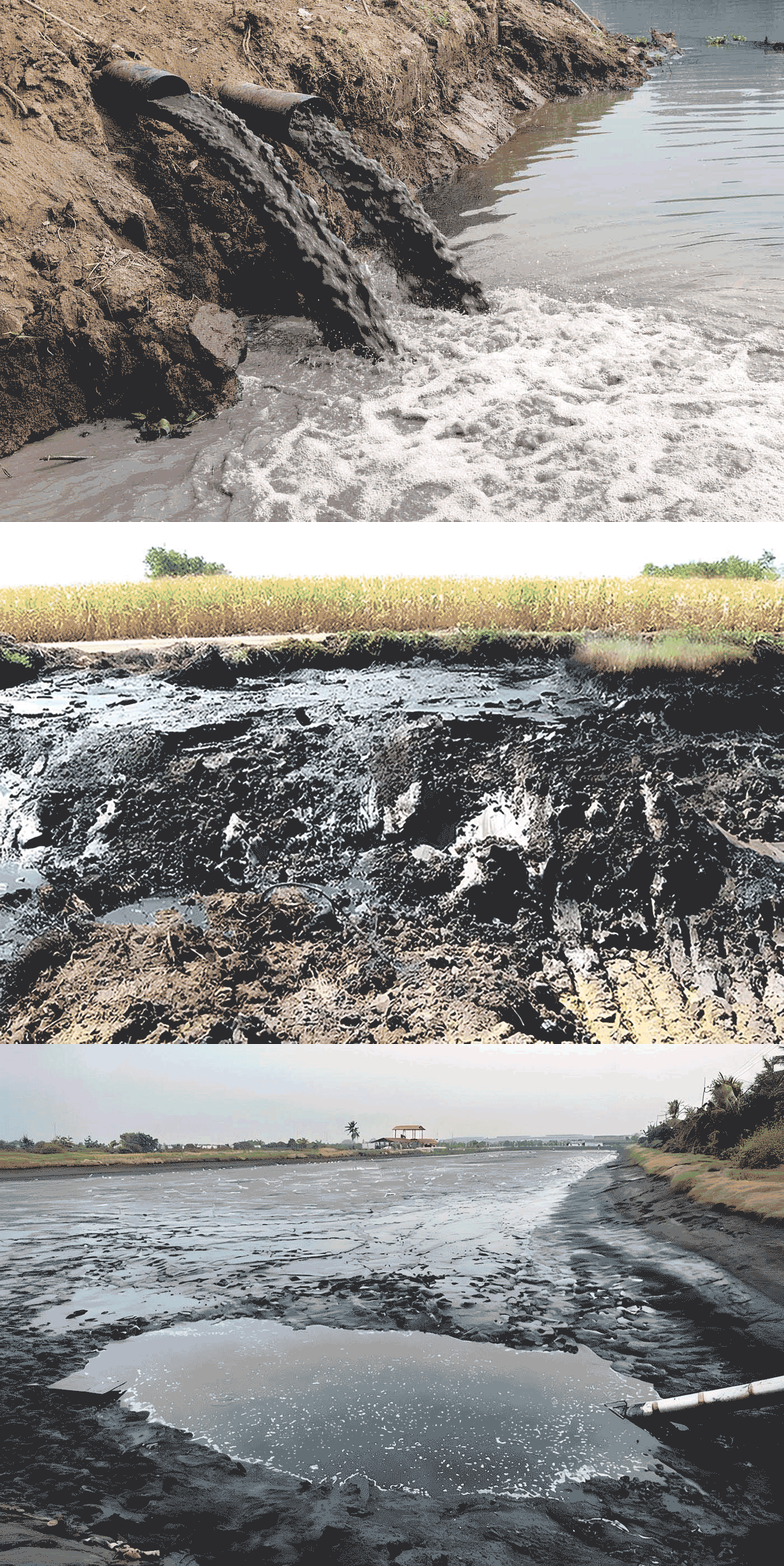
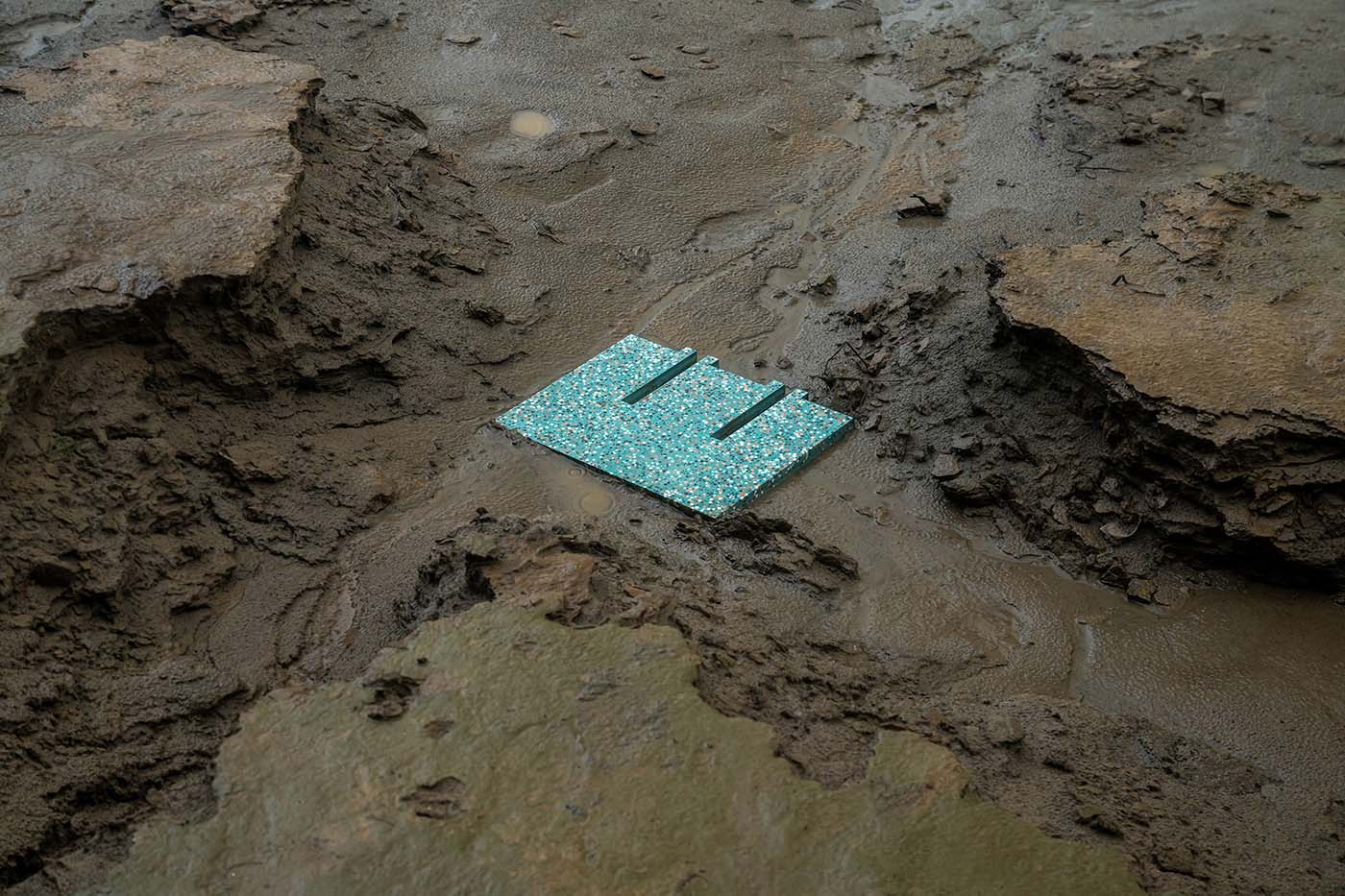
The impact of industrialization and urban expansion on traditional agriculture represents a profound structural transformation. Especially in rapidly urbanizing regions like China's Pearl River Delta, its effects extend beyond mere technological substitution, touching upon deeper dimensions such as ecological ethics, cultural heritage, and social governance. Once a paradigm of ecological cycling, the "Mulberry-Dyke-Fish Pond" system, fractured by the decline of the sericulture (silkworm-raising) industry leading to the breakdown of the "mulberry-dyke" component, is increasingly becoming merely an endangered cultural heritage.
The crisis of traditional agriculture appears superficially as a contest of economic efficiency, but in essence, it is a conflict between industrial logic and ecological ethics. Modern fish ponds rely on artificial feed and retain only high-density fish farming, causing the pond silt to become eutrophicated, transforming it from a fertilizer into a pollutant. The demise of the "Mulberry-Dyke-Fish Pond" system signifies not merely a shift in production methods, but more importantly, the decline of a wisdom of symbiosis between "water, soil, and people".
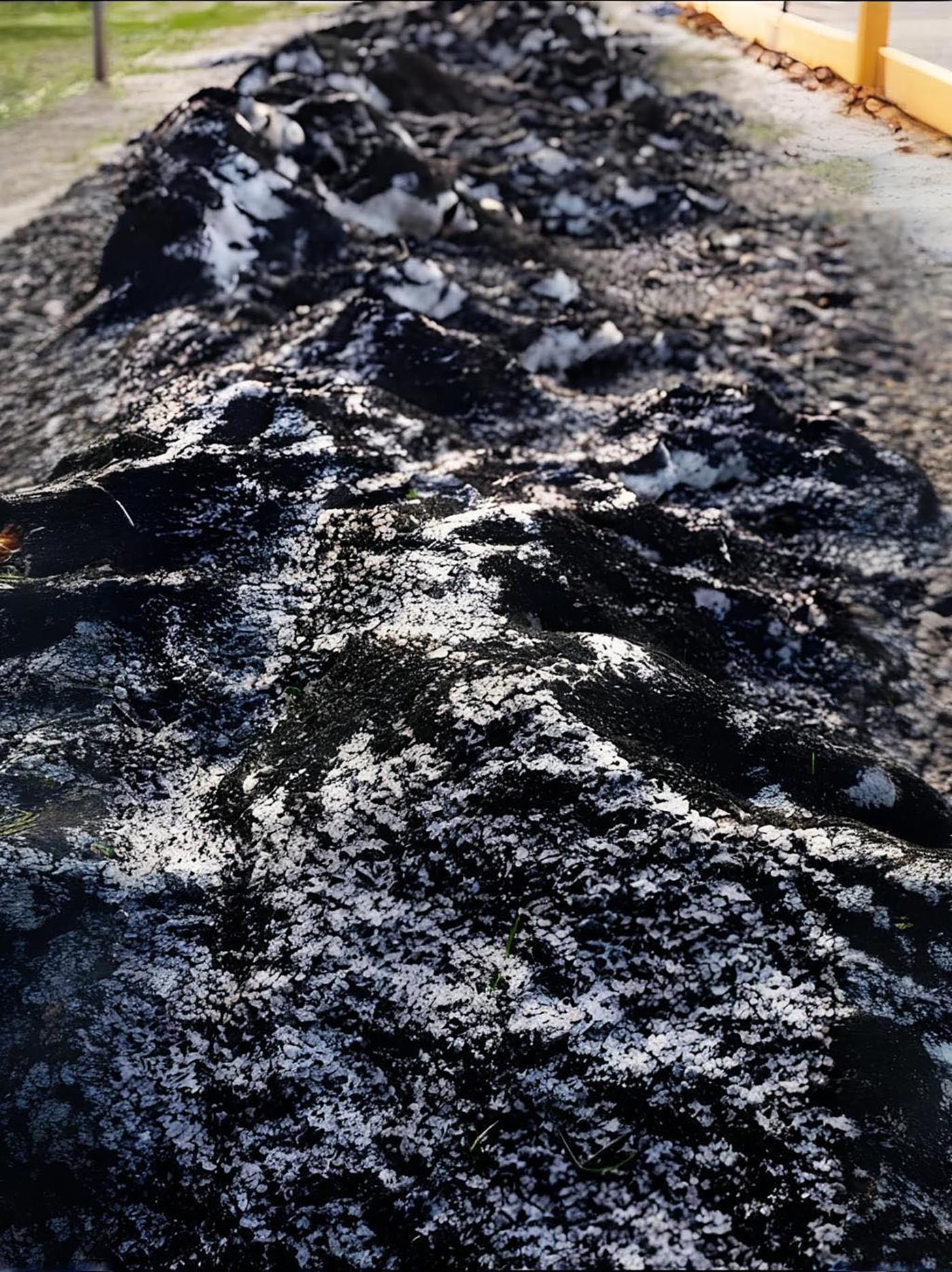
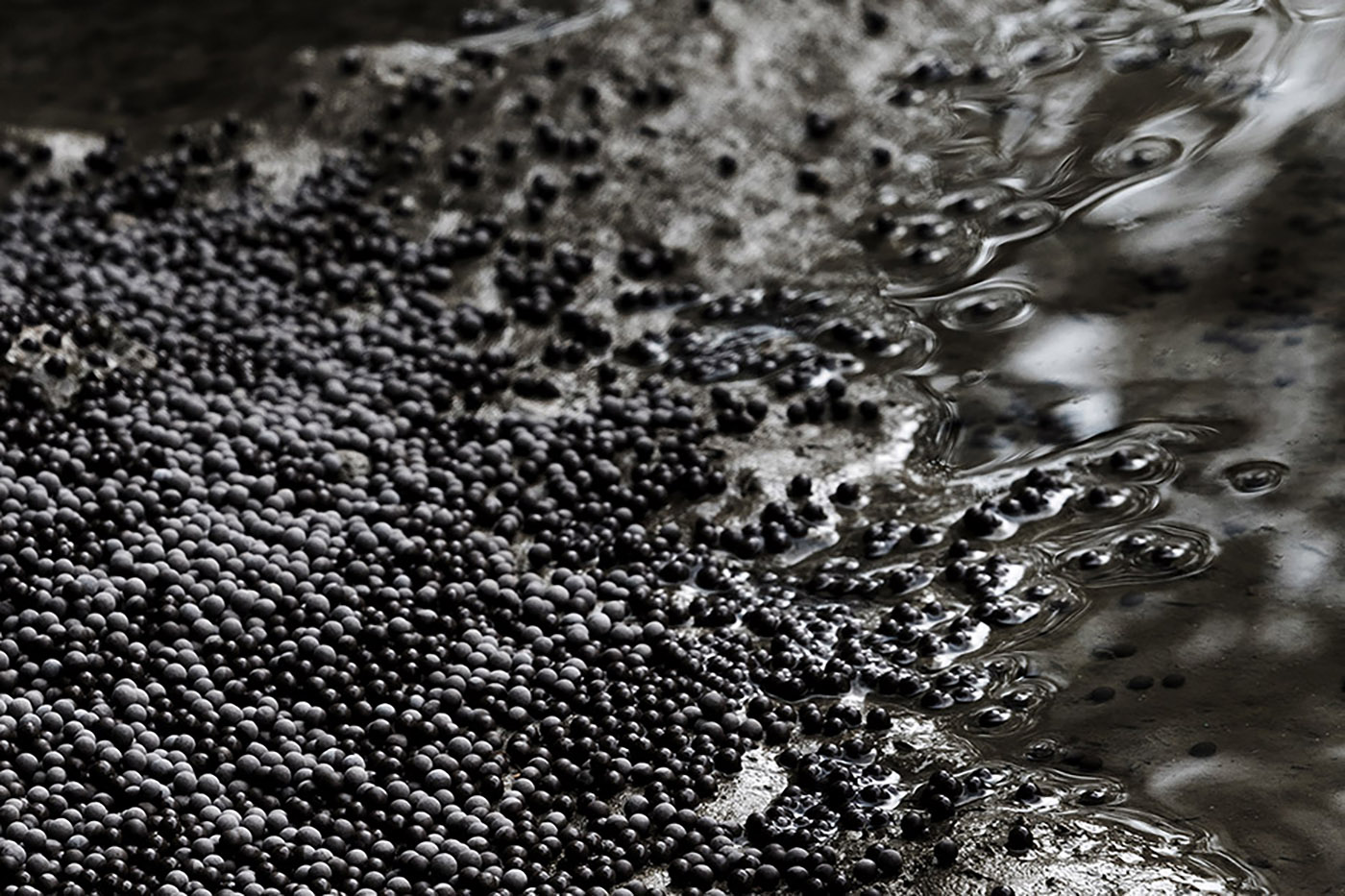
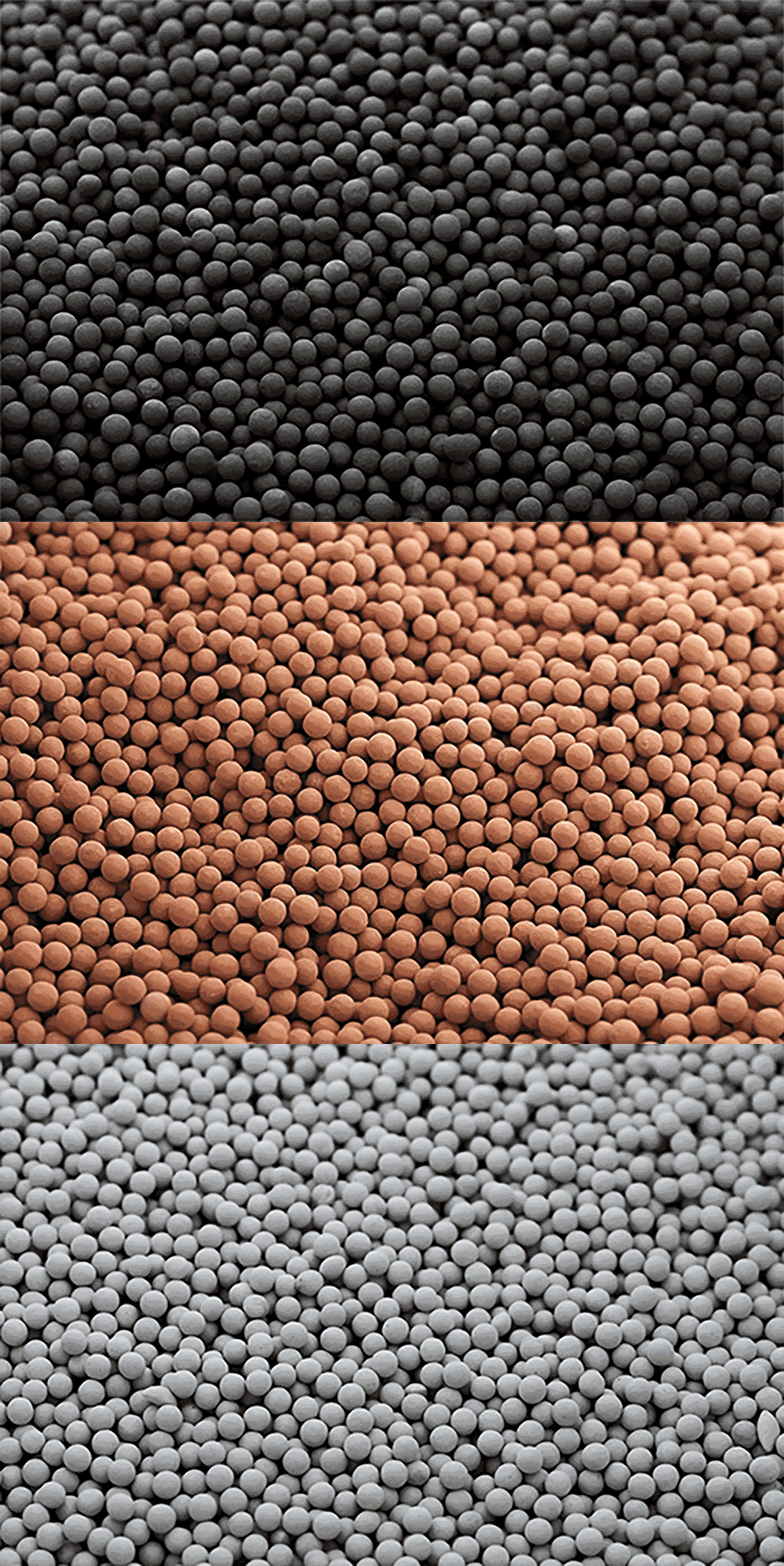

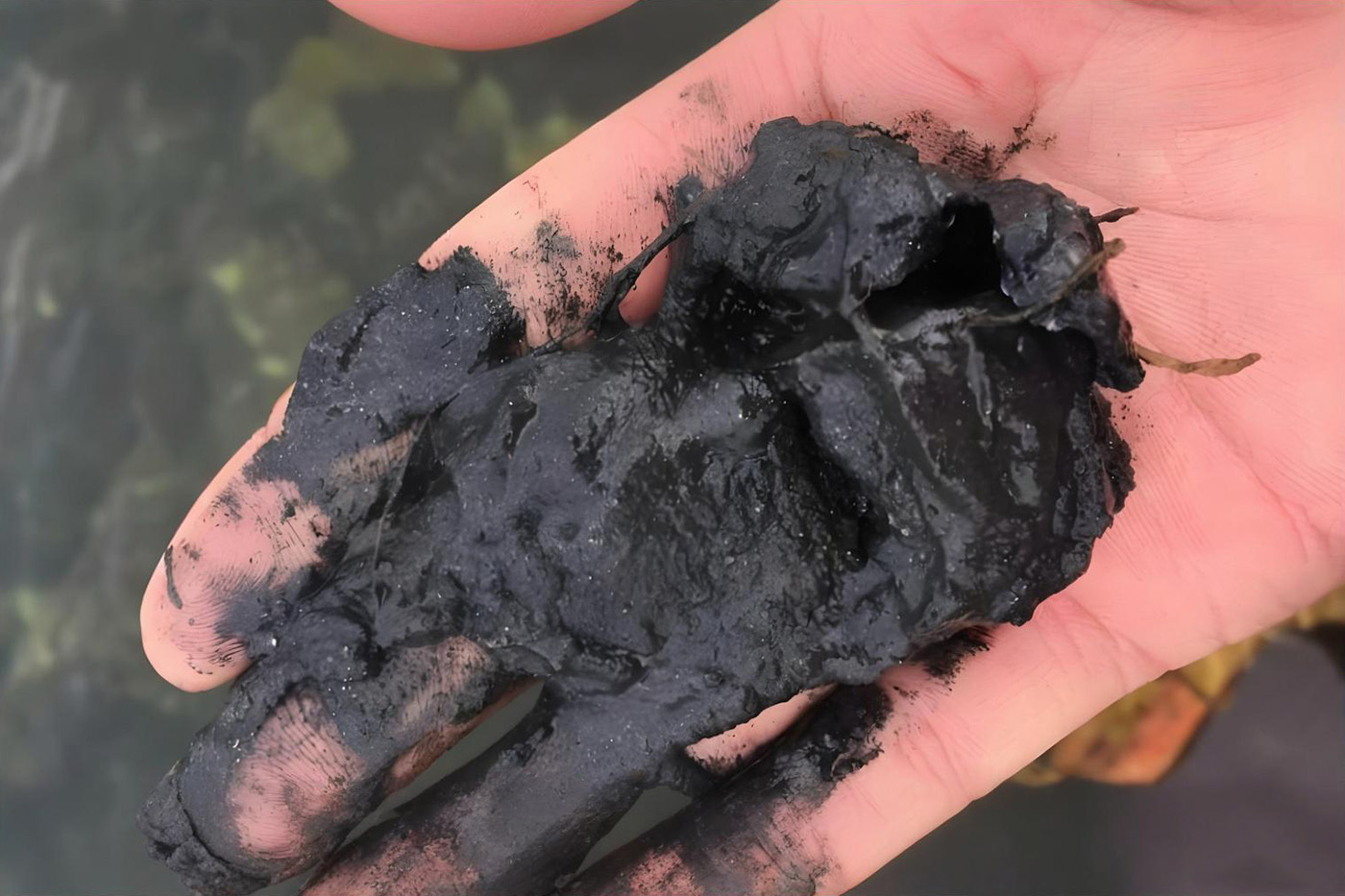
Modern fish pond silt originates from residual feed rich in nutrients like nitrogen and phosphorus, and fish excrement. Its accumulation causes the sediment to continuously release nutrients into the water body. Ammonia nitrogen, phosphates, and others promote explosive algal growth, triggering water eutrophication and increasing the risk of fish suffocation. Organic matter in the sediment undergoes anaerobic decomposition, producing toxic gases like hydrogen sulfide and methane, which directly harm aquatic life. Methane has a global warming potential (GWP) approximately 28 times that of carbon dioxide over a 100-year timescale per unit mass, and its emissions significantly exacerbate the greenhouse effect. Long-term uncleared silt becomes a breeding ground for parasites (e.g., anchor worms) and pathogenic bacteria (e.g., Aeromonas hydrophila), increasing the risk of fish disease outbreaks. Simultaneously, heavy metals like copper and zinc from feed additives accumulate in the sediment, posing a potential risk of transfer to humans through the food chain.
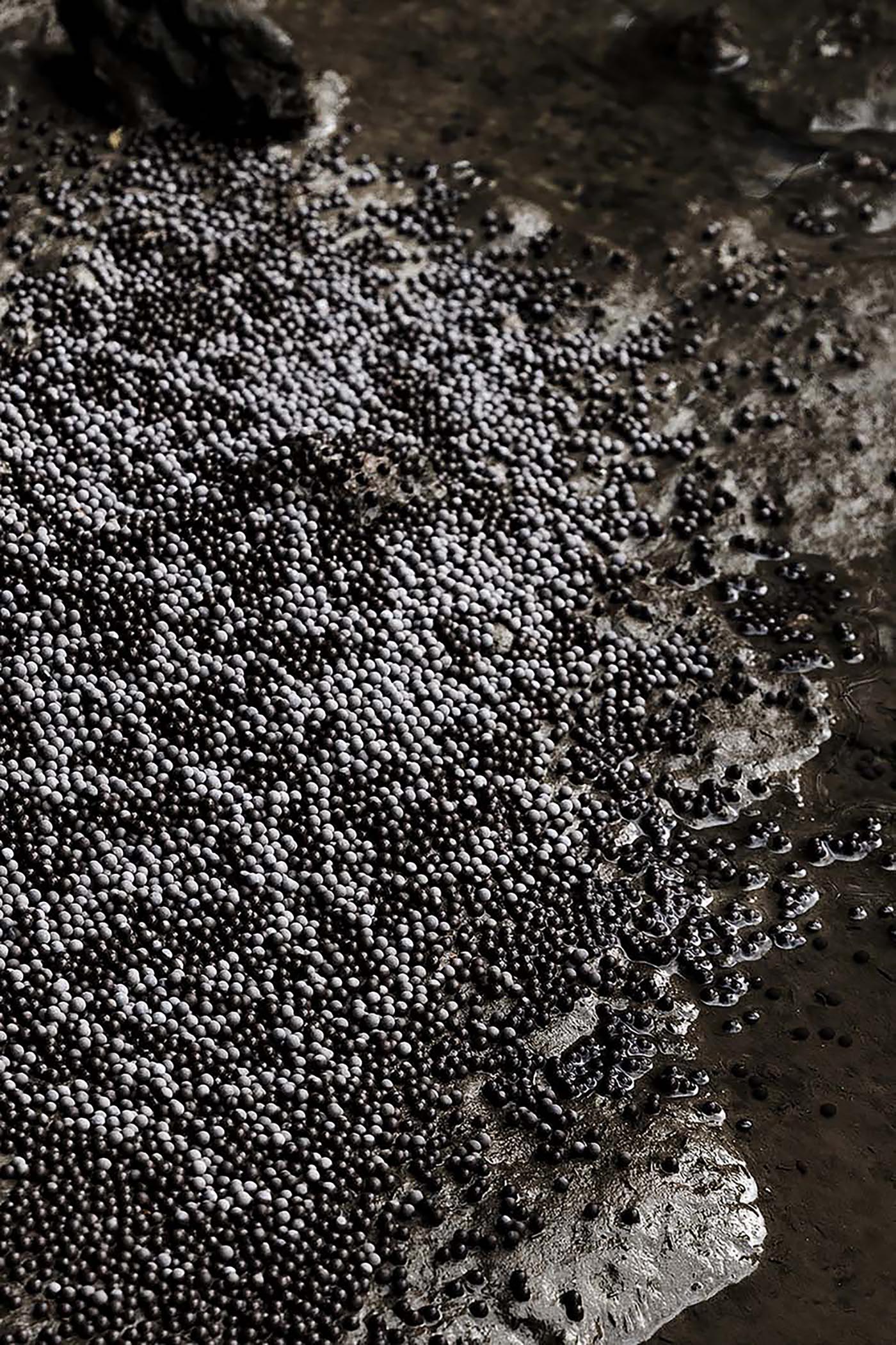
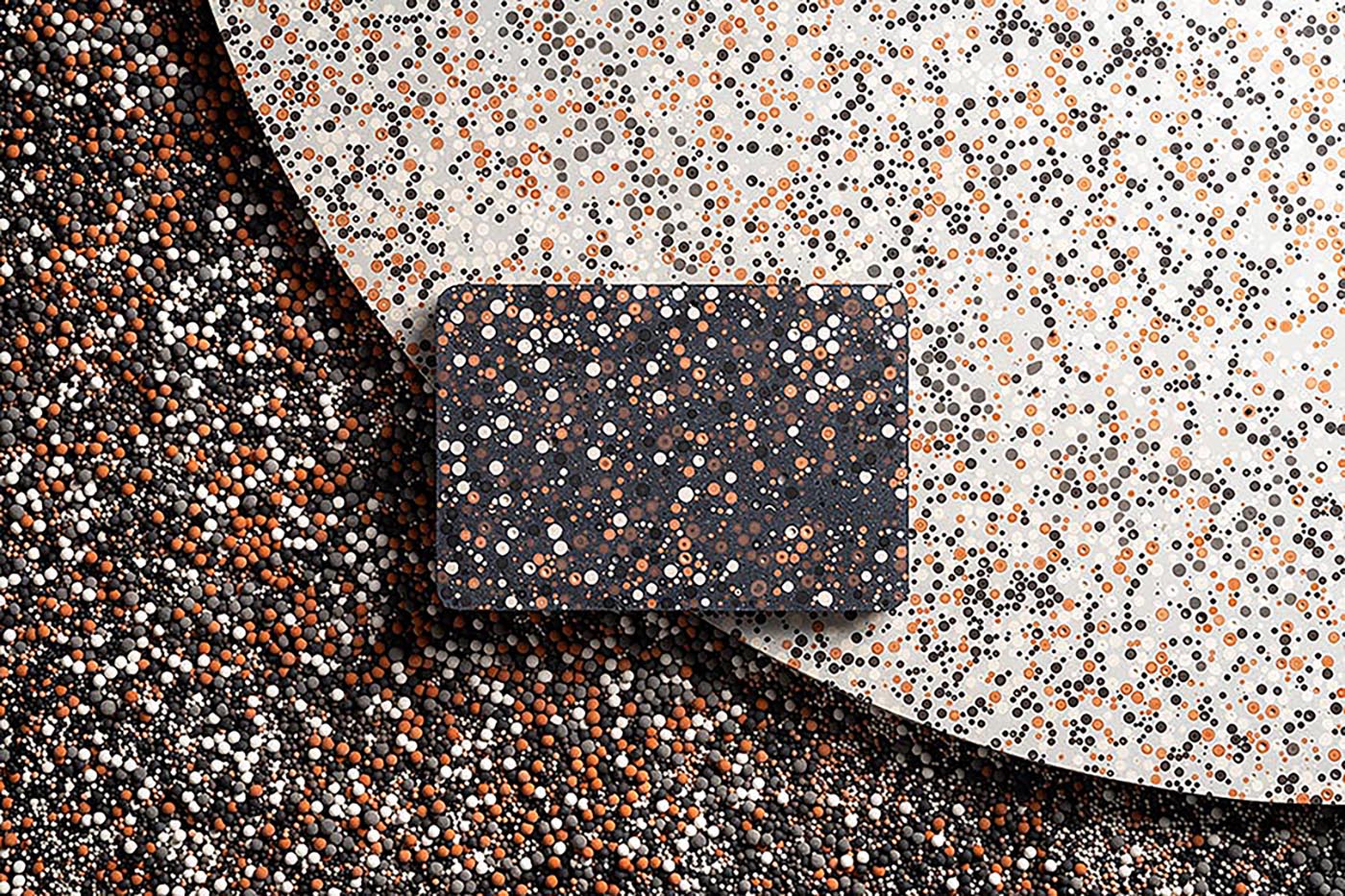
Pond silt, originally playing a crucial role, has now become a difficult-to-manage burden. If secondary utilization of this silt resource is not achieved, it will not only adversely affect land and rivers but also constitute a severe waste of energy and contribute to increased greenhouse gas emissions. In the face of the current environmental crisis, only by reconstructing a "logic of symbiosis" within the fissures of industrial civilization can we preserve a patch of "breathing" native land within the concrete jungle.
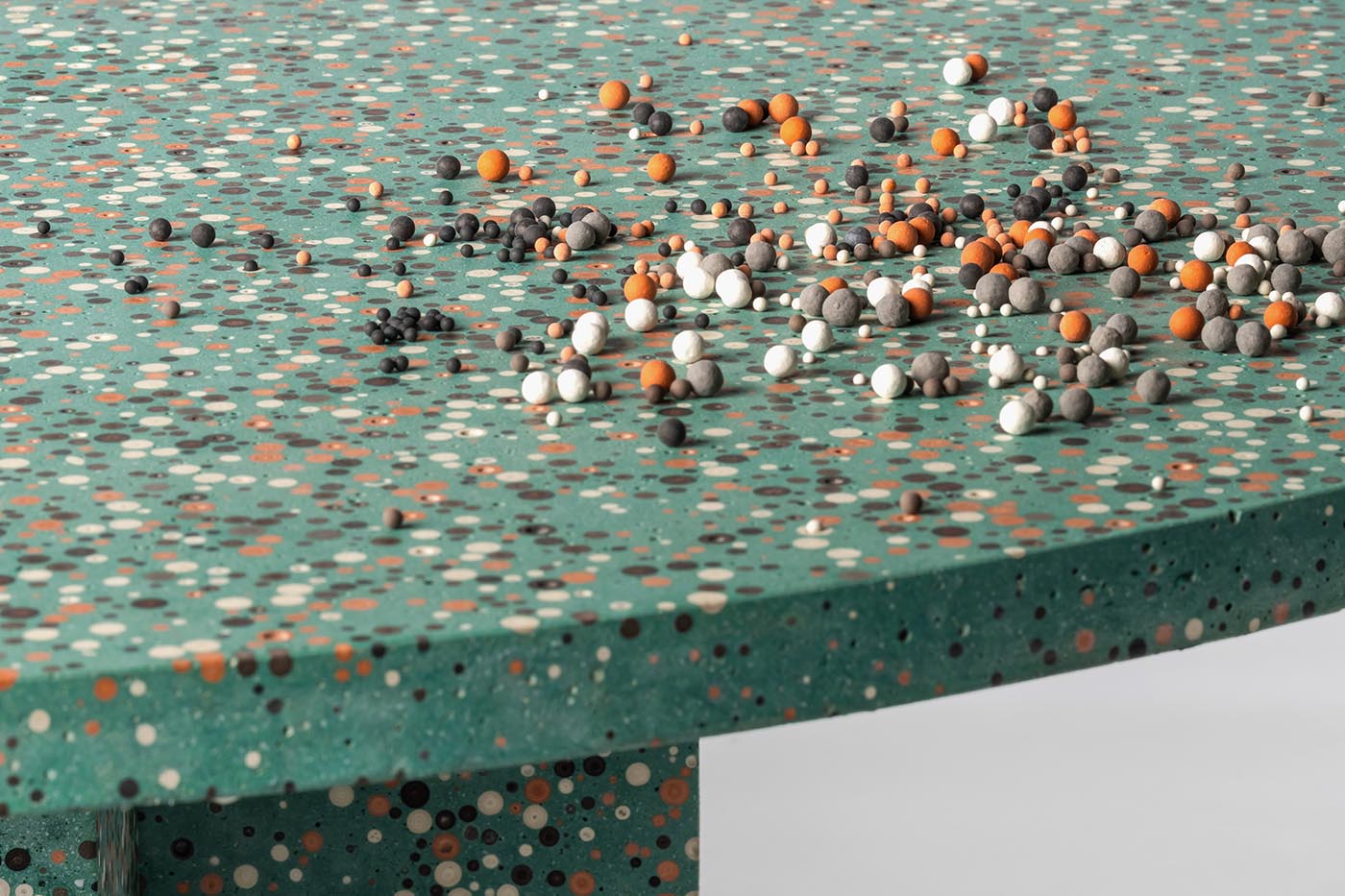
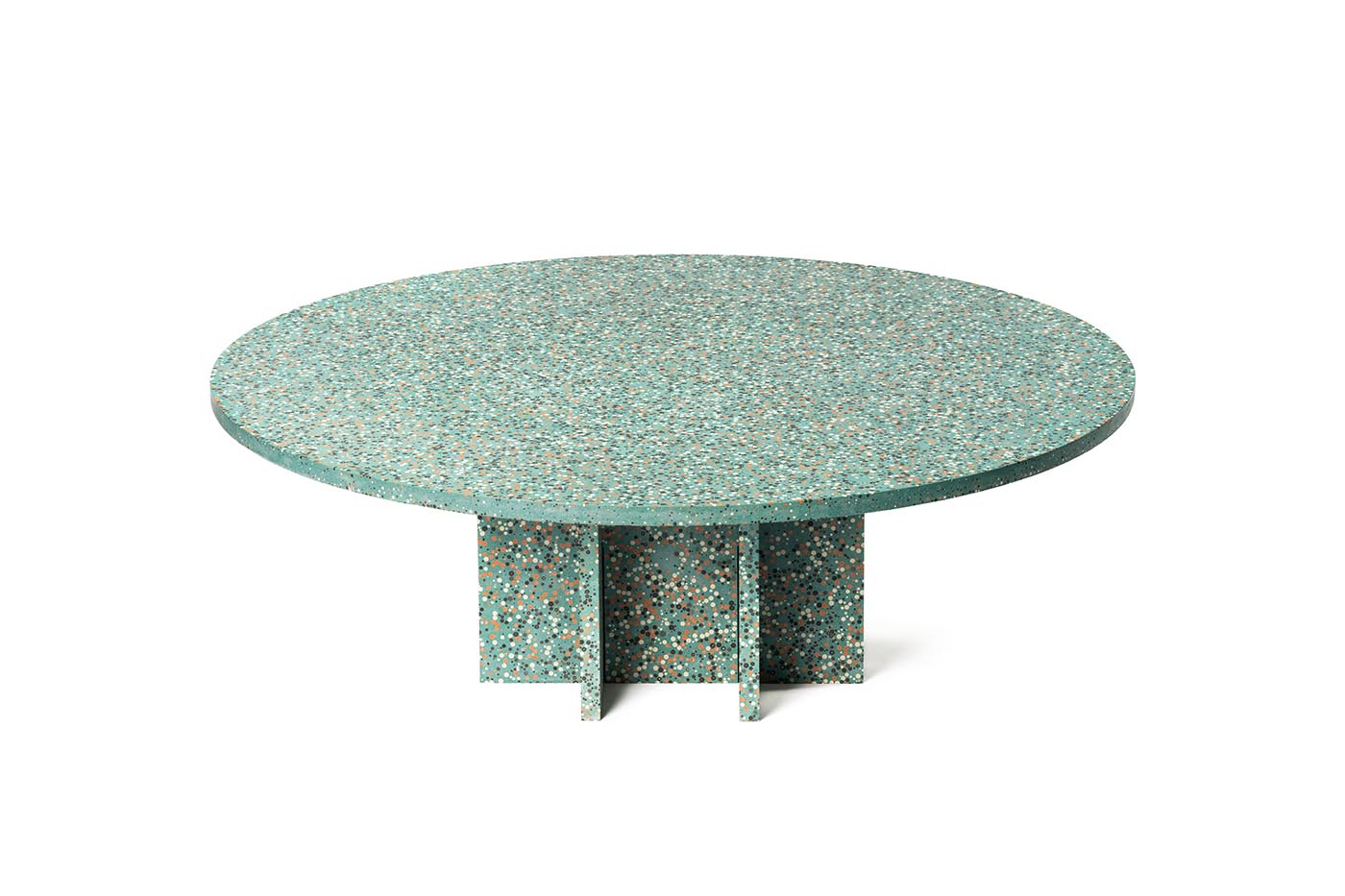
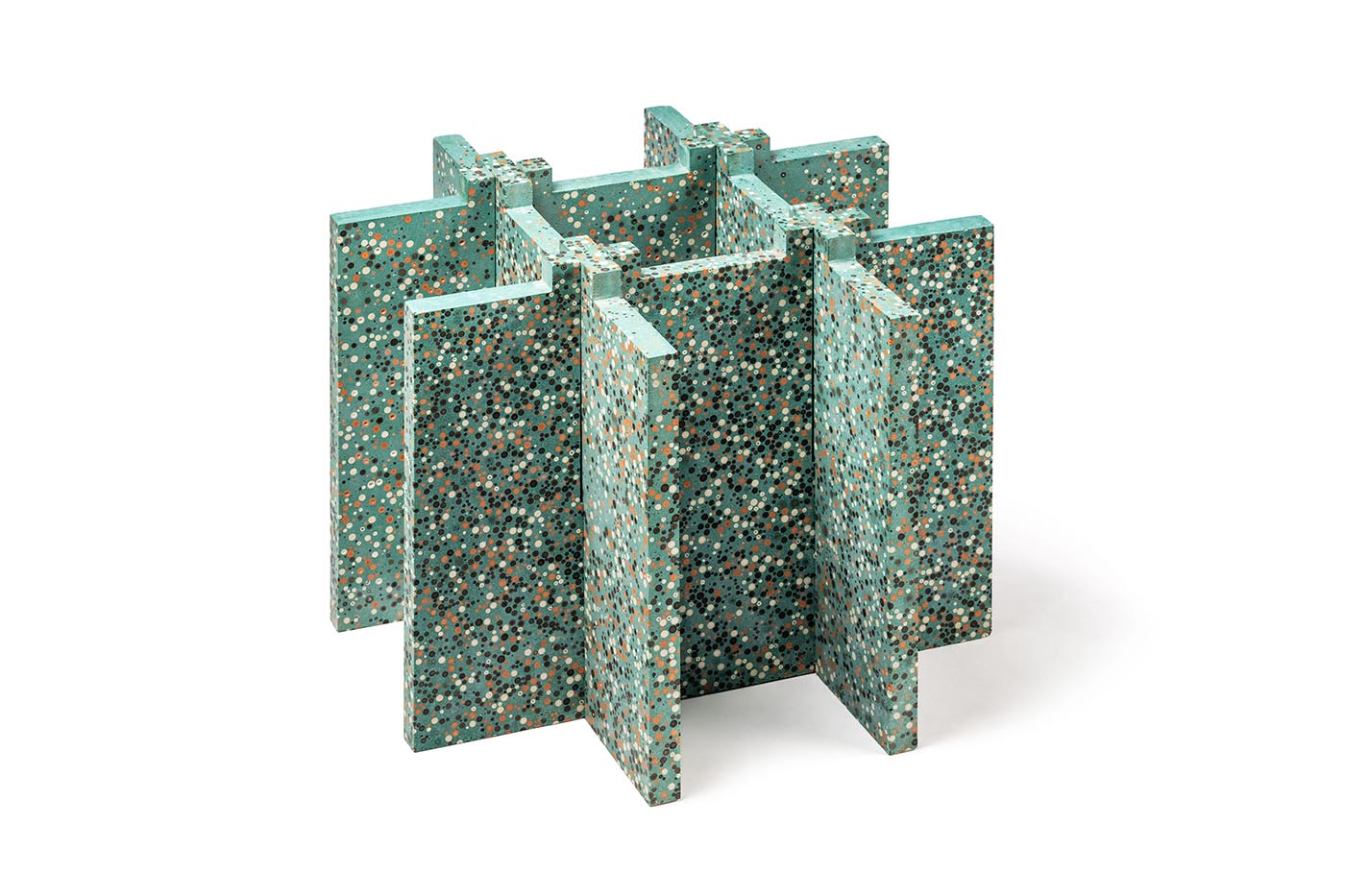
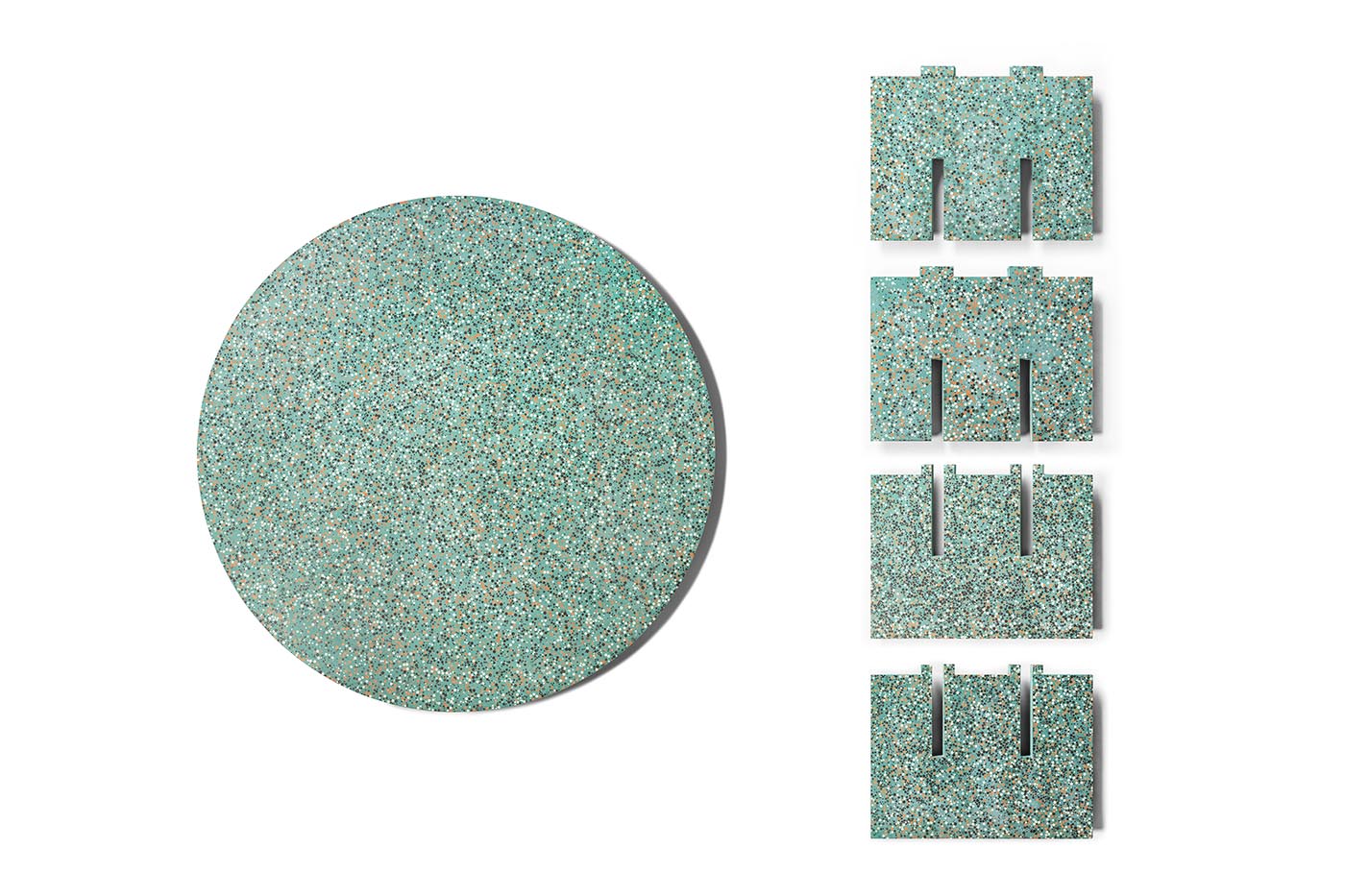
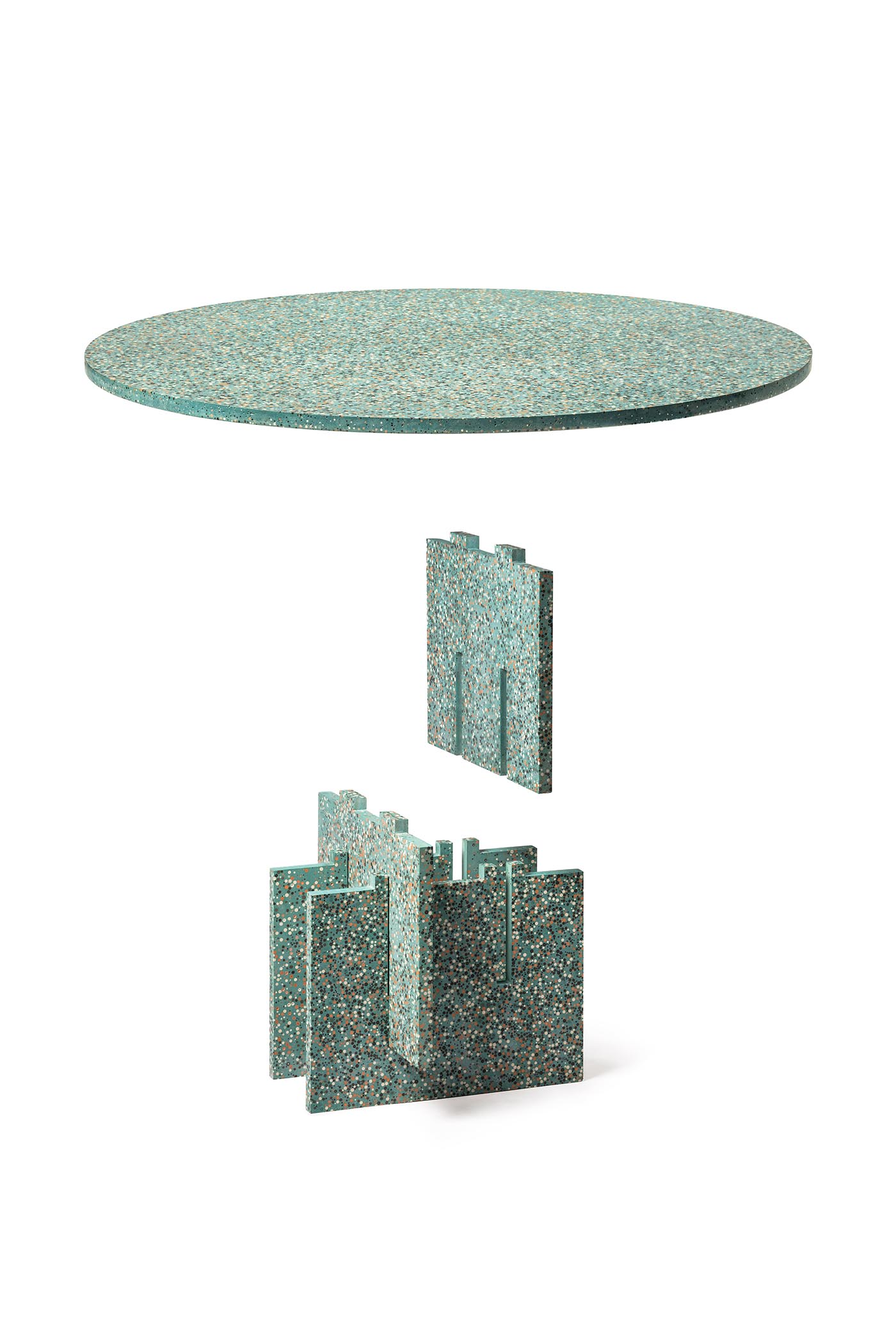
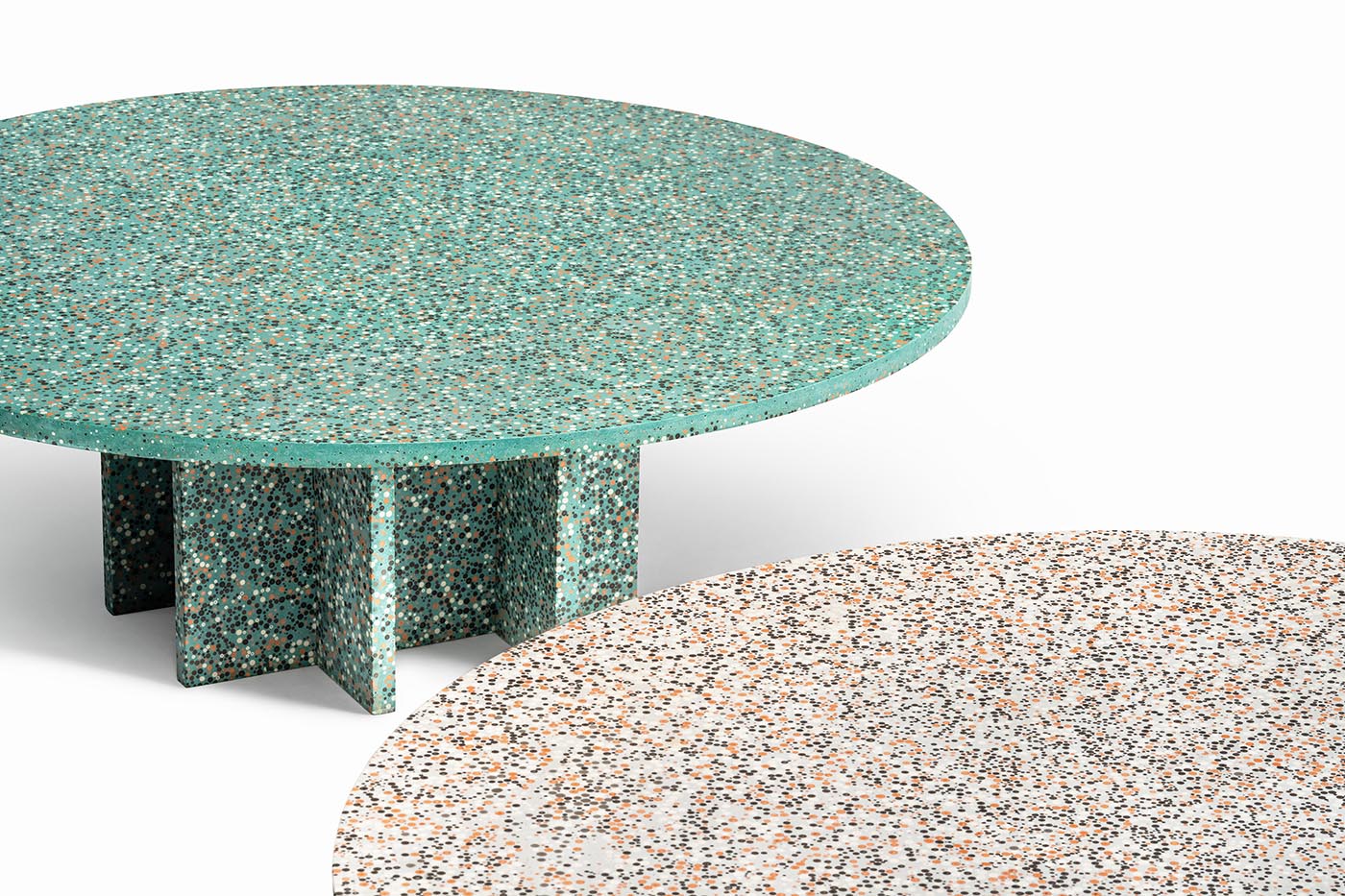
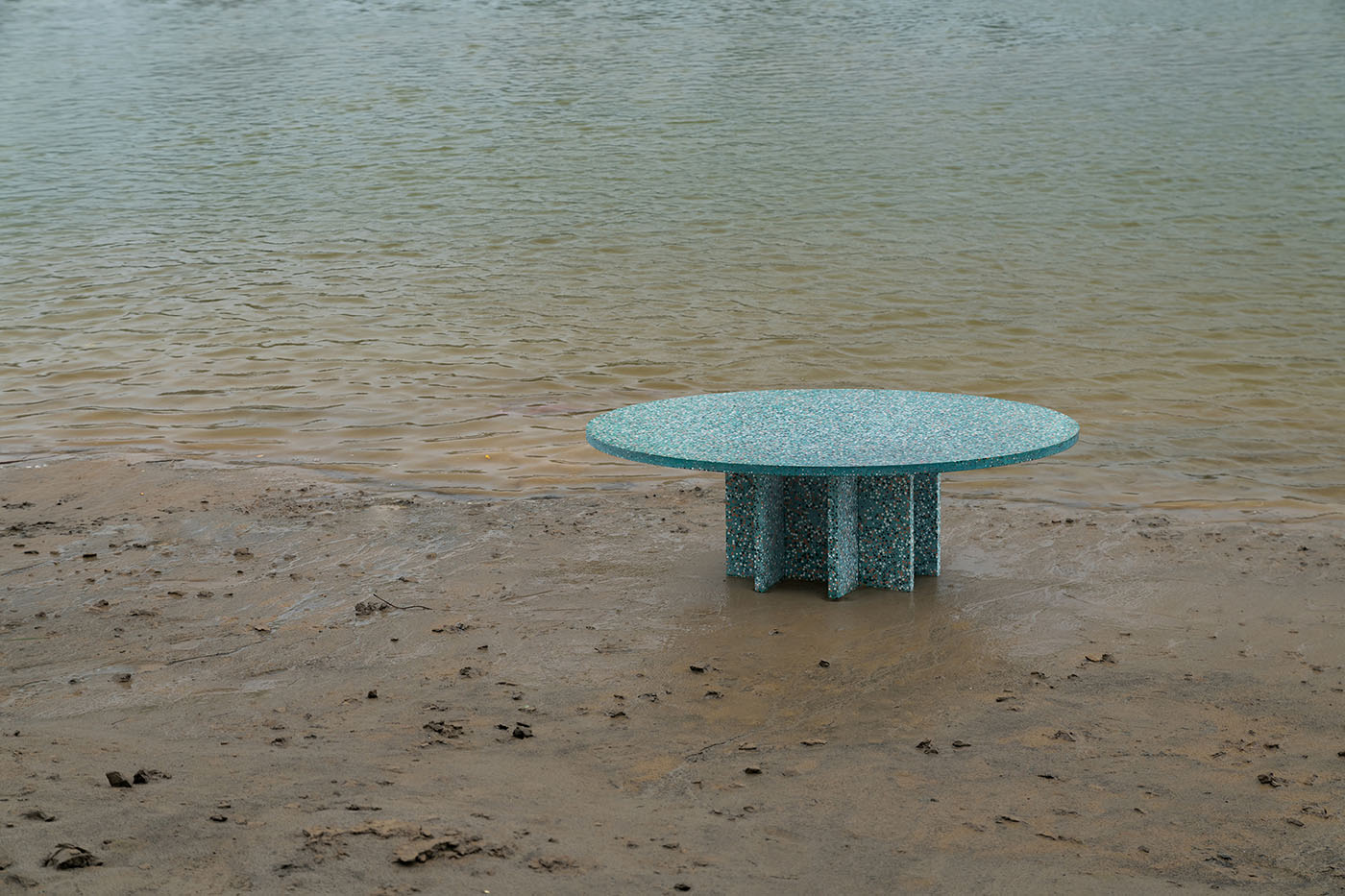
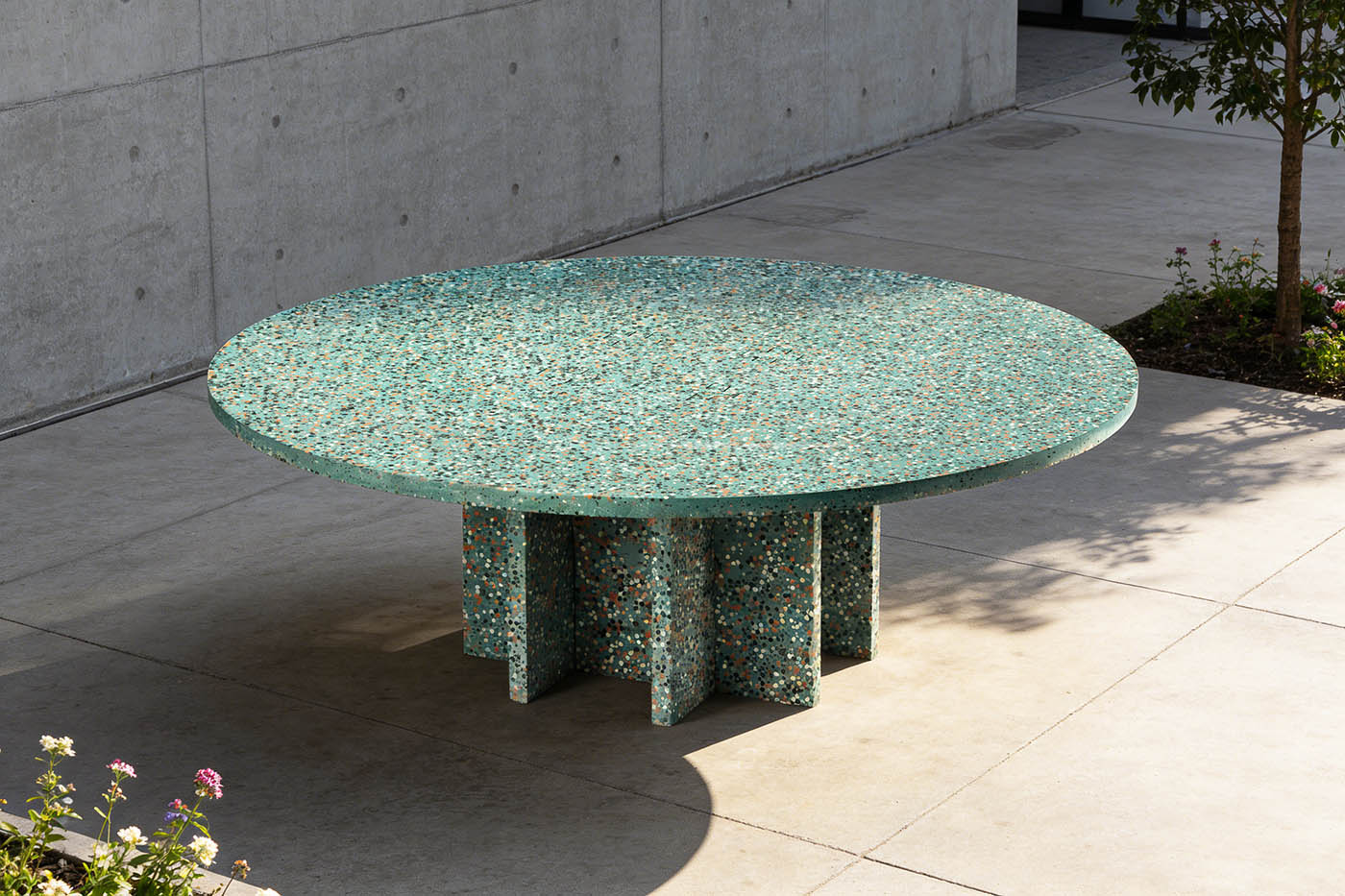
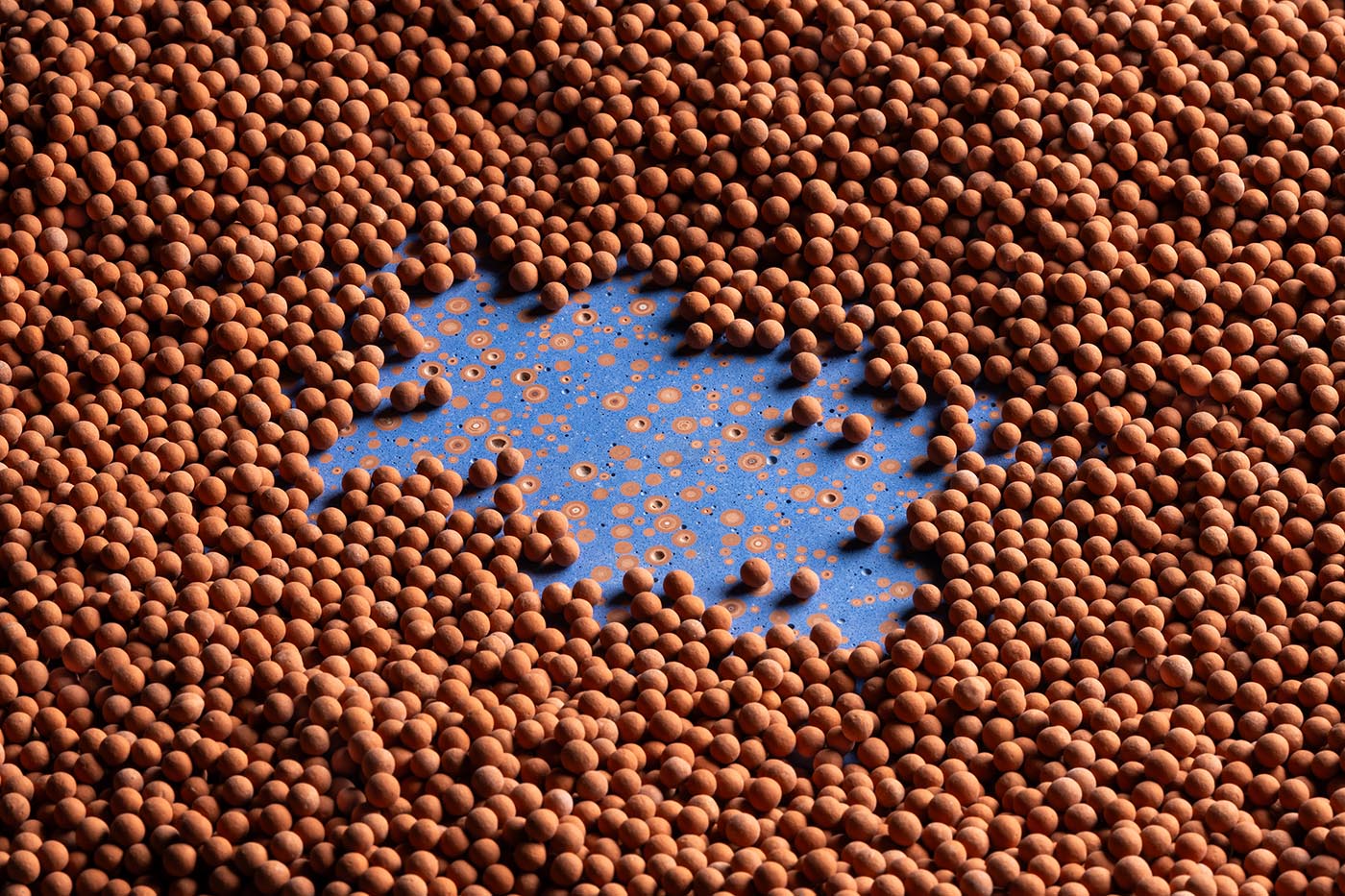
The traditional landfilling of river and pond silt not only consumes vast amounts of precious land resources but also carries the long-term risk of leachate contaminating groundwater and soil—a classic case of transferring pollution rather than eliminating it. Technological innovation is key. Developing a process for creating unfired ceramsite boards from silt, solidified via alkali-activation or other stimulating agents, offers a solution. In the production process, compared to traditional ceramsite sintering (requiring 1080°C for 14 minutes), the unfired process employs ambient temperature curing or low-temperature steam curing (150-200°C for 30 minutes), reducing energy consumption by over 70%. The production of each ton of ceramsite can reduce CO₂ emissions by approximately 300 kg, significantly lowering carbon emissions.
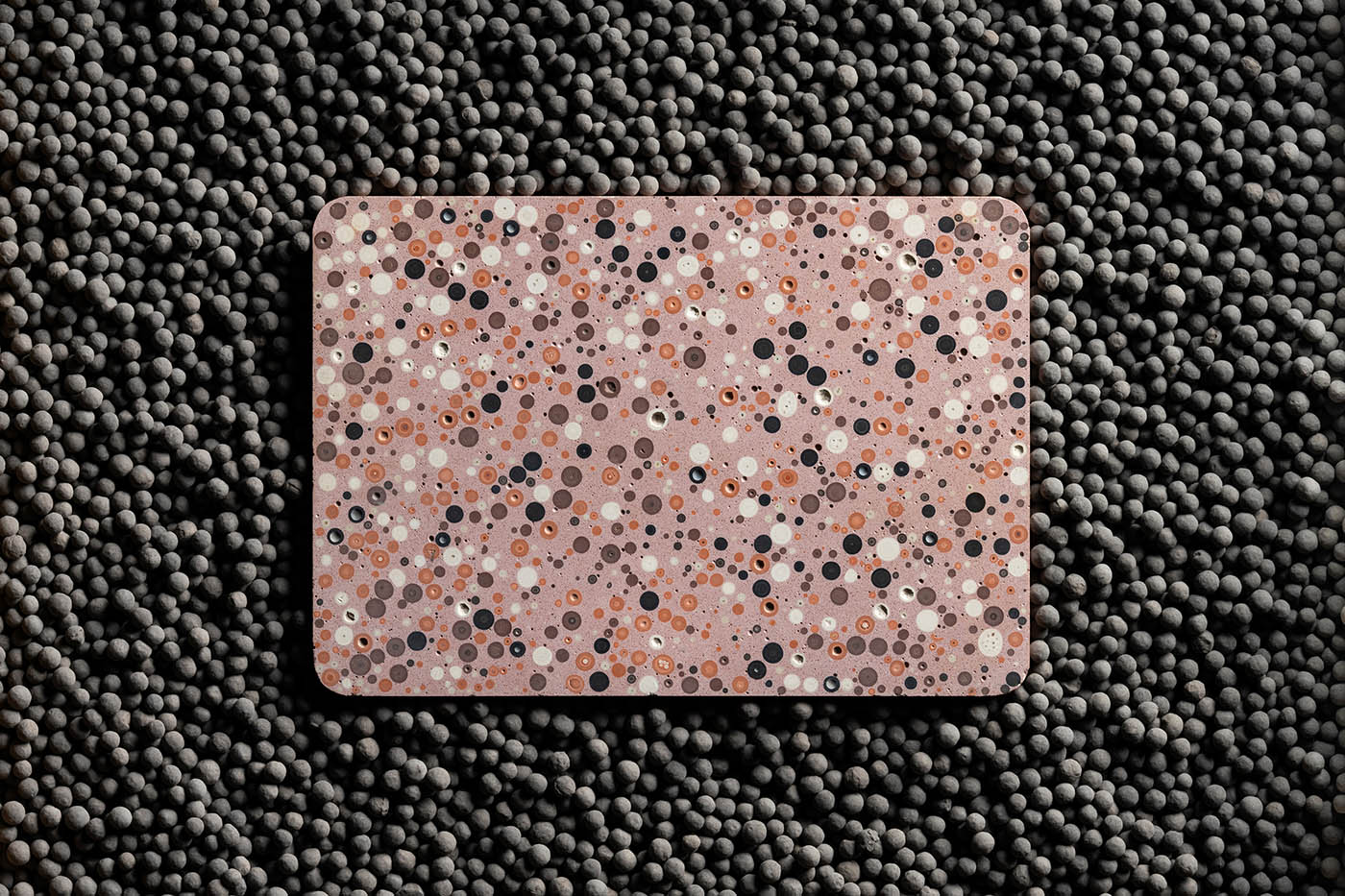
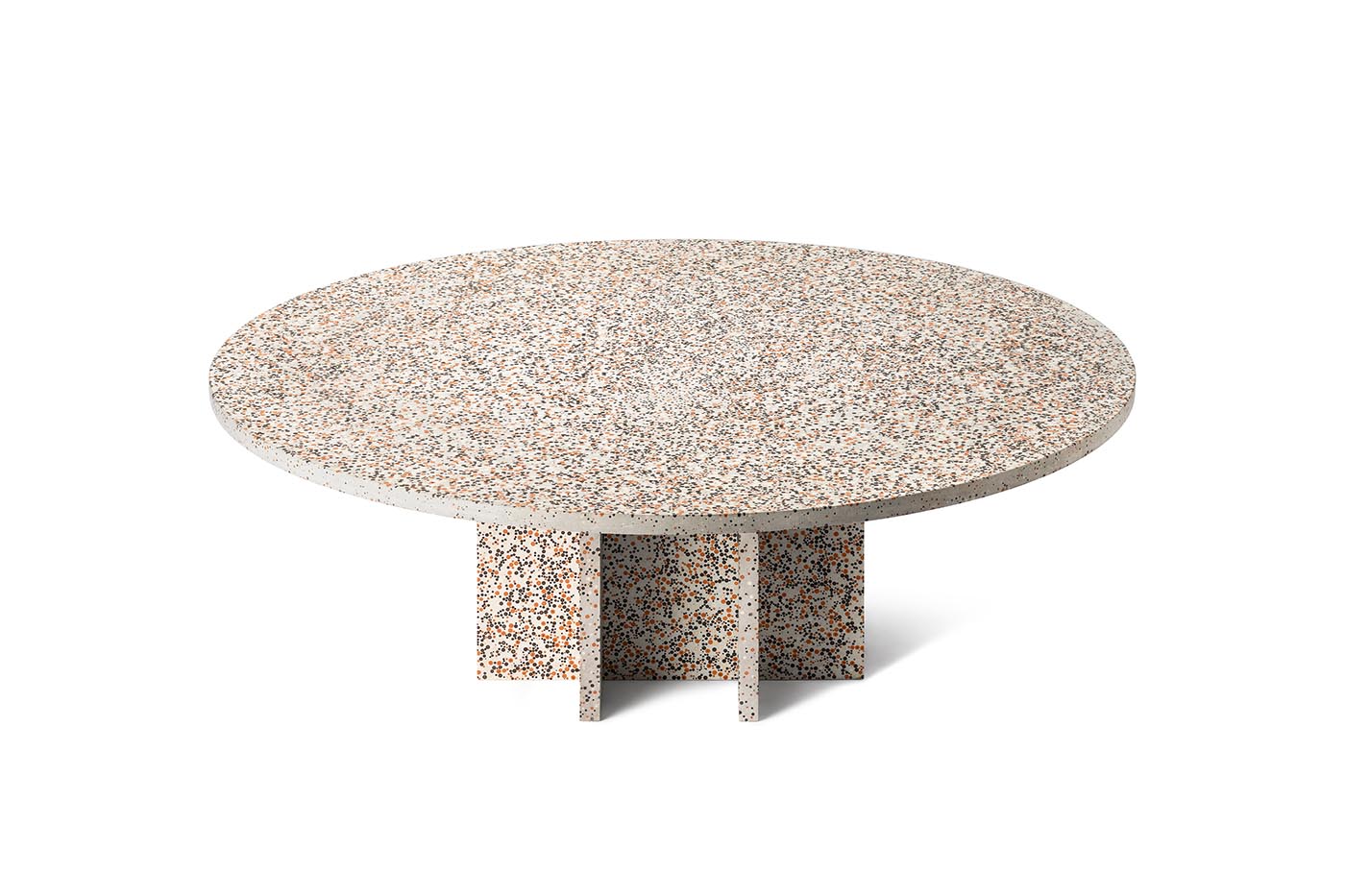
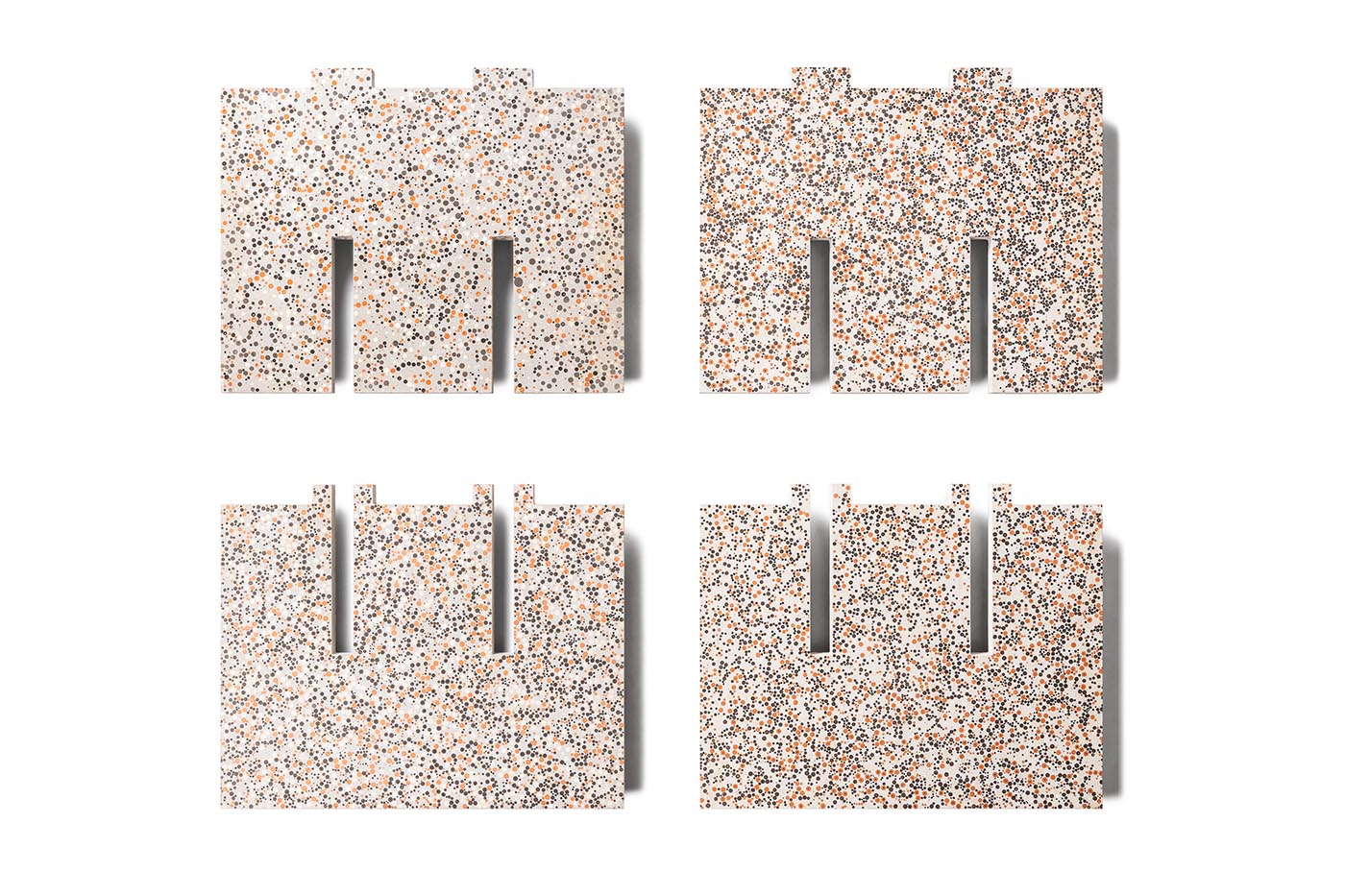
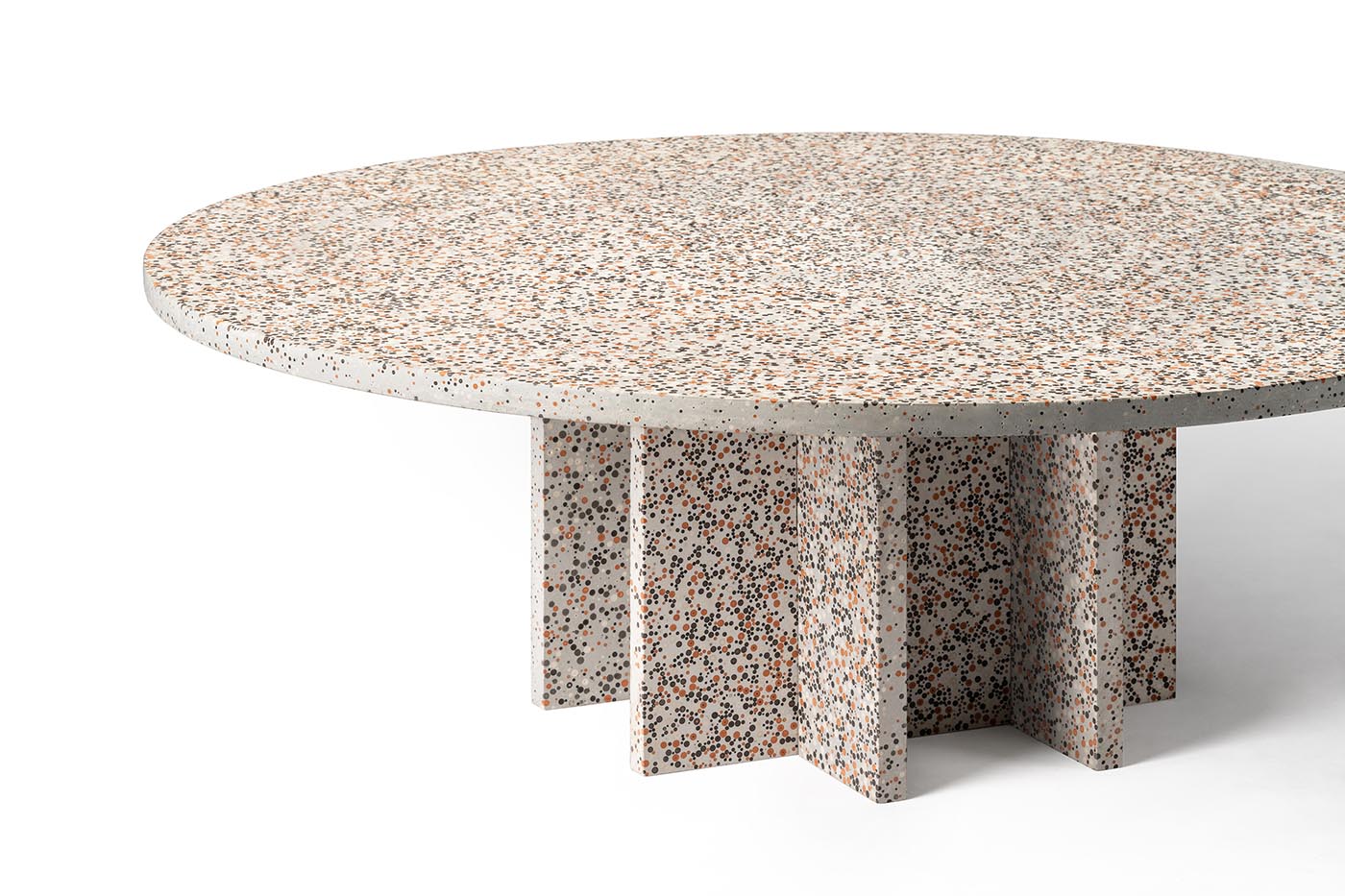
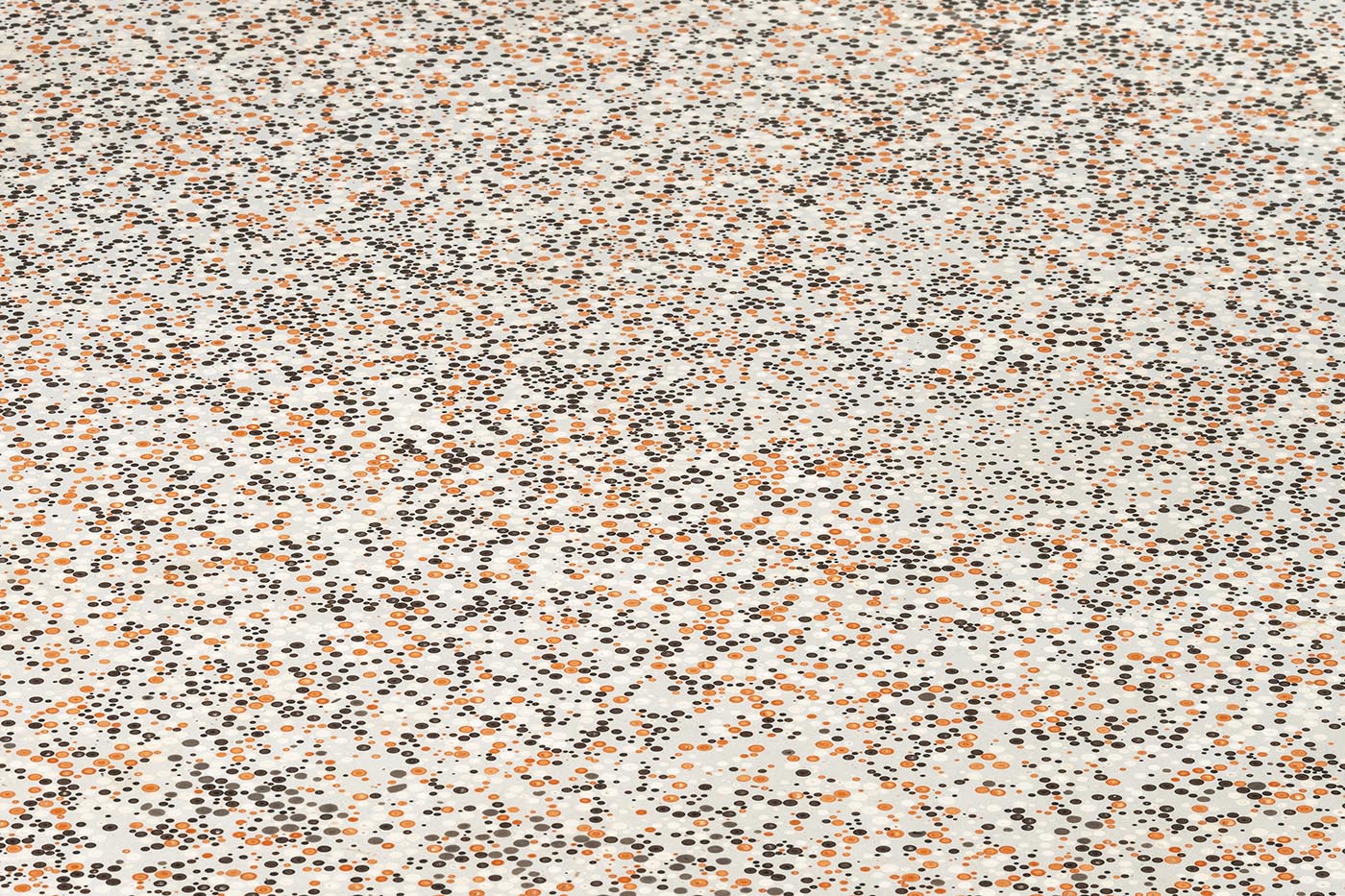
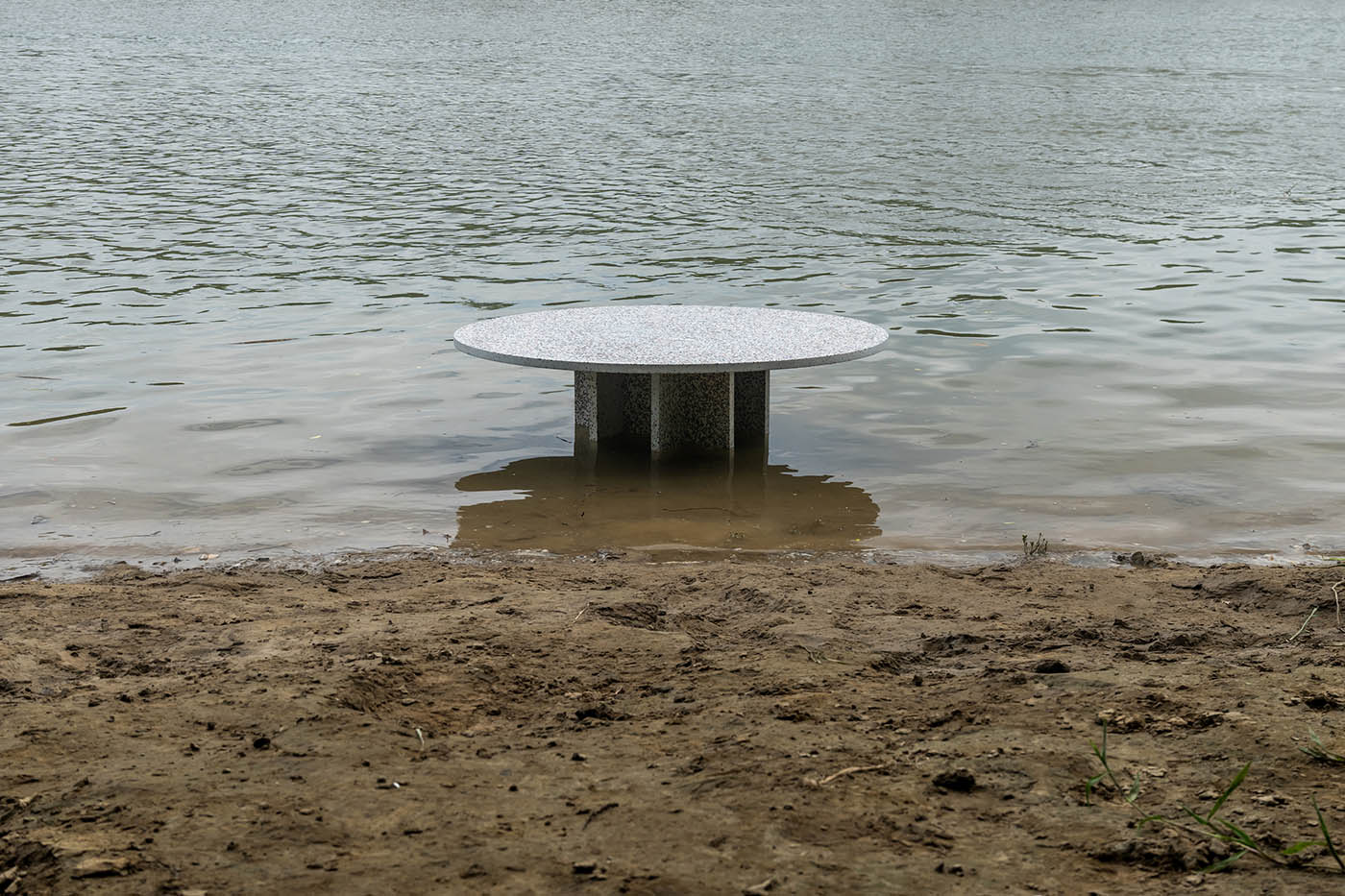

By meticulously controlling surface color, particle size, and morphology, "waste earth" is sublimated into a new material possessing both ecological value and artistic expression. This expands application scenarios and reshapes the public's perception of solid waste resources, transforming it from something dirty and useless into something malleable and valuable.
The transformation in the color, form, and texture of silt-based circular materials turns environmental remediation outcomes into perceptible aesthetic symbols. Through this "visible cycle", it makes abstract concepts tangible and resonant. Furthermore, by integrating design, art, and technology, it reshapes public understanding of ecological value. The material is no longer a cold surface but becomes a physical carrier of "land memory". This represents the perfect fusion of technological rationality and humanistic spirit in the pursuit of a sustainable future.




- Contact
+8620 8977 0506
- Press
press@bentudesign.com
- Enquiry & Sales
info@bentudesign.com


