


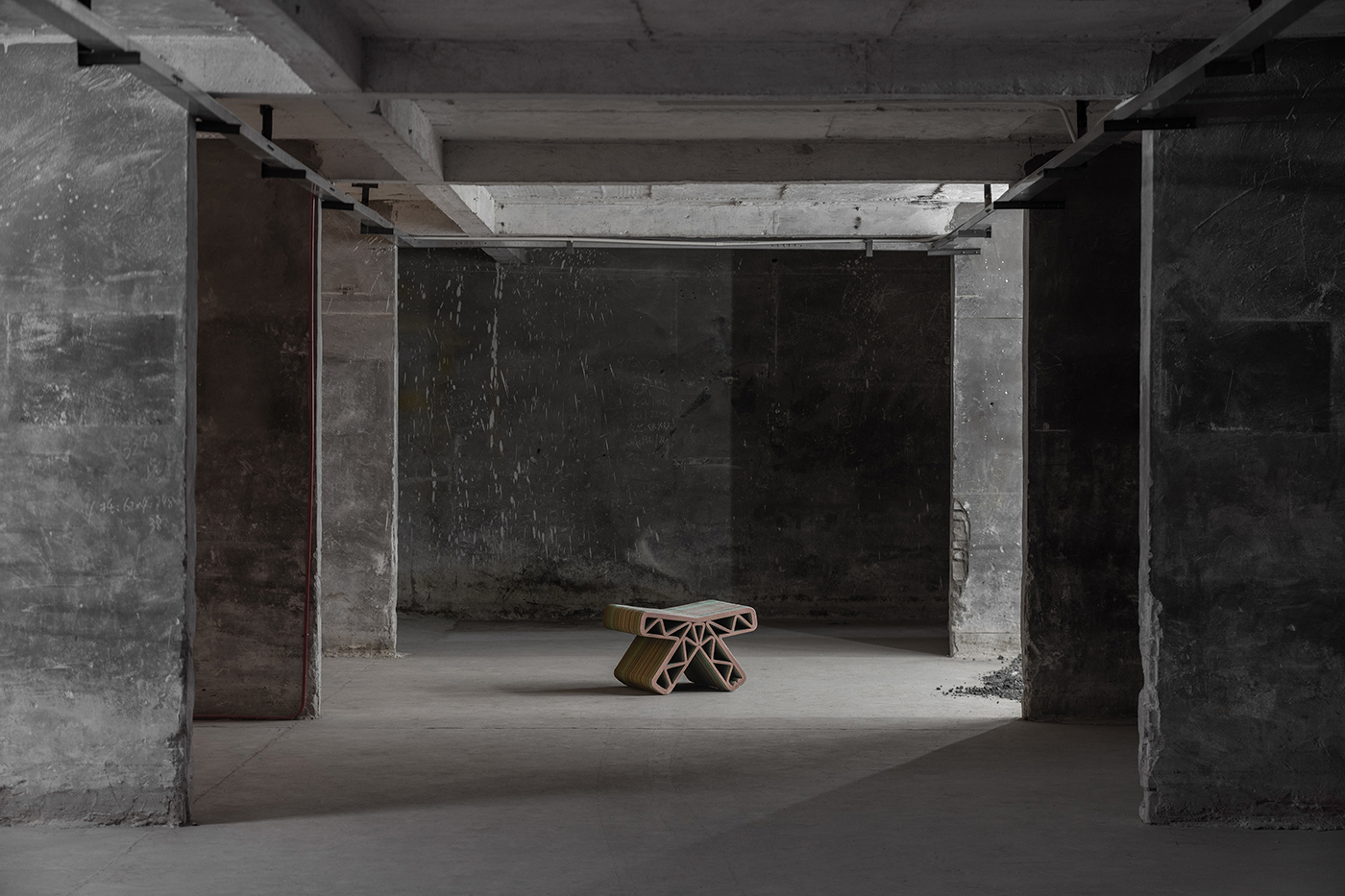
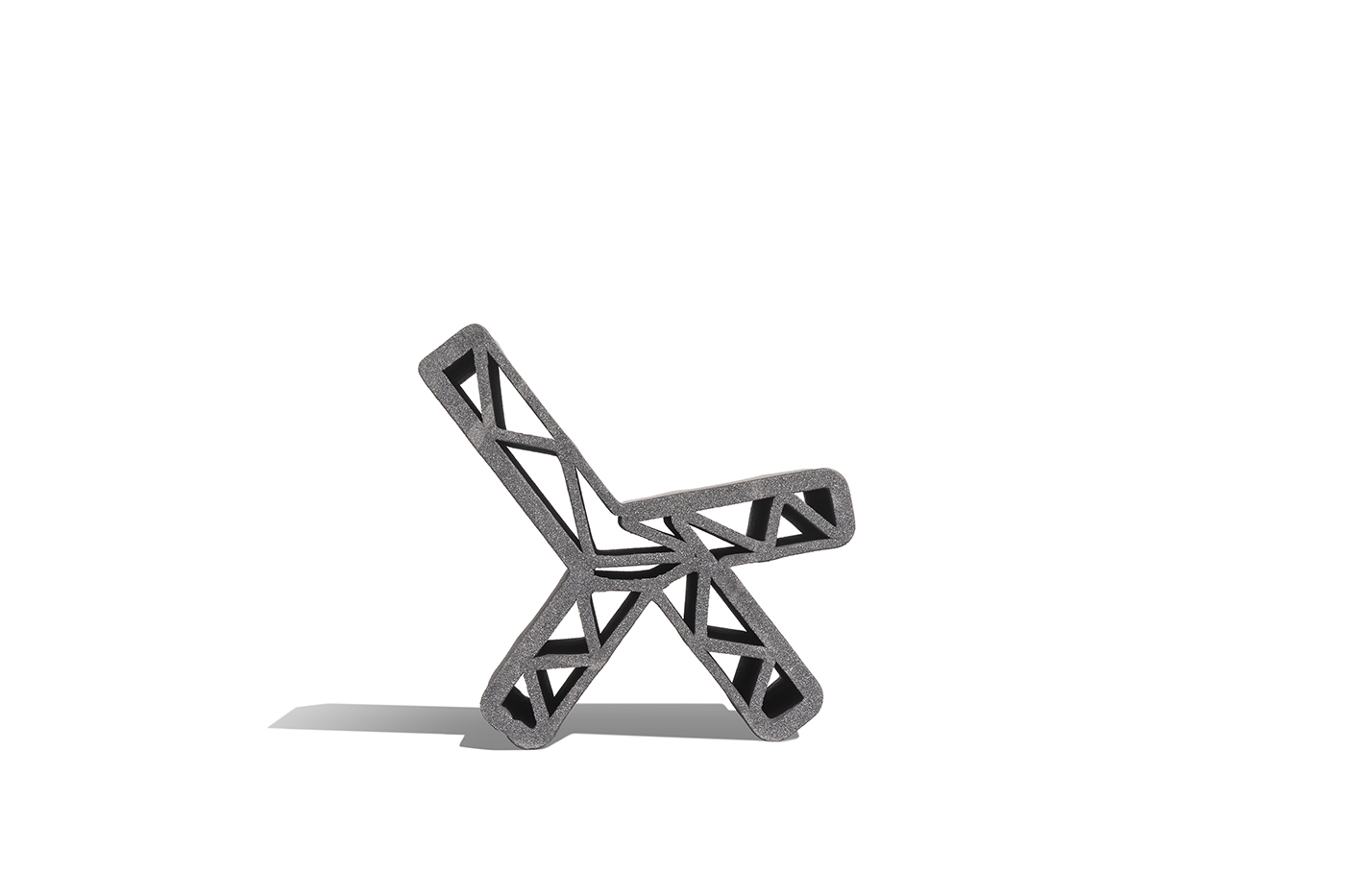
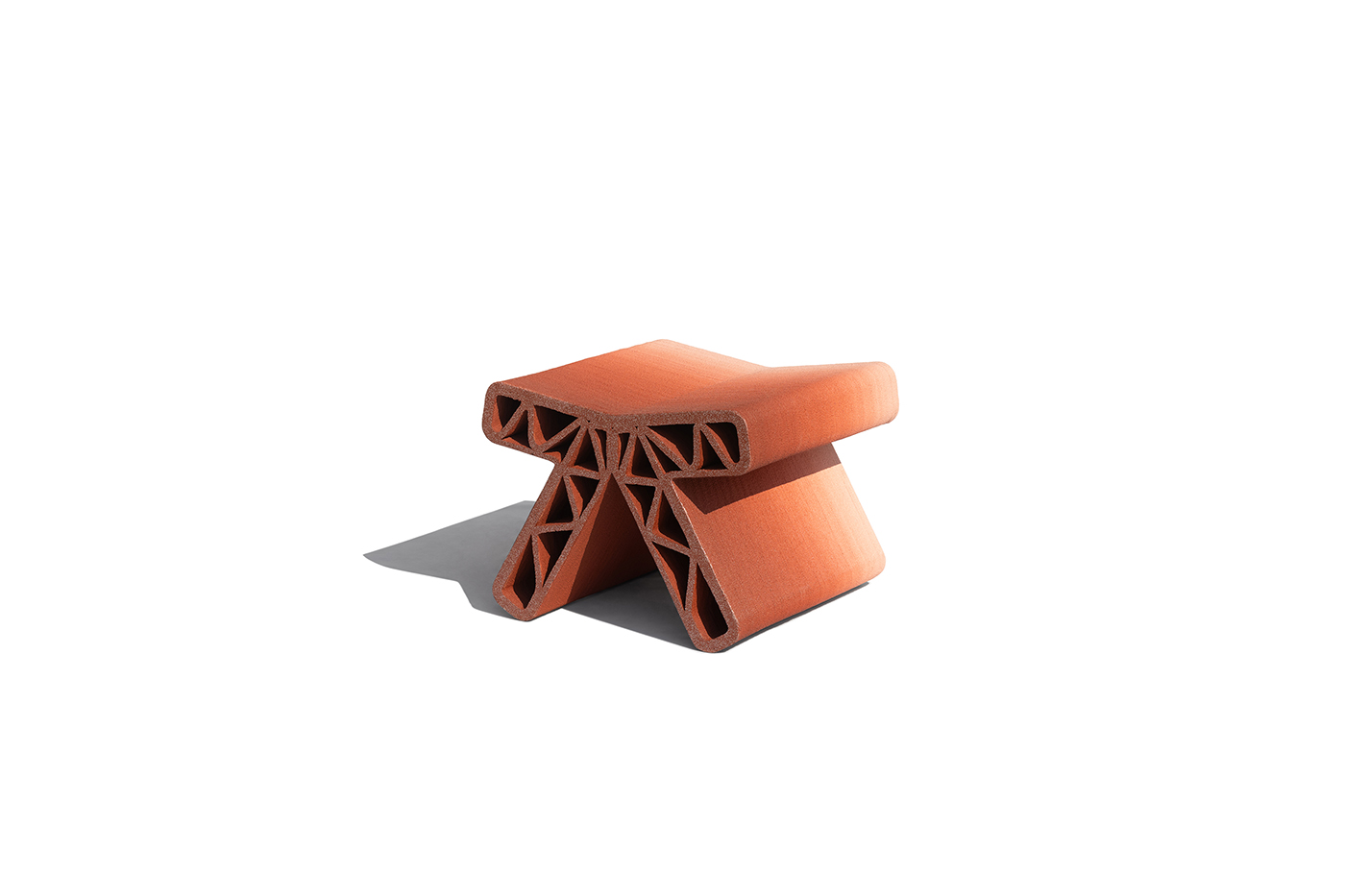
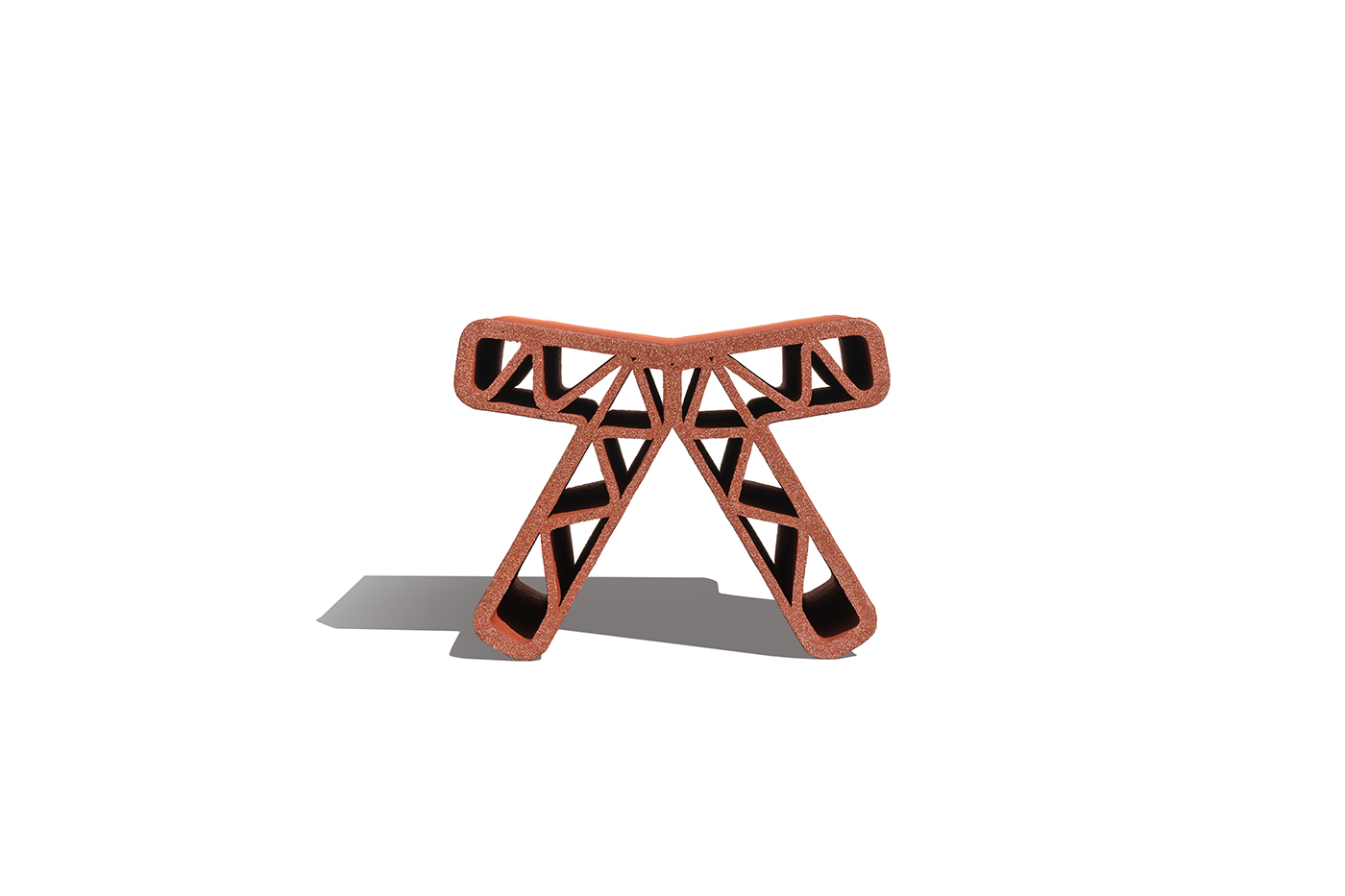
3D-Printed Chair Recycled From Construction Waste · XUAN
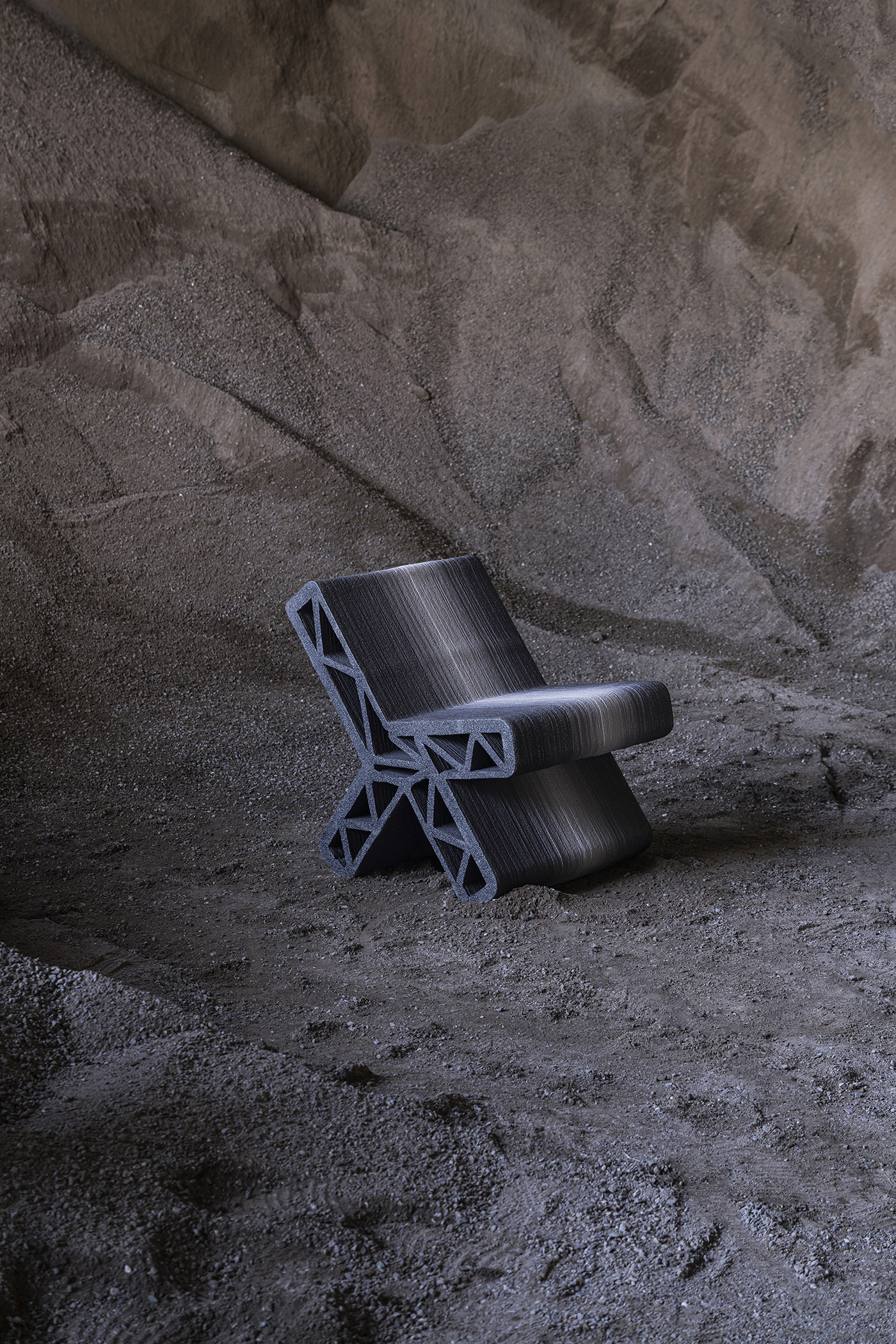
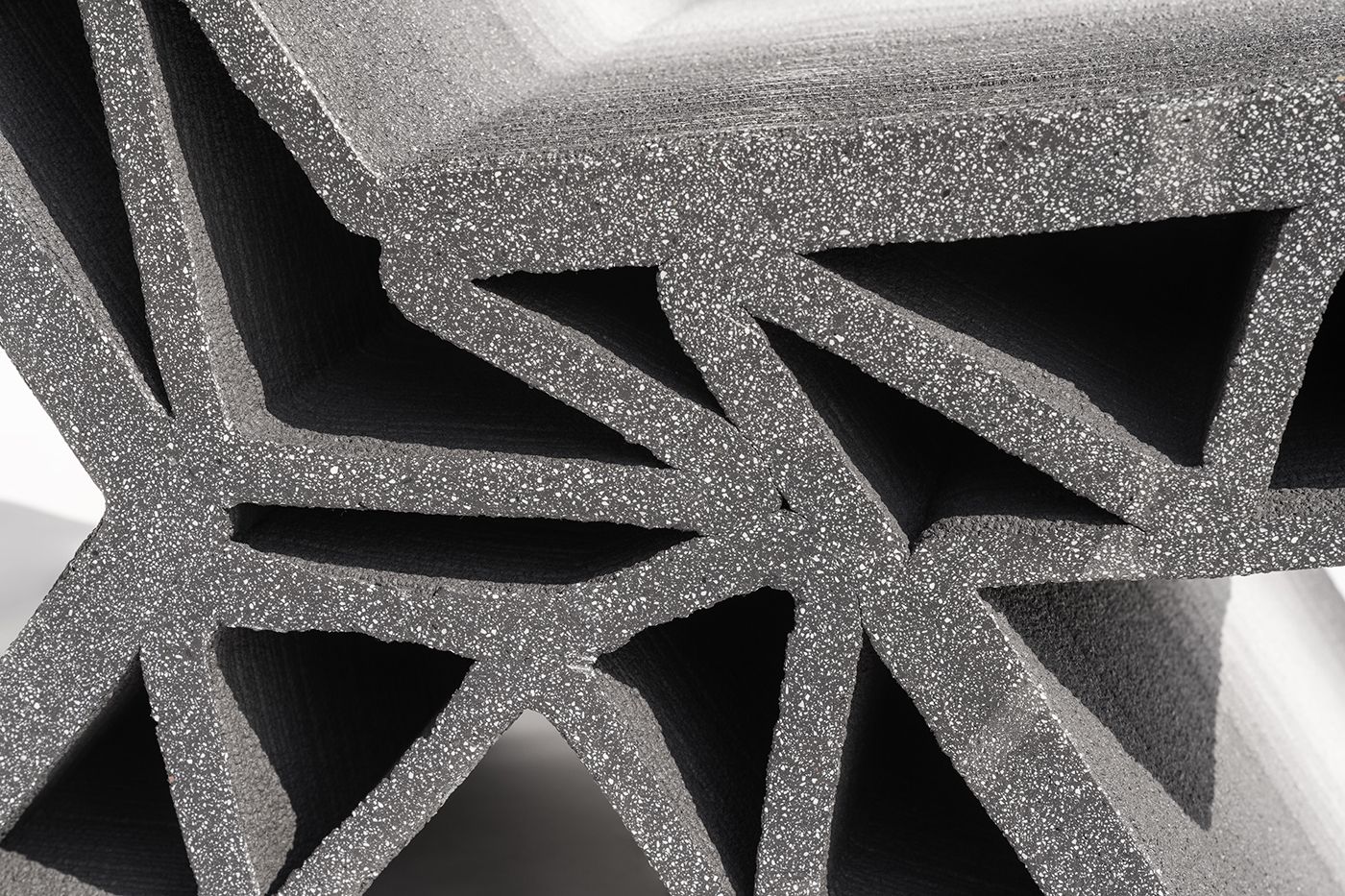
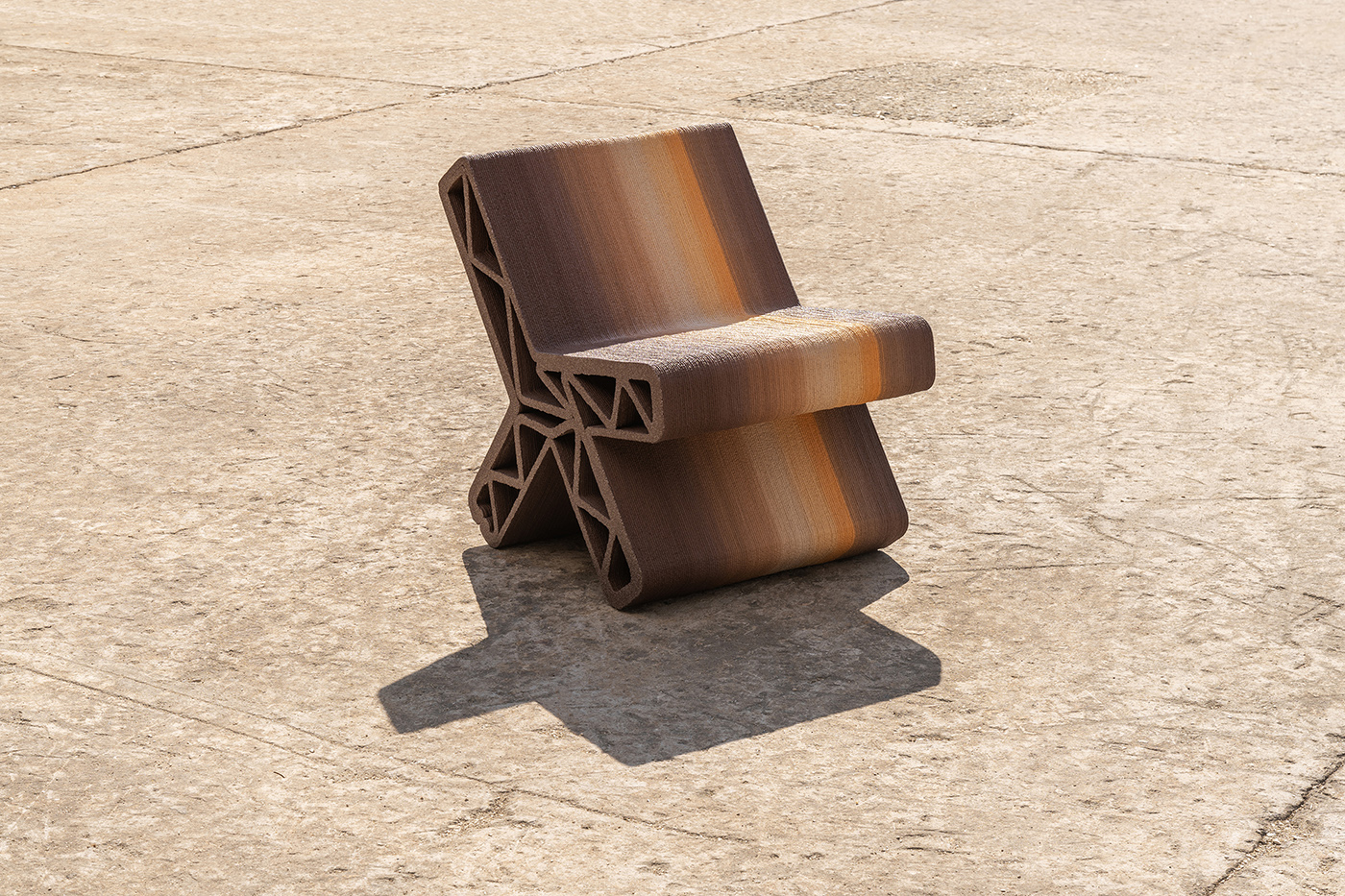
Material: BTPC、Recycling of construction waste、 Chaozhou household ceramic sand、fly ash、active silica powder、polymer materials
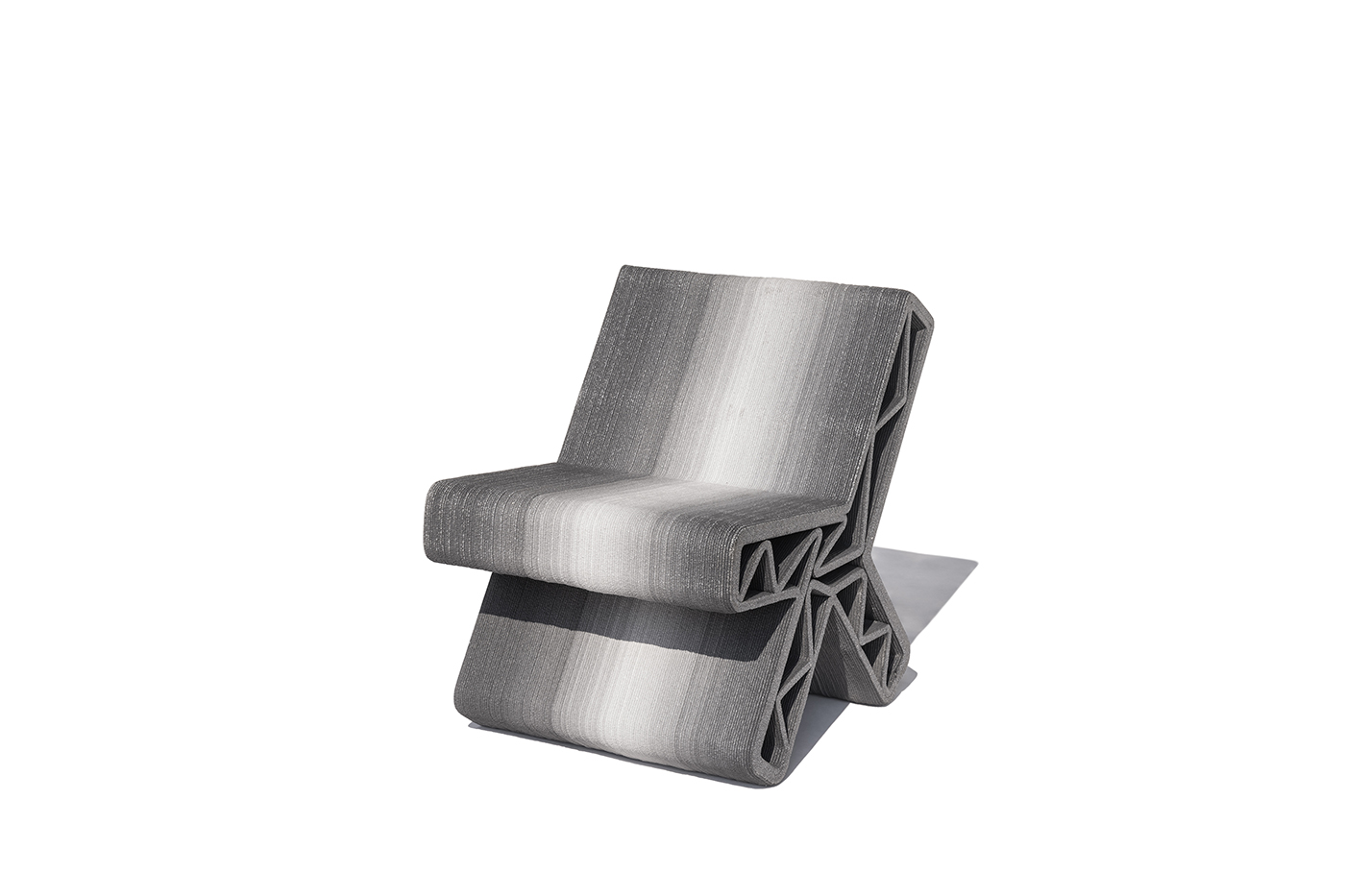
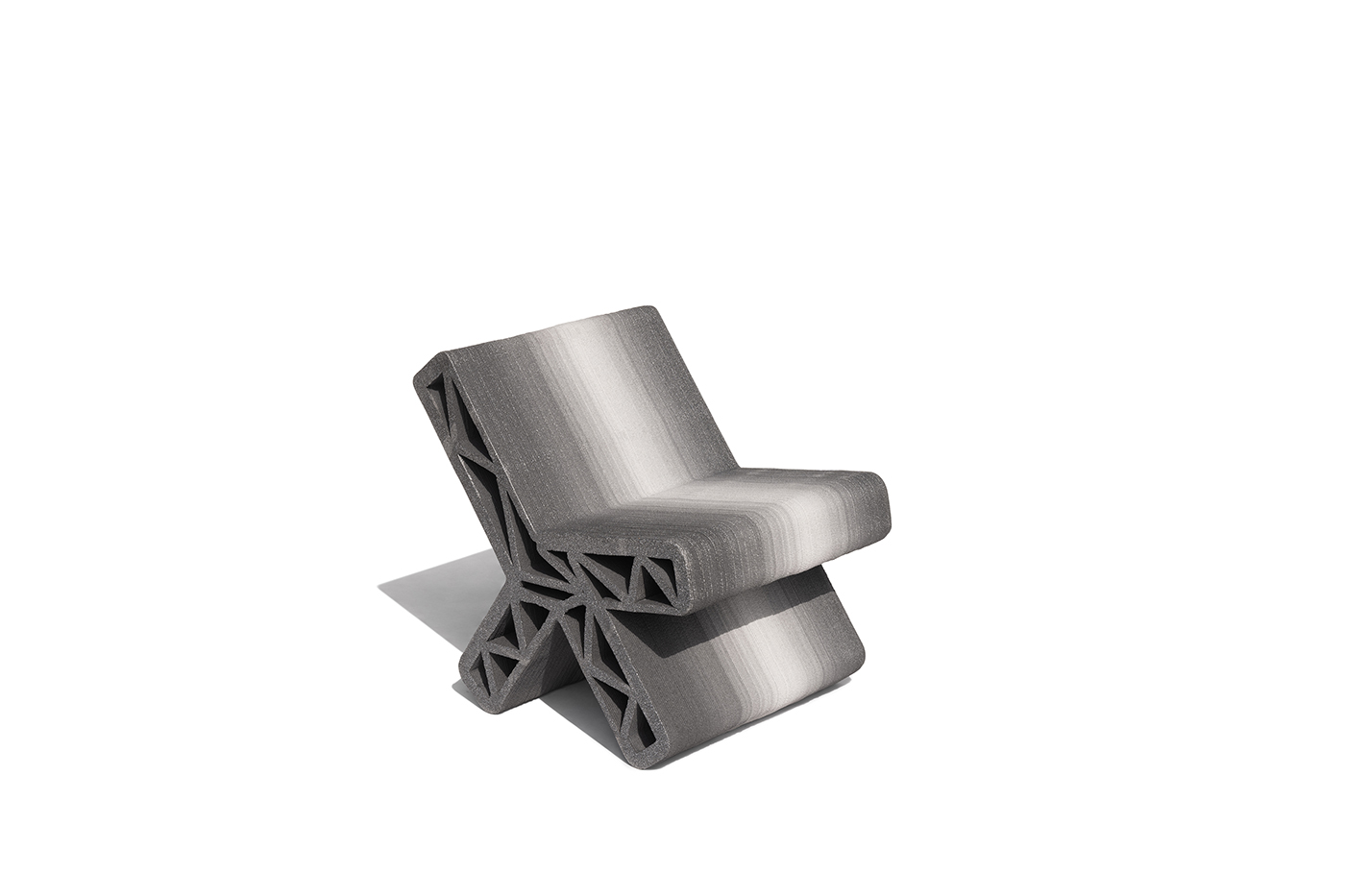
Size: L715xW580xH720 / L580xW430xH540 mm
Weight: 110 / 70 kg
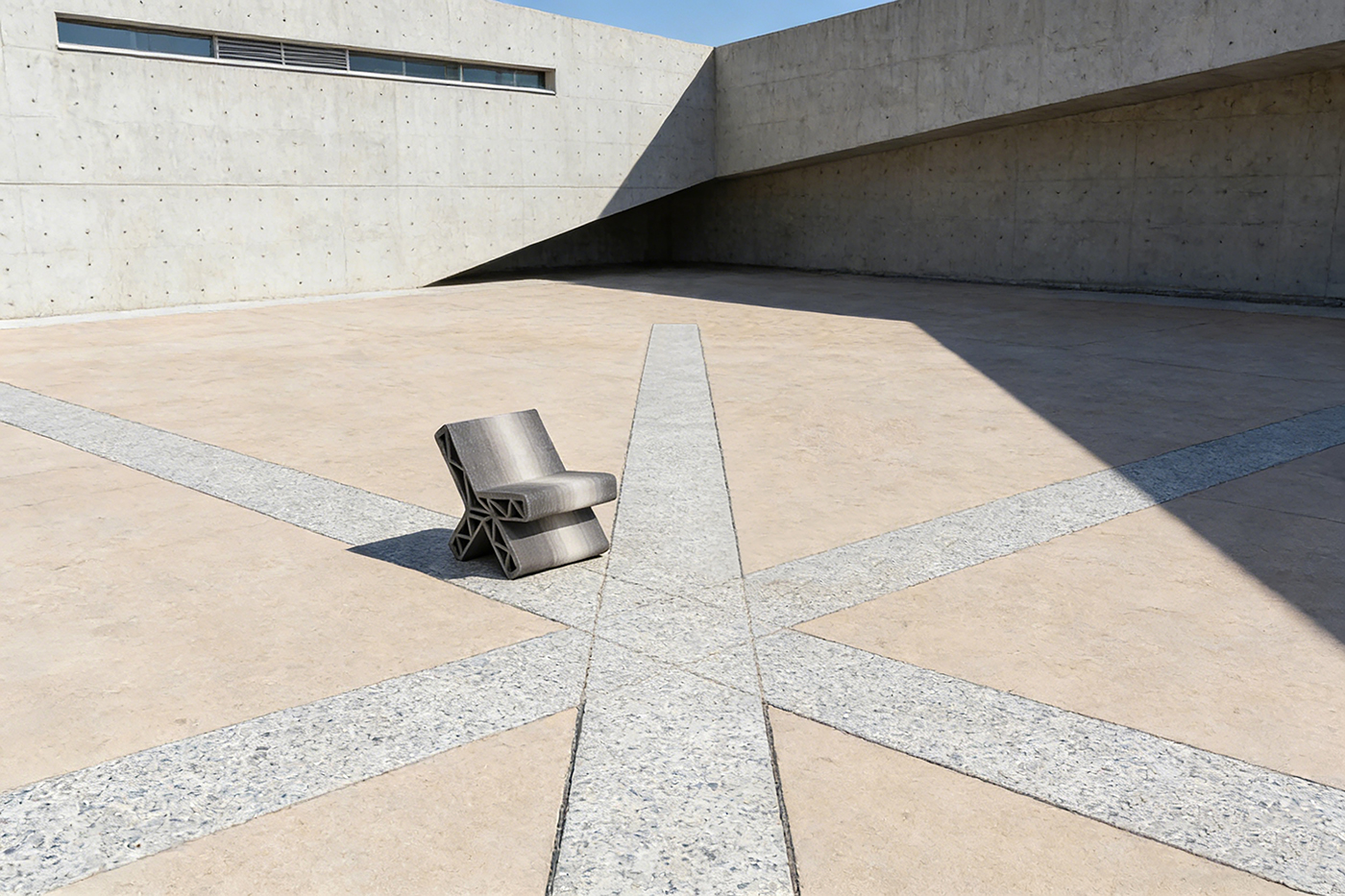
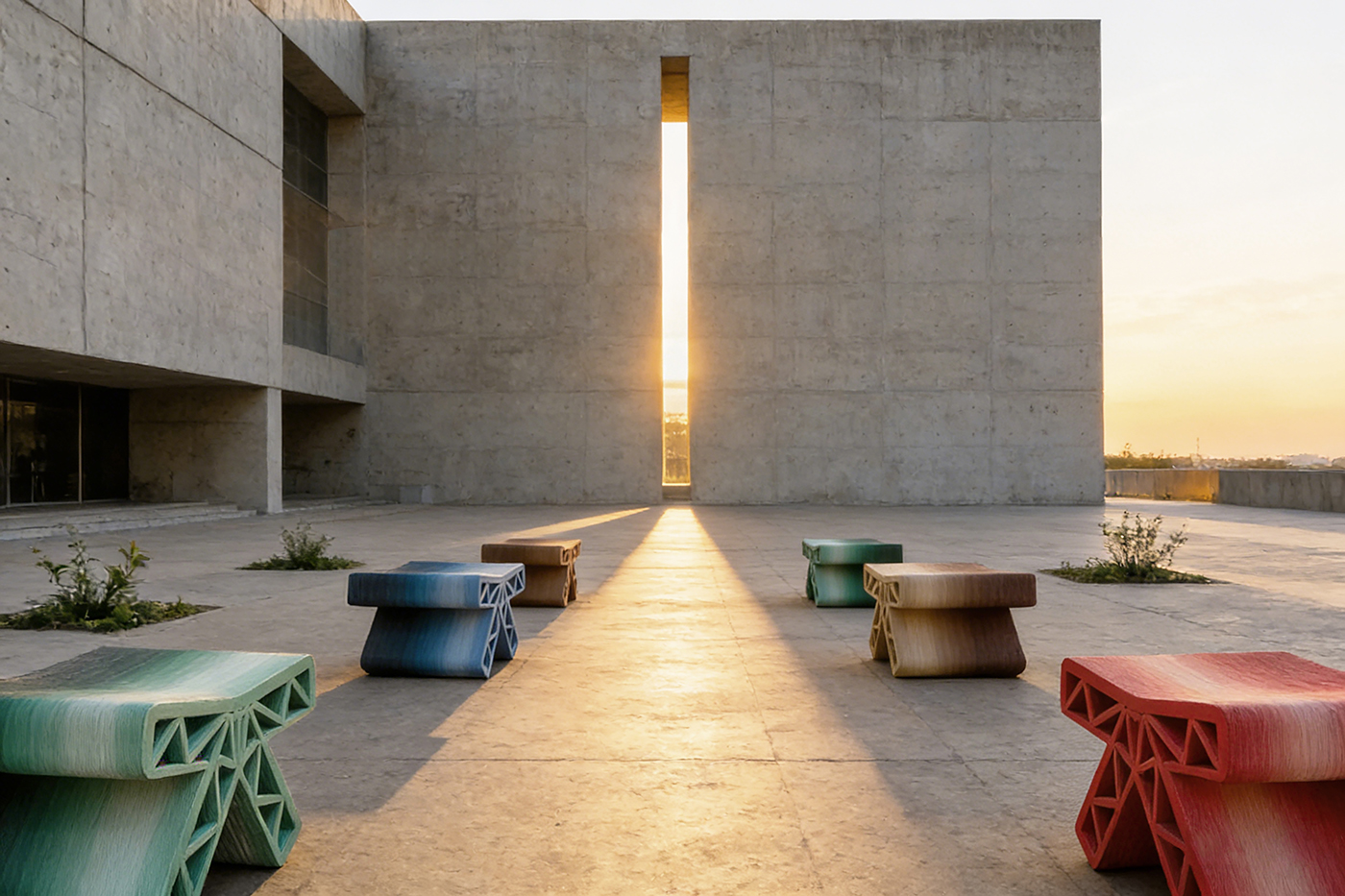
Colour: Ink Wash / Dark Green / Vermilion / Tea Brown / Sky Blue
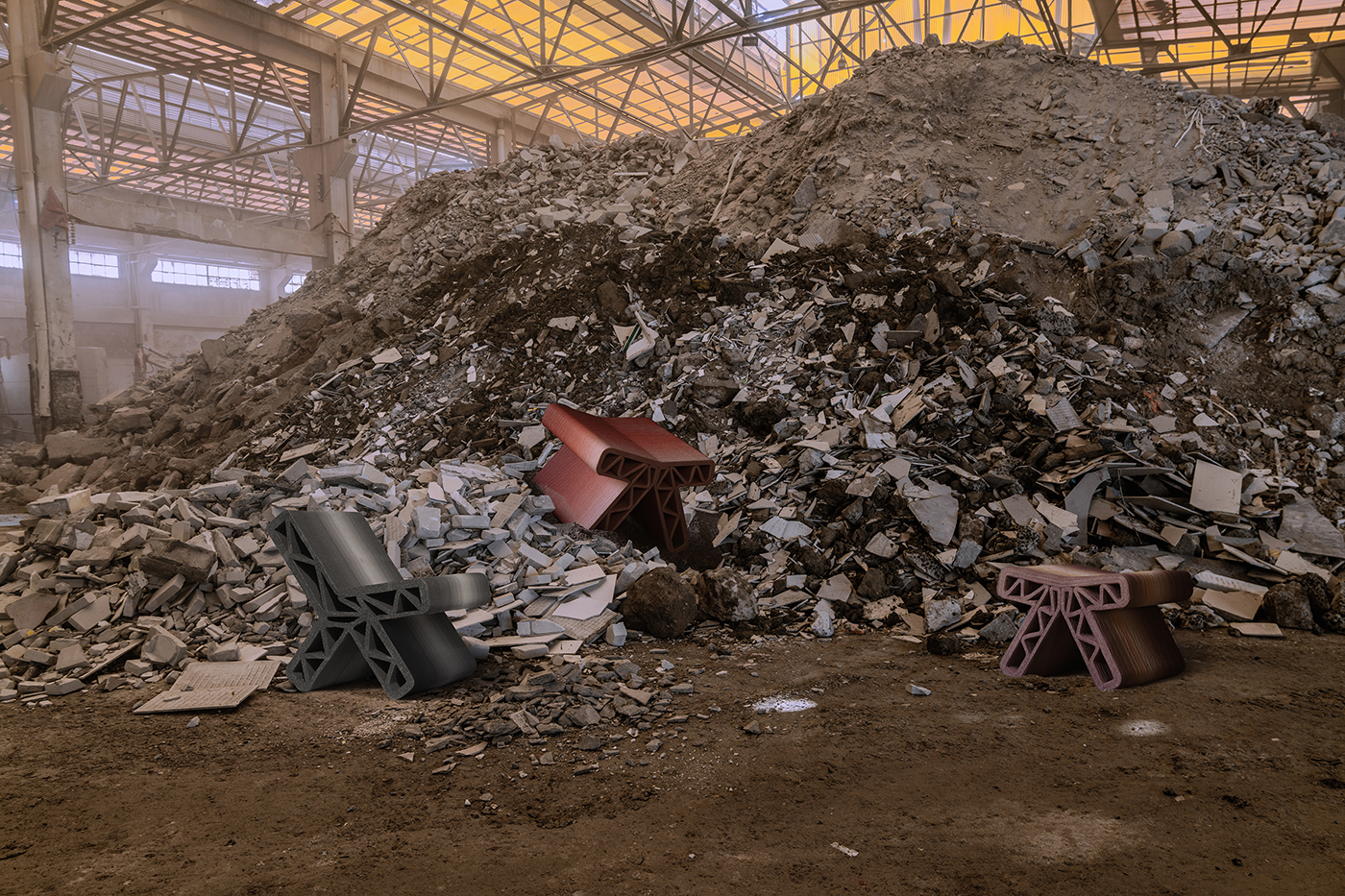
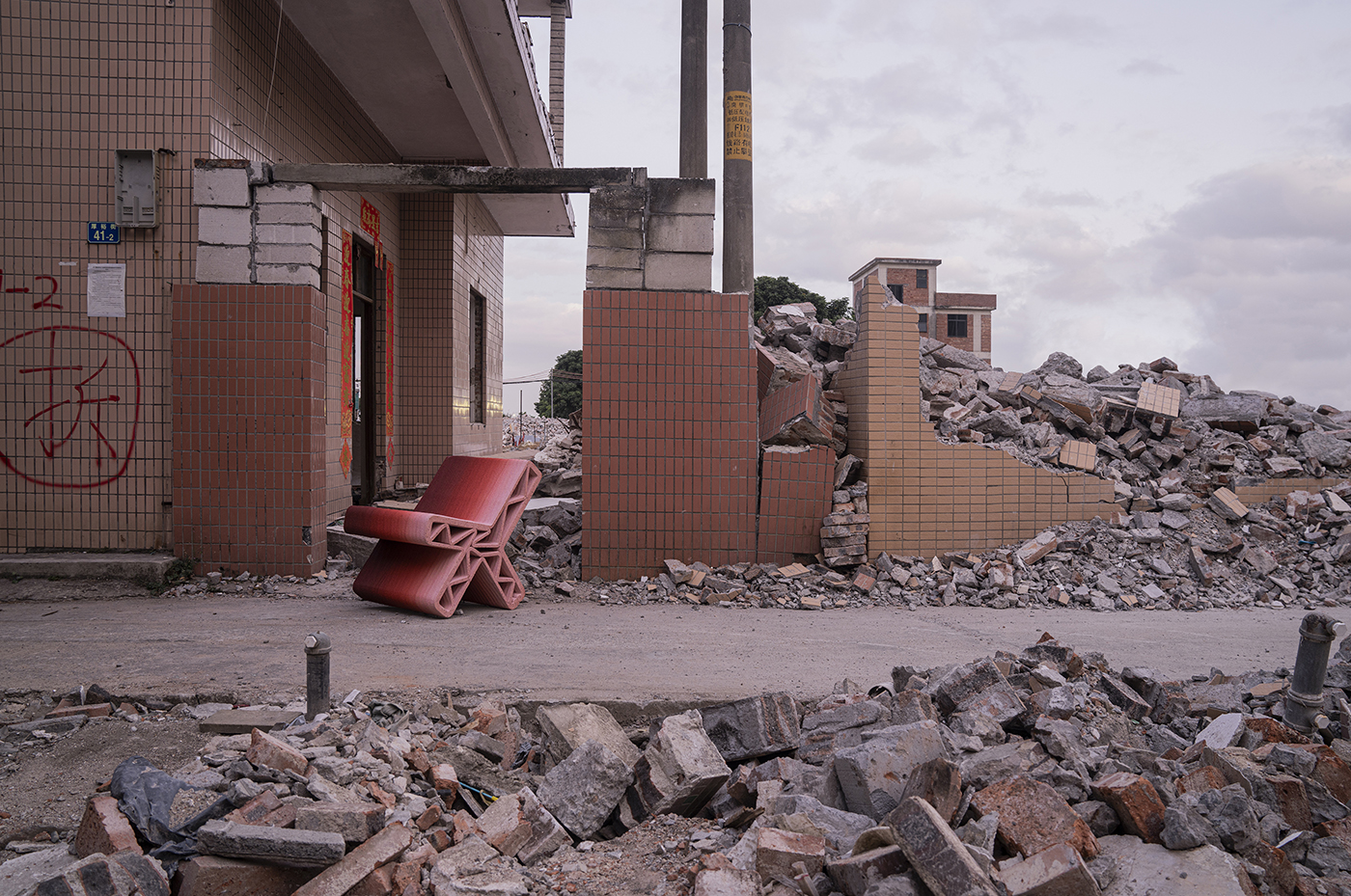
Inorganic Growth: Regeneration and Translation of Urban Village Memory
Each layer of deposited color is a chromatogram of past lives;
Every inch of regenerated texture tells the story of the land.
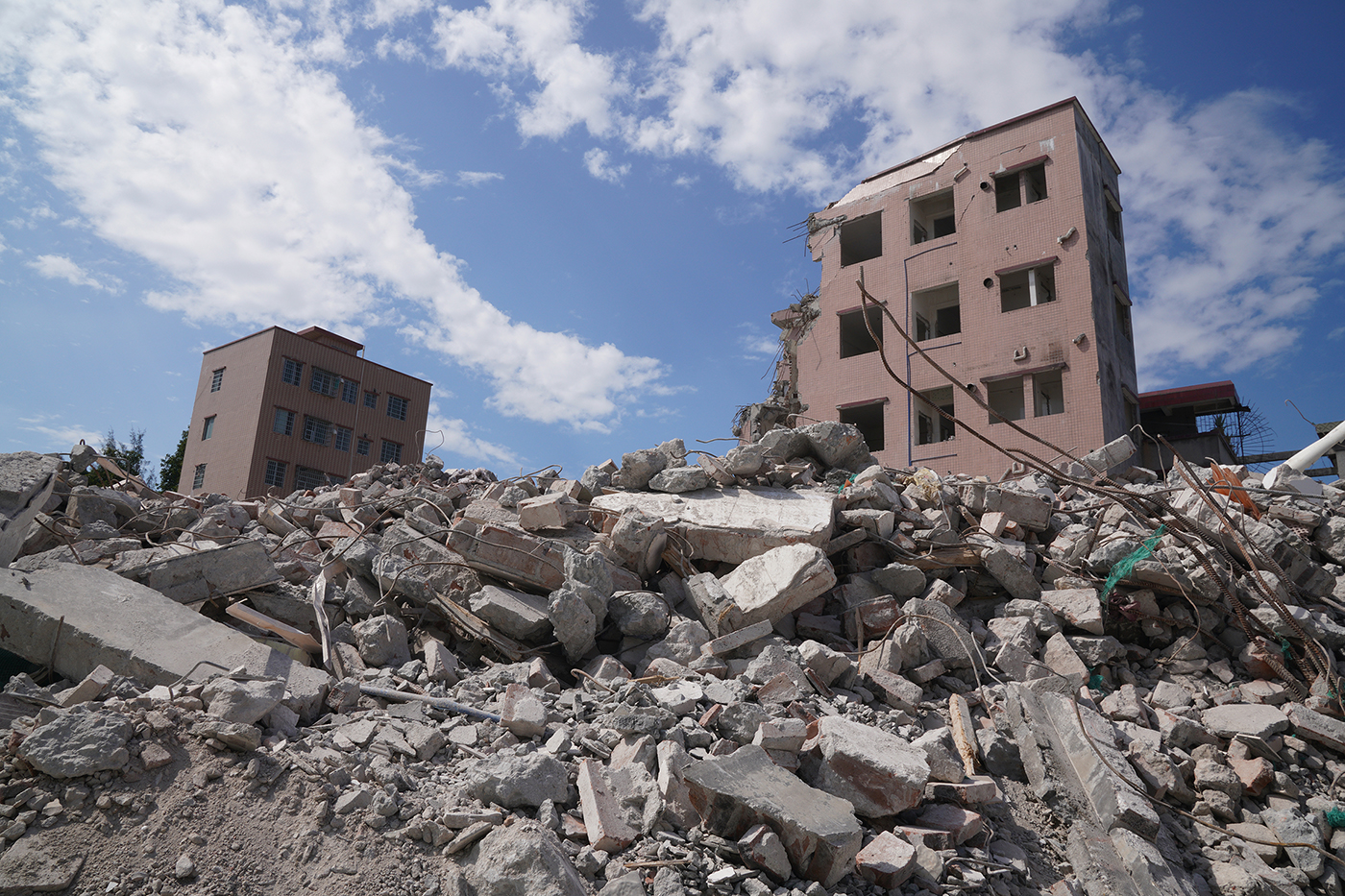
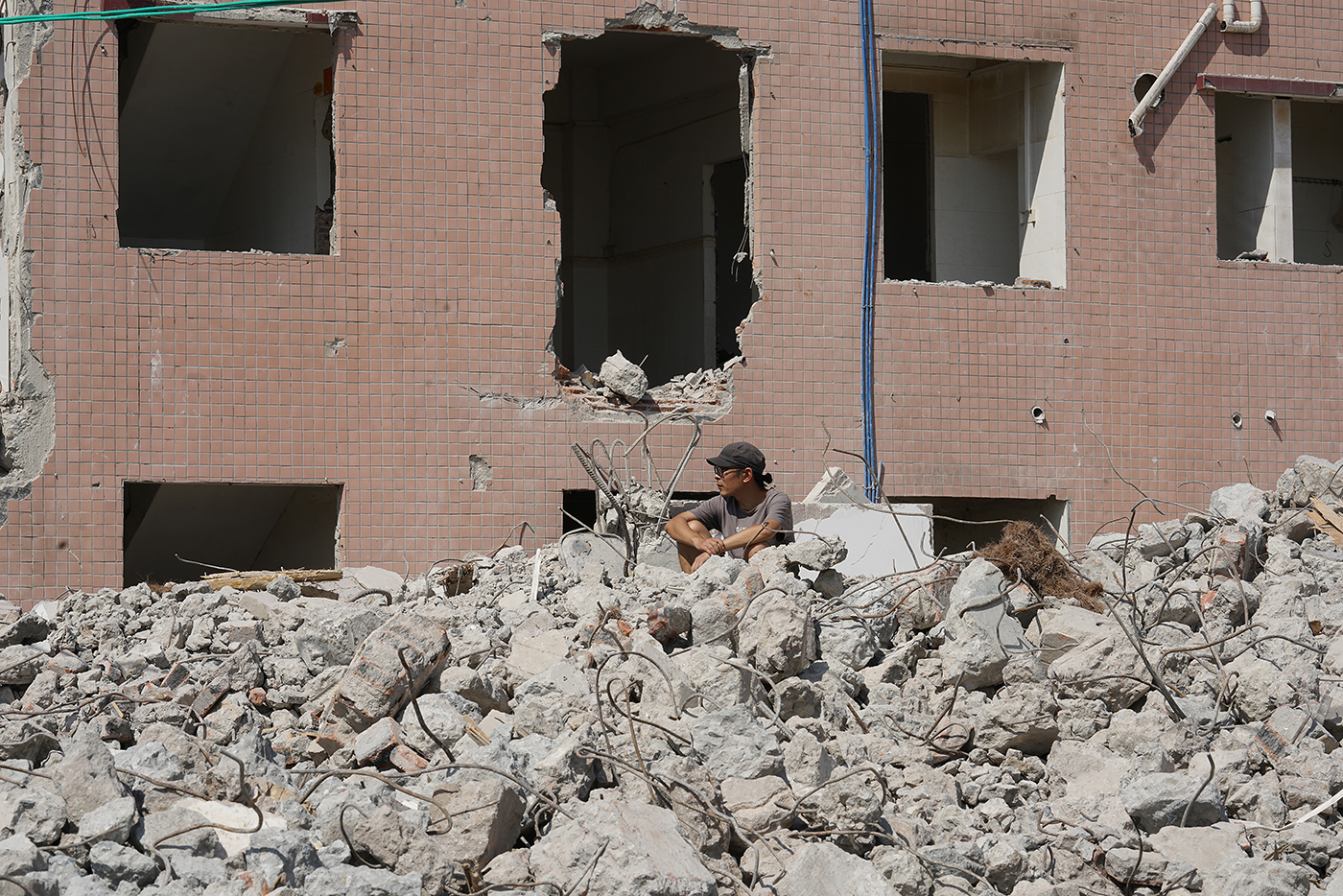
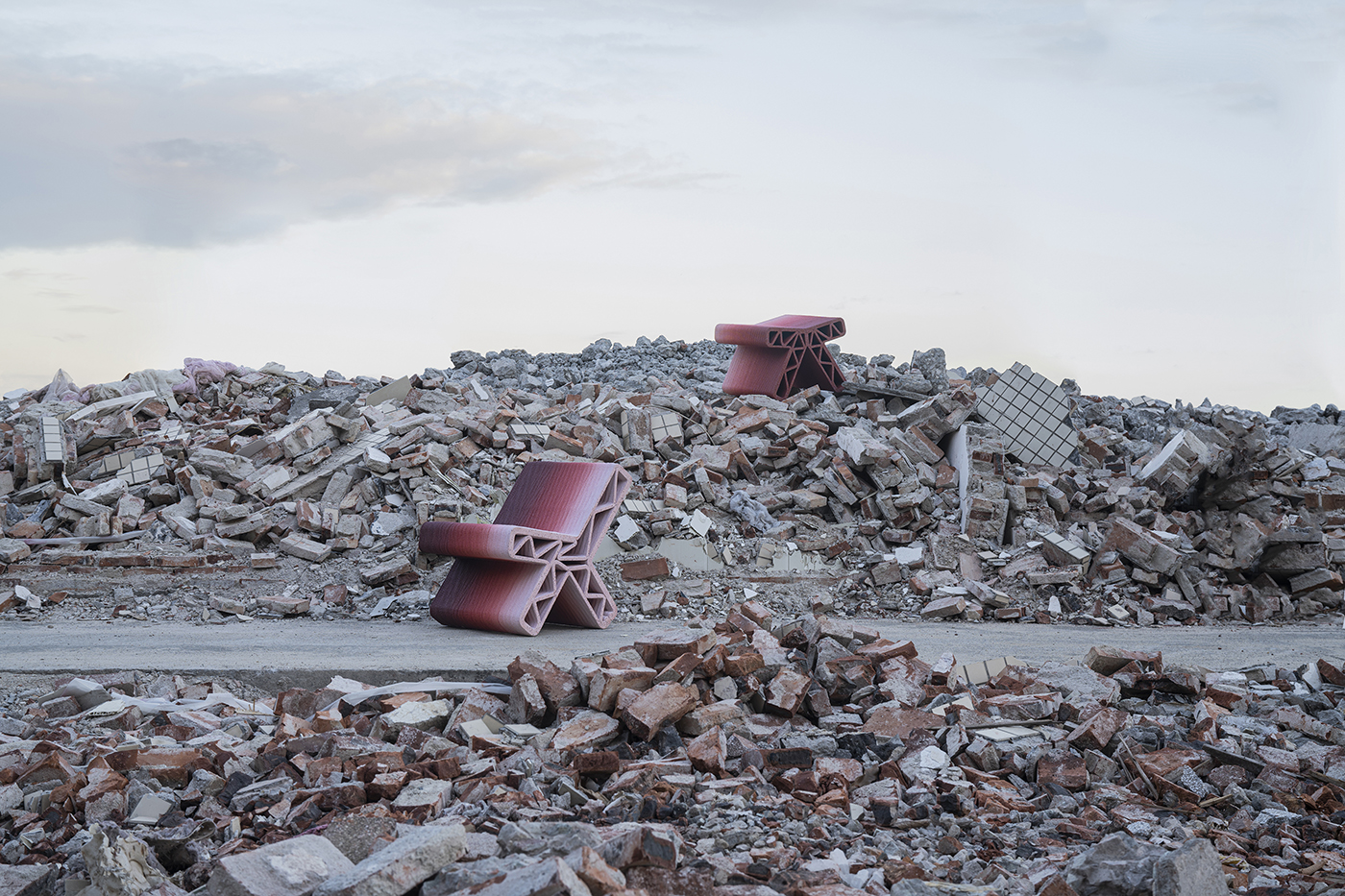
Ruins Reborn
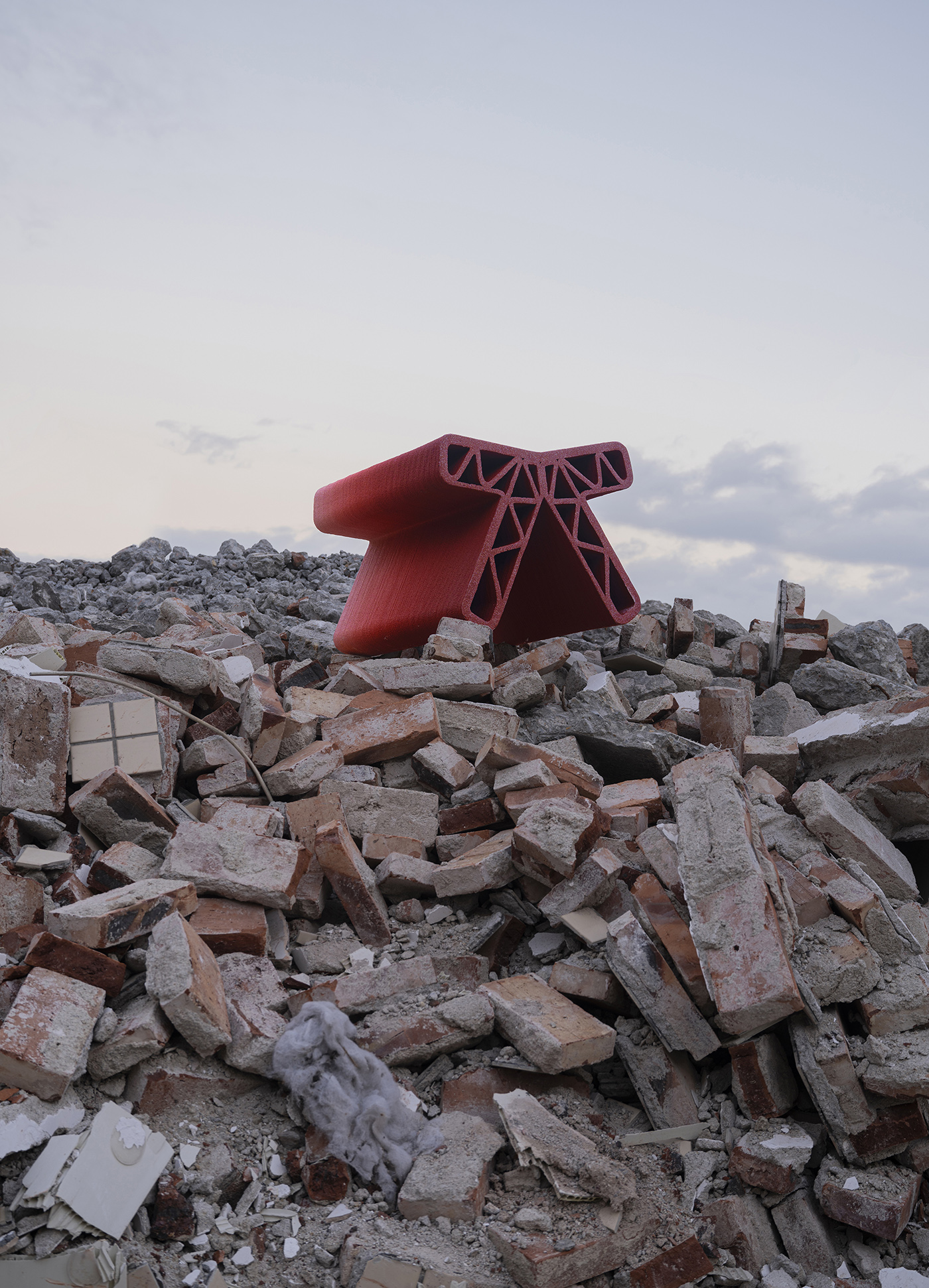
Material Transmutation from Demolition Site to "City Ink"
Within the grand narrative of China's urbanization, the demolition sites of urban villages are often regarded as transitional ruins. After the roar of bulldozers subsides, piles of concrete fragments, red brick rubble, and mortar powder rise like mountains. These seemingly worthless construction wastes actually constitute a unique "urban mine".
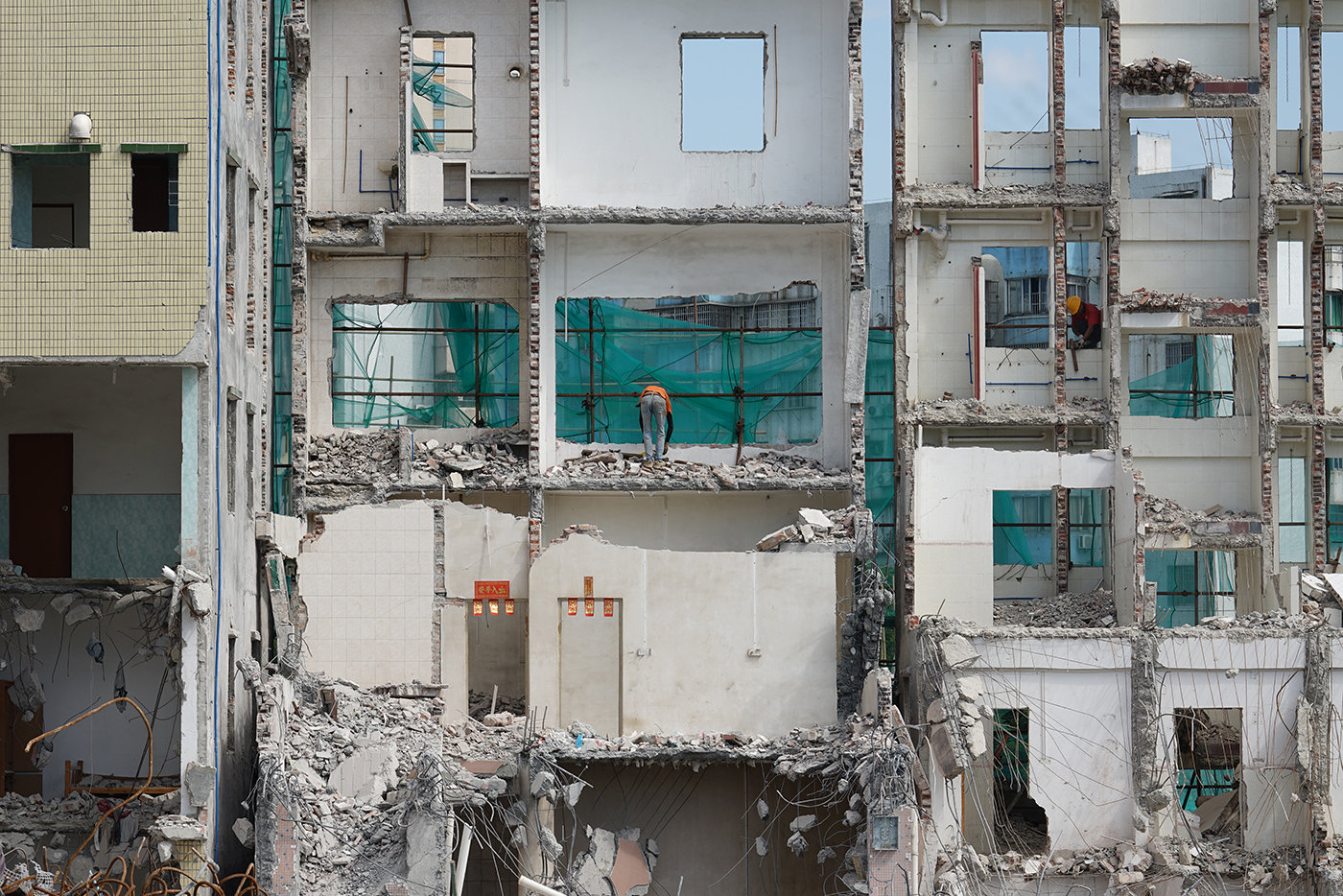
A set of precise graded crushing and activation processes is employed to treat these materials: primary crushing using a jaw crusher, followed by secondary shaping with an impact crusher, and finally grading the aggregate by particle size through multi-layer vibrating screening.
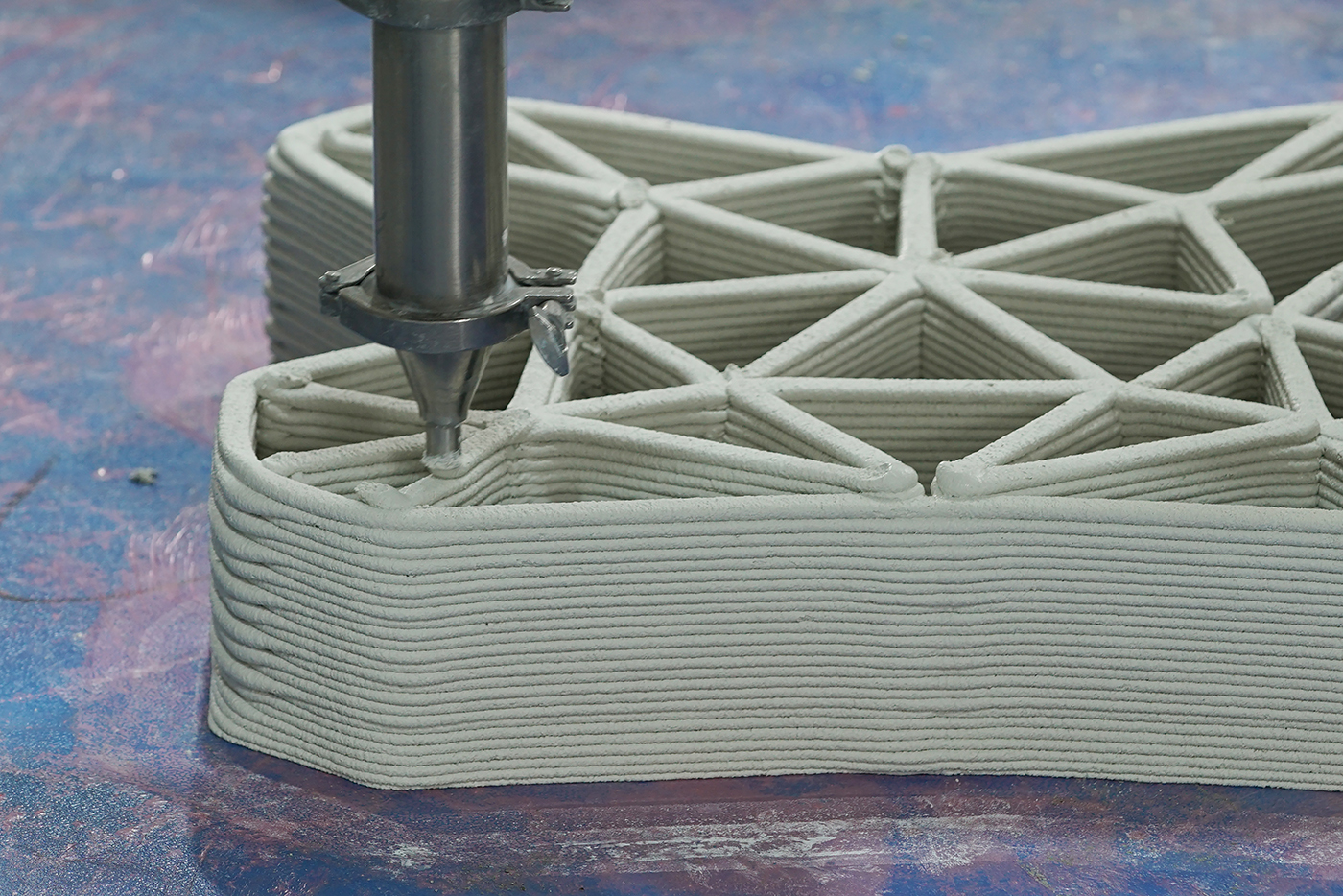
The key innovation lies in the pathway to achieving an 85% waste content: micro-fine powder with a particle size of 0-3mm (accounting for 30-35% of the total waste) undergoes mechanical activation and chemical excitation. This is then combined with industrial wastes such as fly ash, slag powder, and silica fume. These active supplementary cementitious materials optimize the cementitious system, transforming into a "recycled cementitious component" with potential binding activity. Meanwhile, coarse aggregate of 3-6mm serves as the skeletal structure of the printing material.
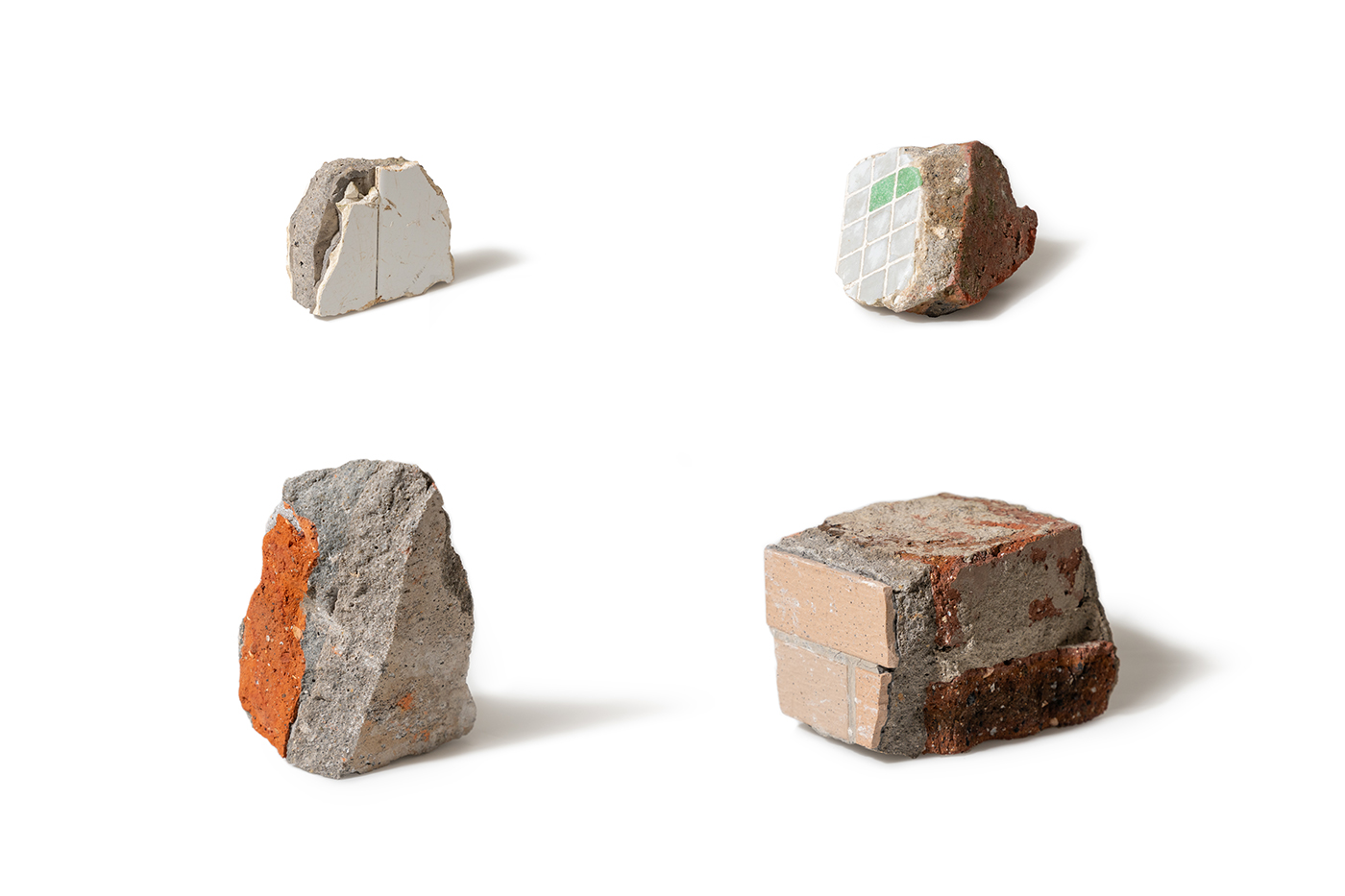

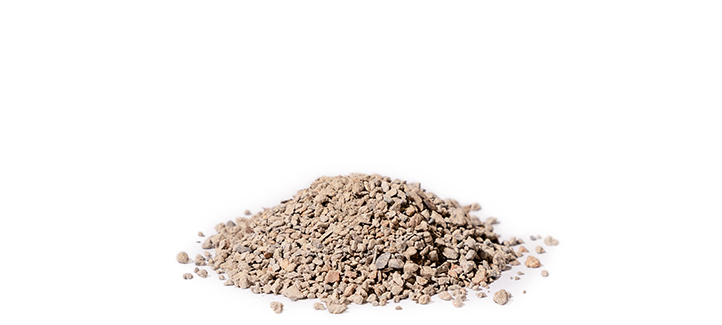
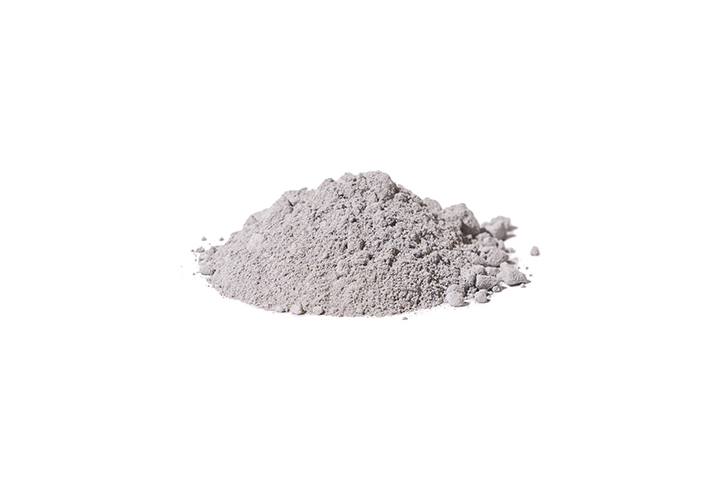
By introducing nano-suspension surface modification technology, the water absorption of the recycled aggregate is reduced from the traditional 8-10% to 3-5%, and the strength of the interfacial transition zone is increased by over 40%. This successfully addresses the industry-wide challenge of performance degradation in printing materials with high recycled aggregate content. The printing material must possess the characteristic of being "fluid during extrusion and stable after deposition". By adding specific thixotropic agents and utilizing AI predictive models to optimize the mix proportion, excellent printability can be achieved even with recycled aggregate.
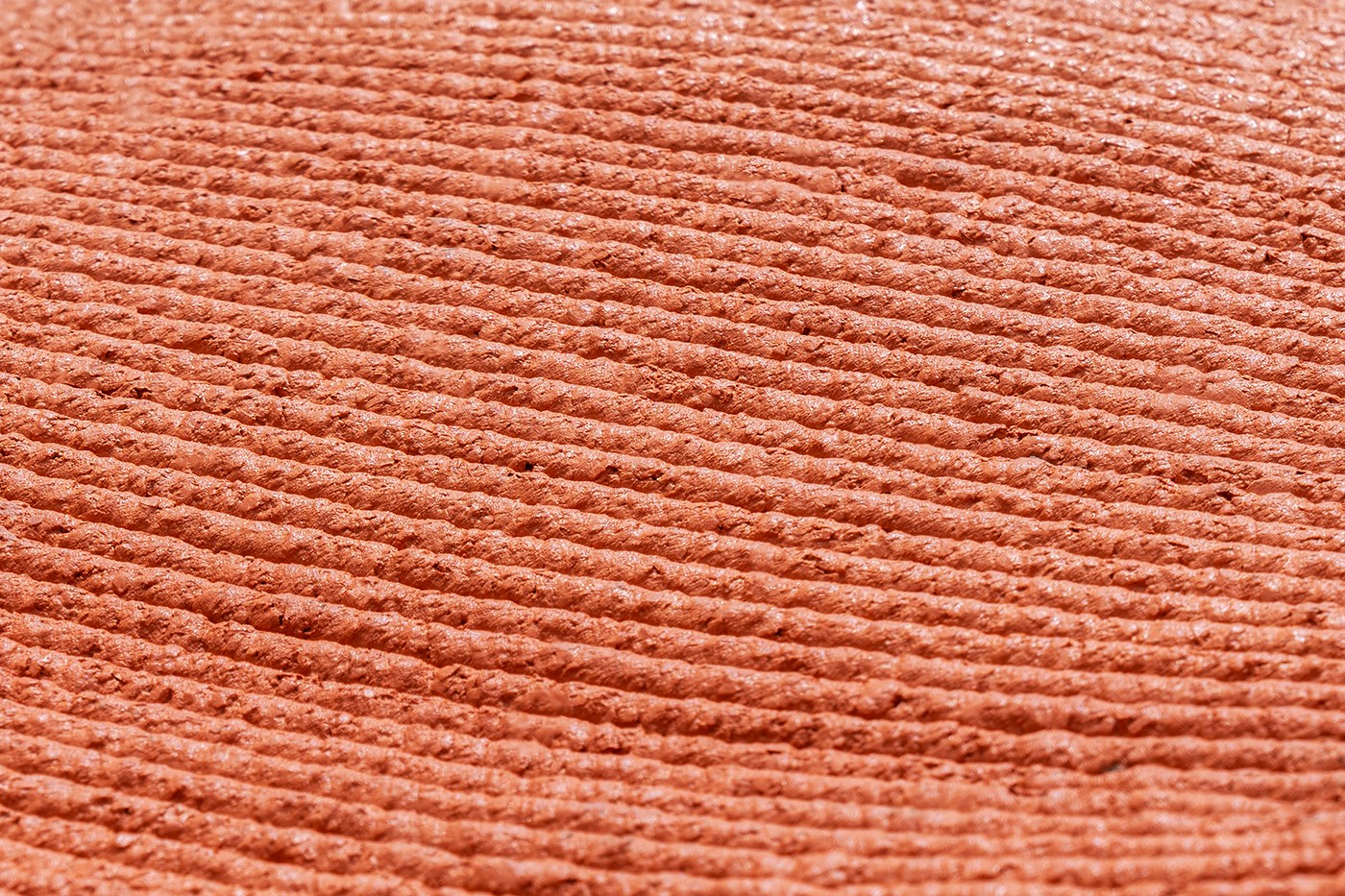
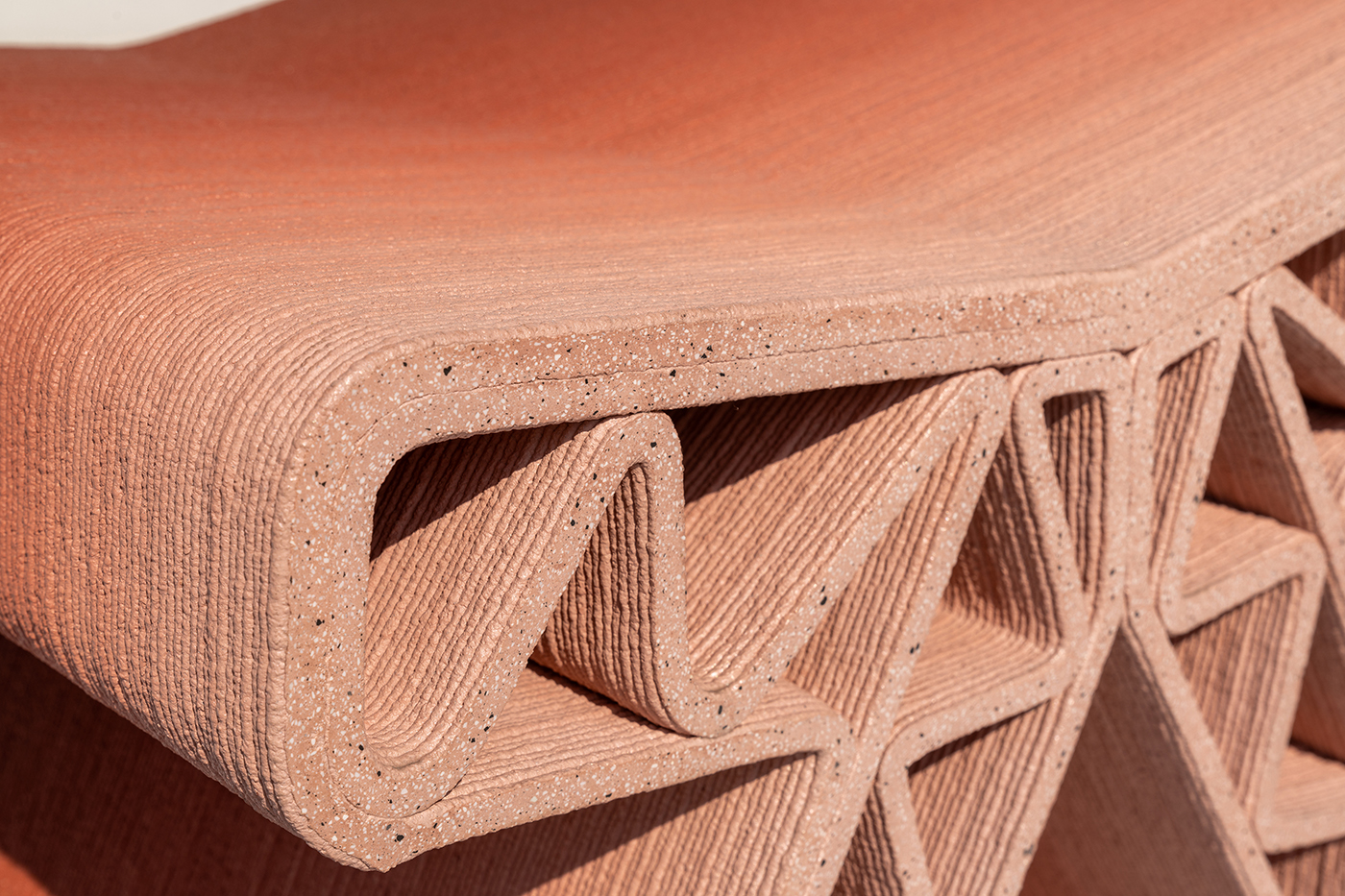
Stratum Aesthetics
The Symbiotic Logic of Inorganic Chromatography and Digital Fabrication
The living scenes of urban villages provide a unique aesthetic gene for the "Inorganic Growth" series. Through image analysis algorithms, photos of urban village scenes are collected and deconstructed for color, identifying the most representative "Urban Village Chromatogram" — the dark red of faded spring festival couplets, the gray-green of rain-stained walls, the rusty yellow of corrugated iron roofs, and the indigo blue of old-fashioned tiles.
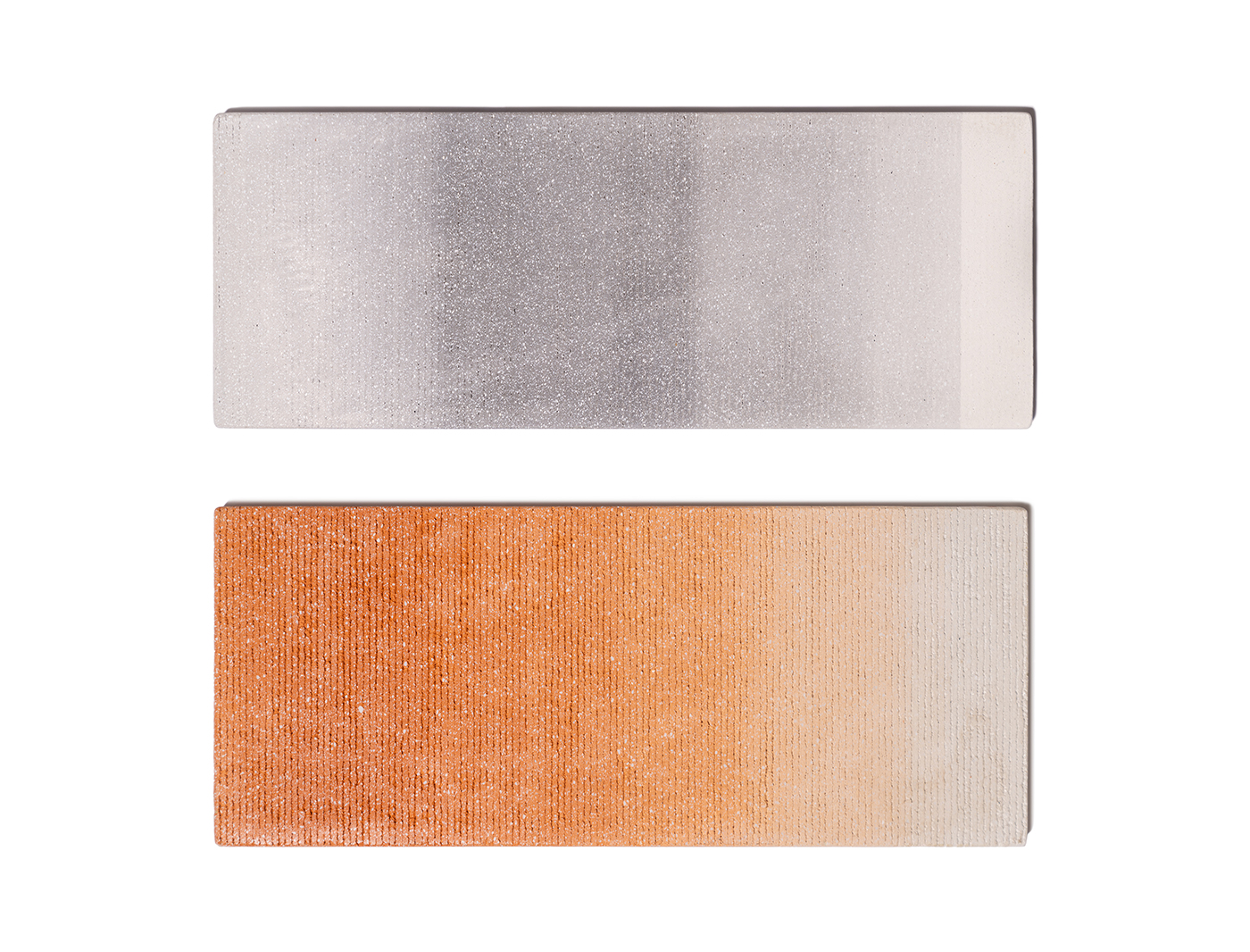
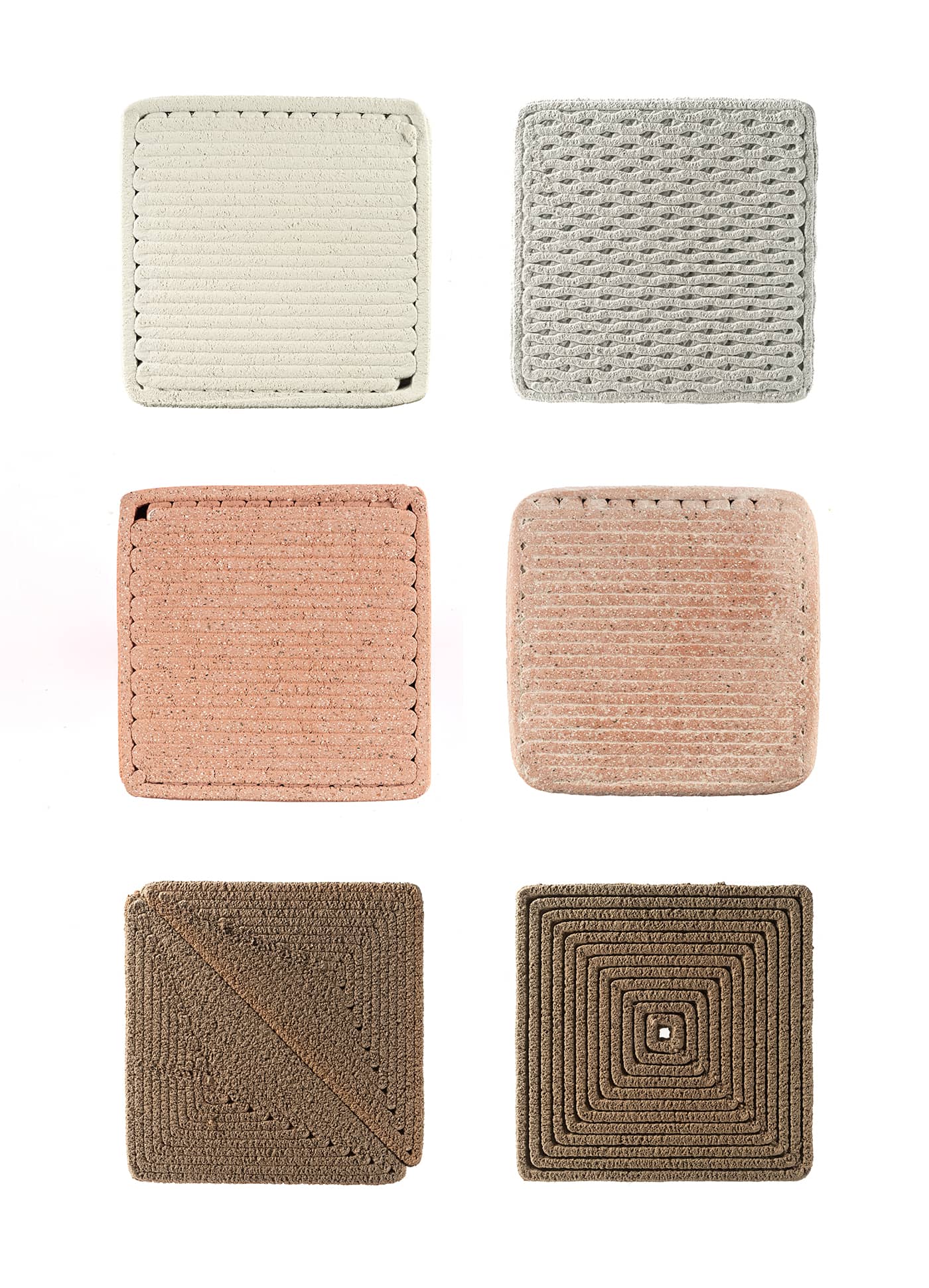
Utilizing the mineral composition differences in construction waste and incorporating inorganic mineral pigments, a unique coloring system is developed. Red brick powder provides an iron-red base tone, concrete powder forms a cement-gray background, and crushed glazed tile fragments produce bluish-green hues.
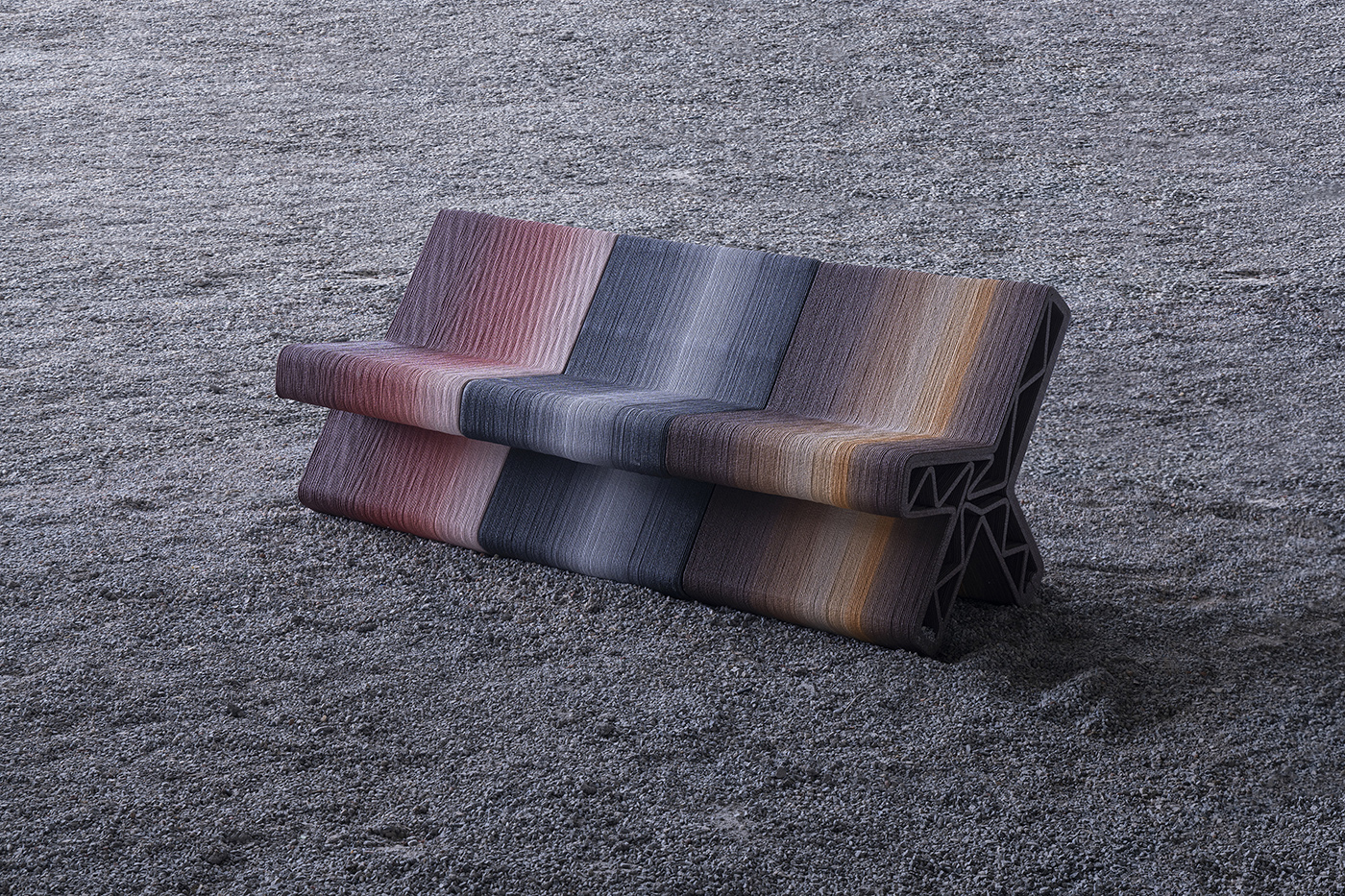
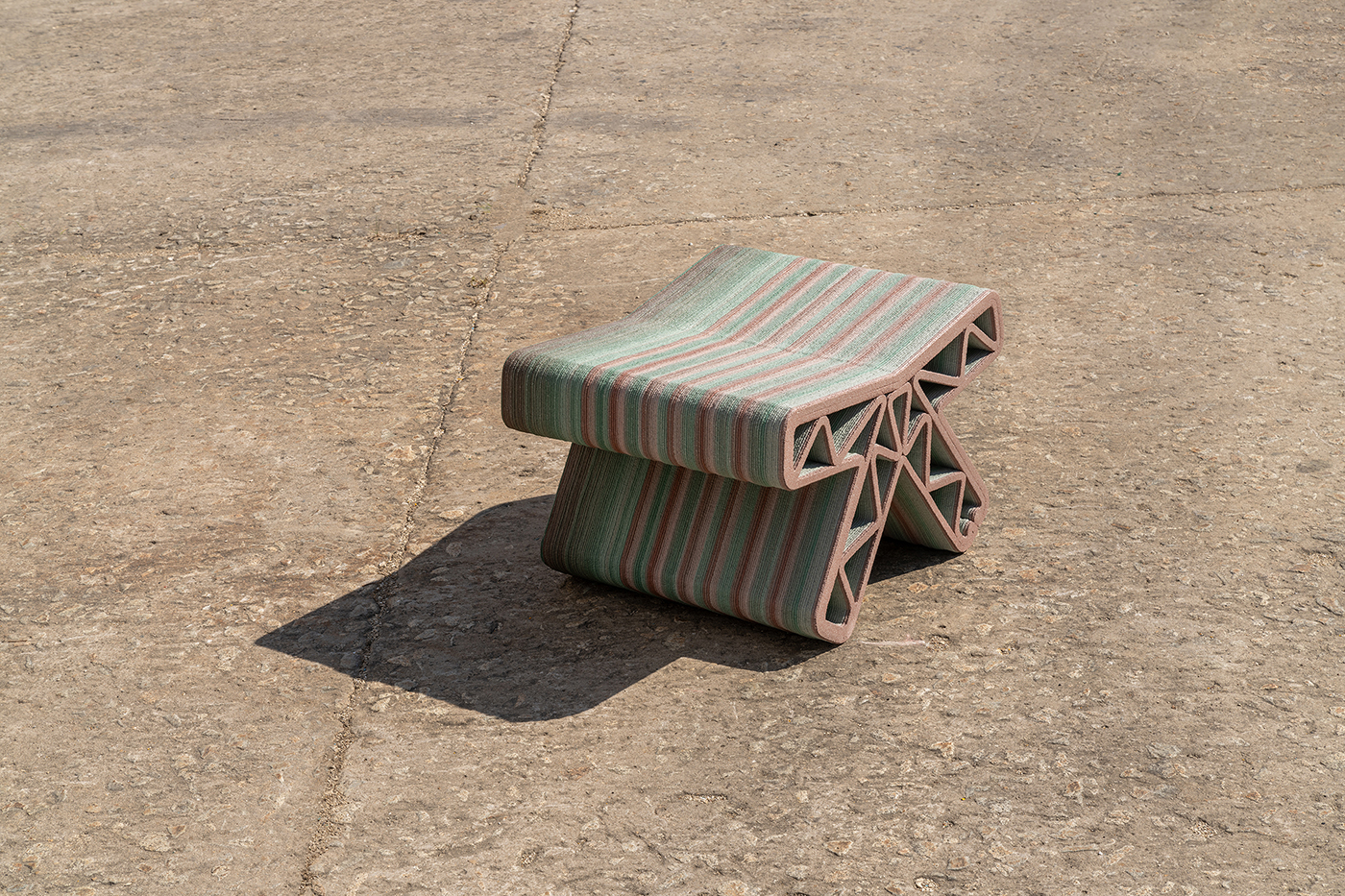
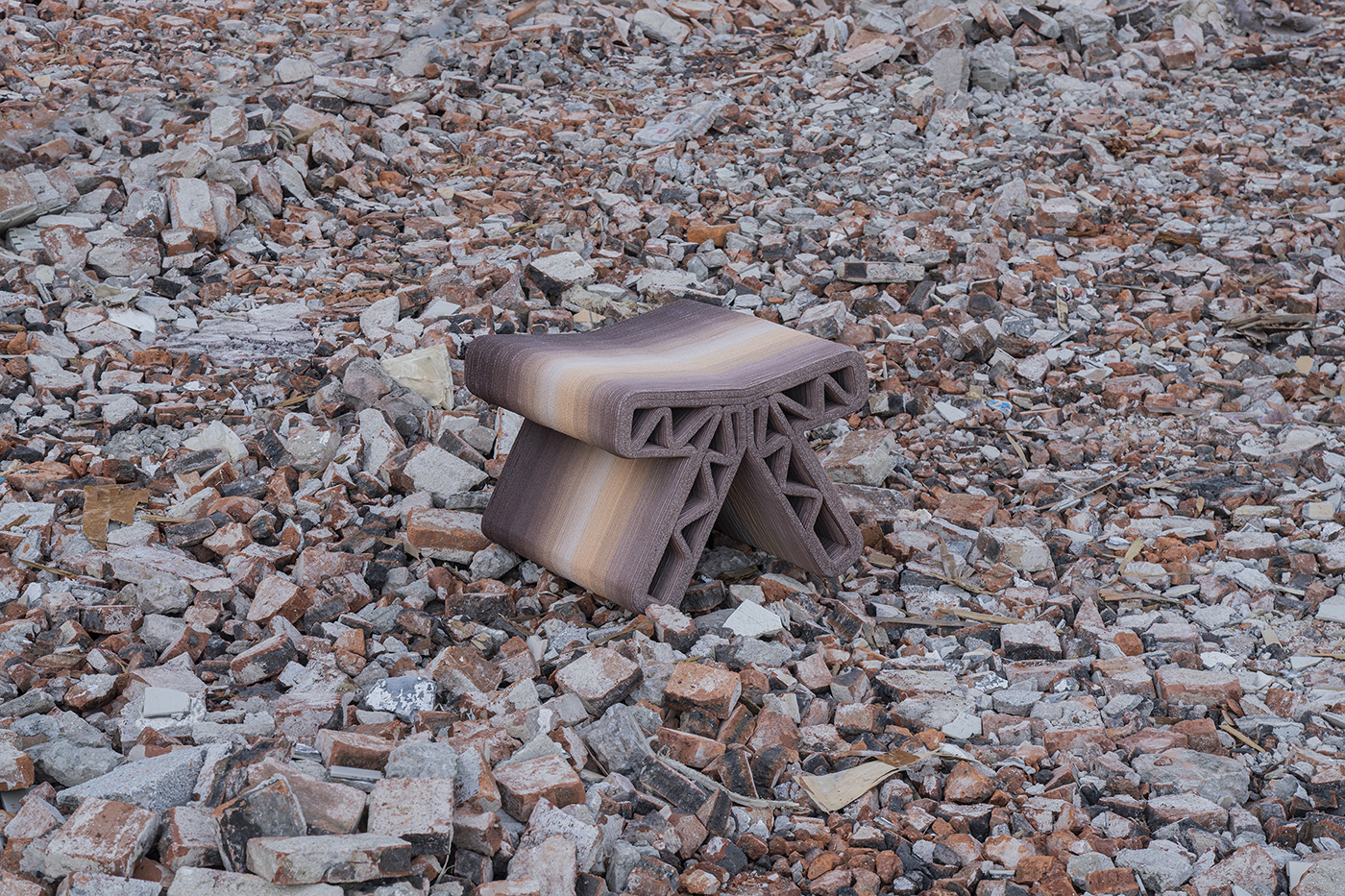
Based on the layer-by-layer deposition principle of Fused Deposition Modeling (FDM) 3D printing, a dynamic color gradient control system was developed. Through the coordinated work of dual print heads and precise adjustment of pigment ratios, a natural transition of inorganic colors is achieved along the Z-axis — for example, gradient from the deep gray of a foundation to the brick red of a roof.
This system transforms each piece of furniture into a three-dimensional "stratigraphic profile," converting the dimension of time into a visual color narrative. The side profile of a chair might display a color gradient from dawn to dusk, while another recreates the traces of years of wind and rain erosion on an urban village wall.
Technical Closed Loop
The Complete Chain of Sustainable Cycling
A mobile processing workstation is established at the demolition site, realizing an integrated "Demolition — Crushing — Sorting — Preparation — Printing" workflow. Calculations show that this model reduces transportation carbon emissions by 70% and achieves a material utilization rate of 92%, enabling localized material cycling.
Compared to traditional concrete prefabrication or metal processing, 3D printed recycled concrete furniture reduces carbon emissions by 65-80%. Intelligent slicing algorithms optimize material usage to a minimum, averaging a 40% reduction in material consumption, realizing low-carbon manufacturing processes.
Memory Reconstruction
The Emotional Load of Matter and Community Connection
The profound value of the "Inorganic Growth" series lies in its role as a material carrier for emotional memory. Drawing inspiration from the potential of materials, it visualizes the elusive concept of "time" and elucidates the intrinsic qualities of materials through natural forms. It aims to evoke a sense of the familiar yet unique, building a bridge between design production and daily life, and stimulating the social, cultural, and emotional dimensions of materials through transformation and metamorphosis.
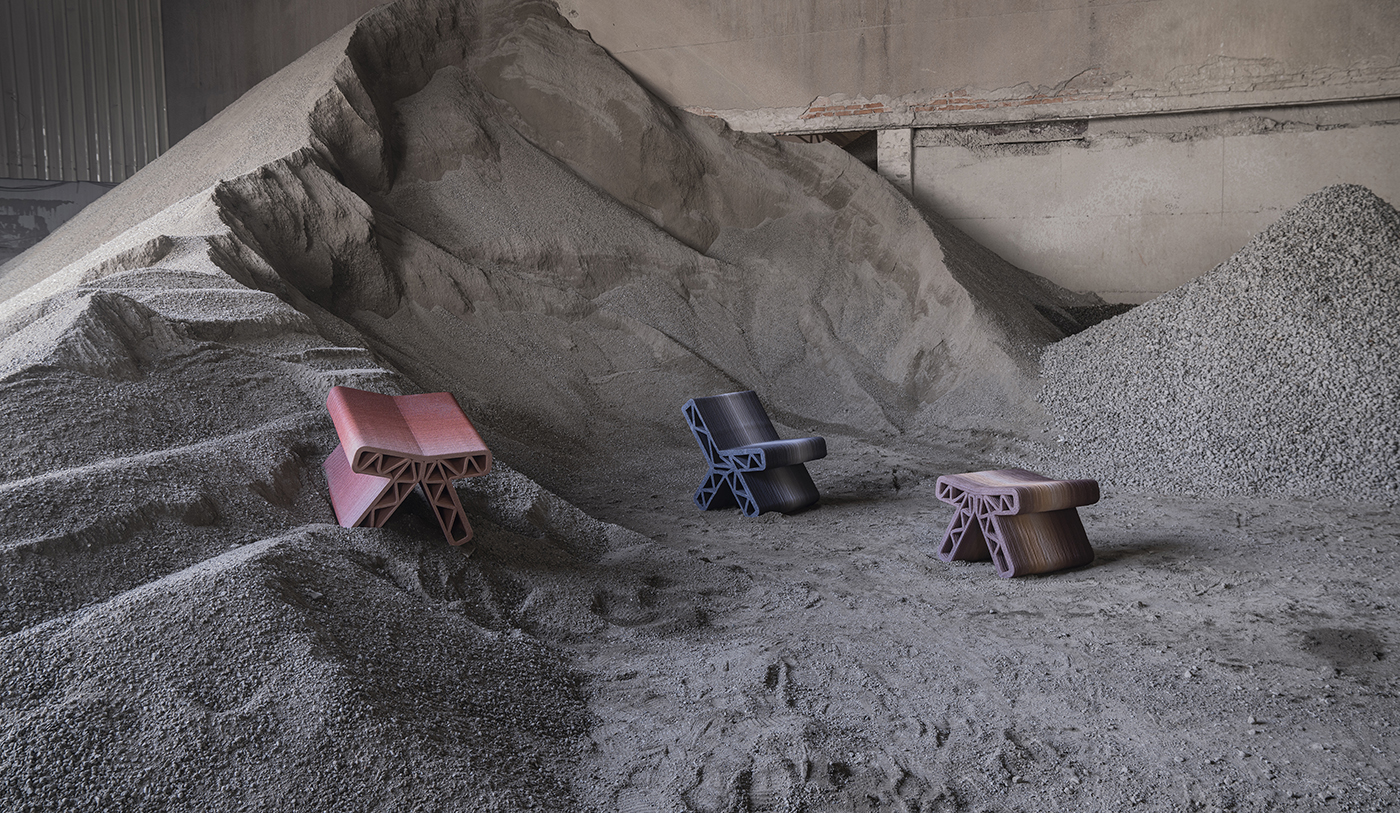
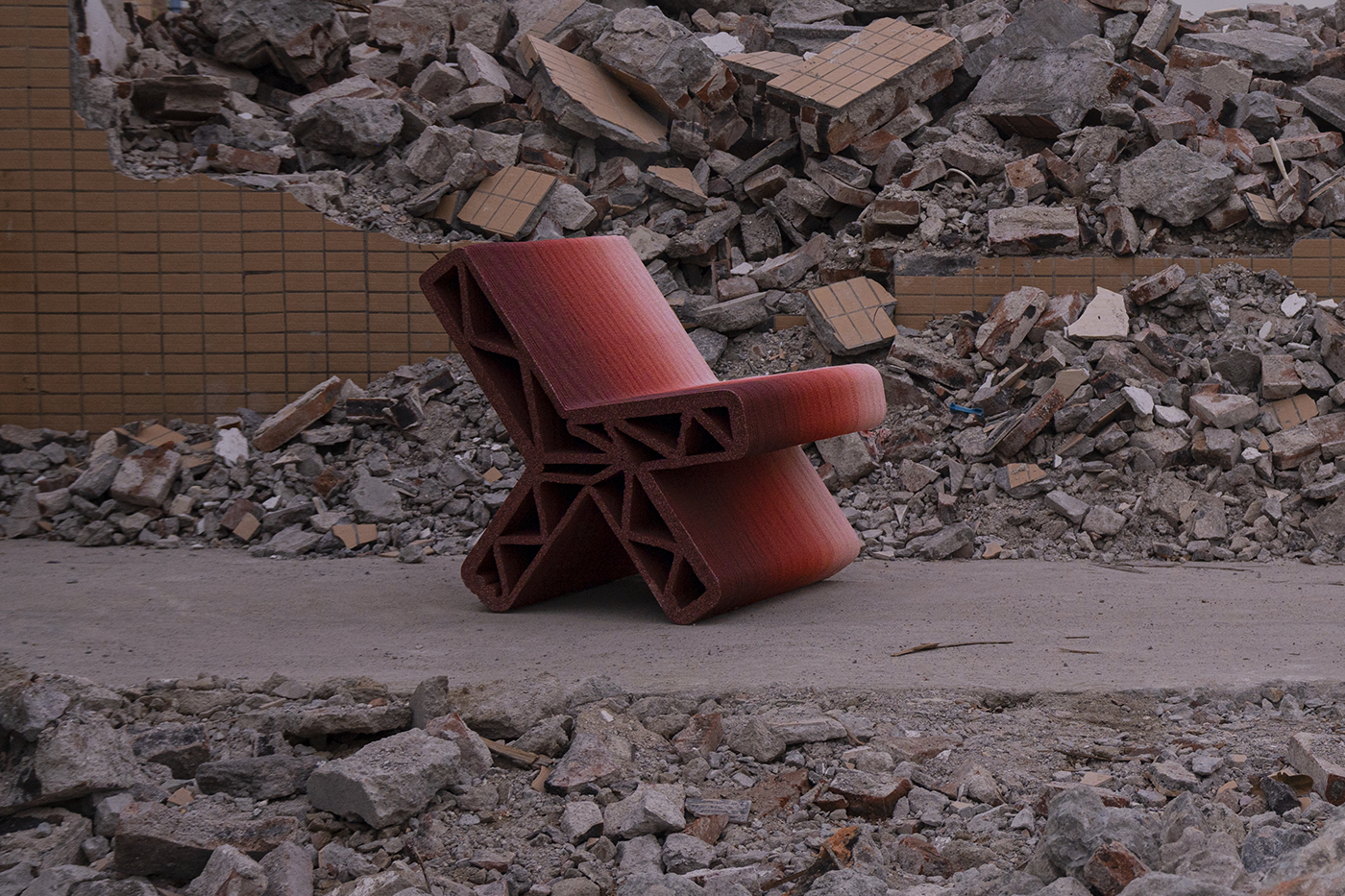
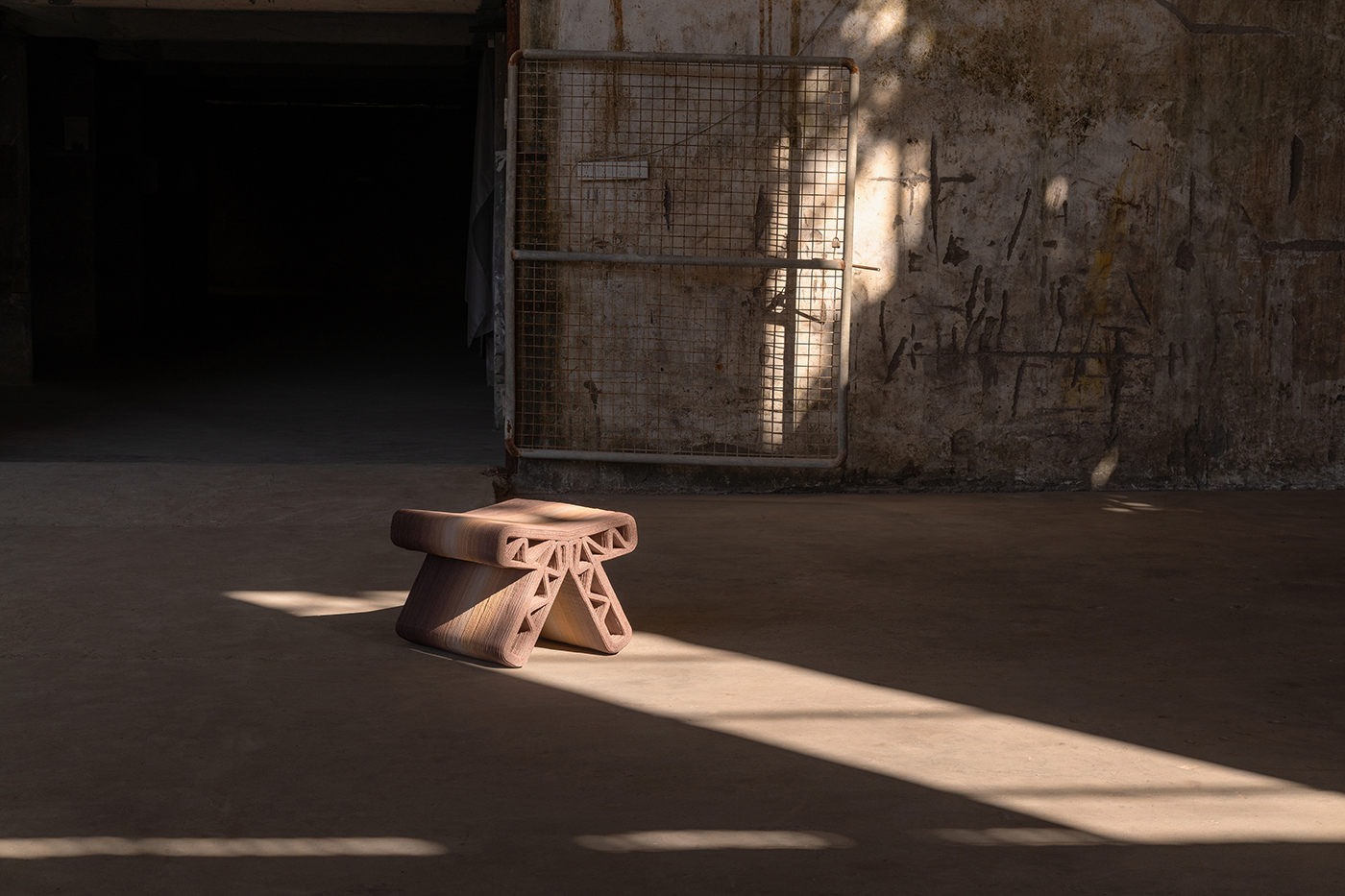
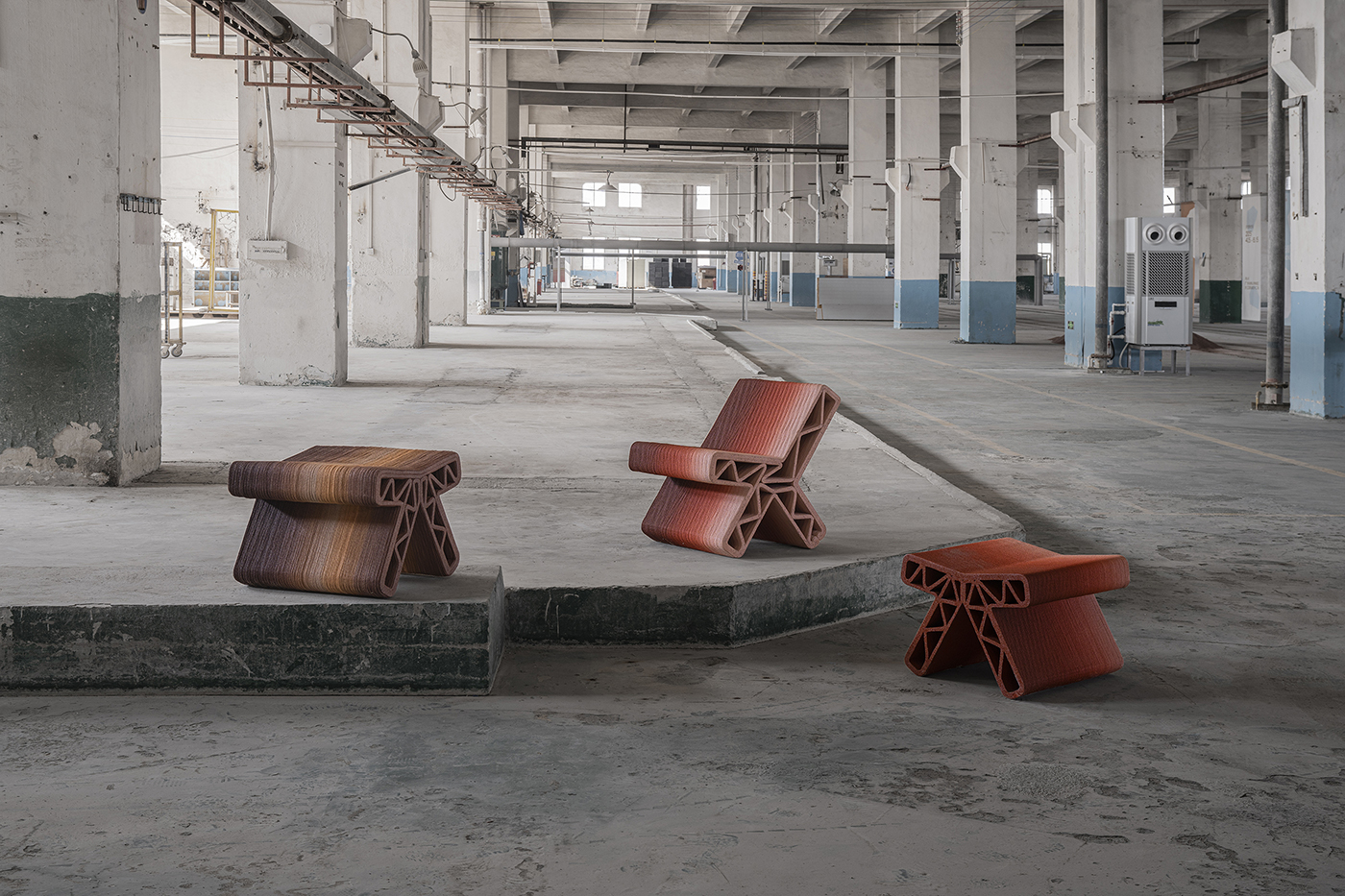
The "Inorganic Growth" series transcends mere technical application or aesthetic experimentation; it points towards a new ethic for urban development: What we dismantle is not only physical space but also social relationships; what we rebuild is not merely the material environment but also identity.
Each seemingly silent piece of urban furniture speaks in its own material language a simple truth: The true wisdom of urban renewal lies not in creating a pristine newness devoid of history, but in using technology as a medium to allow memory to attain eternity in another form.
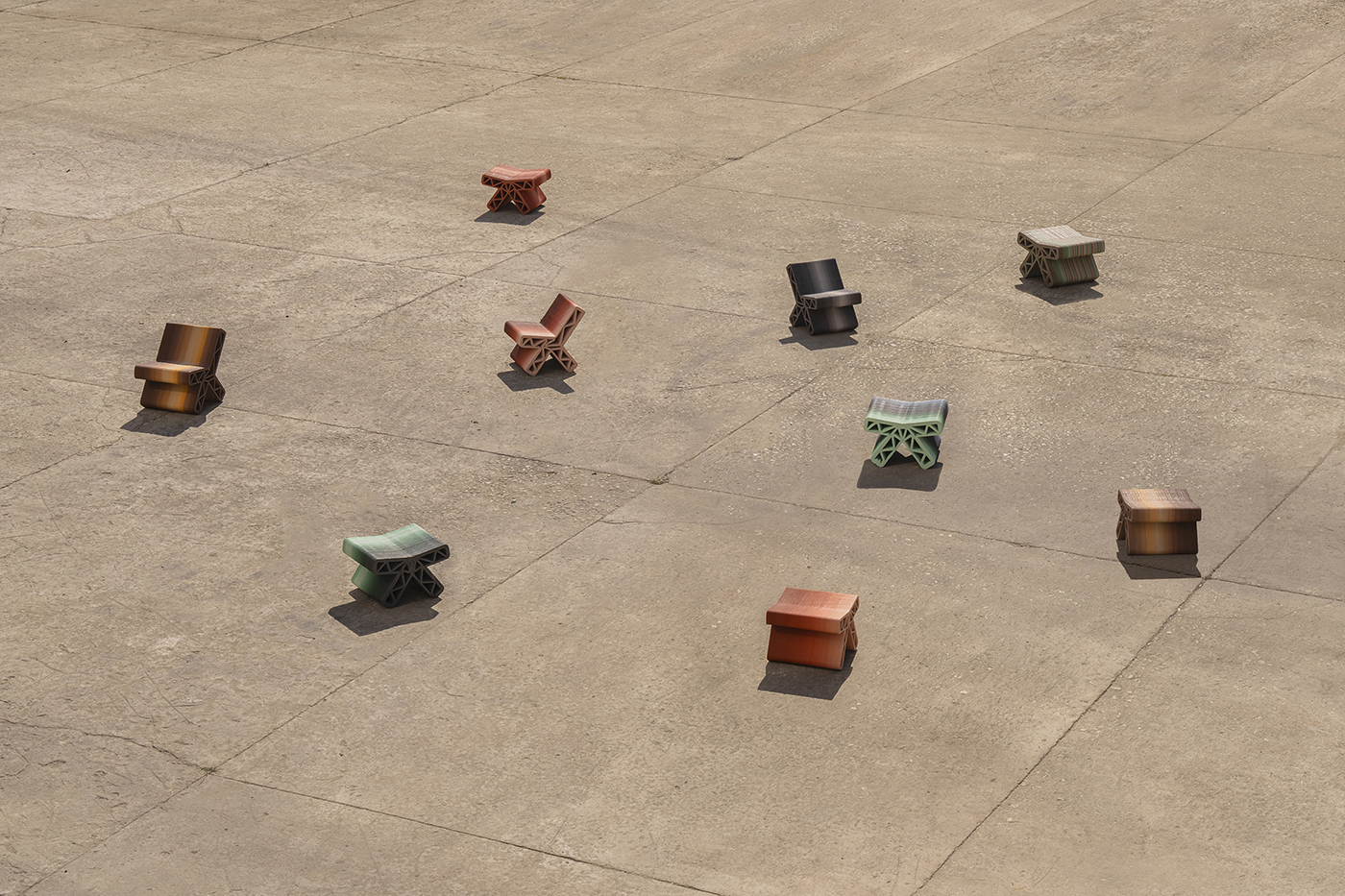
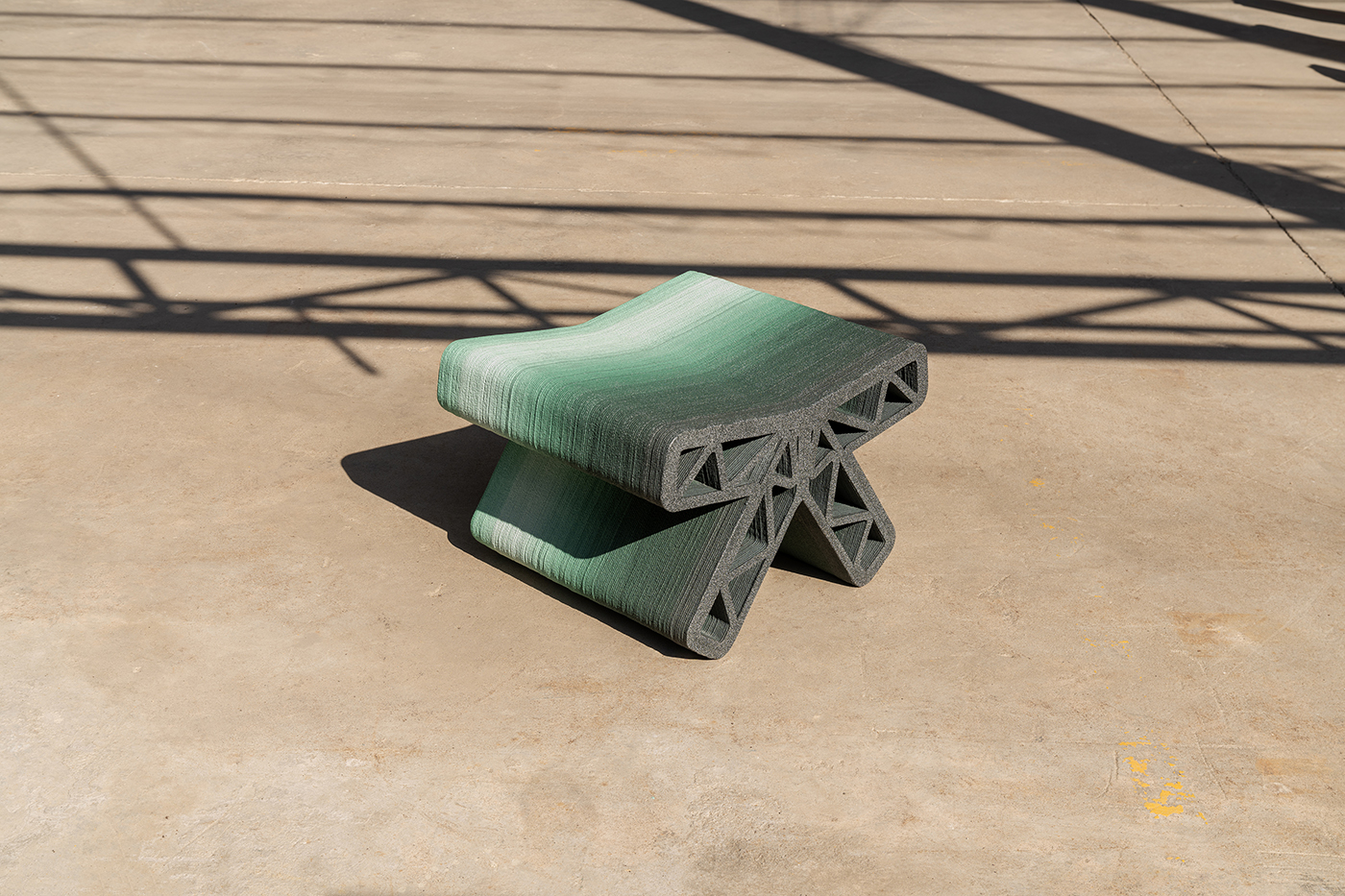
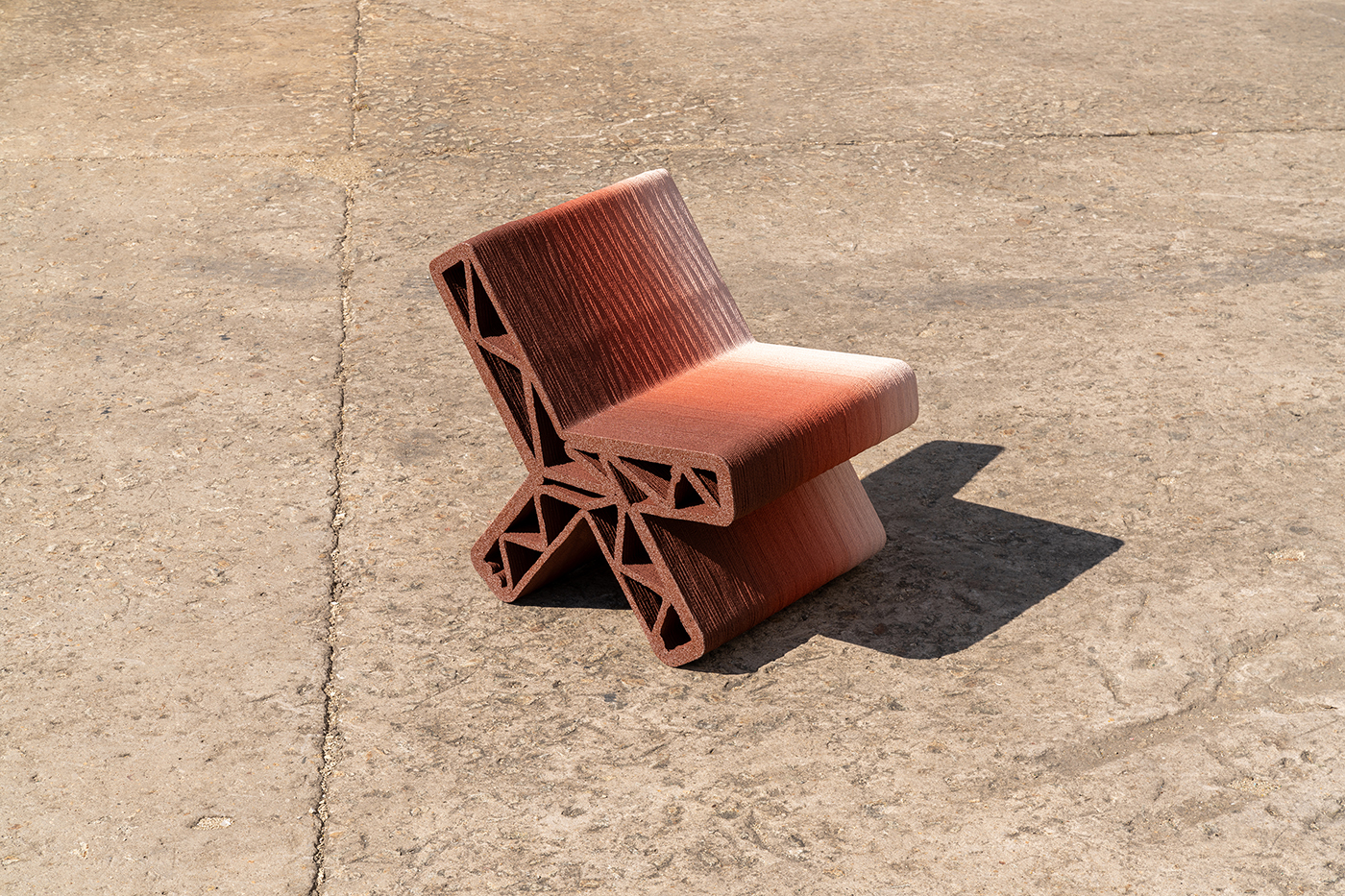
As the setting sun casts its glow, and those gradient surfaces reflect a warm light, what people touch is not only the physical texture of recycled material but also the temperature of a community's collective memory — at this moment, inorganic material fulfills its most organic mission.

- Contact
+8620 8977 0506
- Press
press@bentudesign.com
- Enquiry & Sales
info@bentudesign.com


