


Redefining the Foundational Logic of Product Design
The technology of 3D printing with inorganic solid waste—primarily construction debris and industrial/mining waste—is exerting a transformative influence on the future of product design. It transcends the mere label of an "environmentally friendly manufacturing method",fundamentally redefining the profound connotations of "sustainability" across multiple dimensions: from resource logic and design paradigms to social ethics.
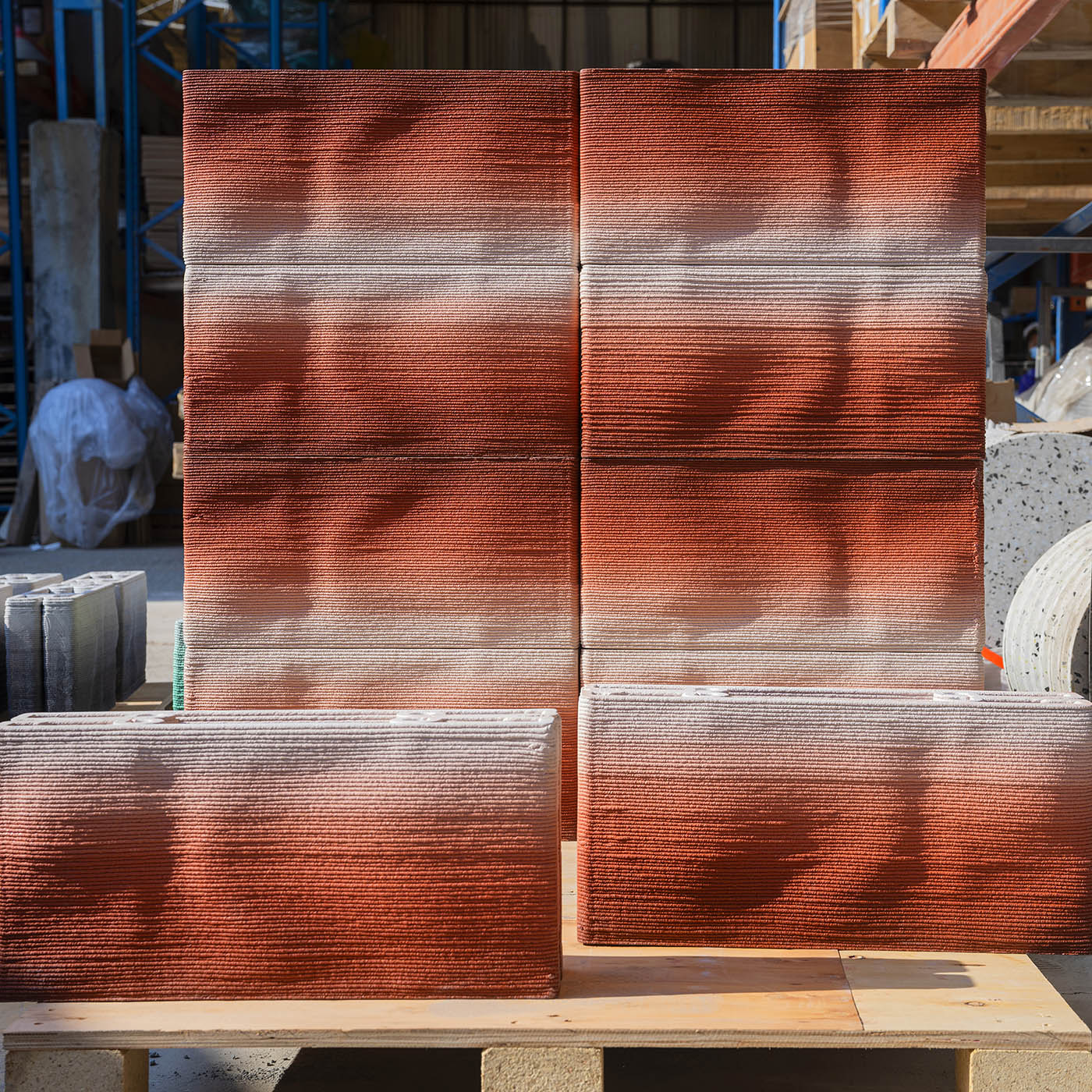
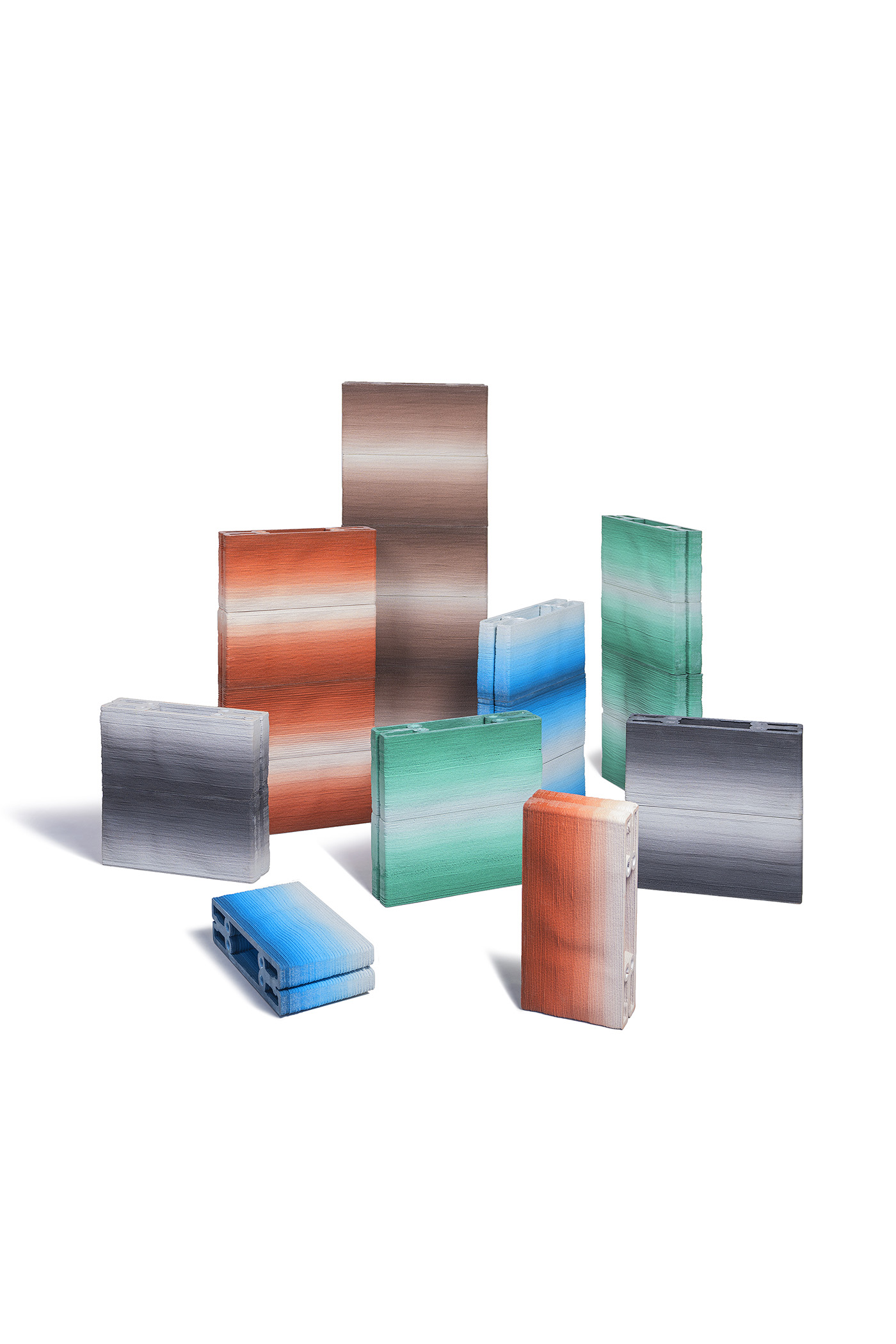
From Global Supply Chains to "Zero-Kilometer Materials"
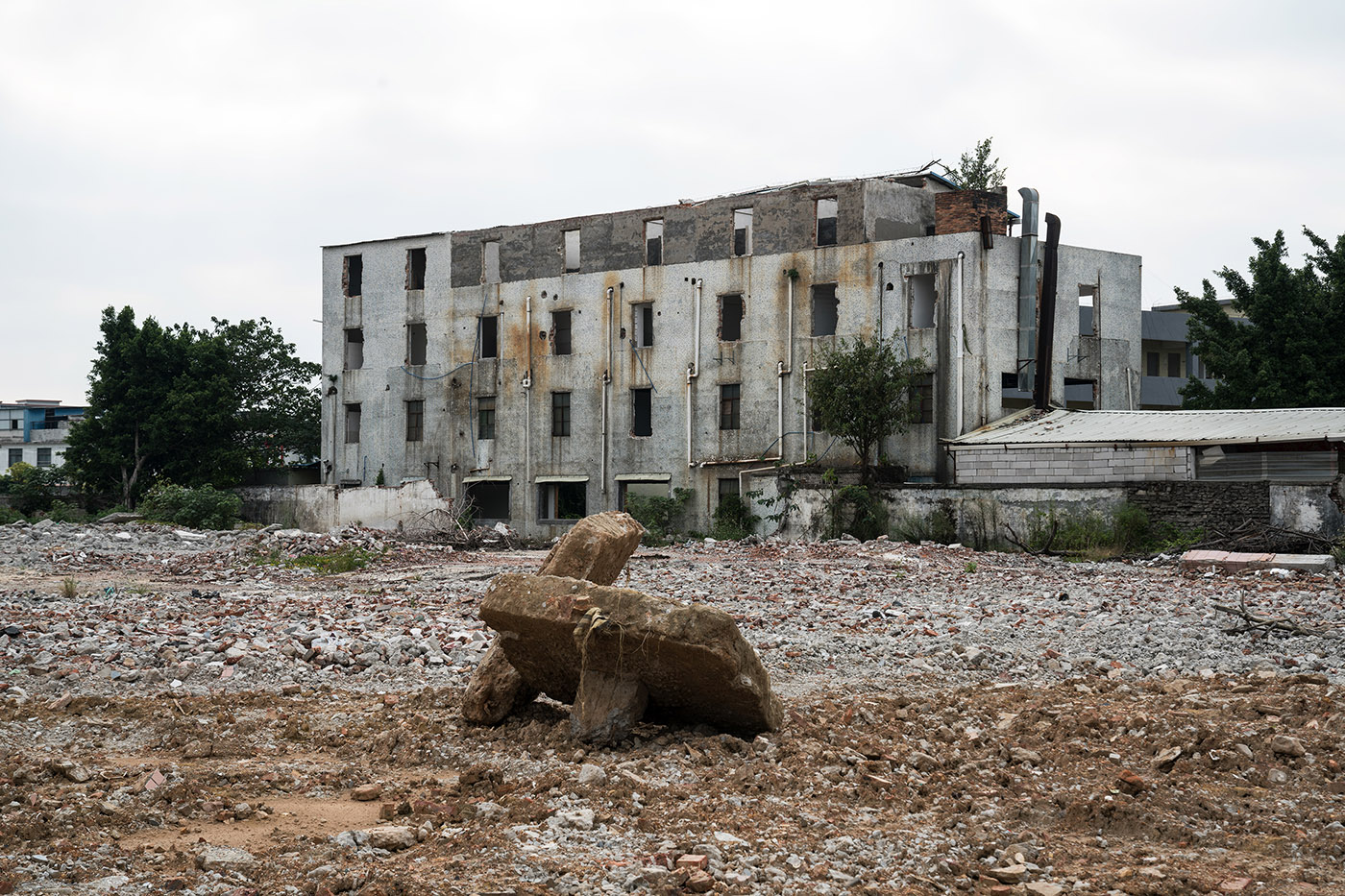
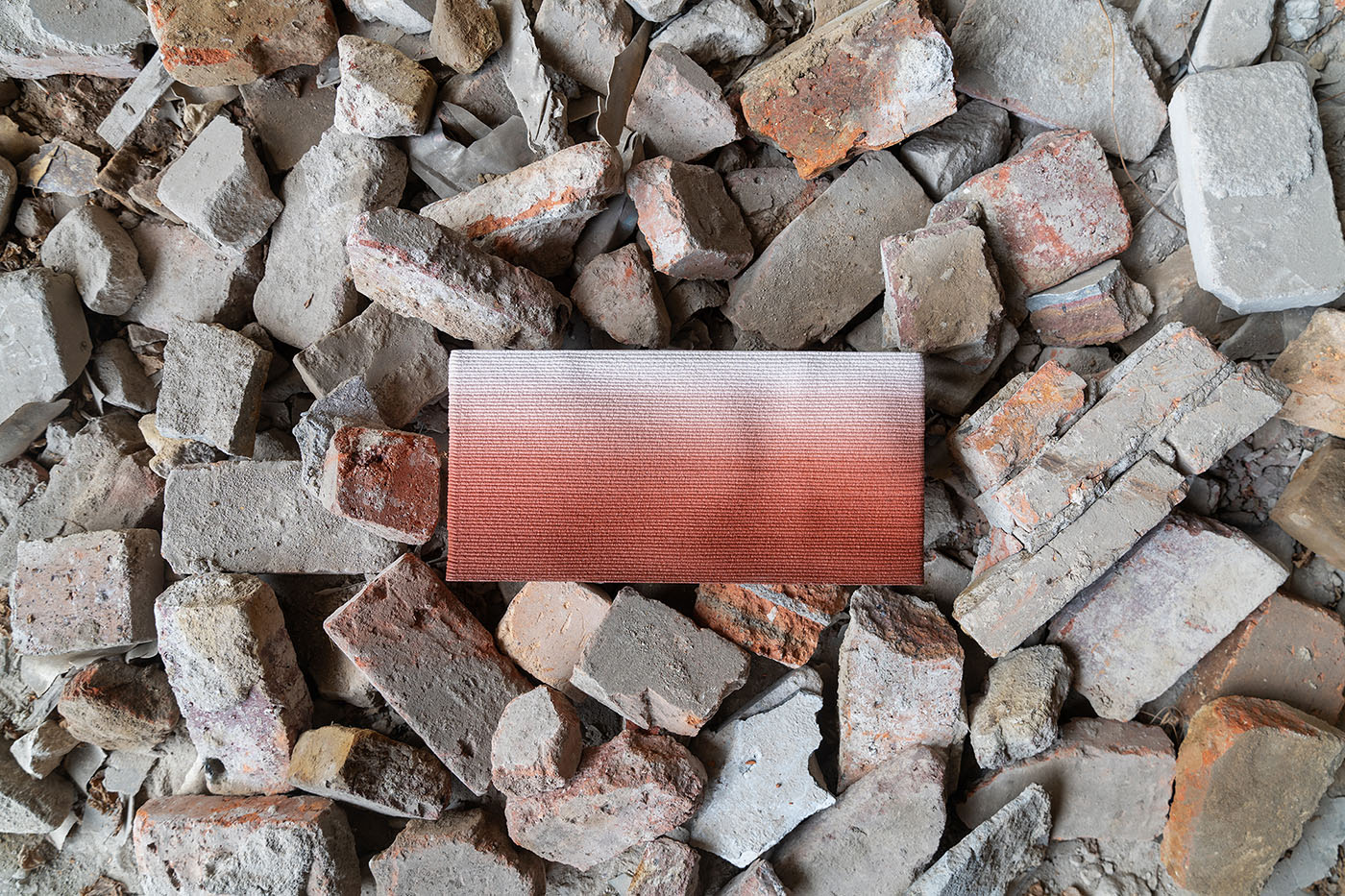
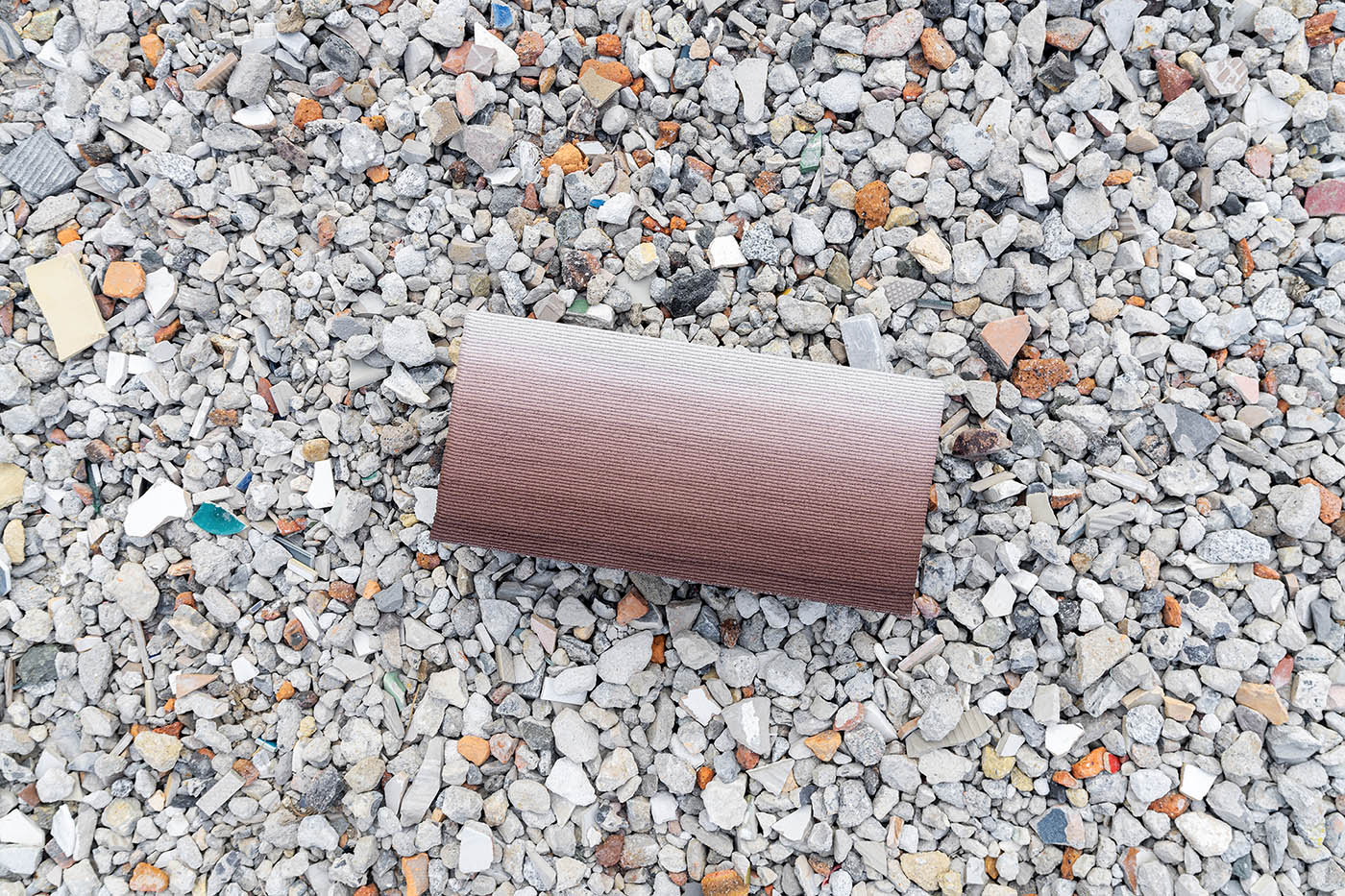
Traditional sustainable design has largely focused on selecting "green" new materials, such as bamboo or recycled plastics, yet these still depend on external supply chains. In contrast, 3D printing with inorganic solid waste anchors the source of raw materials directly in the demolition rubble of the project site itself. This achieves a true "zero-kilometer material" loop, transforming design from being the endpoint of global supply chains into the starting point for initiating local material cycles.
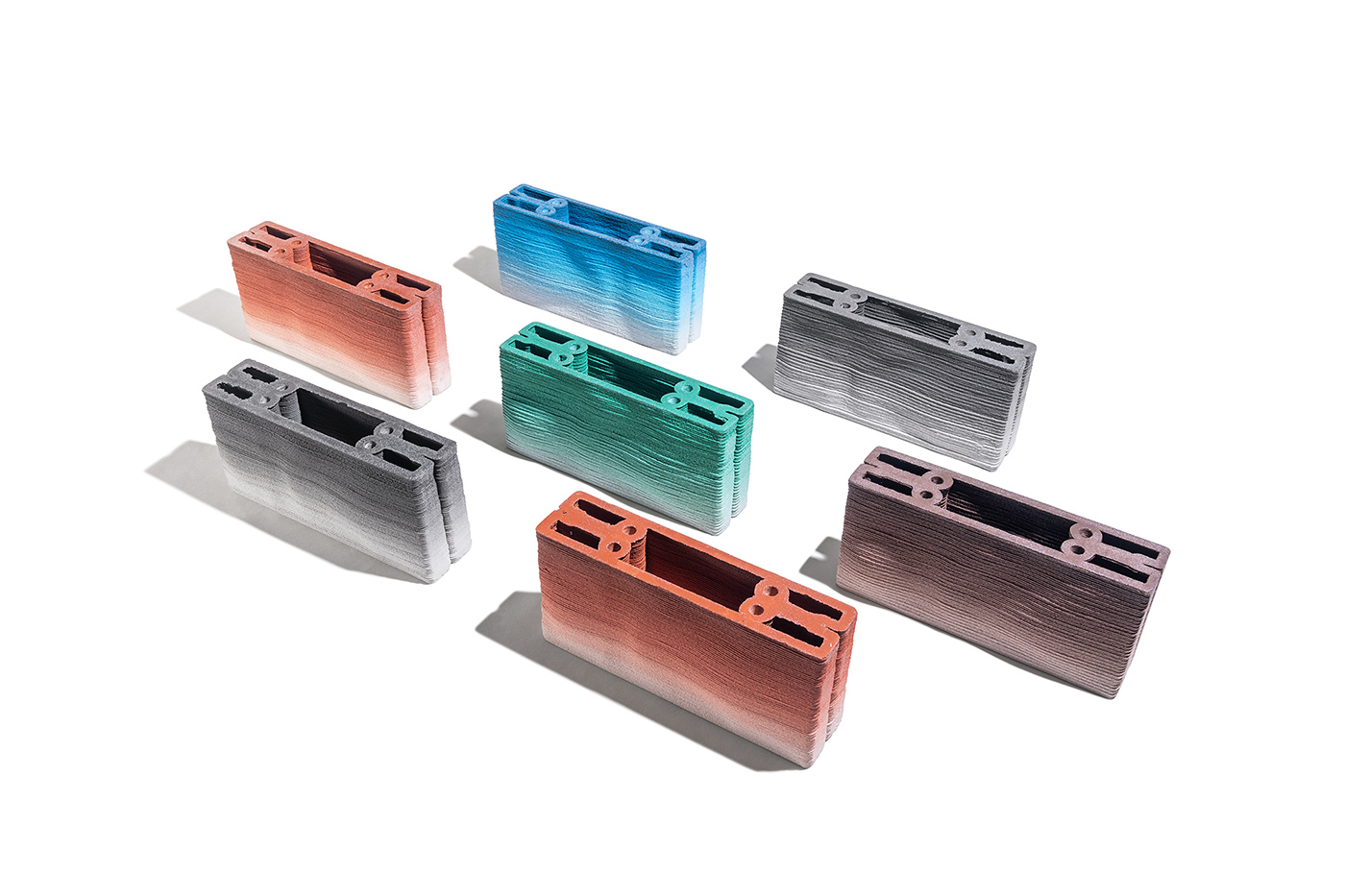
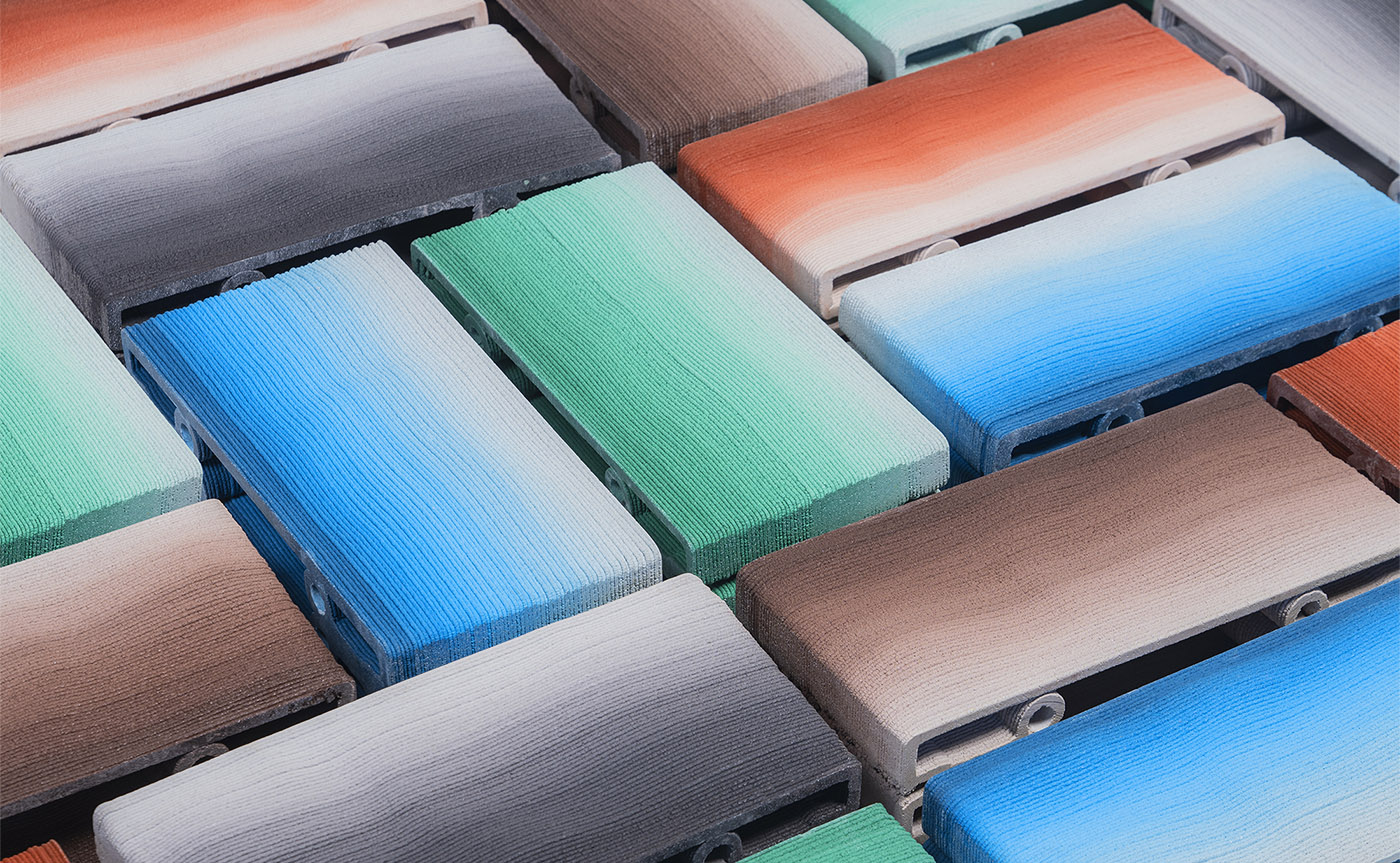
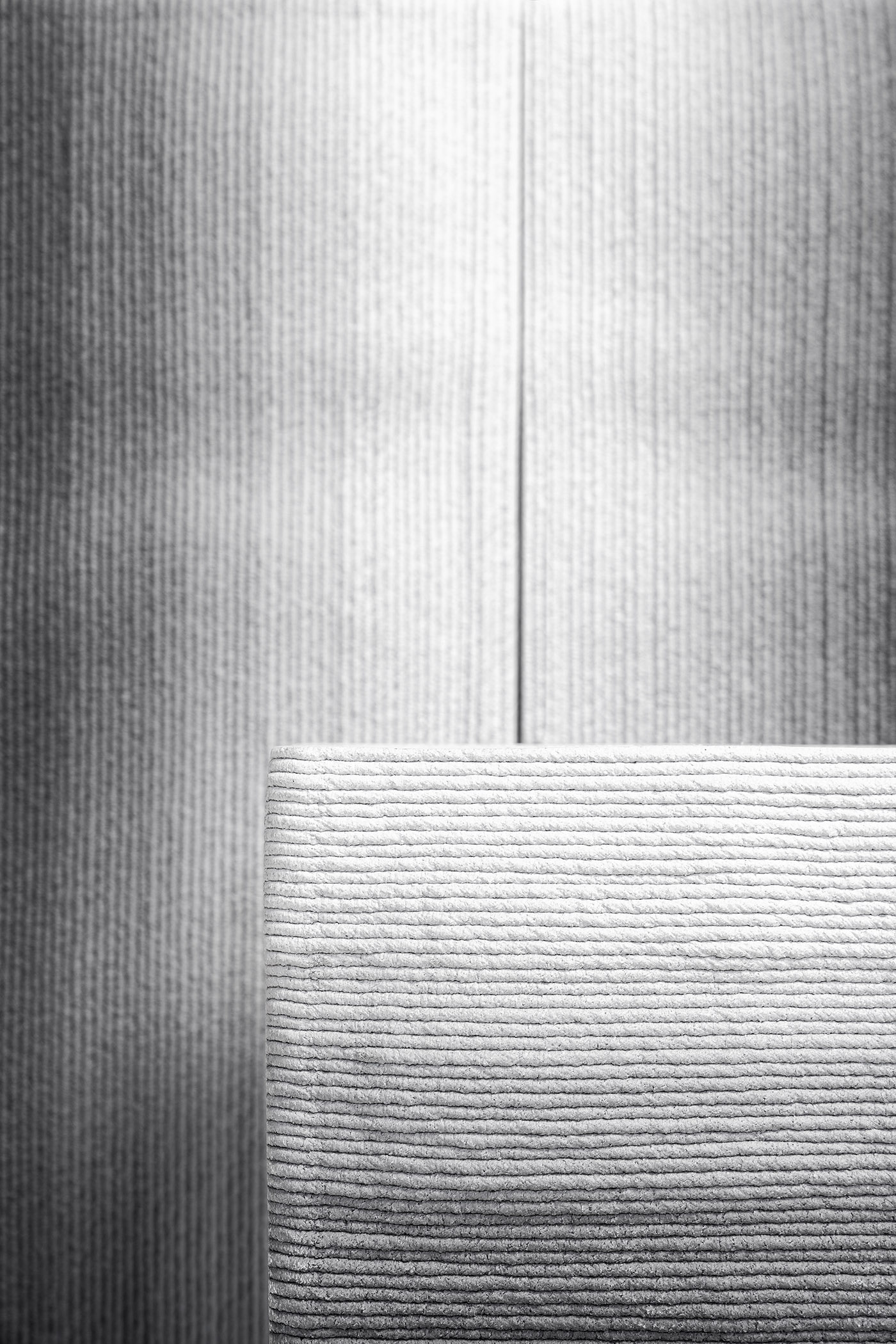
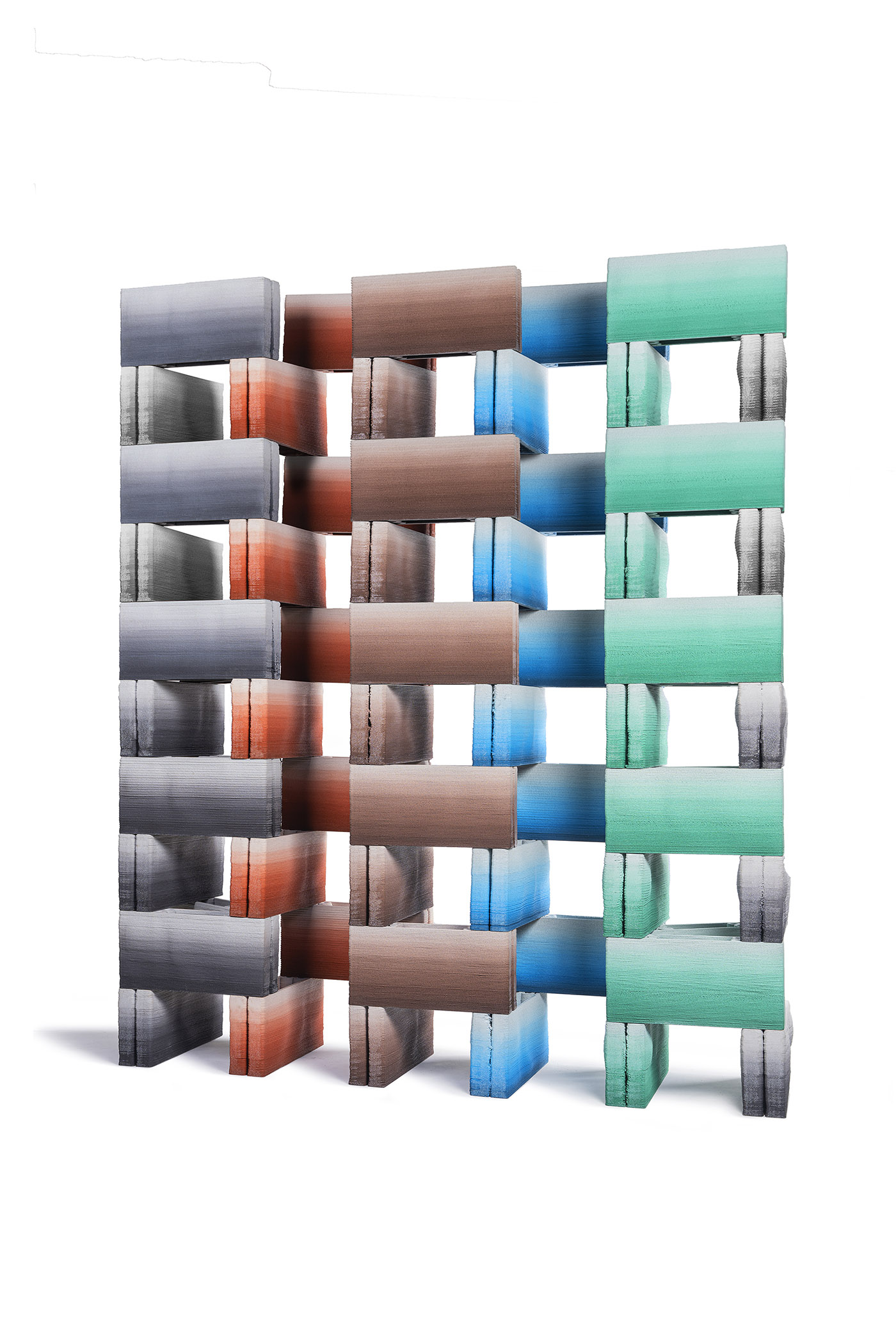
Precision Waste Reduction and Full-Process Carbon Reduction
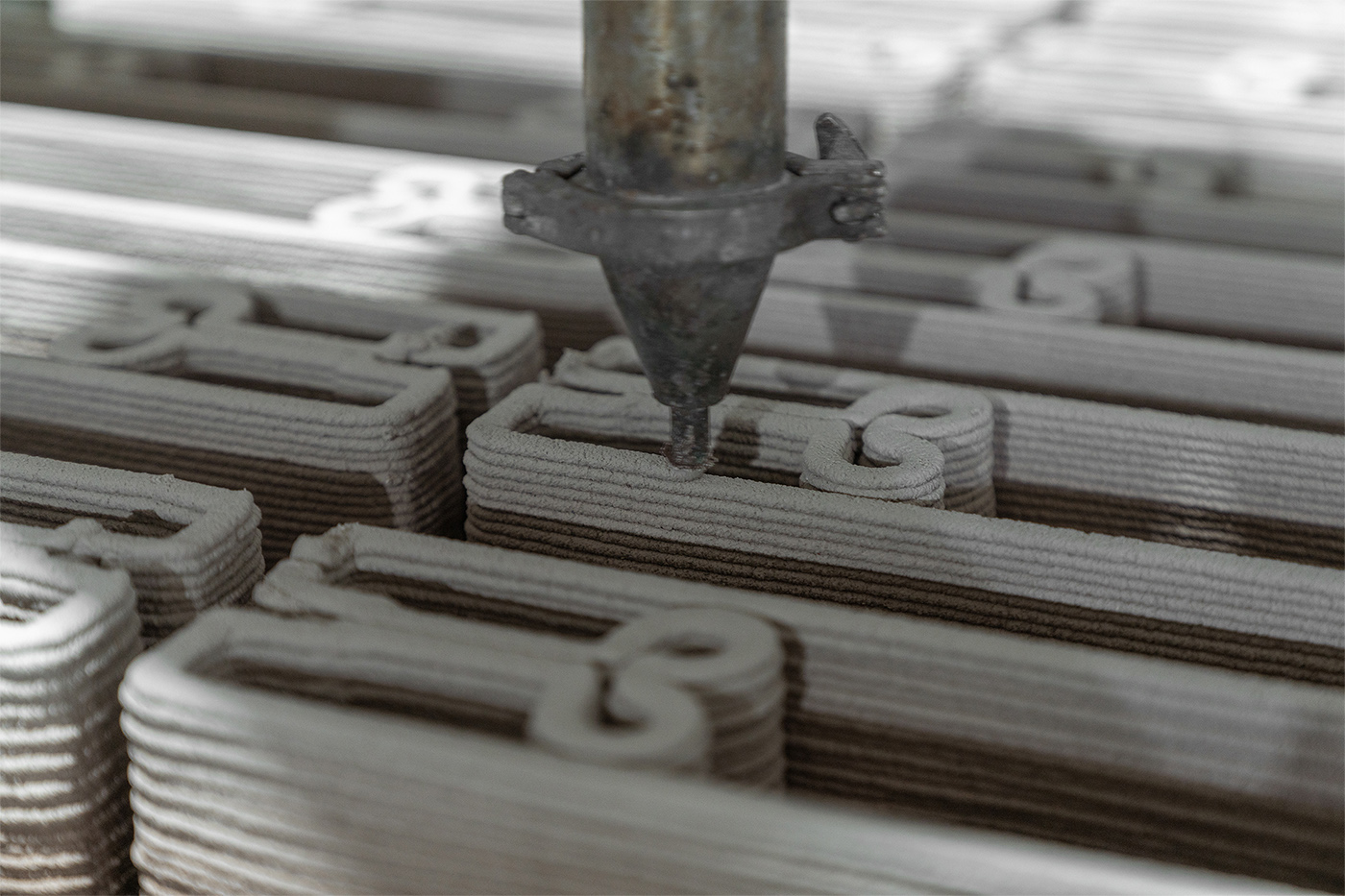
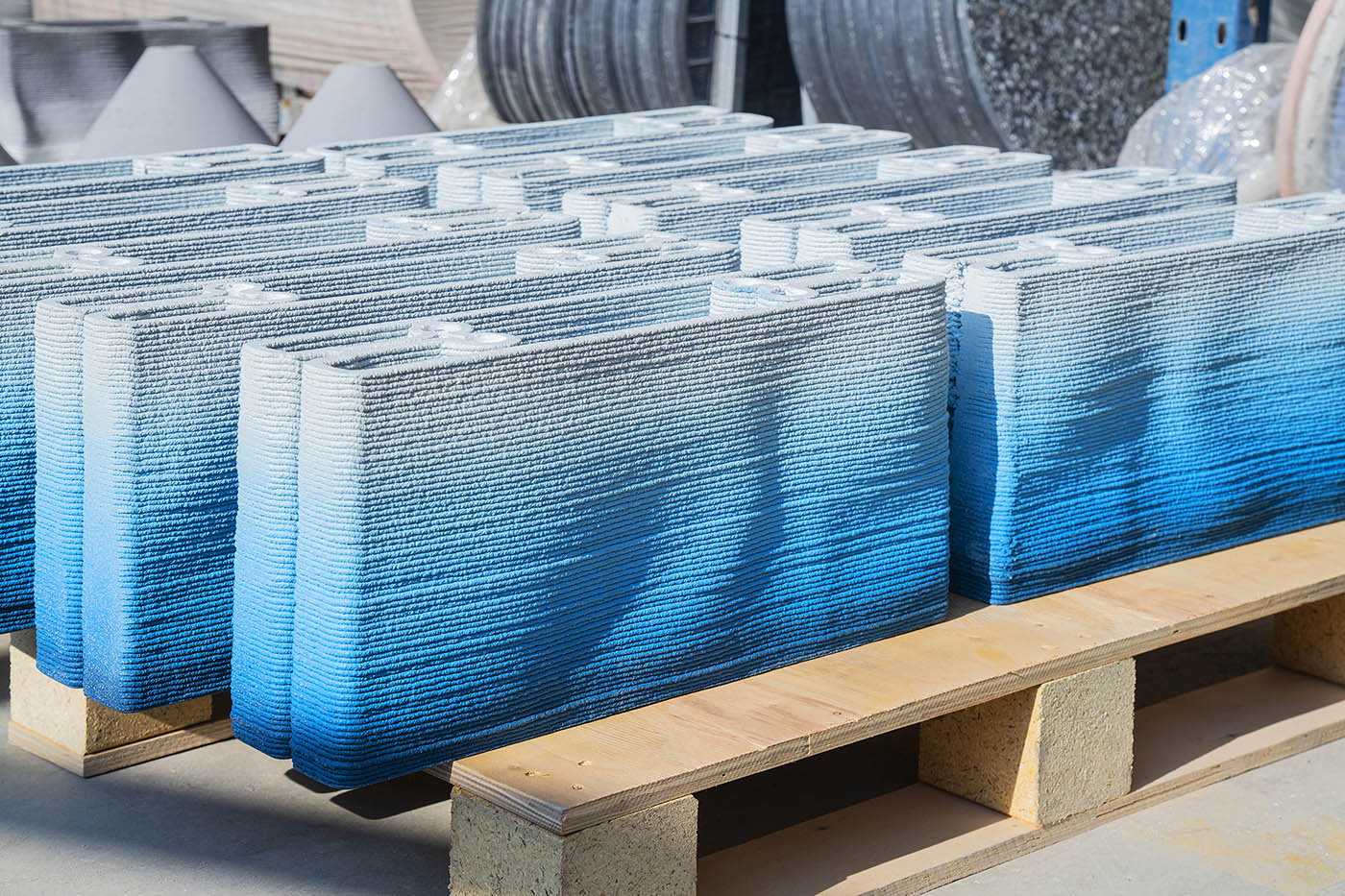
Through intelligent algorithms that optimize structure via topology optimization, this 3D printing technology deposits material only along primary load-bearing paths, reducing material consumption by an average of 30-60%. It eliminates the long-distance transportation, mold production, and high-energy curing processes associated with traditional building materials. Compared to conventional concrete components, the full-process carbon emissions can be reduced by over 65%. Furthermore, the process enables near-zero waste production, as all digitally designed material is precisely extruded.
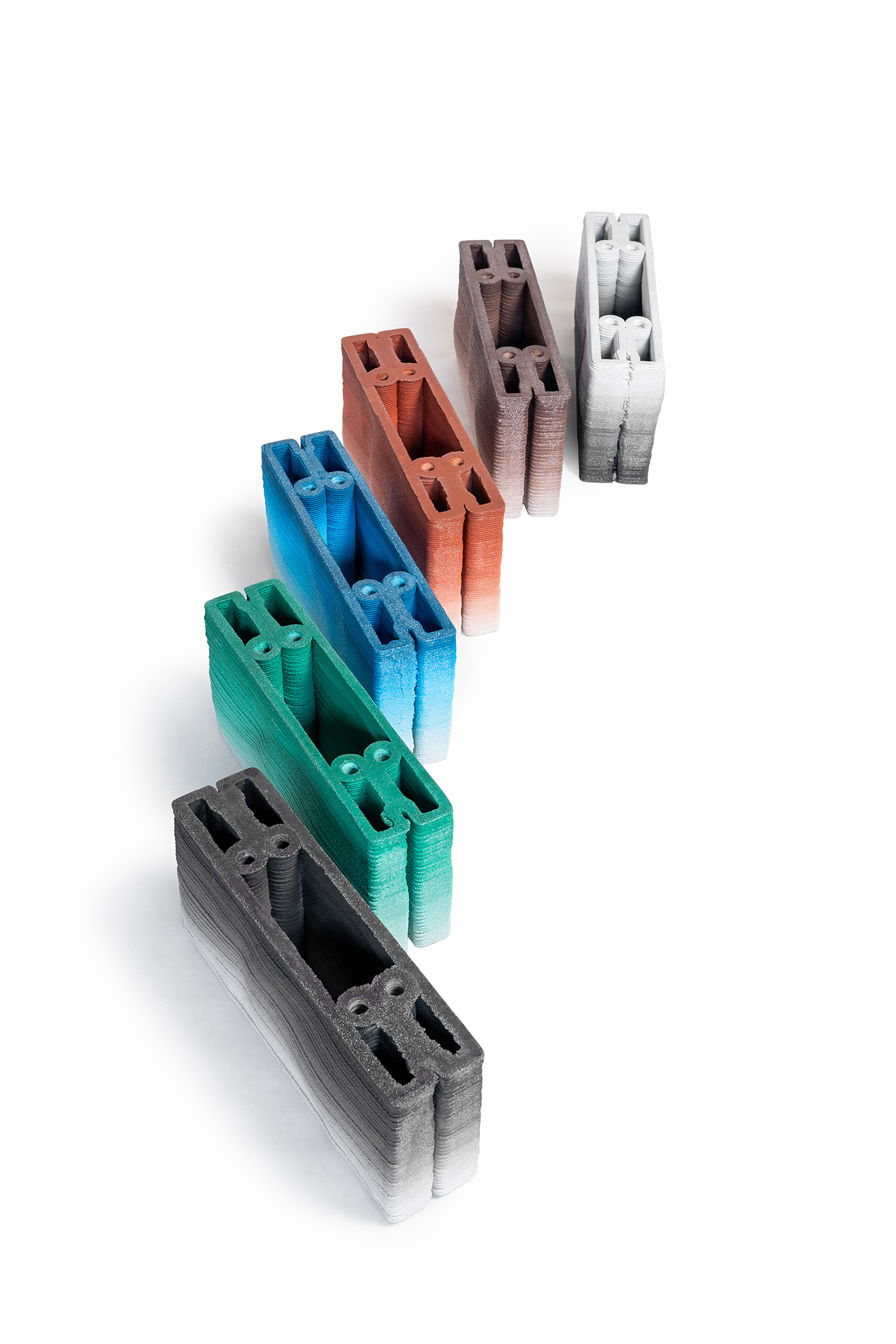
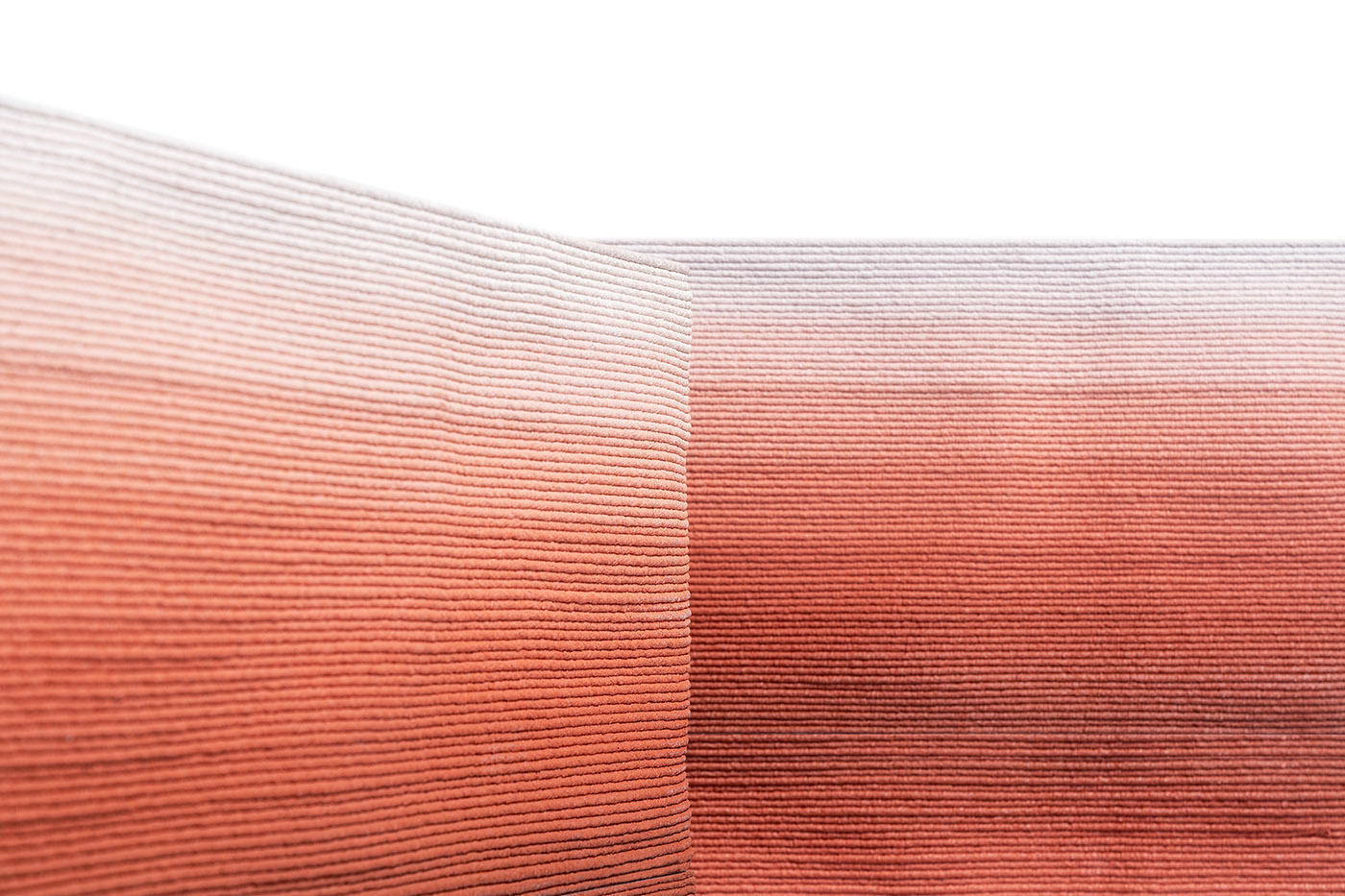
Deep Integration of Performance and Form
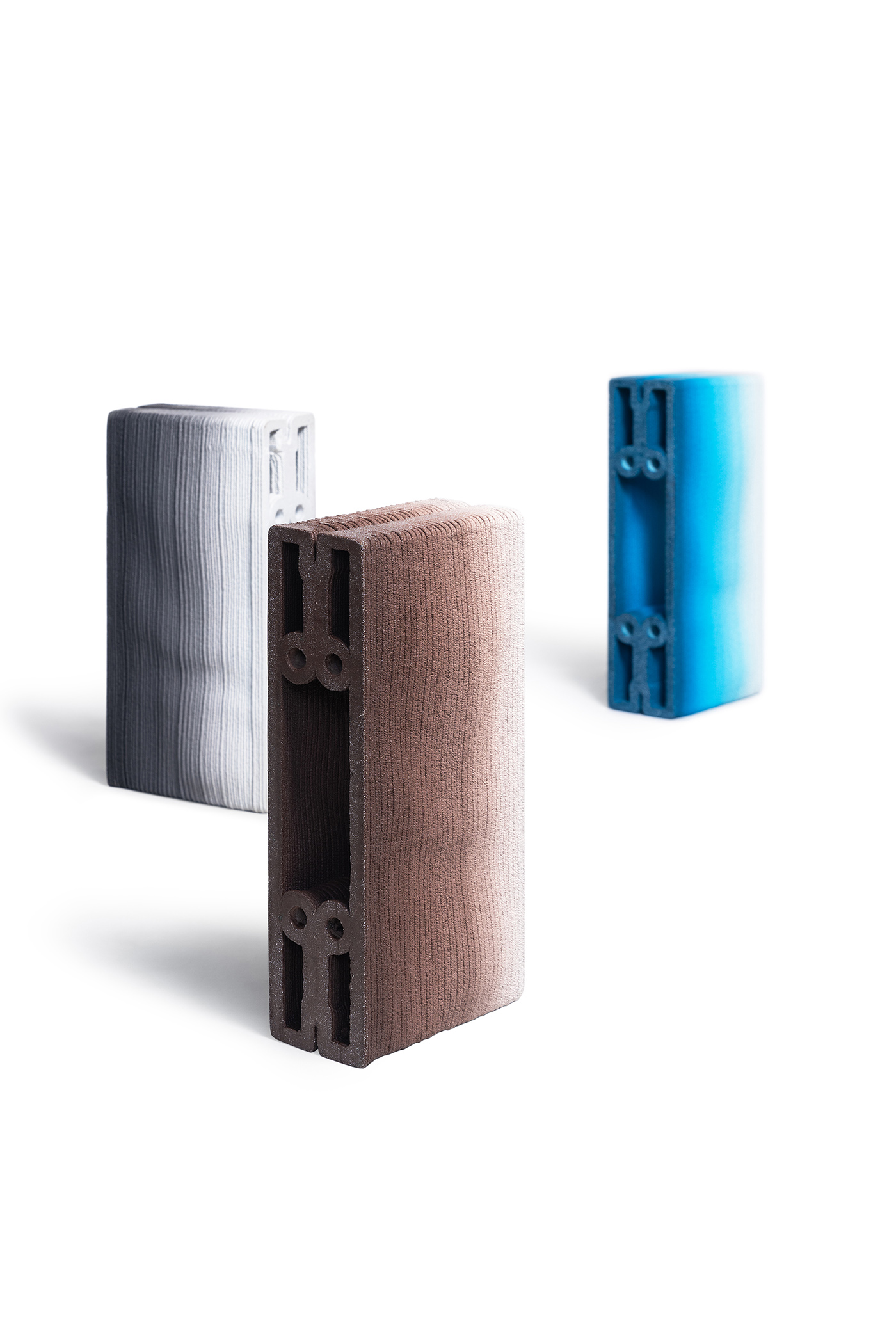
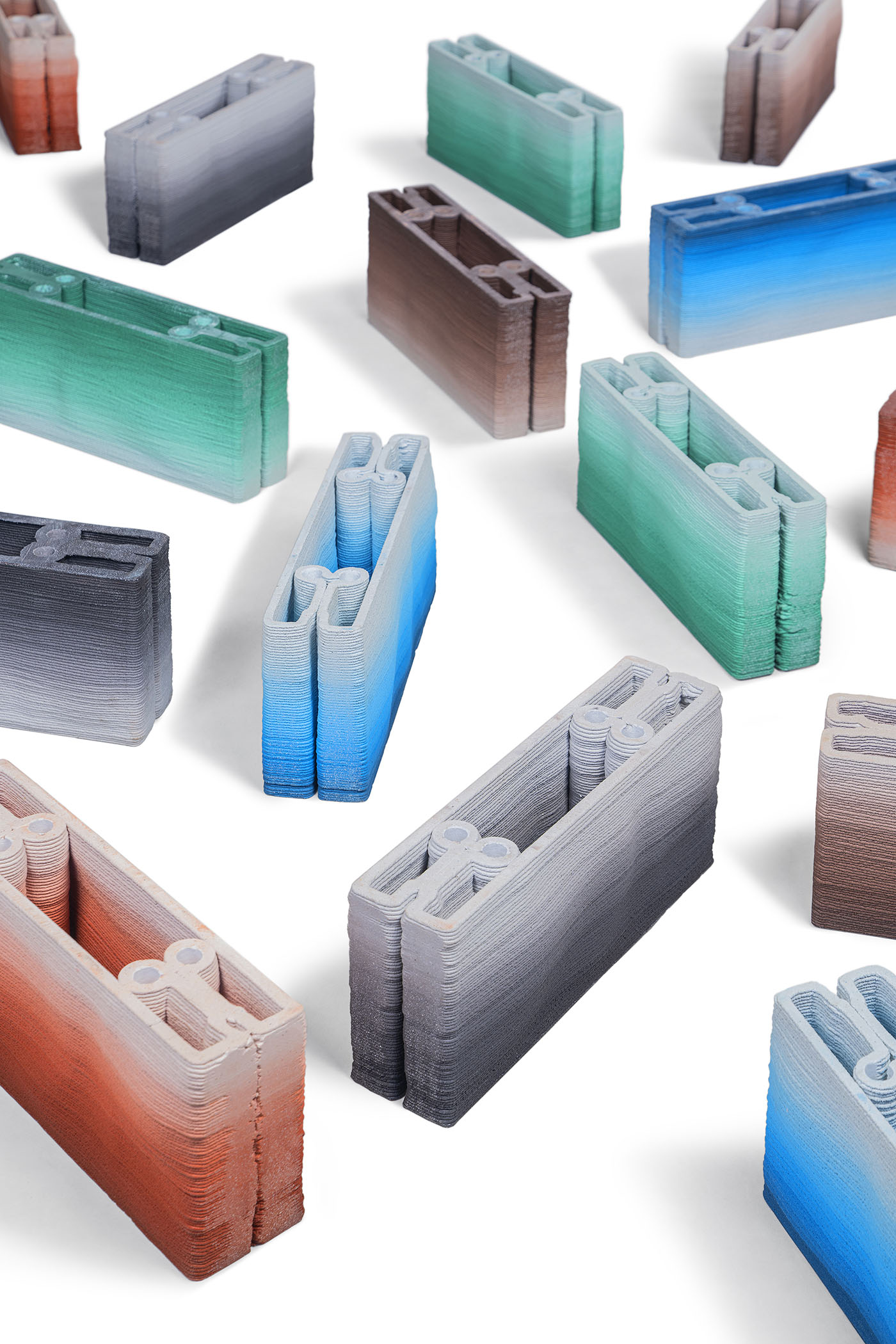
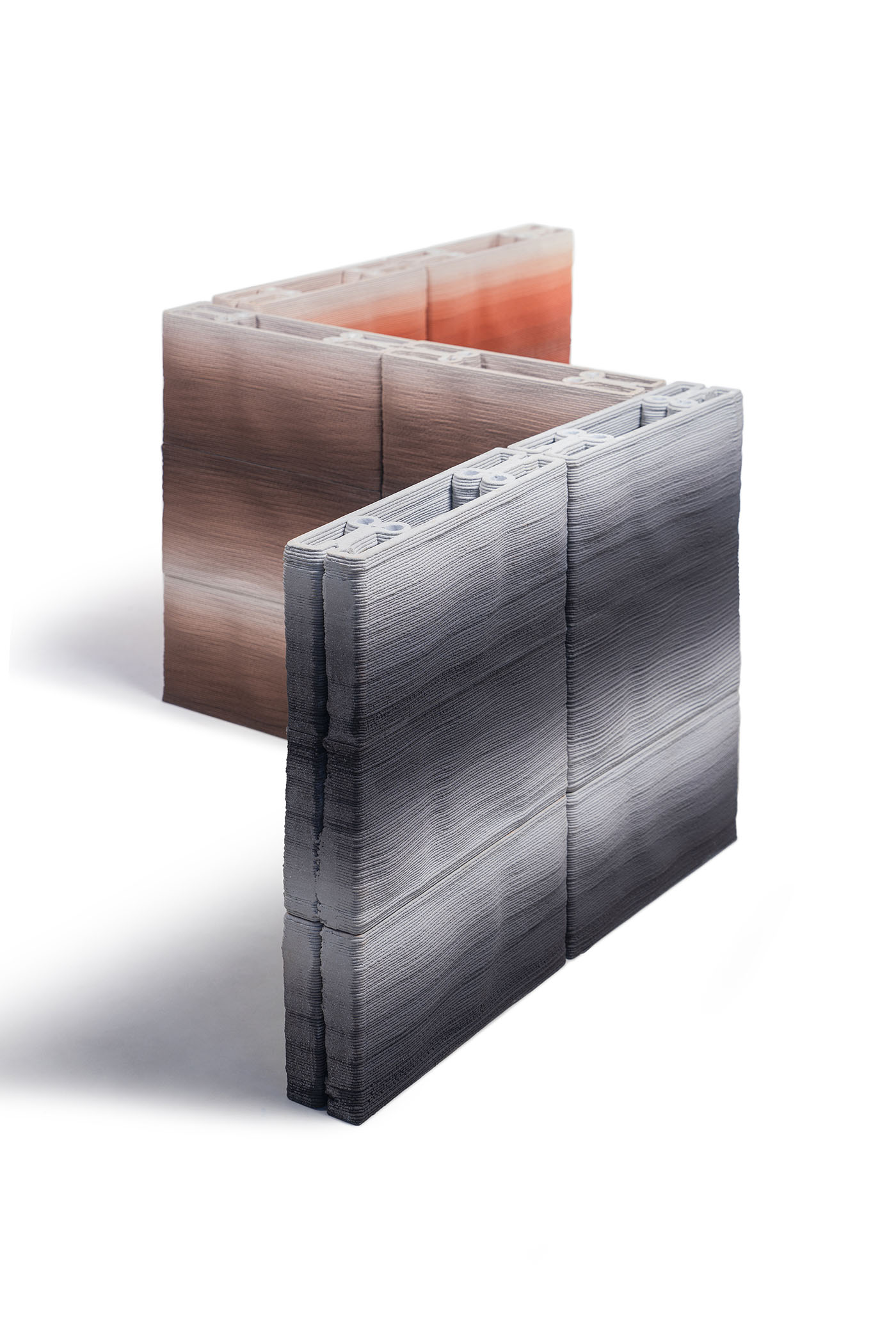
On a design level, 3D printing with inorganic waste achieves a profound integration of product performance and morphology. Computational design enables the creation of complex, hollow, and lattice structures that achieve maximum strength with minimal material—a feat difficult to accomplish with traditional mold casting. It readily fabricates porous, permeable structures (suitable for sponge city infrastructure), complex curved surfaces (for wind redirection or shading), and integrated cavities (providing micro-habitats for flora and fauna), integrating urban furniture itself as a component of the ecosystem.
From Cold Metrics to Emotional Vessels
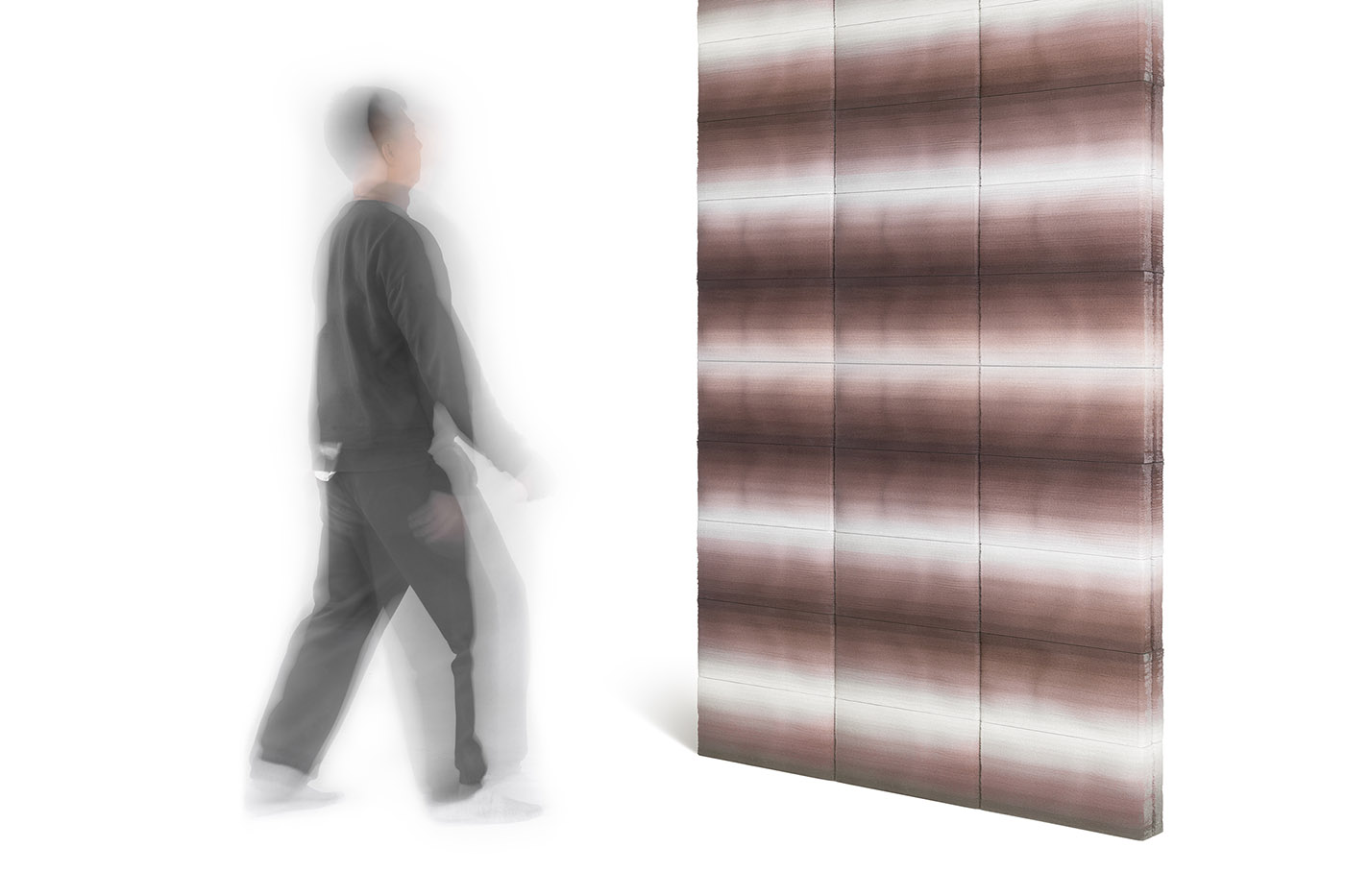
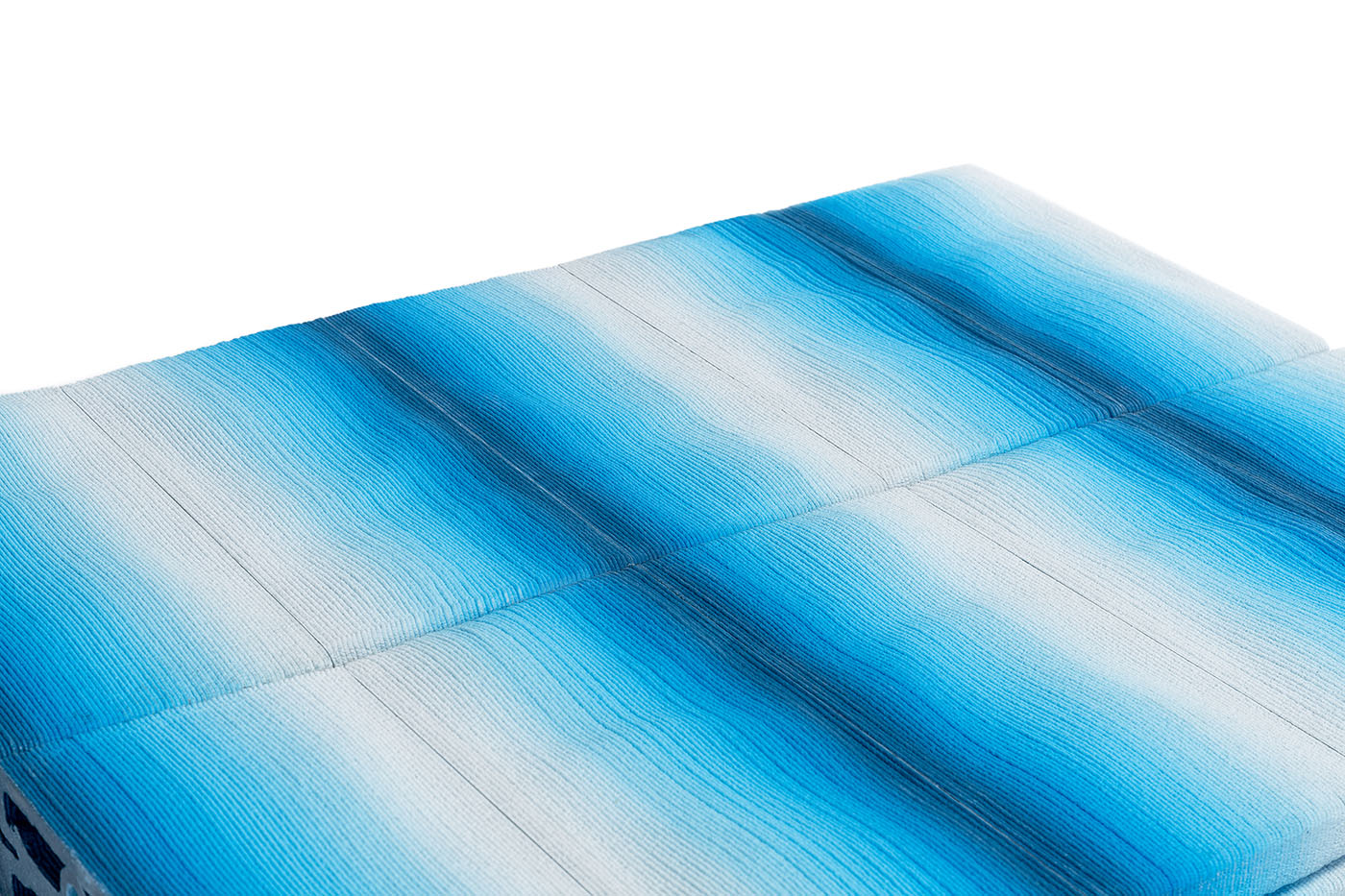
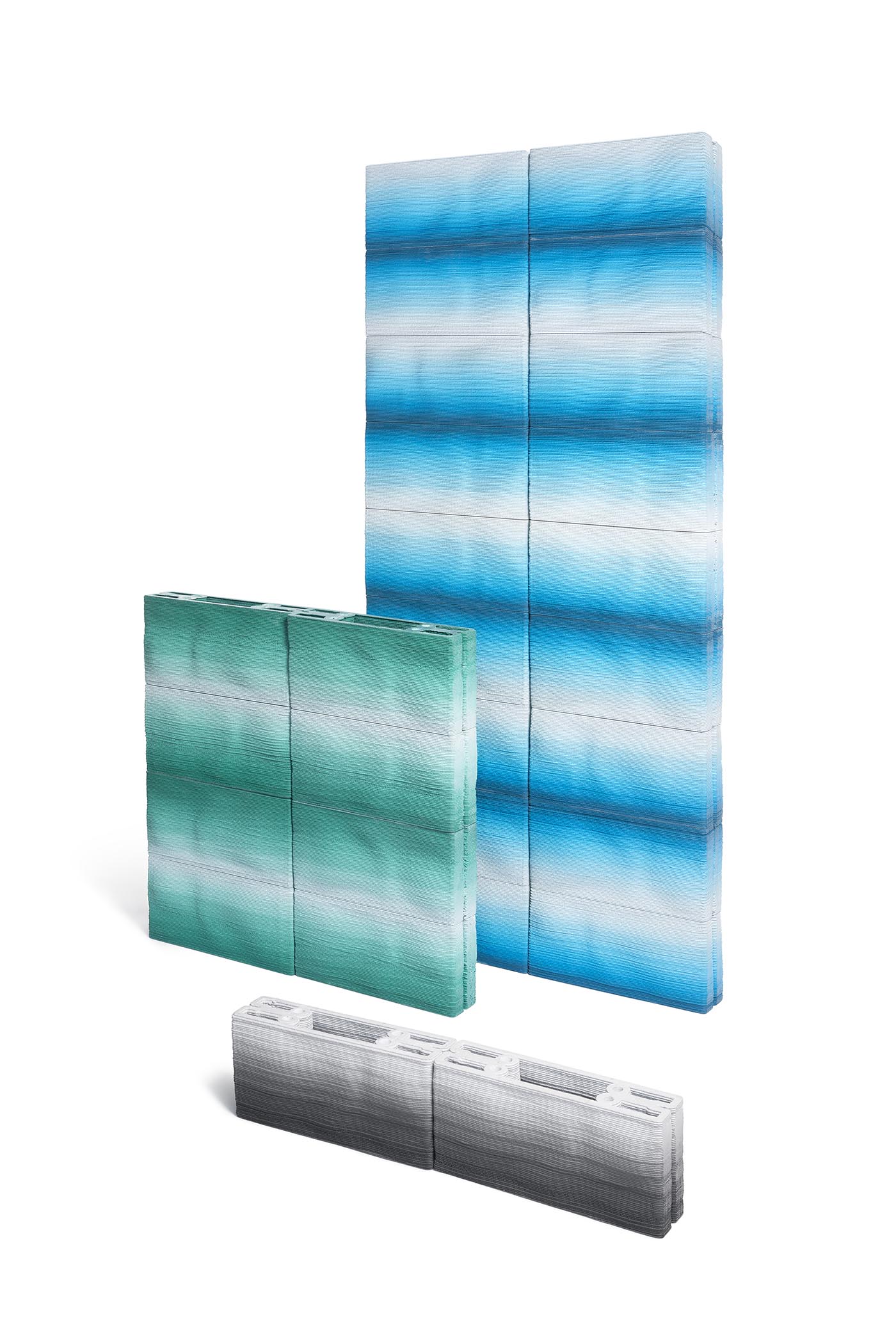
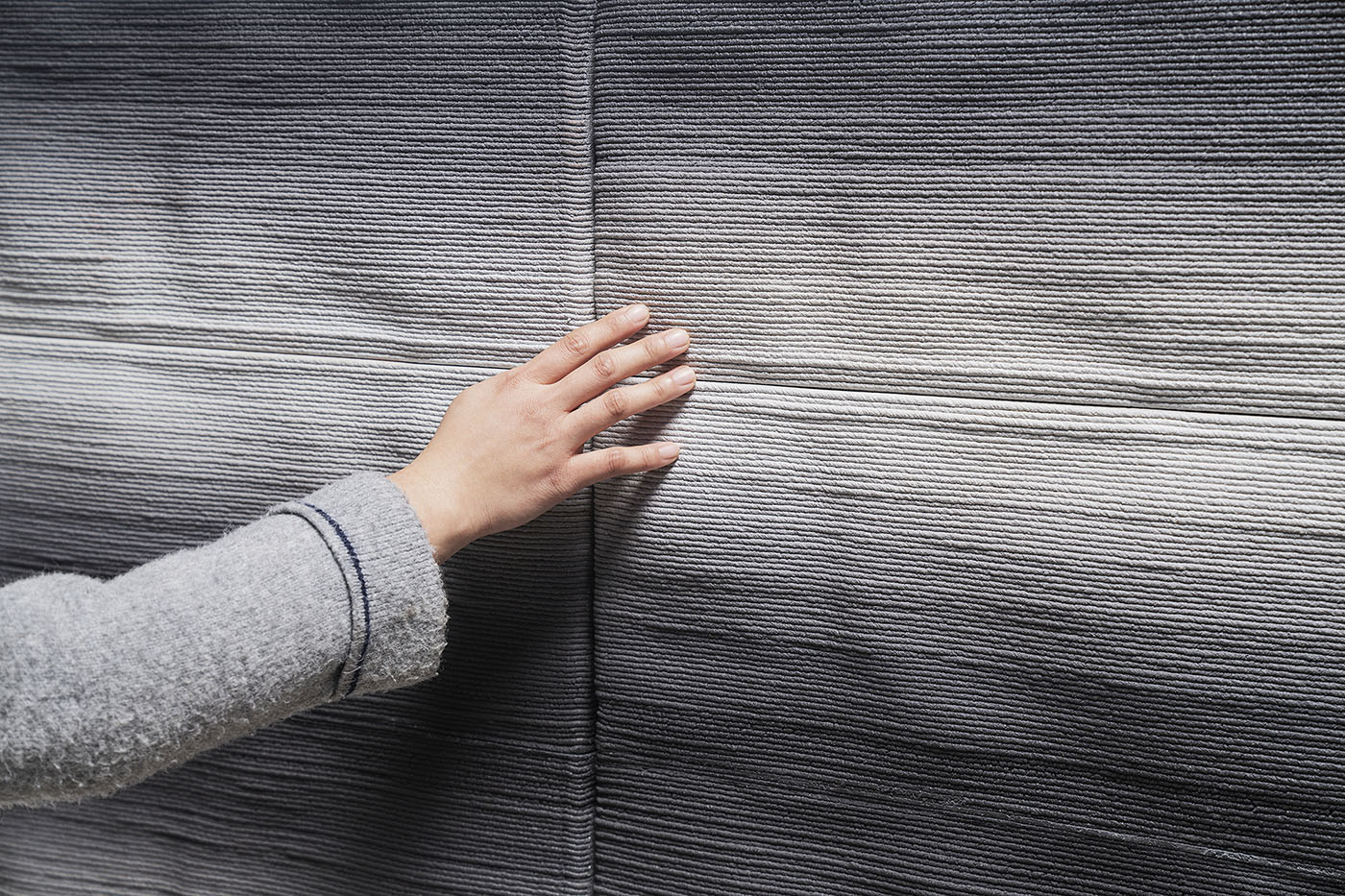
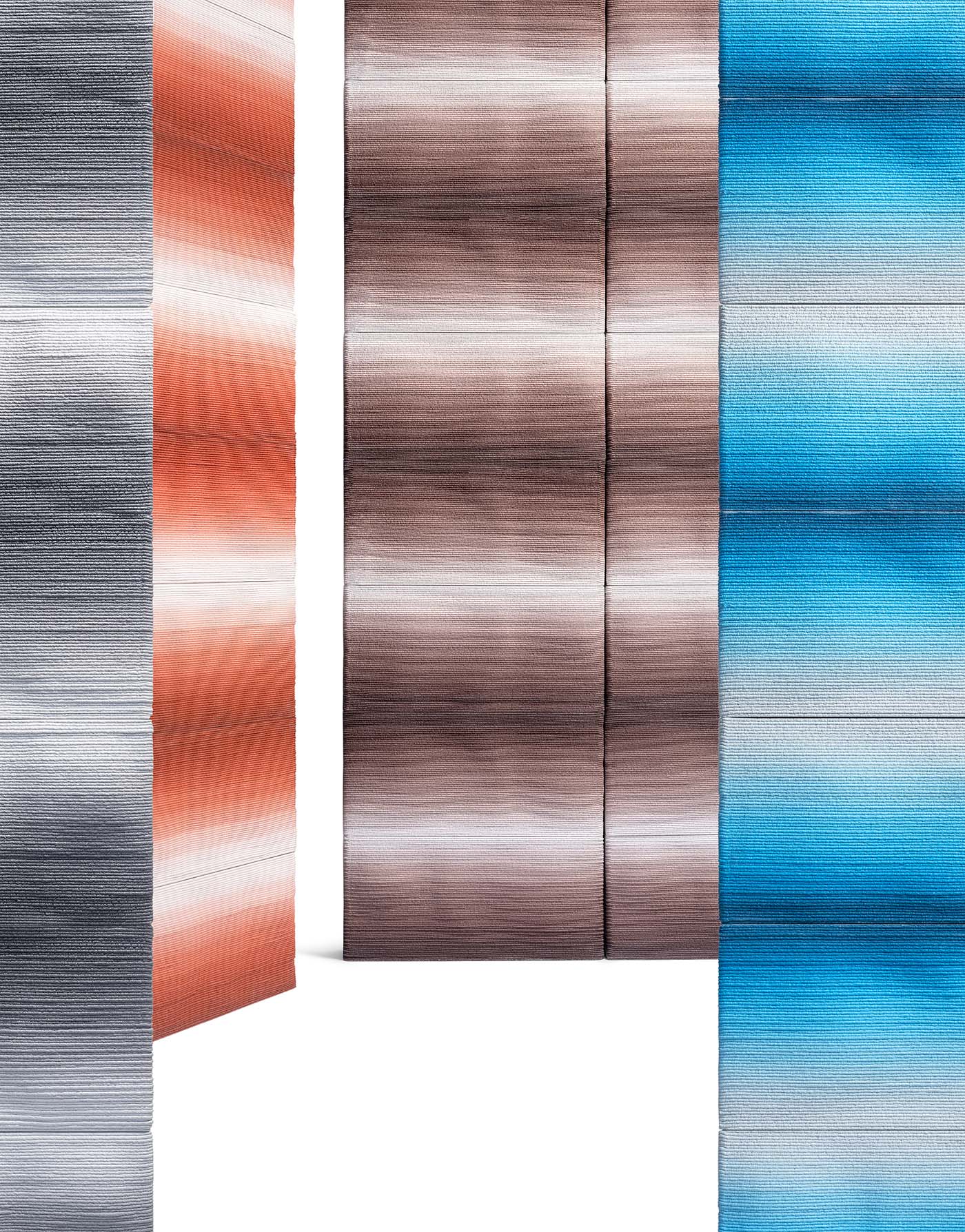
This technology possesses the unique capacity to "encode" socio-cultural dimensions within materials and forms. By harnessing the inherent historical traces—colors and textures—of solid waste, it translates them into a unique aesthetic language through parametric design. The object of design is no longer merely the "product", but the entire "process system" encompassing material flow, carbon footprint, and community relations. This elevates "sustainability" from a set of cold metrics into a tangible vessel for collective memory and resonance, profoundly enhancing the cultural depth and public emotional connection inherent in sustainable design.
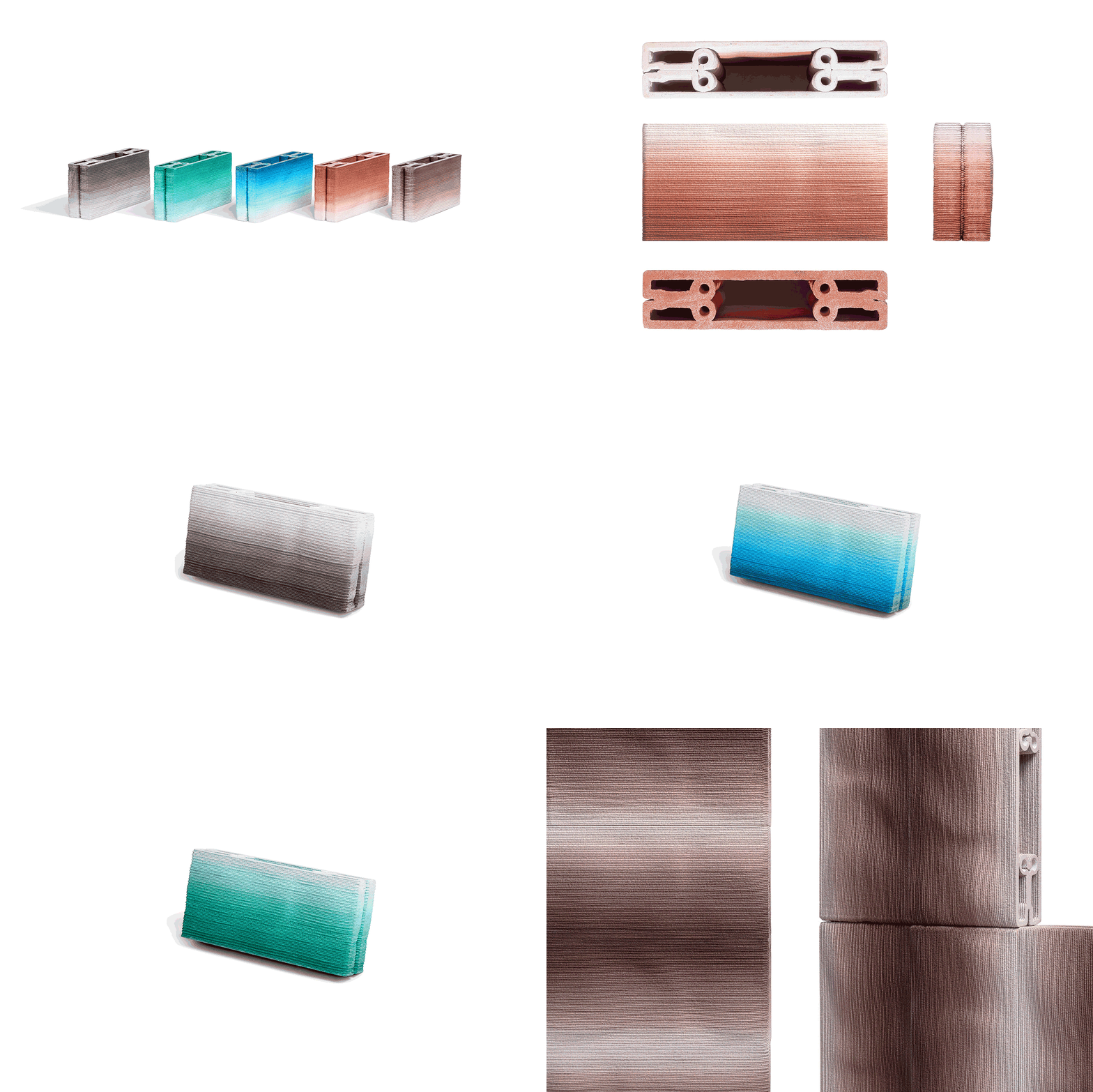
Decorative Bricks · SI
Material: Recycled Construction Waste
Size: L440×W110×H215 mm
Weight: 6 kg
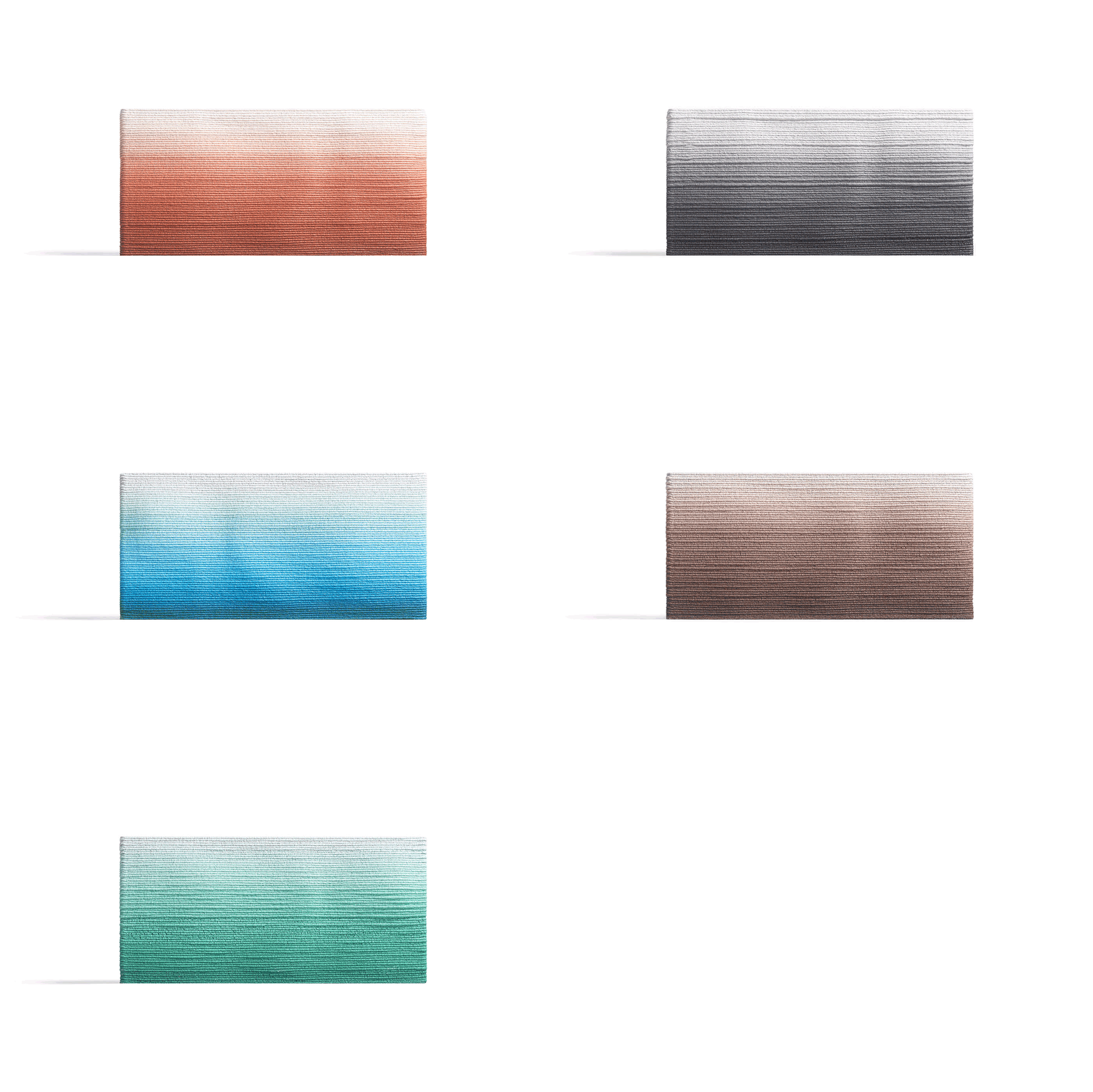
Colour: Ink Wash / Ink Green / Vermilion / Tea Brown / Azure

- Contact
+8620 8977 0506
- Press
press@bentudesign.com
- Enquiry & Sales
info@bentudesign.com


