Hardheadedness: The Paradox of Obsession
Time: 2020
Location: Shunde, Guangdong, China
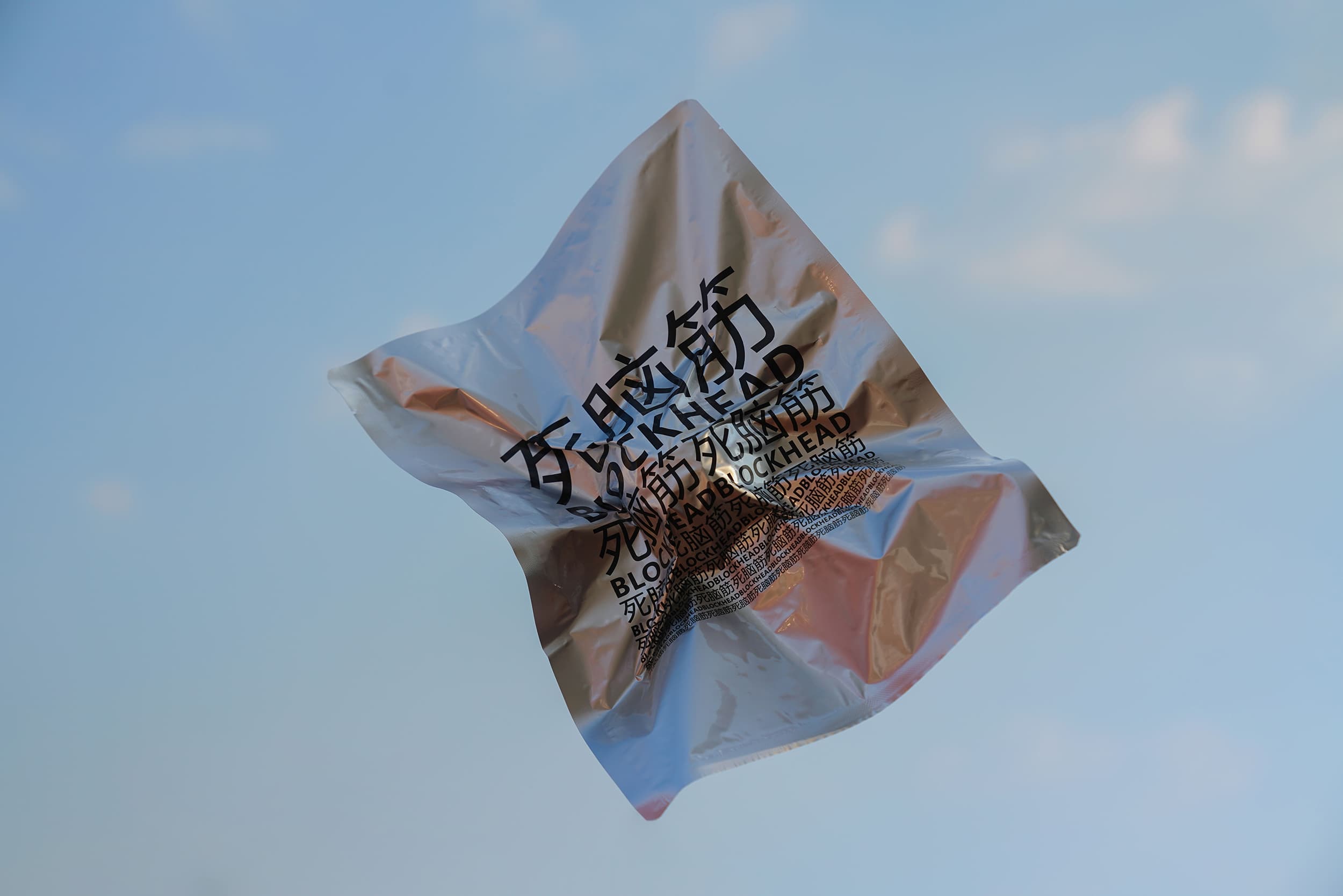
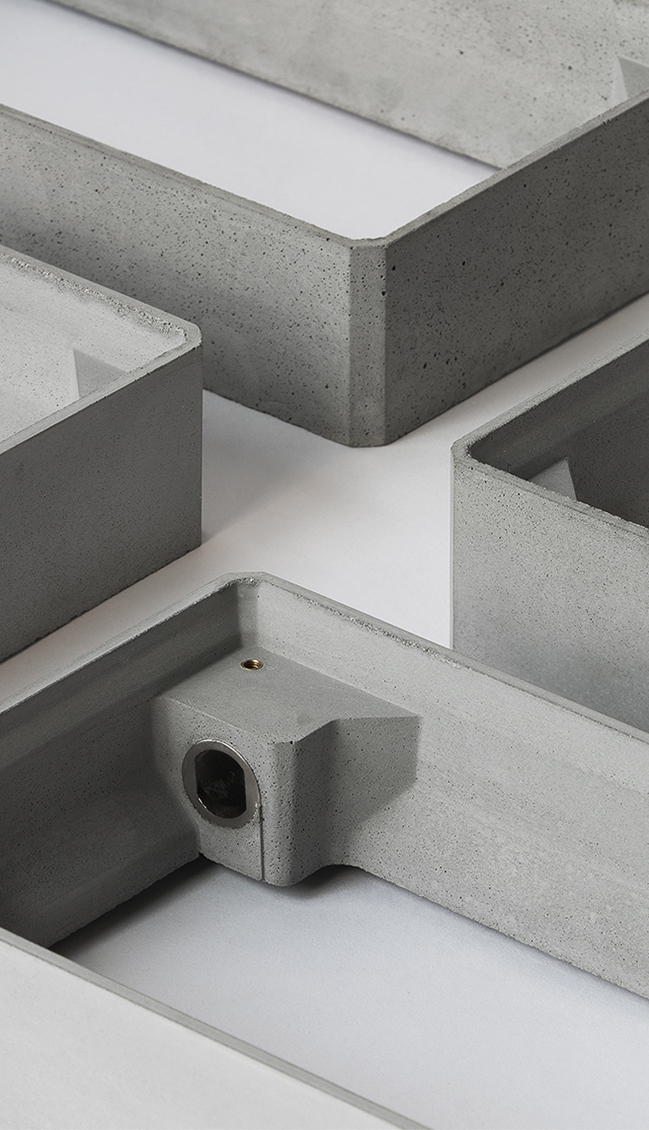
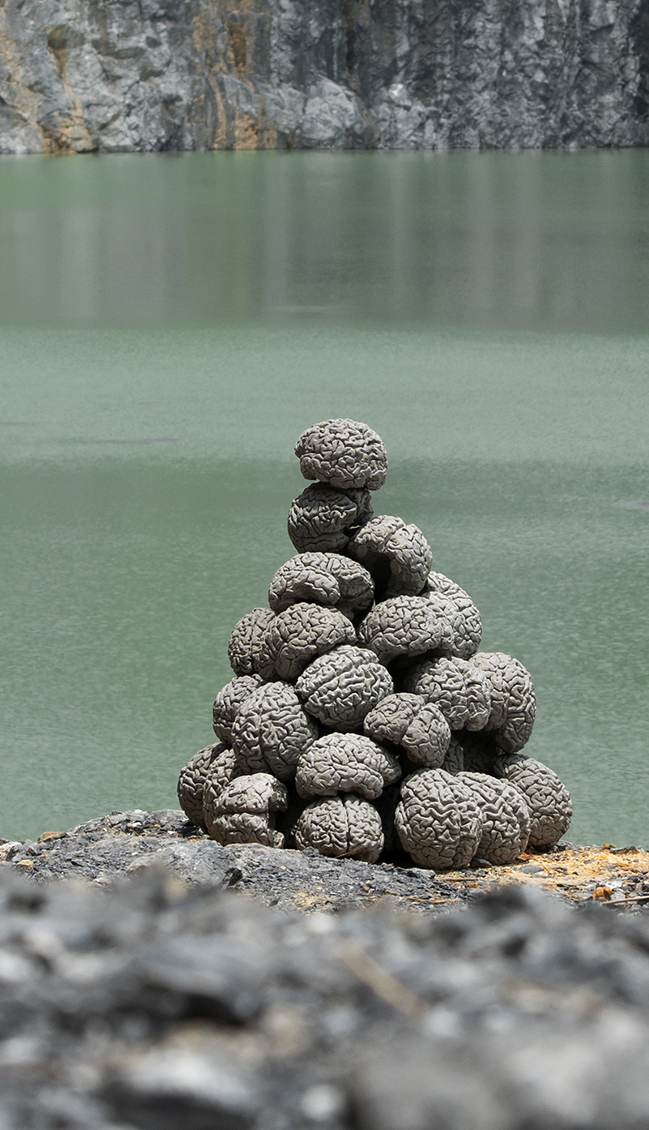
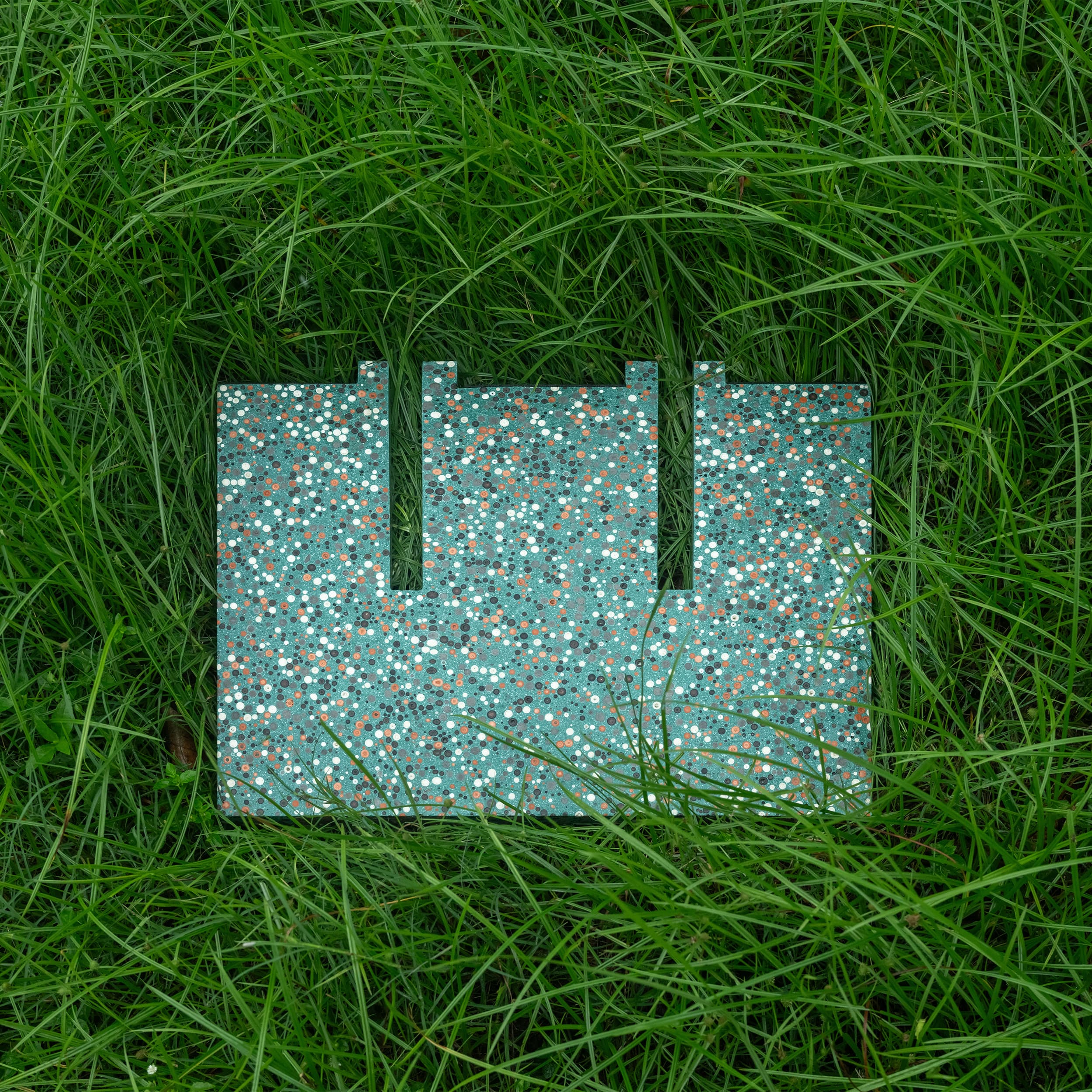
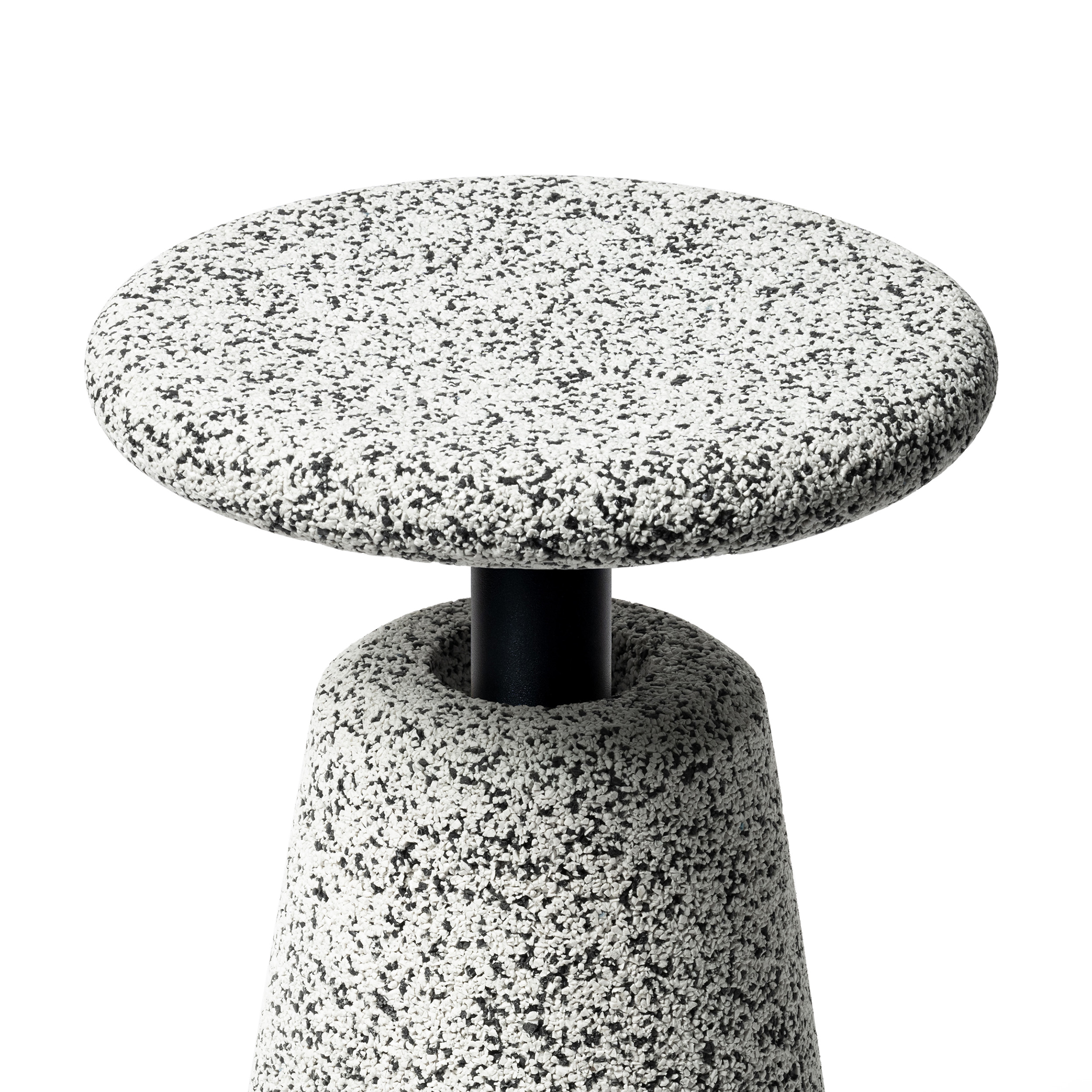
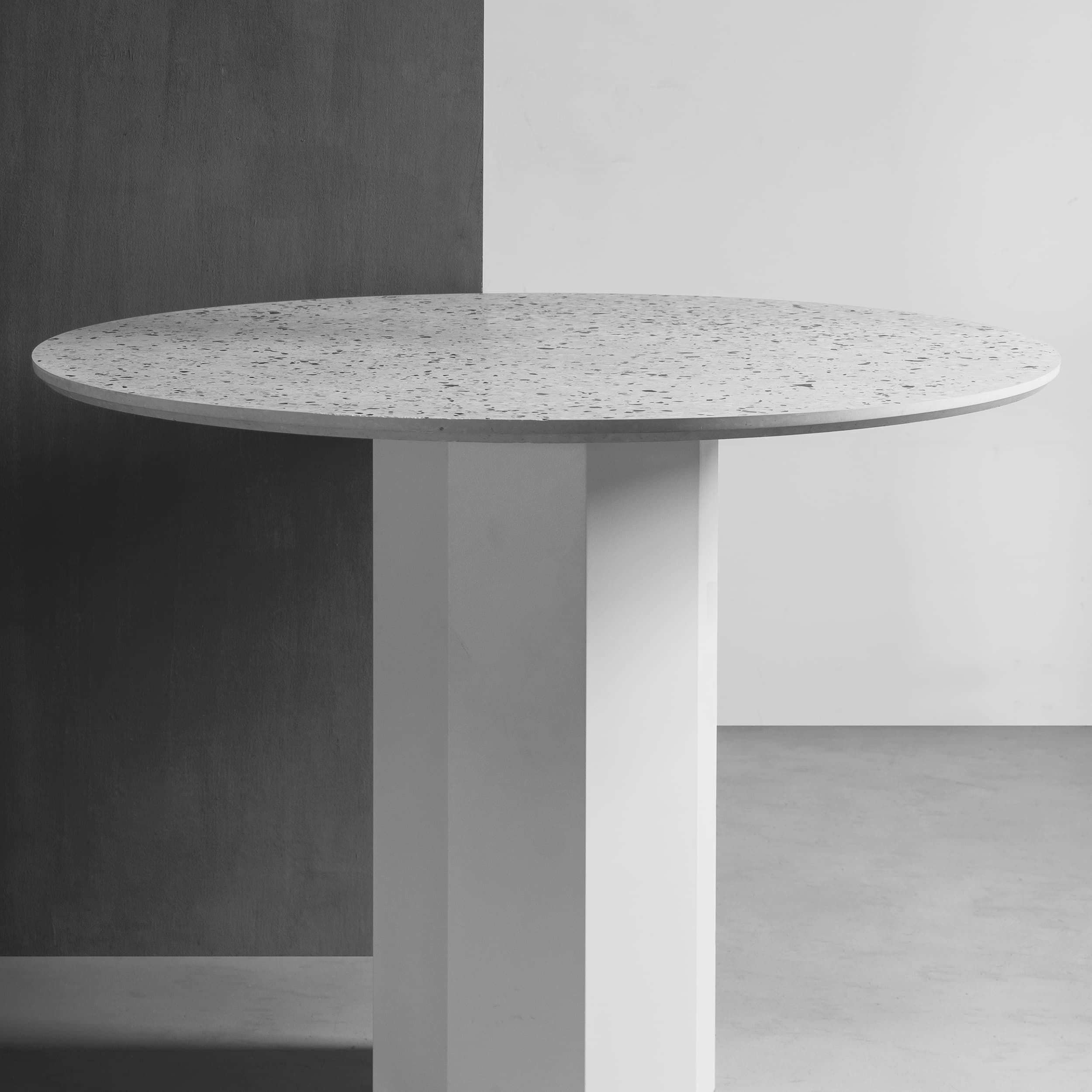
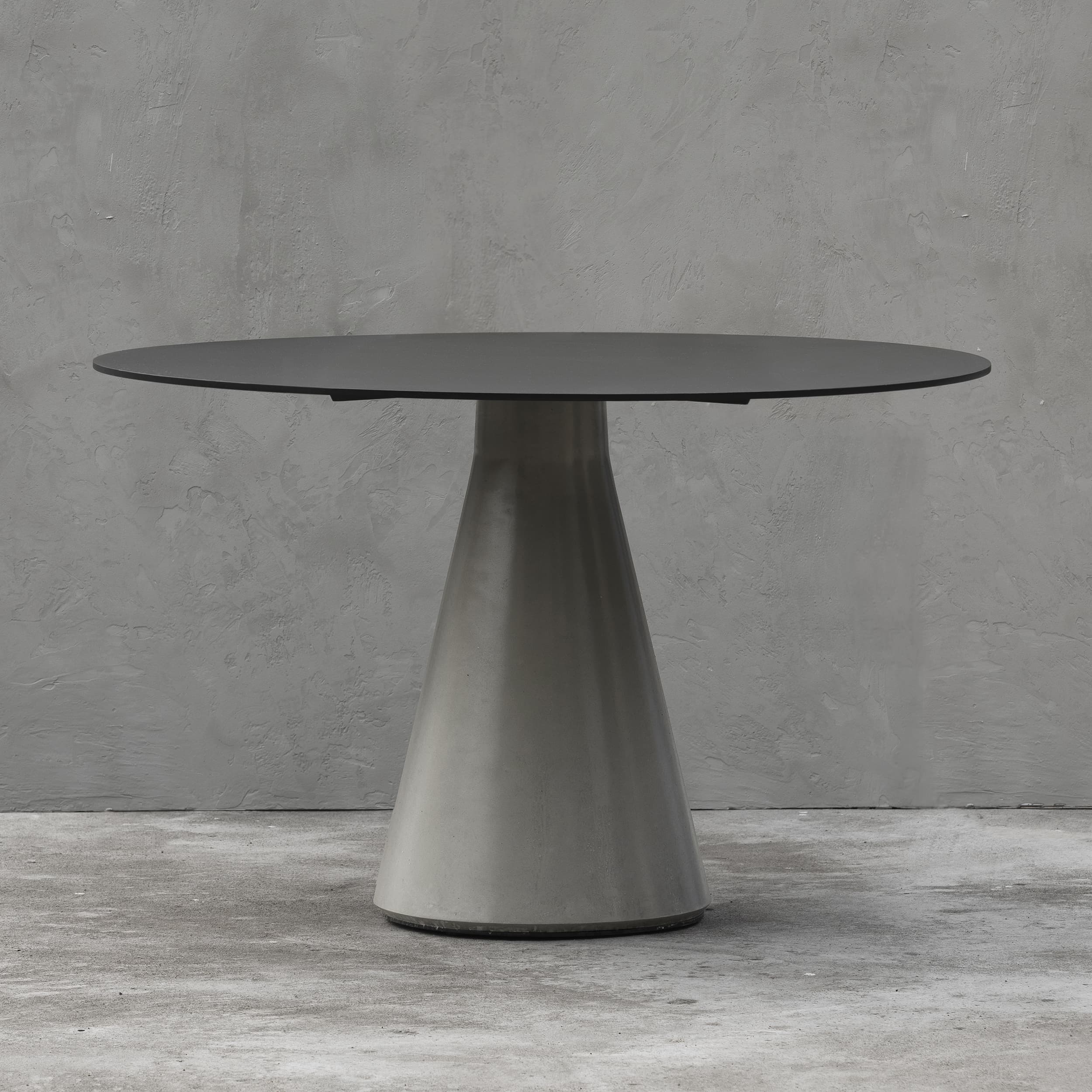
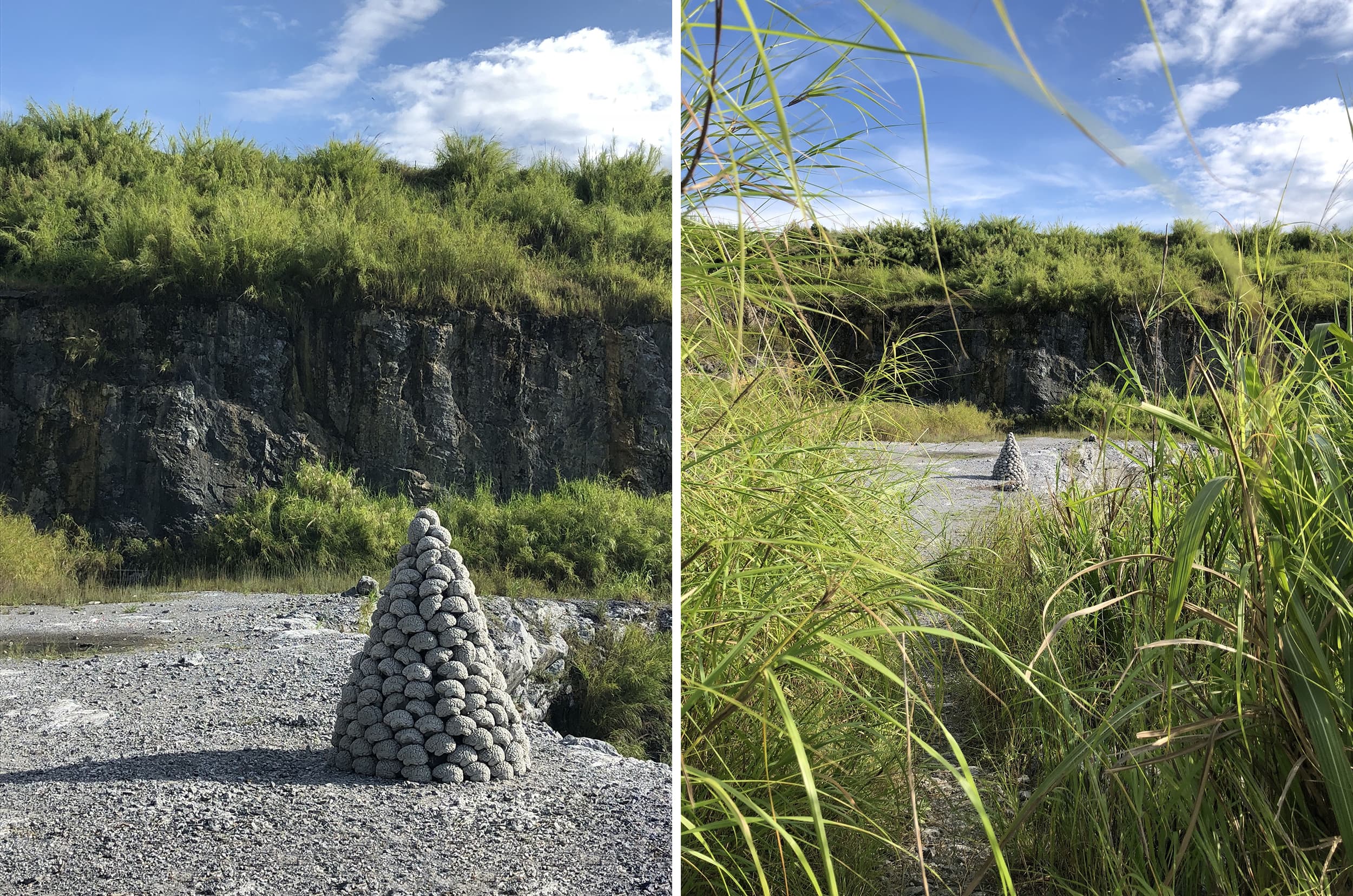
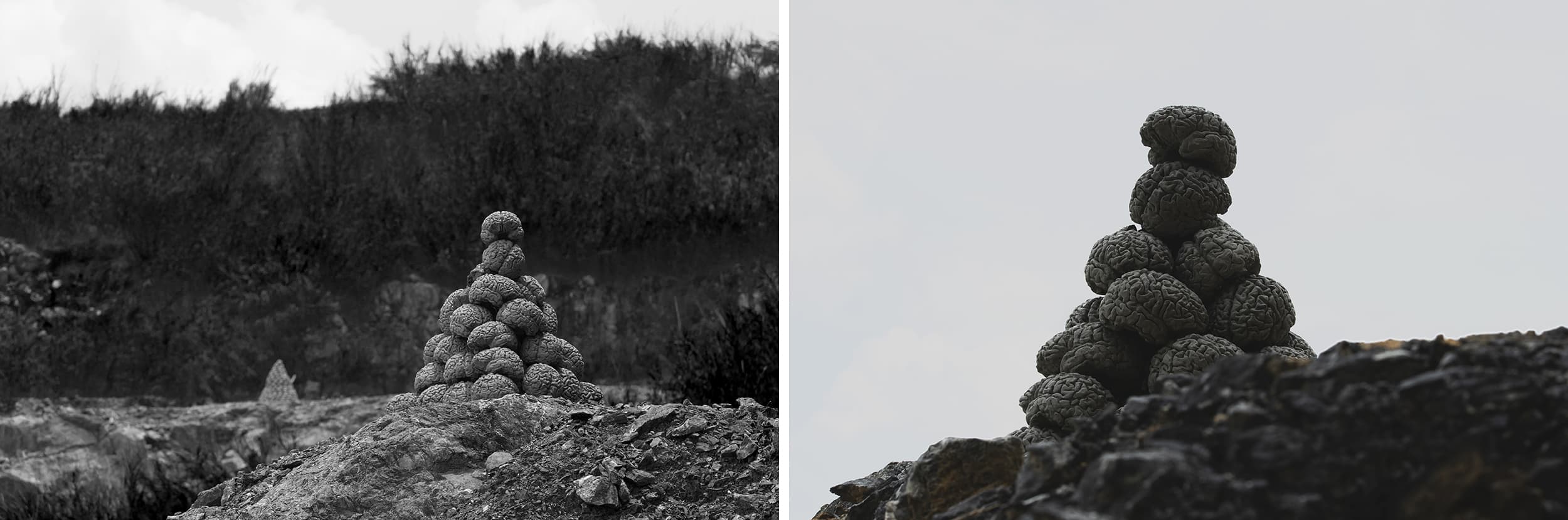
Concrete is the most honest and silent witness of our era. It has formed skyscrapers and overpasses, shaped city skylines, and silenced the quiet daily lives of countless people. BENTU casts concrete into the shape of a brain — a materialized symbol of “hardheadedness” — and this is no accident. Once concrete sets, it can hardly change its form. It yields no ground, panders to no one, and does not deform under pressure. This is not a flaw. It is a character.
In contemporary discourse, “hardheadedness” is a divided word. On one hand, it is pejorative — rigid, stubborn, resistant to adaptation. On the other, it is praiseworthy — steadfast, resolute, unshaken by prevailing trends. Hardheadedness elicits diametrically opposed judgments today, revealing a profound value rift around the very meaning of conviction in our time.
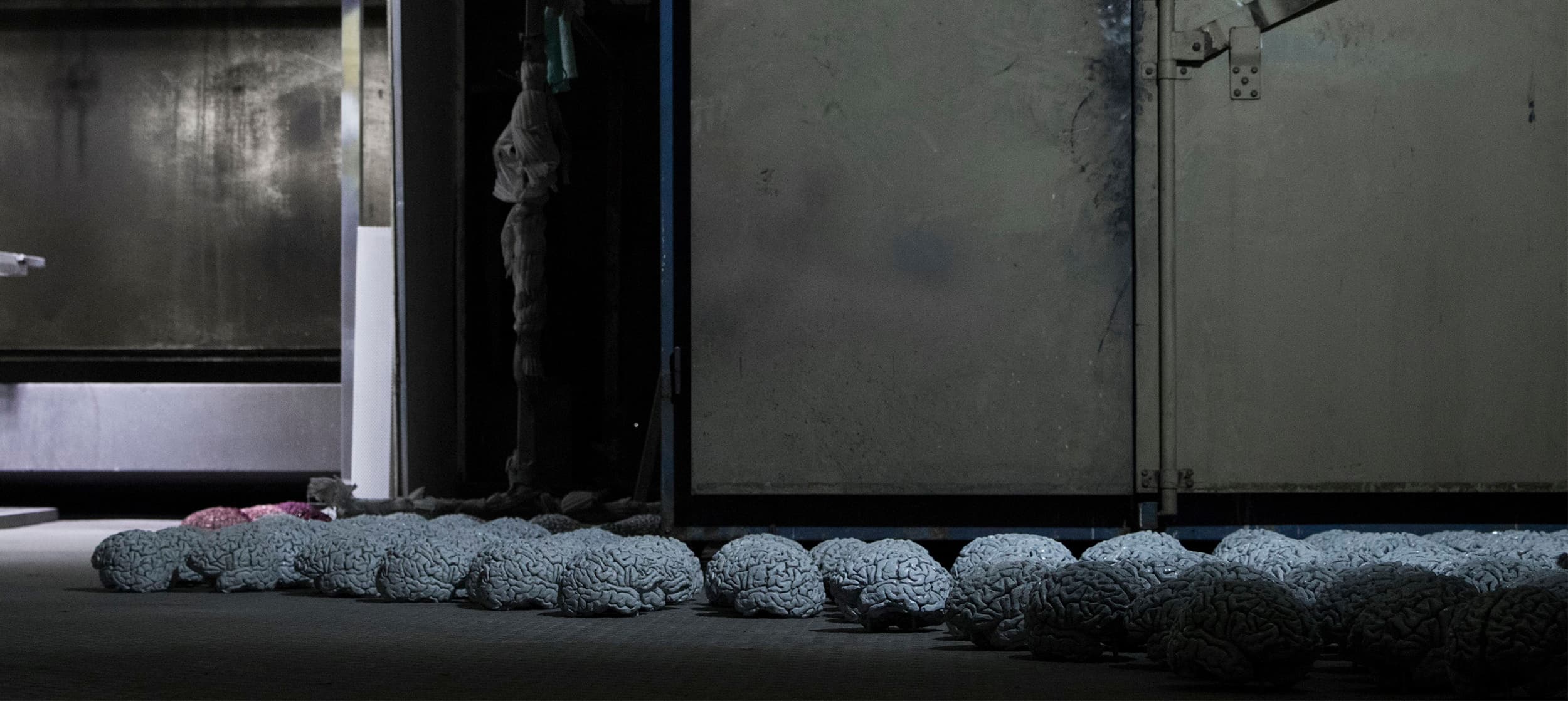
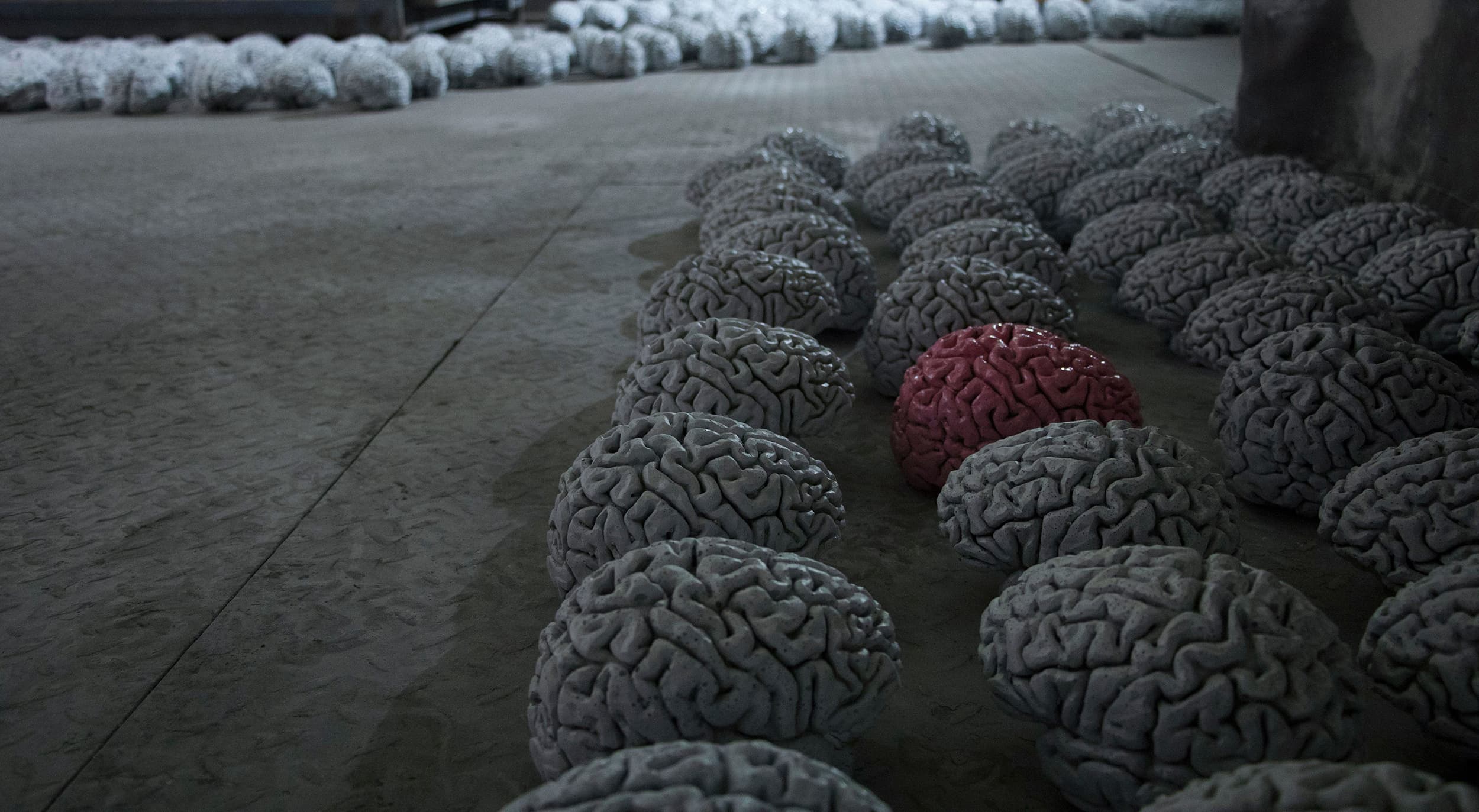
Rigidity is fundamentally the cessation of critical thinking. People drift along by inertia, fed by algorithms, scripted by consumerism. They no longer ask “why,” only “how to keep up.” This mindset permeates everyday life: scrolling through identical short videos, buying homogeneous fast fashion, repeating generic catchphrases. What appears to be free choice is in fact discipline by invisible systemic forces. This is not obsession; it is numbness. Not commitment; it is complacent laziness. This kind of hardheadedness forms the inertial layer of society.
Obsession, by contrast, means refusing to compromise. Knowing a path is difficult, yet insisting on taking it. Knowing a belief is marginal, yet holding fast. It does not ask “will it follow the trend?” but rather “is it true to myself?” To the general public, such dedication seems foolish. Within capitalist logic, it is deemed inefficient. By utilitarian standards, it amounts to negligible sunk cost. Yet it fuels the marginal, transformative force of social innovation. Without obsessive scientists, there would be no paradigm‑breaking discoveries; without obsessive artists, no perception‑shaking works; without obsessive craftspeople, no time‑defying creations.
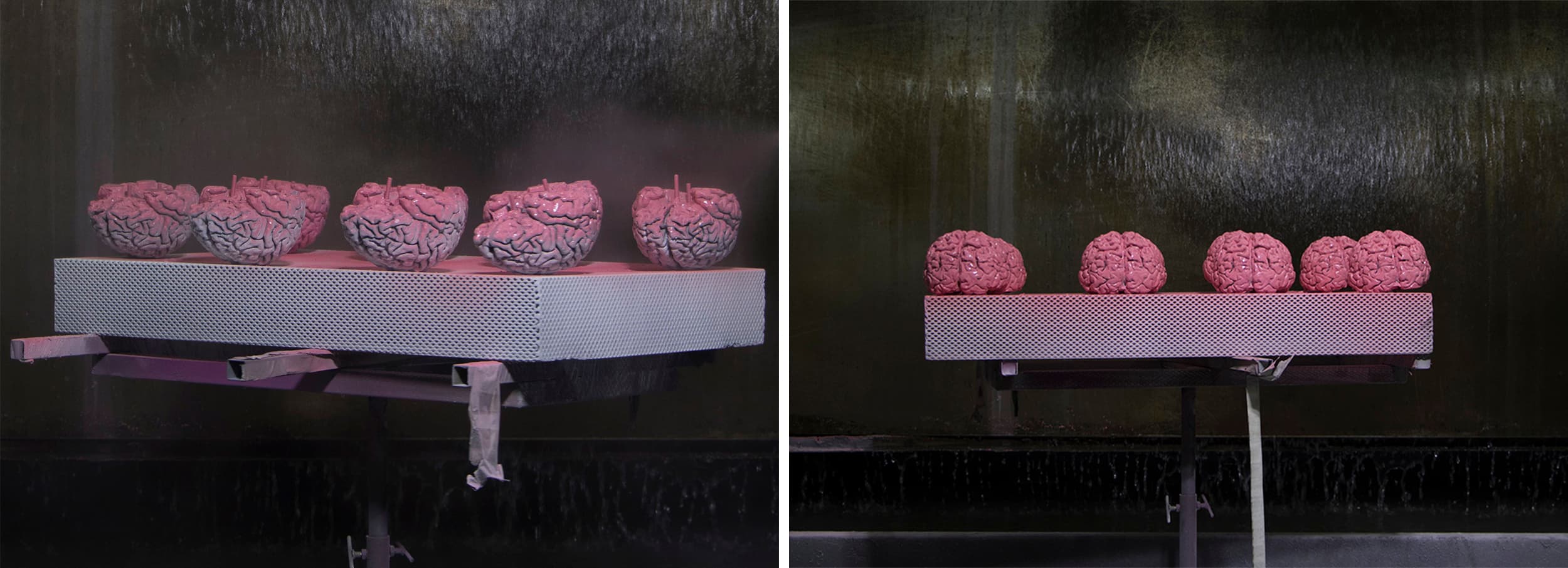
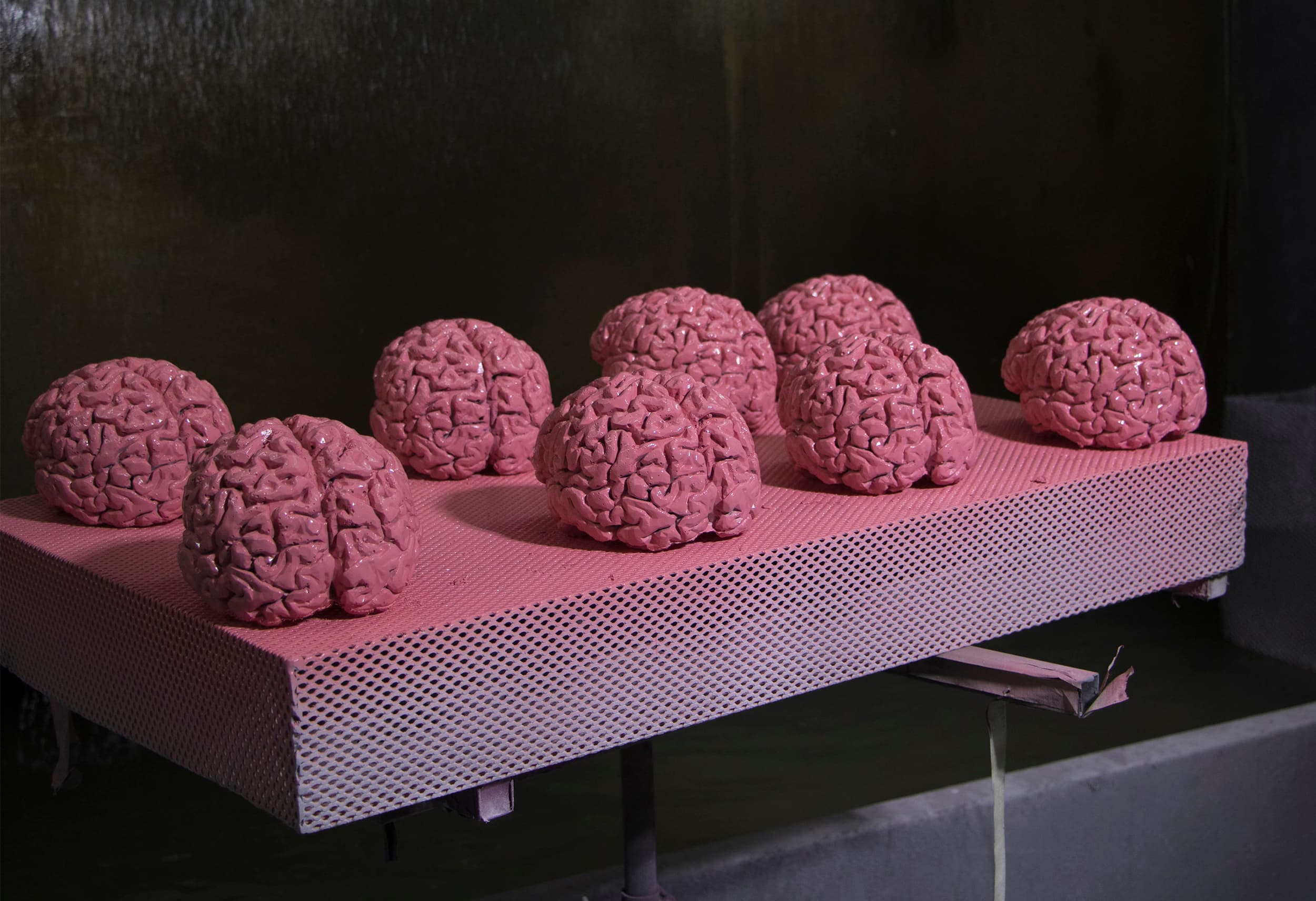
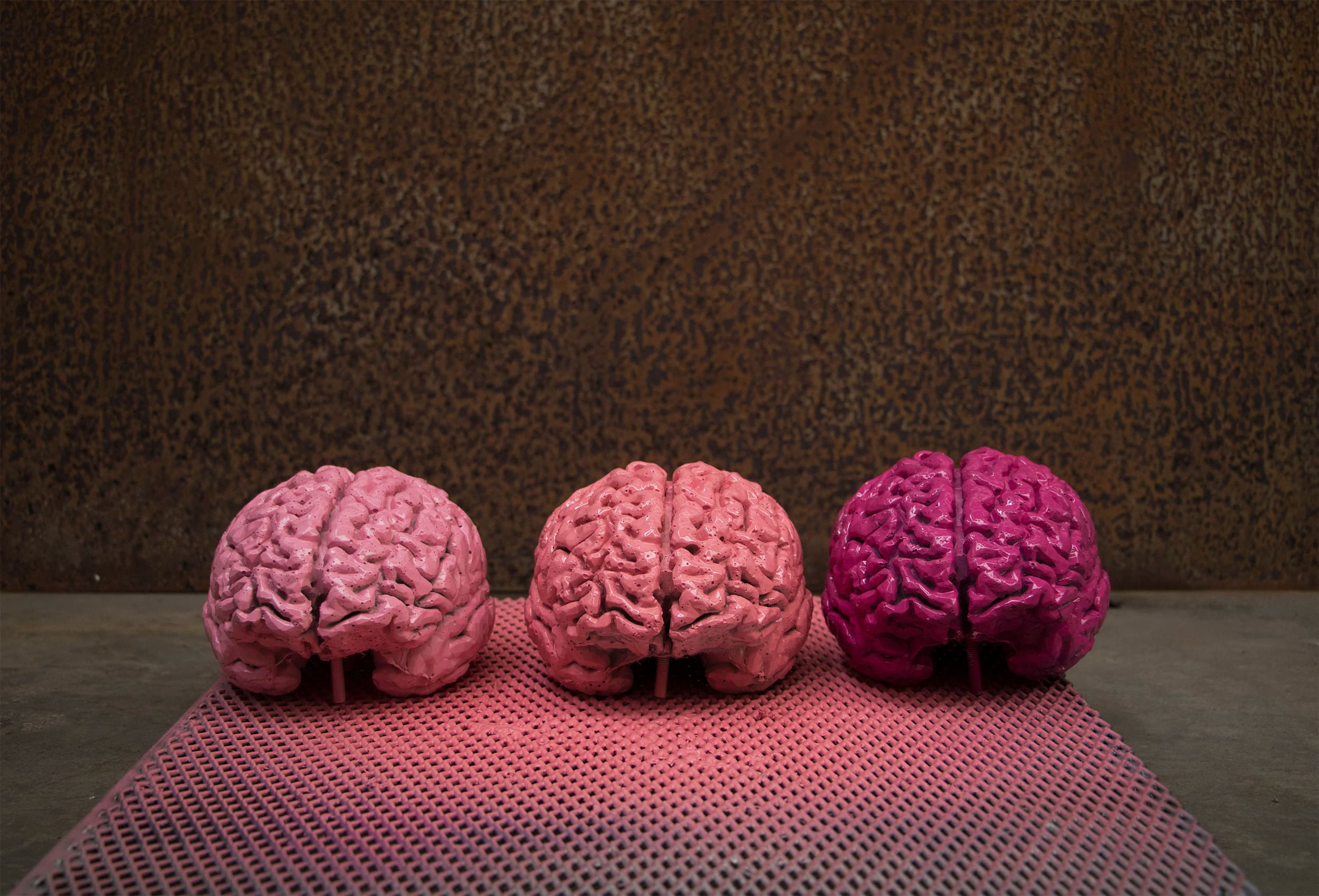
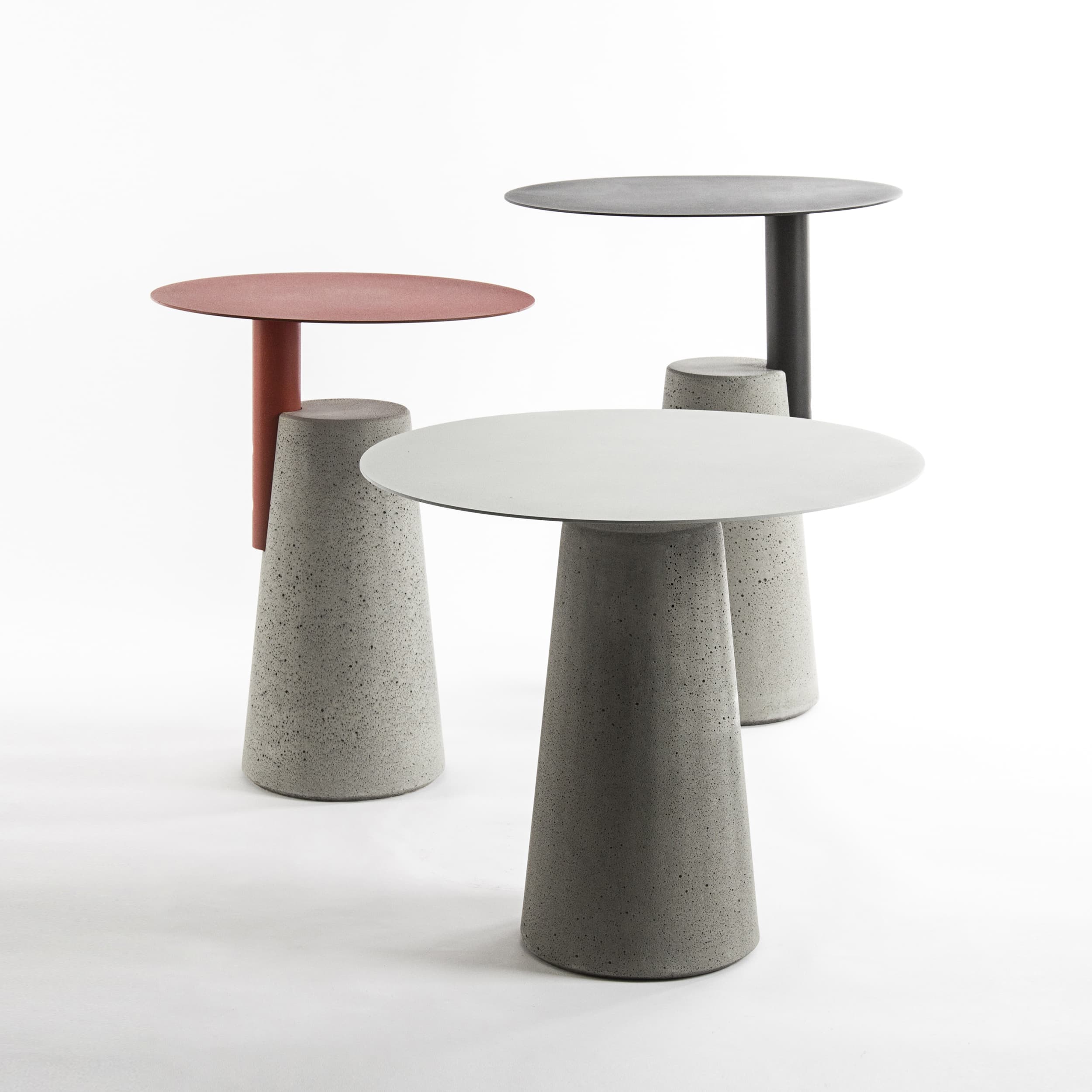
Since its founding over a decade ago, BENTU has repeatedly faced the same question: why make furniture from concrete? Too heavy, too cold, too labor‑intensive to process, too niche for mainstream markets. Every commercial analysis pointed to “you shouldn’t.” But we did it anyway. Not out of ignorance of the challenges, but out of conviction: concrete belongs not only to construction sites, but also to desktops, to lighting, to daily life within arm's reach. This obsession is not blind stubbornness; it is a deliberate, well‑considered choice.
Max Weber wrote that humans are animals suspended in webs of significance they themselves have spun. The critical question remains: how much of this web do we truly weave for ourselves, and how much is handed to us by others?
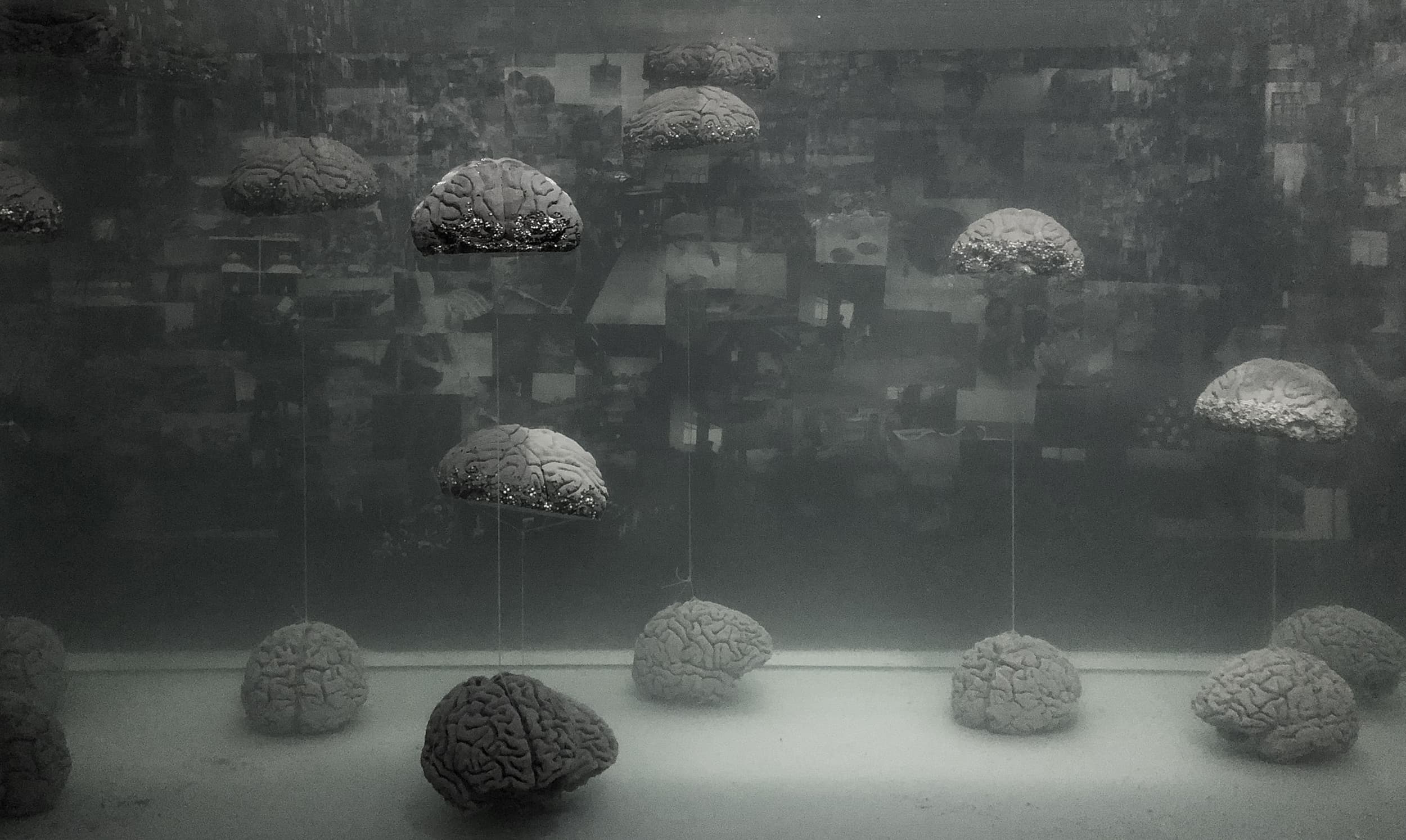
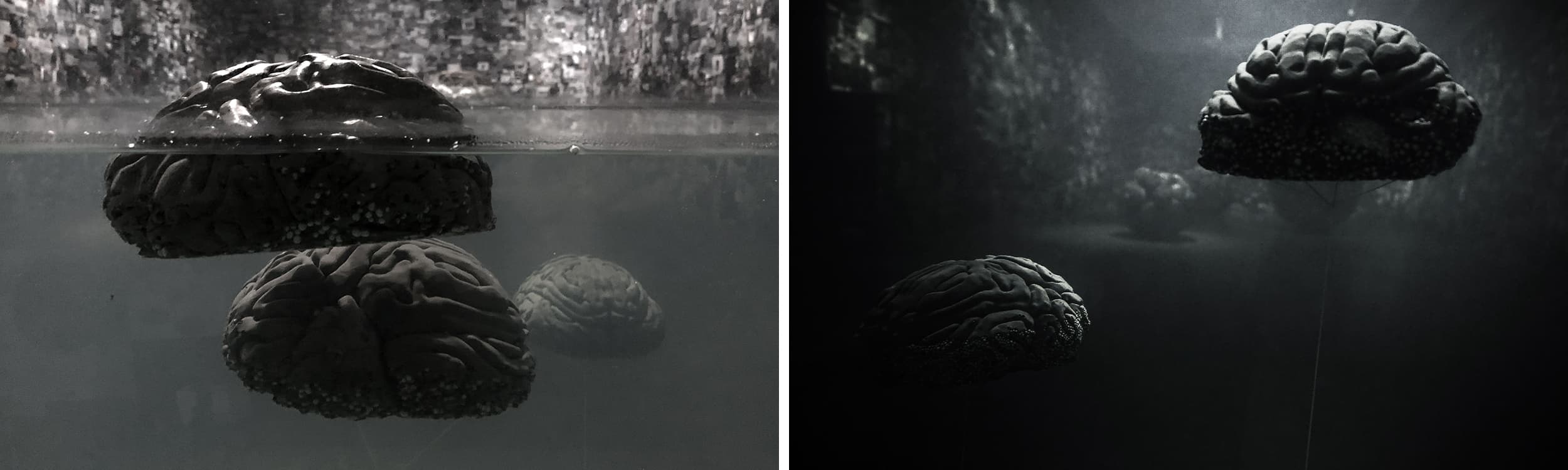
In this concrete‑dominated world, material possessions have become an invisible prison trapping humanity. We relentlessly chase bigger houses, newer devices, faster vehicles — yet in the pursuit, we lose sight of “why we are pursuing.” Consumerism operates like a treadmill that never stops: the moment one desire is fulfilled, the next already awaits in advertisements. This cycle of satisfaction, emptiness, and renewed craving leaves no room to pause and ask: what do I truly need?
Meanwhile, information overload acts as subtle brainwashing. Fragmented news feeds, viral videos, trending topics — they flood our attention like unrelenting tides. We do not lack information; we lack the ability to filter meaning from noise. Various value systems are packaged as “individuality” and “attitude” and sold to us. We think we are choosing, but in truth we are merely being fed.
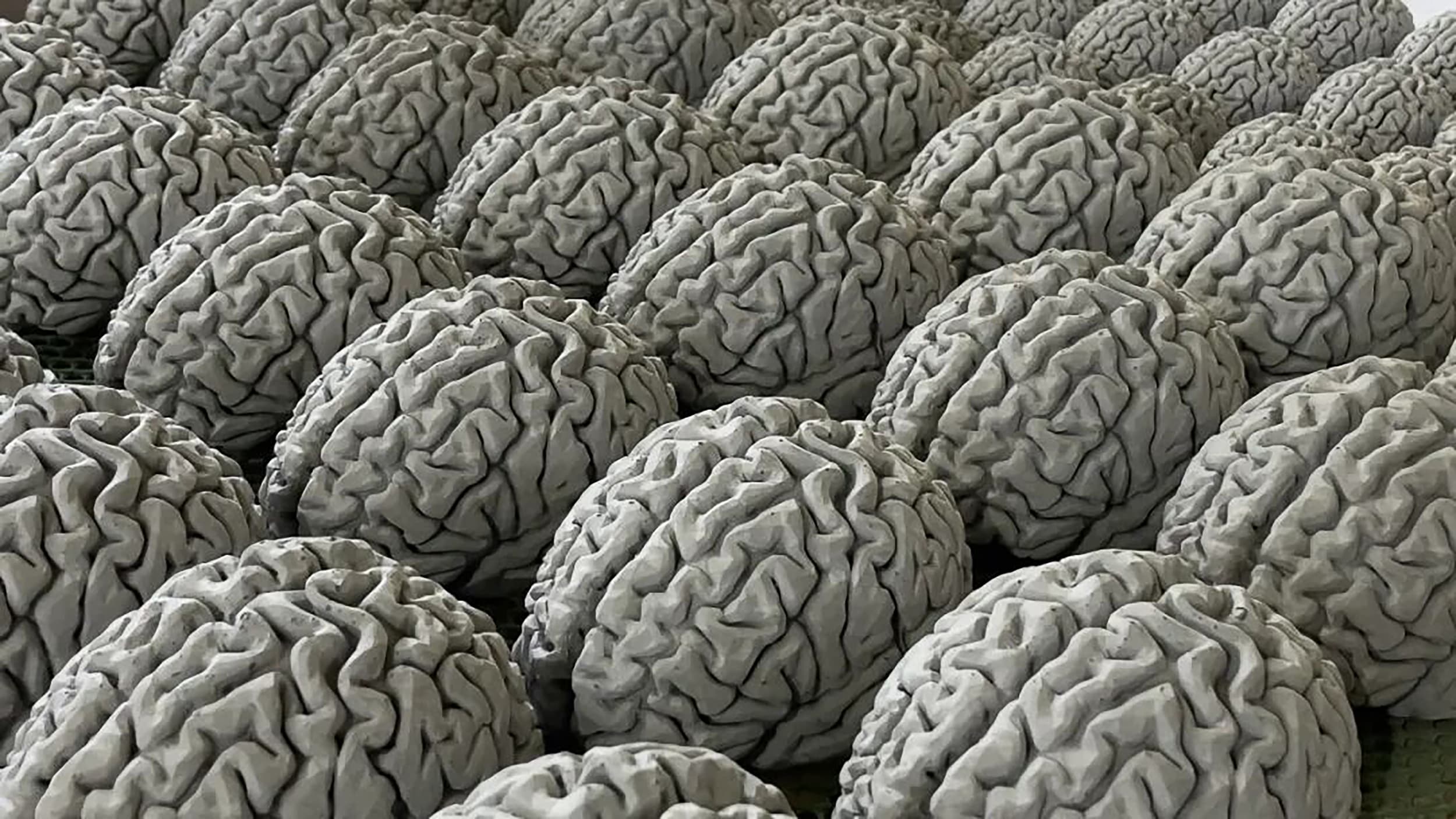
The rigid person has no conviction, only habit. What they cling to is not a coherent value system, but a comfort zone. Once that comfort zone is broken, they are lost and disoriented. The obsessive person has conviction. Their obsession is not with a specific outcome, but with a clear hierarchy of values — what matters more, what cannot be compromised, what is worth investing in.
This conviction manifests as stubborn perseverance in everyday life. A craftsperson believes that the warmth of handwork cannot be replaced by machines, and thus refuses mass production. A designer believes that waste can also be beautiful, and so immerses himself in piles of discarded ceramics year after year. An engineer believes that concrete can be translucent, and keeps experimenting until the optical fibers and the matrix achieve perfect integration. These beliefs constitute the very foundation of a person being that person.
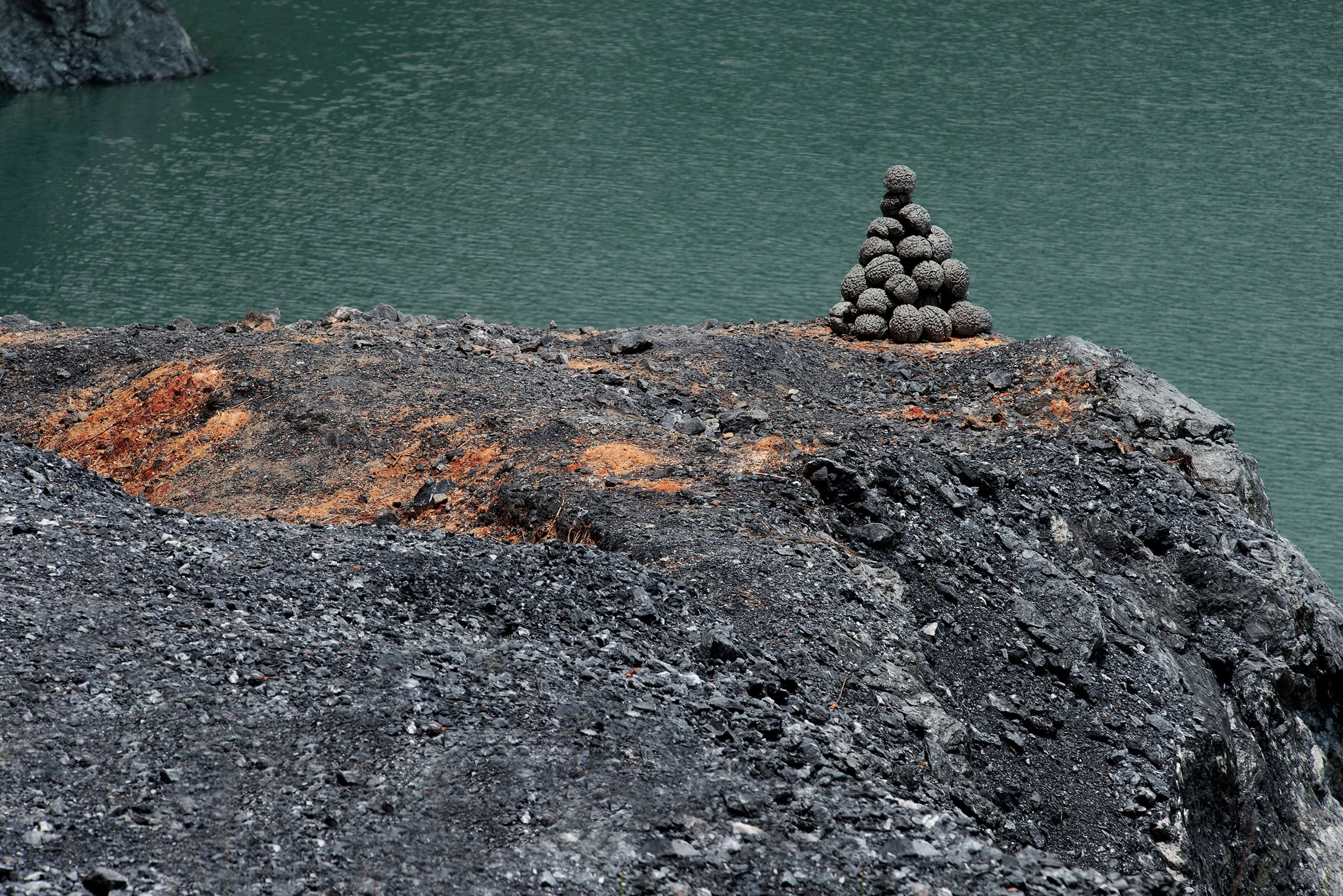
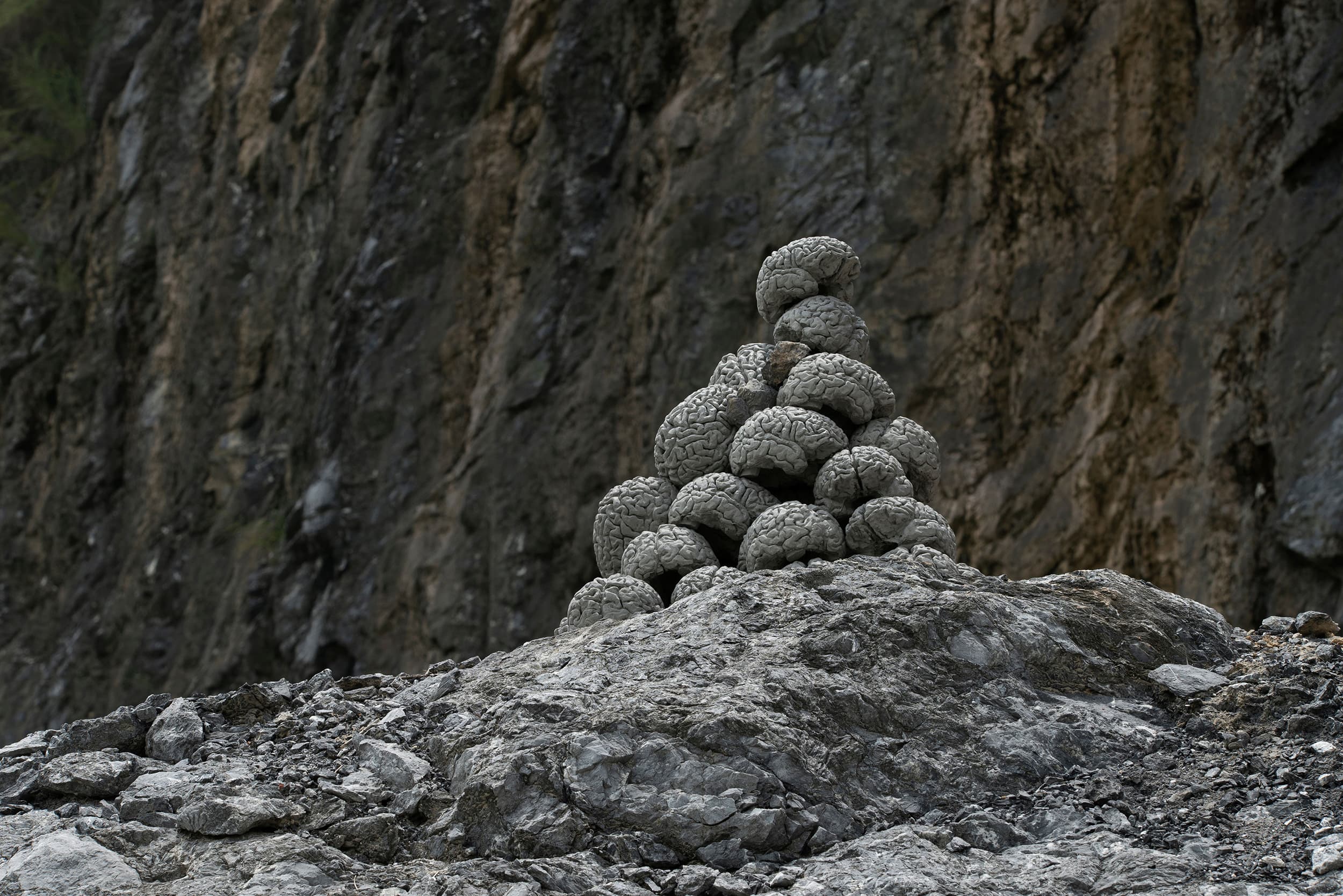
The obsessive hardheaded person answers Weber's question through action: I spin my own web. Even if this web is not large enough, not beautiful enough, out of step with mainstream taste — at least it is self‑determined.
Hardheaded people share one common trait: they keep on doing. Whether the action seems repetitive or meaningless, whether the outcome meets their conviction or not — the act of “doing” itself never ceases.
This is not blind action. It is a repetition infused with awareness. A craftsperson repeats the same process daily, not out of ignorance of monotony, but because they know — each cut is different from the one before, each detail draws closer to that elusive “just right” moment. A scientist repeats the same experiment over and over, not because they are unafraid of failure, but because they know — failure itself is a signpost on the path to getting it right.
Through “doing,” conviction is tested and strengthened. It is not that a perfect conviction exists first and then action follows; rather, through action, conviction gradually becomes clear. Hardheaded people are not waiting to be illuminated by light; they are striking matches in the dark. Each match gives off a faint glow, but enough to light the next step forward.
Concrete symbolizes rigidity: once set, it cannot be changed. But before it sets, it is fluid and malleable. Concrete's hardheadedness is not a refusal to change, but a resolve to stay committed once transformation has taken place — never looking back.
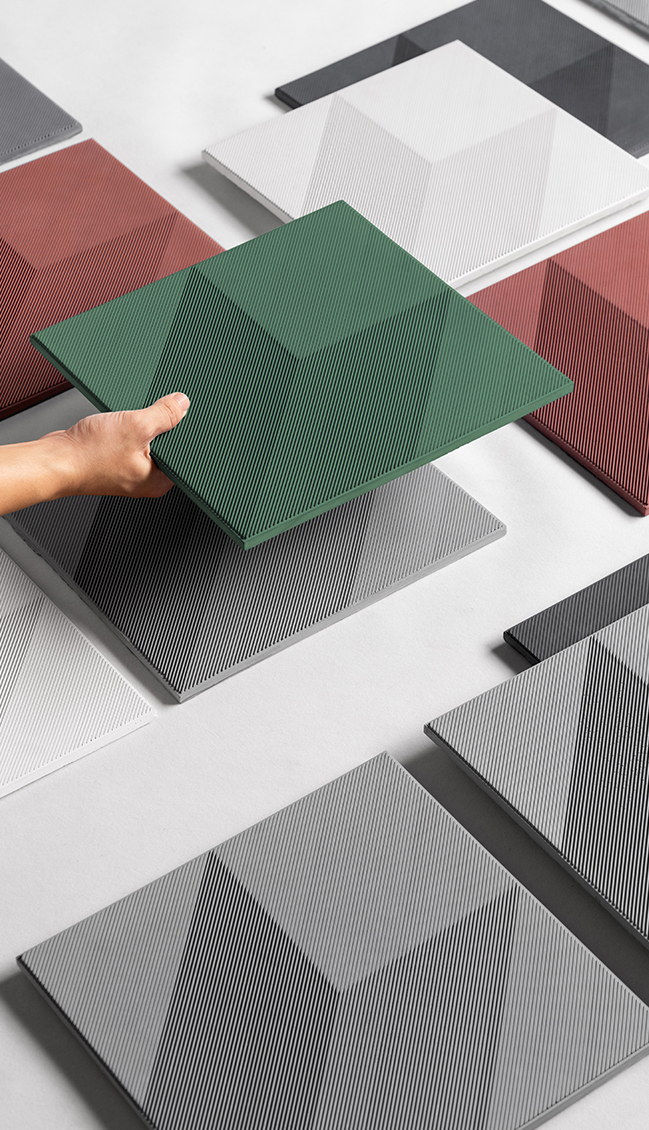
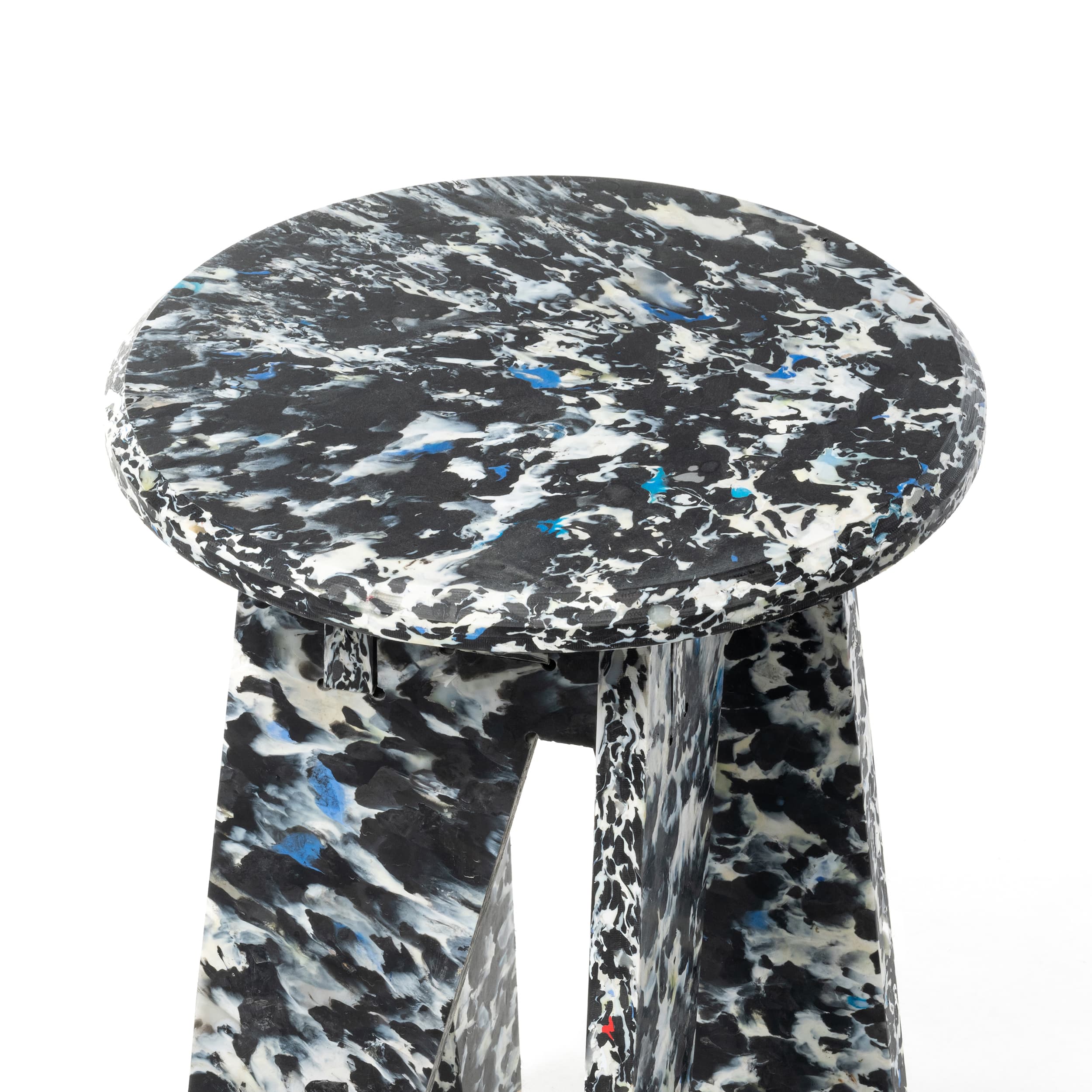
BENTU's own practice is a testament to this obsession. From the waste ceramic powder of Chaozhou to the 3D‑printed projects in Qingshan Village, from the silt of Shunde fish ponds to the steel slag of Jiujiang — we have been doing something that seems “thankless and difficult”: turning what others see as waste into objects worthy of contemplation. This process has no shortcuts, no quick results. It is not the choice of the “smart.” It is the quiet obsession of the hardheaded.
In a culture obsessed with “faster, higher, stronger,” hardheaded individuals appear like misplaced outsiders. Yet every meaningful breakthrough, every time‑resilient work of design, stands on the dedication of one or more hardheaded creators. They do not chase market trends or public approval. They ask only one question: does this do justice to myself?

Hardheadedness is not resistance to change. It is anchoring oneself to unshakable values in an era of rampant change. This anchor is not material gain, not others' opinions — but something you yourself believe in.
Design Director: Xu Gang
This article is an original work from the “BENTU Sustainable Design Practice Series”, exploring the paradox of obsessive perseverance and conviction through the material symbolism of concrete.

- Contact
+8620 8977 0506
- Press
press@bentudesign.com
- Enquiry & Sales
info@bentudesign.com