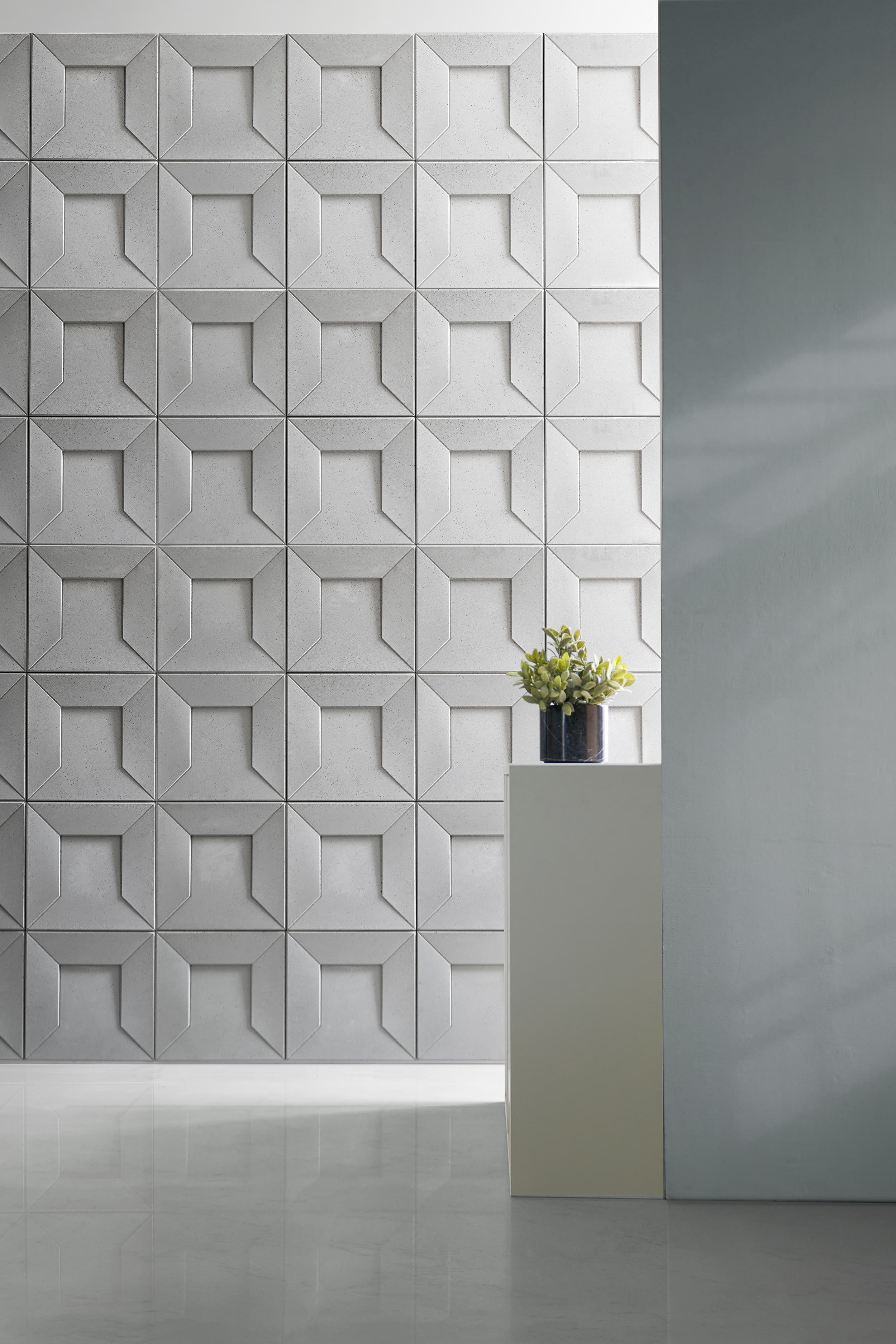
Concrete Tiles & Boards · LINE
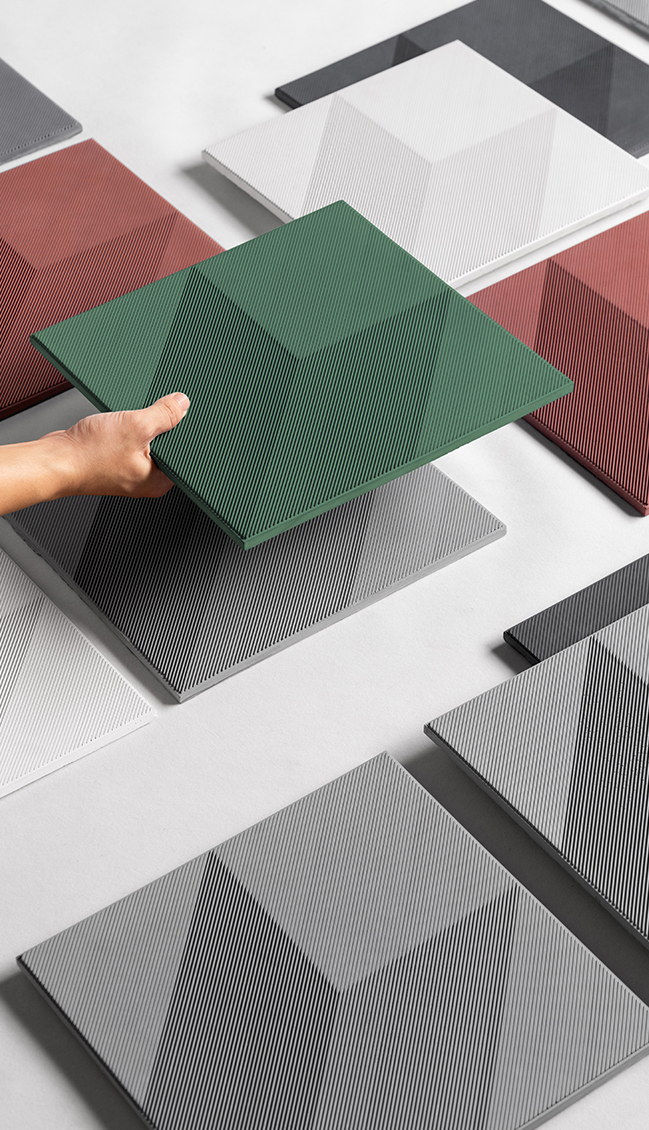
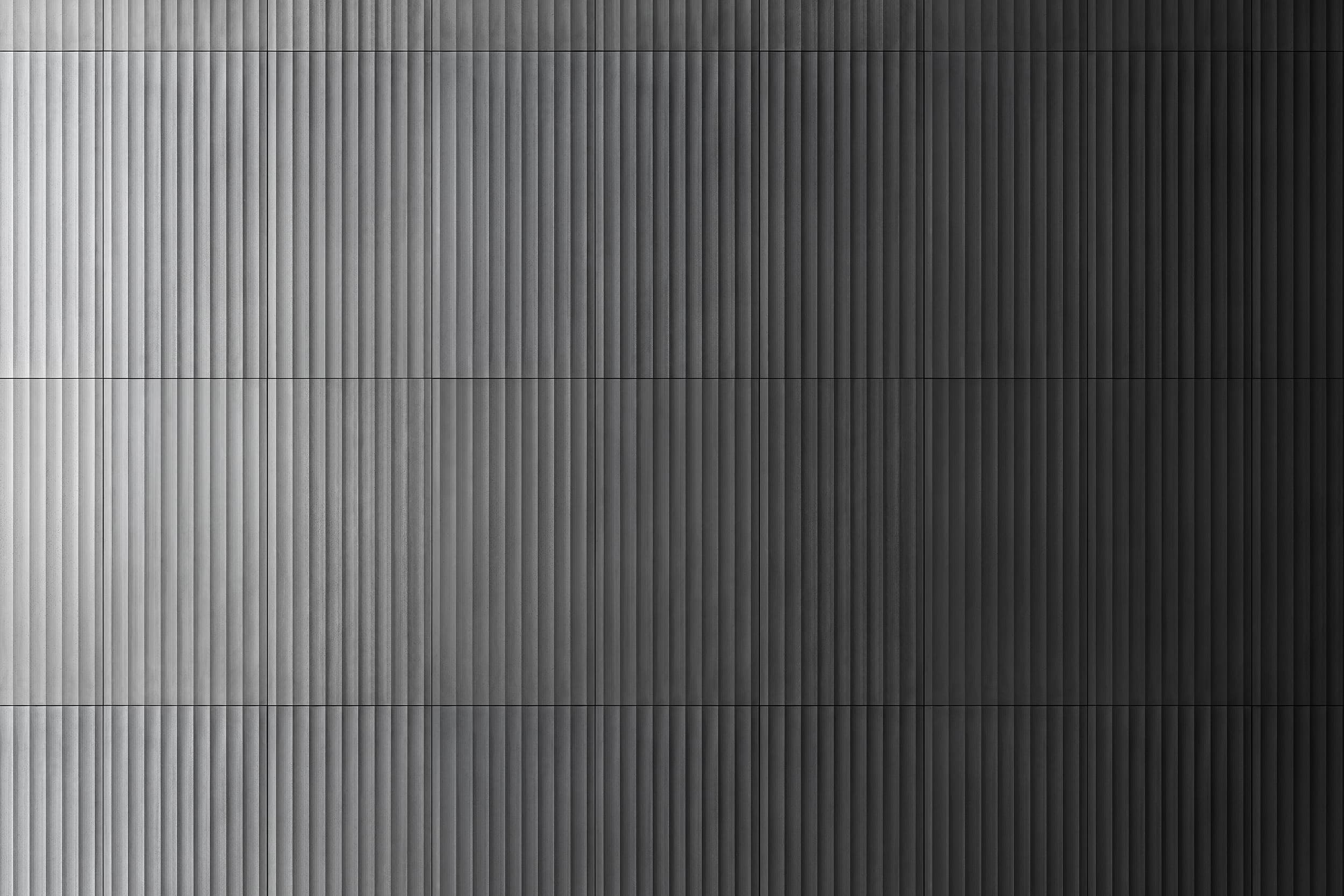
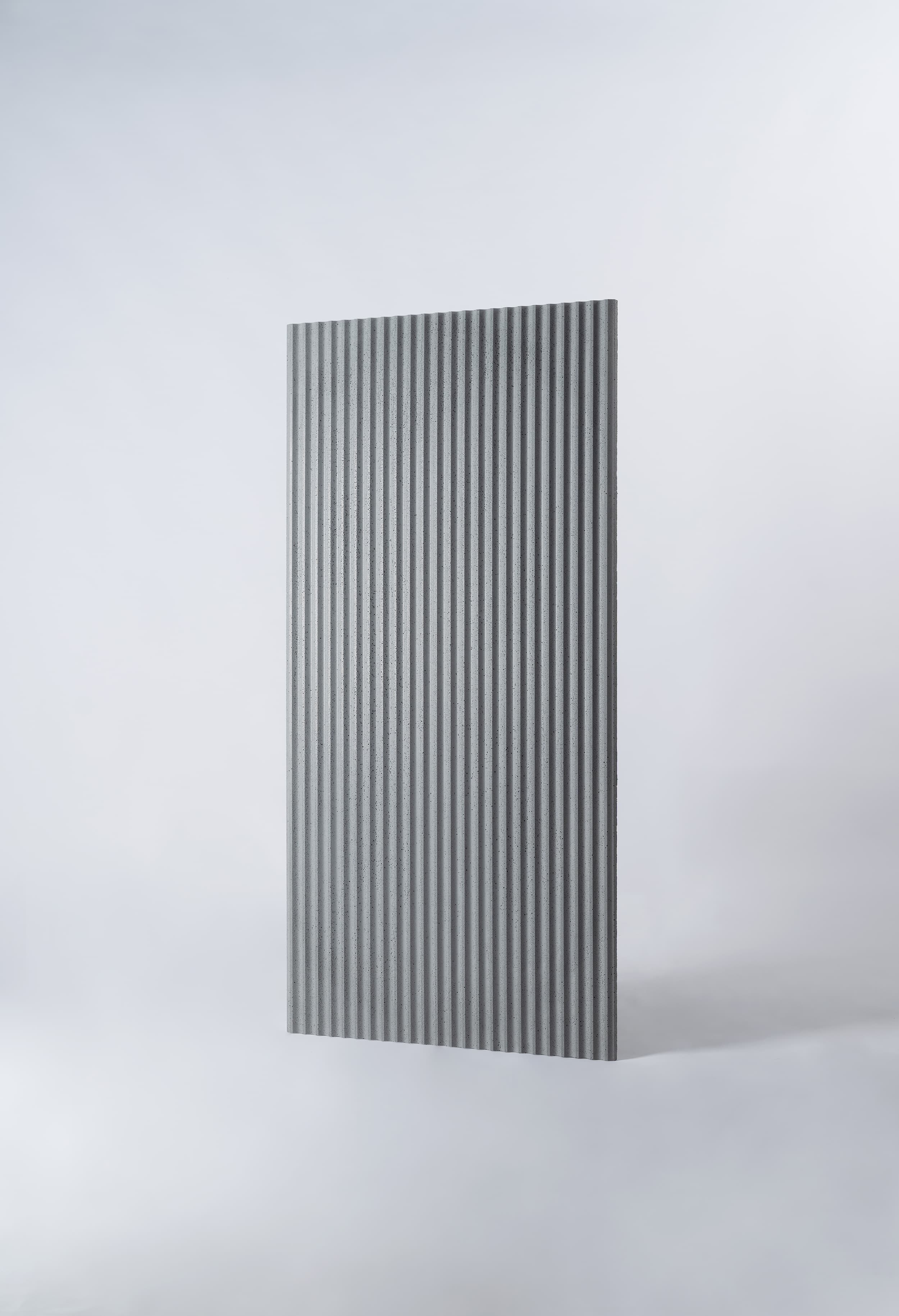
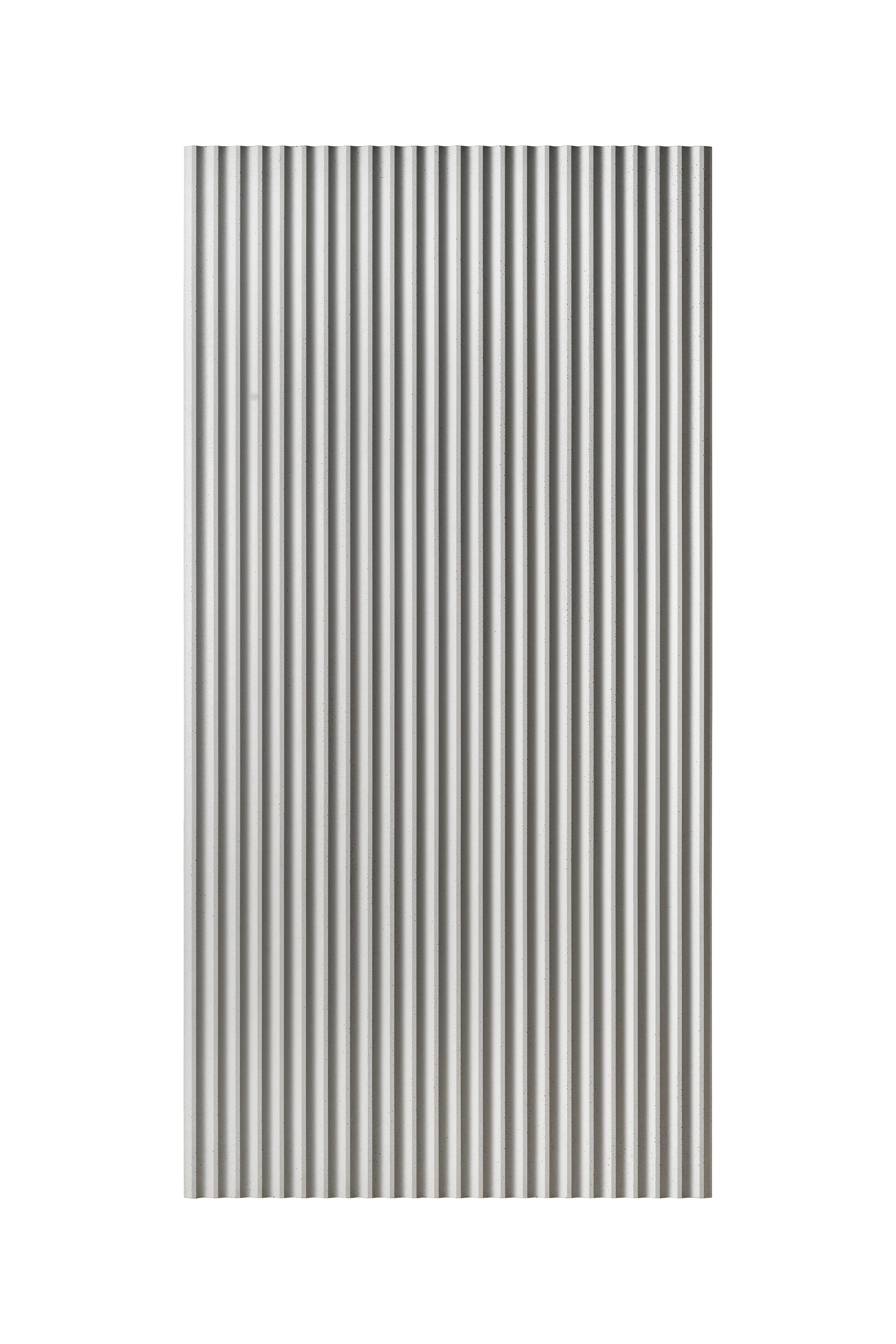
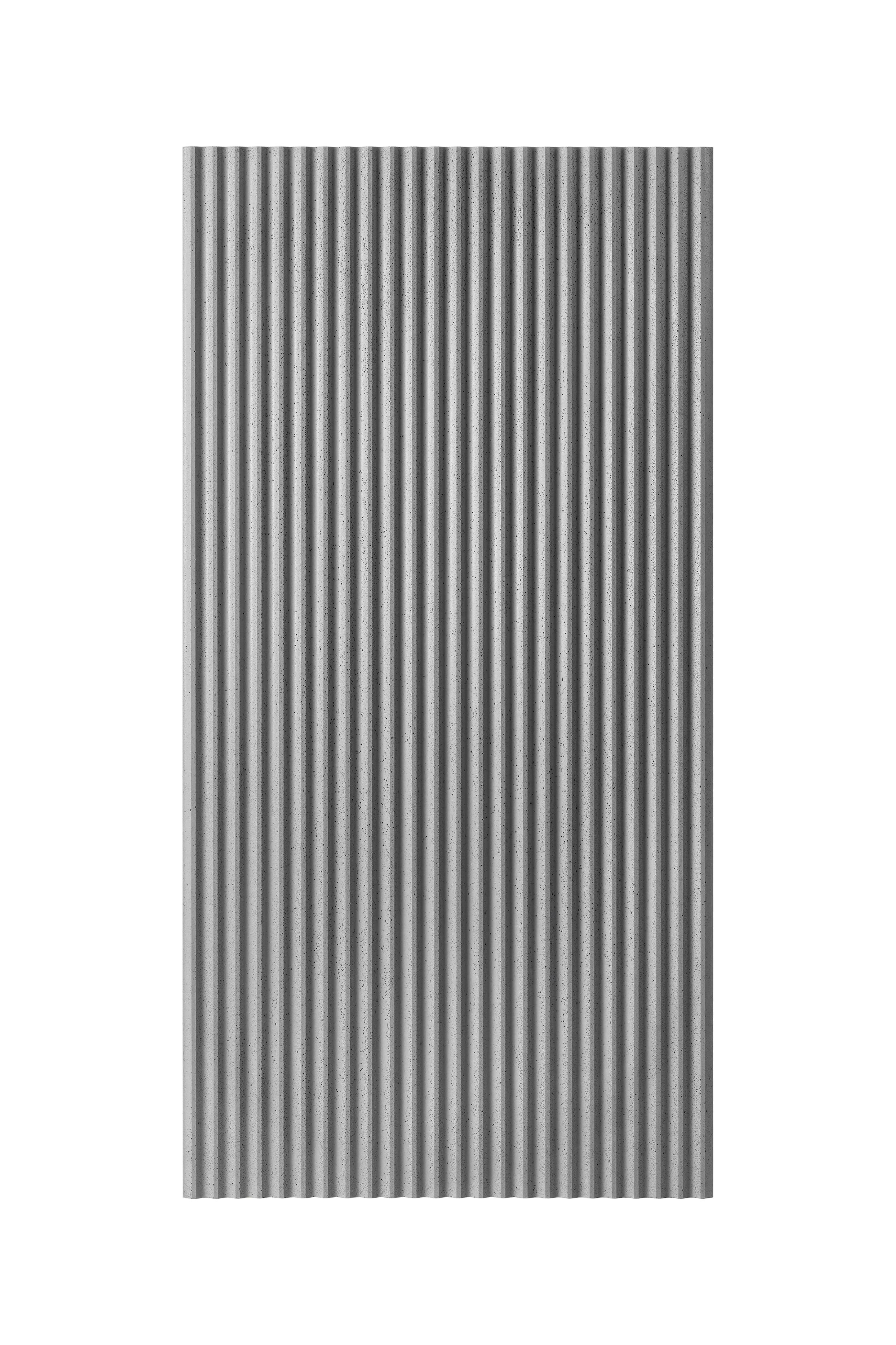
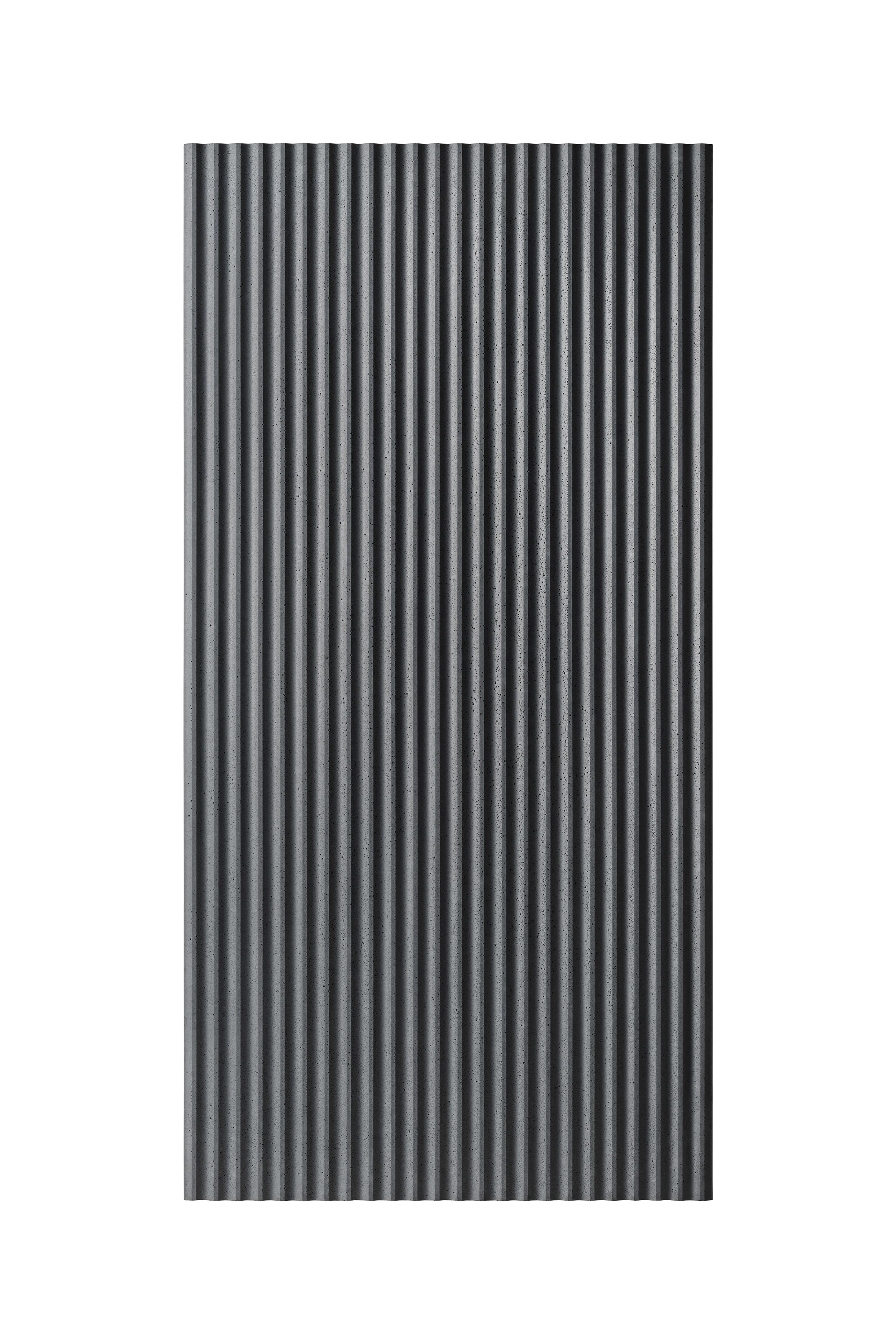
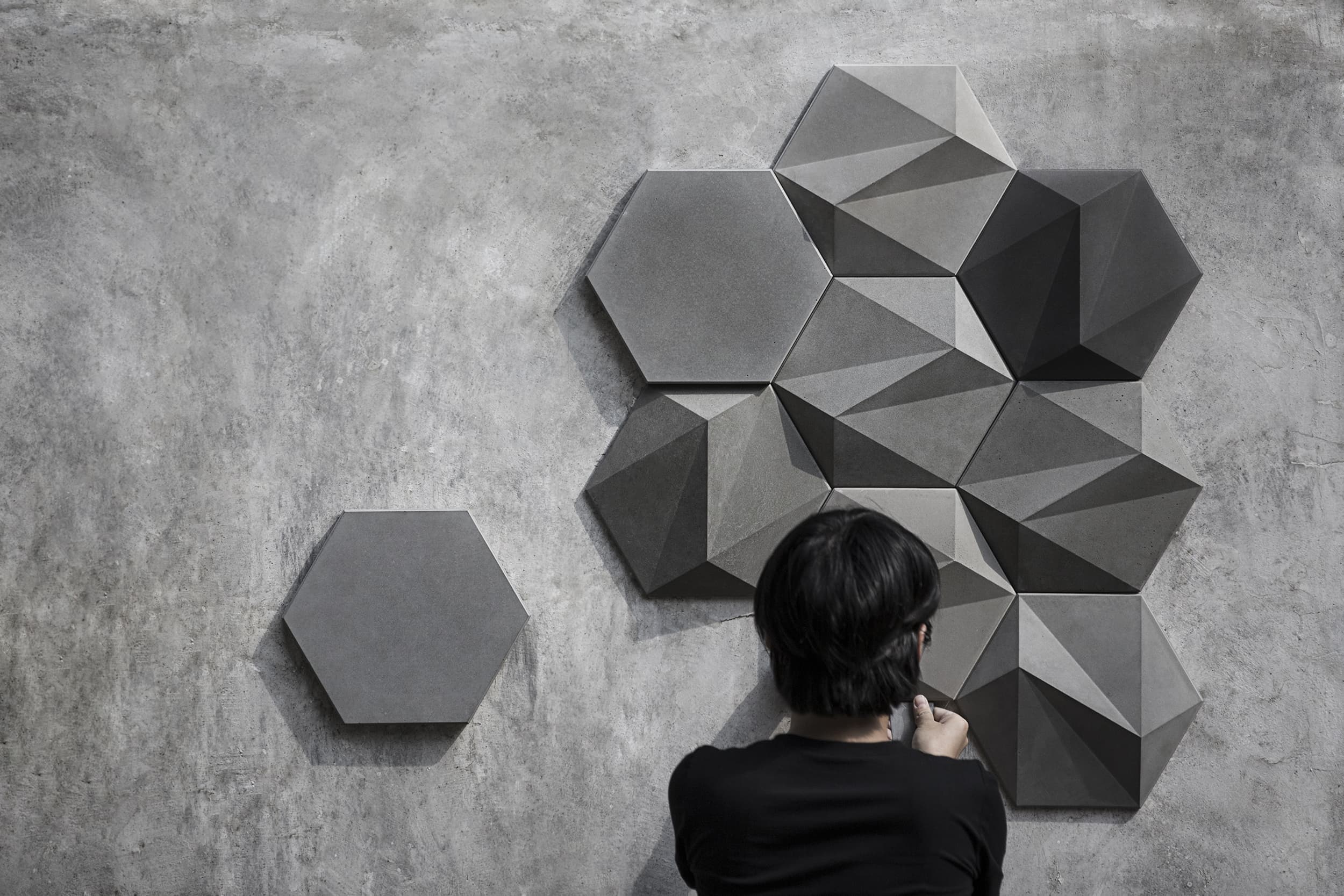
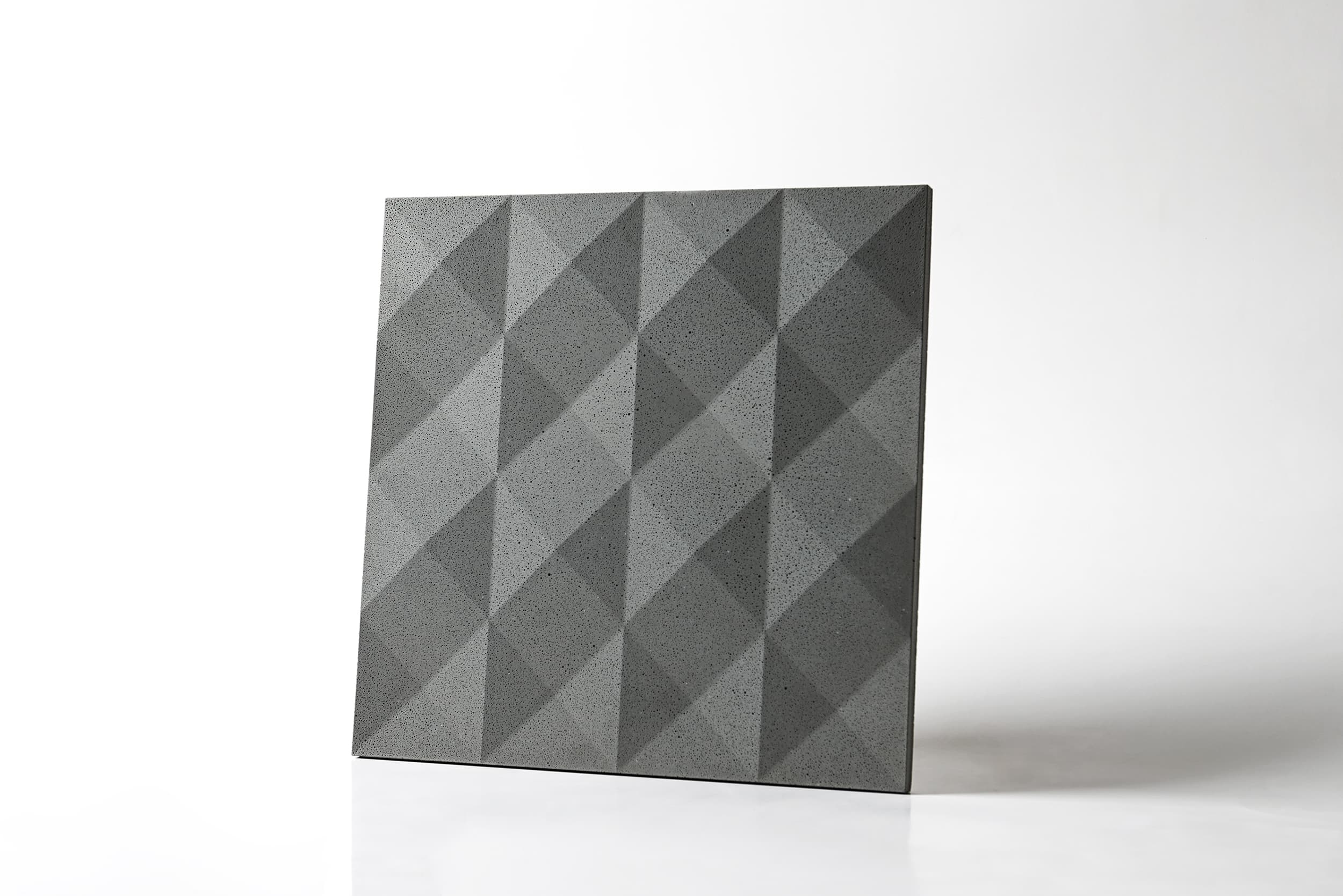
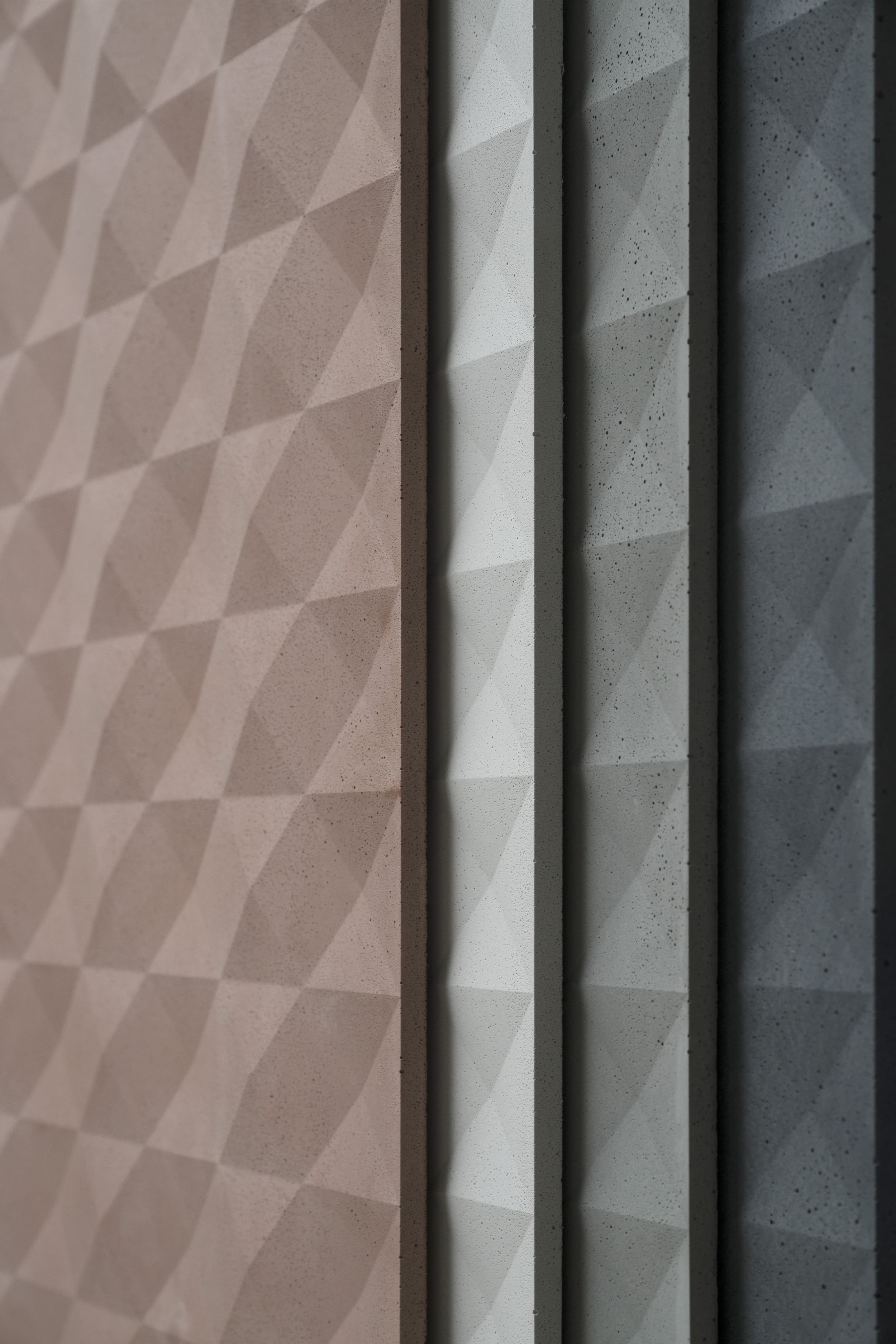
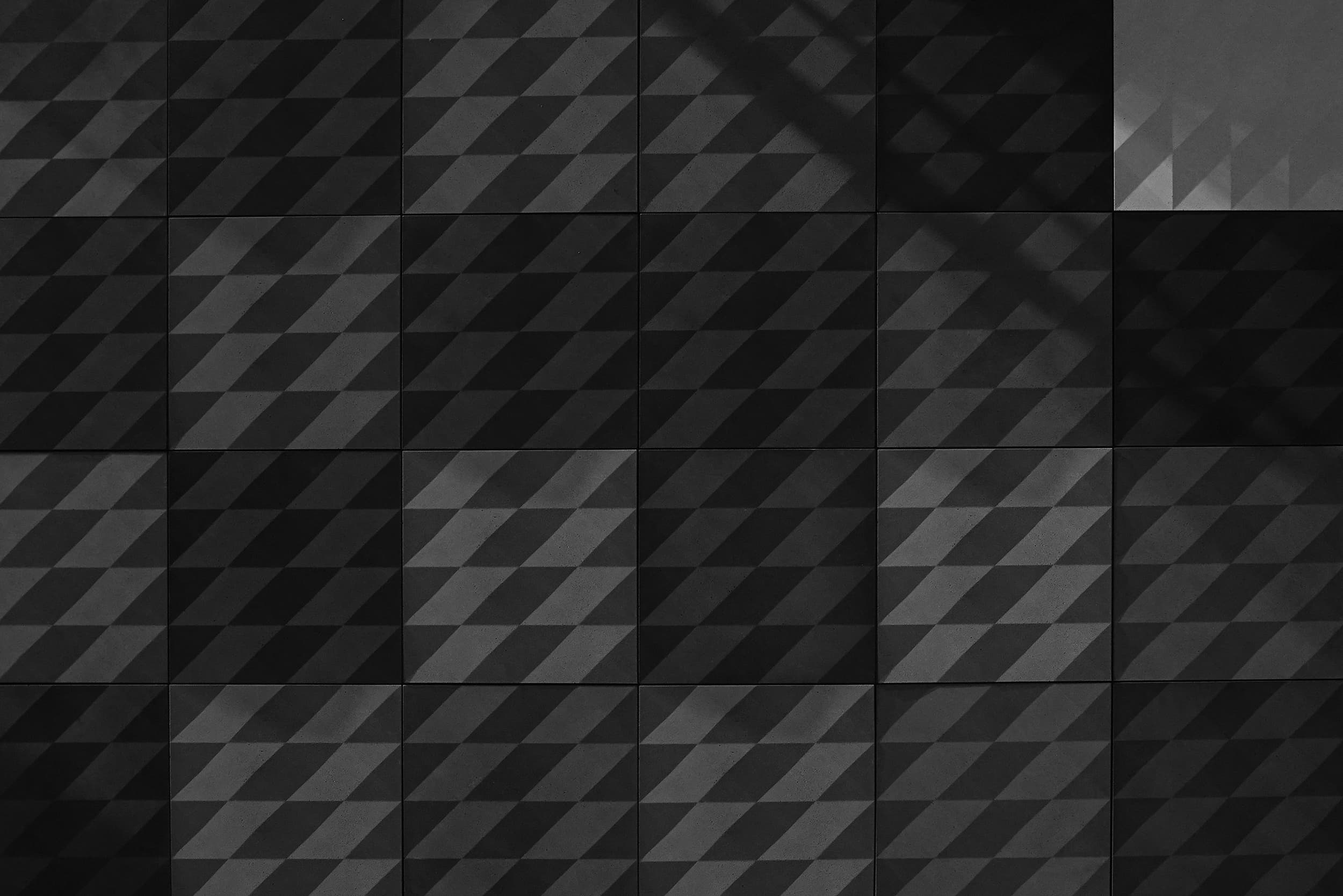
Material: BTPC、 Chaozhou household ceramic sand、 Fly ash、 Active silica powder Polymer materials
Size: 1200×600×H15 mm
Weight: 15 / 19 / 20 kg
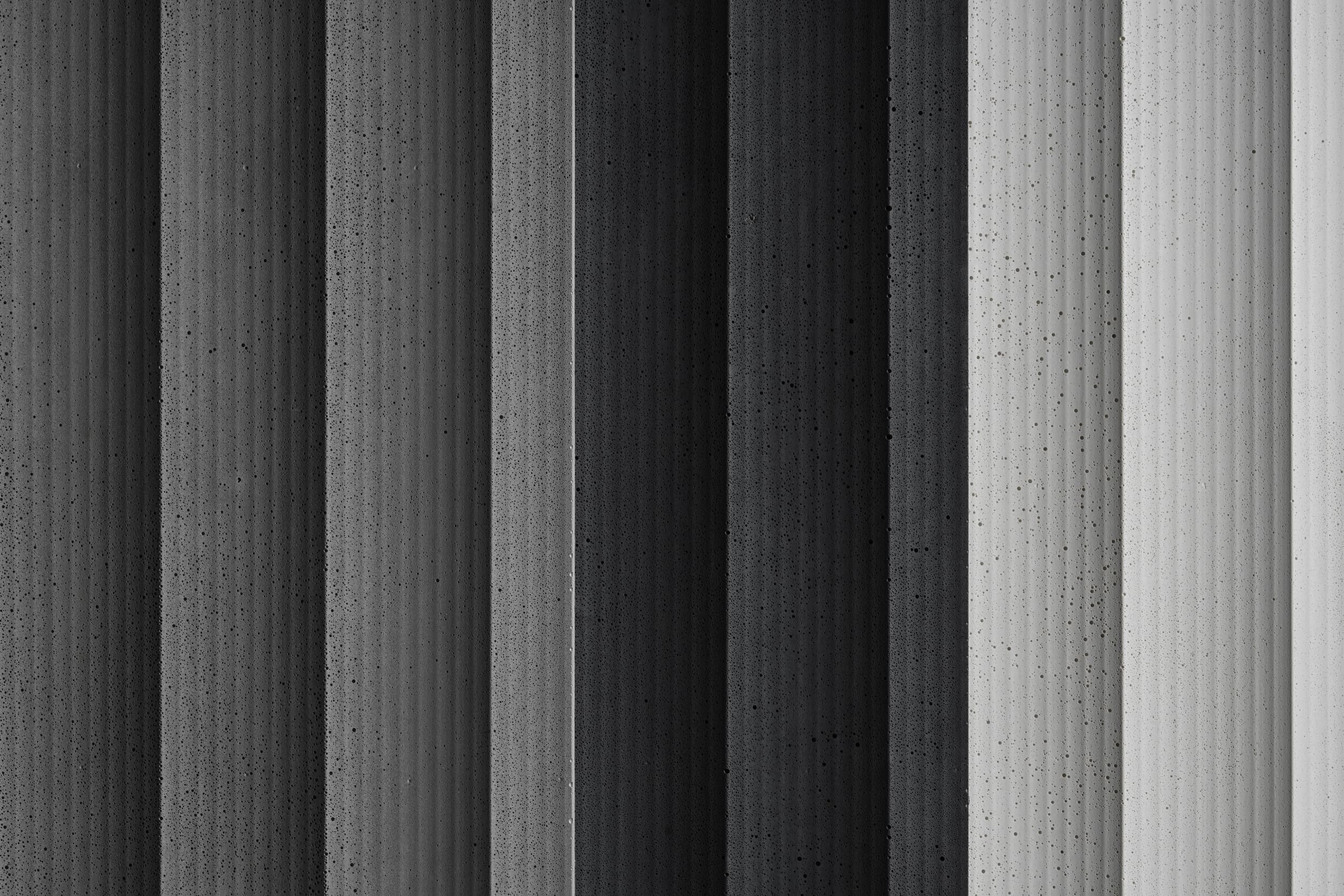
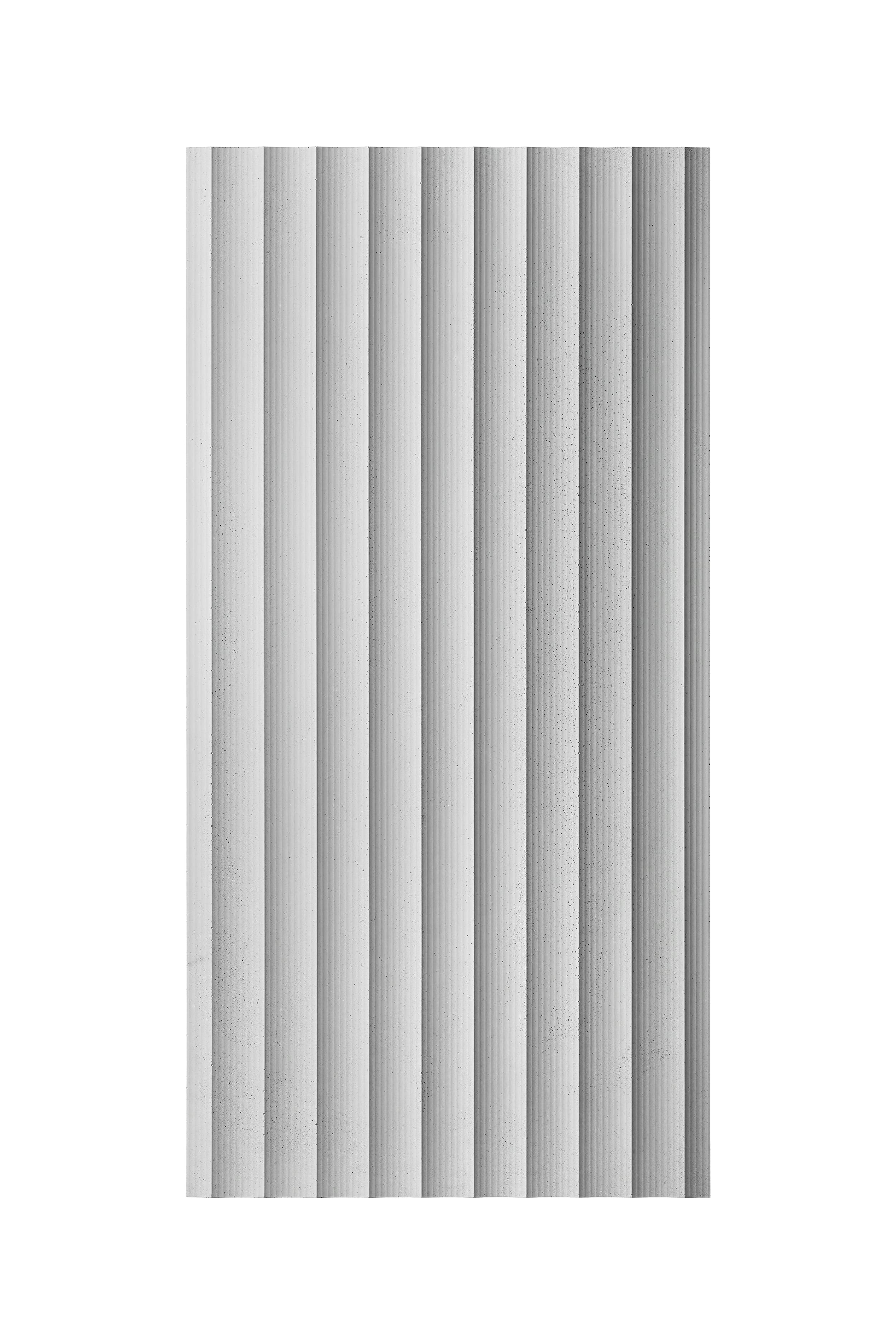
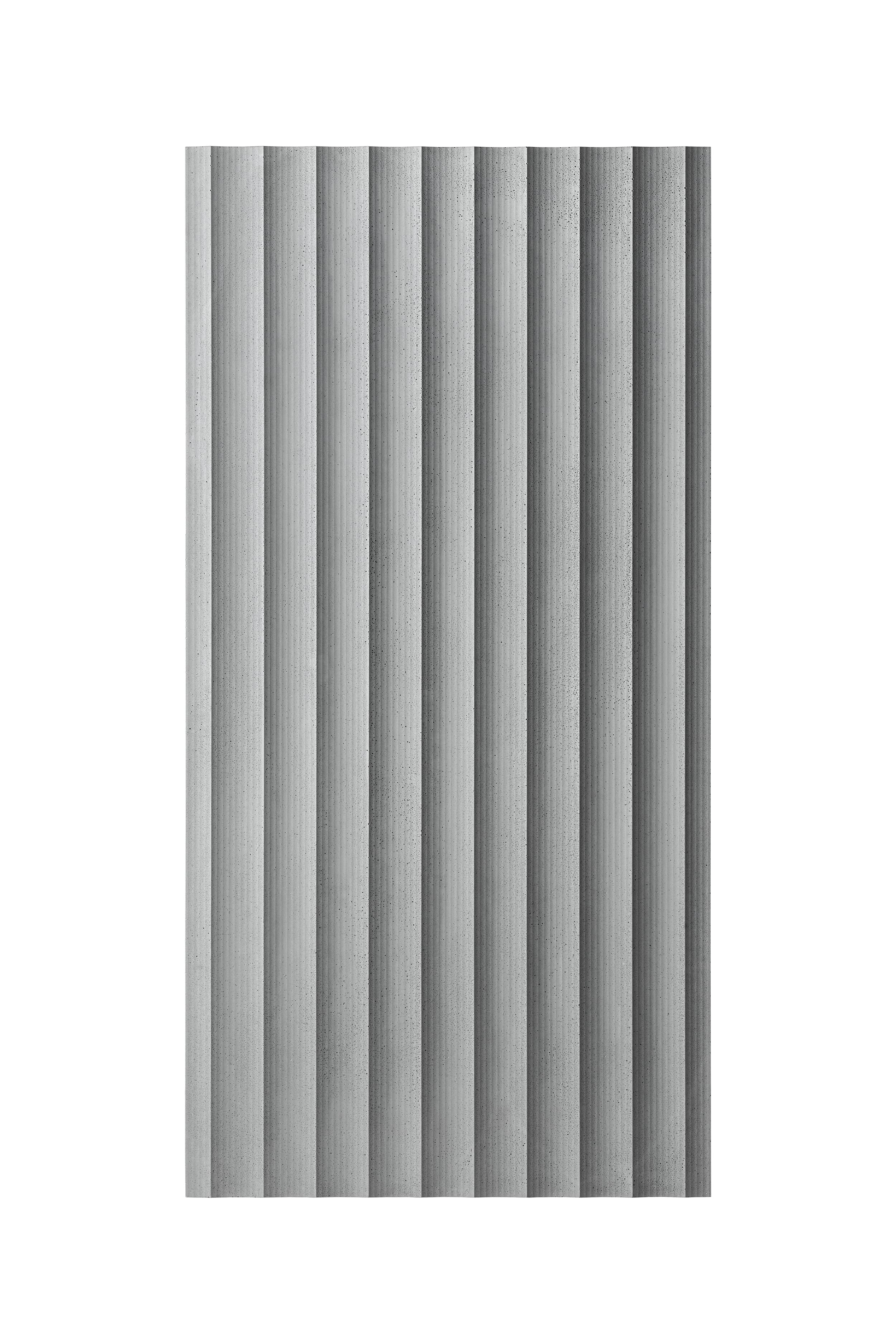
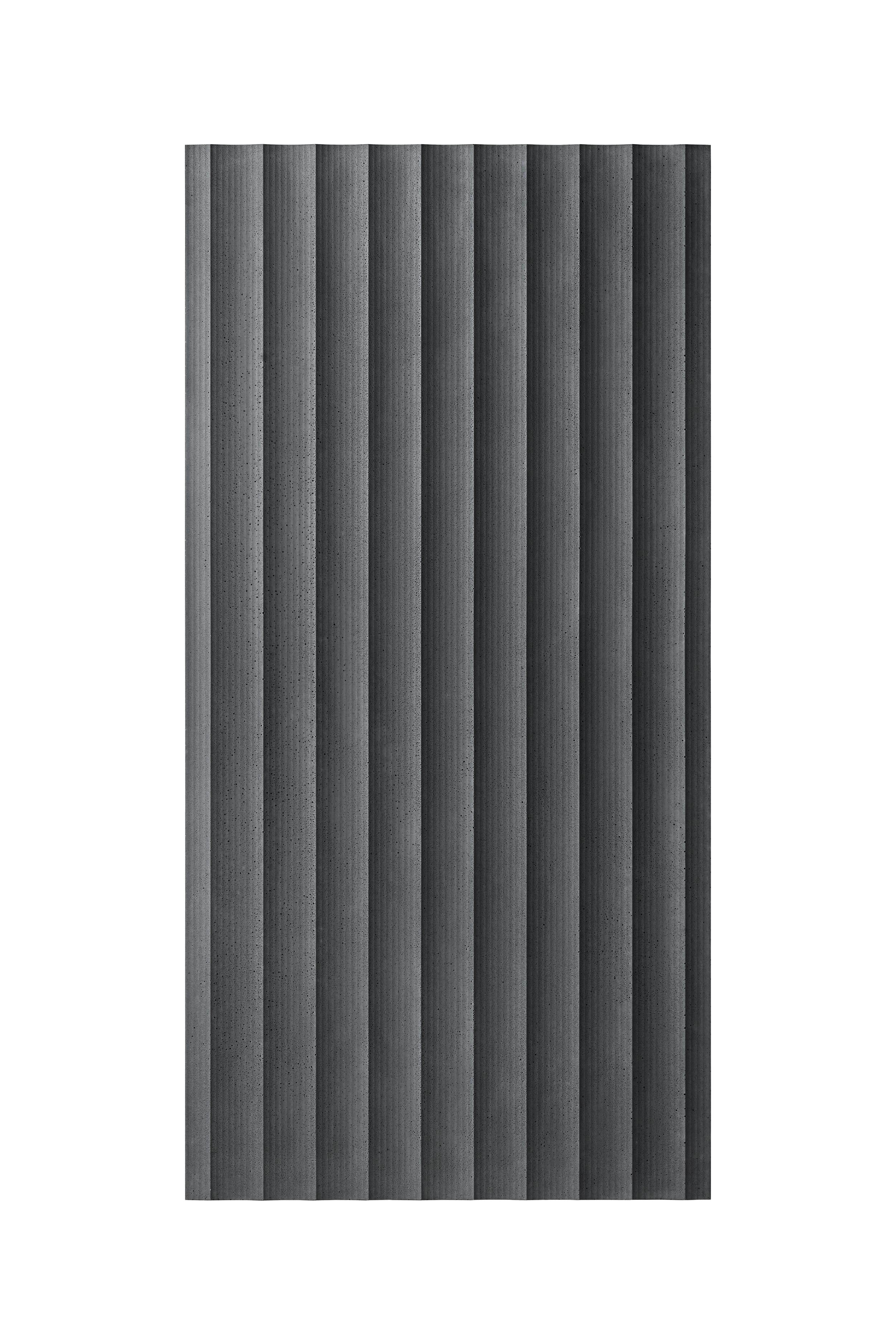
Colour: Grey White / Grey / Dark Grey
“Surface Phenomenon”
The phrase “surface phenomenon” implies shallowness. Mainstream perception insists that truth hides beneath the skin. But through materials science and phenomenology, we see the surface differently: it is the core medium where matter meets human senses, bearing physical functionality, aesthetic expression, and environmental interfacial interaction.
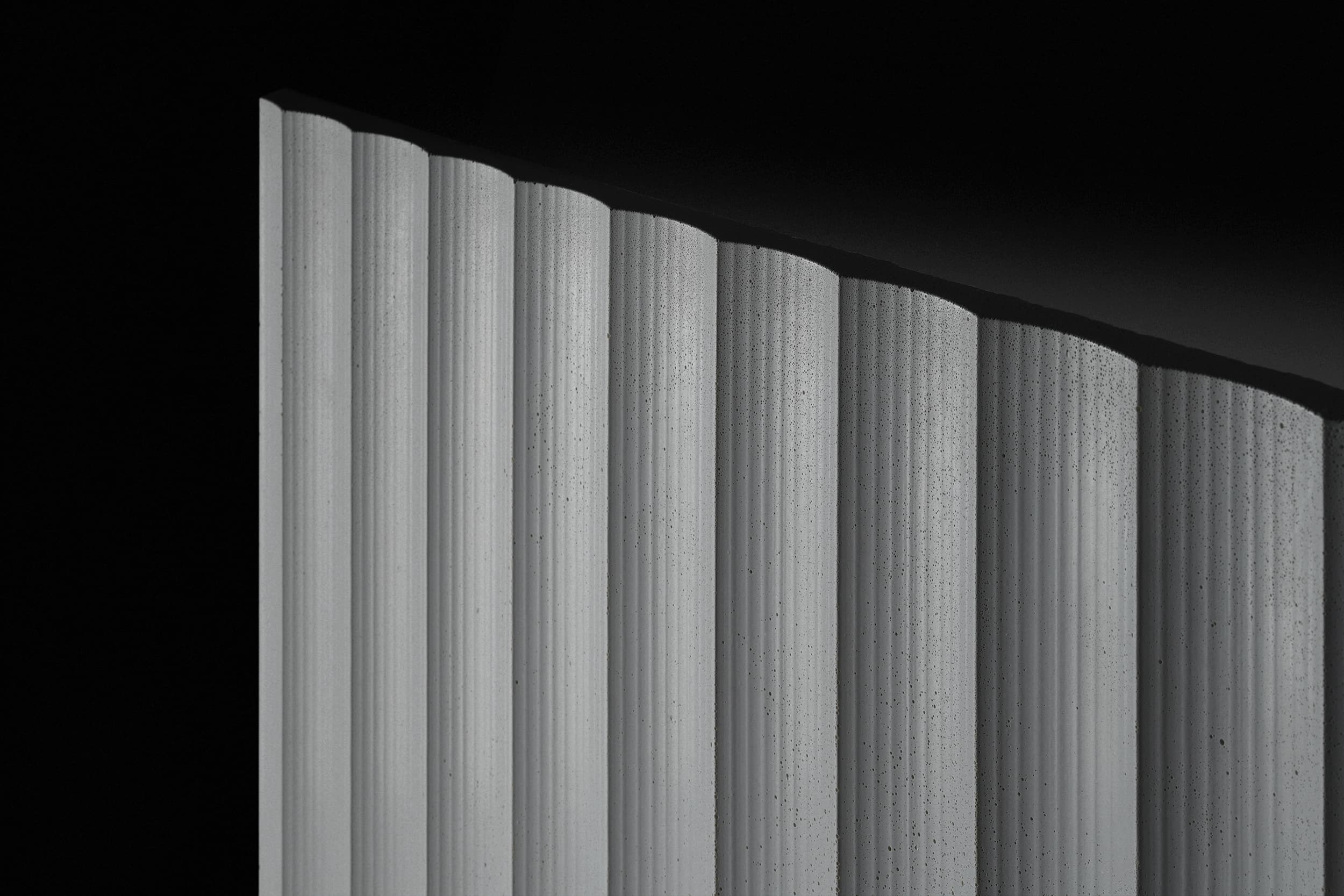
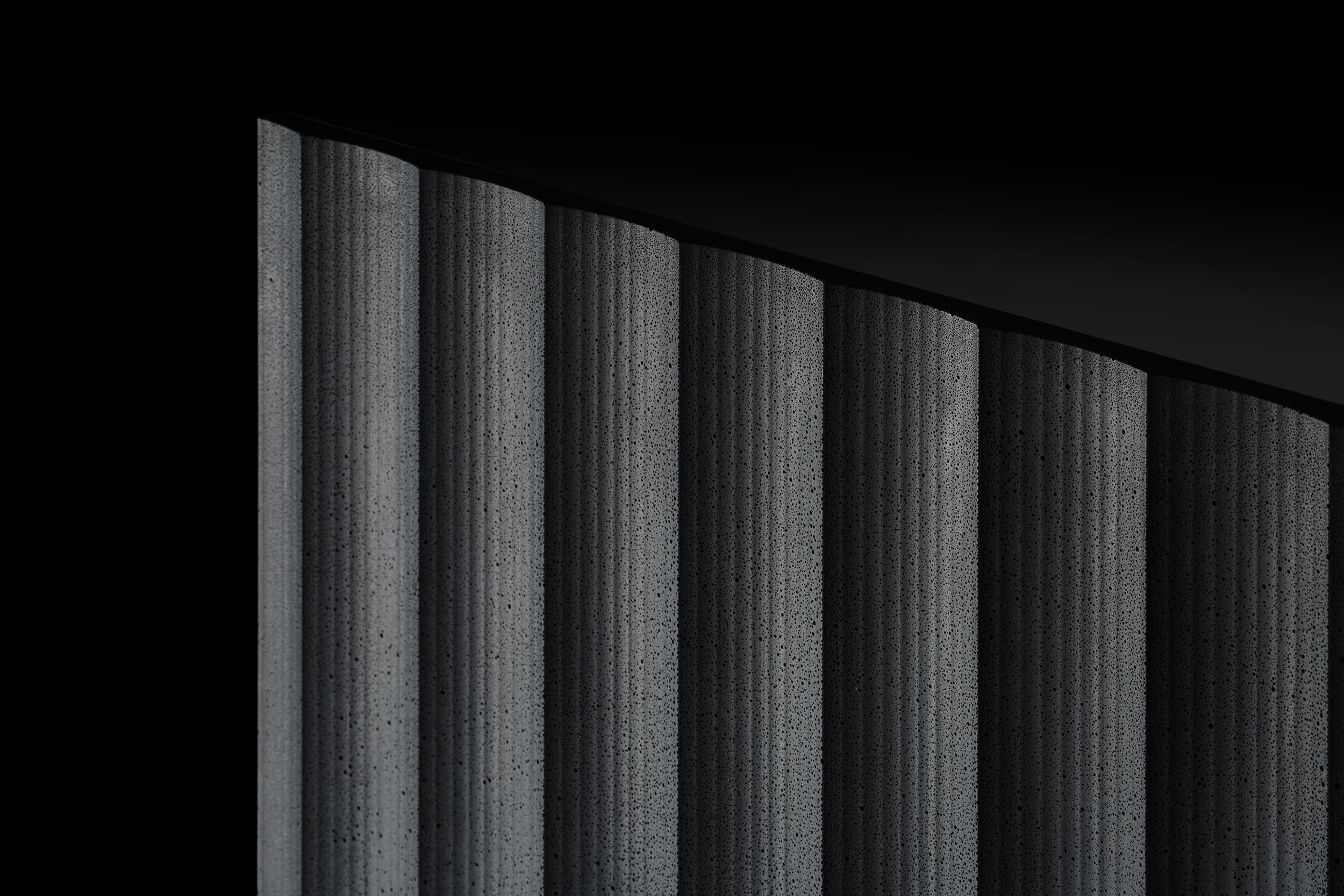
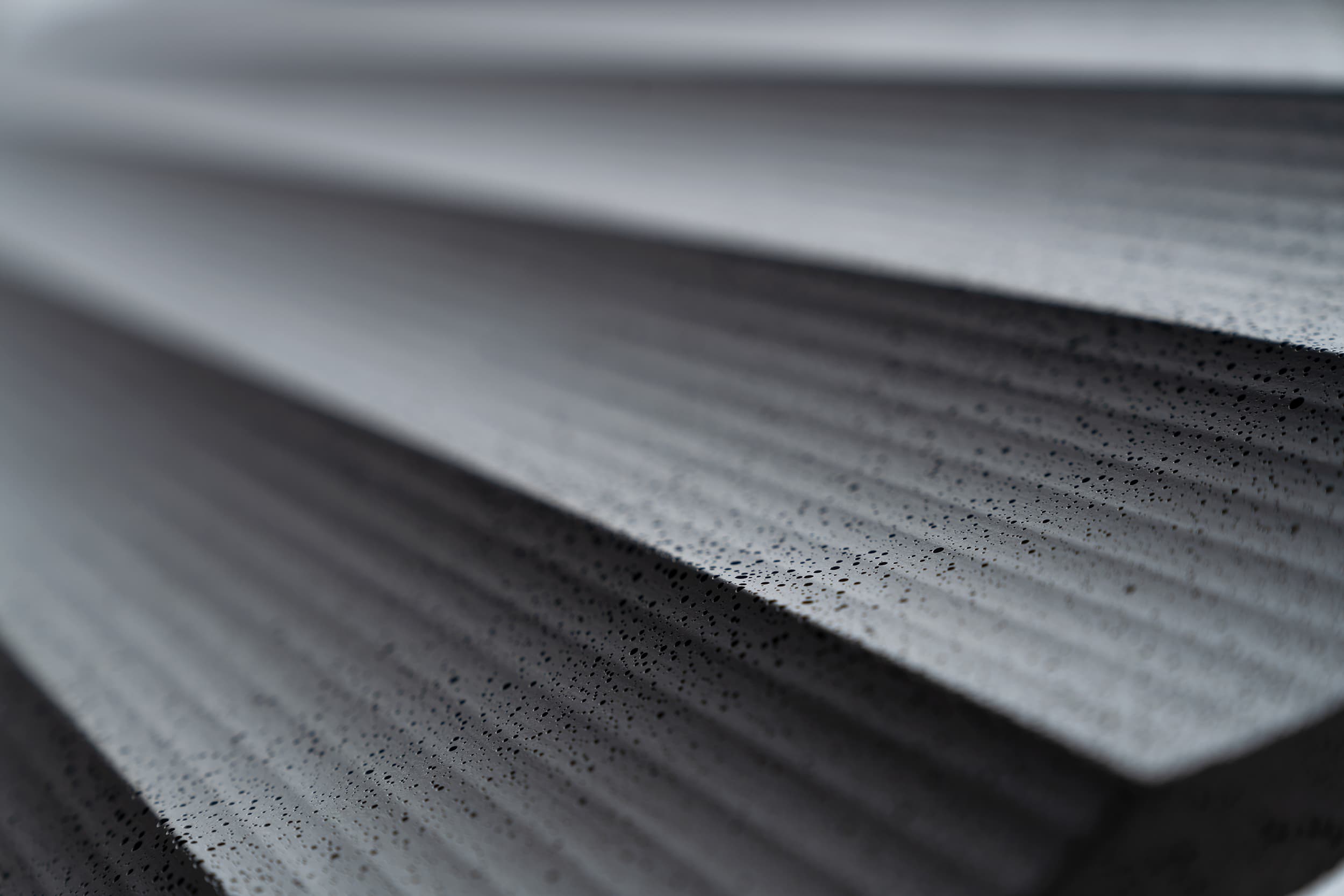
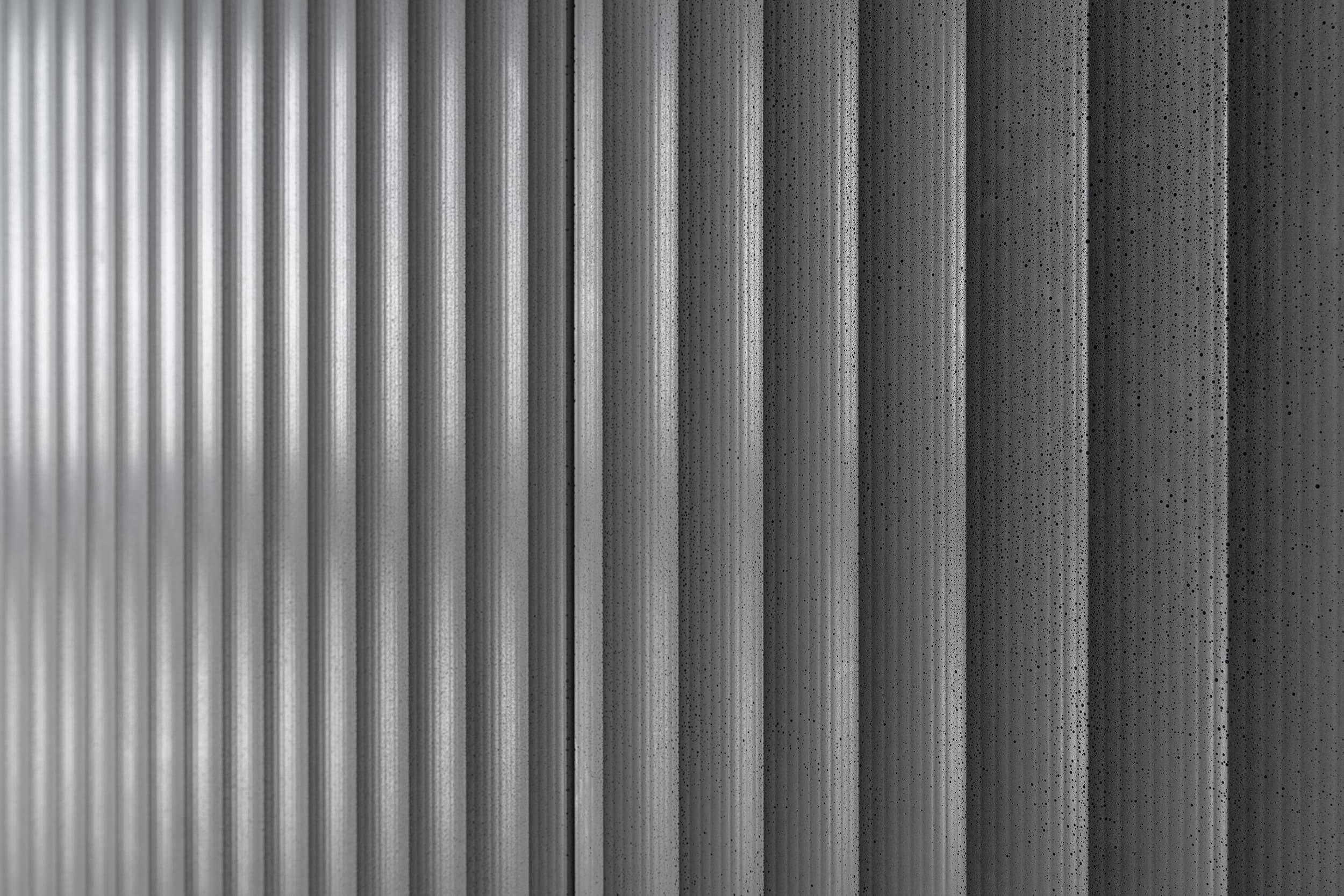
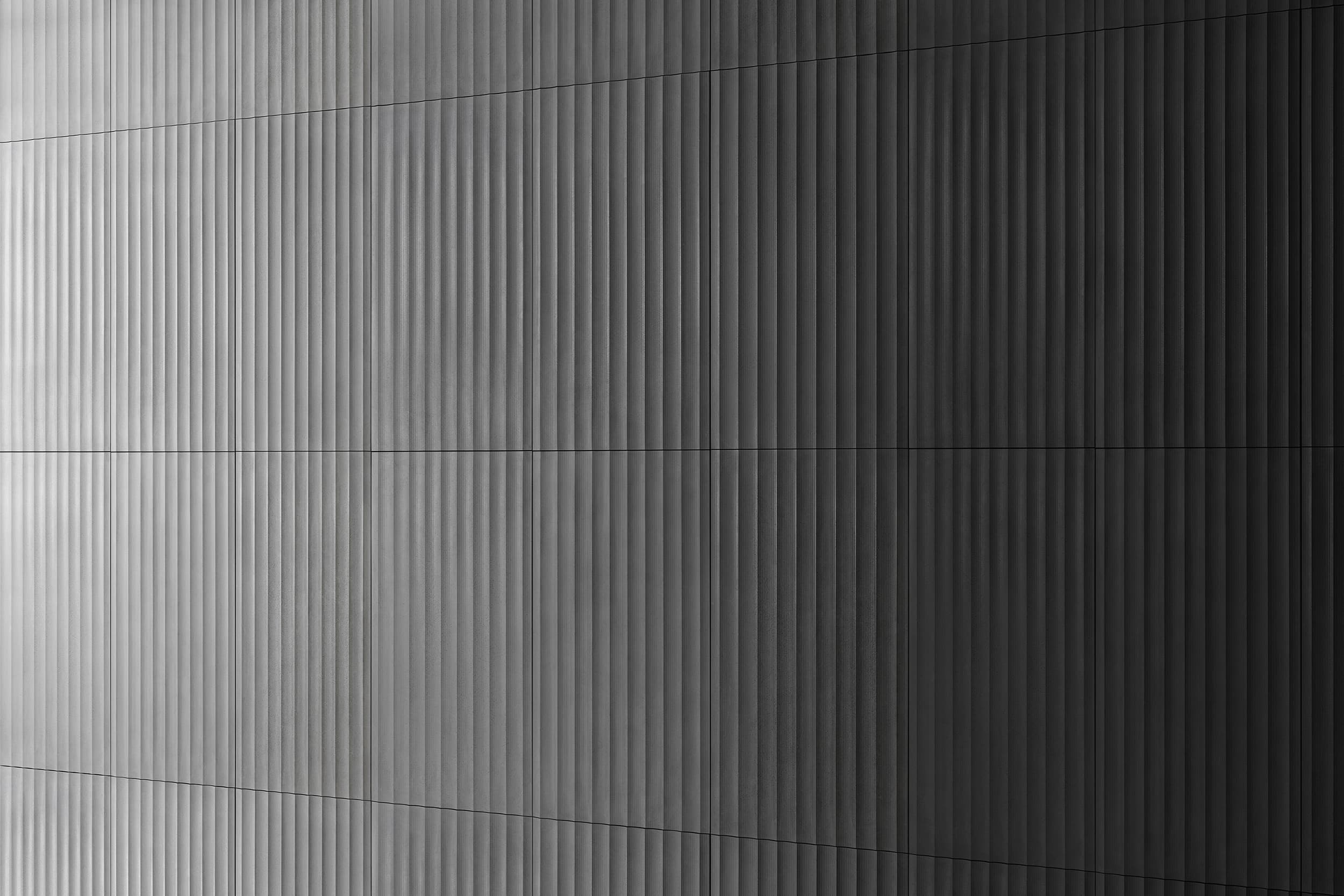
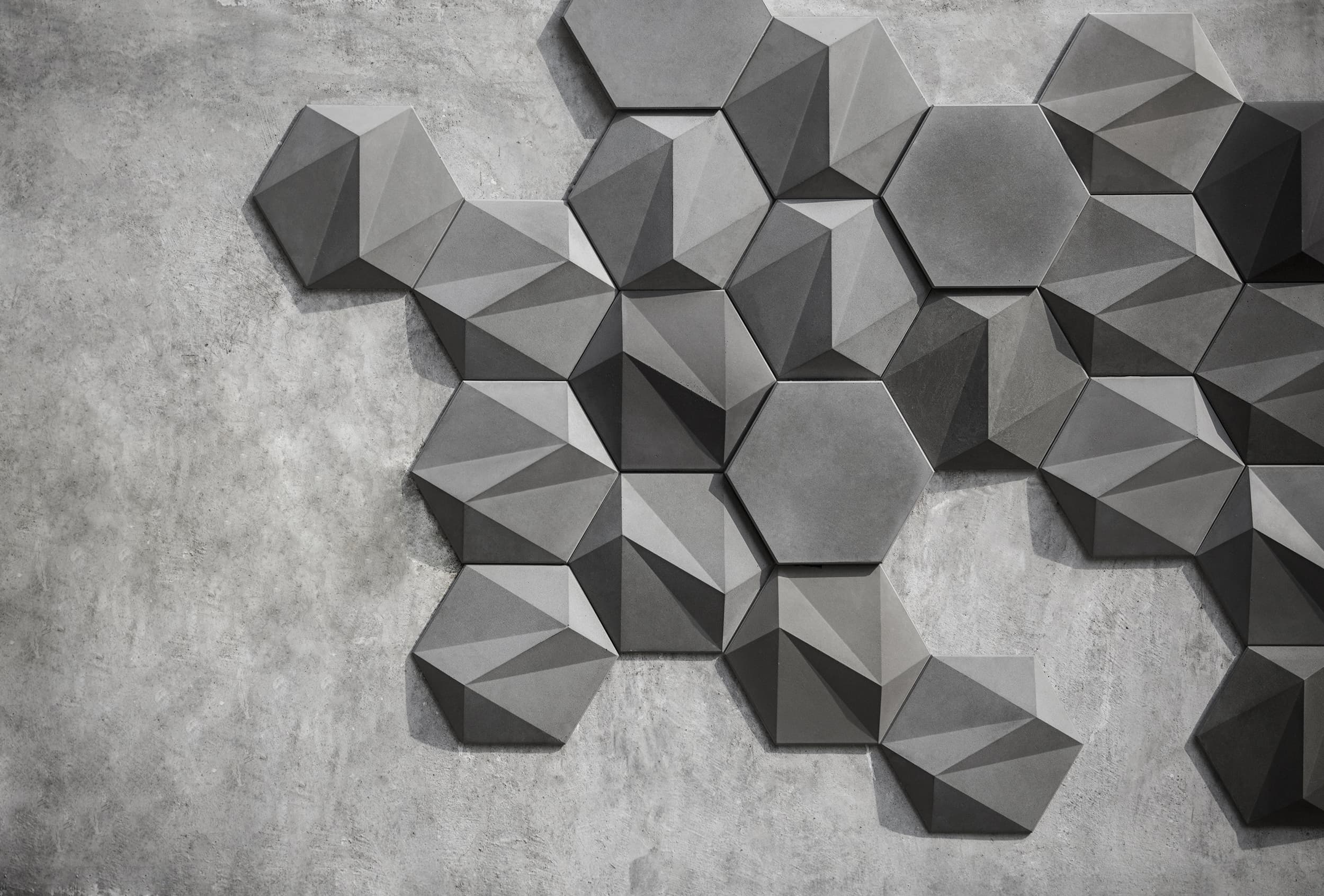
BENTU develops cast concrete panels formulated with up to 80% industrial solid waste. Fly ash, slag, and mine tailings serve as the primary component of panel surfaces, with the raw color variation, natural voids, and intrinsic grain of industrial residues entirely retained. This upcycled material experiment reconstructs conventional public cognition toward surfaces, materiality, and the relationship between matter and residential space.
Reduction to Material Truth
Conventional modern industrial building materials have long followed the logic of masking genuine substance. Ceramic glazes and composite wood veneers generate what Jean Baudrillard defined as simulacra—standardized artificial perfection that covers up the intrinsic properties of base substrates, leaving industrial waste and raw base materials permanently concealed beneath glossy decorative finishes.
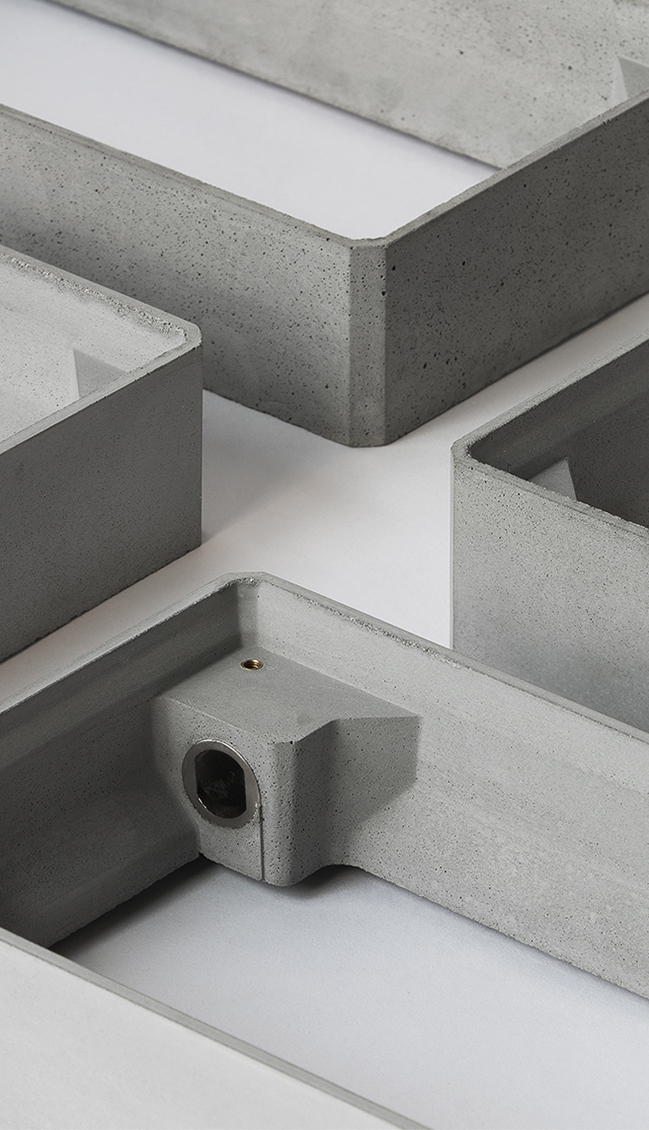
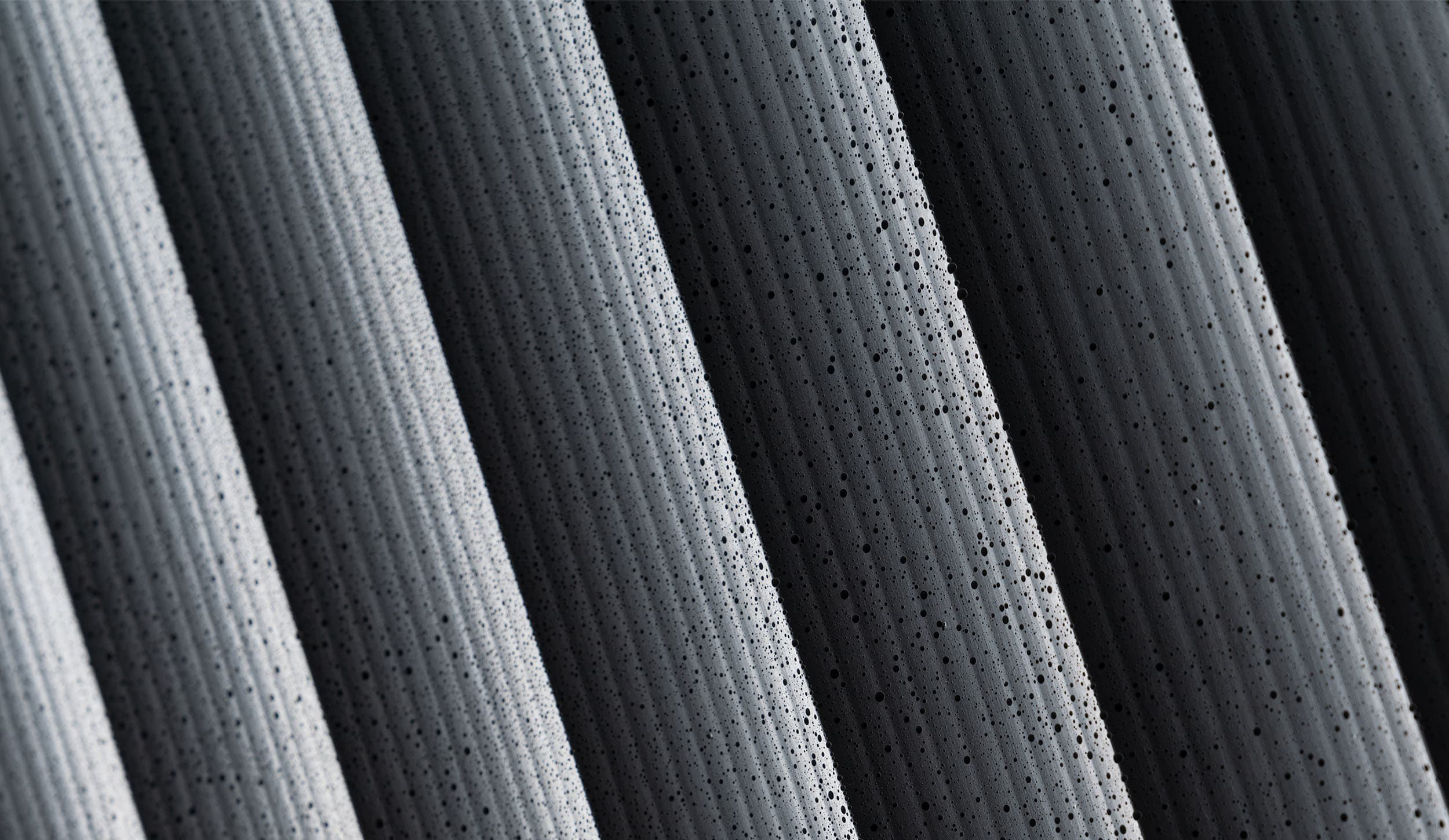
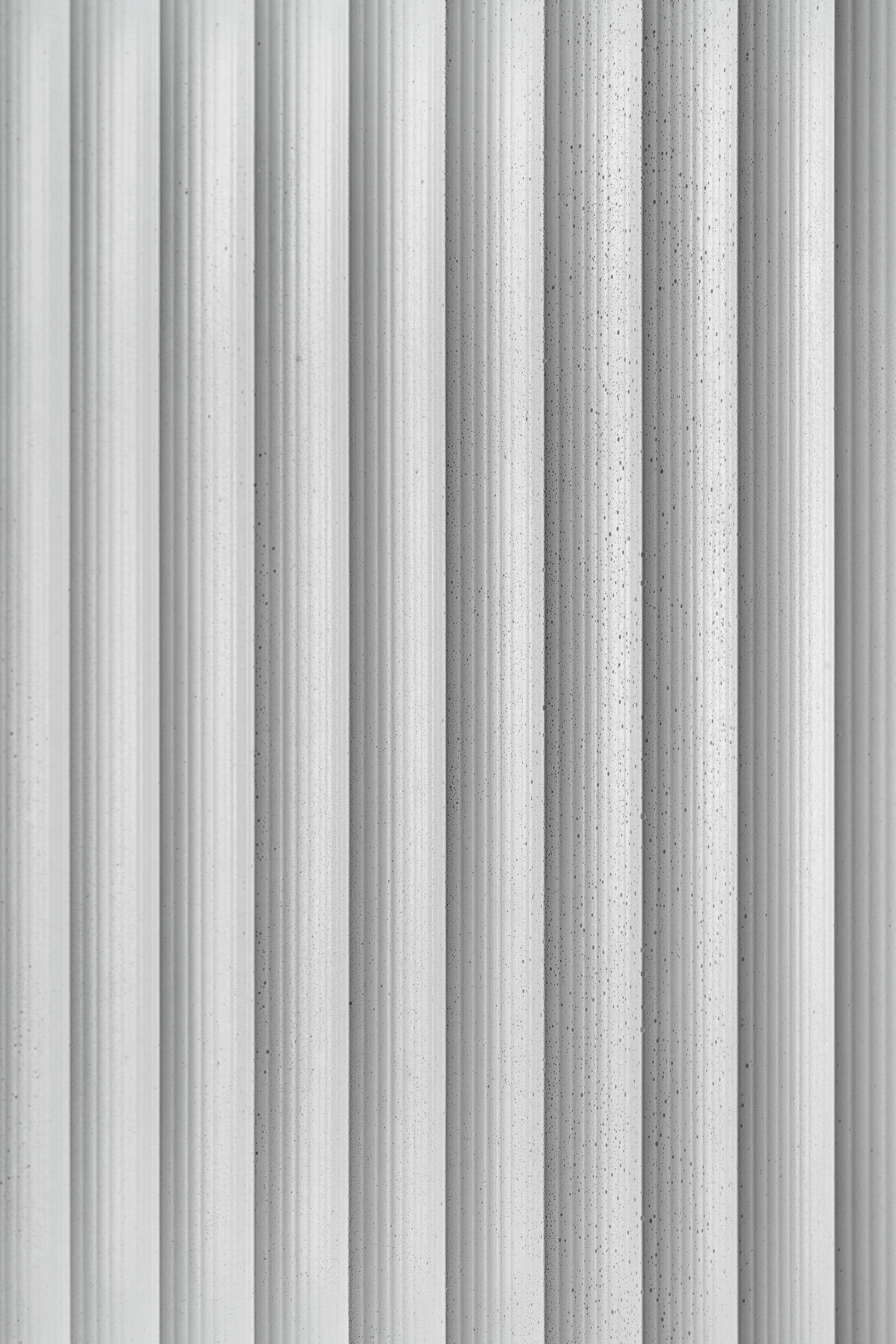
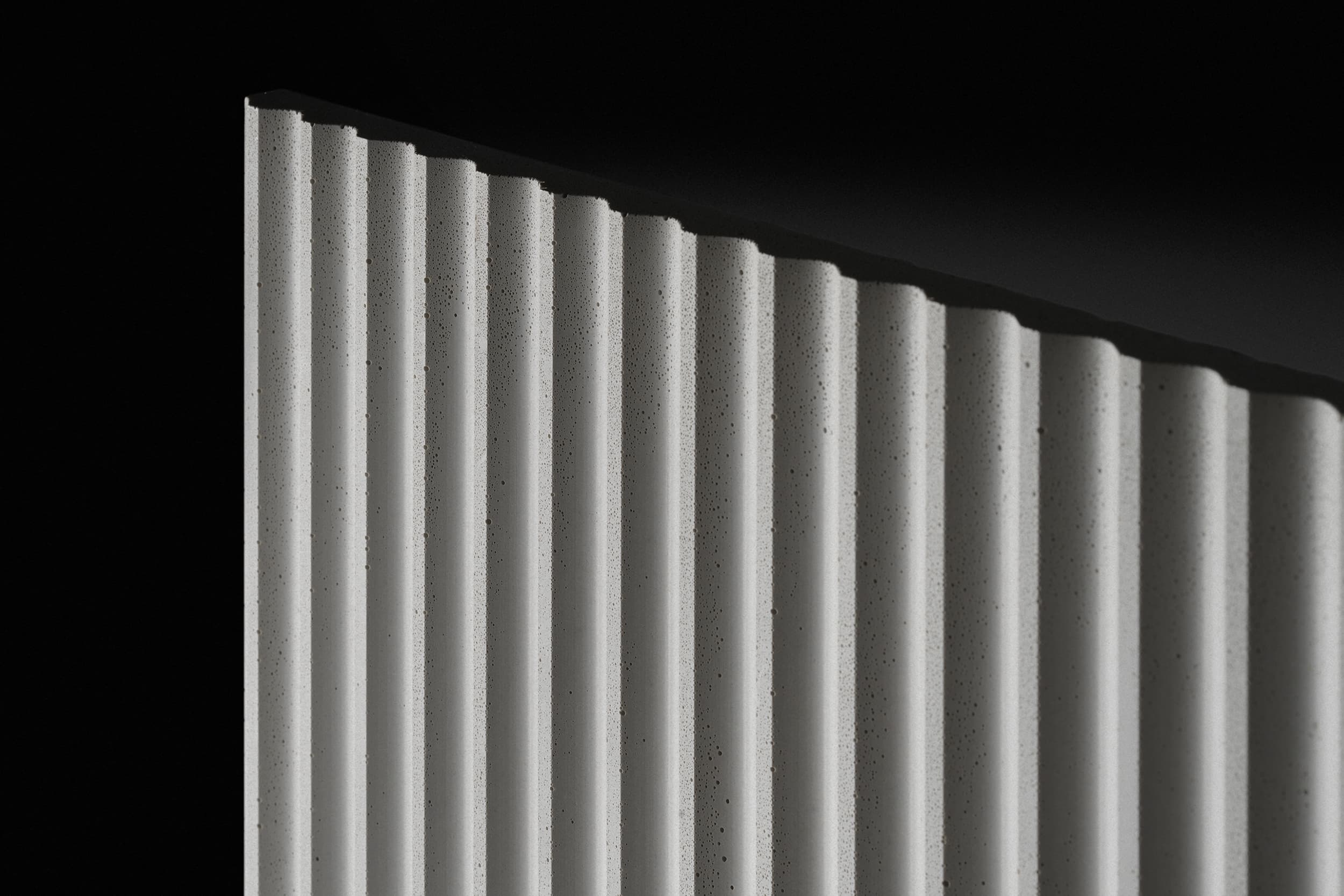
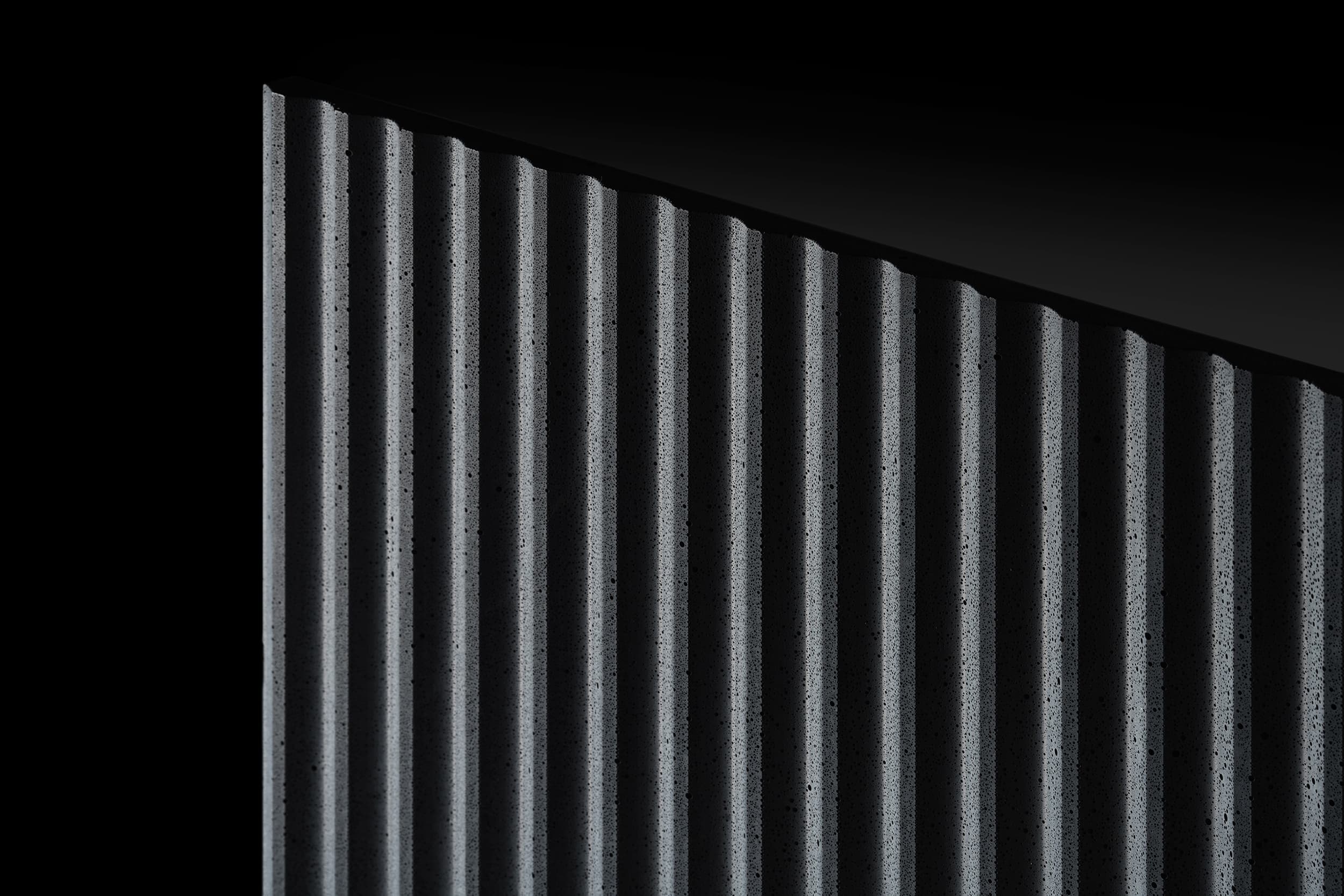
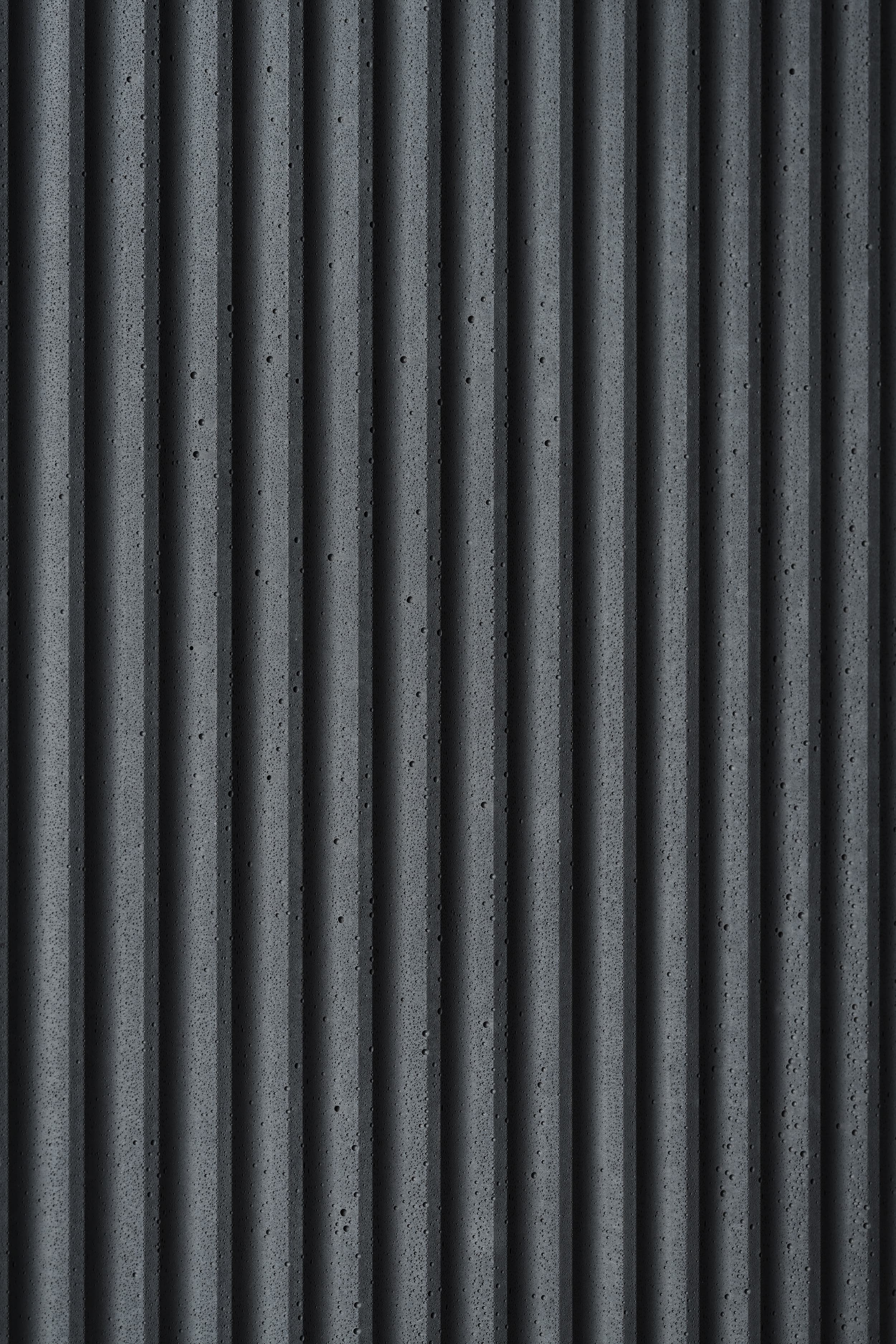
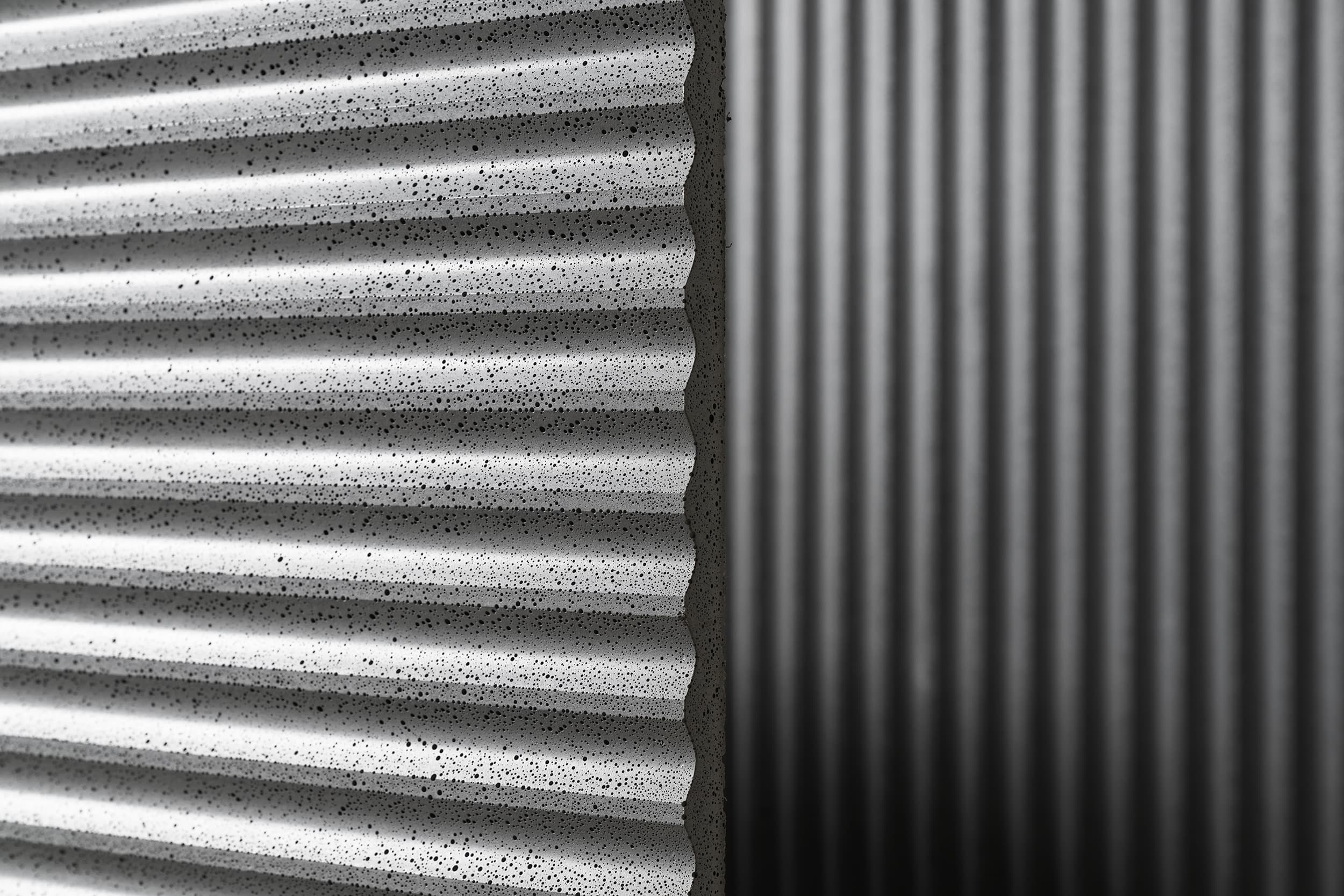
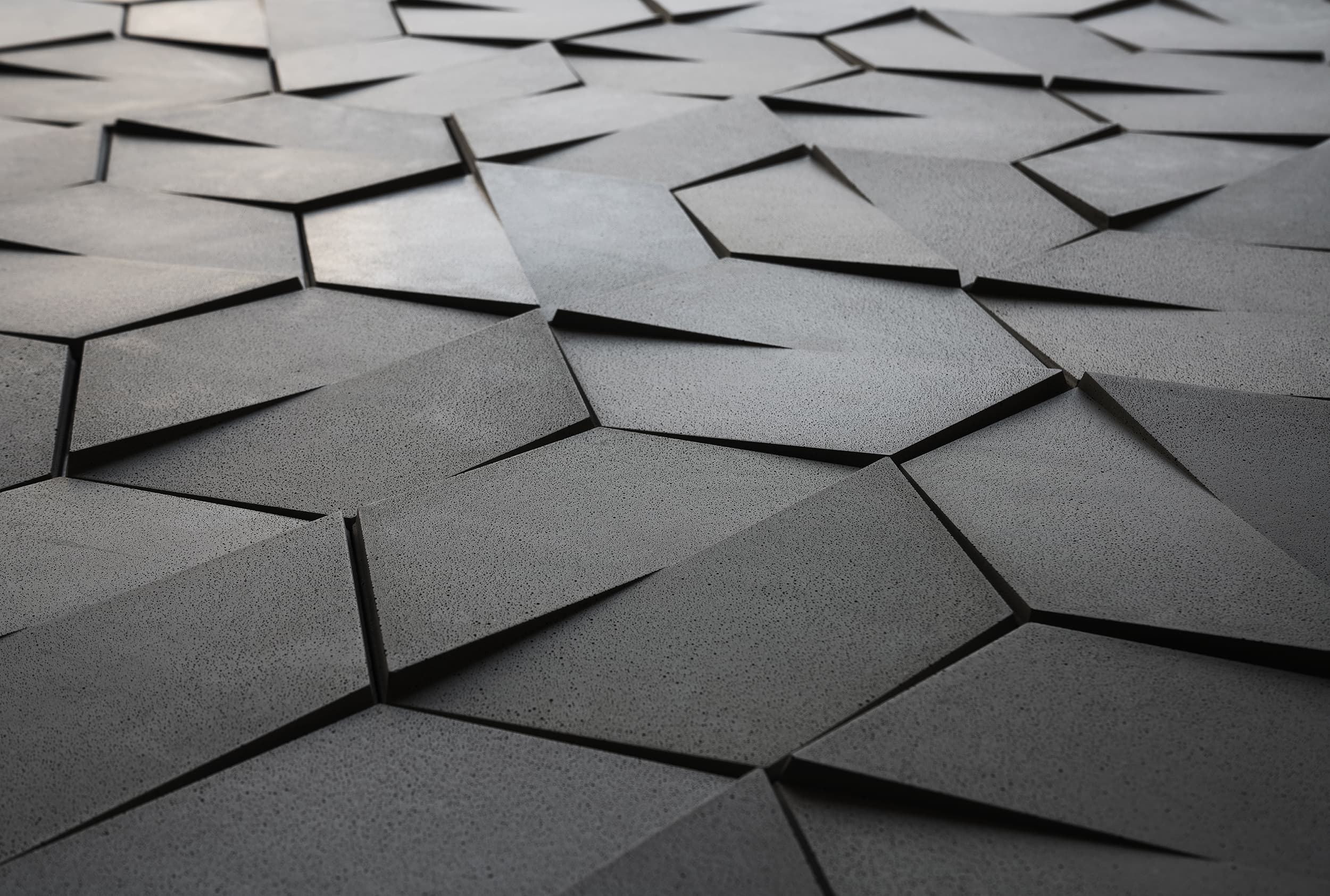
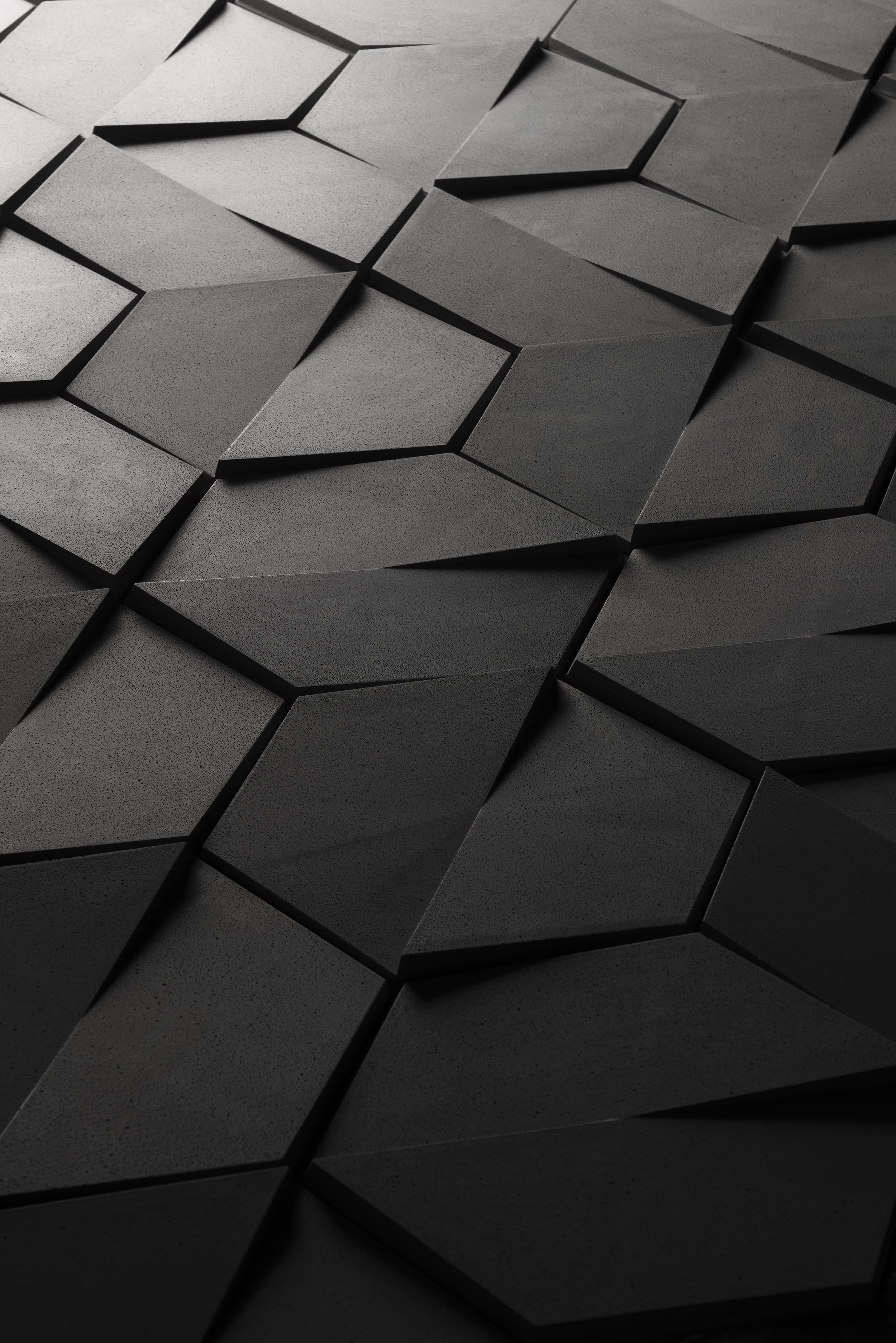
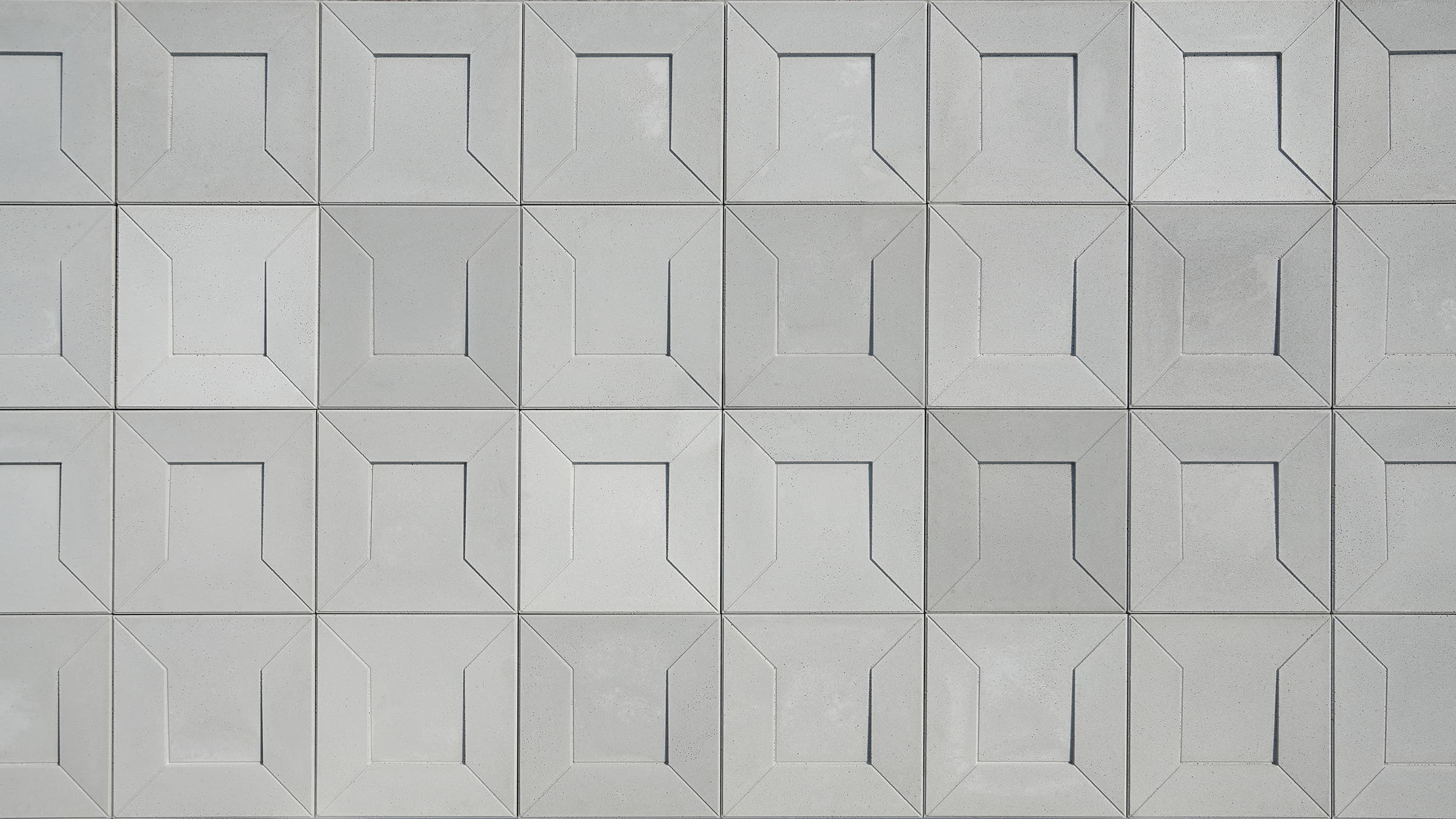
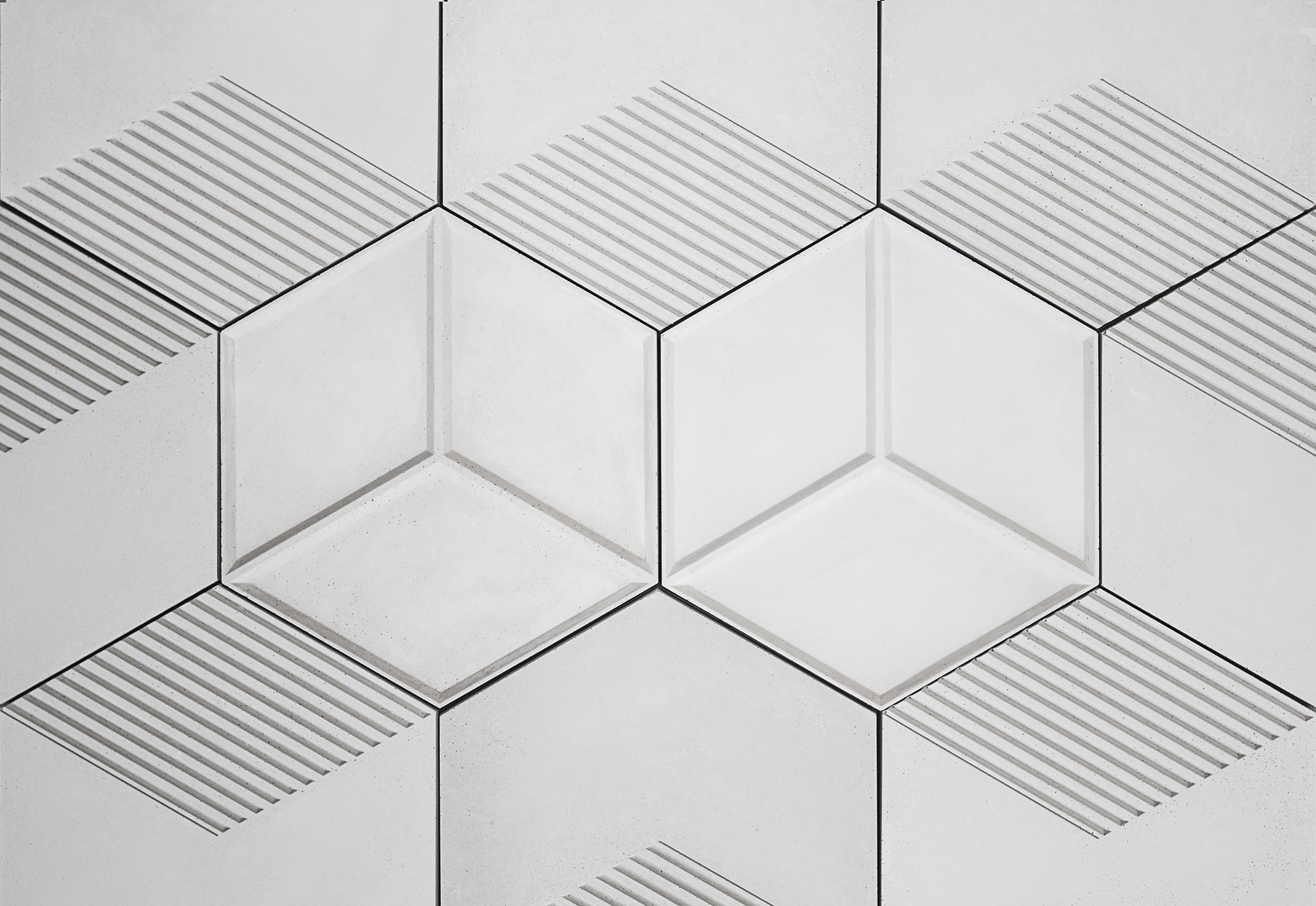
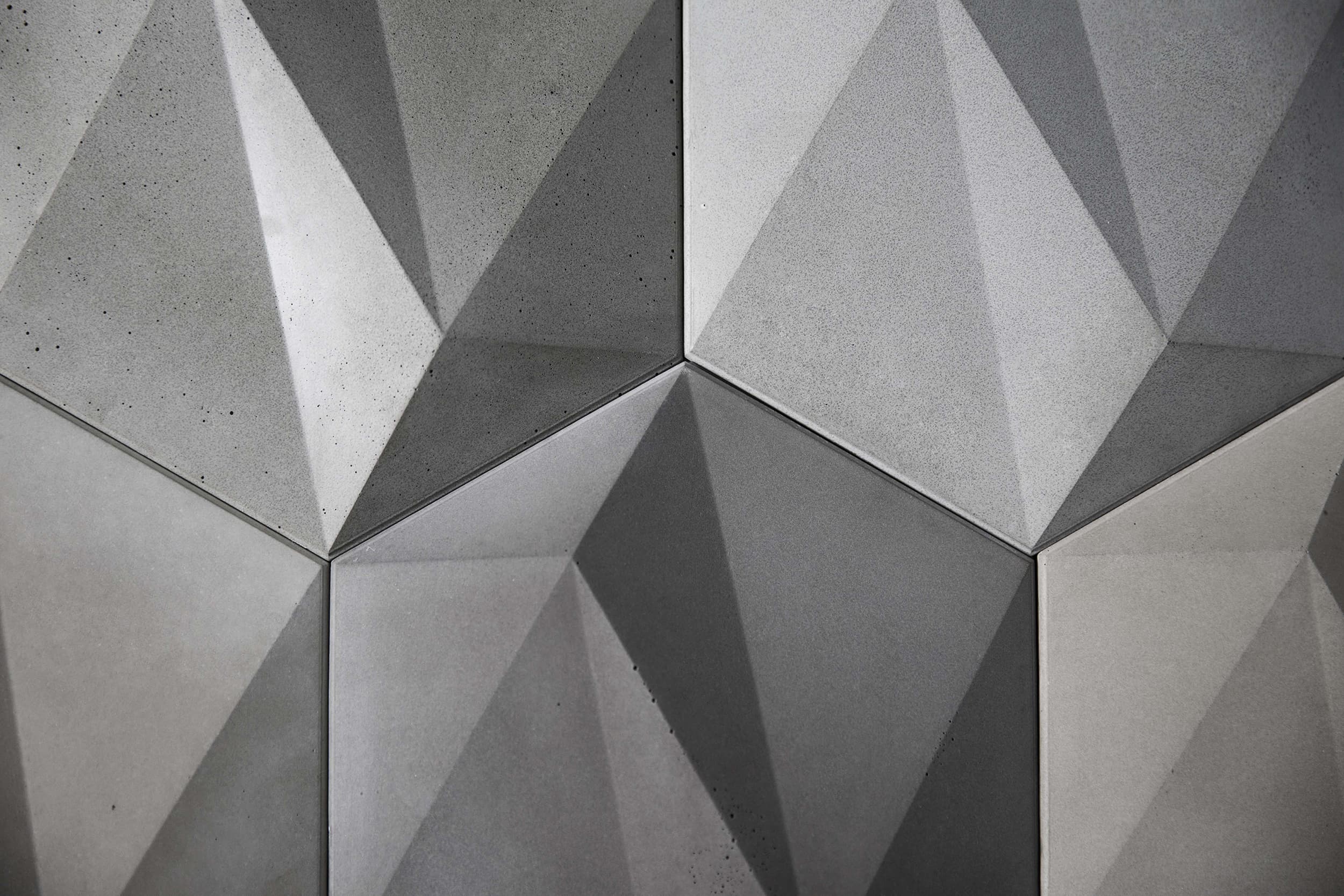
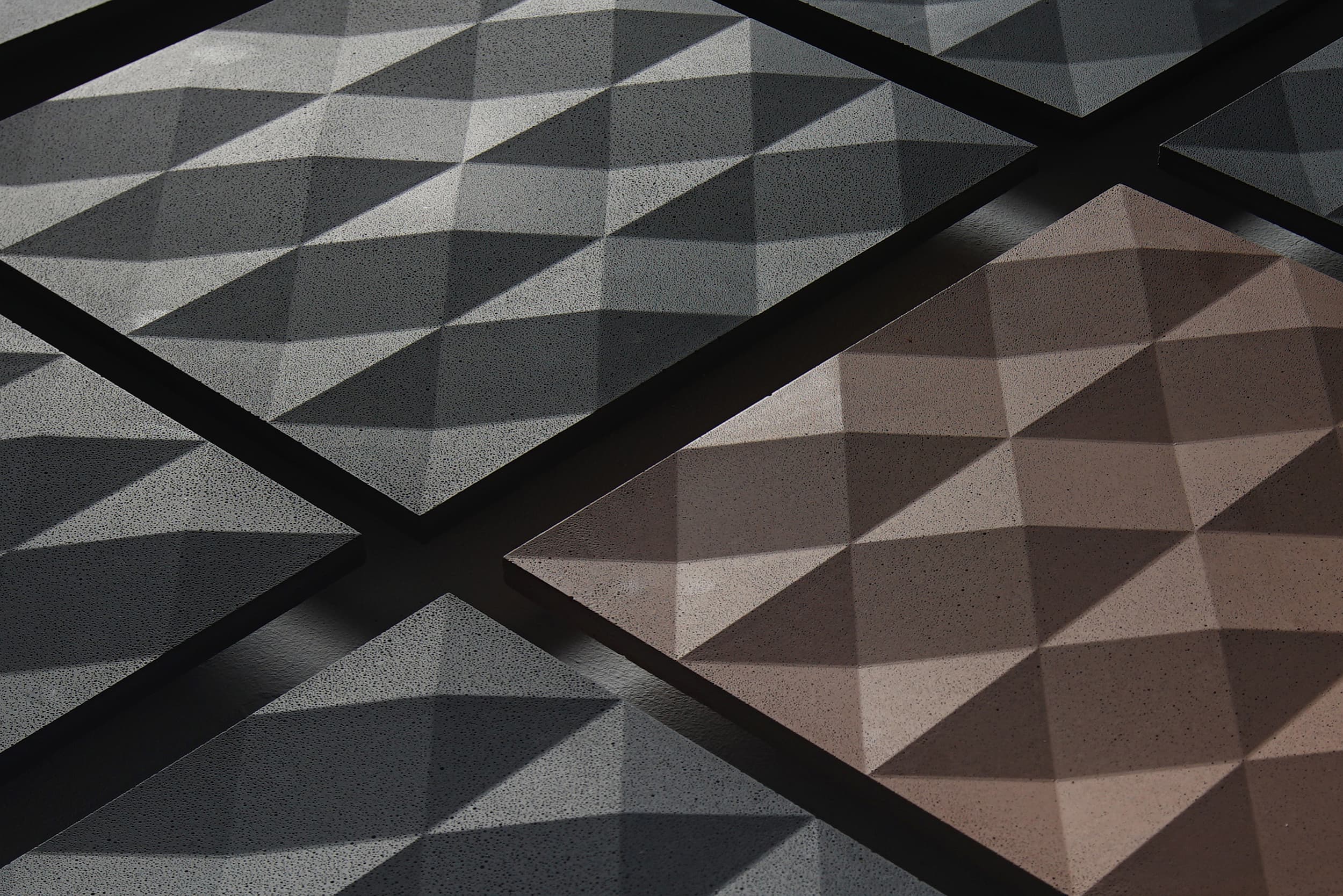
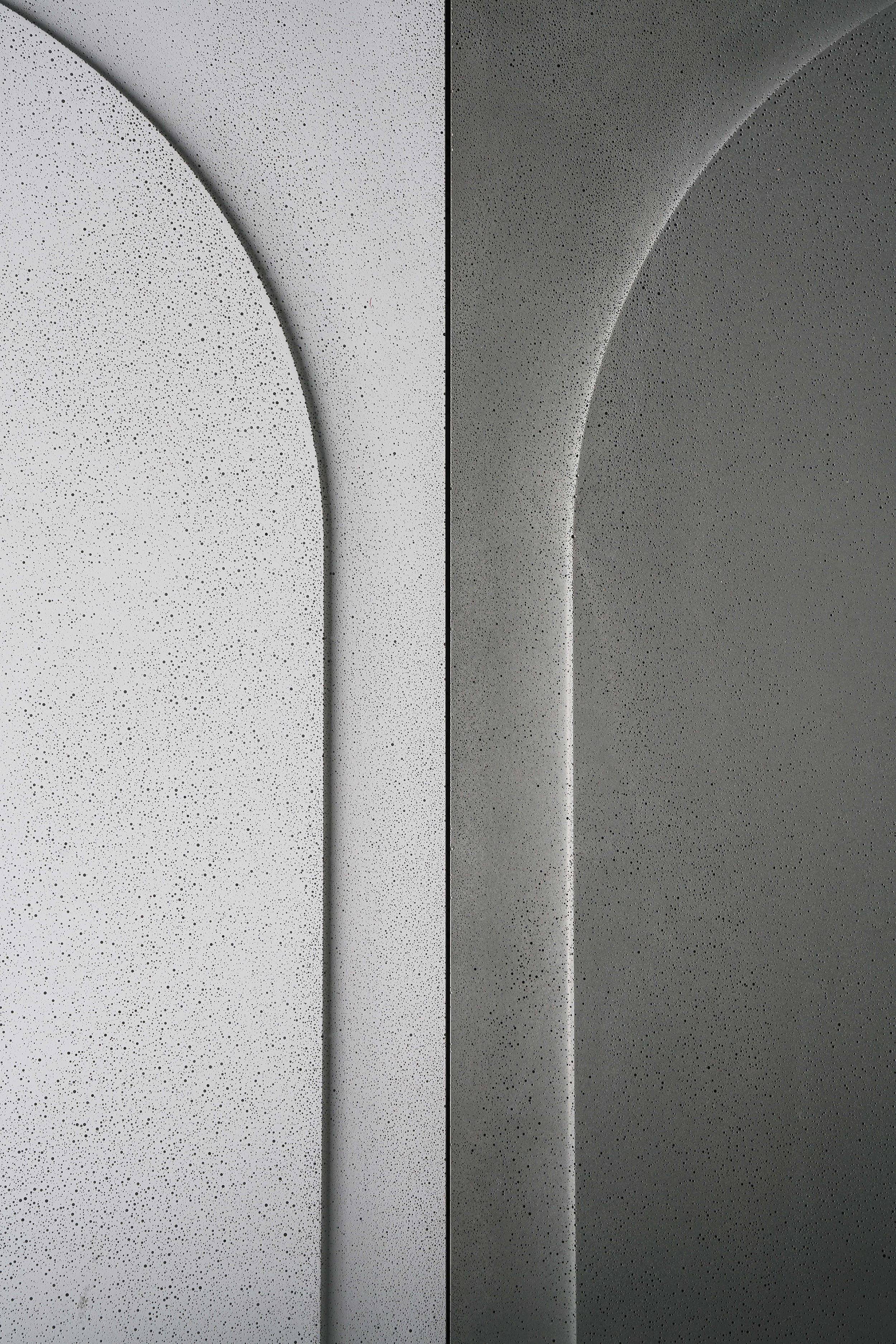
Solid-waste concrete completely breaks away from this concealment logic and imitates no premium construction materials: its muted grey tone originates from fly ash; internal air pores mark residual traces of natural water evaporation during curing; uneven coloration is determined by varied mineral compositions within recycled waste. C; the exterior equals the material in its entirety.
Unity of Appearance & Essence
This practice aligns closely with phenomenological philosophy. Kant argued humans only perceive appearances, never the“thing-in-itself. ”Husserl urged a return to things themselves.
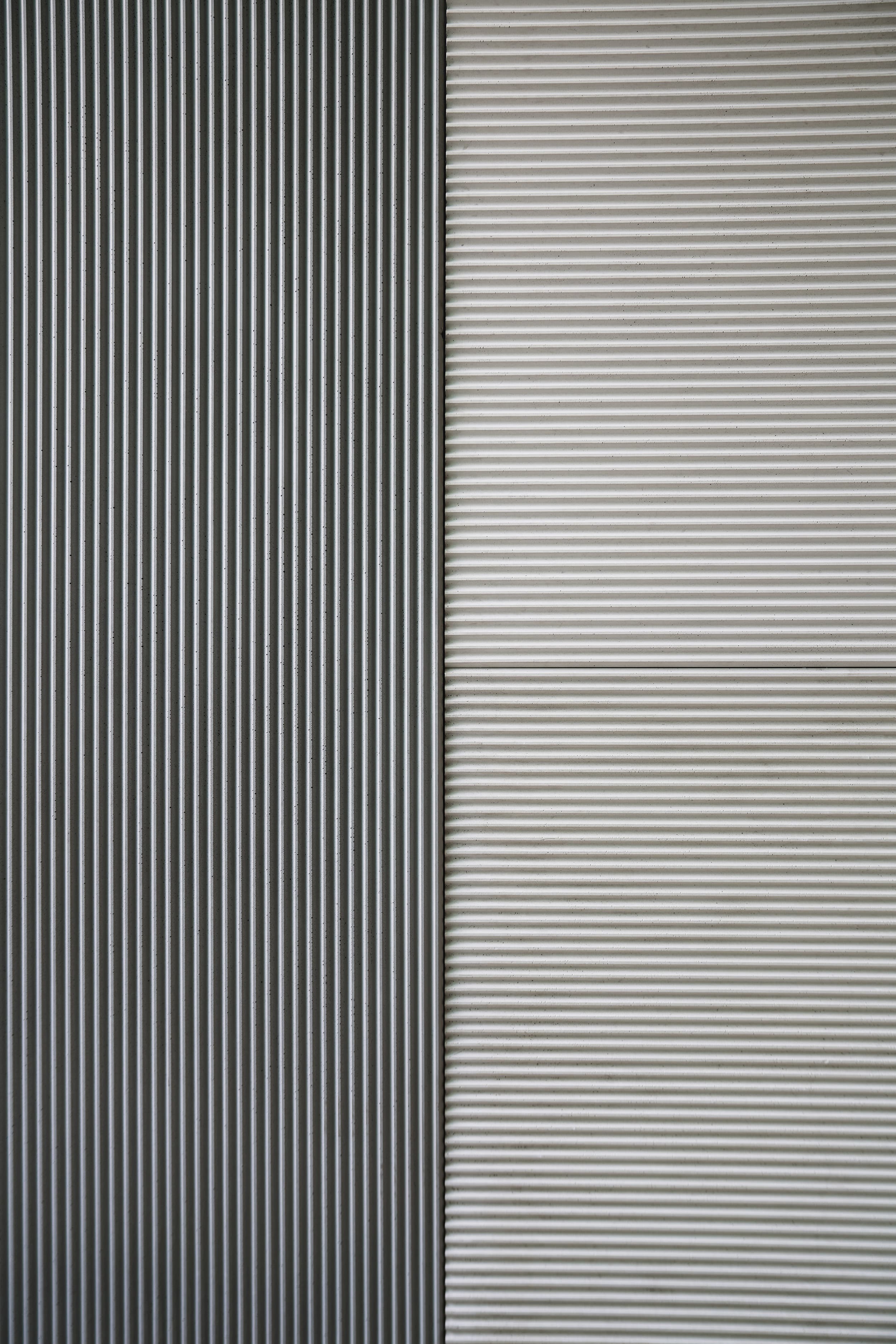
Commercially available decorative materials sever phenomenon from essence: marble-look tiles conceal clay substrates; wood-imitation boards disguise particleboard cores. BENTU’s solid-waste concrete unifies appearance and essence. Every visual and tactile feature directly corresponds to its recycled feedstock, free from coating coverage or artificial symbolic disguise, plainly revealing the genuine identity of upcycled industrial construction material.
Material-Exchanging Interface
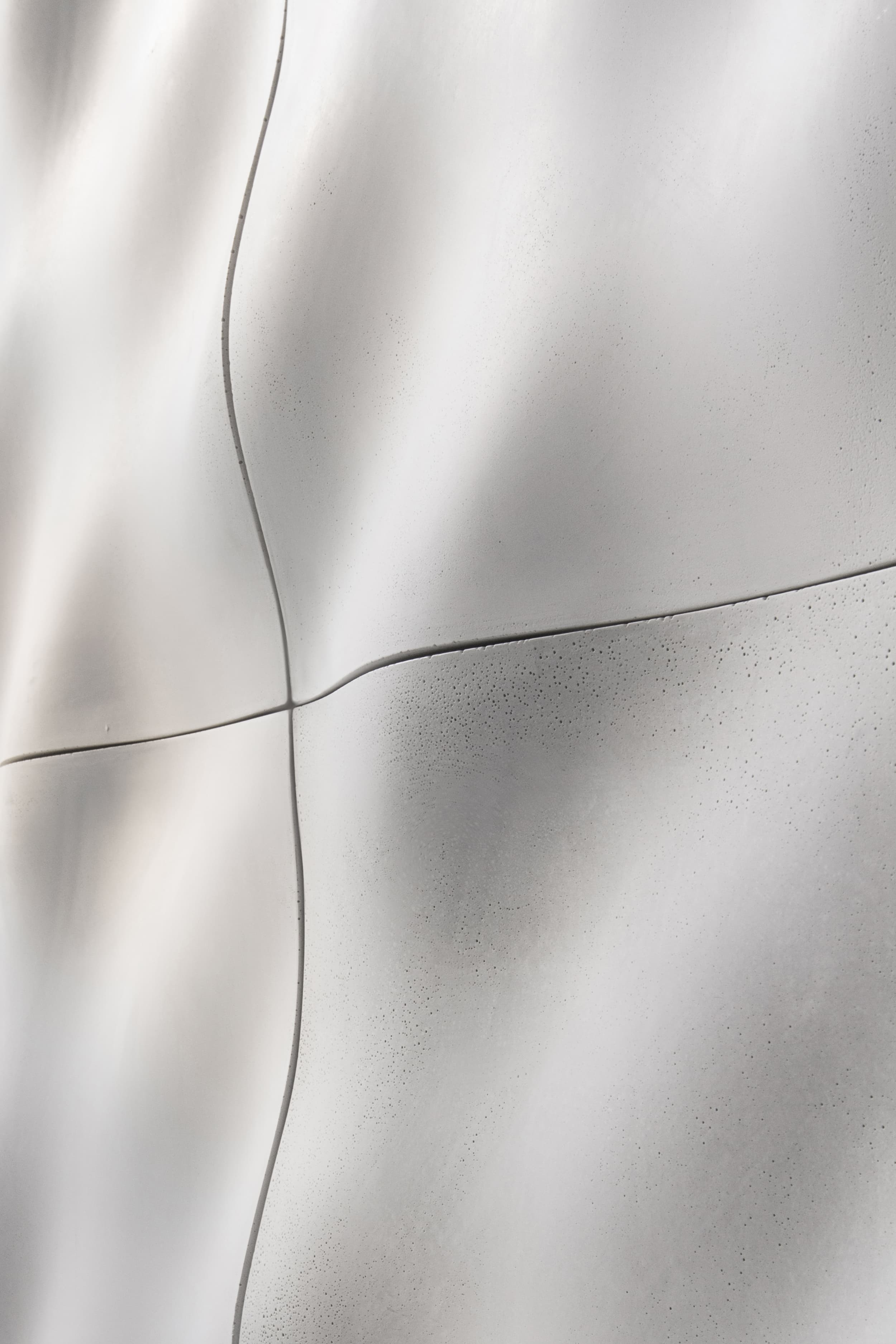
Physically, the surface functions as a dynamic medium boundary. Pinholes and casting joints are not manufacturing flaws; they are objective imprints left by the interplay of slurry, air and moisture during setting.
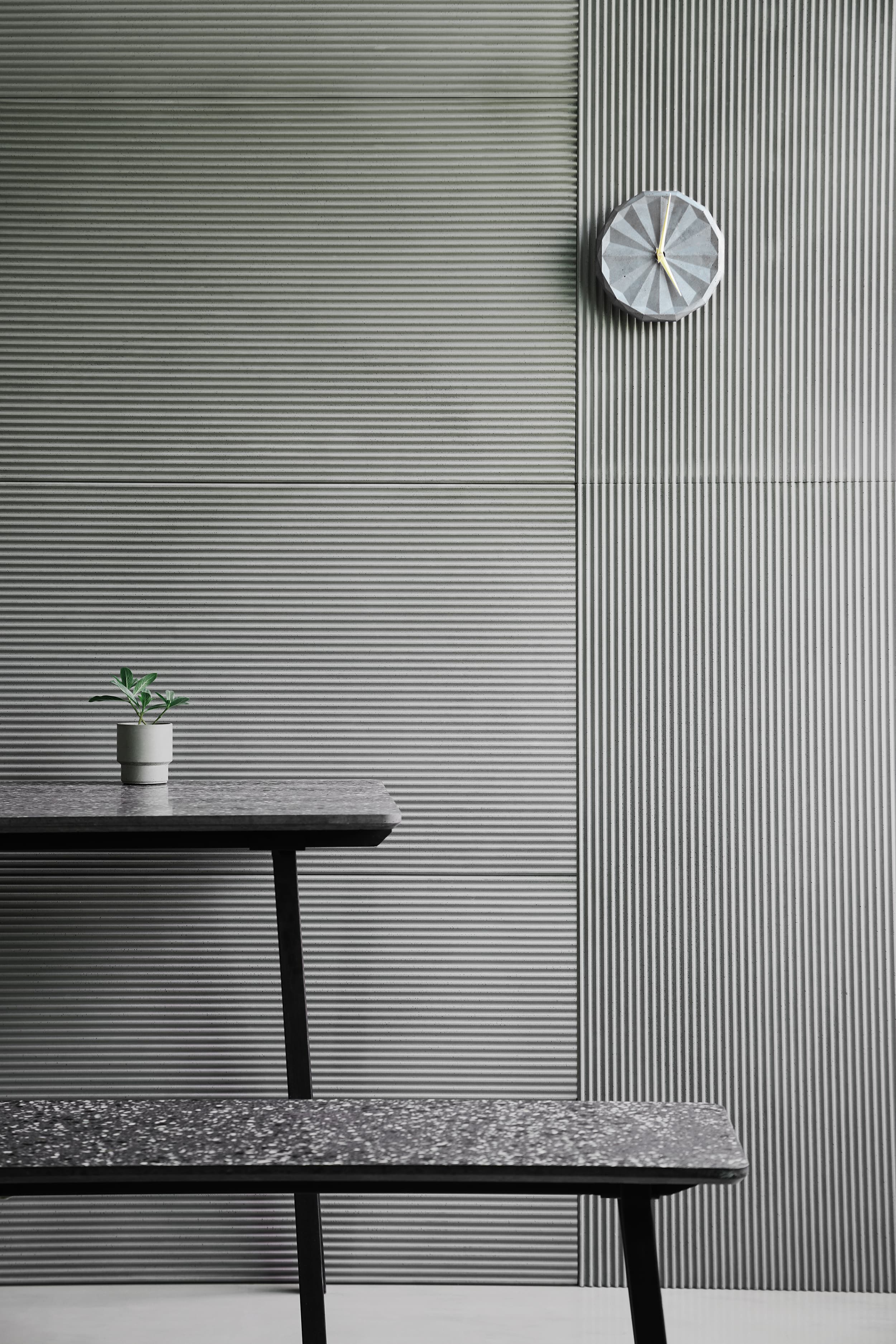
Distributed surface micropores adjust indoor ambient humidity. Gradually altered by shifting light, frequent human contact and rain erosion, the surface develops natural aged patina over years. It forms a living interface linking interior space, ambient air and repurposed industrial relics.
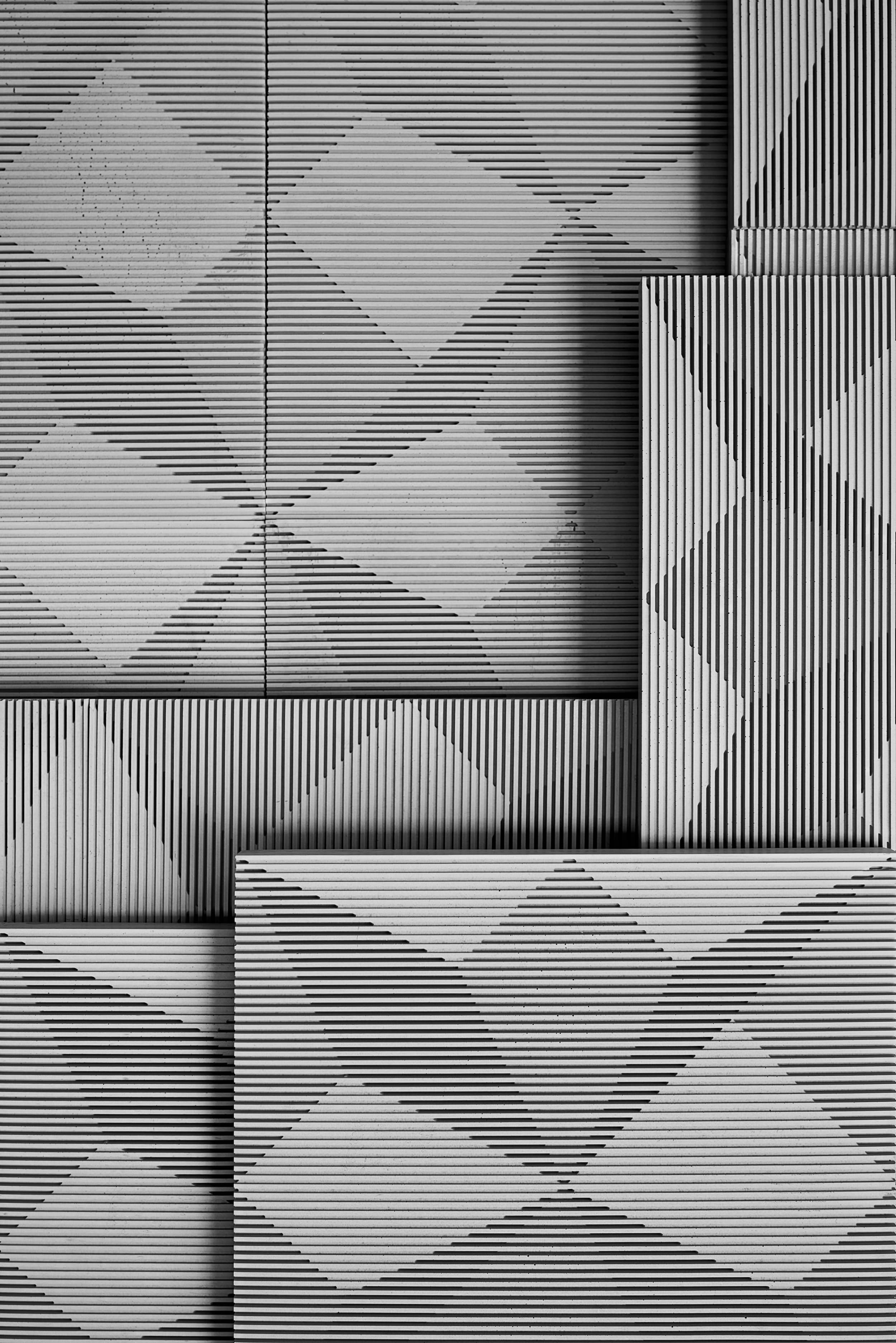
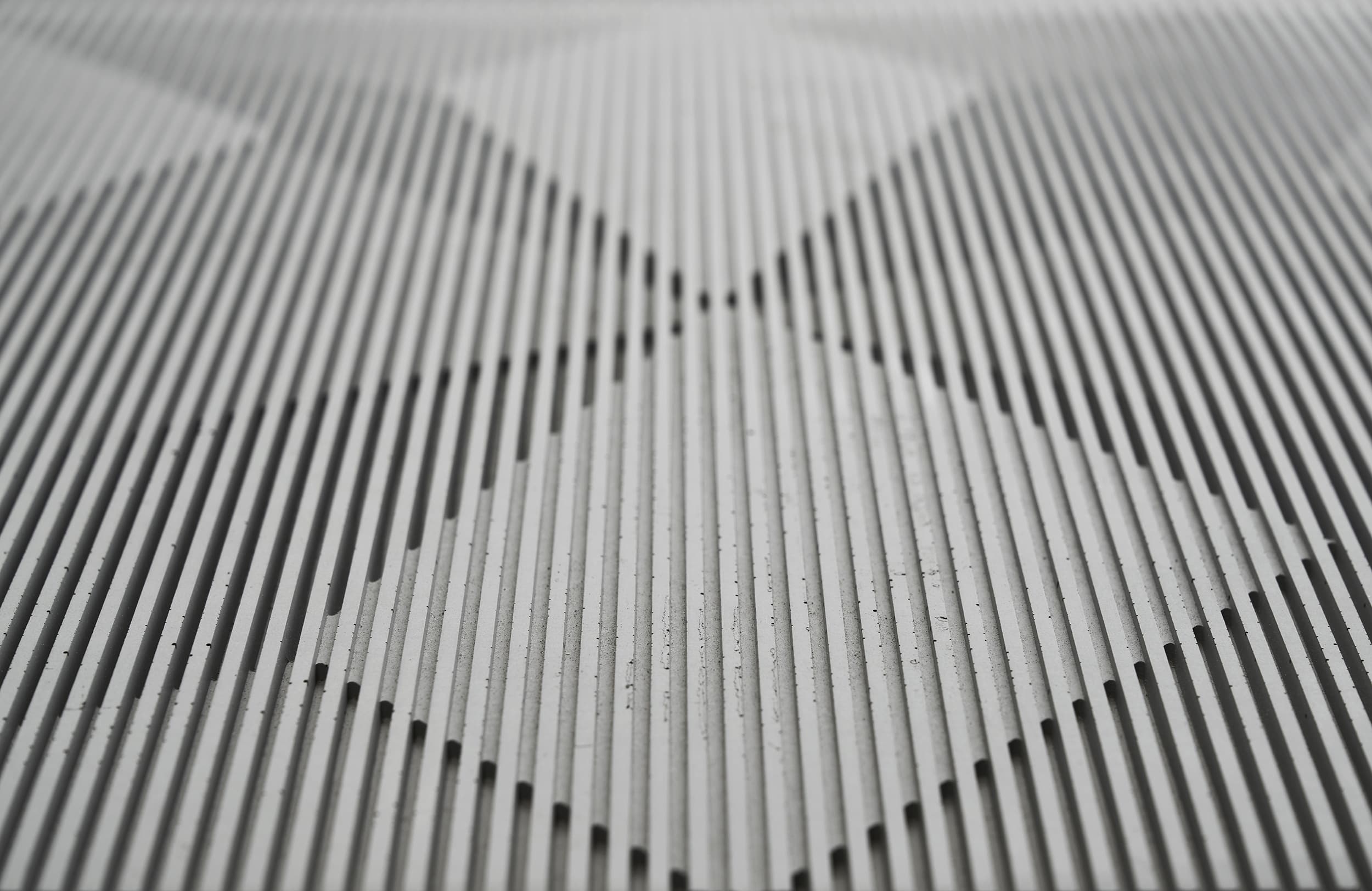
Surface Aesthetic Carrier
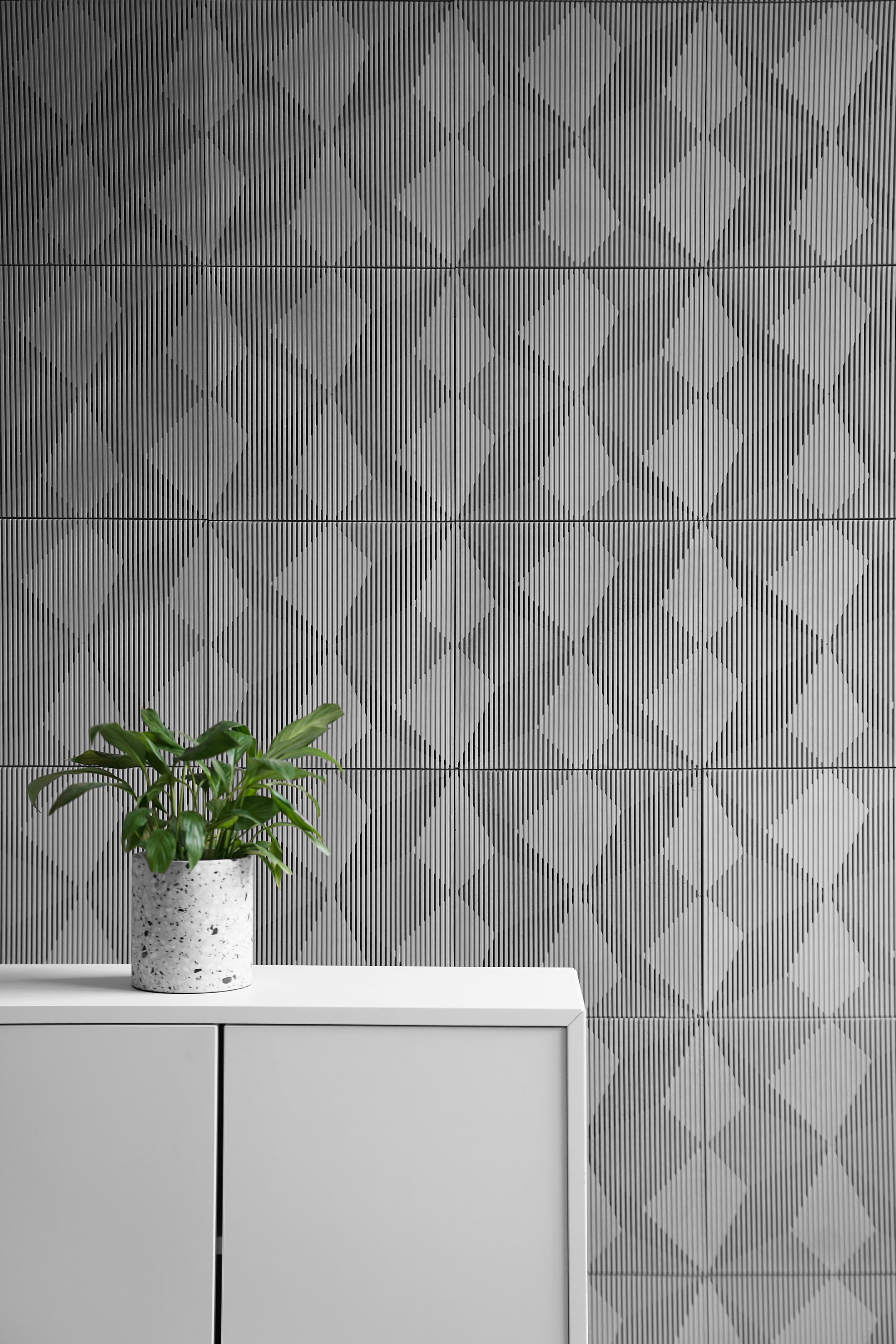
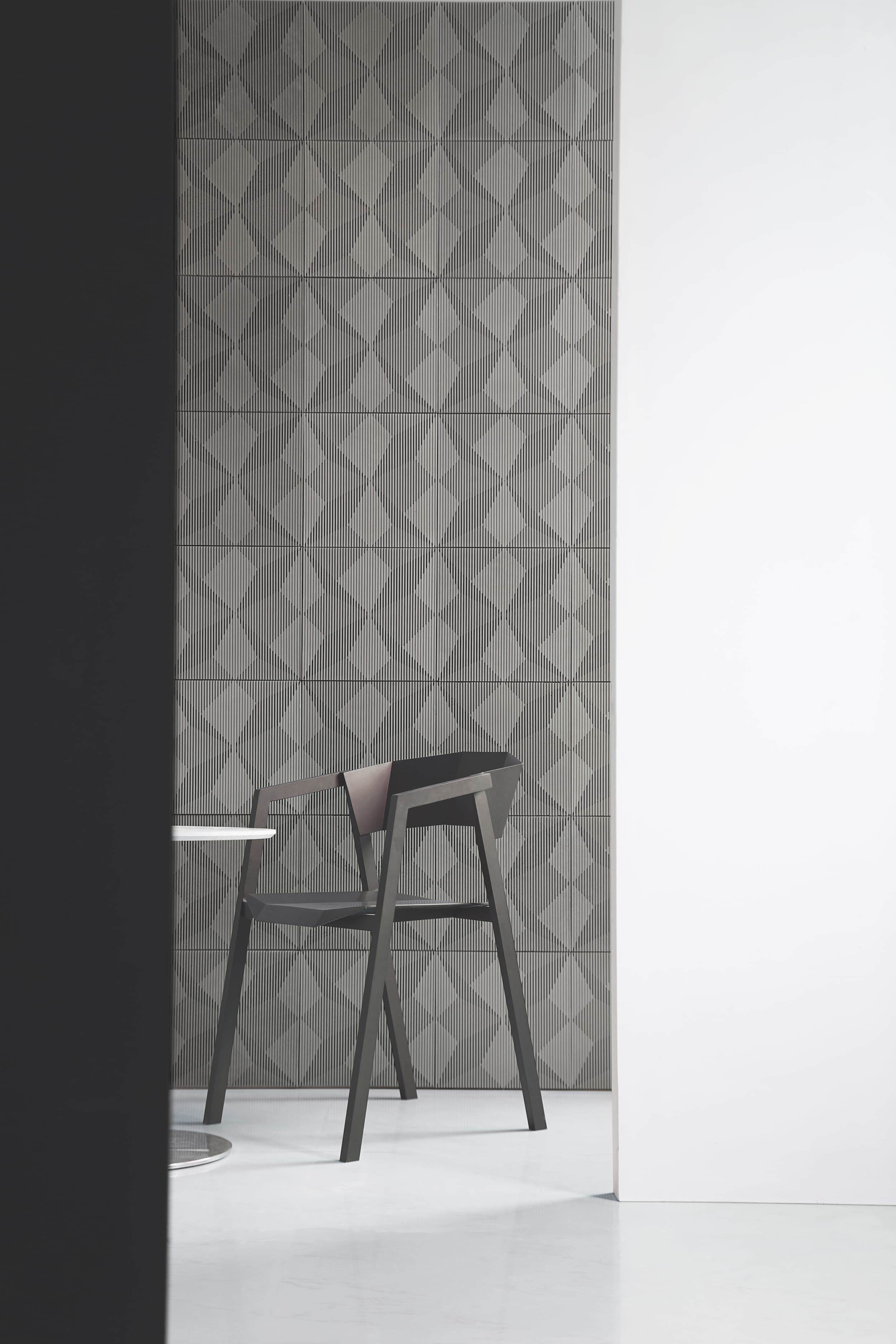
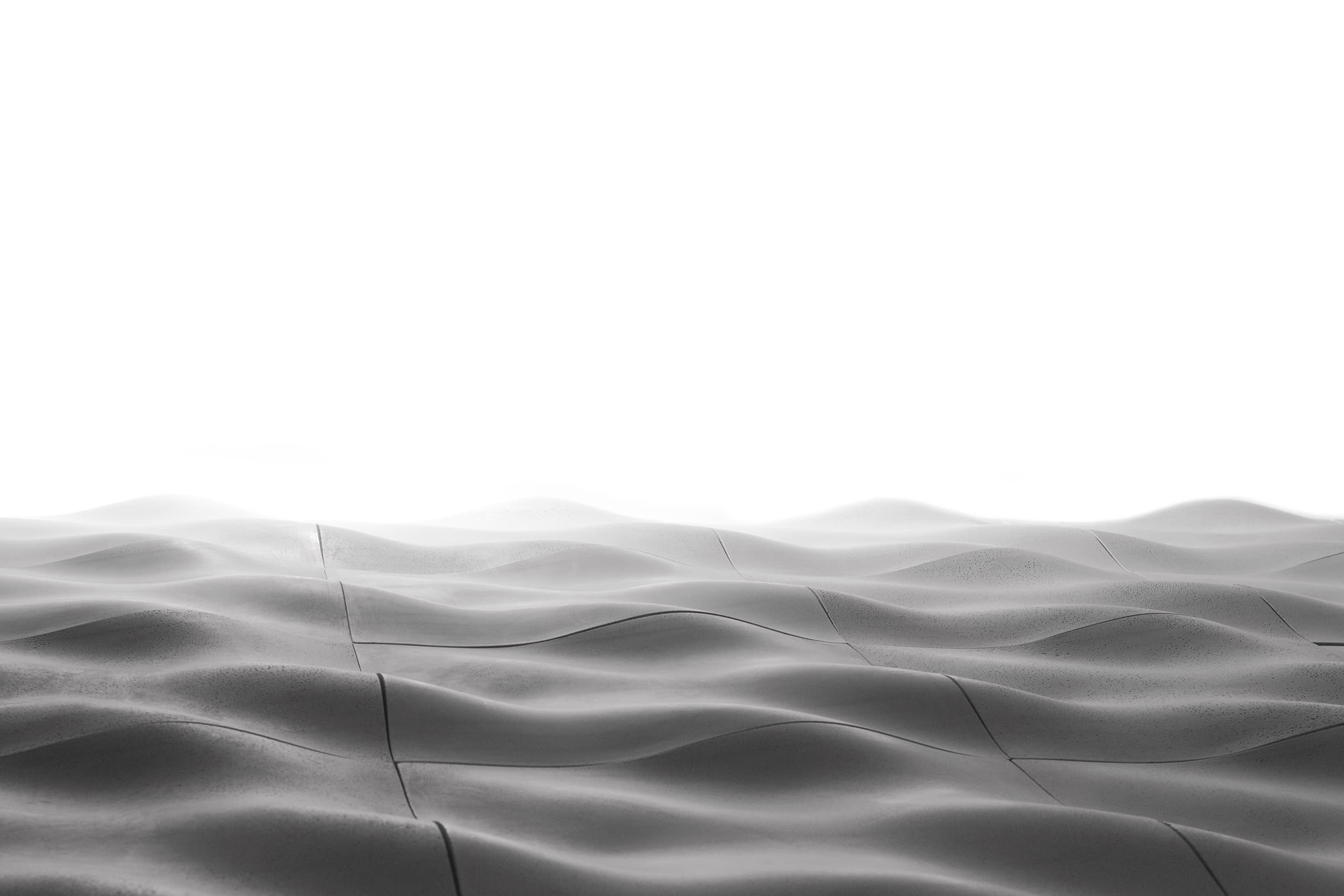
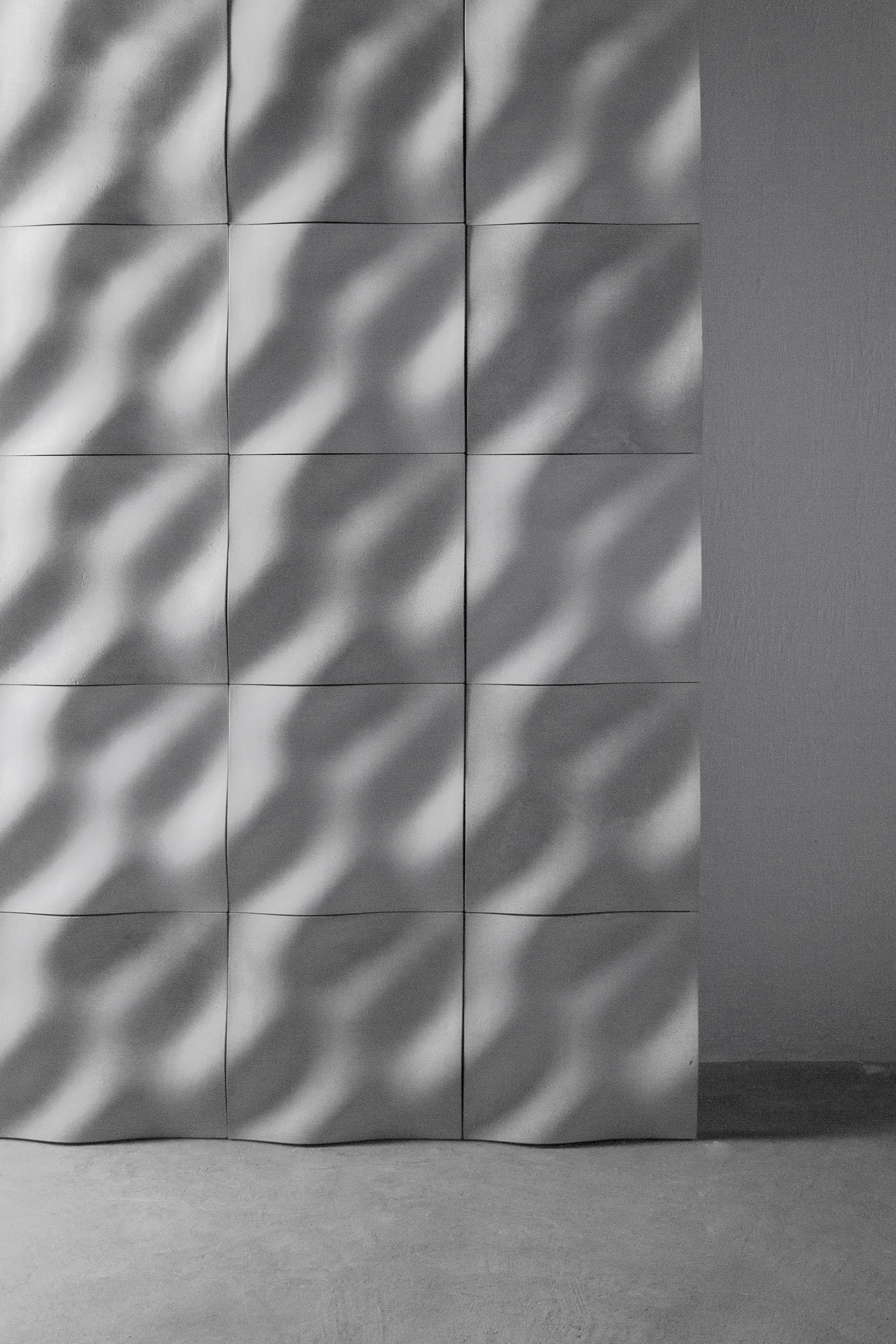
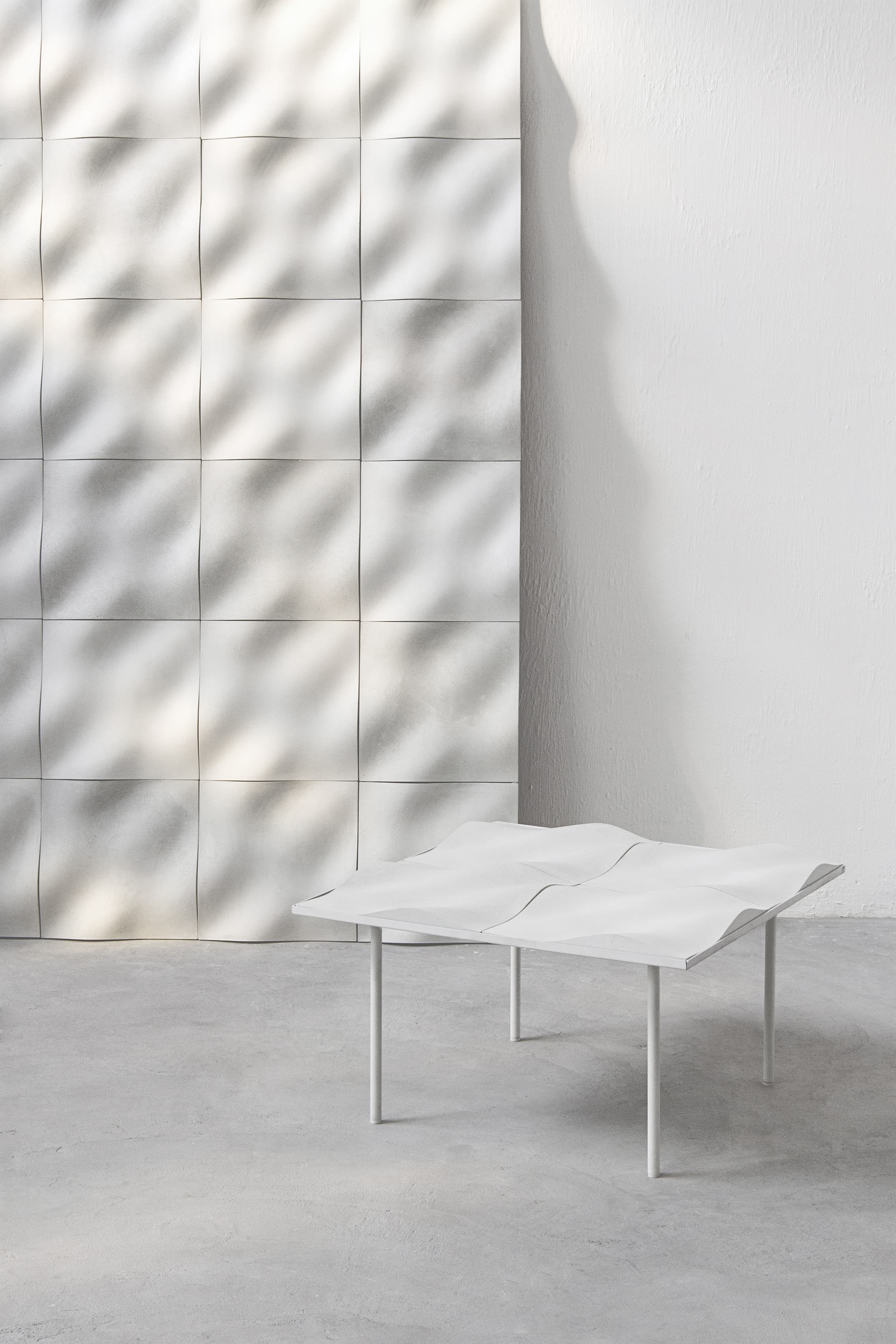
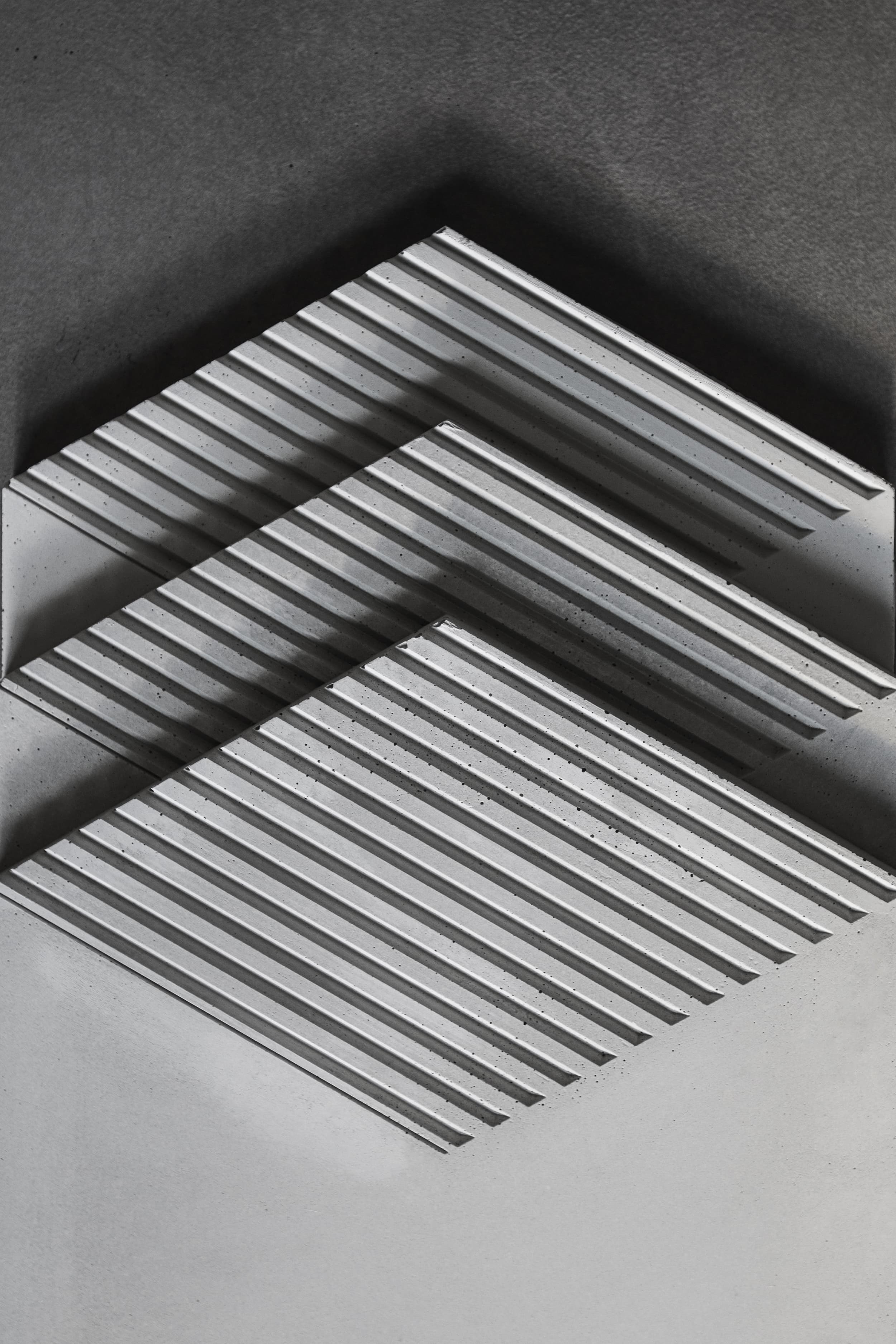
All visual, tactile and temporal aesthetics of the material reside on its surface.Visually, the unpolished matte finish delivers soft light diffusion, with natural waste pigments forming its inherent aesthetic language. Tactilely, embedded aggregate creates subtle undulating grain with mild thermal conductivity, balancing stone’s substantial weight with timber’s warm gentleness, enabling people to physically sense restructured waste under bare feet.
Temporally, panels evolve alongside natural aging. Fly ash and slag carry embedded historical memories of mining and smelting, and a single panel bridges industrial legacy and domestic daily life, echoing the core spirit of wabi-sabi.
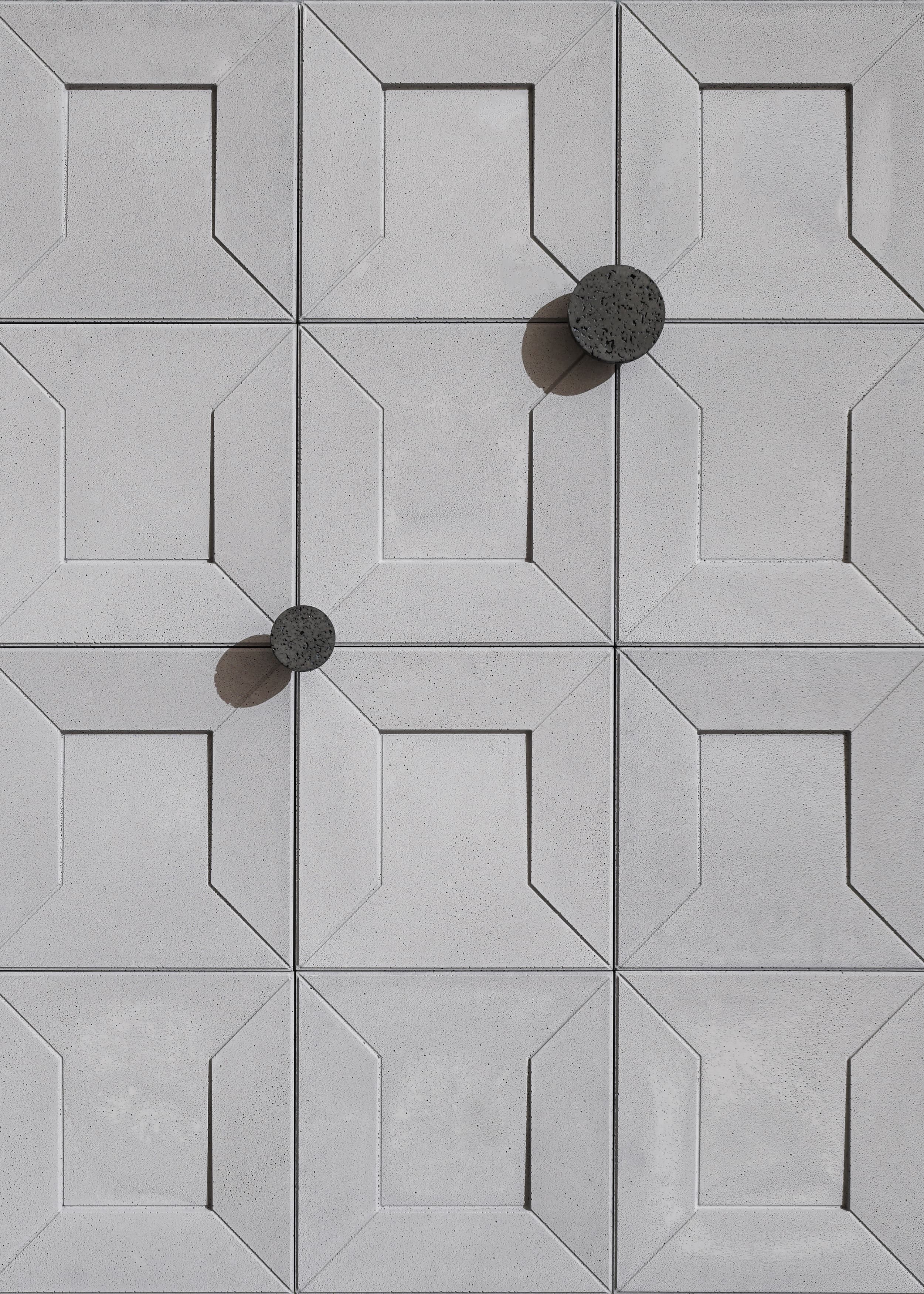
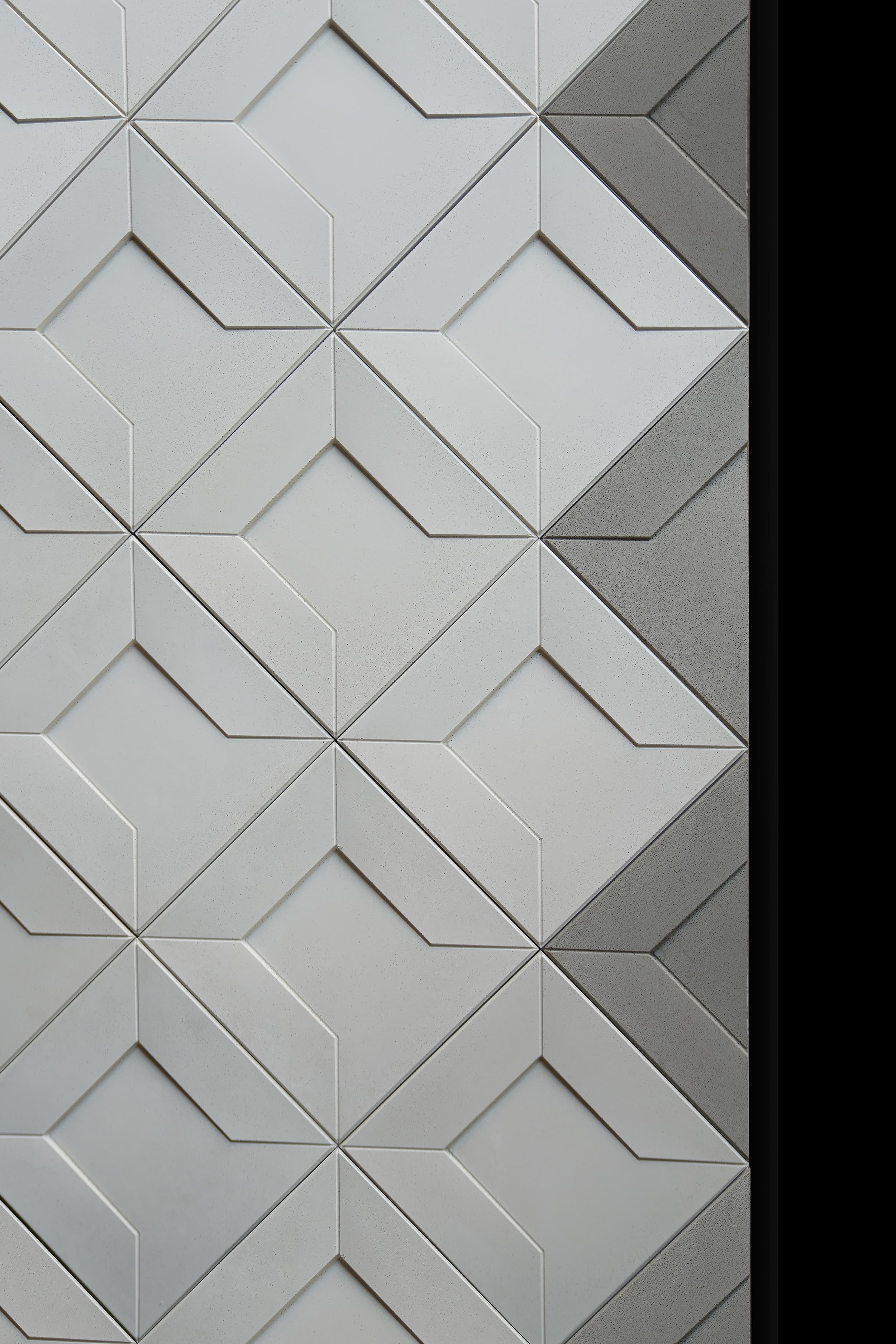
Process Aesthetic
The brand pioneers a distinct process aesthetic. Every surface texture stands as tangible evidence of raw material makeup and fabrication craft.
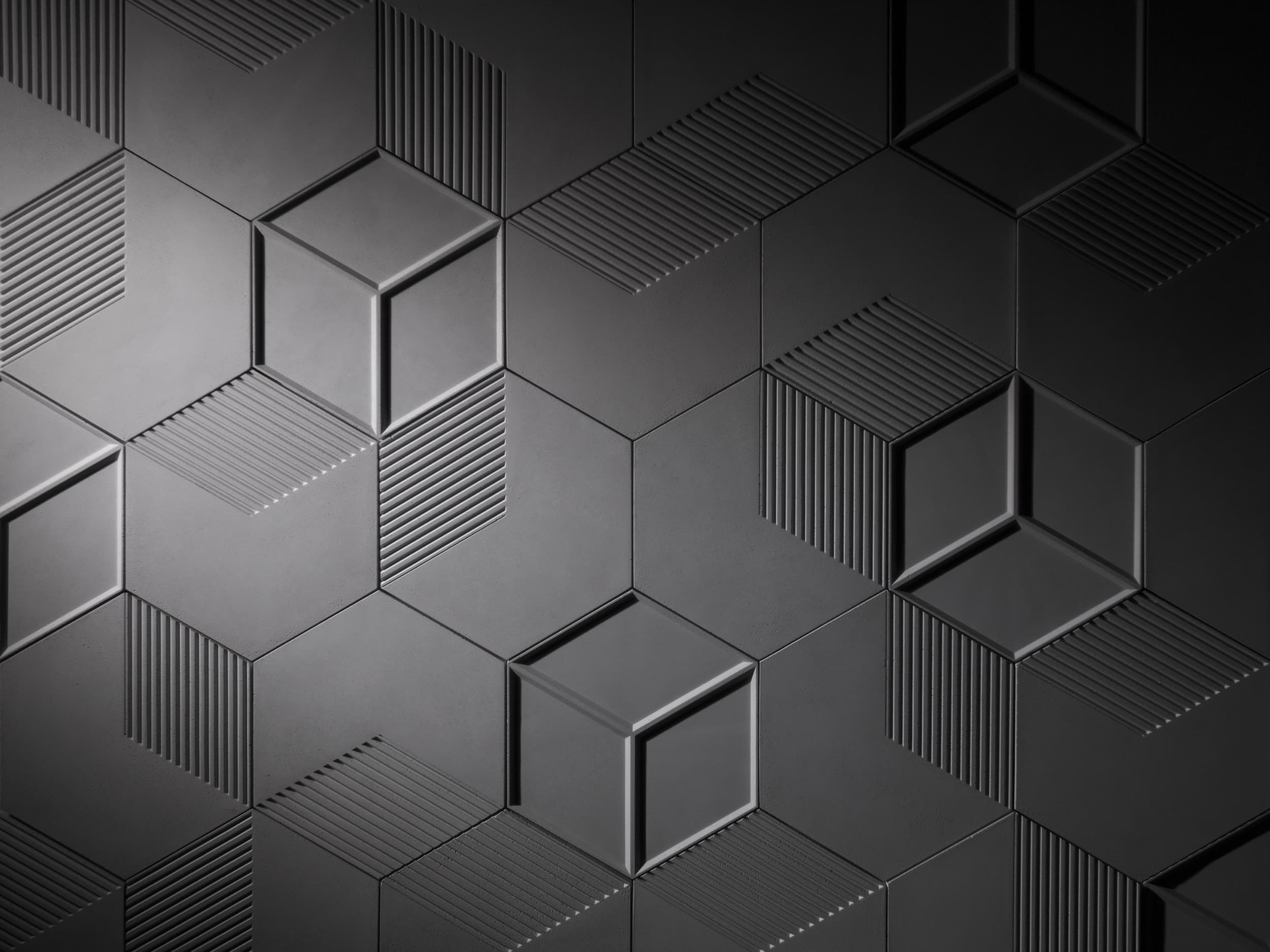
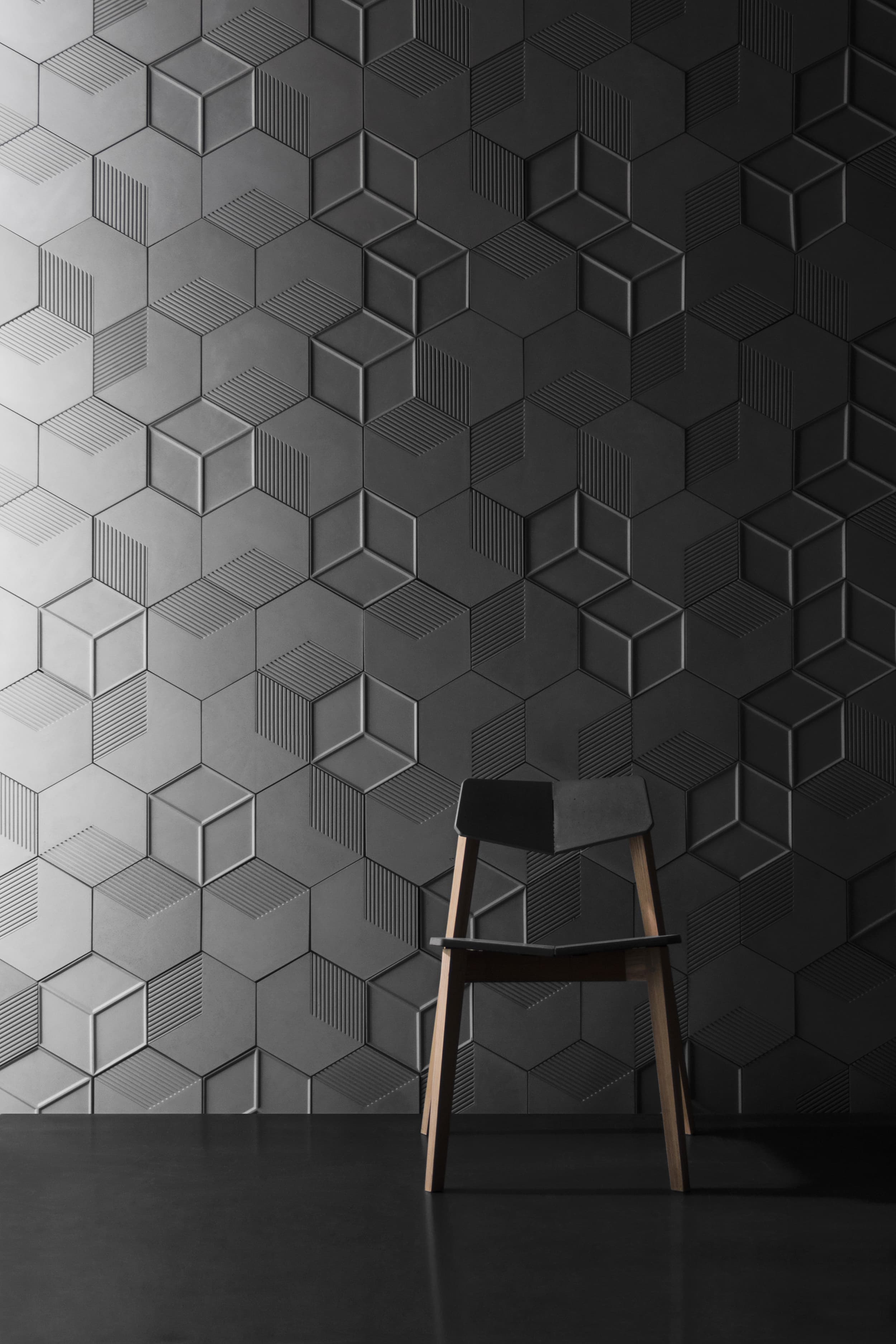
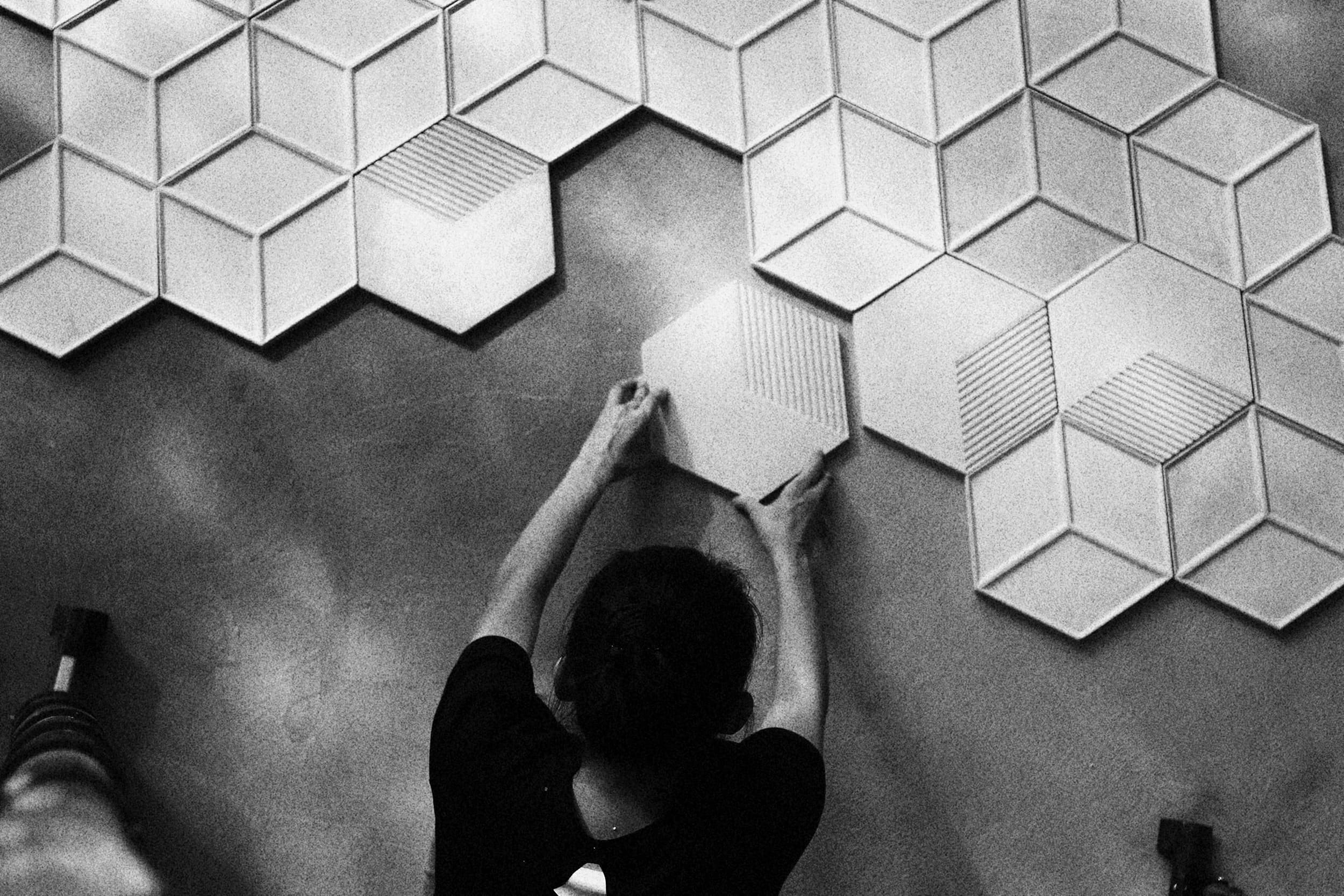
While traditional industrial design rigidly dictates final product form, this project takes inherent raw material traits as its creative foundation and repositions designers as cross-process coordinators. Each panel is a unique cast piece, its surface permanently preserving the full record of its formation. Waste evolves from passive filling stock into an independent active aesthetic subject.
Role Reversal
With an 80% maximum waste proportion, the material reverses the long-standing social positioning of industrial residues. Formerly landfilled slag and fly ash achieve stable inertization via alkali activation and turn into non-toxic indoor wall and floor materials, completing their transition from discarded industrial yards to intimate living spaces.
Zero formaldehyde, zero VOC emission paired with outstanding thermal inertia stabilizes indoor temperature, transforming rugged industrial leftovers into warm, habitable surroundings.
The True Nature of the Material
This practice dismantles the entrenched value hierarchy that prioritizes inner substance over outer form.The surface is never a shallow outer shell.
It converges industrial history, temporal traces, daily life and intrinsic materiality. There is no need to explore inward in pursuit of essence; all authentic truth of the material is already spread out on the surface.

- Contact
+8620 8977 0506
- Press
press@bentudesign.com
- Enquiry & Sales
info@bentudesign.com