Imprints and Homecoming: The Century-Long Everyday Life of Terrazzo
Time: 2012 – 2016
Location: Shunde, Guangdong, China
History is layered with countless imprints, and all settled traces inevitably point toward the future. Every path from the past through the present to the time ahead leaves its mark.
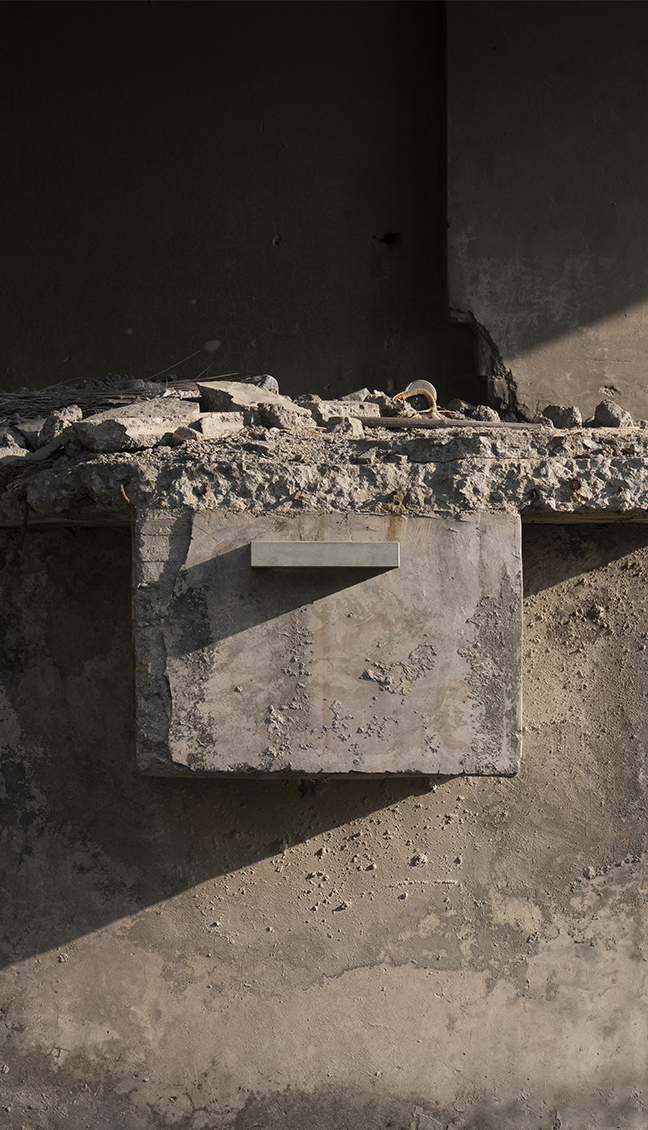
The evolution and succession of materials stand as the most tangible carriers of an era's imprints. Terrazzo, once an imported novelty from Europe, gradually became a quintessential Chinese everyday material. Its complete developmental trajectory vividly records a history of material transformation, embodying a humble philosophy of creation.
I. Imprints: From Venice to China
Terrazzo traces its origins to 15th-century Venice. Craftsmen collected leftover marble offcuts from noble residences, embedded them casually in courtyard floors, and gave them a simple grind. Mottled stones peeked through the cement matrix; treated and cured with goat milk, they developed a warm, understated sheen. By the late 16th century, terrazzo emerged as a mainstream flooring material alongside Academic architecture, and it reached the United States in the 1790s. Derived from the Italian terrazza (terrace), the name reveals its core essence: since its inception, this material has belonged to ordinary daily spaces, never detached from real-world life.
During the late Qing and early Republican periods, terrazzo entered China alongside Western architecture. Long seen as an elite taste inaccessible to the public, it never fully disappeared from view. In 1861, cast-in-place terrazzo was installed at the British Consulate in Shamian, Guangzhou. By 1908, terrazzo flooring at the entrance hall of the Hubei Military Government Building demonstrated highly mature craftsmanship. The material also featured widely in Shanghai’s modern architecture of the 1920s. Yet early applications remained confined to consulates, concessions and government offices. In an era of rigid class and material stratification, ordinary people remained far removed from terrazzo.
The pivotal shift that stripped terrazzo of its elite connotations and rooted it in popular life came in the 1960s. Driven by the nationwide drive for socialist construction, a nation rebuilding from ruins created ideal conditions for terrazzo’s widespread adoption. No longer a niche decorative feature in concession buildings, it evolved into a staple construction material integrated into national infrastructure and public domains. Construction of Phase 1 of the Beijing Subway began in 1965, with the line opening in 1969. Plagued by severe material shortages, New China could not replicate the natural stone finishes of Beijing’s "Ten Great Buildings"—such a scheme would prove prohibitively costly, and underground stone transportation was logistically infeasible. Resourceful builders developed a low-cost, high-quality solution: pouring fine sand and cement, infusing crushed granite and marble aggregates, then repeatedly grinding and polishing the surface to create a rustic, durable finish that resembled yet transcended natural stone. Early Beijing subway stations relied on terrazzo to craft understated, dignified and serene spaces; many original terrazzo floors remain in service today, a testament to their remarkable longevity.
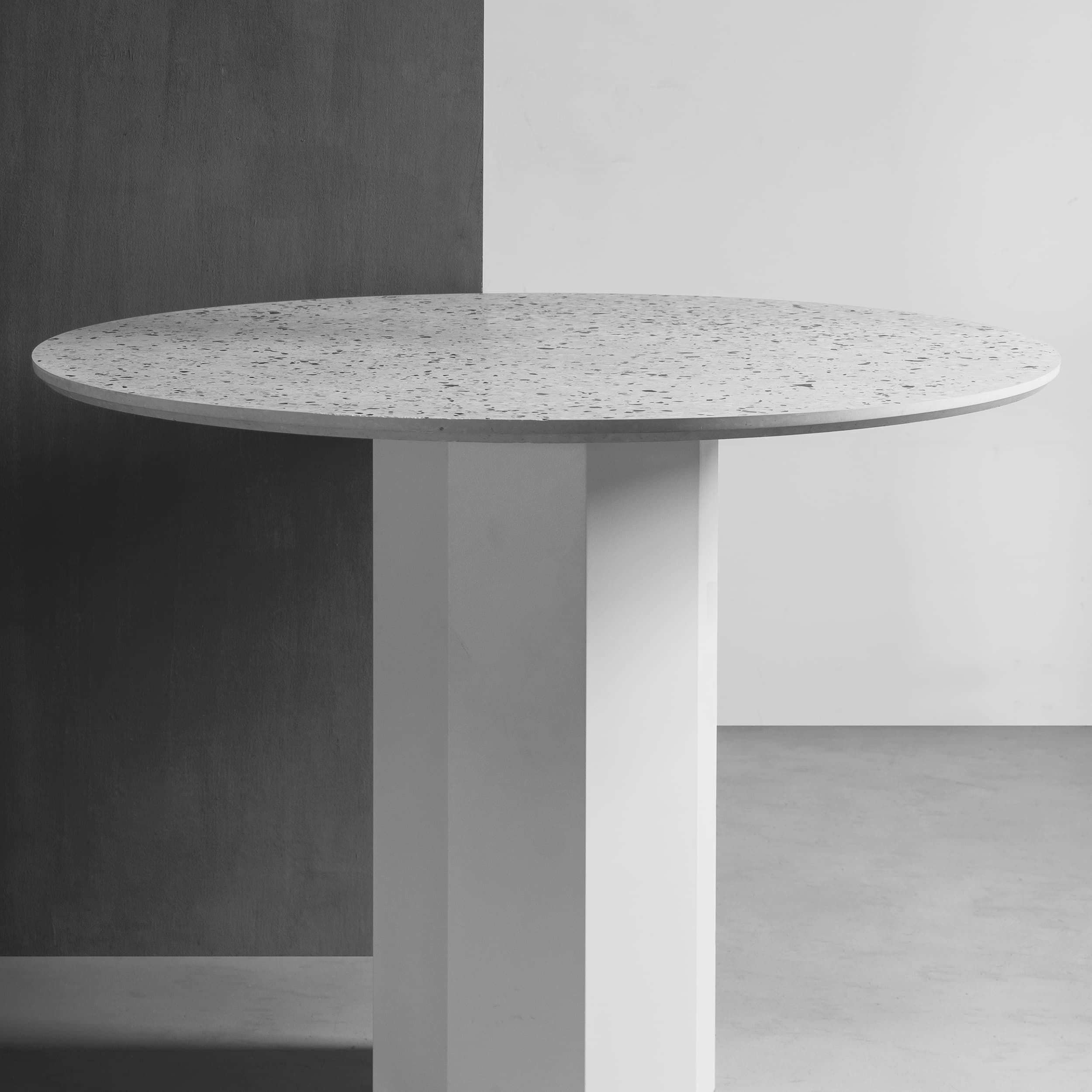
The subway project is merely one example. From the late 1950s to the 1980s, terrazzo entered its golden age across China. It lined school corridors, hospital walkways, government foyers and factory workshops, eventually finding its way into residential homes. Its stain resistance, durability, low cost and restrained elegance perfectly matched the nation’s construction demands. Traditional terrazzo uses cementitious binders mixed with crushed stone, glass and quartz aggregates, finished through grinding and polishing in either cast-in-place or prefabricated slab forms. Flexible to install, it allows custom colouring and patterned inlays. It delivers the smooth finish of premium stone without expensive raw materials, and withstands long-term heavy use with minimal maintenance. In 1982 alone, the Beijing Building Materials Terrazzo Factory produced over one hundred terrazzo varieties with an annual output of 2.2 million square metres. In 1983, "Diamond"-brand terrazzo won a national gold medal. By then, terrazzo had firmly established itself as a beloved national material, woven into every facet of Chinese daily life.
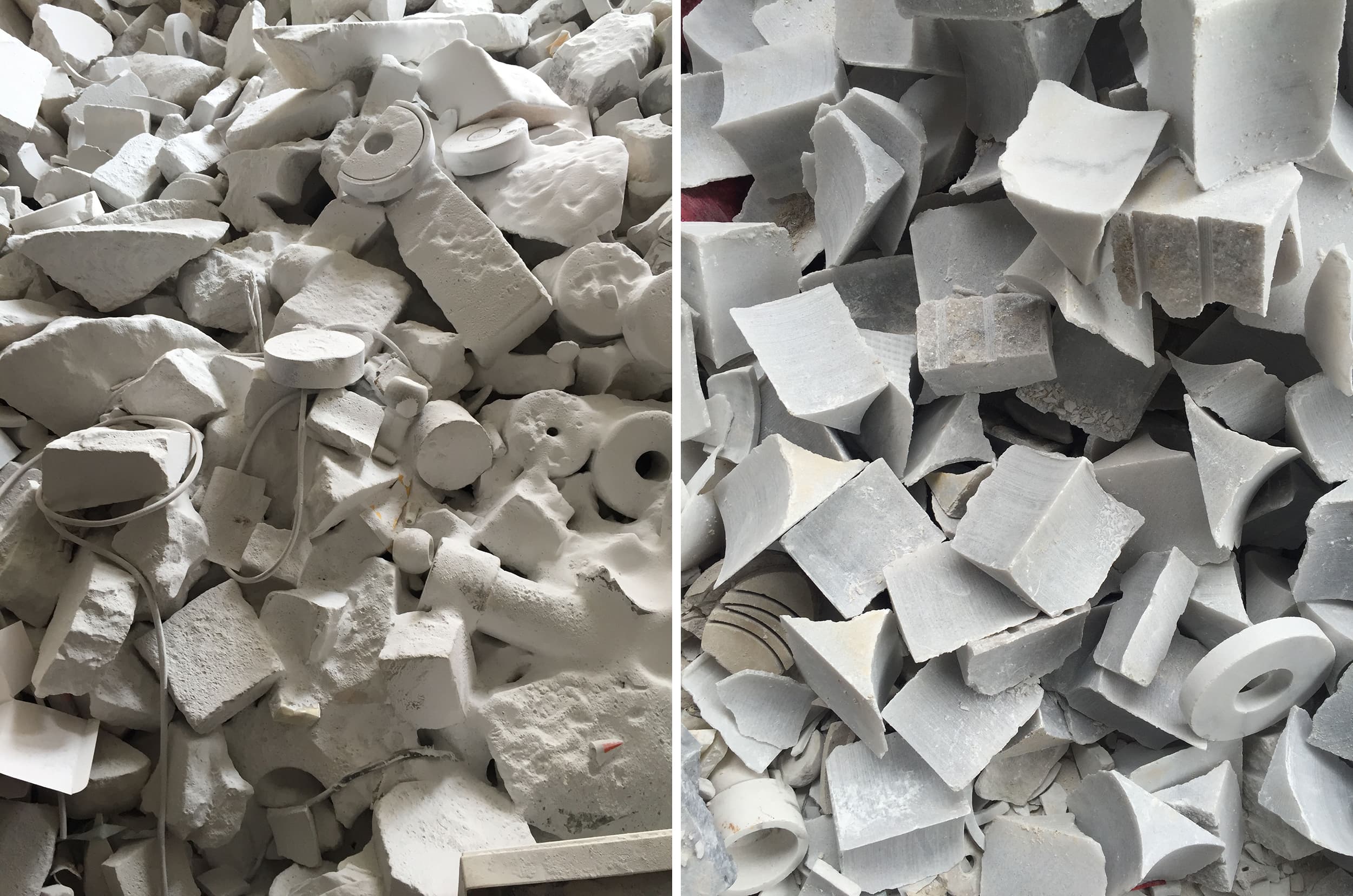
Terrazzo inherently embodies a waste-to-value philosophy of making. Venetian artisans repurposed stone offcuts discarded from high-end construction; China’s large-scale terrazzo adoption similarly utilised stone waste as aggregate to build dignified, functional public spaces at minimal cost. Its beauty stems not from elaborate carving or expensive ornamentation, but from the modest wisdom of full utilisation—giving discarded materials renewed purpose and dignity through thoughtful craftsmanship.
This waste-born beauty elevated terrazzo beyond a mere building material, endowing it with profound social significance. Generations of children grew up running across terrazzo floors; anxious families paced terrazzo hospital corridors; millions of commuters traversed terrazzo subway platforms day in and day out. Terrazzo never flaunts its aesthetic value, nor does it enforce class or status divides. Stable and egalitarian, it welcomes every user without prejudice. It represents a quiet everyday aesthetic: a tangible, shared material underfoot for all.
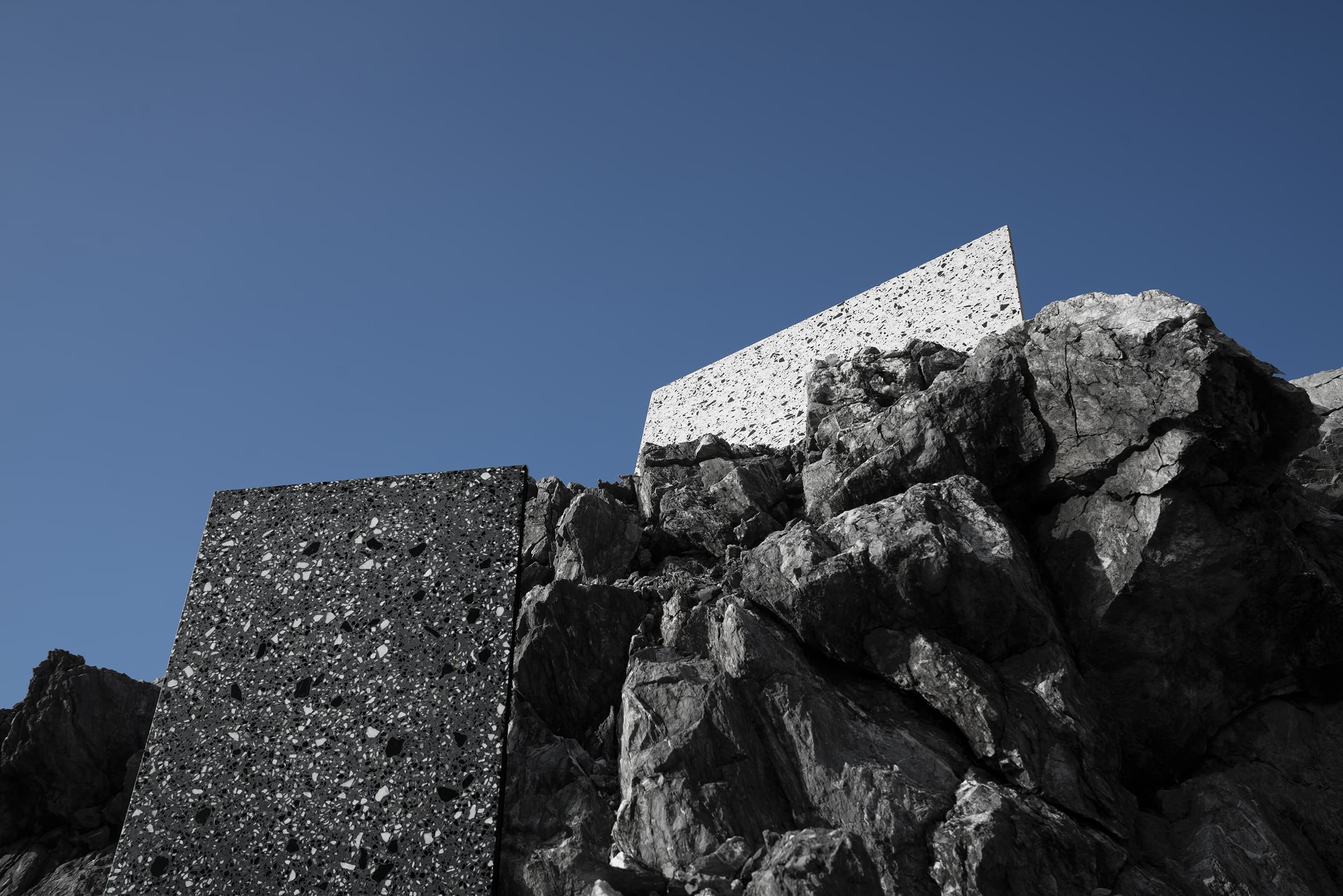
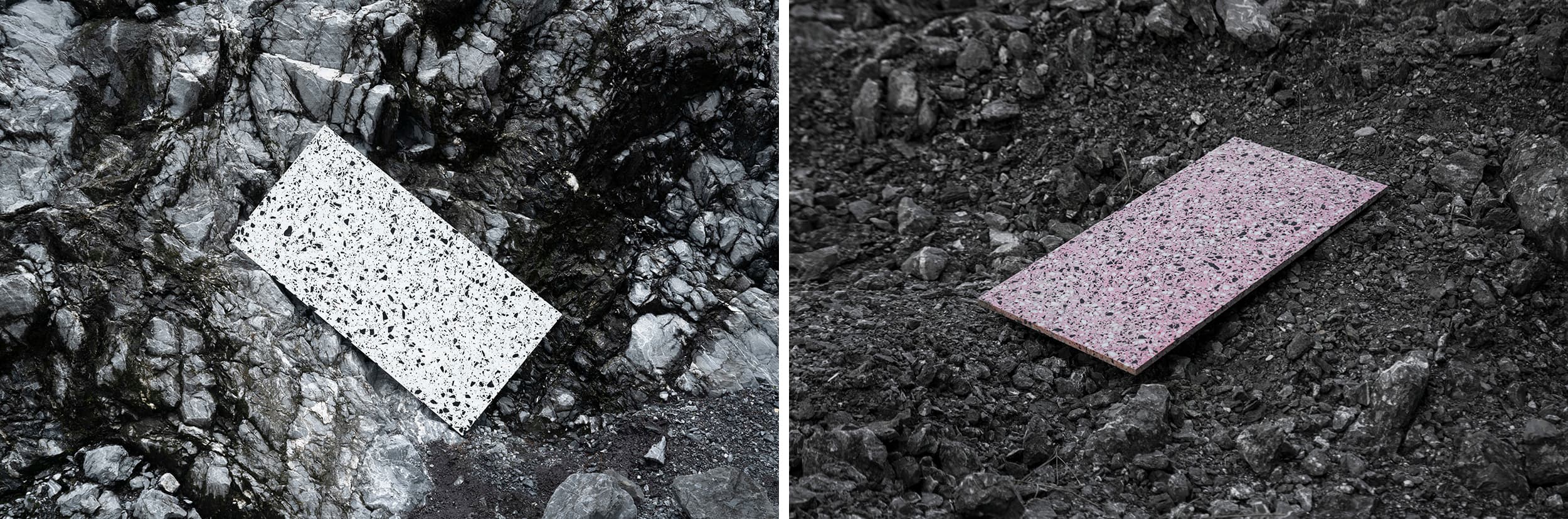
From scattered late-Qing installations to nationwide prevalence in the 1960s–70s, terrazzo’s Chinese journey perfectly encapsulates BENTU’s enduring philosophy: truly everyday materials and universally accessible design do not reside in luxury, but in the solid, warm ground beneath ordinary people’s feet.
II. Polishing and Embodiment: The Isomorphism of Material and Humanity
Terrazzo permeated every urban corner and became intertwined with the life trajectory of an entire generation.
For those who grew up in the 1960s and 1970s, terrazzo is both witness and profound participant in a transformative era. Amid China’s drastic social upheaval, resources were redistributed, people rebuilt their inner worlds amid change, and their worldview was refined by the times—much like terrazzo, which grows warmer and more lustrous with age and use.
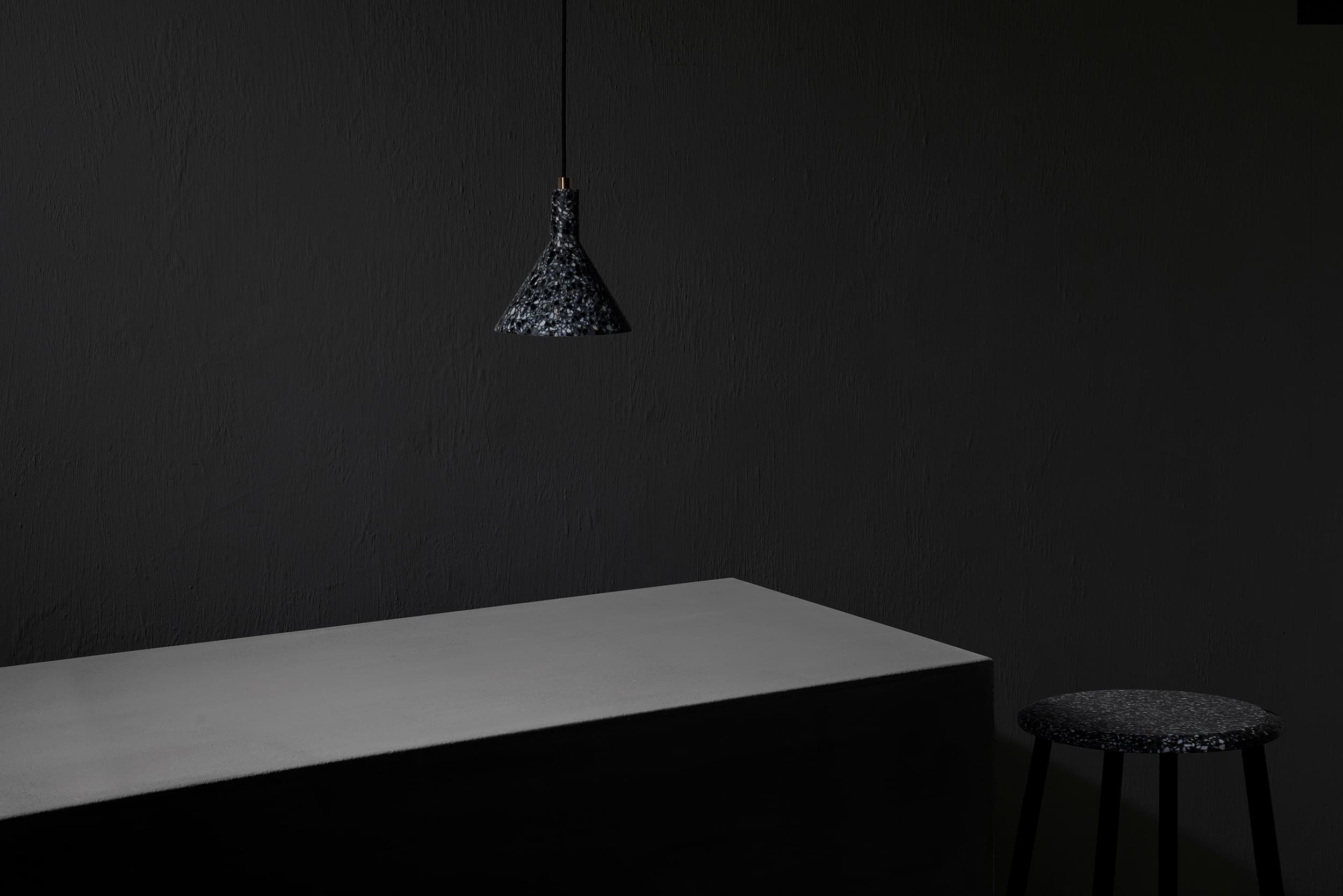
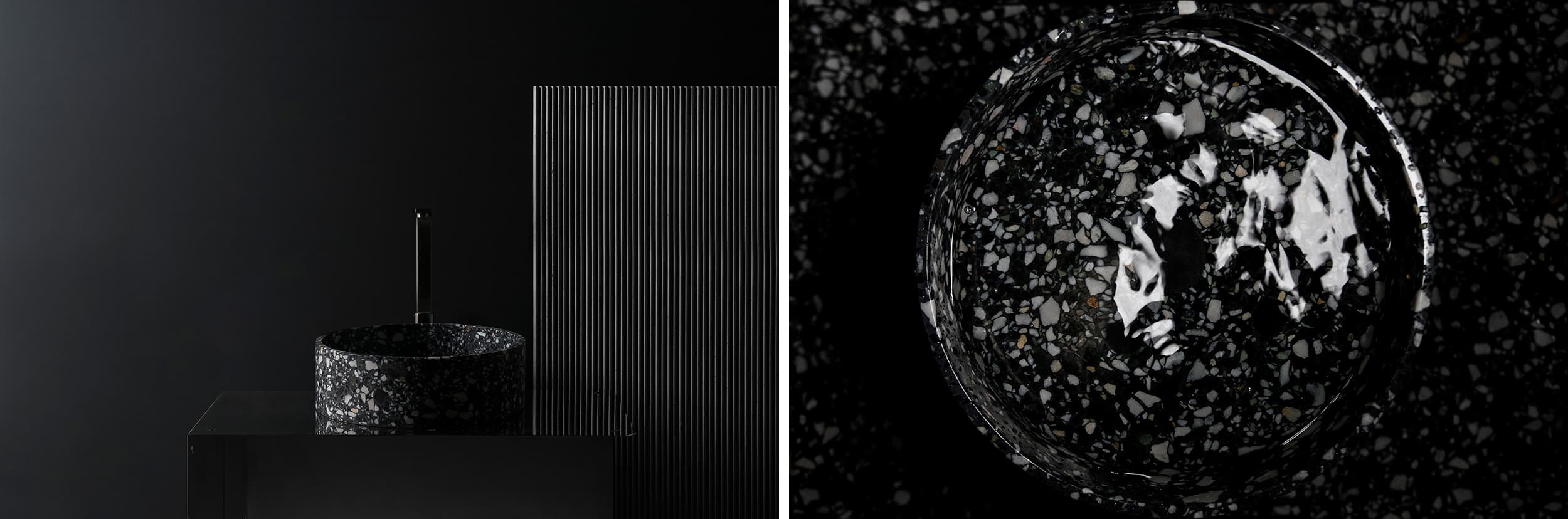
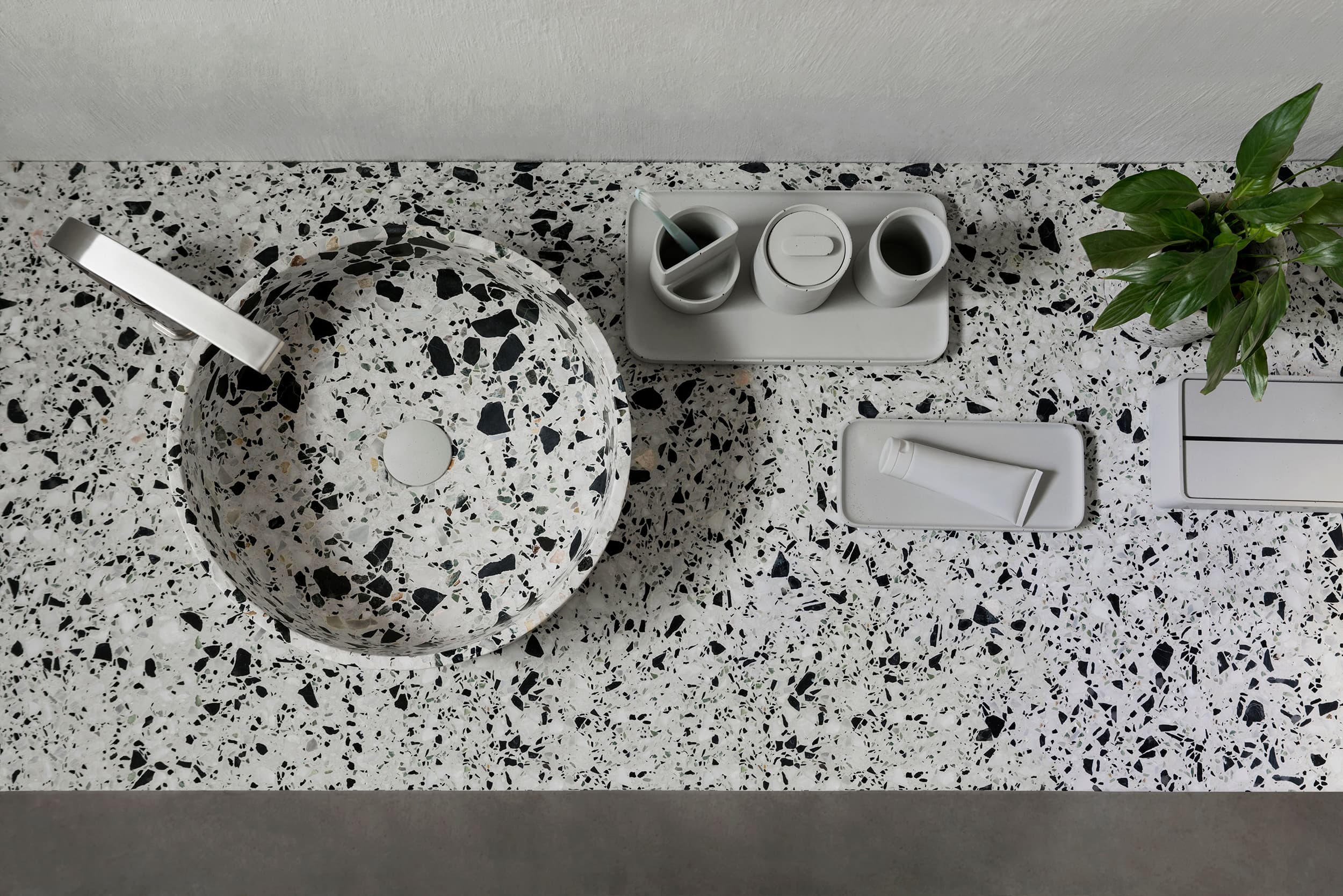
Terrazzo’s meaning extends far beyond passive historical documentation. As an embodied presence, it actively shapes spaces and sustains daily life. Far from trivial background decor, it forms the structural backbone of ordinary existence. Halls, staircases and pillars constructed from terrazzo defined a generation’s lived experience: elders adapted to societal change, young adults matured and developed self-awareness, and new lives began to unfold within these spaces.
This embodied relationship reveals an often-overlooked truth: materials are never mere ornamental backdrops to an era, but its structural foundation. When terrazzo covered schools, hospitals, factories and government buildings, it evolved from physical flooring into a tangible manifestation of social structures embedded in daily life. Queuing for grain rations, waiting for job assignments—countless ordinary footsteps on terrazzo connect individual fates to pivotal historical moments.
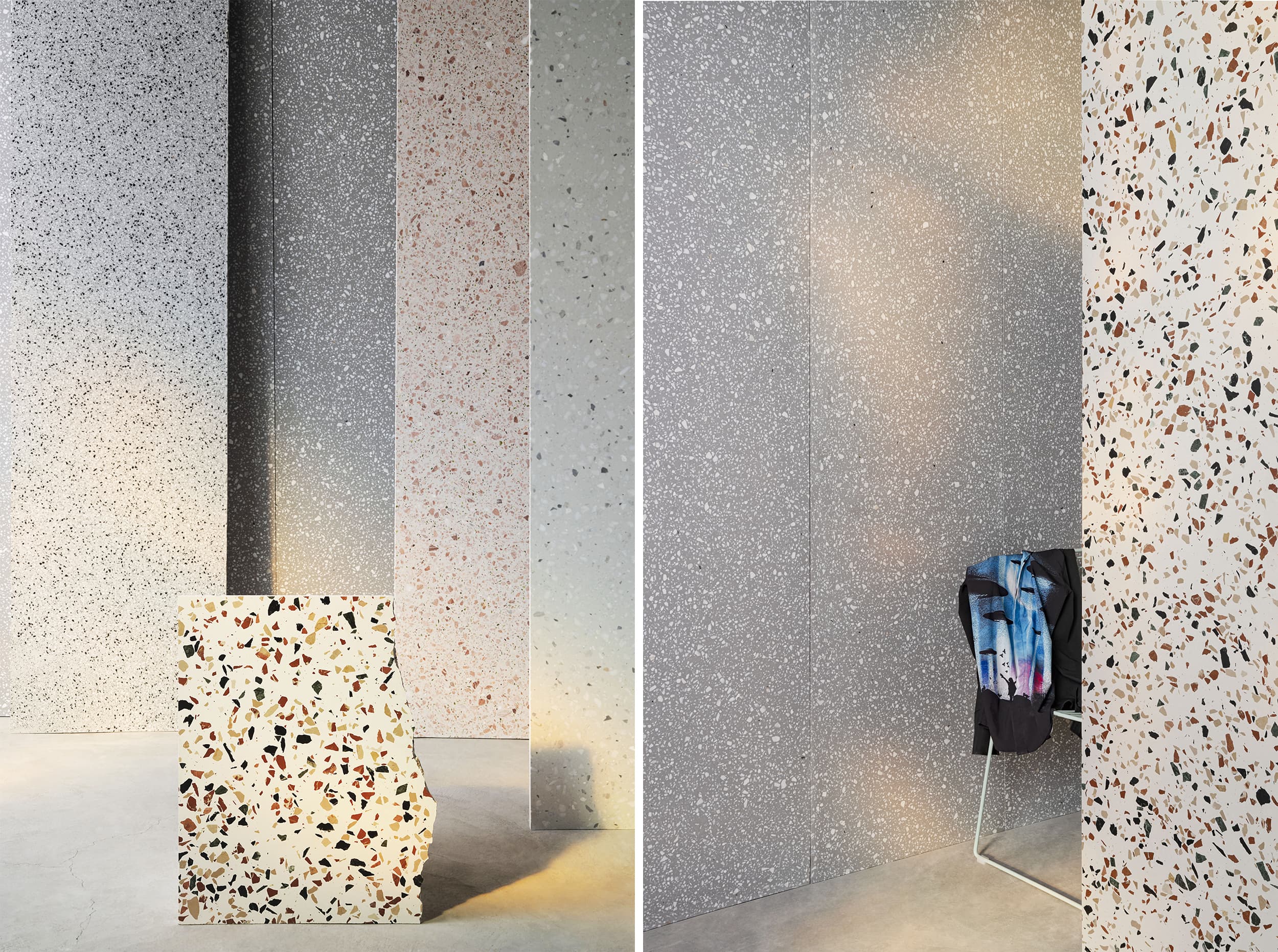
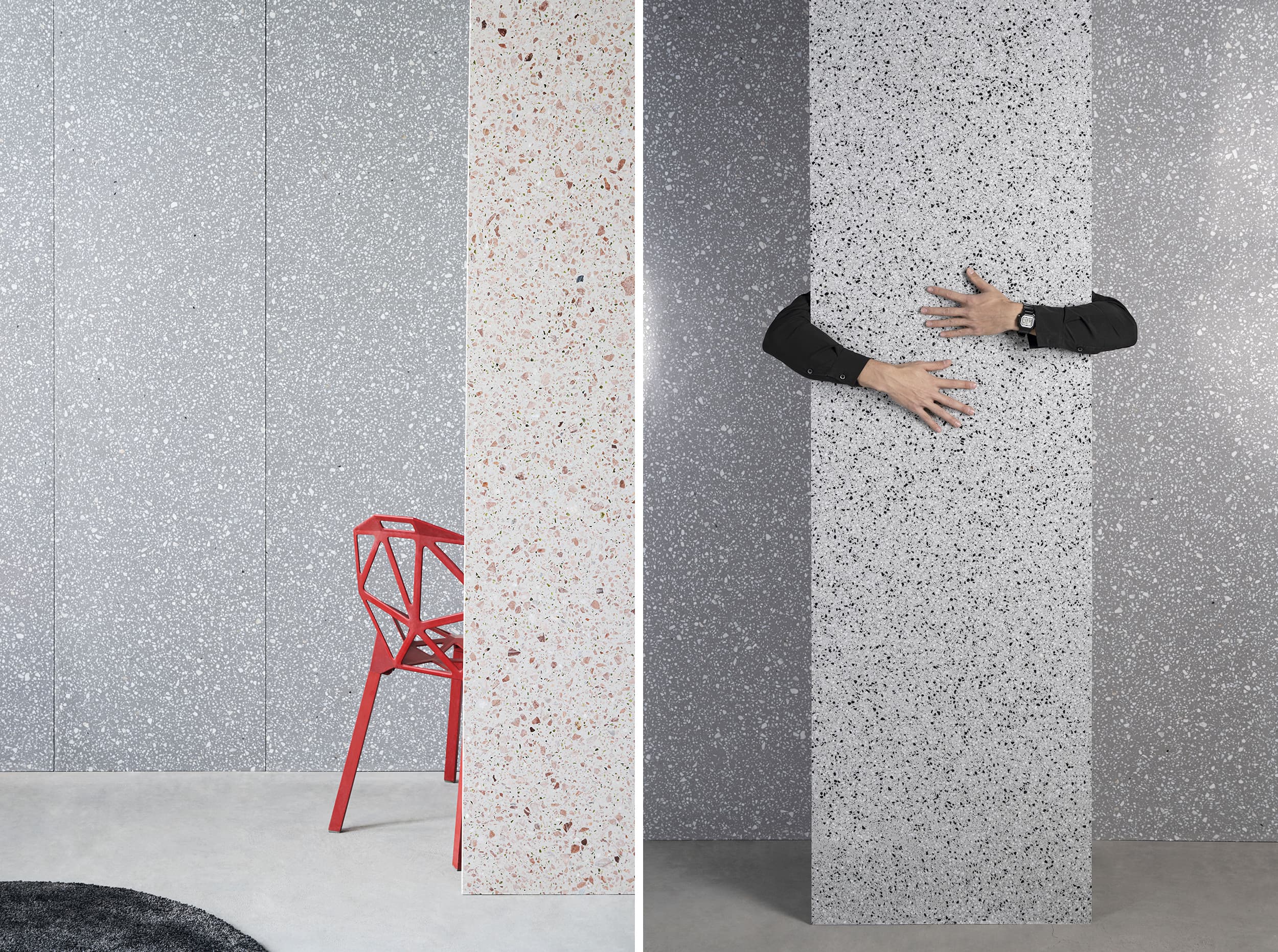
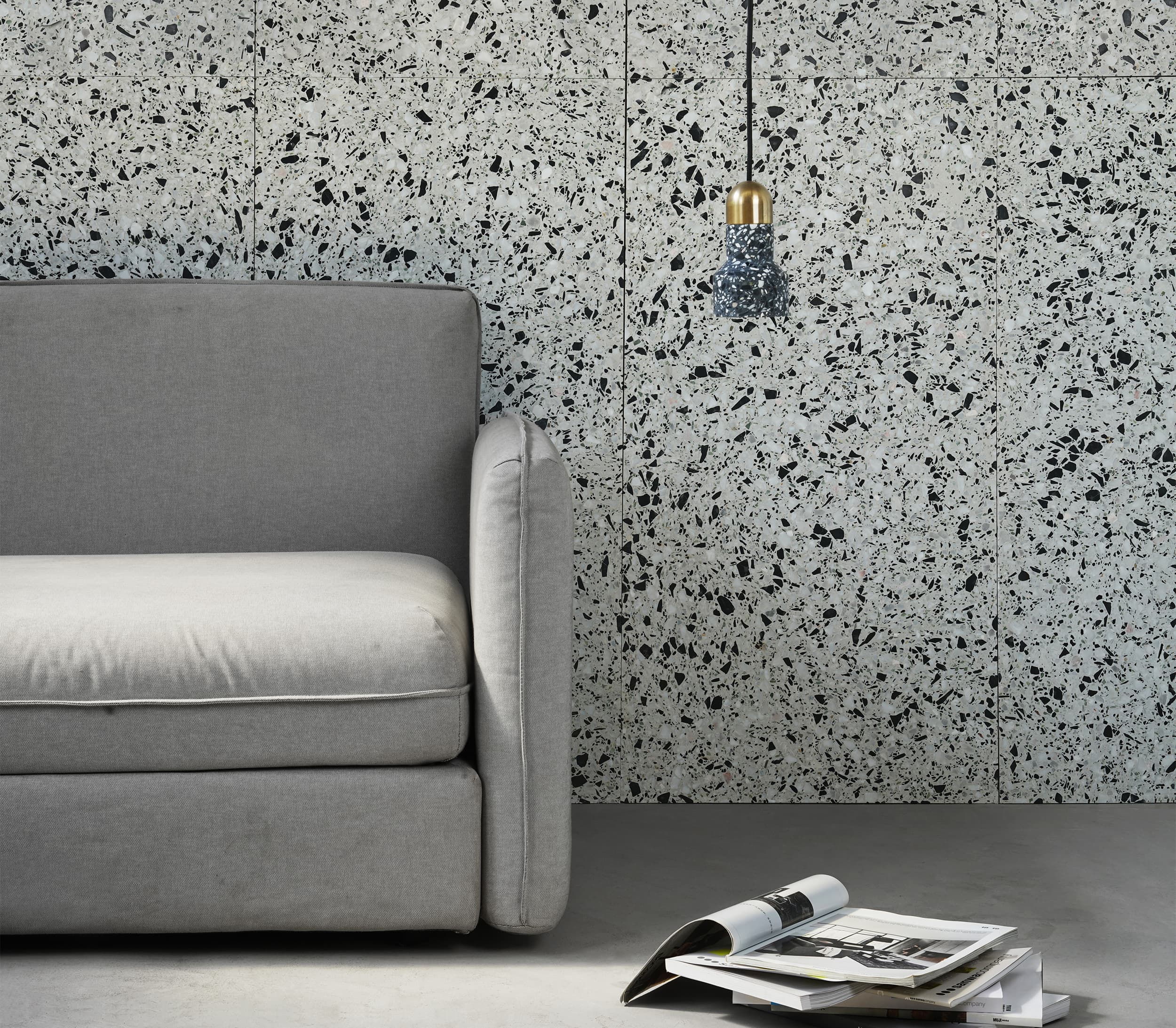
Terrazzo thus weaves a unique spatial narrative: late-night anxiety in hospital wards, triumphant excitement at auditorium award ceremonies, repetitive labour on factory floors. These intimate personal experiences are preserved as subtle abrasions on terrazzo surfaces, enduring proof of ordinary human existence.
Most valuable of all is terrazzo’s inherent egalitarian nature. Unbound by class or status, it serves workers, students, officials and patients alike with equal stability. This equality is not contrived design, but the essence of a national material: low cost and reliable performance allow it to serve all scenarios indiscriminately.
In turbulent times, terrazzo provided fundamental stability. As social norms shifted rapidly and personal futures remained uncertain, terrazzo floors stayed solid and unchanging. Physical steadiness translated into psychological security, offering ordinary people quiet resilience amid societal chaos. The tenacious, reserved temperament of that generation resonates perfectly with terrazzo’s texture.
III. Discard: When a Modest Aesthetic Was Obscured by Modernity
Following the Reform and Opening-Up, rapid urbanisation fuelled the rise of ceramic tiles. Easier to install and available in diverse styles, tiles gradually displaced terrazzo, widely perceived as an inevitable result of technological progress.
In reality, terrazzo was not phased out due to inferior performance, but actively abandoned amid shifting aesthetic and value priorities. Tiles and natural stone became symbols of modernity and prestige, while terrazzo was hastily labelled cheap and outdated. The virtues of modesty, durability and practicality fell out of favour, replaced by a pursuit of superficial luxury and status symbols. Hand-polished, cast-in-place terrazzo craftsmanship was dismissed as inefficient and backward rather than honest artisanship. No longer craving long-term stability from materials, people let terrazzo—a carrier of collective memory—fade from daily life.
Terrazzo’s disappearance is merely superficial. What truly vanished from sight was a reservoir of ordinary memories: countless footsteps and daily moments within schools, hospitals, factories and subways, all preserved beneath its mottled, worn surface. These memories have not disappeared; they lie buried under layers of consumer-driven aesthetics.
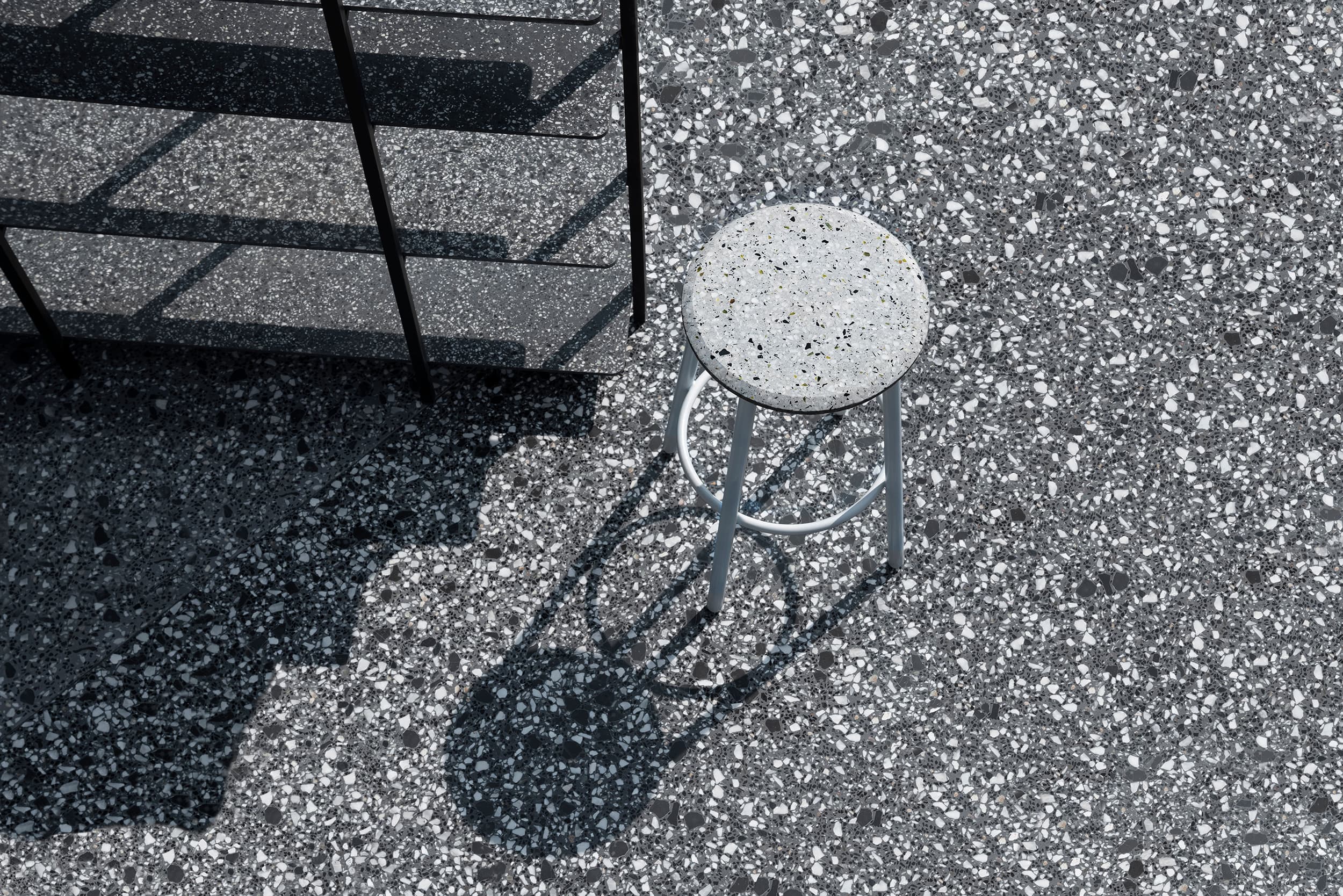
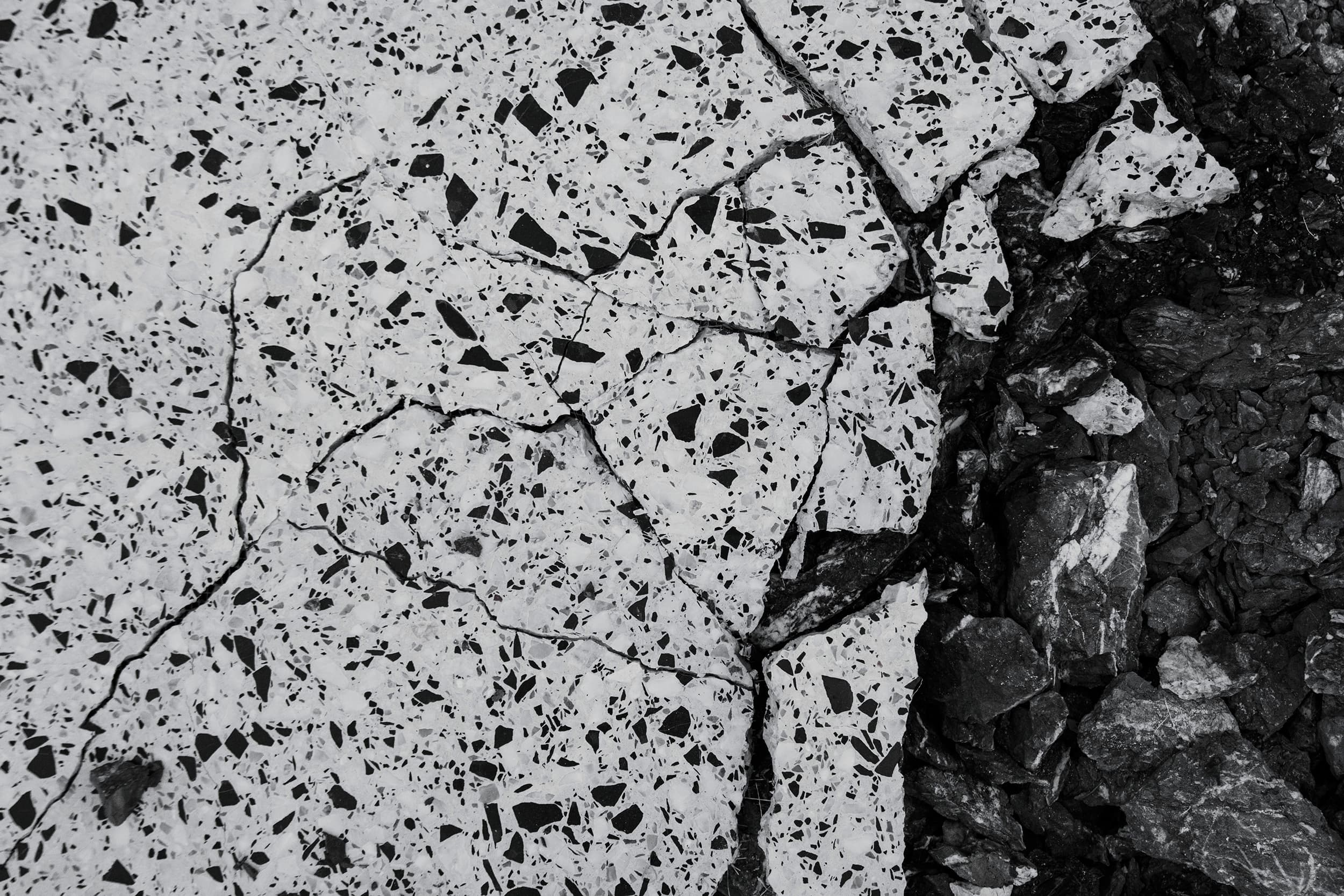
Revisiting terrazzo is not nostalgic romanticism or idealisation of the past. We seek to reclaim the purest human-material relationship: materials serving life without trend-chasing or brand competition; durable, steady objects built to last. This consumerism-free way of living is particularly precious today.
Terrazzo has long been deeply localised within China. Its understated elegance aligns with the traditional Chinese ideal: "Simplicity Is the Ultimate Splendor." Its durability embodies the virtue of resource utilisation, and its universal accessibility upholds equality in public spaces. These traits are indigenous, not imported. Reviving terrazzo ultimately means awakening native living memories, repairing emotional fractures wrought by rapid modernisation, and reintroducing a modest, enduring and practical creation ethos into contemporary life.
IV. Regeneration: From Yunfu Stone Waste to Contemporary Objects
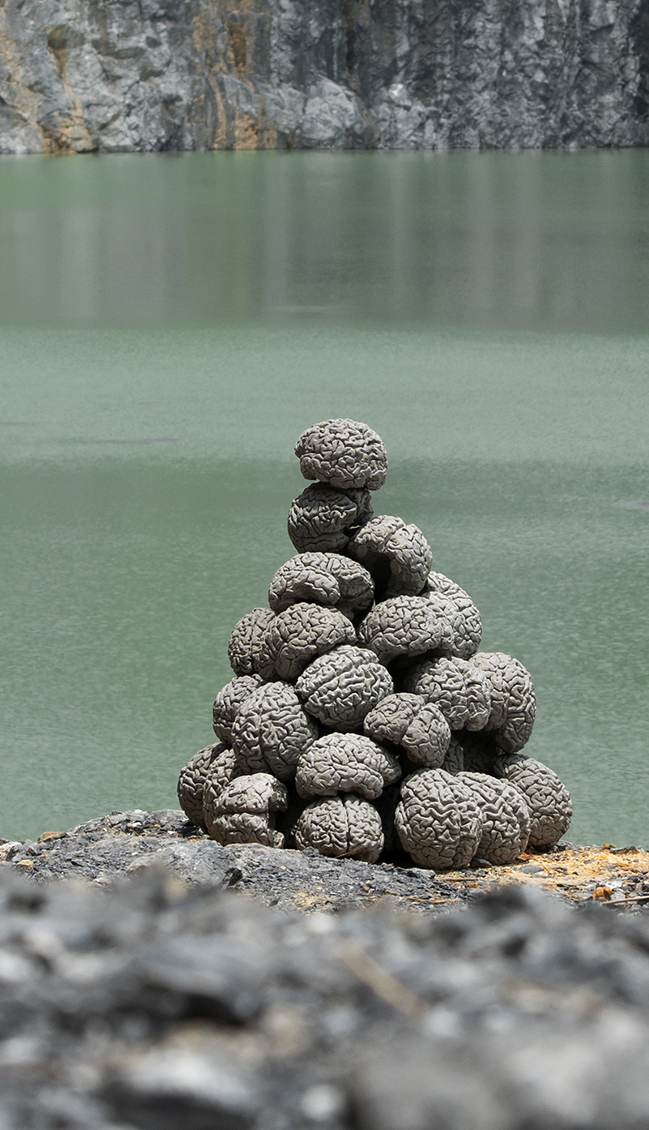
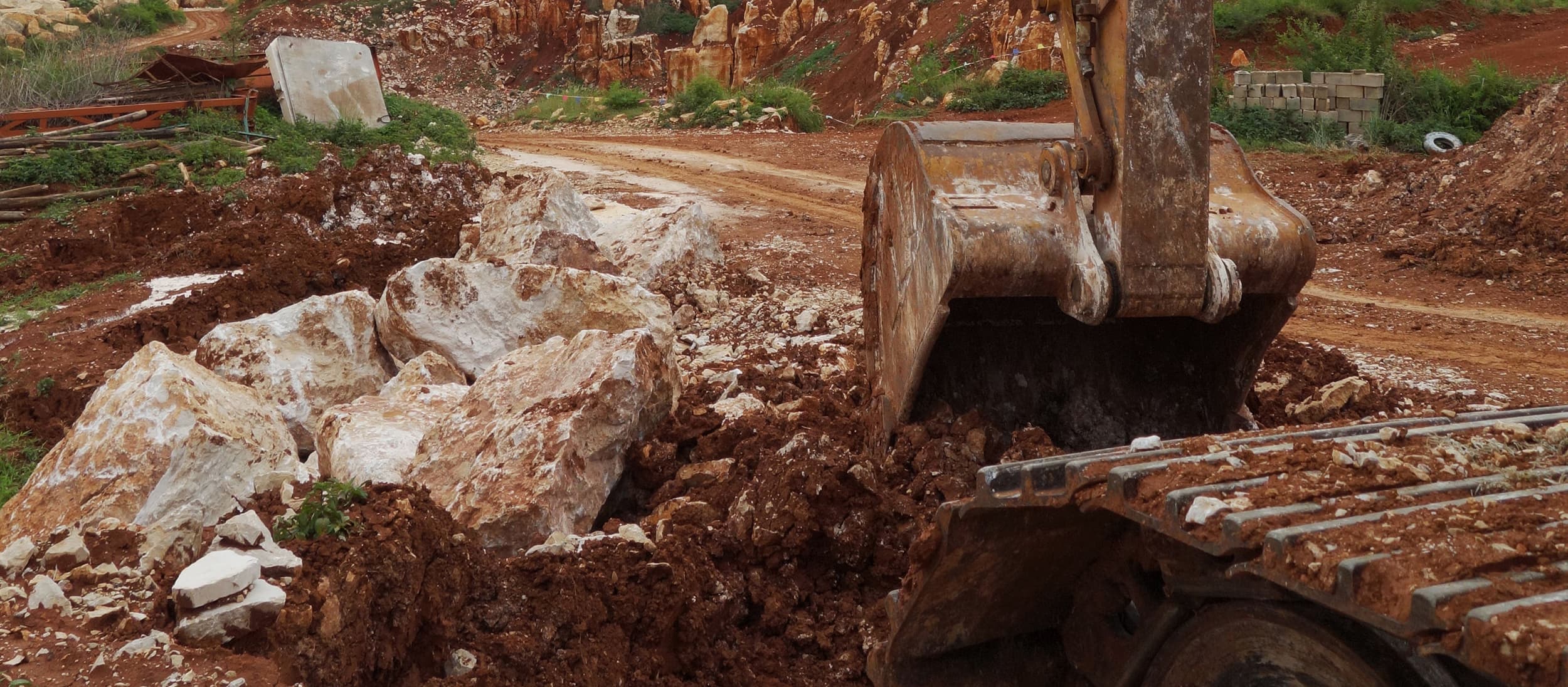
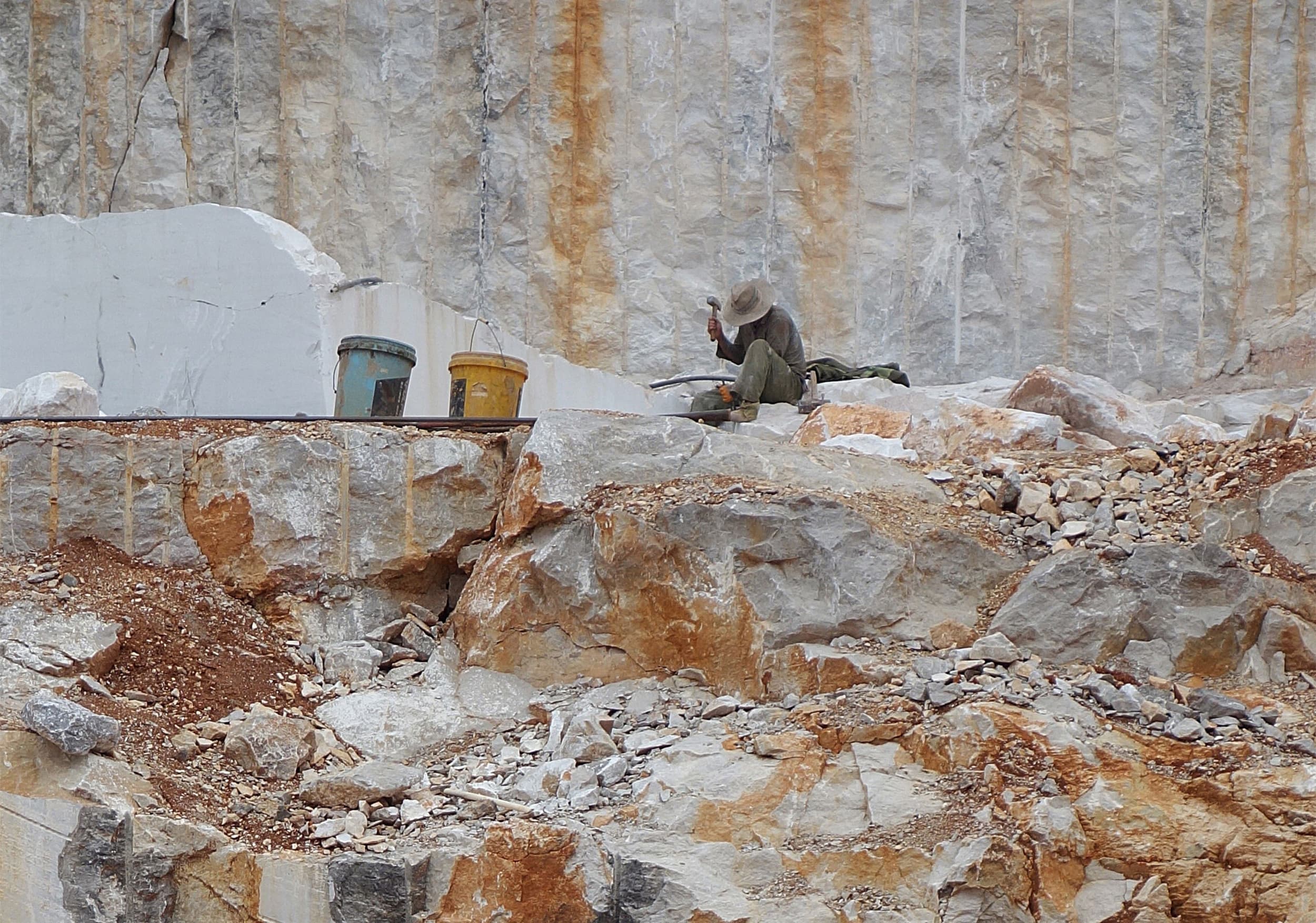
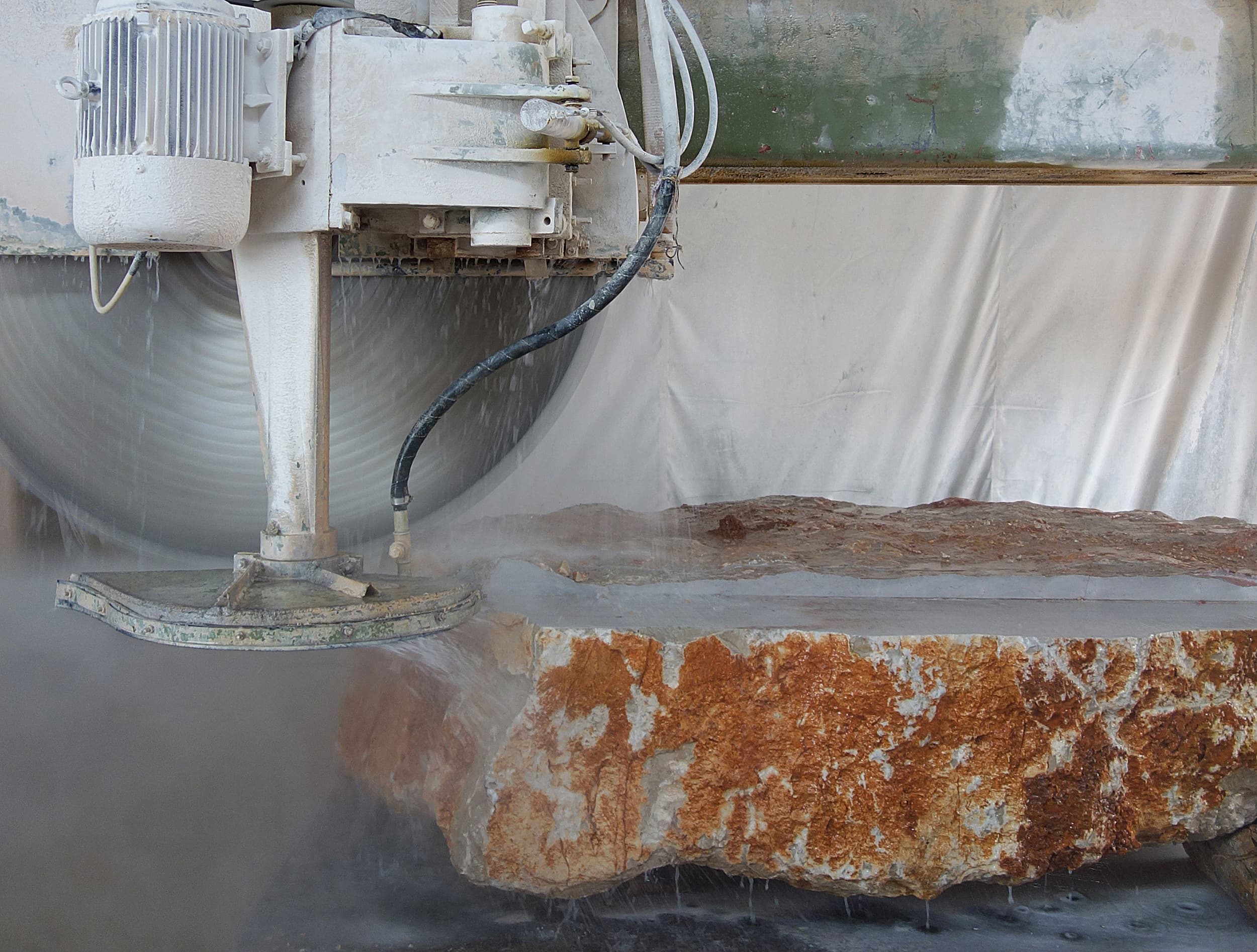
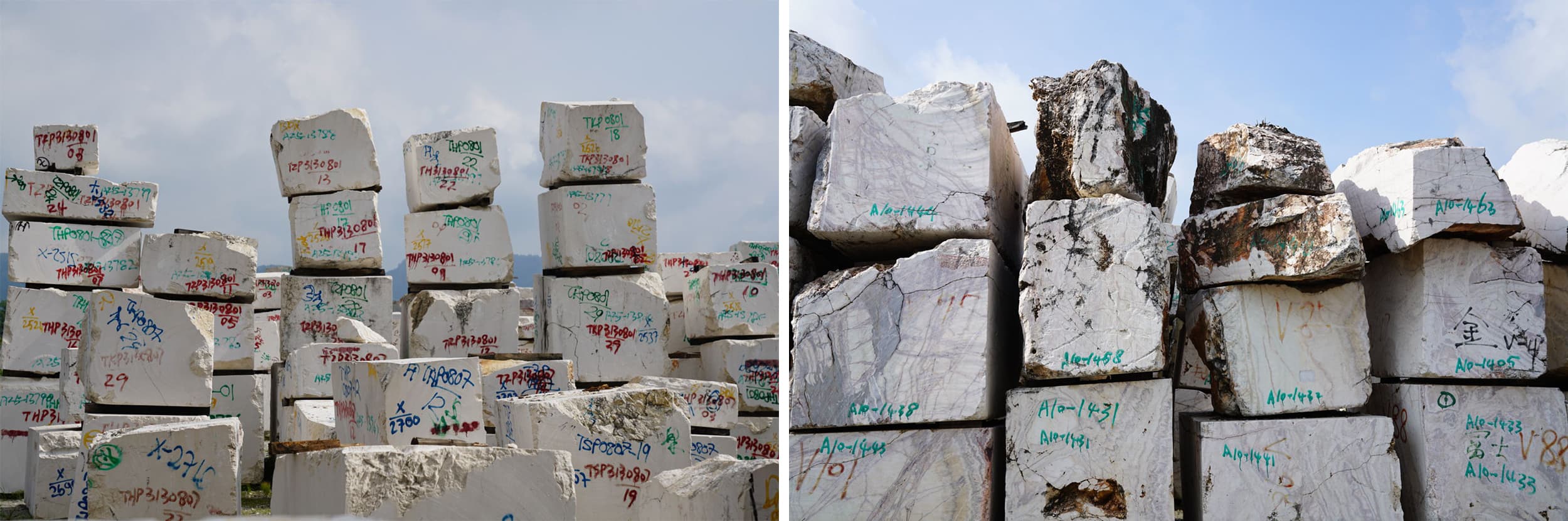
Yunfu in Guangdong, known as China’s Stone Capital, relies on its stone industry as an economic pillar. Urbanisation has driven booming stone production for domestic and global markets, yet extensive development has created severe resource waste and environmental harm. Quarrying and processing generate massive volumes of stone offcuts, powder and slag, often discarded or landfilled haphazardly. Unregulated dust and wastewater discharge cause irreversible ecological damage.
This is not simply an industrial or technical issue, but a flawed value system. When development prioritises short-term profit and resources are valued solely for immediate financial gain, stone waste is treated as a burden rather than a renewable resource. This logic mirrors terrazzo’s abandonment: consumerism obscured terrazzo’s practical value, while utilitarian industrial practices ignored waste’s regenerative potential. Both mindsets prioritise polished final products over overlooked residual materials.
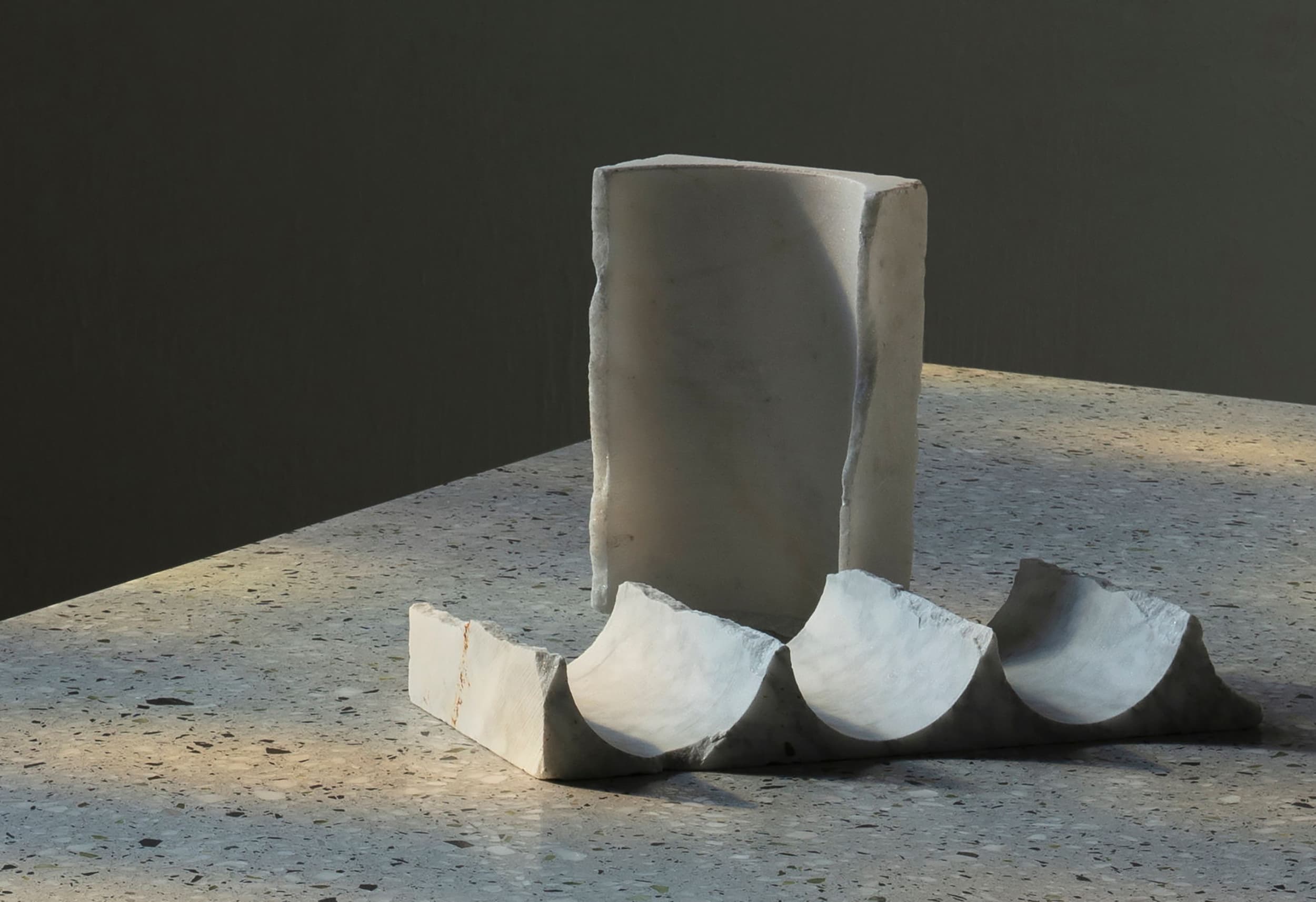
Terrazzo’s origins lie precisely in repurposing residuals. Venetian artisans pioneered terrazzo using stone offcuts; China popularised it nationwide with crushed stone waste. From its inception, terrazzo embodies waste-to-value logic—not a makeshift solution, but a complete value philosophy: an object’s worth lies in its capacity to serve people, not its market price.
Stricter environmental regulations have made circularity and green sustainability imperative for the stone industry. Rediscovering stone waste value and returning to terrazzo’s foundational creation principles is no longer merely an environmental slogan, but an industrial and cultural necessity.
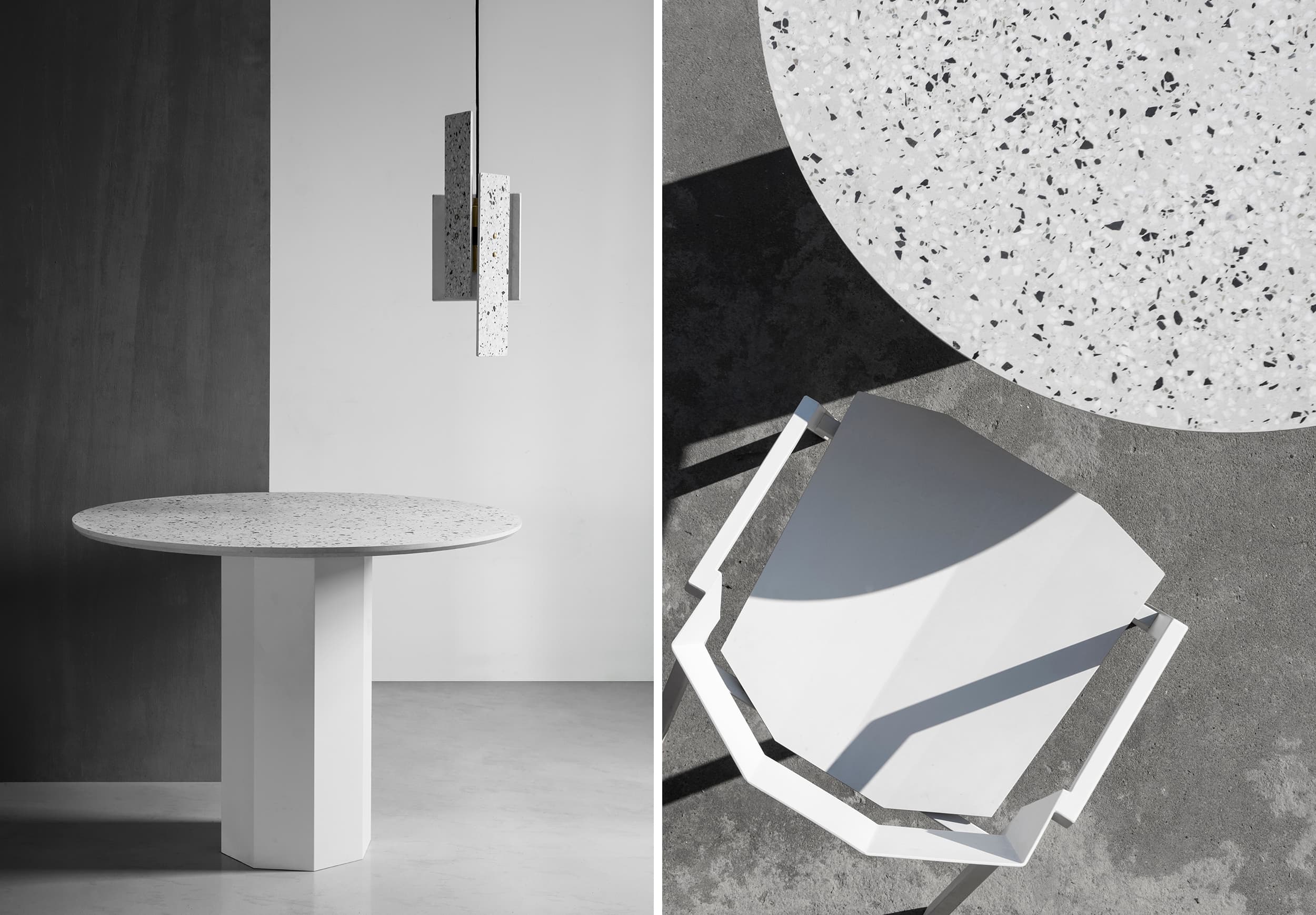
This practice also advances local cultural restoration. Terrazzo’s revival is not about creating new materials, but unlocking value from discarded offcuts. These waste fragments serve as physical mediums to reconnect fragmented collective memories. Through re-crushing, proportioning, casting and polishing, waste re-enters daily life—a cycle of material renewal and cultural continuity. Every reborn terrazzo piece bridges past and future.
All aggregates in BENTU’s terrazzo collection are sourced from Yunfu’s stone processing waste. This world-class stone hub produces vast quantities of offcuts and powder daily, previously destined for landfills or storage under outdated industrial practices.
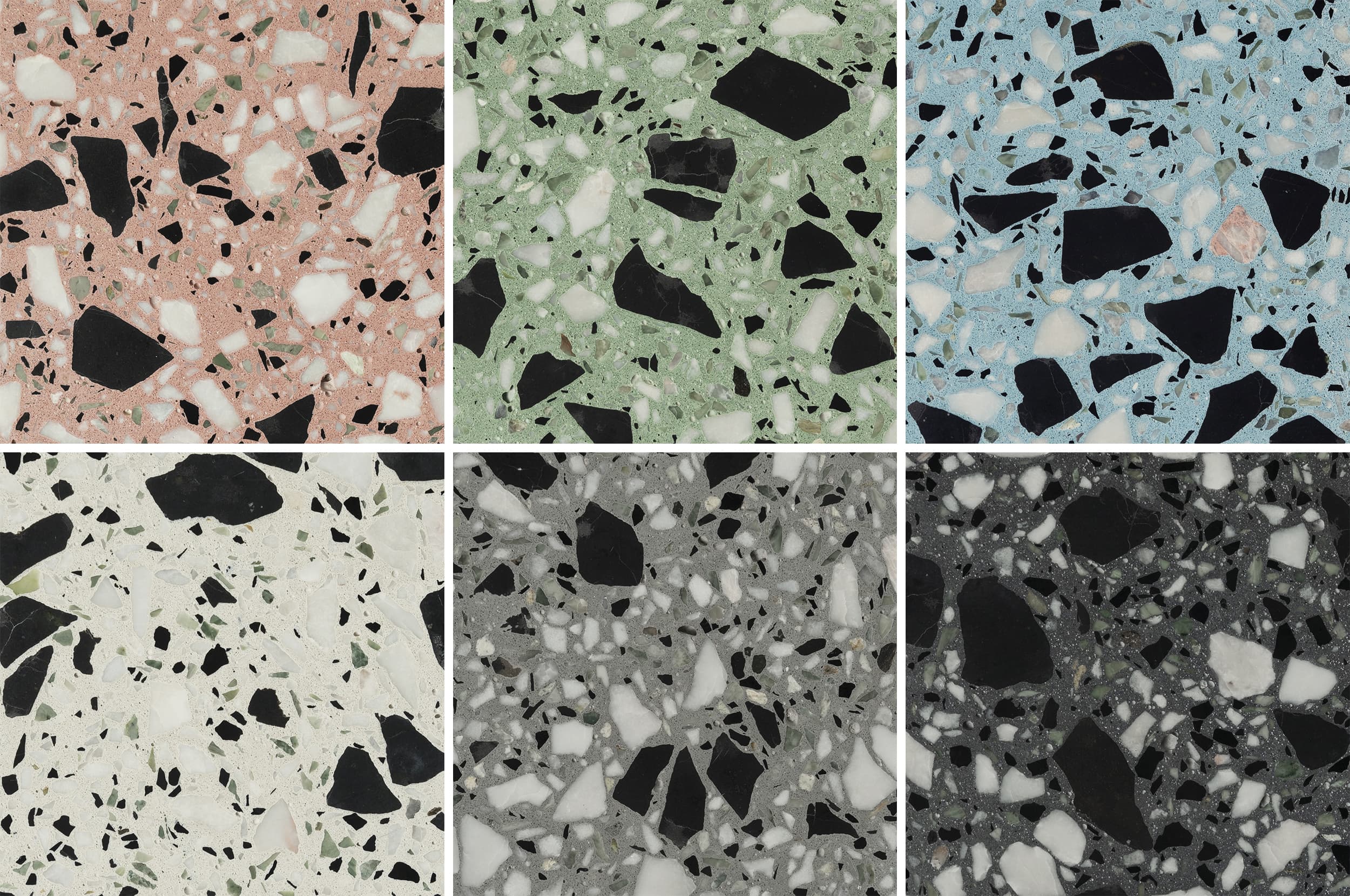
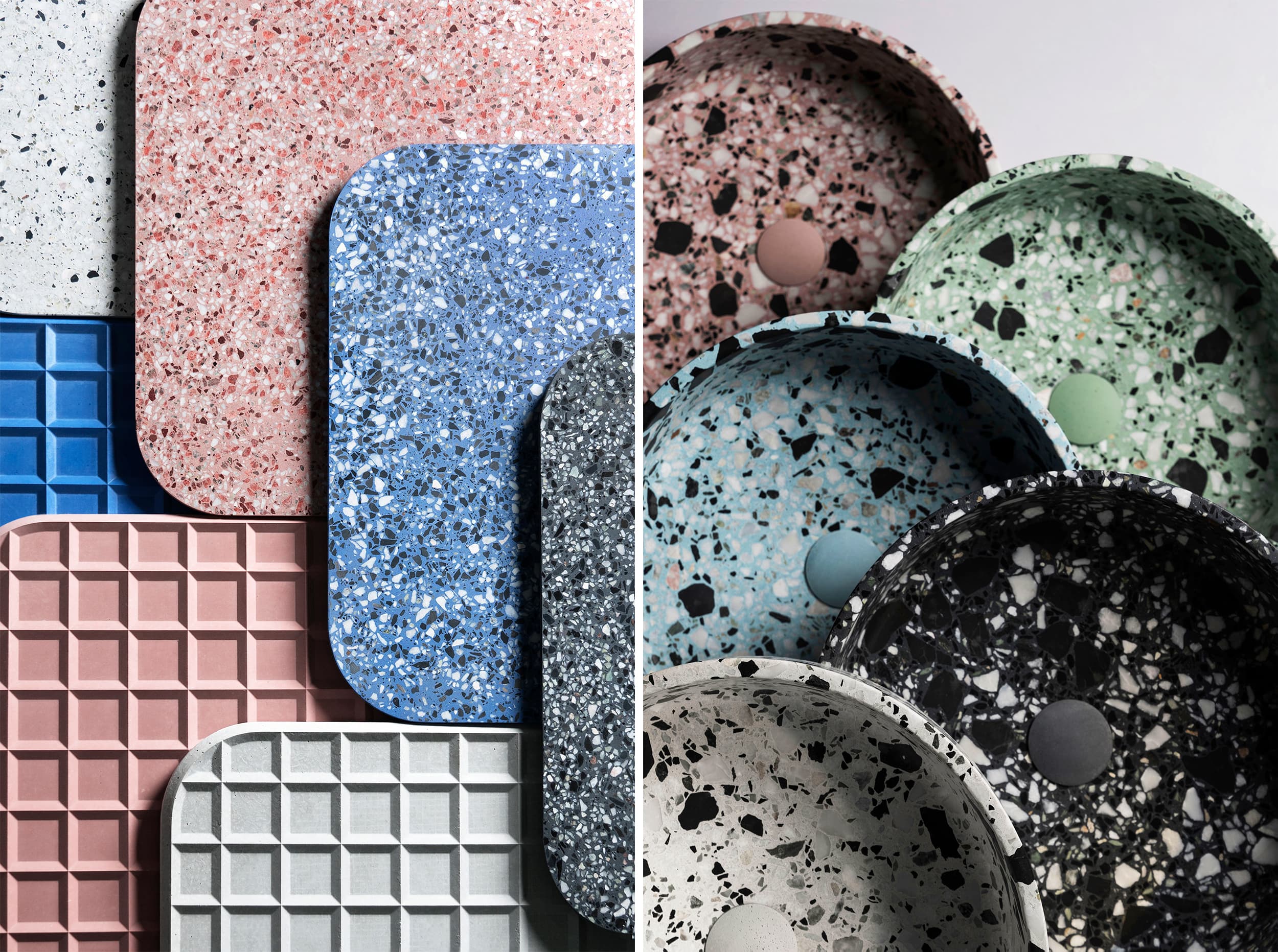
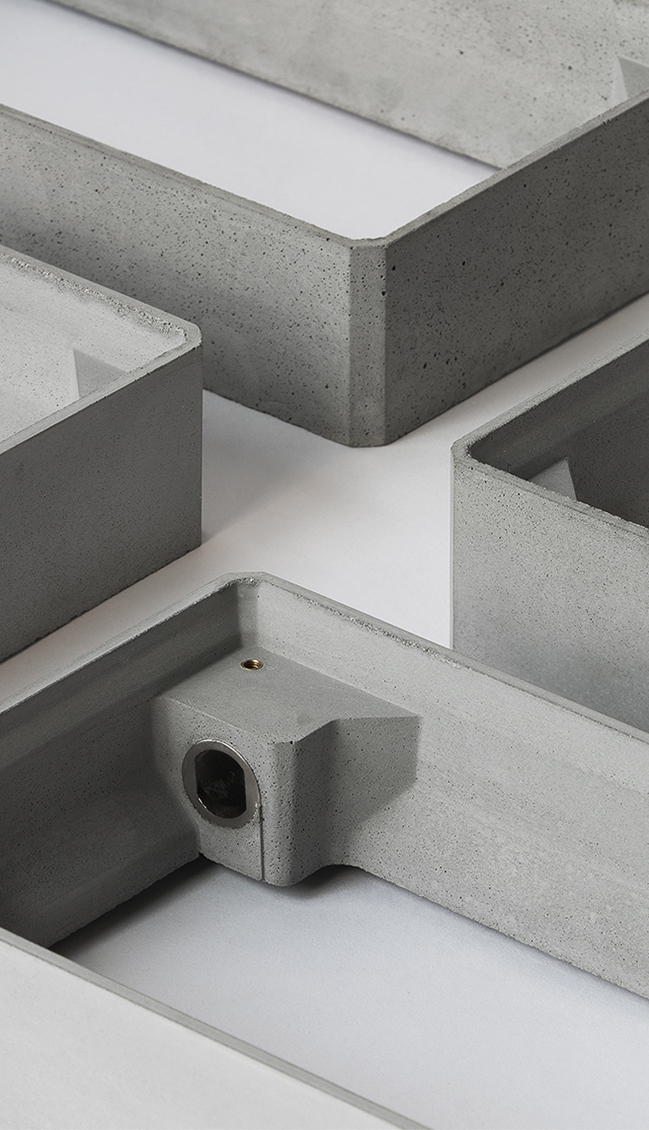
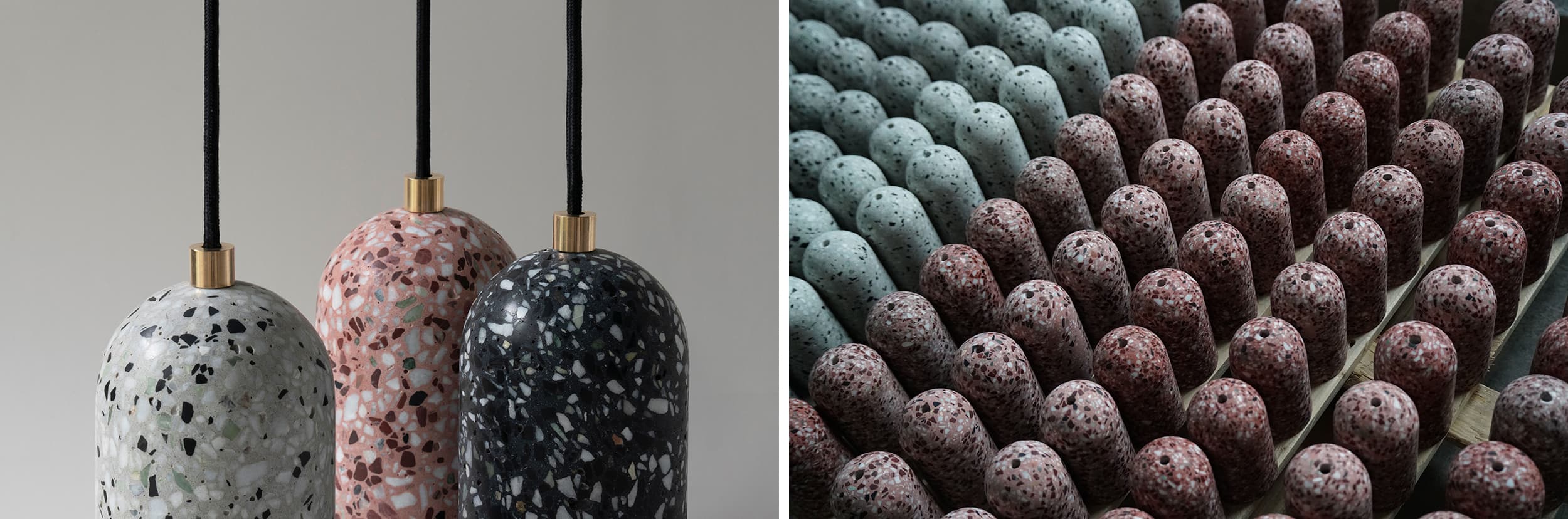
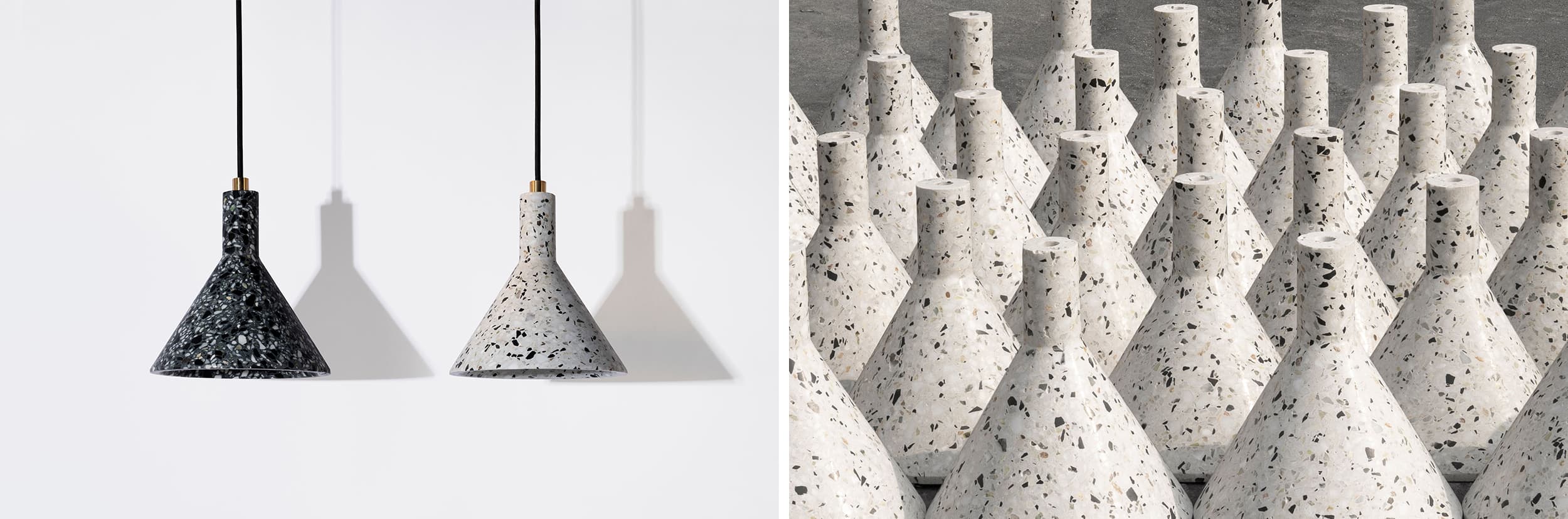
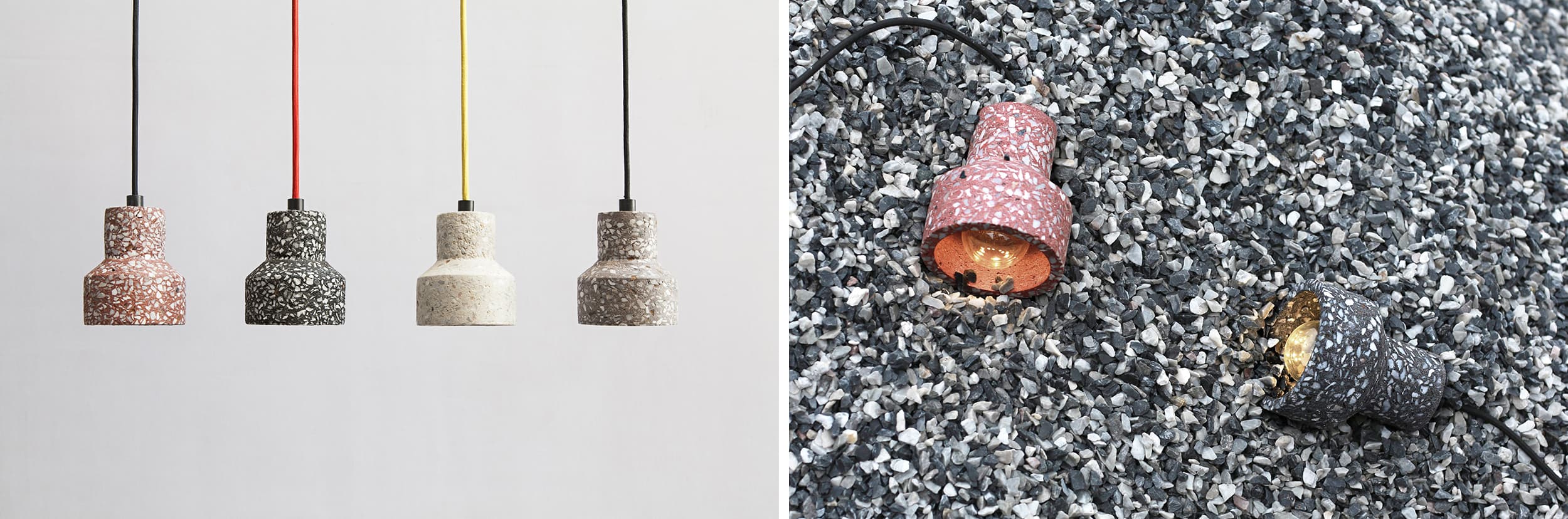
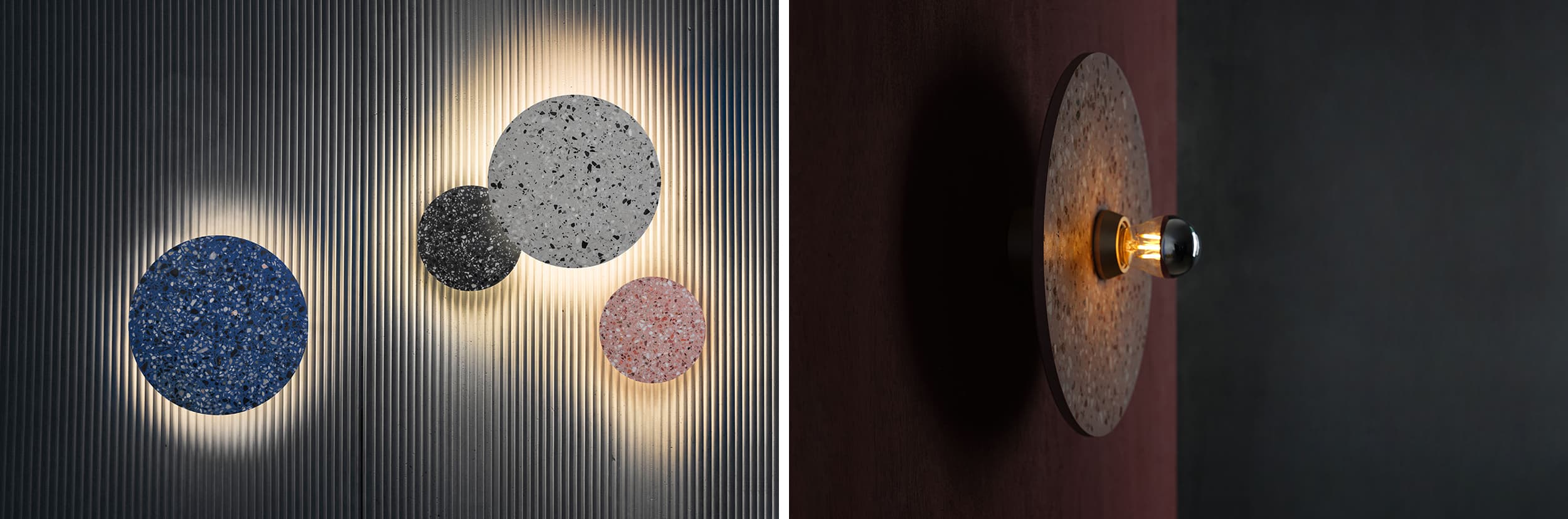
As early as 2012, BENTU pioneered systematic terrazzo R&D. At the time, terrazzo was long forgotten by the market, stigmatised as cheap and outdated, with virtually no brands developing terrazzo products. Beginning with fundamental material testing, we refined aggregate ratios, cementitious systems and forming techniques to retain terrazzo’s natural mottled texture while boosting structural strength and surface quality. That same year, the industry’s first terrazzo lamp launched. More than a product, it served as a declaration: terrazzo belongs beyond flooring, to all spheres of daily life.
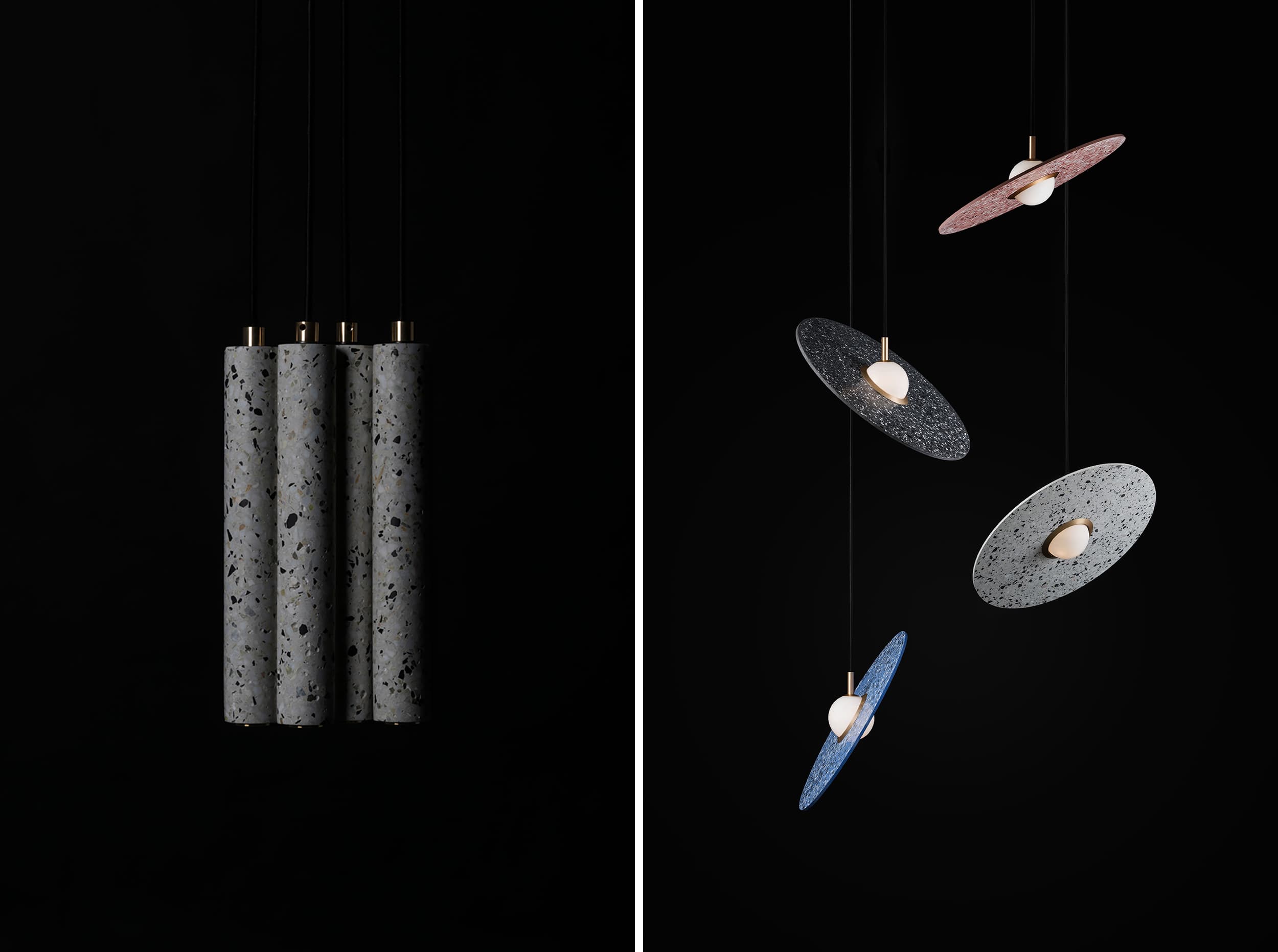
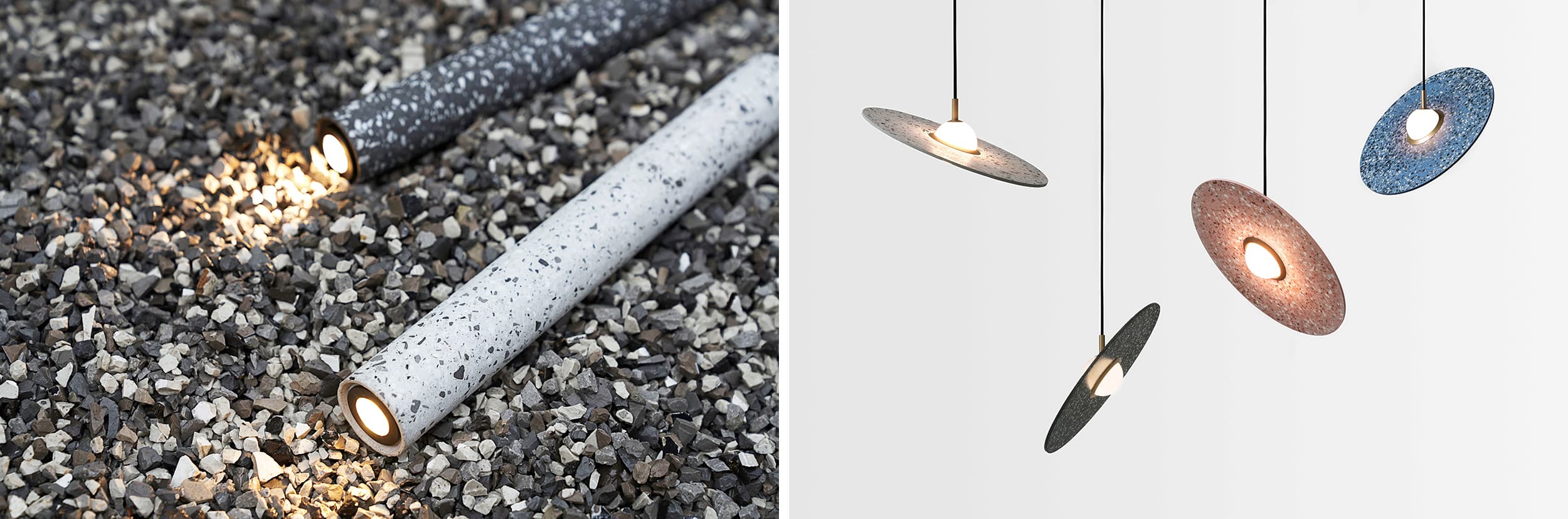
This lamp acted as a catalyst, breaking market stagnation. In subsequent years, terrazzo surged in popularity across home and design sectors, evolving from niche novelty to mainstream trend. We openly shared all experimental data, ratios and production methods. We believe a material’s true vitality comes not from brand monopolisation, but from collective iteration and innovation. The subsequent terrazzo boom and rise of engineered stone industries owe much to BENTU’s persistent early experimentation and commitment, driven by humble conviction rather than self-promotion.
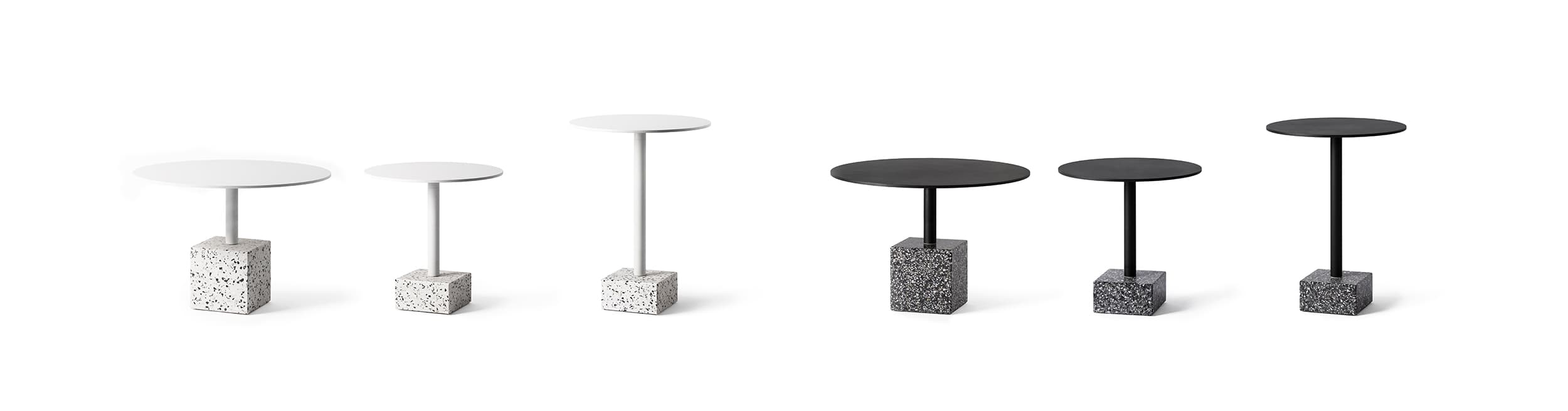
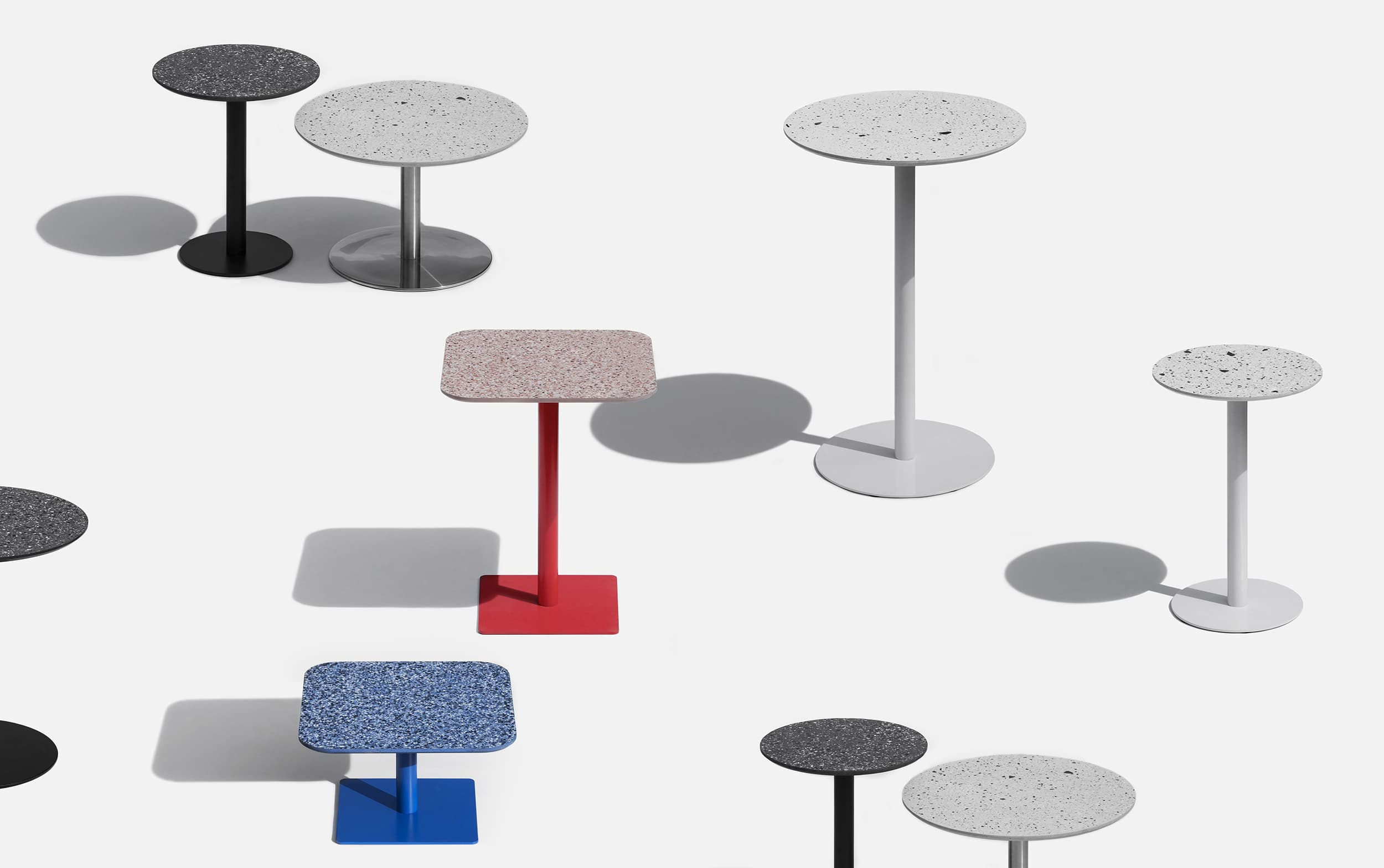
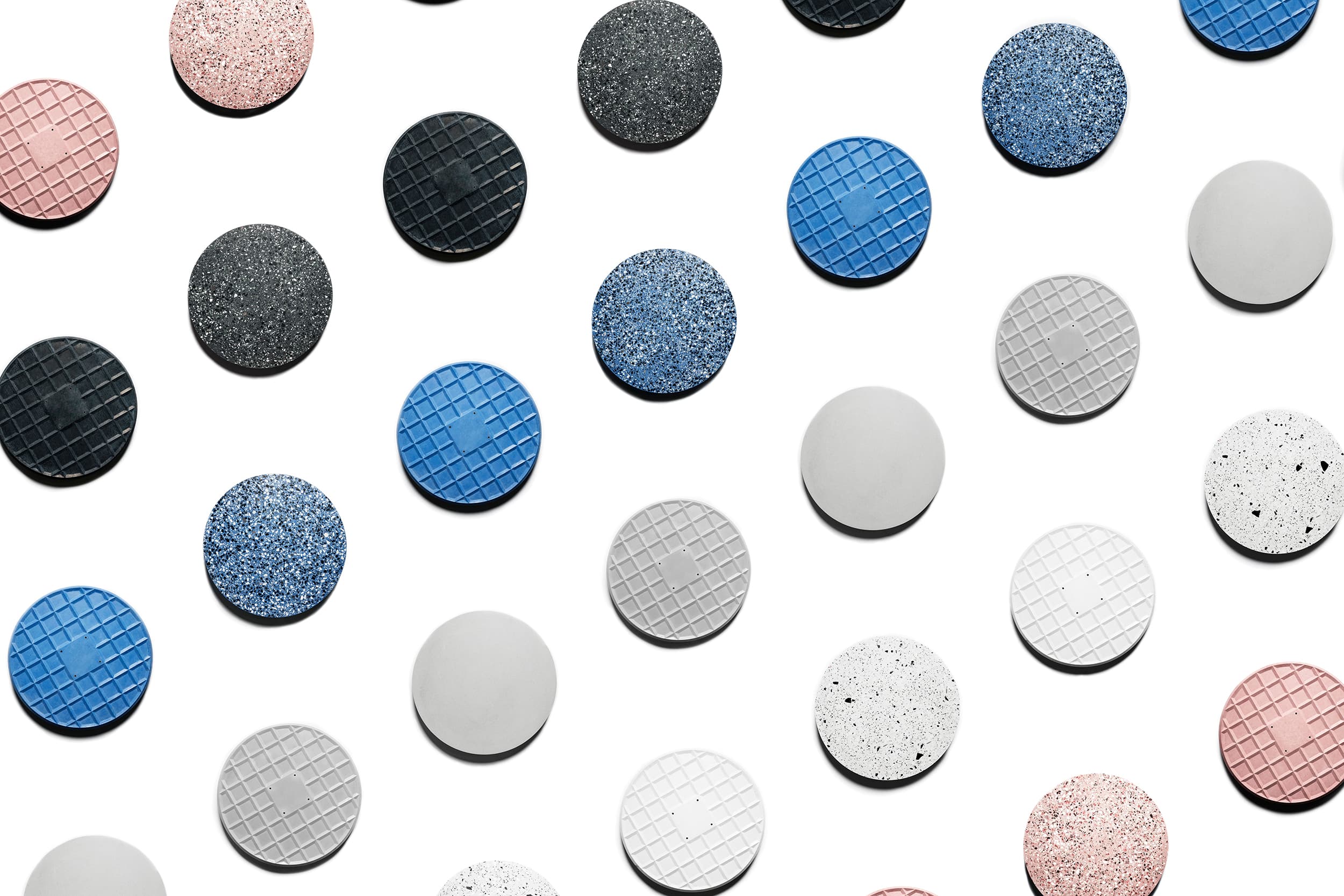
Trends have never been our goal. True innovation means honouring material essence, unlocking inherent character, and imbuing materials with renewed purpose aligned with modern needs to achieve long-term sustainability.
For years, BENTU has refined terrazzo craftsmanship around two core questions:
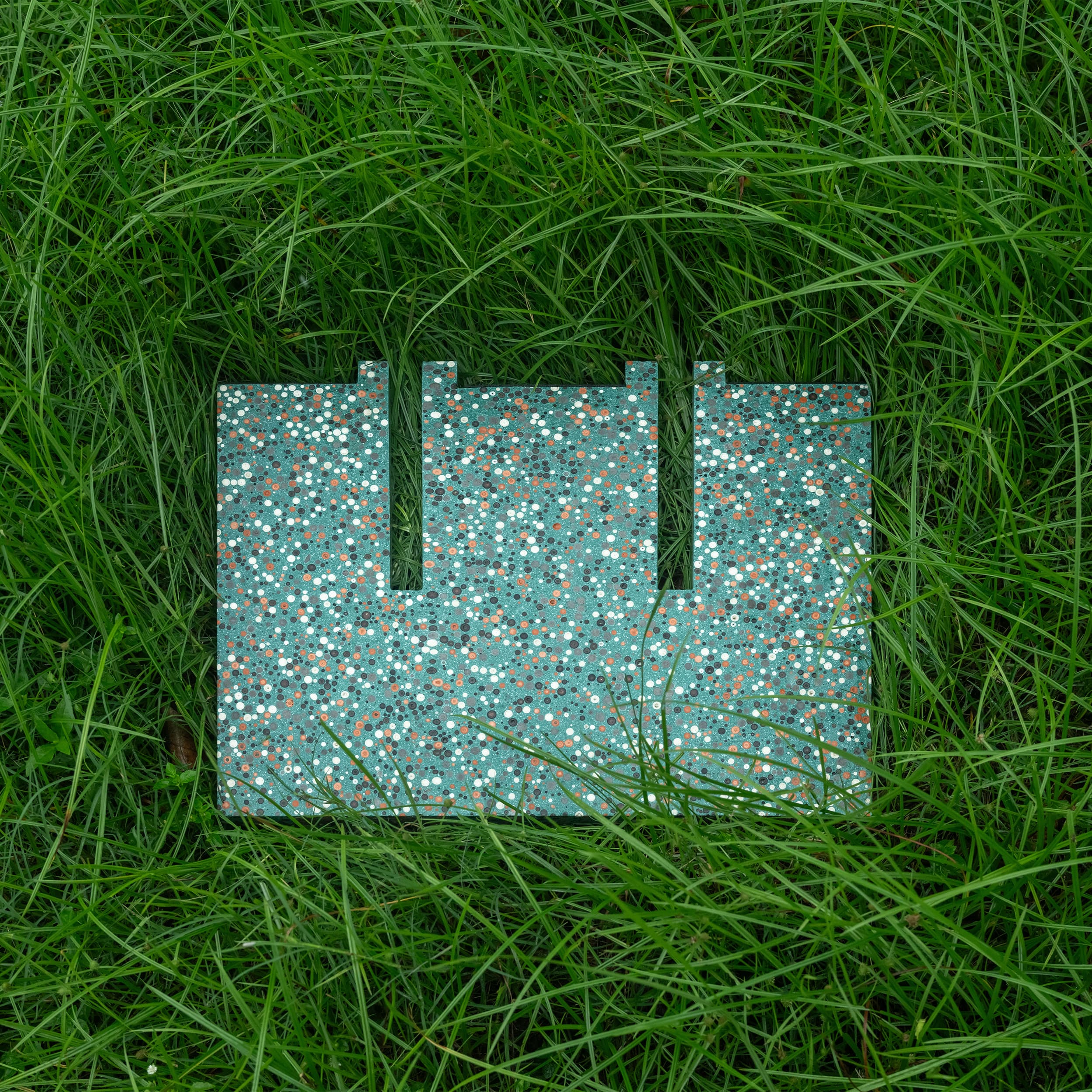
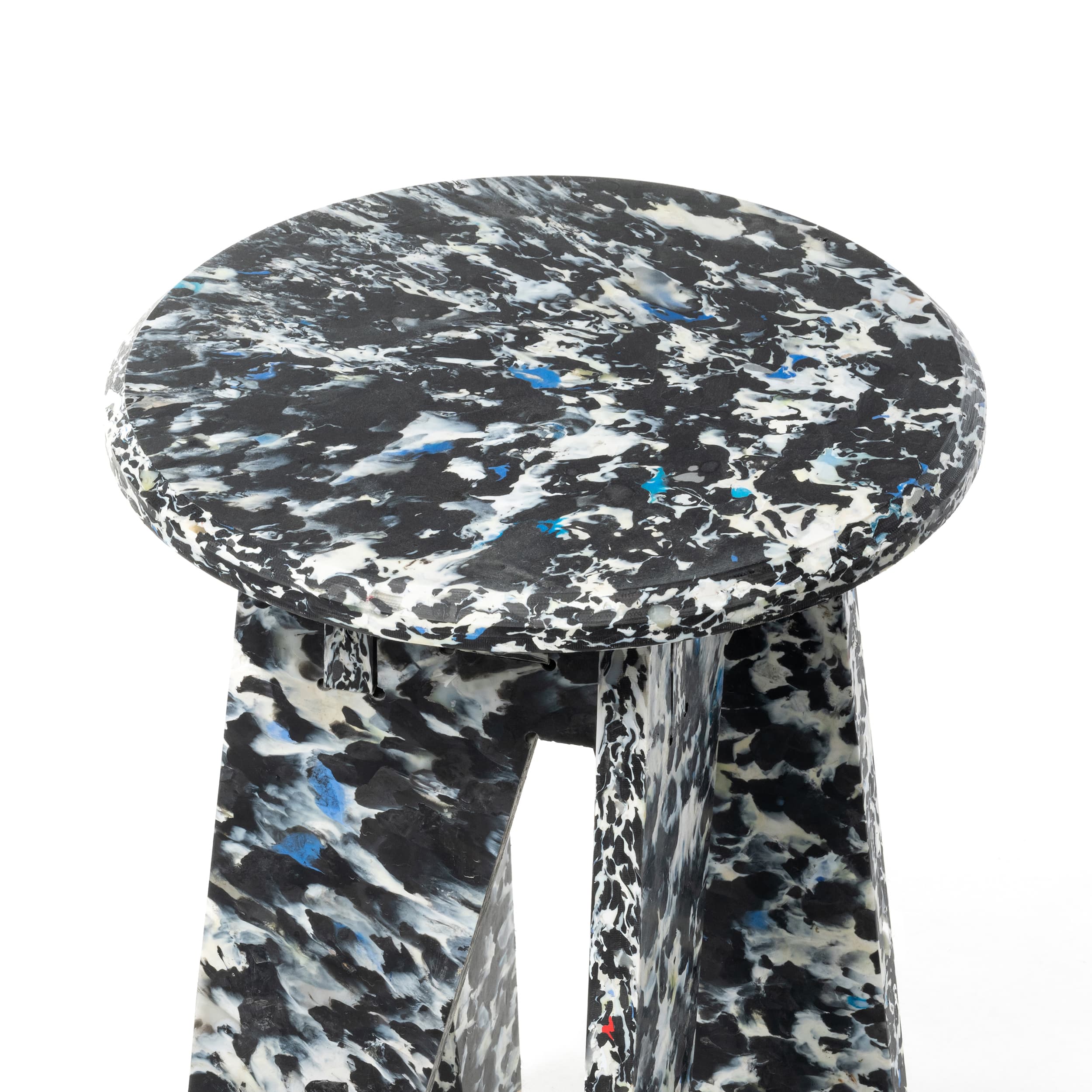
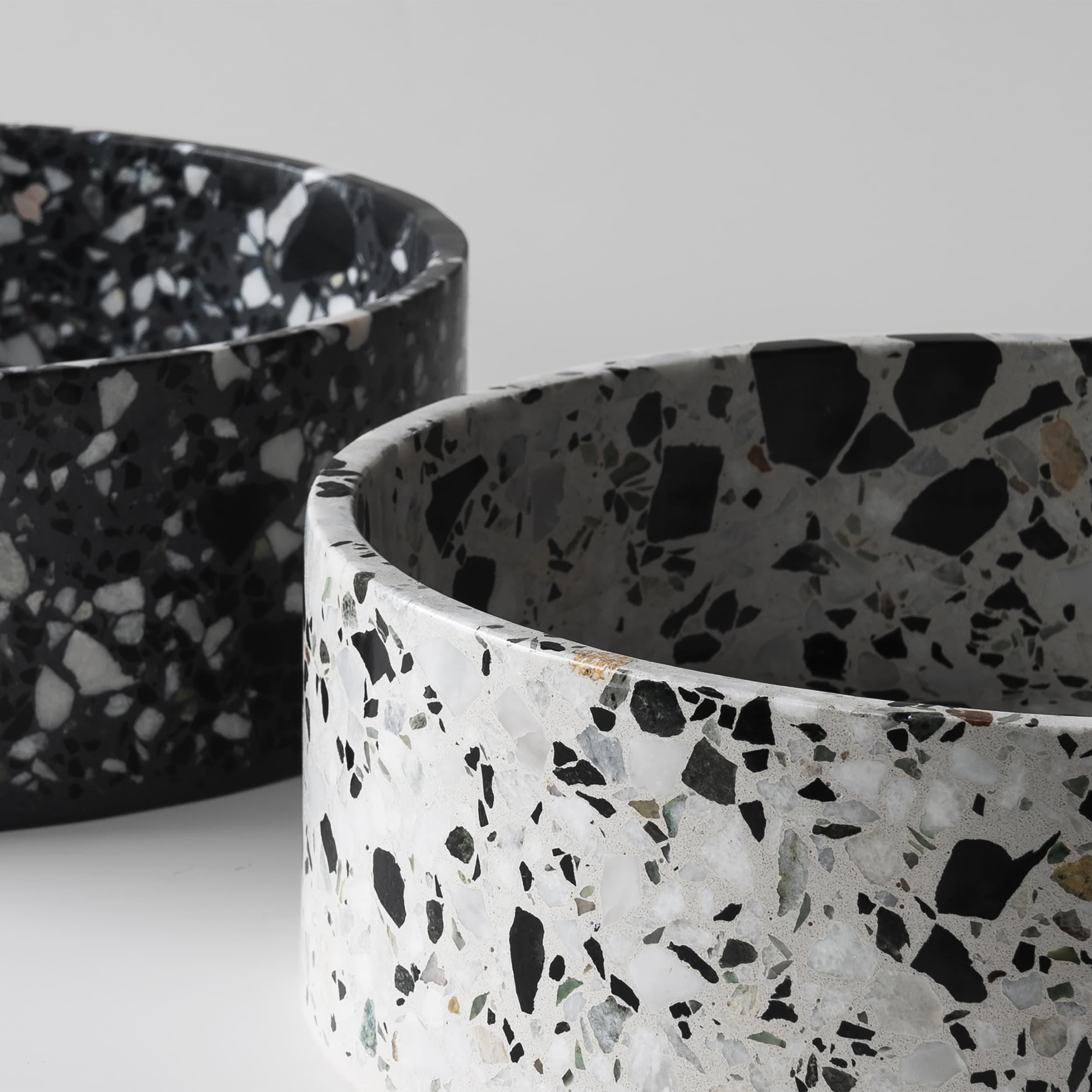
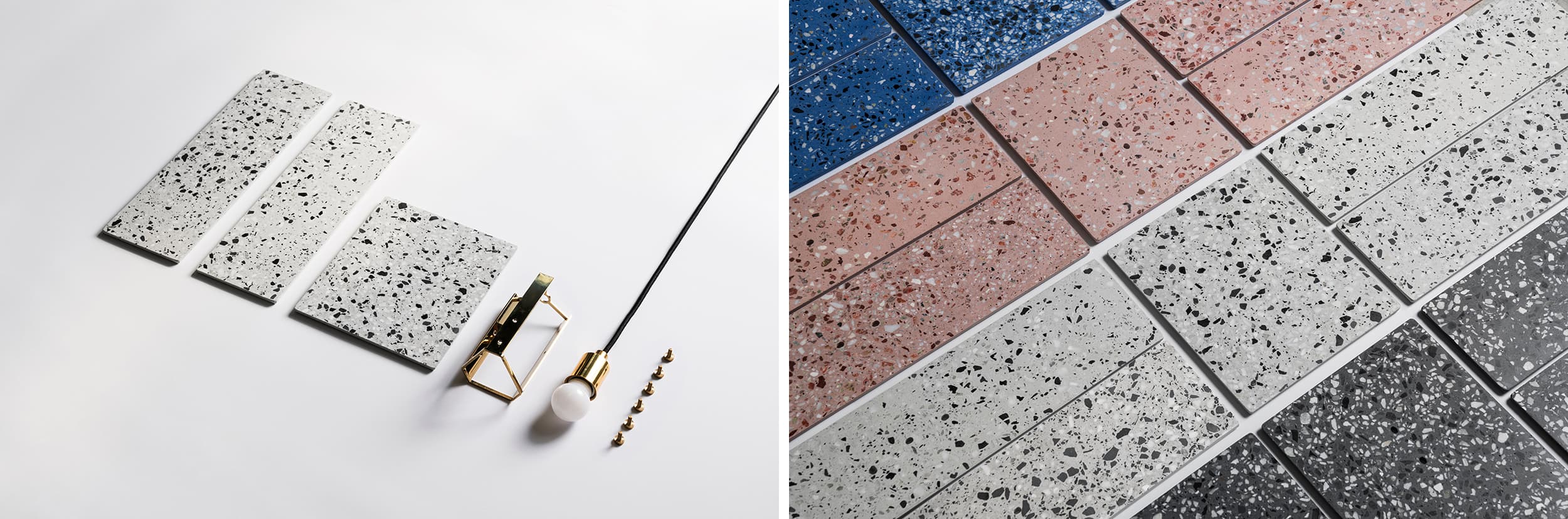
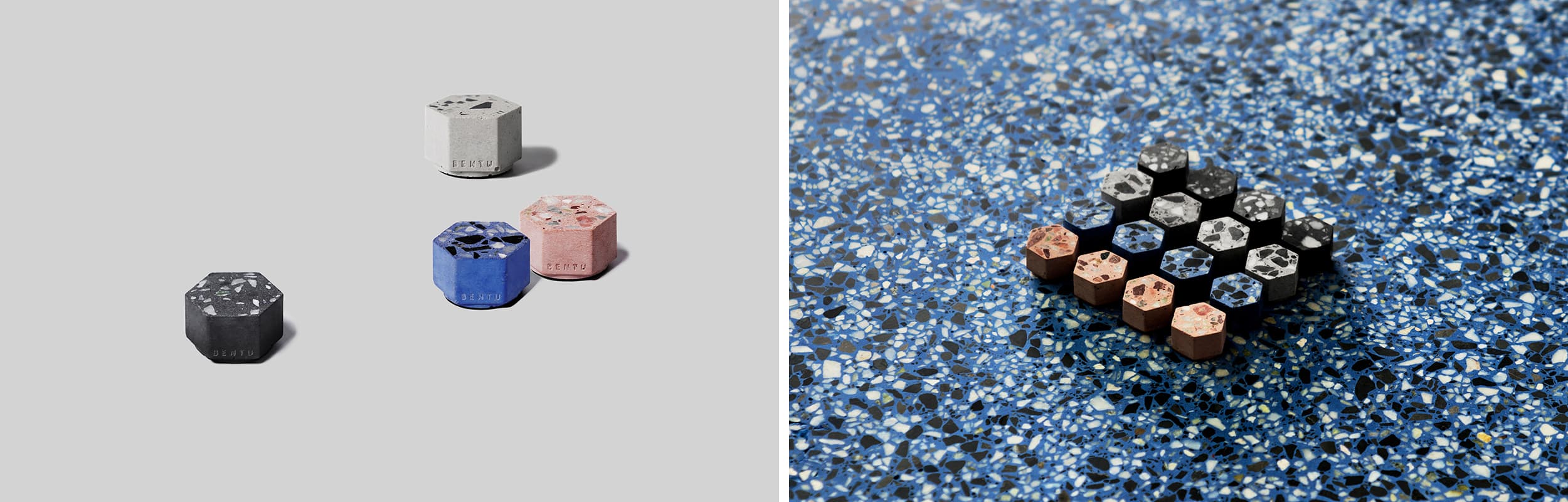
How can we utilise industrial waste to advance sustainable development? We integrate Yunfu’s stone waste and powder back into material cycles. Through sorting, crushing, proportioning, high-density casting and precision grinding, discarded fragments become strong, aesthetic objects. Each aggregate retains its geological heritage, and every product tells a complete story of transformation from waste to rebirth. This embodies material circularity and revives the ancient wisdom of resource maximisation for modern times.
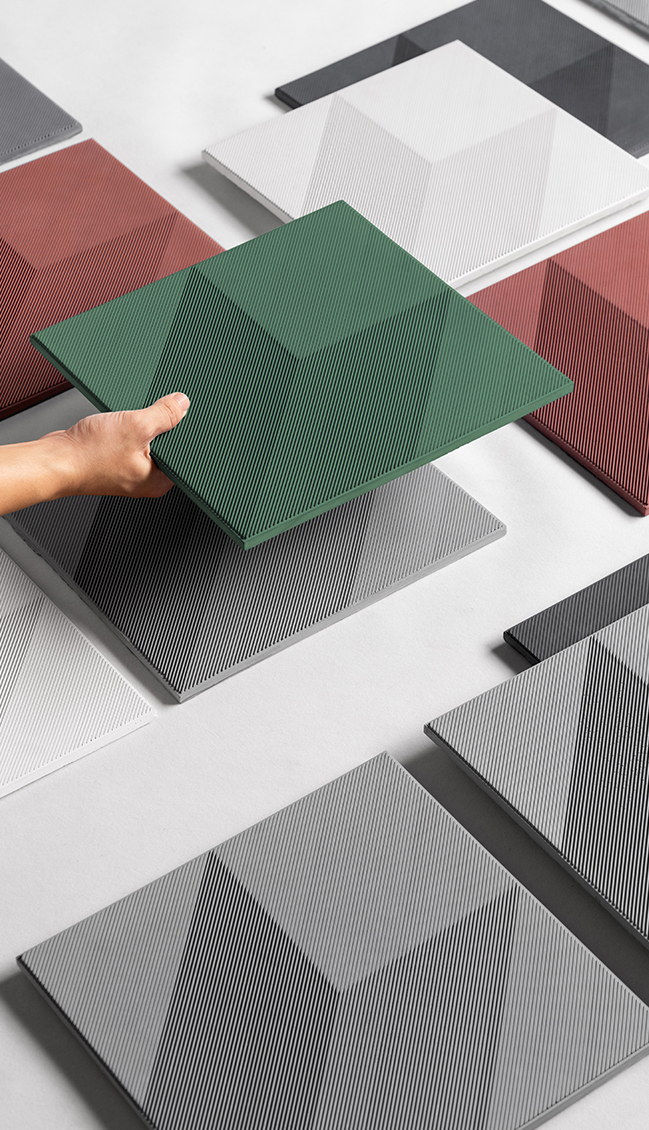
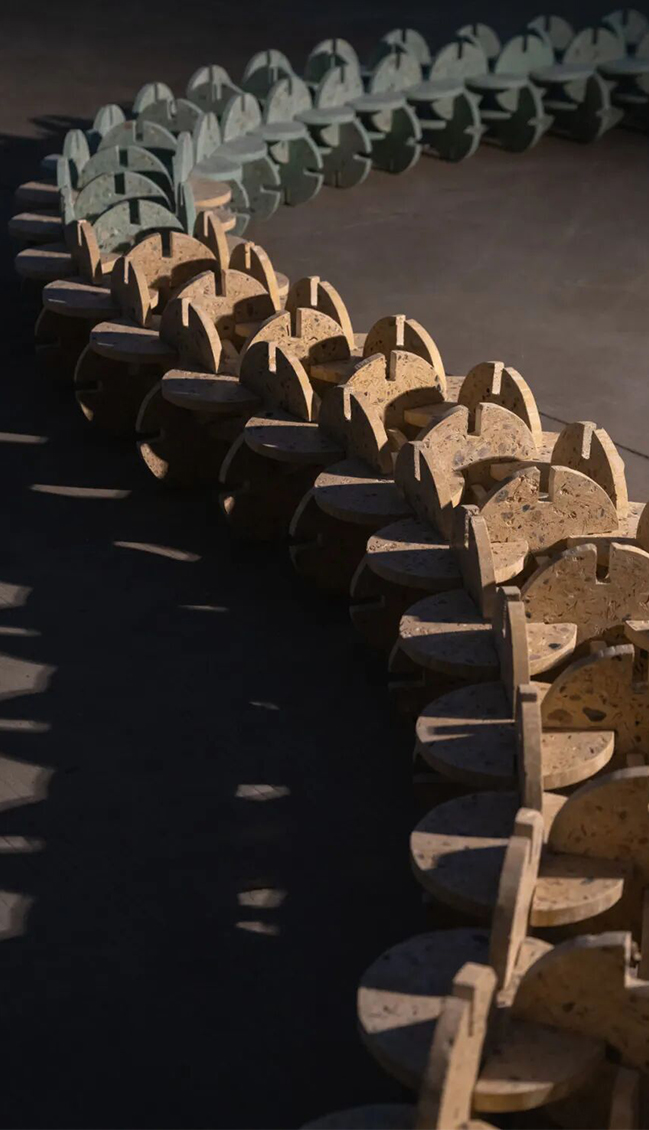
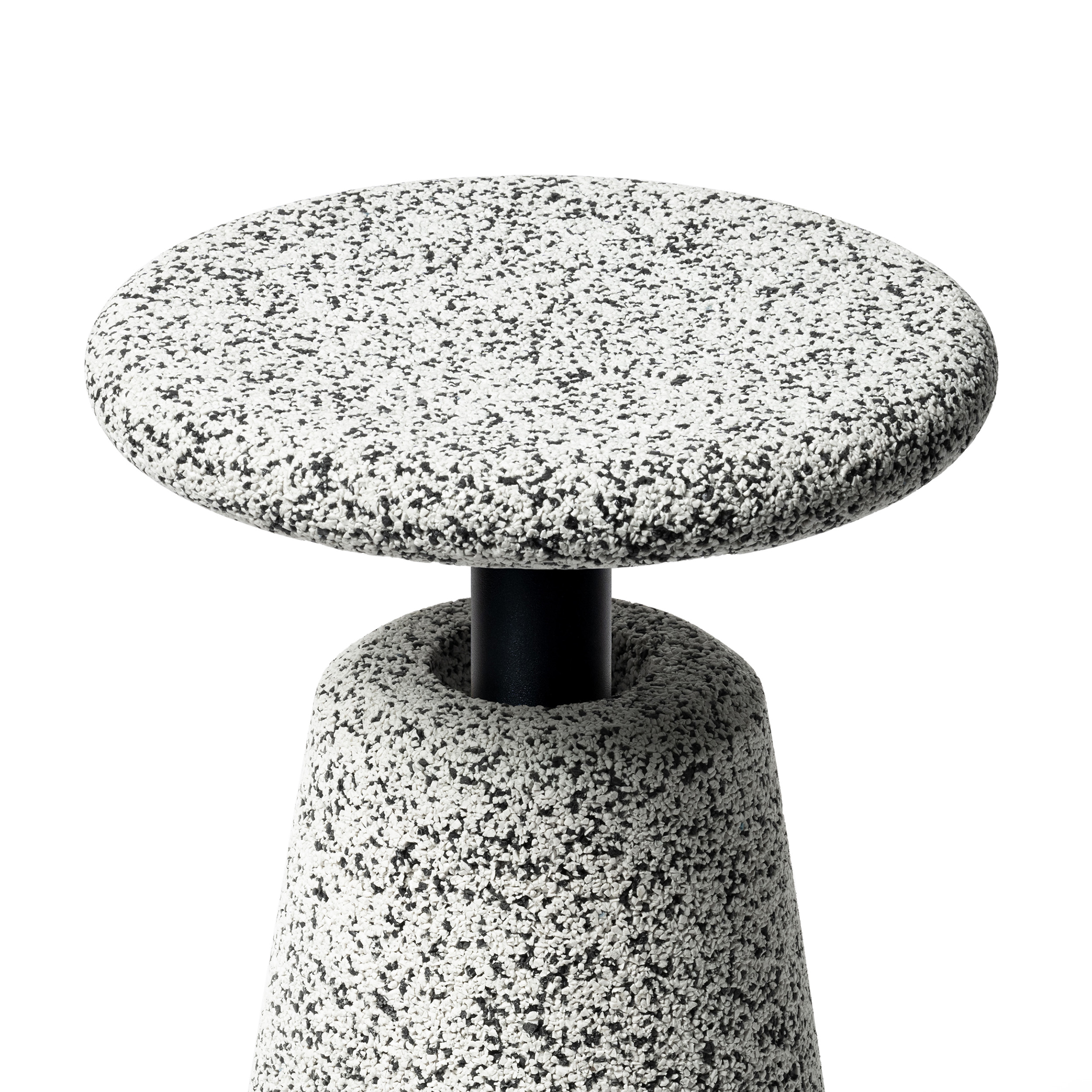
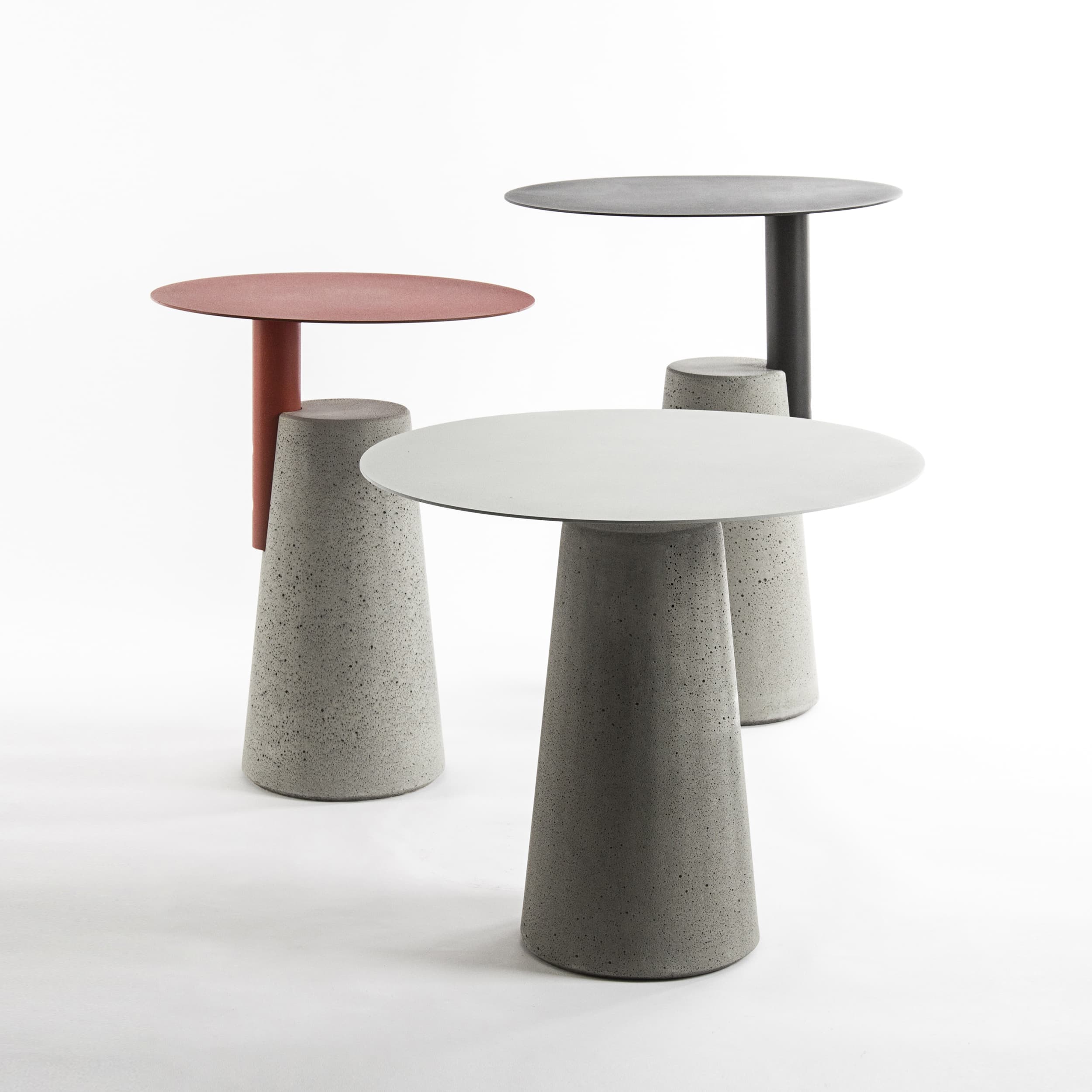
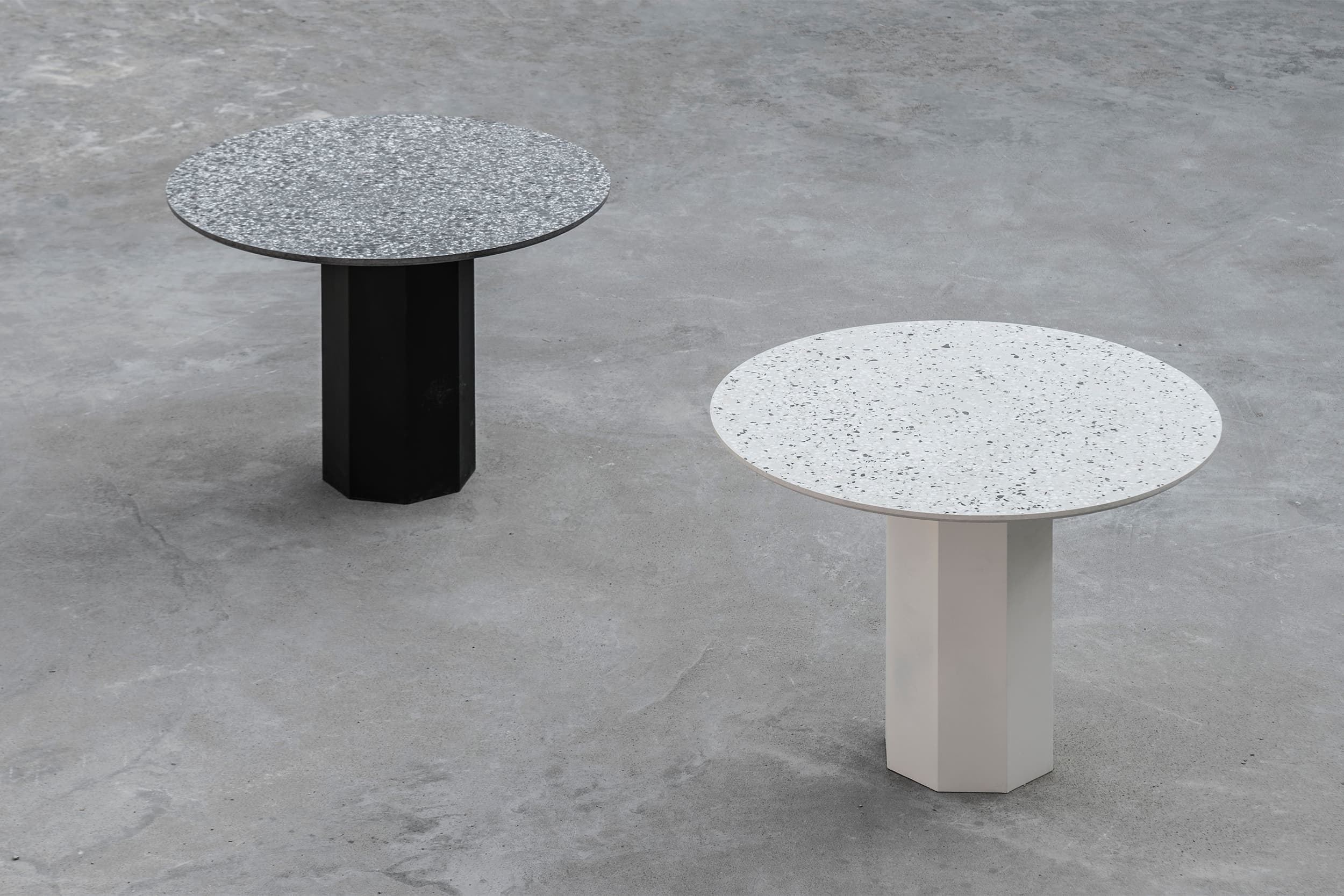
How can we reinterpret terrazzo through contemporary design language? Once exclusively a flooring material, terrazzo is reimagined by BENTU into lamps, furniture, vessels and wall cladding for modern living. We translate terrazzo’s modest, warm and restrained aesthetic into contemporary design, allowing this historic material to thrive in everyday modern life.
V. Homecoming & Grounding: The Primordial Bond Between Humans and Objects
Terrazzo’s modern revival transcends material boundaries entirely. Discarded stone fragments reunite to become quiet, steady companions in daily life. This is not only material regeneration, but value restoration—returning consumer-discarded objects to their rightful place alongside humanity.
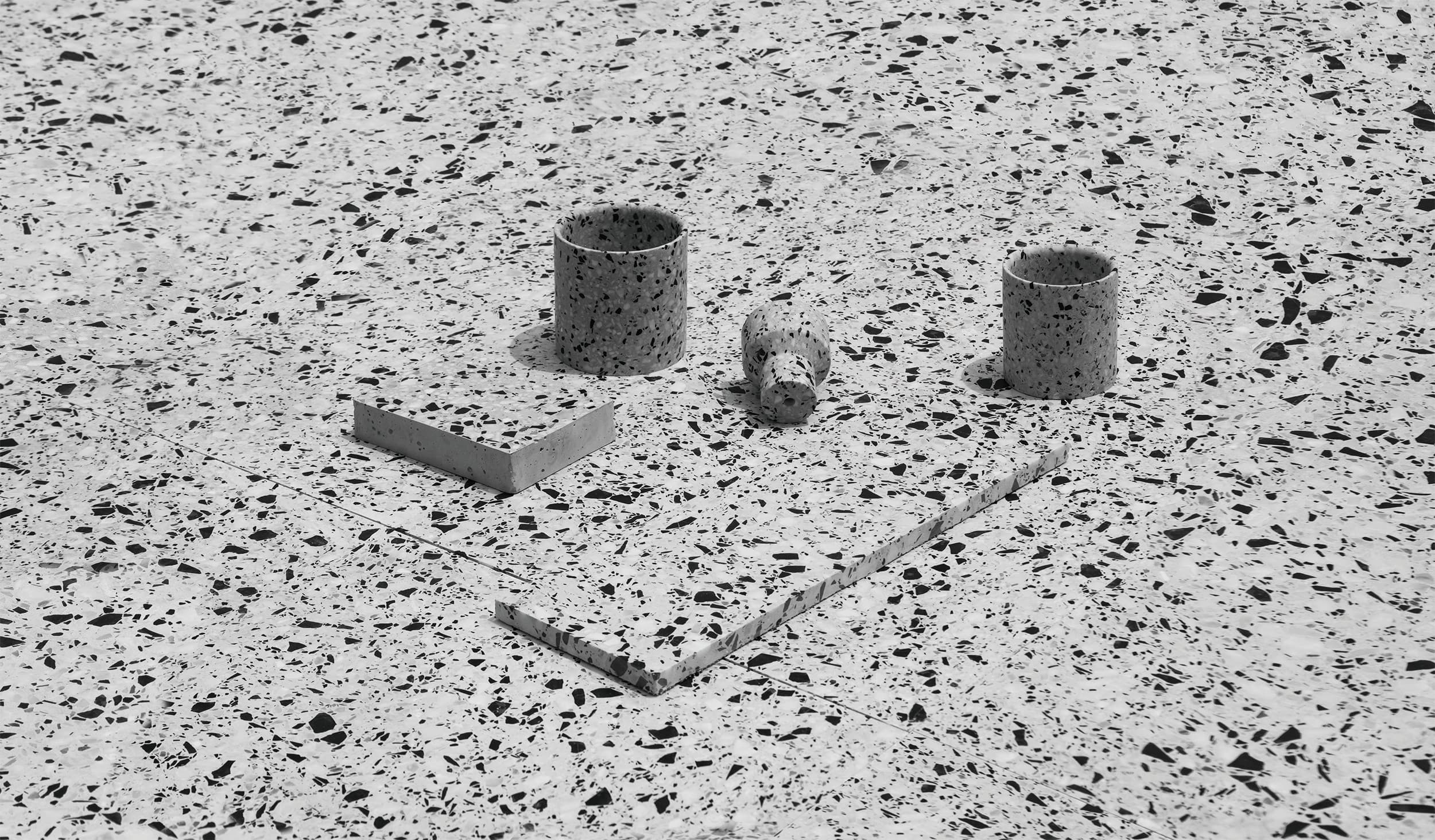
Terrazzo’s past and rebirth tell a simple story: long-forgotten imprints rediscovered and re-inhabited. More traces will accumulate upon it in the future. As long as we choose to retrieve, refine and cherish these materials, this narrative of materiality, memory and daily life will endure.
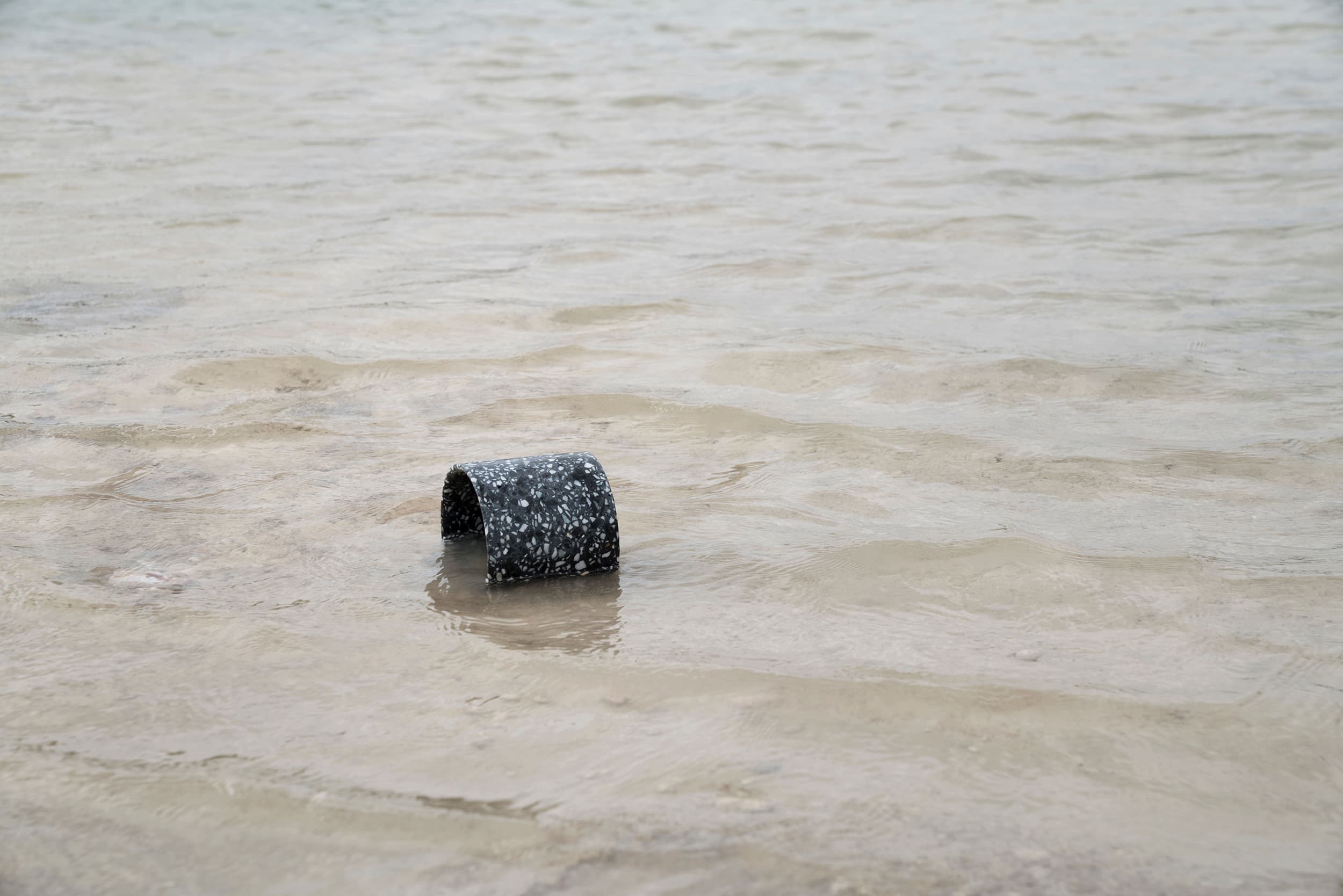
No matter how far we journey, we must ultimately return to our roots. Life’s meaning lies not in distance travelled, but in retaining the capacity to return to one’s essence. Here, essence refers not to a geographic hometown, but to the pure, uncomplicated bond between humans and materials.
Design Director: Xu Gang
This original article is part of the BENTU Local Regeneration Practice Series. Using terrazzo as a case study, it explores the circular regeneration of stone waste, industrial pioneering and the reconstruction of everyday aesthetics.

- Contact
+8620 8977 0506
- Press
press@bentudesign.com
- Enquiry & Sales
info@bentudesign.com