40 Meters Underground: A Regeneration Experiment with Excavated Soil from Guangzhou Metro Construction
Time: 2017
Location: Guangzhou, China
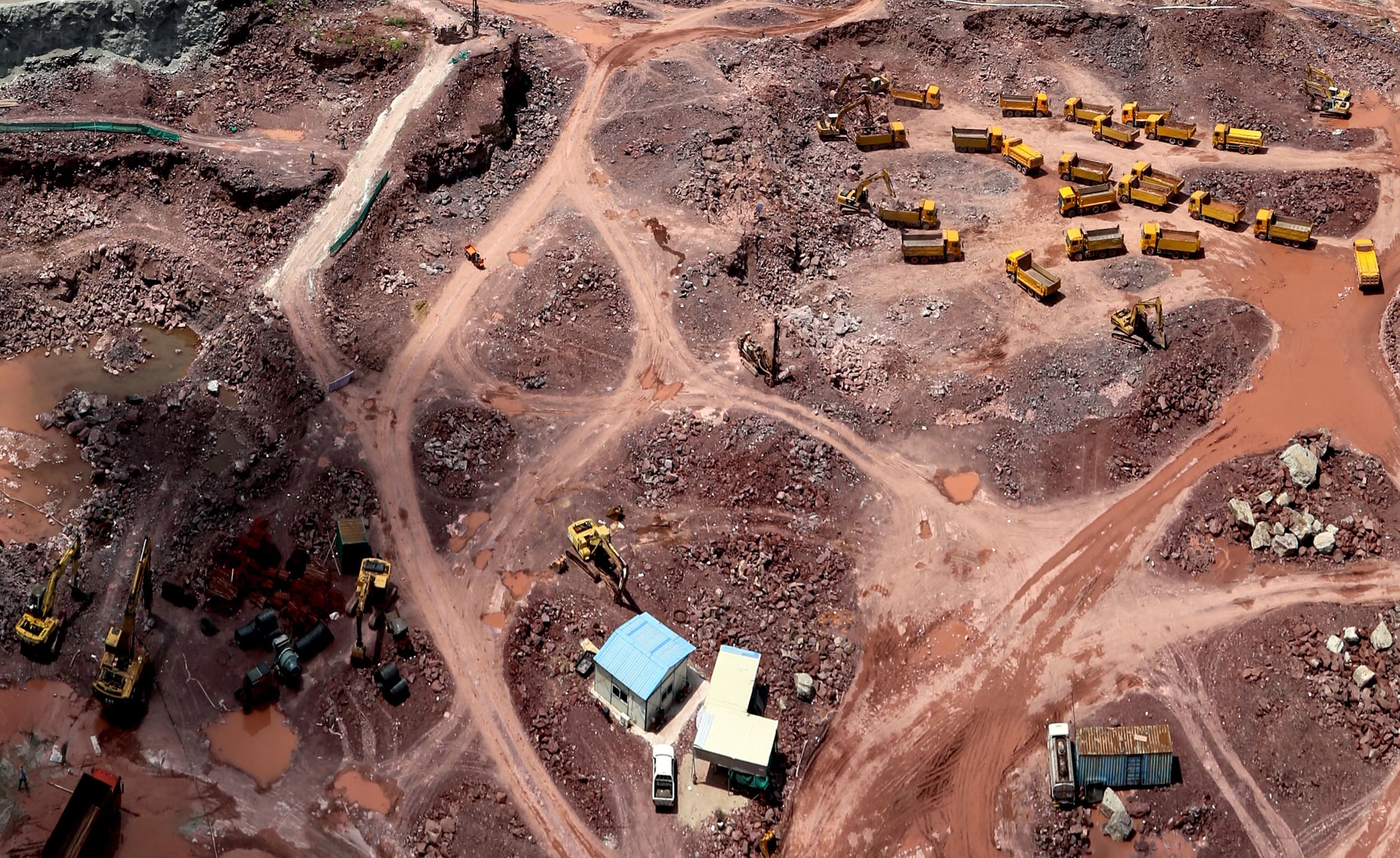
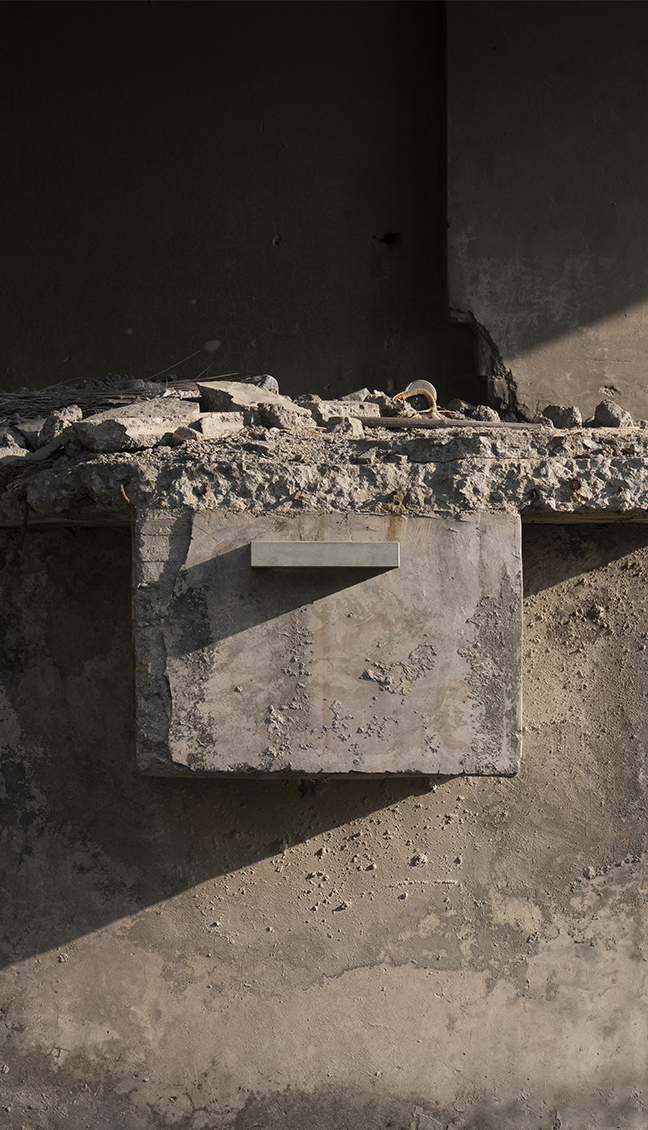
Forty meters underground, threading through dimly lit construction tunnels, with the concrete forest of the city above and sedimentary rock layers deposited millions of years ago beneath your feet. It was here that we first sensed it: the infrastructure of the information age holds a distinctive material beauty of its own. “Curiosity, Listening, Practice” — this is BENTU’s guiding principle, and the starting point of this soil regeneration experiment: a practice centered on “excavation and backfilling,” “destruction and restoration.”
The Flowing City
The subway is a product of humanity’s pursuit of free movement. Within the high‑speed globalized economy, it carries massive passenger flows and has become an indispensable mode of modern transportation. In China, a country with a vast population base, the Guangzhou Metro transports over 7.55 million passengers daily, with passenger intensity consistently ranking first nationwide.
On this territory where metro construction expands faster than anywhere in the world, underground rail networks sustain urban mobility and are deeply integrated into social life. The subway has become an ordinary part of daily life, redefining our relationship with work, leisure and one another through commuting efficiency, travel safety and public access.
It is increasingly recognized that this is not merely a transportation revolution, but a revolution in spatial production. The expansion of urban space has strained the innate dwelling bond between people and land, frayed by rapid transit development and fragmented into fleeting moments of the present.
The Construction Site: A Rising “Underground Mine”
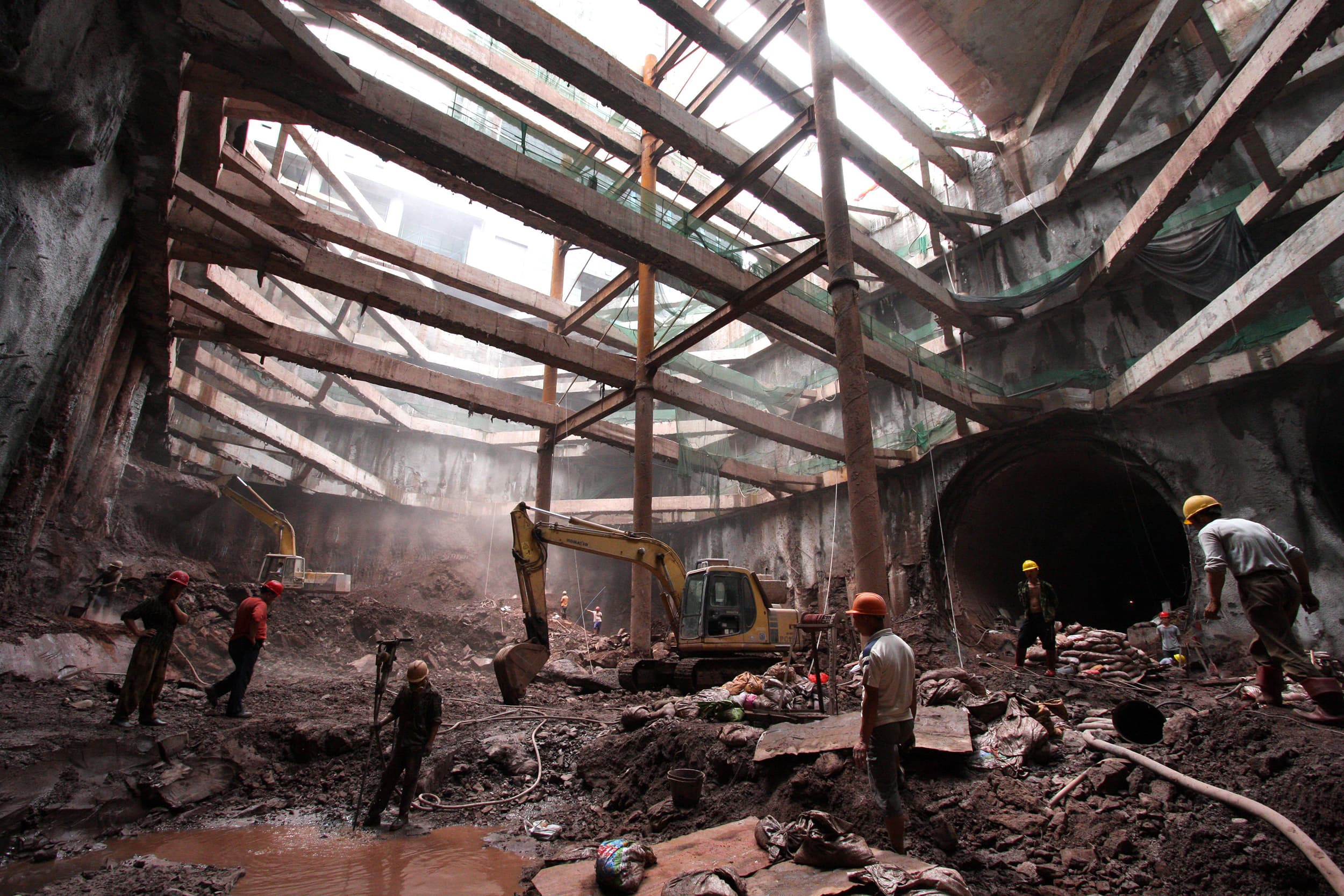
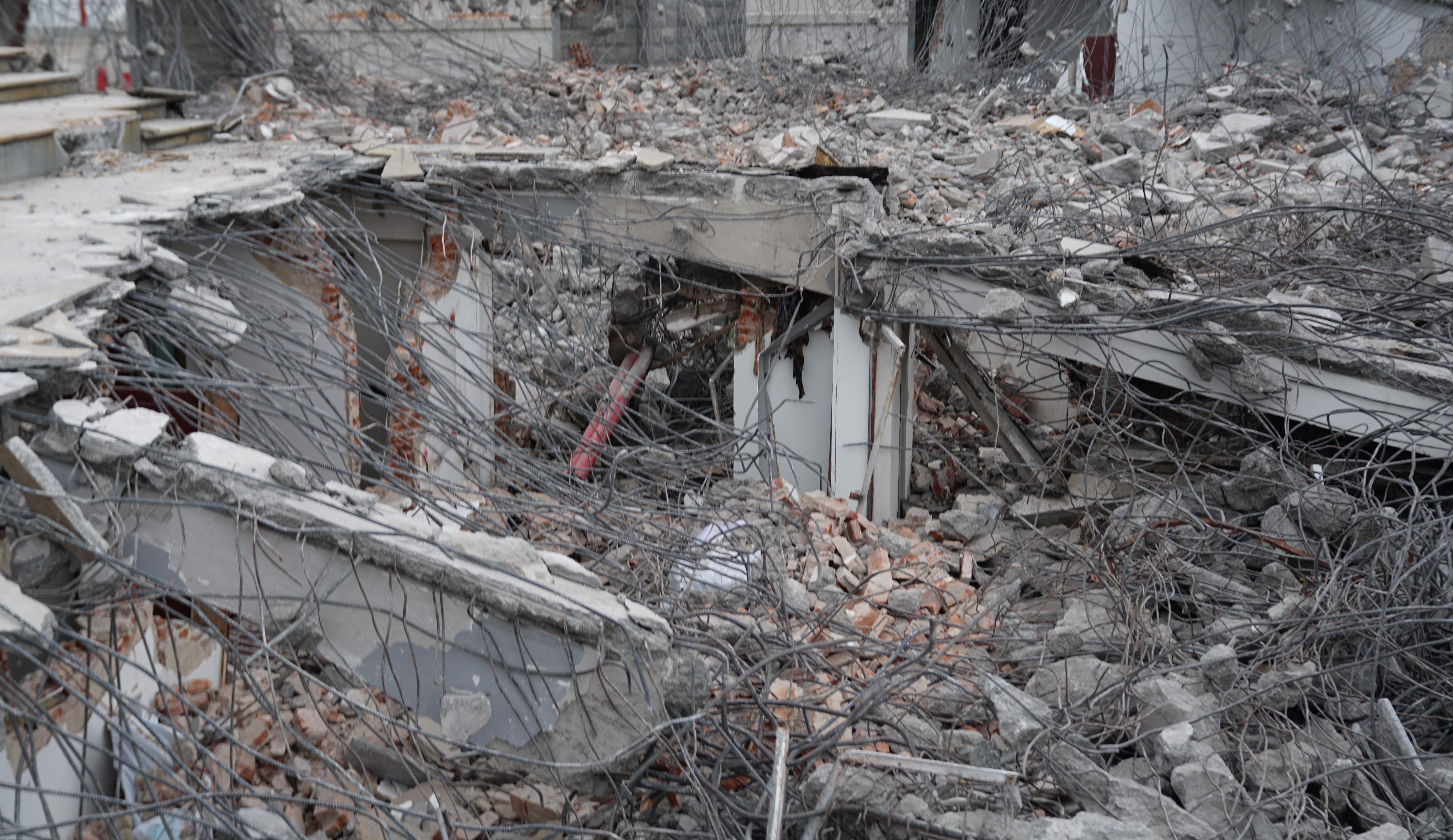
At the time of the project, Guangzhou Metro operated more than 200 active construction sites. At a single location — Shuixi Station on Line 7 — 200 to 300 tons of excavated material were generated daily. The waste mainly consisted of raw earth mixed with abundant boulders: shale, sandstone and granite with varying degrees of weathering.
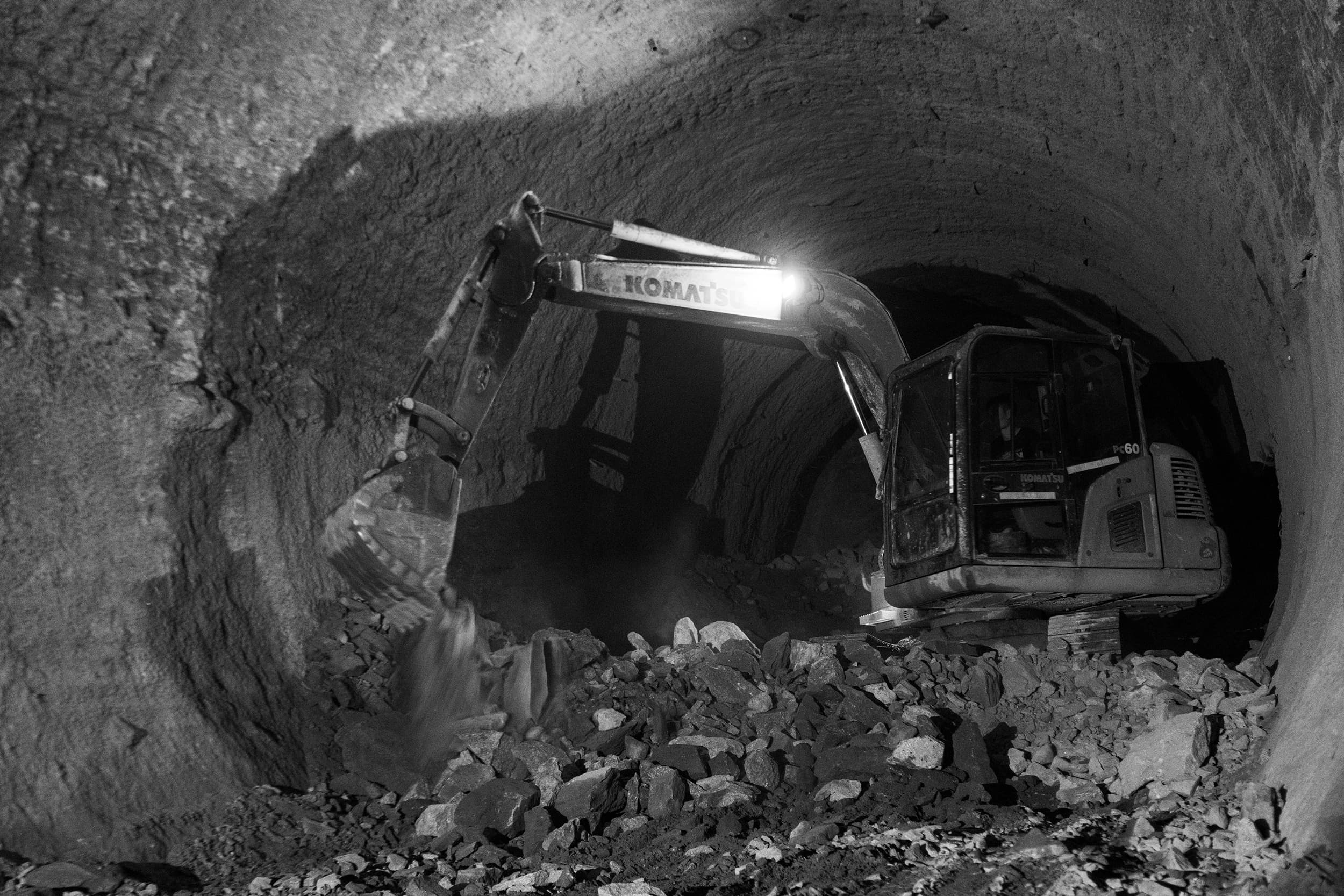
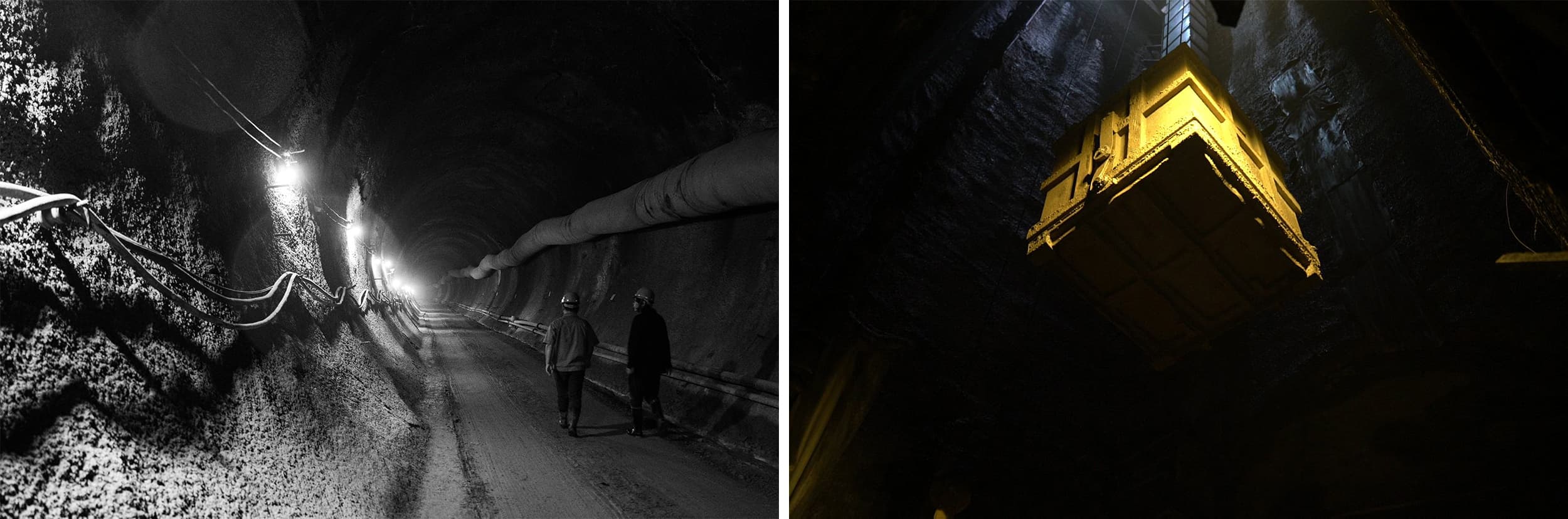
As Guangzhou Metro mileage “doubled every three years”, underground excavation expanded dramatically. The sheer volume of excavated soil and rock was staggering, yet long treated as construction waste — hauled away, landfilled or stockpiled.
Stone Regeneration: From Boulders to Urban Furniture
During tunnel excavation, the largest and most intractable waste materials were massive boulders: hard, bulky and difficult to crush. Yet for material researchers, these boulders represent naturally high‑quality aggregates.
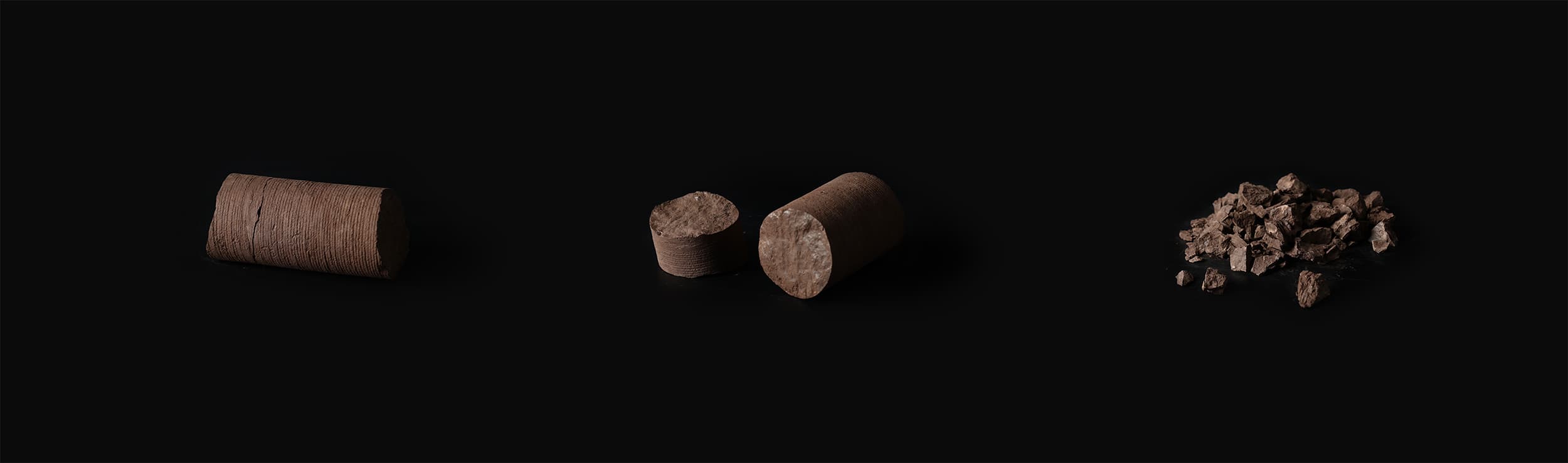
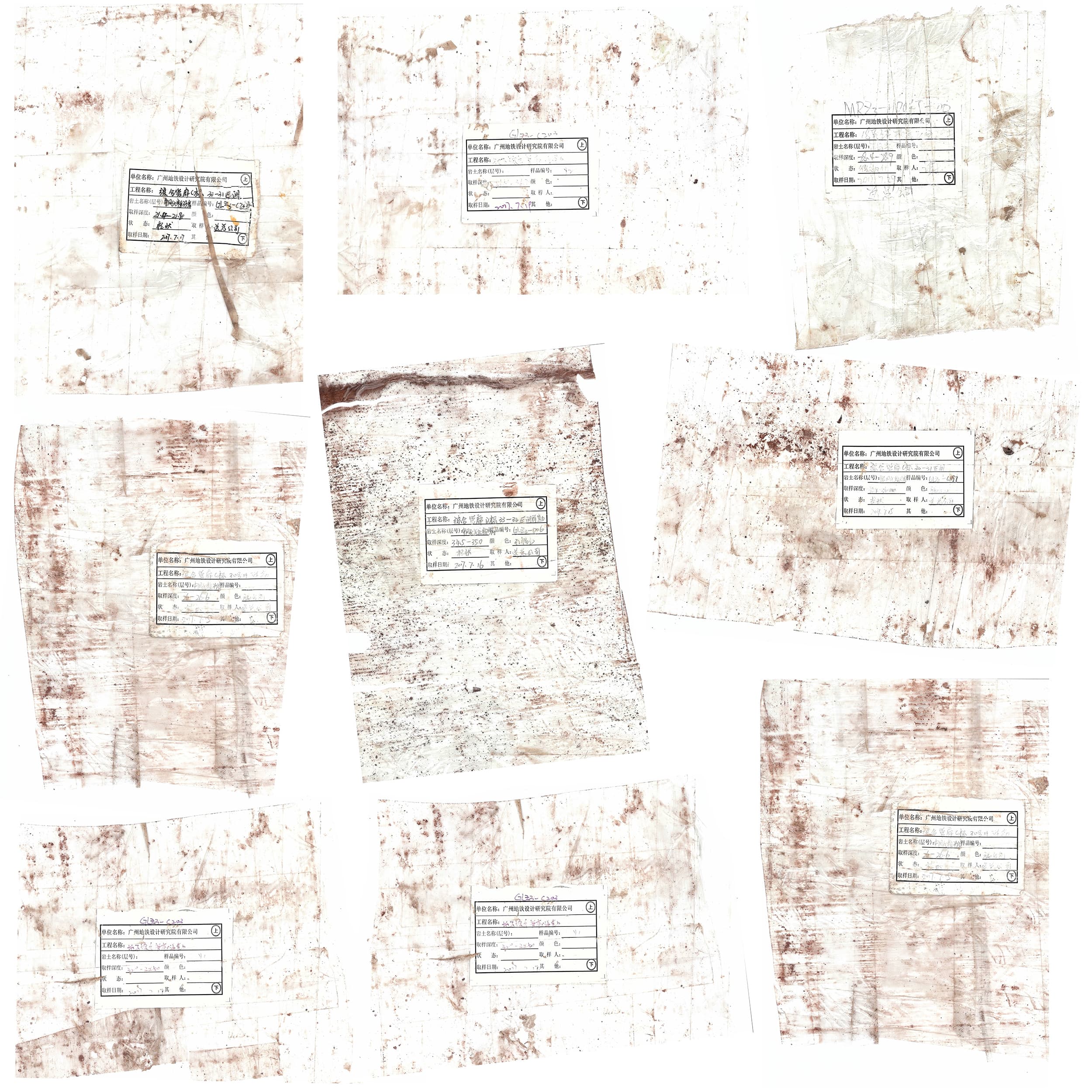
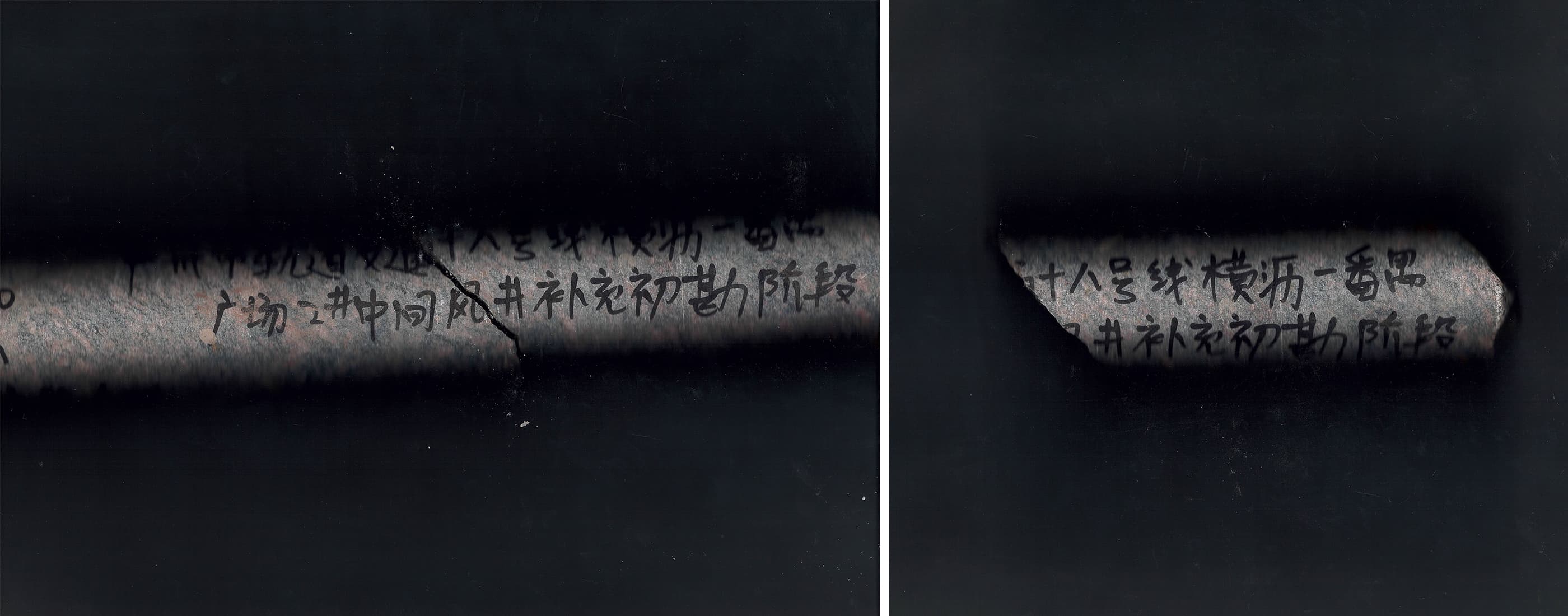
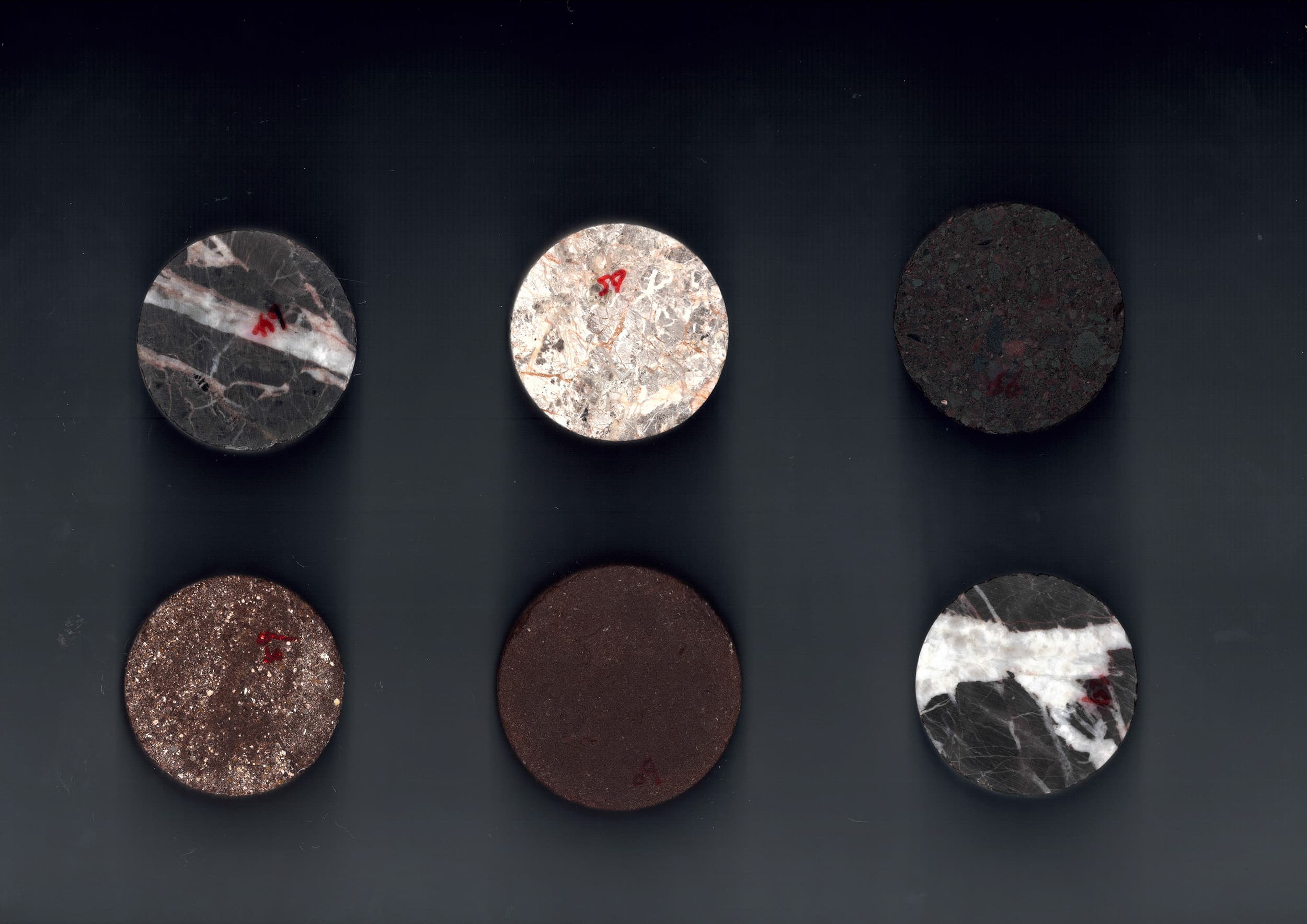
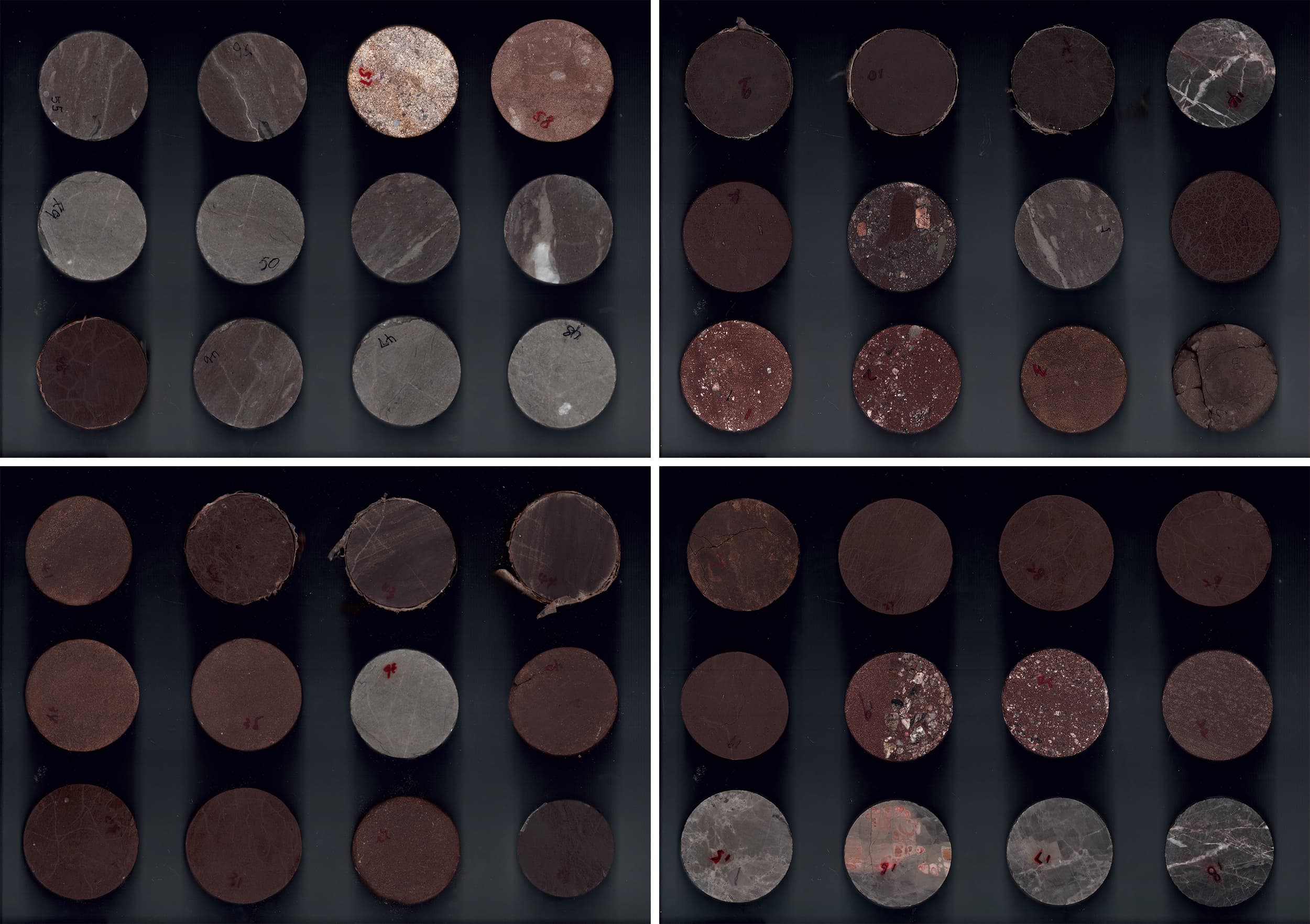
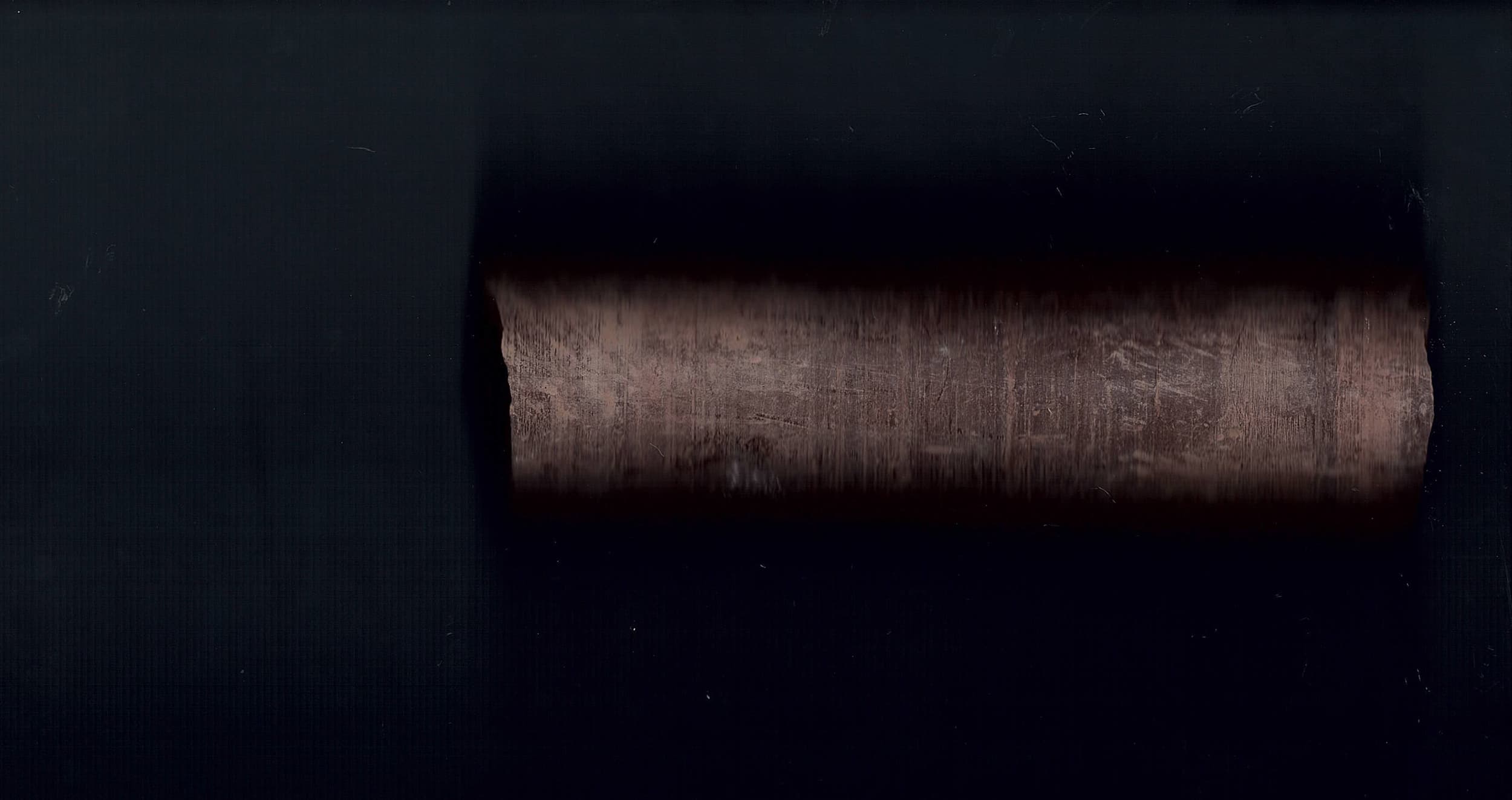
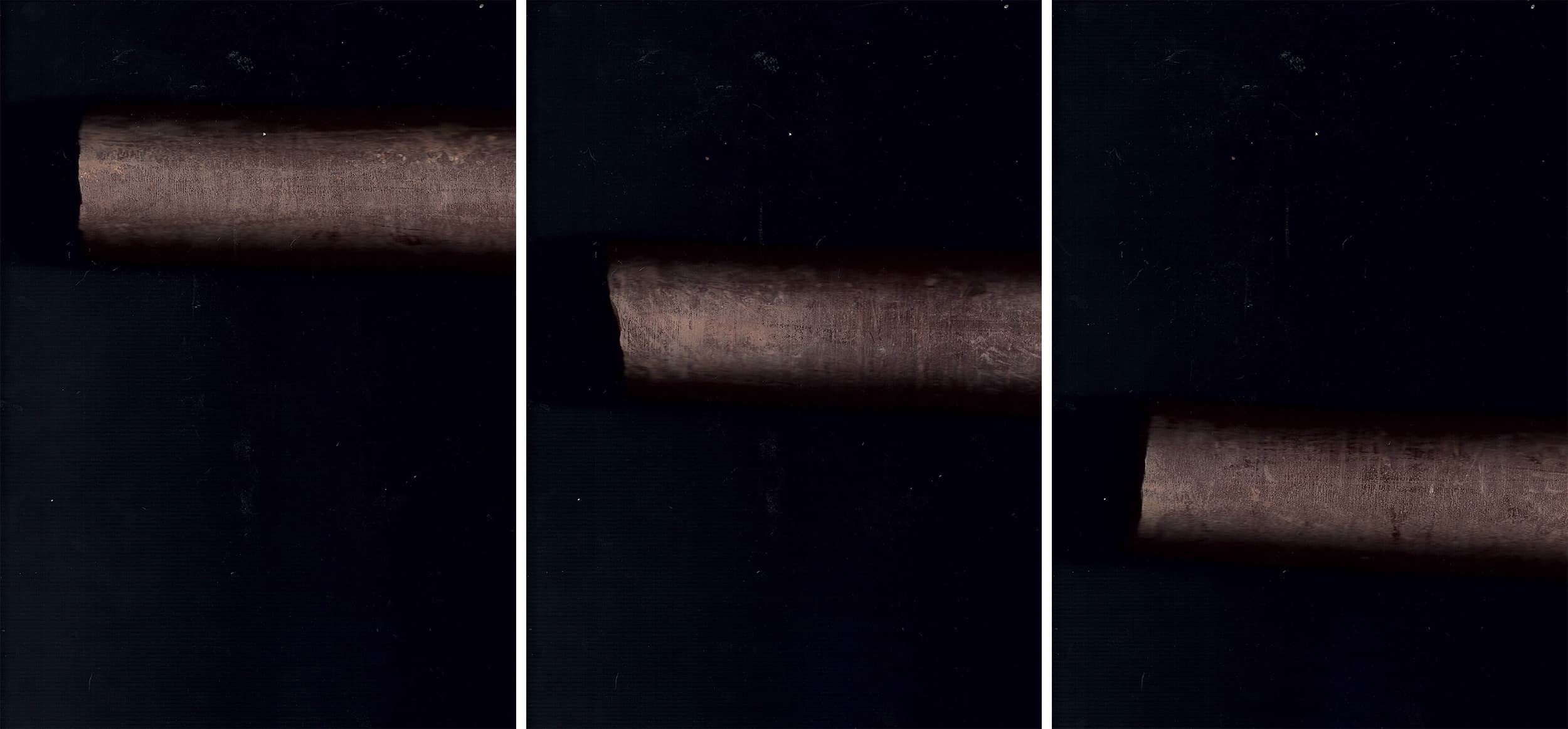
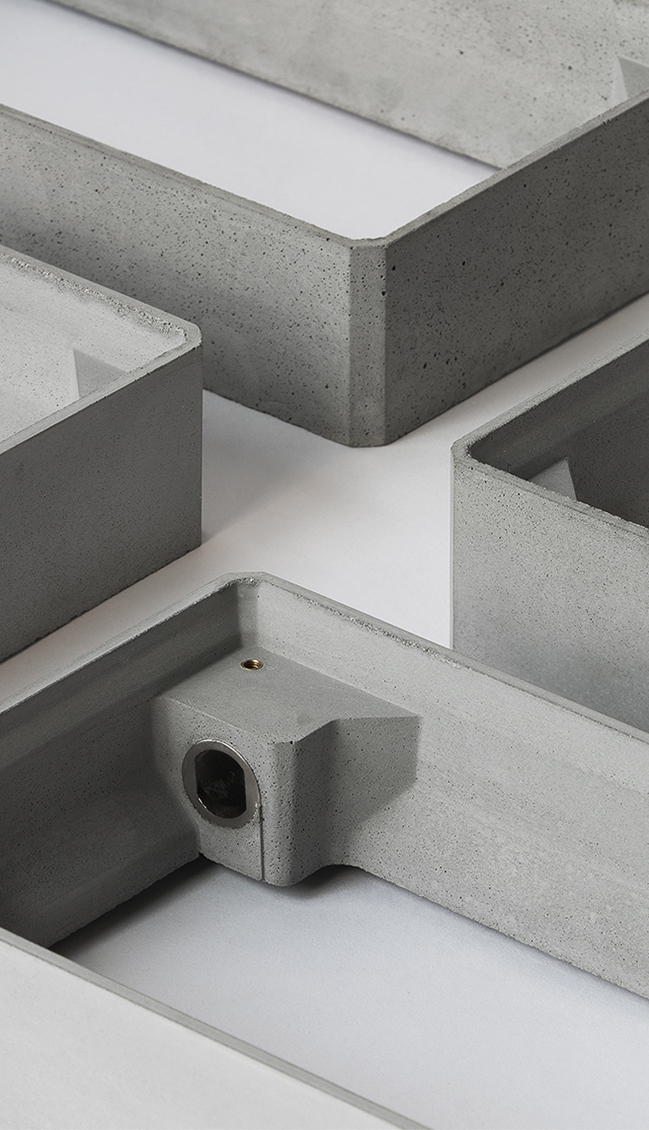
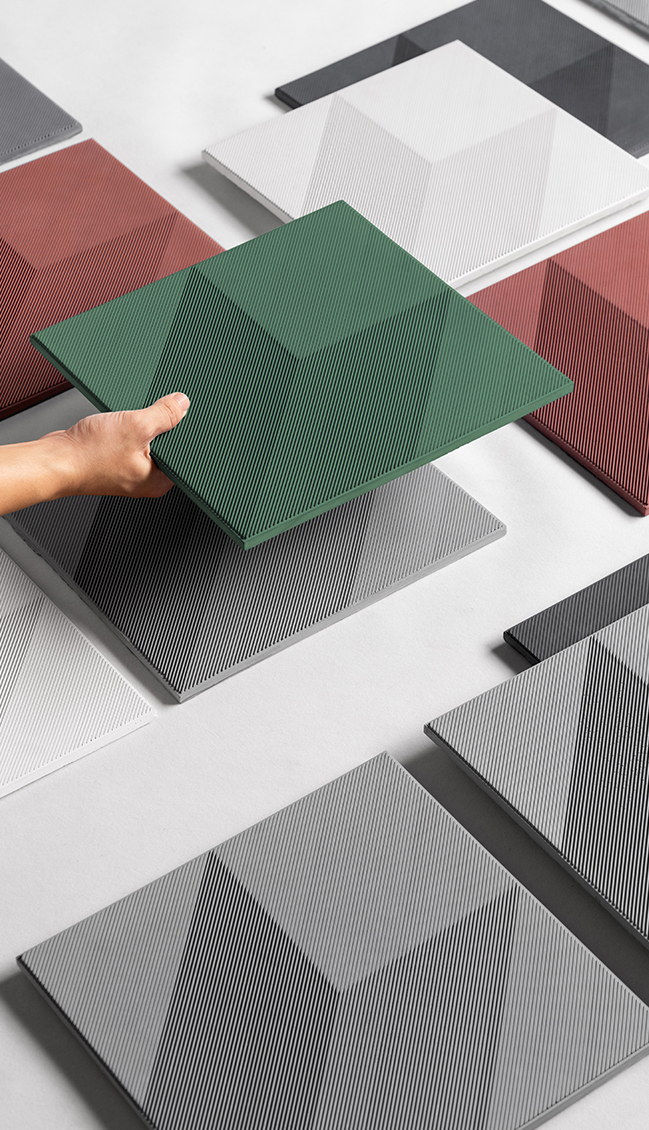
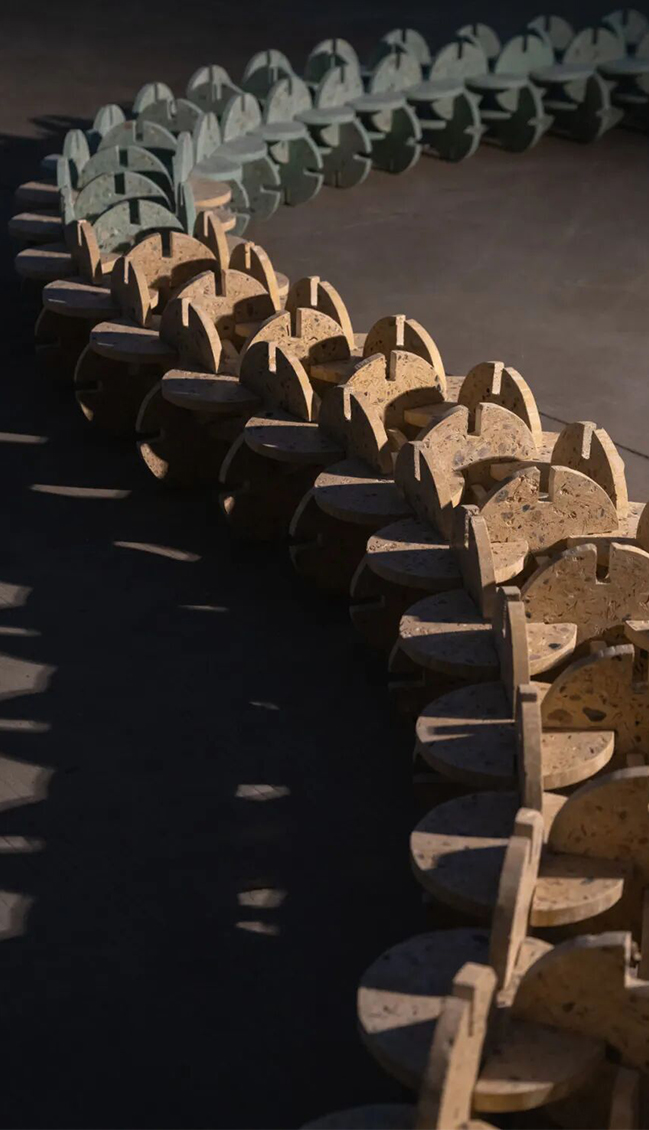
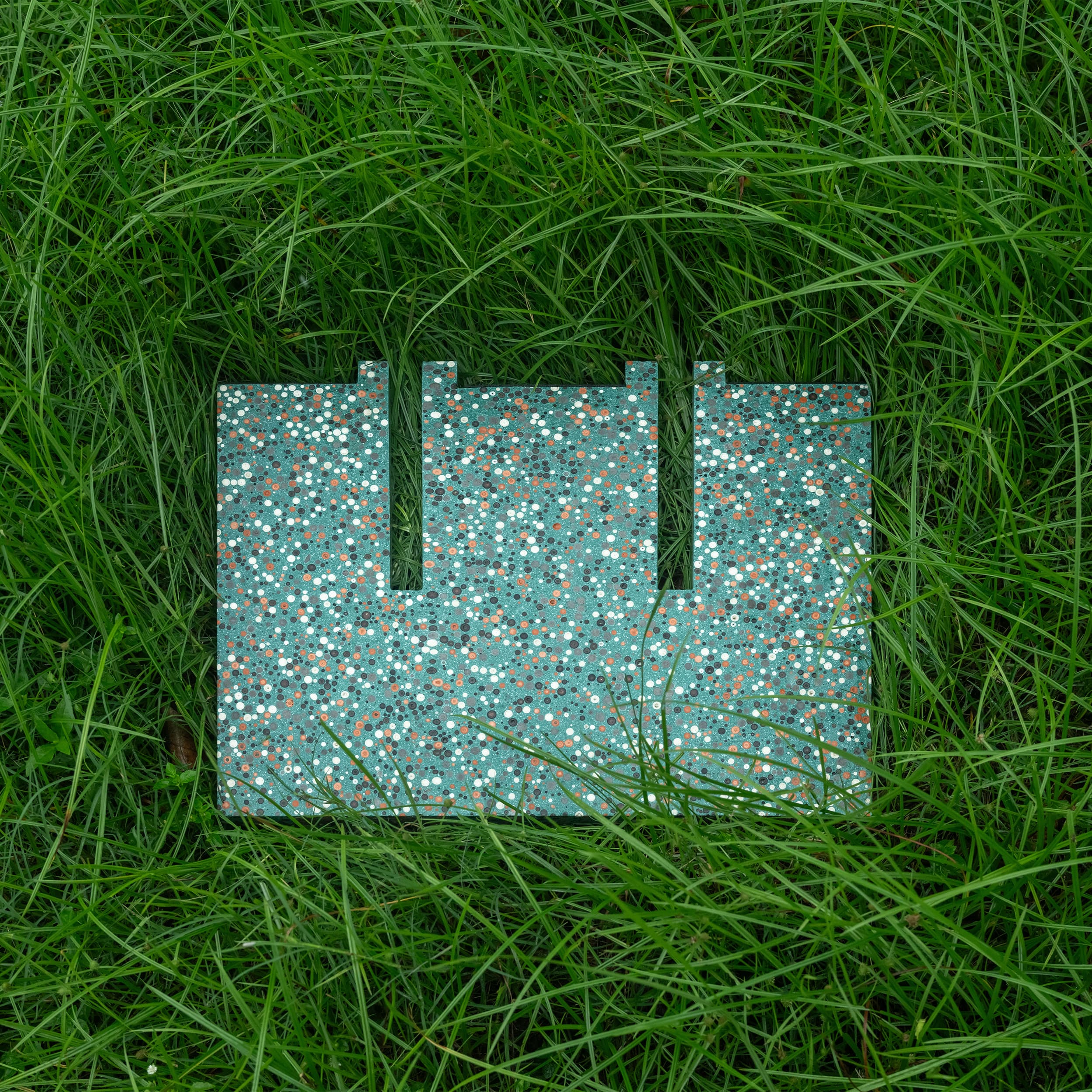
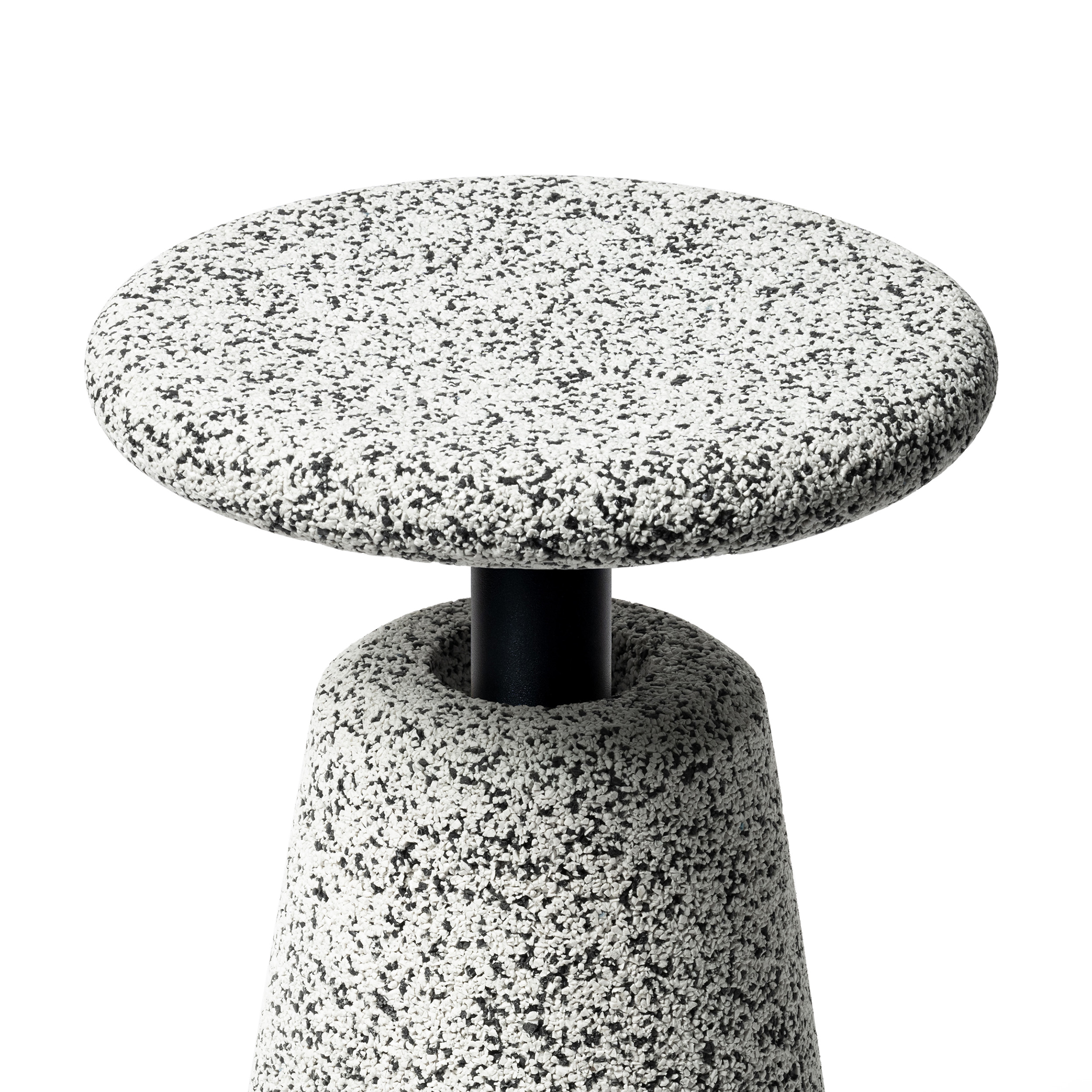
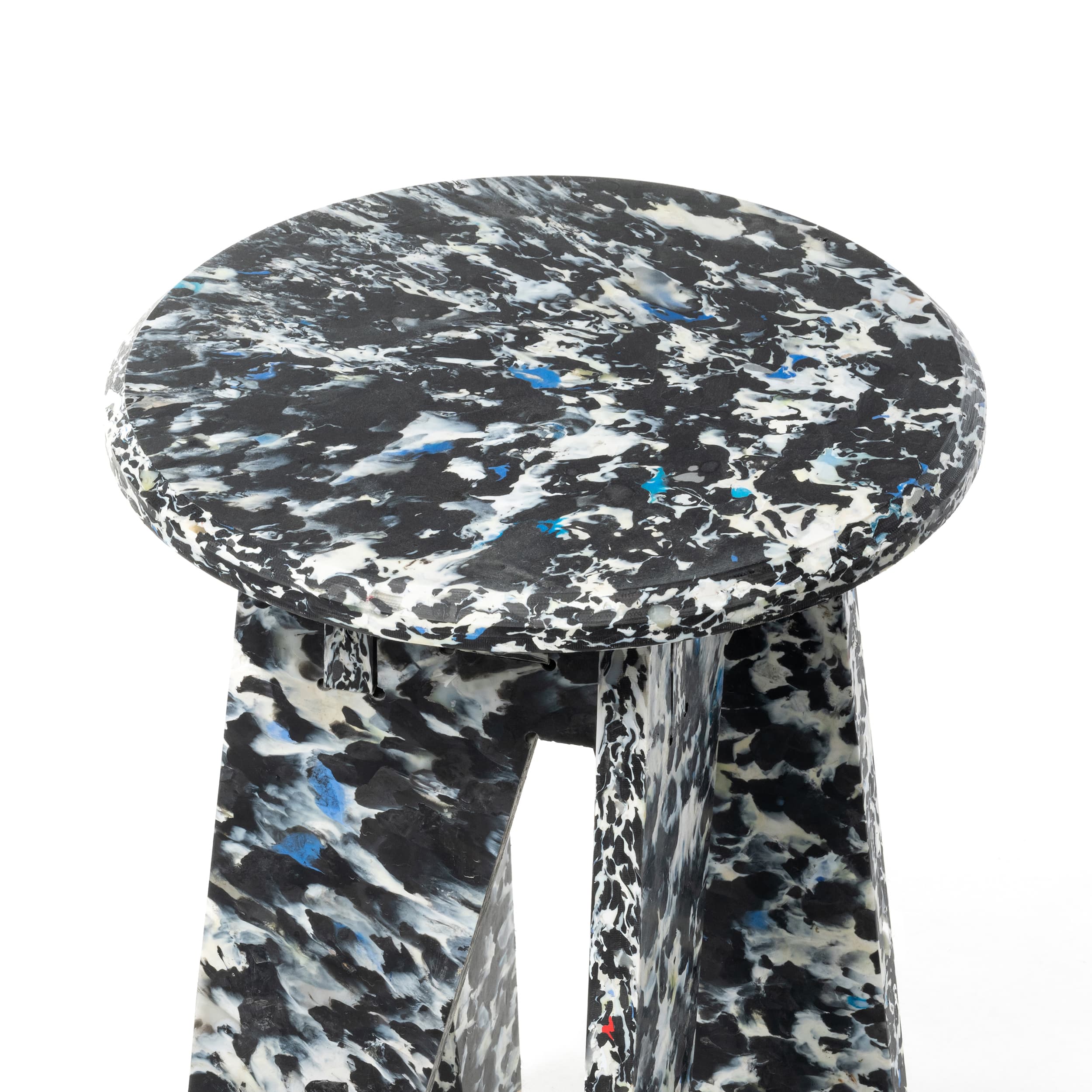
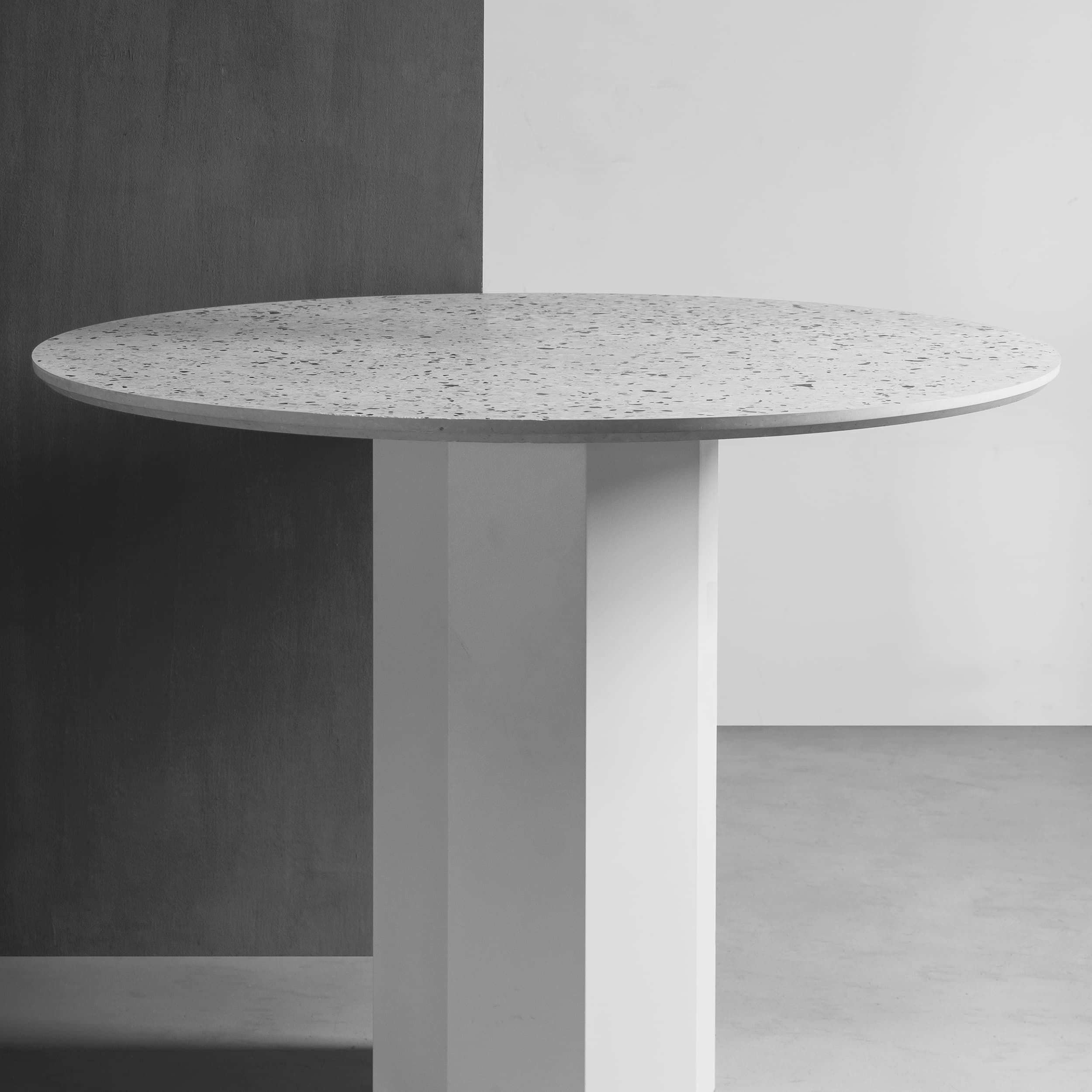
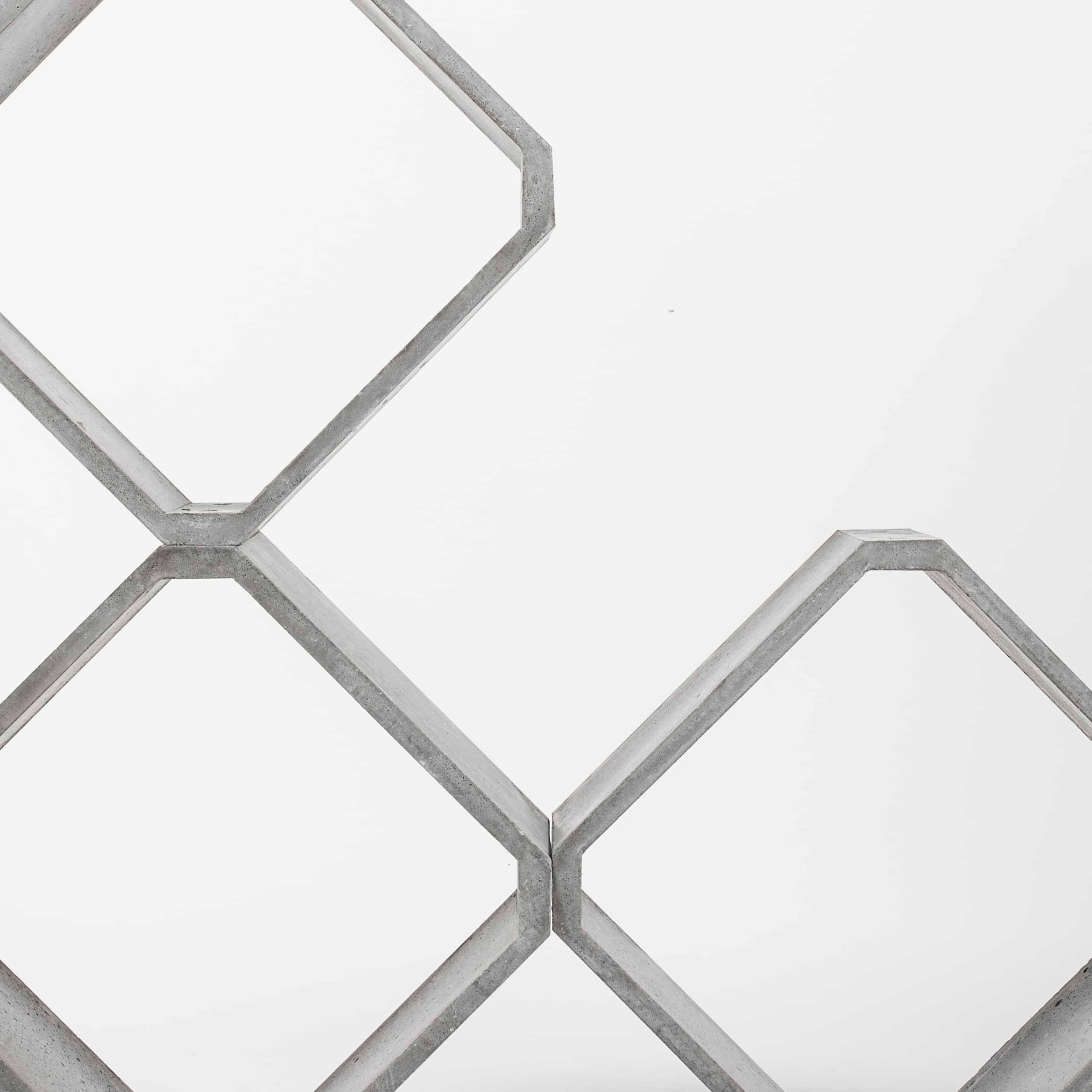
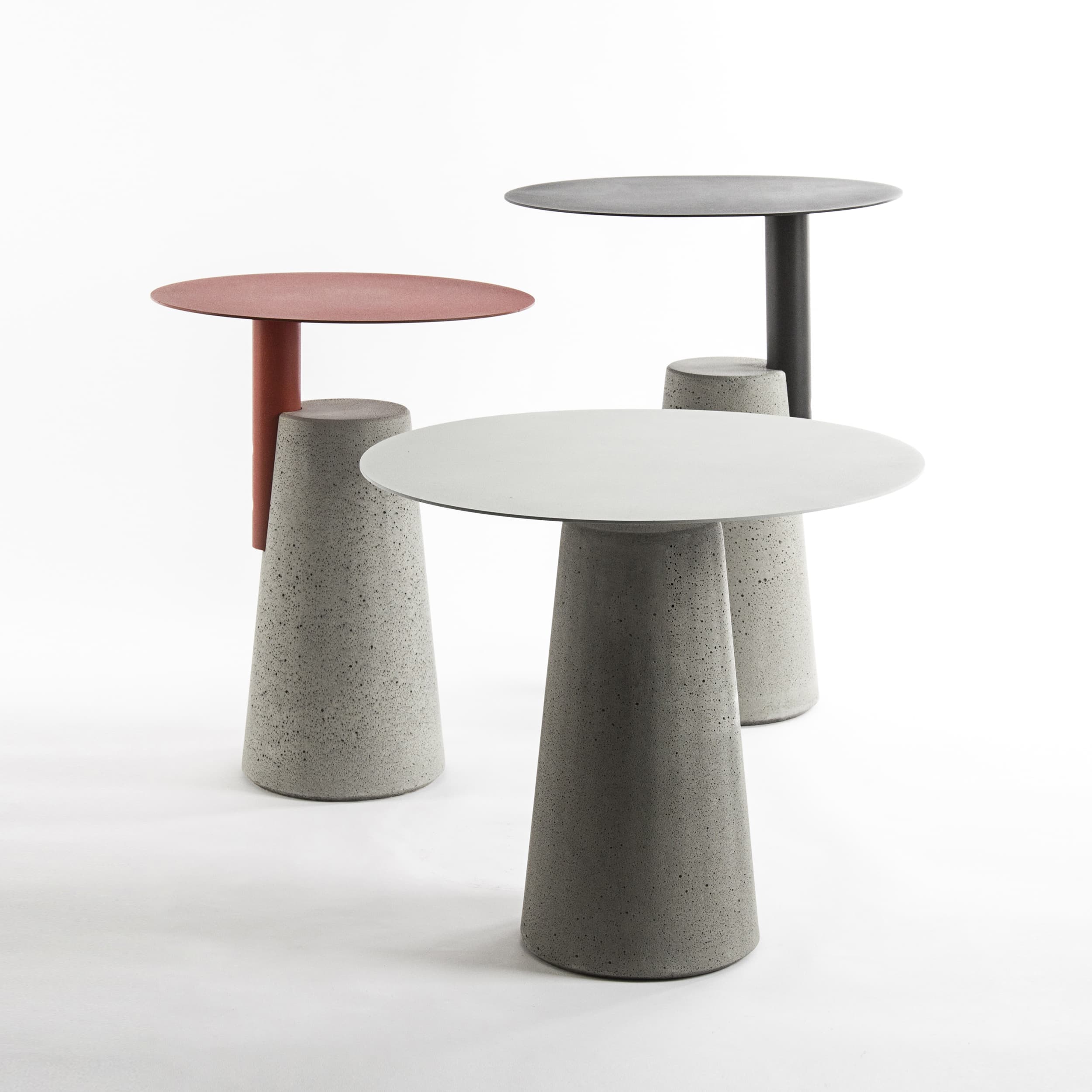
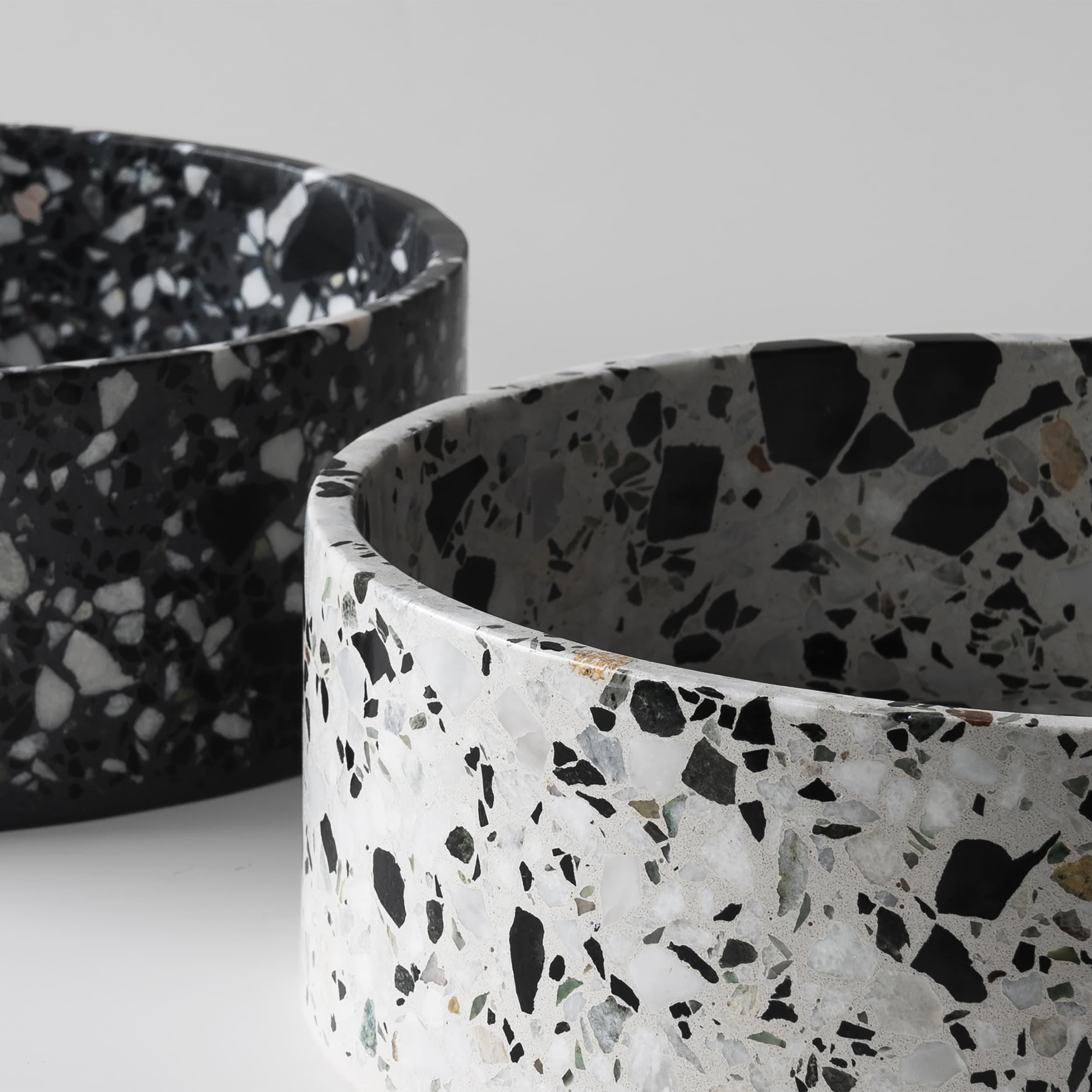
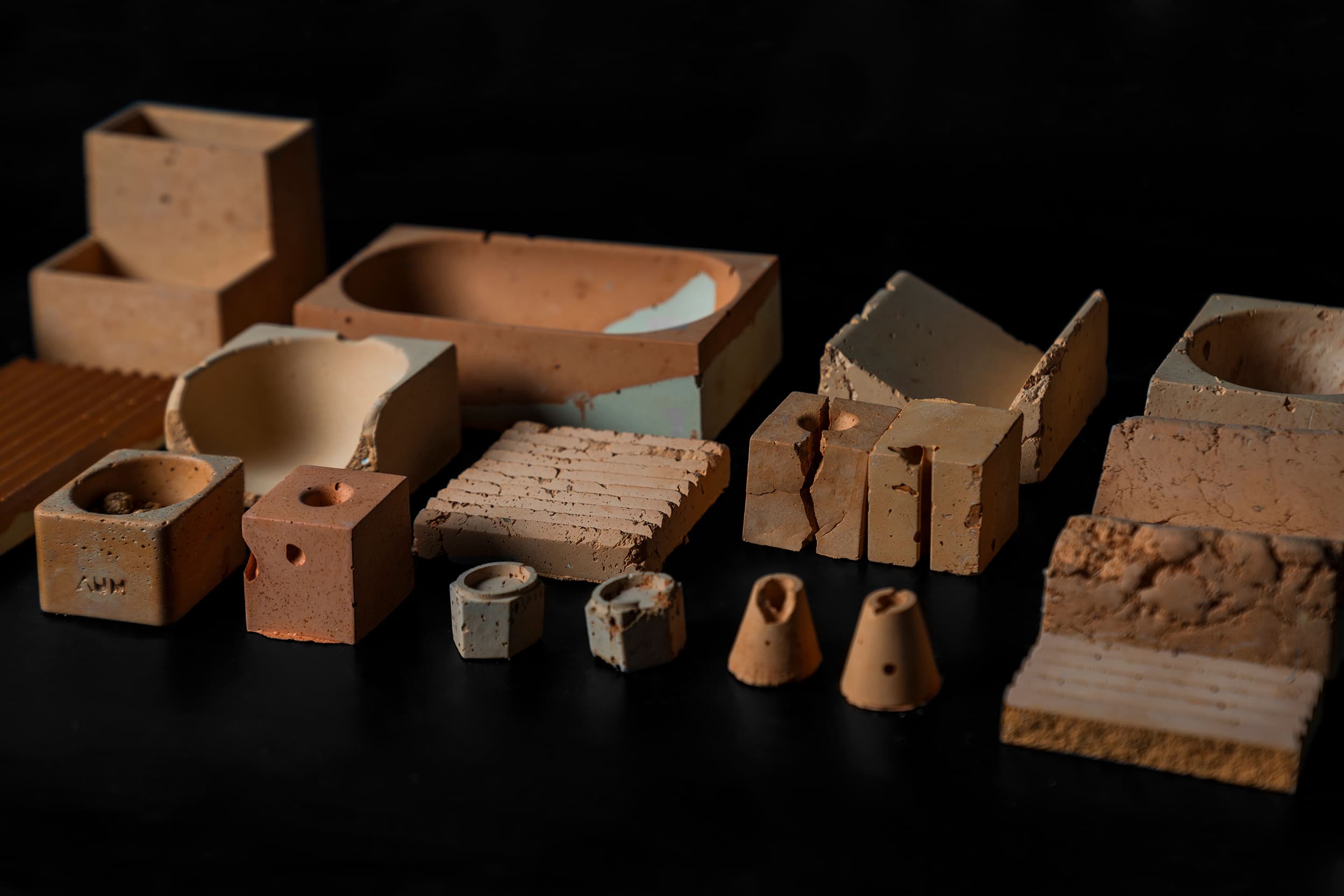
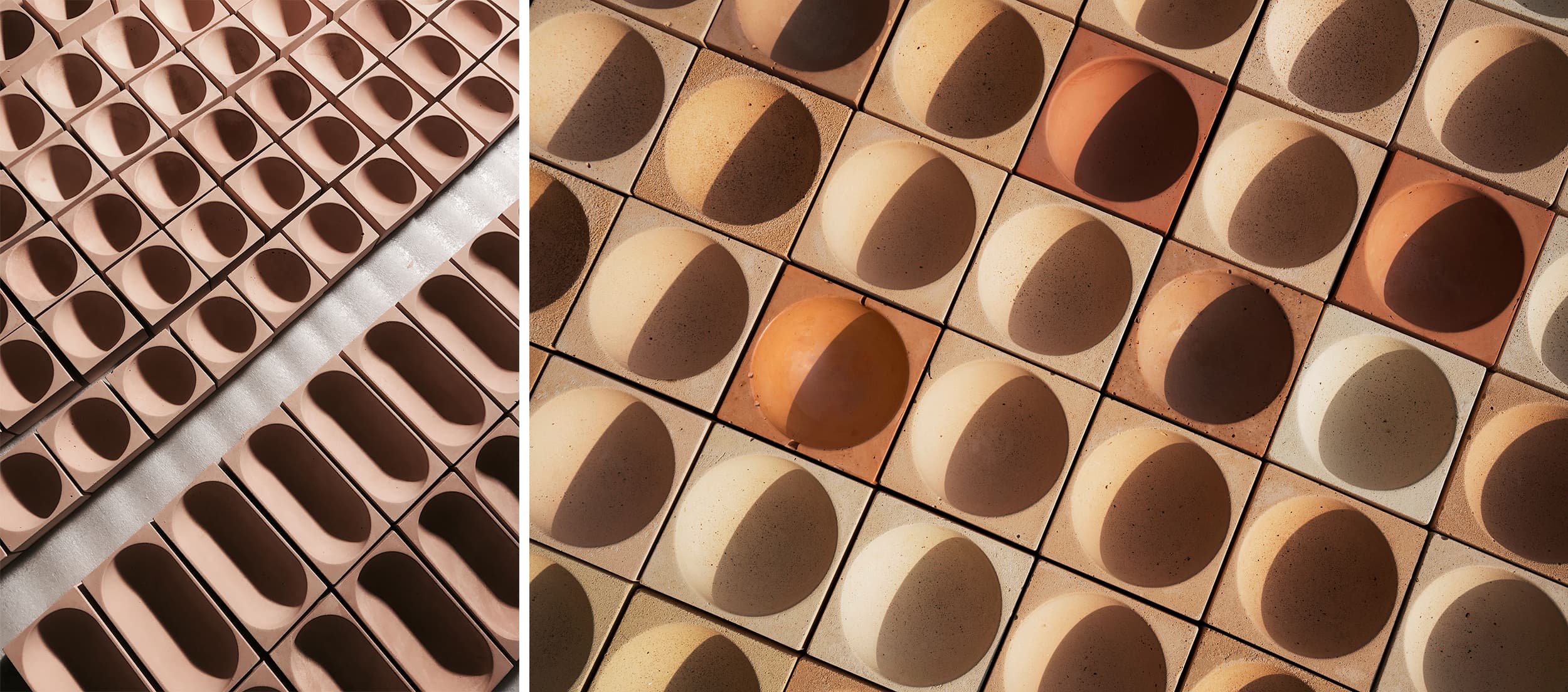
We collected, classified, crushed and sieved the rock to produce recycled aggregates of graded particle sizes. Using Ultra‑High Performance Concrete (UHPC) as the binding matrix, we blended in 60% crushed rock. Through optimized gradation, vibration‑press forming and ambient‑temperature curing, we created terrazzo urban furniture with contemporary aesthetic quality.
The scale of public urban furniture systems enables large‑scale consumption of these recycled stones. This approach not only mitigates environmental pressure but also elevates urban aesthetic quality. Discarded rock fragments are no longer a burden; their surfaces retain the granular texture of natural stone, recording geological strata and forming readable urban stratigraphy.
Soil Regeneration: Adhering to Raw‑Earth and Plant‑Fiber Technology
Compared with boulders, soil is the most voluminous, prevalent and challenging construction waste. Fine, loose and low‑strength, it has traditionally been limited to landfill or low‑grade backfill.
We selected red soil from the foundation pit of Panyu Square Station as experimental material, aiming to transform raw earth into valuable construction media.
Our core technical pathway follows “raw‑earth craft + plant fibers + mineral binders”. We eliminated high‑energy firing processes. Raw earth requires no high‑temperature sintering — only natural air‑drying or low‑temperature curing — drastically cutting energy use and carbon emissions to minimize environmental impact.
We adopted plant fibers (hemp, bamboo, rice husk powder) for reinforcement instead of plastic fibers. While plastic fibers offer higher toughness and durability, they are non‑biodegradable. Our modest yet clear goal was to ensure sufficient structural strength for daily use, while allowing full biodegradation back into soil if discarded naturally, leaving no environmental footprint.
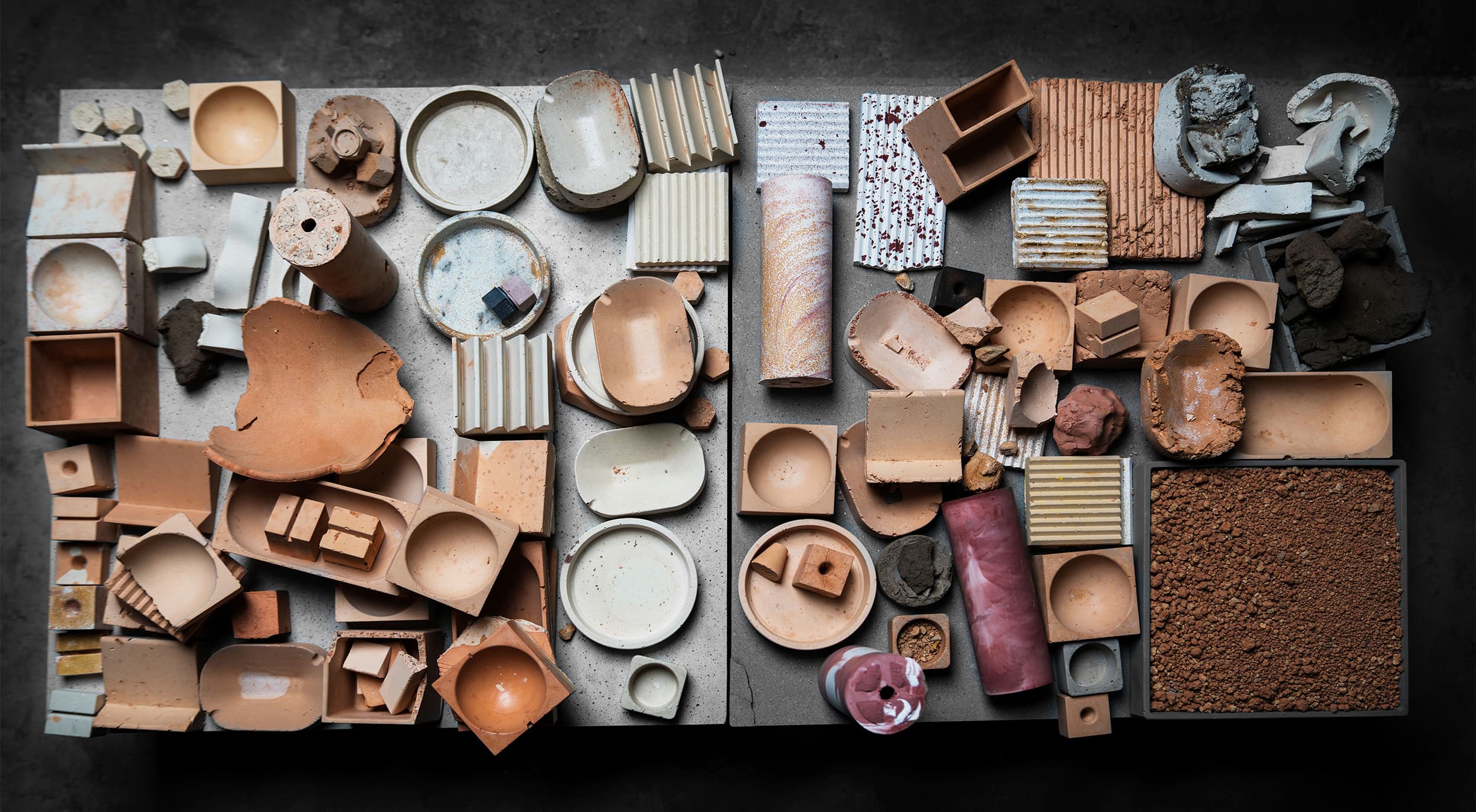
We ran hundreds of mix‑ratio trials, repeatedly adjusting soil moisture, fiber dosage and binder proportions to test flexural strength, water resistance and freeze‑thaw stability. The final formulation meets furniture and object performance requirements while preserving soil’s natural water absorption, breathability and bio‑compatibility.
We do not conceal or polish the surface texture. Regenerated soil retains earth’s coarse, unrefined character — the authentic expression of land, free from industrialized artificial smoothness.
Regenerated Soil: A Vessel of Urban Memory

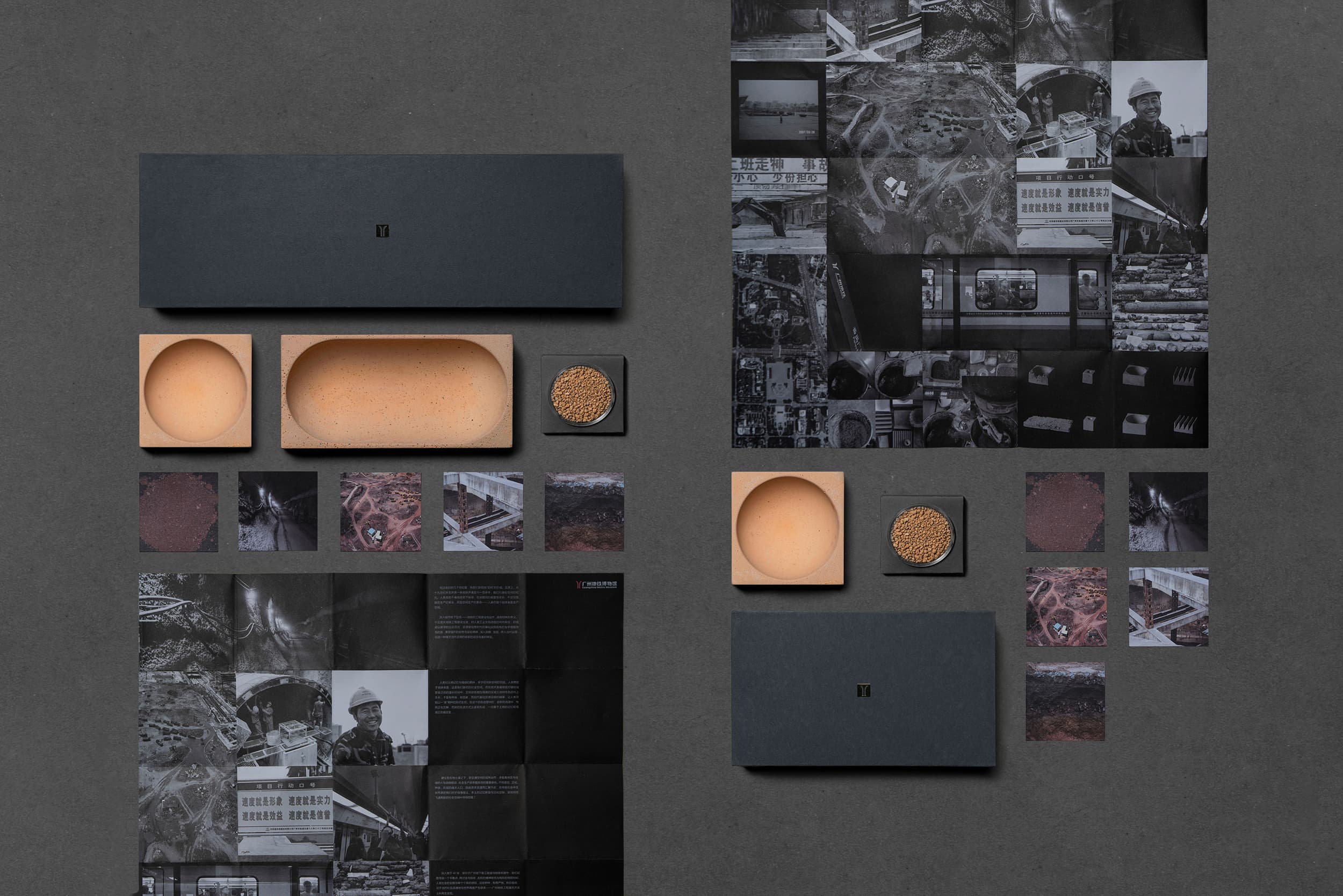
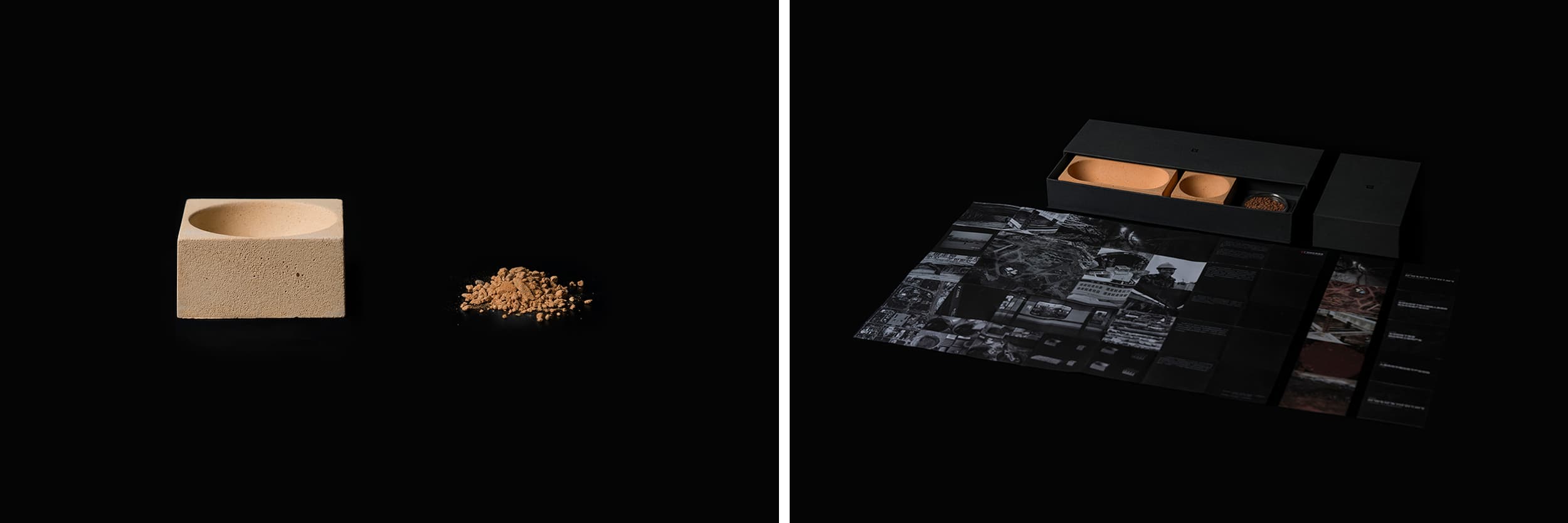
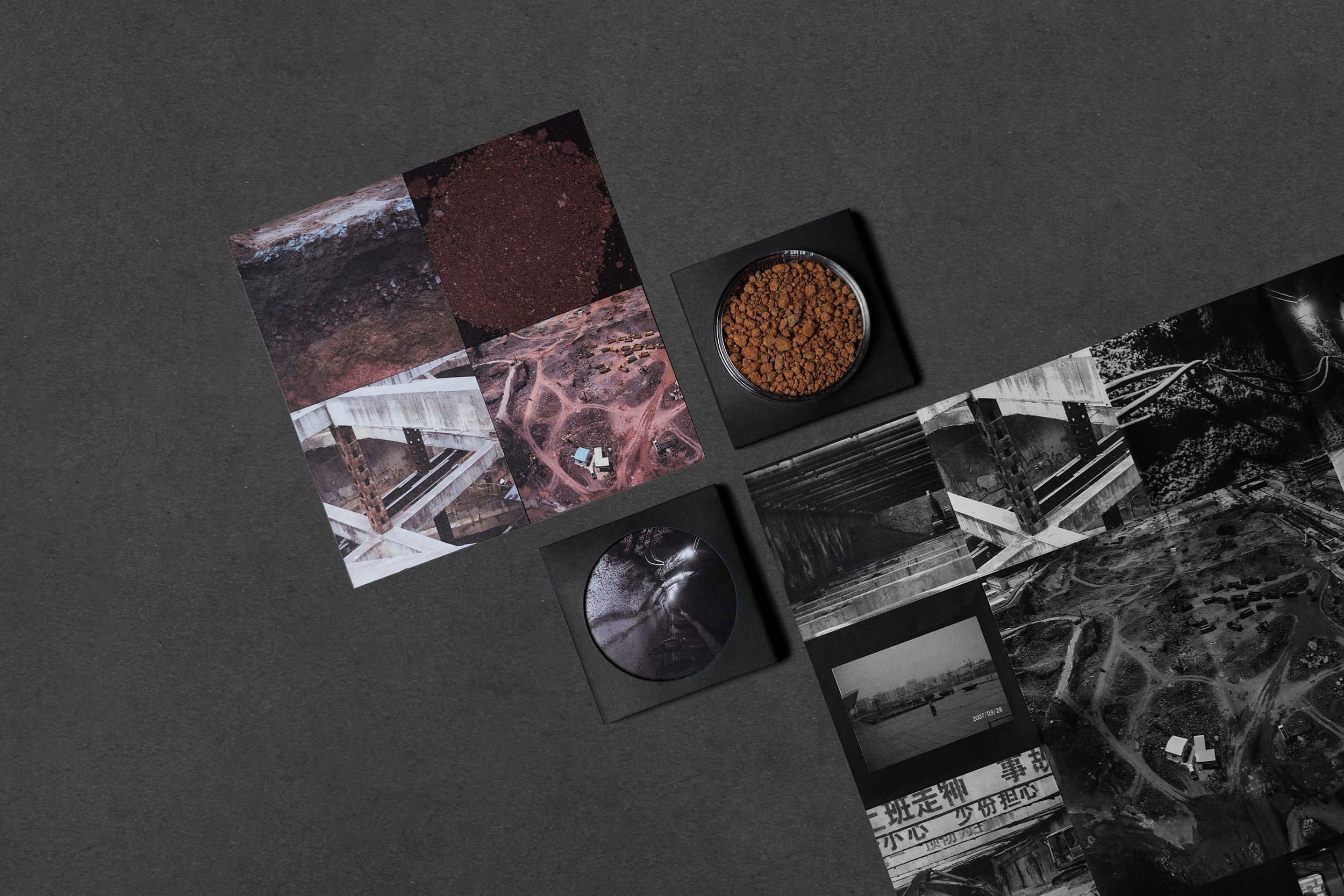
For waste‑soil recycling, technical non‑harmfulness is merely the baseline. More importantly, as a recorder of underground urban development, how should this soil return to society?
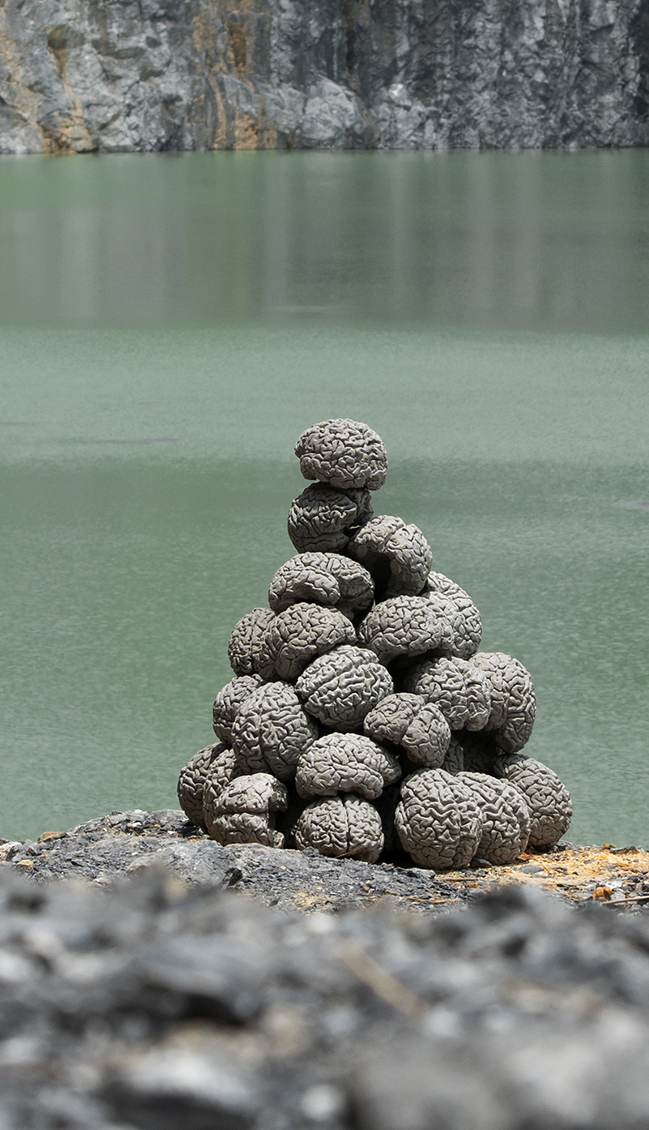
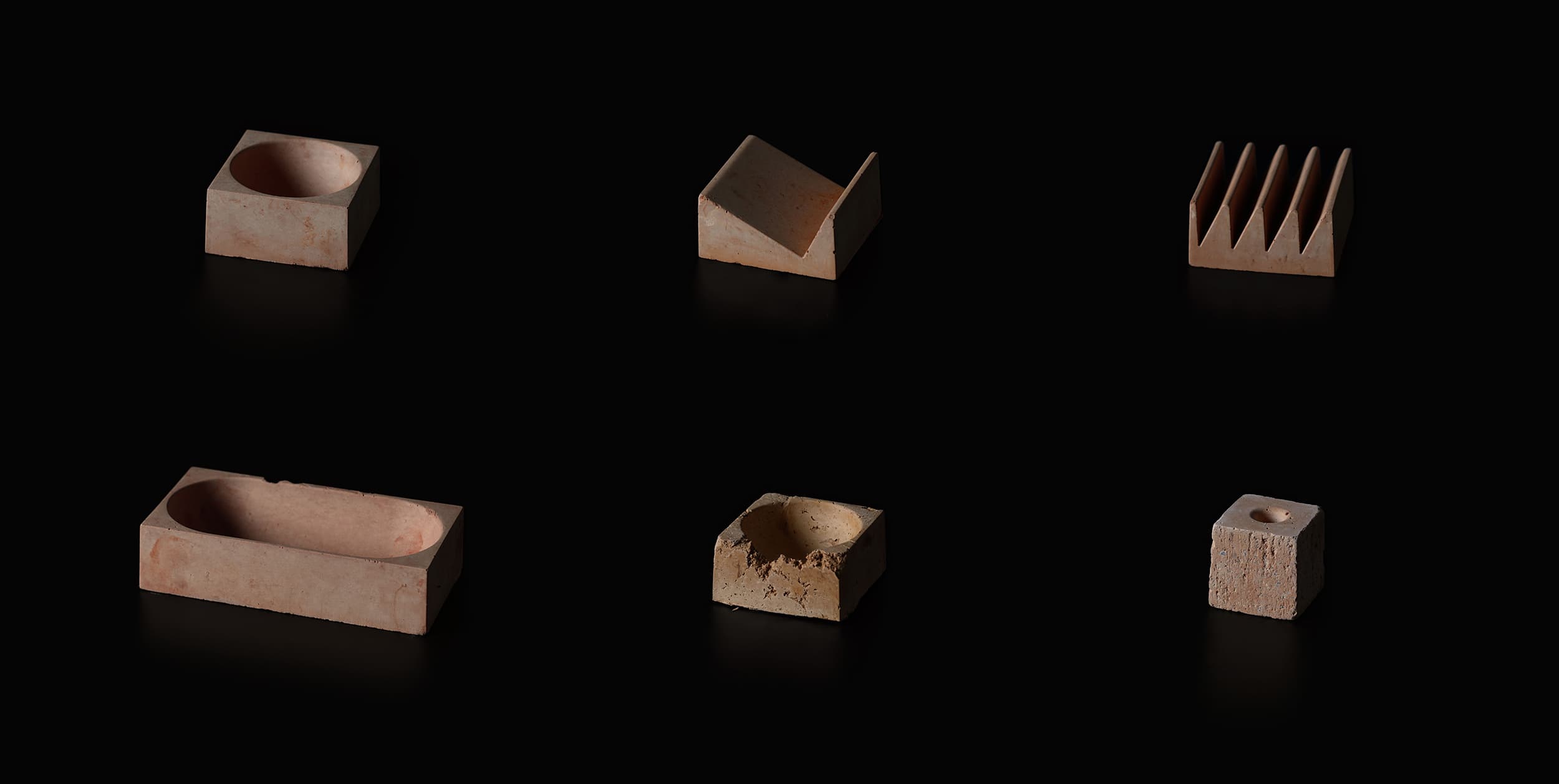
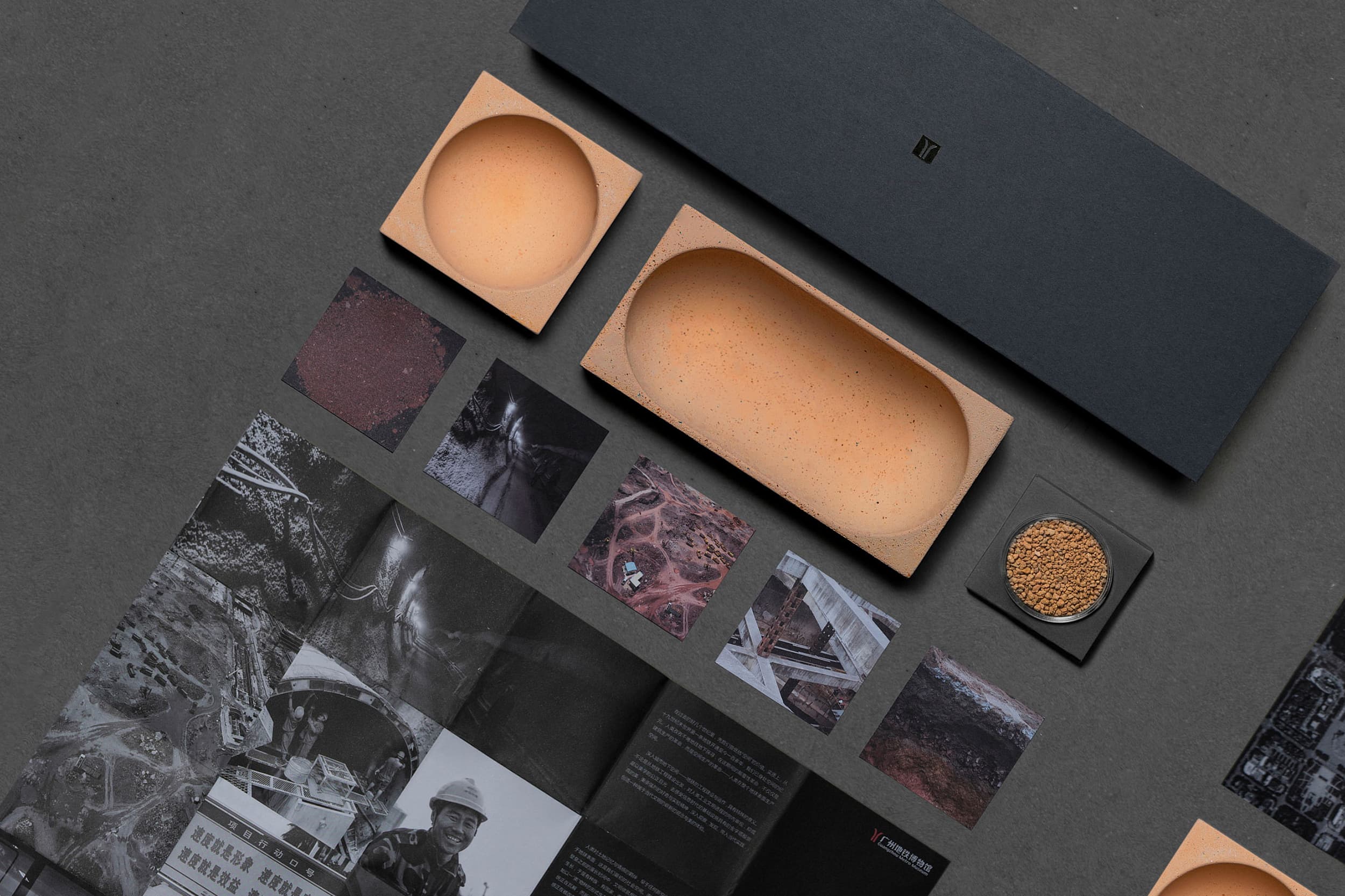
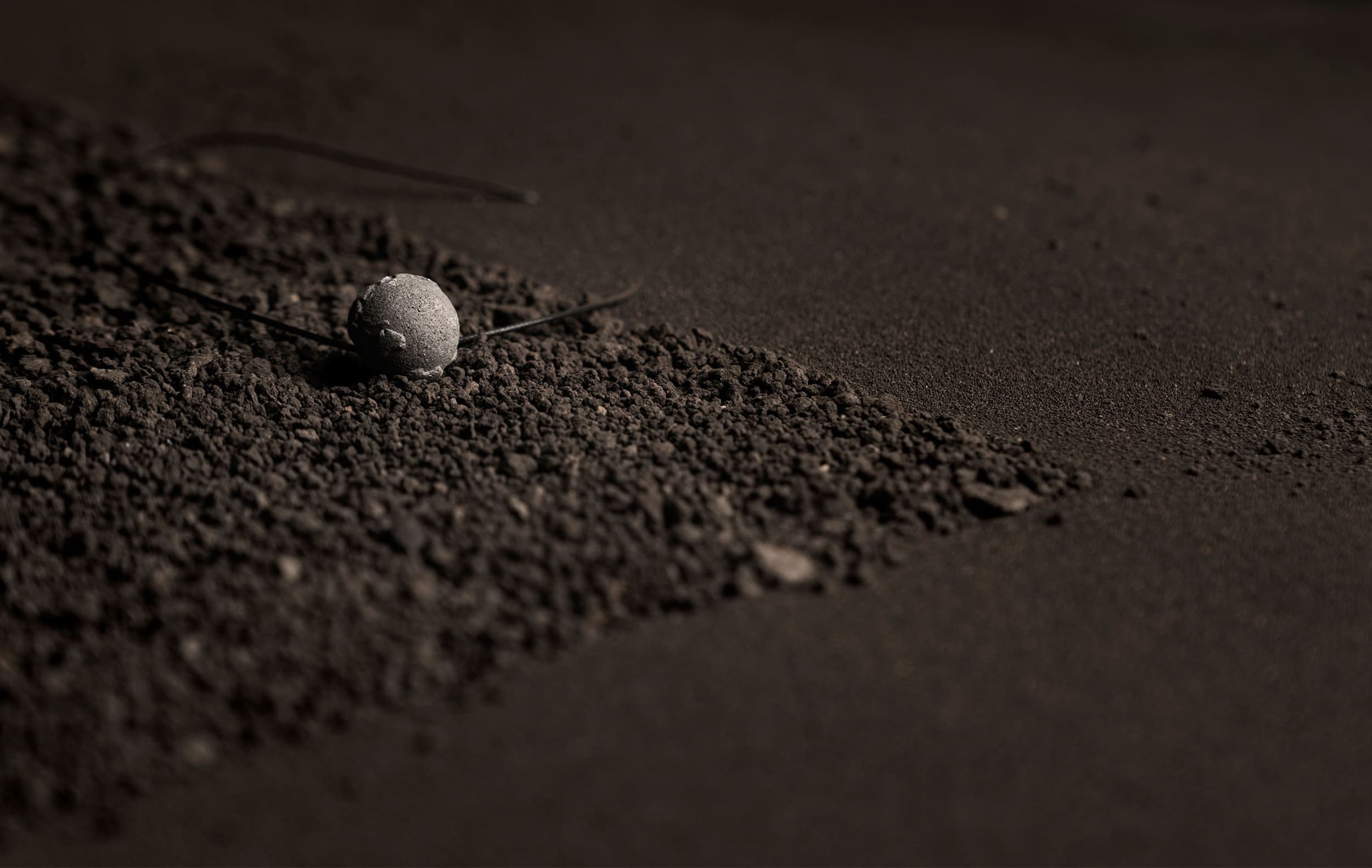
Guangzhou Metro Soil Regeneration Memorial Products combine pit‑excavated red soil with plant fibers, pressed into cups, trays and planters. Simple and warm‑hued, they resemble coarse stoneware yet are lighter and warmer to the touch. Each vessel preserves the soil’s original properties: mineral color, particle density, even tiny rock chips from construction.
In this way, discarded soil gains new life. Integrated into homes, offices and public spaces, these objects foster contemporary metro‑related values, linking aesthetic form with emotional connection at both individual and societal levels. Waste soil regains dignity and value, re‑establishing meaningful bonds with people and the city.
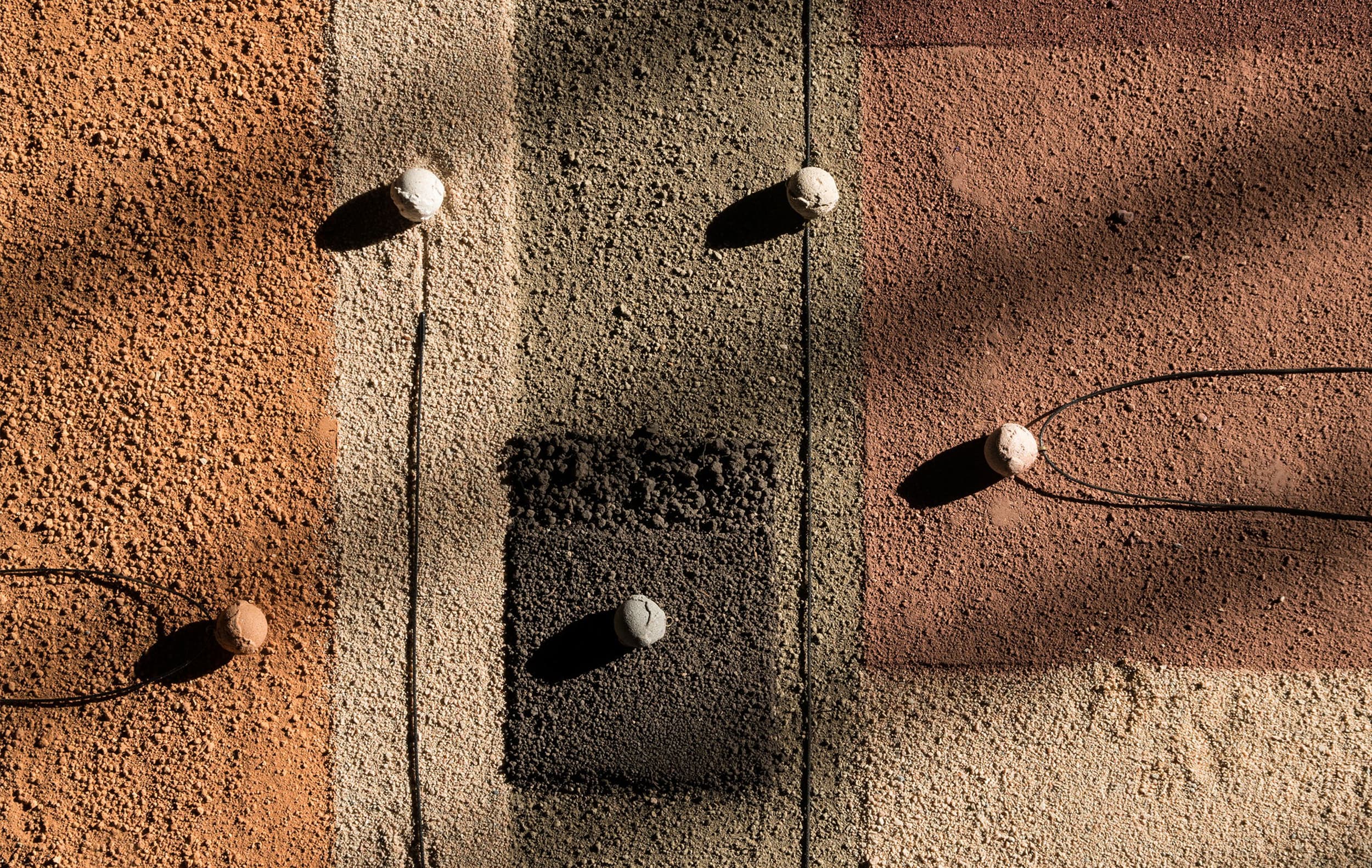
A Global Challenge of Underground Urban Development
Undeniably, underground urban construction has become a major global challenge. As major cities intensively develop subways, utility tunnels and underground commercial complexes worldwide, excavated earth volumes reach unprecedented levels. Managing such underground waste is no longer a local urban issue, but a global environmental and resource challenge.
The Guangzhou Metro Excavated Soil Regeneration Experiment may be a modest step forward, yet it poses a vital question: as underground construction accelerates, can we take moral responsibility for every cubic meter of soil and rock we extract? Can we shift from waste disposal to resource regeneration, from engineering solutions to design ethics?
This is the question BENTU raises through this experiment. These newly formed vessels sit quietly on desktops, reminding users that the city beneath our feet is continuously excavated, rebuilt and re‑excavated layer by layer — and everything dug from underground deserves a second life.
Design Director: Xu Gang
This article is an original work from the “BENTU Sustainable Design Practice Series”, documenting the technical pathways and humanistic reflections of the 2017 Guangzhou Metro excavated soil regeneration experiment.

- Contact
+8620 8977 0506
- Press
press@bentudesign.com
- Enquiry & Sales
info@bentudesign.com