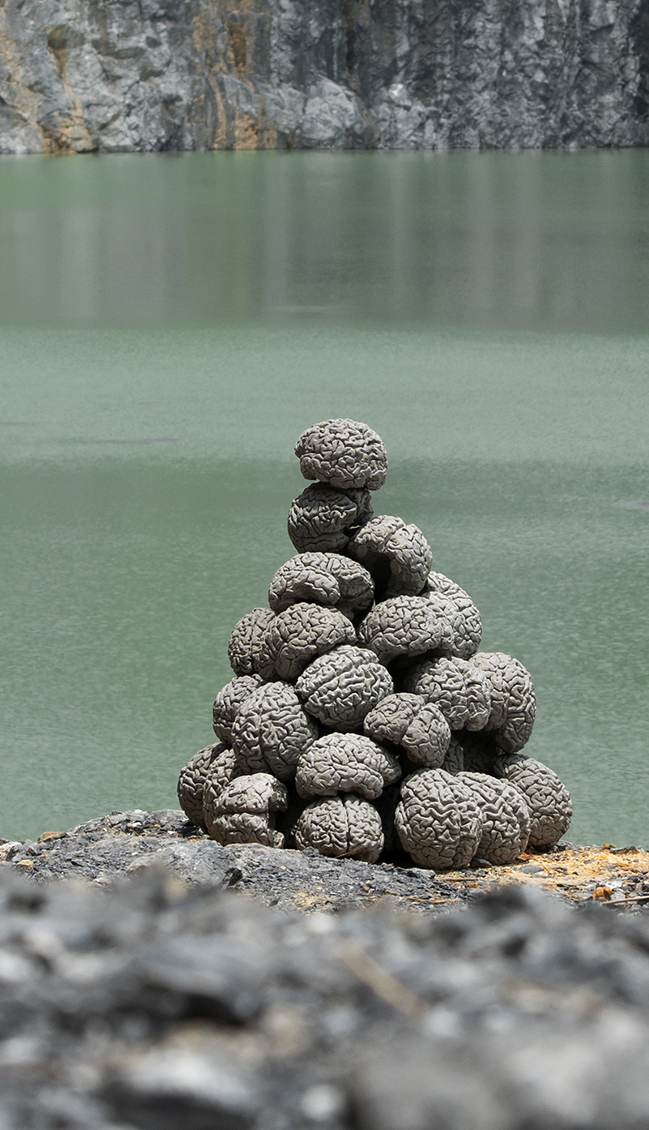
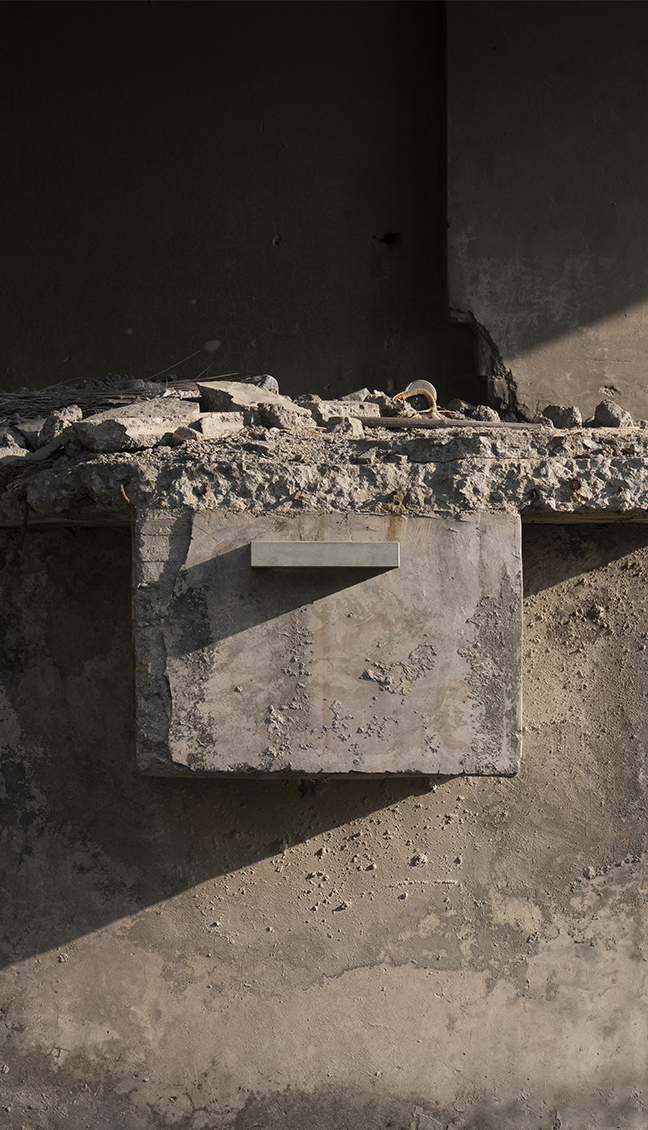
Loss of Form: Remaking Material Ruins and Cultural Order in Chaozhou’s Ceramic Industry
Time: 2016 – 2018
Location: Chaozhou, China
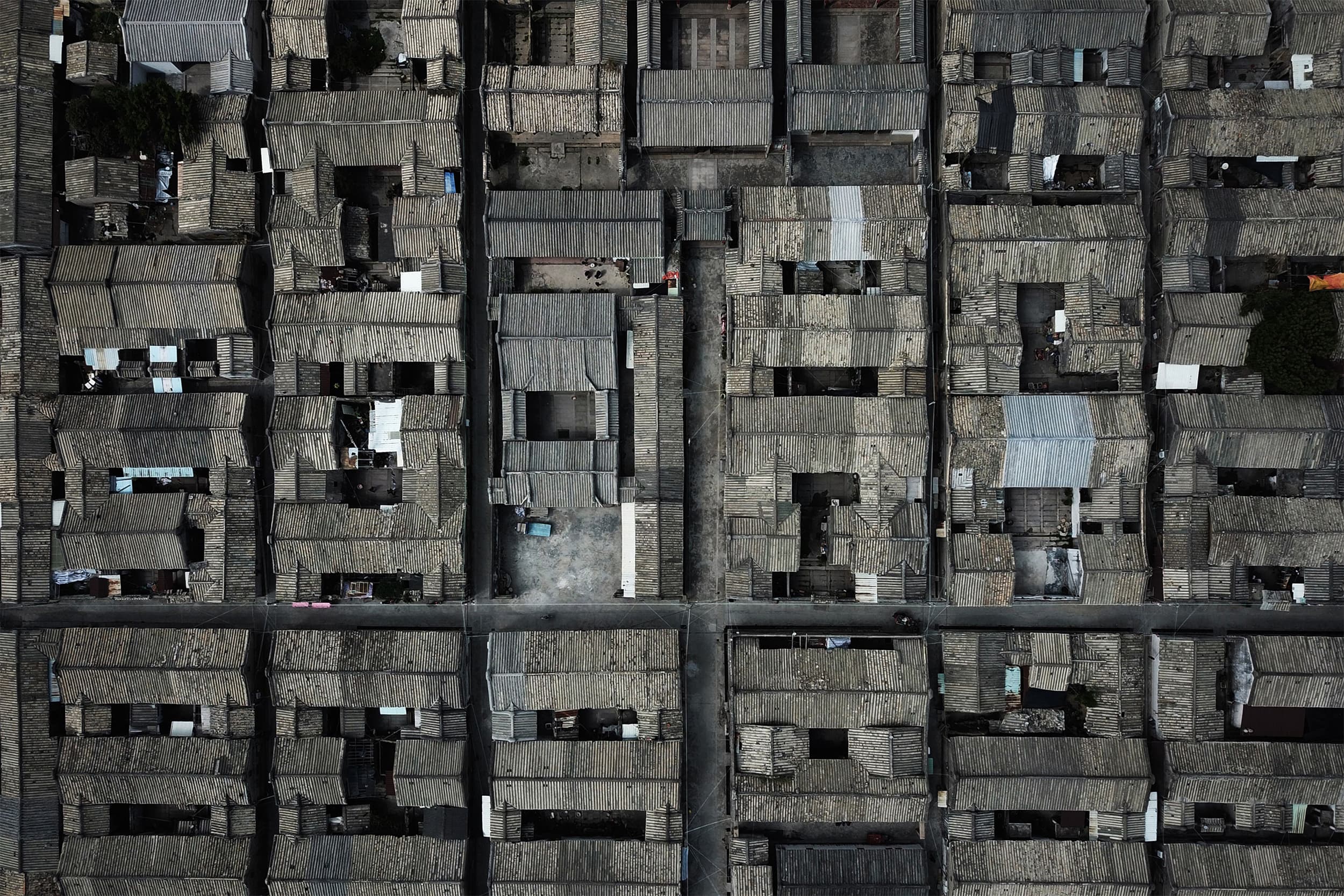
In March 2016, the BENTU team delved into Chaozhou’s ceramic industrial belt in Guangdong to conduct dual fieldwork into its material‑ecological conditions and cultural lineage. By December 2018, after over two years of R&D and design practice, we sought to address a core proposition: when an ancient city bearing a thousand‑year cultural heritage evolves into a global hub for daily‑use ceramic manufacturing, it generates immense commercial value while accumulating massive volumes of waste ceramics and witnessing the gradual collapse of local cultural order. Can we rebuild the lost “form” atop material ruins?
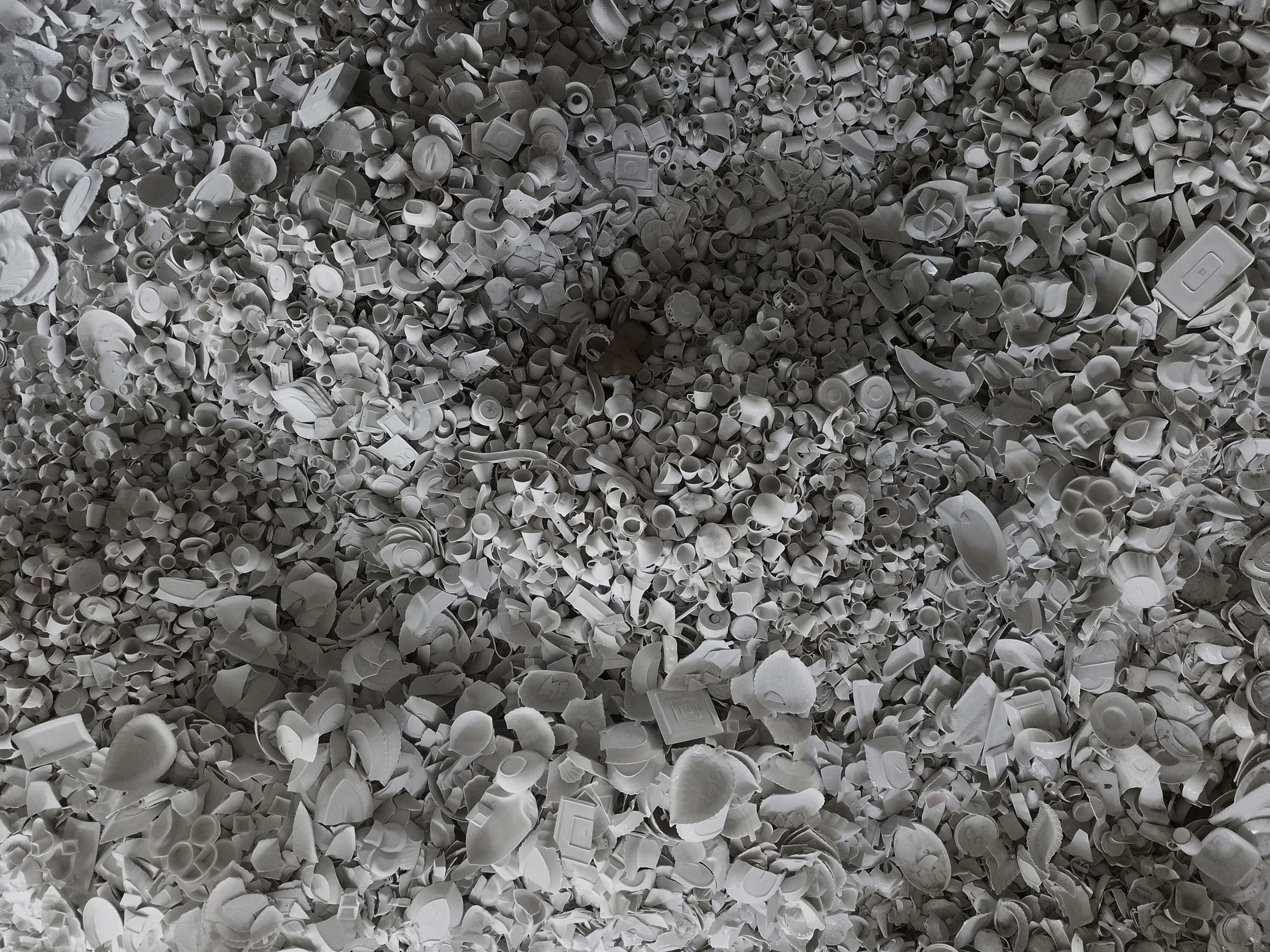
“Loss of Form” (Shiti) derives from the Chinese idiom you shi titong, meaning a loss of proper order and decency. Titong refers to physical form and structure on a material level, as well as social order, ethics and spiritual norms on a cultural level. Broken vessels become waste ceramics; disordered culture slides into decline. In Chaozhou, waste ceramic accumulation and cultural deterioration are never two coincidental parallel trends, but mutually reinforcing outcomes of industrial modernisation.
Chaozhou hosts the world’s largest daily‑use ceramic production base. Official data shows its annual sales of daily‑use ceramics account for approximately 30% of the global market, with an annual output of 27.6 billion pieces. Its art ceramics make up 40% of global supply, and sanitary ware reaches 55%. This vast industrial scale has bound Chaozhou to global markets more tightly than ever. As modernisation dismantles traditional rural social structures, the well‑defined urban fabric of the ancient city and kinship‑centred rural order are rapidly eroding.
Rapid industrialisation has brought far more than economic growth. Driven by global demand, the traditional ceramic industry has expanded distortedly. Market appetite spurred massive production capacity; ceramic workshops and factories proliferated, absorbing local labour while attracting numerous migrant workers from inland regions. For countless individuals tied to this sprawling industrial chain, what struggles and spiritual aspirations do they endure? For locals and newcomers alike, how can people secure self‑worth and identity amid constant mobility?
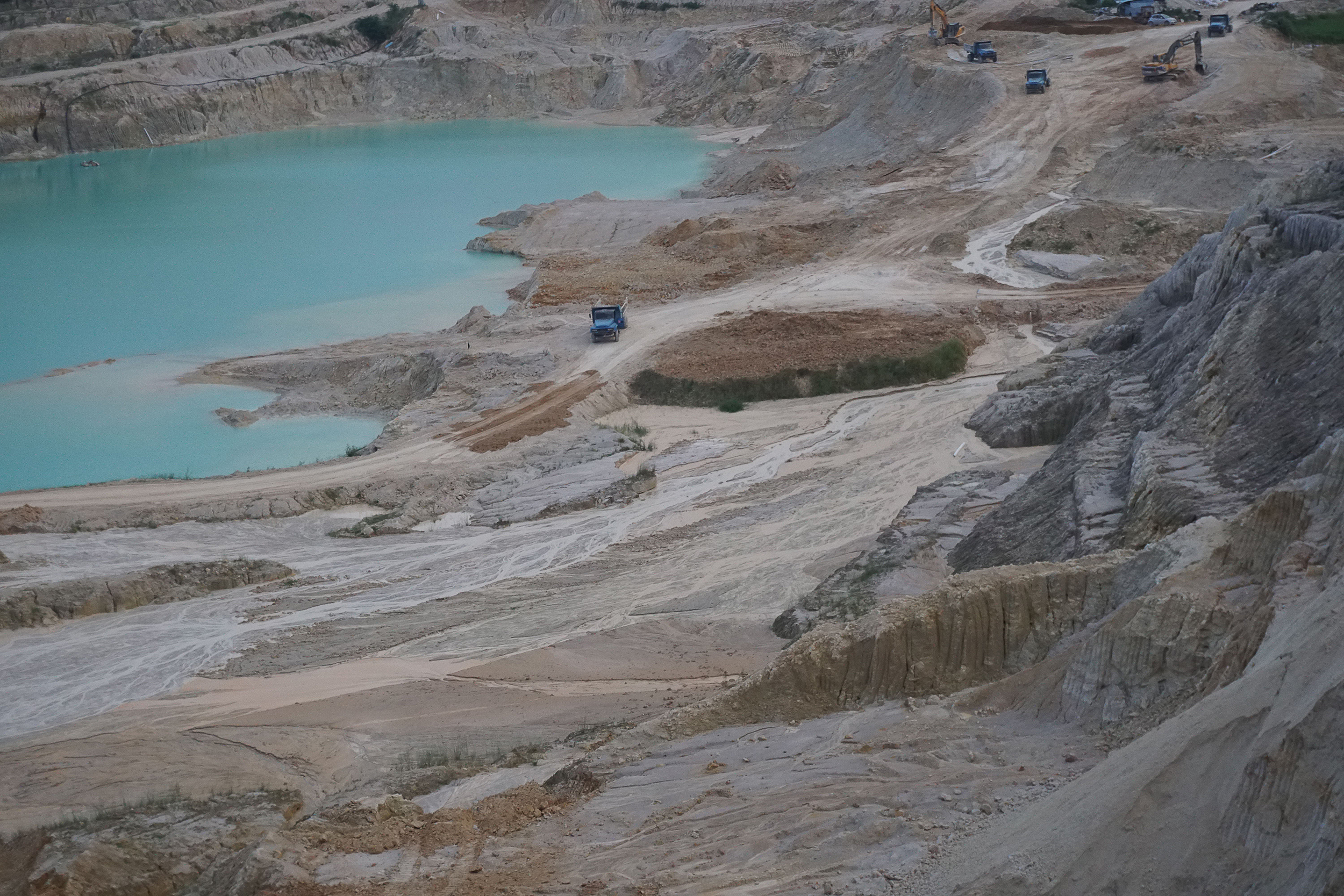
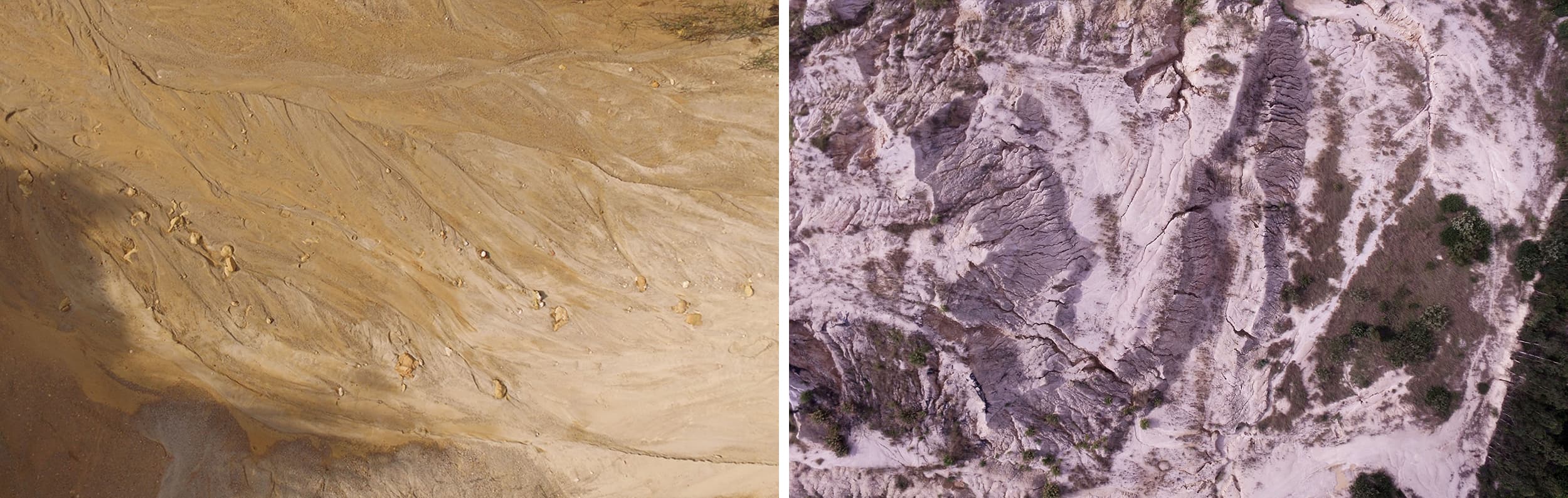
Ceramic manufacturing is inherently high‑energy and polluting. Production consumes vast mineral and energy resources, while exhaust, wastewater, residue and dust continuously degrade local ecosystems. Concentrated ceramic production in Chaozhou has severely worsened air and water pollution, damaging regional ecological balance.
Shaped by clan traditions and rigid production inertia, most daily‑use ceramic factories have long relied on waste‑prone conventional manufacturing. Meanwhile, globalised manufacturing outsourcing has turned Chaozhou into an OEM base for overseas brands, further boosting waste ceramic output. Within Chao’an District alone, small‑scale ceramic processors collect hundreds of tons of waste ceramics yearly — merely a fraction of Chaozhou’s industrial ruins.
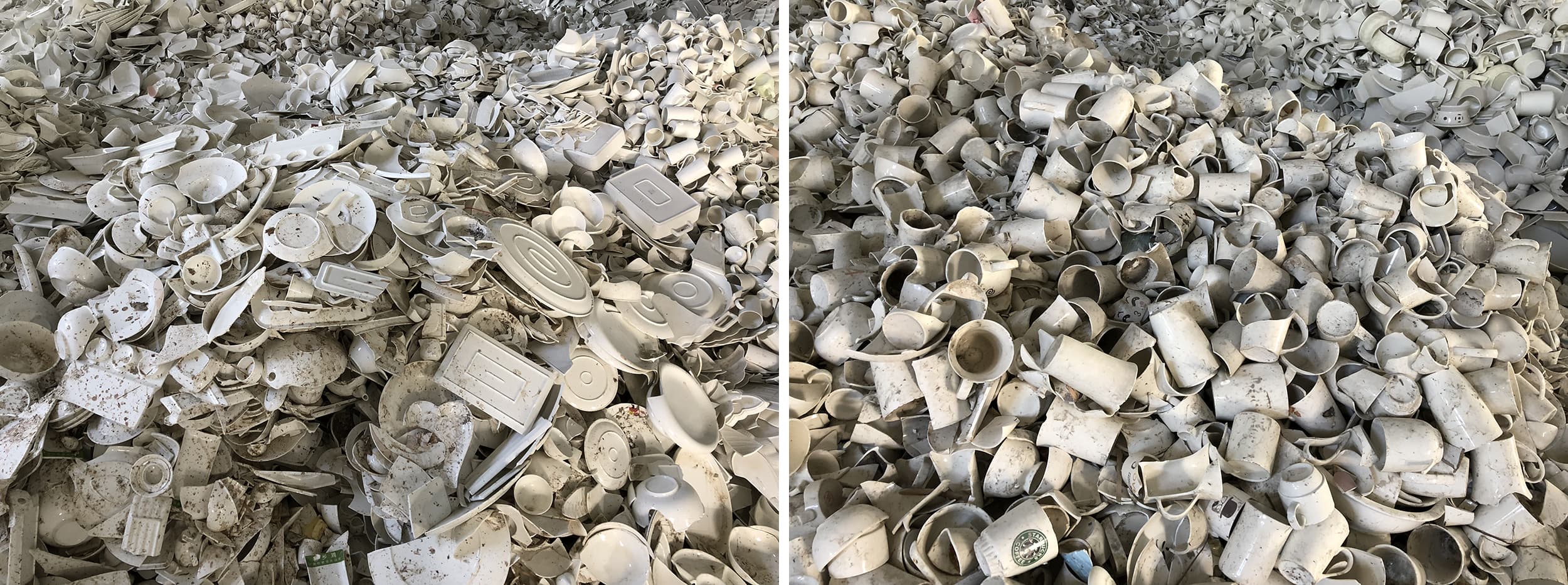
In January 2018, China implemented a ban on imports of 24 categories of solid waste including plastics, waste paper, slag and mineral residues, forcing nearly half the world’s foreign waste to seek alternative disposal routes. Meanwhile, industrial residues from OEM production continue to flow into Chaozhou covertly, creating an intractable material burden for the region.
Behind robust output and commercial value lie price competition, overcapacity, dust pollution and unregulated waste dumping, all eroding industrial and living environments. Conventional waste ceramic recycling relies on simple crushing and low‑ratio reintroduction into raw materials for refiring. Constrained by clay viscosity limits, recycled ratios remain minimal, costs high, and waste ceramic valorisation largely underdeveloped. This not only depletes mineral and energy resources but also fundamentally hinders the industry’s sustainability.
Globalisation enables efficient commodity circulation yet accelerates mass waste generation. Conventional recycling often amounts to rhetorical self‑justification rather than genuine material circularity.
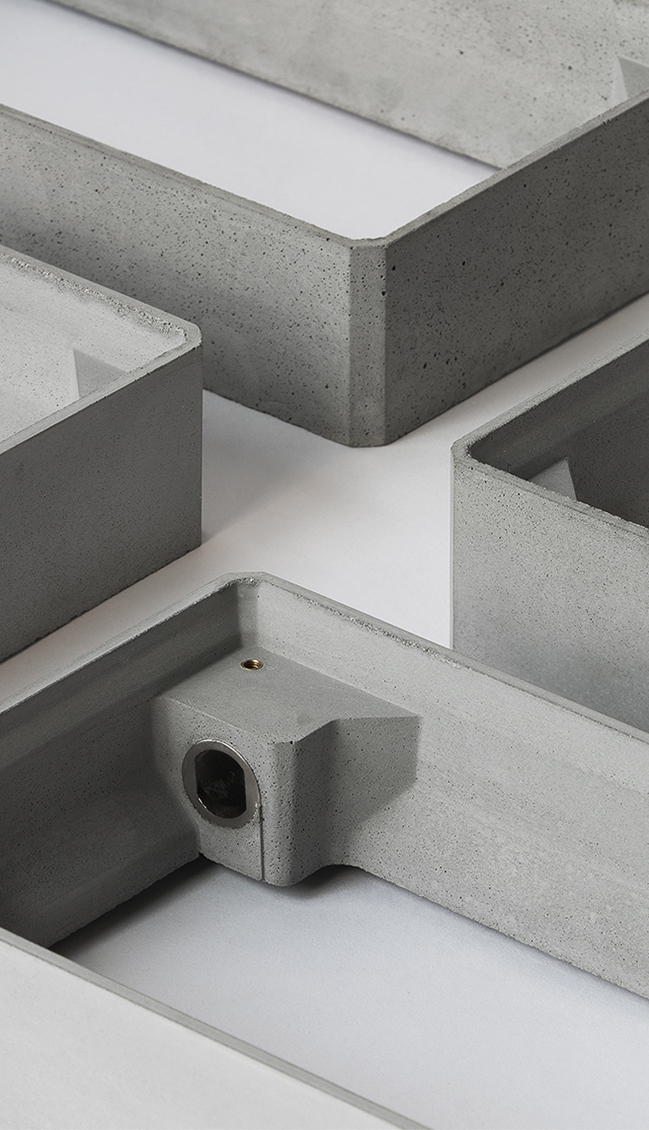
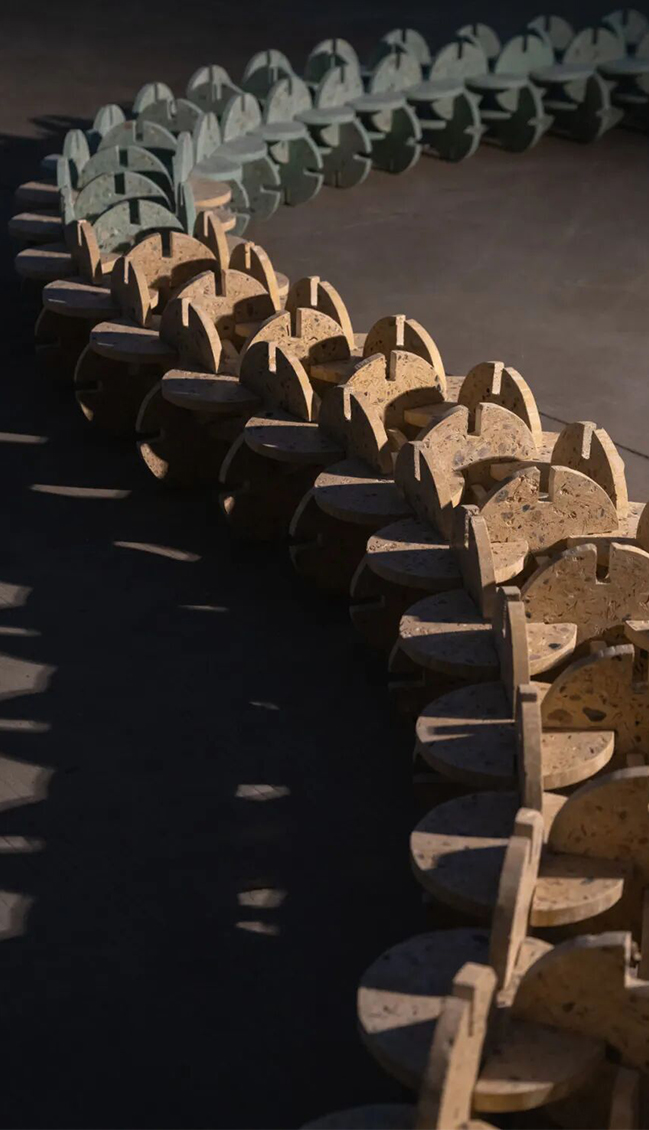
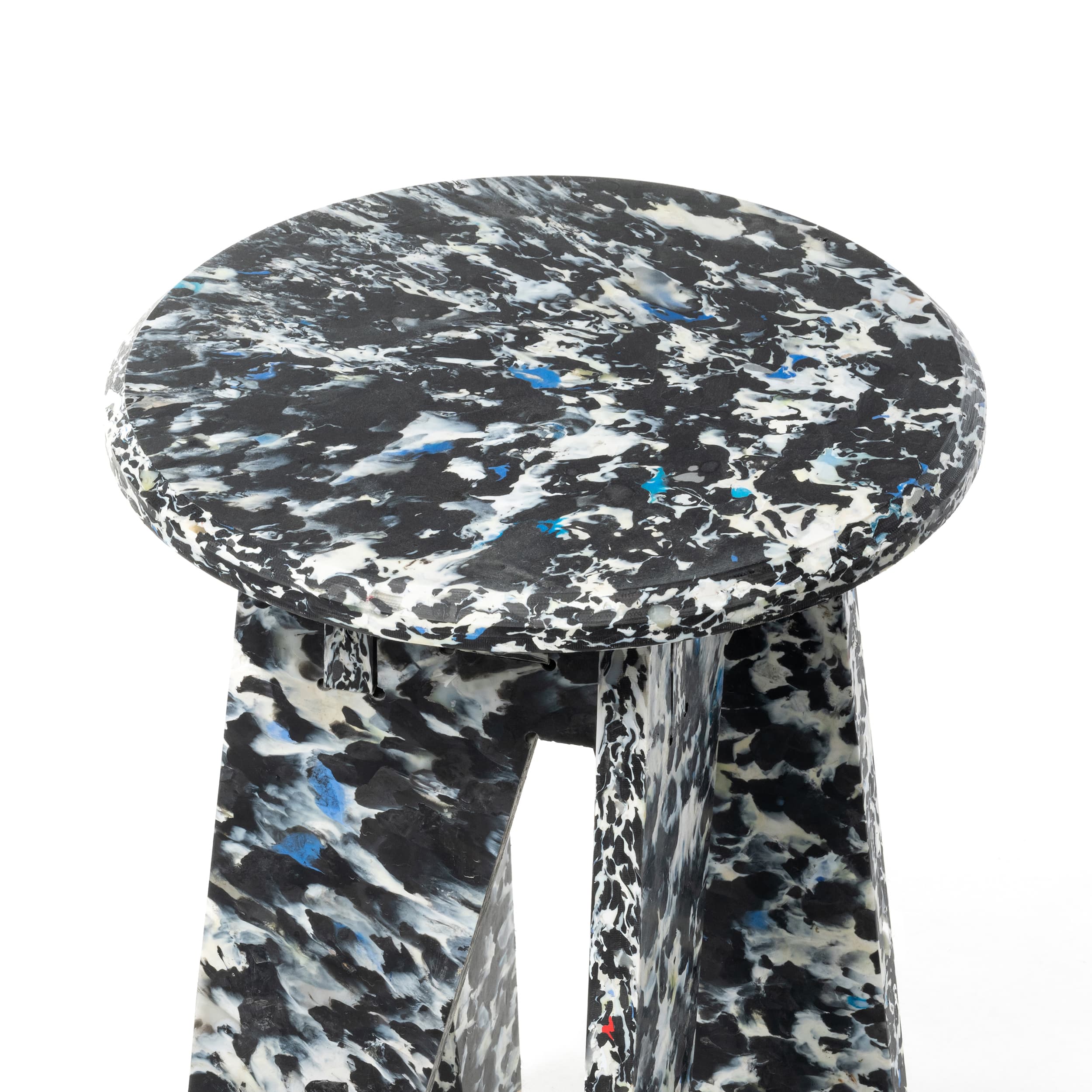
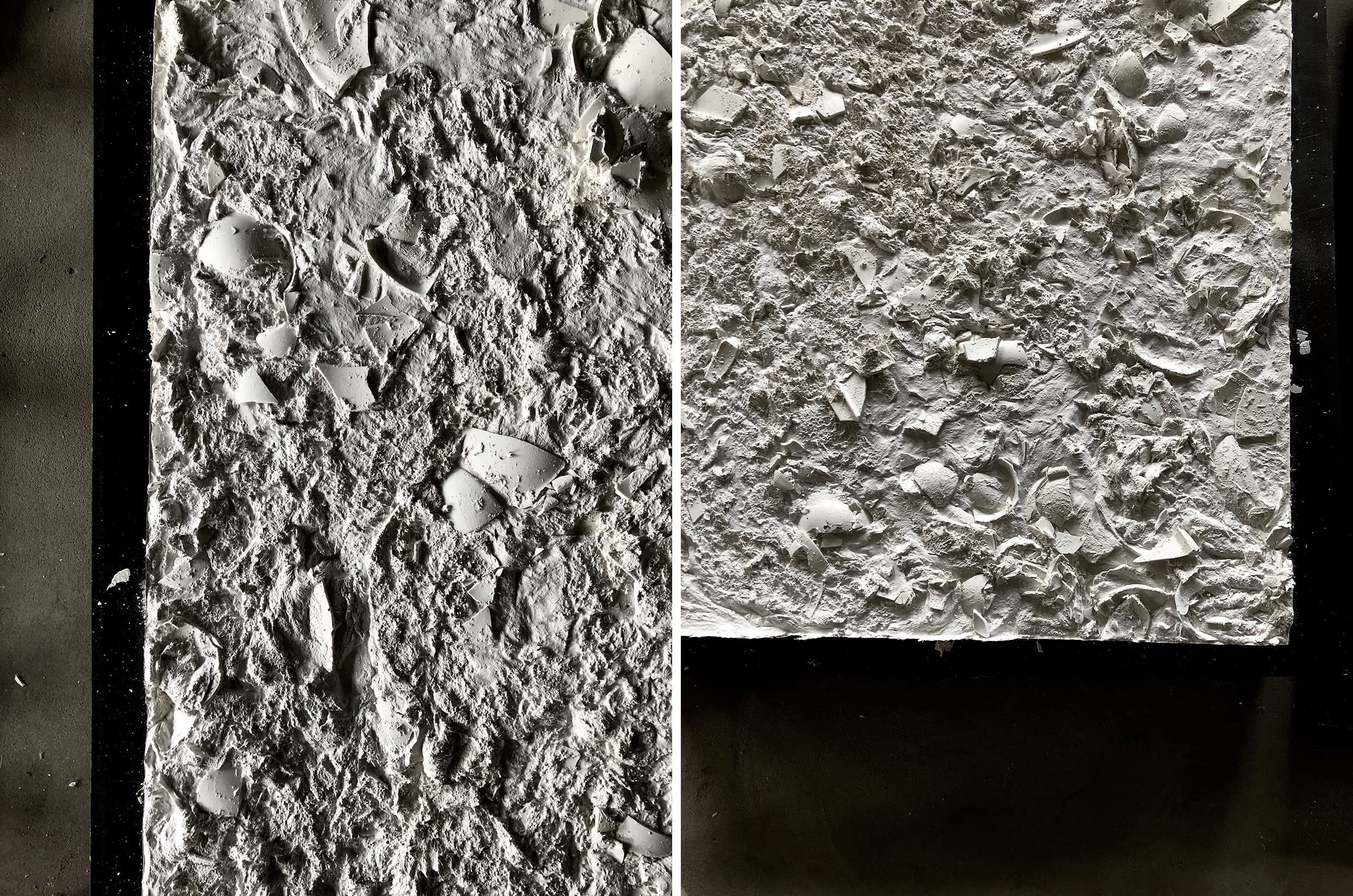
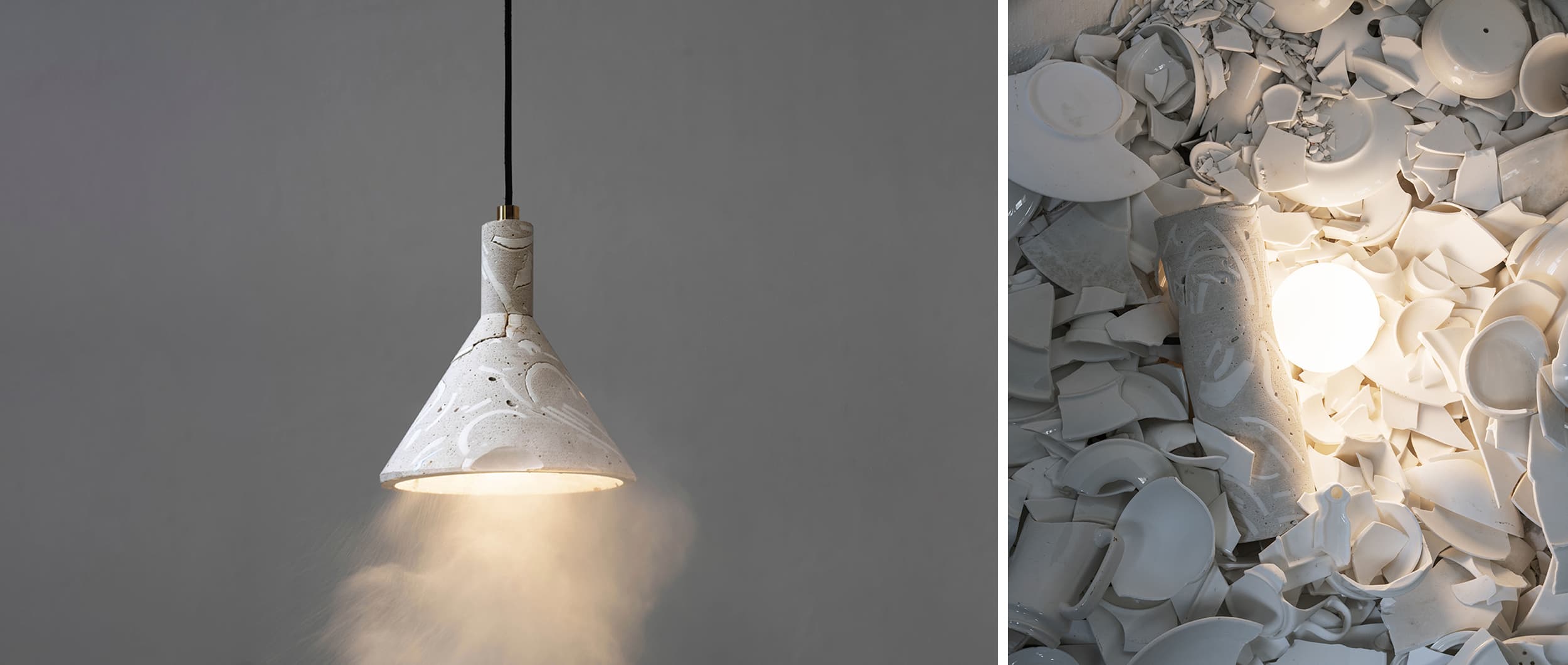
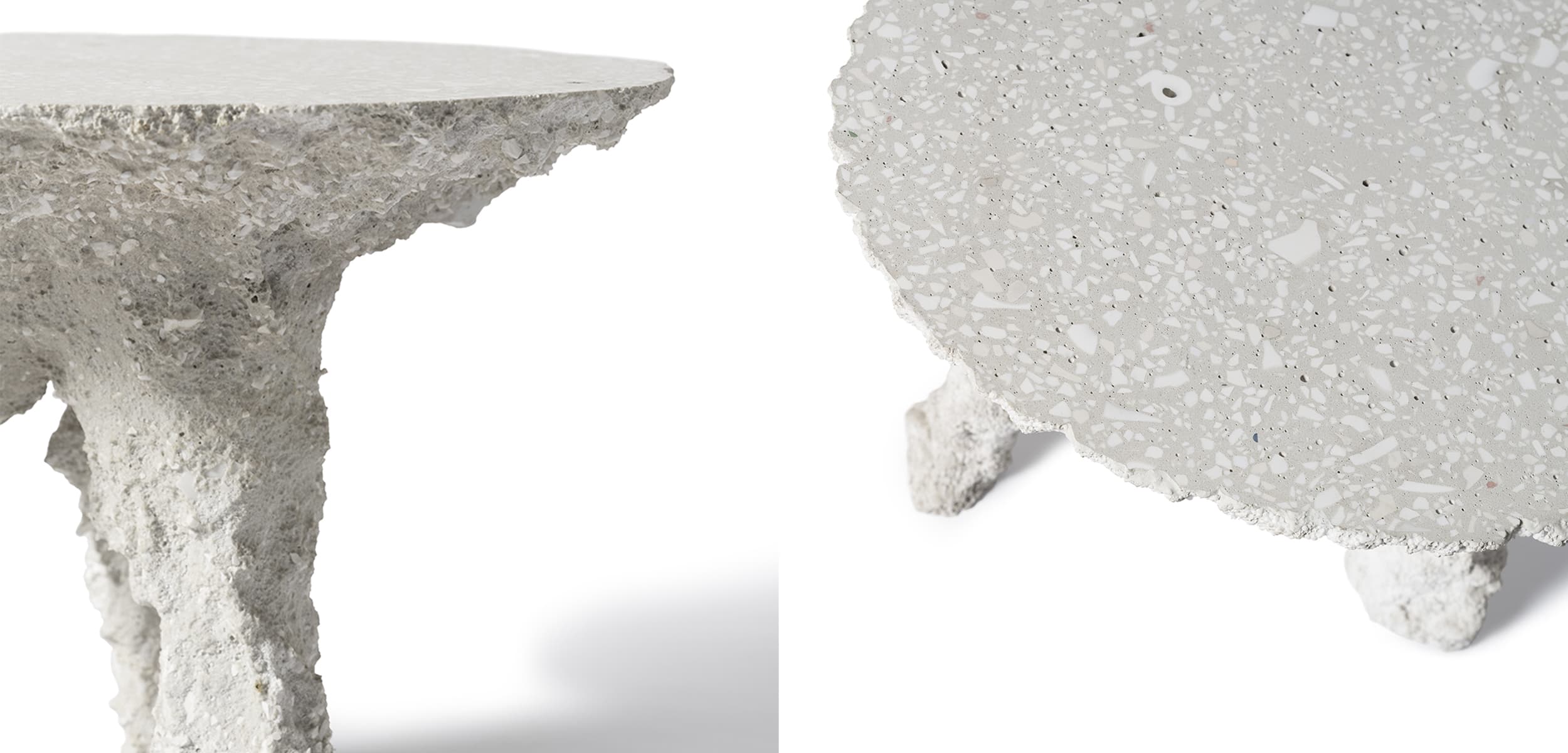
Against this dual crisis of material and cultural imbalance, the Loss of Form experiment pursues an alternative reconstruction path. We rejected the inefficient pseudo‑circulation of low‑ratio blending and energy‑intensive refiring — a model limited by clay viscosity and amplified energy use, incapable of resolving waste ceramic stockpiles. Instead, we adopted a new material strategy: utilising daily‑use waste ceramics as primary aggregate, consolidated via mineral binders under ambient temperature without firing.
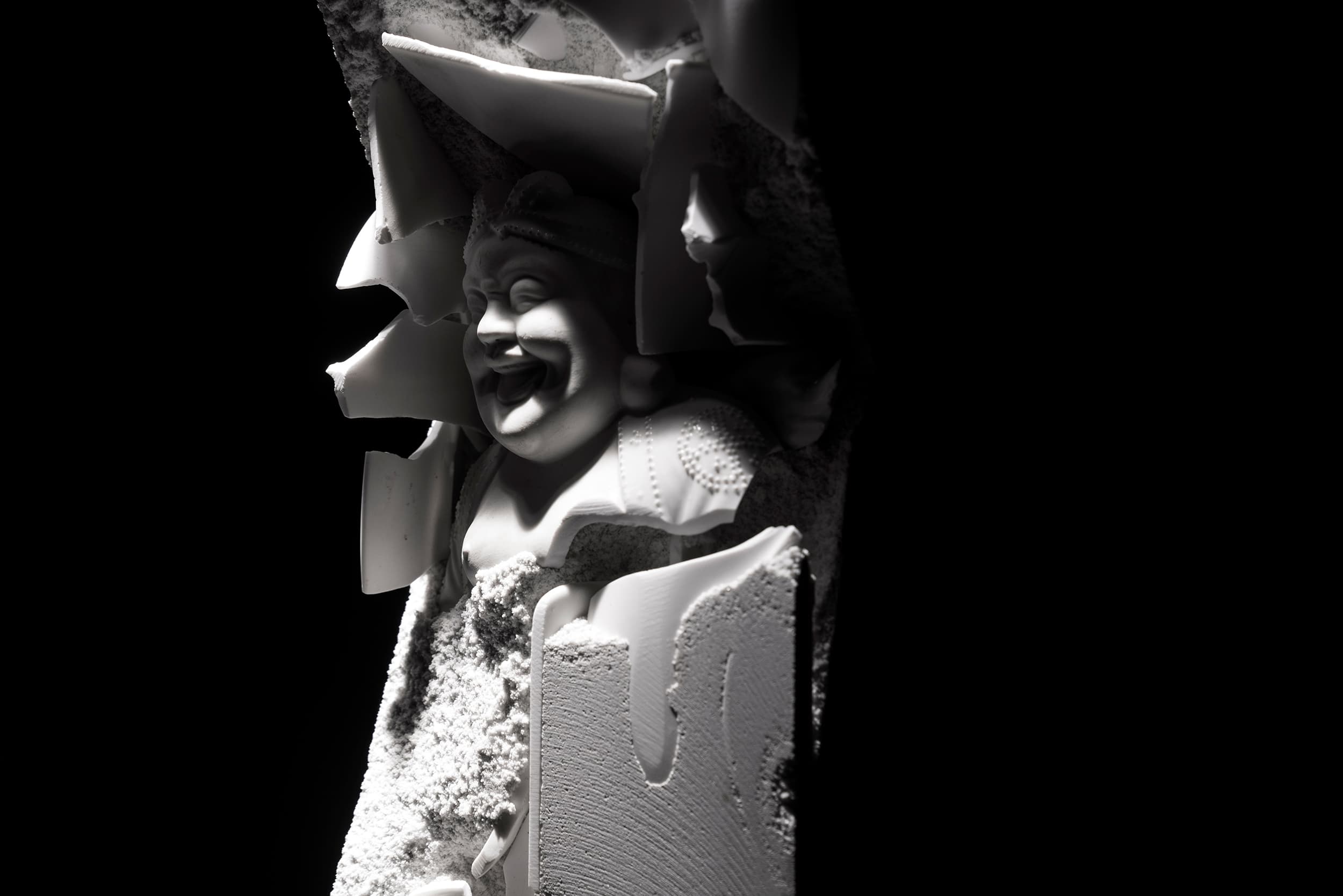
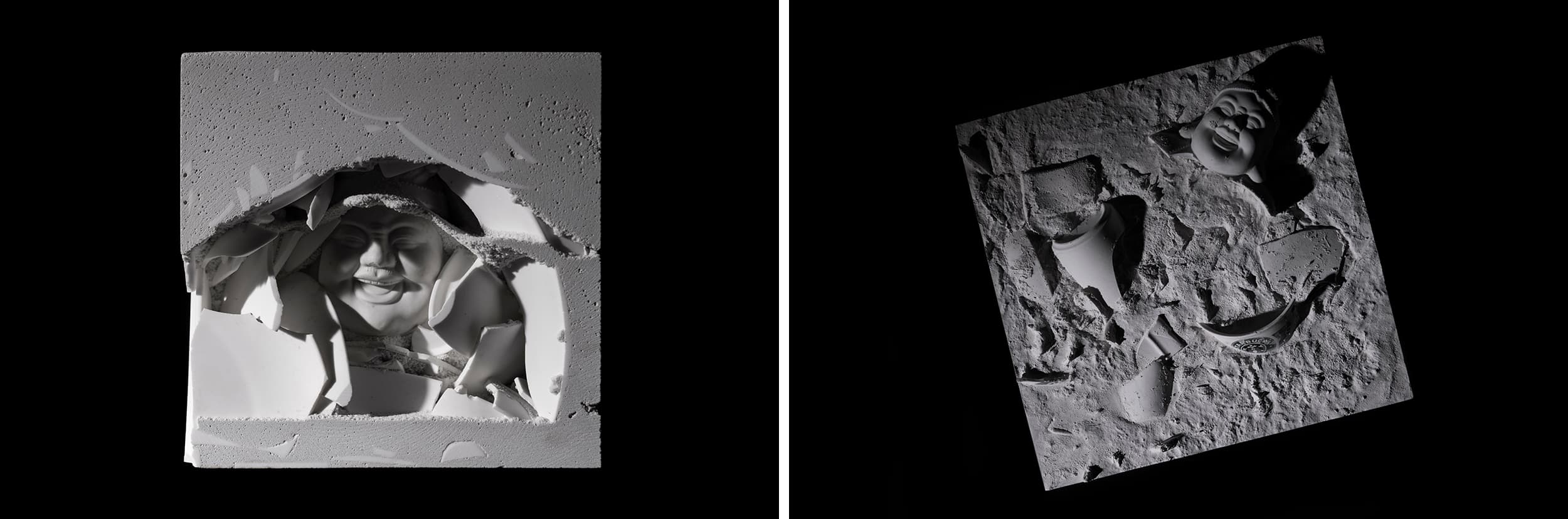
This technical shift redefines “waste”: waste ceramics are no longer impurities to conceal or dilute, but core constituents shaping new material structures.
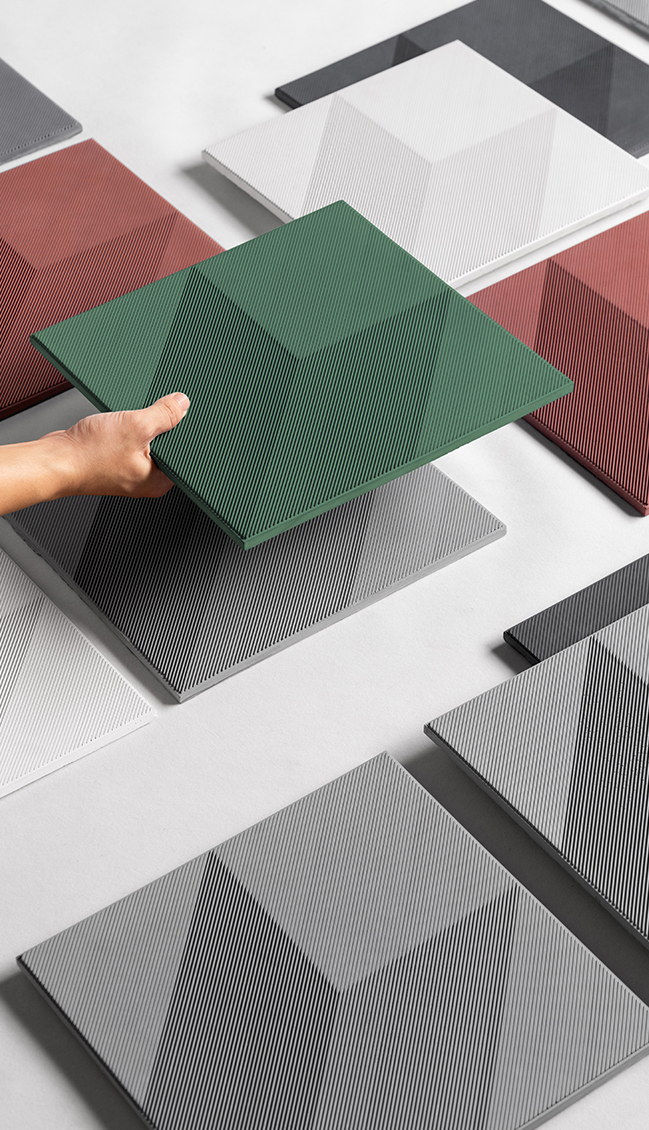
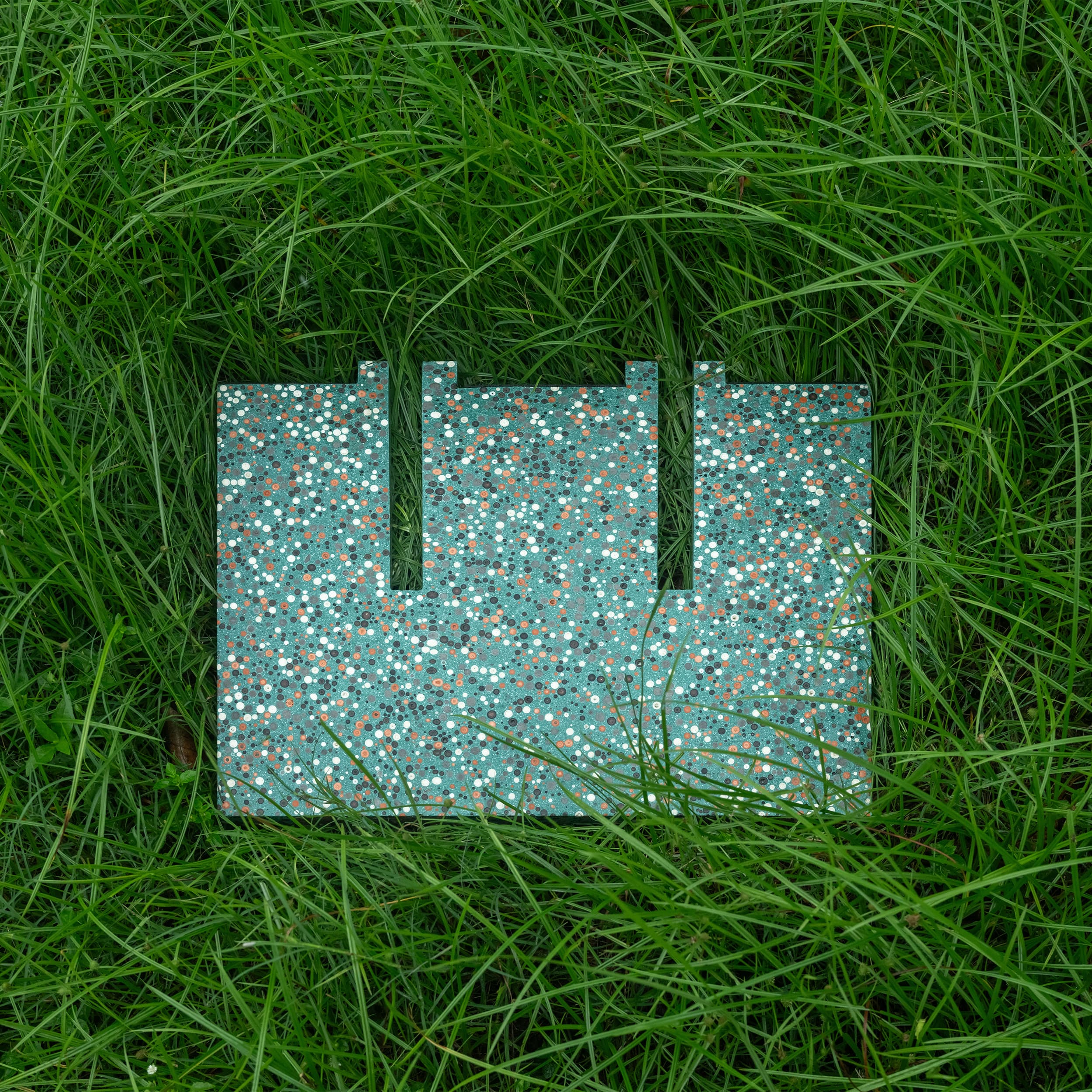
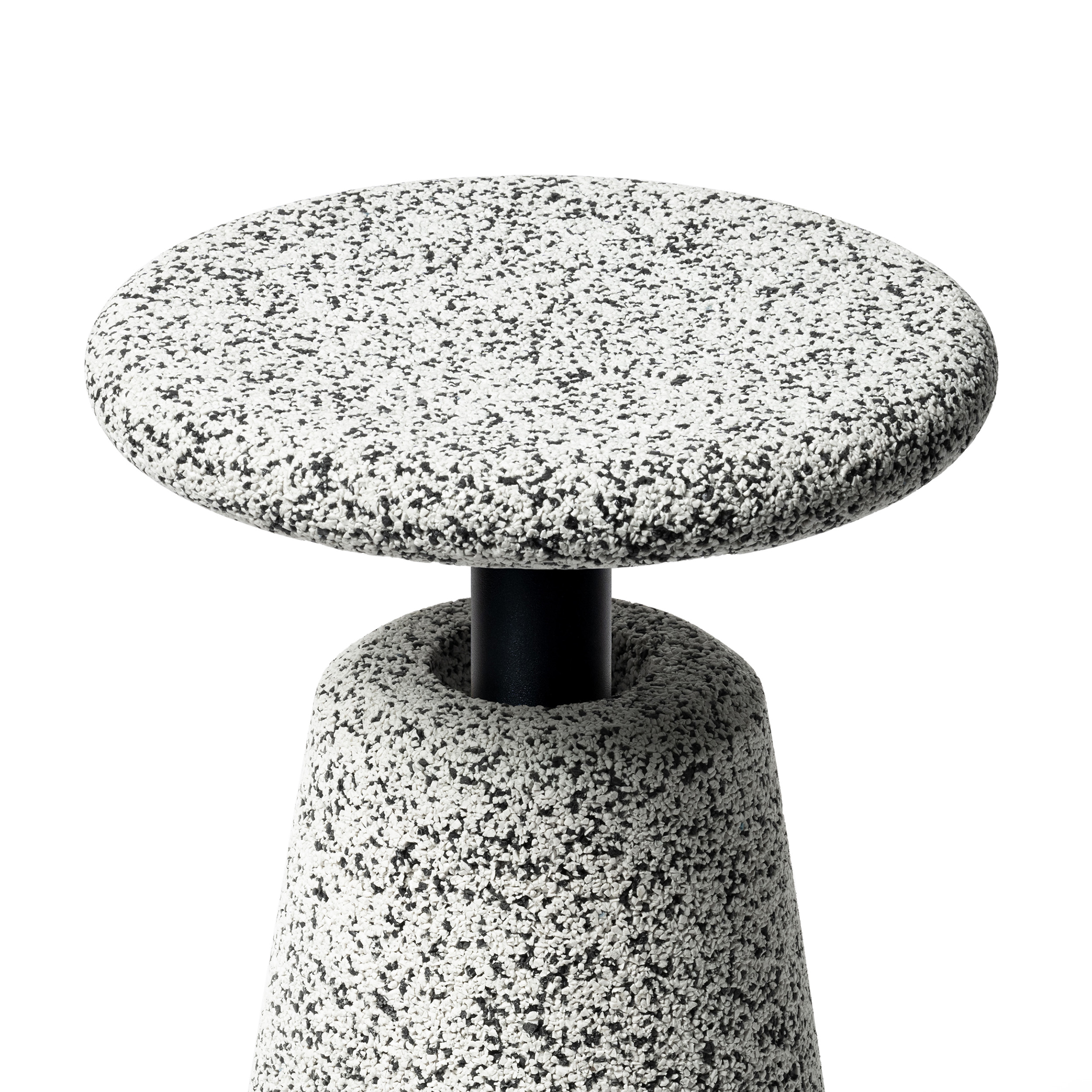
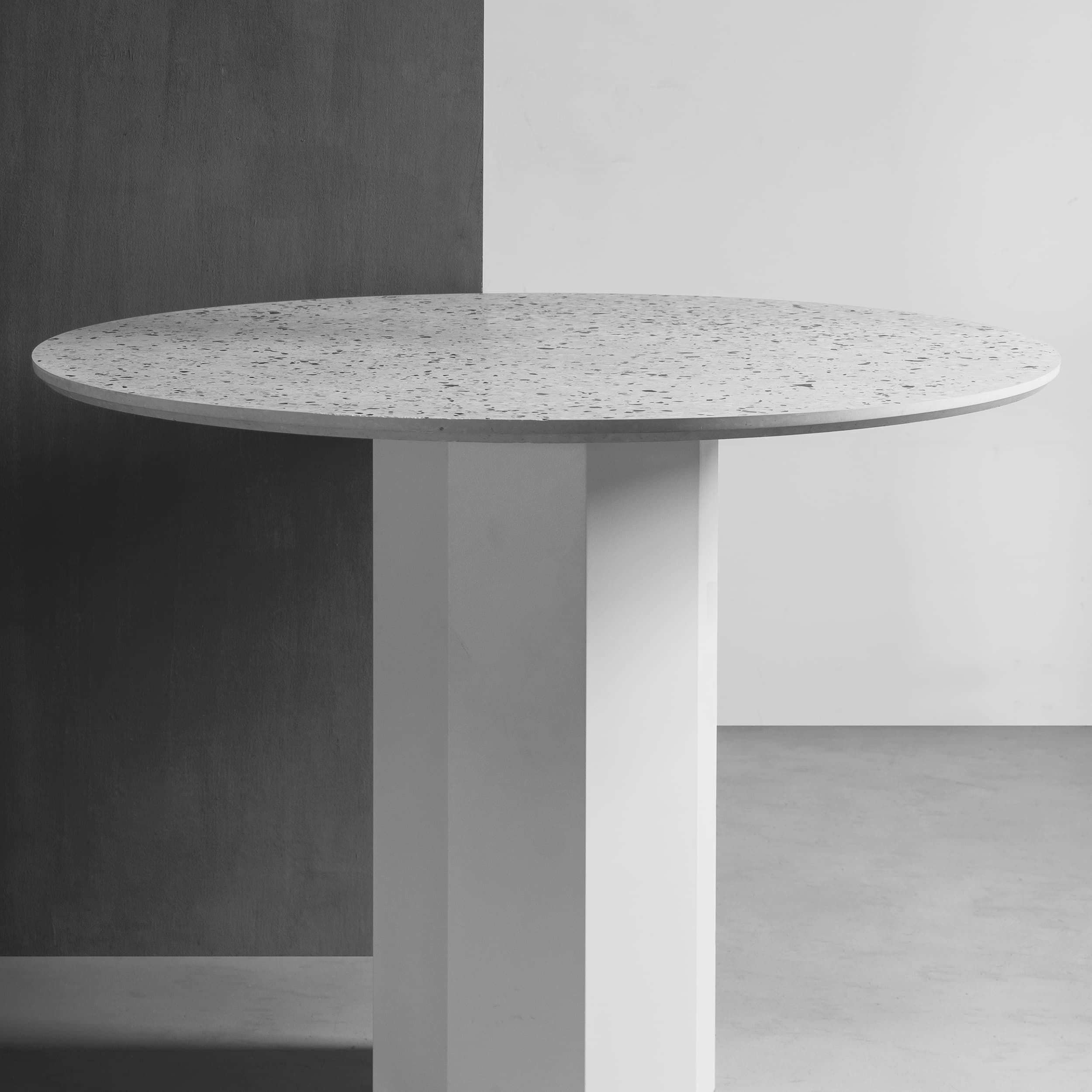
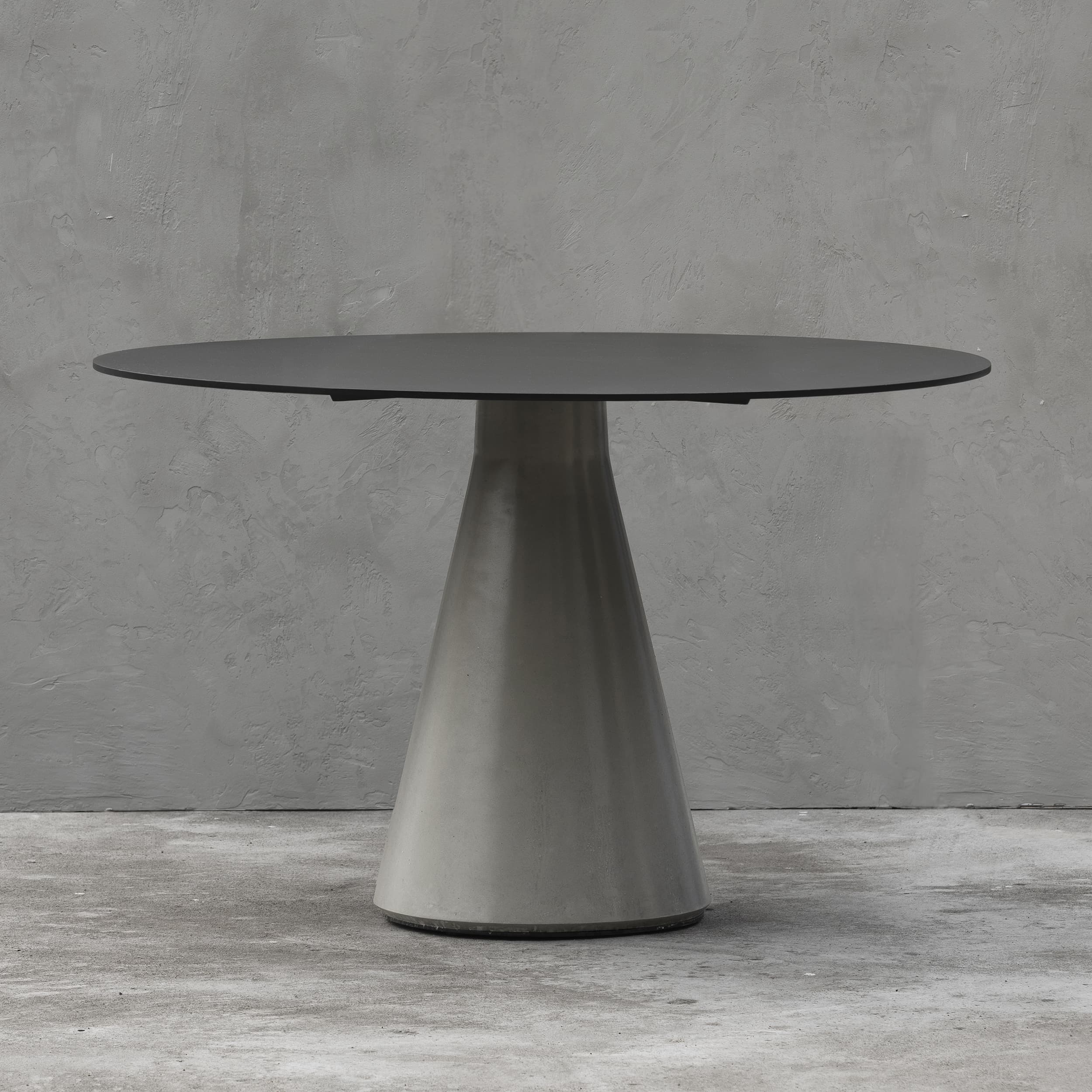
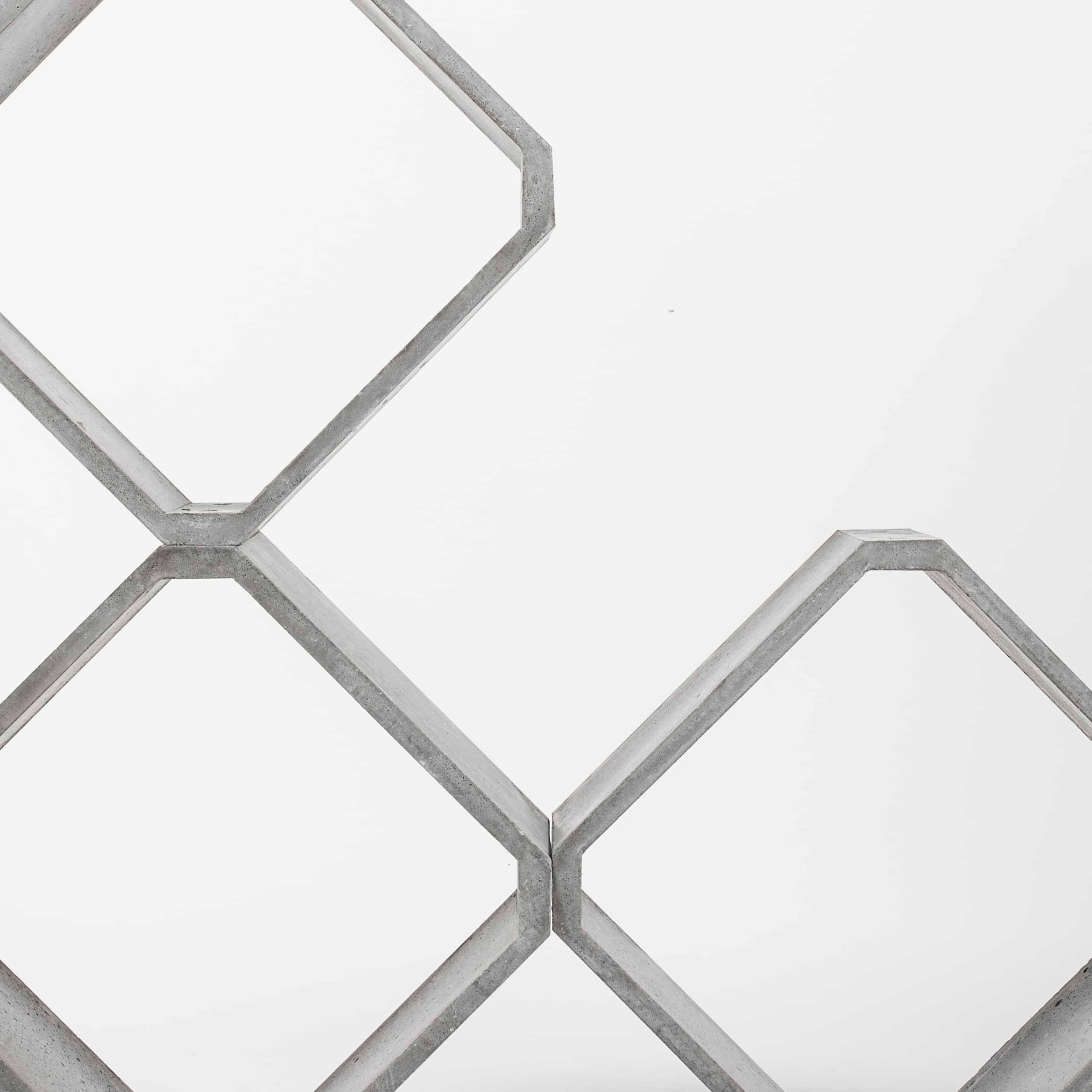
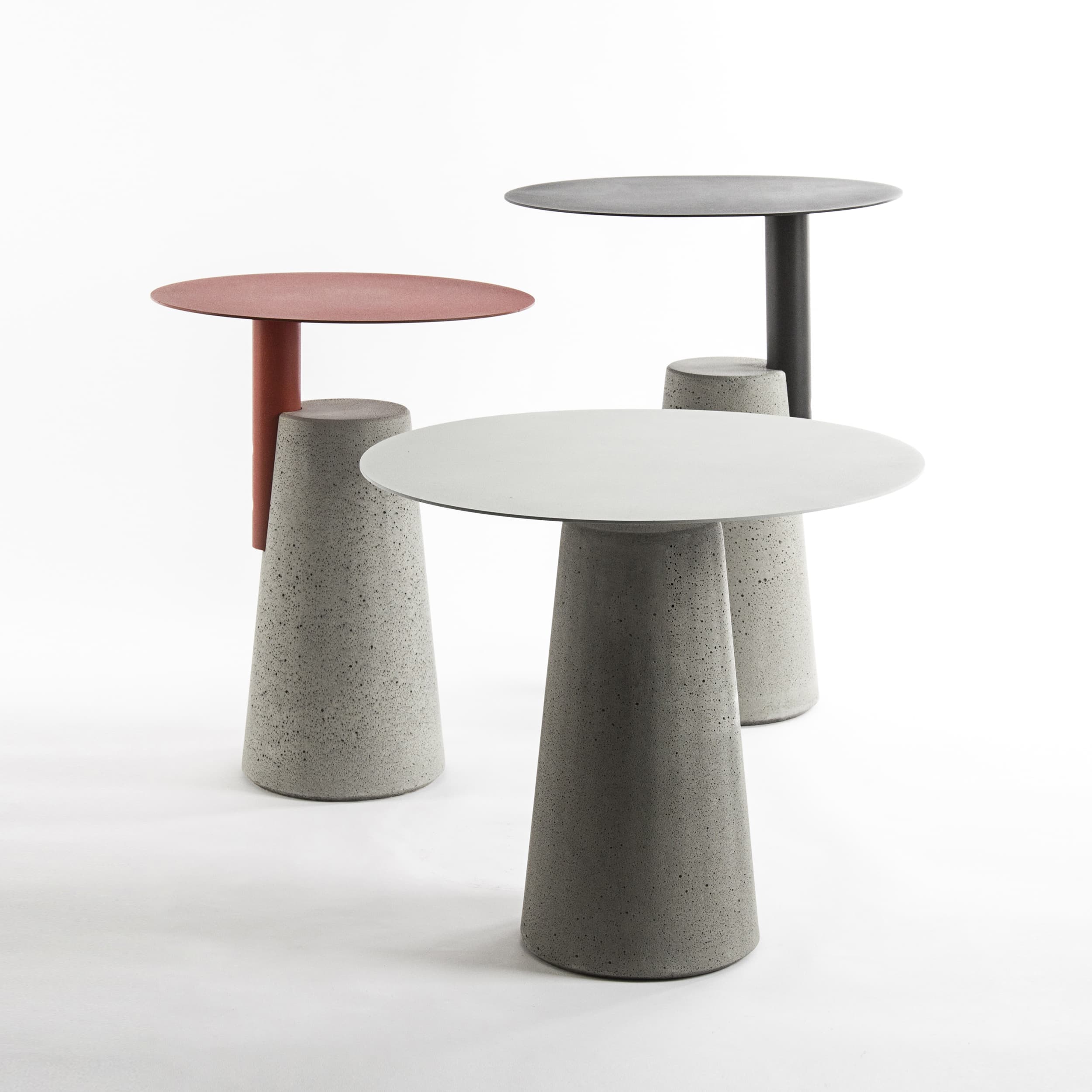
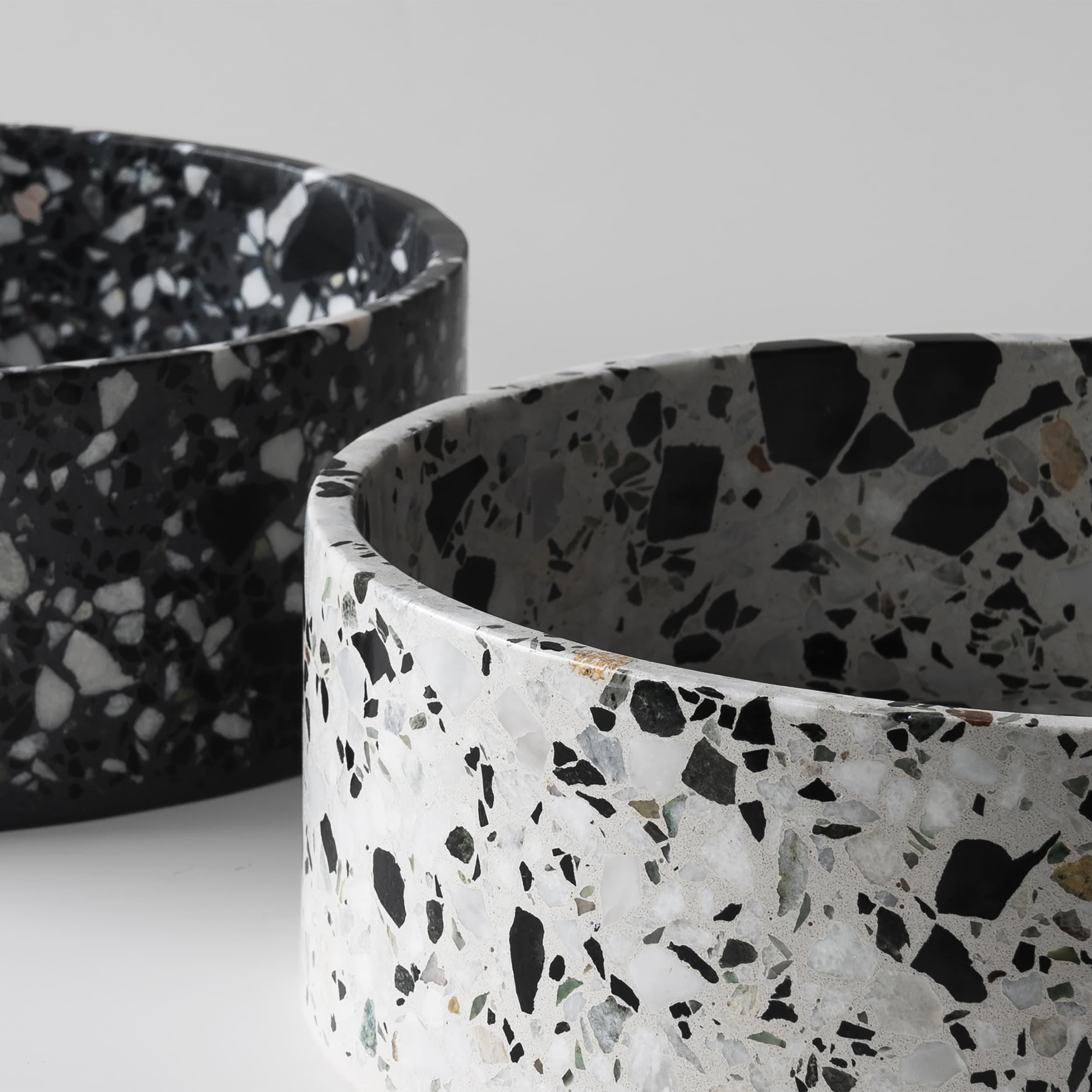
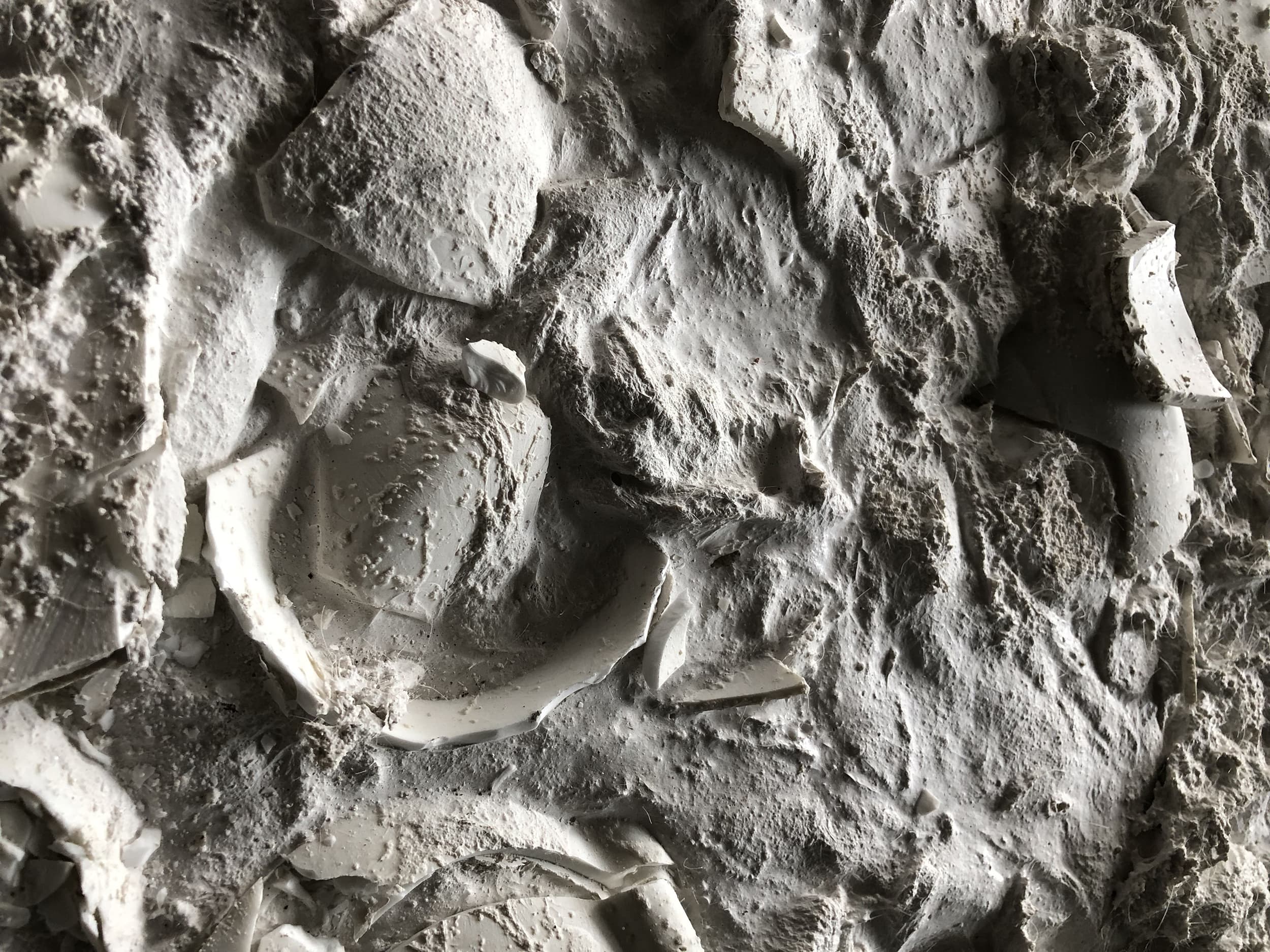
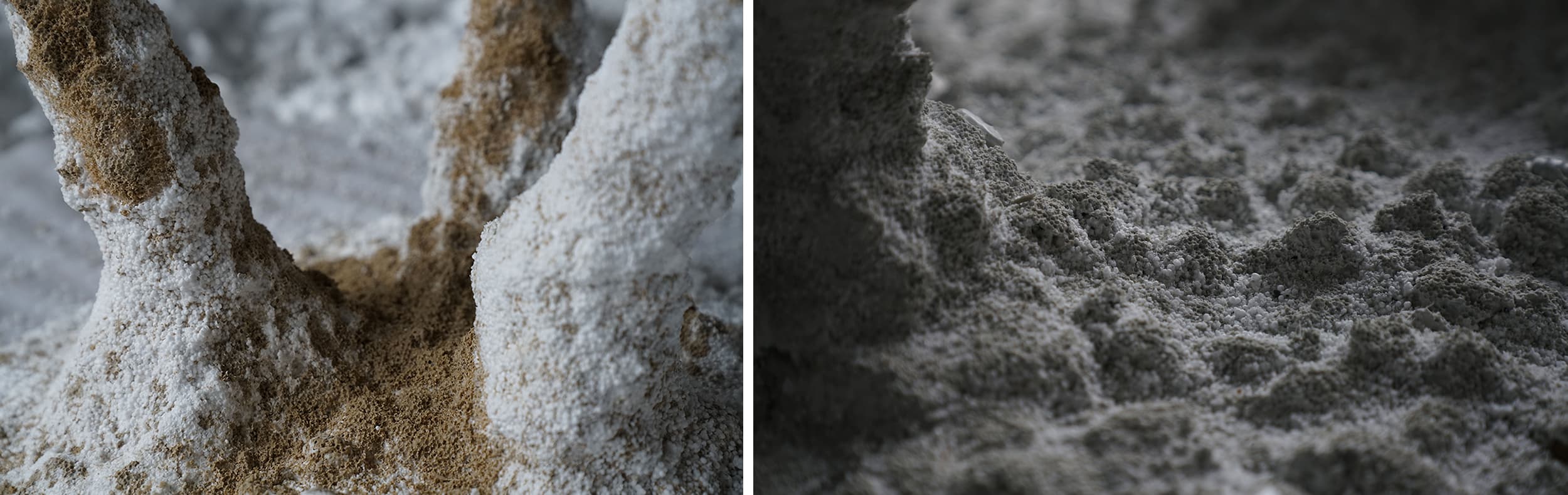
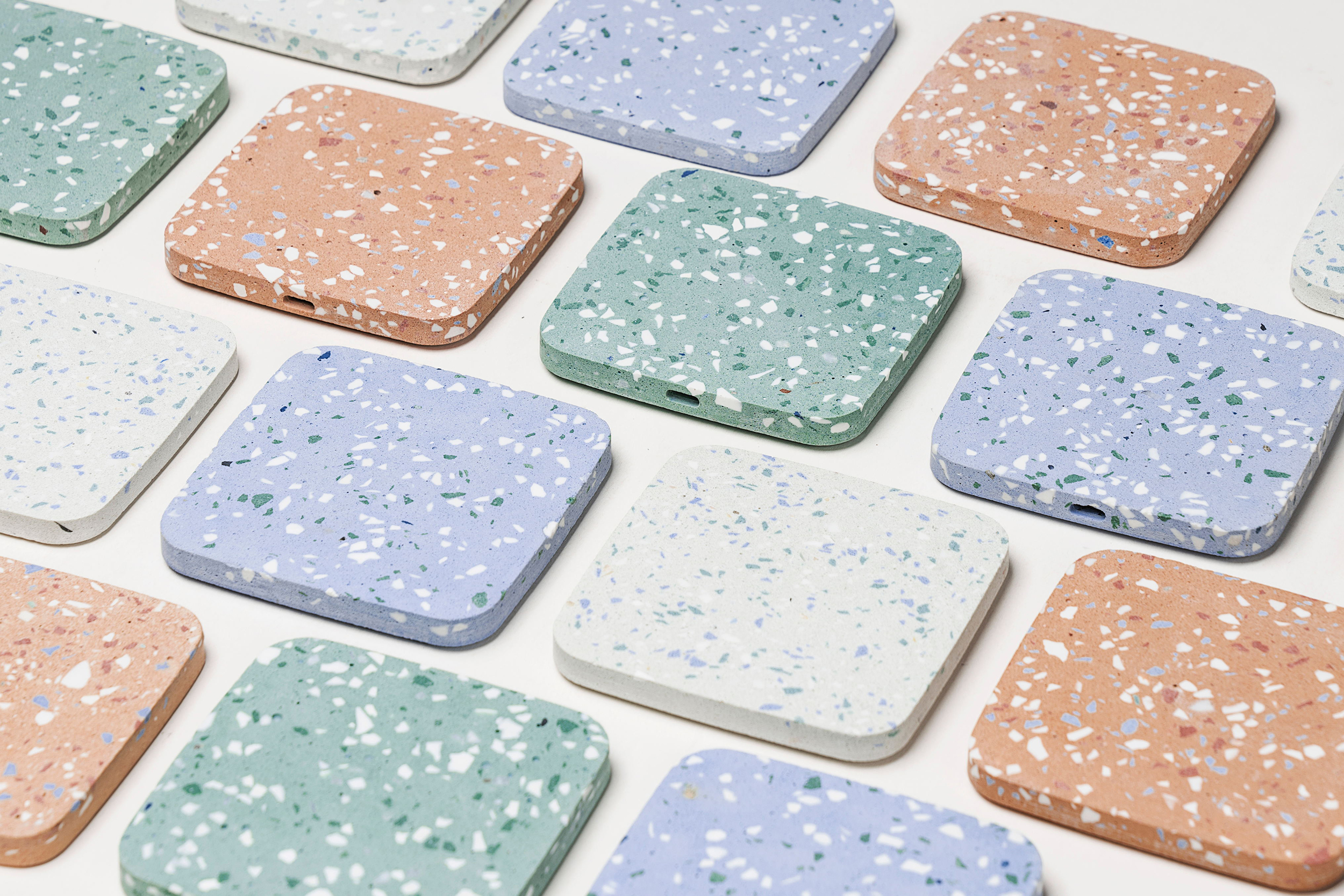
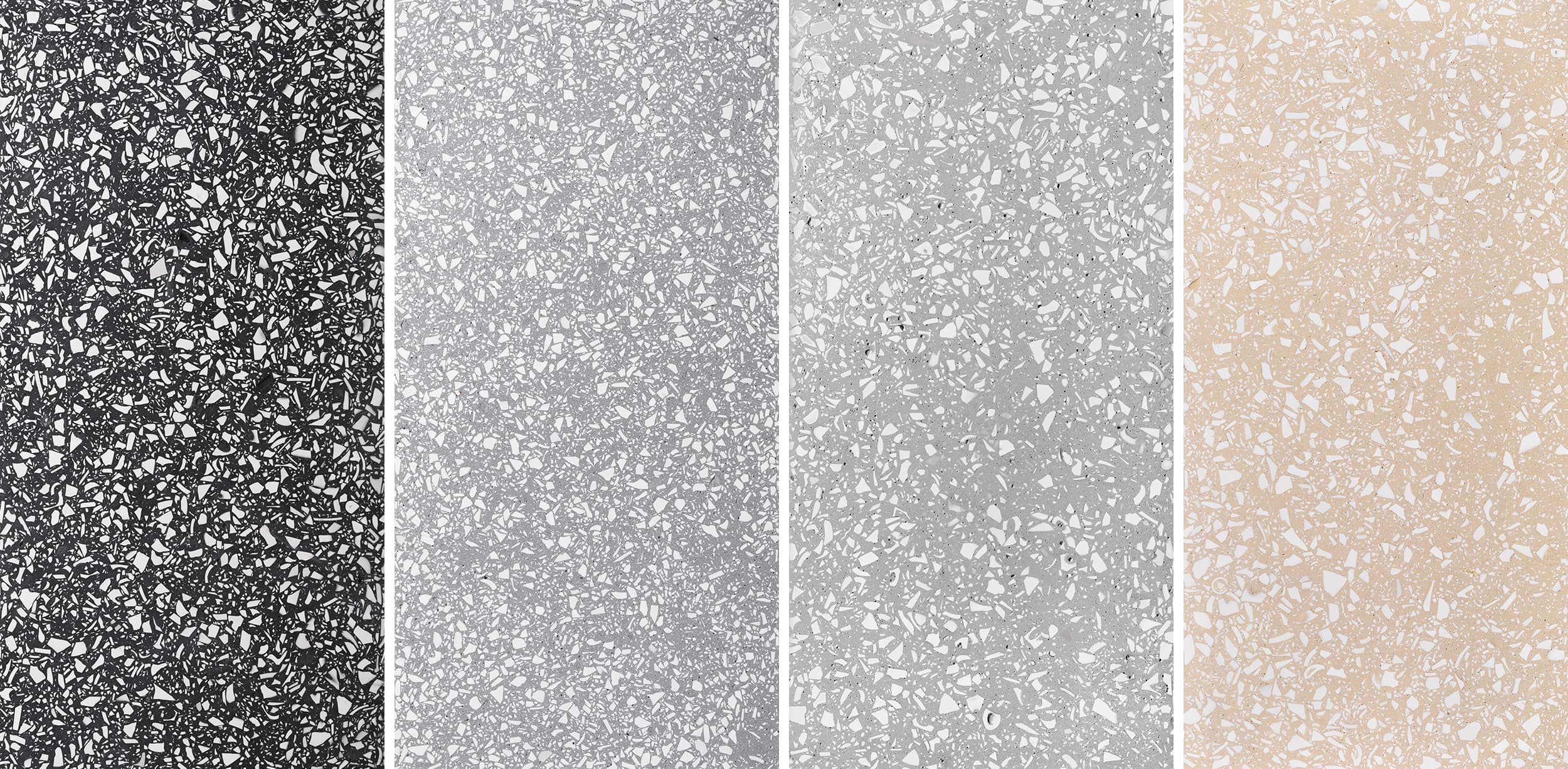
In processing, collected waste ceramics undergo graded crushing and precise screening to produce particles and powders of varying mesh sizes. Scientific particle gradation — blending coarse aggregate (8–16 mesh), medium aggregate (30–60 mesh) and fine powder (>100 mesh) at optimal ratios — achieves maximum dense packing, substantially enhancing recycled material density and mechanical performance. Experiments confirm waste ceramics can constitute 80% of total material weight, with finished products meeting full flexural and compressive strength standards for furniture and daily goods. This ultra‑high ratio breaks physical limits of conventional recycled ceramics, enabling true material rebirth centred on waste ceramics.
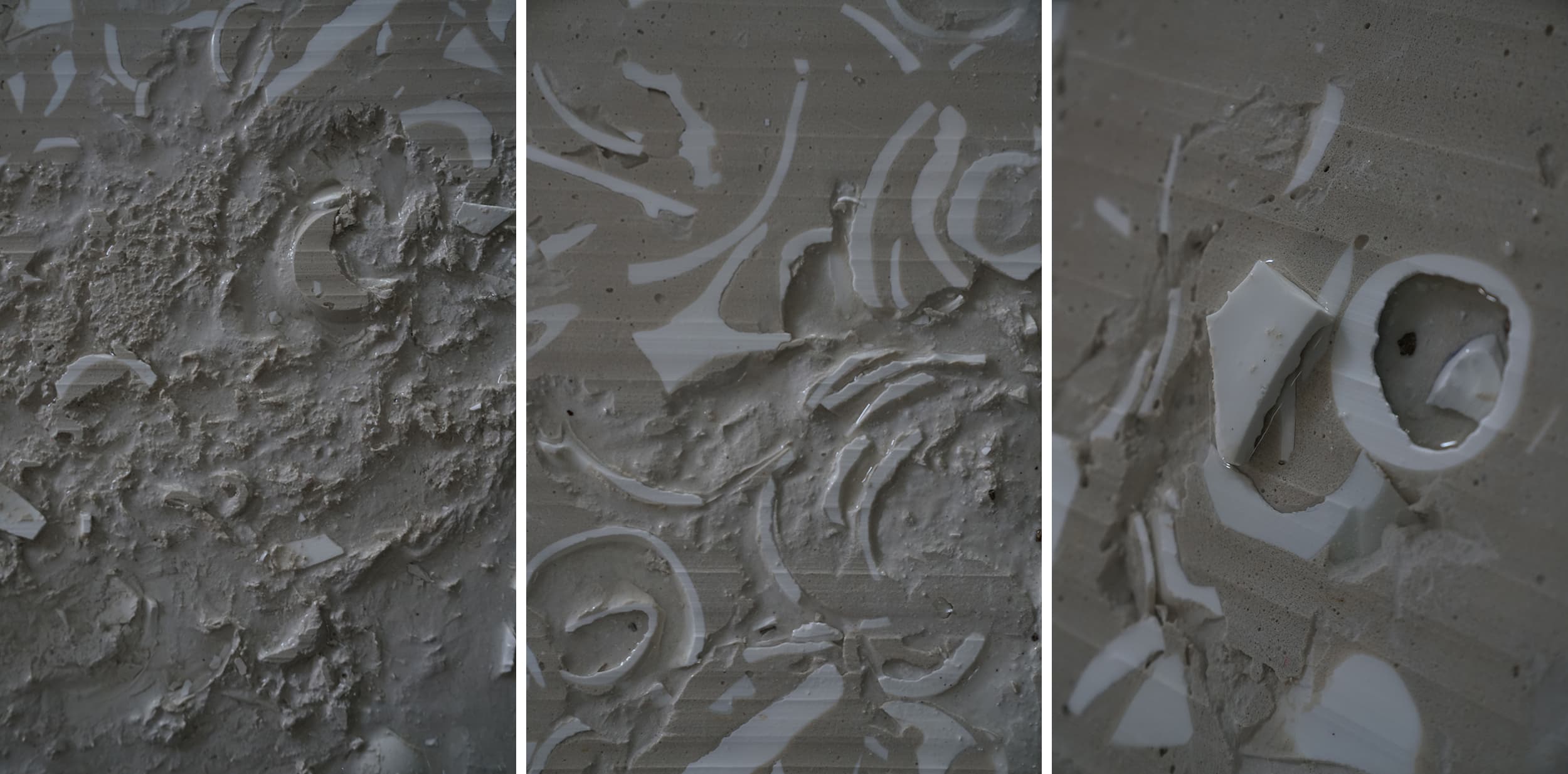
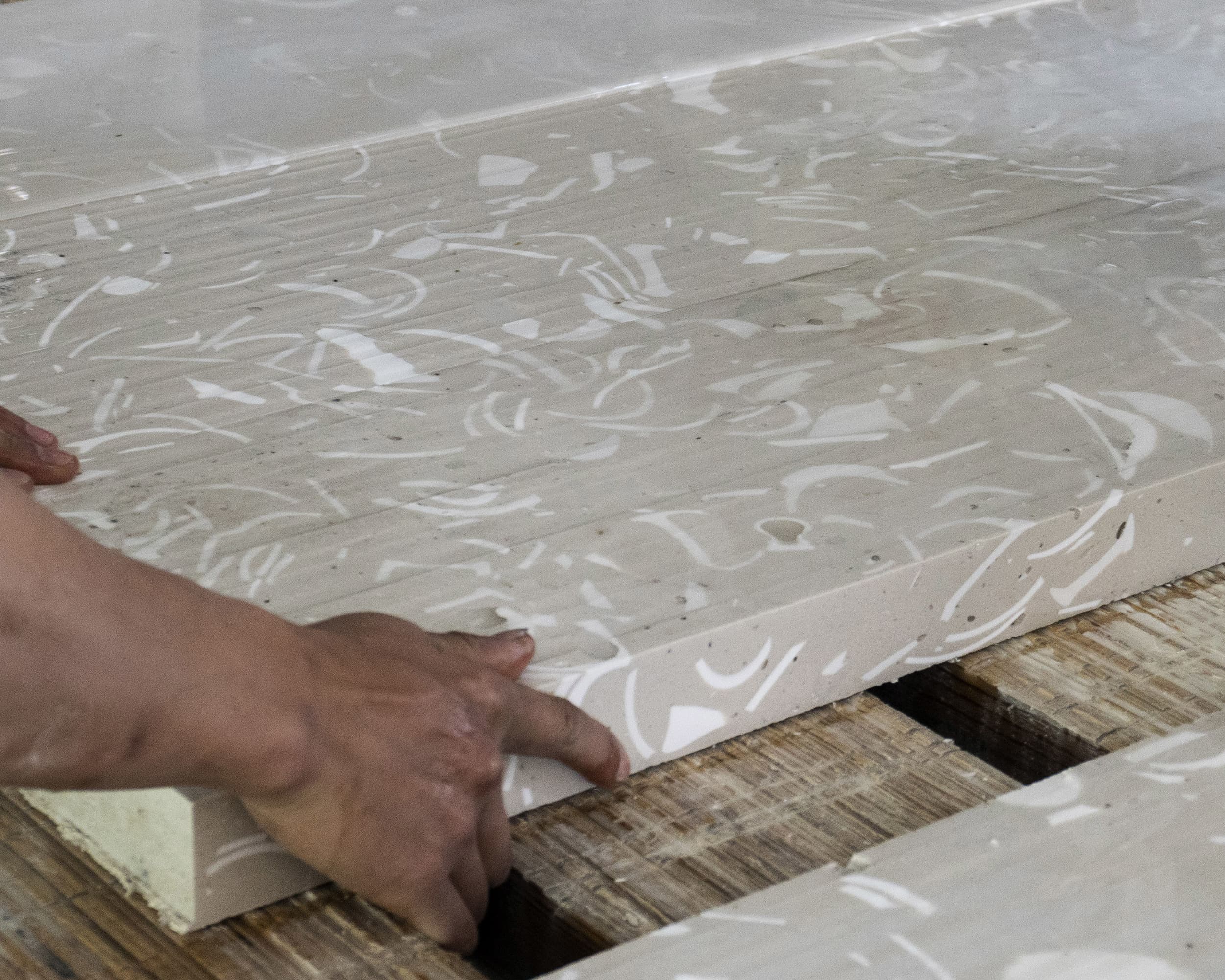
Particle gradation is more than cold engineering data; it naturally translates into distinct surface texture. Coarse aggregates retain the warm sheen of broken porcelain edges; medium and fine particles fill gaps for subtle transitions; exposed ceramic fragments lend rustic tactility. This self‑generated texture requires no artificial carving, embodying the honesty and tension of ruin aesthetics — letting waste be acknowledged rather than hidden, endowed with renewed purpose.
The process eliminates high‑temperature firing entirely, employing a silica‑alumina‑rich industrial slag‑based geopolymer binder system to permanently consolidate waste ceramic particles at ambient temperature and pressure. This eliminates massive energy consumption and carbon emissions from firing, while avoiding crystal‑phase transformation, cracking and deformation from repeated heating. Unfired processing lowers equipment and energy dependence, enabling decentralised, small‑scale remanufacturing near waste ceramic sources — aligned with place‑based sustainable design principles.
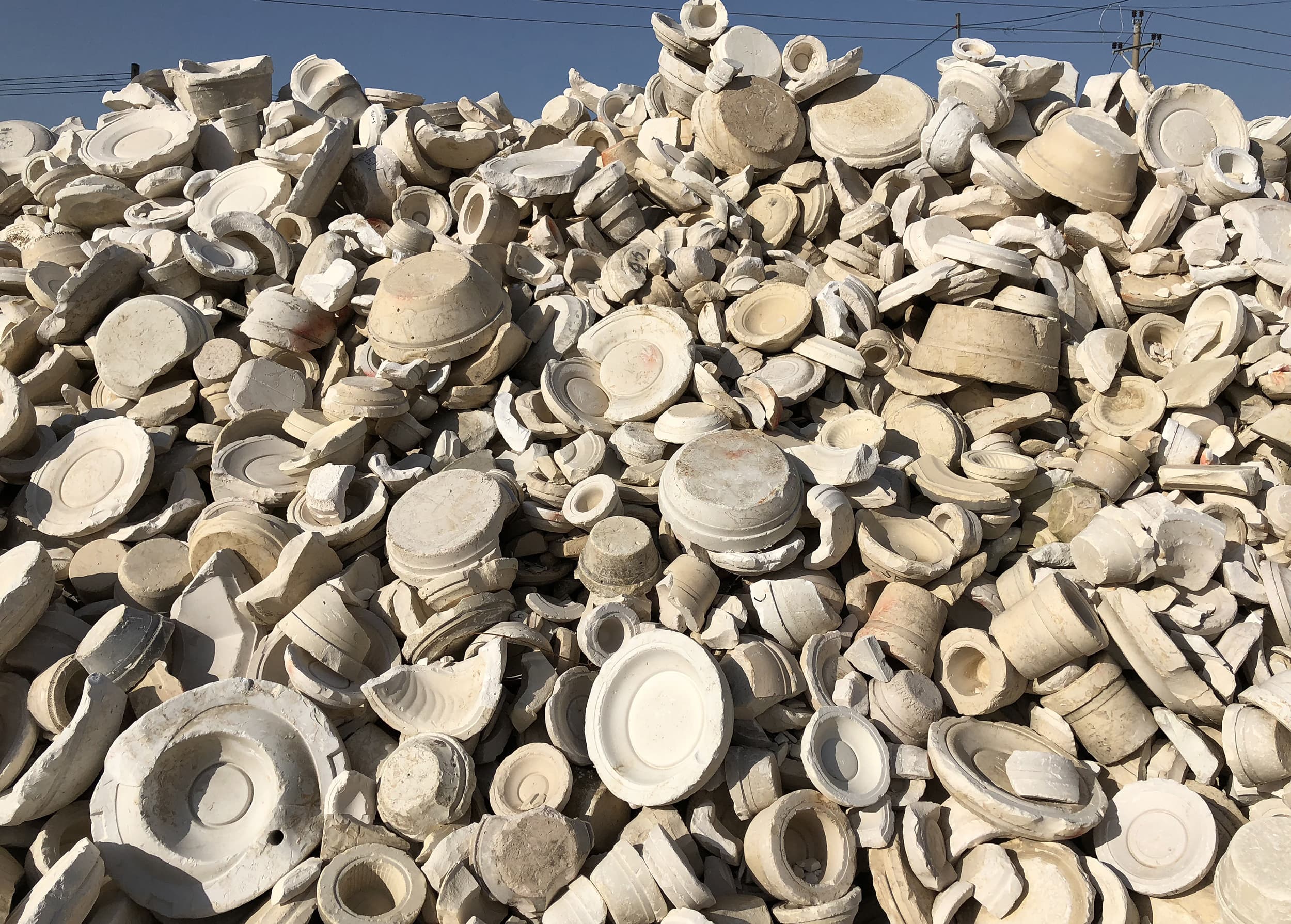
The experiment extends beyond technical feasibility to explore artistic expression and practical application: can we restore lost form amid systemic imbalance? Can we scale up regeneration of poorly degradable, low‑recyclability waste ceramics to mend fractured material structures and cultural order? This is not only material circularity but also a profound cultural metaphor: fragmented cultural lineage, like waste ceramics, can be reorganised through grading, particle blending and ambient consolidation to forge new life from ruins via revised structural logic.
The Loss of Form experiment transcends material and design research to engage with individual lives trapped within industrial supply chains. Many workers are non‑locals, migrating from inland provinces including Sichuan, Guizhou and Hunan. Macro narratives frame this as “surplus labour transfer”, yet for individuals it reflects stark realities: insufficient farm income cannot cover children’s education, elderly care or housing construction. They migrate south not to chase abstract modernity, but to secure stable livelihoods and gradual improvement.
Our project records note: “When entering a workshop, a labourer is no longer a faceless statistic among tens of thousands of ceramic workers, nor merely an assembly‑line operative. They carry personal histories, reasons for migration, small joys amid tedious labour; they work diligently and live sincerely.”
This backdrop encapsulates China’s large‑scale internal migration over the past four decades. Hundreds of millions of rural residents left farmland to join coastal manufacturing sectors. They traded youth and physical labour for modest family income, enduring dusty workshops, long overtime hours, social alienation and job insecurity. Many recognise occupational health risks including silicosis and musculoskeletal strain, yet accept these costs to escape rural poverty.
Amid daily hardship, they nurture modest hopes: magazine landscapes pasted on dormitory bedsides, quiet wishes to take their families to the sea. These small, tangible aspirations sustain migrant workers in unfamiliar cities, enabling them to gradually transform their families’ destinies through individual effort.
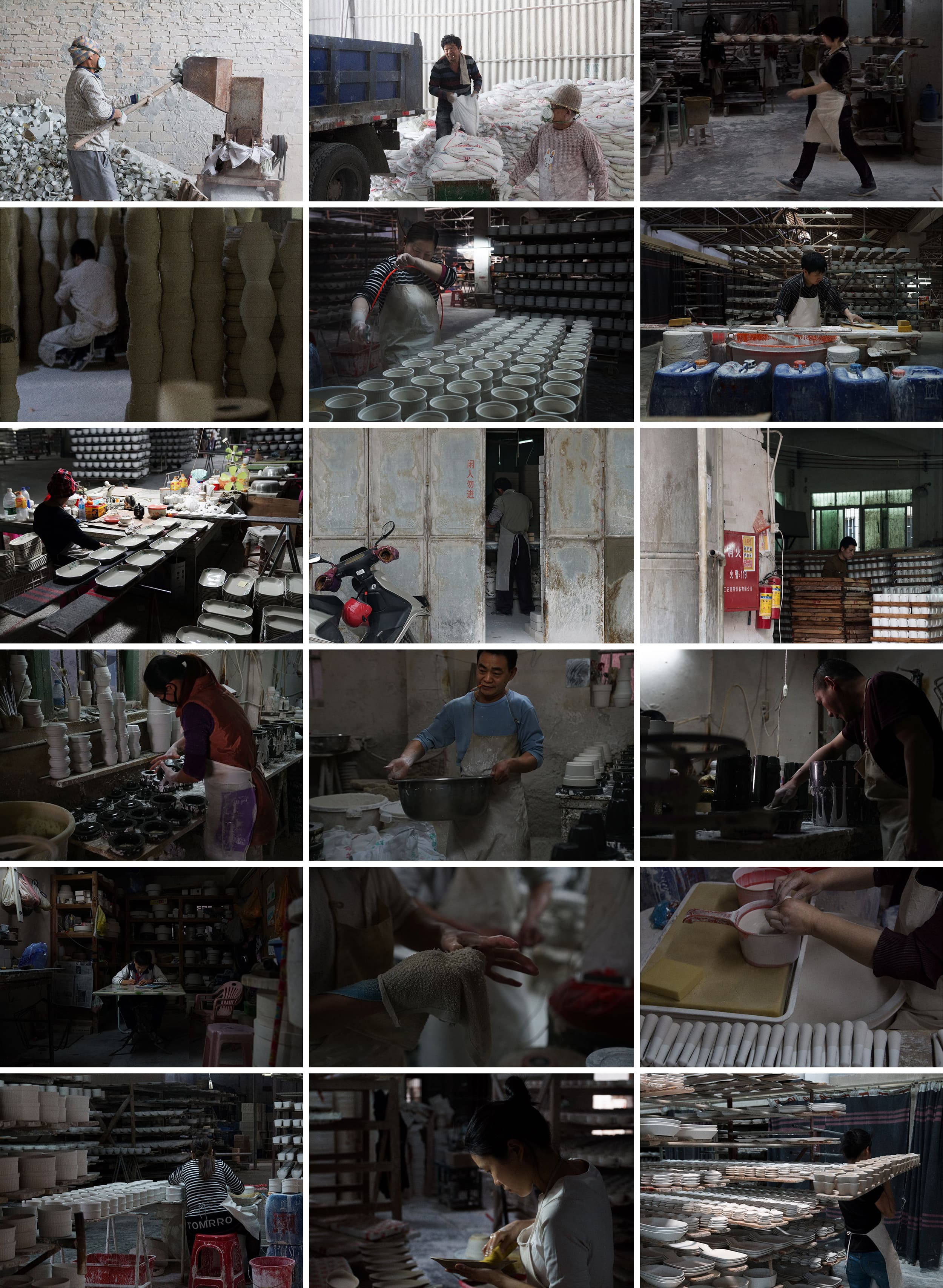
Ironically, the Chaozhou ceramic industry sustained by these workers is gradually undermining local livability and future potential through waste accumulation, ecological degradation and cultural homogenisation. Migrants drift far from home yet struggle to integrate into urban life. Their labour bears premium international brand labels while they reside in low‑cost urban village cubicles.
This reveals the deeper metaphor of Loss of Form: lost form encompasses not only waste accumulation and cultural breakdown, but also individuals stripped of social roots and identity, suspended between unreachable hometowns and unassimilable cities. They stand as the most tender yet resilient aggregates of this imbalanced age.
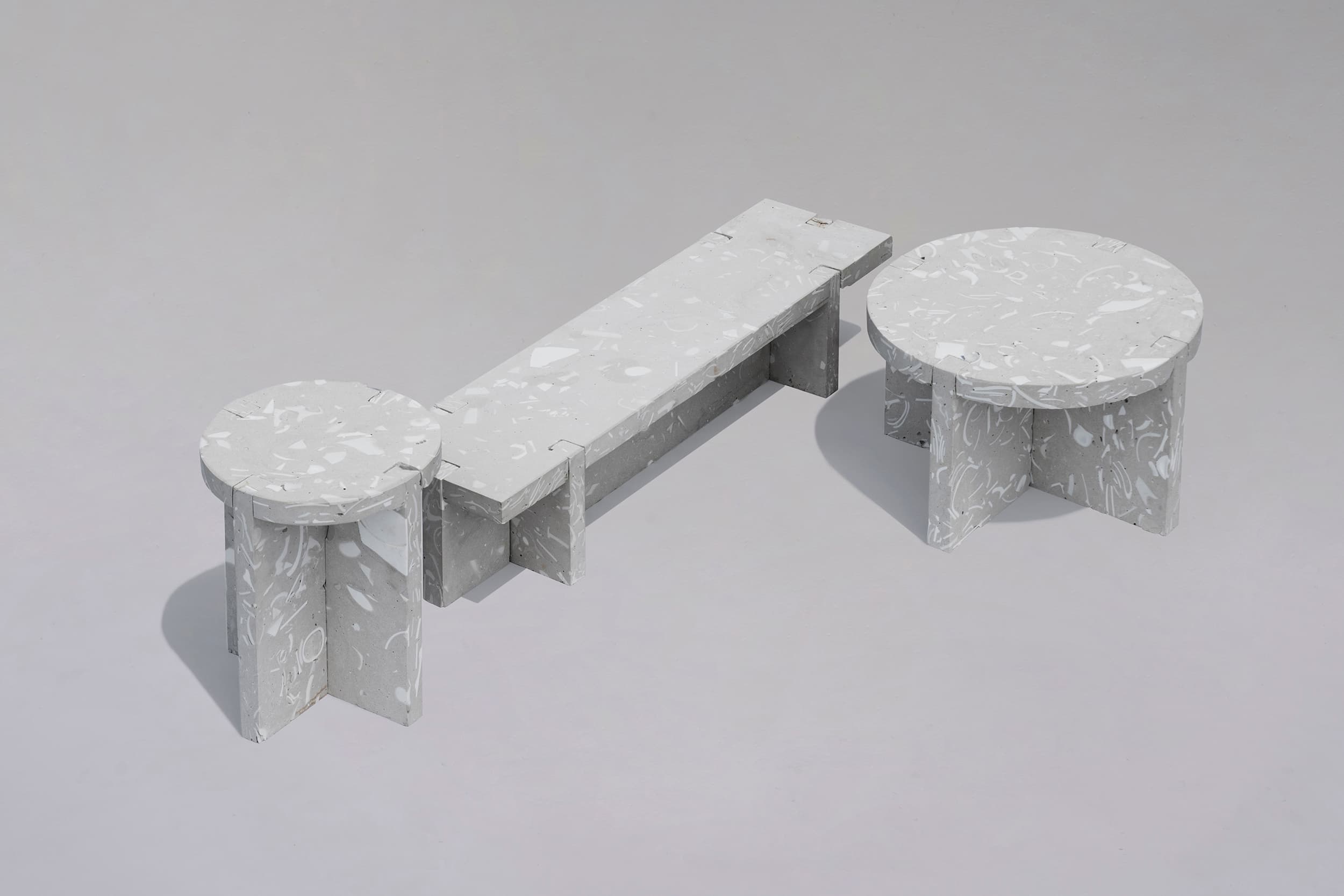
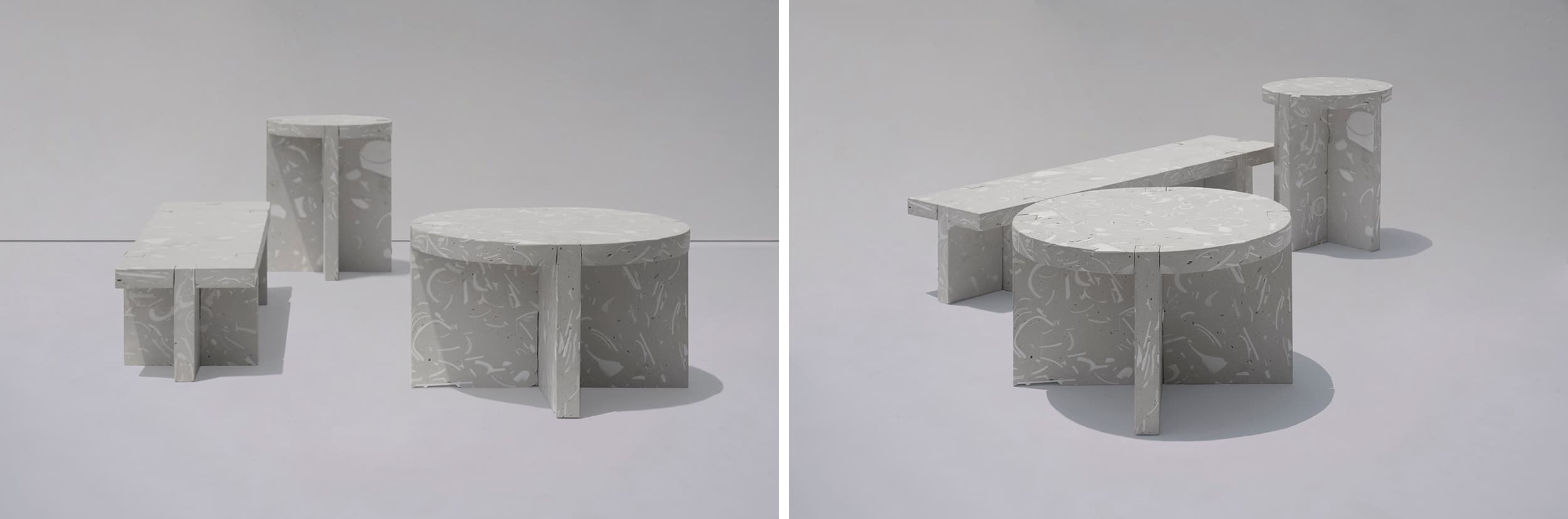
The 80% waste ceramic unfired consolidation creates new material bodies, resonating powerfully with migrant workers’ experiences. Just as waste ceramics gain new life through particle restructuring, displaced individuals may rebuild stable spiritual structures amid fragmentation and mobility. They require not only employment but also renewed social‑cultural order — not rigid traditional kinship systems, but authentic, warm communities forged through labour, time and mutual care in new territories.
This constitutes the core speculative value of Loss of Form: the collapse of cultural order extends beyond discarded materials and social disorder to the objectification and dehumanisation of people. When workers are reduced to demographic data, labour quantified as working hours, and life experience simplified into production inputs, this erasure of humanity represents our deepest loss of form. Restoring form ultimately means acknowledging tangible places and human lives.
Globalisation, urbanisation and homogenisation threaten heritage‑bearing ancient architecture and place‑based social bonds amid rapid societal change.
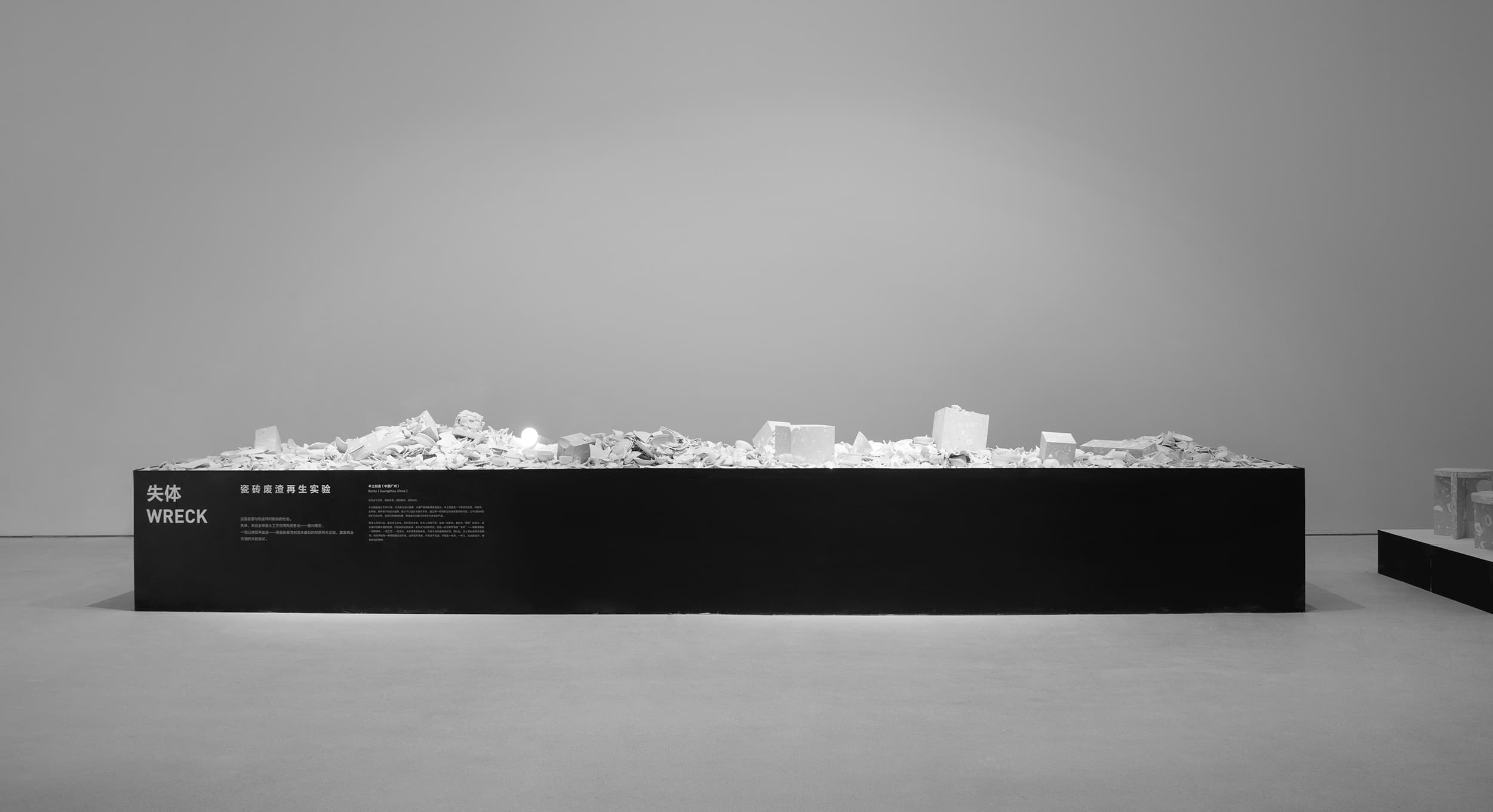
The experiment’s power lies not in nostalgic lamentation but in proactive engagement with ruins: extracting new aggregates from waste, reconstructing structures from fragmentation. It poses a fundamental contemporary question: amid rampant desire and systemic imbalance, can we build renewed symbiotic order between matter, culture, people and land?
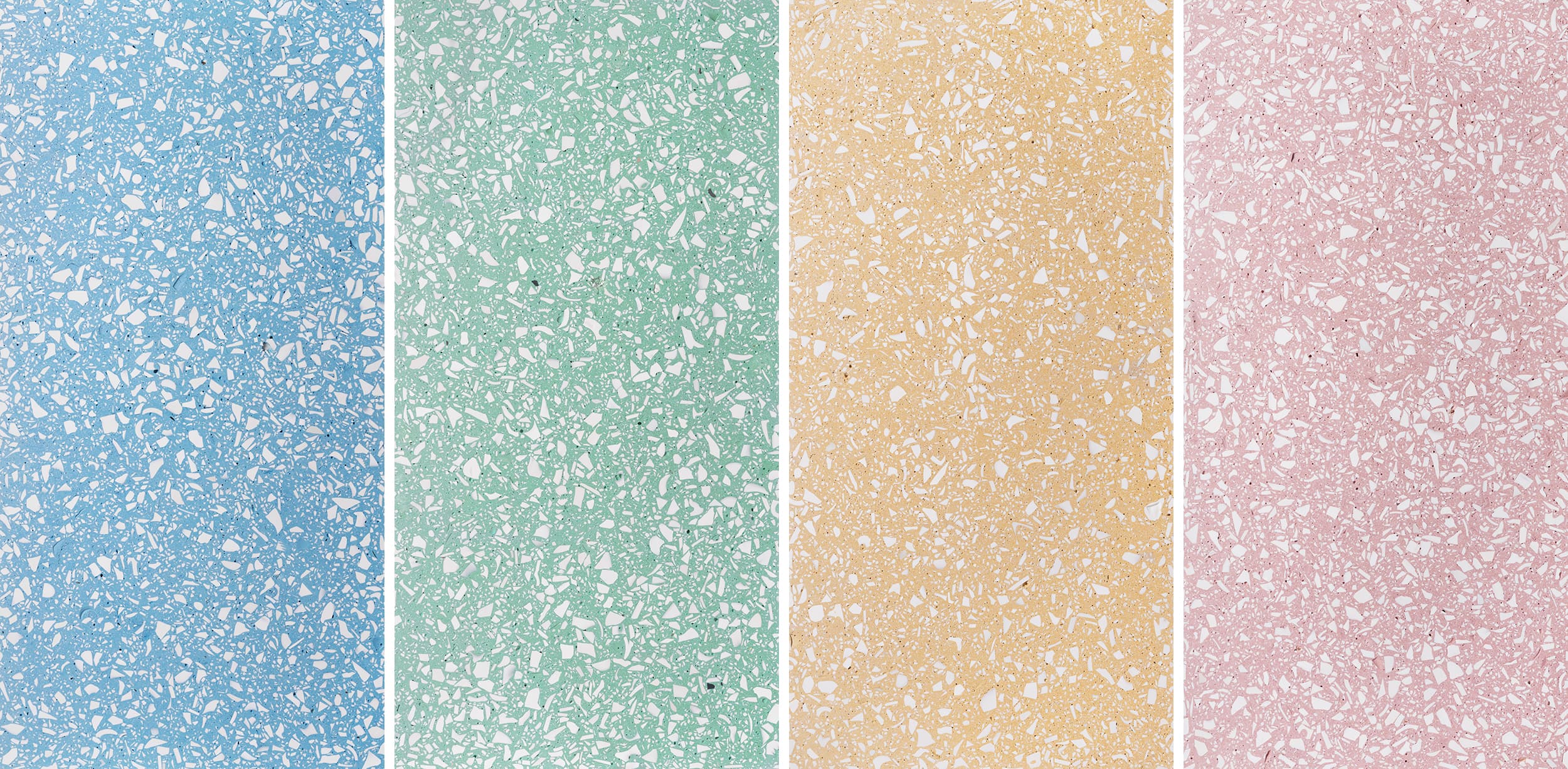
The closed, static traditional rural society has vanished and cannot be replicated. True restoration does not recreate outdated order, but embraces rupture and fragmentation. Within waste ceramic particle systems, low‑energy unfired transformation, and human‑centred care for individual lives, we cultivate a new inclusive order that accepts fragmentation, enables recombination and remains rooted in reality. This new order abandons superficial uniformity to build meaning within brokenness and find hope amid ruins.
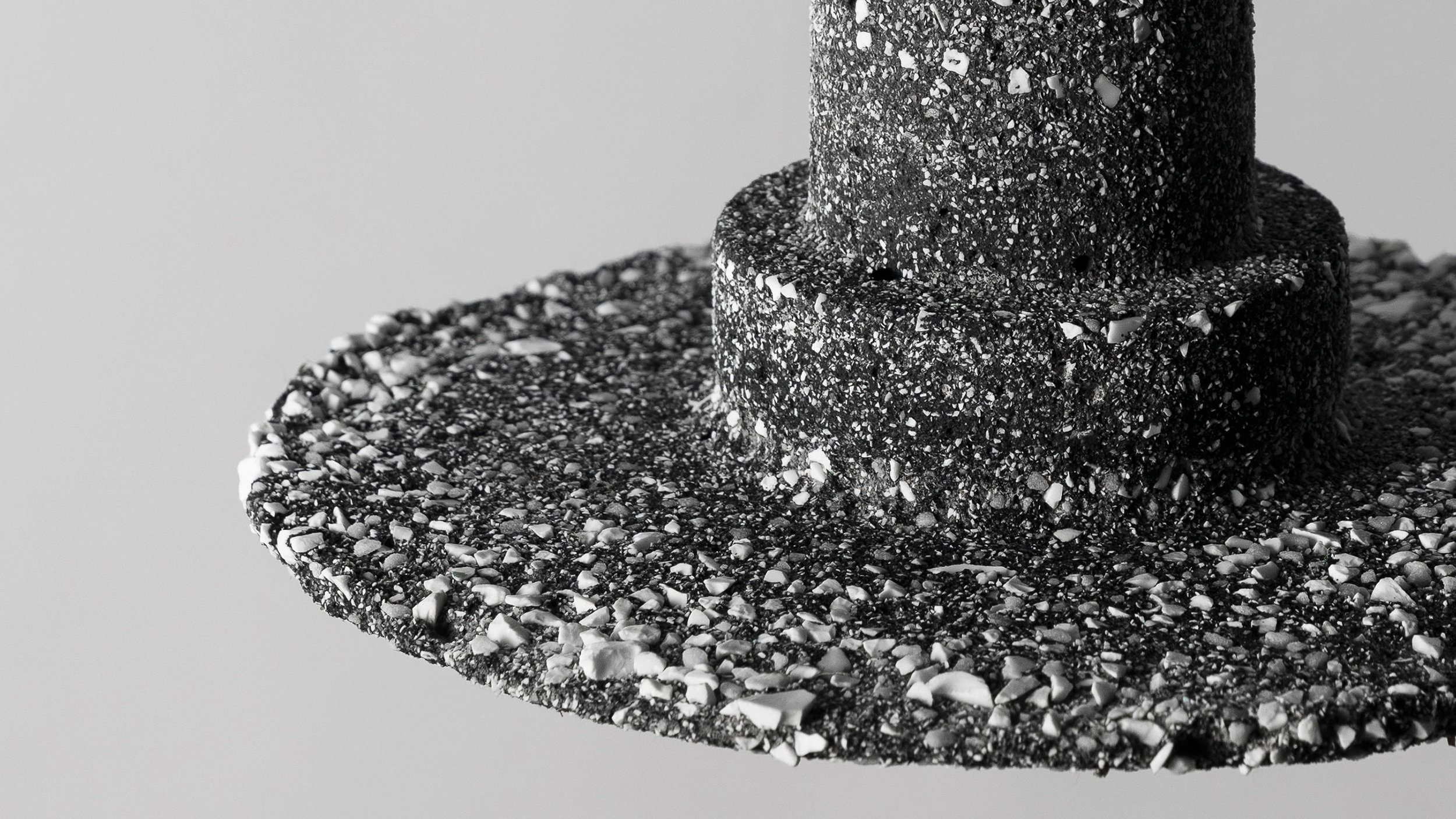
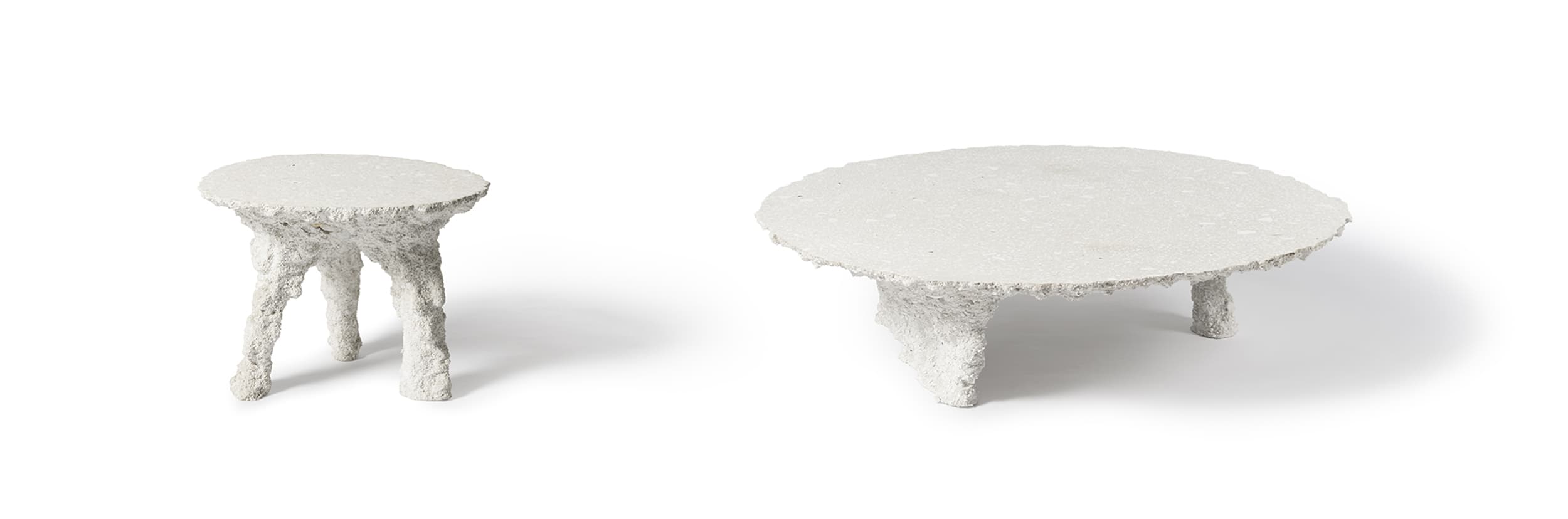
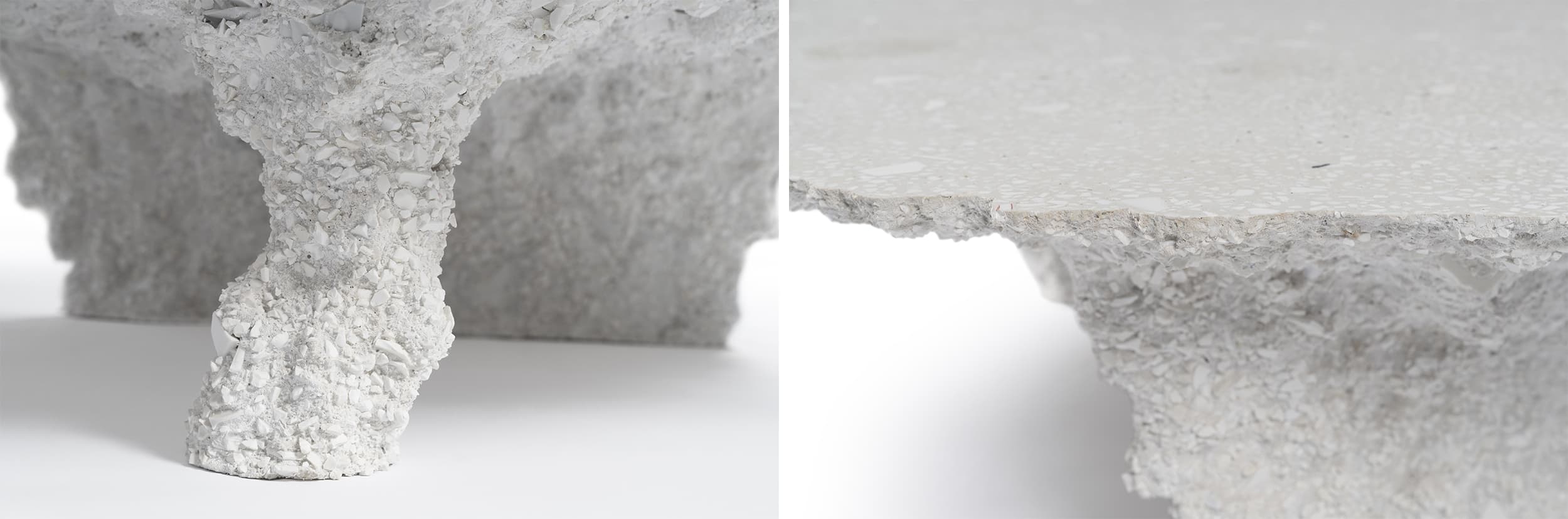
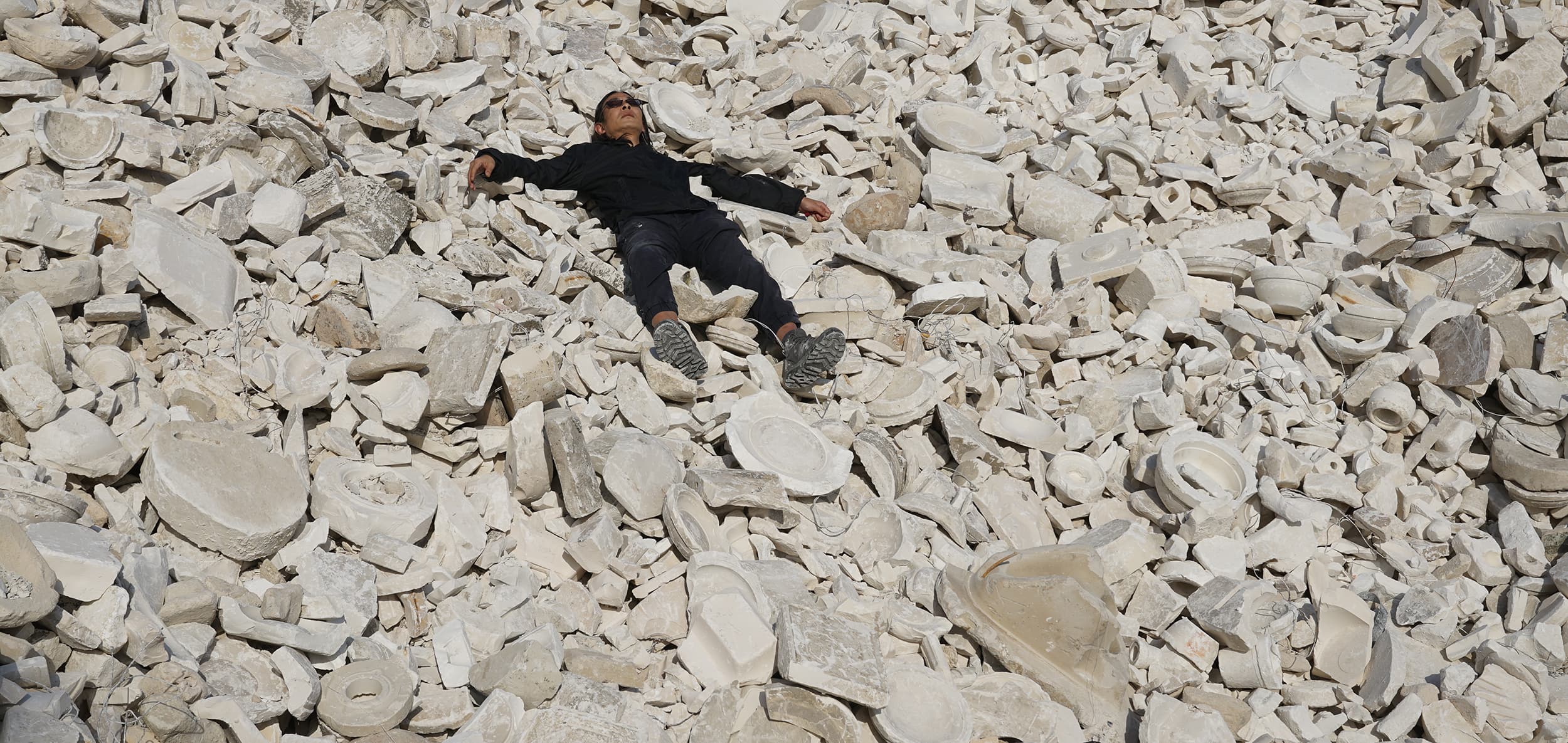
Chaozhou’s waste ceramic heaps hold far more than refuse: they contain intertwined fragments of industrial development, cultural heritage and individual destinies. Loss of Form represents modest pioneering practice, yet reveals a vital possibility: in an era of widespread lost form, cultural and material renewal must begin with overlooked waste fragments and the lived humanity of ordinary people.
Design Director: Xu Gang
This article is an original work of the BENTU Local Regeneration Practice Series. Using Chaozhou waste ceramics as a case study, it documents the full transformation of traditional ceramic waste from industrial residue to contemporary circular material and culturally reflective design practice.

- Contact
+8620 8977 0506
- Press
press@bentudesign.com
- Enquiry & Sales
info@bentudesign.com