Mai: The Ecological Expression of Waste and Public Space
Time: December 2024
Location: Wuxi, Jiangsu, China
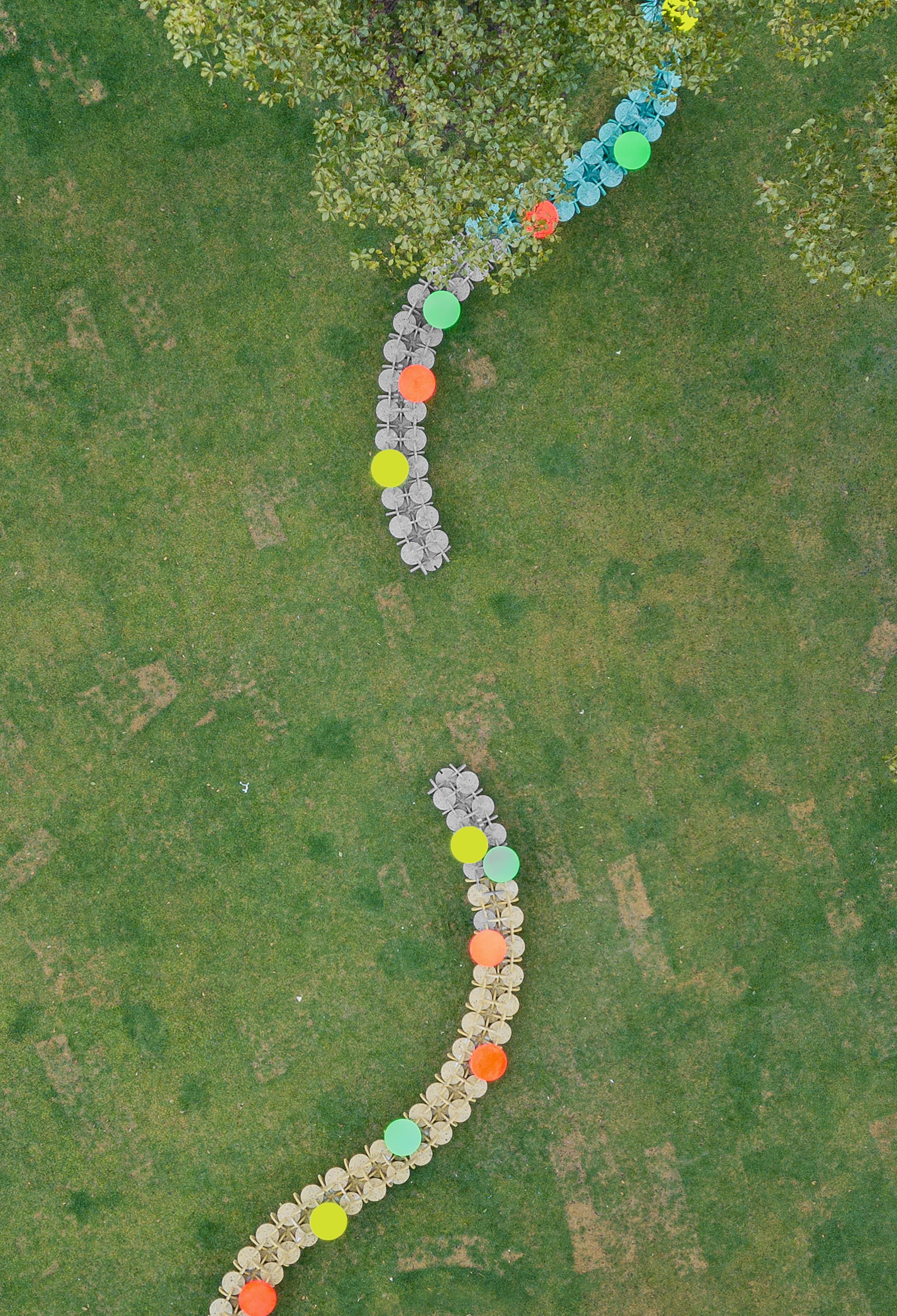
In recent years, sustainable design has gradually evolved from a niche professional topic to a widely embraced direction across the design field. This shift precisely mirrors deeper crises embedded in contemporary social development: climate anomalies, ecological degradation and rising environmental pressure are no longer distant events, but closely intertwined with everyday life. The growing recognition of sustainable design stands as a necessary response to real‑world challenges.
Against this backdrop, waste recycling is no longer an optional practice in design, but an essential action to be implemented. It constitutes a reflection on the extensive linear consumption model and a process of re‑evaluating material value and tapping into latent material potential. Only by breaking free from the ingrained “use‑and‑discard” mindset can we reintegrate waste into daily scenarios and establish material practices more aligned with natural laws.
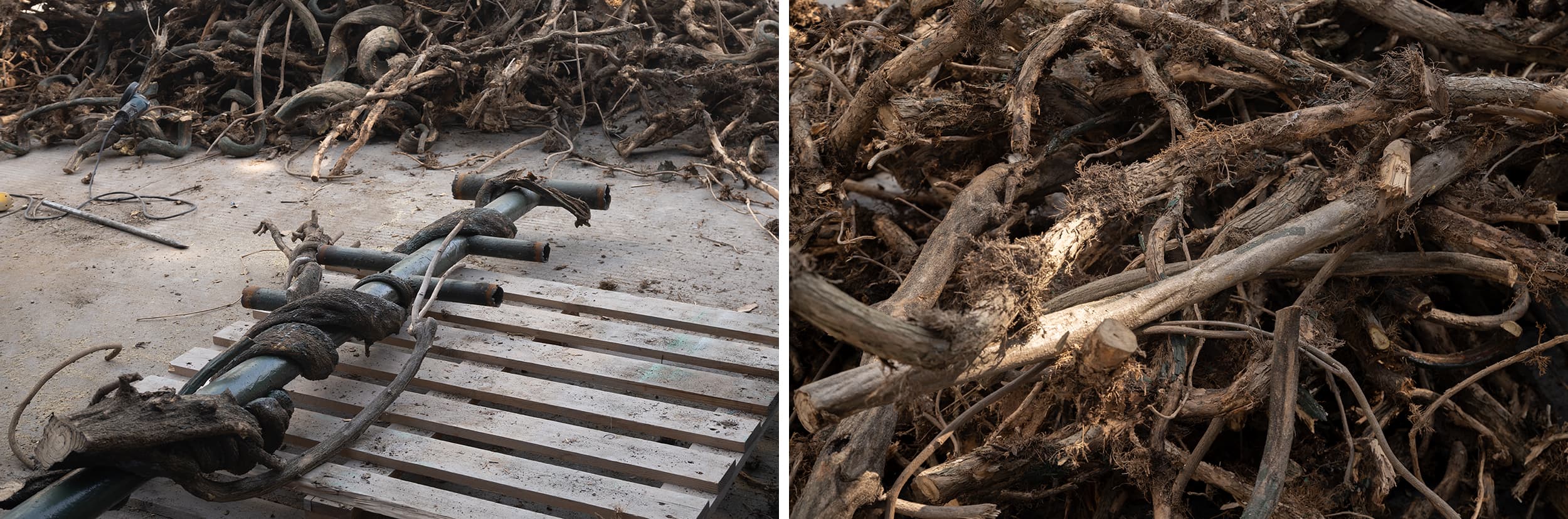
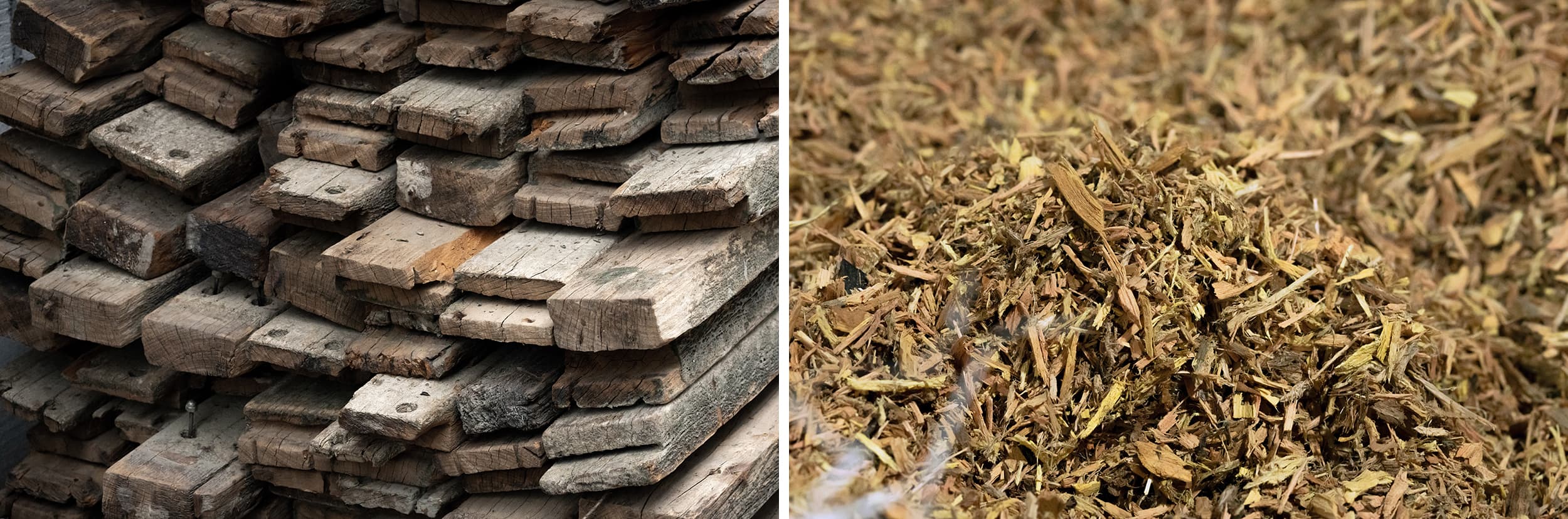
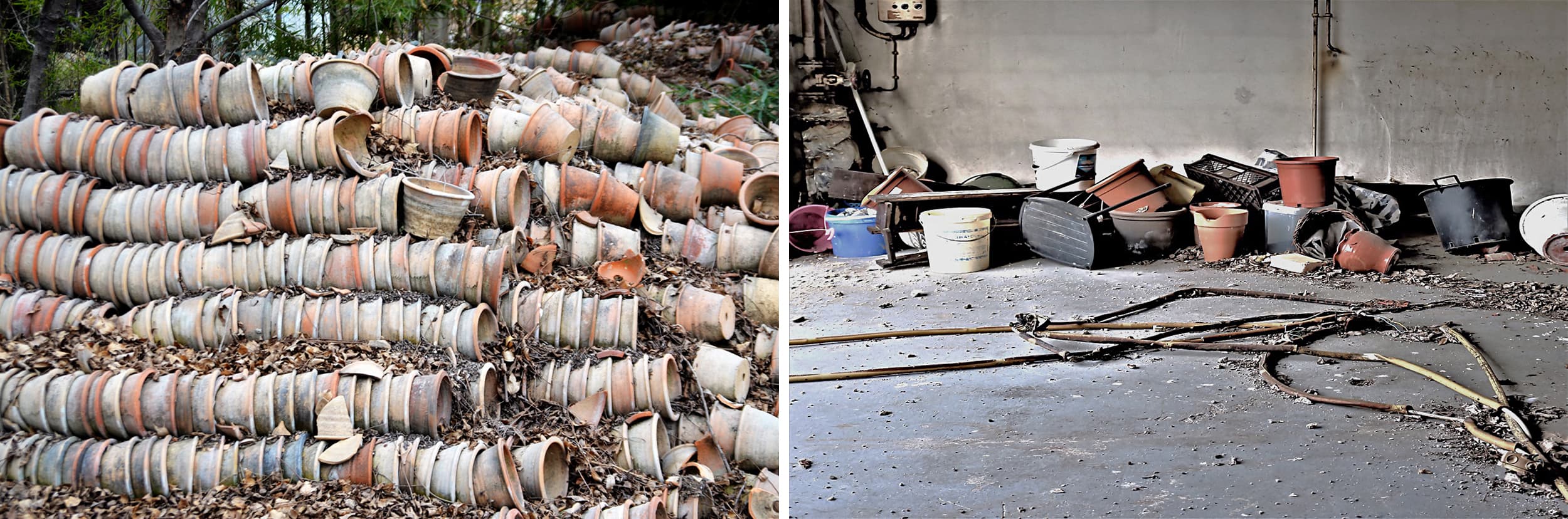
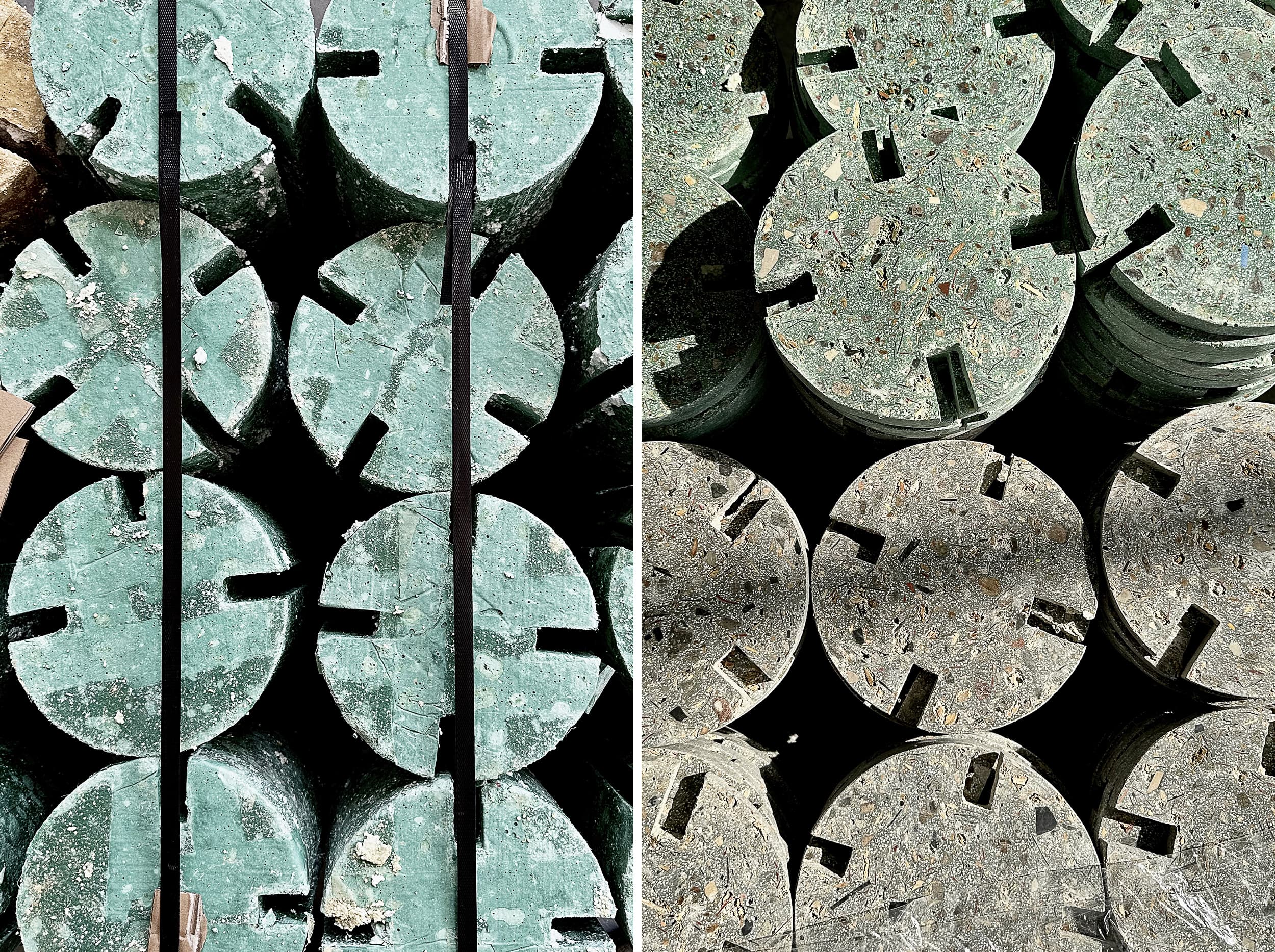
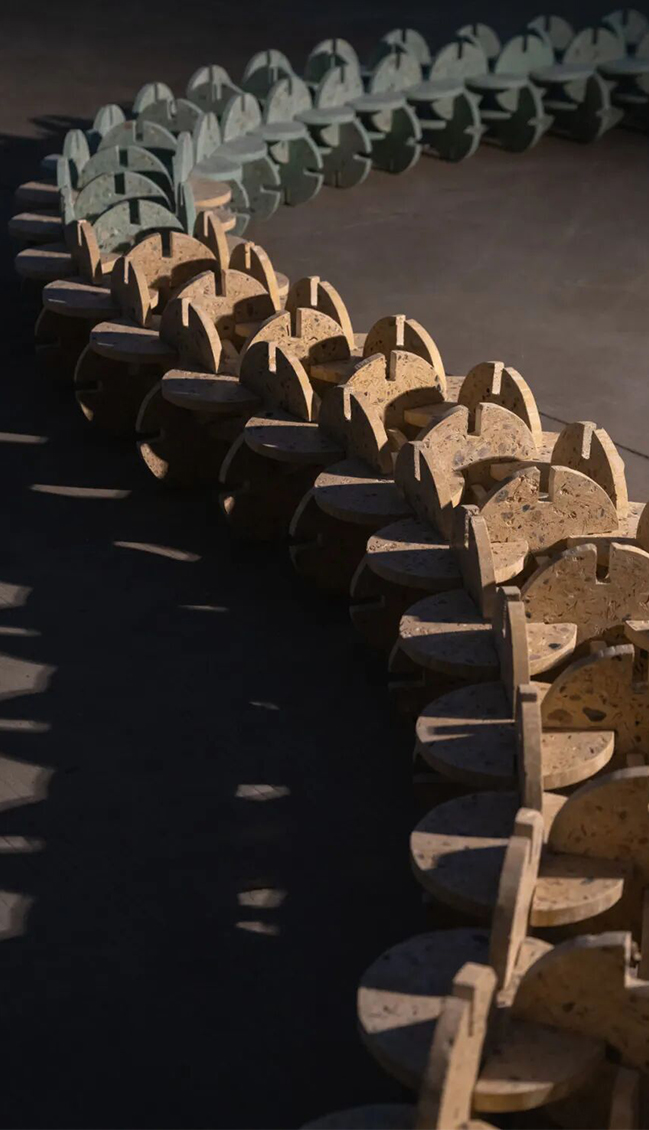
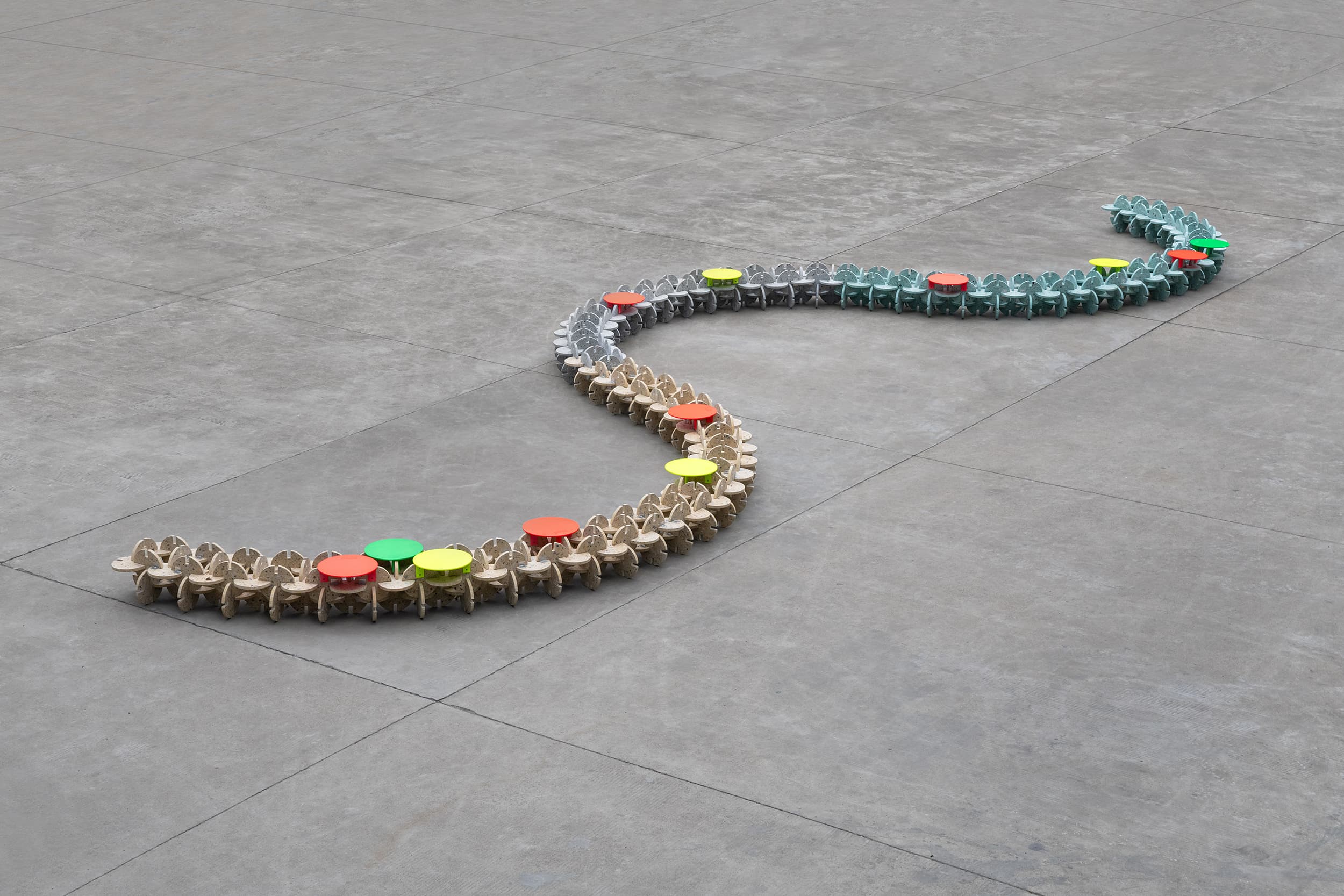
Mai (meaning “vein” or “pulse”) is a public installation situated at Lihu Park in Wuxi, as well as a key work within BENTU’s sustainable design practice series. All materials are sourced locally from waste generated within the park, mainly deadwood and discarded plastic flowerpots, enabling complete on‑site reuse.
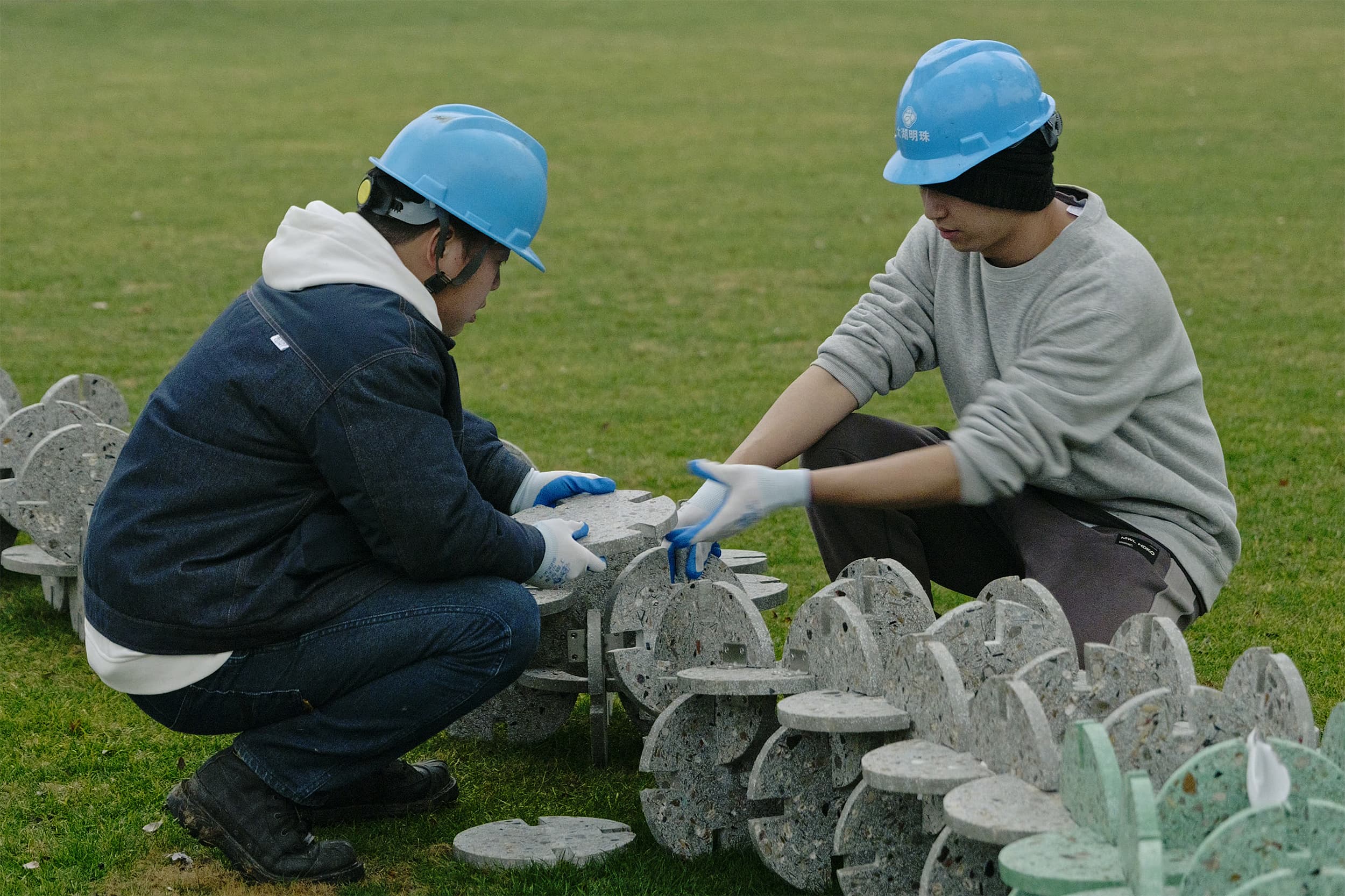
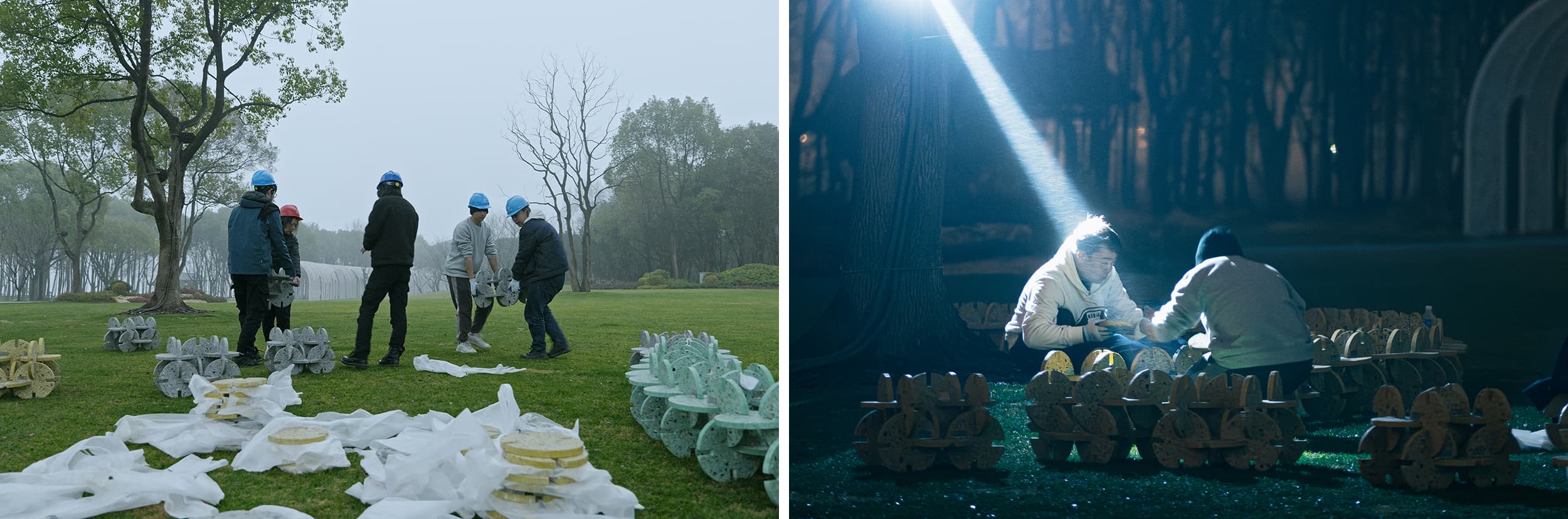
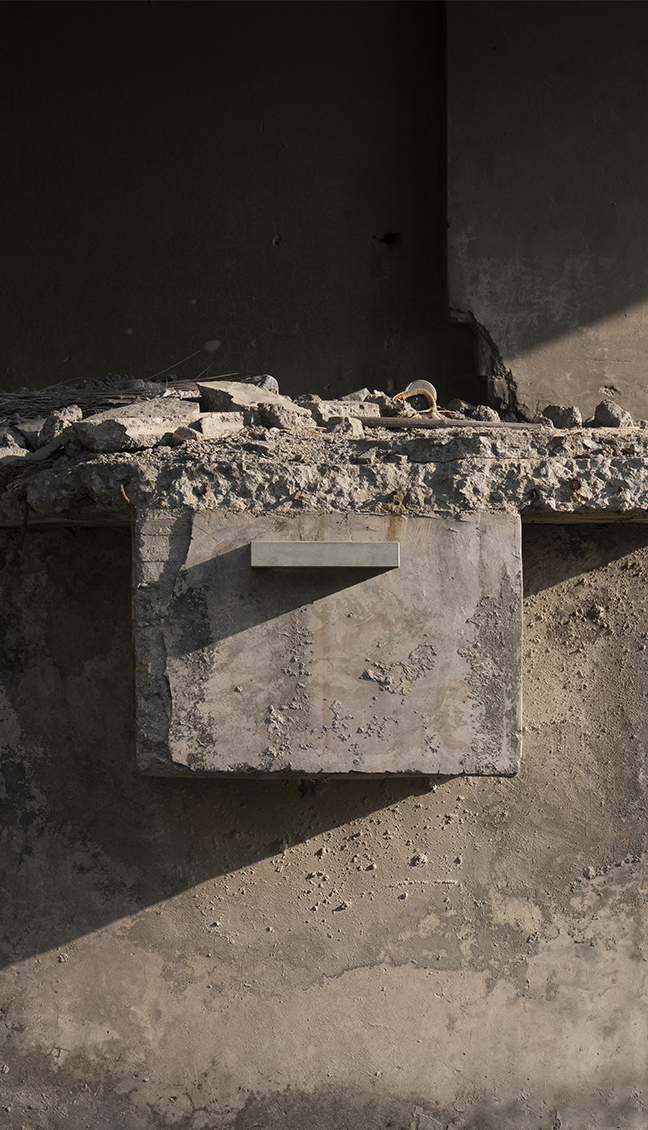
Rather than deliberately beautifying or reworking raw materials, the design fully preserves the original condition of waste: the cracked texture of deadwood and fractured cross‑sections of plastic flowerpots are directly revealed on the installation’s surface. The work does not seek to conceal material origins or produce polished outcomes; instead, it lets waste itself become the medium of expression.
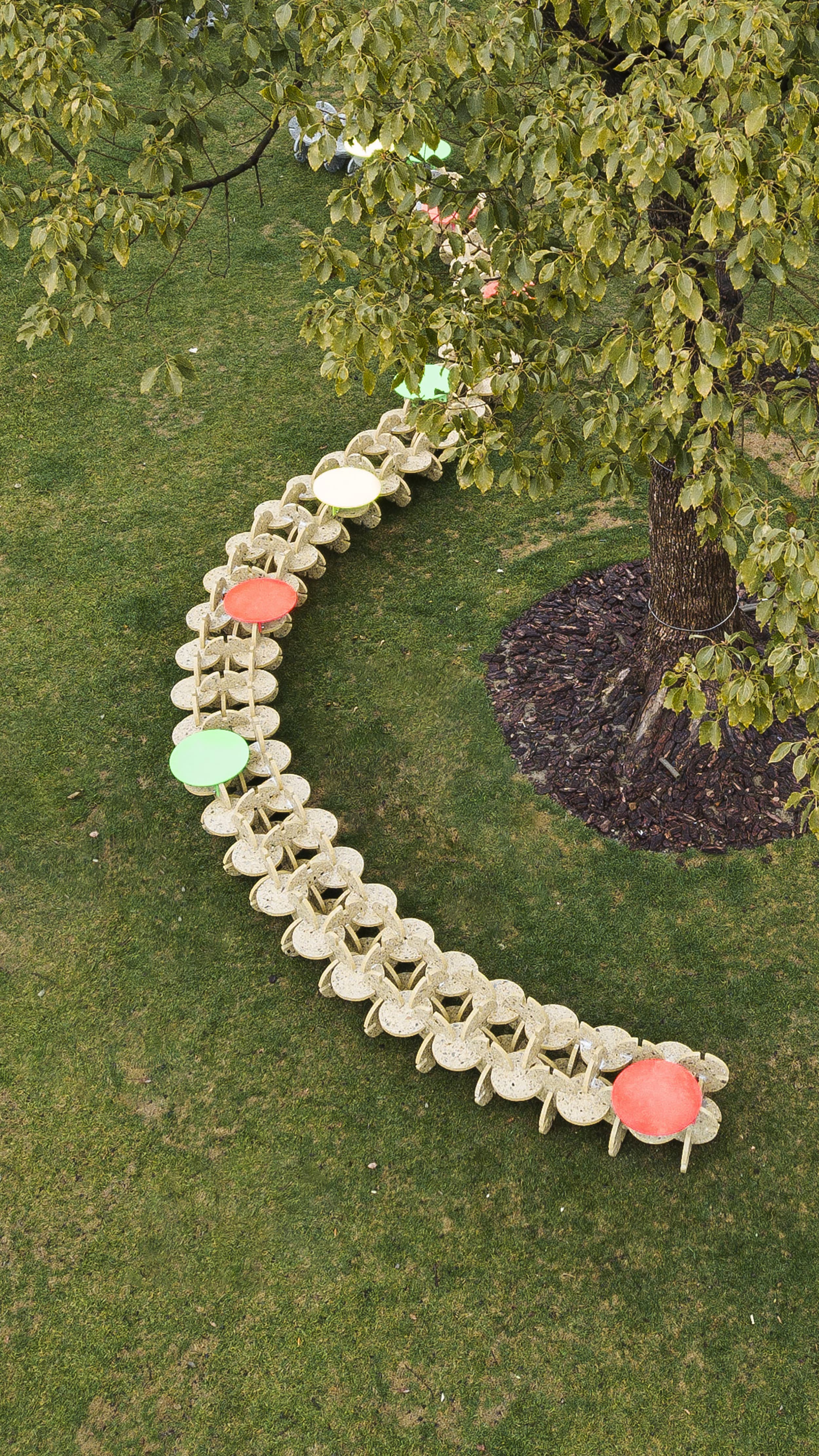
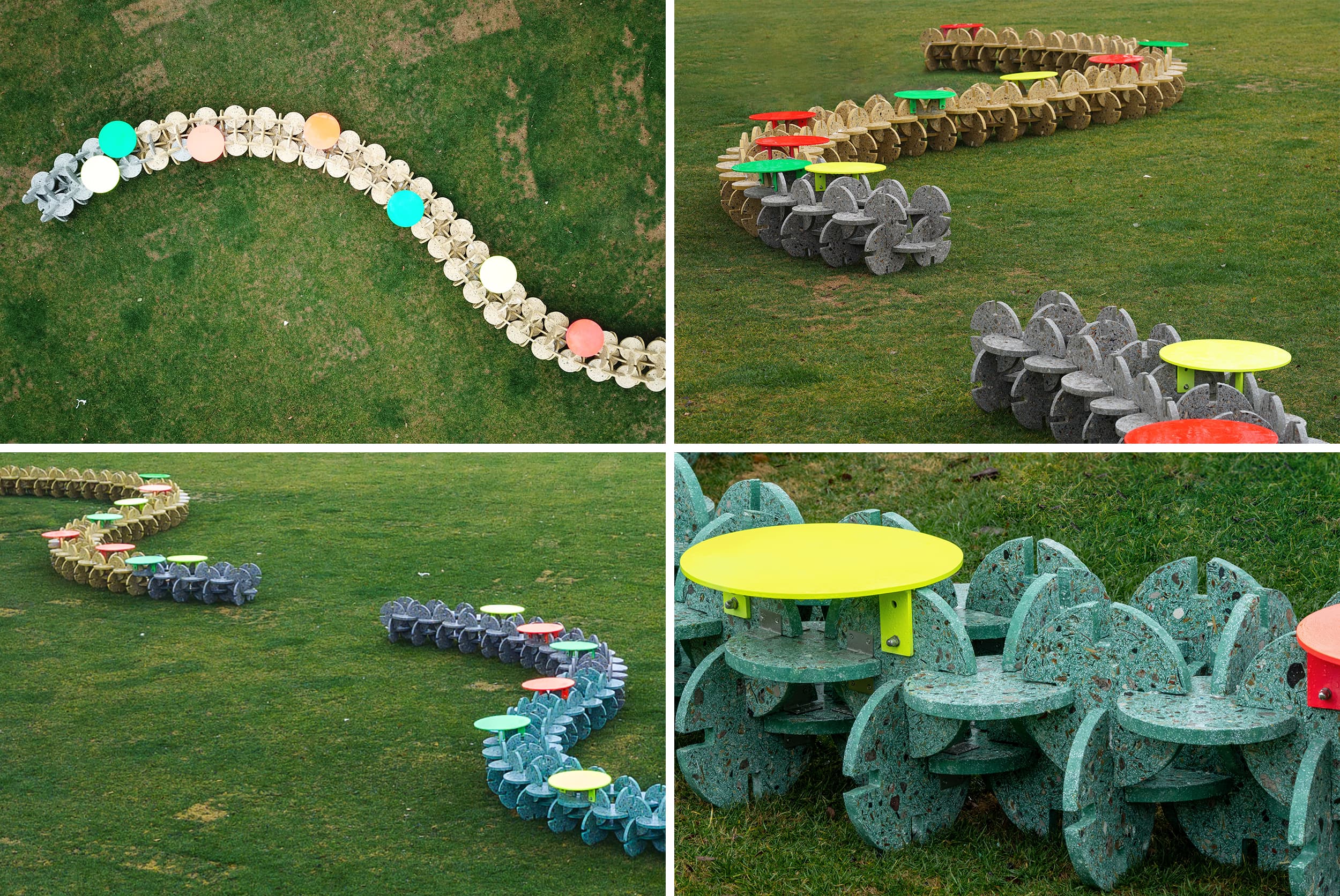
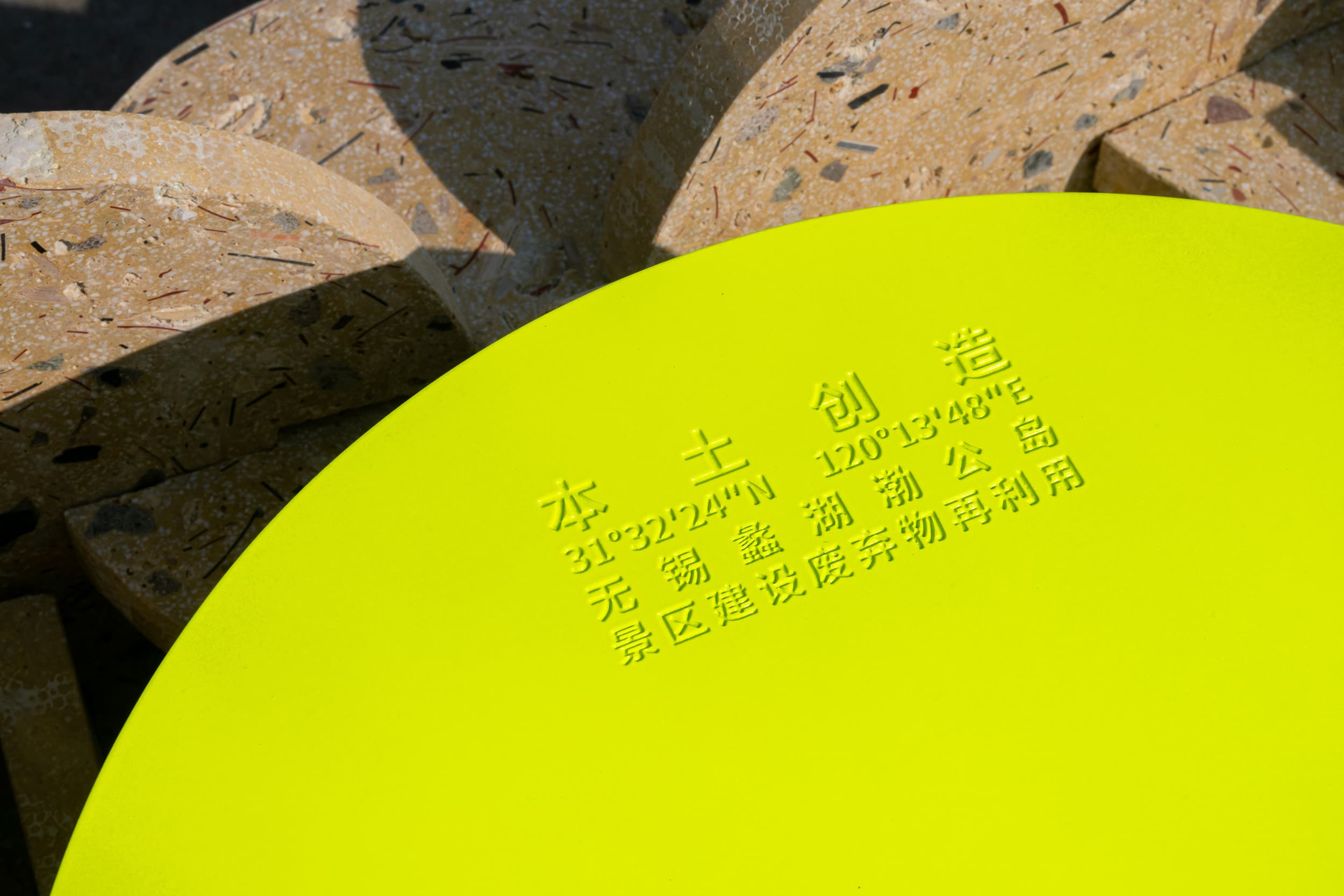
This approach aims to acknowledge the discarded nature of materials, translating natural traces and wear marks into an understated visual language. The deadwood was once living trees in the park; the plastic flowerpots once nurtured growing plants. The life trajectories of these two distinct materials converge here. The installation explores ways to integrate local waste into public space, revealing connections between artificial waste and natural surroundings. It ultimately forms a site‑specific material identity — belonging neither to virgin nature nor mass‑produced industrial goods, but exclusively to Lihu Park.
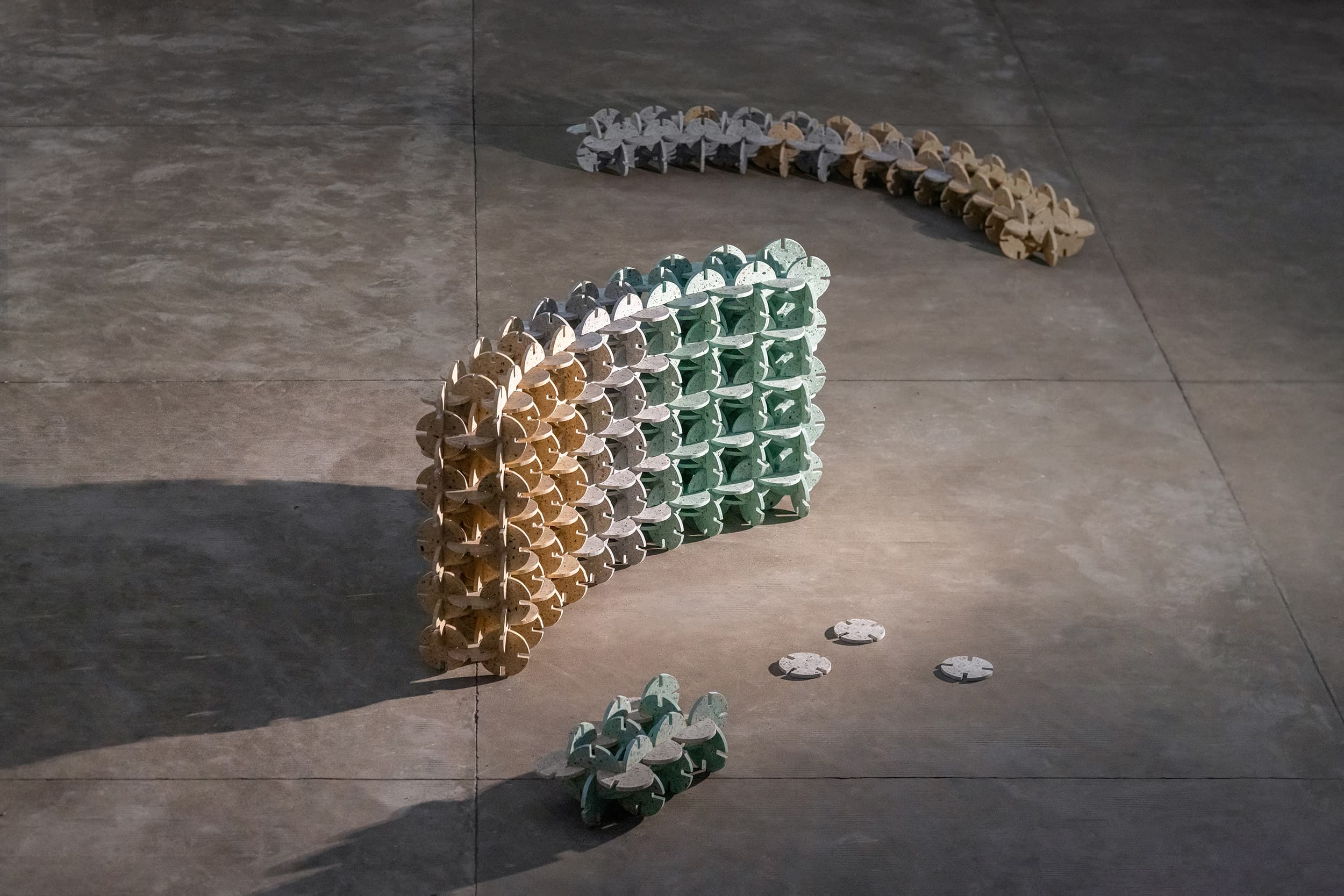
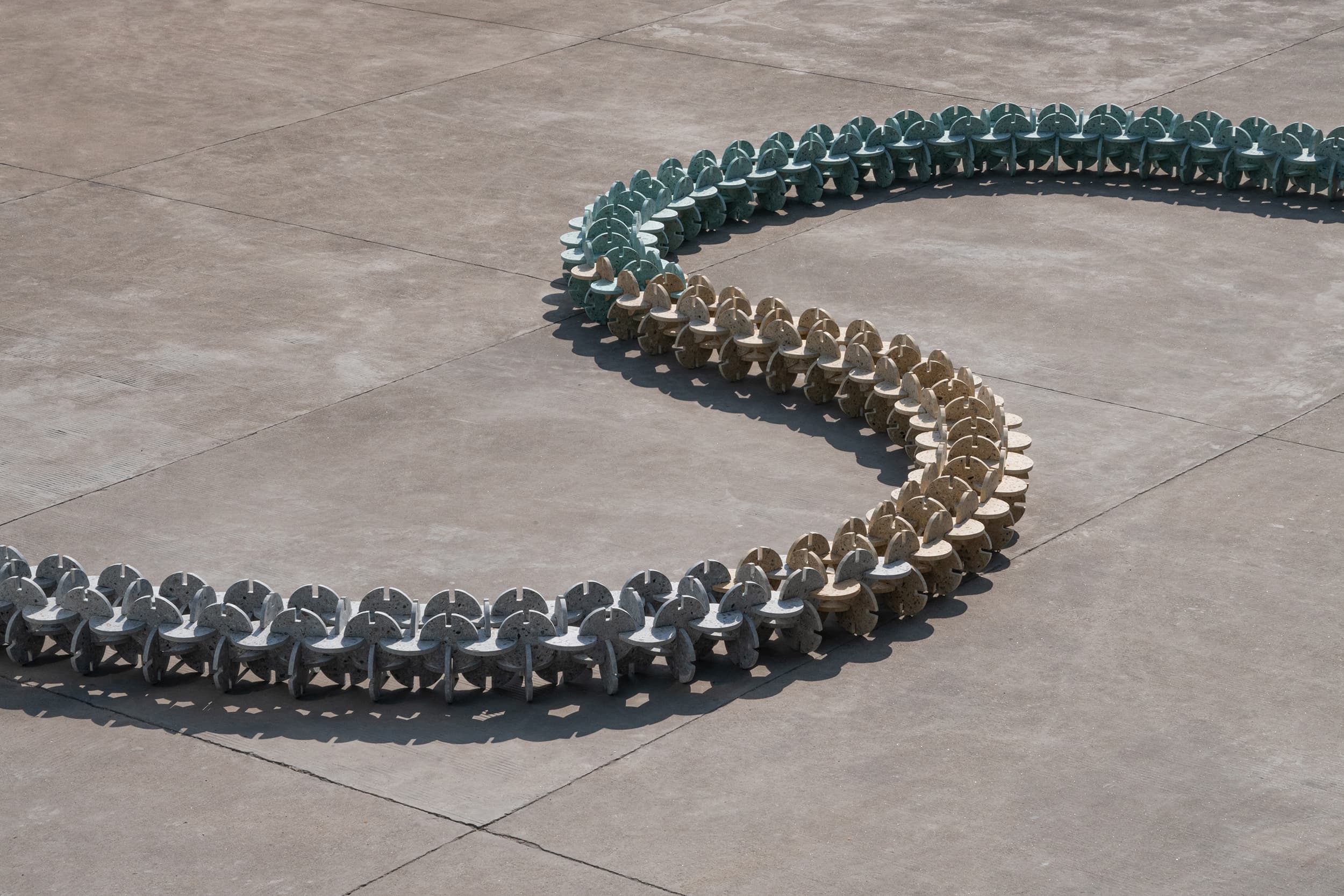
Judging public installations solely by form and aesthetics easily limits their value. Overemphasis on visual appeal reduces installations to mere spatial ornamentation. The core purpose of public artworks is to serve people and activate public spaces.
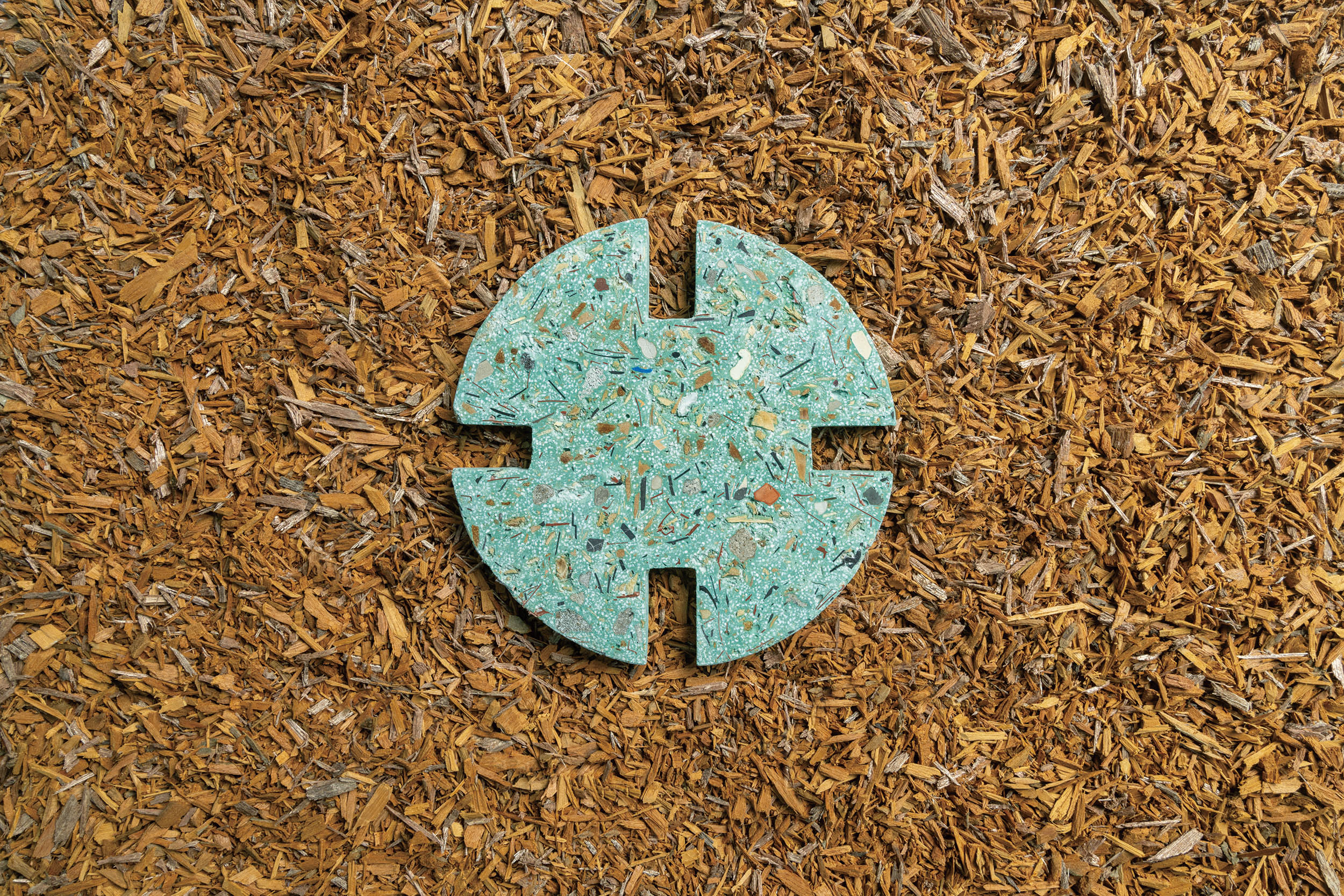
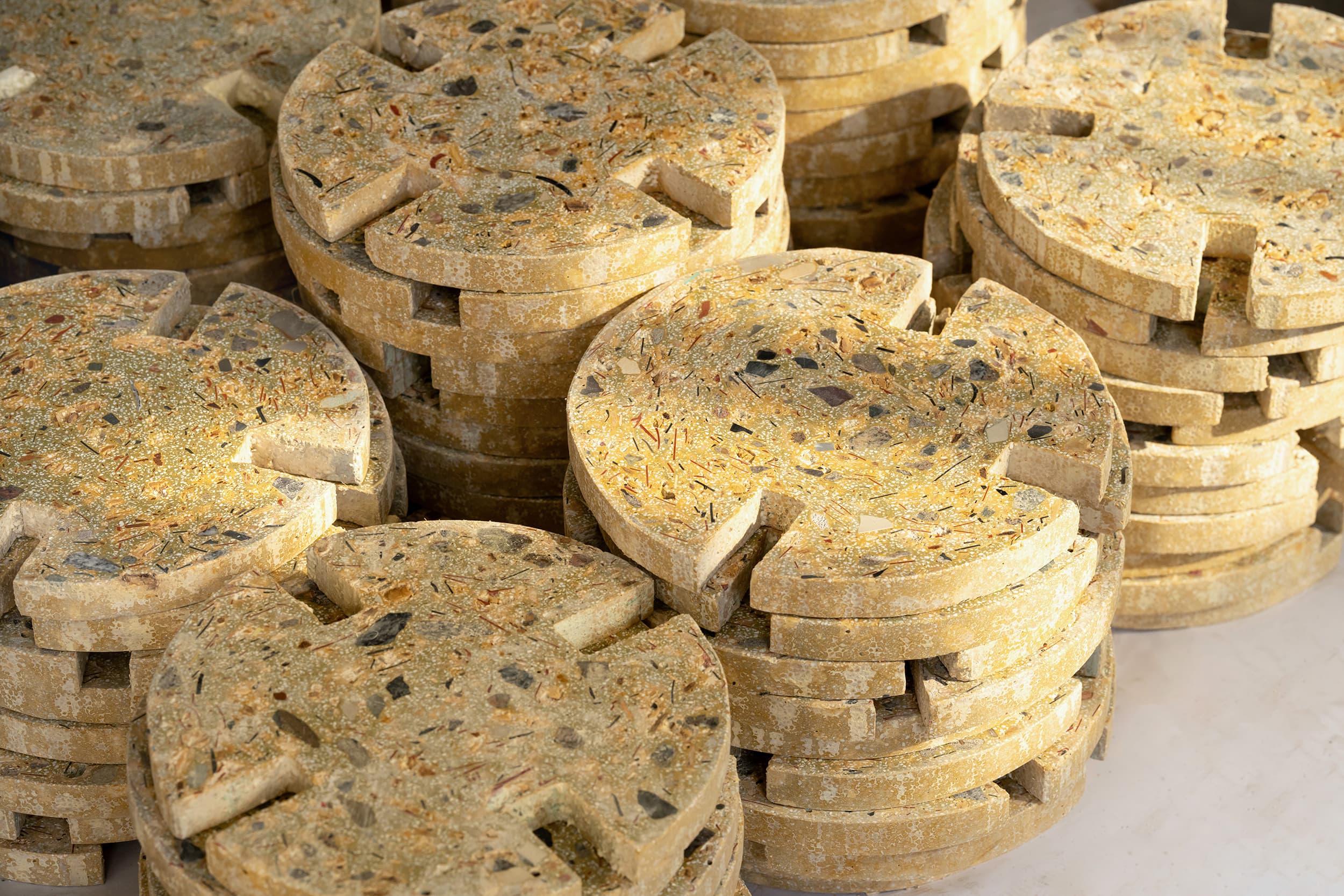
Rooted in sustainable practice, Mai carries multi‑layered functions. It offers visitors space to linger and interact, satisfying daily recreational needs of the park. More profoundly, through waste regeneration, it embeds ecological sustainability into ordinary life. As people walk and pause, they touch and observe the installation to intuitively experience the integration of natural and artificial waste. Without didactic preaching, visitors build intuitive bonds with nature and discarded matter. Design is not meant to detach art from life, but to bring sustainable values into everyday experience.
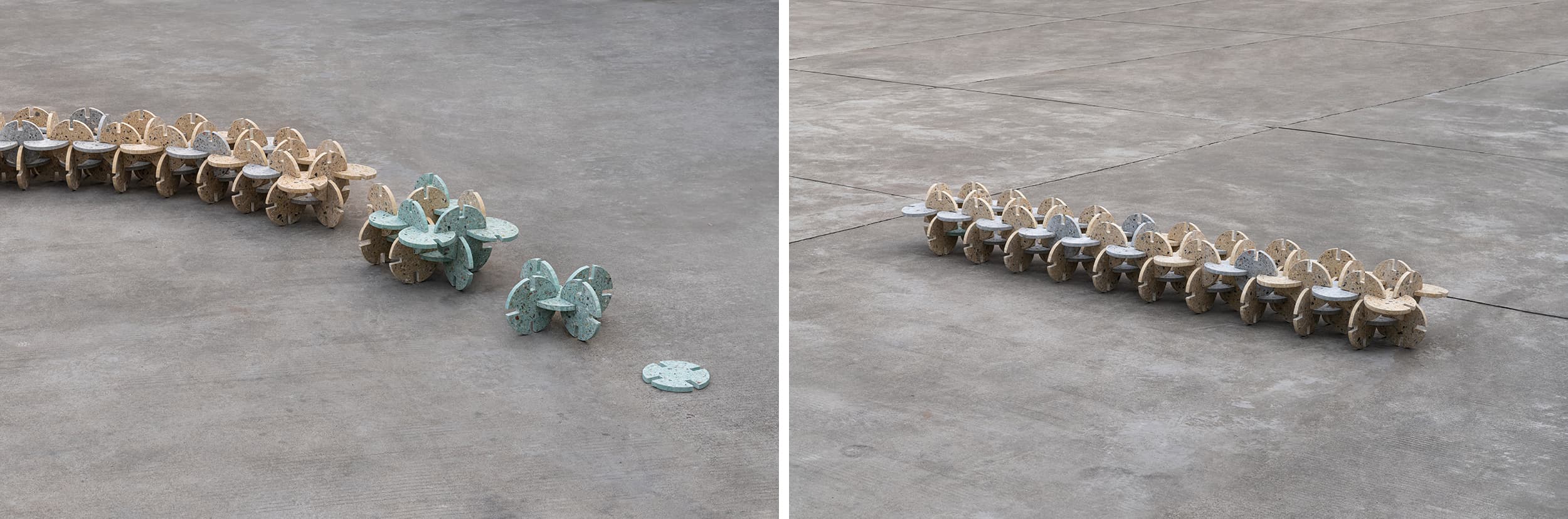
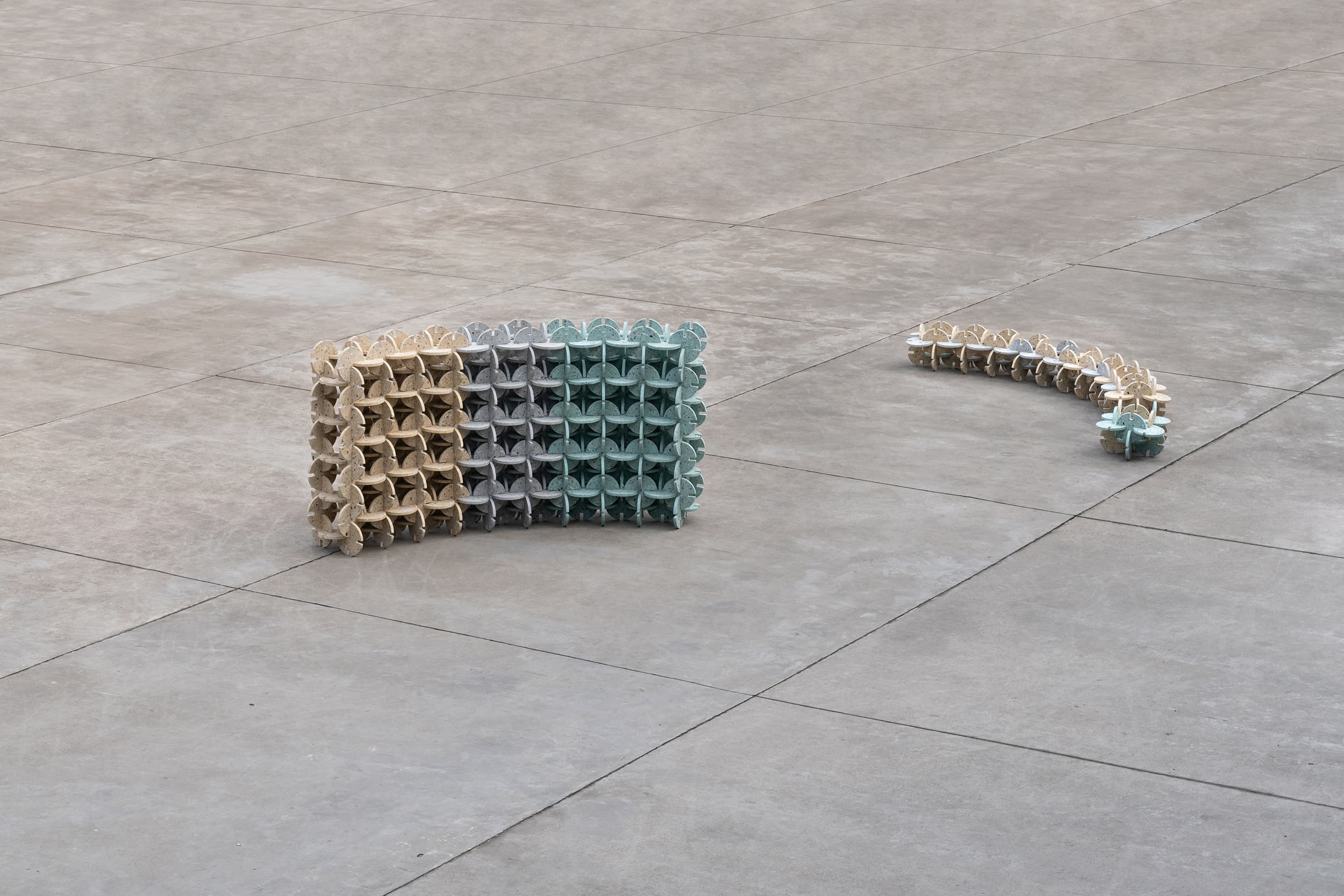
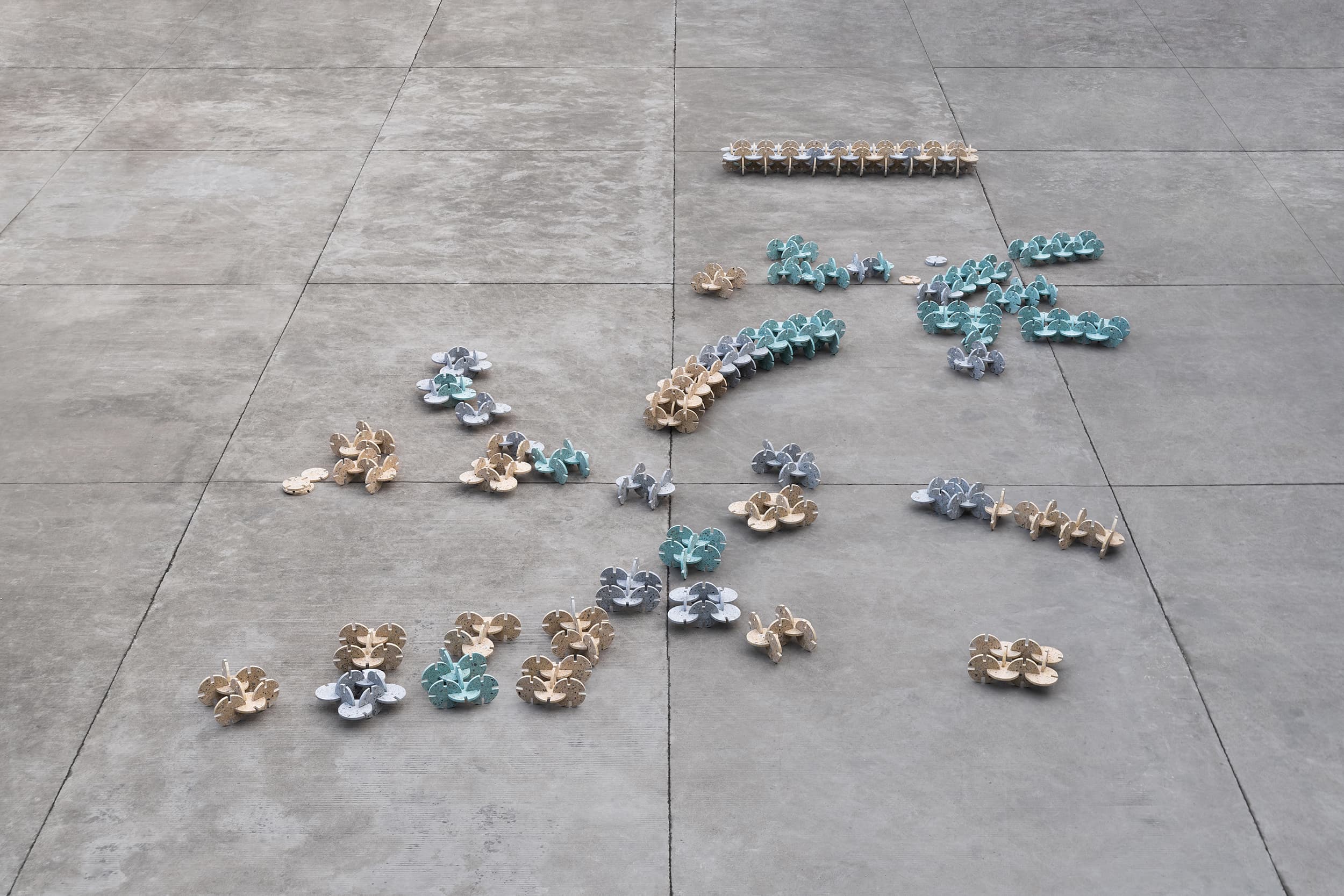
For sustainable design, hands‑on practice matters far more than abstract concepts and theories. Design value resides not in drawings or slogans, but in tangible action. Only through collecting, processing and fabricating materials personally can one truly perceive the texture of deadwood and fragmented forms of broken plastic, and develop authentic material cognition through repeated trials.
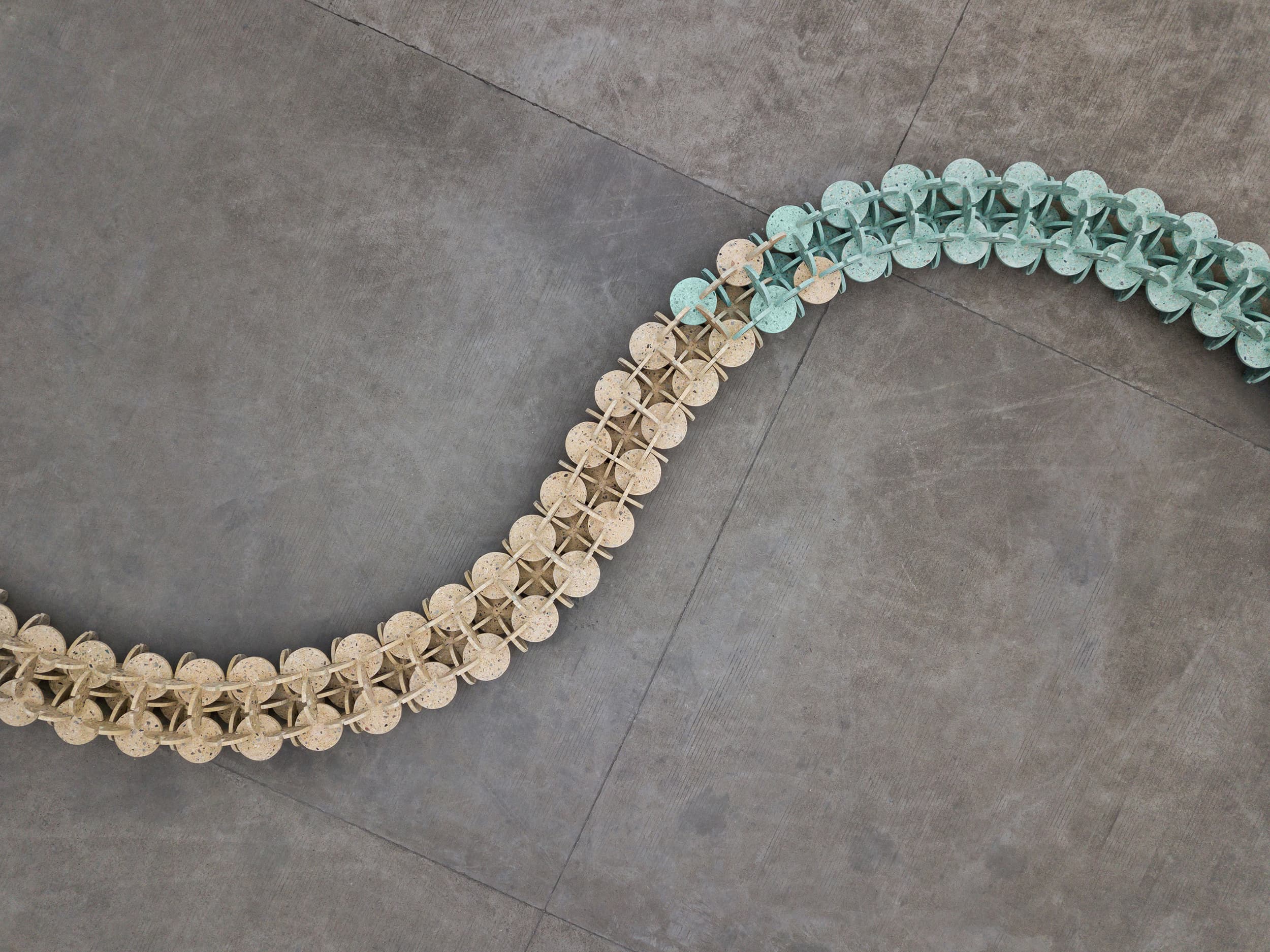
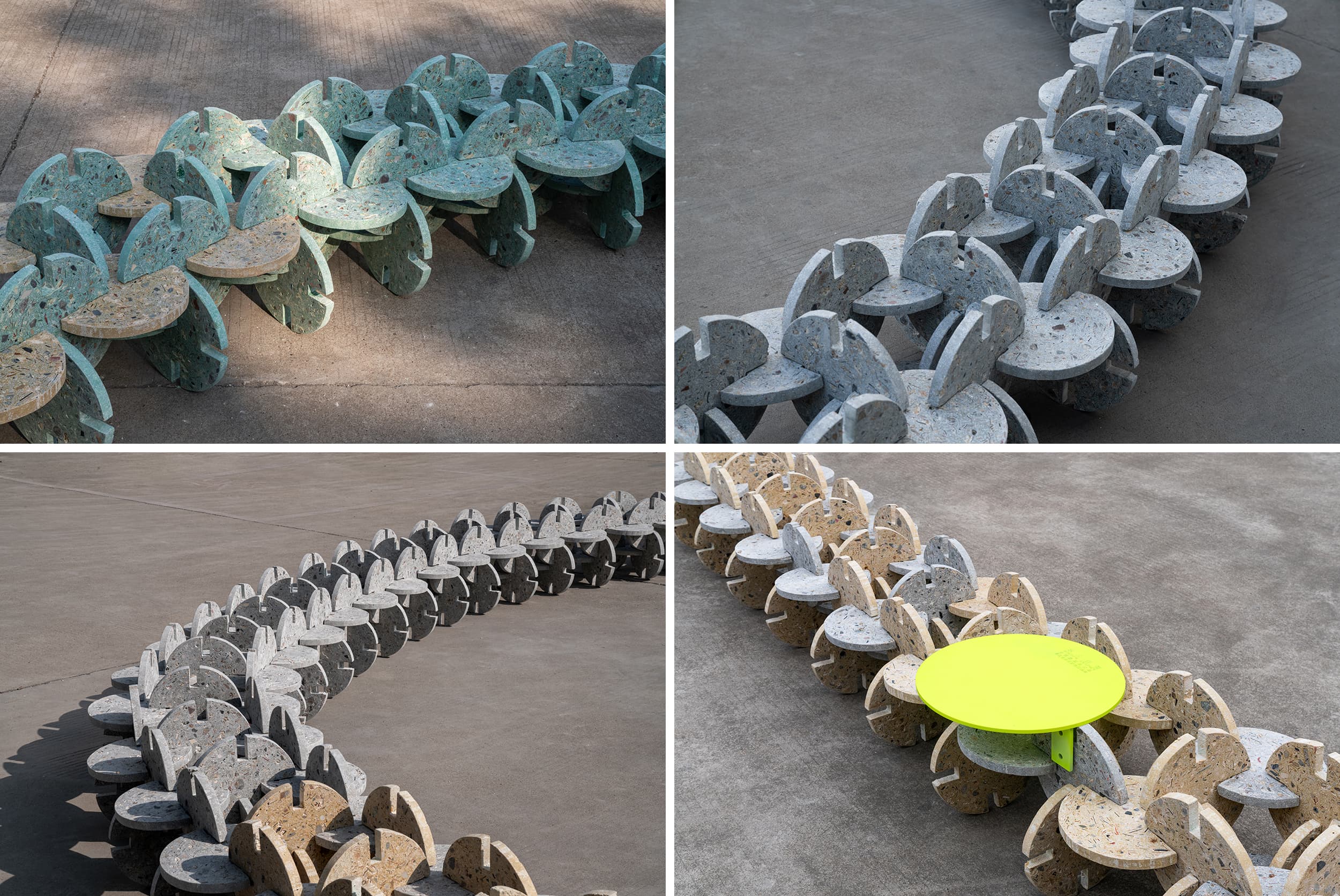
The project adheres to two core principles: all materials are sourced on‑site, removing the need for long‑distance transportation and enabling local extraction and transformation; and the original appearance of materials is fully retained without deliberate concealment of waste traces, embodying an authentic, unadorned design ethos.
This practice demonstrates that waste reuse is not merely a technical challenge, but a shift in mindset. It reshapes public perceptions of waste, redefines material value, and turns sustainability from empty slogans into tangible daily experience.
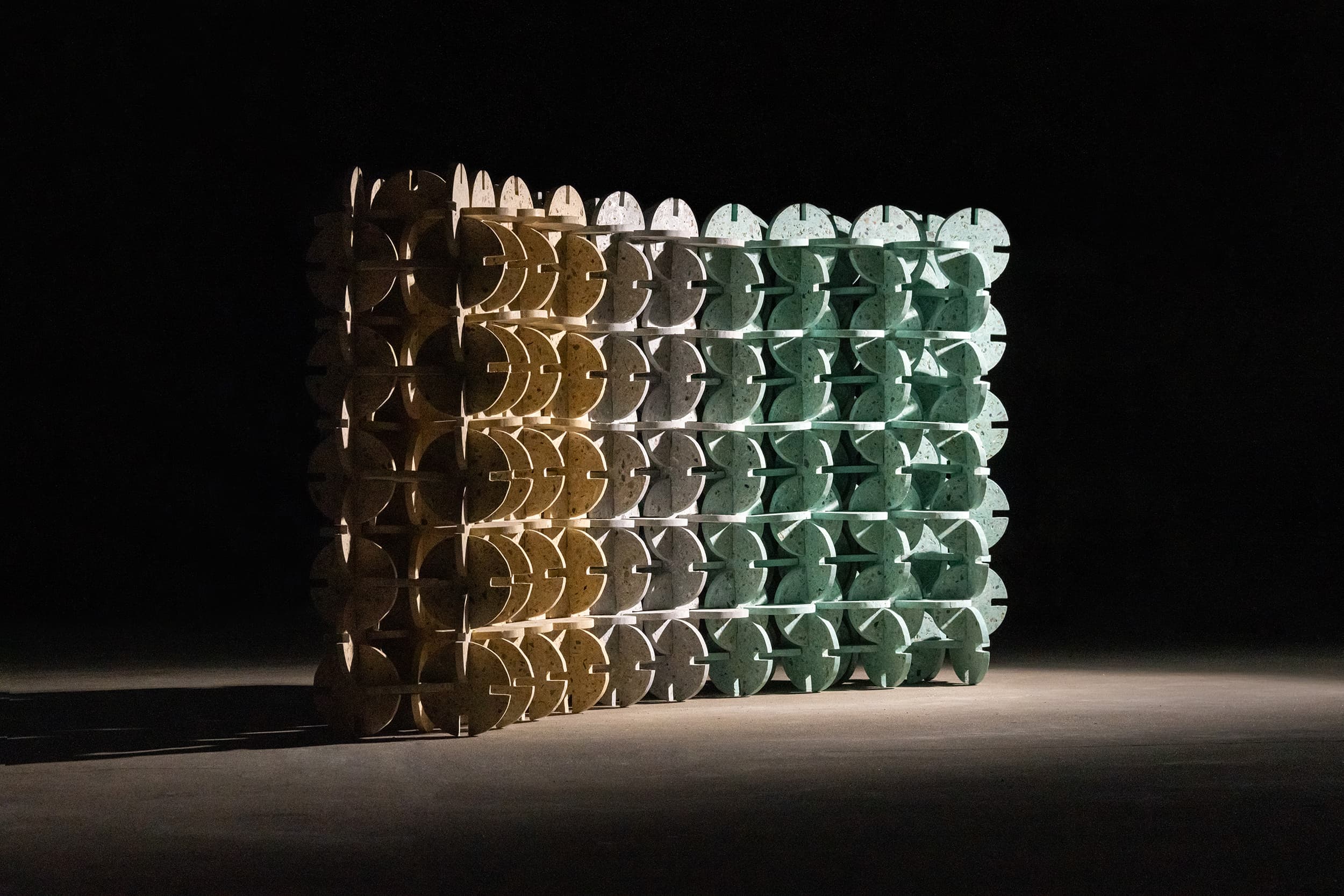
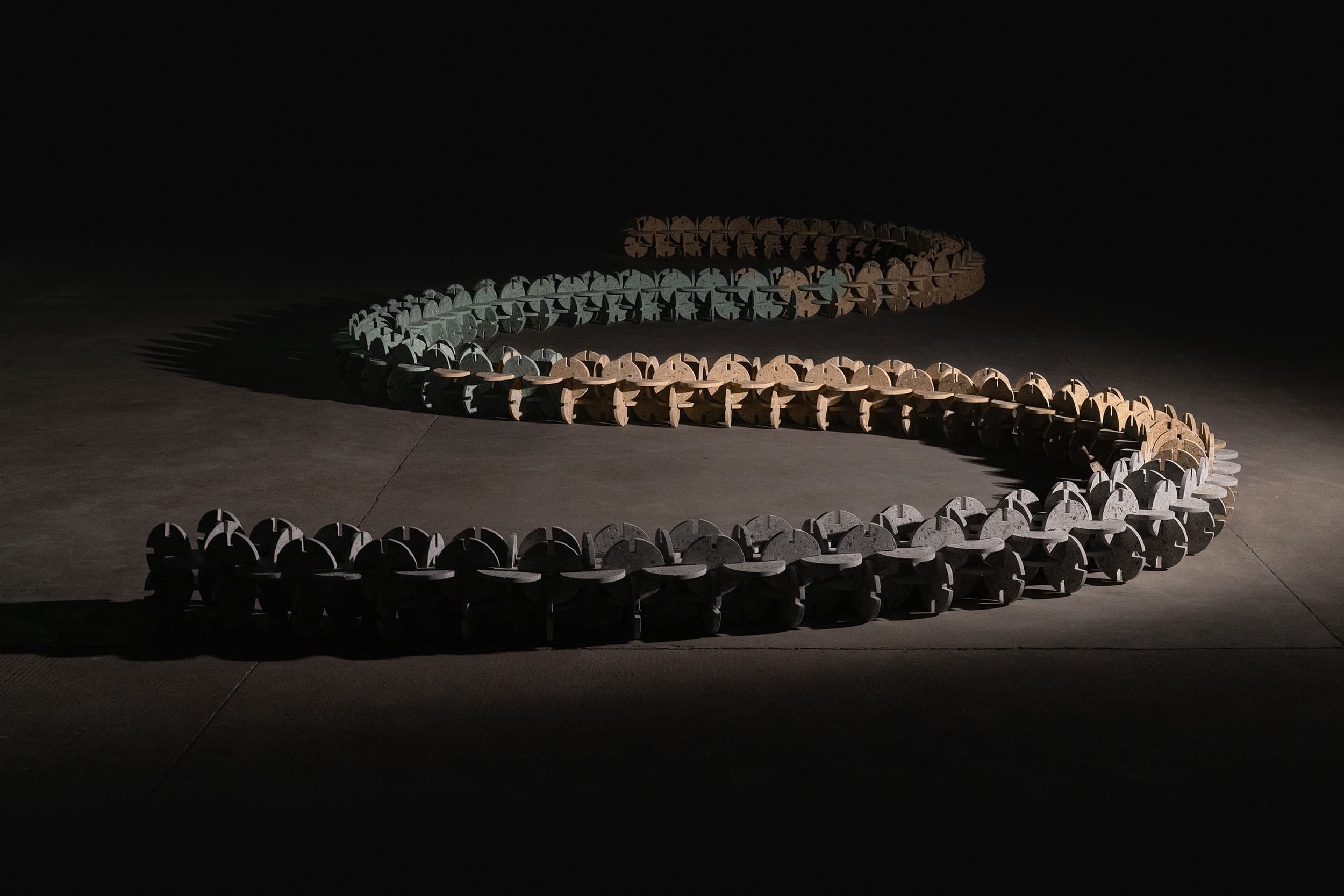
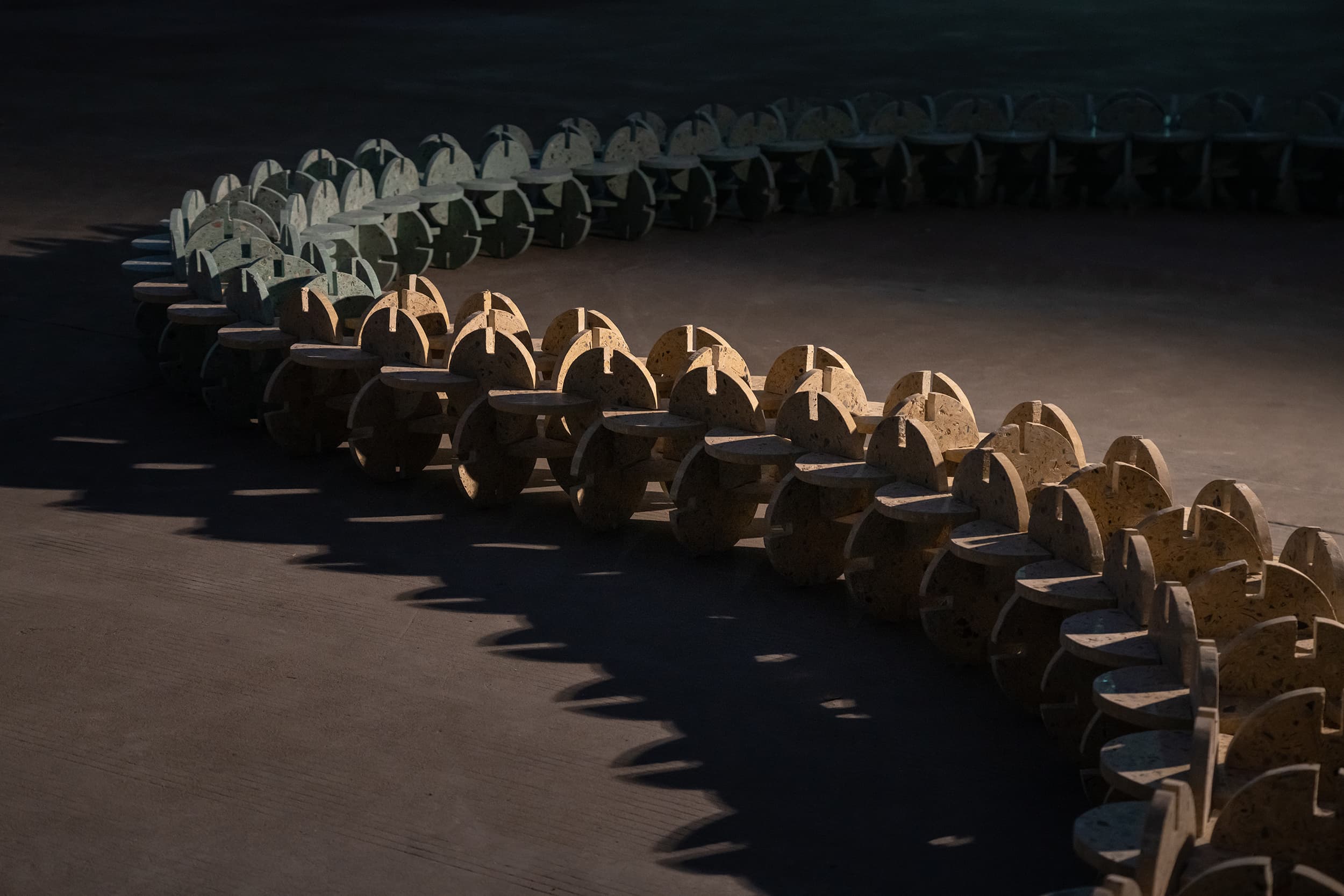
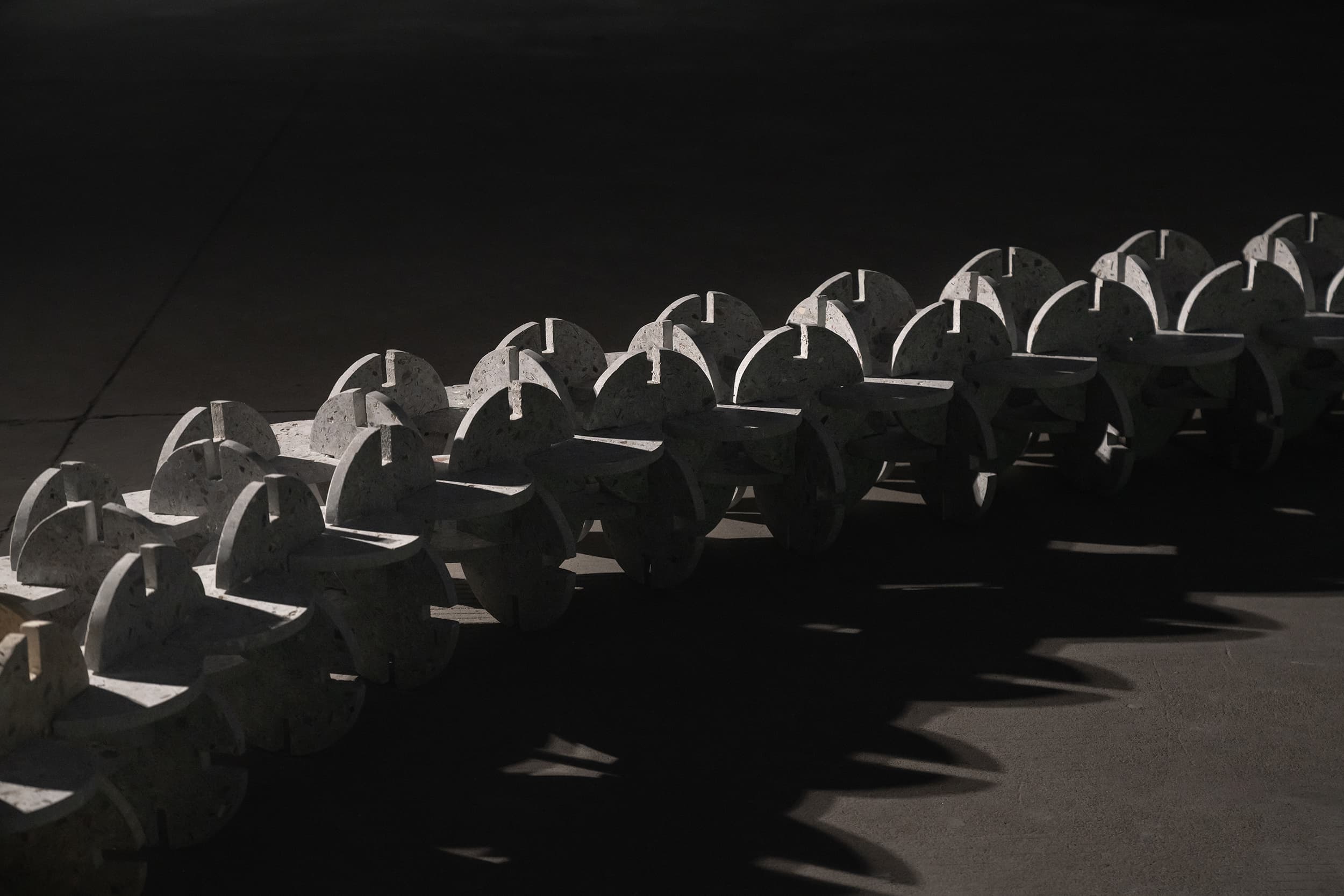
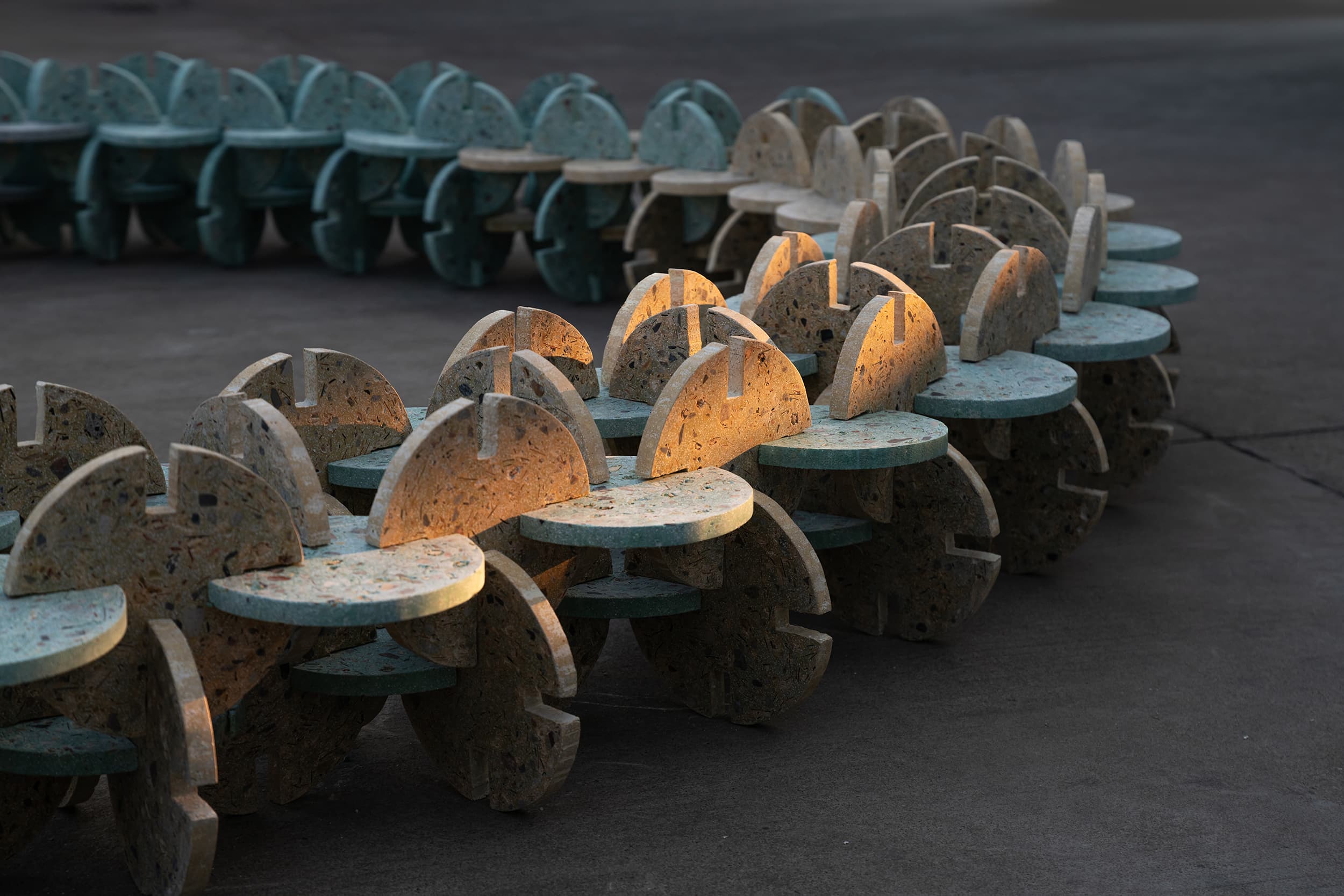
The name Mai (vein) evokes the continuously flowing connections between site, nature and matter. The ultimate goal of sustainable design is to make material conservation and circular reuse a daily habit. When waste becomes usable resources and recycling serves as a starting point for creation, sustainable design is truly embedded in daily life — completing its transition from conceptual vision to grounded practice.
Project Director: Xu Gang
Taking Vein, a public installation at Lihu Park, as the subject, this project explores design approaches for upcycling local waste and creating public spaces.

- Contact
+8620 8977 0506
- Press
press@bentudesign.com
- Enquiry & Sales
info@bentudesign.com