Fracture and Coalescence: Traces and Rebirth of Architectural Ceramic Waste
Time: 2019‑2020
Location: Foshan, China
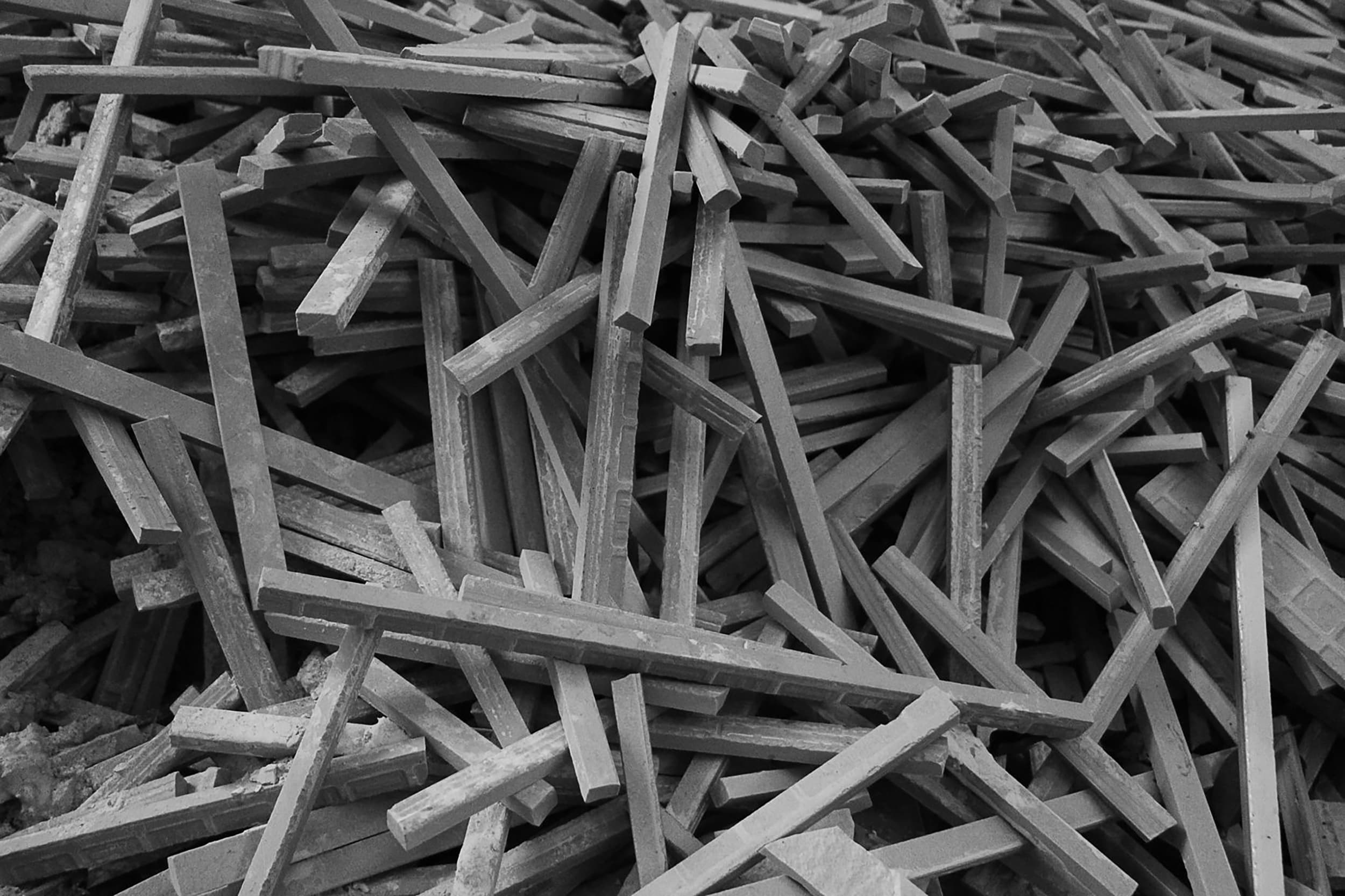
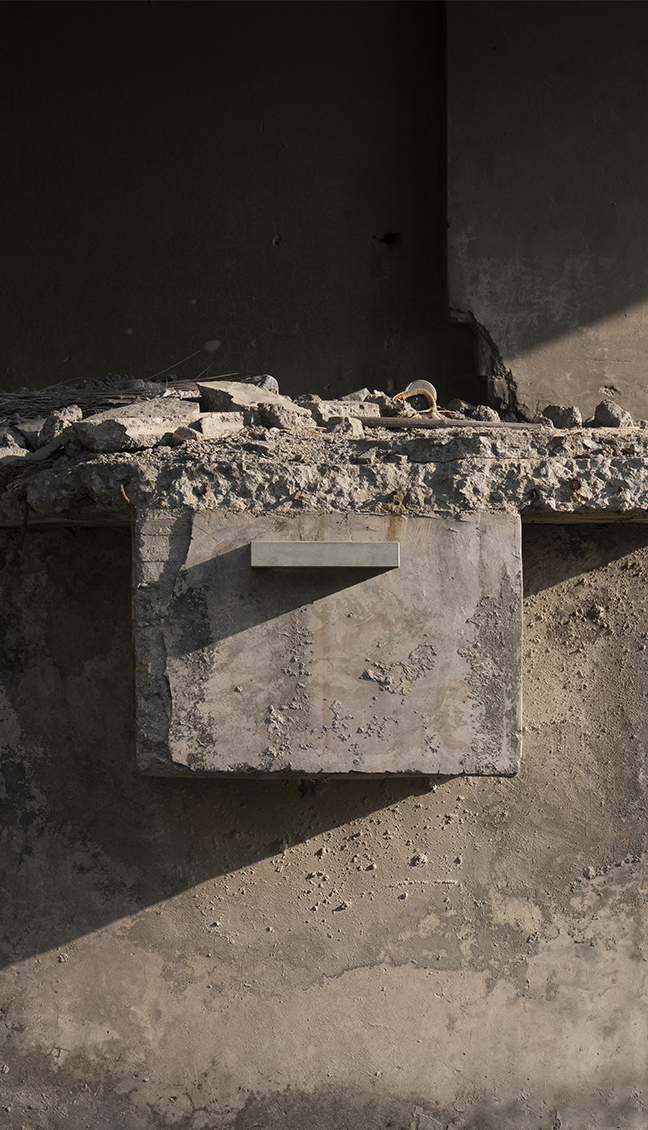
The Chinese have always harbored a profound ambivalence toward ceramics. As an emblematic invention of Chinese civilization, ceramics have spanned thousands of years, traveling along the Silk Road as vessels, artworks and cultural symbols, and have long become an important carrier of national memory and cultural identity. Yet public appreciation remains distinctly selective: respect is reserved for ancient porcelain in museums and artistic installations, while architectural ceramics that form the foundation of modern living spaces are routinely overlooked.
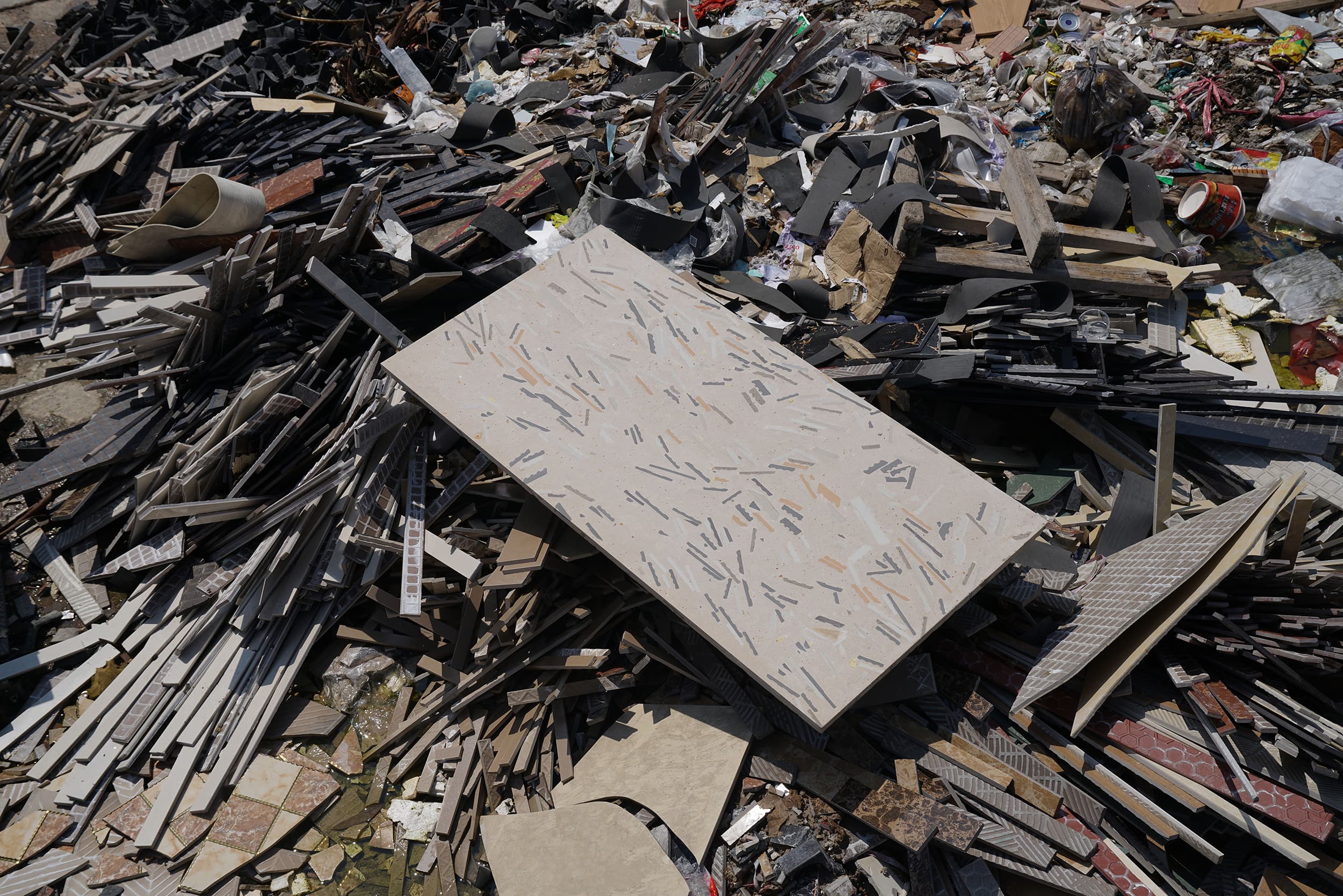
This disparity has nothing to do with material quality; it essentially reflects socially constructed value prejudice. Traditional ceramic wares carry traces of daily sustenance, rituals, social interaction and ordinary life, thus gaining profound humanistic meaning. Architectural ceramics equally underpin all aspects of urban life. Floor and wall tiles cover residences, hospitals, schools, shopping malls and public transit spaces, where people walk, stay and live day in and day out — yet these materials are never truly seen or valued. When buildings are renovated or demolished, these worn‑out tiles are broken, removed and landfilled, turning into millions of tons of ceramic waste each year. Traces of daily life once borne and trodden upon are permanently forgotten.
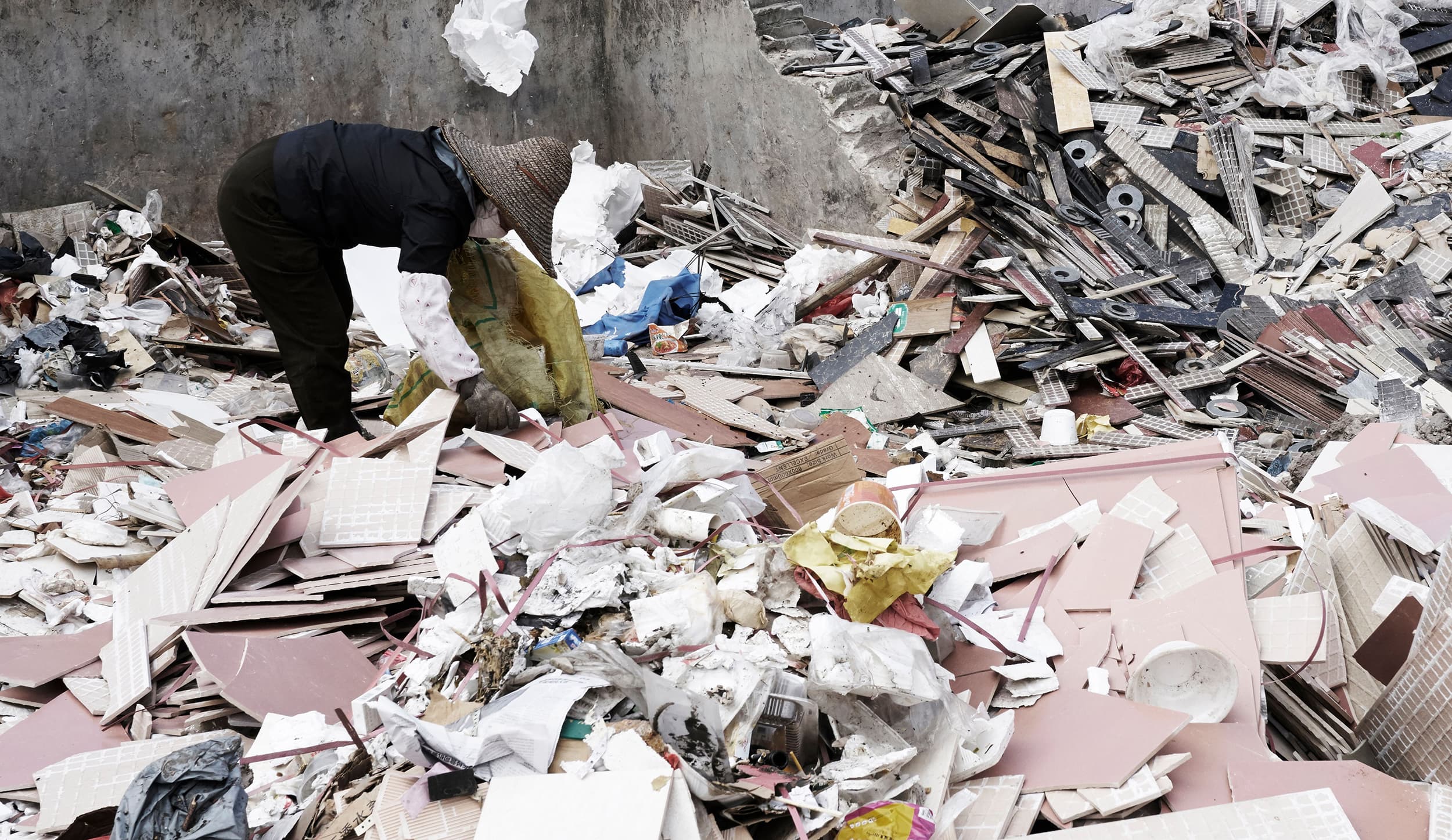
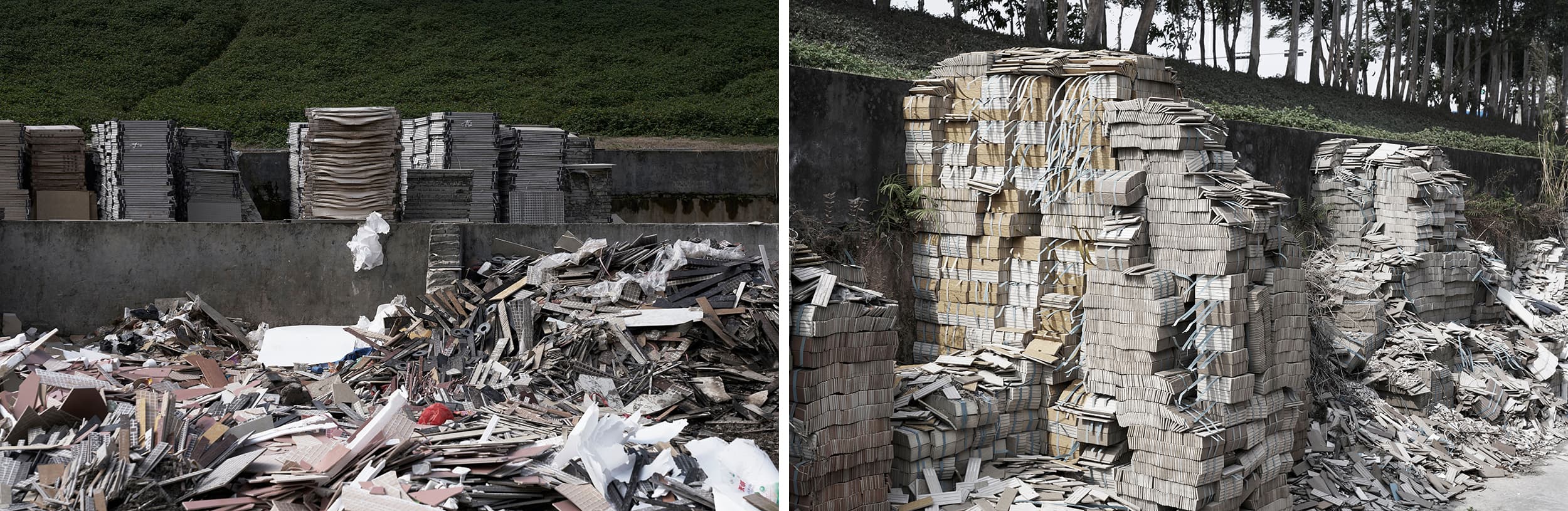
Foshan in Guangdong Province is a core hub of the global architectural ceramics industry. It marks the start of China’s industrialized ceramic tile production and serves as an industrial headquarters and R&D center, holding core influence over research, design, branding and marketing. Nevertheless, industrial upgrading has not resolved long‑standing environmental burdens. In Foshan alone, around four million tons of ceramic waste is generated annually, with the national annual output exceeding ten million tons. Most waste is randomly dumped in remote areas. Densely sintered ceramics are non‑biodegradable, occupying land for long periods, damaging vegetation and posing potential water‑pollution risks. Behind clean and polished urban facades lie industrial residues pushed out of public sight.
In materially scarce pre‑industrial rural societies, people maintained a restrained and prudent relationship with objects. Durability defined daily wares: broken items were repaired, and old ones passed down across generations. Hand‑thrown tea bowls and ordinary clay pots were all earth transformed by fire, with no hierarchical divide between artworks and construction materials. A material’s practical use value was the sole measure of worth.
The industrial era brought abundant materials and rapid information flow, fundamentally reshaping human‑object relations. Intensified industrial competition fueled symbolic consumption. Purchases no longer satisfied genuine functional needs but chased trends, patterns and visual novelty. Architectural ceramic renewal is driven not by material lifespan or spatial requirements, but by market demand for new styles. People renovate interiors and replace tiles not because materials fail, but simply because styles become outdated. Meaningful frequent replacement eventually creates massive waste volumes.
It is worth reflecting that architectural ceramics labeled as “waste” possess excellent physical properties. Fired above 1200°C, they form a dense composite of mullite and glass phases, with a Mohs hardness of 6‑7, compressive strength of 30‑50MPa, strong acid‑alkali resistance and stable chemical composition — qualifying as high‑quality construction materials by pure performance standards. Once classified as waste, however, their value is socially denied. Around 90% of ceramic production carbon emissions occur during high‑temperature firing, an irreversible environmental cost. Direct landfilling wastes all energy consumption and emissions, removing materials from circular systems and creating secondary environmental harm.
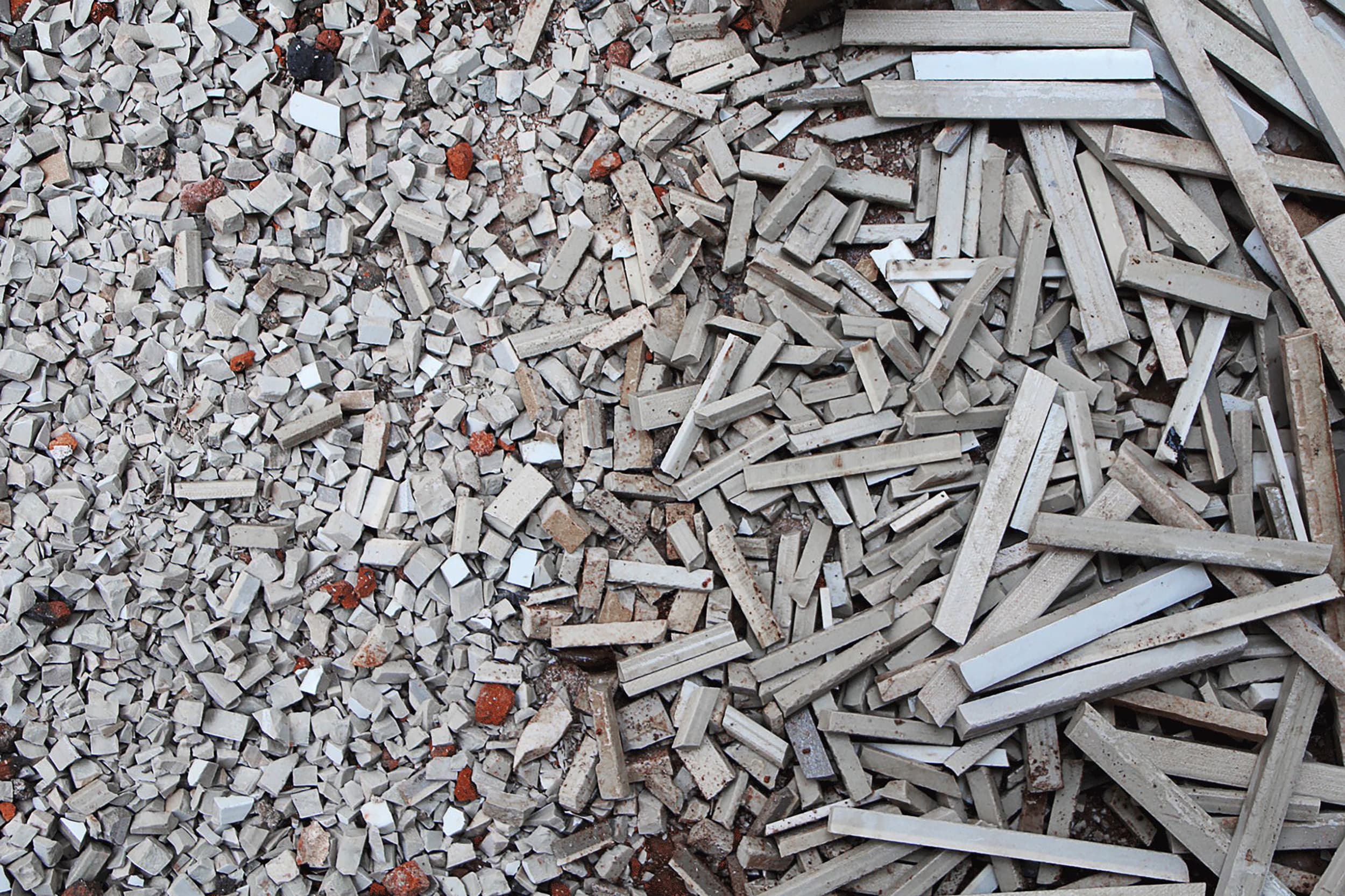
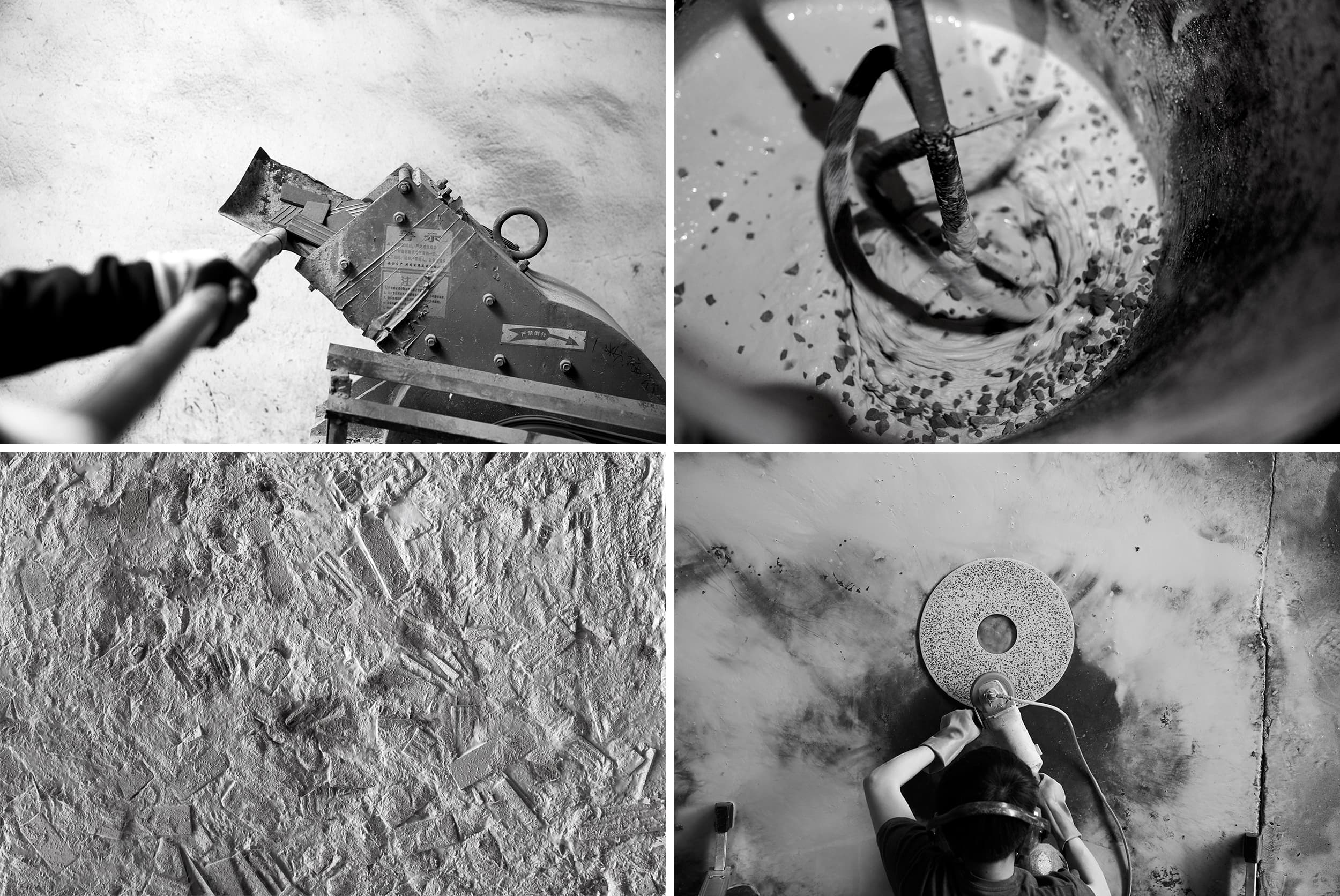
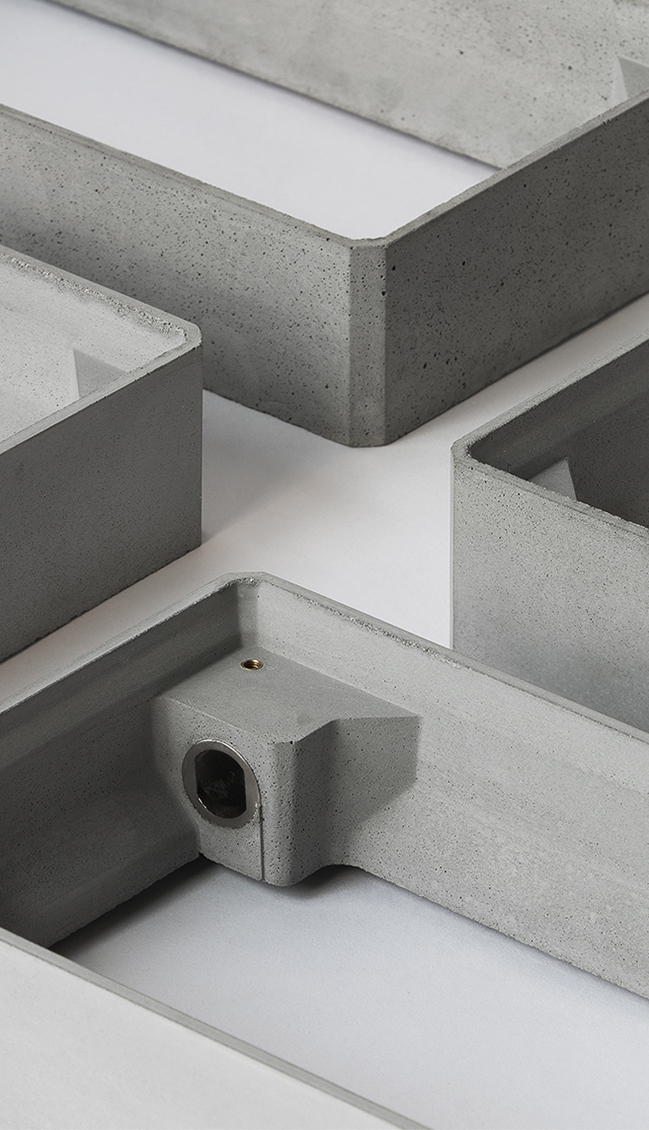
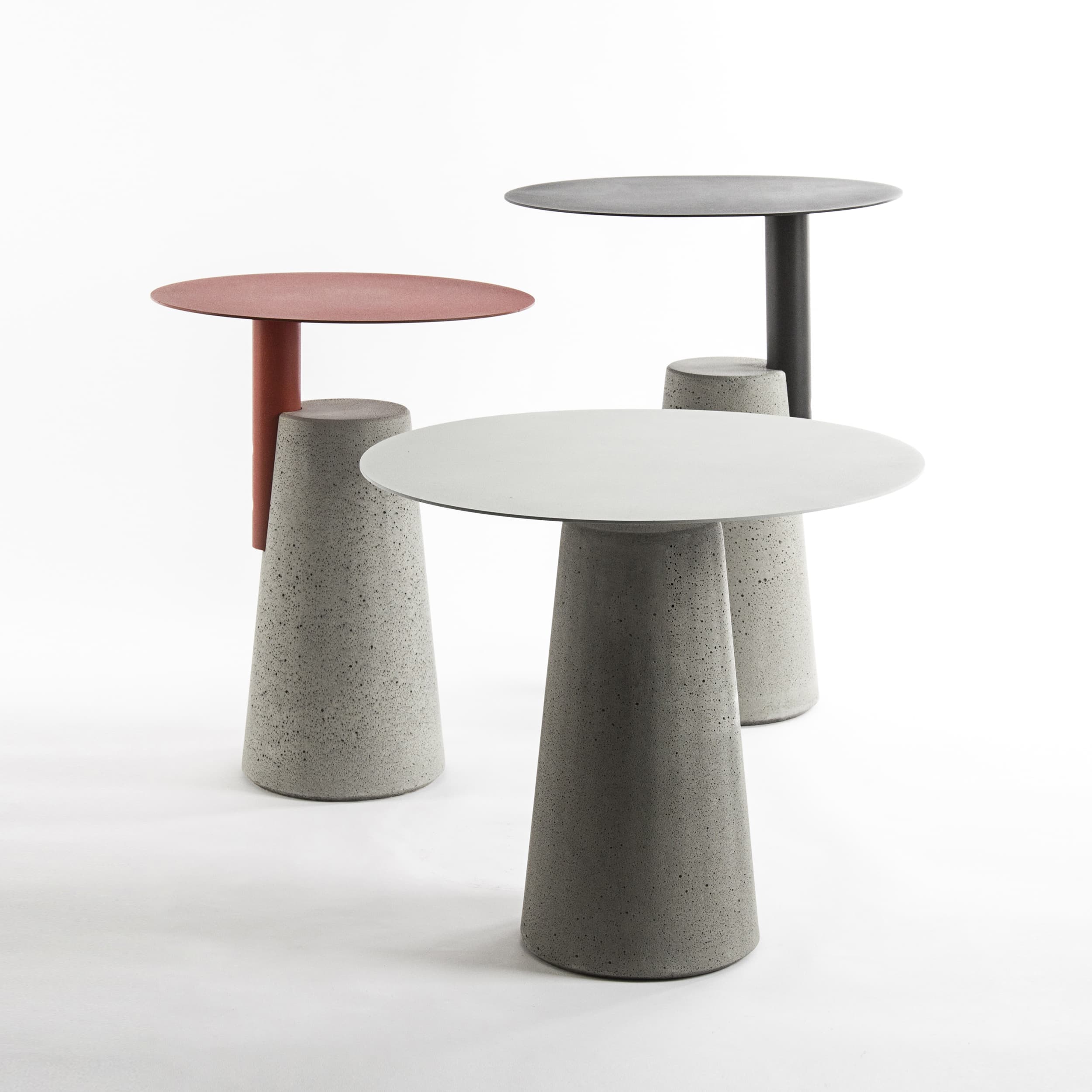
Human survival relies on production and consumption. We cannot fundamentally restructure the industry, yet cannot ignore its waste streams. Taking Foshan’s four million tons of annual ceramic waste as a starting point, BENTU reintegrates solid waste into daily use through material regeneration. This represents both practical exploration of waste’s commercial potential and concrete implementation of sustainability in daily life, as well as commitment to rational material ethics and ecological integrity.
Faced with massive ceramic waste, BENTU moves beyond conceptual advocacy to conduct practical regeneration experiments using Ultra‑High Performance Concrete (UHPC), unlocking waste potential through technology and balancing material performance with environmental responsibility.
The choice of UHPC is deliberate. Its core principle eliminates coarse aggregates and achieves ultra‑high density through close packing of micron‑sized particles. Reactive components such as silica fume and ultra‑fine slag undergo pozzolanic reactions, consuming calcium hydroxide in interfacial zones and generating dense C‑S‑H gel to form low‑porosity, highly impermeable, ultra‑high‑strength matrices. When crushed and sieved ceramic waste is incorporated into the UHPC matrix, waste ceases to act as passive filler and becomes a core component shaping overall performance.
Ceramic waste features high hardness and controllable particle size. After crushing, it forms graded aggregates across multiple sizes: coarse particles build structural frameworks, fine particles fill voids, and ultra‑fine powder participates in chemical reactions. Alkali‑resistant fibers inhibit micro‑crack propagation and improve toughness and ductility. Final products combine UHPC’s high strength and density with ceramic waste’s wear resistance and stability. Ceramic waste and the UHPC matrix achieve performance synergy through particle packing theory, transforming useless debris into essential components of high‑performance materials.
This technical choice embodies life‑cycle sustainability principles. Compared with conventional concrete, UHPC replaces large portions of cement with industrial waste like silica fume and slag, directly cutting cement consumption per unit volume. Combined with reduced material usage enabled by ultra‑high strength, overall carbon emissions decrease significantly. From design inception, the project upholds one principle: avoid generating new pollution merely to dispose of waste. Leveraging the strong compatibility of inorganic cementitious systems, we use industrial design to convert waste into eco‑friendly daily products, ensuring technology always serves sustainable development.
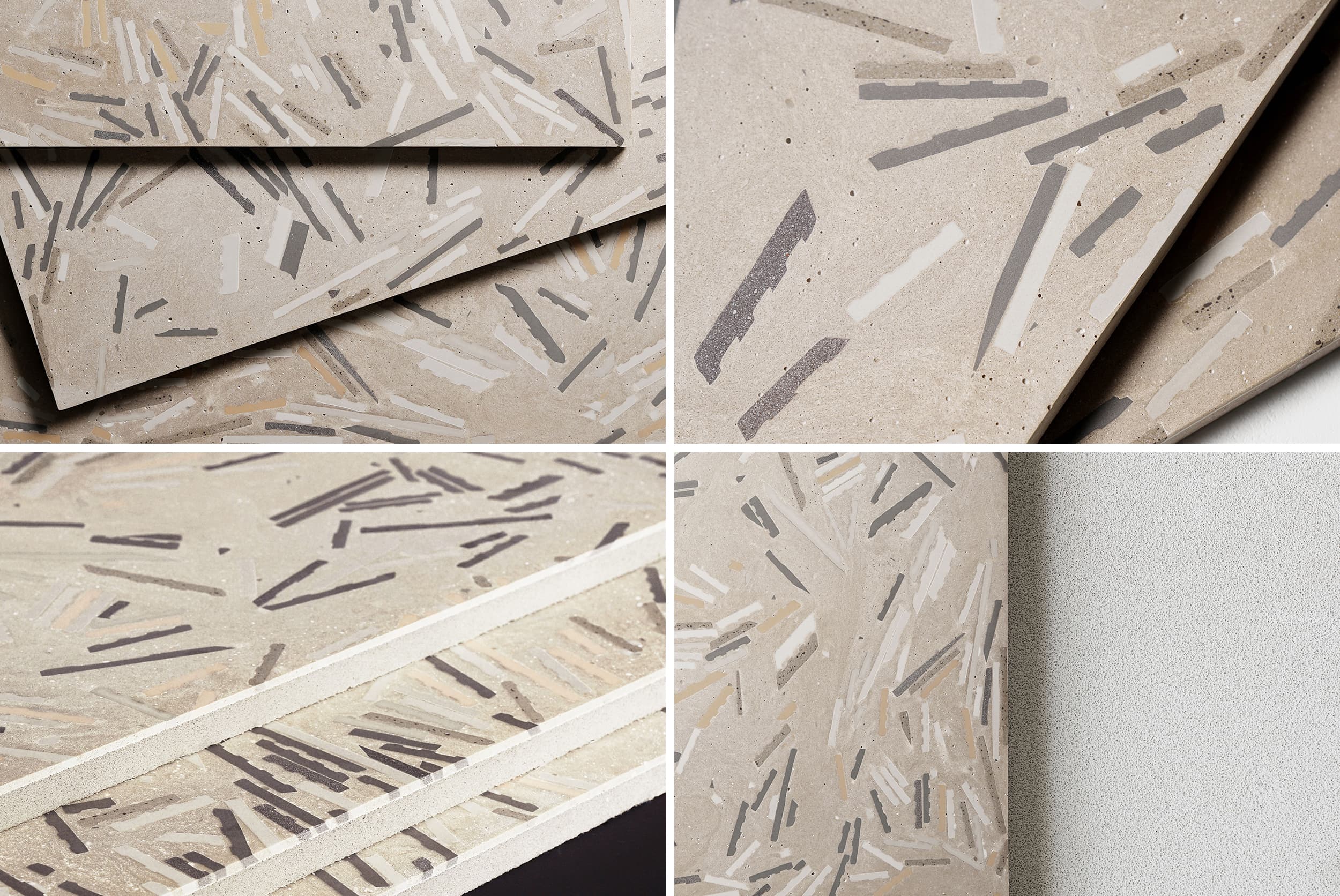
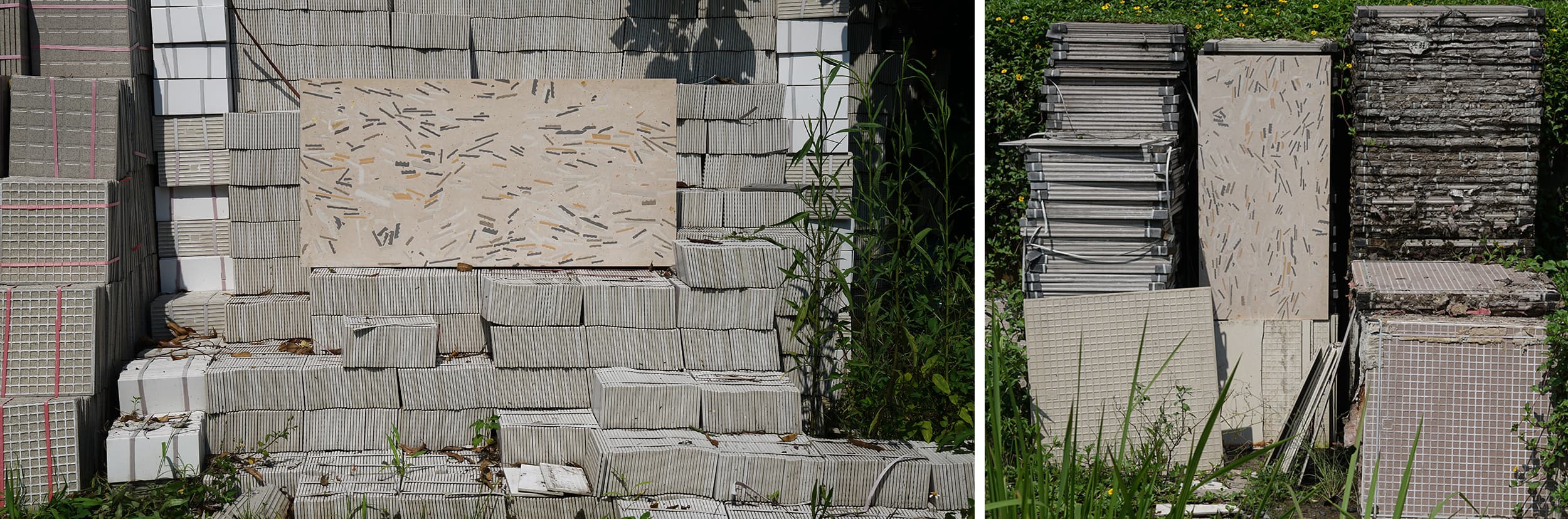
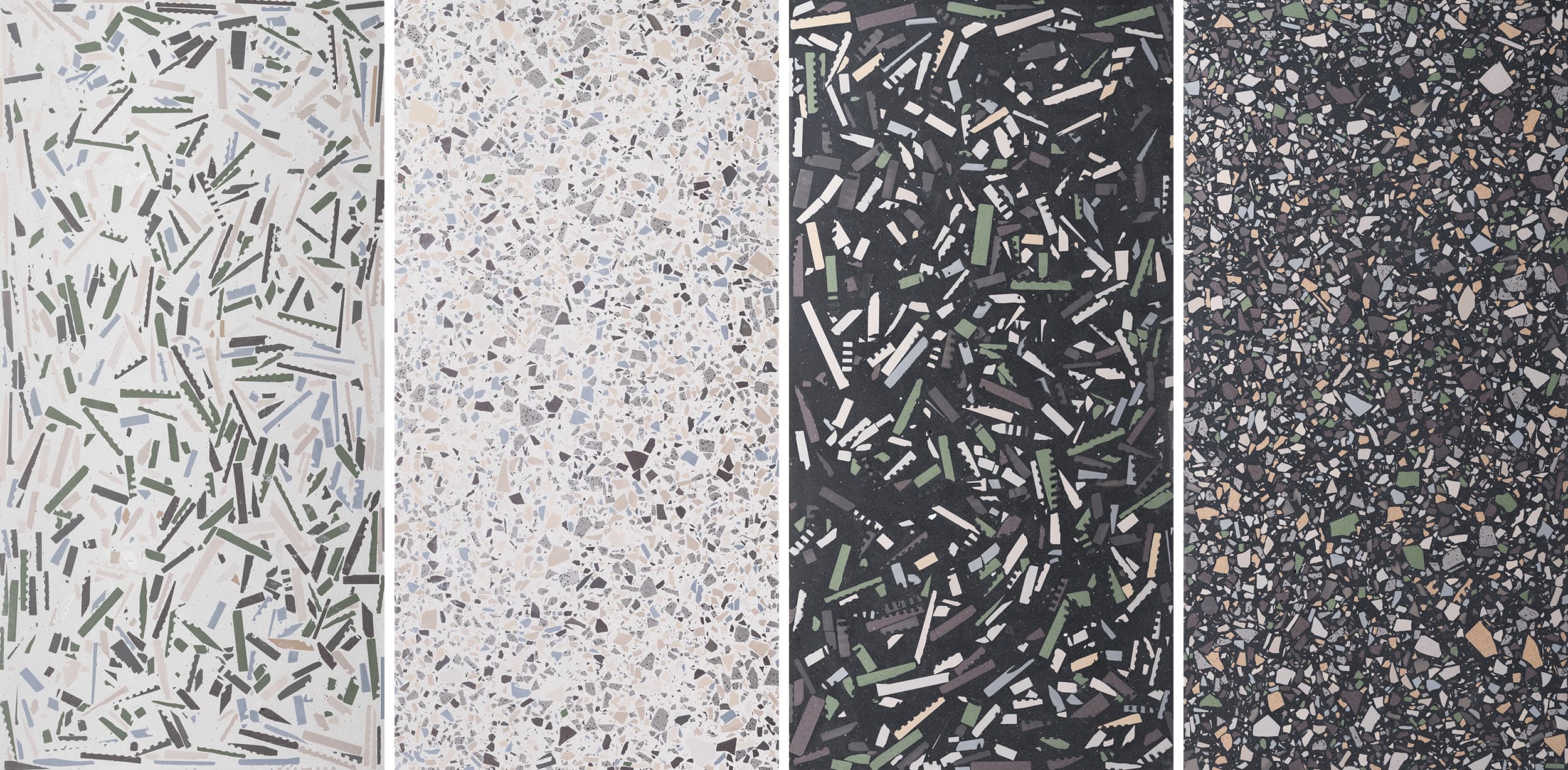
Waste regeneration means far more than technical breakthroughs in materials. It practices aesthetics of traces and processes, allowing long‑hidden industrial memory to resurface through material surfaces.
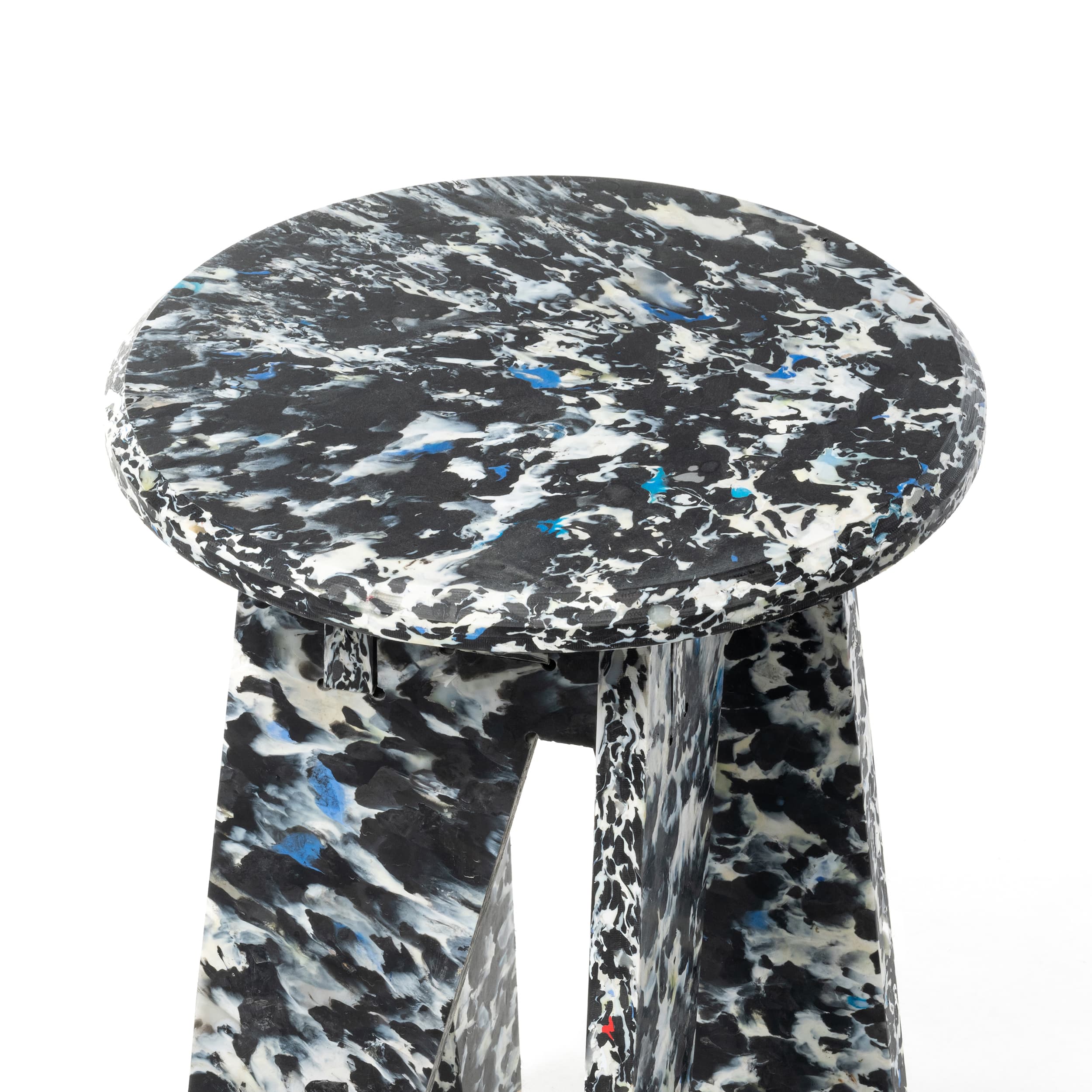
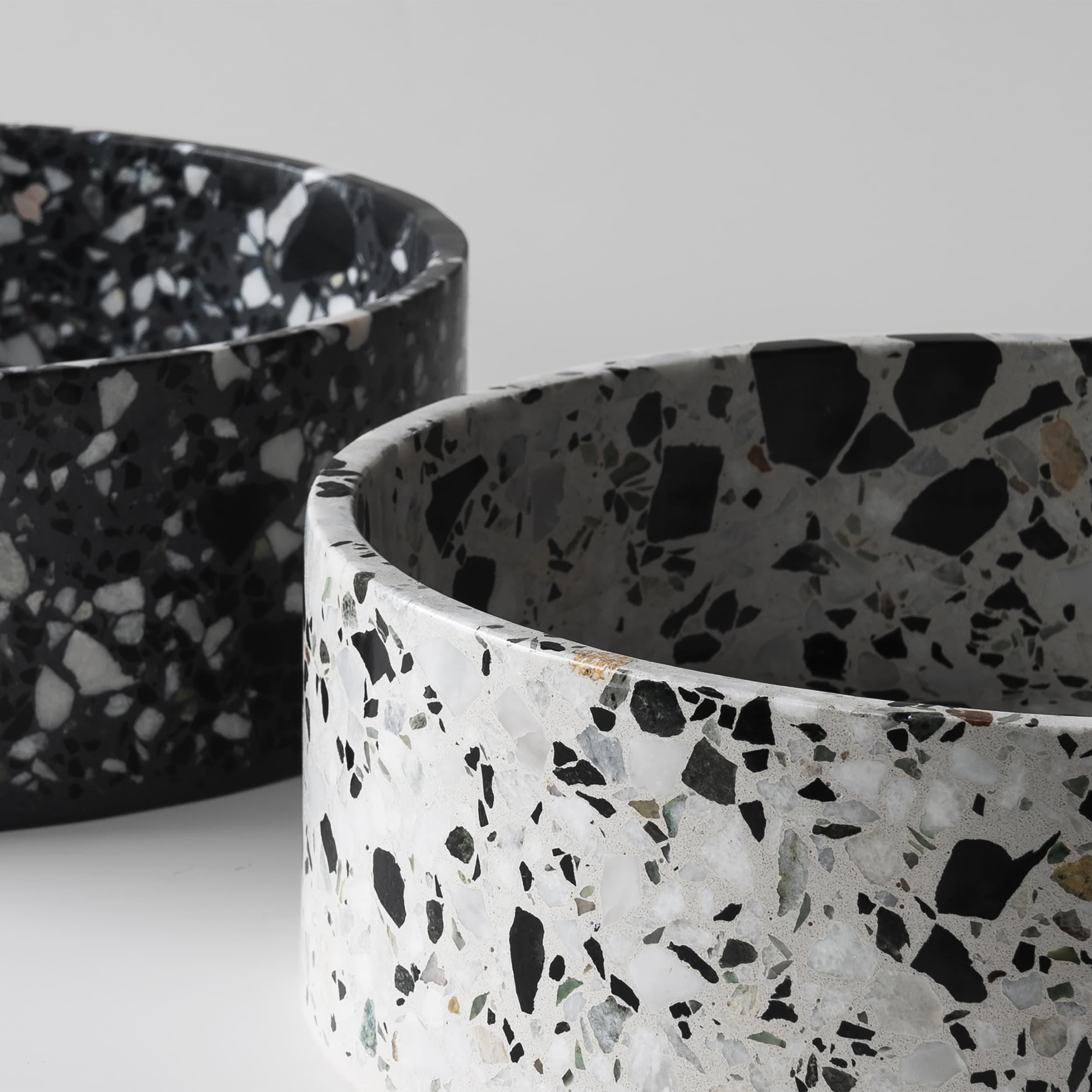
Architectural ceramics are highly standardized industrial products. After proportioning, spray granulation, pressing and high‑temperature firing, they gain uniform thickness, regular edges and consistent color. When tiles are demolished and crushed, industrial traces do not disappear but persist in fragmented form: cross‑sections reveal clear stratification of glaze, body and back texture; fragments retain original tile thickness; tiles from different eras, brands and applications display natural hues of white, beige, gray and reddish‑brown. Flat shards retain smooth glazed surfaces while granular fragments expose rough fractured cross‑sections.
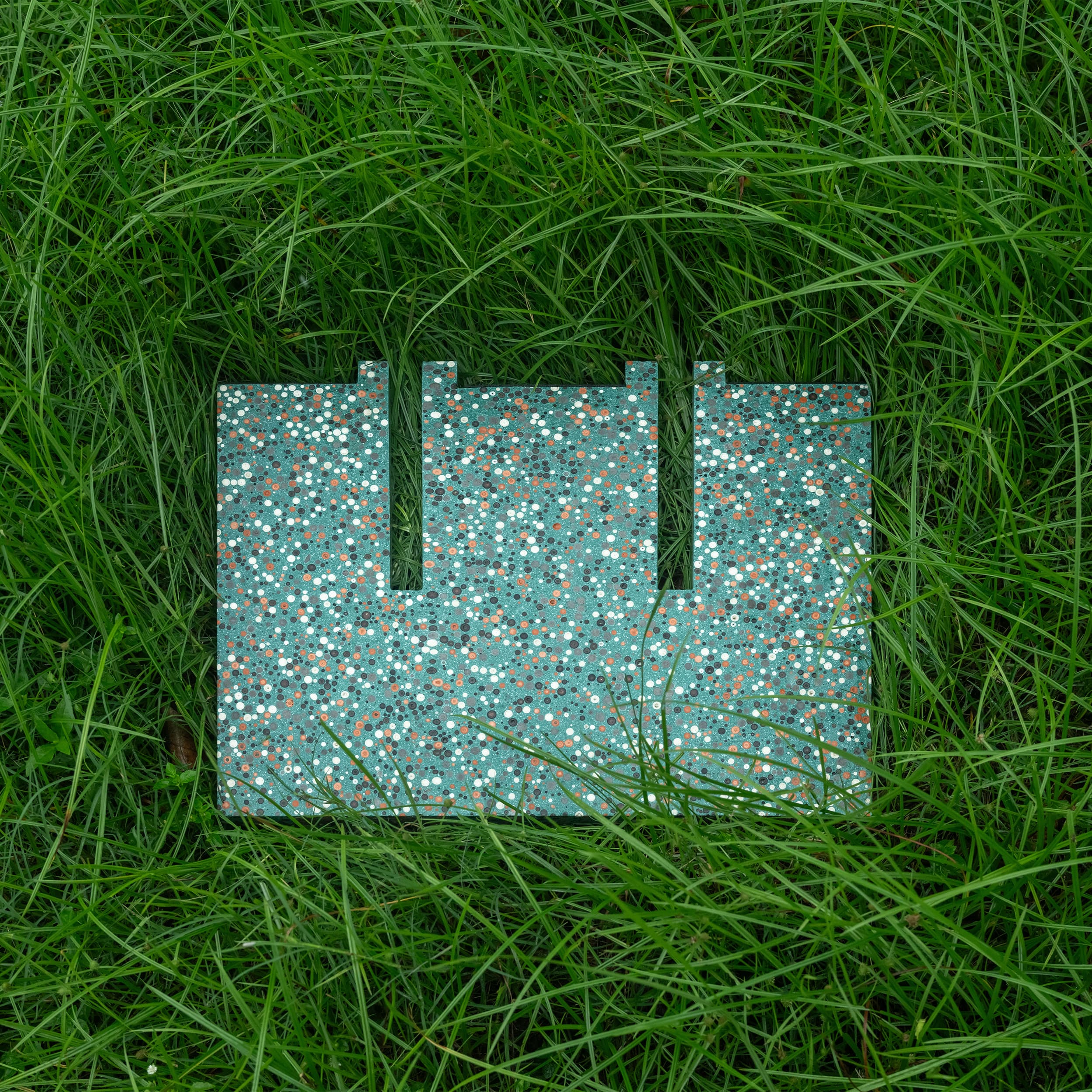
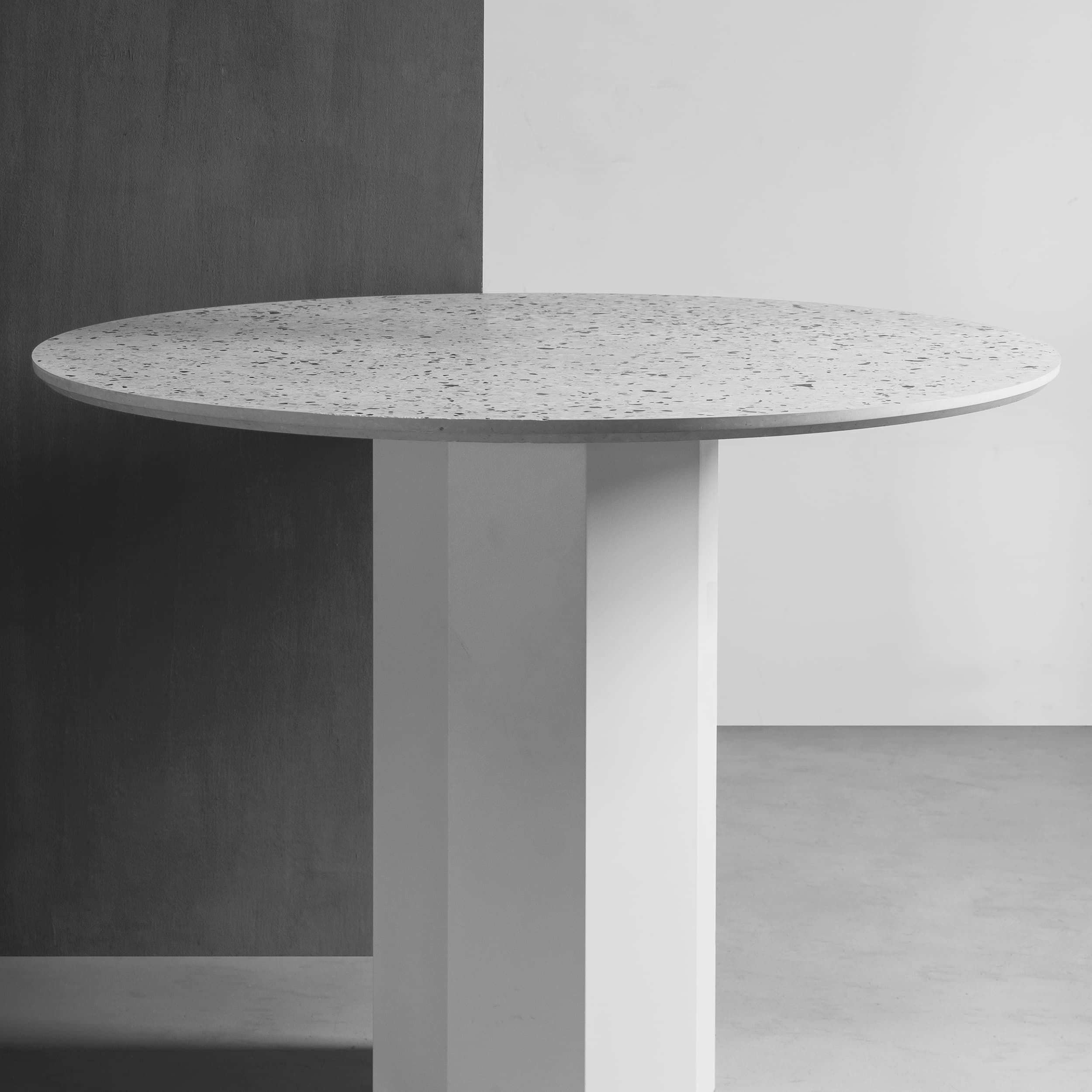
Each fragment carries complete industrial symbolic memory. Glaze colors reflect period‑specific aesthetic trends; layered structures represent standardized sintering processes; dimensions and thicknesses indicate application scenarios. They act as miniature archives recording historical snapshots of the ceramic tile industry. When fragments coalesce within the UHPC matrix, they form natural order shaped by the material’s full lifecycle: intact, fractured, regenerated. Randomly distributed large/small particles and flat residues lack industrial uniformity yet create unique visual narratives.
This stands in sharp contrast to mainstream modern building materials. Through digital inkjet printing and surface coatings, modern decorative materials replicate natural stone patterns to achieve flawless surfaces while erasing material origins and production traces. Regenerated waste materials operate oppositely: no modification, no artificial pigment, no lamination. Surface colors, particles and fractures directly reveal waste’s true identity. Every fragment tells its history: once wall tiles from a building or offcuts from production lines, fractured then regenerated. Design here means revealing inherent industrial traces rather than adding decorative layers.
This regeneration process also challenges a common assumption: industrial production does not inherently lead to homogenization. Leveraging randomness in raw waste, standardized manufacturing can produce one‑of‑a‑kind products.
Modern industrial production prioritizes eliminating variation and unifying standards across all stages from raw materials to quality control. Ceramic waste, however, contains inherent randomness: batches derive from different manufacturers, buildings and demolition sites, mixing tiles of varying ages, patterns and sizes with diverse fracture shapes. Fragment distribution within the UHPC matrix is equally random. Even with identical molds, pouring and curing conditions, no two panels share identical particle or color distribution. Rather than eliminating randomness, industrial processes preserve material‑born variation through consistent manufacturing.
Products thus balance mass‑scale industrial production with unique material character. Standardized processes enable large‑scale application while random fragment distribution grants each piece distinct visual features. Users escape monotonous industrial aesthetics through varied color ratios, particle exposure and contrast between glazed luster and fractured matte surfaces, naturally avoiding aesthetic fatigue.
This uniqueness stems from inherent material history rather than artificial marketing scarcity. No fabricated narratives are needed; materials tell their own stories. Fragments from different times and spaces coalesce into natural material collages. Users gain not only daily‑use items but also preserved fragments of industrial history. Product value returns to materiality, history and genuine experience rather than fleeting trends and symbols.
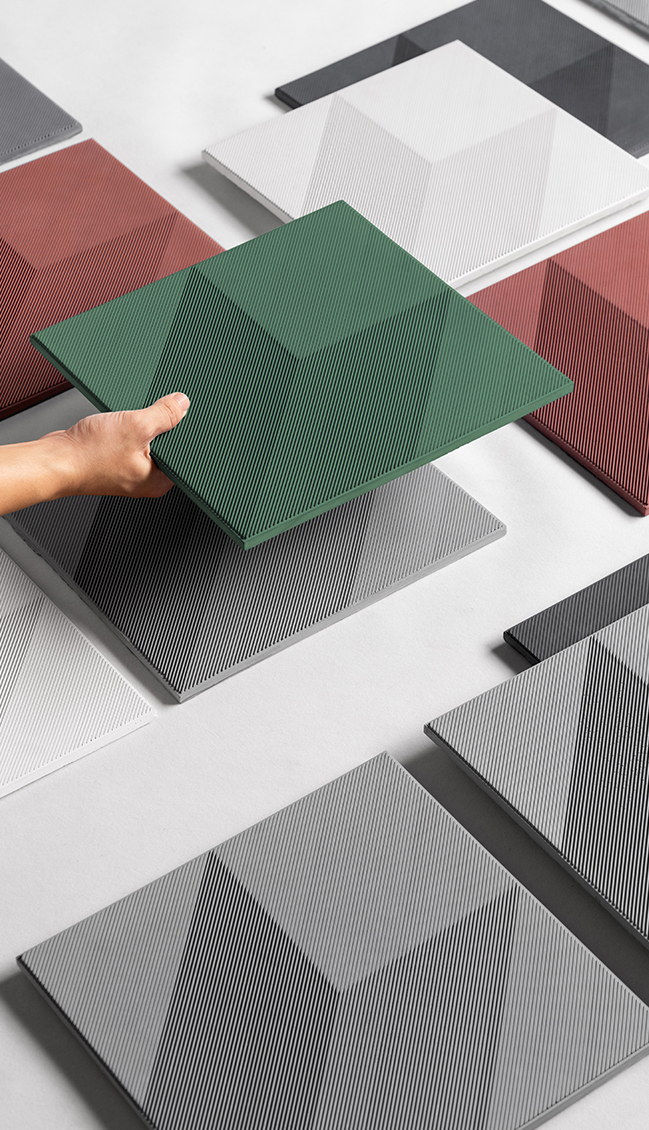
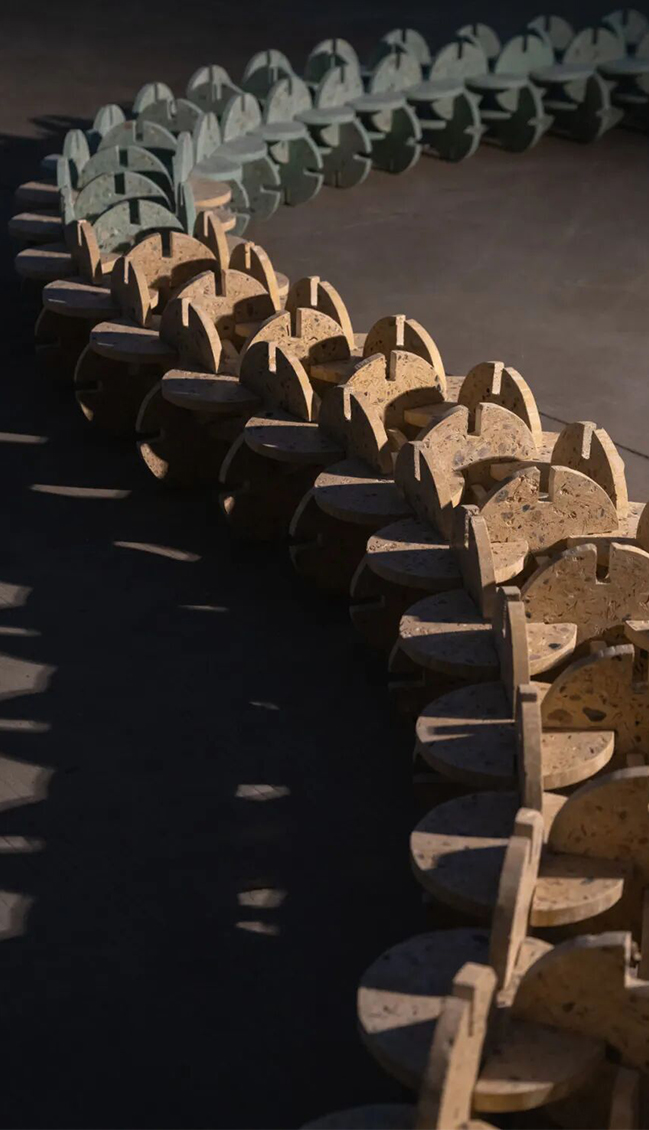
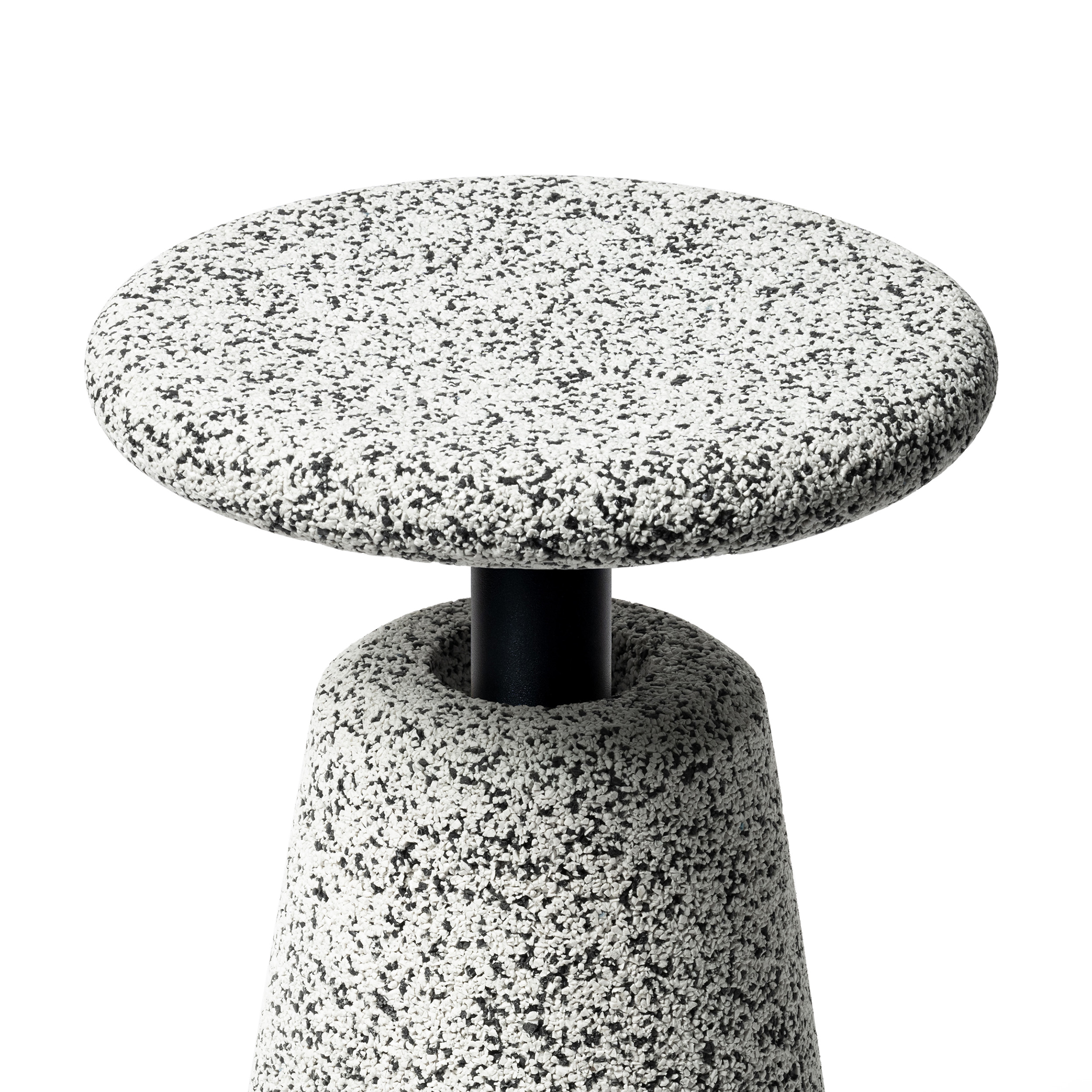
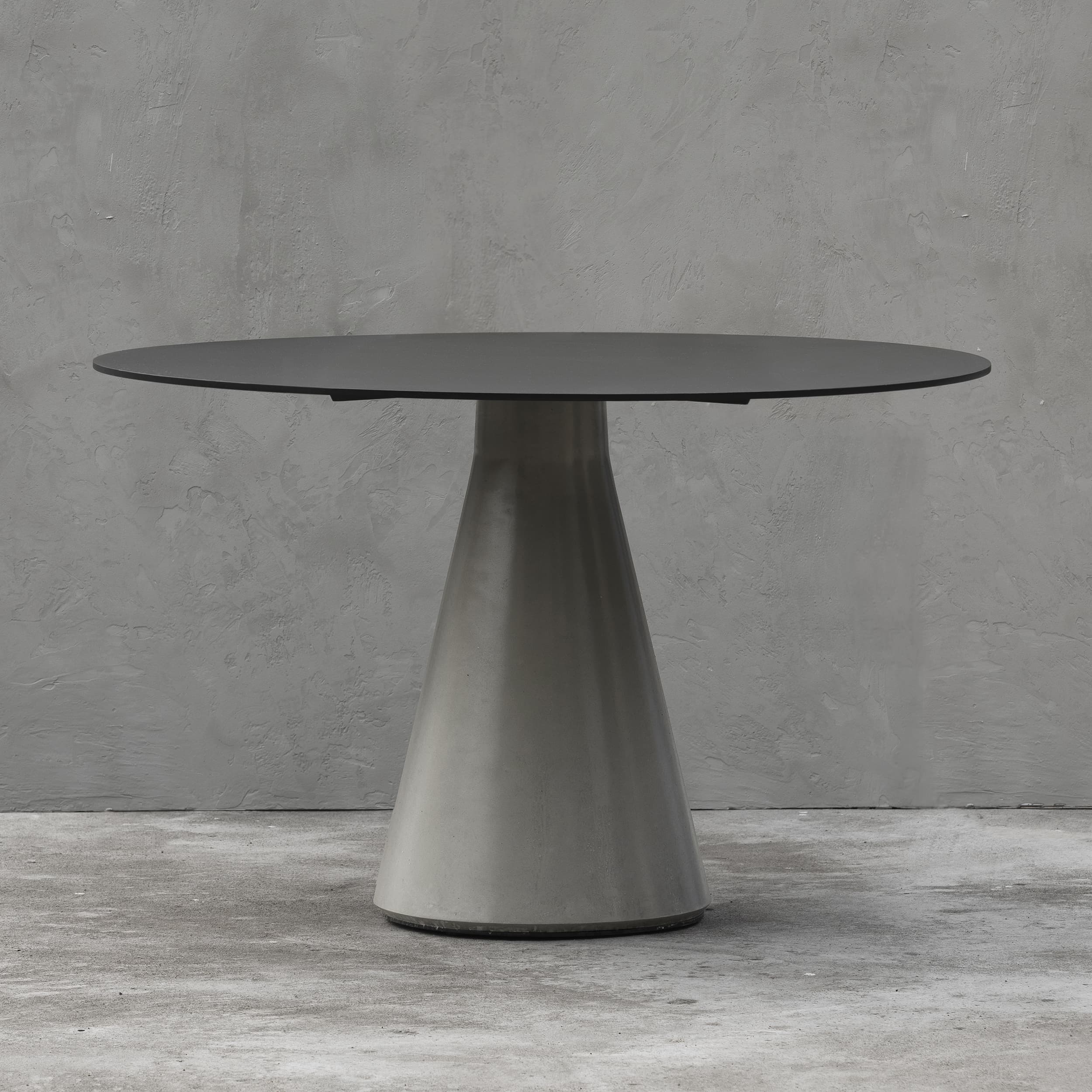
Transforming regenerated waste into tabletops, stools, trays, lamps and other daily items offers the most practical and profound way for sustainable design to enter public life.
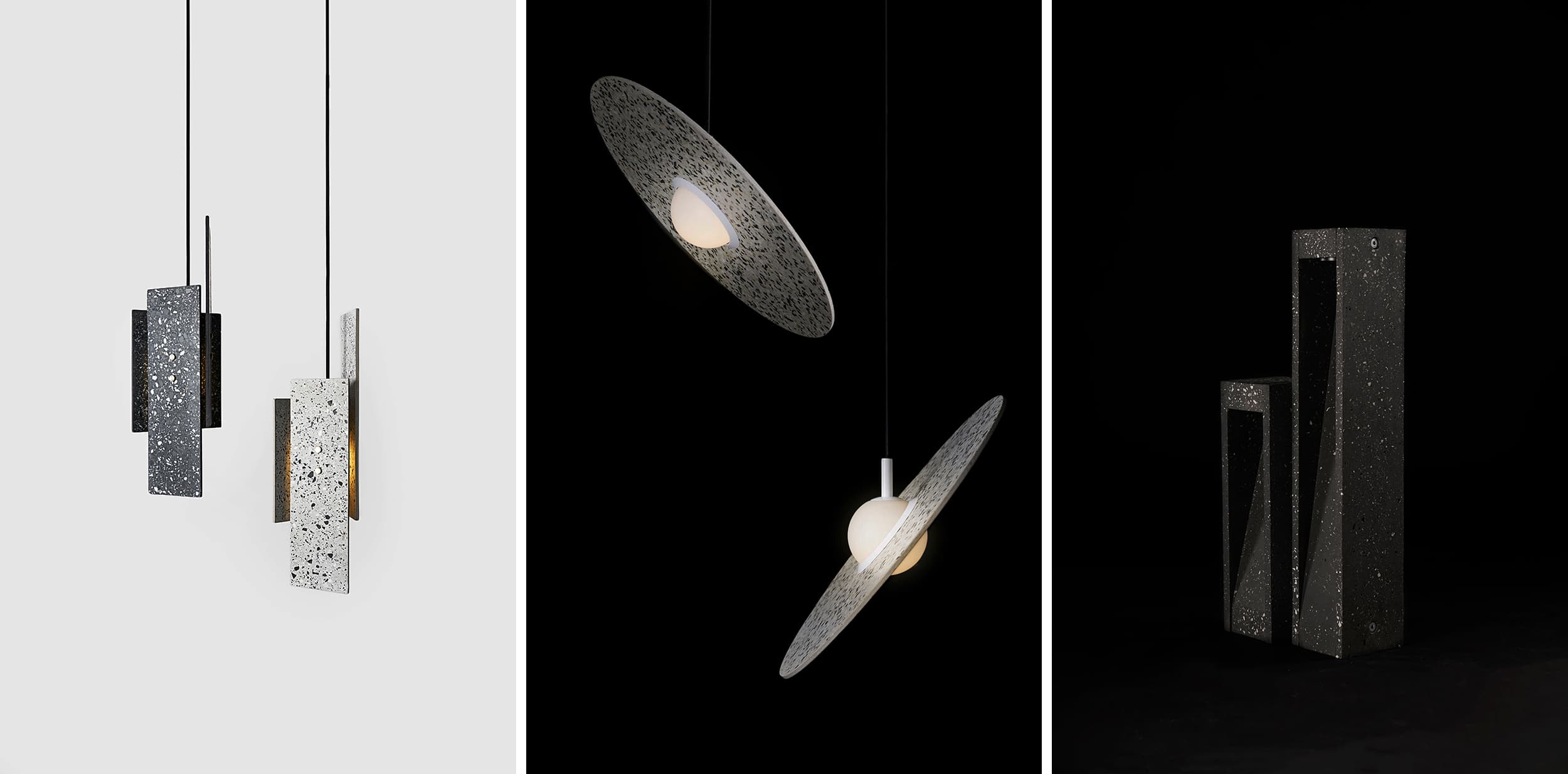
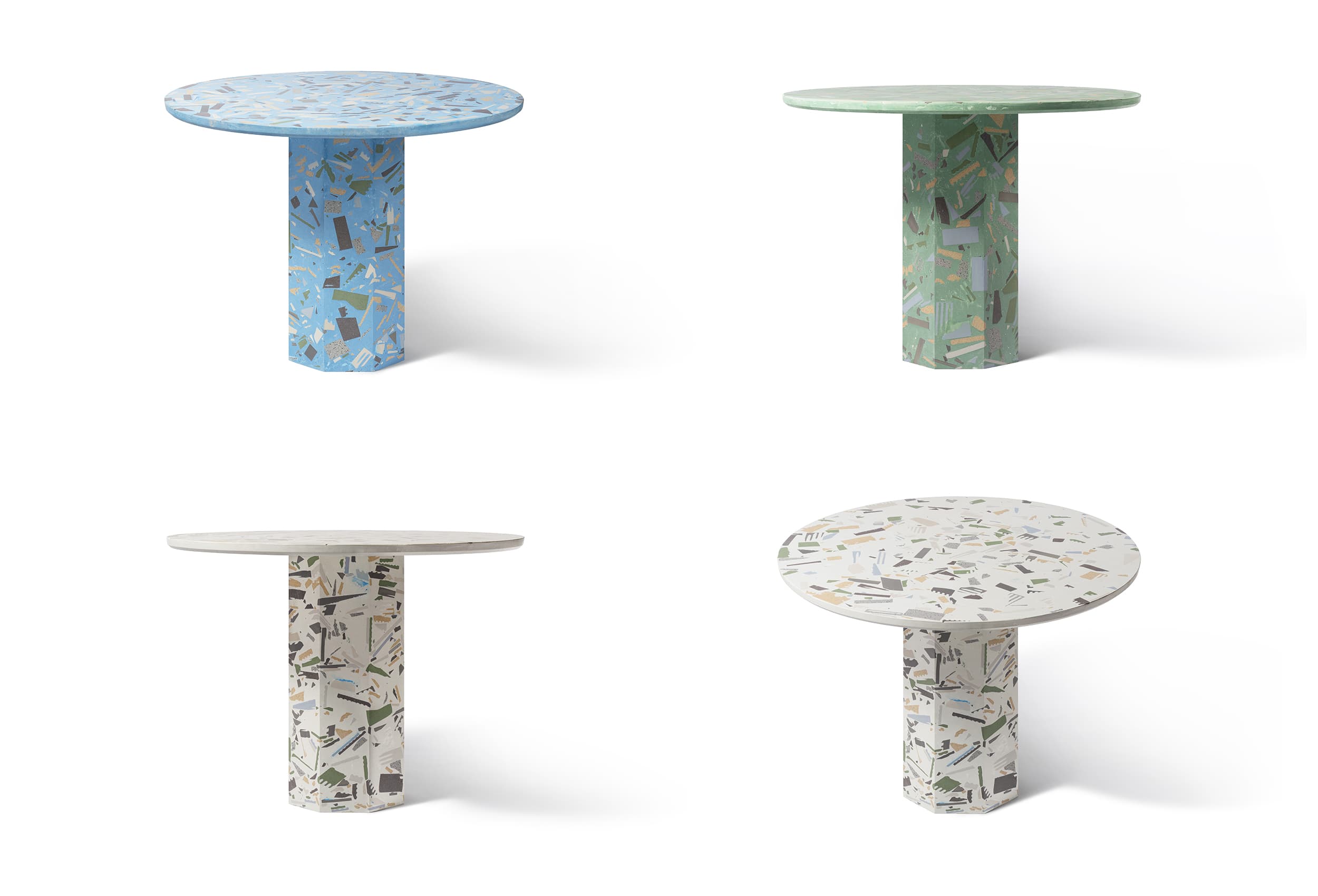
Sustainability should not remain an abstract policy term or niche art installation; it must integrate into daily life through tangible, usable objects. When ceramic waste tabletops appear in cafés, material circulation occurs through casual acts of placing cups, reading and chatting. Meanwhile, mass production of daily goods enables commercial viability for waste treatment. Only by entering consumer markets and forming stable industrial cycles can tens of millions of tons of ceramic waste be truly processed and sustainability become routine rather than conceptual.
Modern industrial products suffer widespread anonymization: tiles and panels only display brand and model numbers, deliberately hiding raw material sources, firing processes and energy consumption. This severs connections between products, production and history to meet demands of fast‑paced symbolic consumption. Regenerated waste products do the opposite: they retain outdated patterns, discarded styles and traces of demolished buildings, preserving industrial history as tangible material memory. This is not nostalgia but integrating past into present life and letting users engage with complete material lifecycles.
Returning waste to daily life fundamentally respects material dignity. Faced with massive waste volumes, we avoid passive observation or criticism. Instead, we directly engage with waste materials through repeated experiments, adjustments and trials to find paths for regeneration from fractured industrial remains. Rather than chasing ephemeral trends, we honor material continuity, letting waste that once supported urban life continue accompanying daily routines in new forms. Consumer‑driven desire gives way to reverence for material essence.
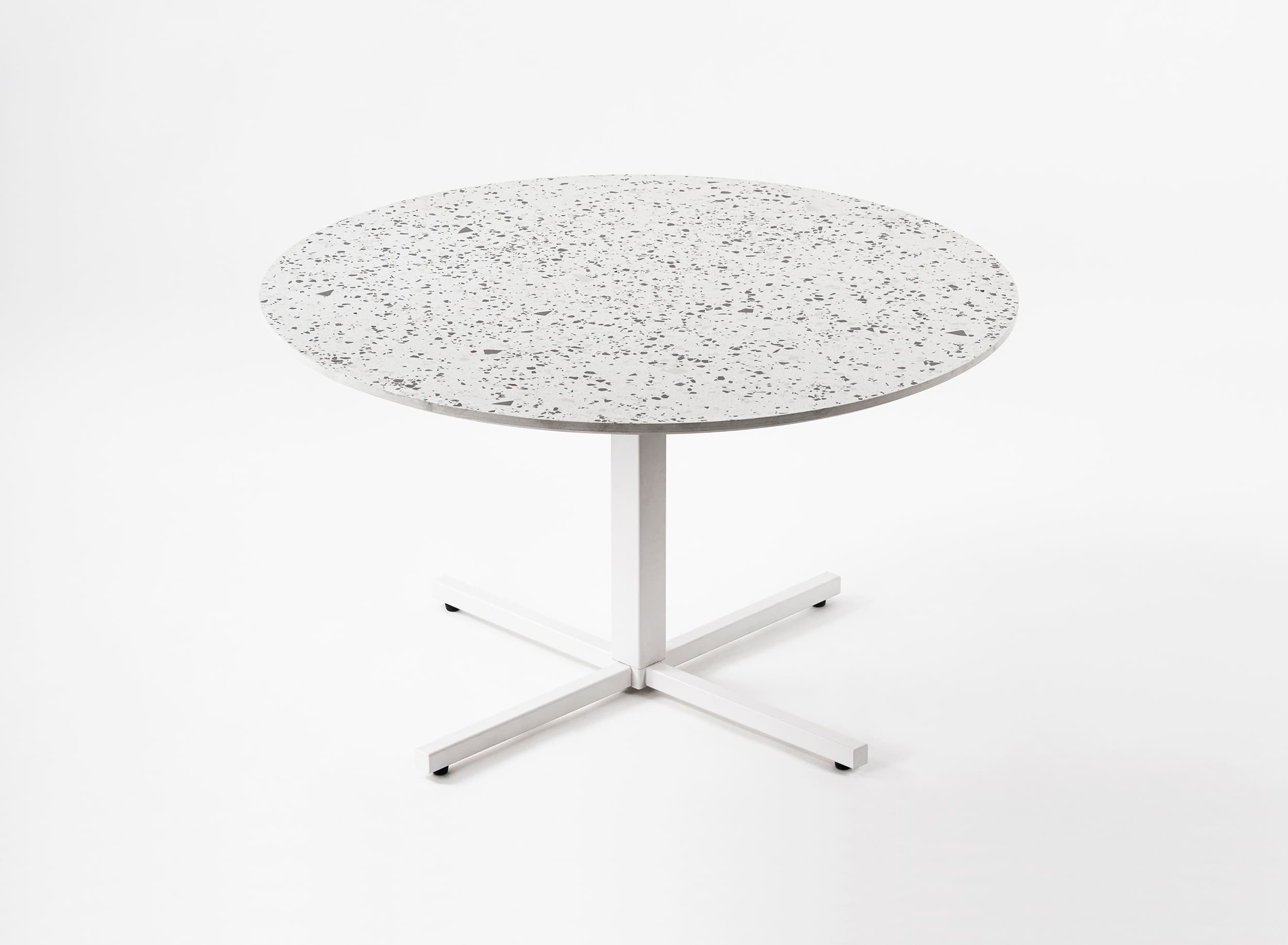
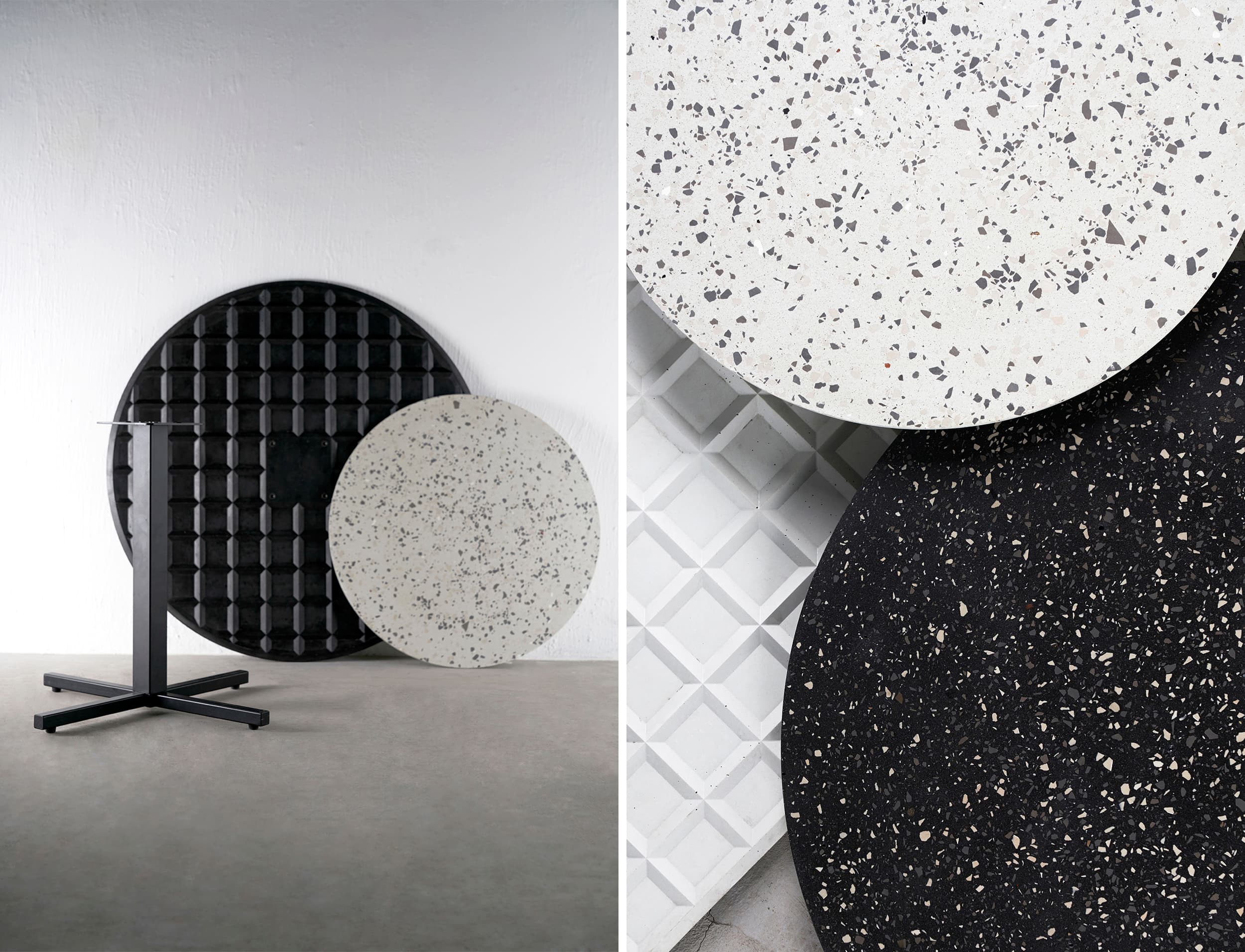
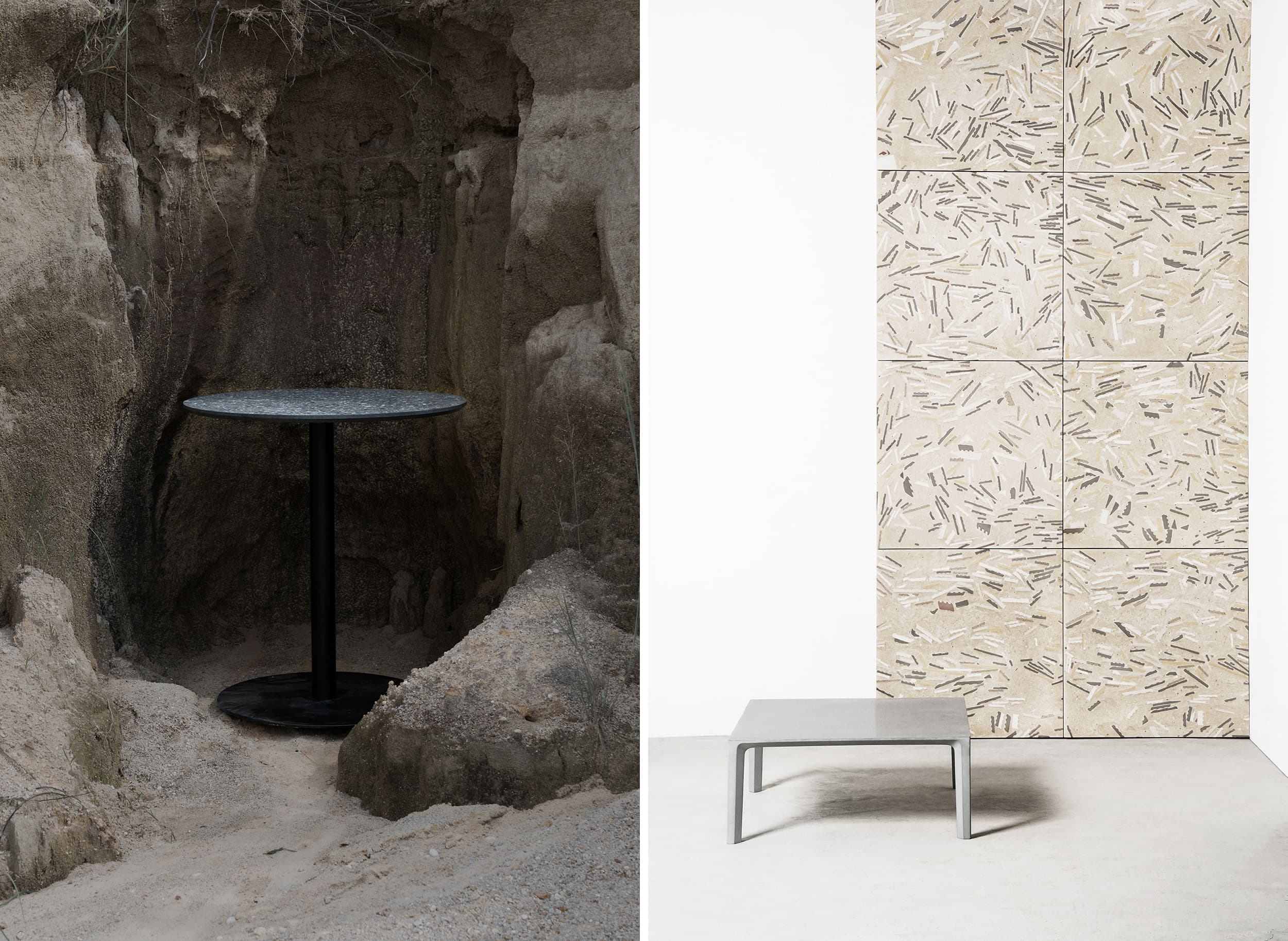
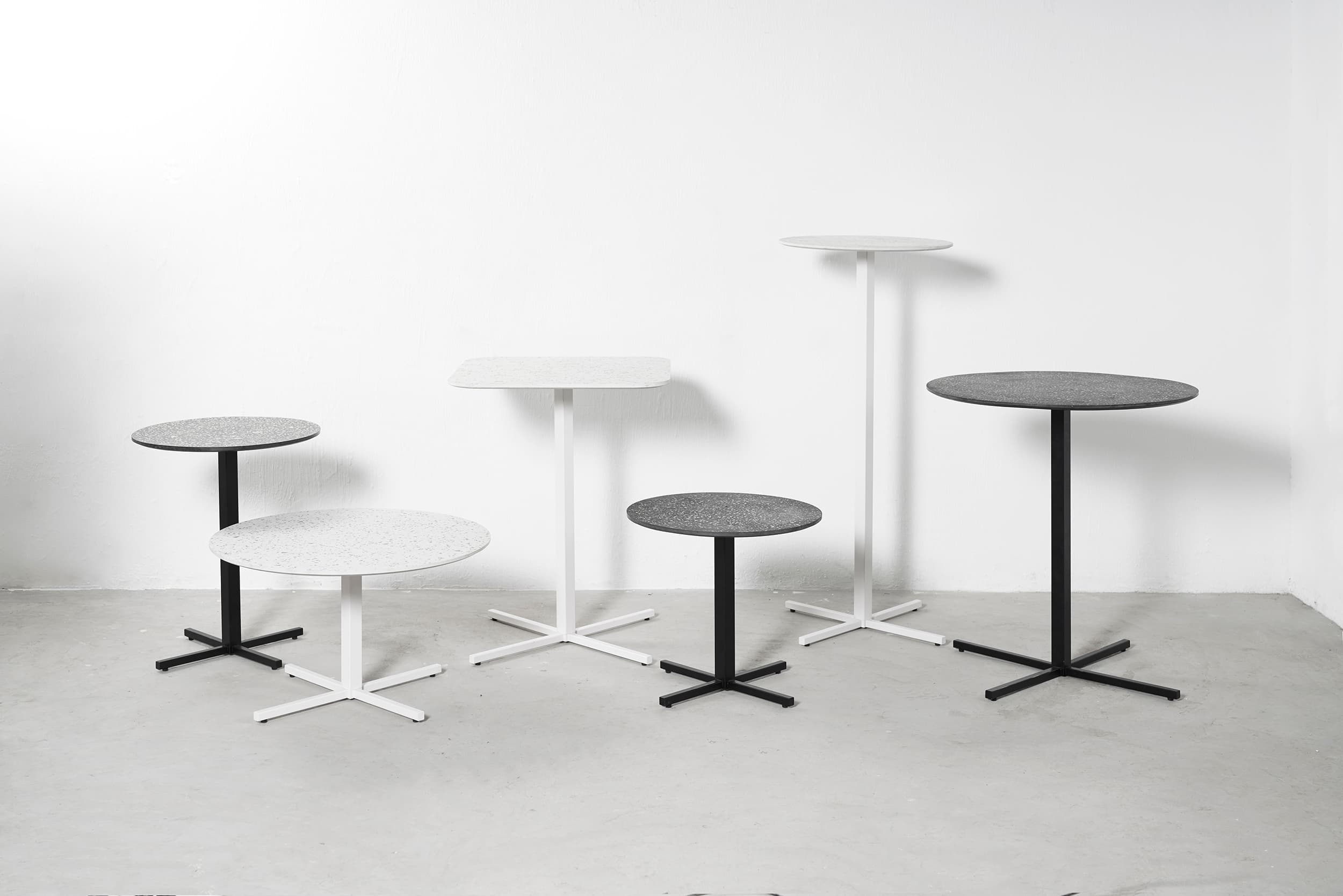
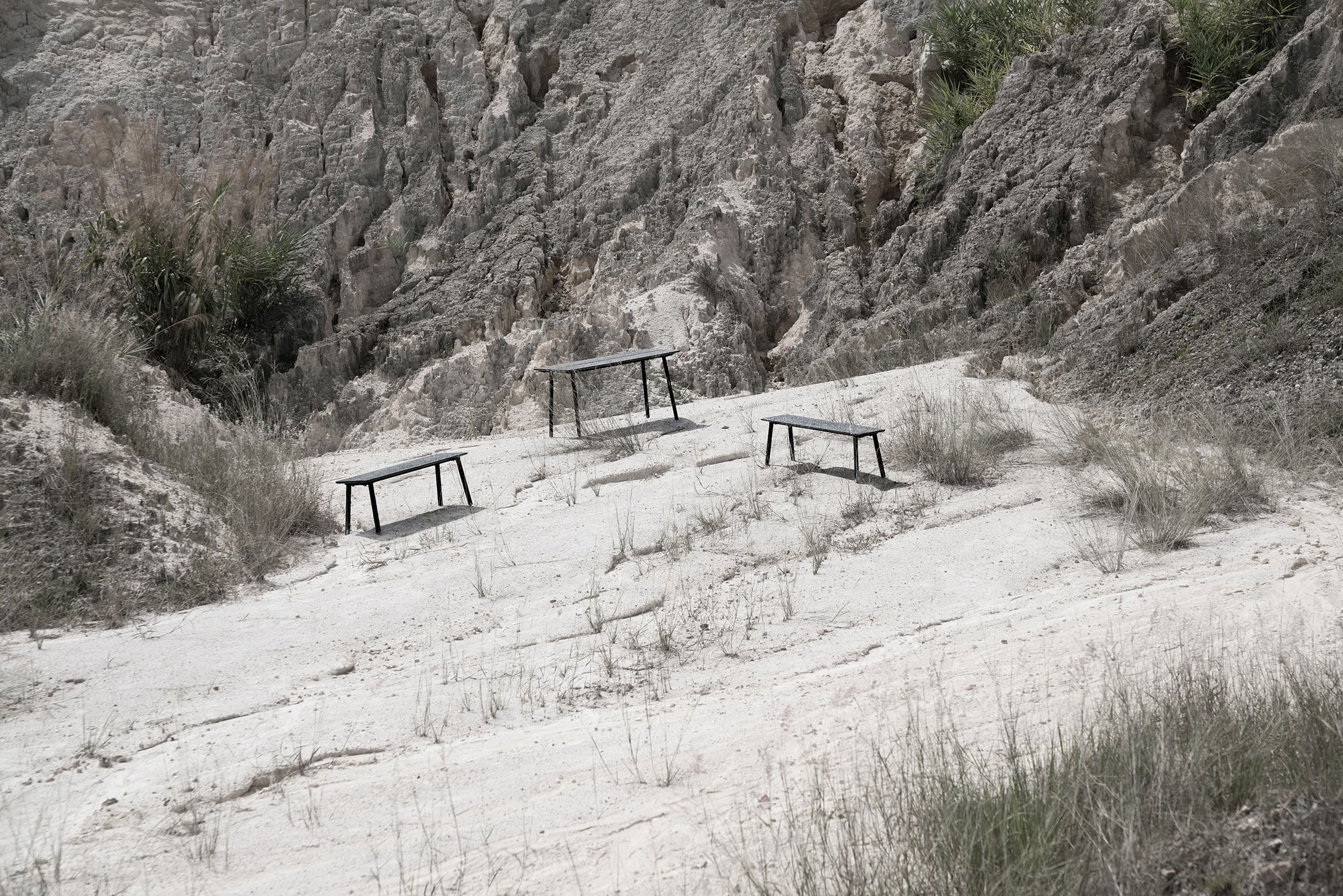
Traditional aesthetics celebrates perfect wholeness. Waste regeneration redefines this concept. Materials fractured, reconstructed and regenerated are not incomplete but whole in a new sense after completing their lifecycle. Their wholeness lies not in flawless surfaces but in fully preserving and revealing all historical traces. Unlike traditional restoration that hides damage to recover original forms, waste regeneration openly embraces fracture, letting broken edges shape new identities and granting industrial waste lasting vitality.
Starting from millions of tons of ceramic waste, promoting solid‑waste regeneration and daily reintegration activates material value, grounds sustainability principles and embodies humble yet firm integrity. This integrity relies not on external recognition but on practical action: facing industrial legacies without evasion, restoring value to overlooked waste through steady, concrete practice and enabling materials to continue their life cycles.
Design Director: Xu Gang
This original article belongs to the BENTU Material Regeneration Practice Series. Taking architectural ceramic waste regeneration as a research sample, it explores the aesthetics of traces and the return of industrial solid waste to everyday life.

- Contact
+8620 8977 0506
- Press
press@bentudesign.com
- Enquiry & Sales
info@bentudesign.com