Dystopia: Capital, Mobility, and the Collapse of Ideals – A Slice of the City
Time: 2017
Location: Guangzhou, Guangdong
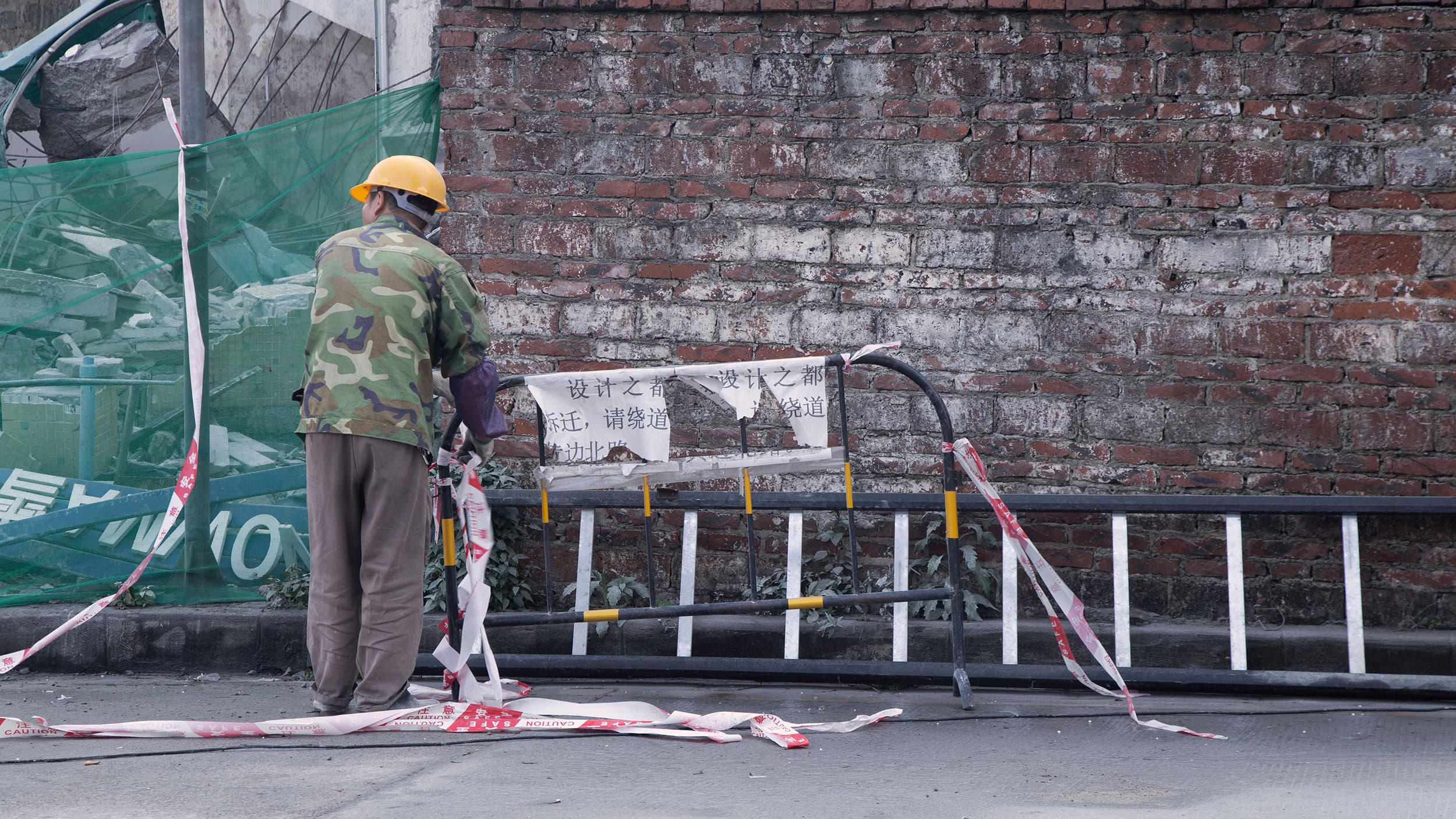
In the 1980s and 1990s, Shenzhen, Guangzhou, and Dongguan — at the heart of the Pearl River Delta — became the vanguard of reform and opening‑up. Unique historical opportunities fueled the region’s explosive economic rise. Word of mouth spread the “southbound migrant worker tide” far and wide, continuously drawing people from less developed regions. Crowded onto green trains, countless young people traveled through nights and dawns to reach this humid, bustling land. They believed that here lay a crack through which they could change their fate.
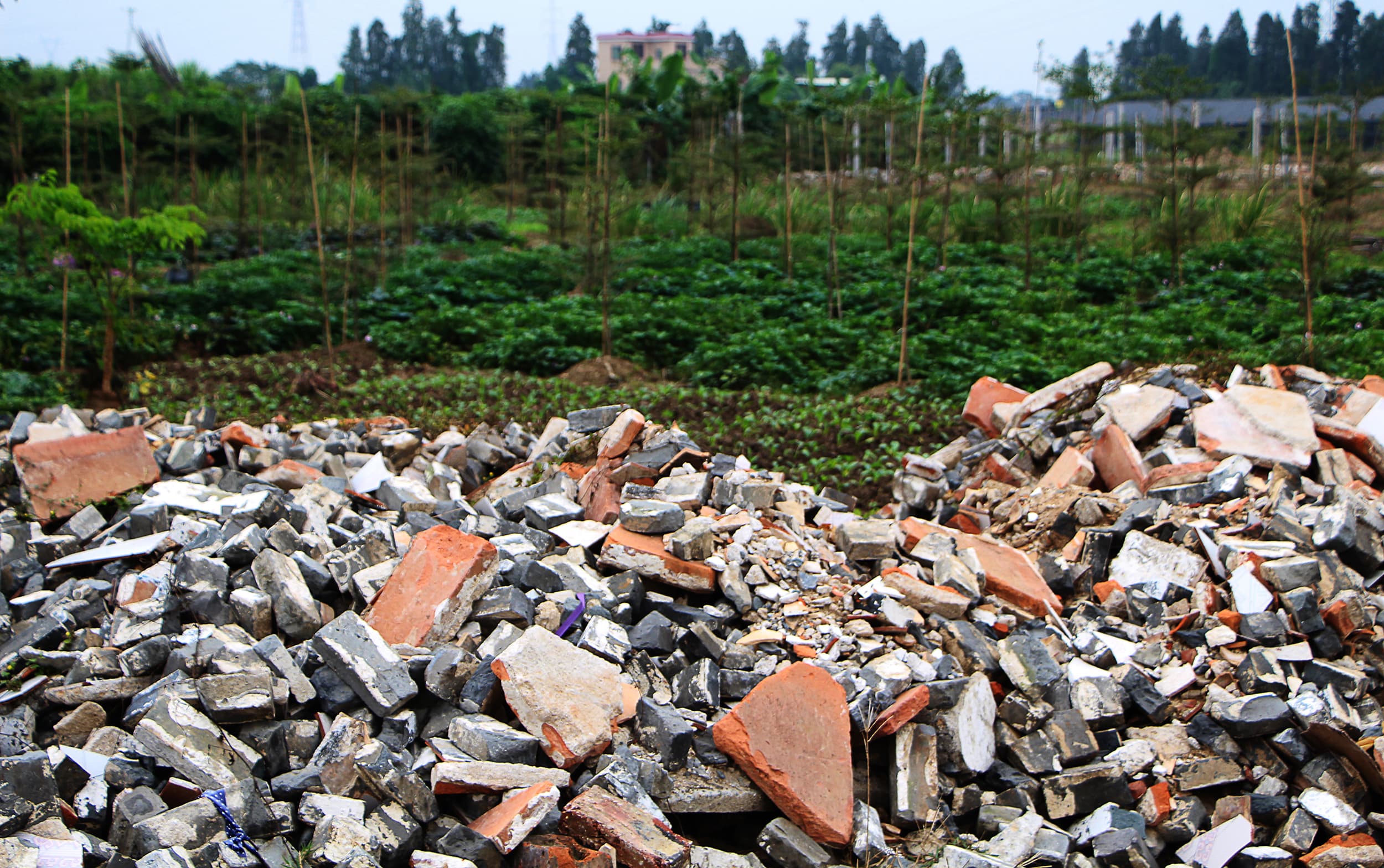
Over decades, as urbanization advanced, the composition of the migrant population shifted with economic tides. Guangzhou’s Huangbian Village has constantly been reshaped in its land and urban fabric by the invisible hand of urban planning. Before the 1990s, land use was simple: only indigenous farming families called this place home. Back then, it was covered in contiguous rice paddies and vegetable fields, with birdsong at dawn and cooking smoke drifting at dusk.
In the mid‑1990s, riding the wave of urban development, villagers filled farmland to build factories. Merchants from Shantou, Hong Kong, and Taiwan settled one after another, bringing garment, shoe, and electronics factories to the area. Sheet‑metal workshops sprouted from farmland overnight like mushrooms after rain. The rumble of machinery replaced the chirp of insects. Freight trucks rumbled down village lanes, their dust settling on every windowsill.
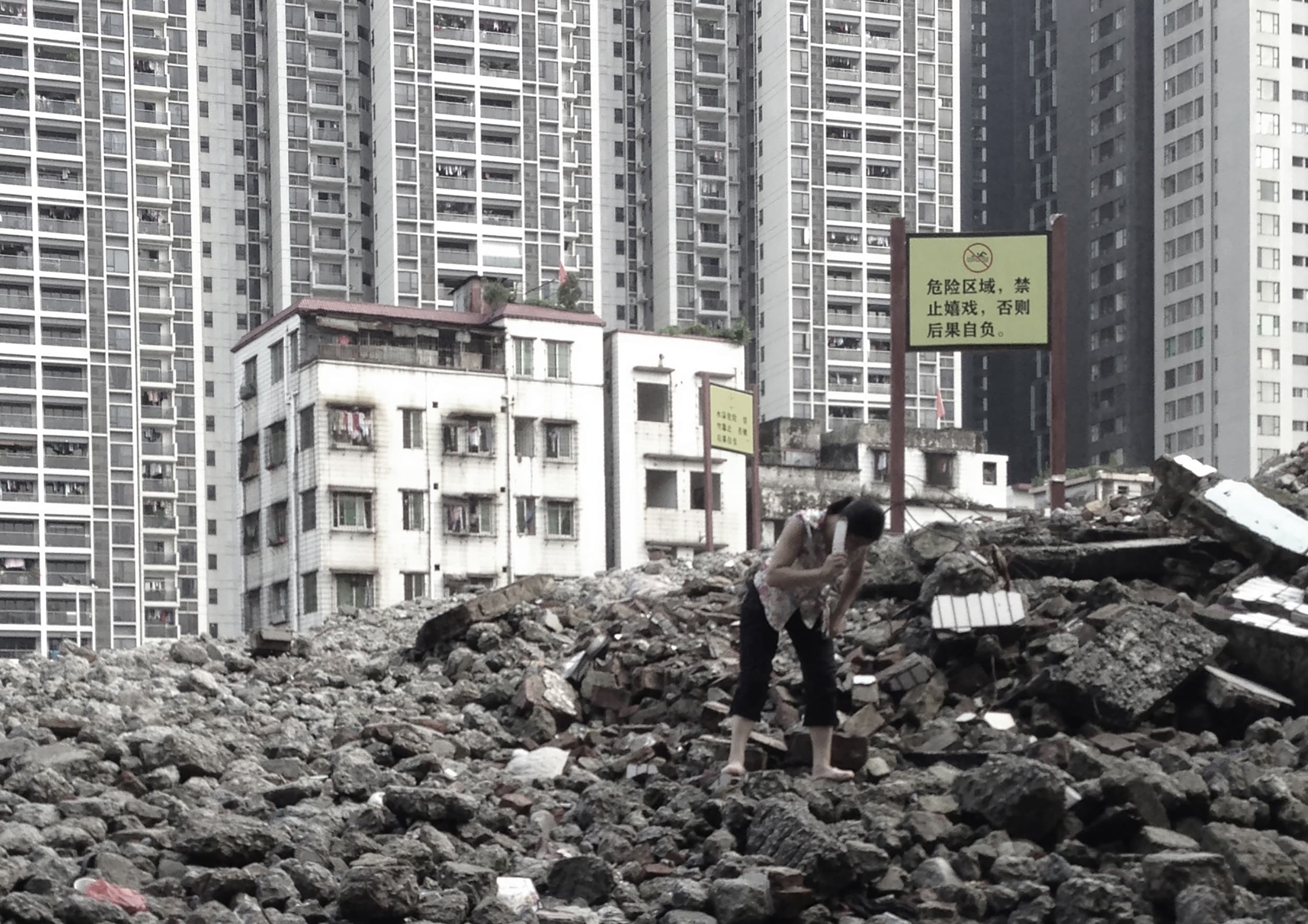
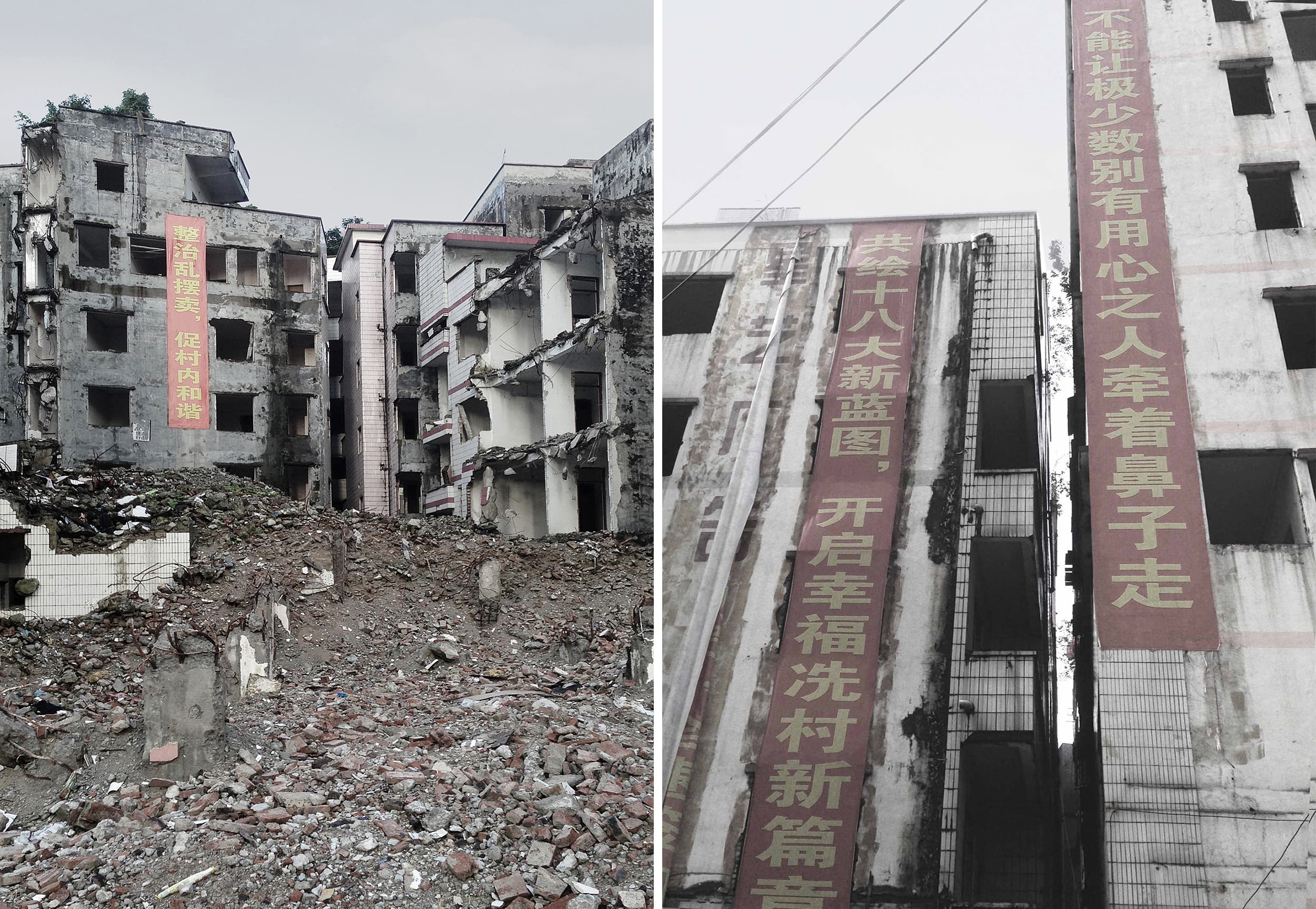
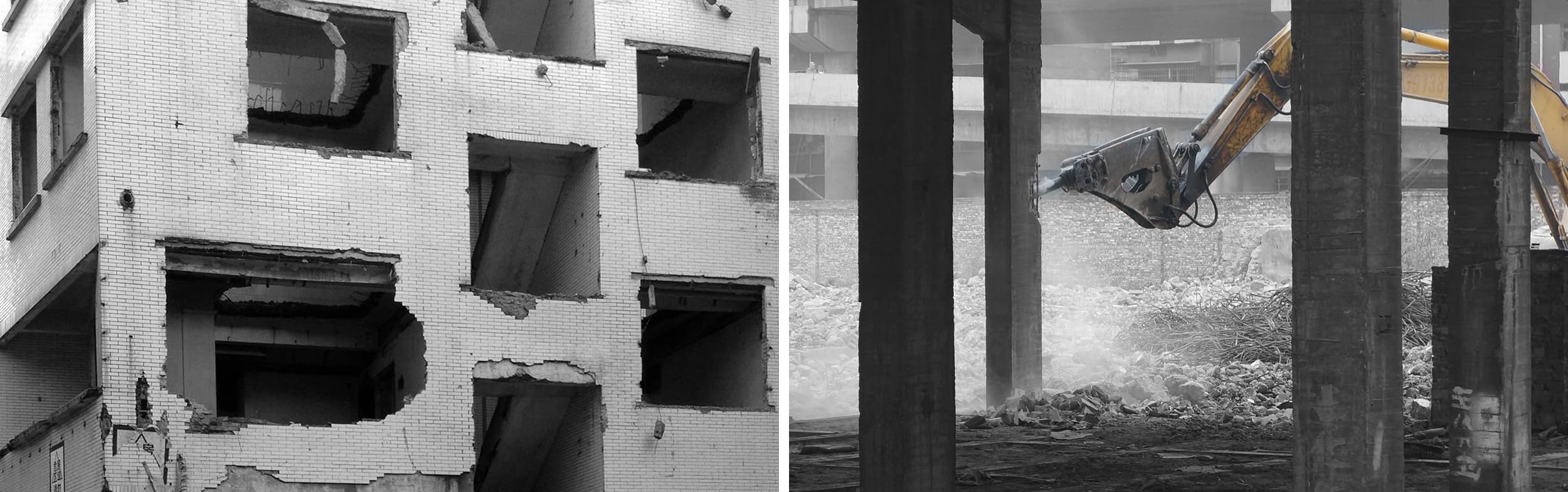
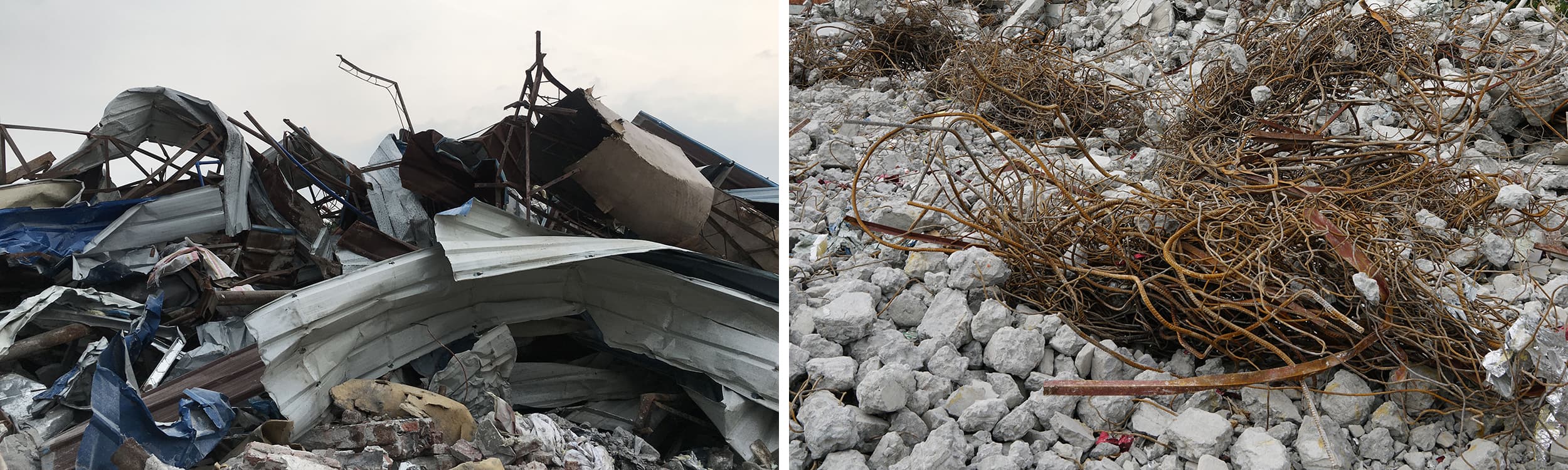
Between 2003 and 2007, the large residential complex Times Rose Garden was completed. White‑collar workers moved in, and real‑estate development boomed. Tower cranes stood everywhere; concrete mixers operated day and night. Old factories were demolished and replaced with gated communities, commercial streets, and underground parking garages. In 2008, subway services launched and the South China Design Capital plan was approved. Older workshops and small factories were torn down one by one. Design studios, cafes, and co‑working spaces emerged alongside remaining grocery stores, breakfast stalls, and labor agencies along the same streets.
Huangbian Village’s transformation is a vivid microcosm of urbanization across the Pearl River Delta. Every shift in land use brings an influx of new residents and the departure of others. As the Pearl River Delta’s urban agglomeration grew wealthier, it gradually turned into a vessel for surging desire. The diverse migrant population gave rise to ambiguous, gray‑zone social issues: strained public security, unplanned pregnancies, emerging informal occupations, left‑behind children, migrant youth education, and long‑distance elder care. These struggles rarely enter mainstream discourse, hidden like a city’s sewer system beneath public view.
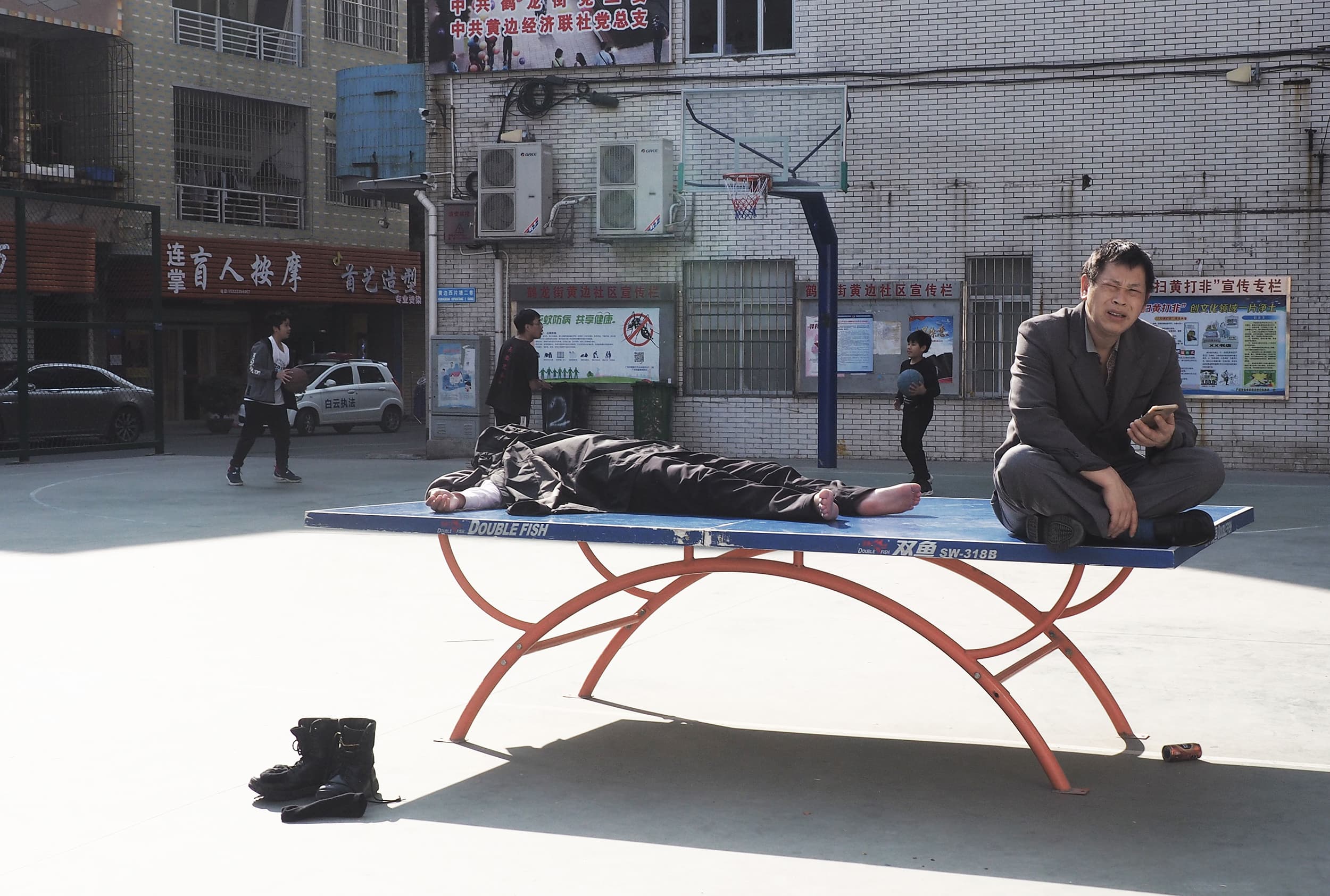
Walking into Huangbian Village, one can clearly see the invisible divide between locals and outsiders. Beneath the banyan tree at the village gate, elderly local men sit on plastic stools, wave palm‑leaf fans, and chat in Cantonese about land expropriation compensation. A few steps away, migrant workers squat on curbs eating five‑yuan boxed meals, discussing overtime plans in their hometown dialects. Local and migrant motorcycle drivers occupy opposite ends of the street: locals carry Guangdong‑A license plates, while outsiders’ plates hail from across the country. Separated by less than ten meters of road, the two groups exist as if divided by an invisible river.
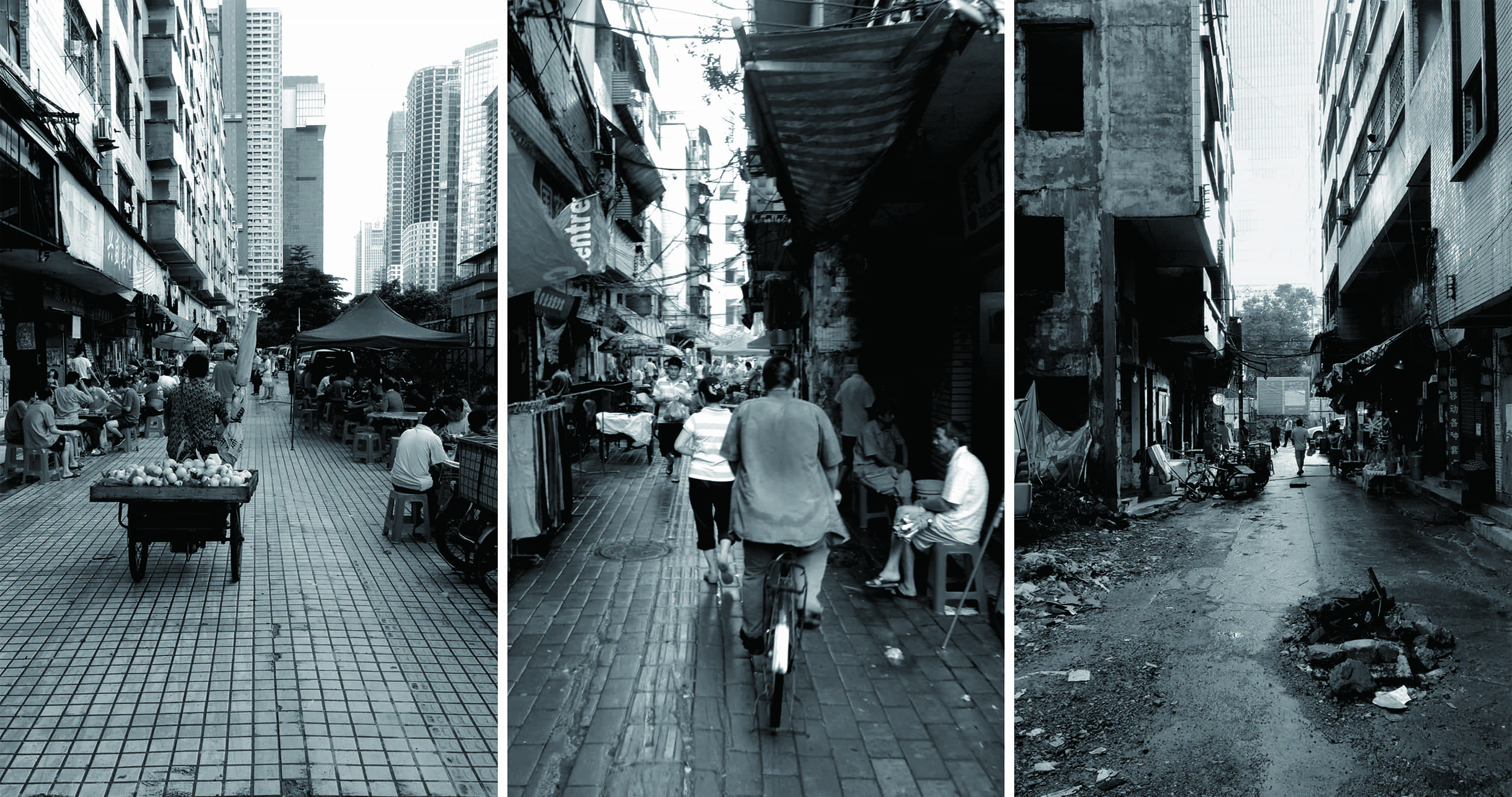
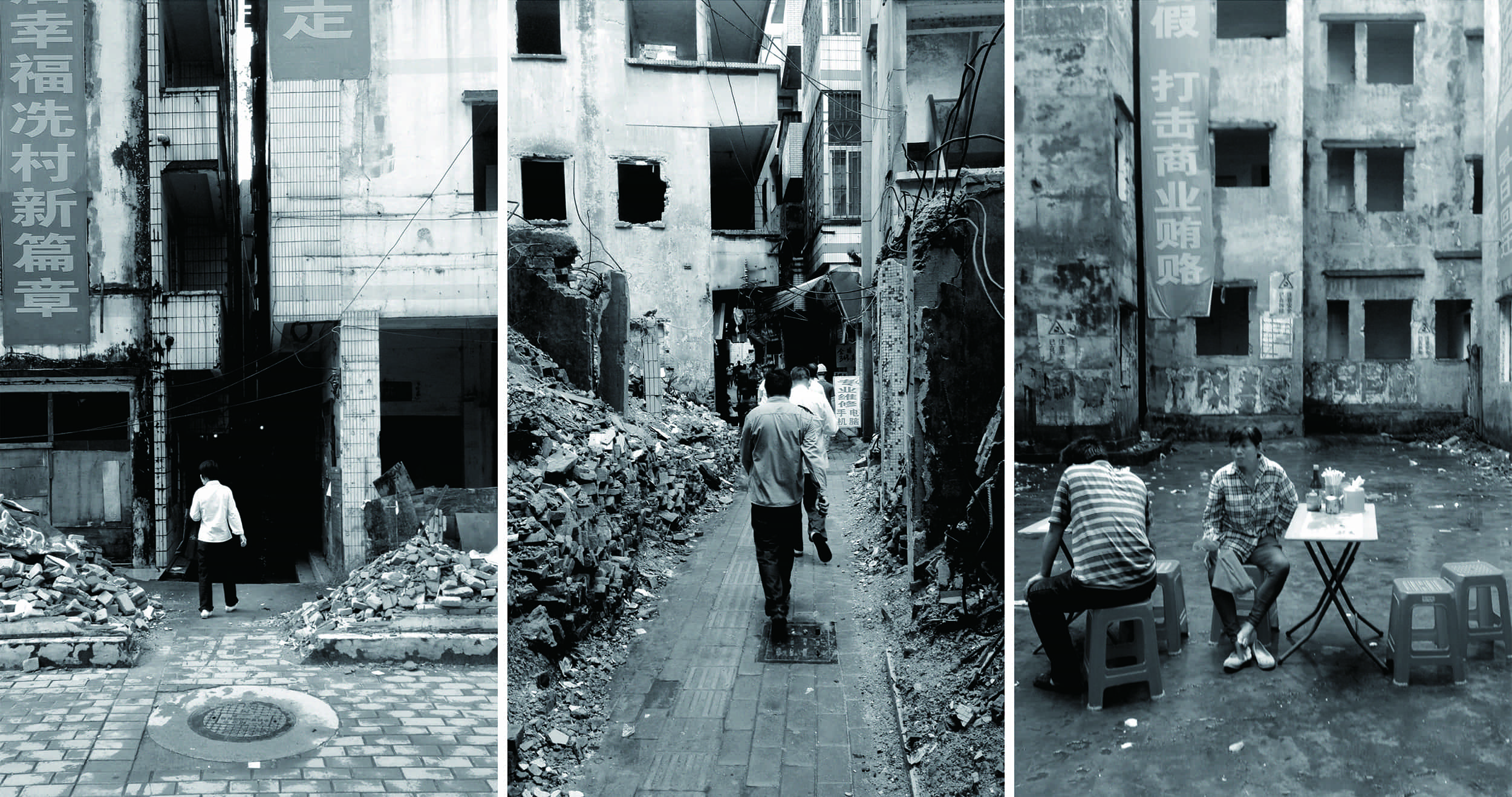
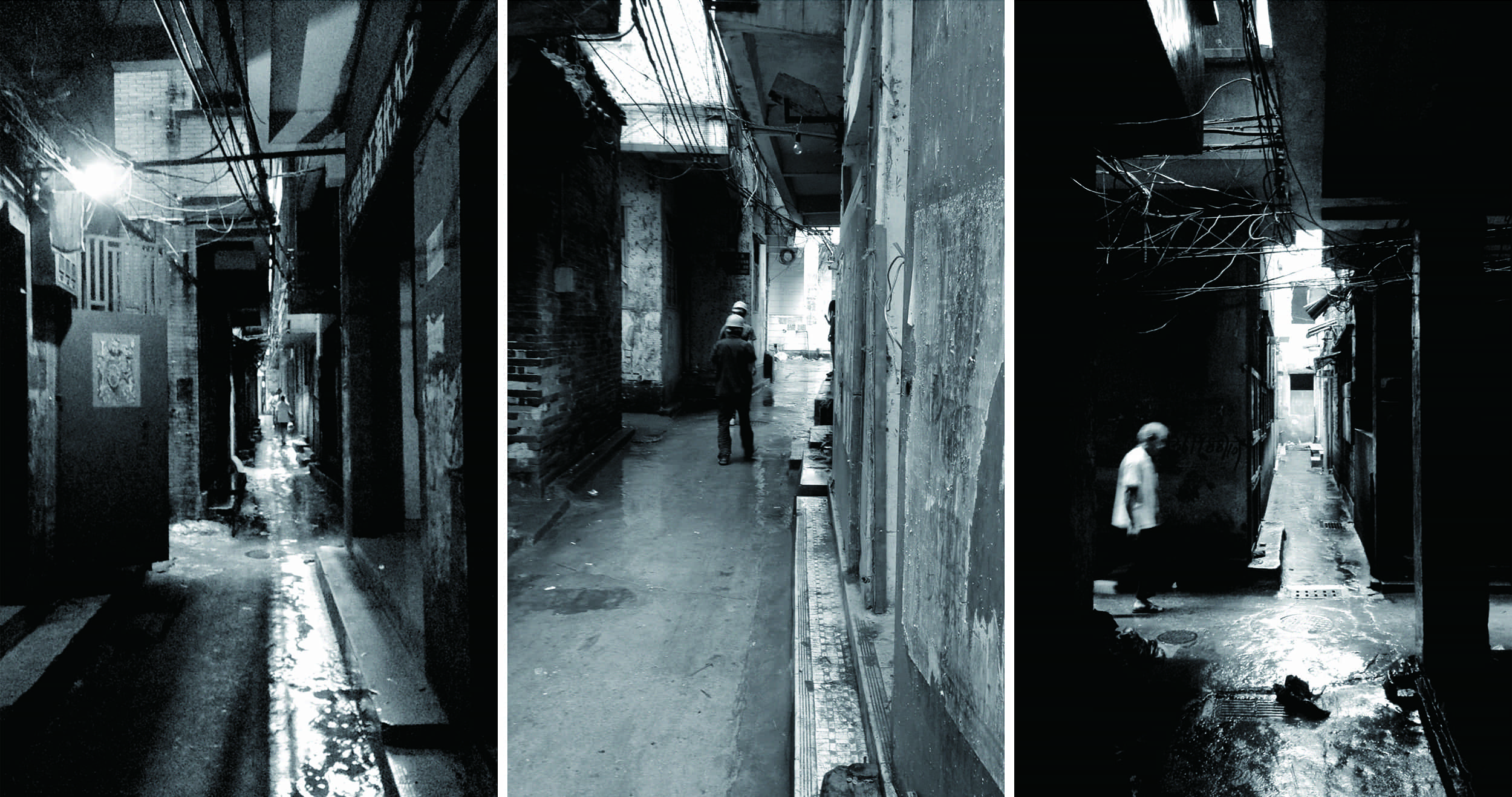
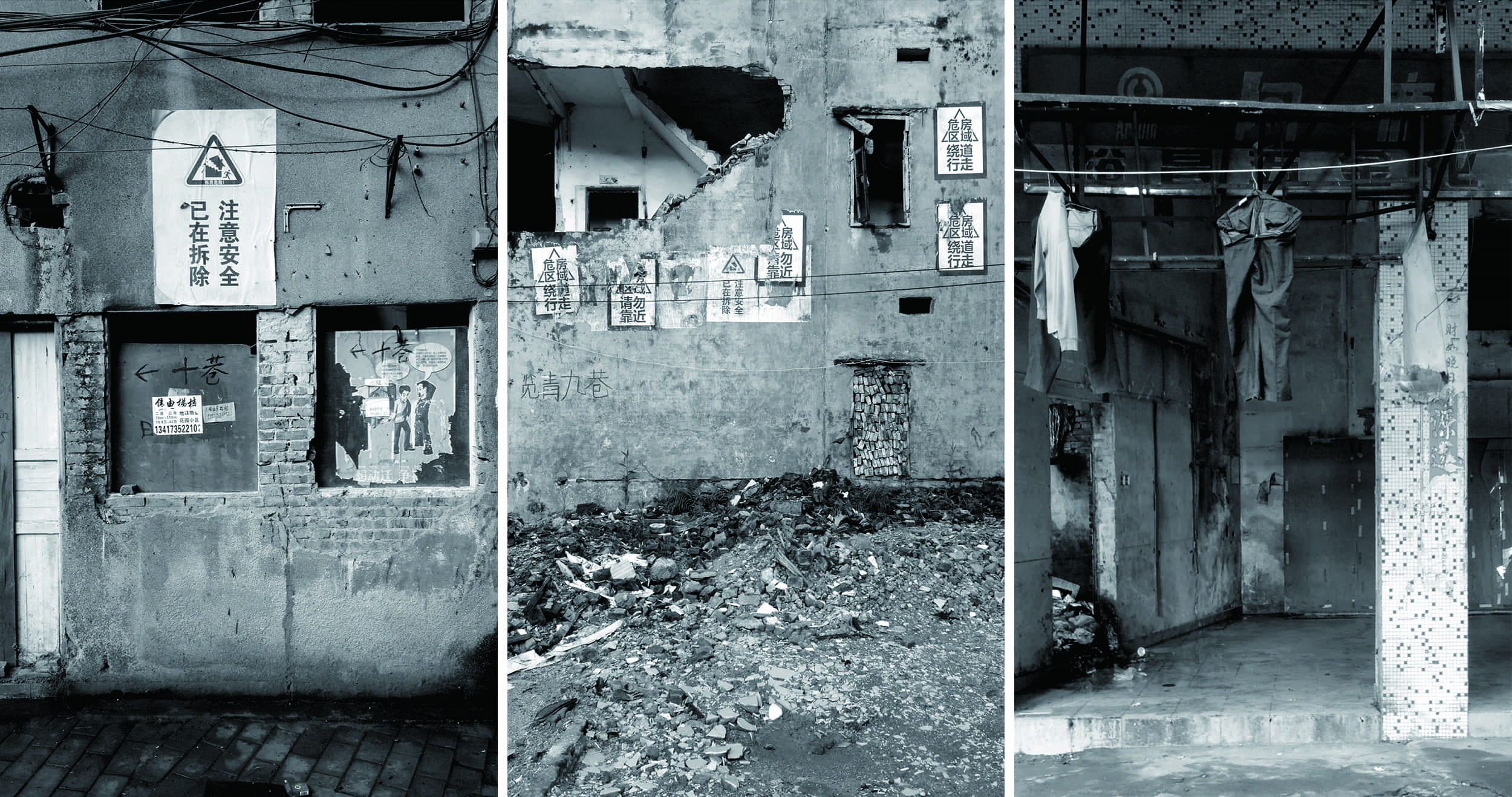
Elderly migrants struggle to integrate into local communities or access local senior care. Locals have ancestral halls, senior activity centers, and annual village feasts. Migrant parents travel from hometowns to care for grandchildren, yet their social circles are limited to residential garden benches and wet markets. Having lived here for a decade, they never truly feel belonging.
A passage from the non‑fiction series Factory Boys reads: “Those who leave home and family to work as migrants become an uncounted population here, forming a city beneath the city — their own city.” The self‑organized social order built by migrants is often dismissed as chaotic and disorderly. Yet this bottom‑up system represents urbanization in its most authentic, unpolished form.
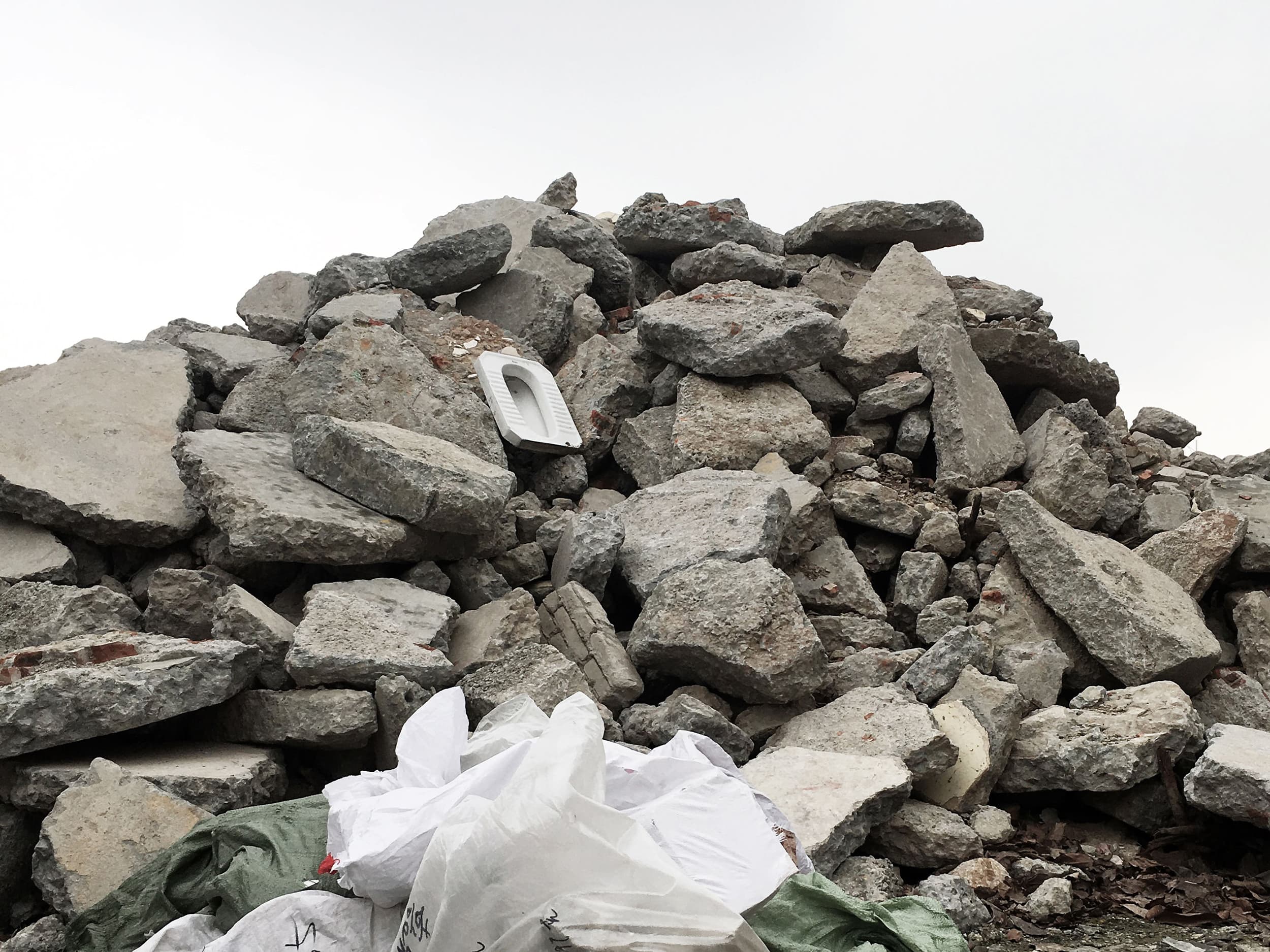
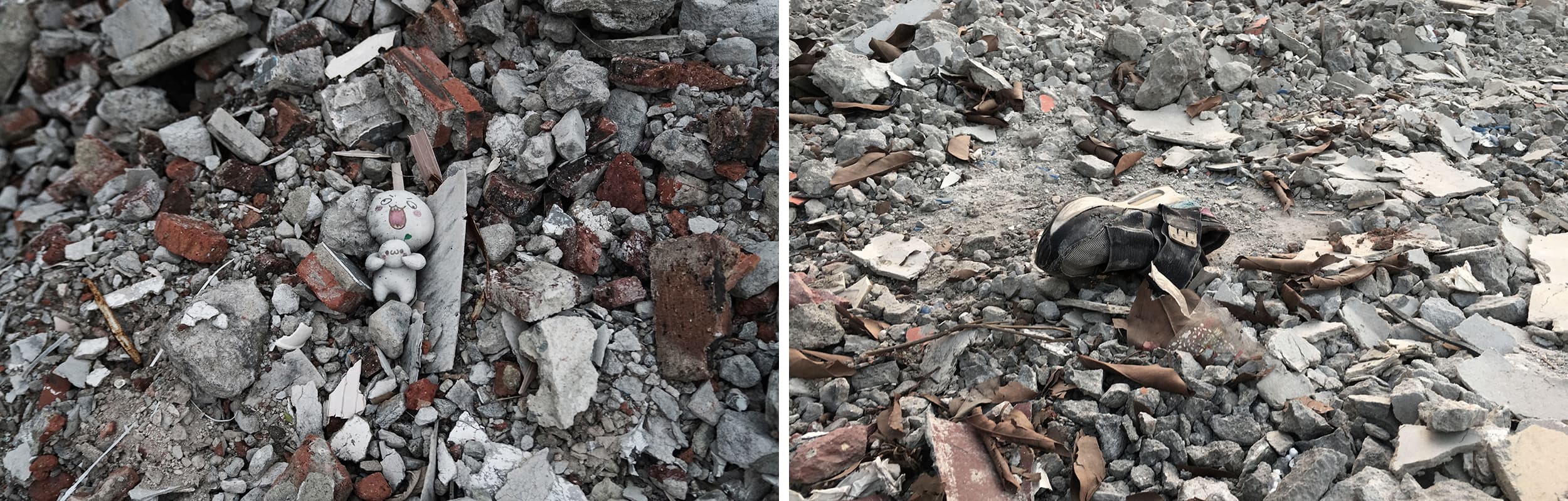
In her work Strangers in the City, anthropologist Zhang Li uses Beijing’s Zhejiang Village as a field study, stratifying migrant communities into local administrators, migrant elites, and ordinary working families to form a unique symbiotic protection system. A similar hierarchy exists in Huangbian Village: sub‑landlords controlling multiple factory spaces, small business owners running supermarkets and internet cafes, and assembly‑line workers repeating identical motions daily. Their relationships are bound by both interest and interdependence. Migrants shape the city and build informal grassroots utopias within its urban cracks.
These utopias are never stable, however. They rest on fragile leases, shifting policies, and volatile economic cycles. A single industrial relocation, environmental inspection, or housing price fluctuation can uproot entire migrant ecosystems.
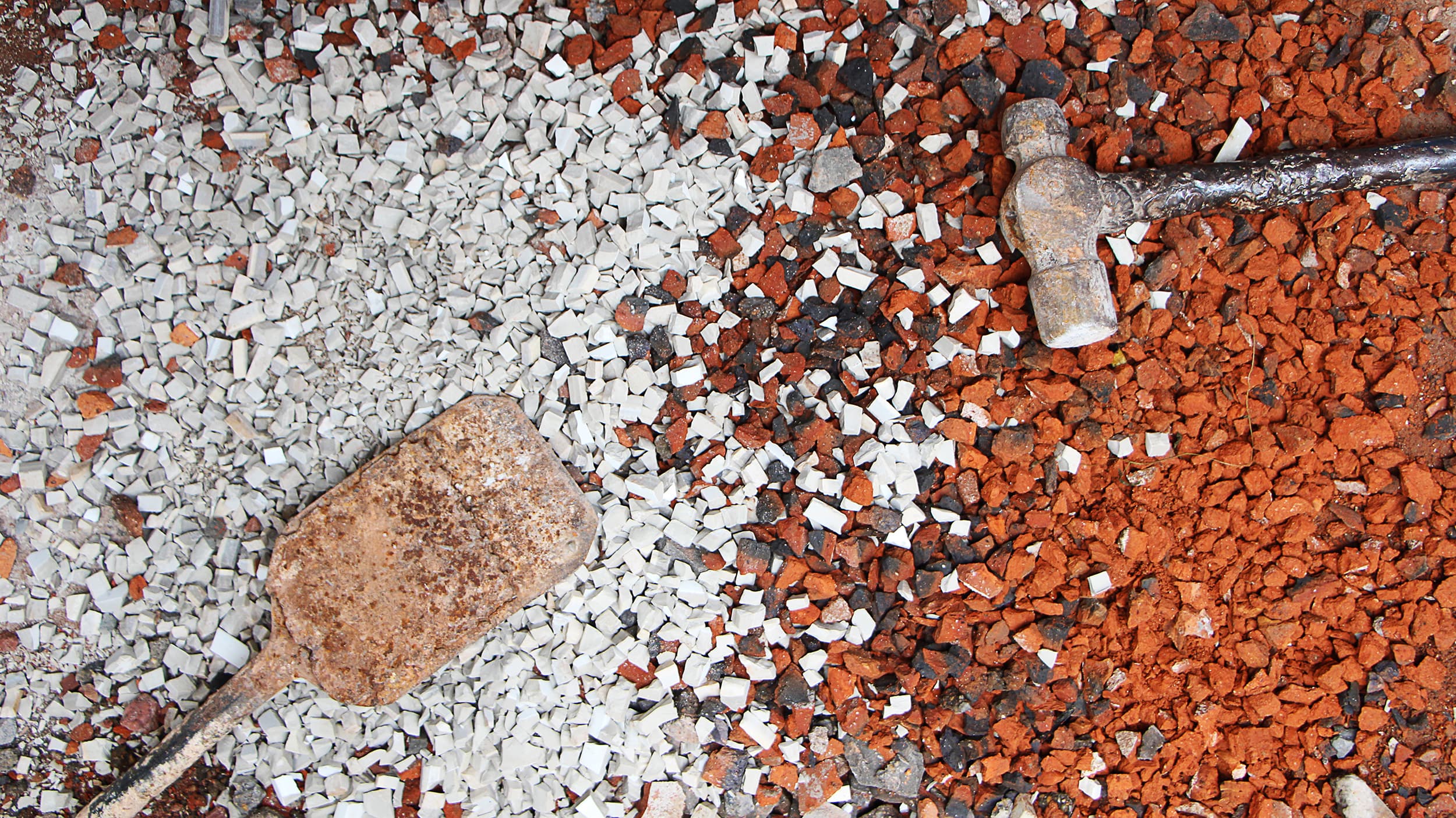
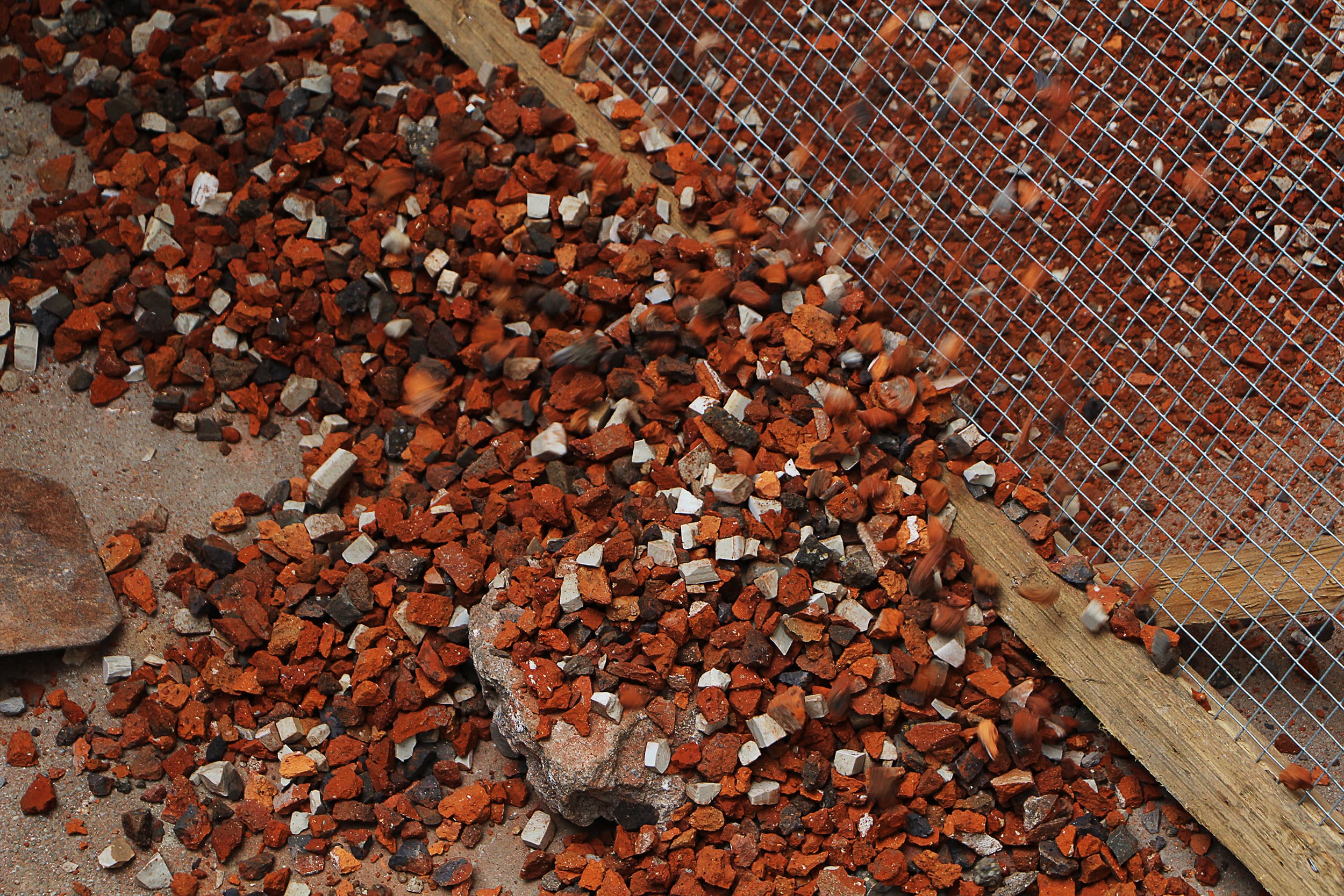
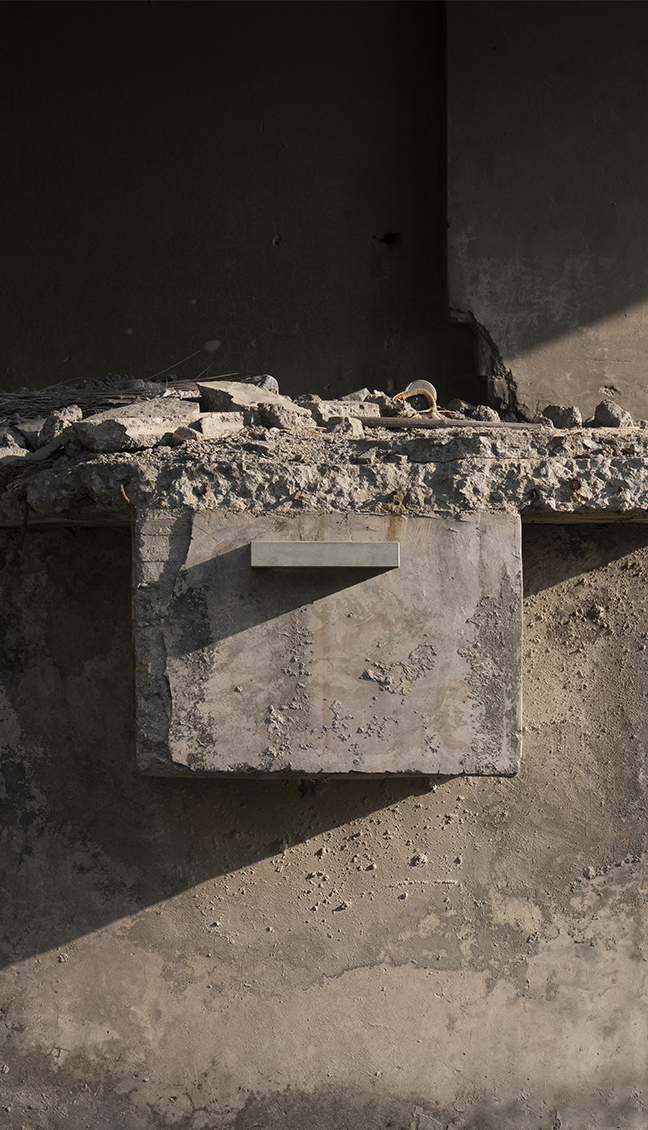
In Huangbian Village, rural land becomes urbanized, built, dismantled, rebuilt, and demolished repeatedly. Driven by human and societal desire, the land’s surface is endlessly reshaped, its ultimate form forever unknown.
Is this perpetually reconstructed utopia the cherished memory of locals, a fabricated dream for newcomers, or nature’s original state? Everything evolves in uncertainty. Generations of builders, swept up in capitalist logic, become a vast pool of cheap labor. When the next wave of urban renewal arrives, they are cast aside like creeping cast‑off labor, pushed to urban peripheries such as Huadu, Conghua, Qingyuan, and beyond.
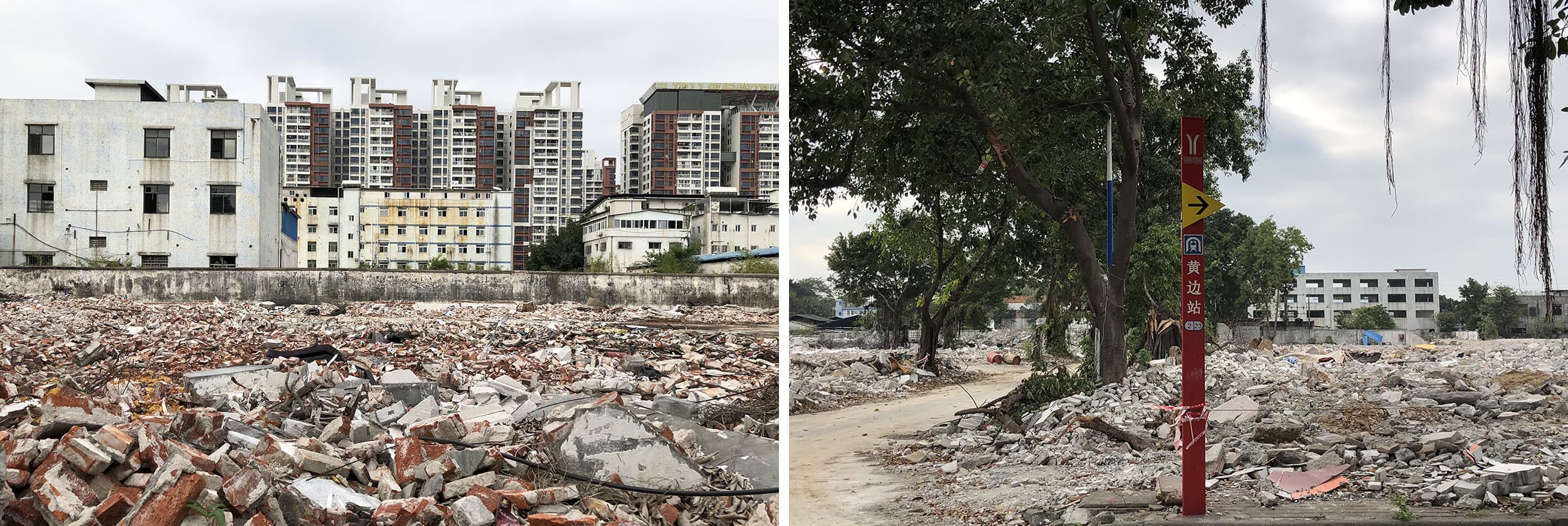
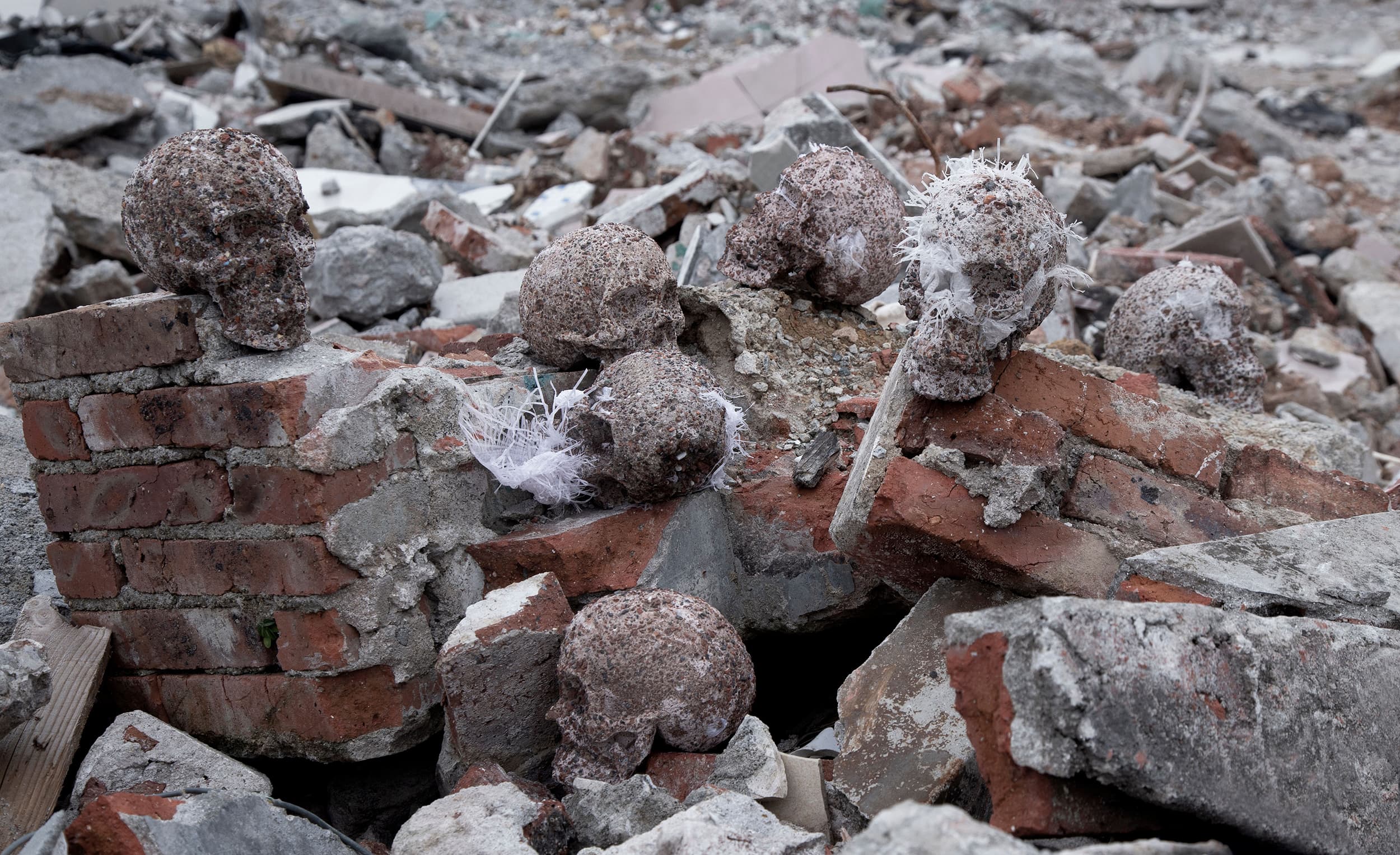
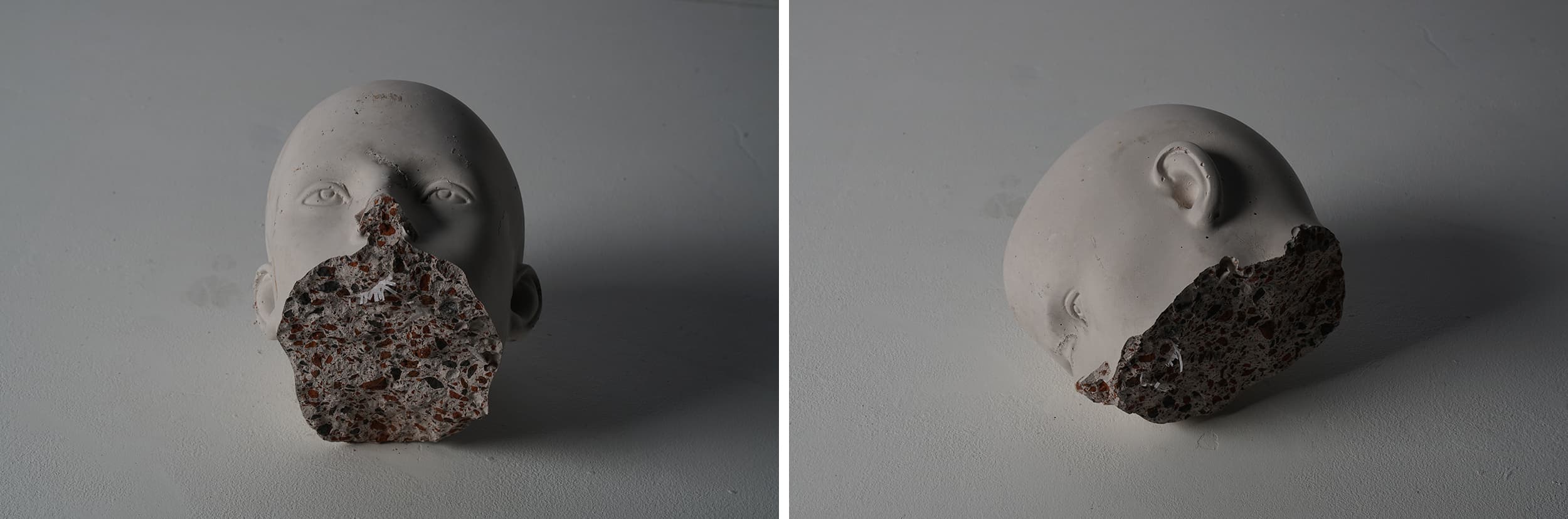
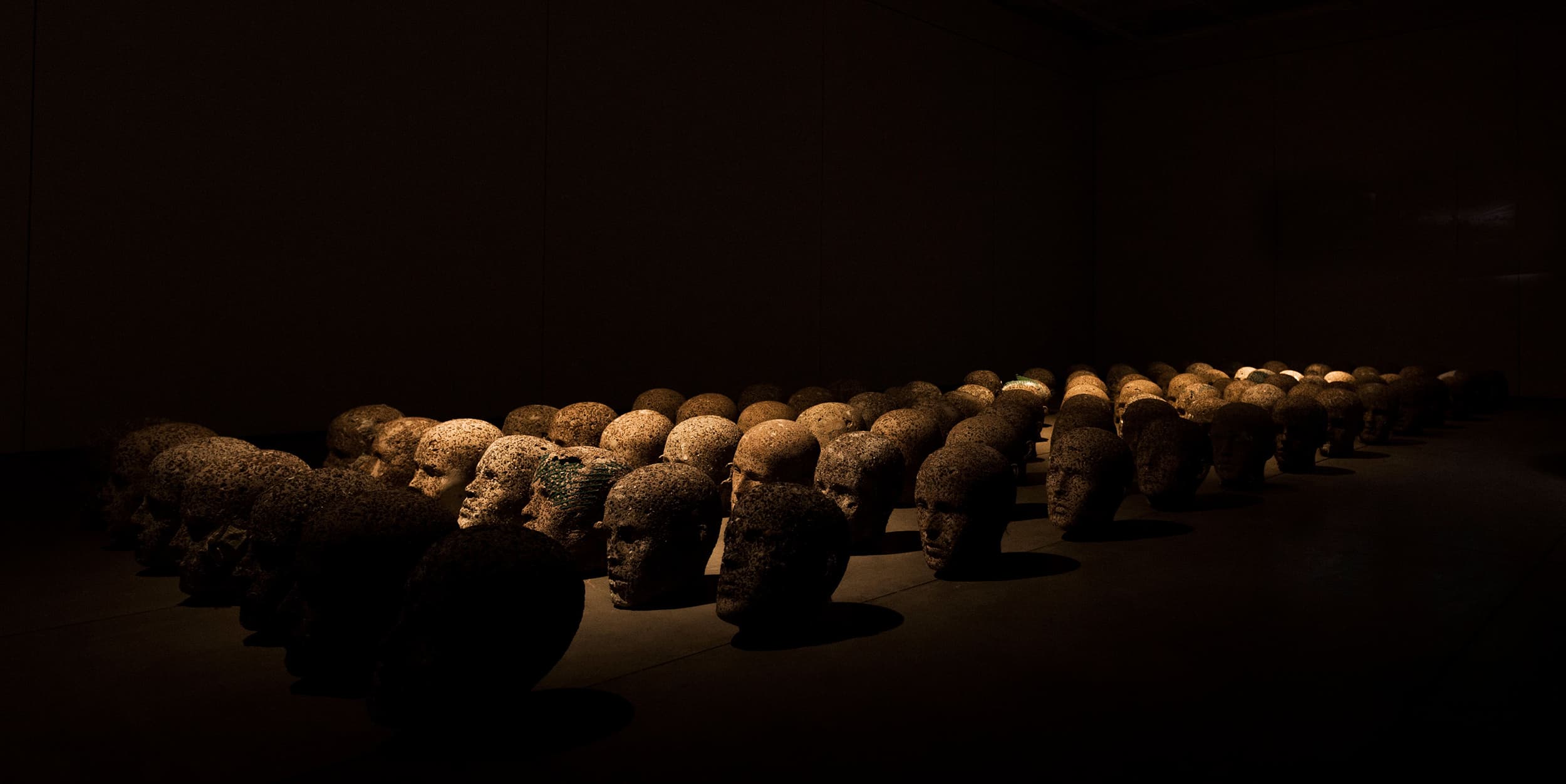
Henri Lefebvre states in The Production of Space: space is not a neutral container, but a product of social relations that in turn reproduces social relations. Every land‑use change in Huangbian Village redefines who belongs and who is excluded. Capital‑driven spatial production prioritizes capital accumulation over human well‑being.
Jean Baudrillard’s concept of hyperreality manifests here clearly. When demolition and reconstruction cycle frequently enough, people gradually lose collective memory of the land’s original state. Each generation experiences a different Huangbian Village yet believes their version to be authentic. This perceptual breakdown fractures collective memory and weakens personal identity.


As the wheels of progress roll forward, large‑scale demolition and renewal bring greater harm through the spiritual collapse of individuals than through ecological damage. The utopia people once sought gradually distorts and fades, ultimately becoming a dystopia steeped in desire and utilitarianism.
Dystopia emerges from systemic contradictions: rigid demands for economic growth, over‑reliance on land finance, unaddressed migrant rights, and short‑sighted urban planning. Combined, these forces reduce living people to statistical data.
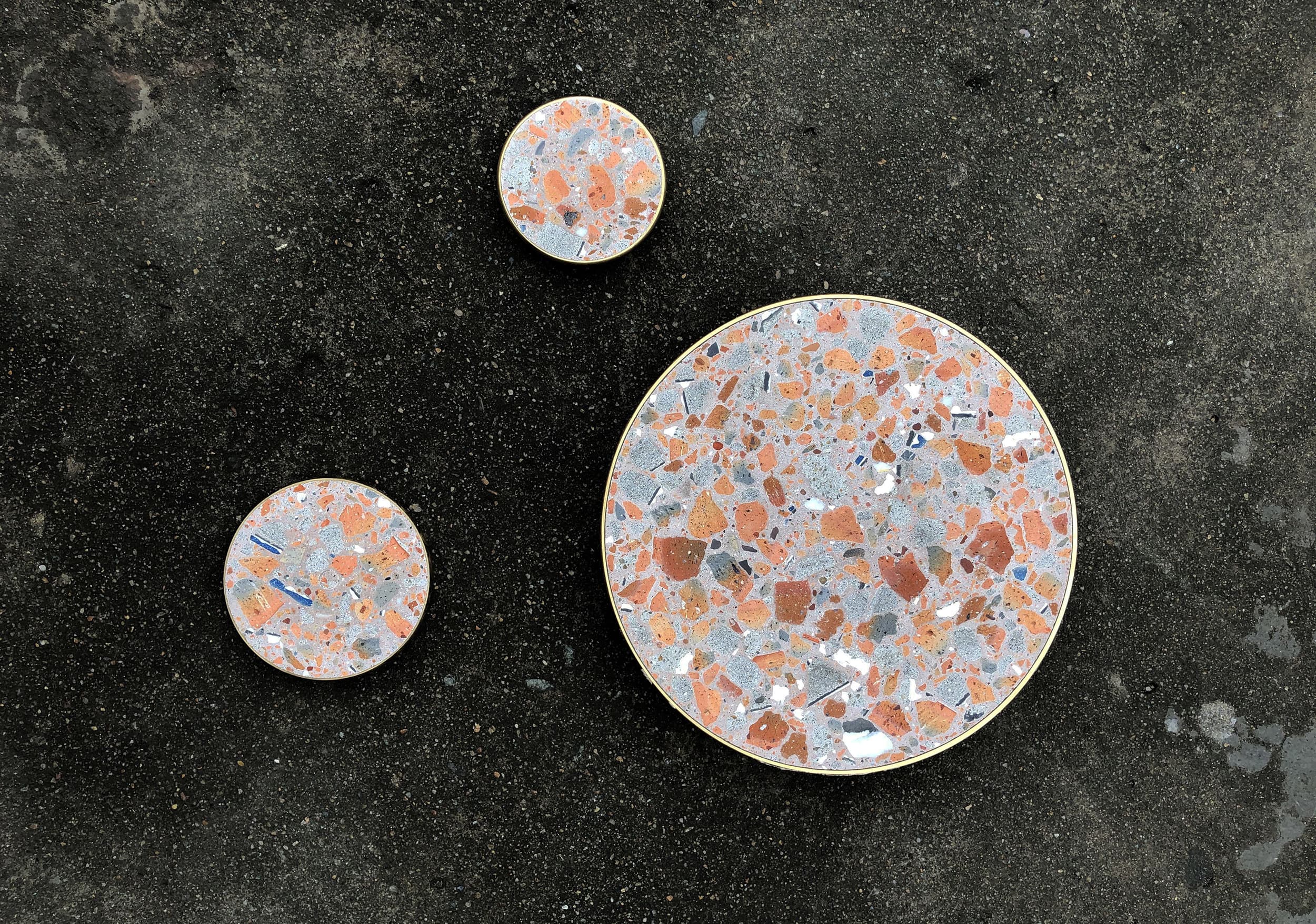
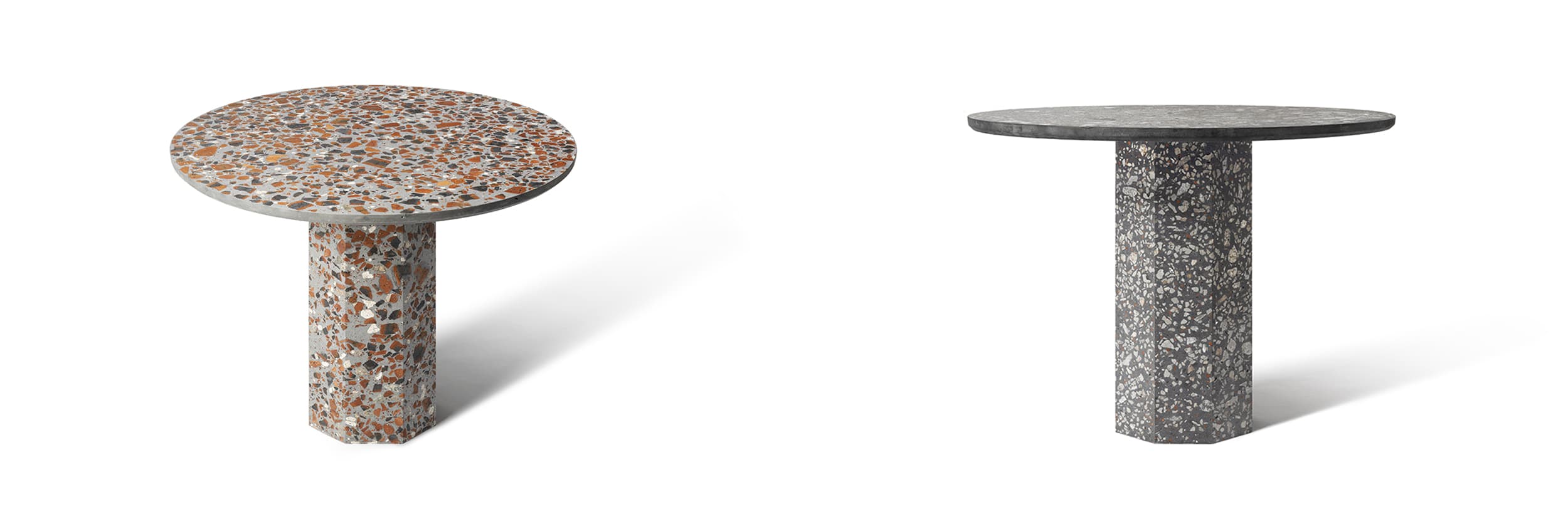

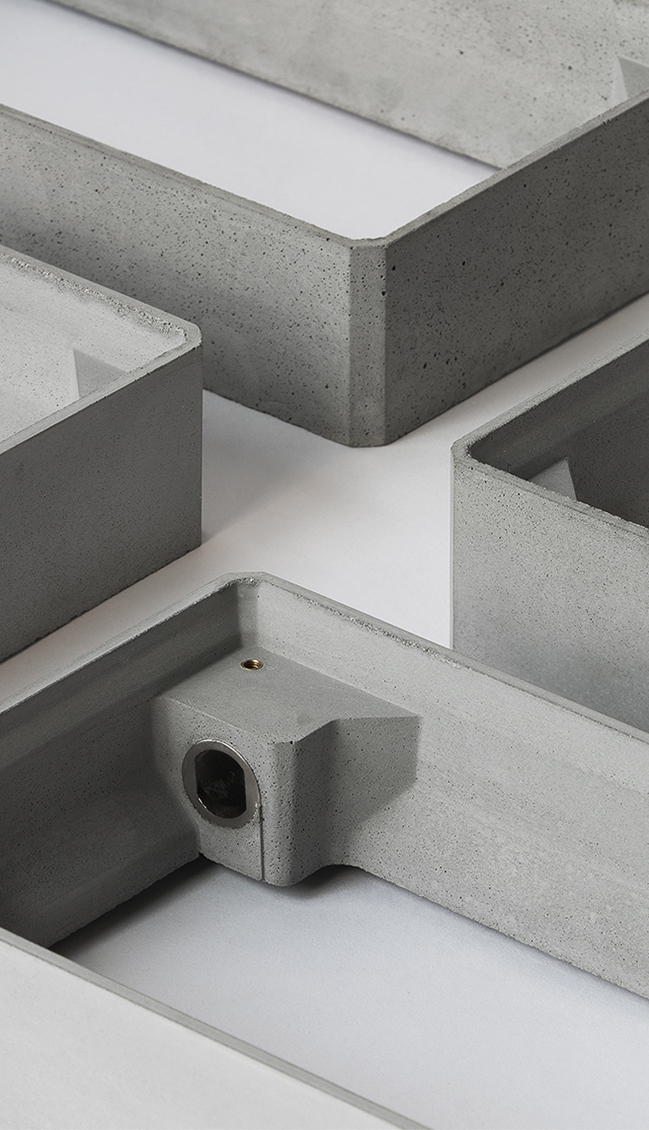
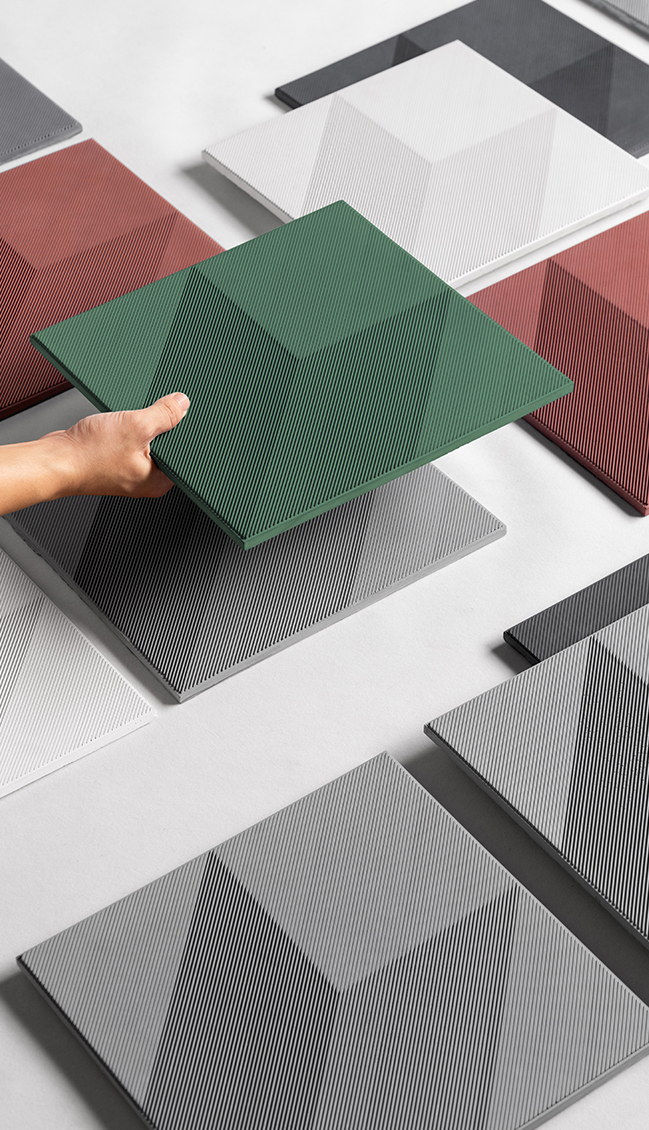
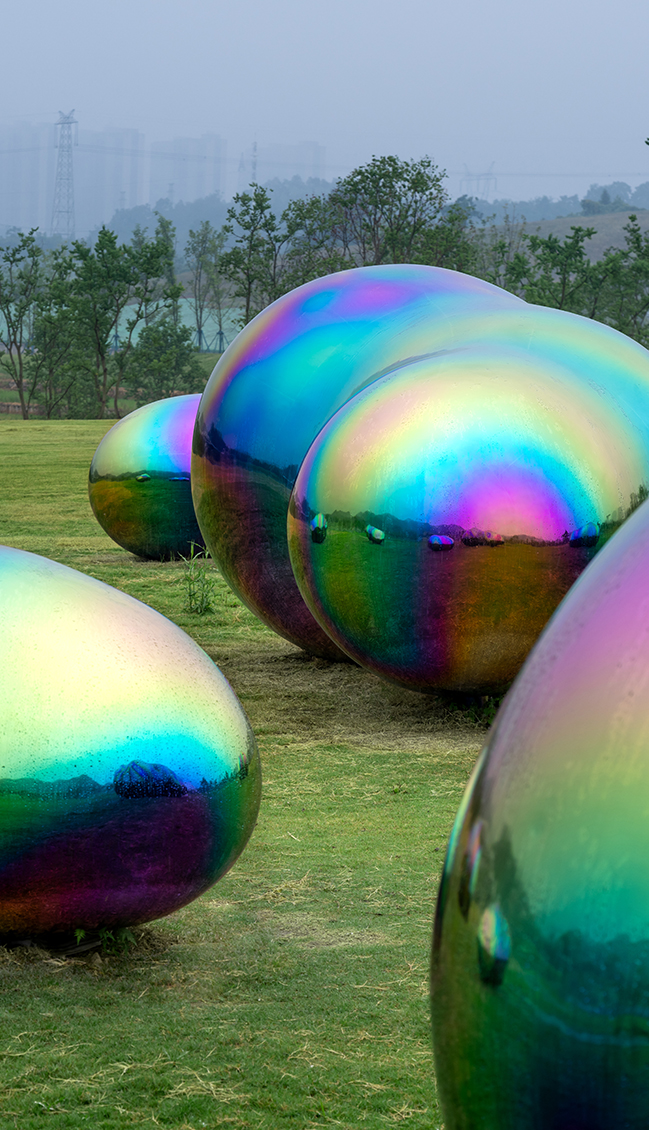
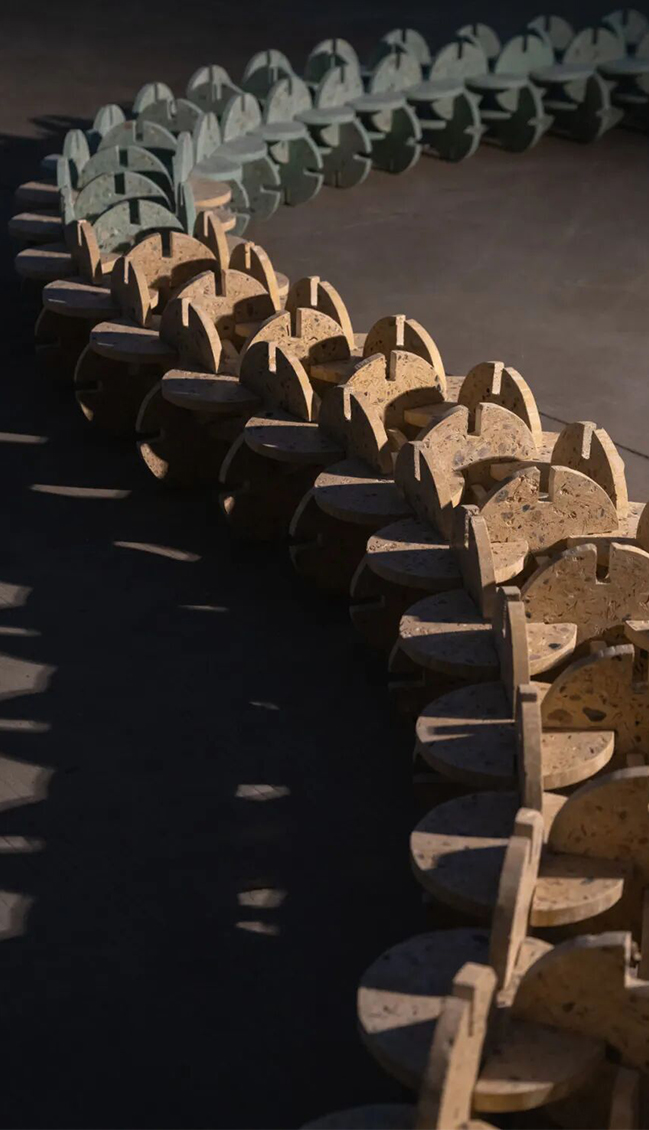
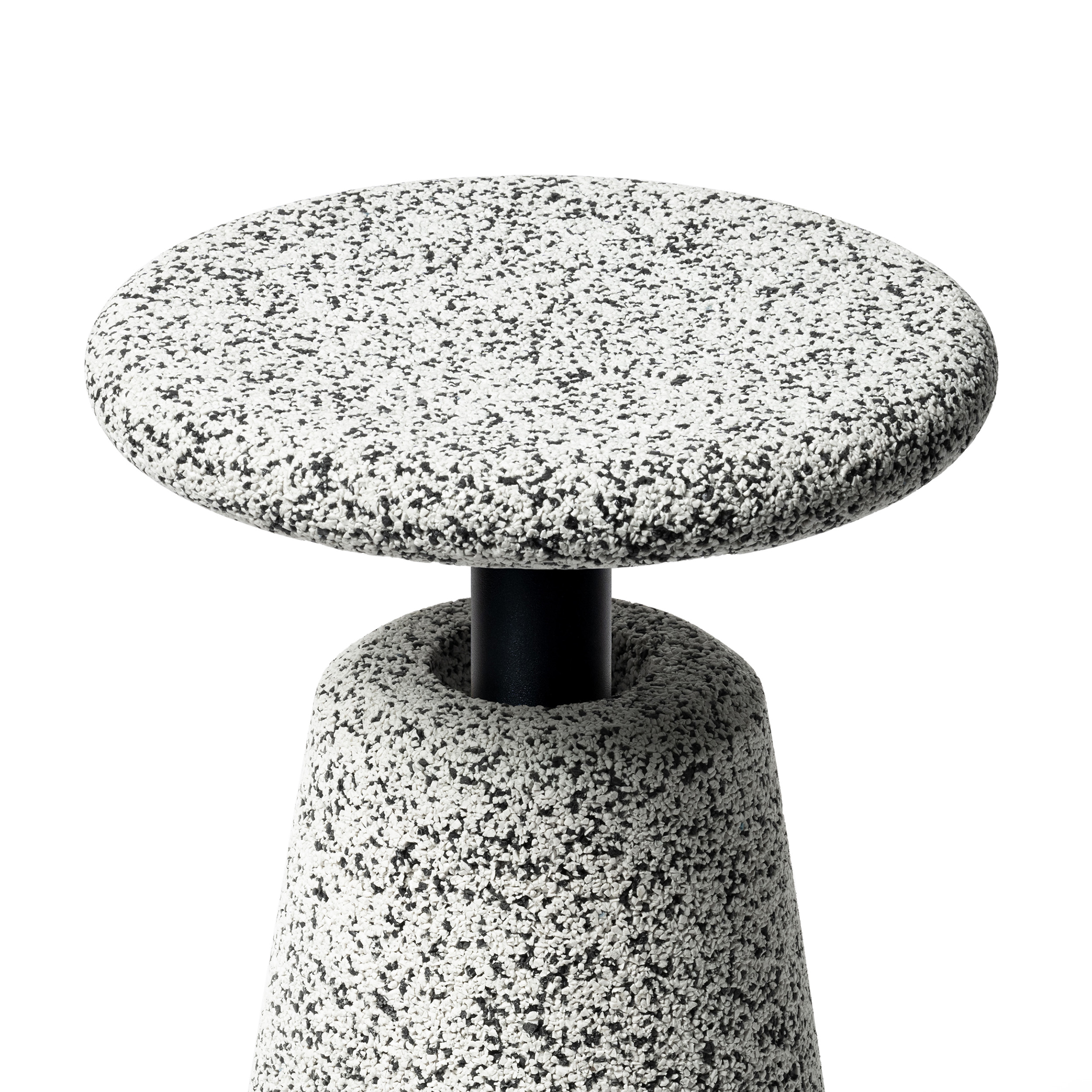
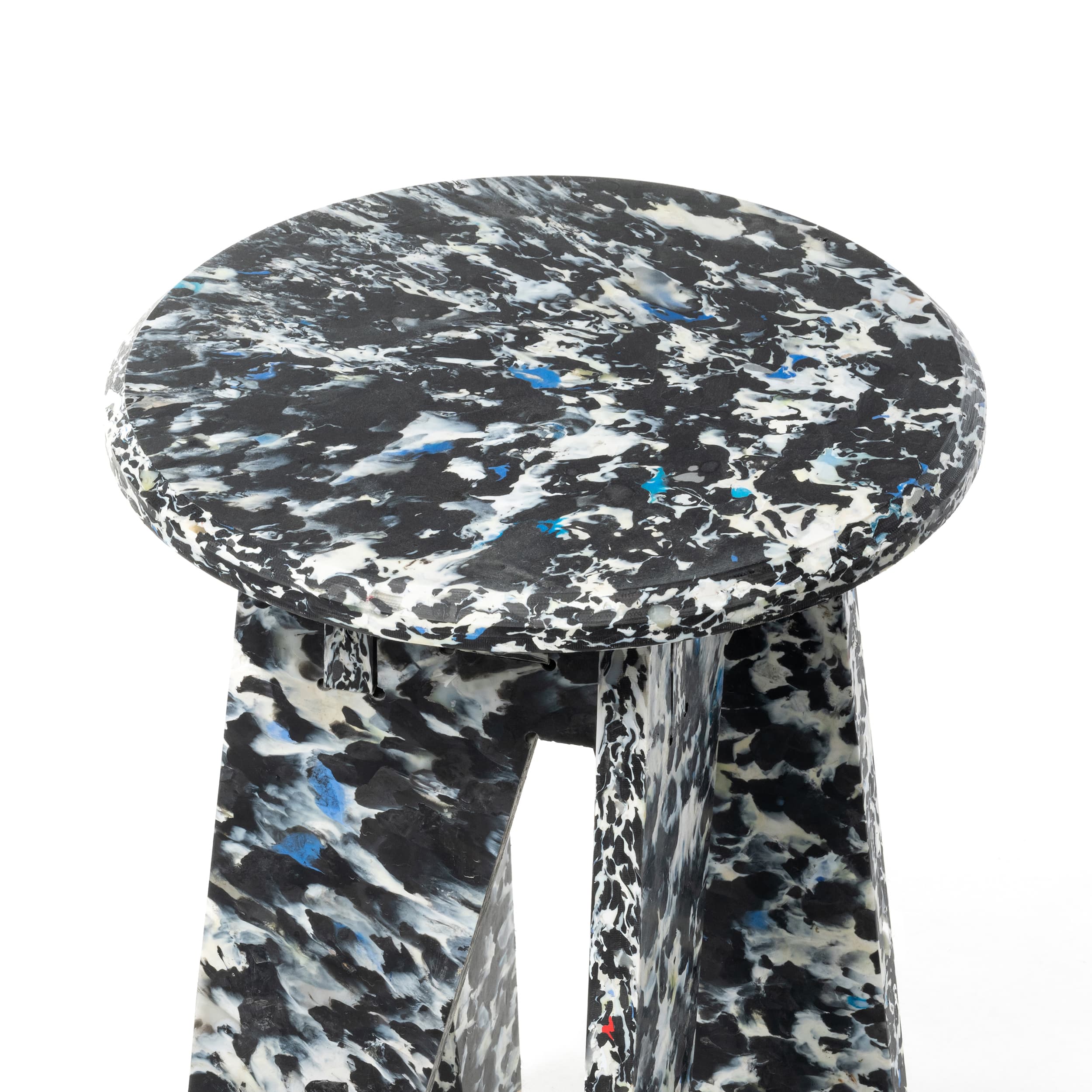
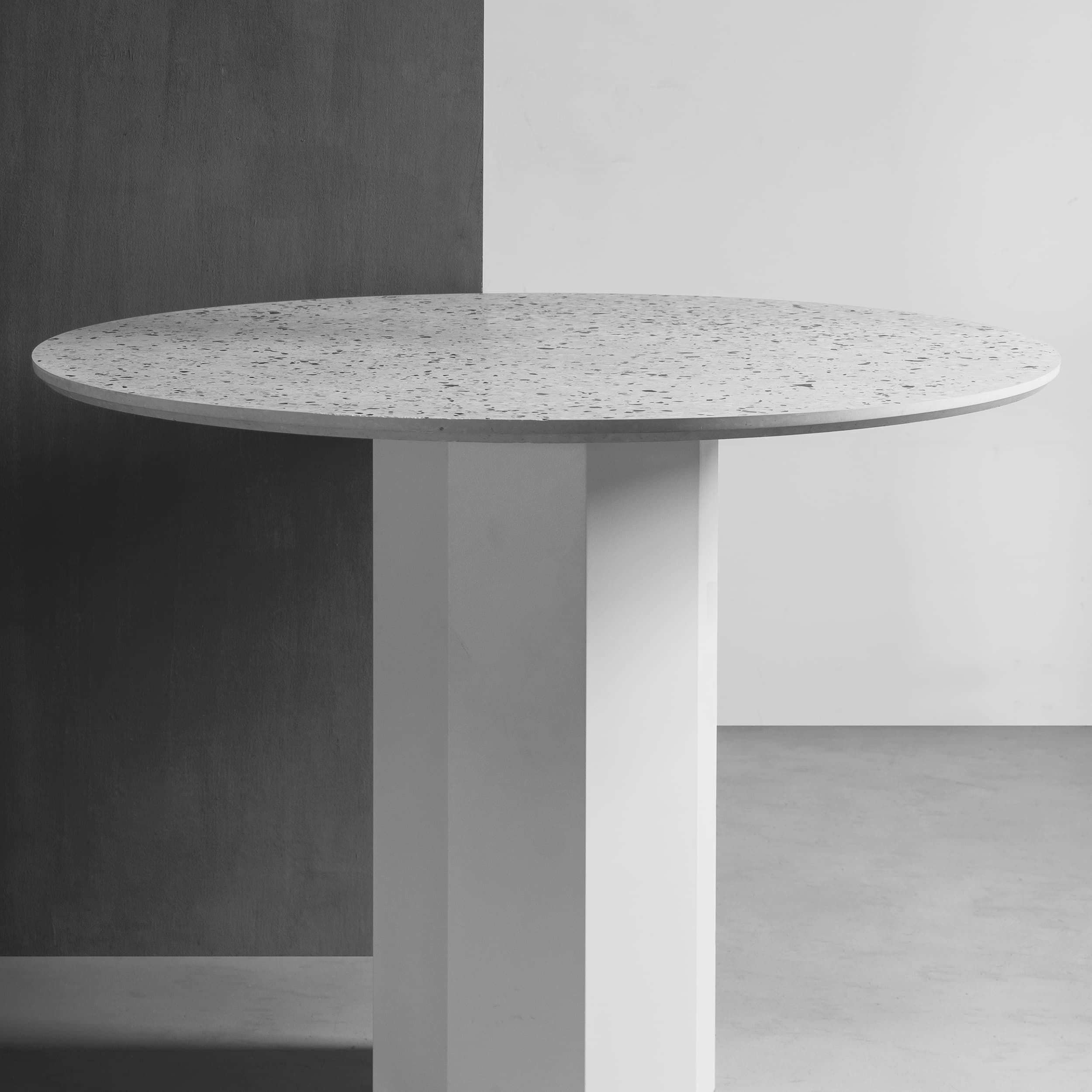
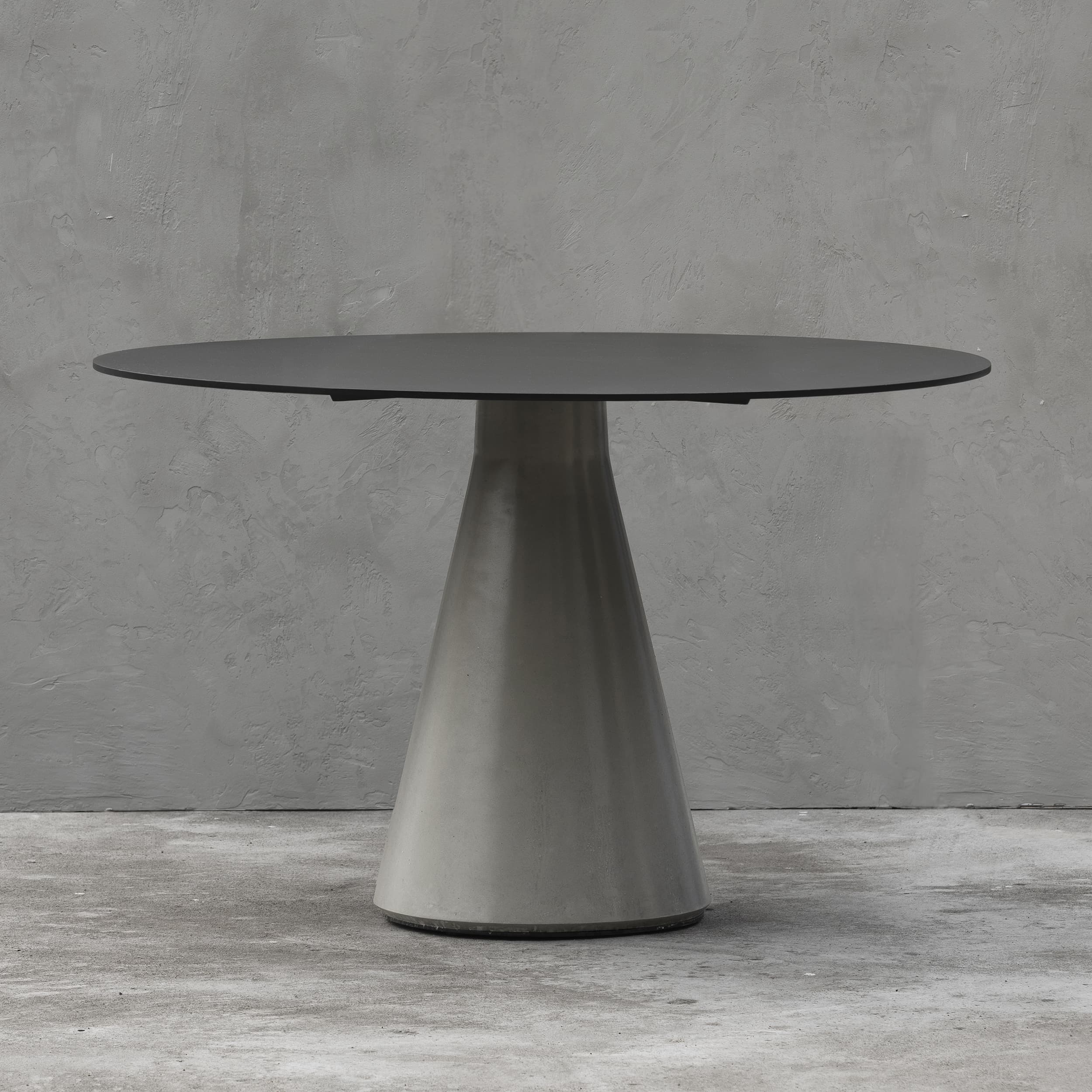
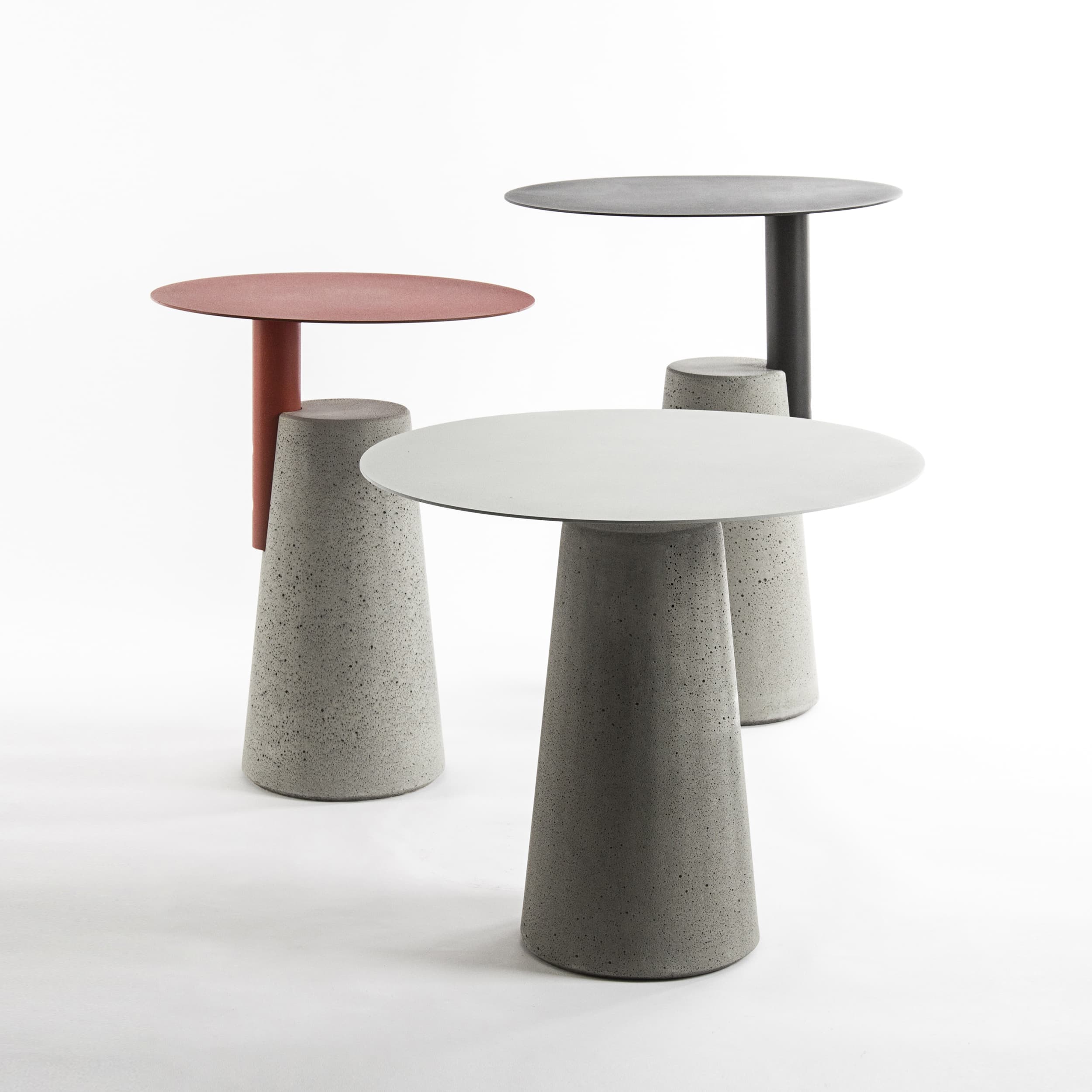
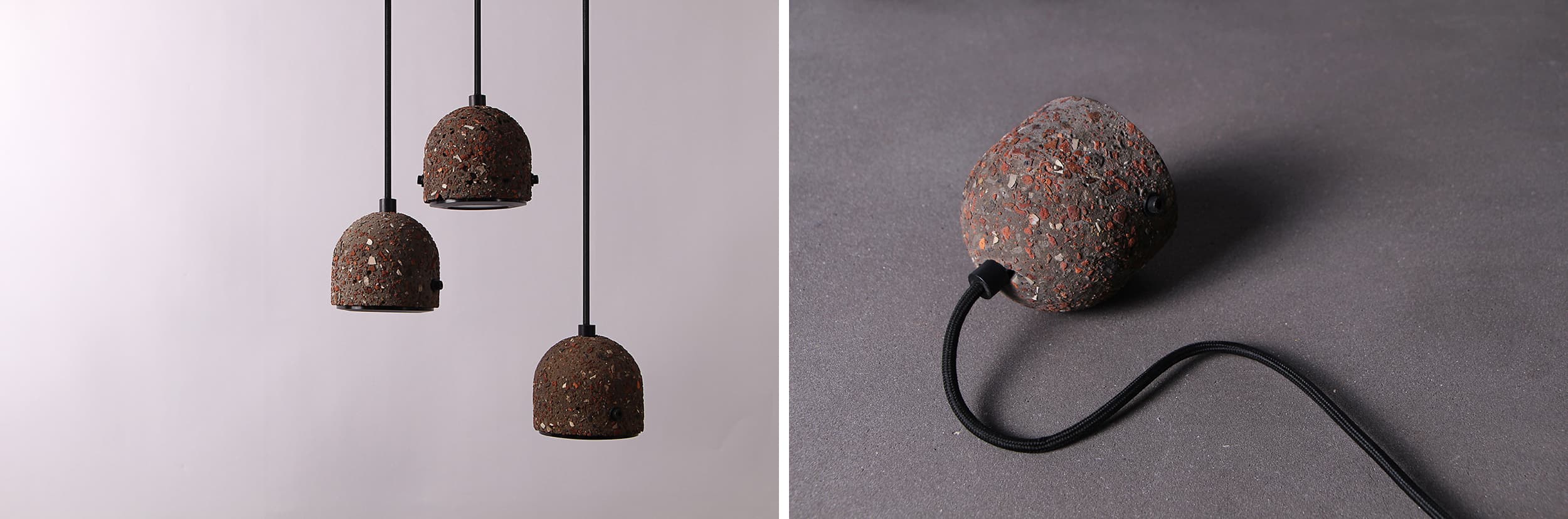
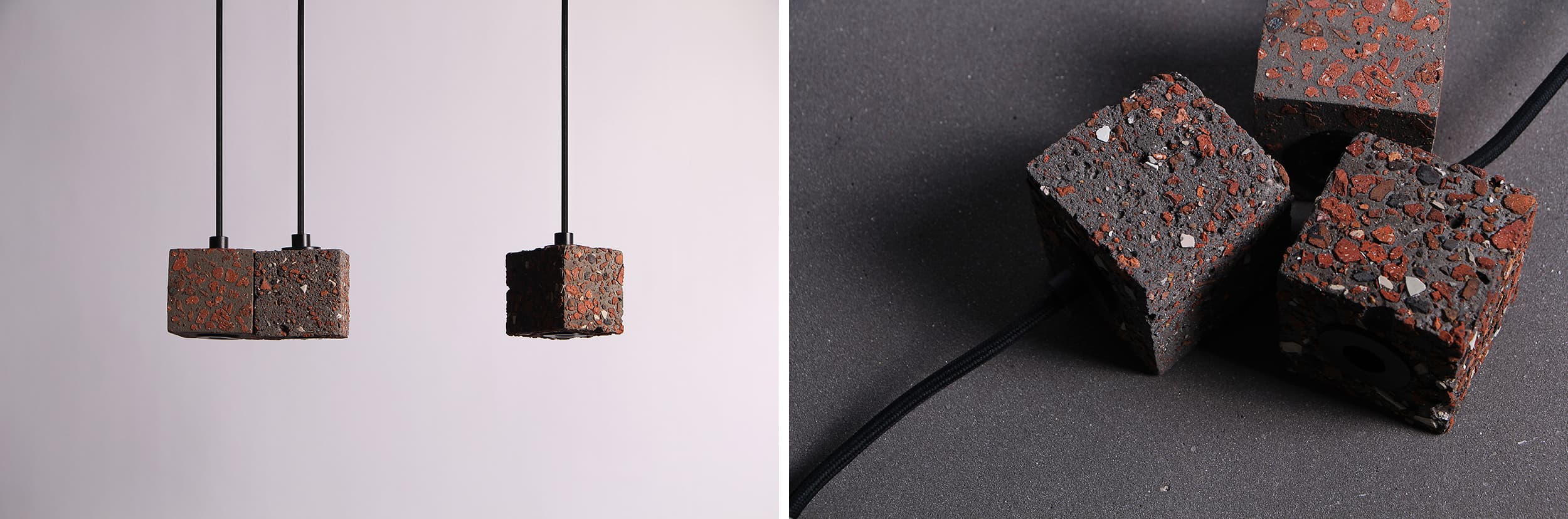
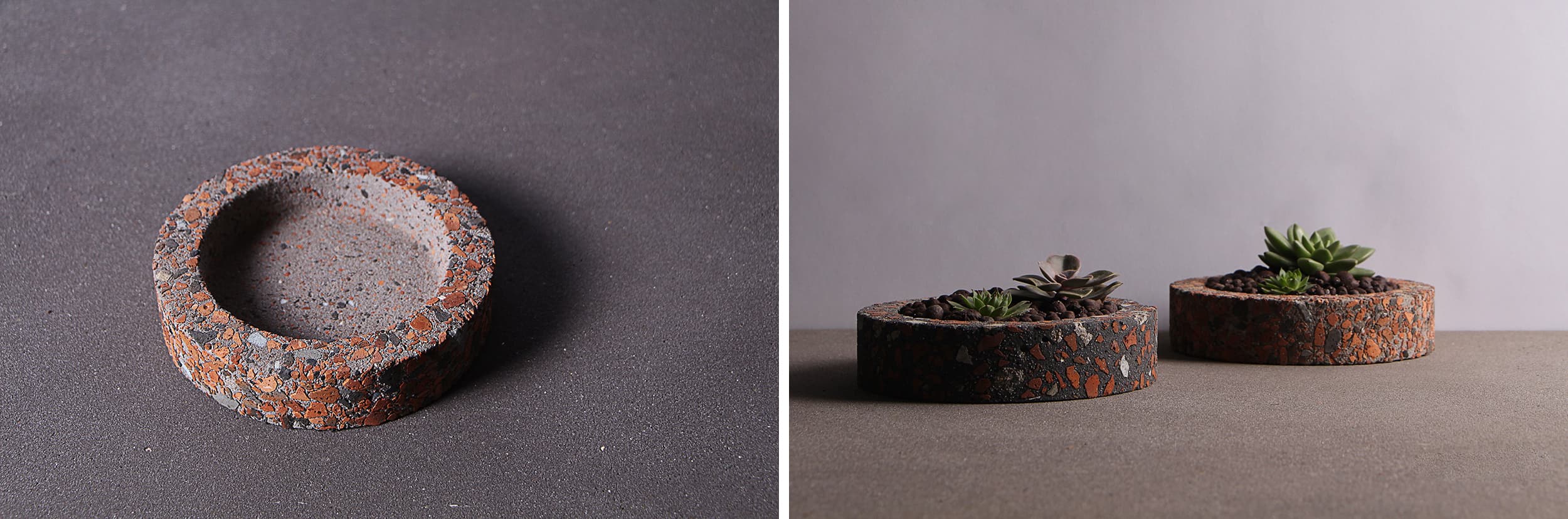
Guided by sincere values and utopian ideals, the BENTU team actively engages with contemporary urban social realities. Within a utilitarian production system that prioritizes products over people, we dialogue with city builders, re‑evaluate the hidden aesthetics of overlooked waste, and reflect on the humanistic future of urbanization.
We have visited Huangbian Village repeatedly as active listeners. Sitting on village entrance steps, we hear migrants share their New‑Year home journeys and sub‑landlords voice frustrations over low factory rental rates. We question whether design can stitch forgotten people and abandoned demolition waste back into the urban fabric through equitable creation — transforming waste into meaningful objects and amplifying overlooked stories.
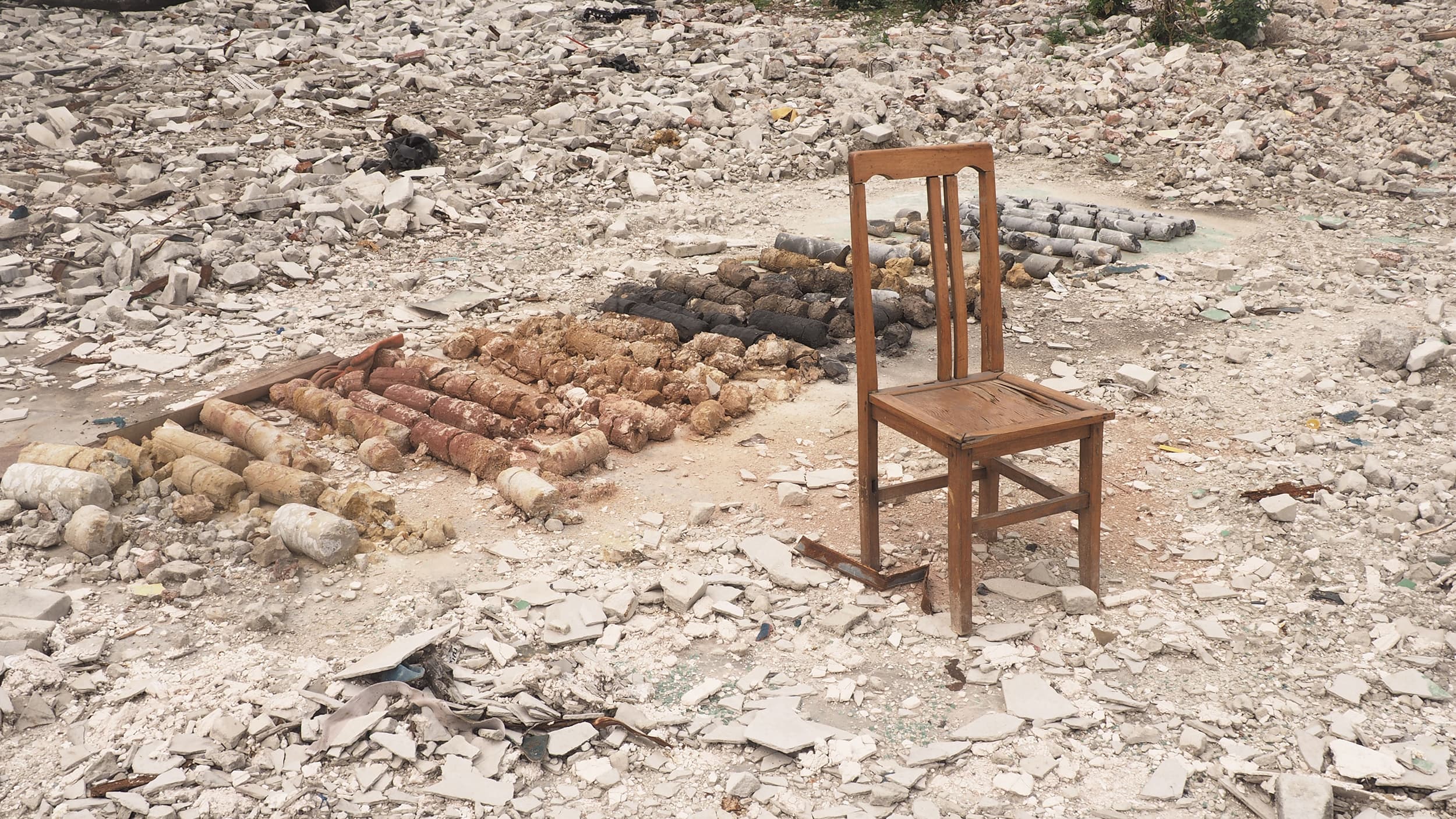
Dystopia is not an end. Every reflection on dystopia is a yearning back toward utopia. By understanding how ideals collapse, we learn how to rebuild them: through honest dialogue with every discarded material and every overlooked person.
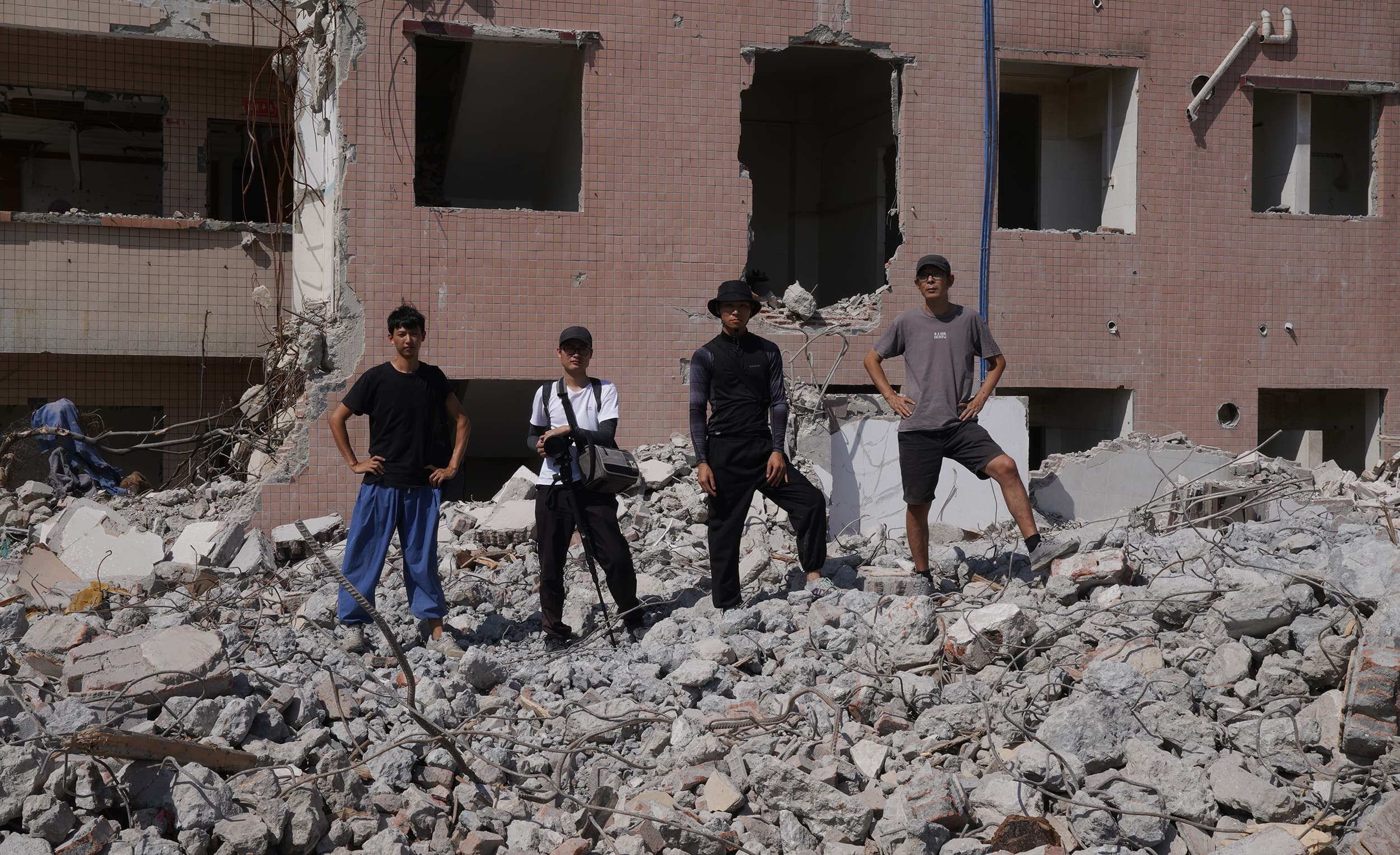
Design Director: Xu Gang
This article is an original work from the "BENTU Local Regeneration & Critical Thinking Series". Using the urban transformation of Huangbian Village in the Pearl River Delta as an observational sample, it dissects the humanistic logic behind the evolution from ideal utopia to real dystopia.

- Contact
+8620 8977 0506
- Press
press@bentudesign.com
- Enquiry & Sales
info@bentudesign.com