Material Transformation and the Narrative of Masks
Time: 2023 – 2024
Location: Shunde, Guangdong
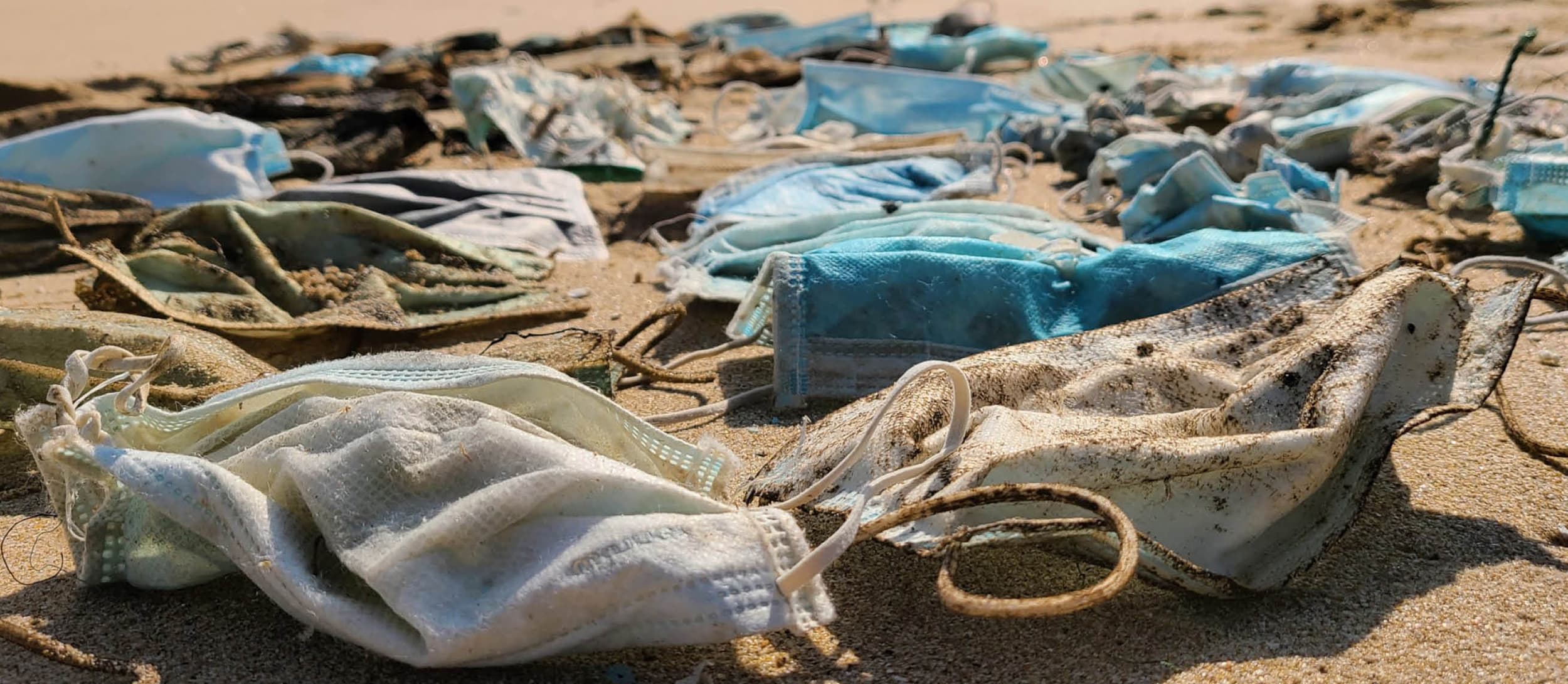
Over the three years of the pandemic, masks became a daily necessity—a symbol of both protection and separation.
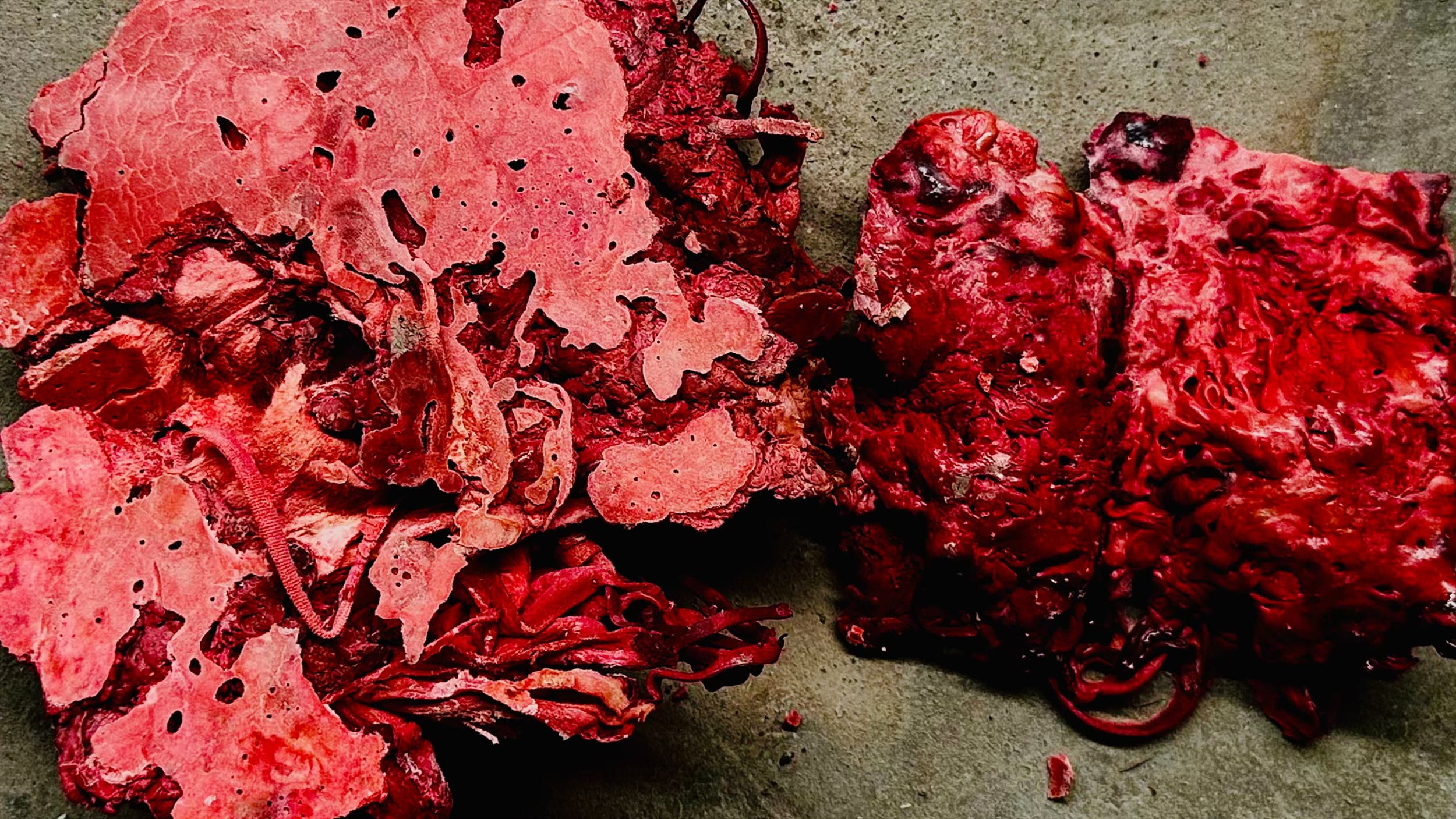
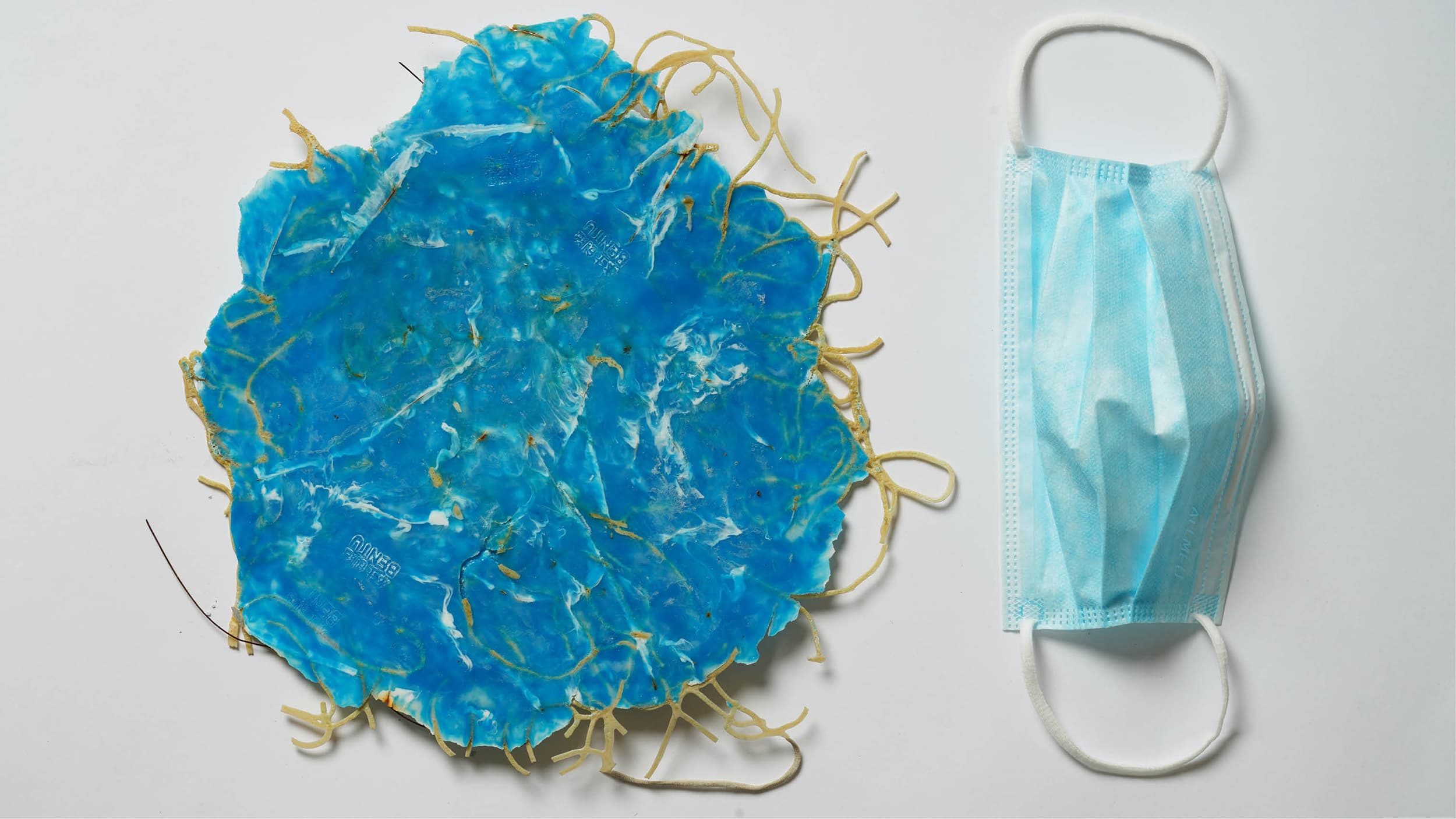
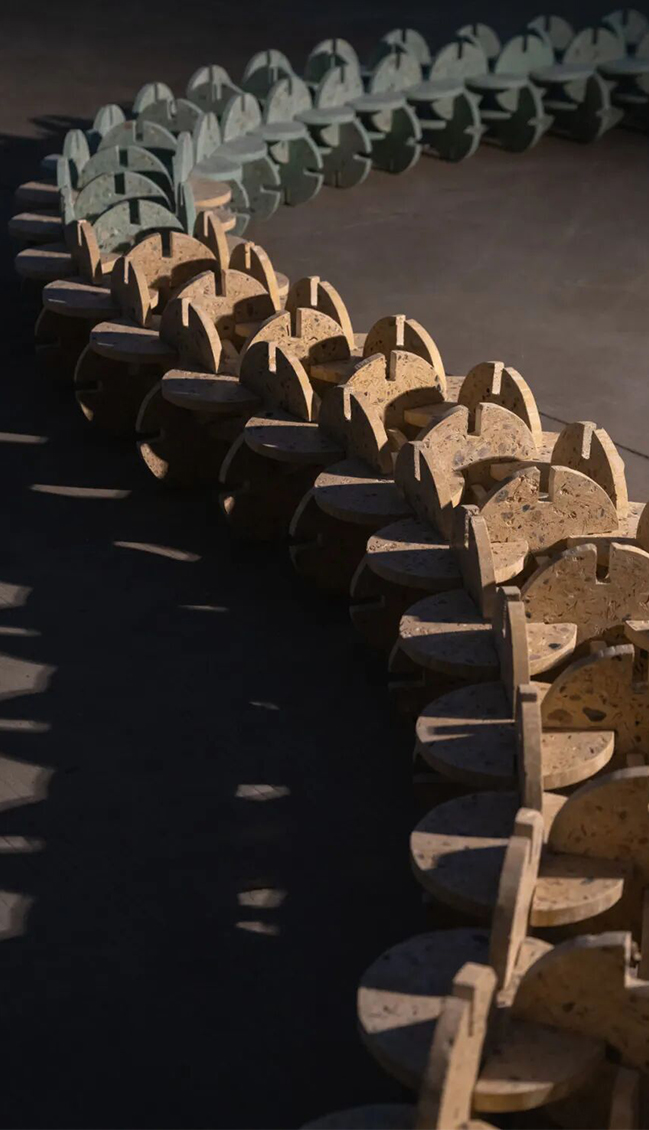
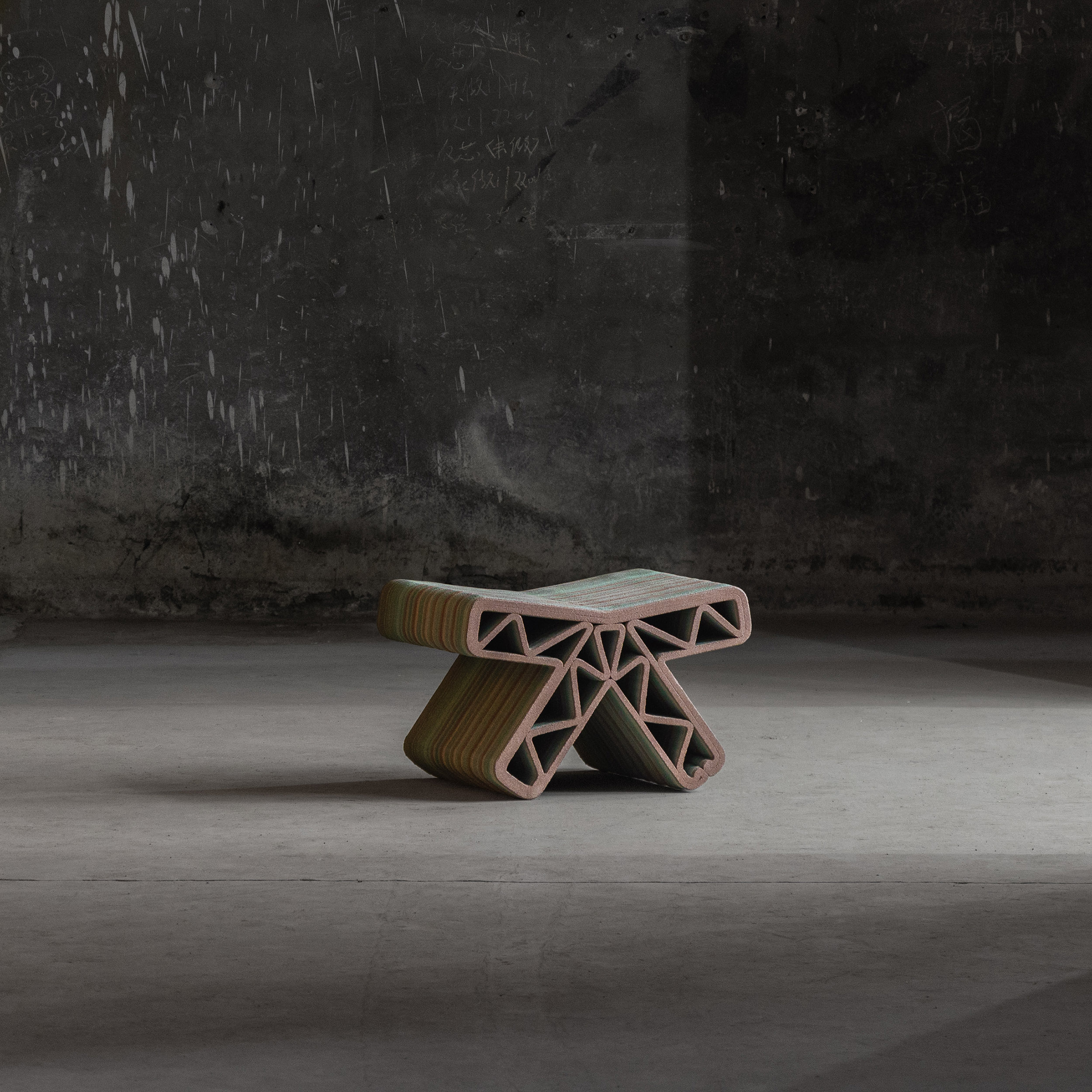
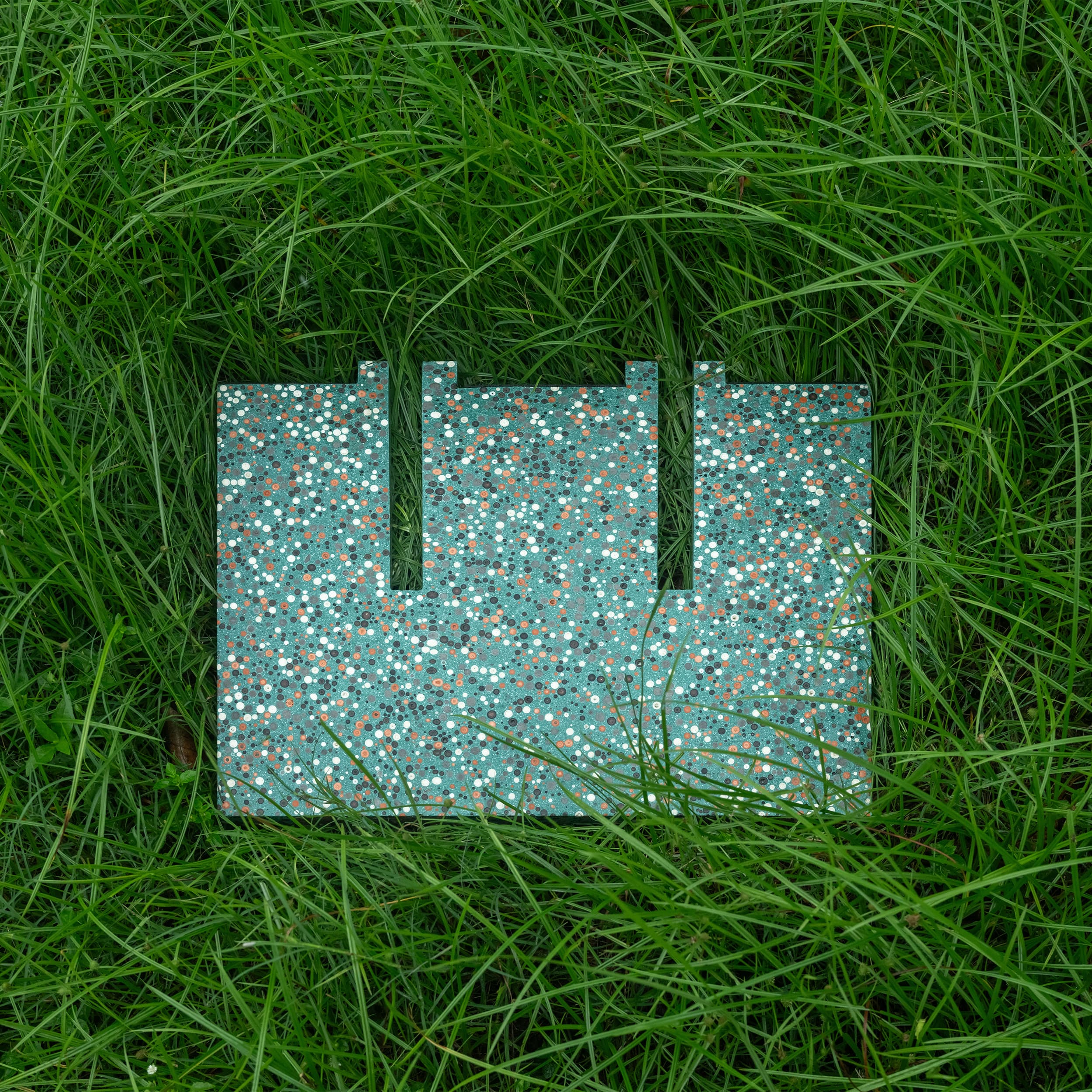
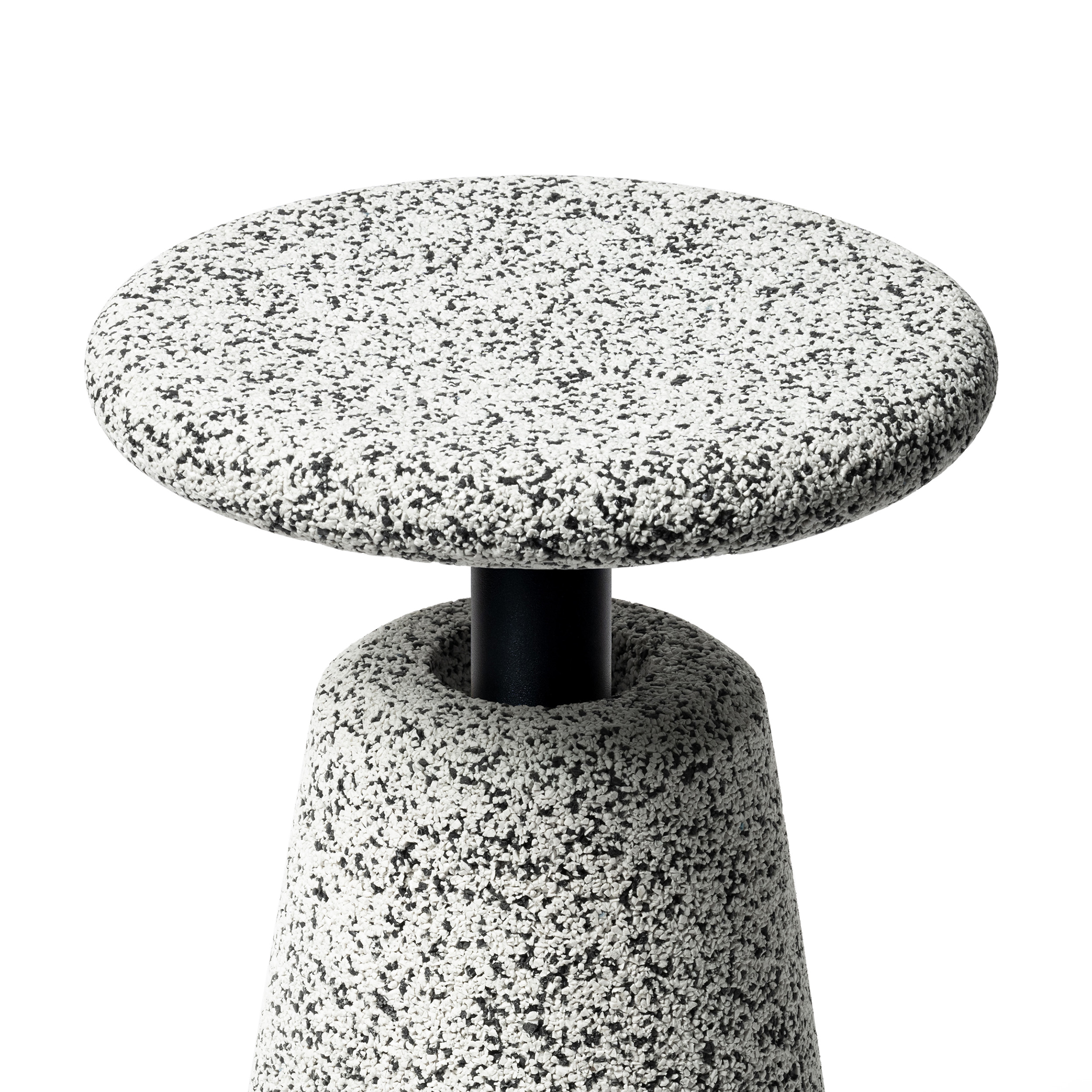
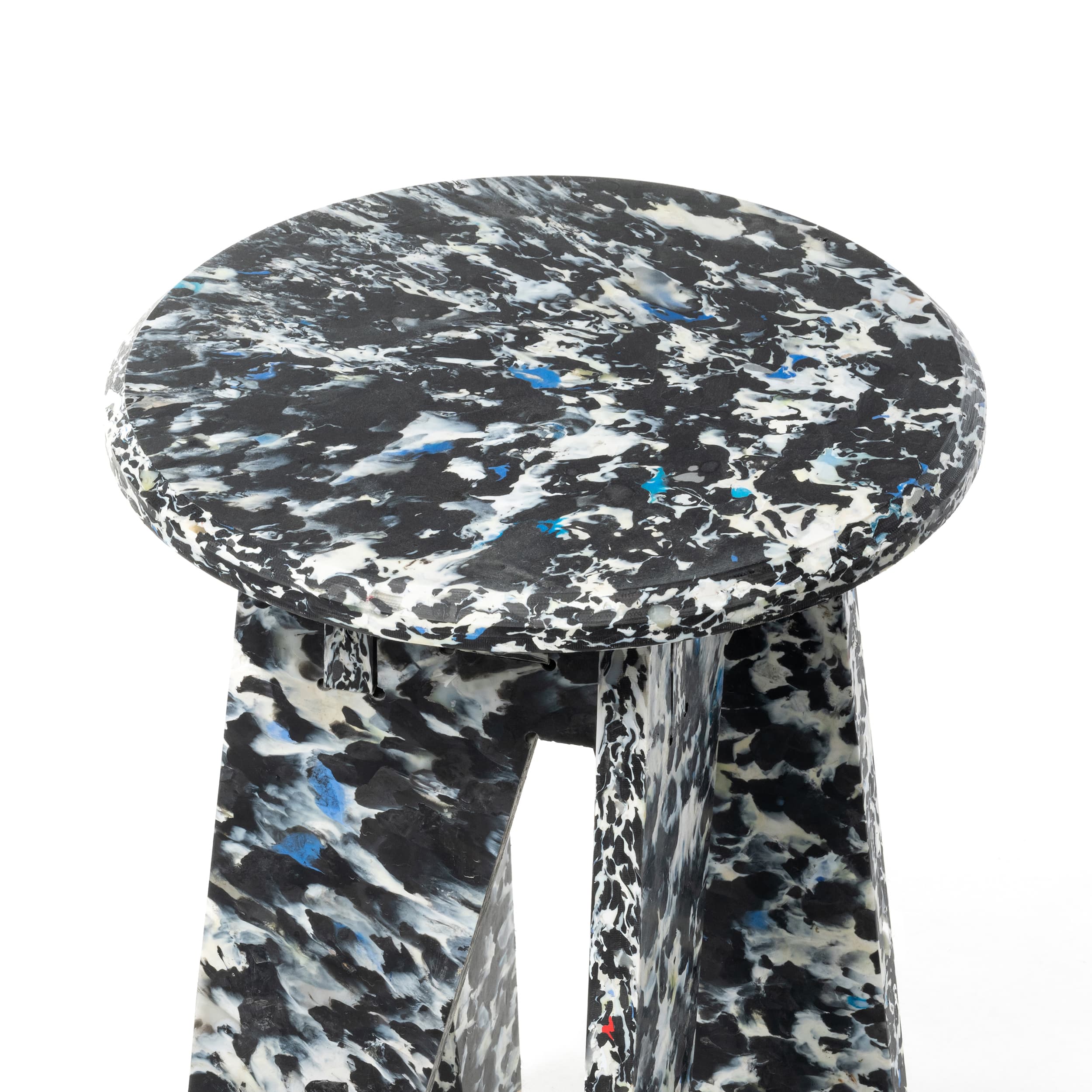
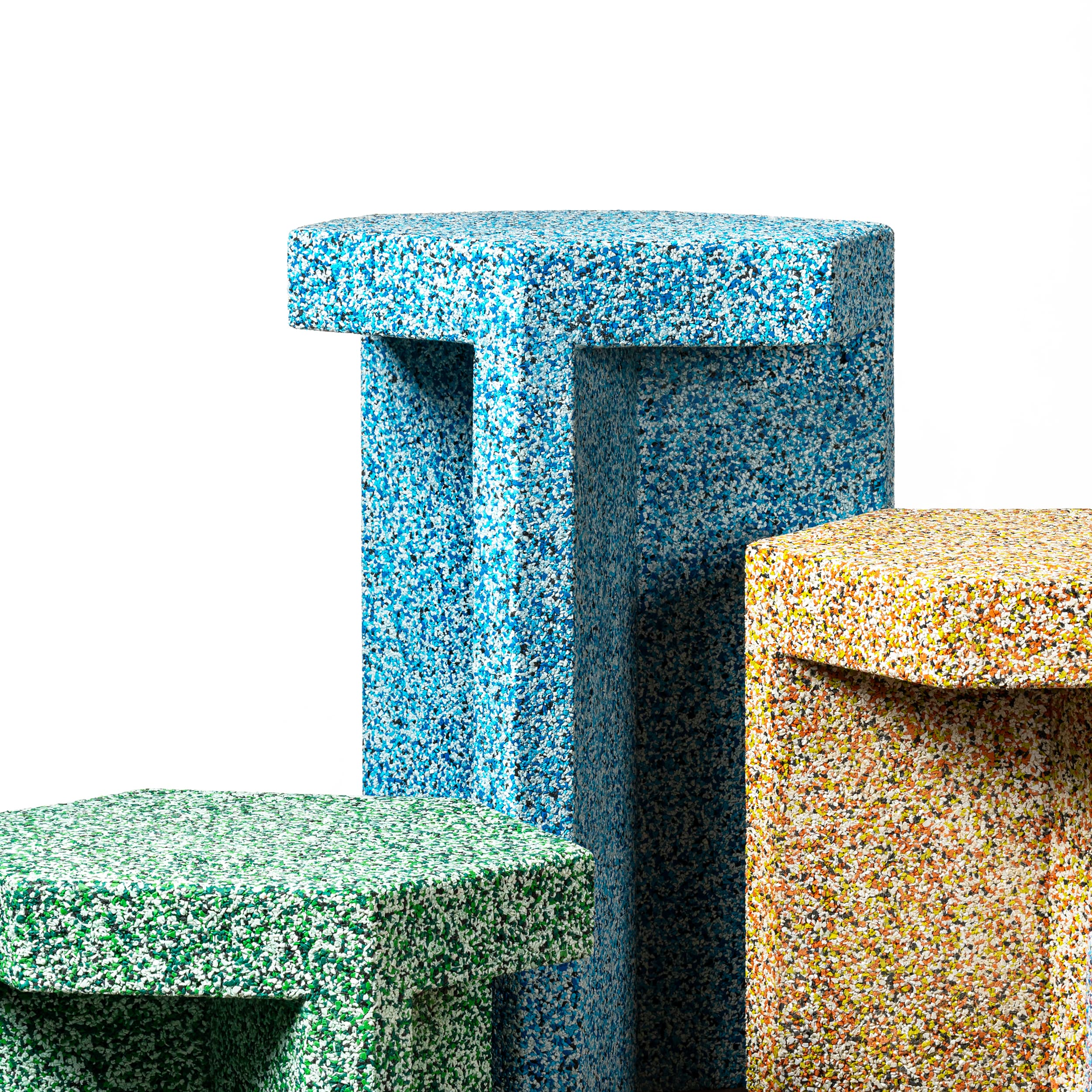
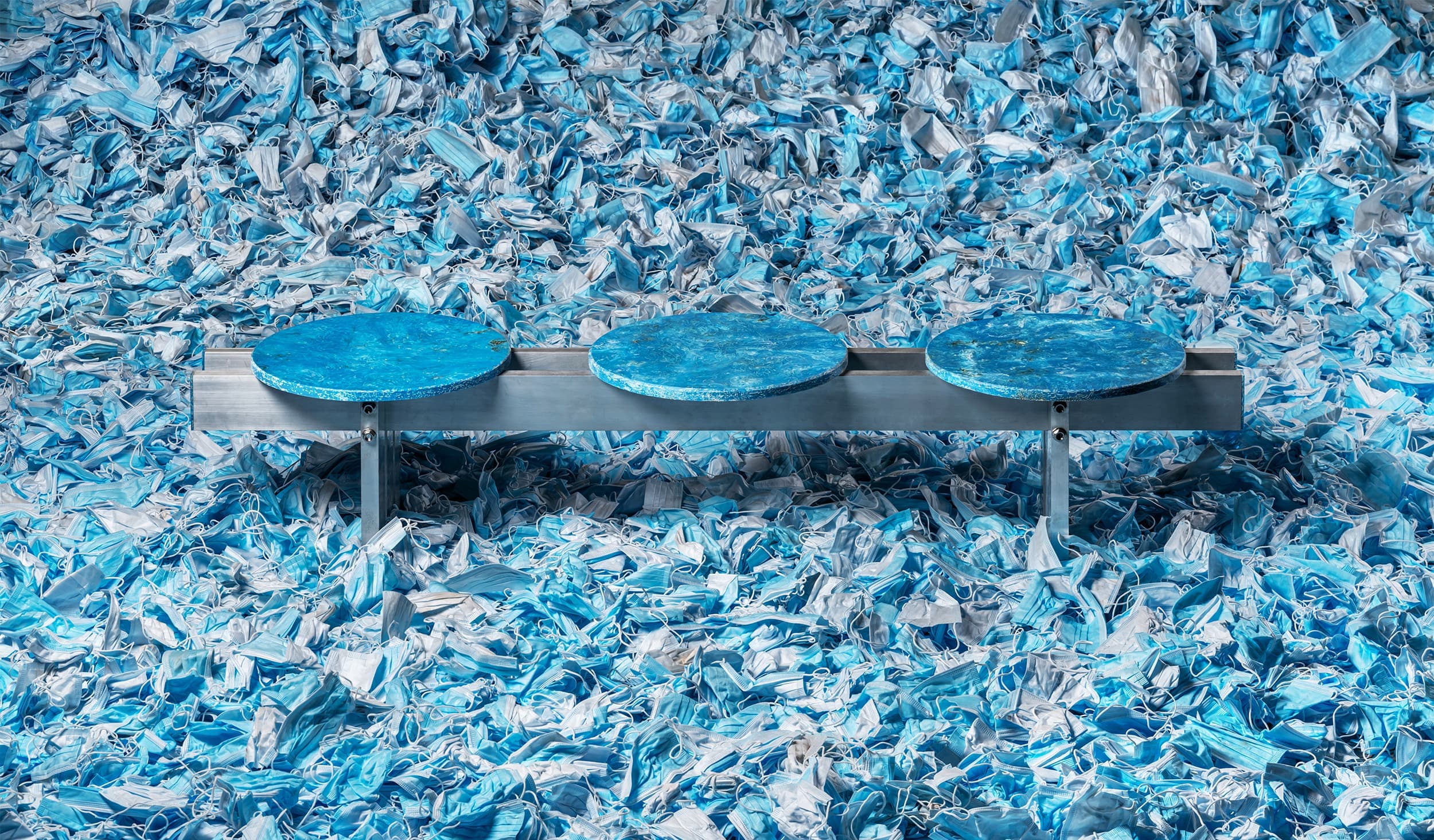
Taking these relics of an era—discarded masks collected from daily use—BENTU transforms them into sturdy stools via hot pressing. This is a profound reformation of material properties: single-use disposables are reborn into durable furniture. Fundamentally, it also marks a shift in narrative. Objects once made for division are remade into carriers that foster connection.
These stools preserve a shared collective memory: the enforced distance, faces hidden behind masks, and the raw experience of human vulnerability. Beyond mere waste recycling, they stand as tangible memorials to a special period. Rather than choosing to forget, we turn collective trauma into functional objects through quiet creation.
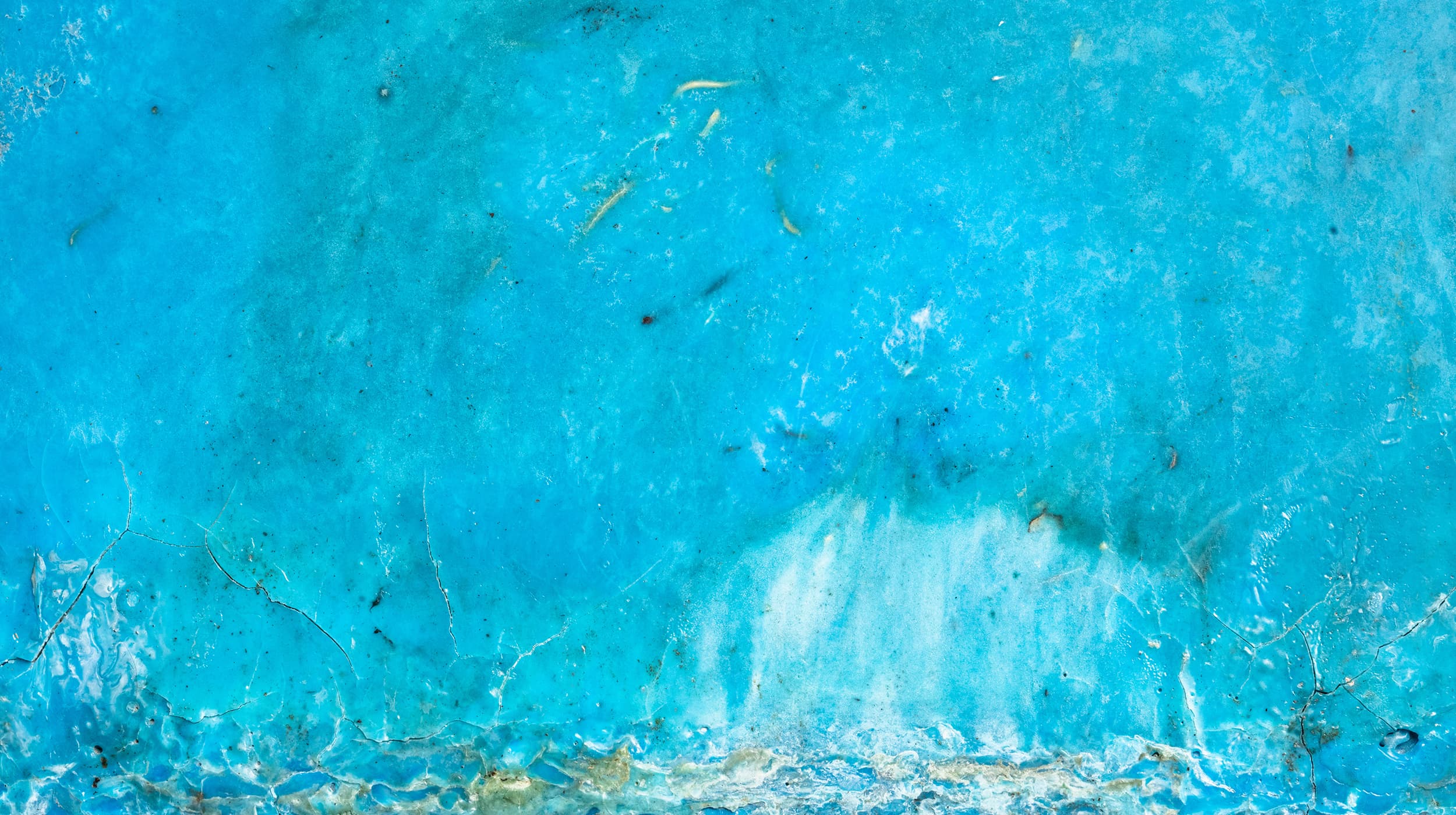
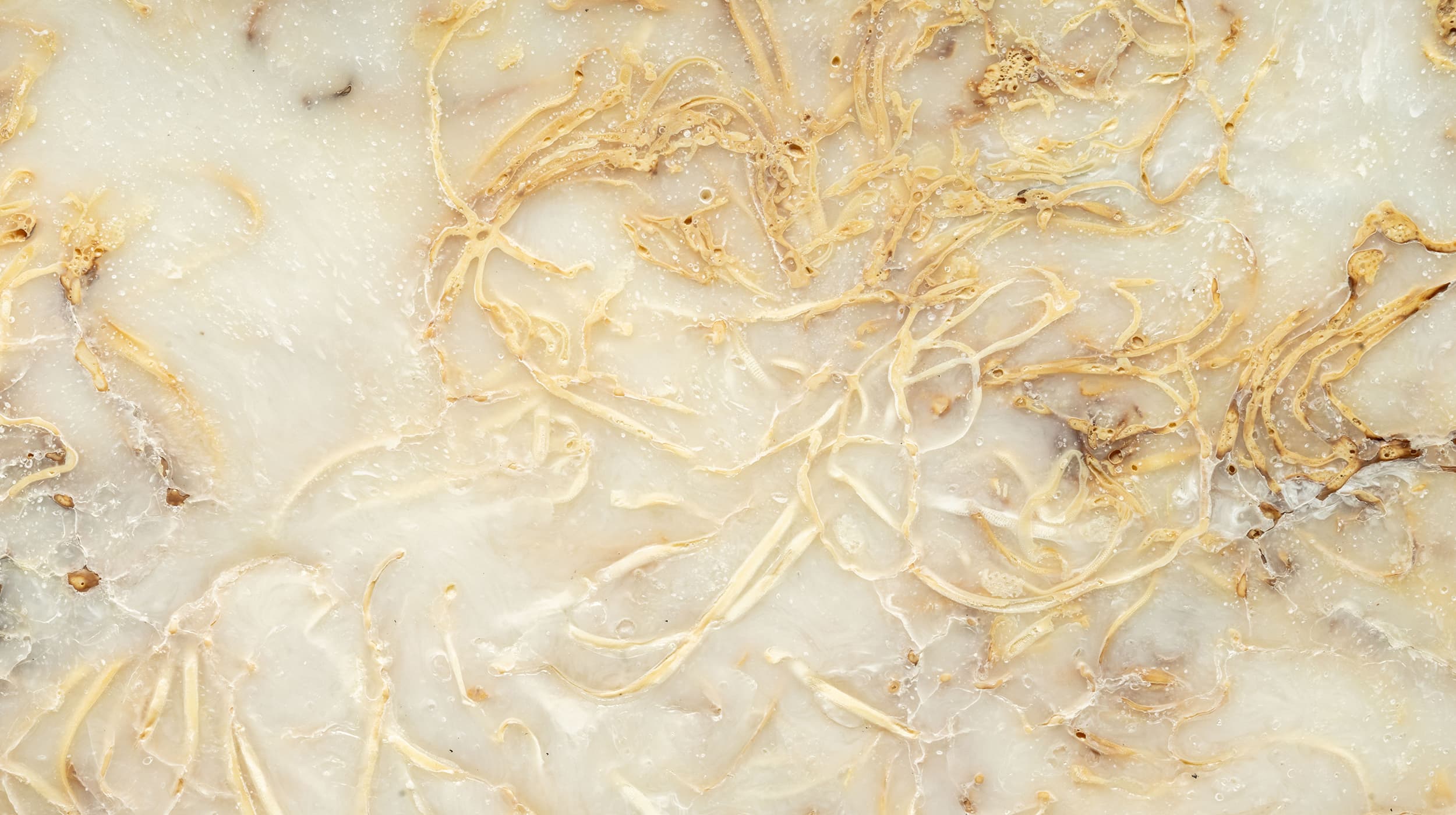
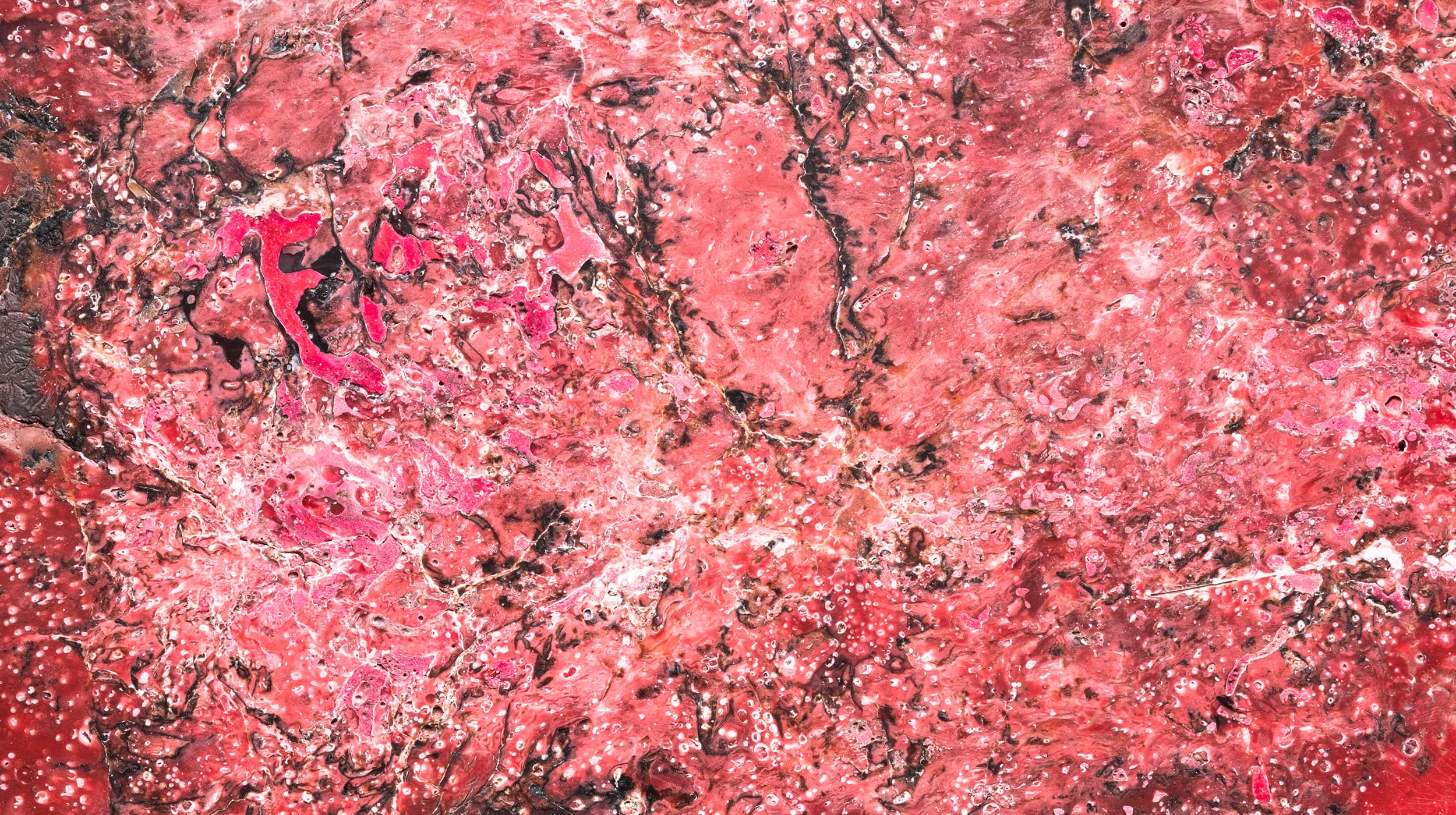
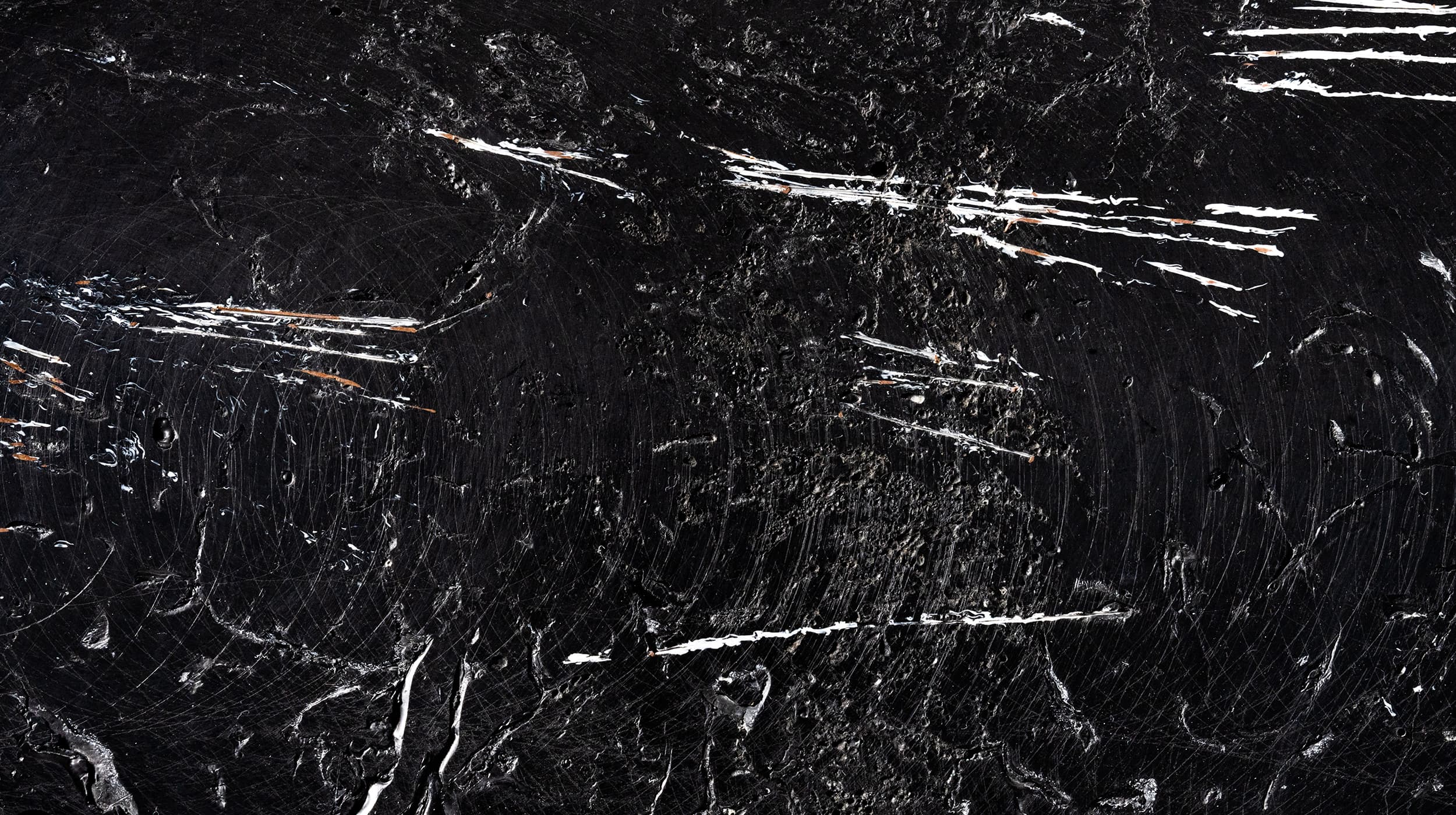
The design embodies dual power. It confronts the real challenge of pollution, while preserving and transmuting emotions. When people sit and rest, they touch a frozen chapter of shared history, and draw inspiration for the future: even starting from separation and discard, we can rebuild bonds.
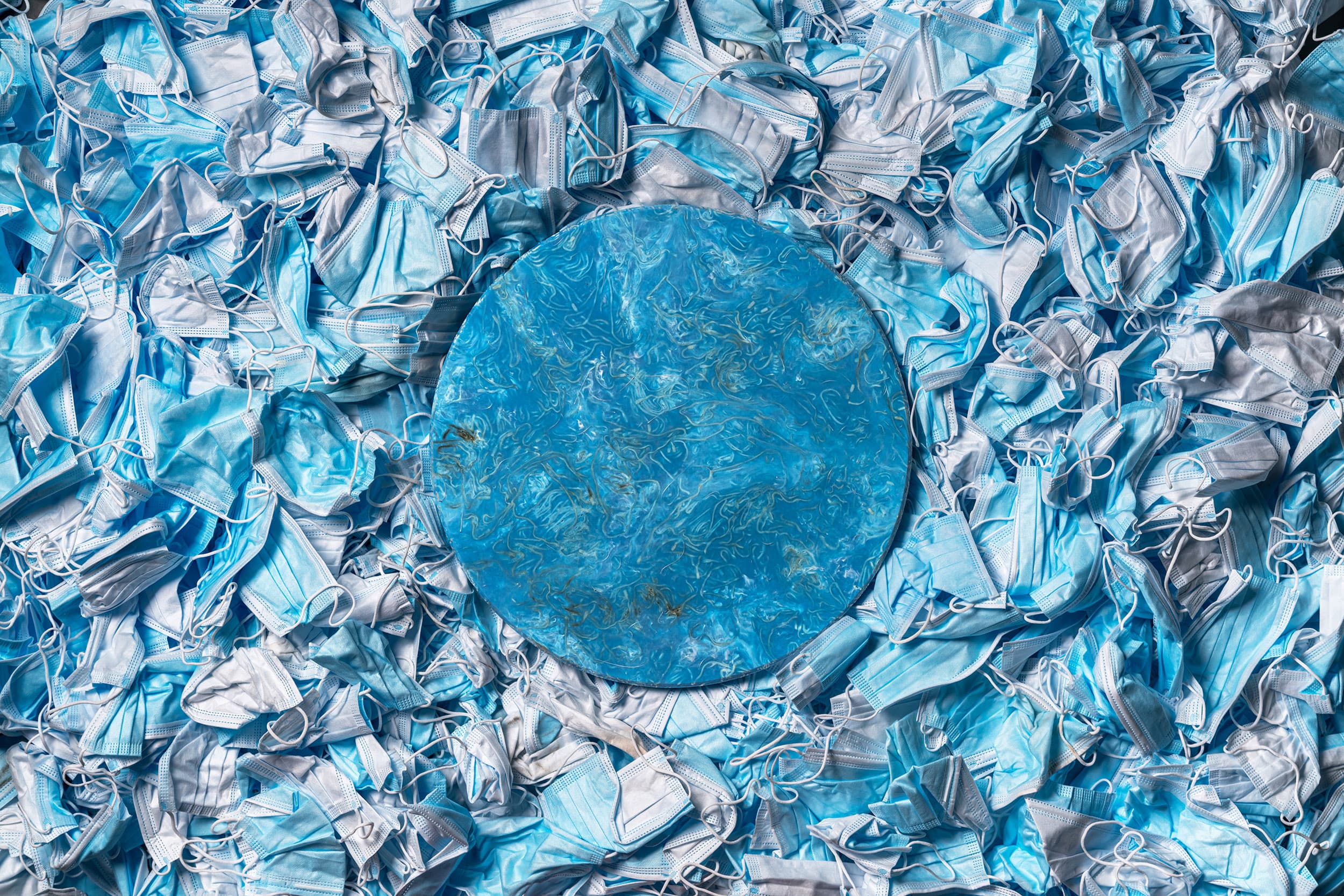
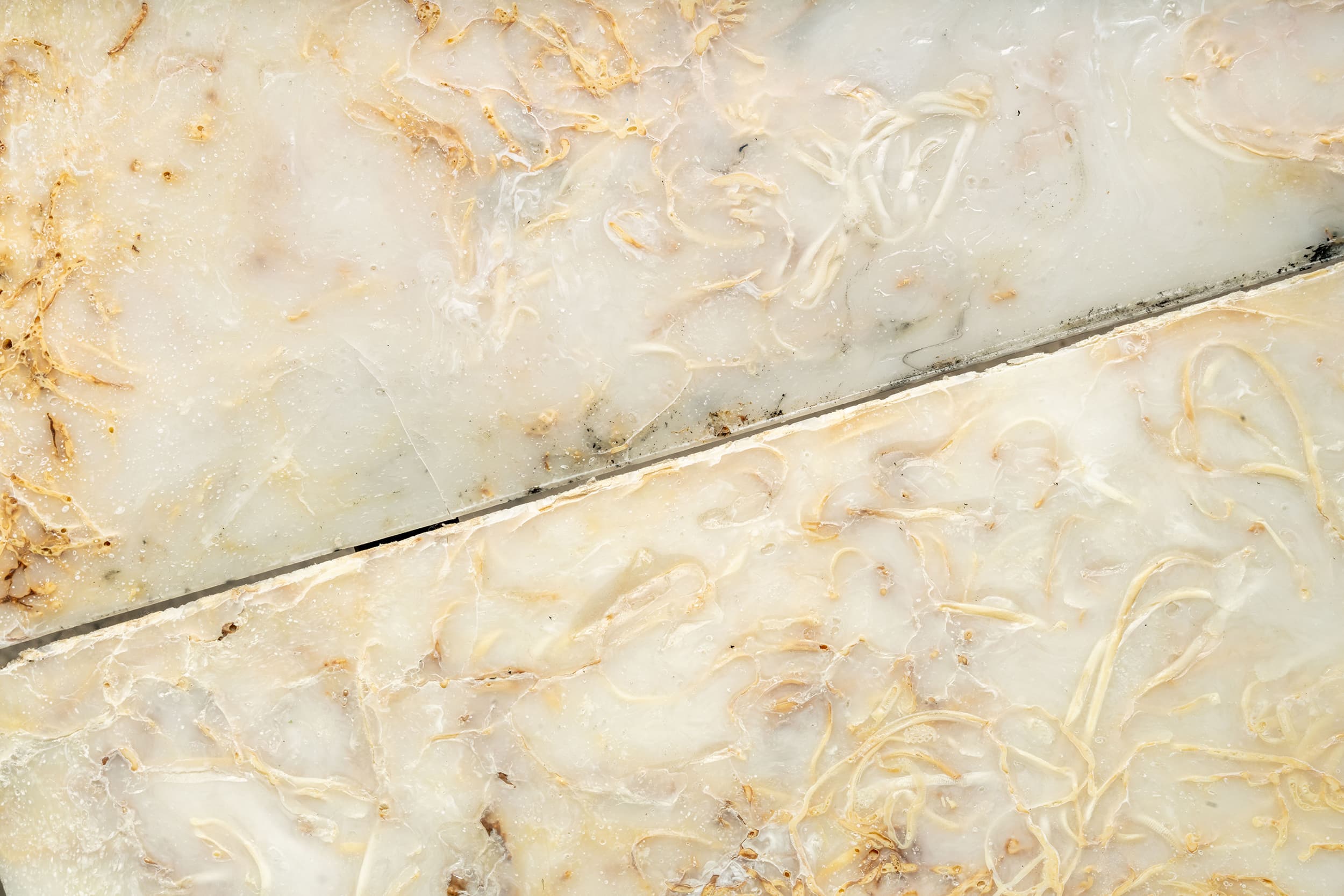
Masks carry inherent contradictions. They protect people, yet also keep them apart. At the height of the pandemic, around 129 billion disposable medical masks were consumed worldwide each month. Their core material—polypropylene melt-blown fabric—is lightweight, highly filterable, and low-cost. These strengths eventually turned into a heavy burden on the environment.
A discarded mask takes more than 450 years to fully degrade in nature. It never truly disappears, but breaks down into microfibers that seep into soil and water, enter living organisms, and eventually return to the human body through the food chain.
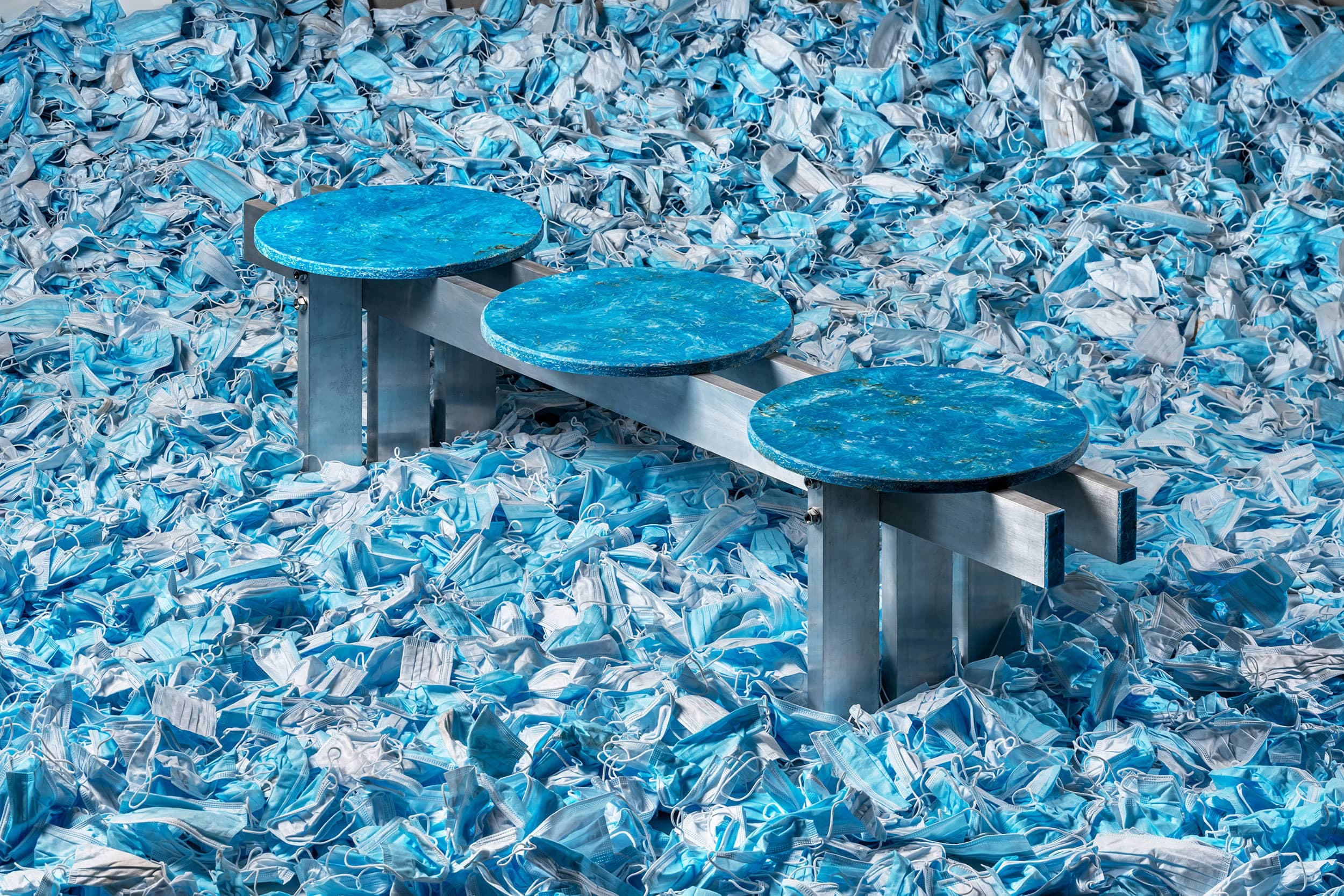
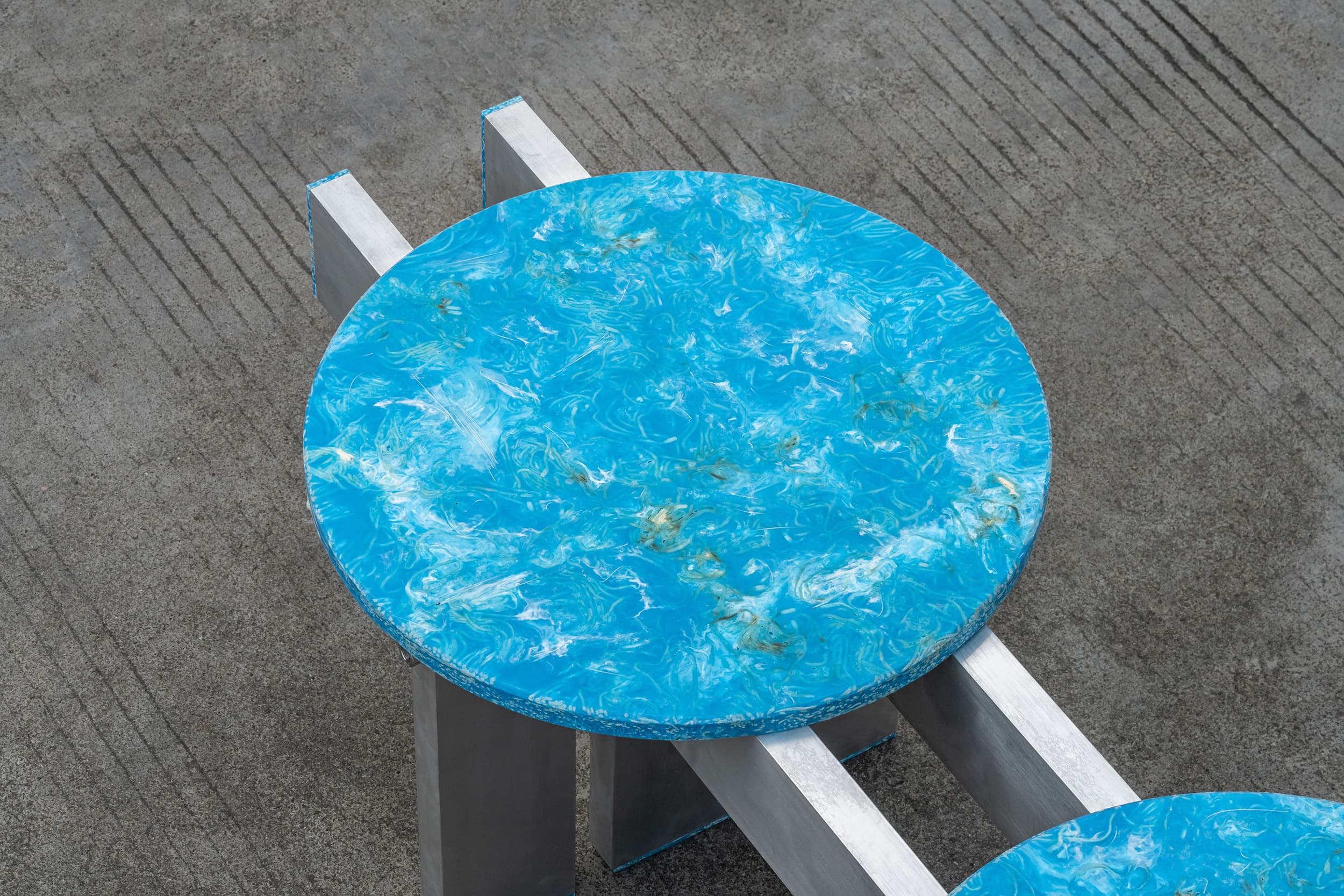
In this project, used masks are sorted, cleaned, and dried before being placed into hot pressing molds. Under high temperatures of 180–200°C and intense pressure, the melt-blown polypropylene fibers re-melt and interlock. The originally light, soft non-woven fabric is compressed into dense, solid panels.
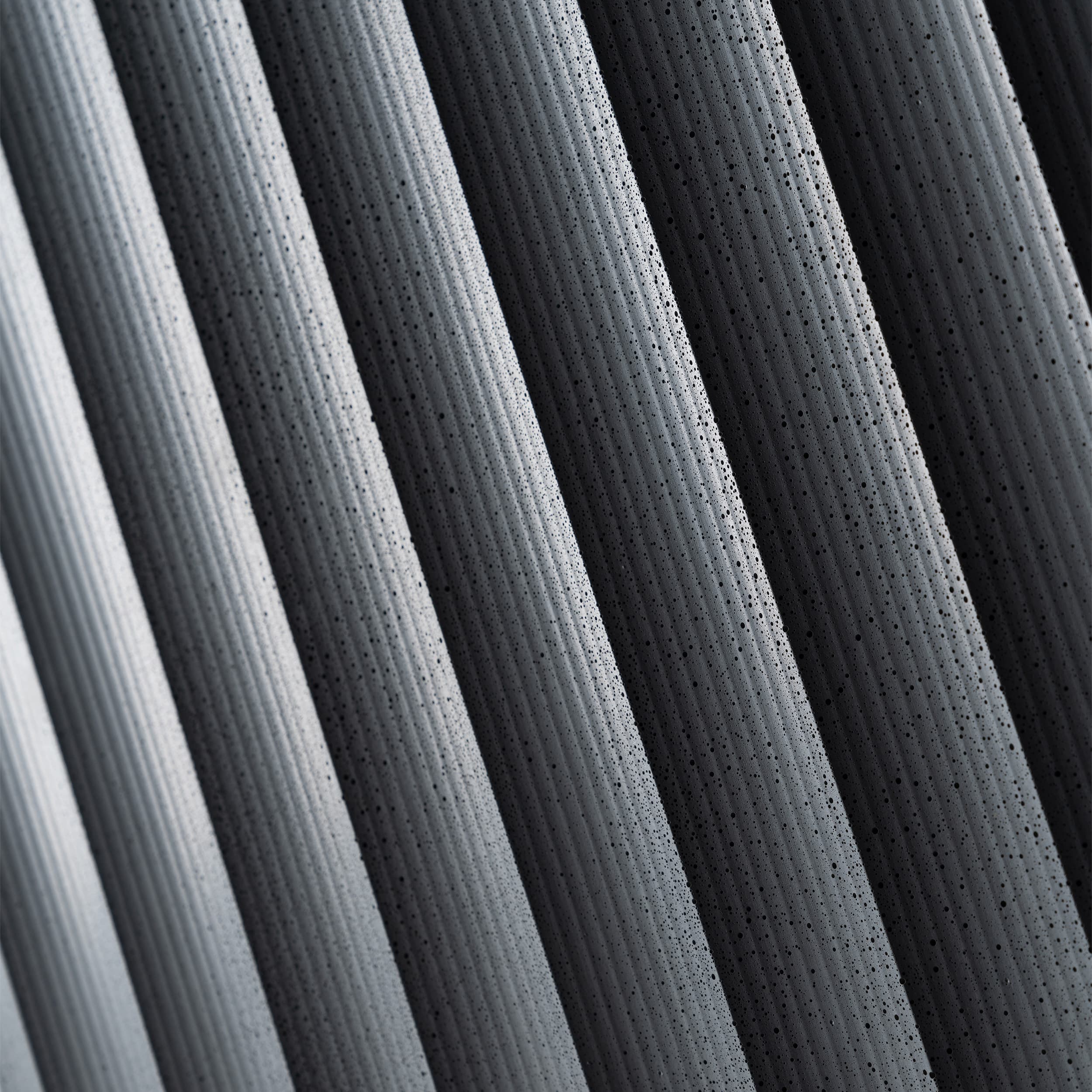
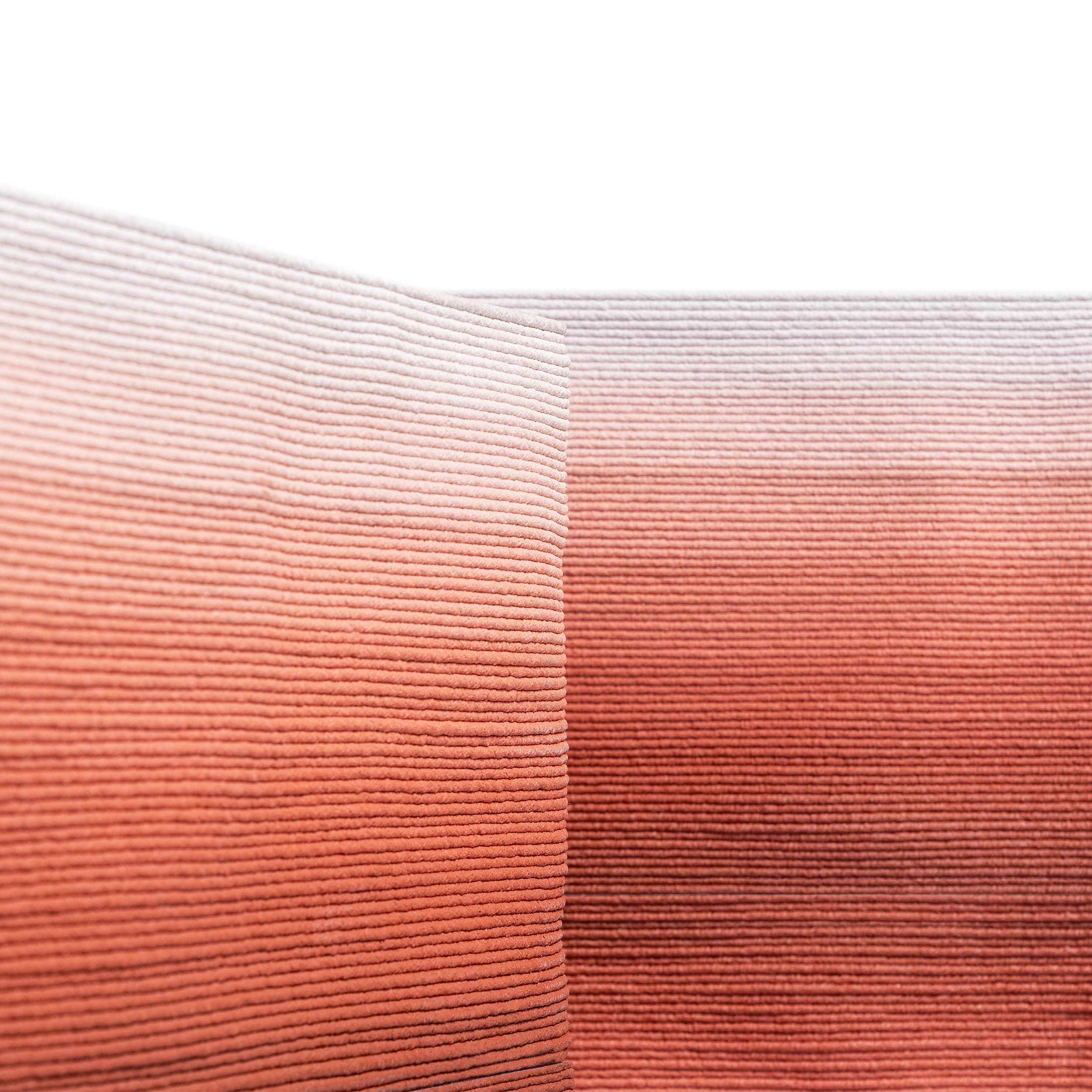
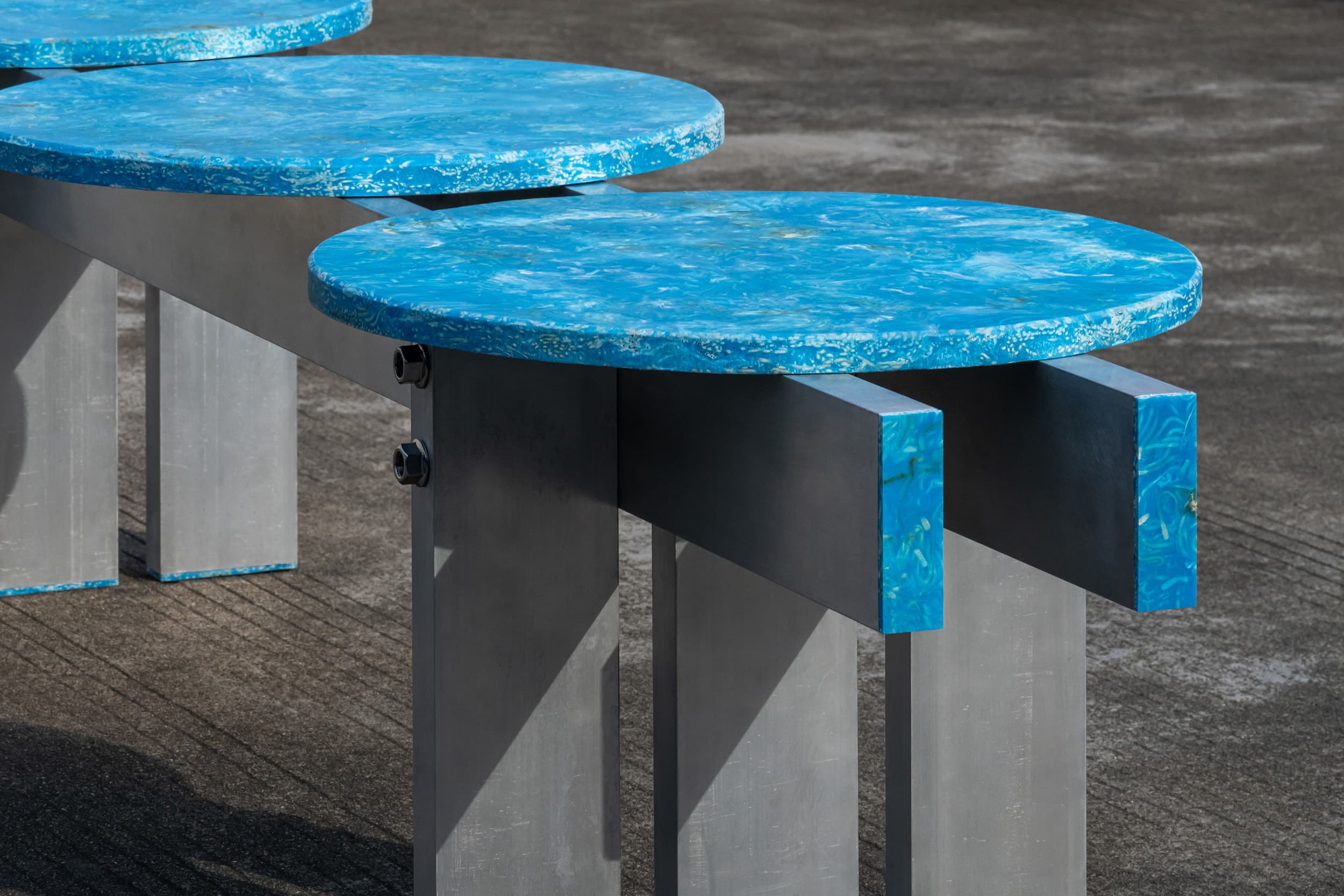
The physical transformation brings a complete restructuring of material traits. Flimsy disposables evolve into solid, substantial stools; fragility turns into steadfastness, and transience becomes permanence. Every texture left by hot pressing records the rearrangement of fibers, like compressed threads of time, forming a vivid miniature portrait of the times.
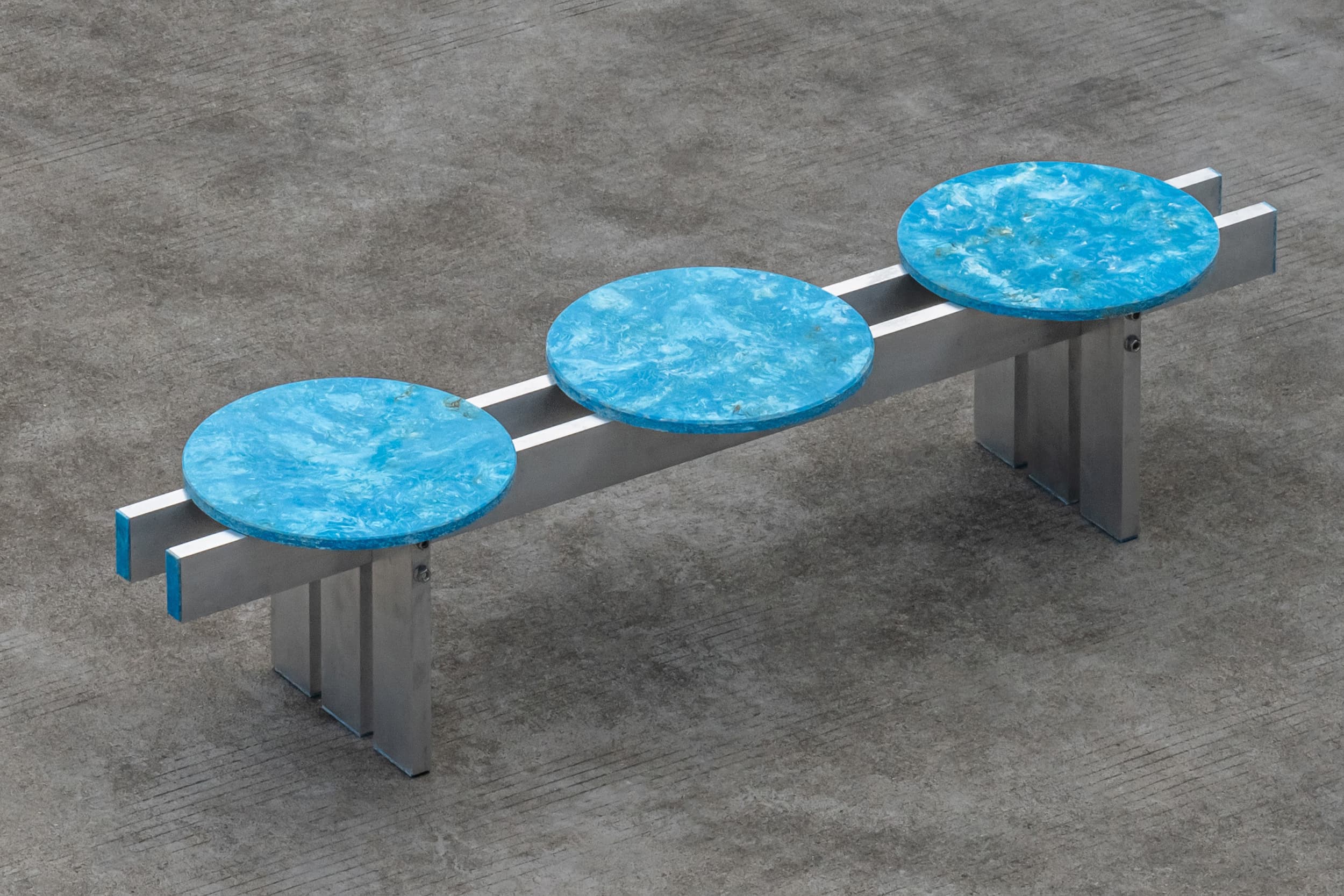
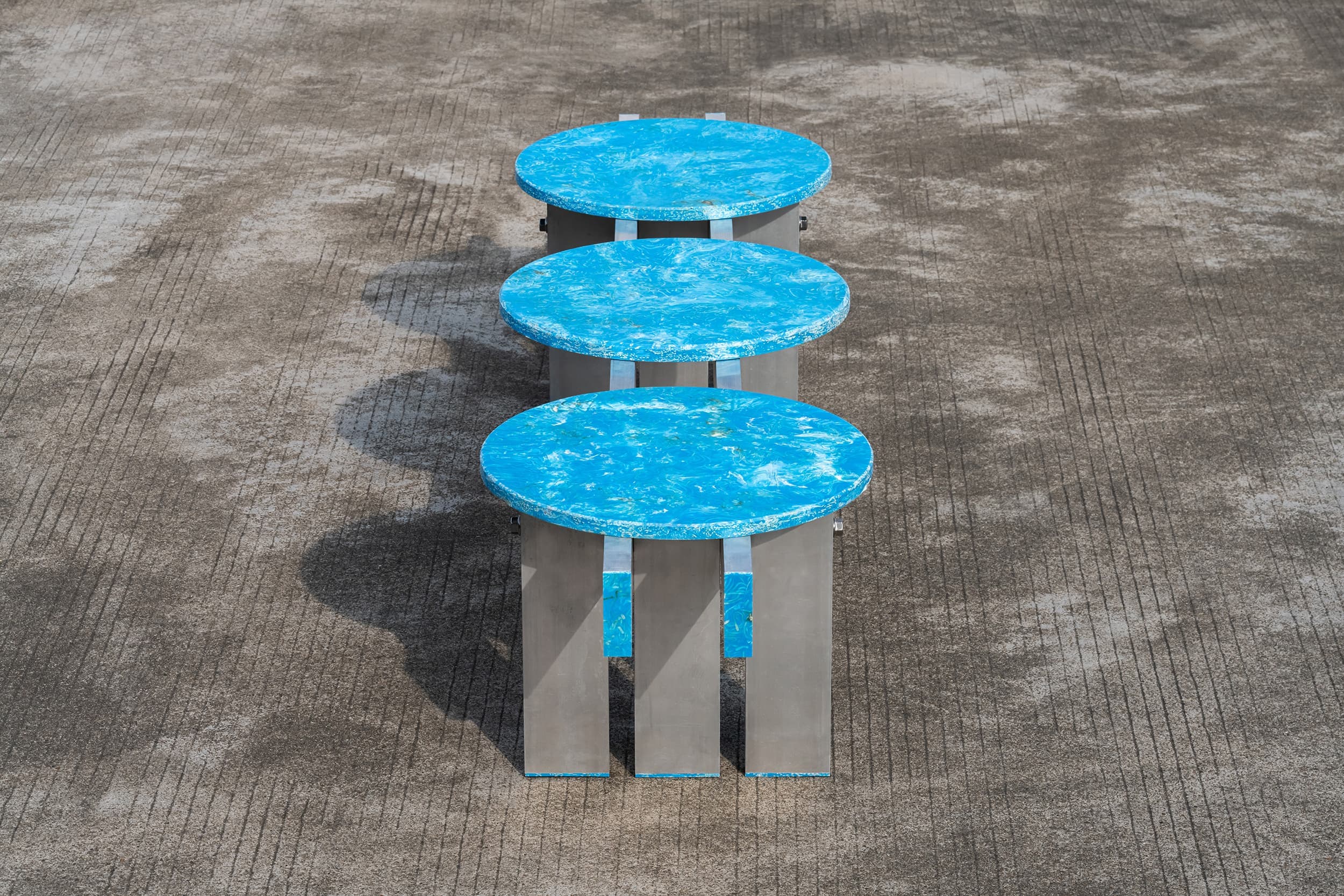
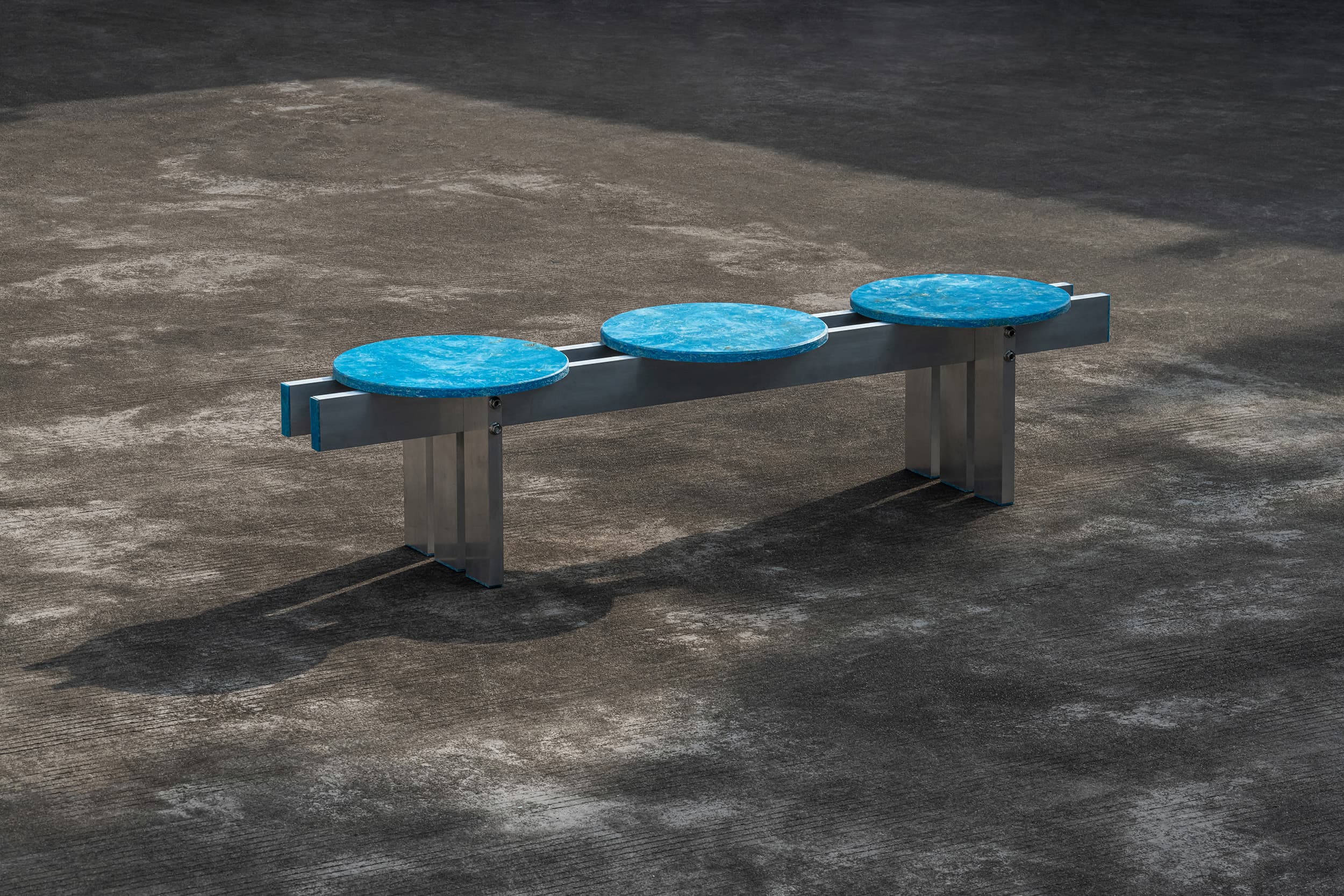
Masks are originally designed for isolation: to filter out viral particles from the breath, and keep people apart. When solidified into stools, their inherent divisive nature fades, and new connections emerge.
As public furniture, stools invite people to pause, meet, and communicate. People sit side by side with faces uncovered. Fabrics that once separated breaths now support human bodies; objects that once drew boundaries become anchors for companionship. The material narrative is fully reversed—turning inward to outward, from closure to openness.
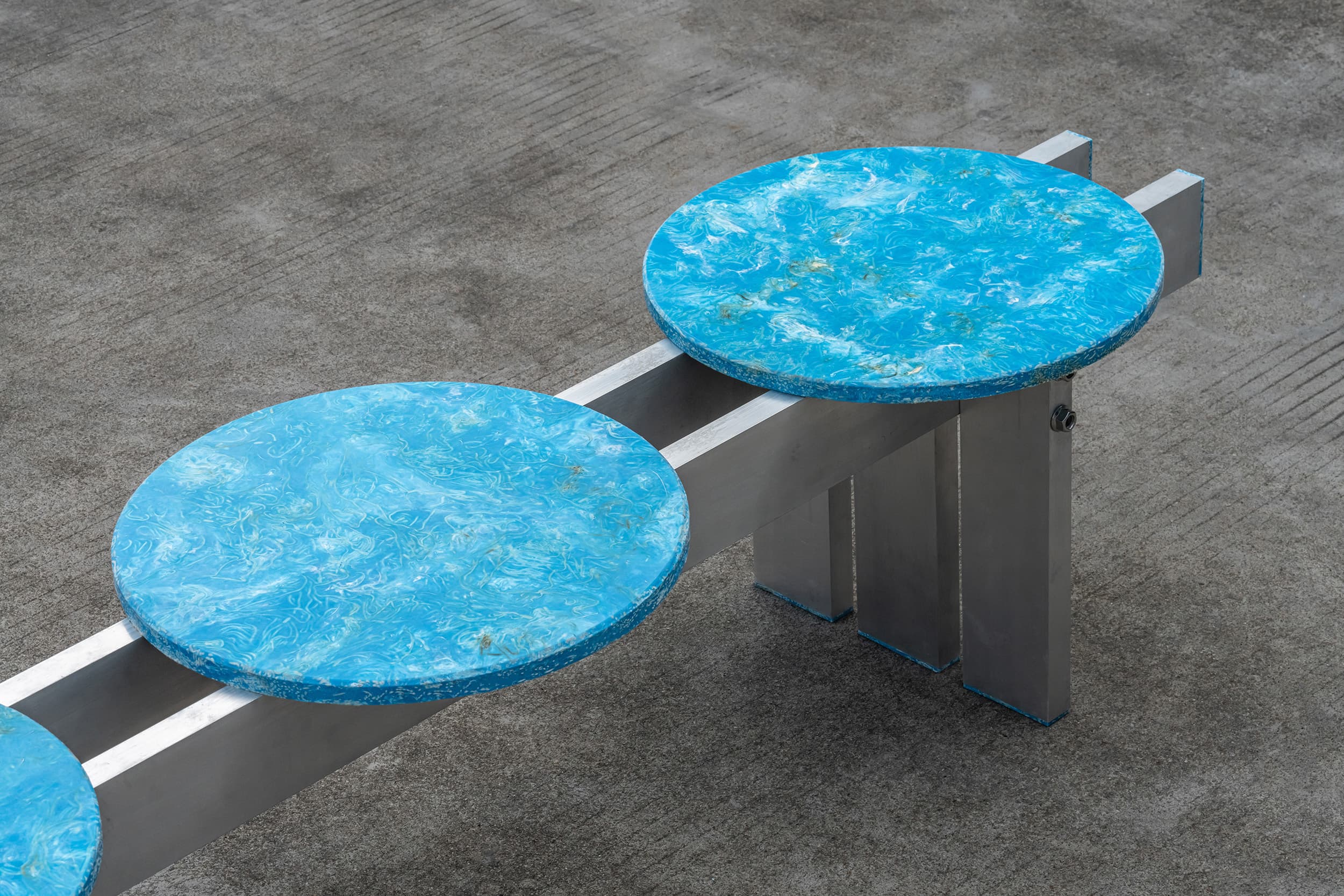
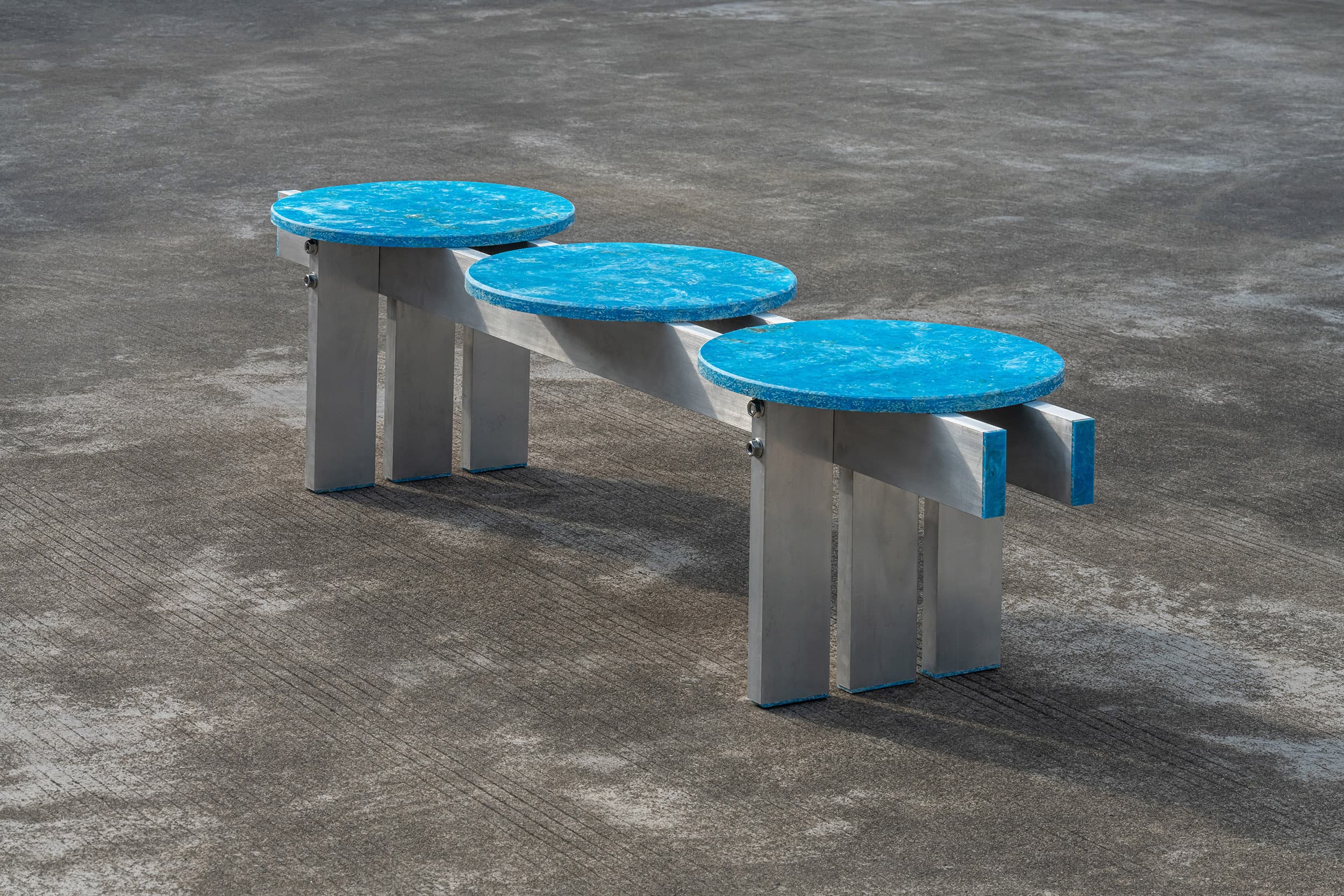
We live in an age prone to forgetting. The pain, lost lives, and disrupted routines brought by the pandemic are soon diluted and overshadowed by endless information. By freezing this period into usable everyday objects, BENTU delivers the sincerest expression of design: to give new forms to waste, and turn silent objects into witnesses of collective memory. More than just furniture, these stools are miniature monuments holding collective sentiments.
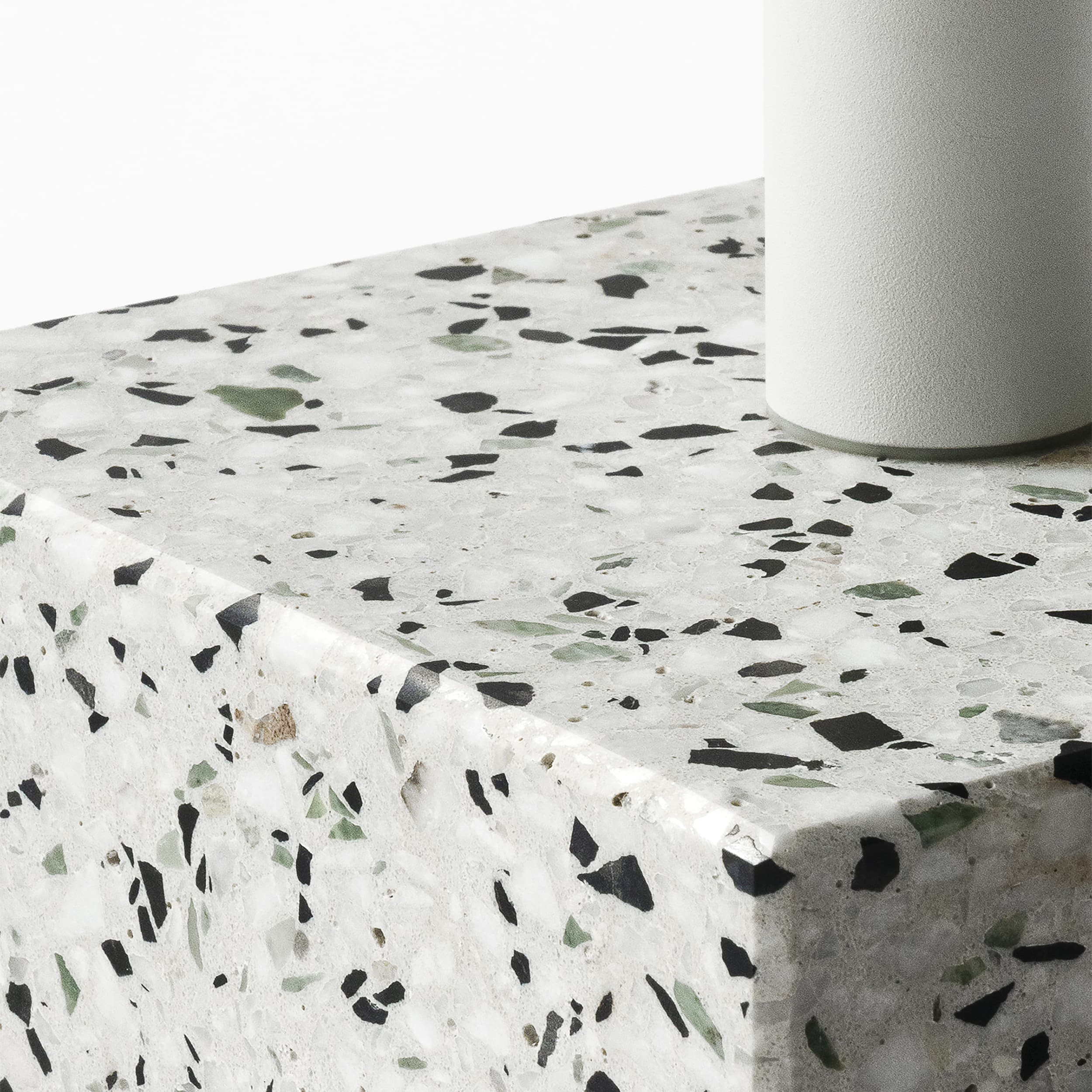
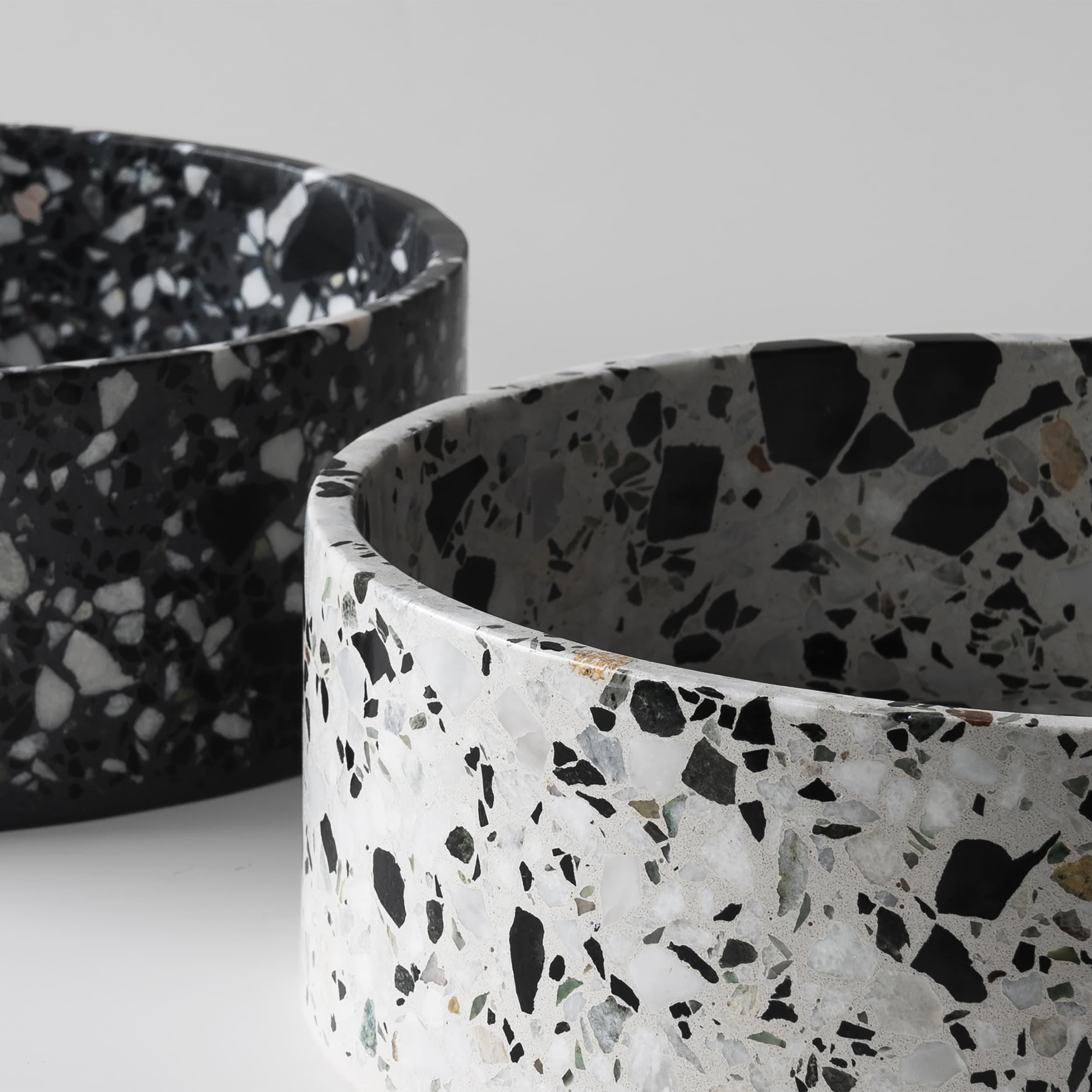
Faint traces of molten fibers remain on the surface. Every bump and subtle color difference bears witness to each mask’s journey: being worn, discarded, collected, and remolded. These subtle details woven into daily life remind us that some chapters of history ought never to be erased.
Contemporary sustainable design is often simplified as environmental protection, low carbon, and waste recycling. The mask stools present an alternative perspective: sustainability is not merely a material loop, but also a cycle of meaning.
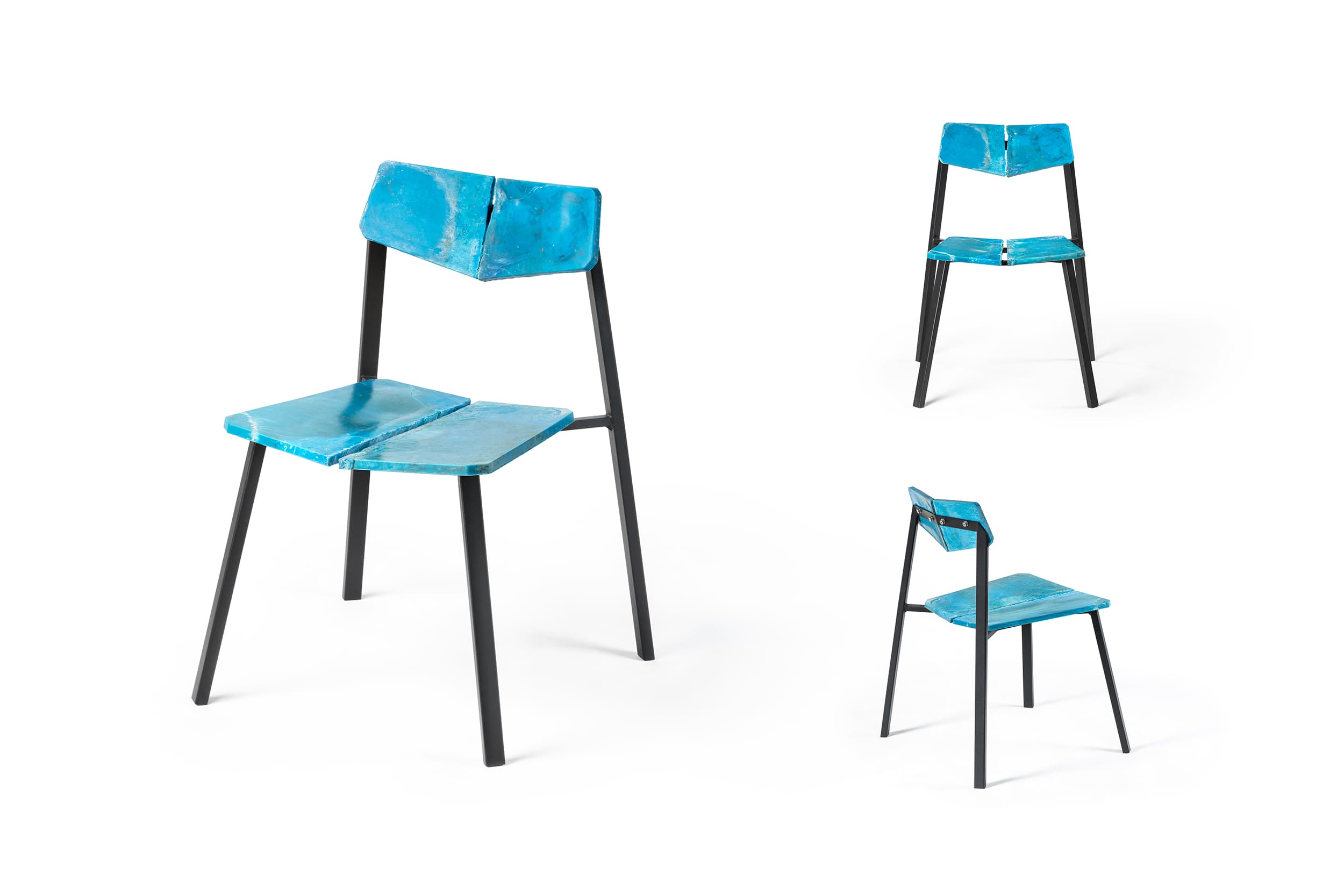
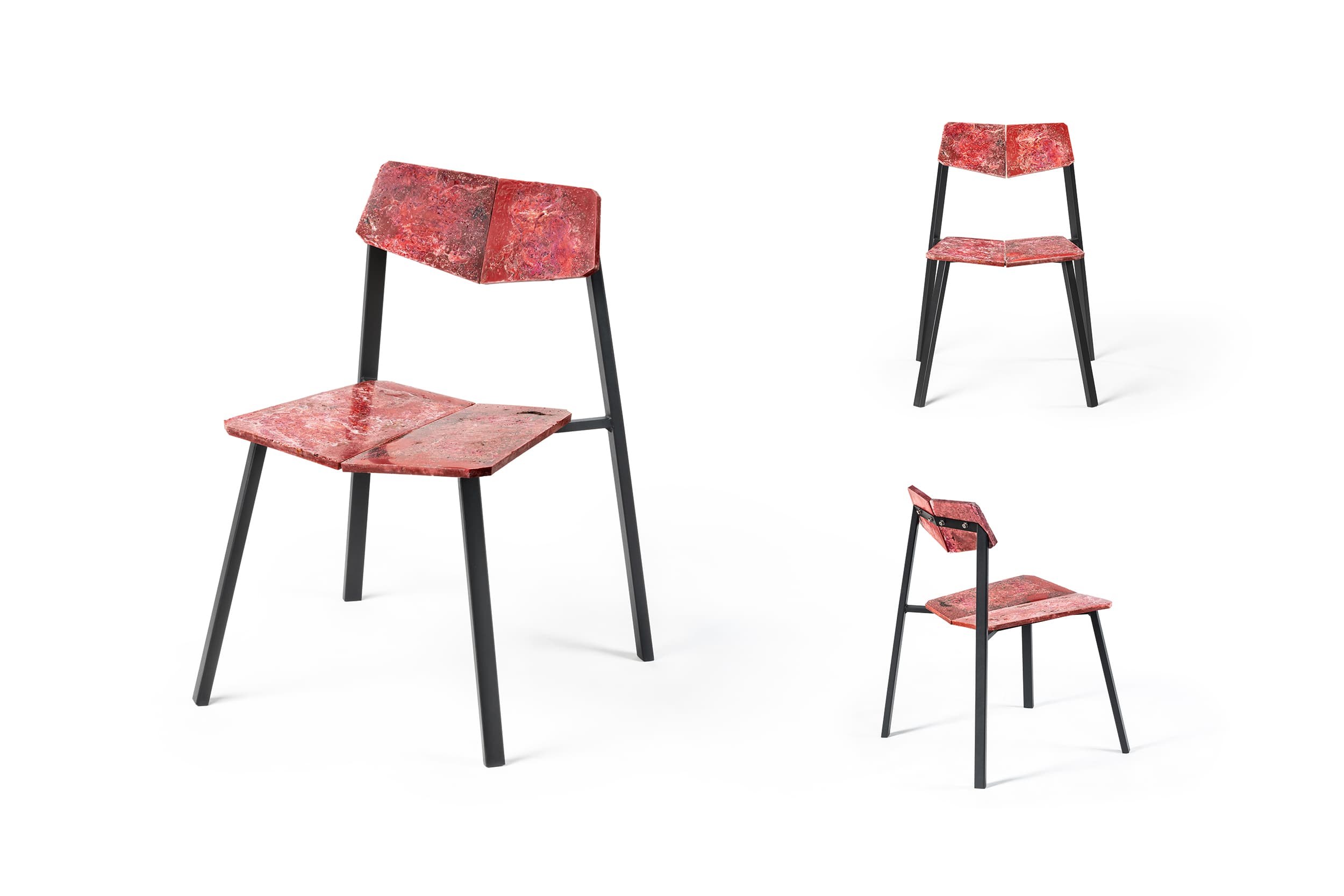
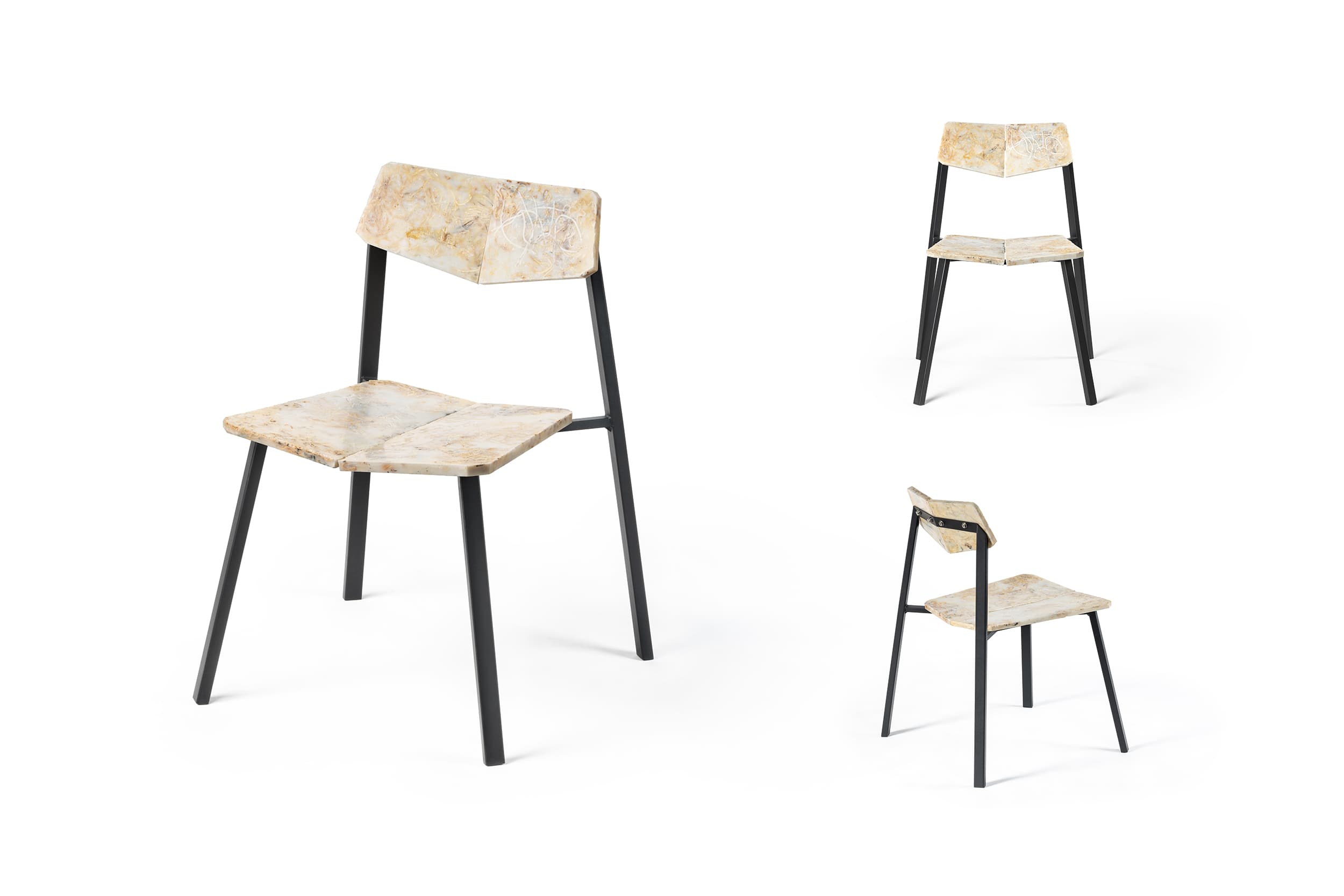
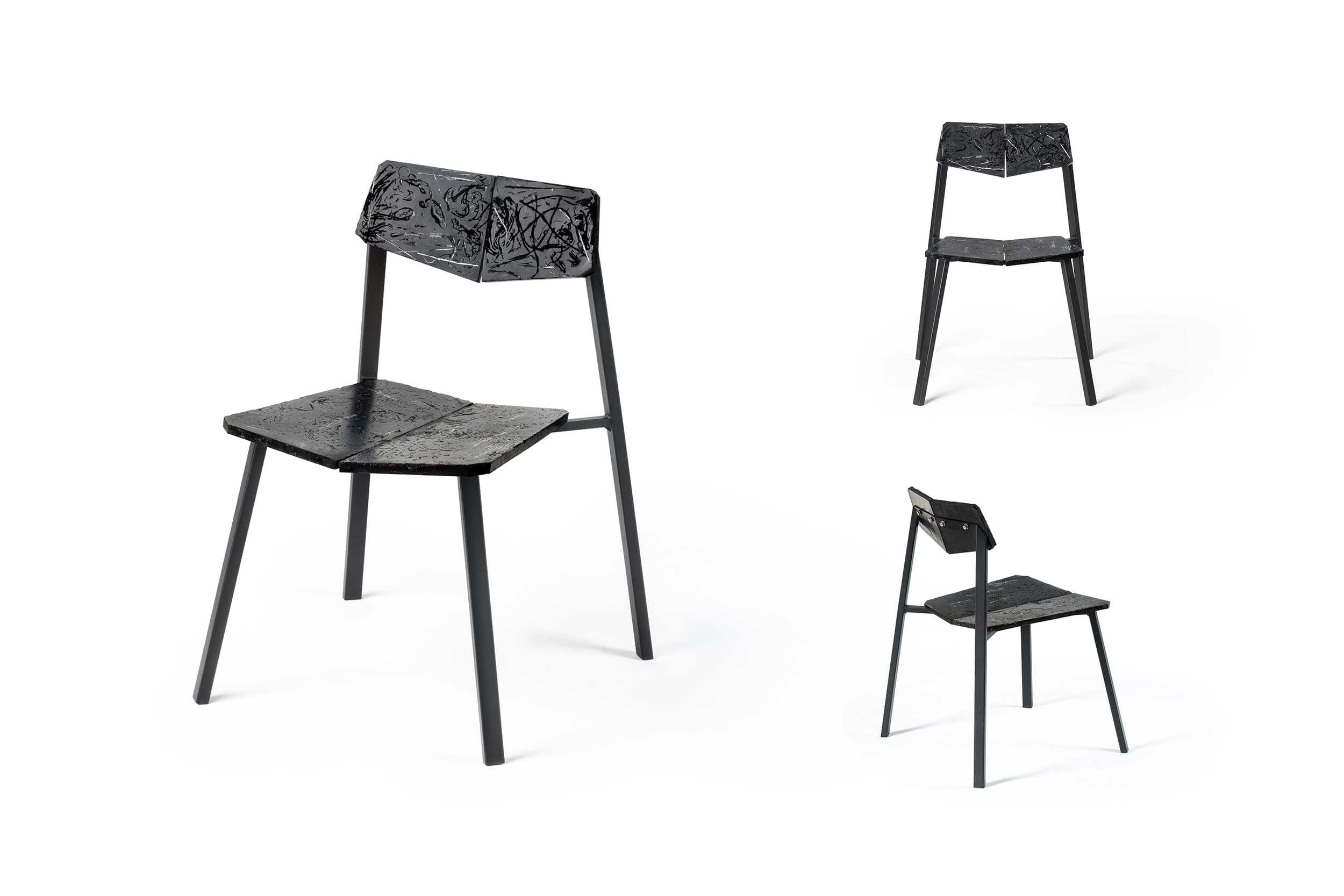
A mask goes through a complete lifecycle: production, use, disposal, collection, and remaking. It experiences pollution, separation, vulnerability, and oblivion, before achieving transformation and rebirth. This mirrors humanity’s journey through adversity: forced into isolation, then learning to draw close again.
Genuine sustainable design does not shun the weight of the times, nor gloss over traces of trauma. It quietly embraces discarded items and reintegrates them into circulation. It gives new life to unforgotten pasts and fosters reconciliation—letting past hardships become the starting point for renewed connection.
Design Director: Xu Gang
This original article belongs to the BENTU Sustainable Design Reflections Series. Taking hot-pressed stools made from recycled masks as a case study, it explores the spiritual ethics of sustainable design that transcends material circulation.

- Contact
+8620 8977 0506
- Press
press@bentudesign.com
- Enquiry & Sales
info@bentudesign.com