Shaping Plastic: Sustainable Design Practice of Plastic Regeneration
Time: 2017 – Present
Location: Shunde, Guangdong, China
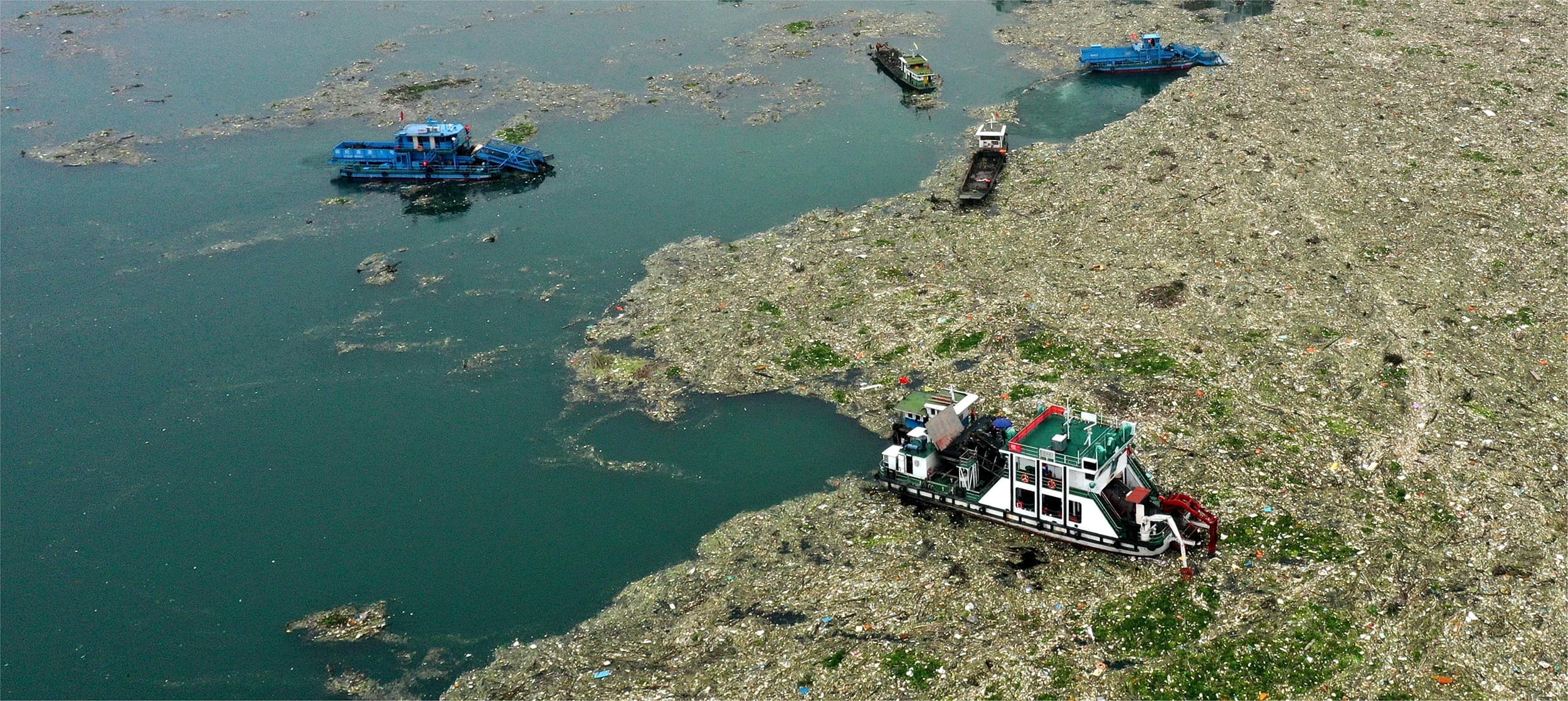
Material regeneration is the core of humanistic design.
This is no empty slogan, but a direct rebuttal to modern extractive production and consumption. Civilization today operates on a destructive linear pipeline: resource extraction, manufacturing, single-use consumption, and disposal. This one-way system fuels resource depletion, ecological degradation, and severs the intrinsic bond between humans and materials. Material regeneration poses a vital alternative: a circular, restorative framework that reintroduces waste back into living material cycles.
The title Plastic Body encapsulates our mission to reshape material identity. Amid widespread global environmental stagnation, we strive to craft viable, renewed material textures. The name carries dual significance: it references plastic—the maligned synthetic material ubiquitous in modern life—and embodies our core worldview toward all physical matter. To remold plastic waste is, fundamentally, to remodel society’s entrenched extractive mindsets.
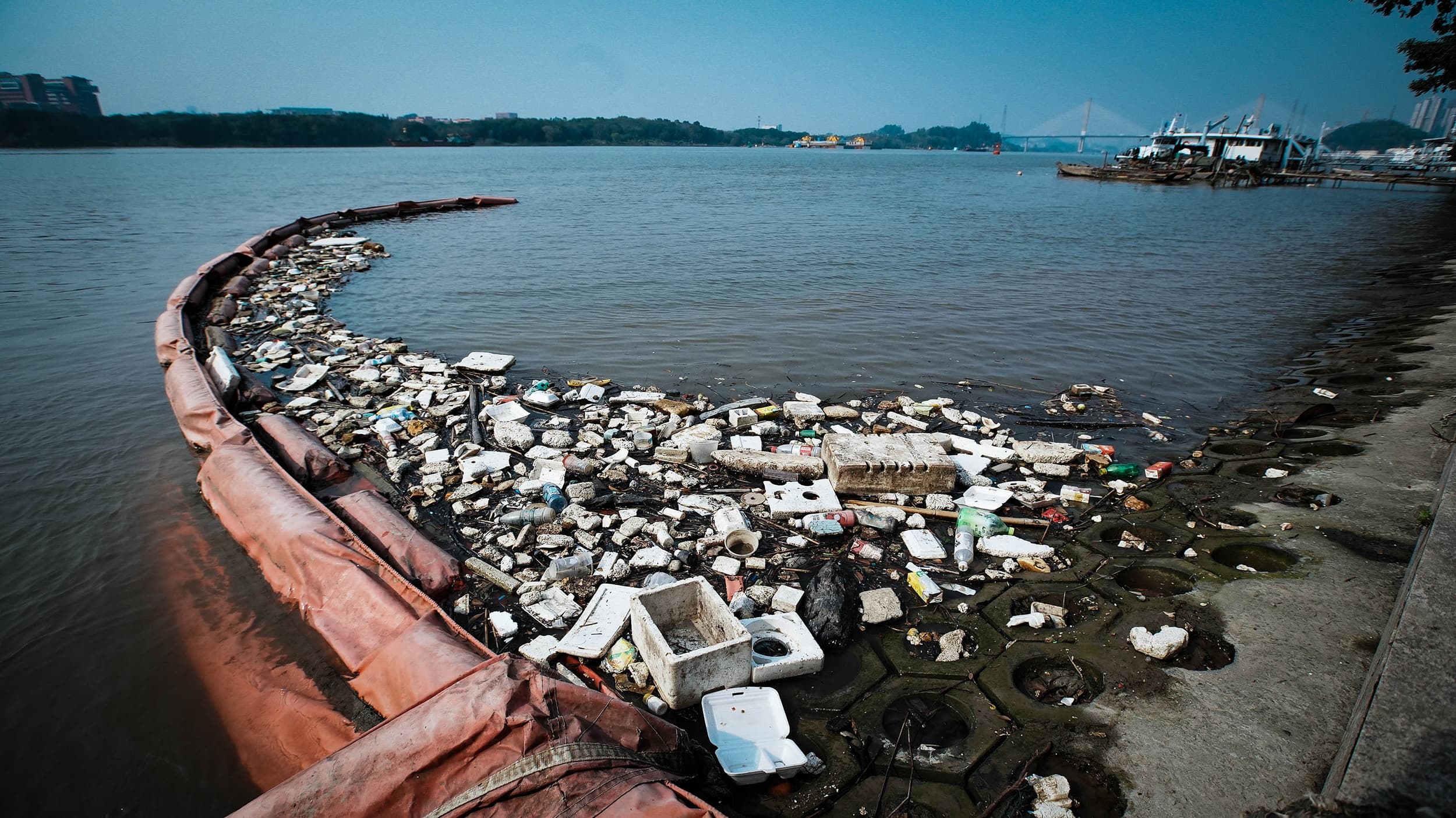
Humanity faces dual existential threats: resource scarcity and planetary ecological breakdown. The Earth has crossed critical environmental thresholds, and unregulated linear systems trigger cascading global harm. Mismanaged waste does not stay confined locally: plastic clogs oceans, rotting refuse breeds pathogens, trash incineration releases toxic particulate matter worsening respiratory illnesses, and blocked waterways trigger urban flooding. All these crises stem from the same flawed linear economic model.
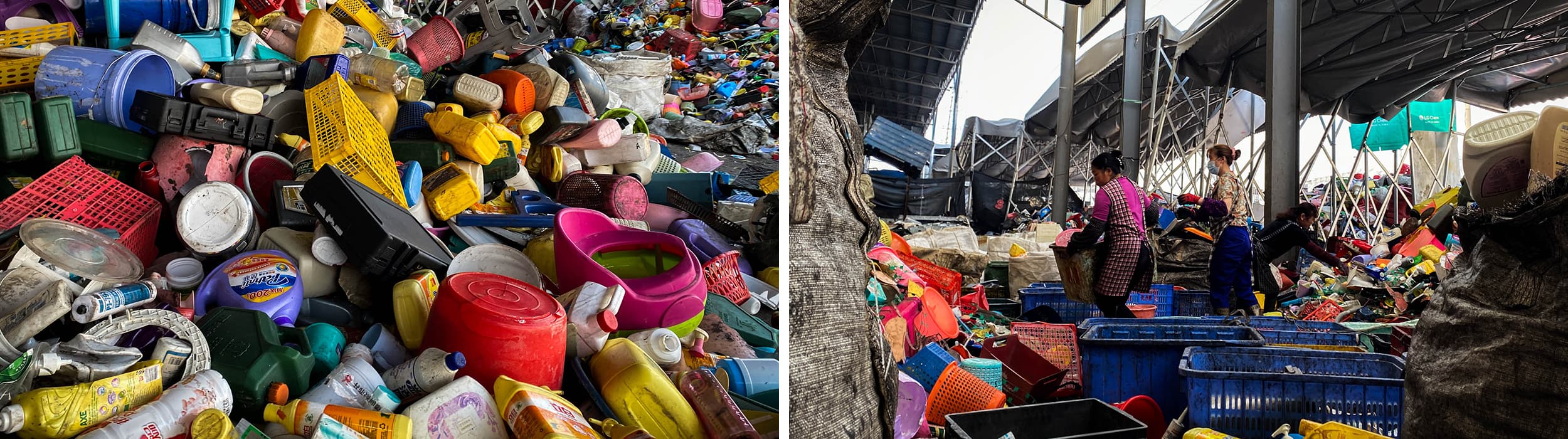
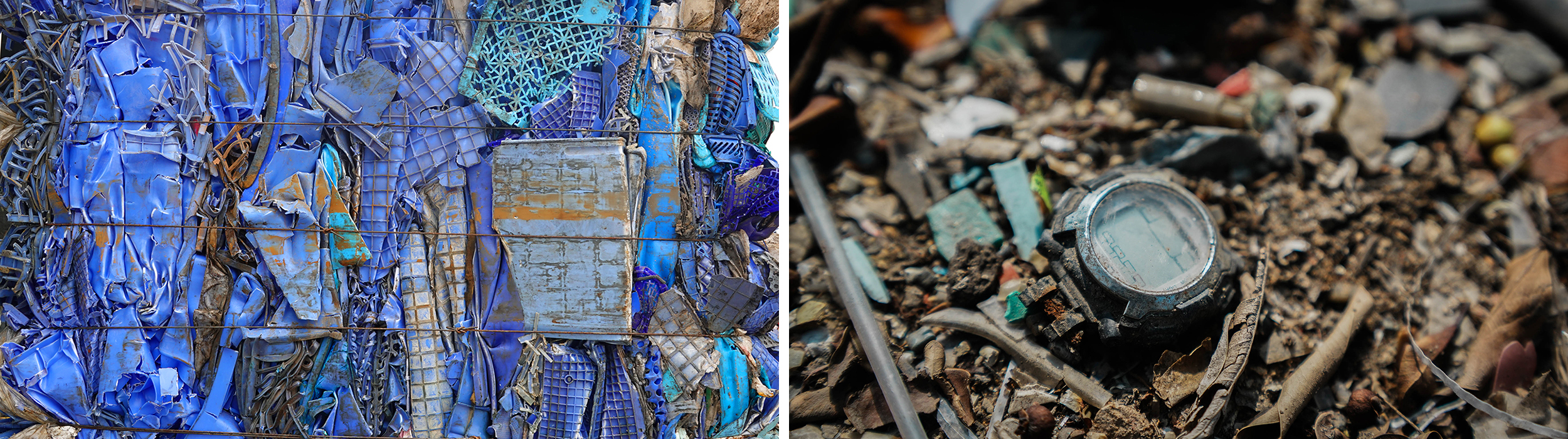
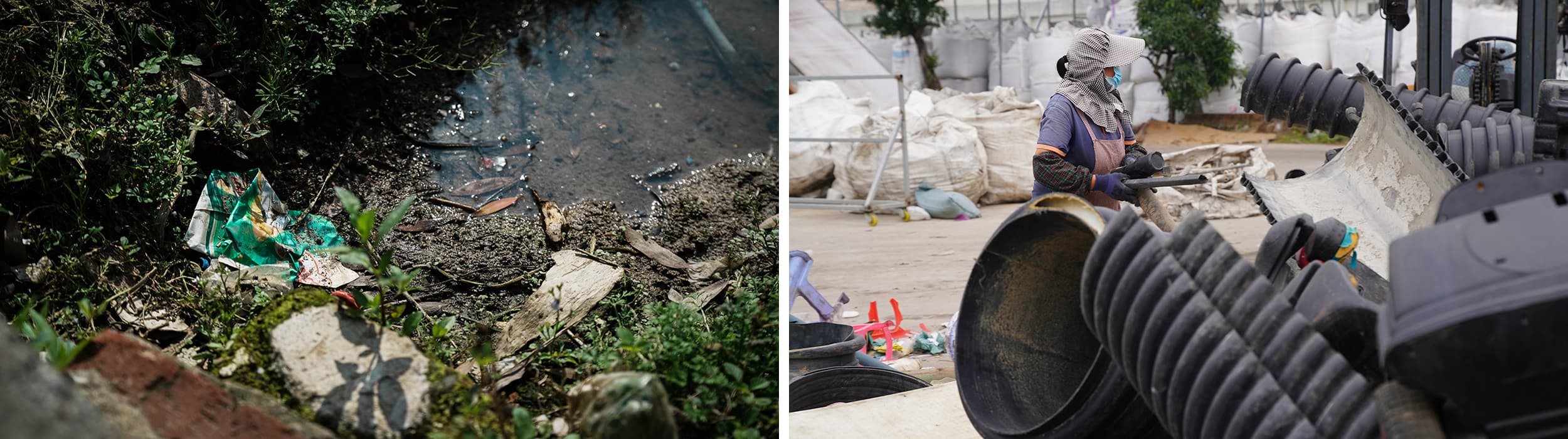
Hard data quantifies this emergency. The World Bank’s What a Waste 2.0 reports global municipal solid waste output hits 2.01 billion tonnes annually, with a minimum of 33% receiving no eco-friendly treatment. Driven by urbanization, population growth, and industrial expansion, worldwide waste volume is projected to surge 70% within 30 years, reaching 3.4 billion tonnes per annum.
Plastic waste stands as the most visible symptom of systemic breakdown, comprising 90% of all marine litter. Global plastic waste generated in 2016 alone reached 242 million tonnes. The Ellen MacArthur Foundation issued a stark warning that year: without radical intervention, plastic will outweigh fish in the world’s oceans by 2050.
Far more insidious is plastic’s irreversible breakdown cycle. UV radiation fragments plastic into microplastics—particles under five millimeters invisible to the naked eye—that infiltrate food chains and ecosystems. These microfragments contaminate water and soil, accumulate in organisms’ digestive systems, and eventually cycle back into human bodies.
As a leading global producer and consumer of plastics, China manufactures vast volumes of PVC, amino molding compounds, and other plastic goods. Post-consumer plastic waste largely fails to enter formal recycling streams, fragmenting across surface water, soil, and marine habitats to create persistent, long-term pollution.
Scientific monitoring confirms far-reaching contamination: microplastics have been detected in 233 marine species, including 100% of sea turtles, 36% of seals, 59% of whales, 59% of seabirds, and dozens of fish and invertebrate species. The UN Environment Programme estimates 99% of all seabirds will have ingested plastic by 2050. Microplastics have also been found in everyday staples including salt, seafood, beer, and honey across China and worldwide.
Plastic pollution is no longer a distant coastal crisis; it permeates food webs, human bodies, and ordinary daily life, posing systemic risks to public health, livelihoods, biodiversity, and long-term prosperity. Addressing plastic waste has become an urgent shared global imperative.
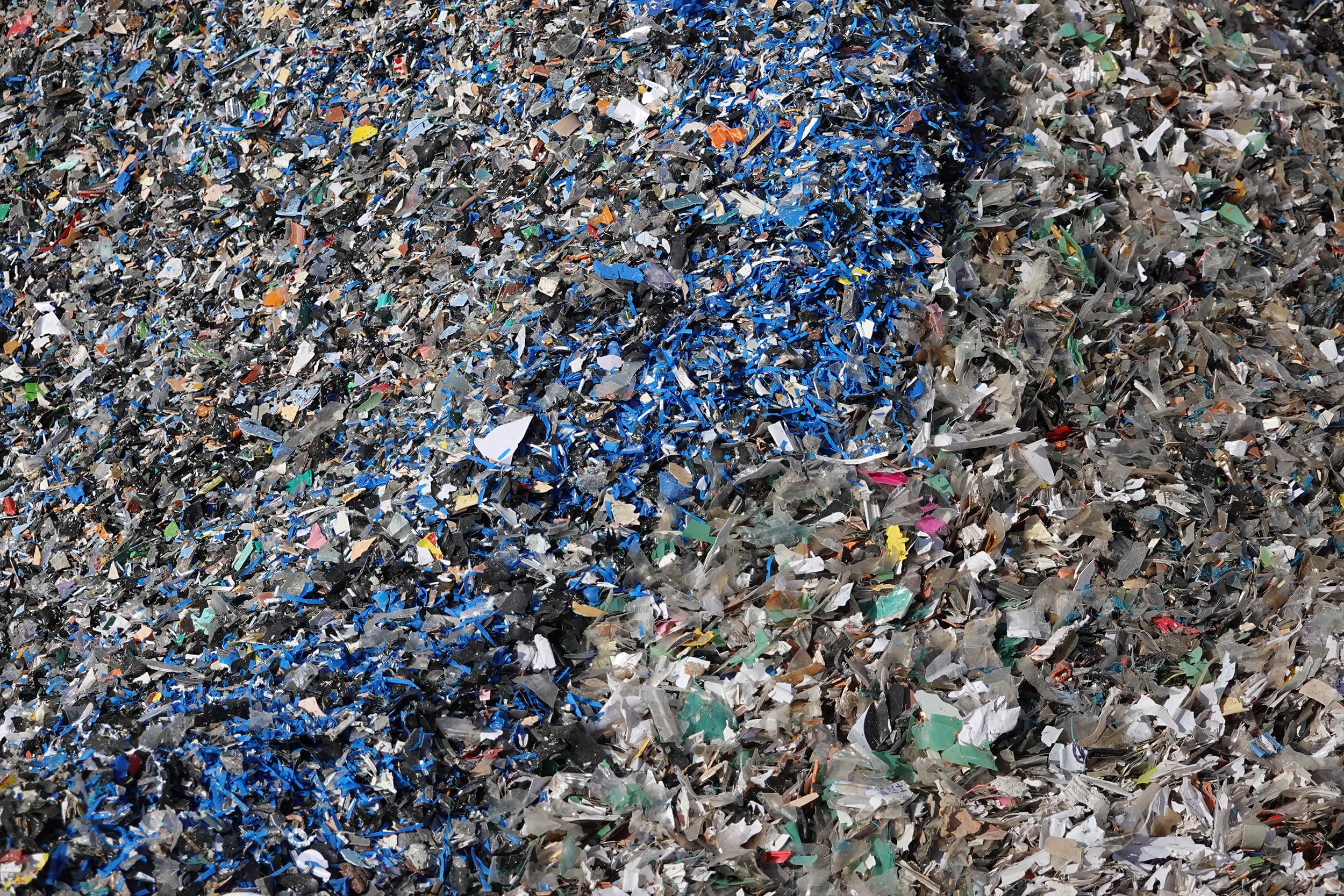
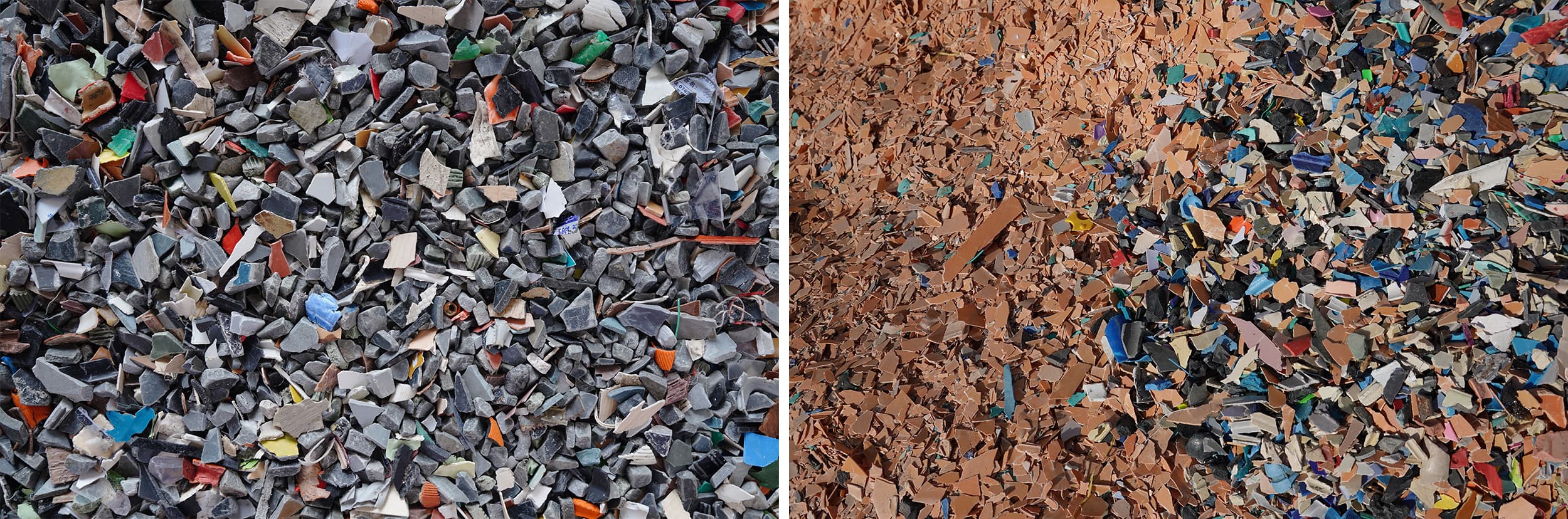
Confronted with this large-scale crisis, society often defaults to technological solutions alone, falsely framing technology as a universal fix for sustainability challenges. Technology undoubtedly drives industrial progress and innovation, yet it cannot operate detached from humanistic values. Without ethical, human-centered guidance, technological advancement inevitably spawns ecological damage, ethical dilemmas, and value distortion.
This perspective does not reject technology outright; it rejects the fallacy of “technological neutrality.” No tool exists free of embedded values, economic biases, and worldviews. Unrestrained by humanistic principles, technology accelerates resource exploitation, deepens ecological harm, and widens social inequities. Plastic itself exemplifies this paradox: a revolutionary 20th-century material prized for its light weight, durability, and low cost, yet evolved into humanity’s most stubborn environmental liability. Technology solved past material shortages while birthing far greater planetary harm—not a failure of innovation, but a failure of humanistic foresight.
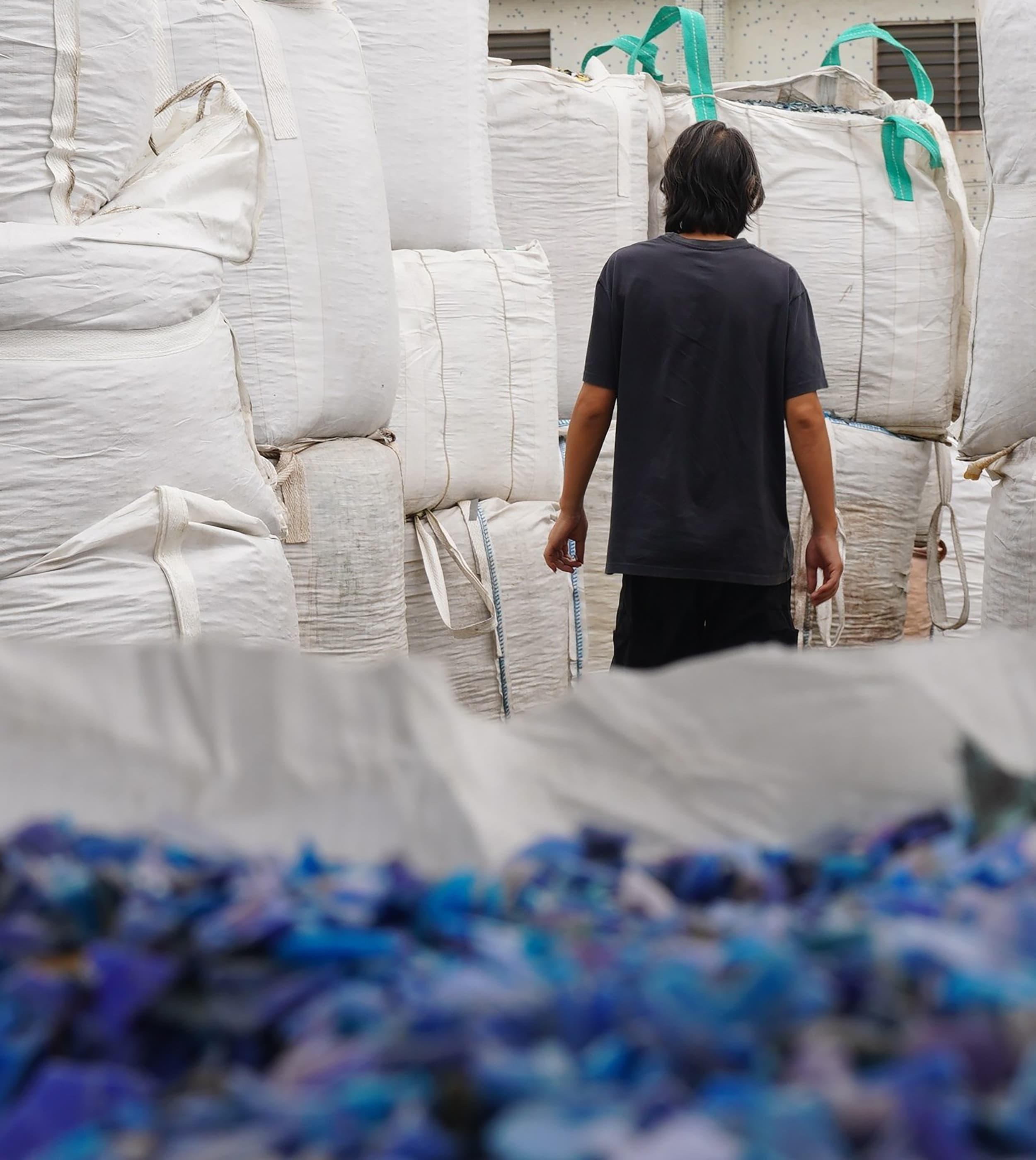
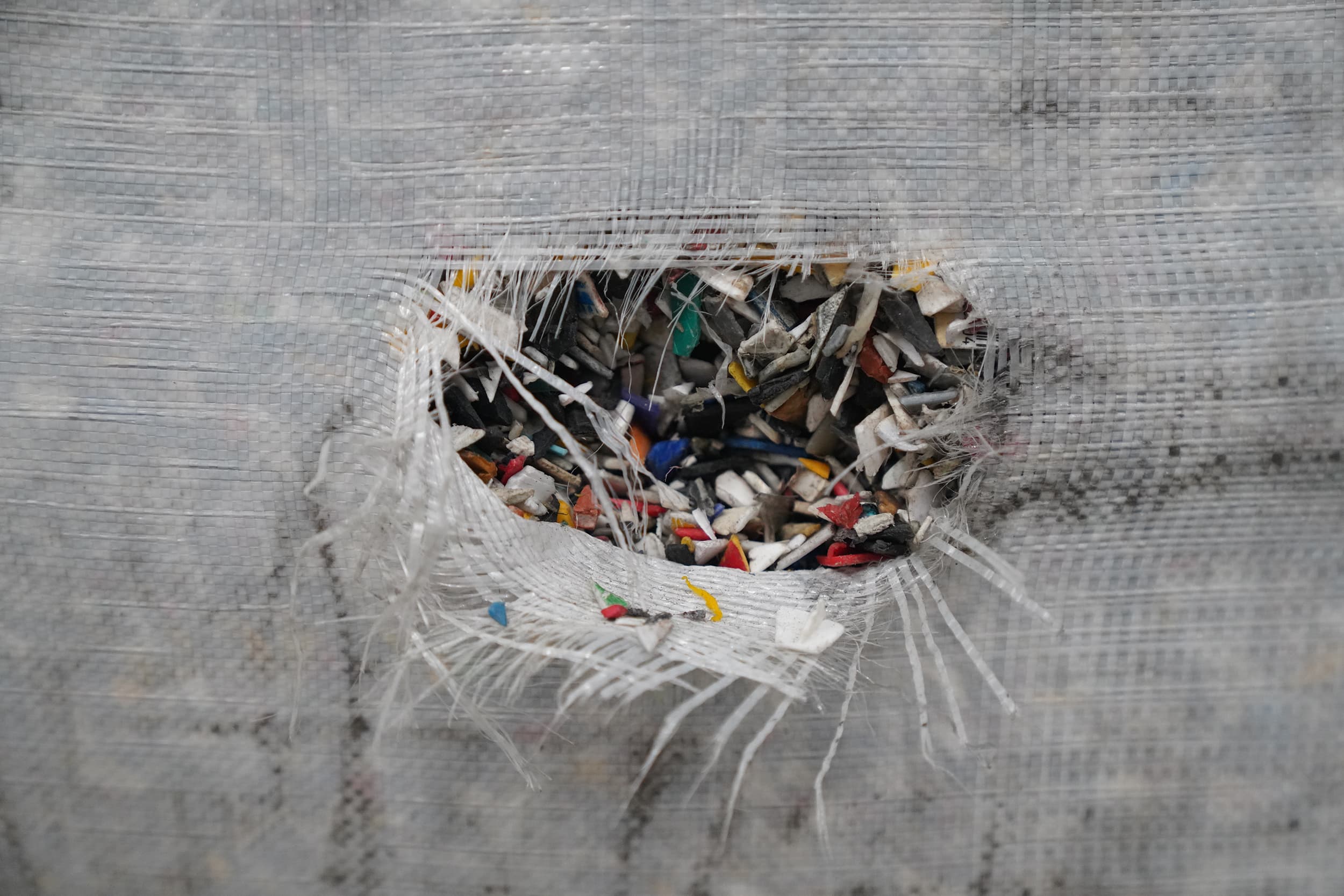
For design practitioners, reigniting humanistic consciousness is non-negotiable. Every creative intervention must return to foundational principles: safeguarding human dignity, prioritizing sustainable survival and development, and honoring indigenous culture, aesthetics, lifestyles, and craft heritage. Designers must learn restraint alongside creation: not every technically feasible product deserves production, nor every profitable commodity deserves mass manufacture.
Rooted in this philosophy, BENTU completed two years of immersive field research across the Pearl River Delta’s industrial belts. Our team visited plastic recycling facilities, mapped full production workflows, and documented the working realities of frontline recycling laborers. This was purely hands-on research: on-site observations, raw material testing, workflow documentation, and direct dialogue with factory workers, pairing physical practice with critical reflection.
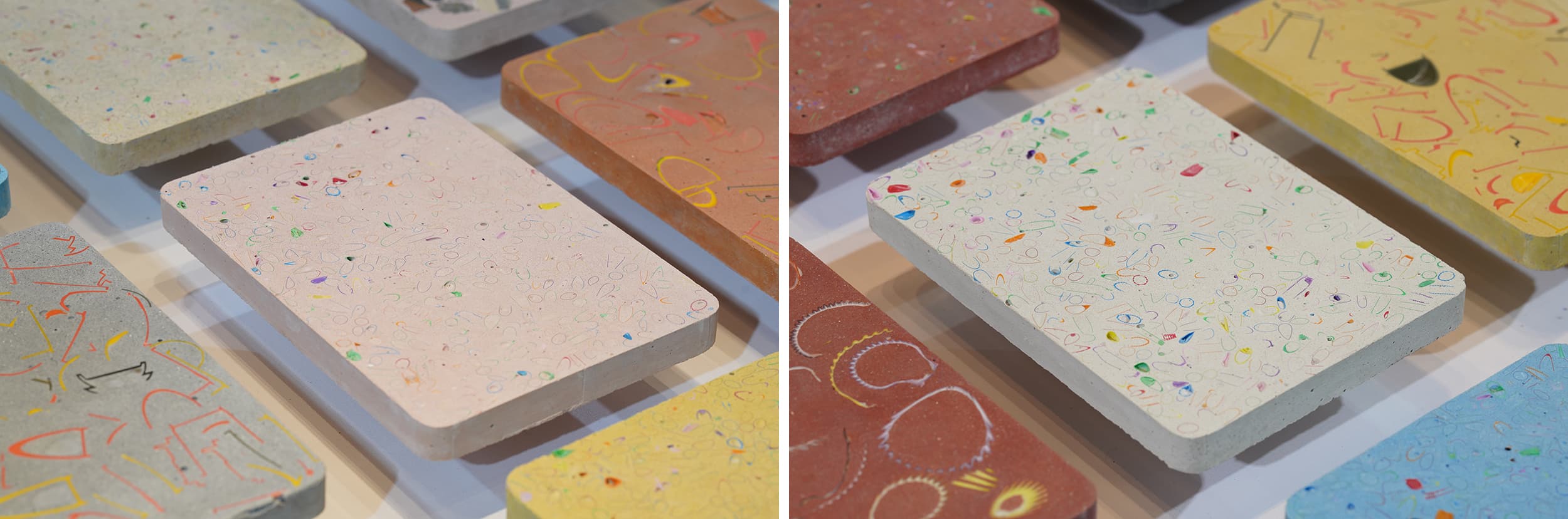
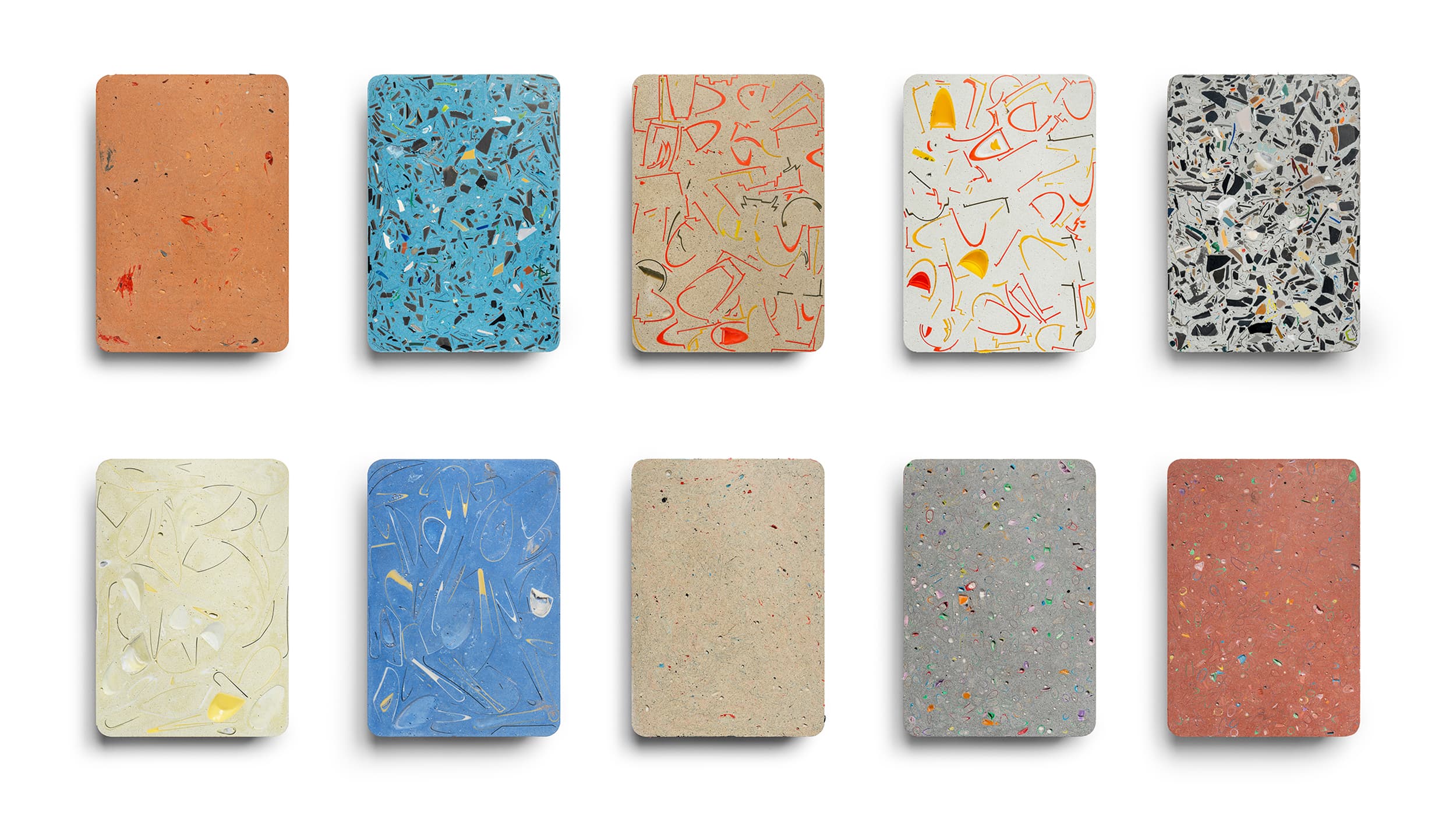
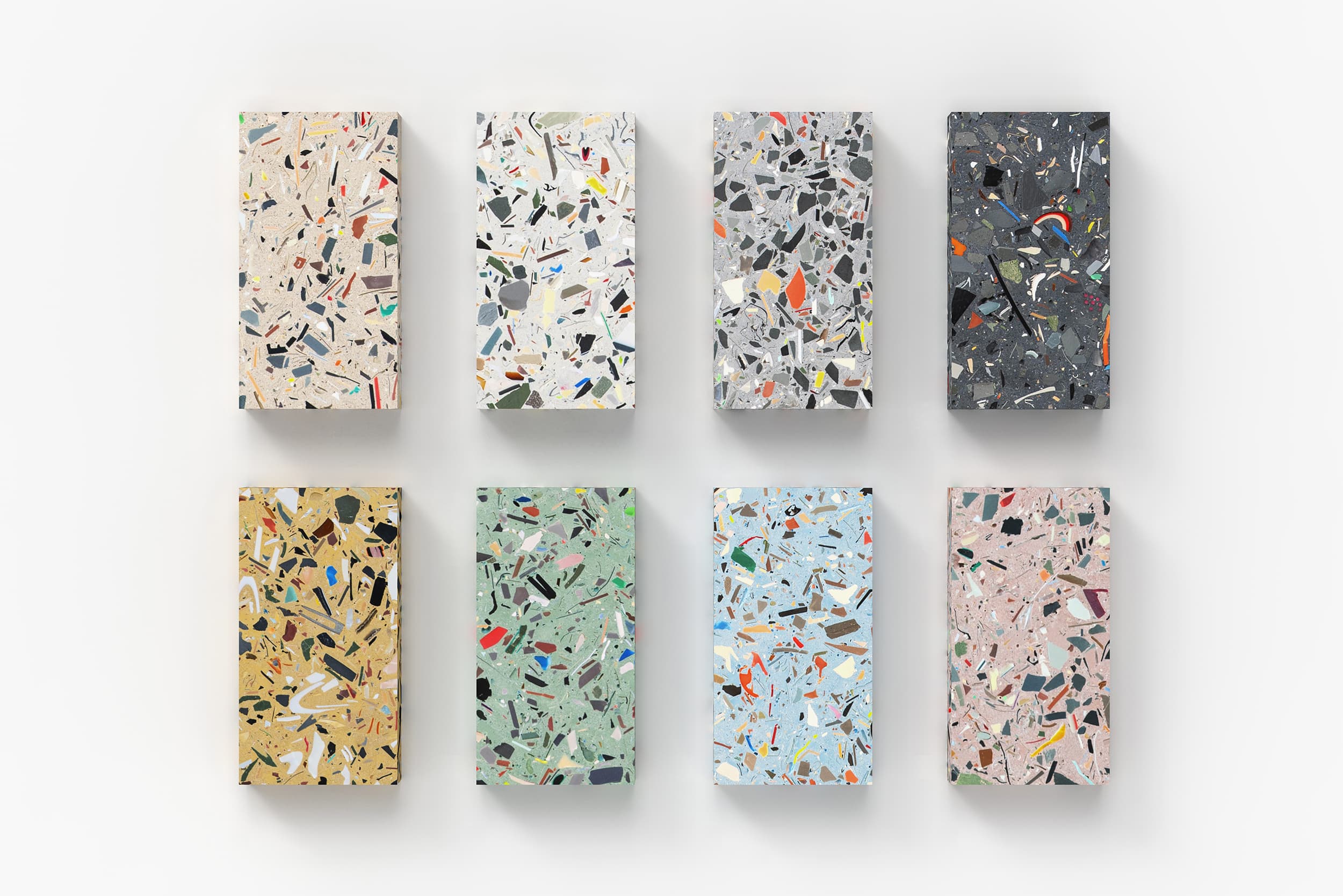
Bauhaus master László Moholy-Nagy’s maxim sustained our arduous R&D journey: “Design is not a profession, but an attitude.” Design transcends technical skill or commercial occupation; it represents a deliberate worldview, a persistent inquiry into the reciprocal relationship between humans and materials.
During our development of waste plastic reinforced concrete for architectural and domestic products, one central question anchored all experimentation: how to scale plastic upcycling without generating new energy consumption or secondary pollution during manufacturing.
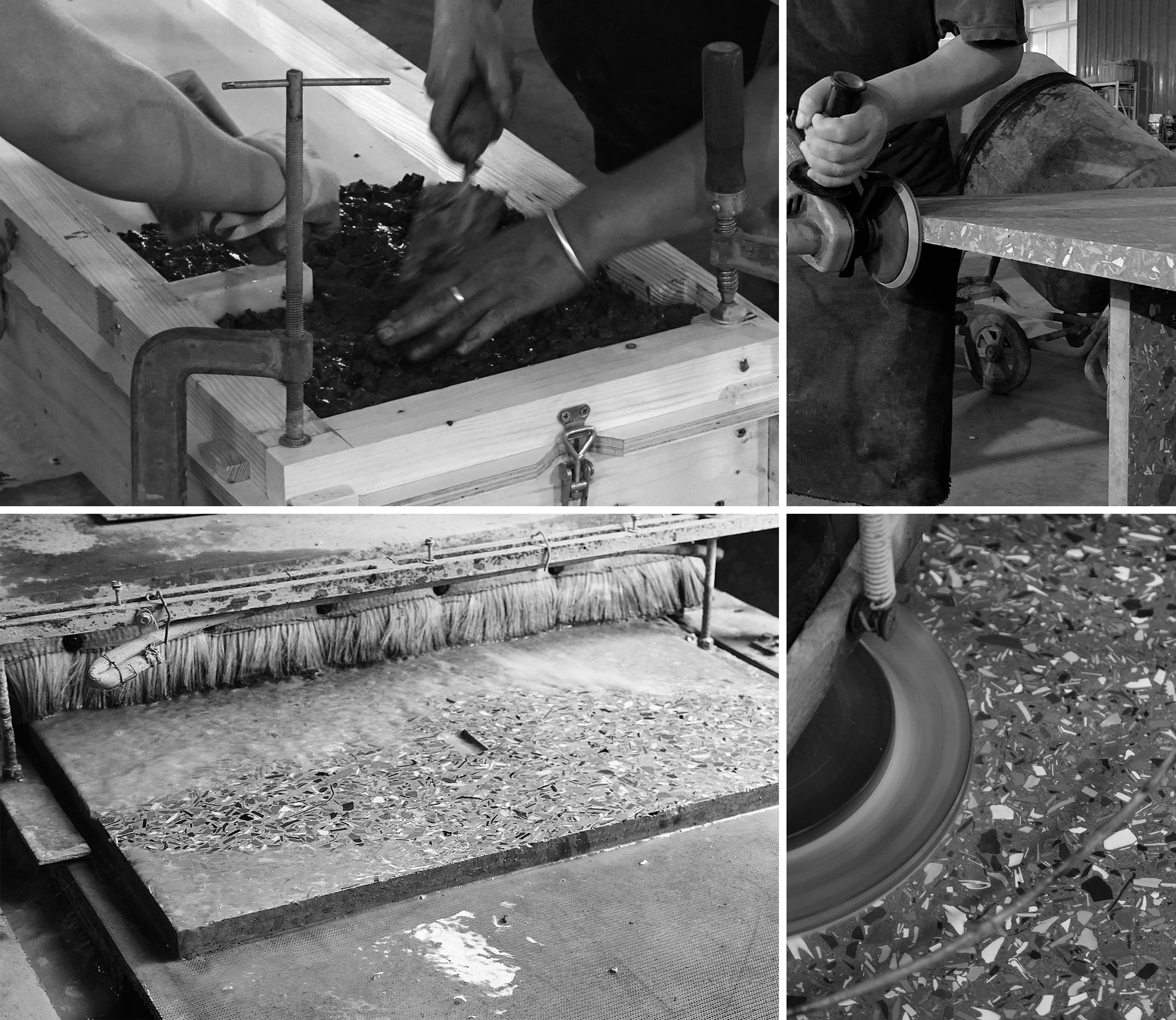
This challenge cannot be resolved through theoretical study alone, requiring iterative, tactile laboratory practice: testing various material proportions, observing forming behaviours and refining formulas through repeated iterations. Our plastic upcycling technology advanced incrementally via hundreds of lab trials. Each adjustment to aggregate gradation, each optimization of binder formulas, each forming process iteration seeks a balanced equilibrium of commercial viability and ecological benefit.
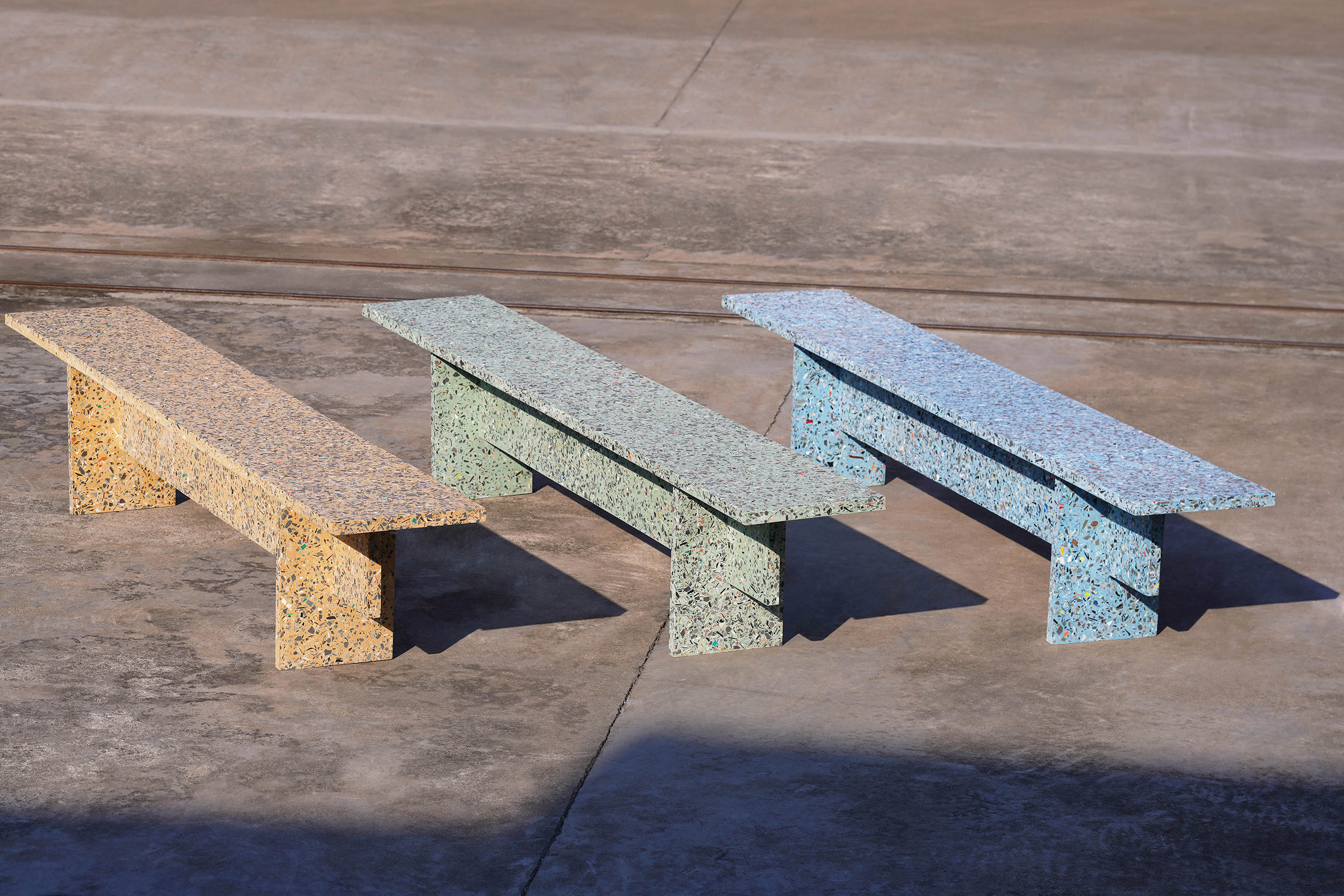
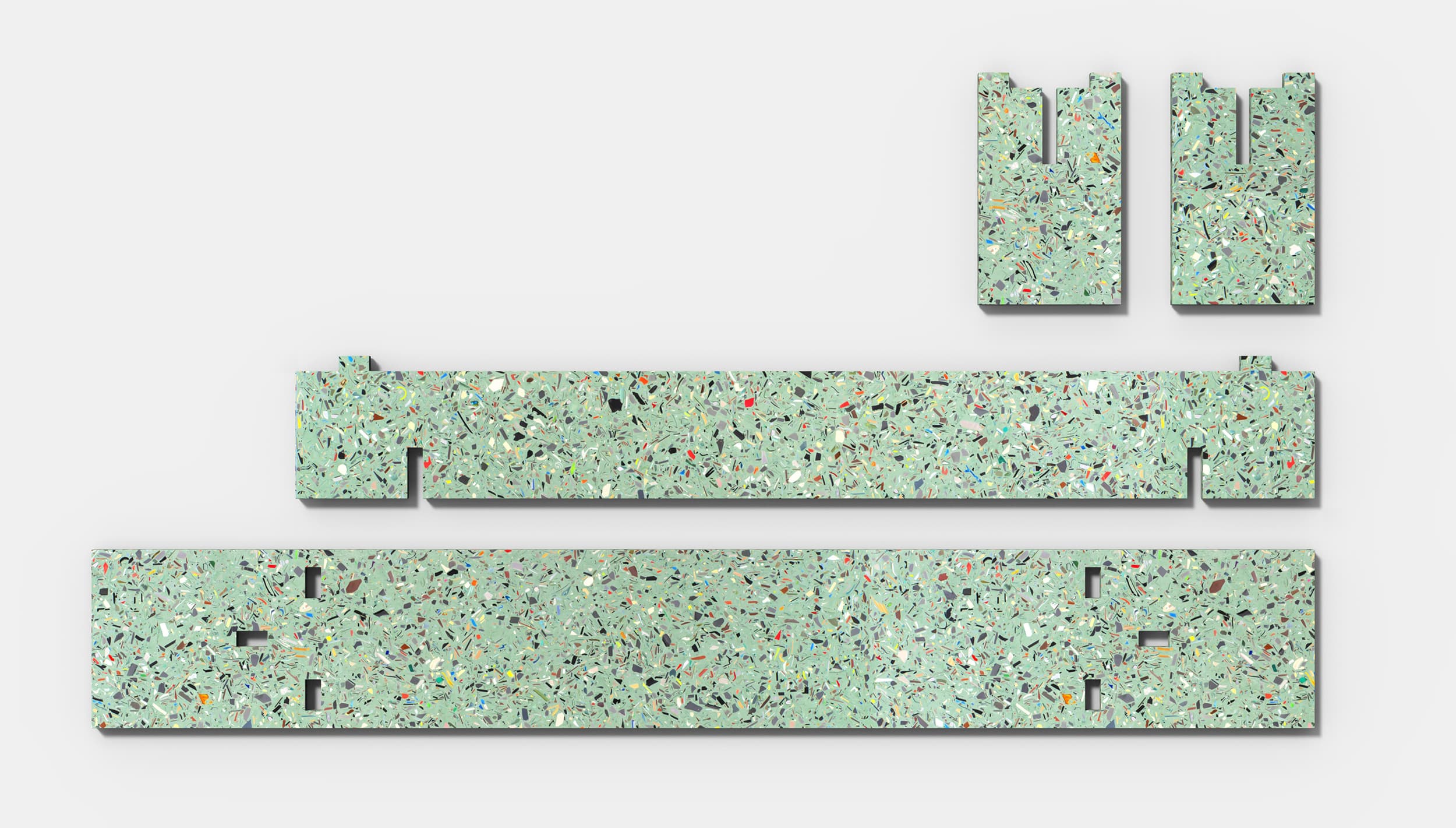
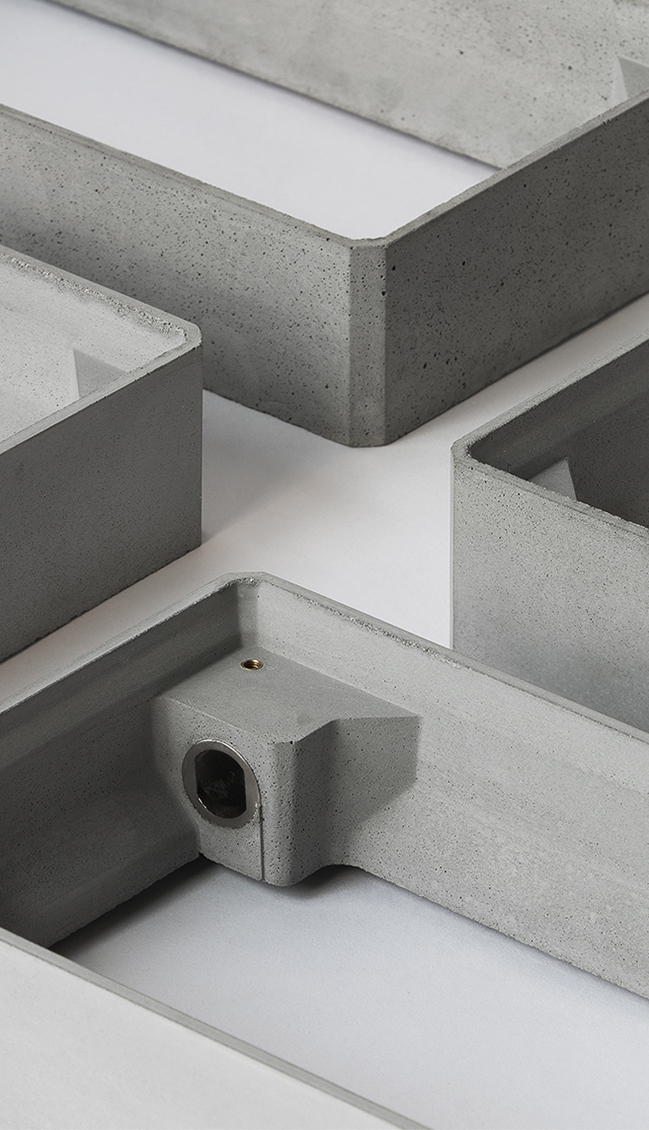
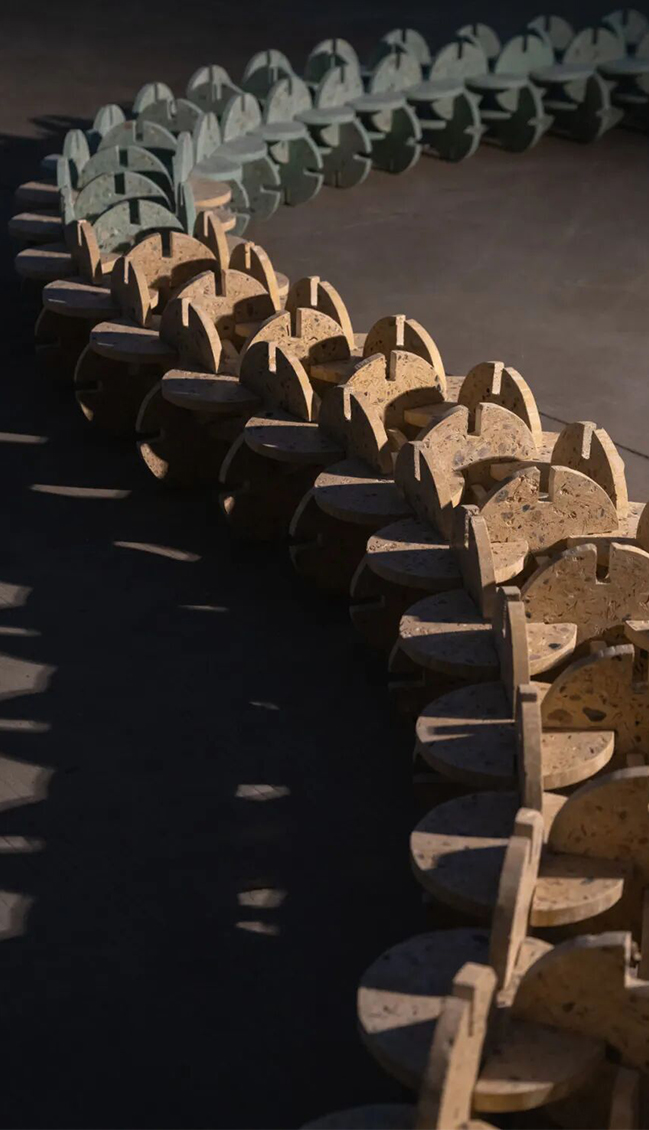
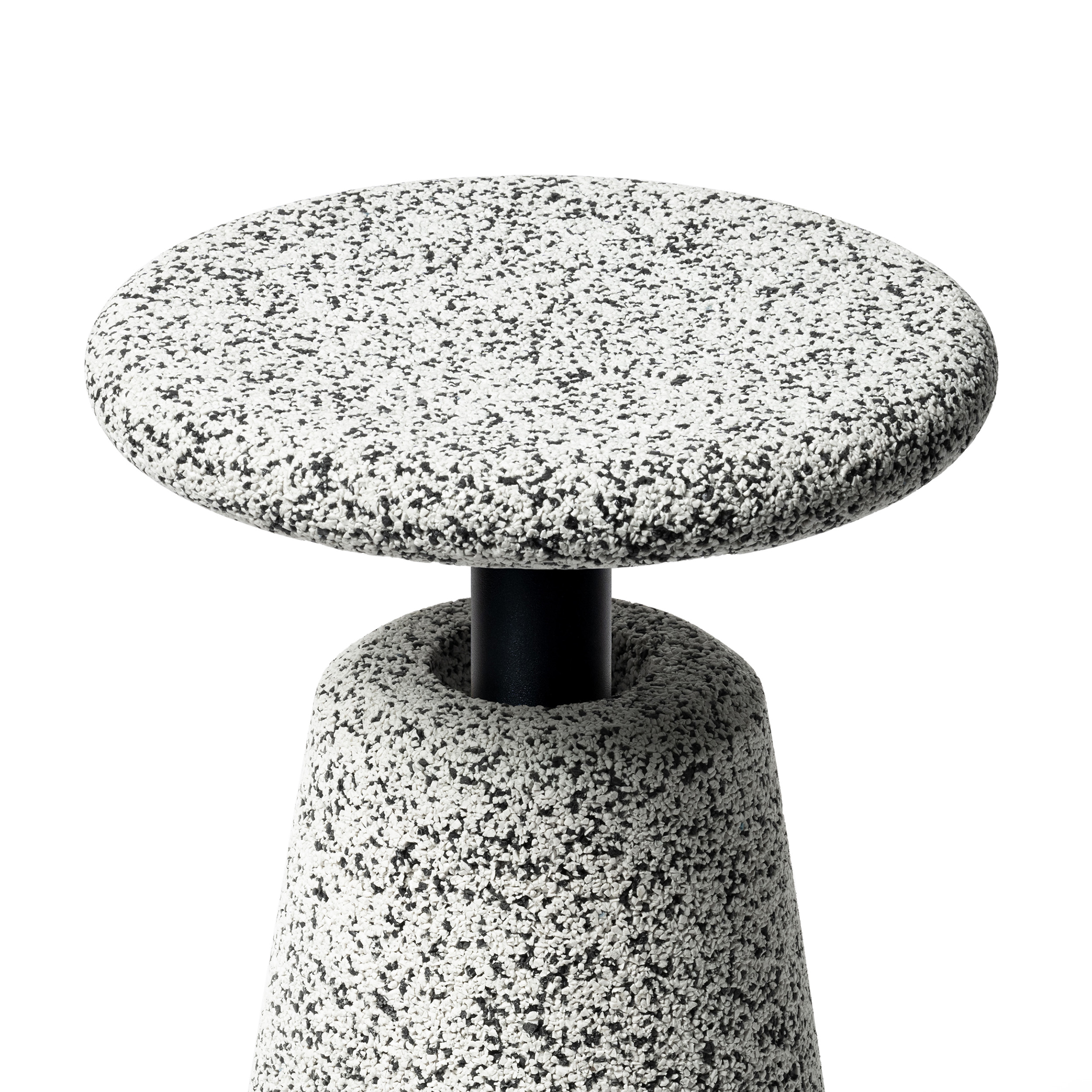
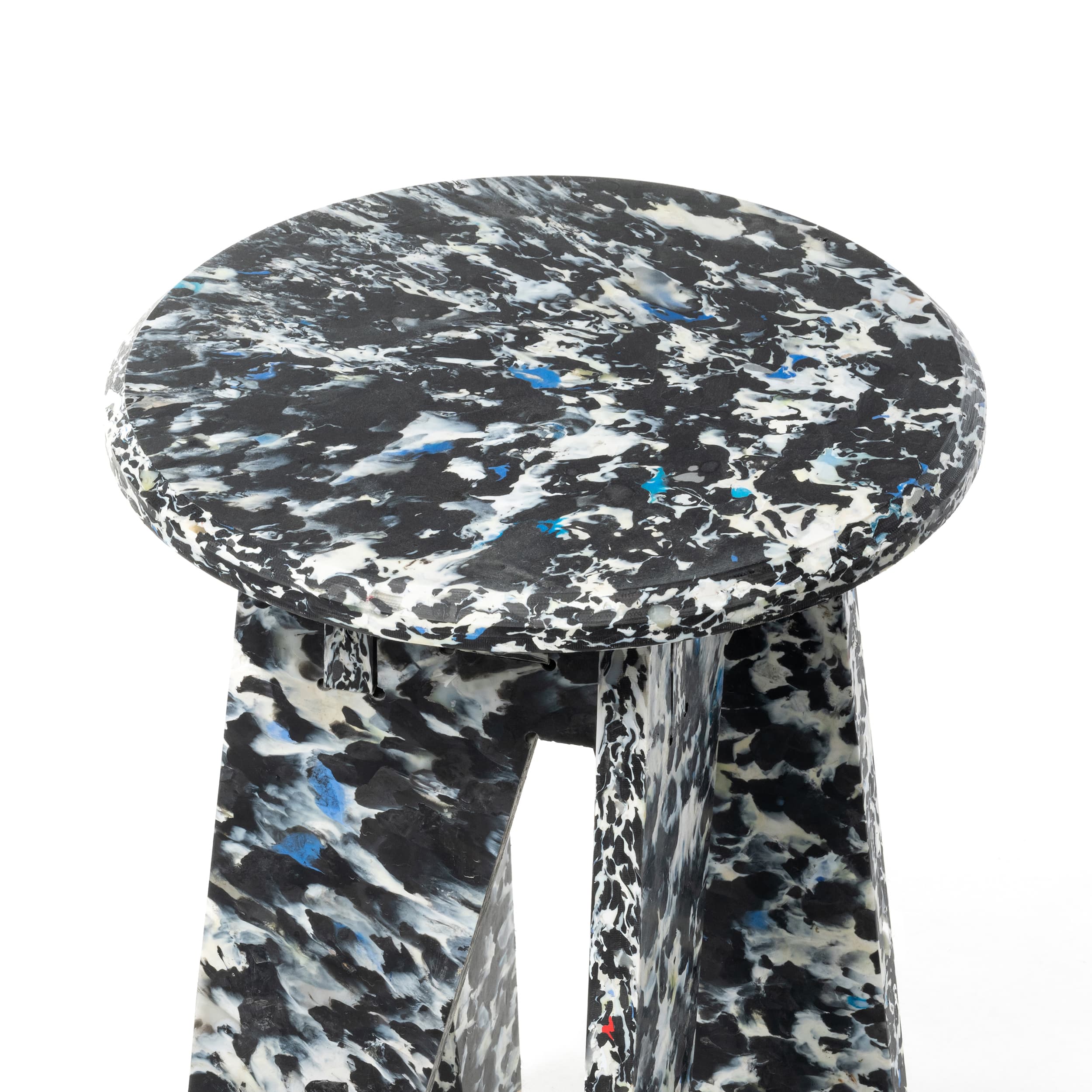
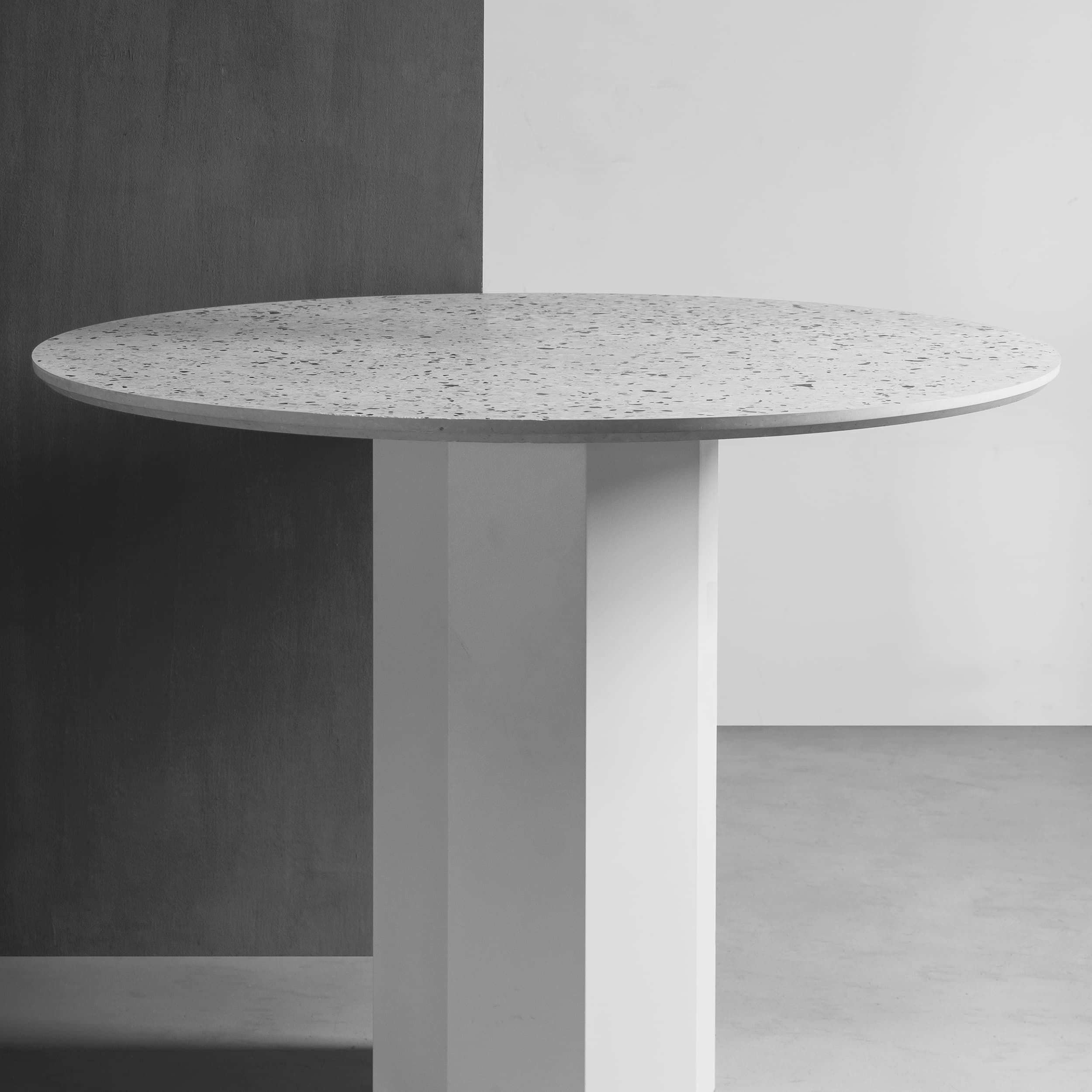
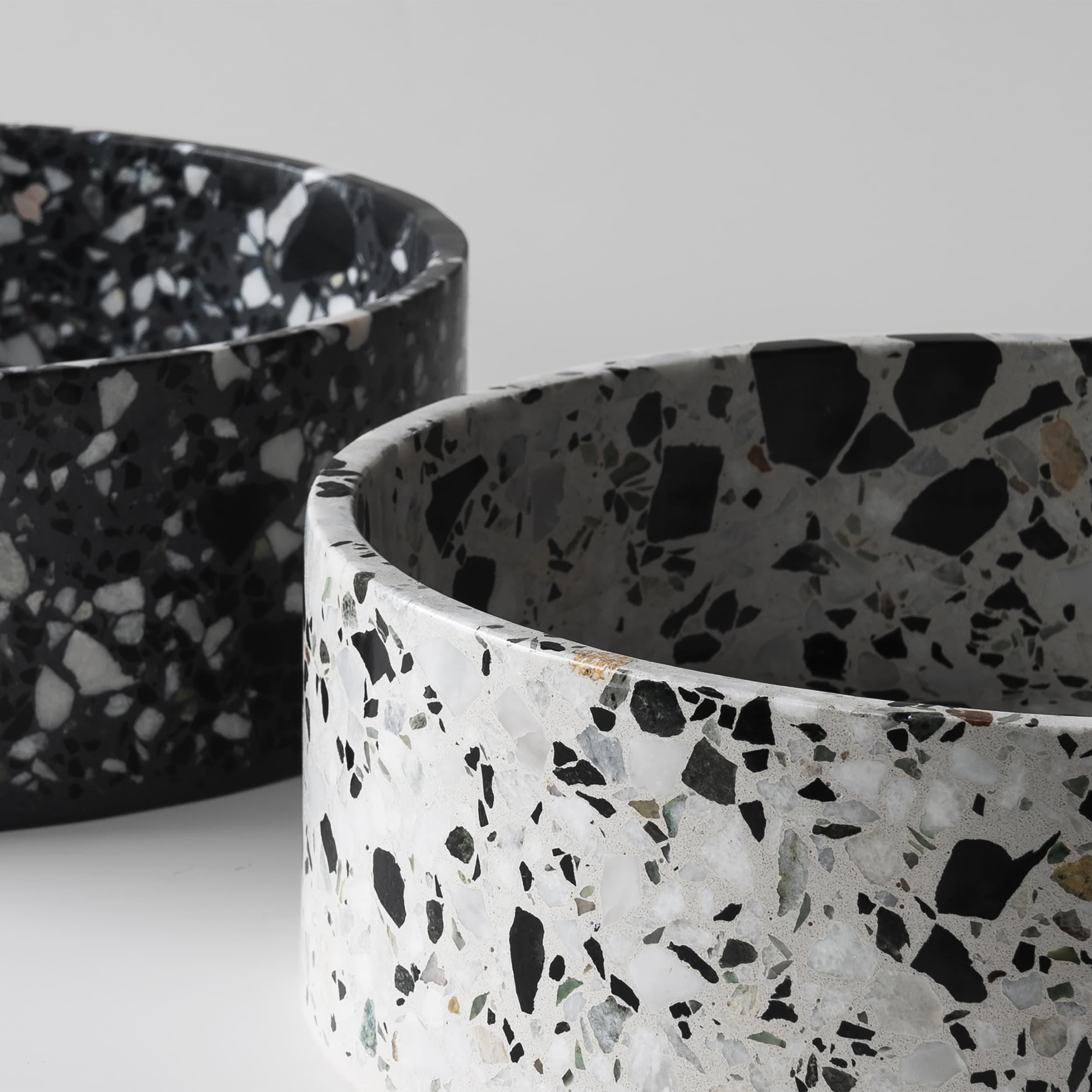
Our public bench serves as the flagship output of this research system. It integrates ultra-high-performance concrete (UHPC) aggregate with post-industrial recycled plastic, with recycled plastic and industrial solid waste making up over 70% of its total composition. While meeting rigorous standards for structural stability and outdoor weather resistance, the piece diverts discarded plastic from waste streams, granting scrap materials renewed form and functional value. Placed within public landscapes, it acts simultaneously as civic rest furniture and a tangible micro-node of material circularity.
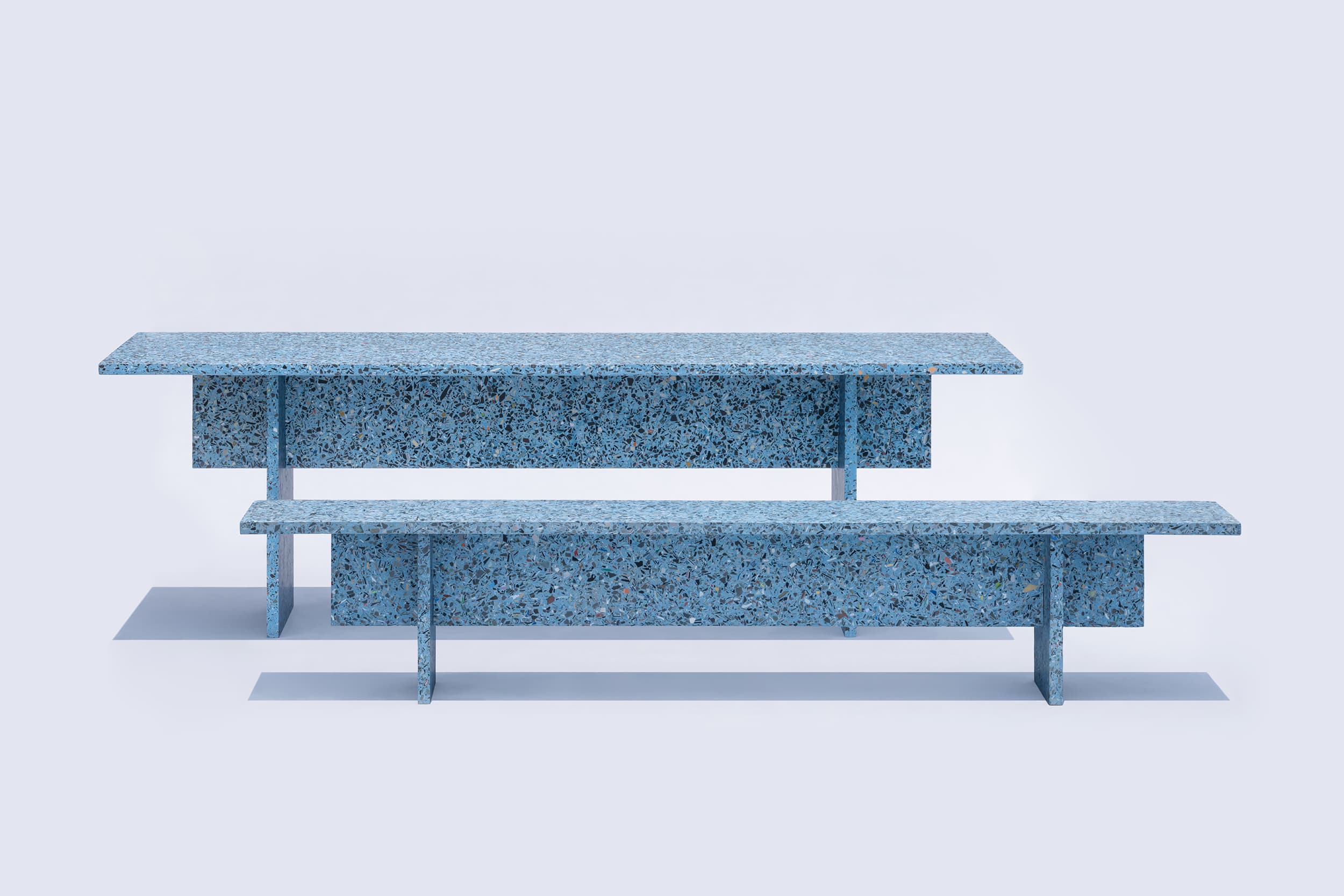
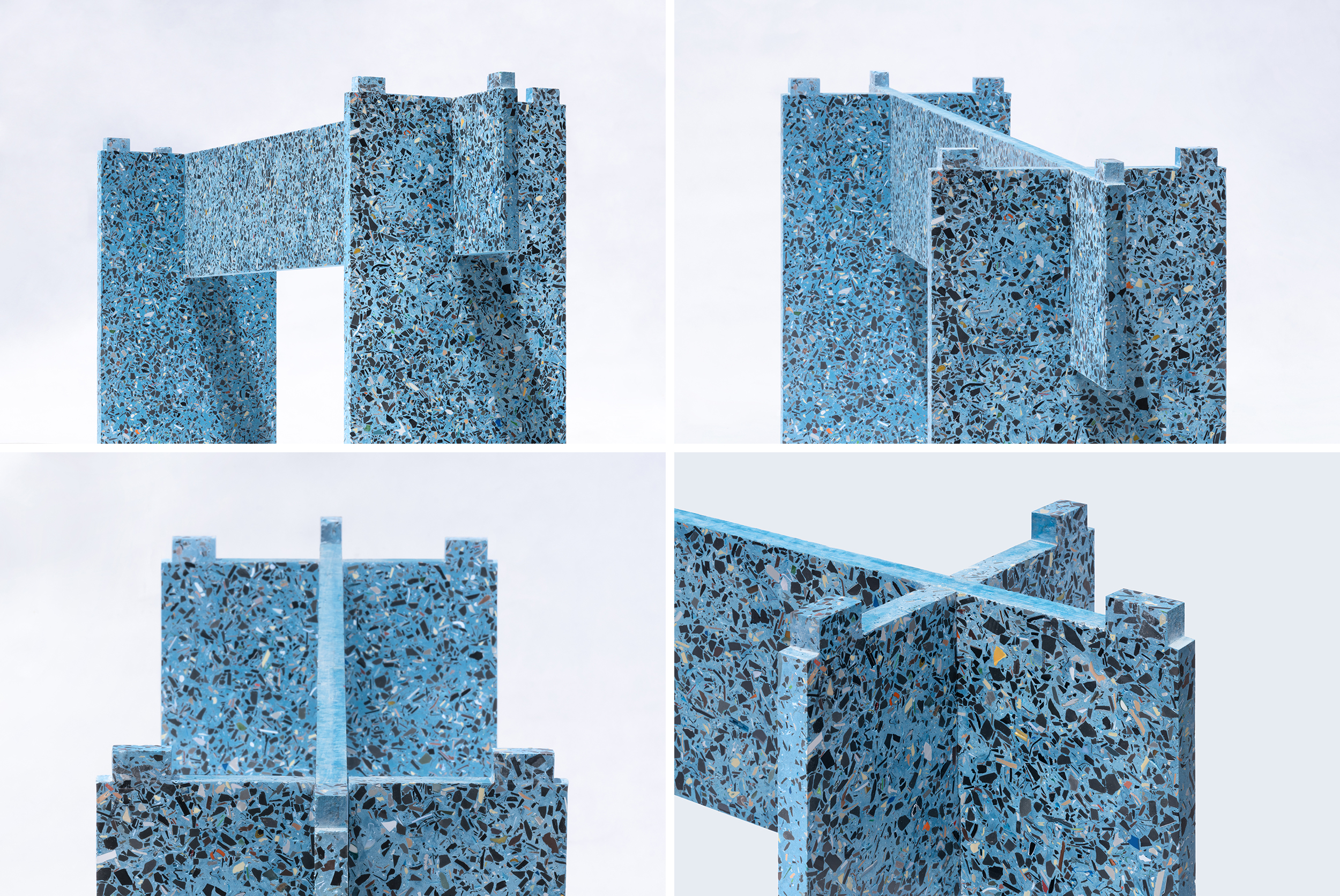
Every production phase—from raw material procurement to finished goods delivery—undergoes rigorous assessment to cut energy expenditure, minimize ecological harm, and support scalable industrial manufacturing. Our core objective is to deliver industrial aesthetics and commercial value at the lowest possible environmental cost: reintroducing waste into everyday life, transforming discarded industrial residues into intentional design.
The global disruptions of 2020 amplified collective awareness of systemic fragility. Mandated isolation broke routine consumption patterns, laying bare structural crises hidden beneath constant commercial activity. This era reinforced our resolve: rather than retreat to passive comfort, design must pursue bolder, idealistic action. We aim to cultivate regenerative material systems, eradicate disposable consumer waste via circular resource cycles, and advance the transition to a fully circular economy.
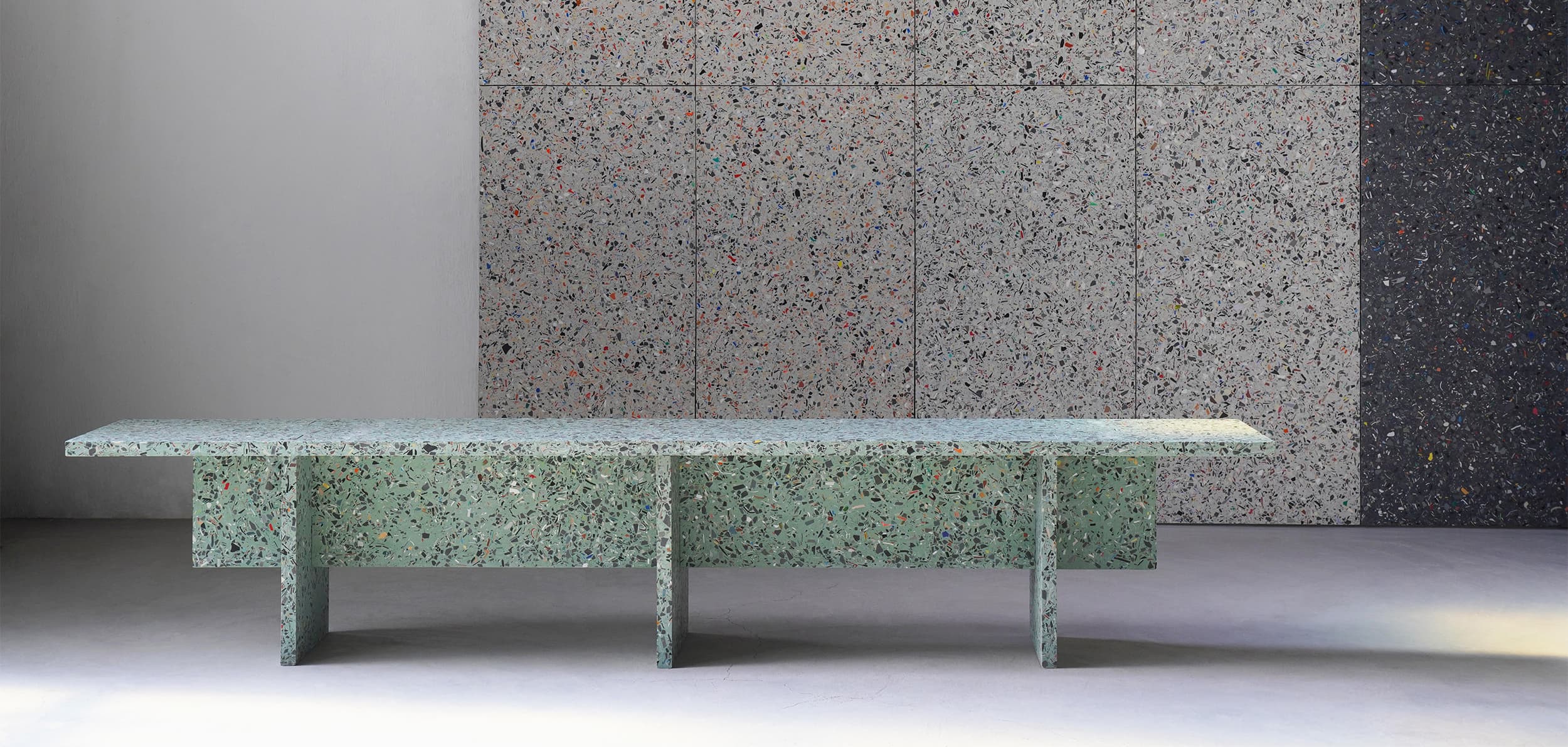
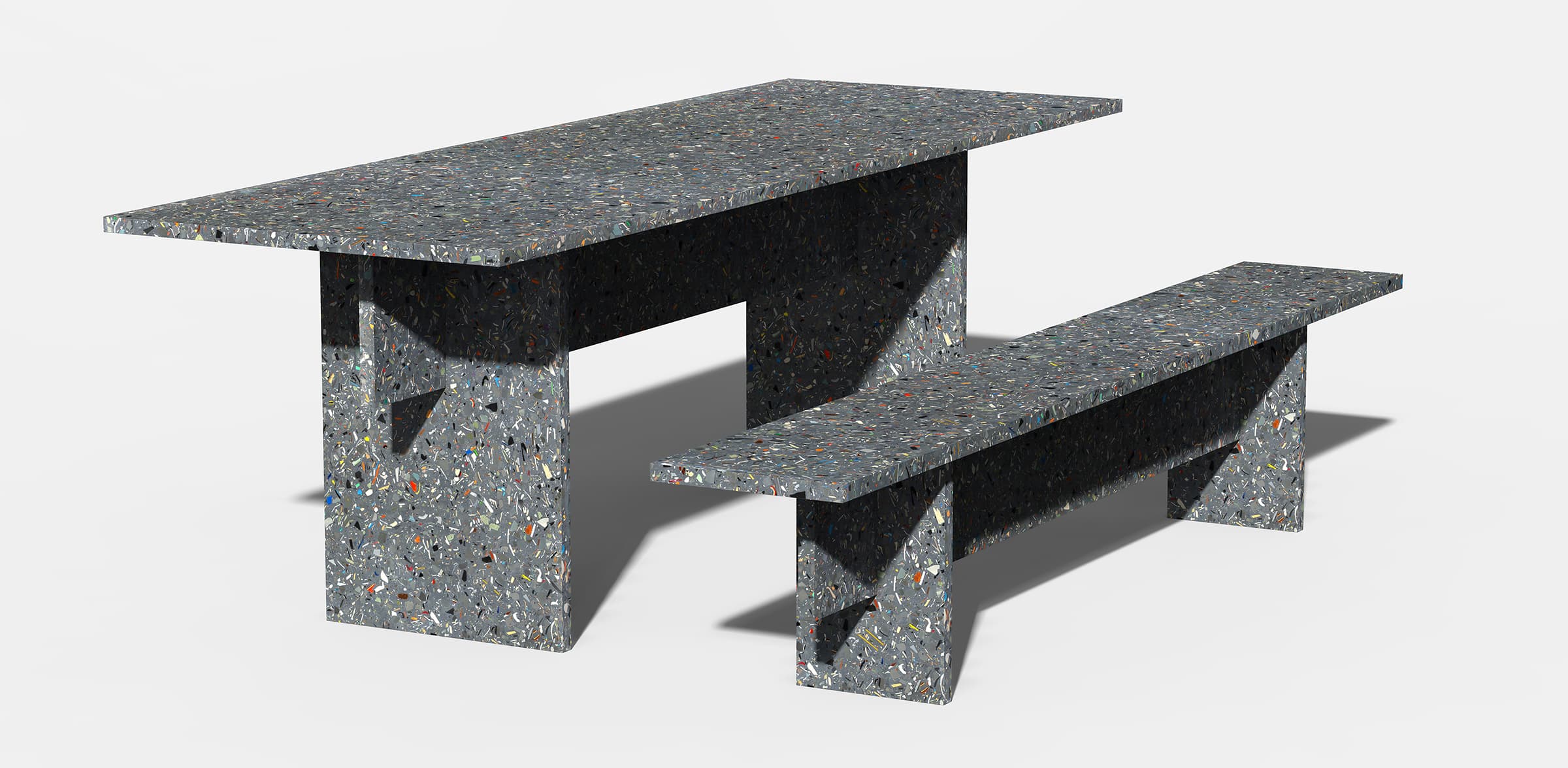
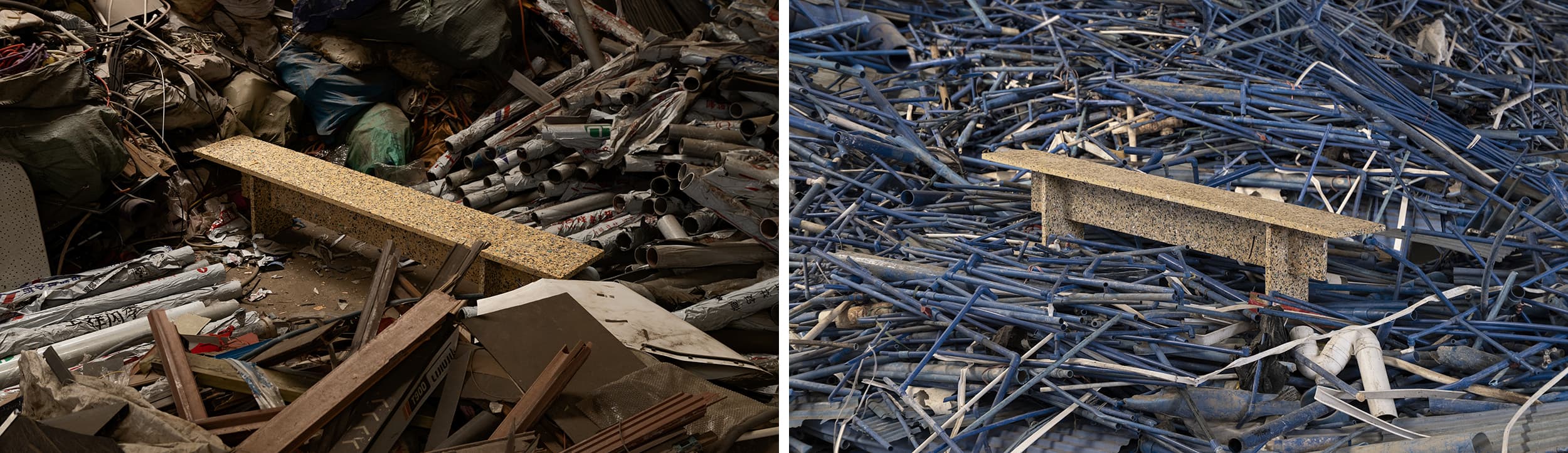
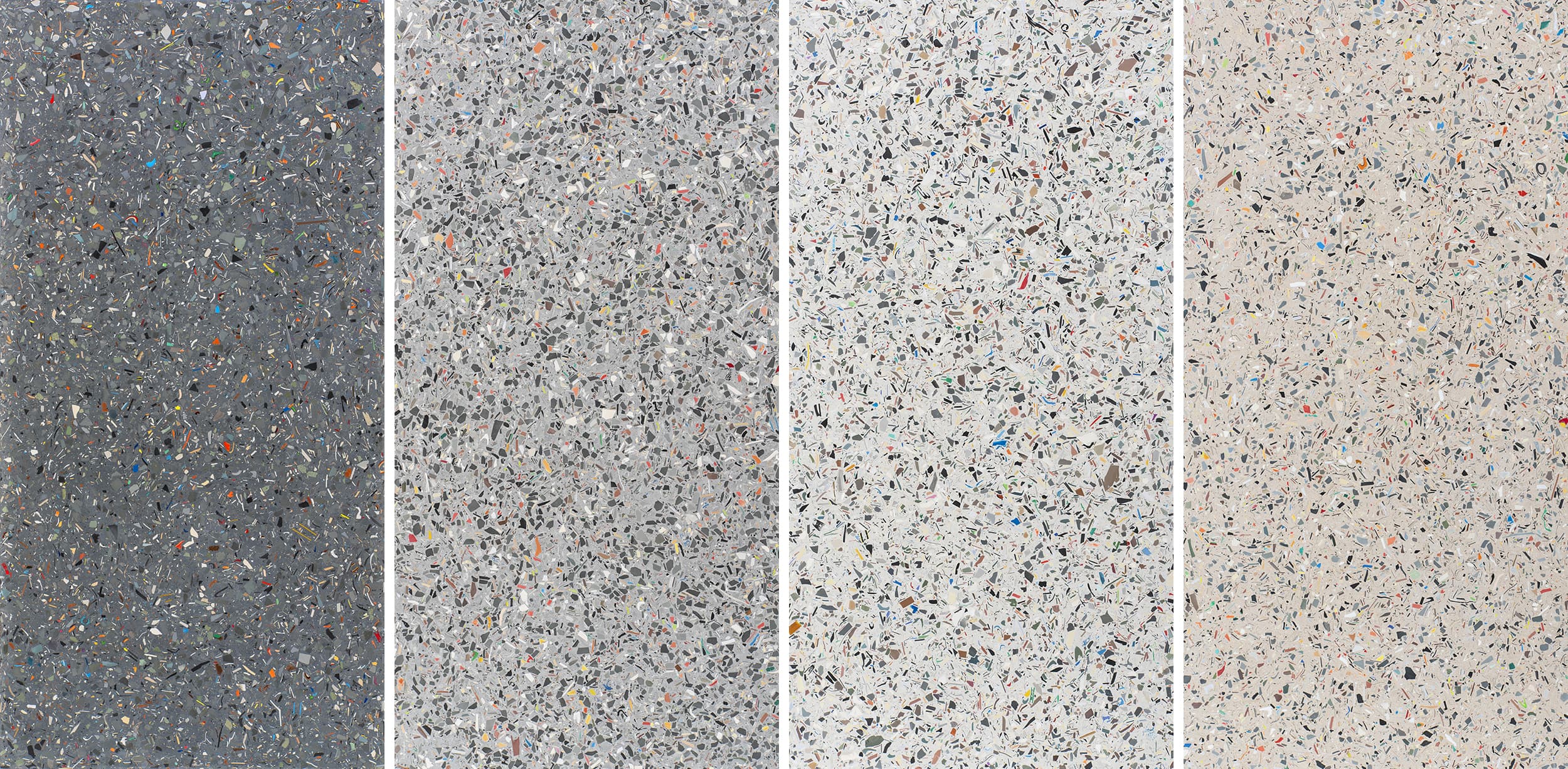
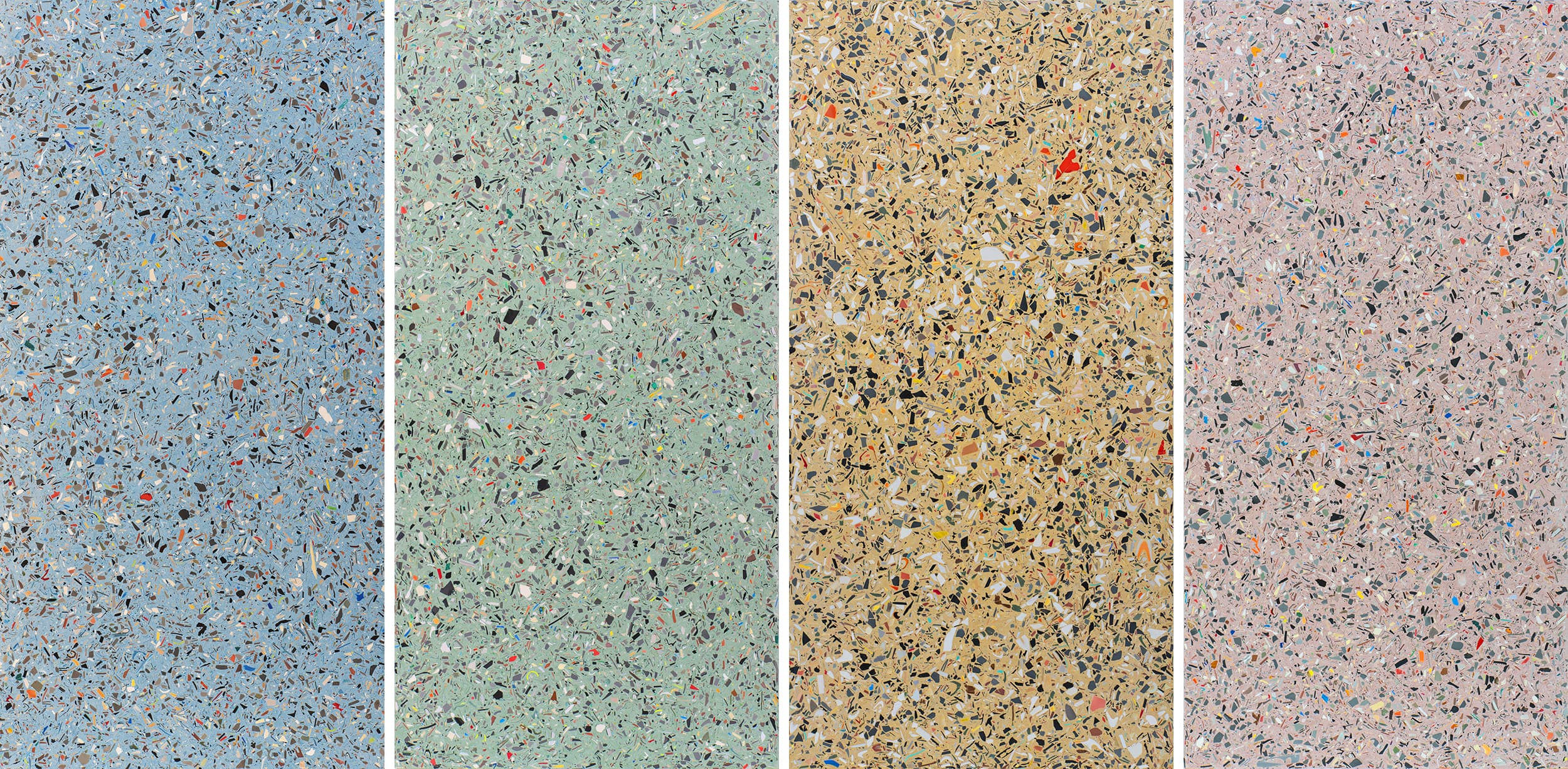
Design carries purpose far beyond form, function, or market demand: it acts as a catalyst for systemic transformation. It identifies entrenched problems, proposes alternative models, and cracks open rigid industrial systems. When a design selects recycled plastic over virgin raw materials, it addresses more than material sourcing—it rejects extractive resource harvesting, pushes back against throwaway consumer culture, and builds lived experience for a new circular material ethos.
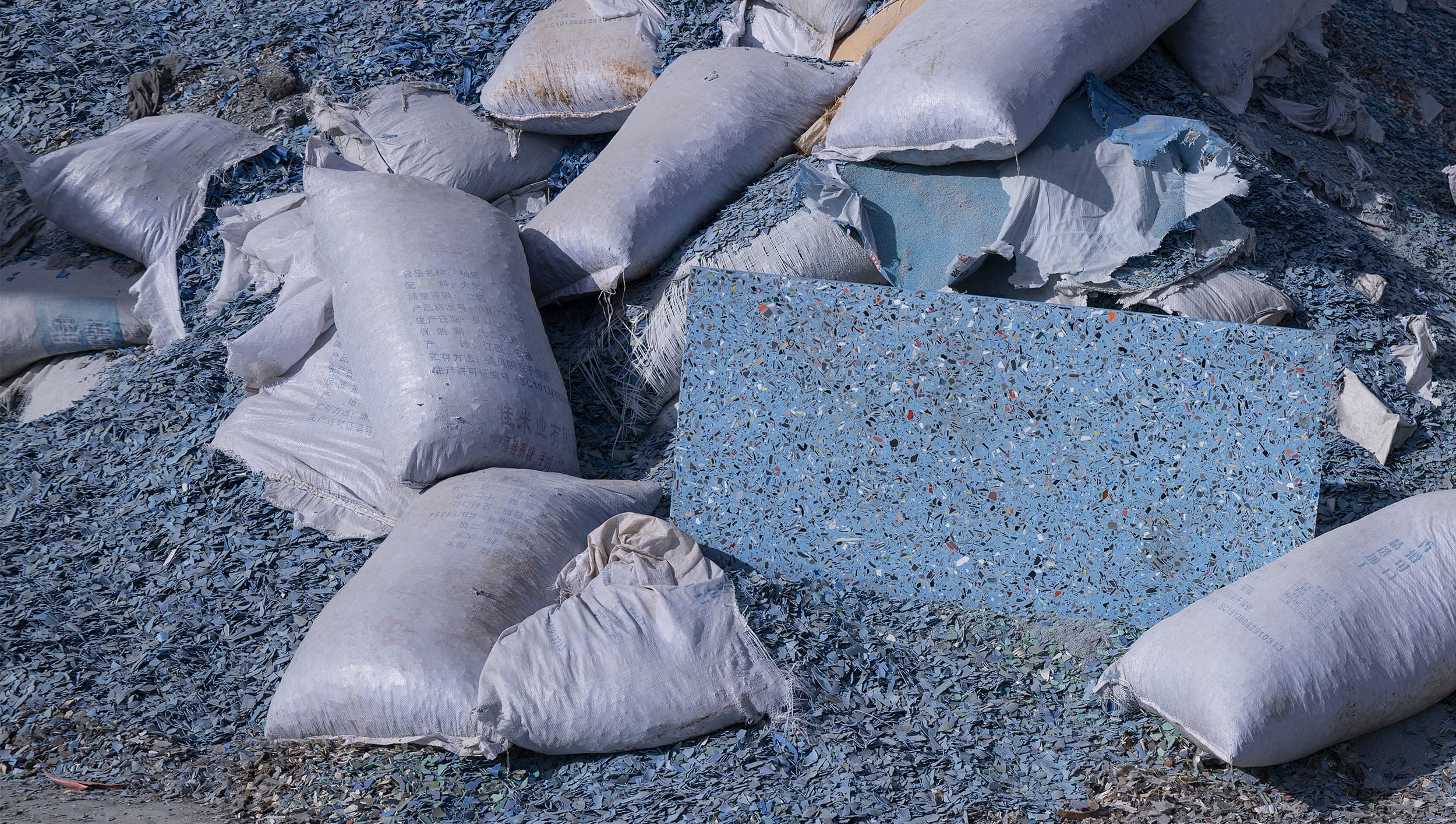
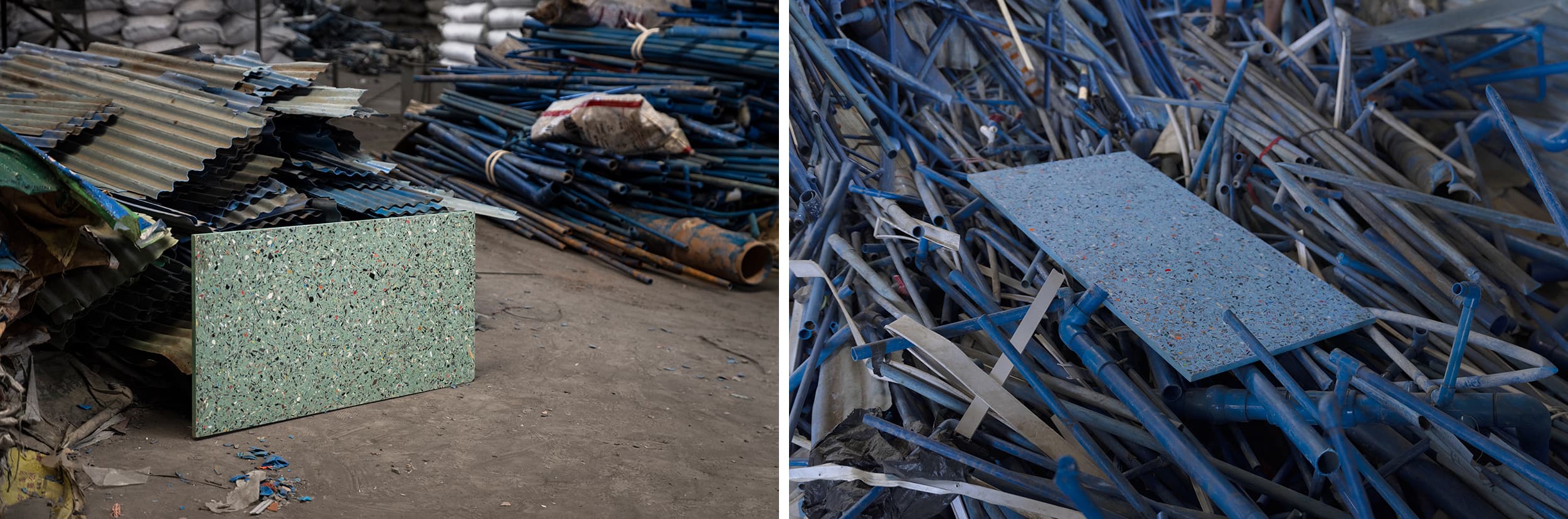
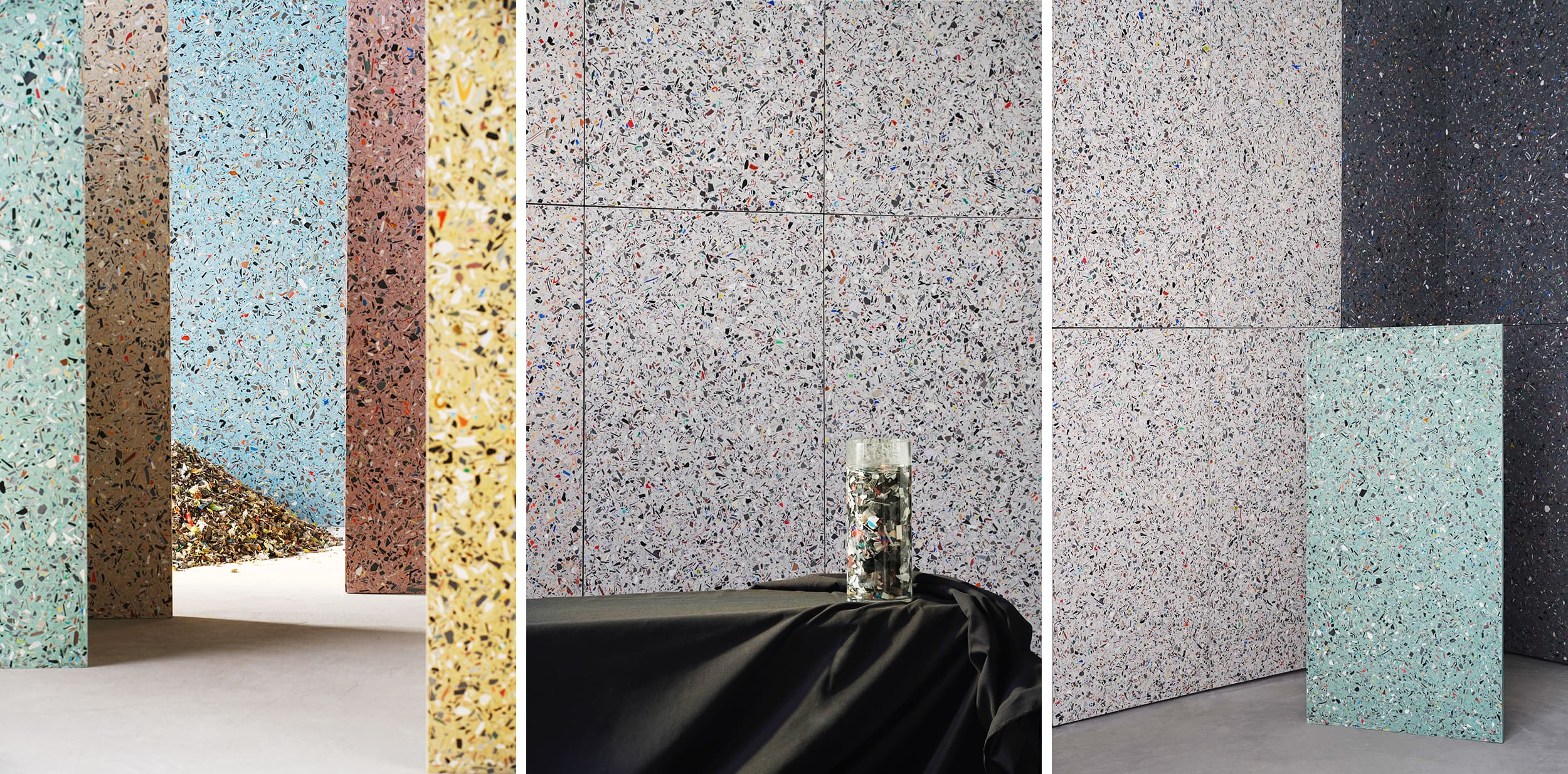
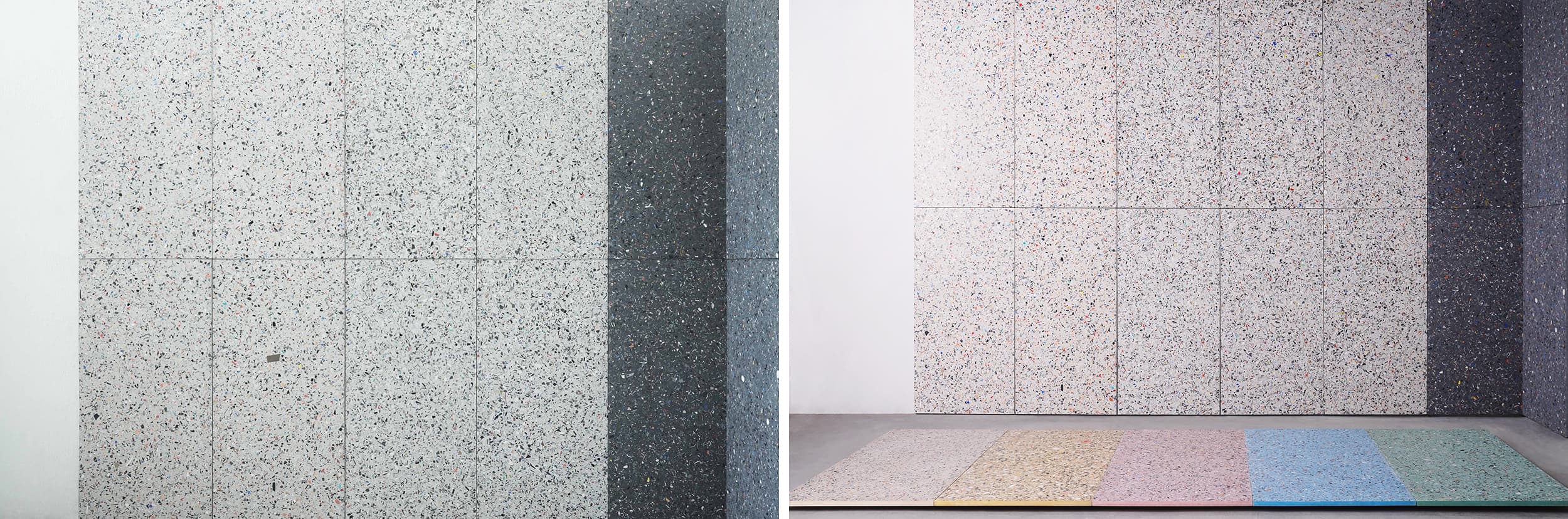
Material regeneration is the core of humanistic design.
Humans and matter ought to exist in mutual respect and circular symbiosis, rather than one-sided exploitation. Plastic waste is not merely a technical or environmental predicament; it is a cultural debate over how society defines value. Discarded plastic bottles, packaging, and industrial scraps hold no inherent uselessness—their disposable label is artificially imposed by linear economic logic. Reintroducing waste into material cycles dismantles this flawed value system, reclaims the intrinsic worth of matter, and restores dignity to residues discarded by consumer society.
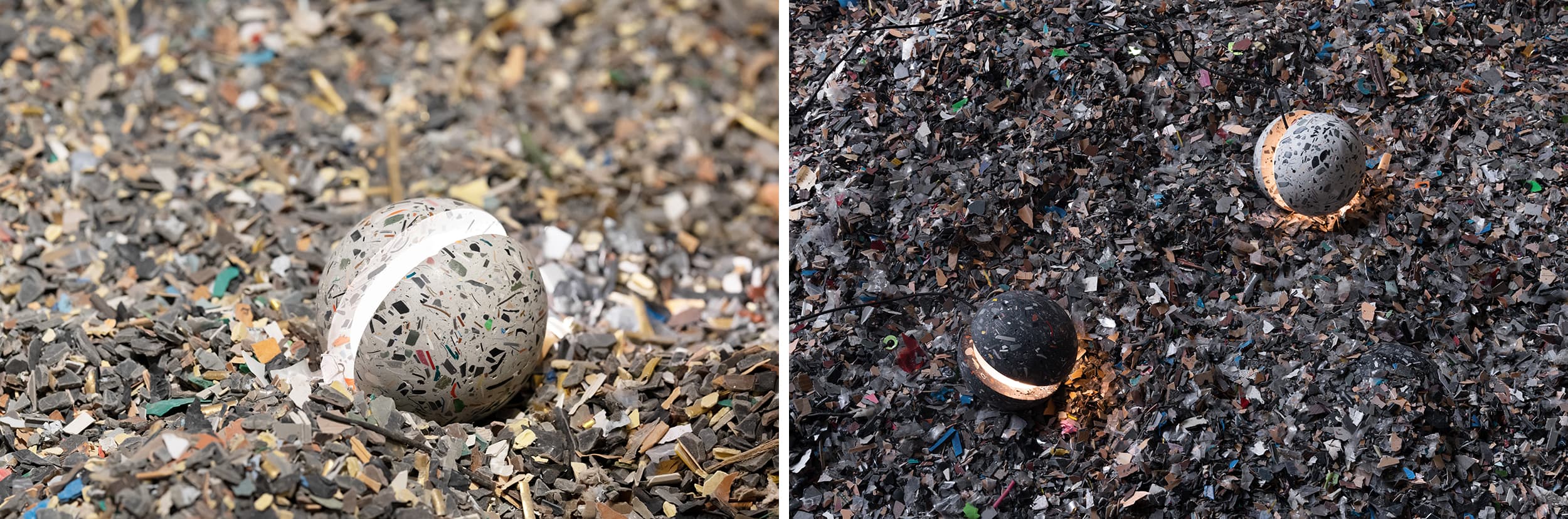
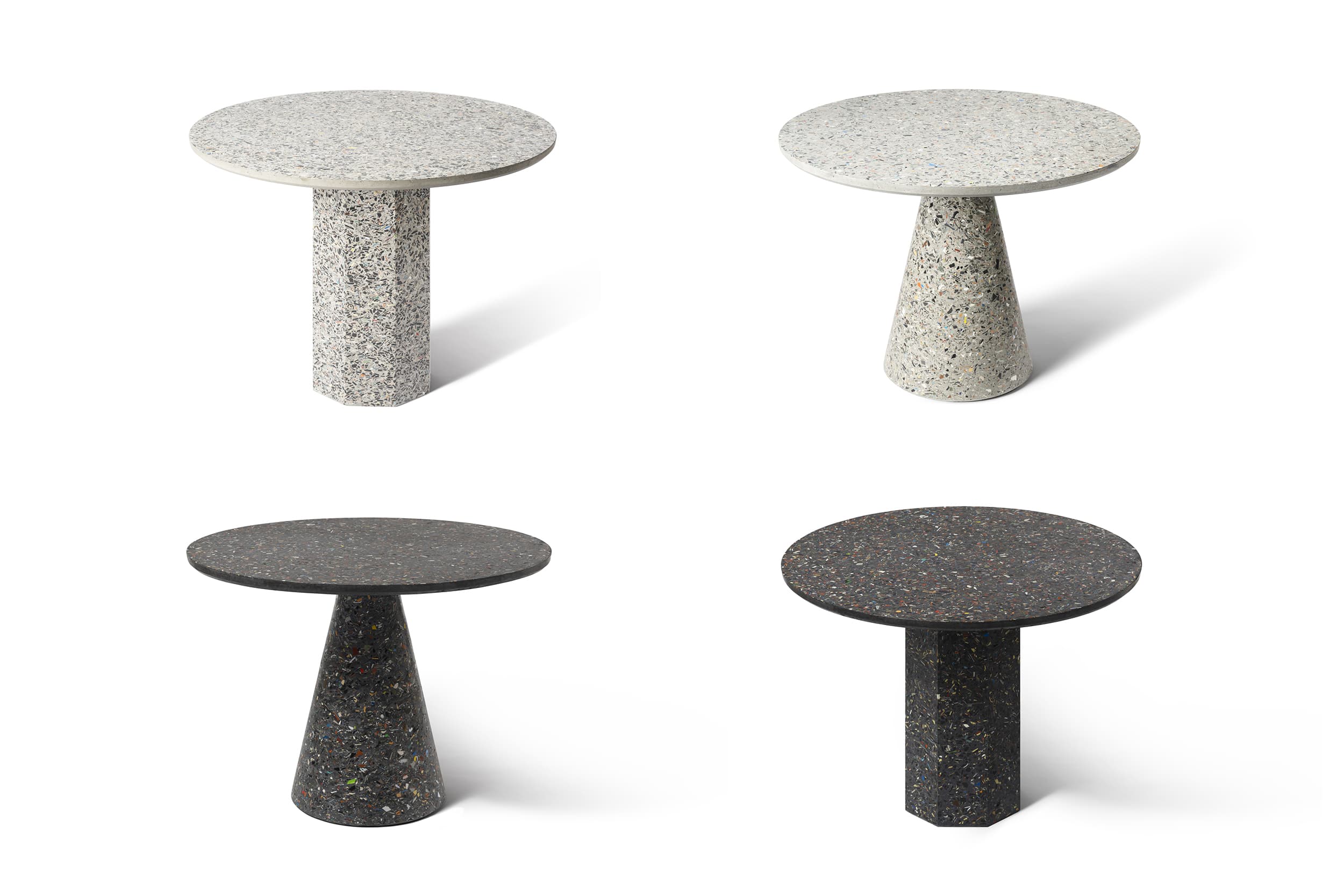
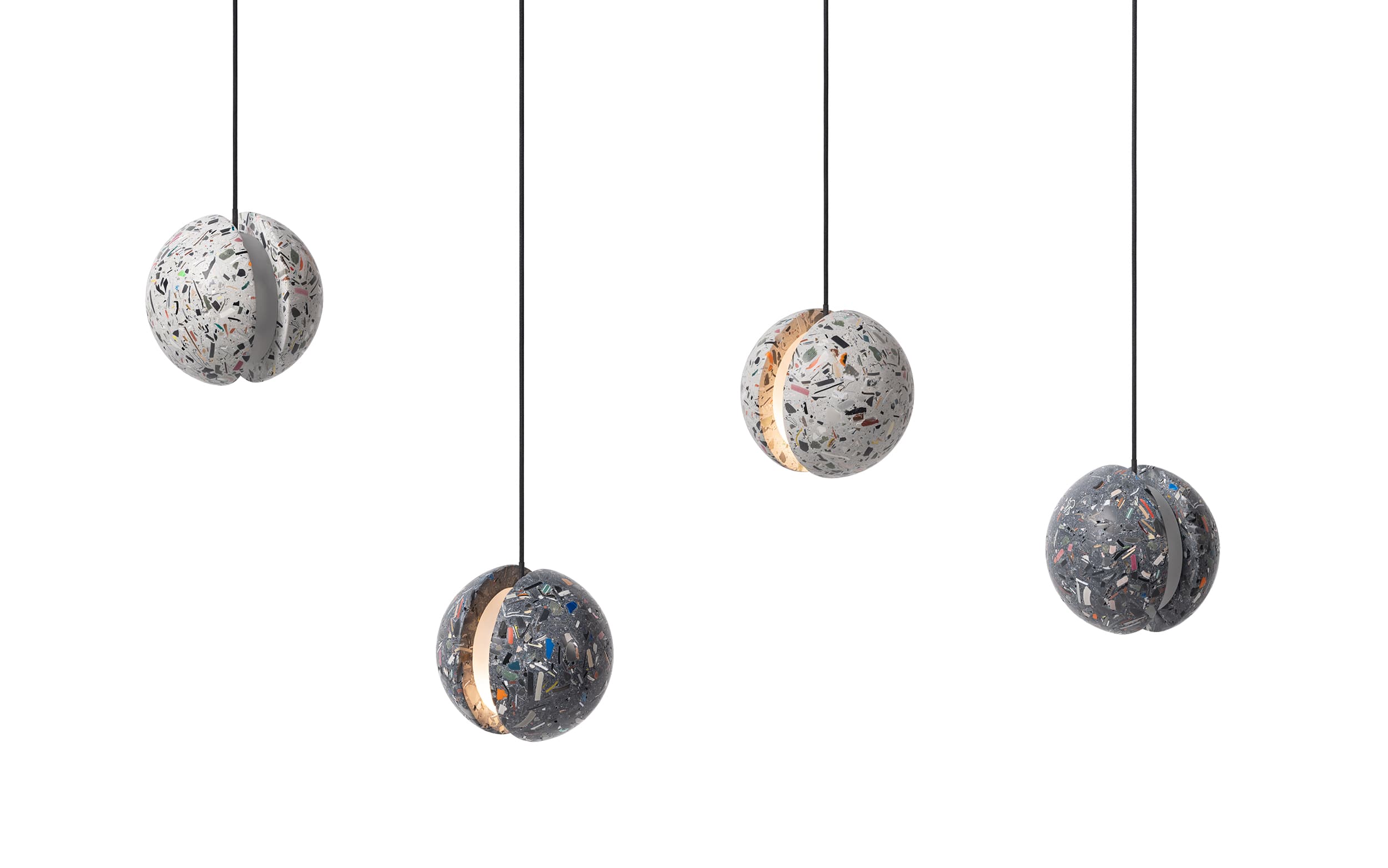
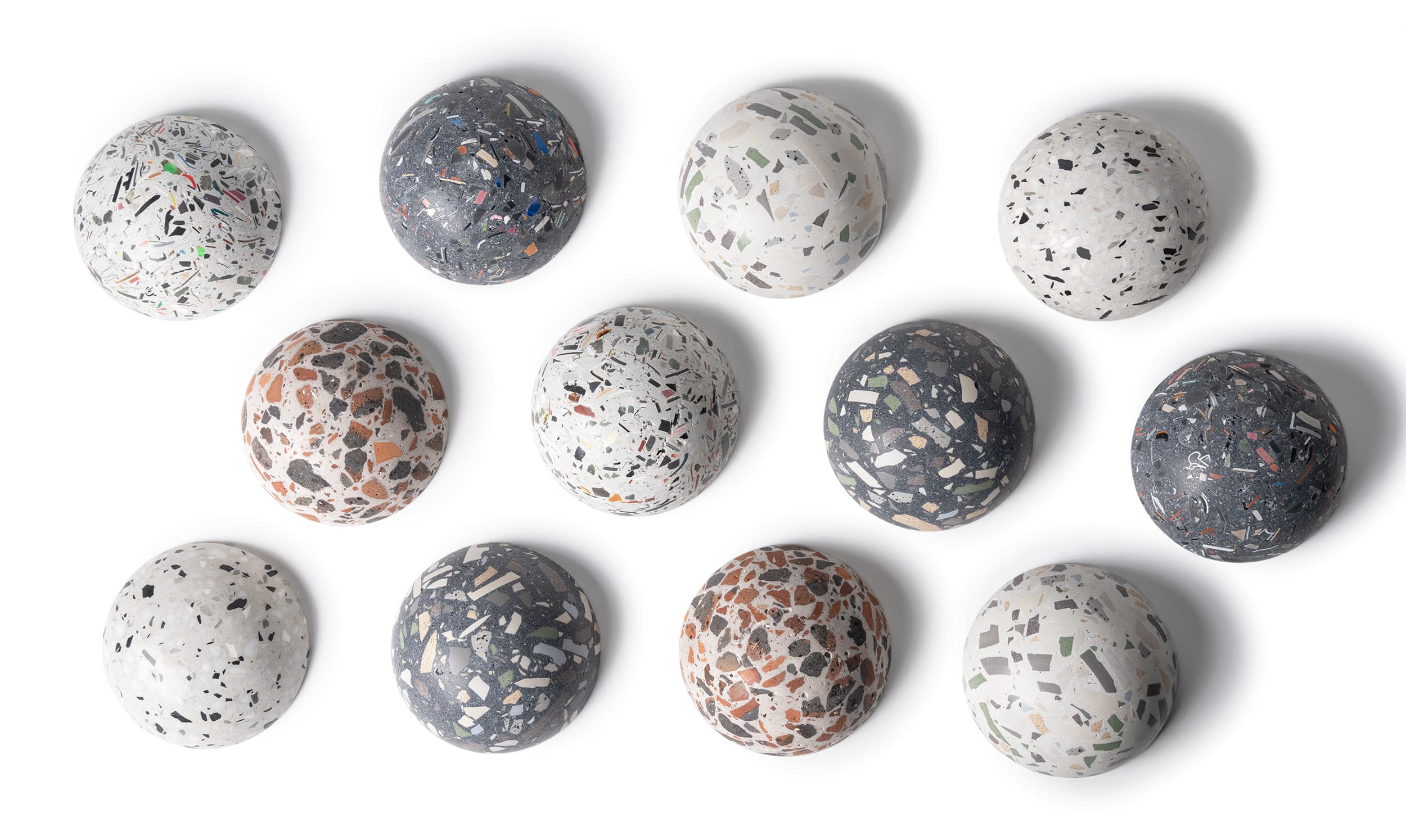
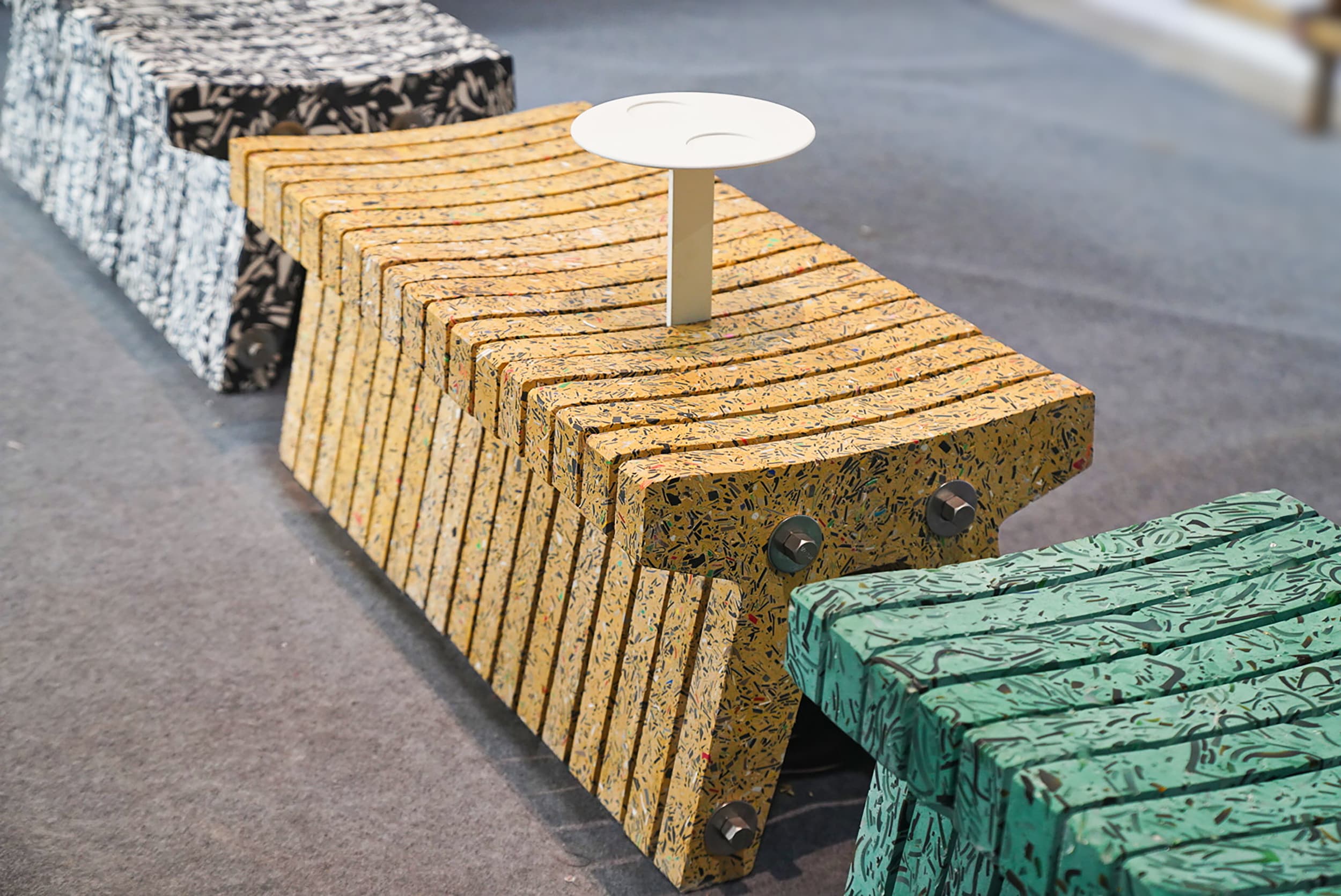
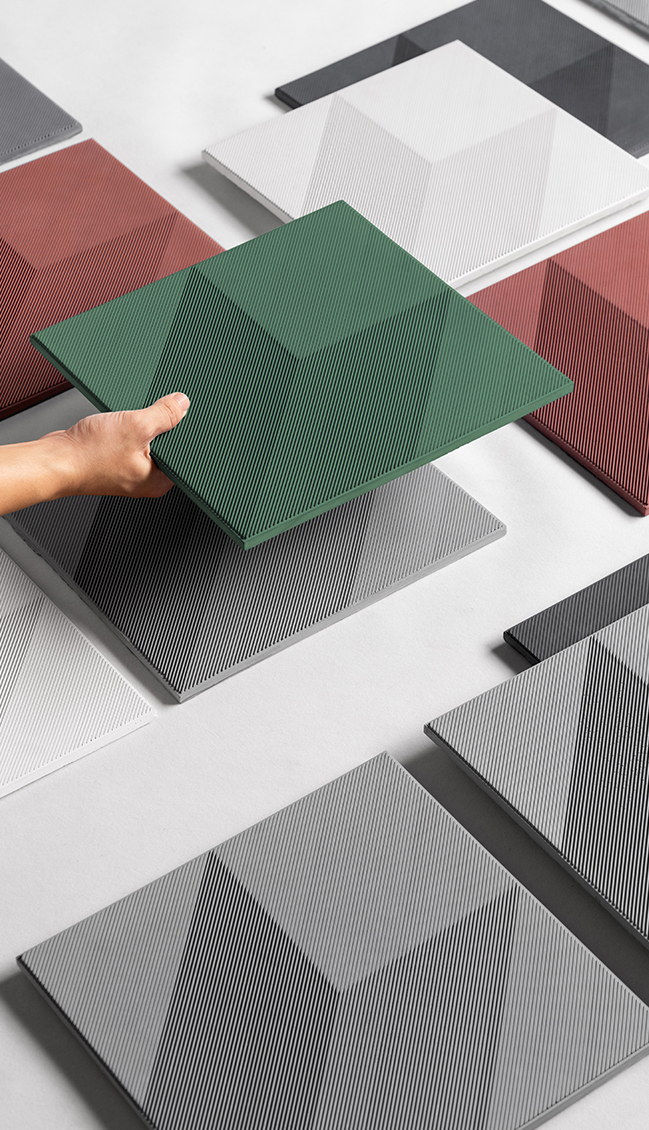
In this framework, every conversion of plastic scrap into concrete aggregate, every furniture piece forged from recycled waste, constitutes a tangible micro-practice of sustainability. These works mend the fractured bond between humanity and the natural world through physical, tangible material intervention. This is the core spirit of Plastic Body: more than a series of material experiments, it is a sustained, actionable exploration of harmonious human-matter coexistence.

Design Director: Xu Gang
This article is an original work of the “BENTU Material Regeneration Practice Series”. Using recycled‑plastic concrete as a case study, it explores the intrinsic connection between material circulation and humanistic care.

- Contact
+8620 8977 0506
- Press
press@bentudesign.com
- Enquiry & Sales
info@bentudesign.com