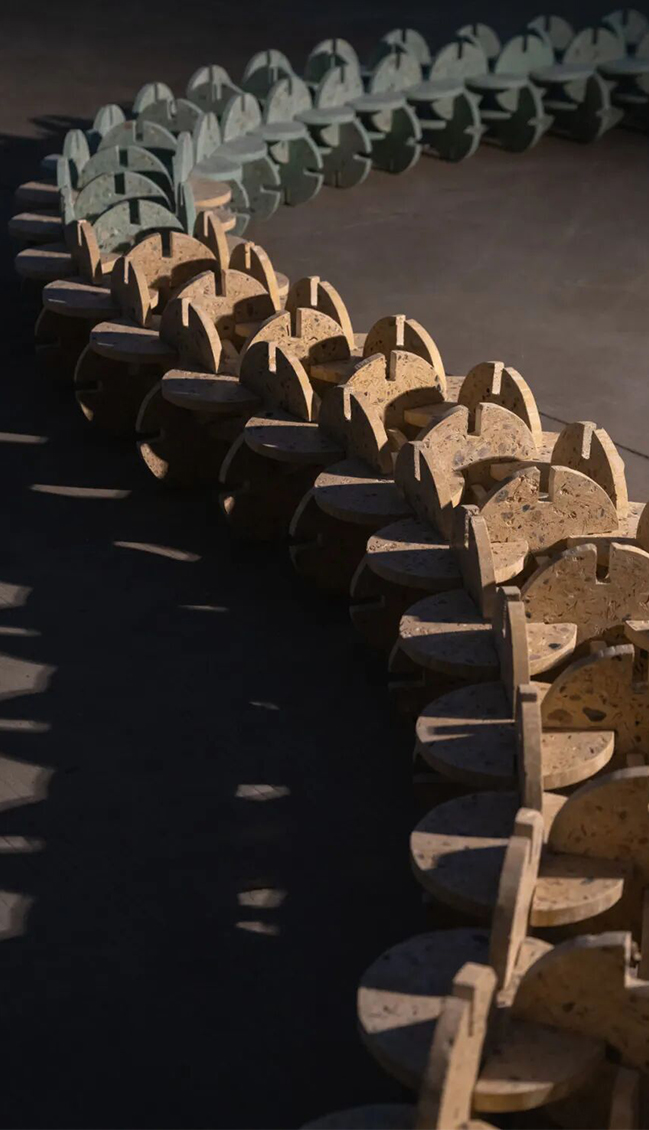
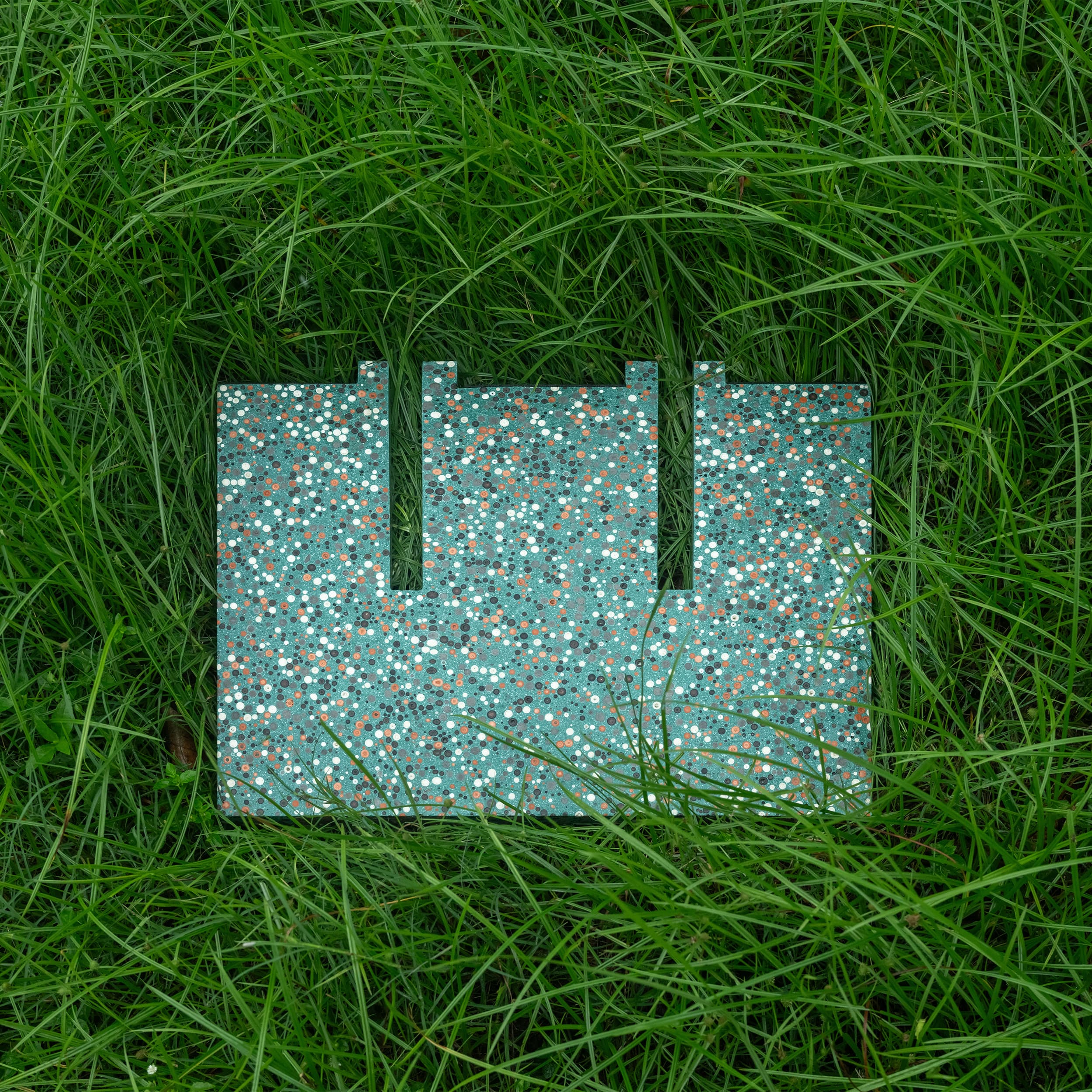
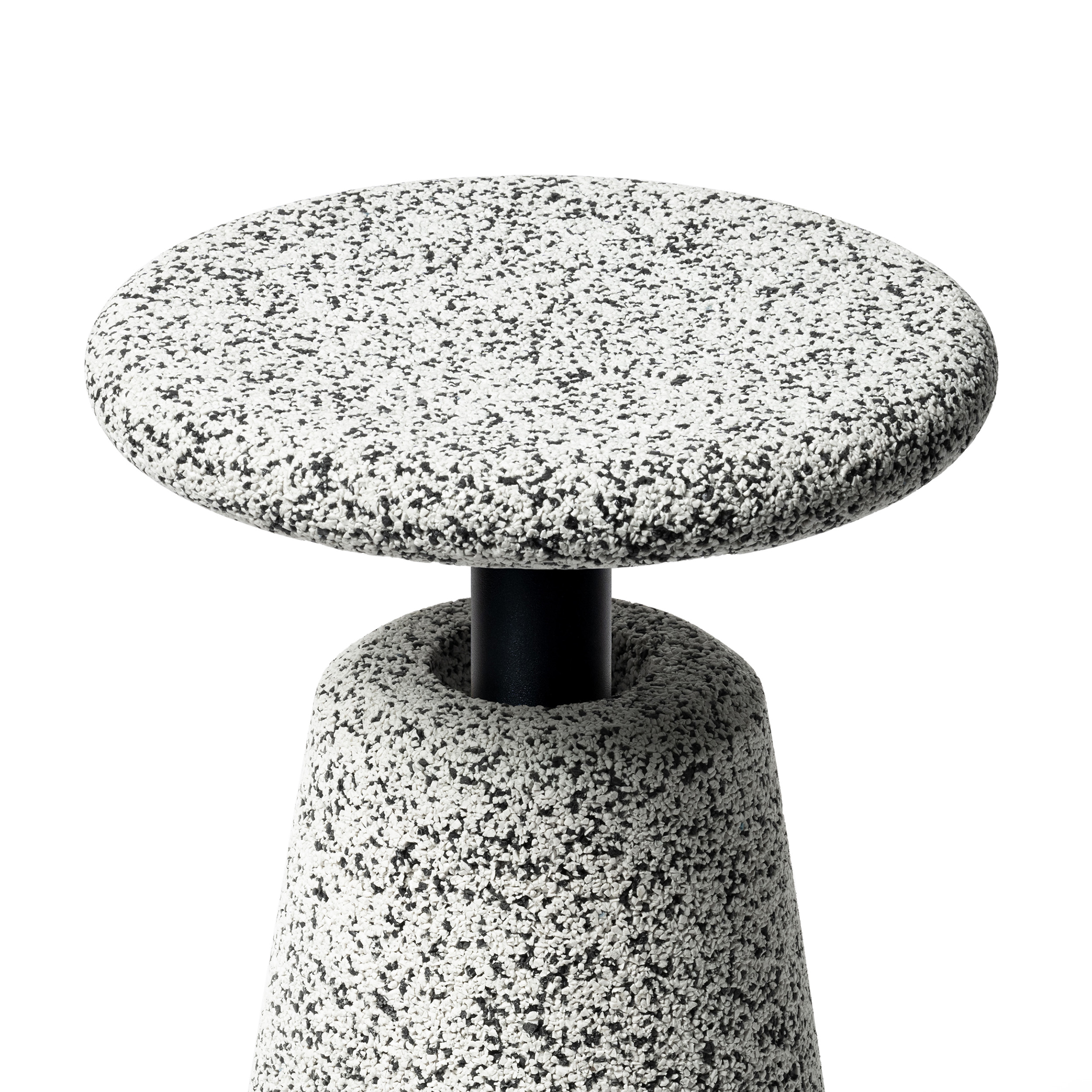
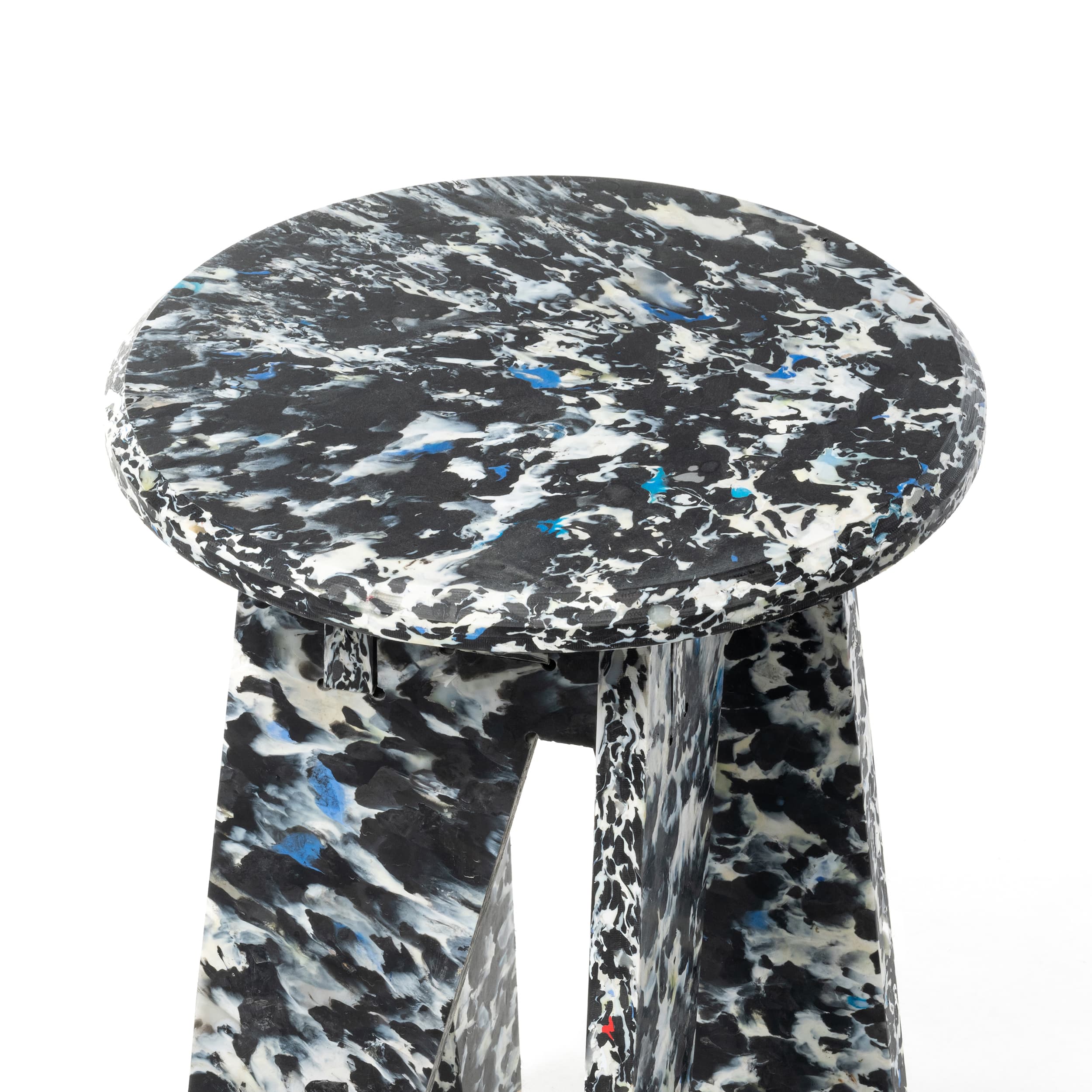
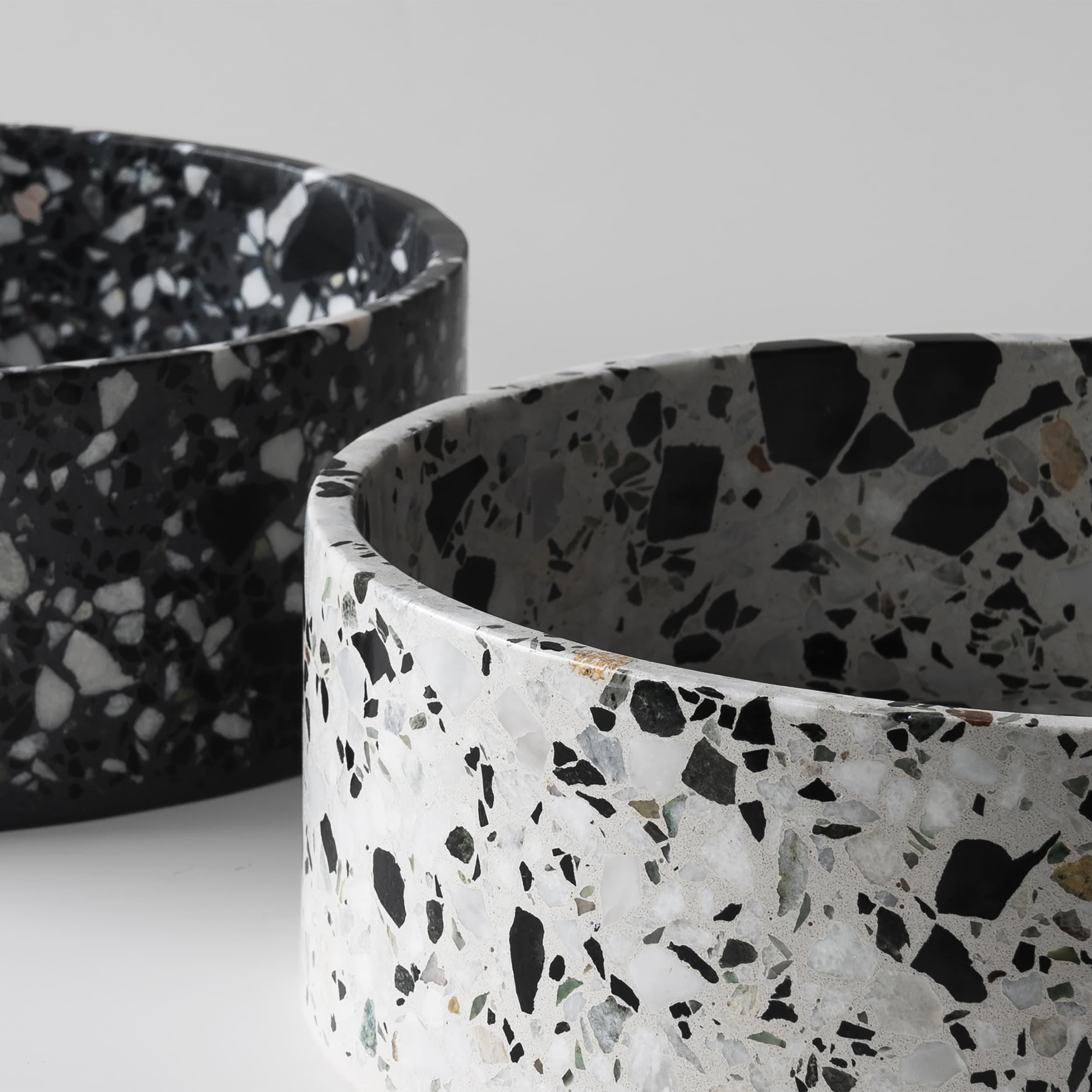
Forming: Material Archaeology & Daily Life of Plastic Waste
Time: 2024 – 2025
Location: Foshan, Guangdong, China
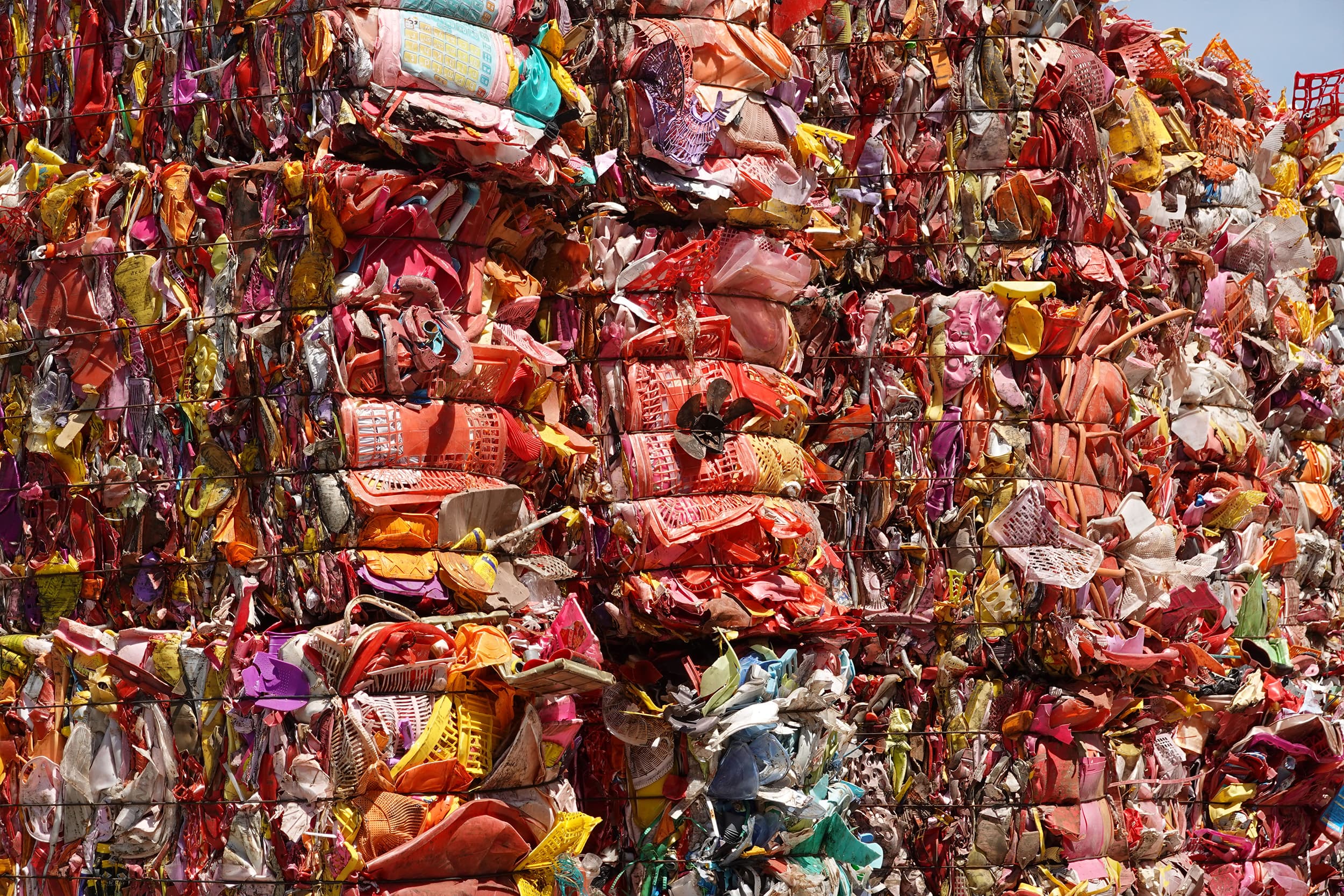
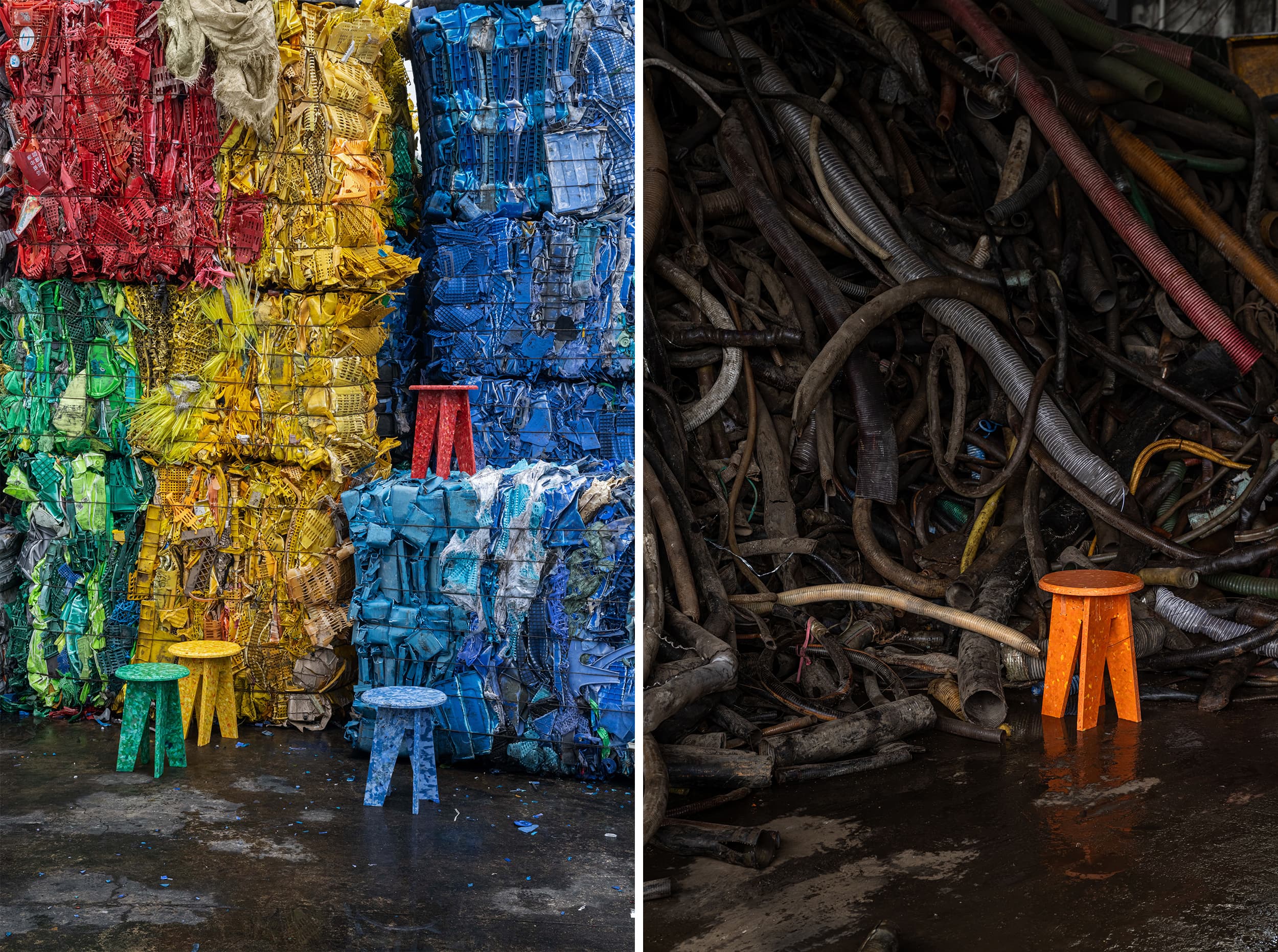
Stepping into a plastic waste sorting plant on Foshan’s suburban outskirts, visitors are met with an ocean of plastic heaped high from discarded consumer goods. Takeout food containers, beverage bottle caps, daily chemical plastic bottles, industrial plastic trimmings and more stack layer upon layer, stretching endlessly. This landfill of plastic castoffs from urban daily life lays bare the steep environmental toll wrought by rapid urbanisation.
As artificial materials built around synthetic and semi-synthetic high-molecular polymers, plastics have reshaped the entire material foundation of modern civilisation, thanks to their exceptional malleability, low density and stable chemical properties. They form the structural backbone of contemporary industry: in medical settings, single-use syringes and sterile packaging cut cross-contamination risks at minimal cost; the food industry leverages vacuum plastic wrapping to multiply the shelf life of ingredients; automotive and aerospace manufacturers rely on lightweight plastic solutions to boost energy efficiency — every 10% reduction in vehicle weight lifts fuel economy by 6% to 8%. Plastics have democratised affordable consumer goods, bringing household items once exclusive to wealthy minorities into ordinary homes at low raw material costs.
Yet the very strengths of plastics spawn an inescapable ecological crisis. Their stable polymer chains resist natural biodegradation, and petroleum-derived plastic products can take hundreds of years to break down in soil and water bodies. The fundamental conflict — deploying near-eternal materials for single-use consumption — has sparked a worldwide environmental emergency. Massive plastic garbage gyres in the oceans keep expanding, microplastics penetrate every link of the food chain, and microplastic particles have now been detected in human blood, placentas and even brain tissue. Research by the United Nations Environment Programme shows the global actual plastic recycling rate stands below 10%, with the vast majority of discarded plastic ending up in landfills, incinerators or untouched wilderness.
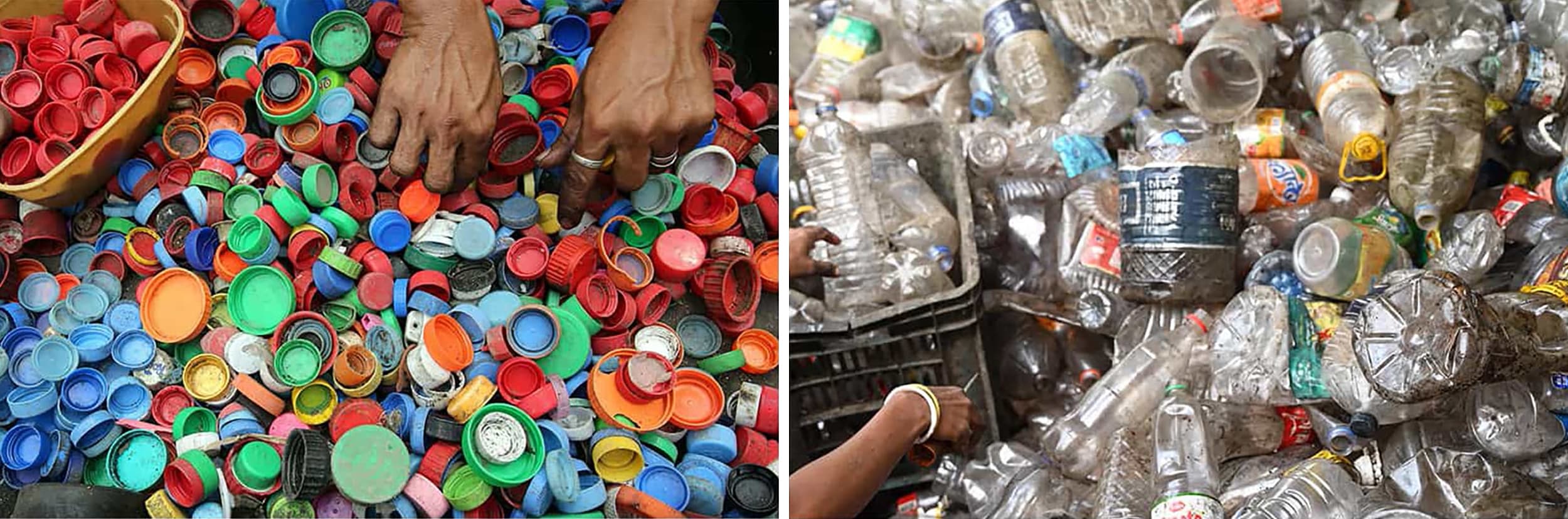
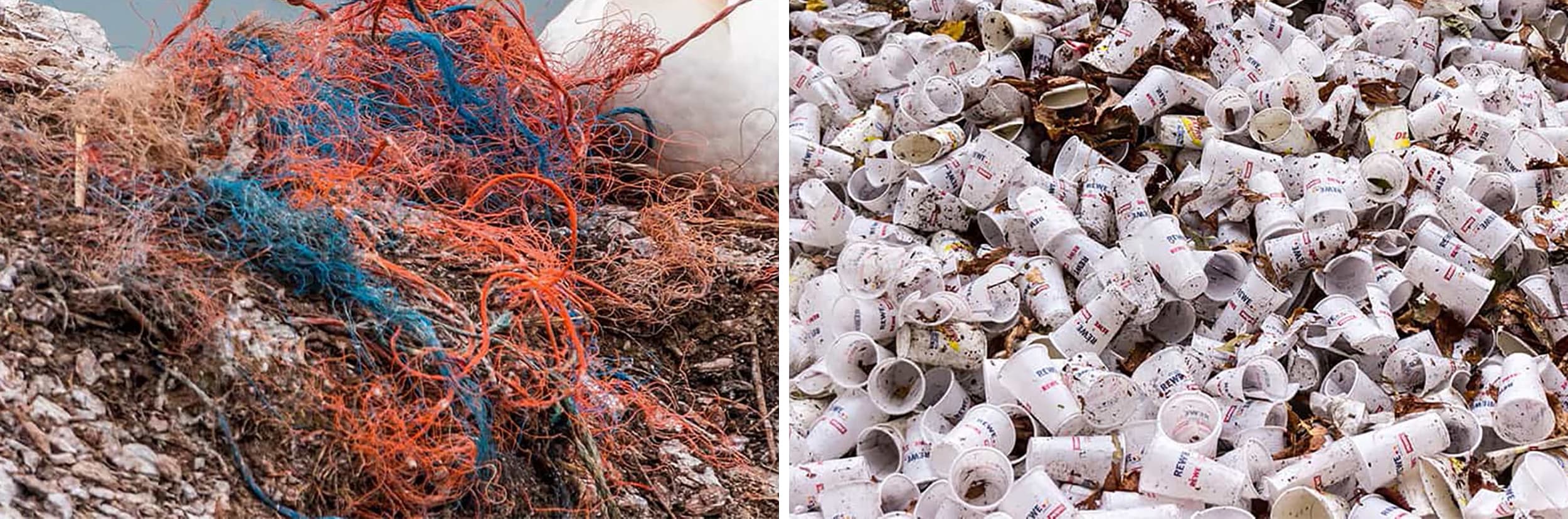
Against this tangible conflict, BENTU’s Forming project came to fruition. Rooted in the Pearl River Delta — home to the world’s most complete industrial chain and highest-efficiency sorting and processing hubs for waste plastics — the contiguous plastic industrial belts spanning Foshan, Dongguan and Zhongshan boast highly specialised upstream and downstream workflows for waste plastic crushing, washing and sorting. This supplies the project with local, low-cost, purity-controllable Post-Consumer Recycled Plastic (PCR) feedstock of industrial grade. The project adopts 100% post-consumer recycled plastic as its sole raw material, utilising an entirely physical hot-press forming process to transform discarded urban plastic into sturdy, long-lasting everyday furniture with structural integrity, closing the full material loop from waste to household goods.
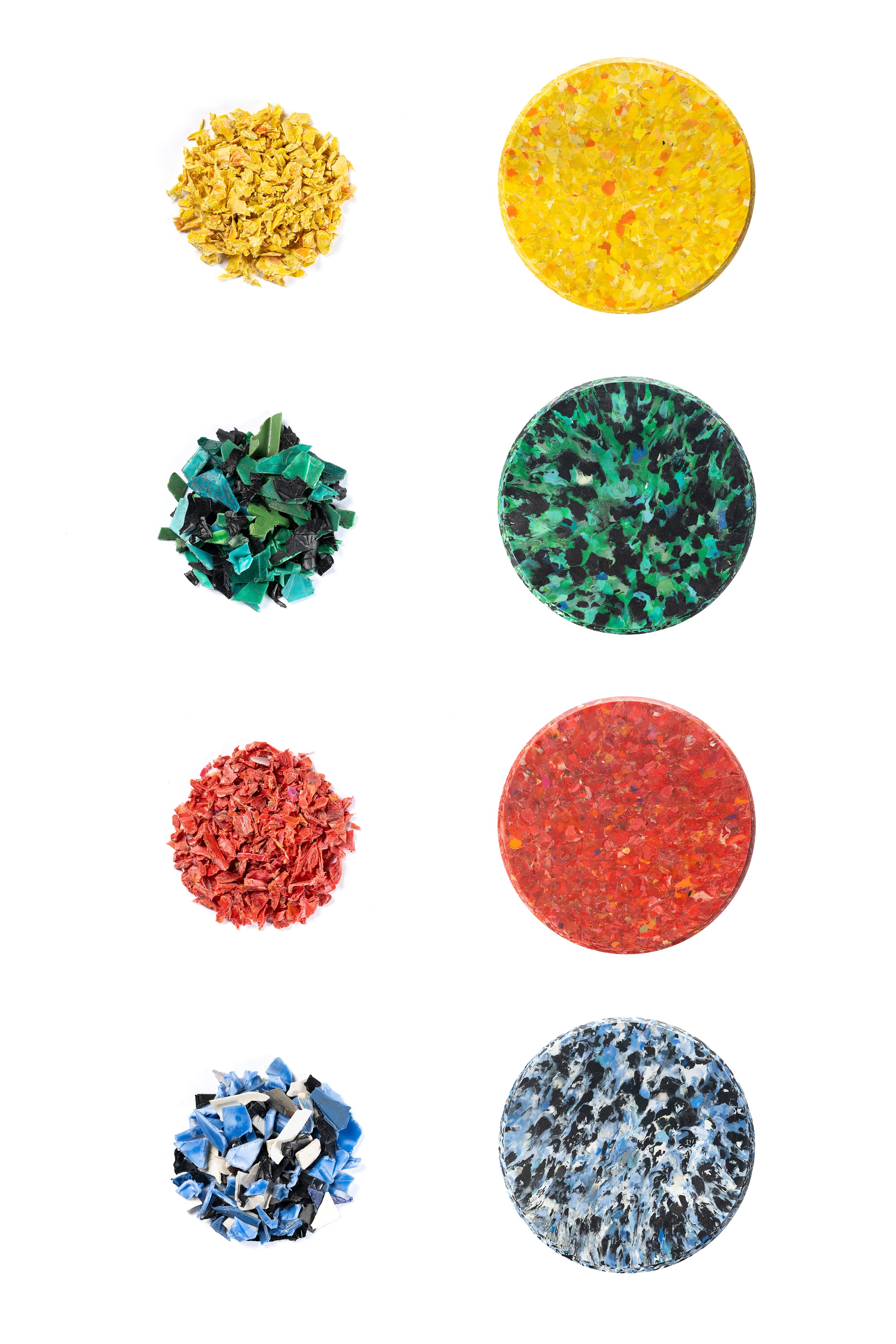
I. 100% All-Physical Hot Pressing
Most recycled plastic products on the market compromise on manufacturing processes: to cut production costs and offset insufficient material strength, manufacturers blend virgin plastic feedstock or add chemical adhesives for shaping. This composite approach with blended additives amounts to pseudo-sustainability. Once these products reach the end of their service life, they cannot be easily separated and recycled again. Chemical auxiliaries also release volatile hazardous substances, generating fresh pollution and making a genuine material circular loop unattainable.
From its inception, Forming set an unnegotiable technical baseline: the entire production process uses only shredded pellets and fragments of 100% recycled HDPE (High-Density Polyethylene) and PP (Polypropylene), with zero chemical glue added during forming and not a drop of new petroleum-based plastic mixed in. The core principle of this manufacturing workflow hinges on the self-crosslinking properties of the two polymers when heated to their melting threshold. Under combined high temperature and pressure, surface polymer chains of recycled plastic pellets soften, interpenetrate and fuse with one another. Upon cooling, they solidify into a dense, seamless physically bonded structure. Hot-pressed panels gain drastically increased density, delivering a solid, substantial texture.
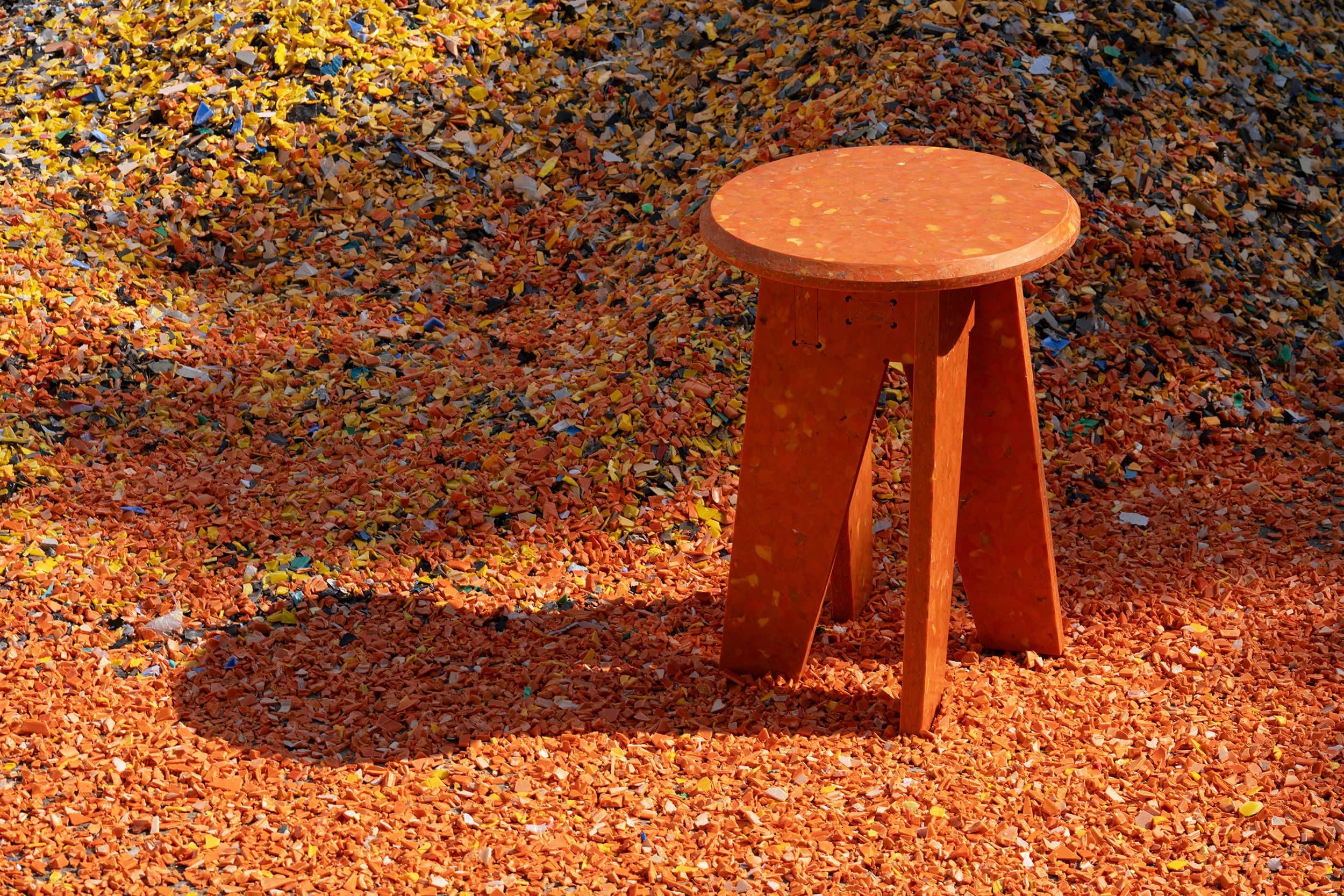
HDPE and PP feature inherent chemical stability, rendering finished products naturally waterproof, mould-resistant, acid and alkali-proof, and highly resistant to physical impact. They adapt to demanding environments such as damp bathrooms and open balconies, boasting a service life far exceeding conventional solid wood furniture. The single-material formula free of chemical additives fully realises the cradle-to-cradle circular philosophy. After decades of use, furniture pieces require no disassembly or sorting of heterogeneous materials; entire panels can be fed directly into crushers for re-shredding or pelletising, then hot-pressed once more into brand-new goods. Waste plastic never exits the material cycle, merely shifting between different furniture forms.
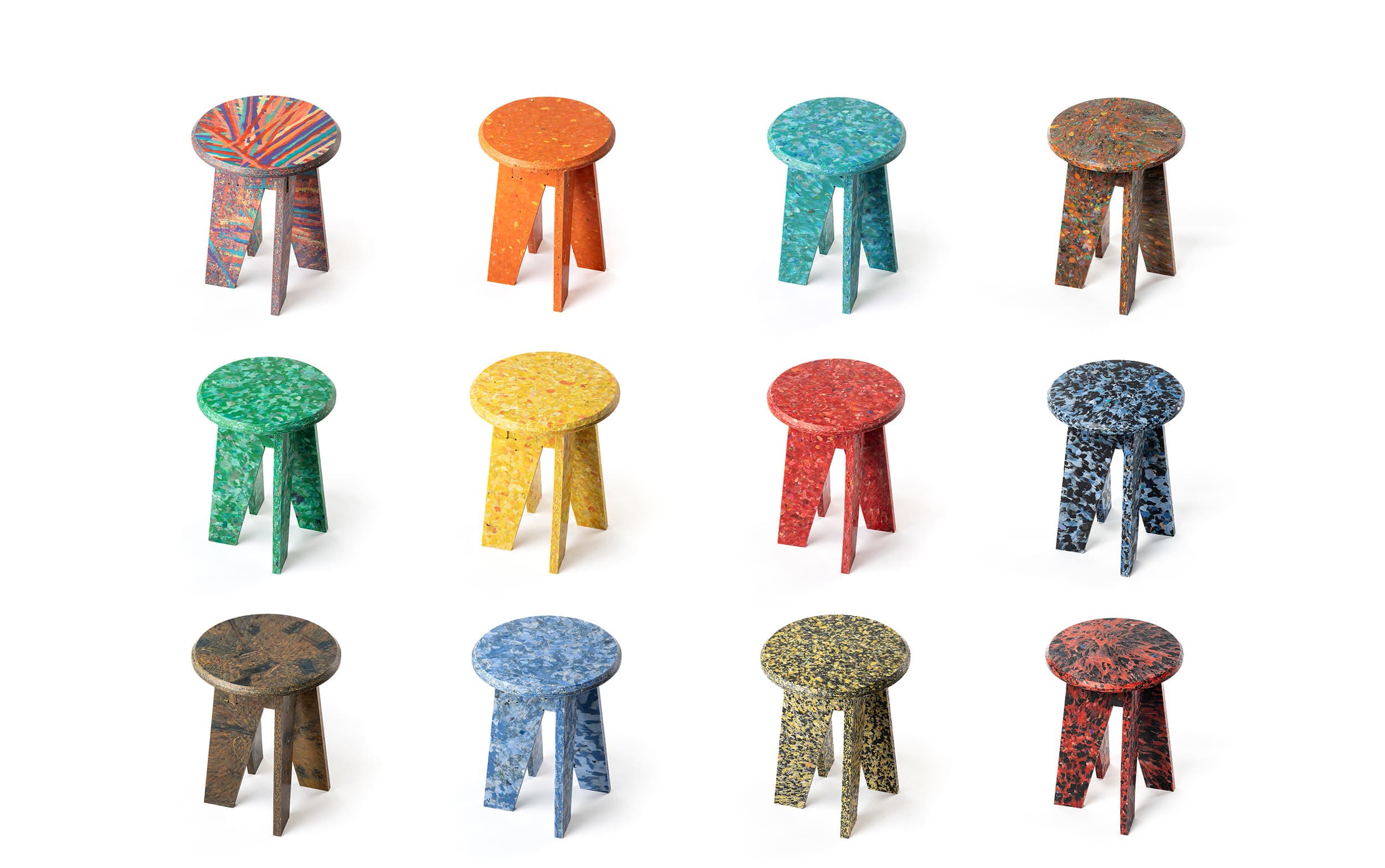
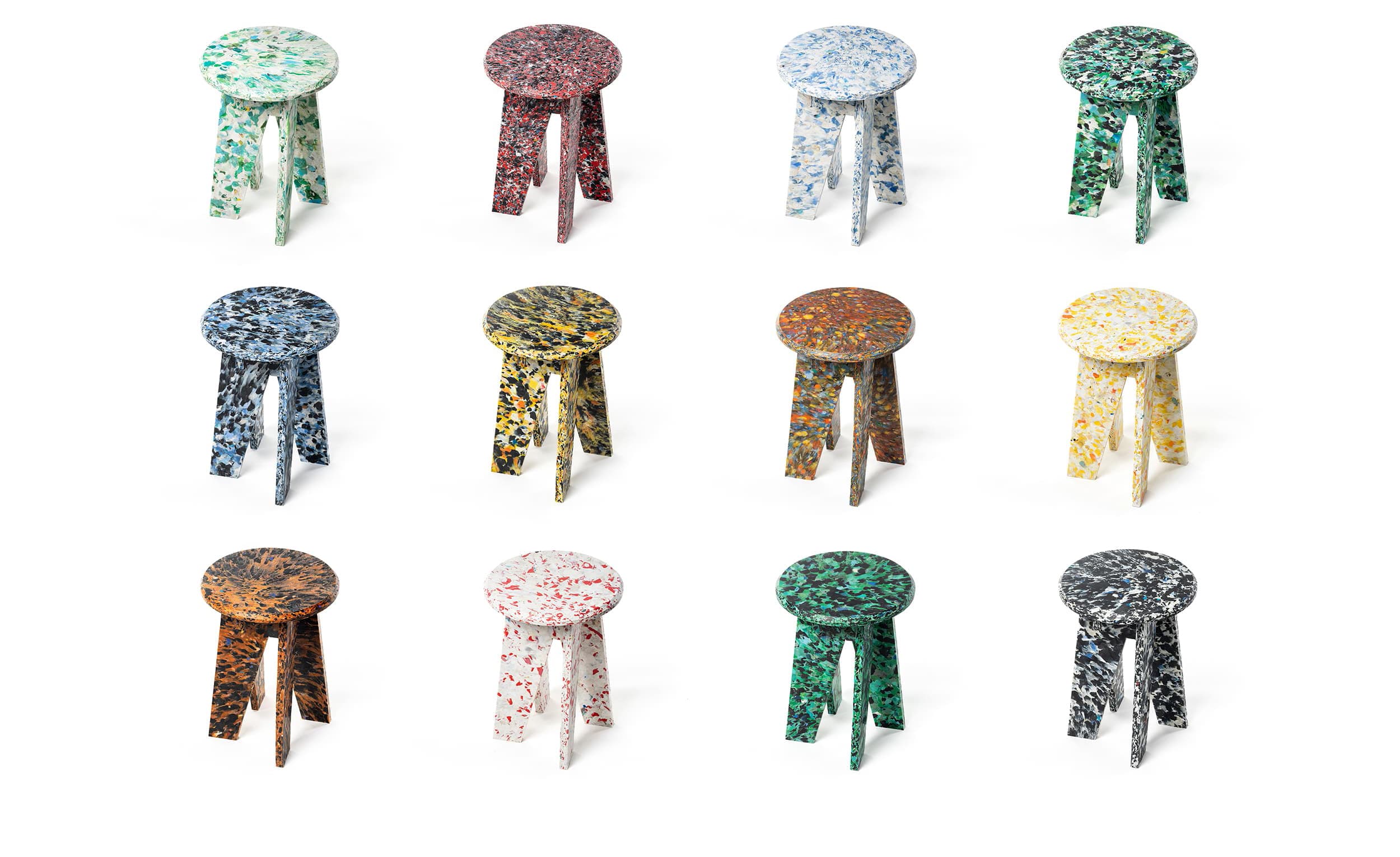
II. Colour Archaeology of the City
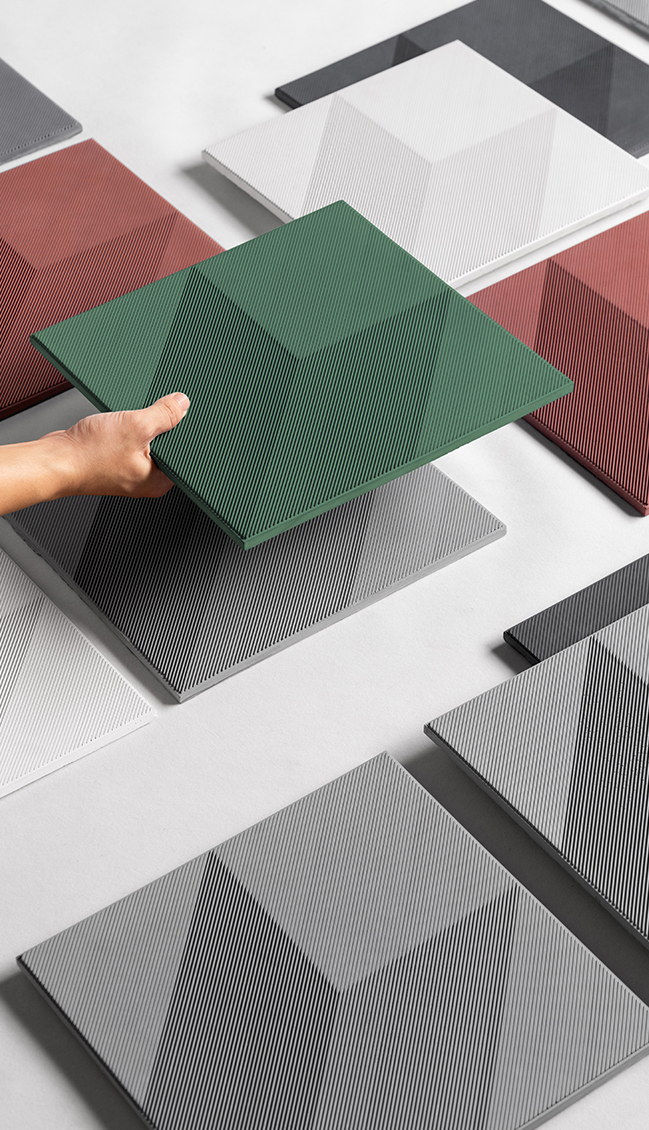
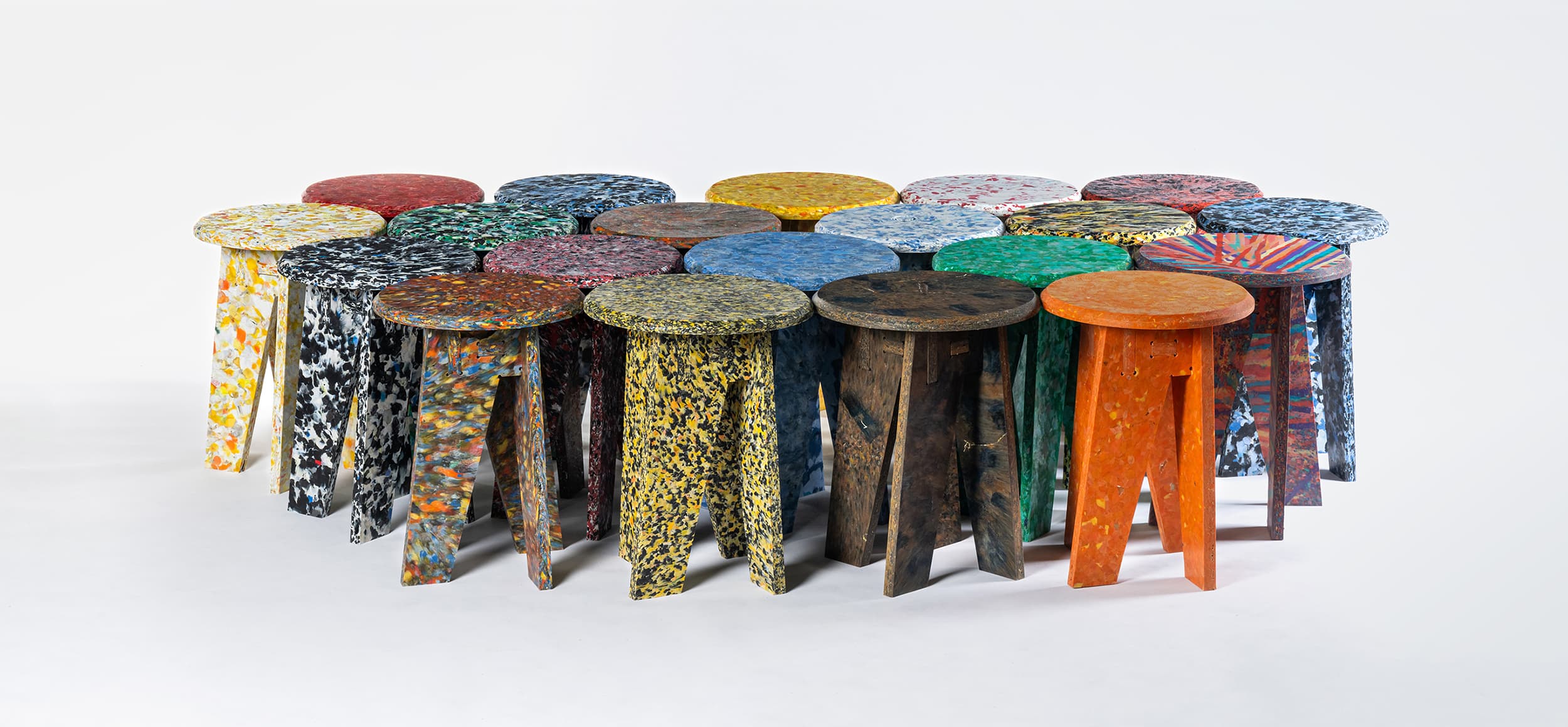
Shredded waste plastics stockpiled at Foshan recycling plants constitute a colourful stratigraphy unique to modern cities. Blue mineral water bottle caps, white takeout containers, red personal care bottle bodies and green agricultural plastic film interleave in layers. Beneath this chaotic mass of fragments lies a complete record of urban consumption patterns. Forming regards these discarded coloured plastic scraps as natural pigments exclusive to cities. Through precision shredding and standardised weight proportioning, the project builds an exclusive colour system for recycled materials and advances the concept of plastic colour archaeology: the texture of every single panel acts as a specimen documenting urban consumption.
The project categorises recycled plastic fragments into base hues and speckle hues, controlling the overall visual tone via fixed weight ratios: base hues account for 70%–85% of the blend and dictate the panel’s overall warm or cool texture, sourced from high-volume white takeout containers and semi-transparent industrial PP waste. Speckle hues make up the remaining 15%–30%, lending each panel a distinctive visual narrative and sourced from assorted beverage caps, coloured packaging film and industrial coloured trimmings. All finished pieces retain the naturally random texture inherent to plastic waste.
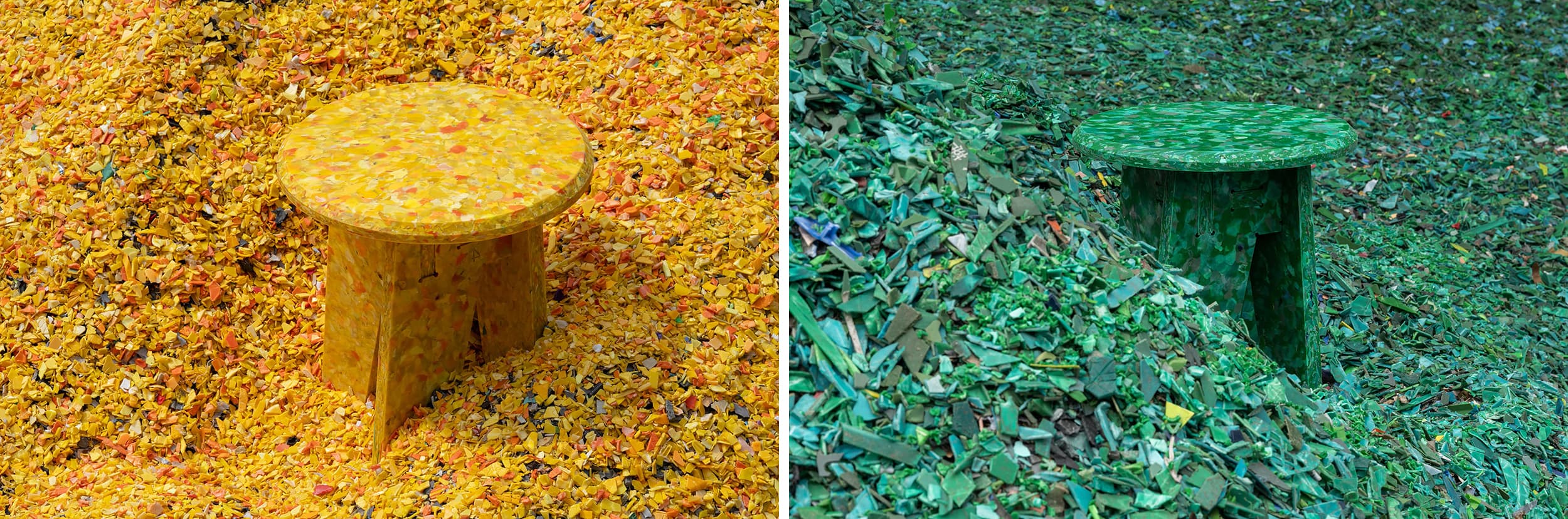
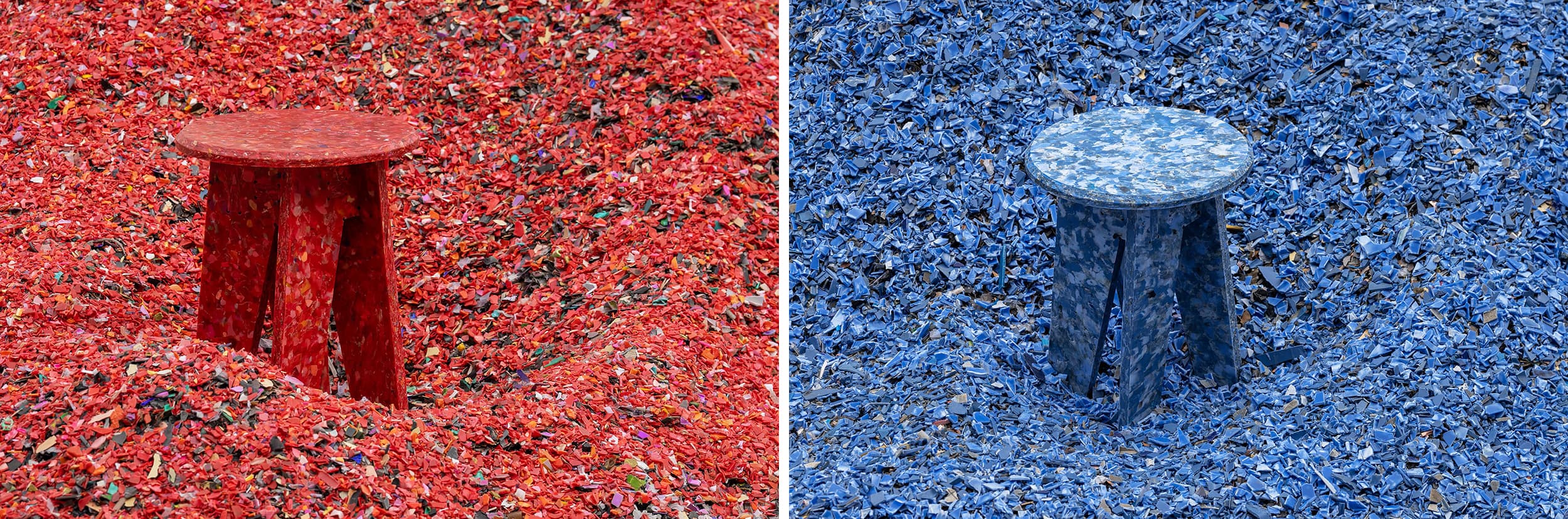
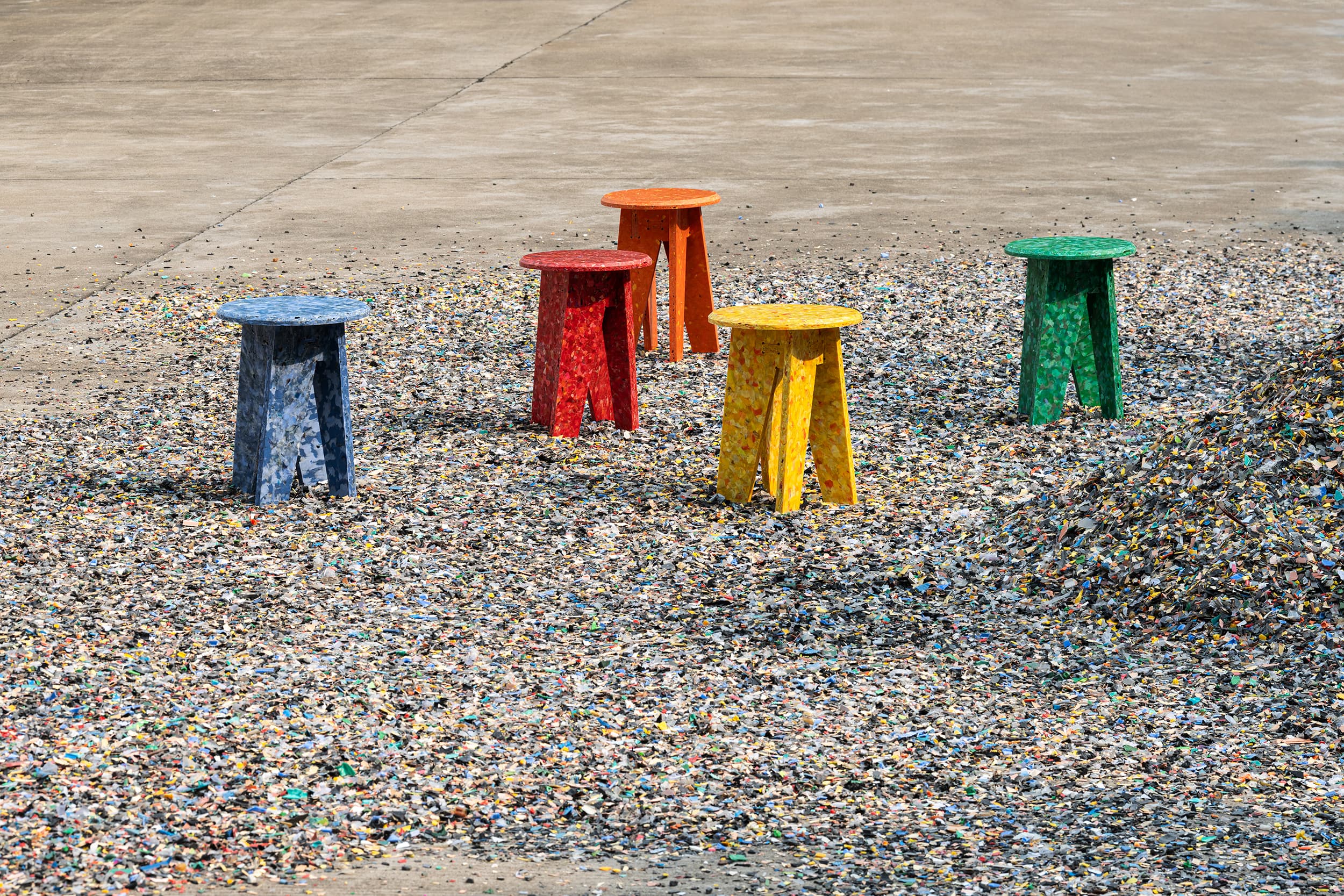
Five fundamental natural primary colours are reproduced with visual textures mirroring natural landforms, using recycled plastics of different origins:
• Red is sourced from shredded discarded industrial red barrels and red personal care bottles. By extending heat preservation during melting, flowing streaky textures form across the white base, mimicking layered red rock strata of Danxia landforms.
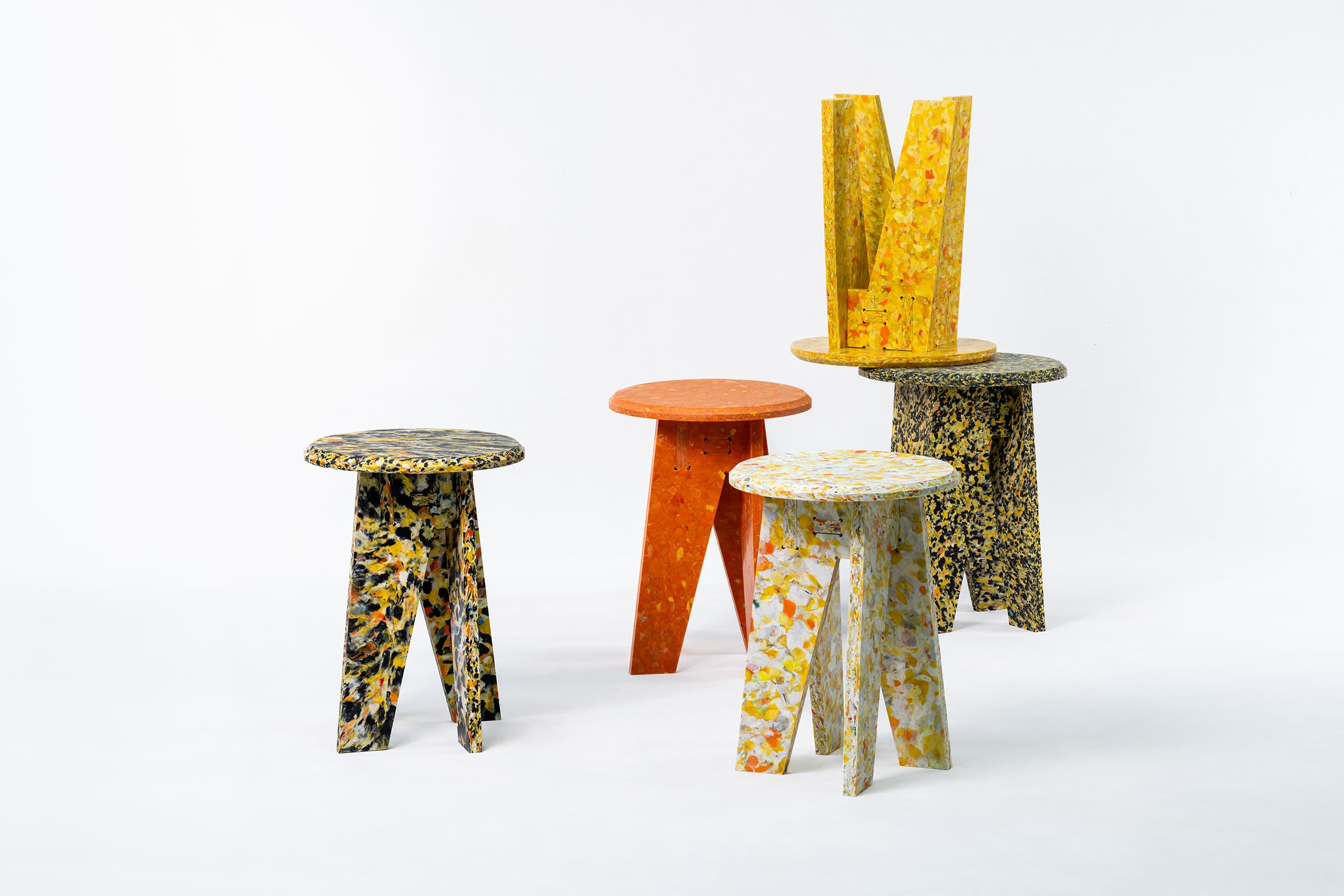
• Orange feedstock comes from discarded courier packaging and orange beverage caps. Large-particle fragments are hot-pressed to leave scattered orange flecks reminiscent of sunlight glints strewn across a beach.
• Yellow material derives from scrapped plastic components of shared bicycles and insulating tape from electronics factories. Fine yellow fragments disperse evenly within the semi-transparent base after melting, yielding a translucent, soft amber glow.
• Green is obtained from agricultural film and shredded industrial turnover boxes. Deep and light green fragments interweave under high pressure, creating an overhead view evoking sprawling Amazon rainforests.
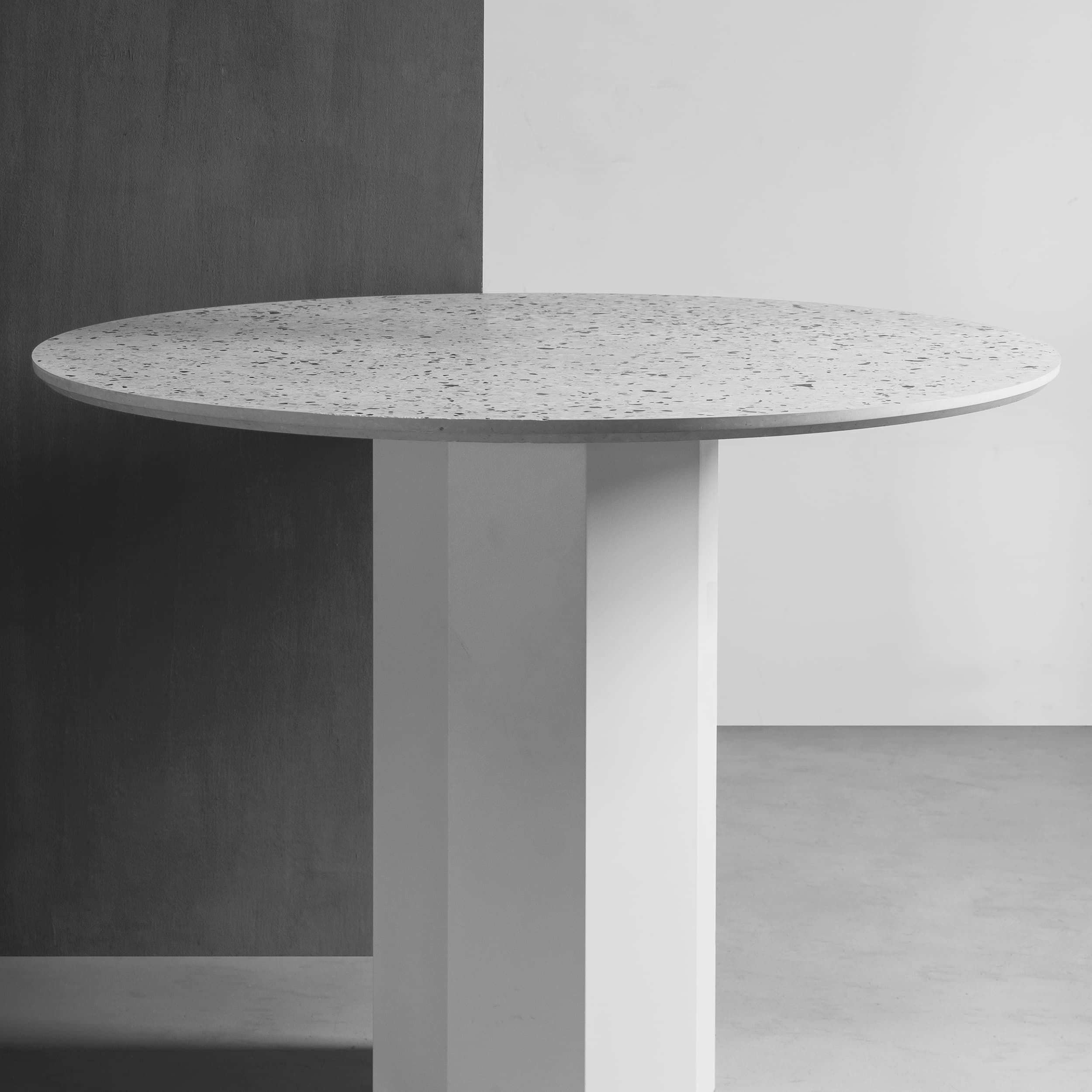
• Blue relies on massive volumes of recycled mineral water bottle caps mixed with white takeout container shreds. The melting threshold is precisely calibrated to preserve the original geometric edges of plastic fragments, resulting in a hard-edged modern terrazzo effect woven from blue and white tones.
No two hot-pressed panels bear identical colour and texture combinations. Random distribution of plastic fragments, localised variations in melting depth and subtle colour differences between raw material batches together create the one-of-a-kind stochastic aesthetic unique to recycled materials. These colour palettes are not standard factory colour swatches, but authentic aggregates of thousands upon thousands of consumer castoffs from across the city.
III. Form and Function
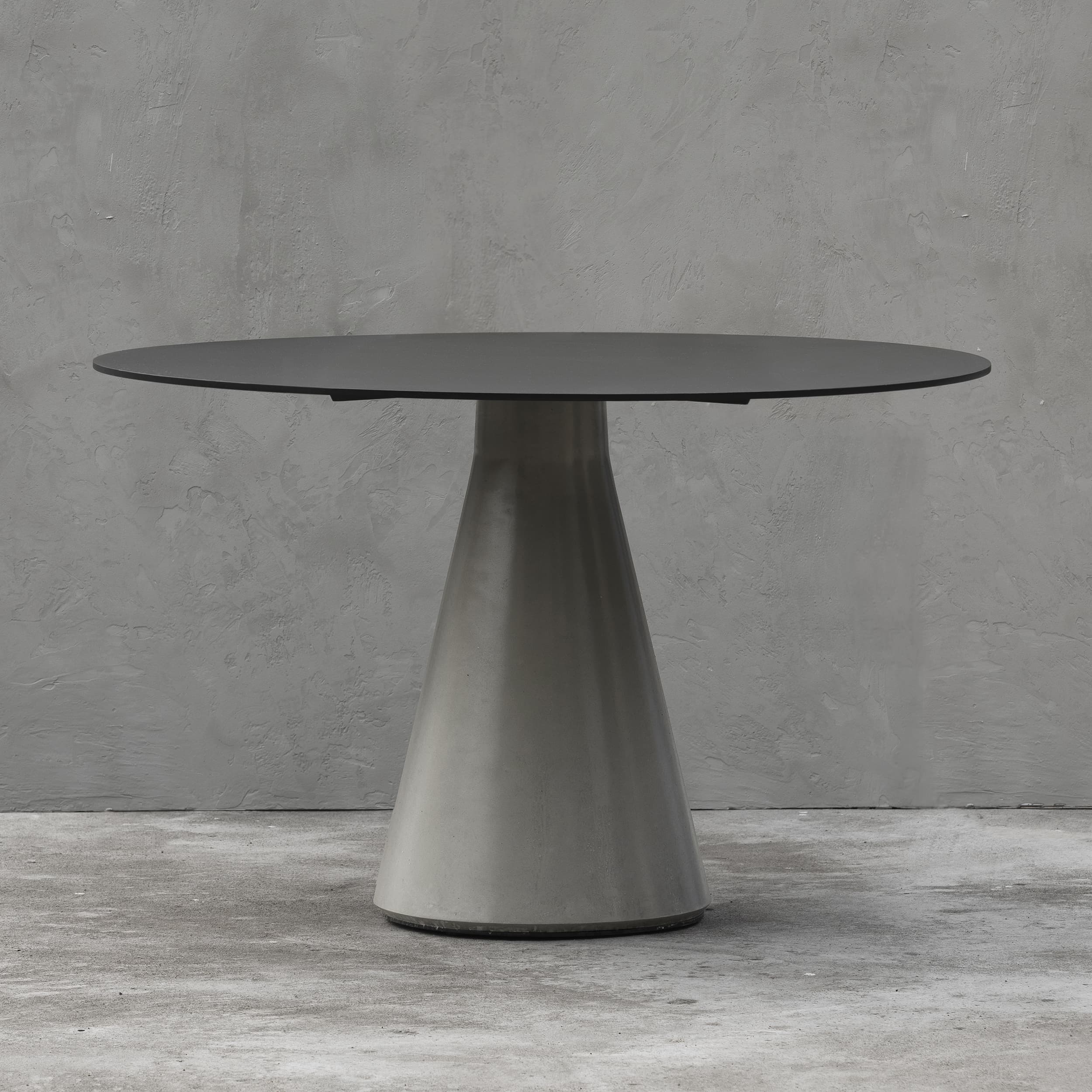
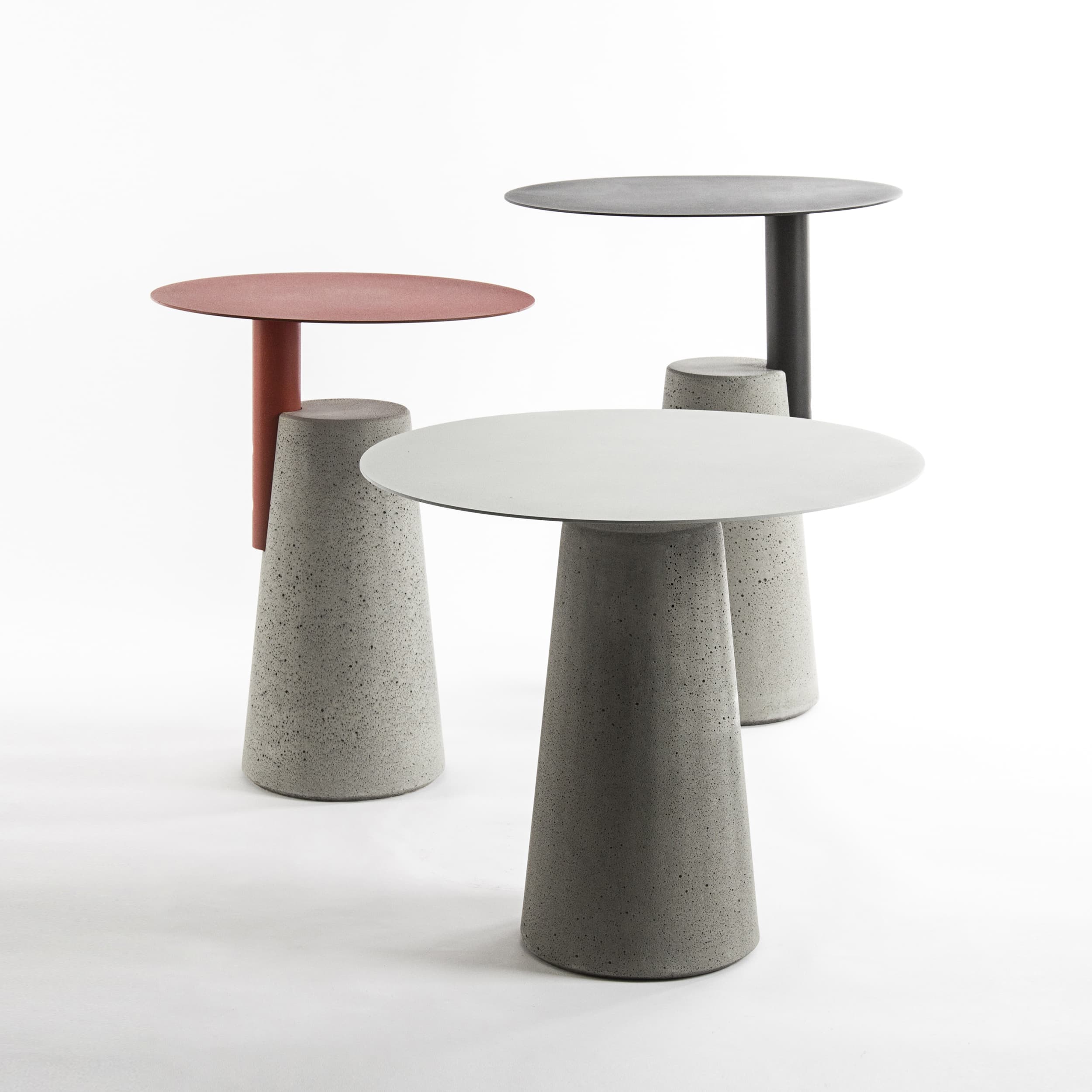
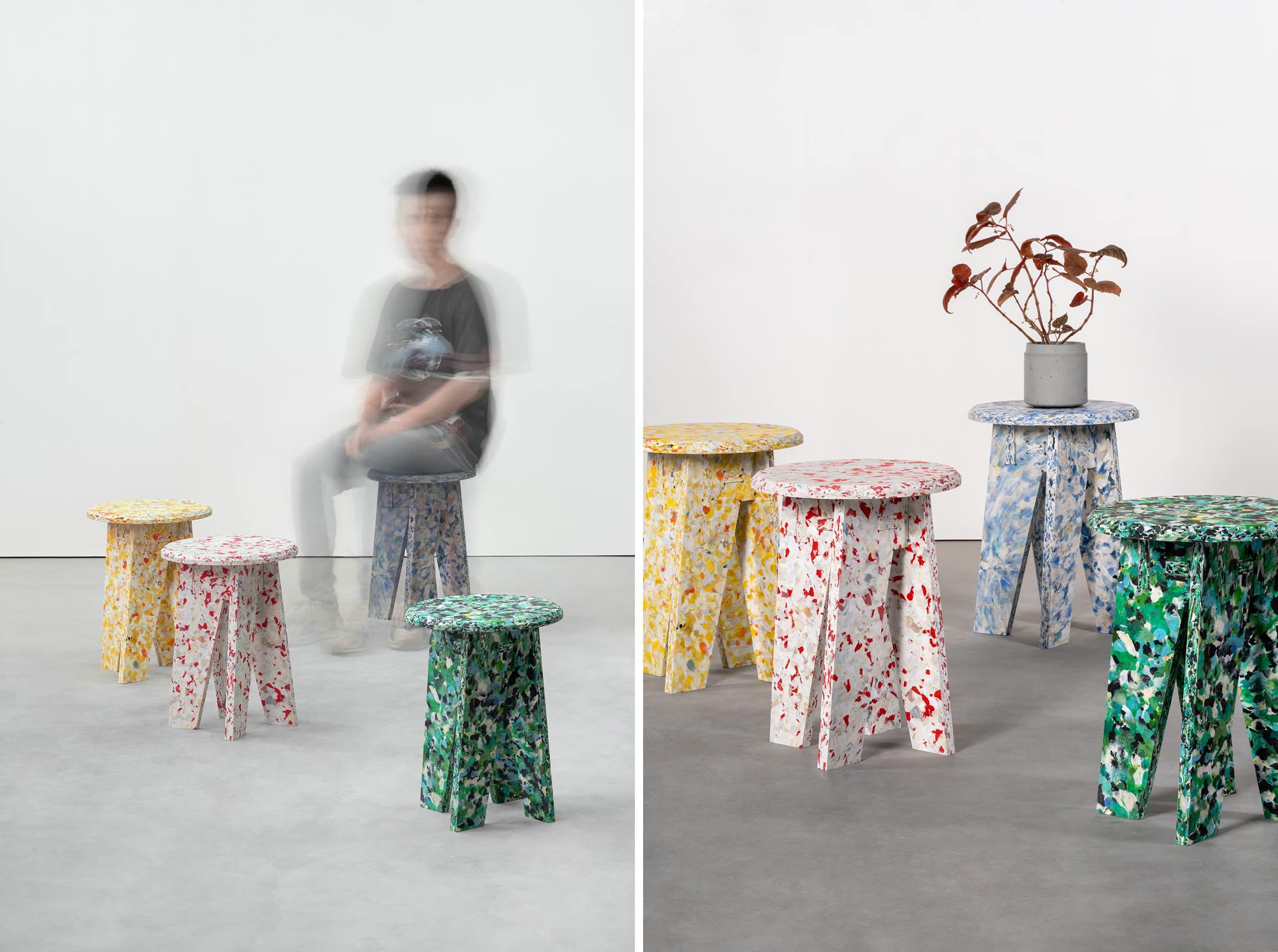
The inaugural product line of Forming centres on dual-purpose furniture that functions both as a stool and a side table. Urban residential floor areas continue to shrink today, and single-function furniture occupies precious living space, wasting both materials and room layout capacity. The project blurs rigid functional boundaries of furniture design, granting one piece two usable identities: placed in the living room, it serves as a decorative side table that signals a sustainable lifestyle ethos; positioned in studies or entryways, it becomes a practical stool to ease fatigue from prolonged sitting. Unconstrained by spatial scenarios, it integrates seamlessly into all household circulation paths.
Moving beyond the rigid template of traditional furniture with four straight legs and flat tabletops, the design adopts sculptural polyhedral geometric forms. Leveraging mature five-axis CNC numerical control machining technology widely available across the Pearl River Delta, the rigid hot-pressed panels can be finely cut to form smooth rounded edges. HDPE and PP carry a faint natural waxy, mellow tactile quality, eliminating the biting cold sensation of metal or glass when touched in winter.
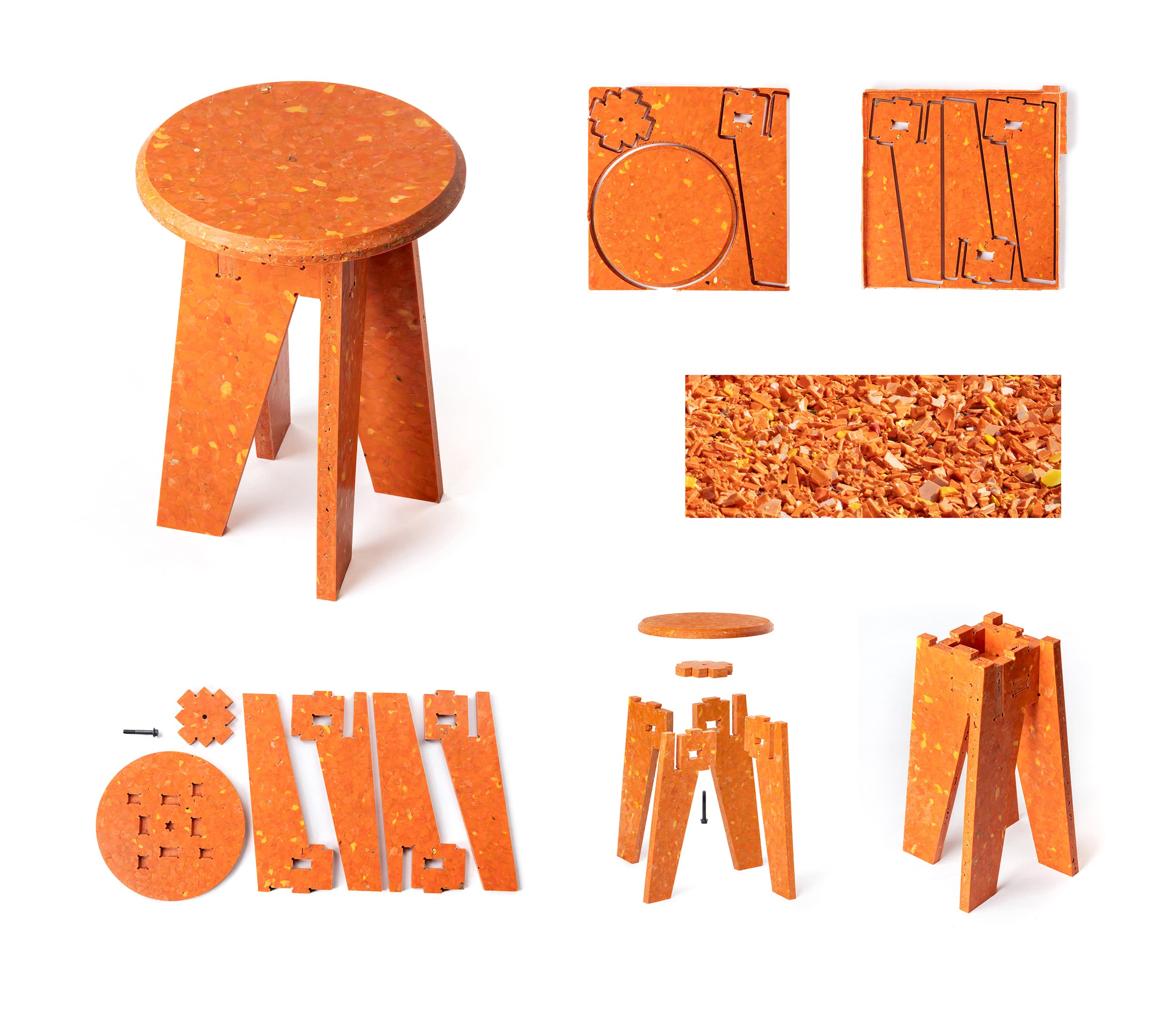
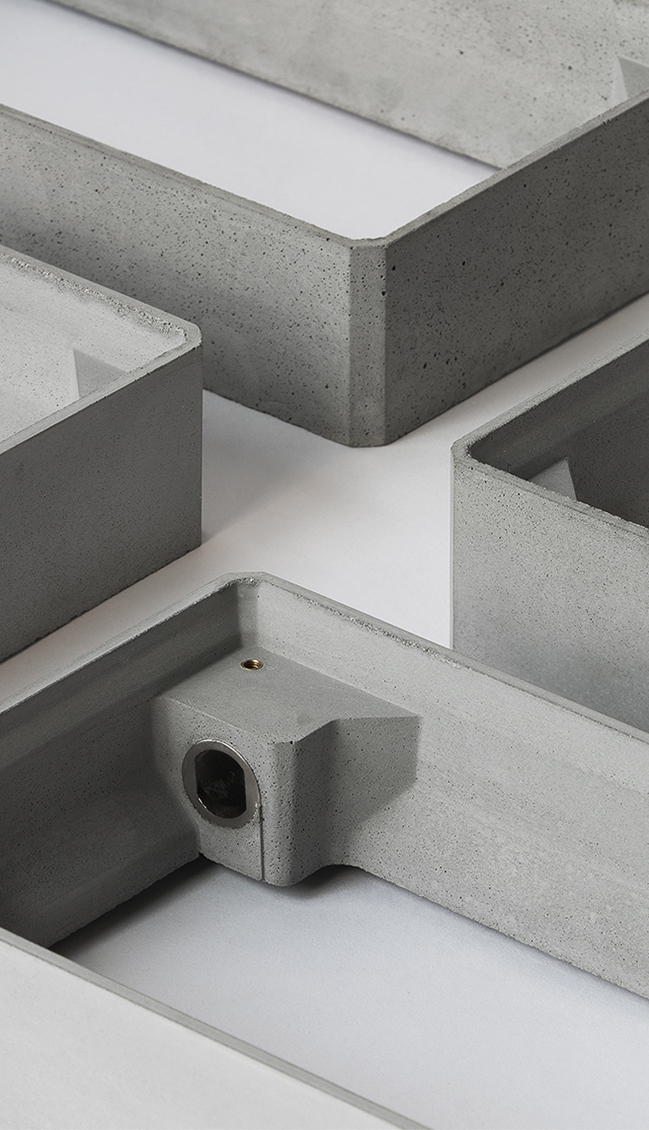
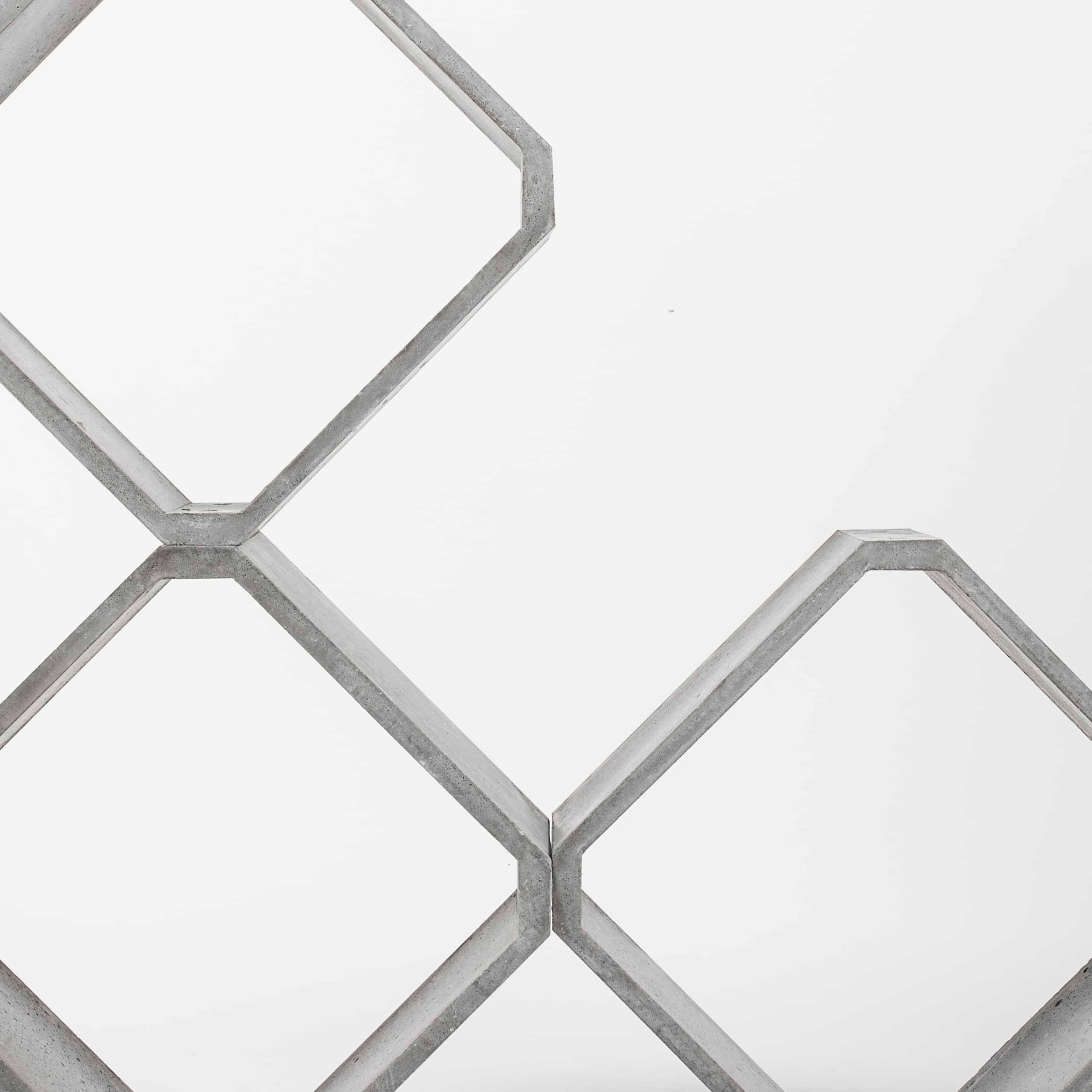
All products feature a fully modular mortise and tenon assembly structure, minimising reliance on metal hardware fasteners as much as possible. Heat-embedded metal nuts are pre-set at component joints and secured via threaded metal interlocks, preventing loosening caused by long-term plastic creep under load. The exposed #-shaped support frame acts simultaneously as the core load-bearing structure and a highly recognisable industrial visual symbol, embodying the modern design principle of structure as aesthetics.
IV. Regional Industrial Synergy
The Pearl River Delta endows the Forming project with a globally rare advantage of full-chain localised manufacturing. Foshan and Dongguan host countless small mould workshops and custom non-standard hot-press machinery manufacturers, enabling the project to iterate dozens of colour formulas and multiple prototype designs at low cost and high efficiency. The Greater Bay Area’s complete waste plastic sorting industrial chain allows the project to source pre-washed, pre-sorted pure recycled plastic fragments and pellets locally, drastically cutting carbon emissions generated by long-distance raw material transportation.
On the input side of the circular loop, the project diverts urban waste originally destined for landfills or incineration, easing the operational burden on municipal solid waste treatment facilities. On the output side, single-material products free of chemical additives require no material separation upon end-of-life; entire panels can be crushed and remoulded directly to achieve lossless perpetual regeneration. This stands in stark contrast to composite plastic furniture available commercially, which can only undergo one cycle of downcycled recycling.
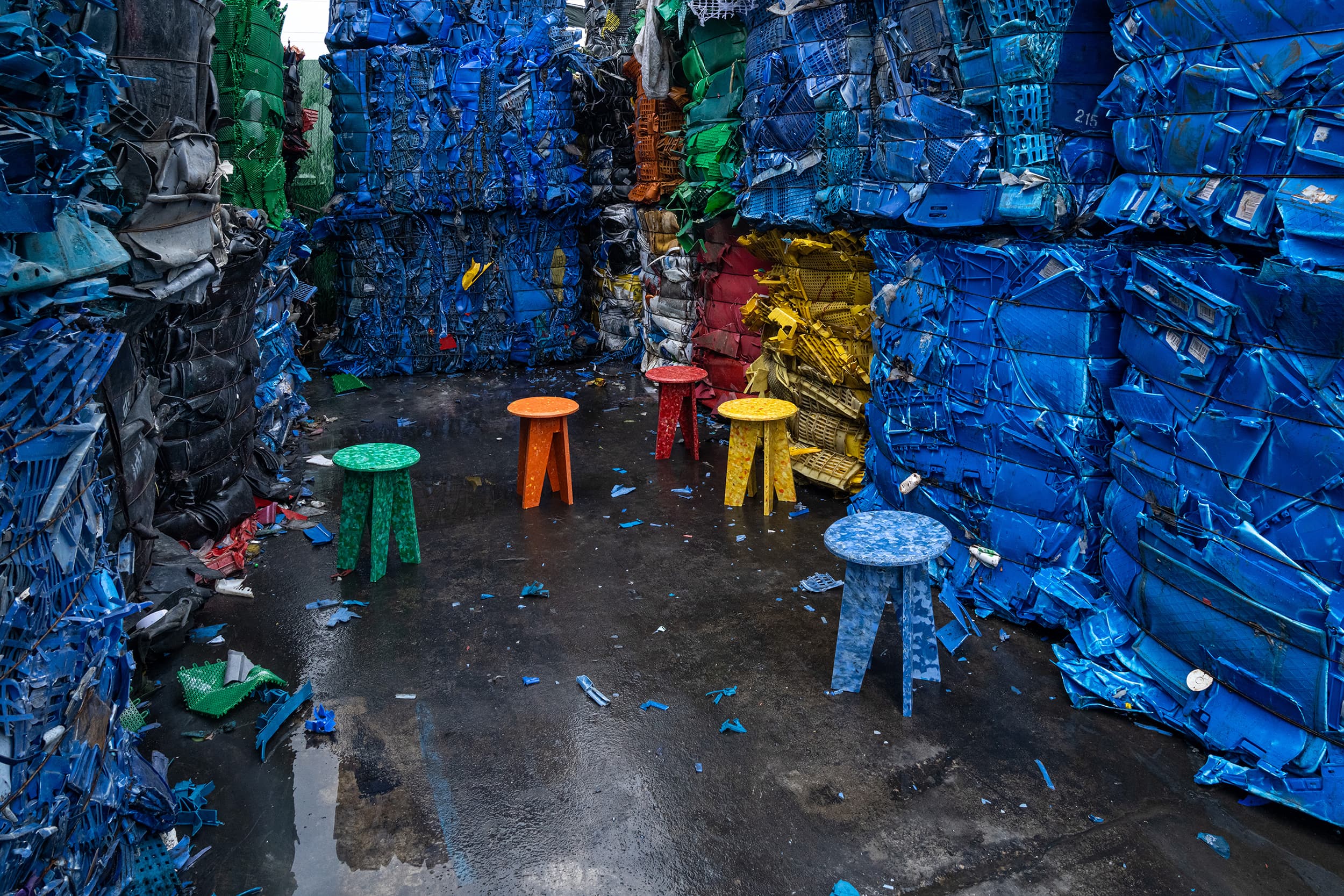
Plastic itself is never the root cause of environmental troubles. The core conflict lies in human consumption patterns: utilising polymers engineered to last hundreds of years for fleeting single-use applications, paired with a disposable mindset that turns stable plastic feedstock into an ecological liability. The central mission of Forming lies in shaping the material circulation of discarded artificial materials through design. Plastic scraps once casually thrown away go through sorting, shredding and high-temperature hot pressing, re-entering ordinary domestic spaces in the brand-new form of furniture. They cease to be labelled urban garbage, evolving into functional, aesthetic household objects that preserve memories of urban consumption.
When a piece of recycled plastic furniture textured with patterns echoing natural landforms rests quietly in a room, it conveys a contemporary urban vision of sustainable living. Nurtured by the established local plastic industry of the Pearl River Delta, Forming closes a complete circular loop spanning waste feedstock, manufacturing techniques, finished goods and interior spatial contexts. Drawing on local design expertise, it explores a sustainable pathway for discarded plastic to return to daily life, upholding the brand’s core tenet: Locality is Globality.
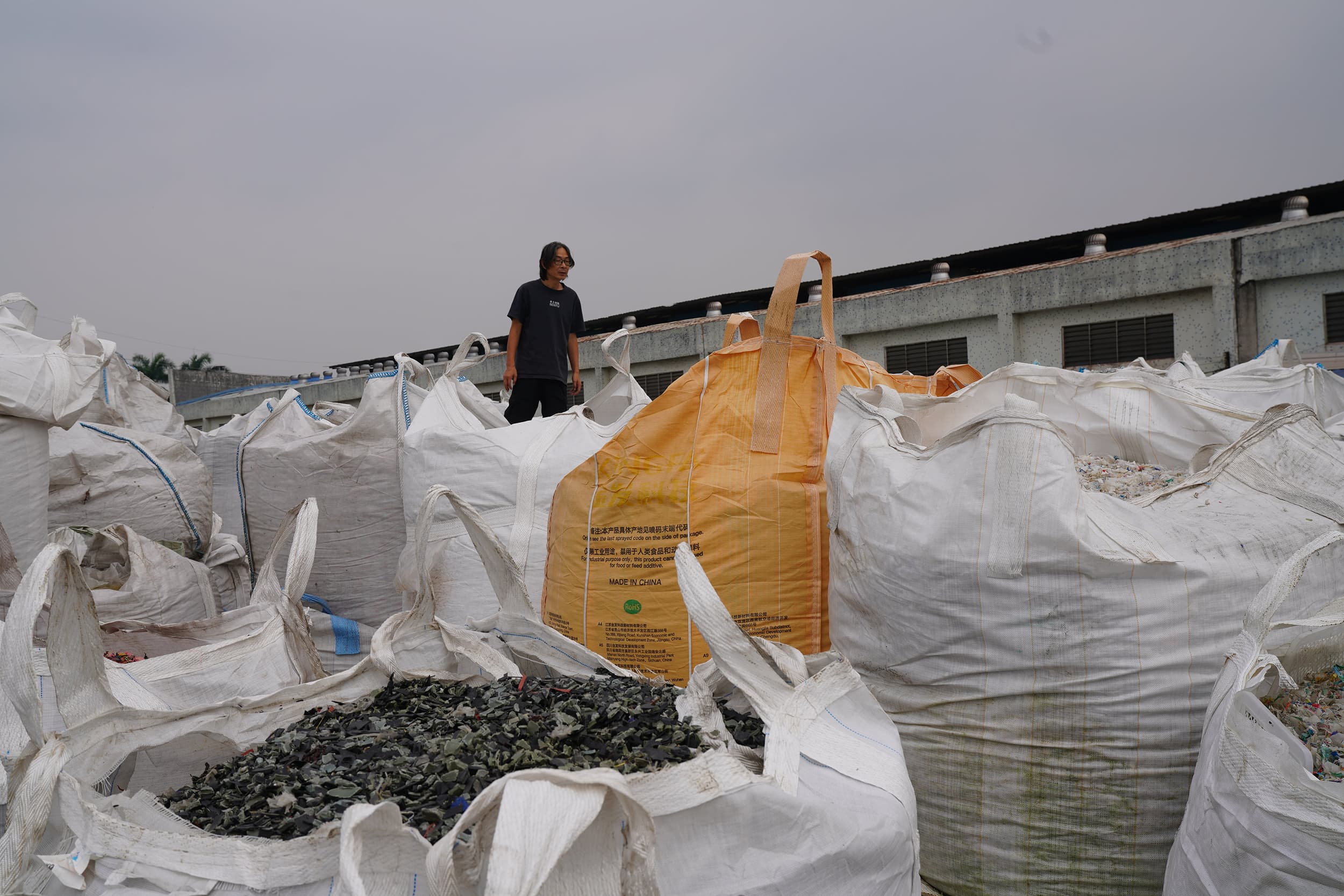
Design Director: Xu Gang
This original article belongs to the BENTU Material Regeneration Practice Series. Taking the hot-pressed recycled plastic furniture project Forming as its research subject, it explores the material aesthetics of post-consumer plastic waste circular regeneration and the closed-loop local industrial ecosystem.

- Contact
+8620 8977 0506
- Press
press@bentudesign.com
- Enquiry & Sales
info@bentudesign.com