The Demolished Hometown: 3D Printing Technology and Material Memory in Urban Renewal
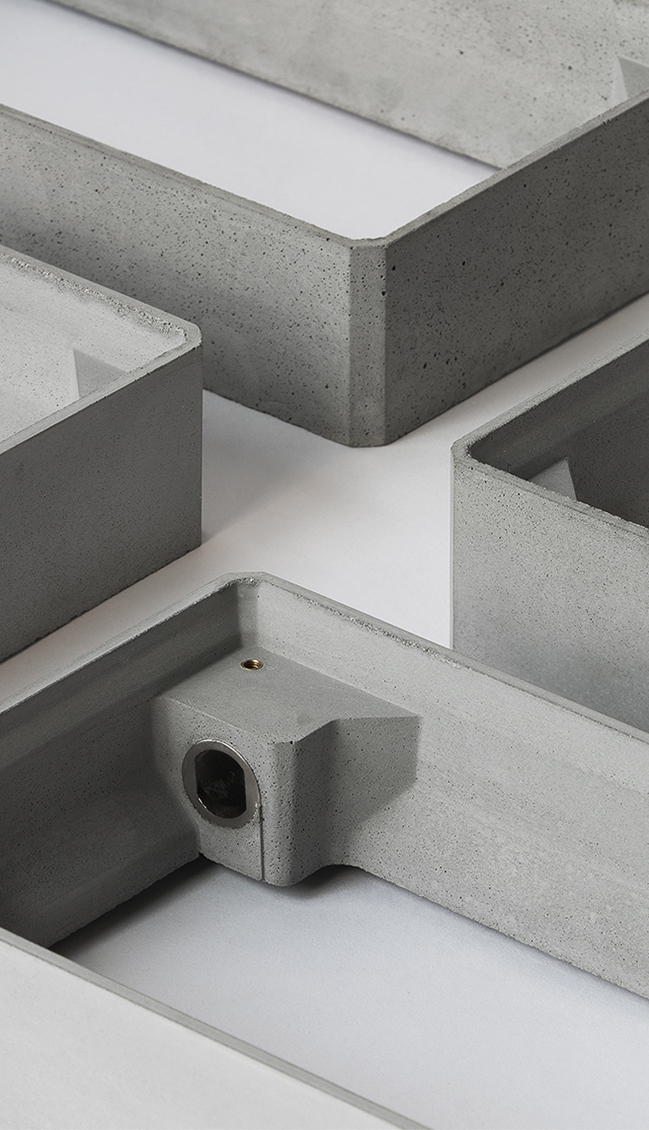
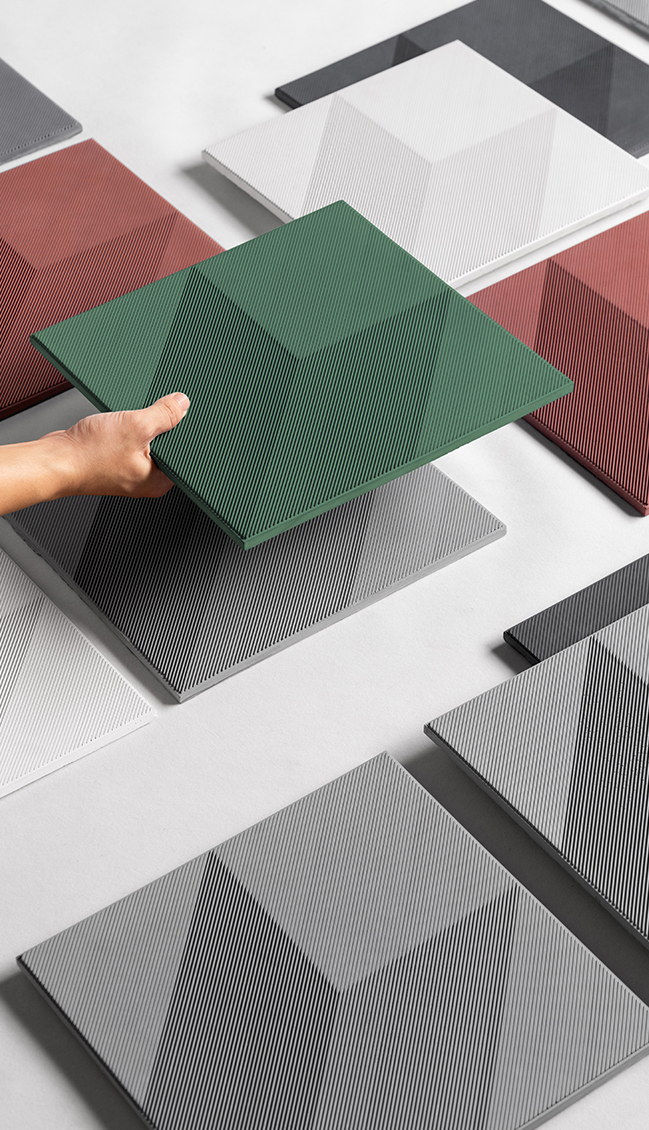
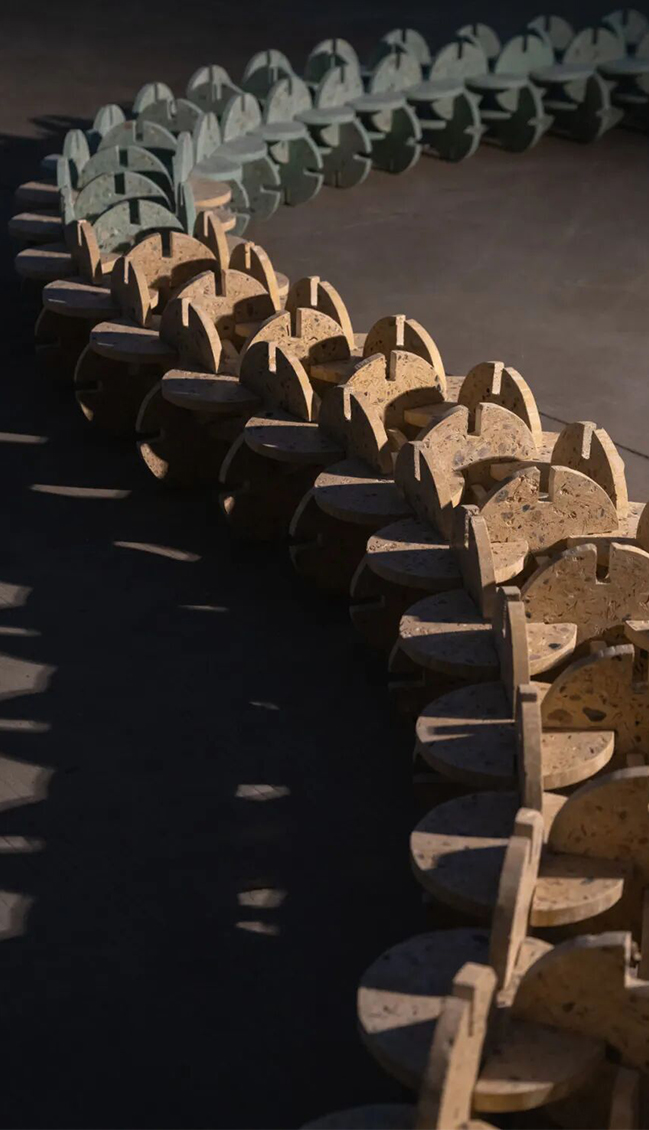
Homecrux, Yanko Design and 3DPrinting Industry have documented BENTU CREATION’s Inorganic Growth initiative from distinct perspectives covering design communication and additive manufacturing processes. Media coverage centers on a village-in-the-city slated for demolition in Foshan: a mobile 3D printing workstation was deployed on-site to repurpose waste bricks and tiles locally, transforming construction debris into public street furniture. All colour tones on the furniture are extracted from this vanishing neighbourhood—the deep crimson of faded Spring Festival couplets, greyish-green of rain-stained walls, rusty ochre of weathered iron roofs, and indigo blue of aged ceramic tiles. These hues are digitally captured and faithfully reproduced on newly fabricated components. Such objective multi-angle documentation carries greater weight than one-sided praise alone.
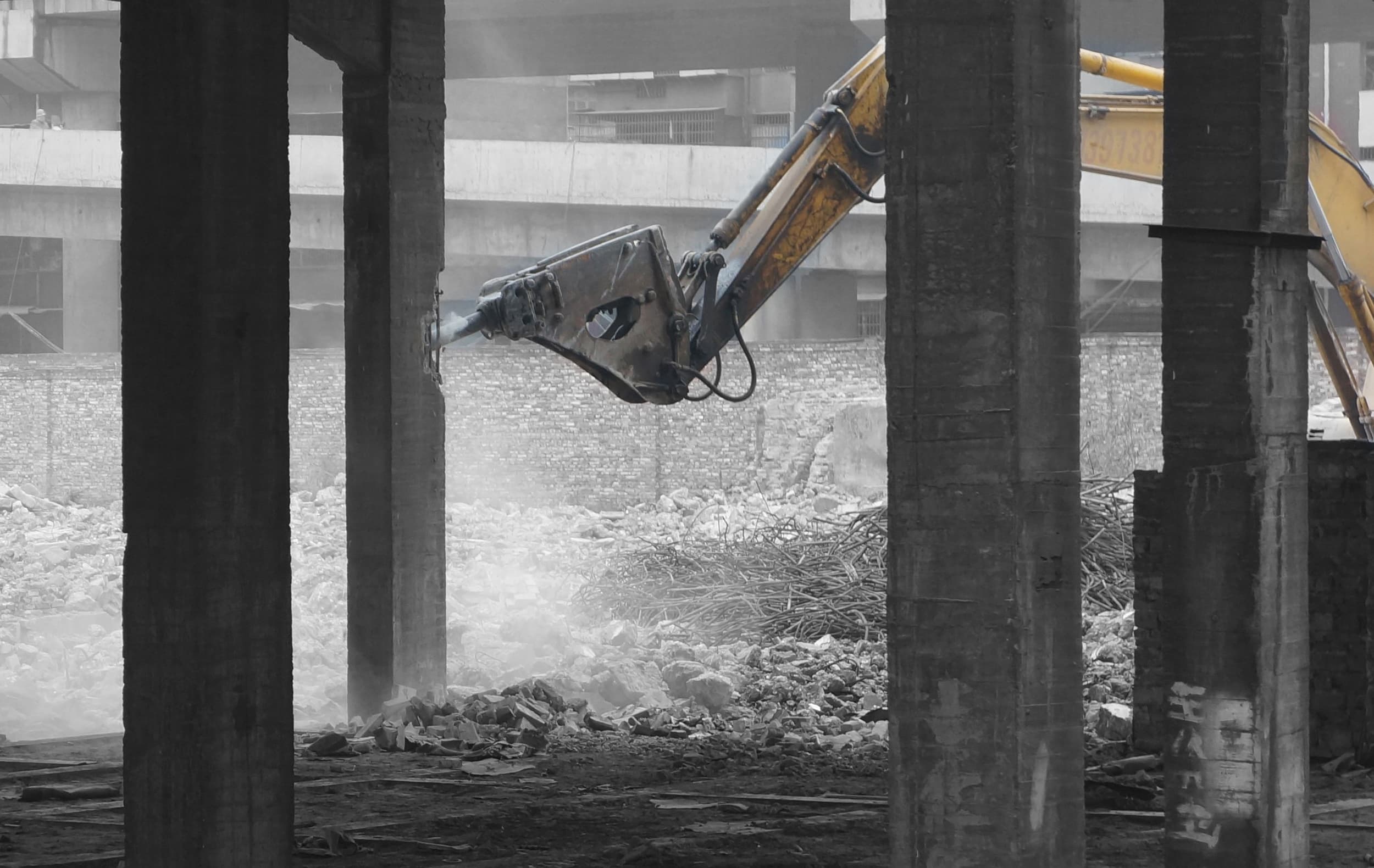
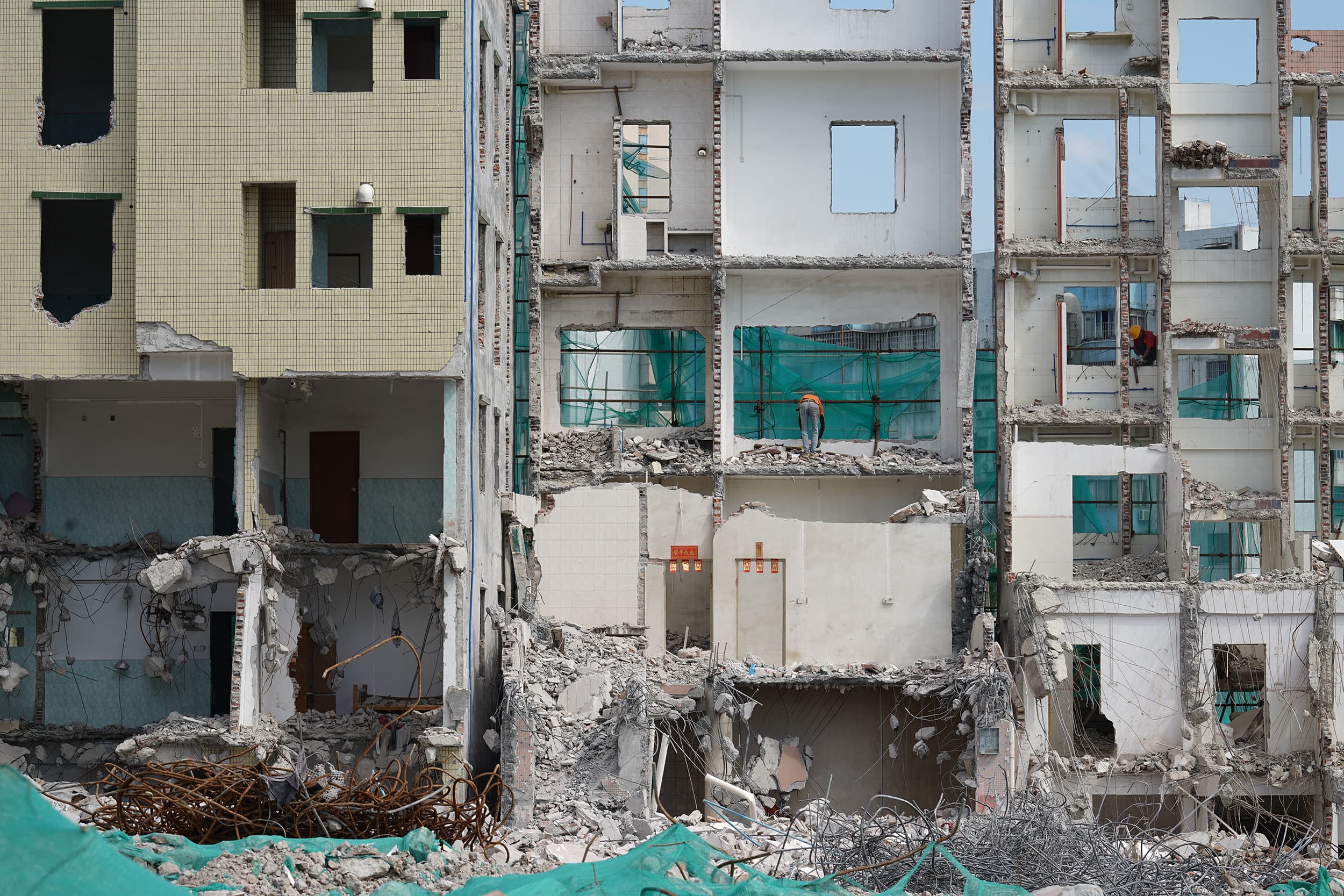
Amid global urbanisation, villages-in-the-city remain spaces fraught with stark contradictions. Marked for renovation amid urban expansion, they serve as the first urban foothold for countless migrant dwellers. Though deemed cluttered and crowded against standardised urban aesthetics, these neighbourhoods brim with authentic grassroots vitality.
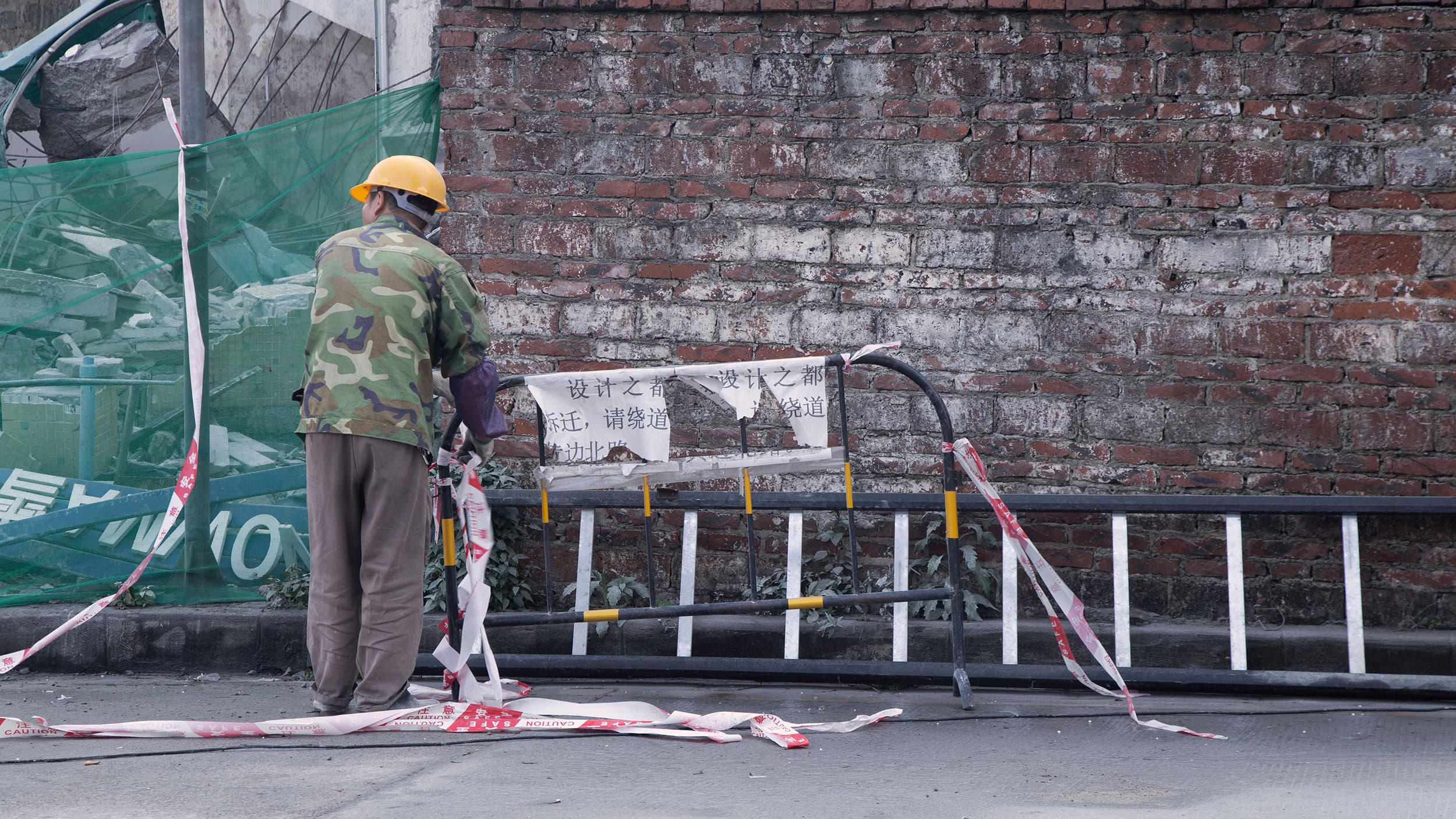
When bulldozers roll in, they tear down cramped handshake buildings, narrow alleyways and makeshift structures—and erase a generation’s memories of striving in the city, along with long-established interpersonal communities. Faint red marks left by layers of pasted Spring Festival couplets, water stains etched by years of rainfall, and rusted tones from sun-baked iron sheets cling to walls destined for total levelling; once demolished, these subtle traces vanish forever.
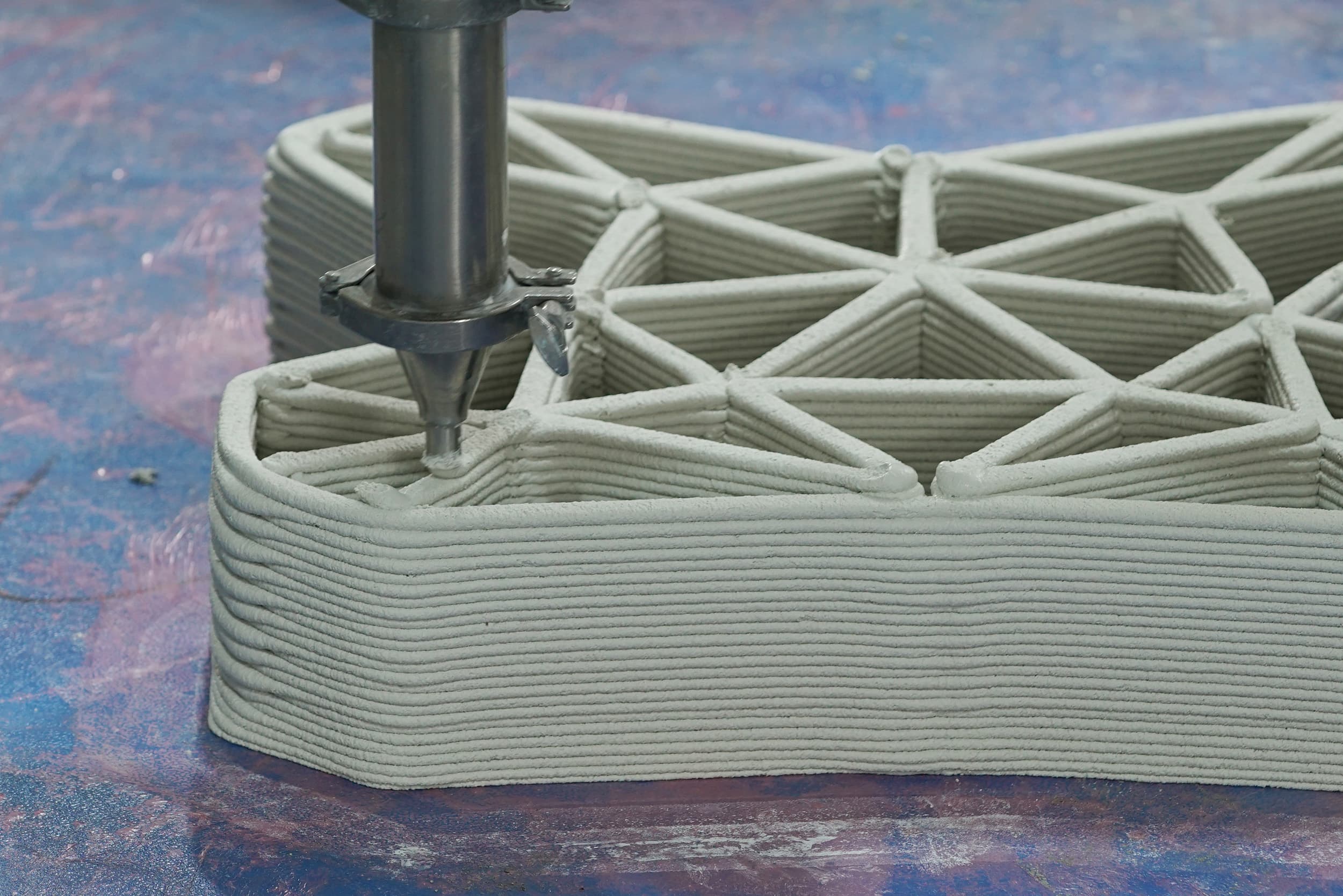
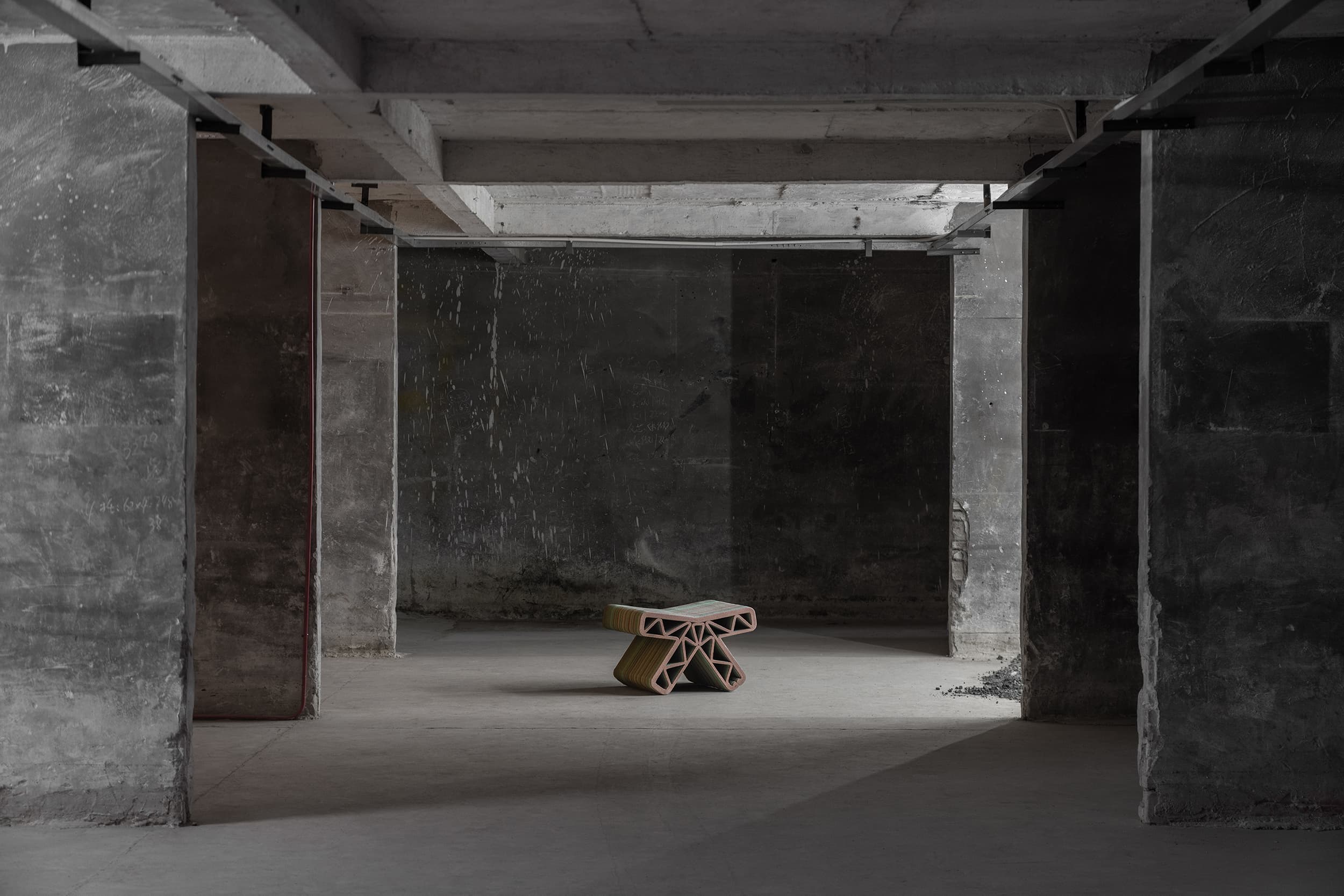
The core insight behind Inorganic Growth lies in recognising the irreplaceable spiritual value embedded in such ephemeral marks. Instead of treating broken bricks and tiles as mere construction waste waiting to be hauled away, the team regards them as physical carriers of site-specific memory. Using imaging algorithms to analyse on-site conditions, researchers extract precise original colour data from walls, building materials and surface attachments. The deep crimson, greyish-green, rusty ochre and indigo are then translated into colour formulas for 3D printing materials, finally solidified into unique gradient finishes on public furniture.
Passersby may not know the origin of each shade, yet former residents instantly recognise familiar visual cues: this red evokes couplets on old doorframes, that rust tone reminds them of iron sheds downstairs. Colour transcends mere decoration to become a trigger for recollections of everyday life.
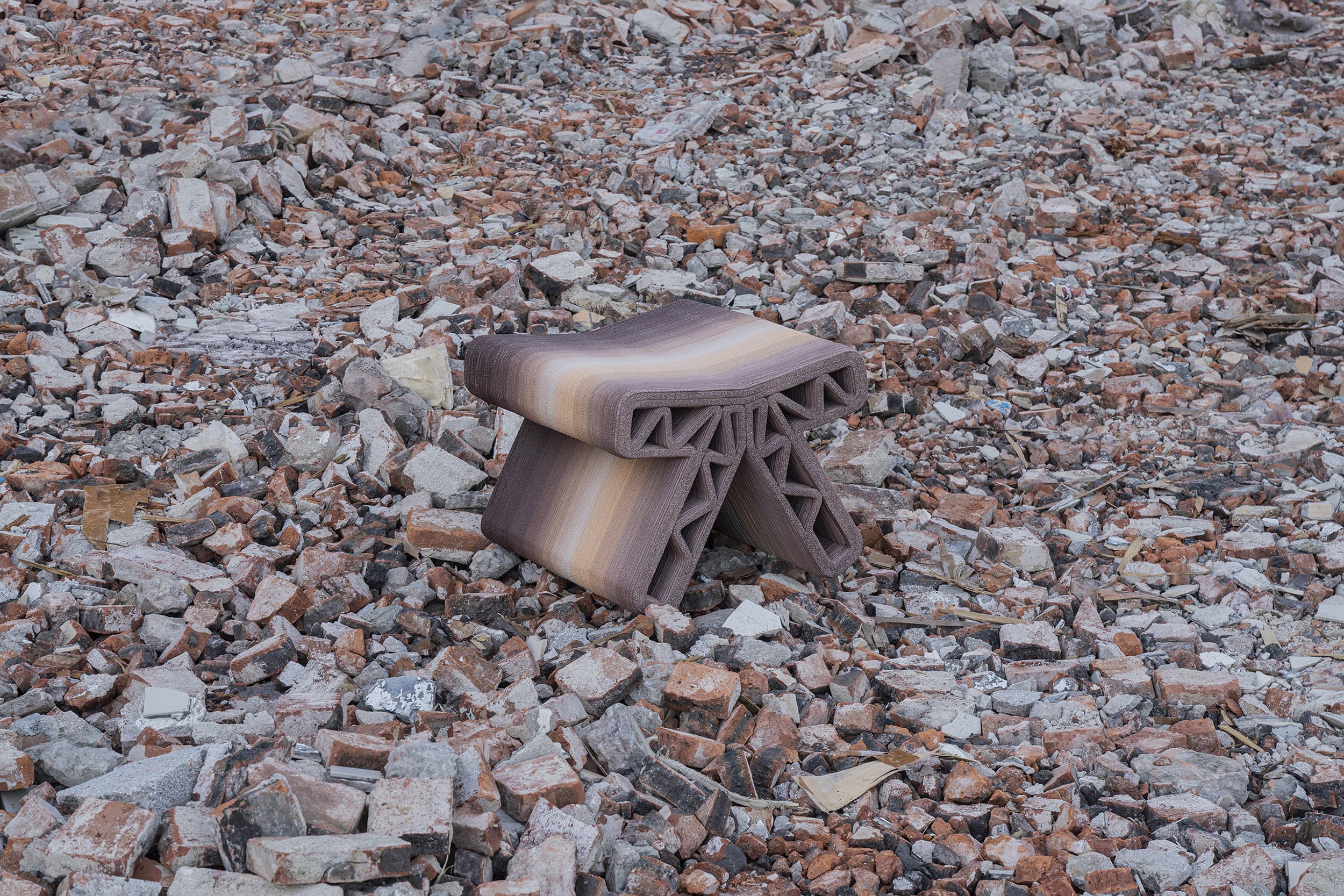
International design media has repeatedly highlighted a pivotal operational detail: the full mobile 3D printing setup operates directly within the demolition zone. Construction waste requires no long-distance trucking to processing facilities dozens of kilometres away, cutting out lengthy transportation chains. On-site procedures include crushing, particle grading and integrated 3D printing; finished furniture is installed directly in public spaces after the area’s regeneration.
This represents a genuine zero-kilometre circular model. Its value extends far beyond drastically reduced carbon emissions from transportation. Waste materials never leave the land, so embedded site information and daily imprints remain geographically unbroken, continuing to exist on the original location in a renewed form.
This on-site regeneration model redefines practical circular economy implementation: resource circulation does not equal long-distance waste transport and centralised disposal. Instead, it enables the transformation of discarded materials into new objects right where waste is generated, honouring the material origins and safeguarding the memories attached to them.
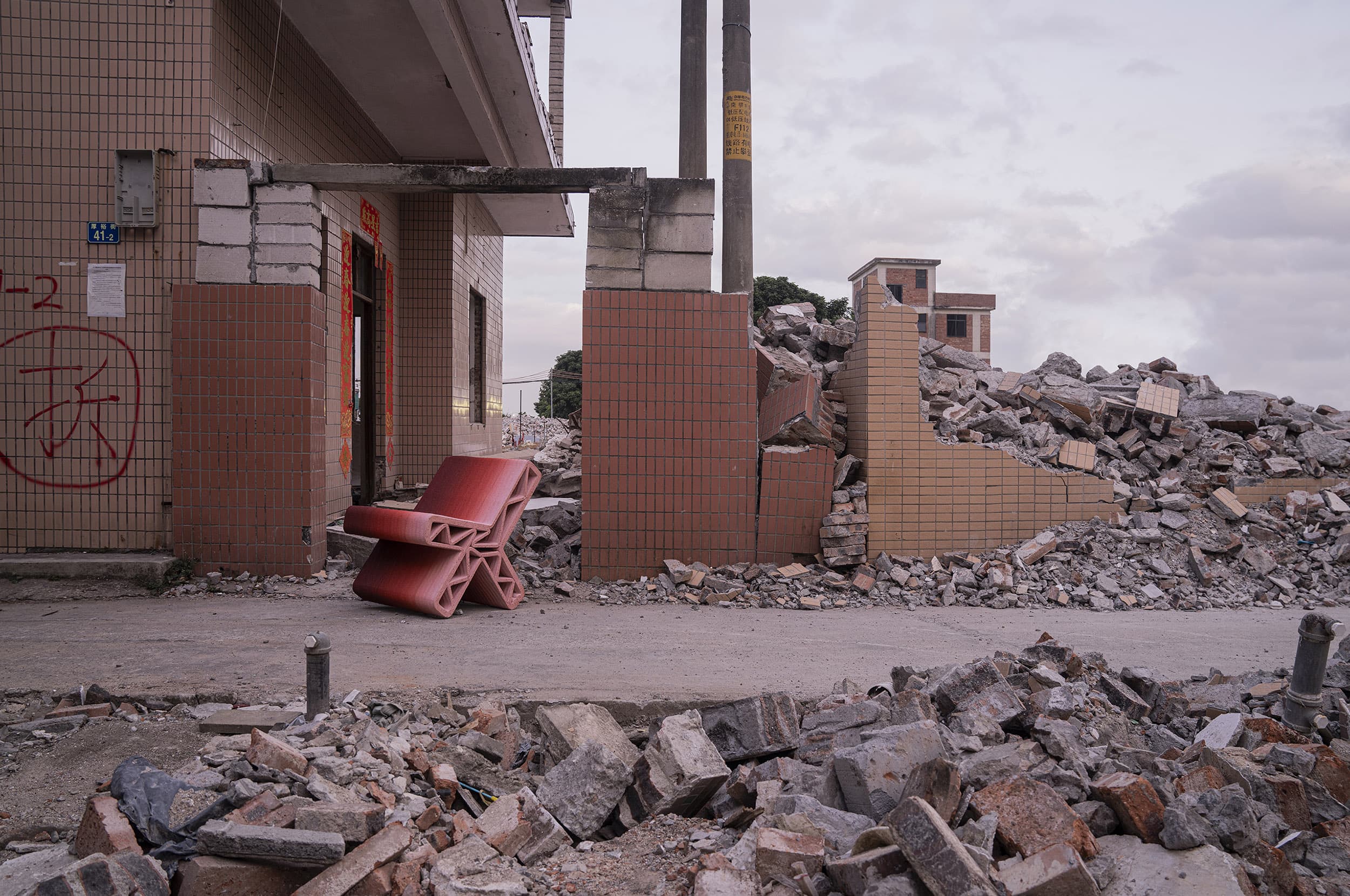
Another breakthrough of Inorganic Growth is the digital preservation of fragmented, non-standardised everyday memories.
Traditional heritage conservation often adopts specimen-style sealed preservation. This project adopts a pixelated preservation logic: rather than conserving complete physical walls, it converts wall colours, rough textures and the patina of time into digital parameters, which are then reconstructed within new printed materials. It does not pursue 100% museum-level physical replication, prioritising the emotional resonance of authentic sensory experience. Even viewers unaware of the colour origins can perceive the accumulated atmosphere of the original site.
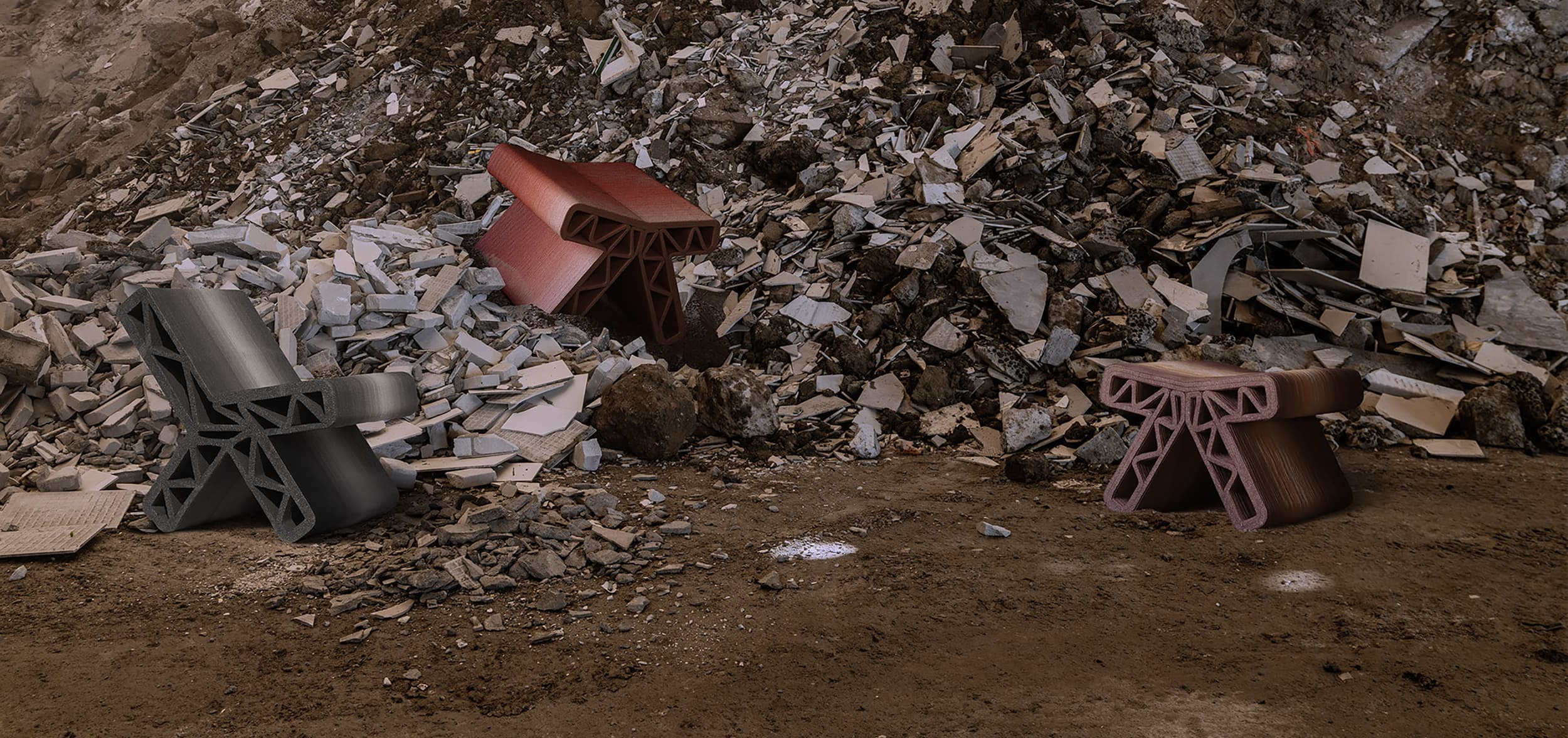
Inorganic Growth offers a new mindset for contemporary urban renewal: modernisation does not equate to wholesale levelling and total reconstruction. It can follow a path of gradual restoration and heritage retention. When demolition becomes inevitable, design can collect vanishing objects, colours and mundane traces, and return them to local communities in innovative forms.
This is not blind nostalgia, but a rational and mature modern design philosophy: acknowledging the necessity of urban iteration while refusing progress that severs historical continuity and erases ordinary people’s memories. True urban advancement does not mean wiping out the past entirely; it preserves old traces within new spaces, allowing collective memories to coexist with future life.
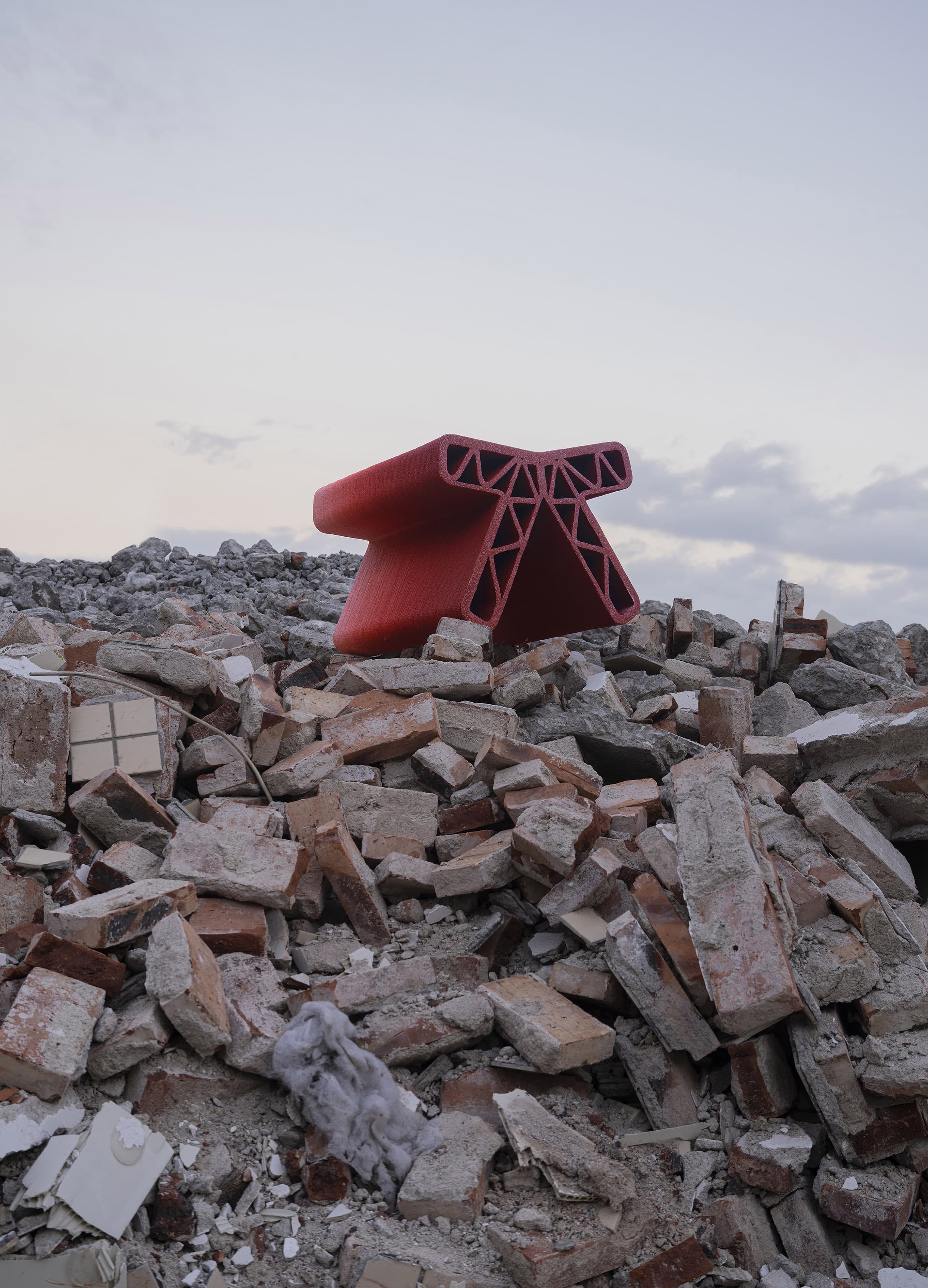
Overseas media attention to this project goes beyond mere focus on China’s village-in-the-city issues, for the rift between development and memory is a global challenge. Urban regeneration in Latin American slums and renovation of old European residential areas all pose the same dilemma: how to safeguard urban identity amid modernisation.
BENTU CREATION delivers a pioneering solution: deploying mobile 3D printers directly inside demolition sites to keep waste materials rooted to their land. This is more than a technical solution; it stands for a clear value stance: respect for the land’s history, the trivial daily lives of ordinary people, and life memories at risk of being overlooked by the passage of time.
Author: Xu Gang
This original article belongs to the BENTU CREATION Brand Critical Thinking Series. Through the communication of the Inorganic Growth project, it explores the value of memory preservation and on-site circular economy in urban renewal.

- Contact
+8620 8977 0506
- Press
press@bentudesign.com
- Enquiry & Sales
info@bentudesign.com