From Trailblazing Spark to Guiding Beacon: BENTU’s Role and Contributions in Repurposing Chaozhou’s Ceramic Waste
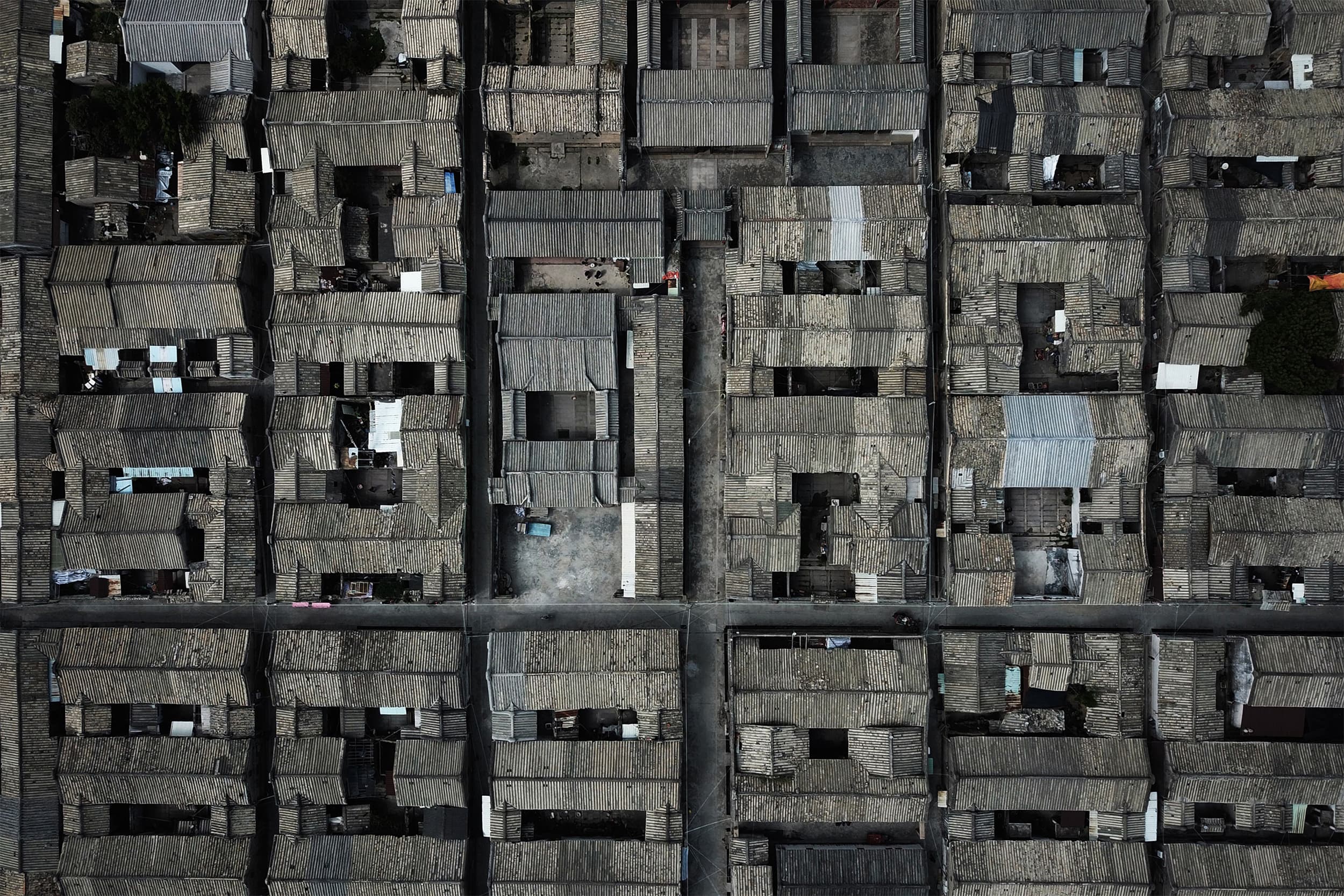
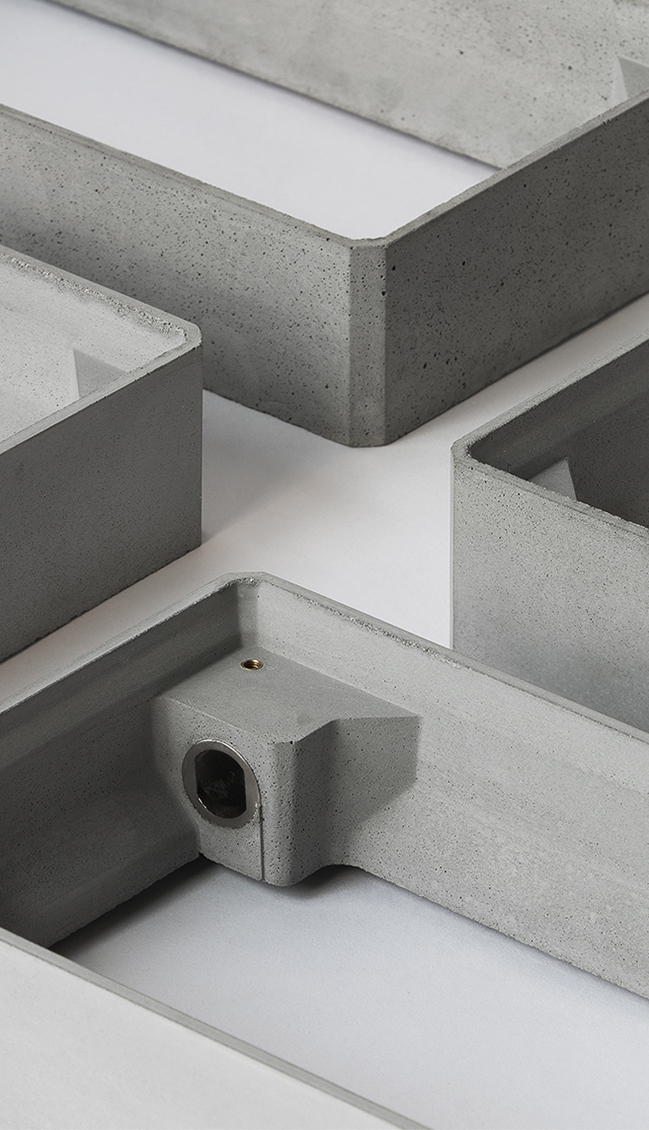
Chaozhou, a millennium-old porcelain capital with an unbroken heritage of ceramic craftsmanship, accumulates massive volumes of broken ceramic shards year after year. Rooted in local cultural lineage and industrial realities, BENTU centers its practice on material regeneration, breaking free from the crude traditional disposal model for industrial scraps. It transforms Chaozhou’s discarded ceramic waste into reusable raw material. Honoring the ancient Chaoshan wisdom of turning shattered fragments into beauty via inlaid porcelain art, the brand redefines waste ceramic value through contemporary design and advanced material techniques, carving out an indigenous regeneration pathway that balances industrial circularity, local cultural inheritance, and sustainable living.
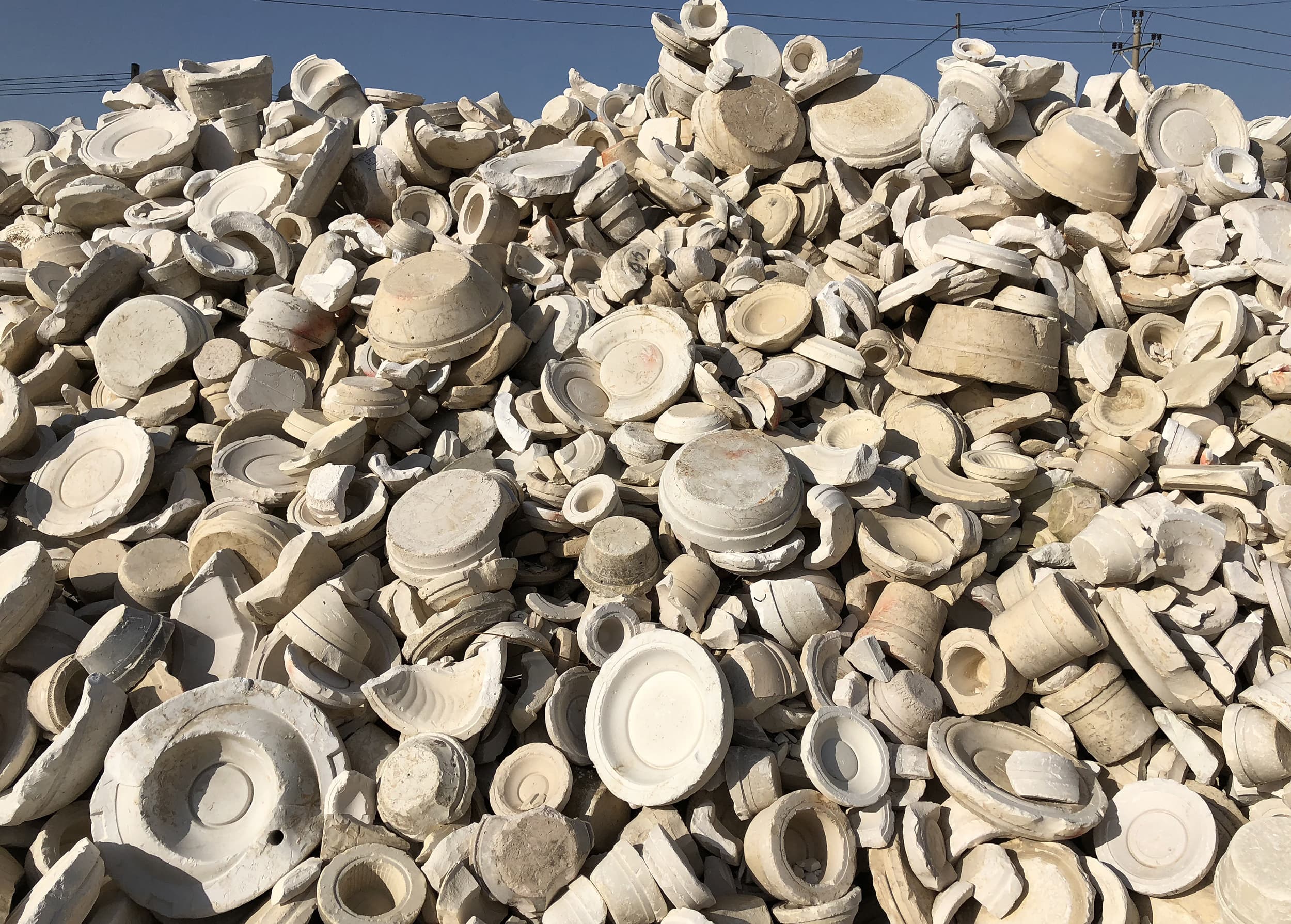
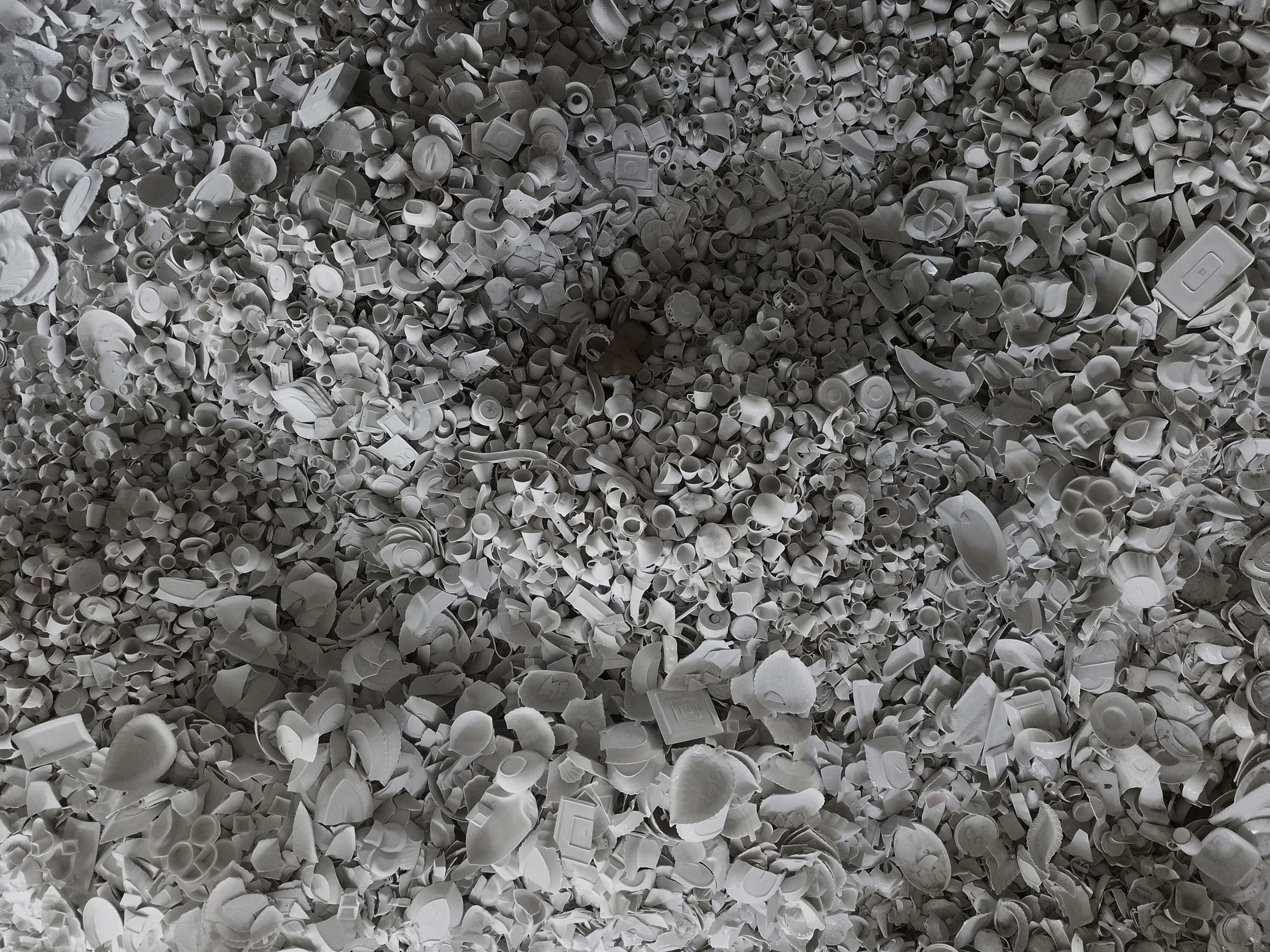
In 2016, Chaozhou’s ceramic waste treatment sector was virtually non-existent. Factories dumped ceramic residues indiscriminately, with landfills serving as the final resting place for broken porcelain. At that time, virtually no one regarded shattered ceramic pieces as recyclable resources.
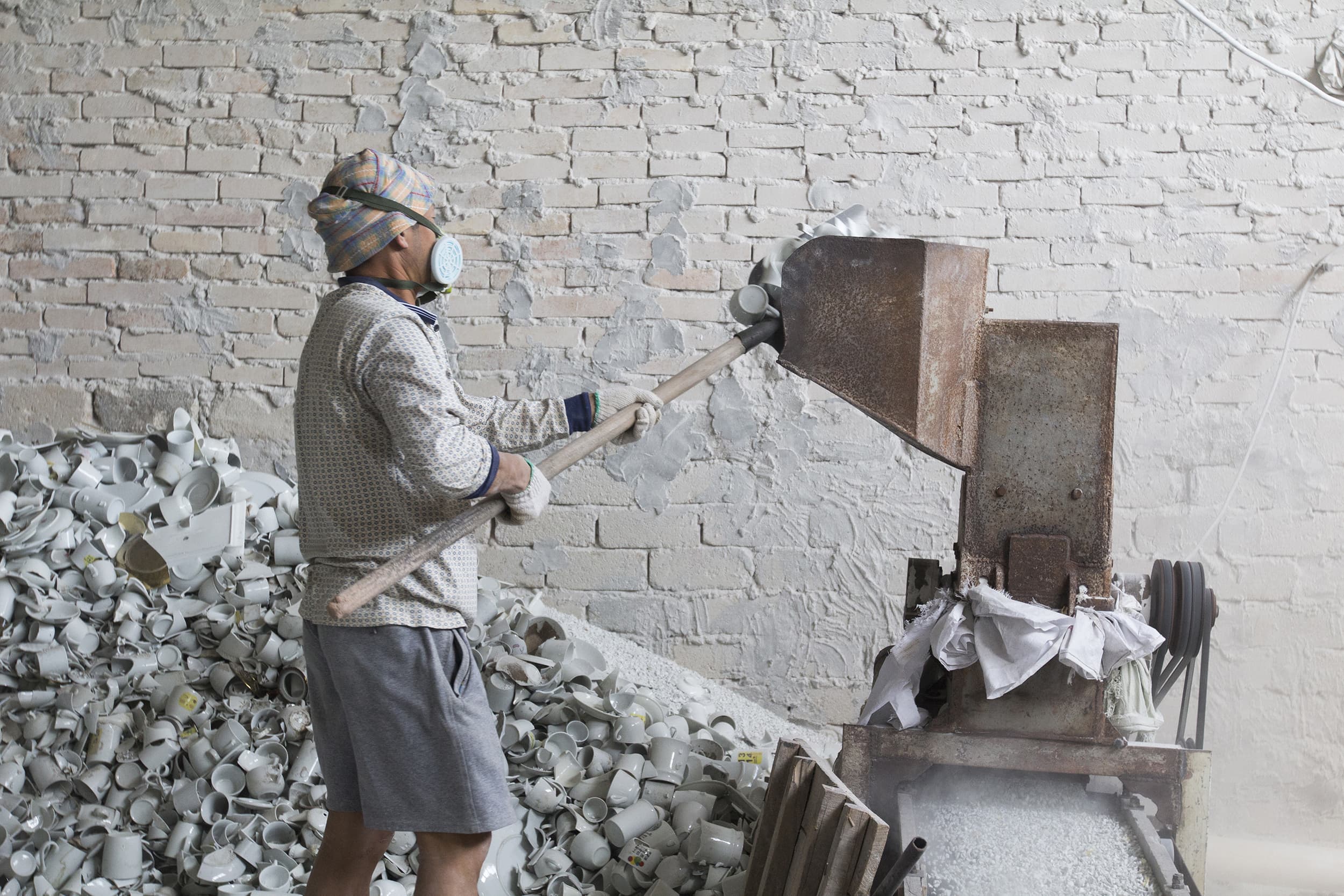
A quiet turning point arrived with the BENTU team. The brand independently arranged trucks to collect ceramic waste and dedicated itself to researching binder-free ceramic waste material application technologies in vacant factory spaces—sowing the seeds of an industrial revolution for circular ceramic waste utilization.
Years later, Chaozhou has established a comprehensive ceramic waste governance system anchored in EOD (Eco-Oriented Development) projects. The official website of the Chaozhou Municipal Government explicitly states a target to recycle 400,000 tons of ceramic slag annually. Amid this pivotal industrial transition, BENTU’s impact lies not in formal policy frameworks, but in its sustained design practices, commercial ventures, and public outreach, expanding influence deeply across three dimensions: professional expertise, industrial development, and societal progress. What began as a lone, pioneering flame has matured into a steady beacon guiding the entire industry forward.
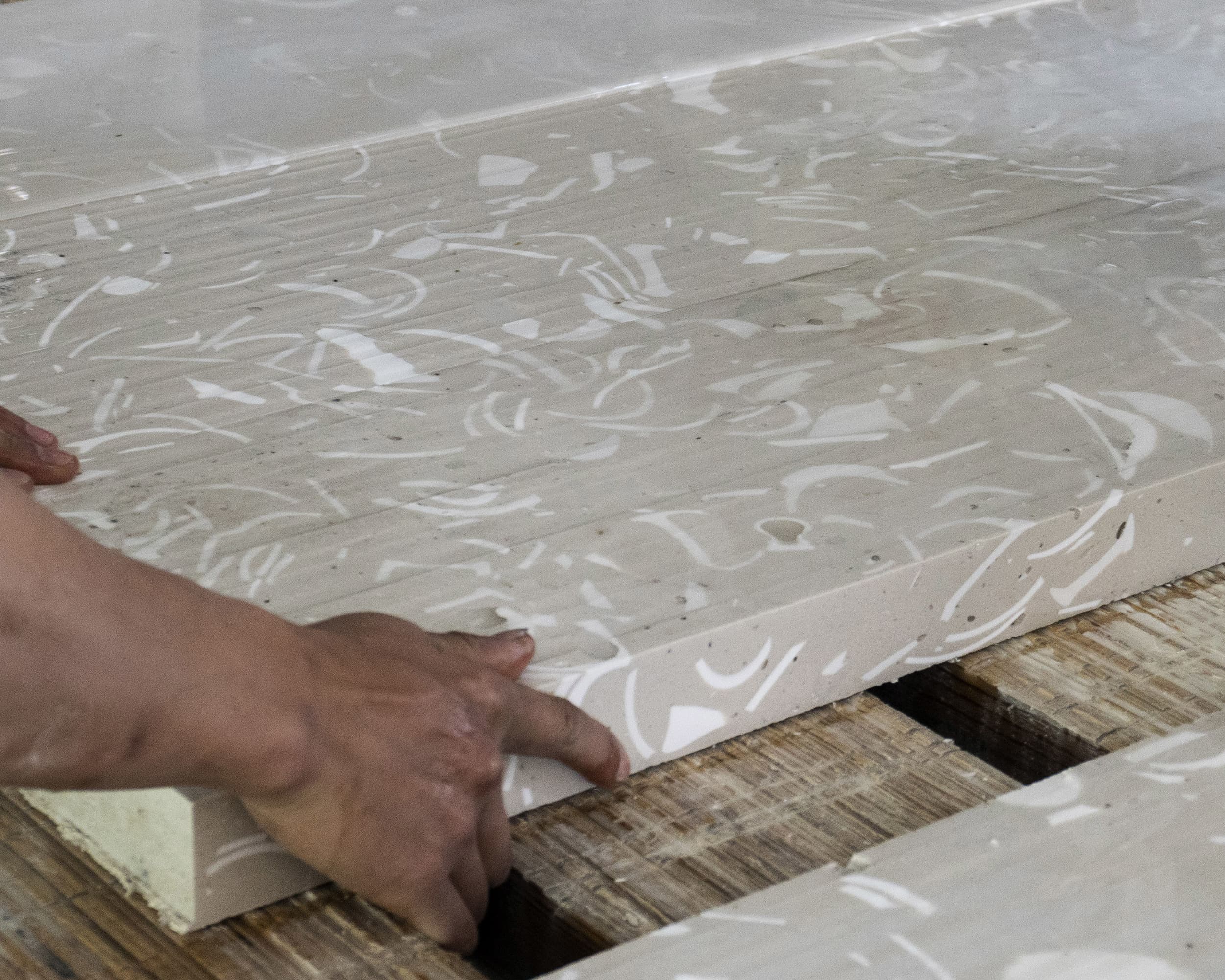
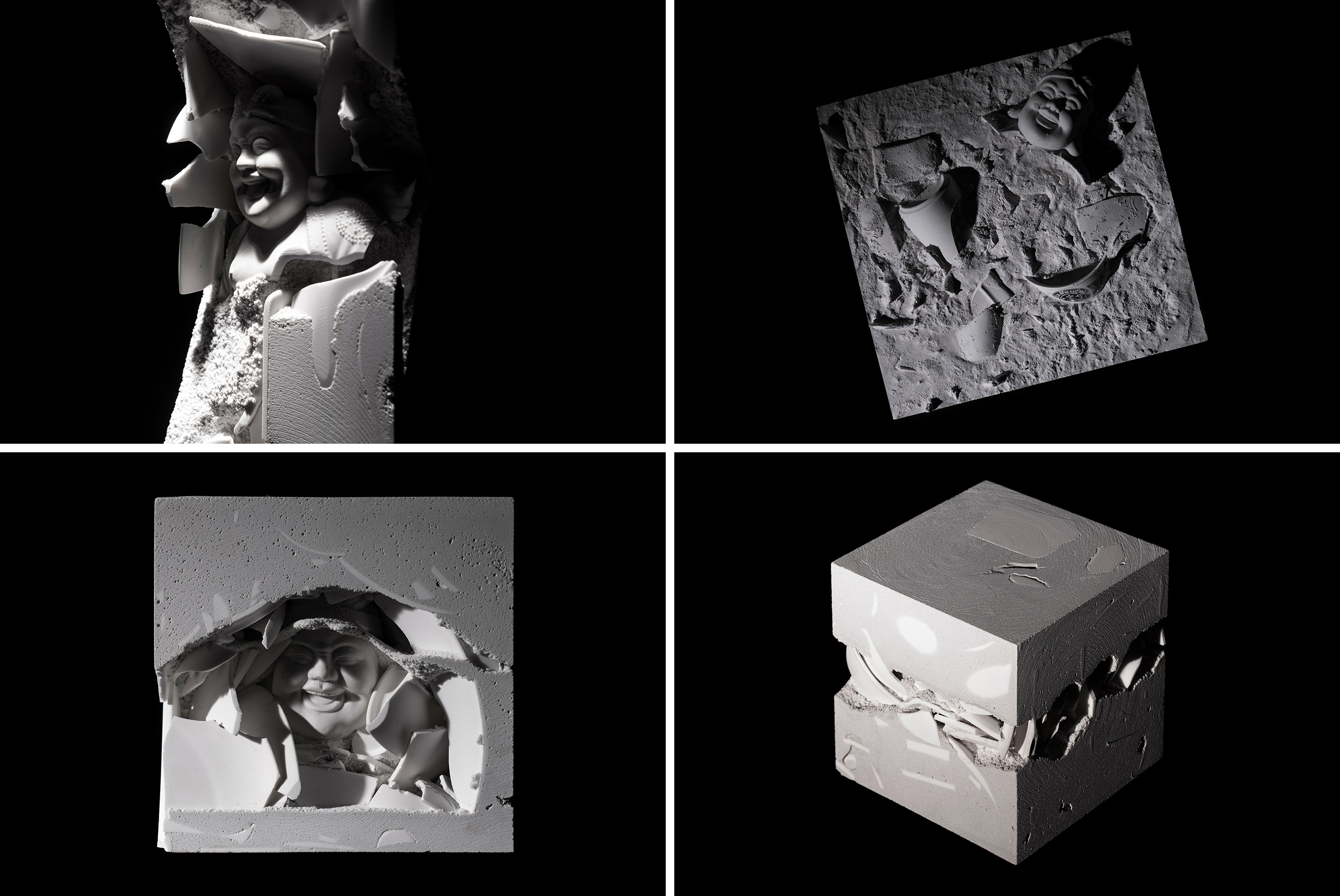
BENTU acts as a design bridge, bringing Chaozhou’s ceramic waste to the global design stage. Leveraging its innovative inorganic stone composite made from ceramic waste and a full portfolio of finished products, the brand has earned top-tier international accolades including Germany’s iF Design Award, Red Dot Design Award, and Japan’s Good Design Award. These honors represent global professional validation—not only of its design aesthetics, but also of its core ethos: ceramic waste regeneration and low-carbon sustainability.
Prior to BENTU’s breakthrough, binder-free processing and upcycled products from Chaozhou ceramic waste were virtually unrepresented in international design discourse. Discarded porcelain was dismissed merely as industrial rubble, never recognized as a viable material for design research and application. BENTU’s array of global awards stands as definitive proof: ceramic waste possesses unique aesthetic merit, with texture and performance matching virgin construction materials.
BENTU’s Wreck ceramic waste regeneration project garnered widespread coverage from leading international design media. Between 2018 and 2019, over ten premier global outlets ran dedicated features, building a far-reaching reputation for Chaozhou’s ceramic waste recovery and reuse model.
As “Chaozhou ceramic waste” graced international design publications repeatedly, its narrative shifted entirely: no longer merely a local environmental remediation concern, it emerged as a globally recognized, replicable benchmark for sustainable design.
Dezeen, one of the world’s most influential architecture and design platforms (3.5 million monthly readers, 6 million social followers), published a November 5, 2018 feature titled Bentu Design creates Wreck furniture from ceramic waste. The piece spotlighted BENTU’s core practice of transforming ceramic scraps into furniture, unpacking the technical logic of the Wreck collection and the brand’s foundational design philosophy. Founder Xu Gang shared in the interview: “BENTU means starting from native cultural heritage and indigenous raw materials. Even ordinary clay, treated with meticulous craftsmanship, can become as precious as diamond.” This quote has become the brand’s most concise international manifesto.
Designboom, a pioneering global digital design media outlet, released its coverage on August 14, 2018: Bentu experiments with furniture made of everyday ceramic waste from the world's largest factory hub. Framed around Chaozhou’s status as the global heart of tableware manufacturing, the article formally introduced Chaozhou’s ceramic circular economy to international design dialogue for the first time.
Renowned design and lifestyle platform Design Milk (approximately 440,000 monthly visitors) first featured BENTU’s Ceramics Made series in 2017, followed by an in-depth August 17, 2018 piece WRECK by Bentu Design: Wasted Ceramics Get a Second Chance. The feature positioned the Wreck project at the vanguard of global sustainable design, marking professional market endorsement of BENTU’s vision.
MaterialDistrict, the authoritative global innovation material database recommended by Harvard Graduate School of Design and Rhode Island School of Design, ran an August 20, 2018 special report: 'Wreck' experiments with reclaimed wasted daily-use ceramics. It documented BENTU’s creation of experimental furniture and art installations from discarded tableware at Shenzhen Design Week, elaborating thoroughly on its material regeneration core. This inclusion cemented Chaozhou’s ceramic waste regeneration technology within global material innovation circles and secured academic recognition.
International design publication Homecrux published Bentu Design Creates Furniture & Art Installations Using Waste Ceramics on August 22, 2018, offering a full overview of the Wreck project and detailing a seven-meter ceramic waste art installation showcased at trade fairs.
Australian independent design culture outlet Yellowtrace adopted a curatorial lens, framing Wreck as a reconstruction of traditional cultural systems. Its commentary captured the project’s profound humanistic value beyond material engineering: “Amid globalisation, modernisation continuously disrupts traditional social structures. BENTU roots itself in Chaozhou’s tableware ceramic industry, uncovering the fading cultural lineage and industrial frameworks beneath this high-output, commercially vibrant ancient city.”
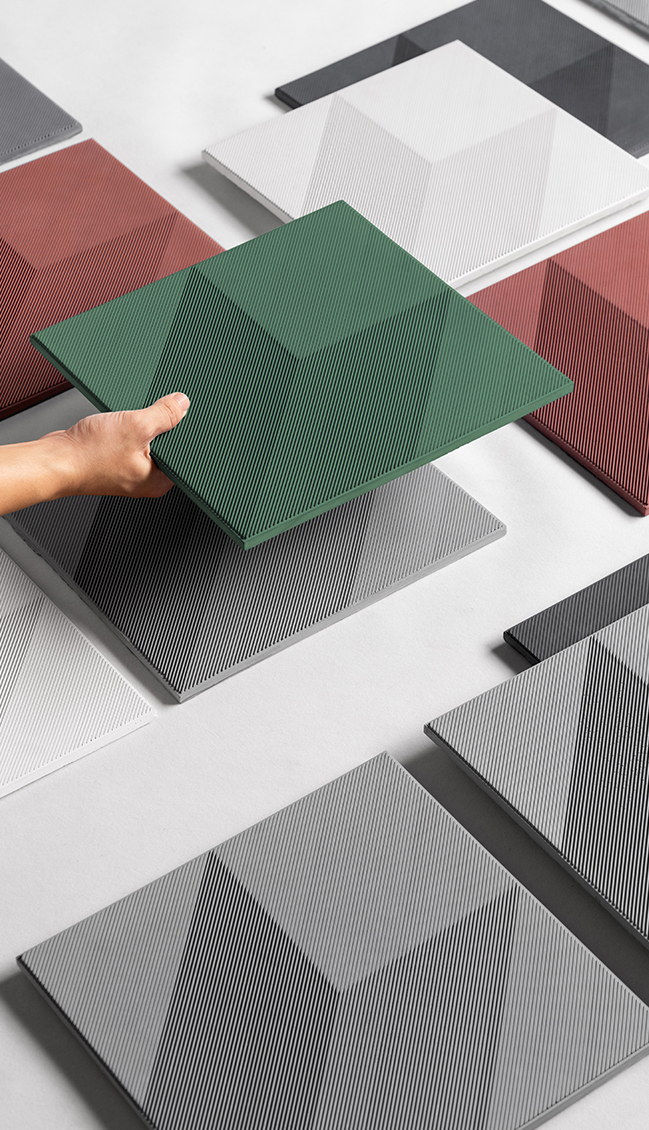
Vertical materials publication Surfaces Reporter highlighted scalable production in its 2022 article Bentu Design Upgrades Smashed, Wasted Daily-Use Ceramics into Decorative Bricks, analyzing the performance and versatile applications of BENTU’s ceramic waste terrazzo tiles. Xu Gang noted: “Sustainability is far more than an environmental issue—it requires comprehensive assessment and actionable delivery balancing structural safety, durability, economic viability, ecological compatibility, and social responsibility.” This marked the project’s evolution from experimental artworks to mass-producible construction materials.
European trend forecasting platform Eclectic Trends covered the cross-industry expansion in 2019 with Studio Bentu creates chargers from recycled waste, focusing on the X10 wireless charger crafted from regenerated ceramic waste. The feature illustrated how upcycled ceramic materials could expand into consumer electronics, broadening creative and industrial possibilities for reclaimed resources.
ArchDaily, the world’s highest-traffic architecture website (roughly 650,000 monthly visitors), repeatedly cited BENTU and its sub-brand NONGZAO as suppliers of furniture and regenerated materials in collaborative project reports, reinforcing authoritative global credibility for Chaozhou’s ceramic waste circular model from a professional architectural spatial design perspective.
This narrative of “Chaozhou ceramic waste” told through design practice has also resonated deeply within China’s domestic professional communities.
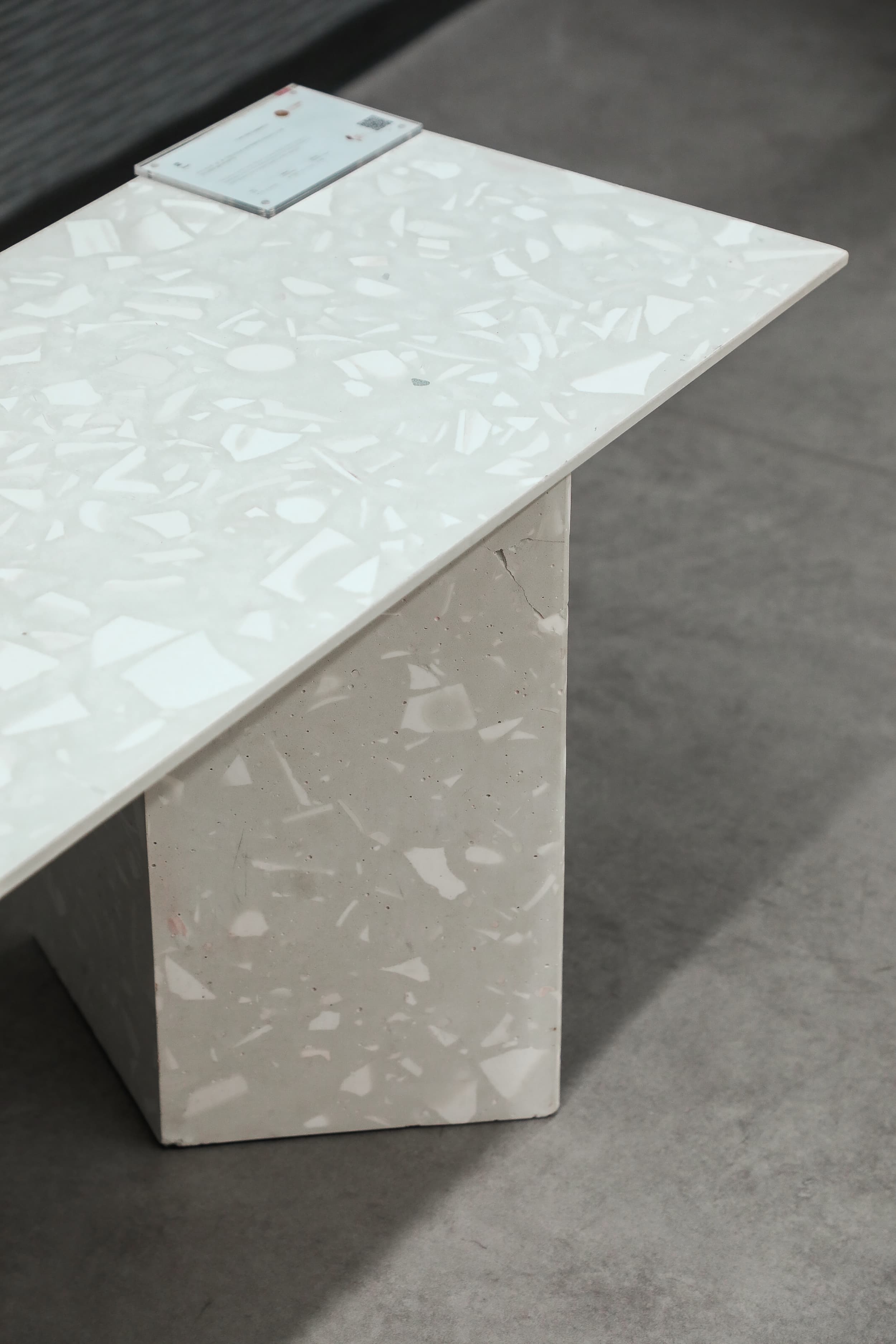
Leading Chinese architecture and design platform gooood has published ongoing dedicated features on BENTU from 2014 to 2022, spanning ceramic waste terrazzo trials and construction solid waste repurposing. Its 2016 coverage of the Porcelain Creation series extensively documented regeneration experiments built upon an annual surplus of four million tons of ceramic tile slag.
Authoritative domestic professional journals including Art and Design followed with in-depth features, further solidifying Chaozhou’s ceramic waste recycling standing within China’s design ecosystem.
BENTU’s upcycled ceramic works have also graced China’s premier national design stages. In 2022, its iconic outdoor furniture piece Liang (Beam) won the Gold Award in the Public Facilities category at the 3rd Golden Reed Industrial Design Awards and was deployed within Xiongan New Area’s public spatial network.
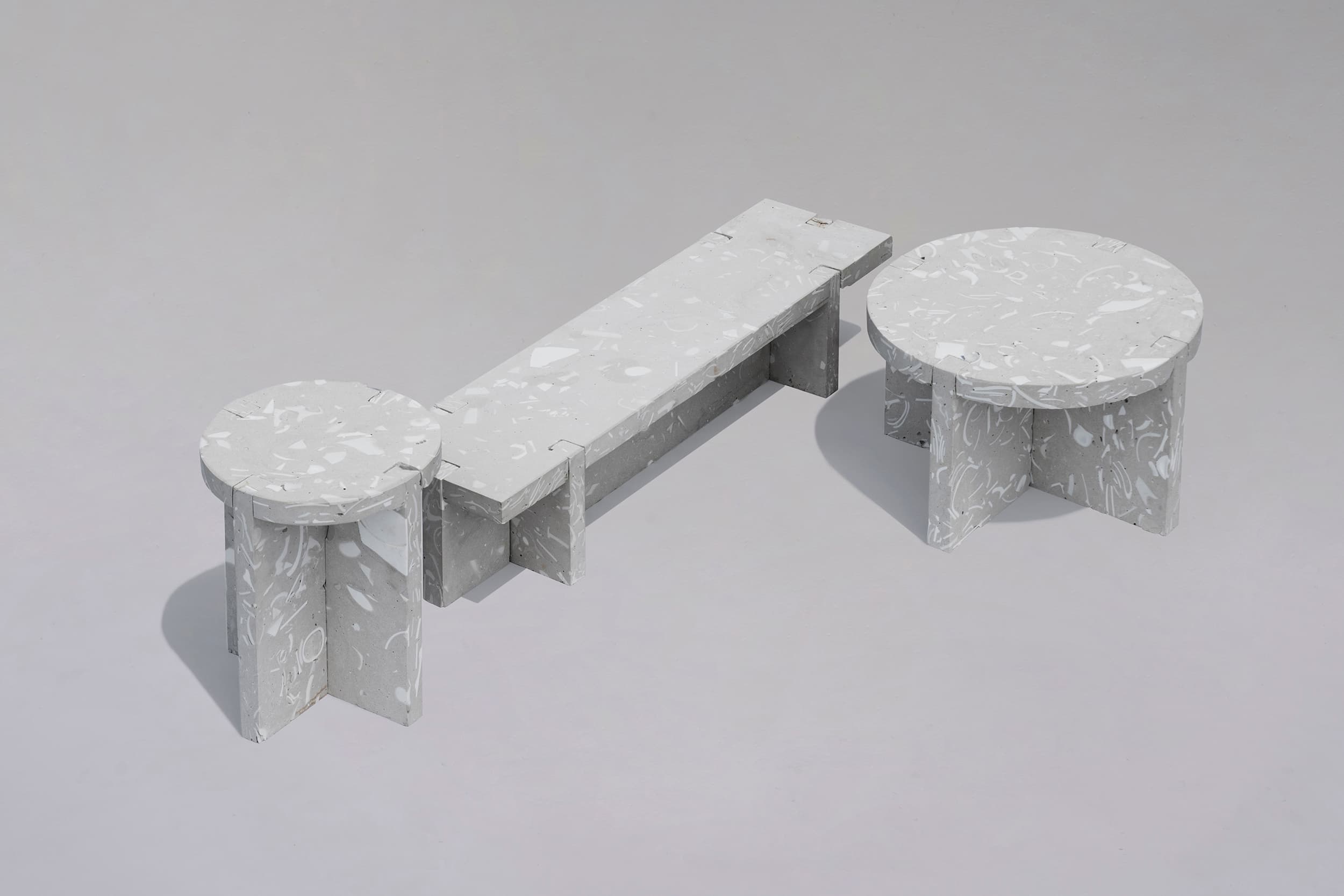
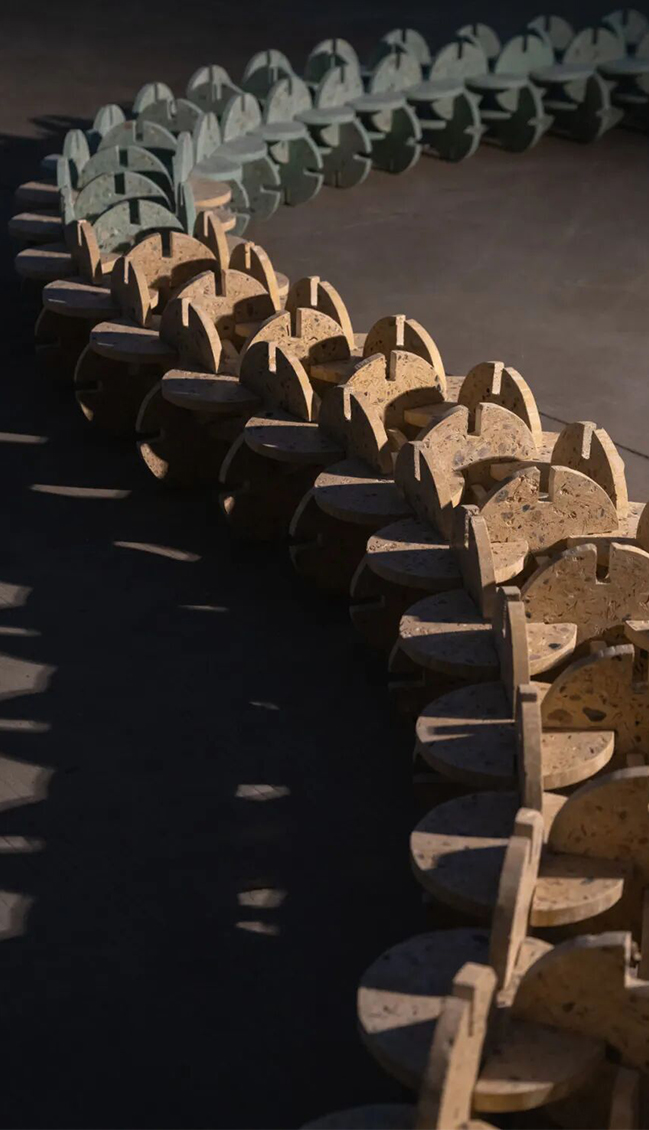
Drawing structural wisdom from the beam frameworks of traditional Chaozhou vernacular dwellings, the design translates ancient Chinese load-bearing architectural logic into contemporary public furniture language, forging a dialogue between classical forms and modern living environments.
Industrially transformative, the Liang collection is built on a mature circular economy model, utilizing approximately 60% recycled tableware ceramic waste as raw feedstock. Years of testing confirm this ratio meets rigorous outdoor furniture strength standards while enabling zero harmful emissions during manufacturing, forming a closed-loop resource chain: accumulated ceramic waste → regenerative processing → public infrastructure.
From design strategy prototyping to mass-production validation, the Liang series proves that stockpiled industrial ceramic waste functions as a green urban “mine” for future development. BENTU’s pioneering work has thus become integral to Xiongan New Area’s national low-carbon green development agenda.
BENTU’s ceramic waste regenerative creations have been exhibited at top international art and design fairs, including Milan Satellite Salone and Shanghai West Bund Art & Design Fair. In 2023, the brand’s monograph Refashioning Concrete was published by UK-based ACC Art Books and premiered exclusively at the Frankfurt Book Fair, featuring core creative philosophies and real-world outcomes of its Chaozhou ceramic waste upcycling series.
A confluence of professional awards, global media validation, and international exhibition exposure has elevated Chaozhou ceramic waste from a local environmental burden to an internationally benchmarked sustainable design paradigm. It transcends a niche pollution challenge for China’s coastal ceramic hubs, emerging as a landmark case at the intersection of global industrial transition, solid waste remediation, and circular design.
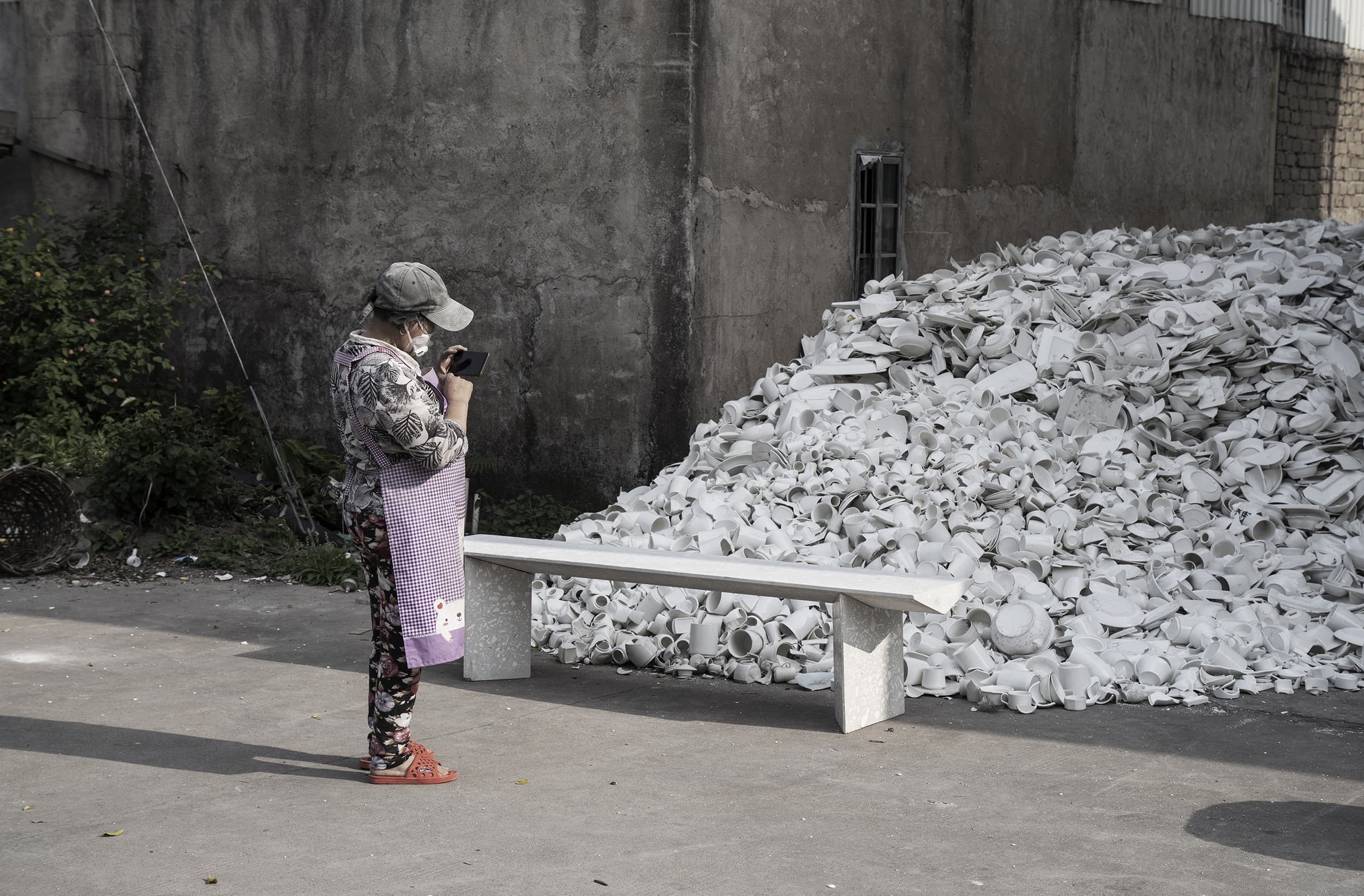
This shifted value perception has, in turn, empowered Chaozhou’s local industrial governance. As global attention spotlighted Chaozhou’s transformative breakthroughs with ceramic waste, local policymakers and domestic manufacturers gained strengthened resolve and public backing for actionable reform.
If international professional recognition resolved questions of value perception, commercial and industrial rollout completed the full cycle of value realization.
BENTU’s most pragmatic contribution lies in empirically proving ceramic waste’s commercial viability, catalyzing the growth of a complete supporting industrial chain.
From 2016 to 2019, the team built its operations from scratch, refining end-to-end processes for crushing, sieving, and binder-free forming of ceramic waste. Early experiments prioritized a heartfelt mission over immediate profit: shattered porcelain deserved a second life. The lab ran countless trials blending ceramic powder with inorganic mineral fillers, perfecting pressing, curing, and polishing techniques to produce the first binder-free ceramic waste slab. At that moment, the team understood this was far more than a design experiment—it represented a scalable, expandable new industrial sector.
Between 2019 and 2021, as product craftsmanship matured, BENTU intentionally nurtured local ceramic waste collectors in Chaozhou to build a front-end raw material supply network. Market skepticism ran high initially; local workers doubted broken porcelain could generate steady income. BENTU countered with consistent, long-term purchase orders, delivering clear market signals: reliable profits awaited those who sorted, crushed, and delivered ceramic waste. Market-driven incentives proved far more effective than policy advocacy alone.
From 2020 to 2023, soaring market demand for BENTU’s ceramic waste inorganic stone products spurred industry-wide replication. While short-term competitive pressure impacted the brand, imitation accelerated industrial scaling: specialized recycling firms such as Chaolv Green Renewable Resources and Huanerbao Ceramic Waste Recovery launched operations, turning once-unwanted shards into priced tradable commodities. Material manufacturers Fulitian Aoshi Stone and Lvyang Environmental Protection entered the sector, focusing on ceramic crushing and aggregate processing. Industry surveys reveal single recycling plants in Chao’an District now process over one thousand tons of ceramic waste annually. A rudimentary division of labor took shape: informal individual collectors integrated into standardized supply chains, with sorting, crushing, sieving, and delivery evolving into specialized trades. These grassroots industrial supply networks form the foundational capacity enabling Chaozhou’s annual 400,000-ton ceramic slag remediation target.
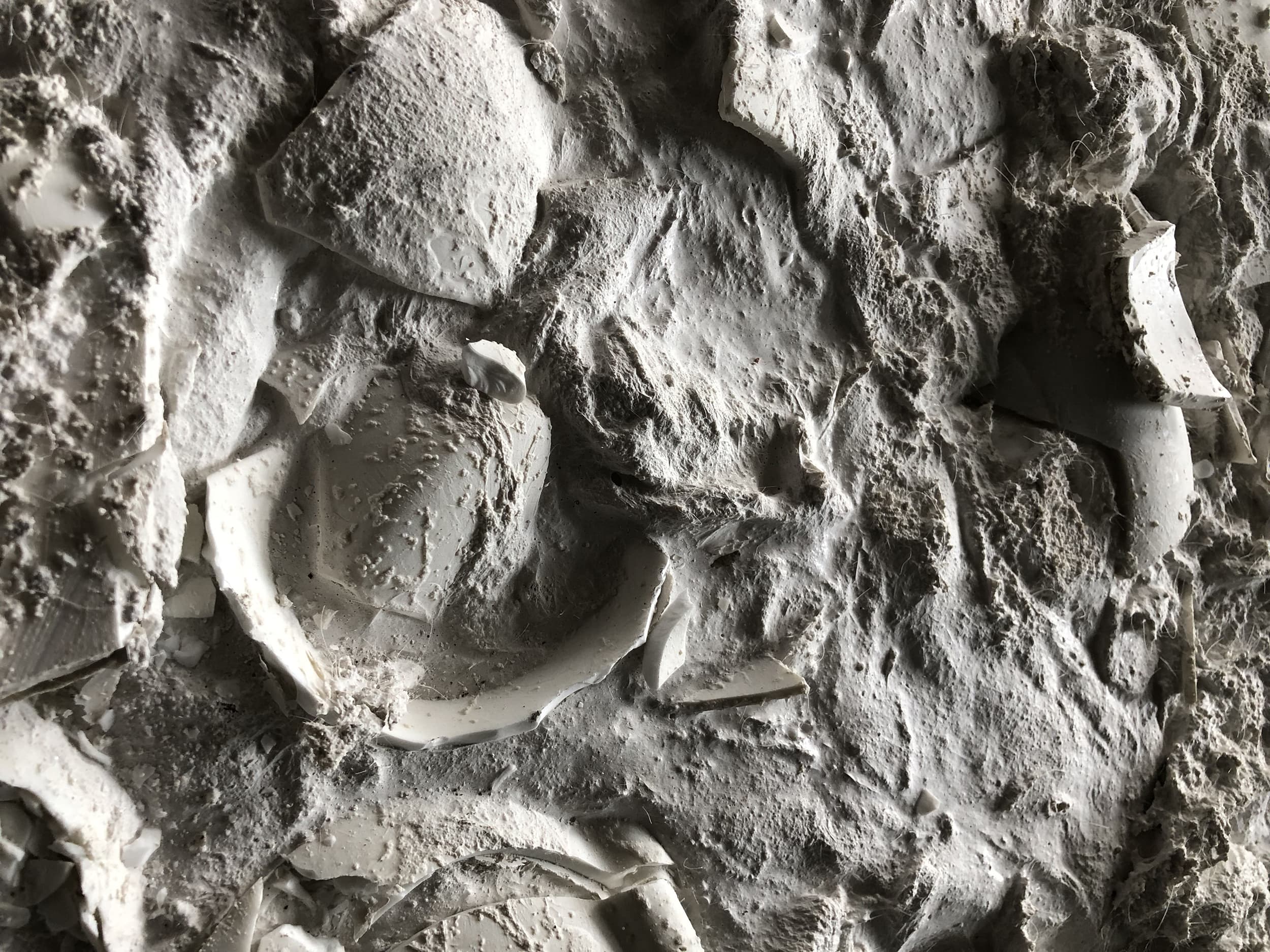
Widespread industry imitation itself validates the viability of BENTU’s model. Rather than resisting replication, BENTU welcomes expanded industry participation: widespread market adoption confirms ceramic waste upcycling is commercially feasible. With dozens of local enterprises now operating across the ceramic waste value chain—transforming worthless rubble into quantifiable, priced regenerative material—BENTU’s early trial-and-error efforts fulfilled their true industry-shaping purpose.
Beyond professional empowerment and industrial acceleration, BENTU fulfills an often-overlooked social role: a communicator of sustainable values and driver of public environmental education. No sustainable industry can thrive long-term without widespread public awareness and buy-in. Through three core channels—hands-on design practice, offline exhibitions, and media outreach—the brand continuously elevates public understanding of sustainability.
In December 2022, Southern Metropolis Daily’s online platform Onet published a nearly 5,000-word in-depth interview titled Xu Gang of BENTU: Sustainability Is a Cause for Everyone to Join. Speaking to a leading national mainstream outlet, Xu Gang articulated the brand’s twelve-year core philosophy: “Sustainability is not an isolated pursuit for designers—it is a societal undertaking requiring collective public participation.”
This interview expanded Chaozhou’s ceramic waste story from insular design circles to nationwide public discourse, placing local solid waste remediation squarely on the mainstream civic agenda. Major financial media outlets including 21st Century Business Herald and Yicai followed with deep dives into industrial bottlenecks, sustainability hurdles, and design-led solutions, drastically boosting public visibility of the issue.
Meanwhile, BENTU’s ceramic waste regeneration case featured on popular Bilibili series Discover China’s Premium Materials, embedding the mantra “making sustainability visible” into youth culture. Viewer comments such as “Who knew scrap material could be this sophisticated” reflect a groundswell of emerging eco-consciousness among younger generations.
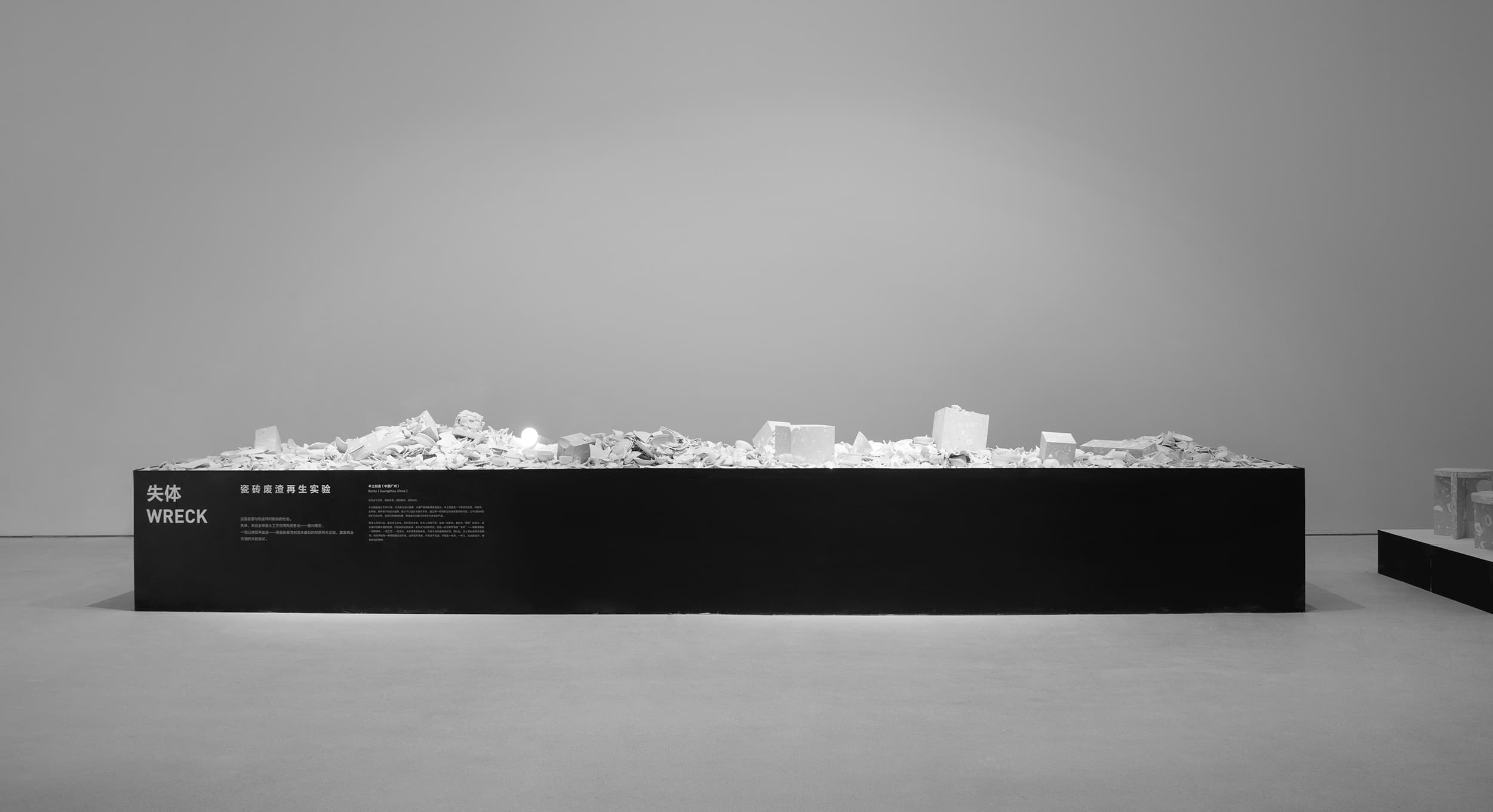
Through touring Wreck exhibitions and official platforms like Shenzhen Design Week, BENTU transforms piles of shattered porcelain into striking visual narratives. Showspace displays feature seven-meter monumental art installations and experimental furniture forged from Chaozhou tableware slag, paired with video documentation and interpretive text that vividly illustrate challenges facing the world’s largest tableware manufacturing hub.
Visitors move through immersive displays contrasting raw piled ceramic waste, smooth refined regenerative panels, and curated designer furniture. This tangible journey from scrap to finished product resonates far more powerfully than written reports alone: audiences grasp both the environmental crisis of porcelain waste accumulation and tangible pathways to upcycling success.
Sustained media coverage and physical exhibitions have lowered barriers to public understanding of circular design, laying critical social consensus and public opinion groundwork for subsequent local policies including the Three-Year Action Plan for Comprehensive Renovation and Upgrade of Chaozhou’s Porcelain Clay Industry.
Reflecting on 2016, when ceramic waste held zero market value, to today’s fully structured EOD governance ecosystem in Chaozhou—this transformation did not emerge organically; it stems from persistent, intentional action by dedicated pioneers.
BENTU was not the sole stakeholder, yet it stands as the earliest, most steadfast core trailblazer, uniquely merging design rigor with social responsibility.
Subsequent industry entrants and copycats independently confirm the soundness of its regenerative framework: broad market replication offers empirical proof the model works.
As the industry matures, BENTU’s operational role has naturally evolved. It no longer needs to haul every truckload of ceramic waste or independently troubleshoot every material formulation. Its enduring legacy—forward-thinking philosophies, a proven scalable workflow, a replicable implementation blueprint—has permeated the entire industrial ecosystem. This embodies the true meaning of a guiding beacon: a beacon need not be the sole source of light, only the first to ignite and steadfastly lead the way.
Chaozhou’s ceramic waste remediation story is far from finished. Behind the 400,000-ton annual recycling target lies endless daily sorting, crushing, transport, and manufacturing. BENTU has also moved beyond basic material regeneration to explore further upstream: what other overlooked industrial scraps hold untapped potential? What unaddressed industrial pain points await design-led solutions?
A simple founding conviction anchors the entire mission: “These materials should never be buried.” This unpretentious belief is the pure origin of that initial trailblazing spark. BENTU advances steadily still, striving to unearth undervalued, discarded potentials and reignite them one by one.
This is BENTU’s most sincere, invaluable legacy to Chaozhou’s ceramic waste repurposing mission. It is no static monument commemorating past achievements, but an enduring, unextinguished lamp lighting the path forward indefinitely.
Author: Xu Gang
This original essay belongs to BENTU’s Local Regeneration Critical Thinking Series. Taking Chaozhou ceramic waste as a case study, it traces the full journey of indigenous material transformation—from discarded industrial slag to a global sustainability benchmark—through design practice, industrial ecosystem cultivation, and public outreach.

- Contact
+8620 8977 0506
- Press
press@bentudesign.com
- Enquiry & Sales
info@bentudesign.com