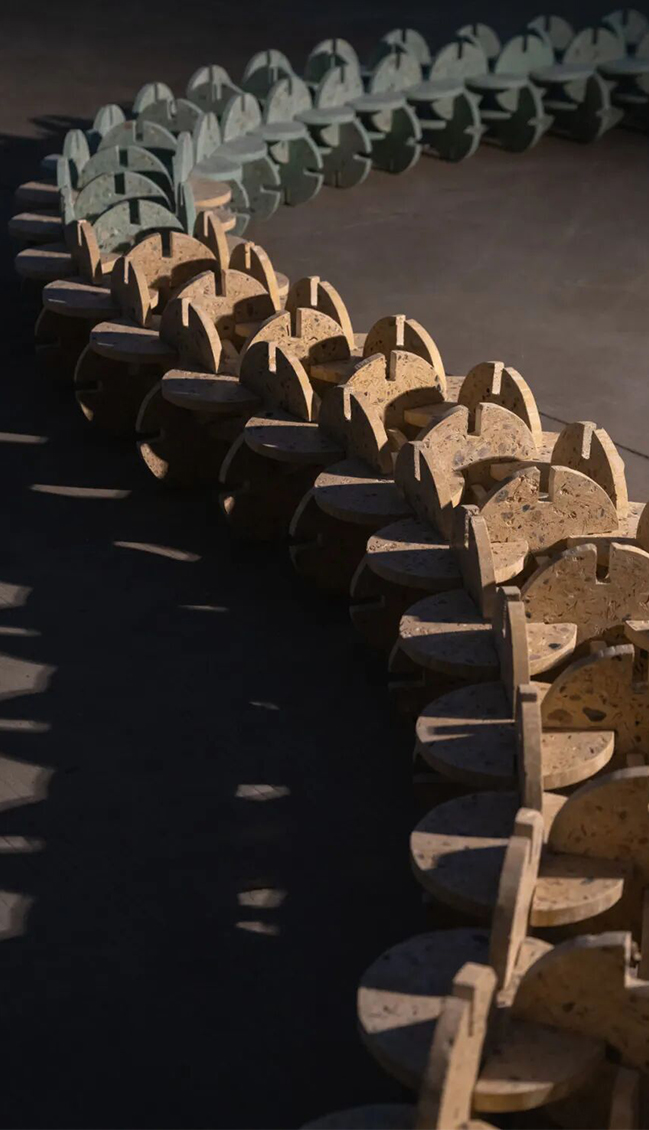
When Fly Ash Is No Longer Merely "Waste": MaterialDistrict Validates the Technical Value of BENTU
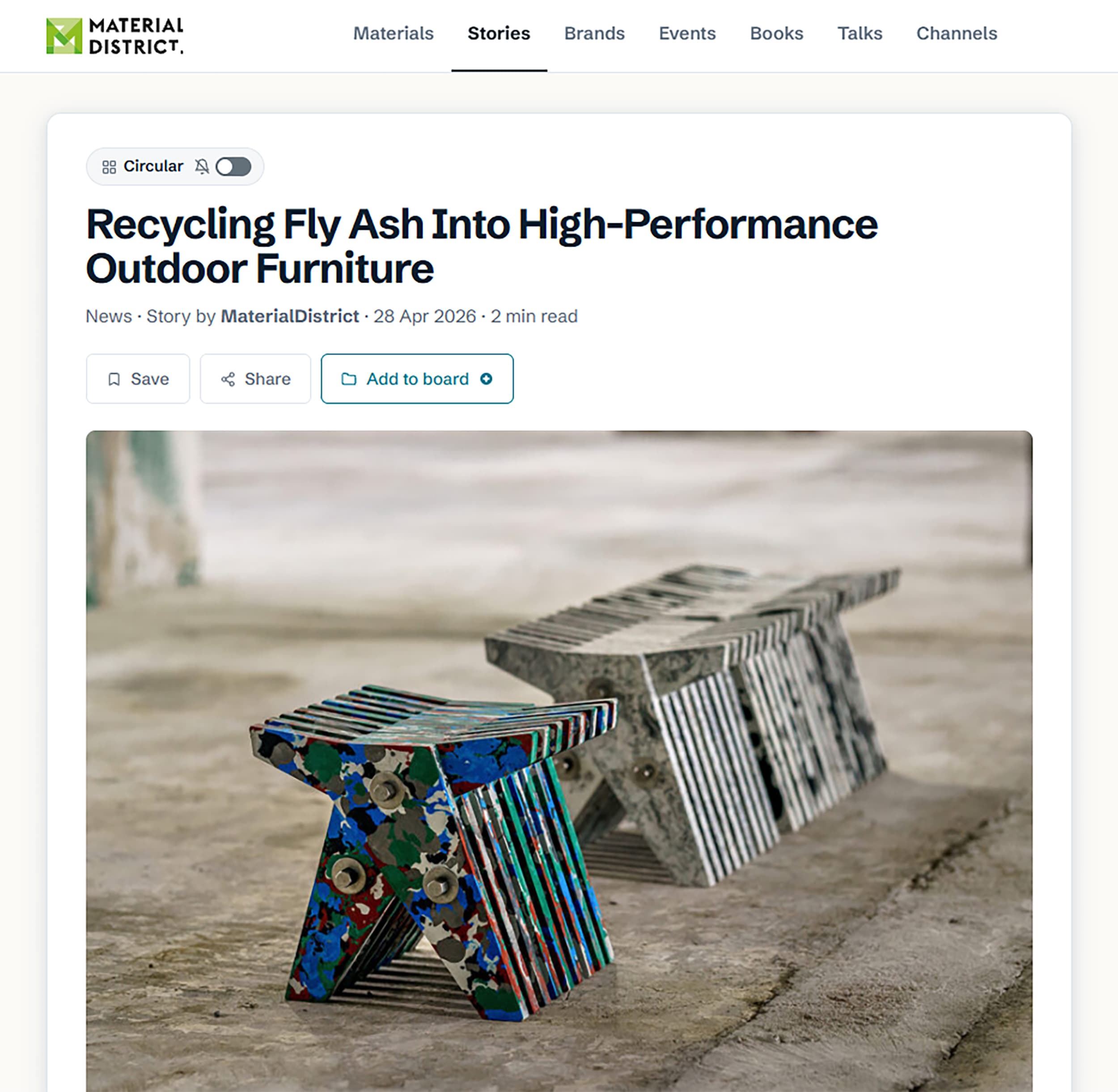
In April 2026, MaterialDistrict, a globally authoritative platform for material innovation, released an in-depth technical report titled Upcycling Fly Ash into High-Performance Outdoor Furniture – Chinese Design Studio BENTU Explores the Material Potential of Industrial Waste. Written in an objective and rigorous technical tone, the article thoroughly breaks down the raw material sources, multi-component proportioning logic, room-temperature forming process, and long-term physical performance of the X Stool.
This is precisely what sets MaterialDistrict apart from mainstream design media: the platform does not publish subjective aesthetic comments, only verifiable facts including material composition, tested performance, and engineering implementability. Its core users are architects, material engineers and industrial product designers worldwide, who log on not to browse design trends, but to screen practical new material solutions for real projects. Official inclusion and publication of a technical article on the platform means this solid waste material system has formally entered the global design industry’s standardized material selection library, accessible for retrieval, comparative evaluation and direct application in international projects by global professionals.
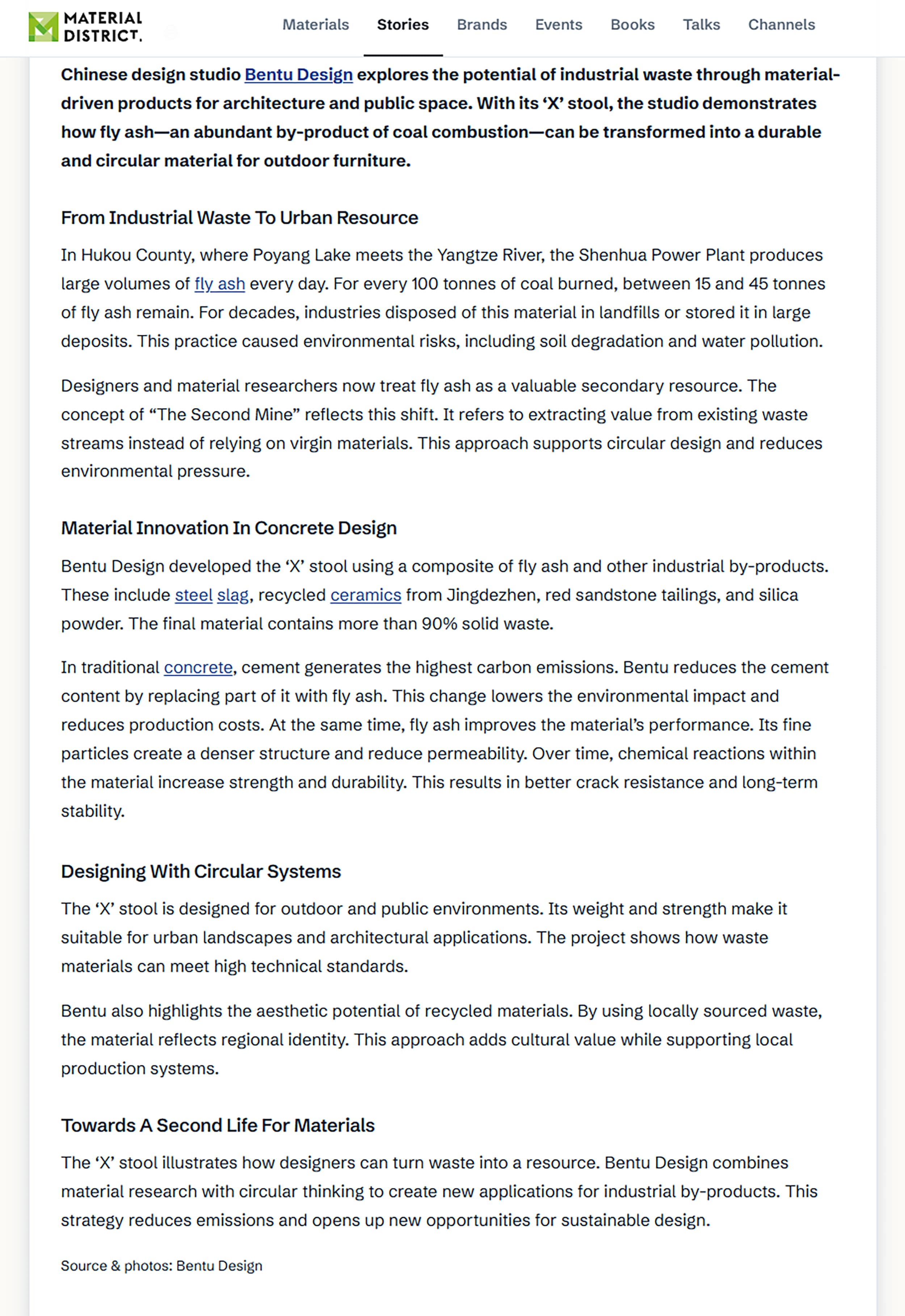
The report clearly elaborates on the industrial status quo and redefined value of fly ash:
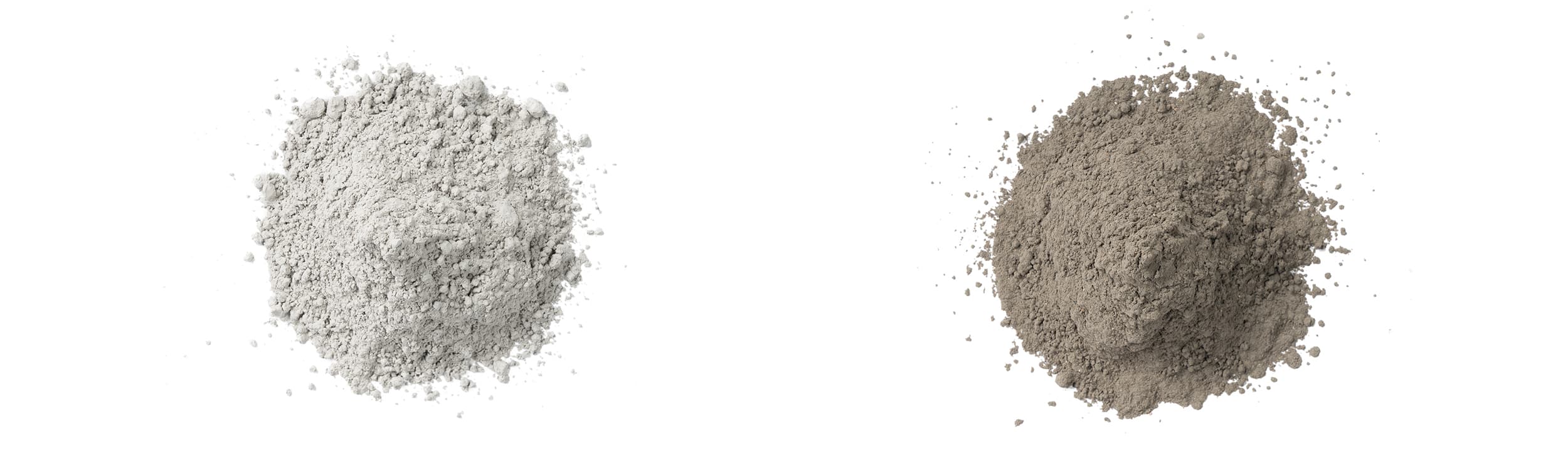
Fly ash is a by-product of coal-fired power plants, which generate massive volumes of this material annually. This industrial residue is usually stockpiled in large ash ponds or sent to landfills.
Going beyond the superficial label of fly ash as industrial waste, the report highlights BENTU’s value reconstruction of the material:
BENTU sees fly ash as a resource—not a waste product.
It further interprets the brand’s core concept of the "Second Mine":
The manufacturer coined the term "Second Mine". This concept refers to extracting valuable resources from waste streams instead of relying exclusively on virgin raw materials.
This is no mere literary metaphor, but a mature and complete material philosophy: whether a substance qualifies as a viable raw material is never determined solely by its natural mineral origin, but redefined by a matched technical system.
In terms of performance, the report details fly ash’s dual functions within the composite system:
Fly ash improves the material's performance. Its fine particles create a denser structure and reduce permeability. Over time, chemical reactions within the material increase strength and durability. This results in better crack resistance and long-term stability.
Far from being a simple filler, fly ash actively optimizes structural performance: its micron-scale fine particles fill internal pores and lower water permeability. Meanwhile, its latent hydraulic activity triggers continuous alkali-activated reactions, enabling the finished product to gain strength steadily over time with outstanding crack resistance and long-term structural stability.
Regarding the multi-solid-waste composite formula and low-carbon production process, the original text records:
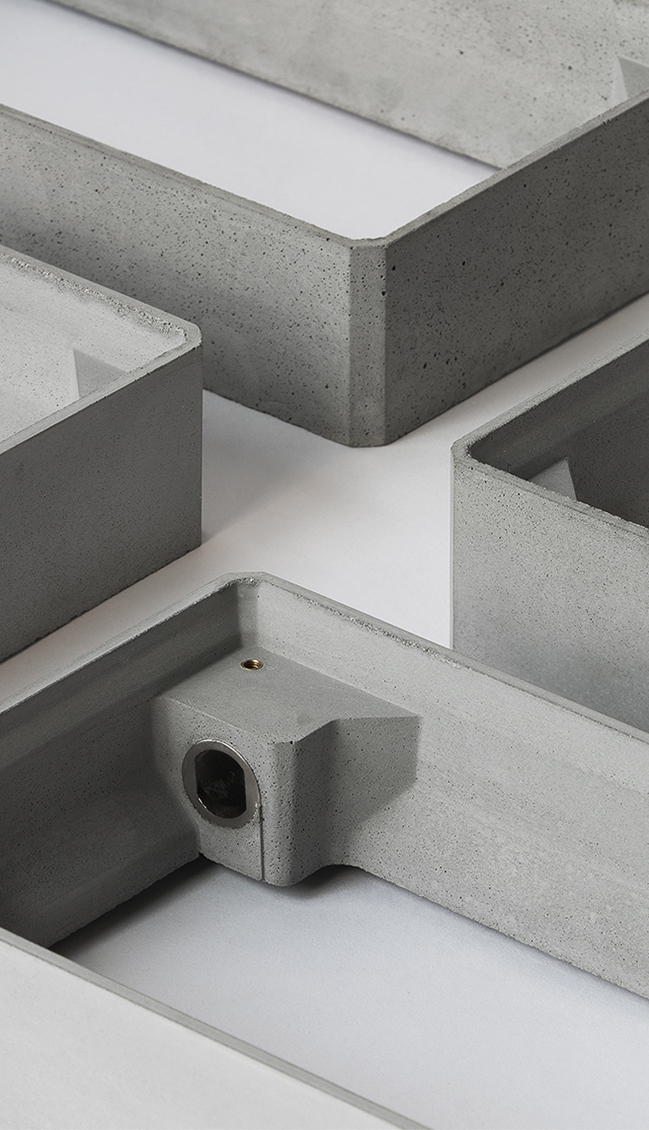
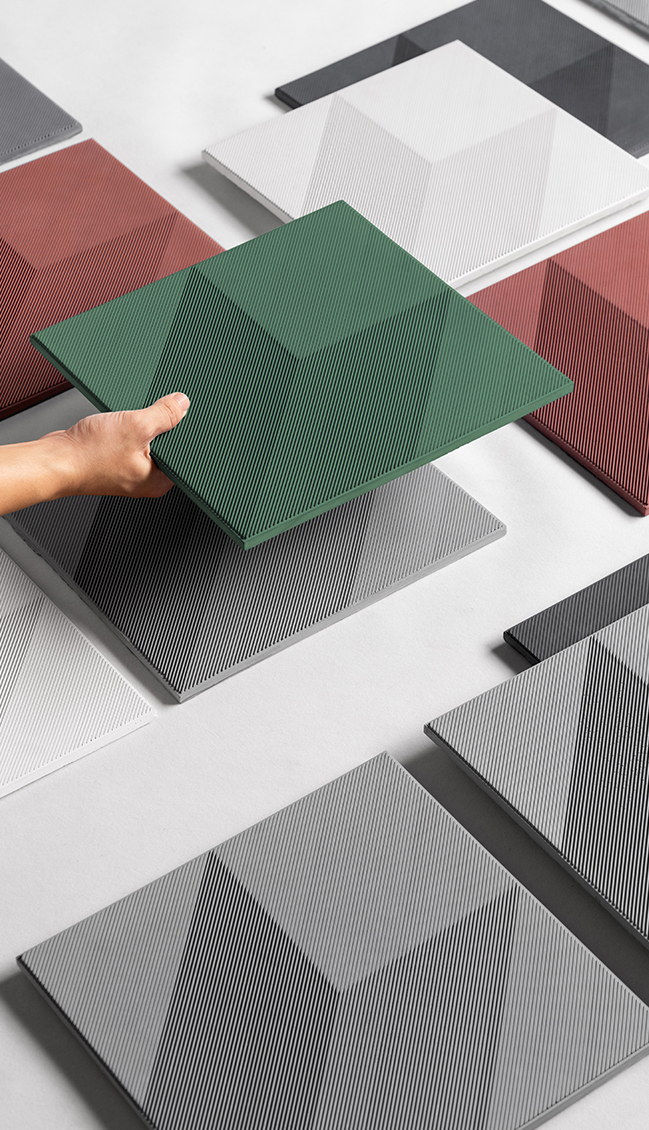
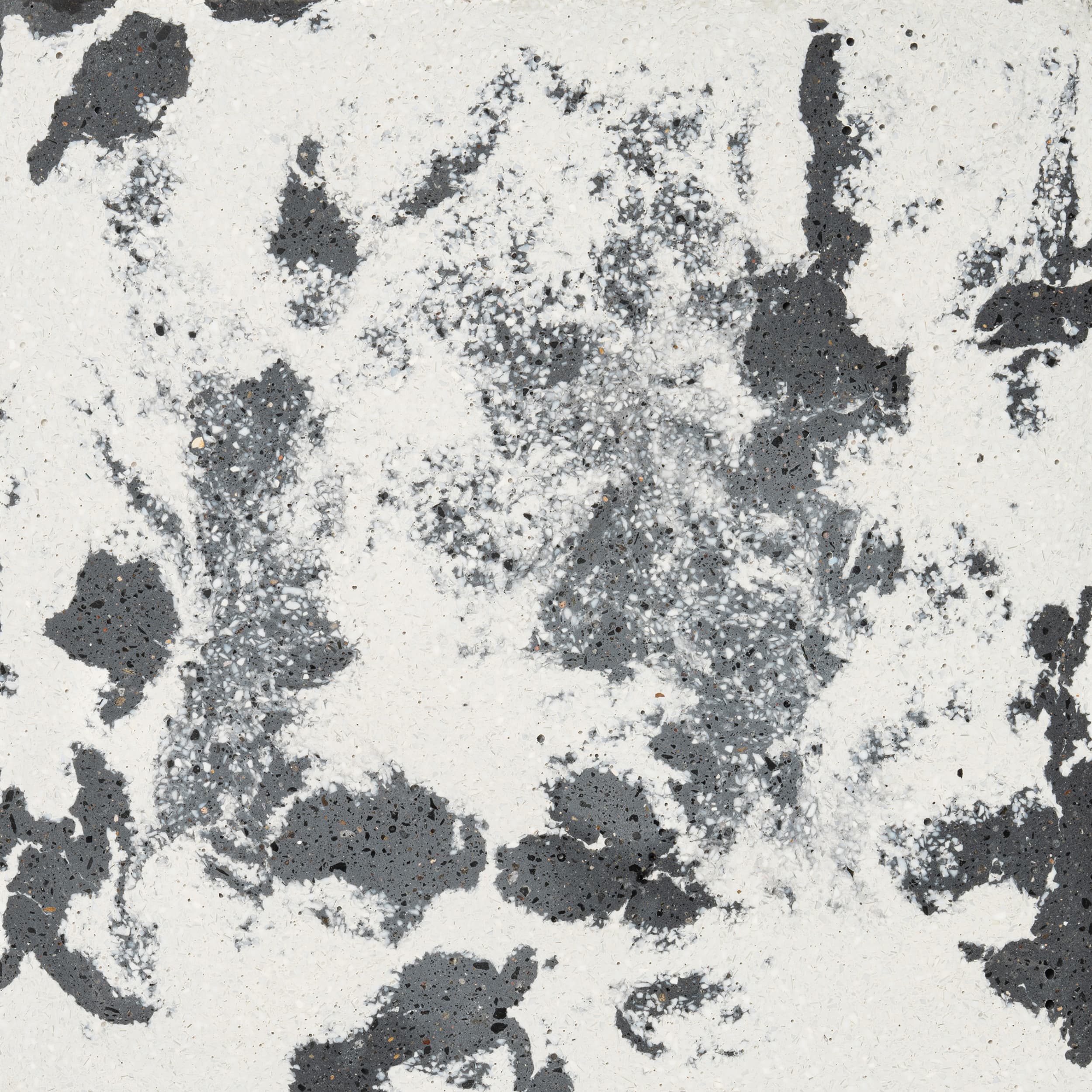
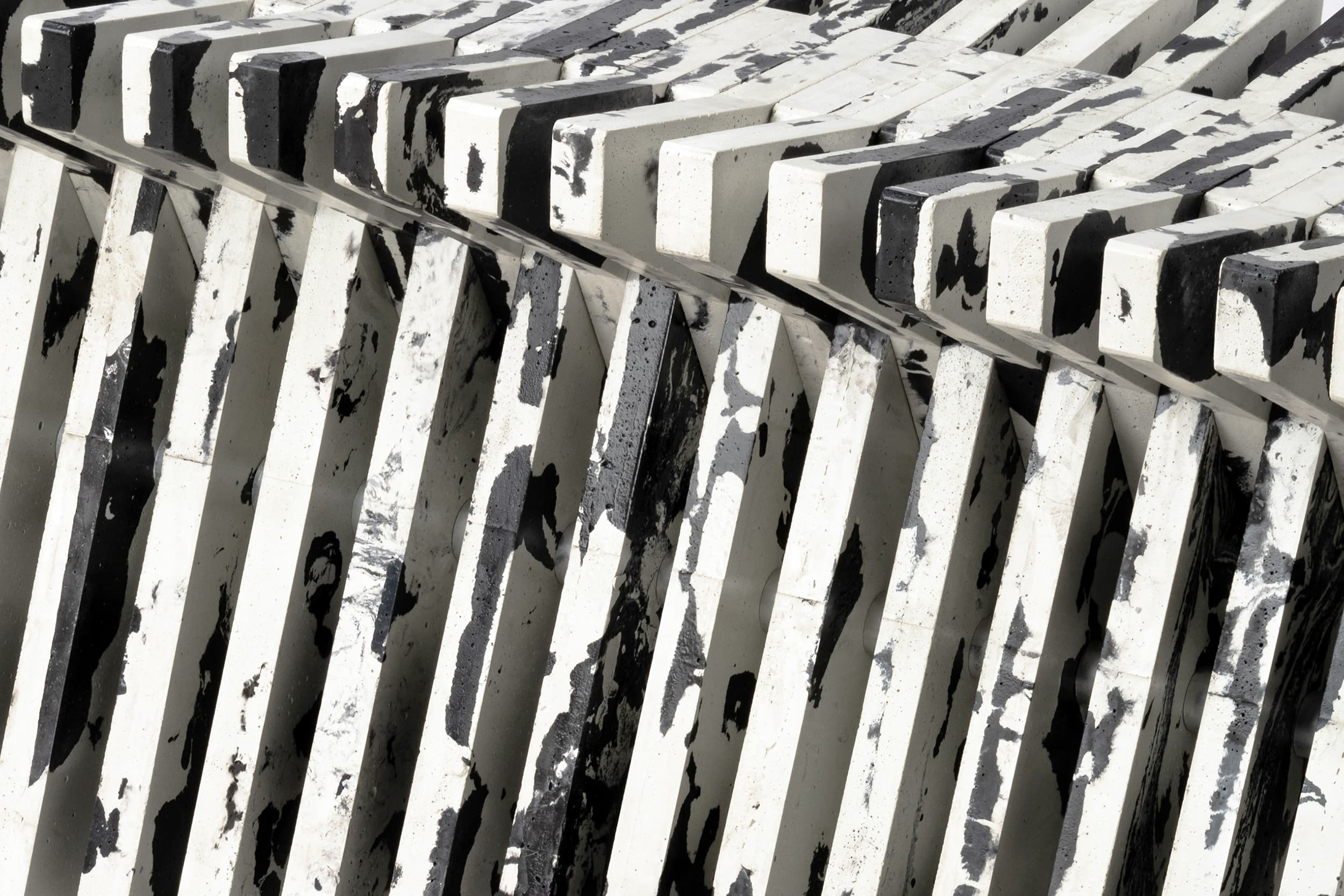
The furniture is produced from various waste materials: steel slag, fly ash, waste ceramic powder, and red sandstone tailings. This mixture is combined with a binder to form a high-strength composite material produced with low energy consumption. The production process involves no sintering at room temperature. This keeps the carbon footprint low.
The whole process represents systematic material reconstruction, rather than random mixing of different wastes. Steel slag, fly ash, waste ceramic powder and red sandstone tailings each play designated roles based on their respective physical properties. Forming and curing take place entirely at ambient temperature without high-temperature sintering, delivering high structural strength while strictly controlling carbon emissions across the whole production chain.
Unlike one-off news pushes, the content value of MaterialDistrict lies fundamentally in industry database archiving. Its core mission is to connect material R&D teams with global engineering end users. Architects worldwide working on public projects can locate this entry via keywords such as "sustainable concrete" and "high-performance recycled solid waste materials", accessing full formula ratios, mechanical parameters and real-site cases as key references for material comparison.
Compared with short-term exhibition exposure and traffic-driven media coverage, database inclusion delivers long-term accumulated professional credibility. The brand’s technology is no longer presented in a one-time public showcase, but permanently stored in the selection lists of global engineers for anytime access and verification.
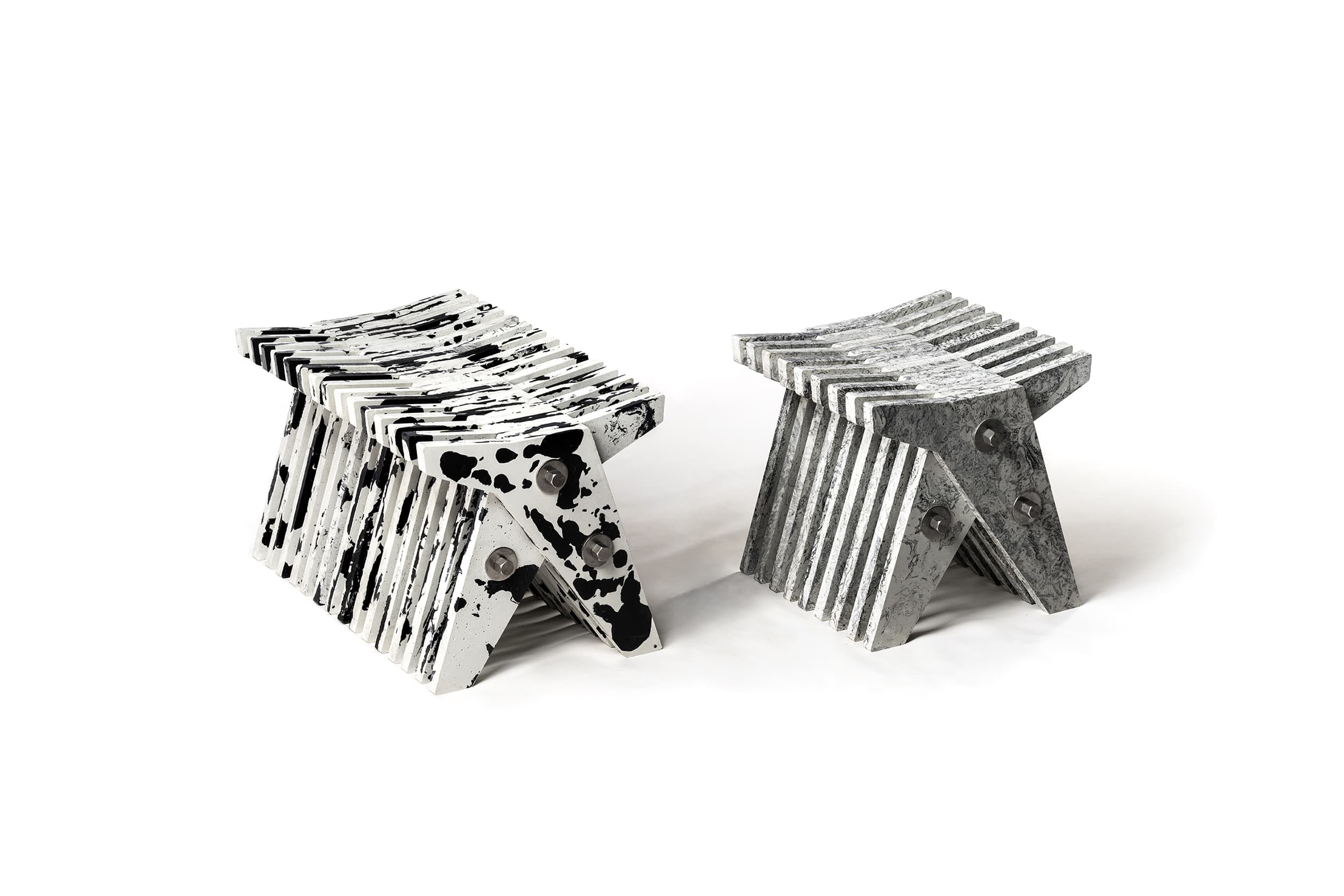
The platform chose to feature the X Stool not for its avant-garde appearance, but for recognition of its replicable and implementable full solution: high dosage of industrial solid waste, low-carbon room-temperature non-firing technology, support for local raw material sourcing, and adaptability to distributed small-scale production — perfectly meeting the global market’s urgent demand for pragmatic recycled material solutions.
This special report by MaterialDistrict marks a pivotal milestone in BENTU’s international communication journey.
Prior to this, overseas communication remained in the external verification phase: proving to the international market that a Chinese team delivers mature sustainable design capacity and that industrial solid waste can be processed into qualified commercial building materials. Inclusion by this vertical material platform signals a new stage for the brand narrative: there is no longer a need for repeated self-verification of product quality, as it has obtained objective archived records from a globally authoritative professional system, evolving into a standardized material solution with industry reference value.
The report explicitly quotes the core "Second Mine" concept, confirming that this industrial logic has gained wide recognition within professional circles, transcending internal brand discourse. Massive volumes of globally accumulated industrial solid waste are not environmental burdens awaiting disposal, but resource mines waiting to be developed with sound technologies. By structuring the full article around this rigorous, pragmatic material perspective, the platform indicates the concept is winning broader industry consensus.
BENTU boasts a clear and traceable global communication path spanning international design media including Dezeen and Domus, the comprehensive creative platform Designboom, and finally the vertical material database MaterialDistrict: from aesthetic creative exposure, to full technical deconstruction, and ultimate formal archiving in a professional database.
While the report offers no explicit endorsement conclusion, its detailed performance data of fly ash, description of the multi-solid-waste composite process, and recognition of the "Second Mine" philosophy deliver an objective fact: this material technology originating from waste stockyards in the Pearl River Delta has been officially incorporated into the knowledge base of one of the world’s leading material retrieval platforms.
For a brand centered on material upcycling, such objective and professional documentation without subjective praise carries far greater weight than emotional reviews.
Author: Xu Gang
This original article belongs to the BENTU Brand Reflection Series. Based on facts from the MaterialDistrict technical report, it explores the growth journey of BENTU’s solid waste recycling system from gaining visibility to securing official database inclusion.

- Contact
+8620 8977 0506
- Press
press@bentudesign.com
- Enquiry & Sales
info@bentudesign.com