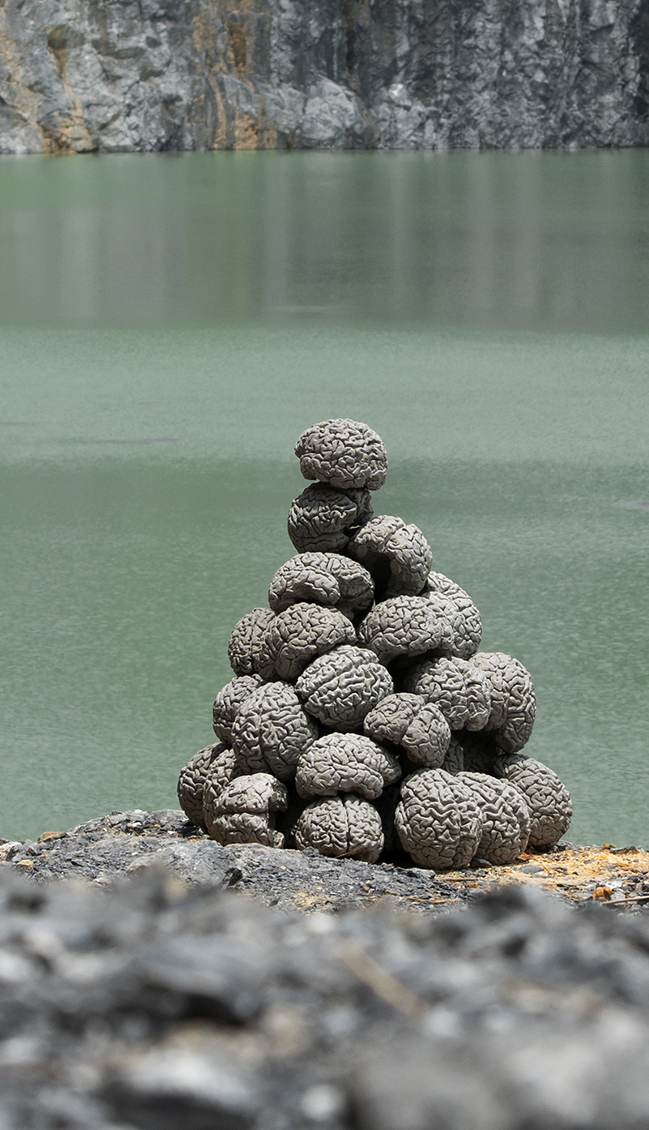
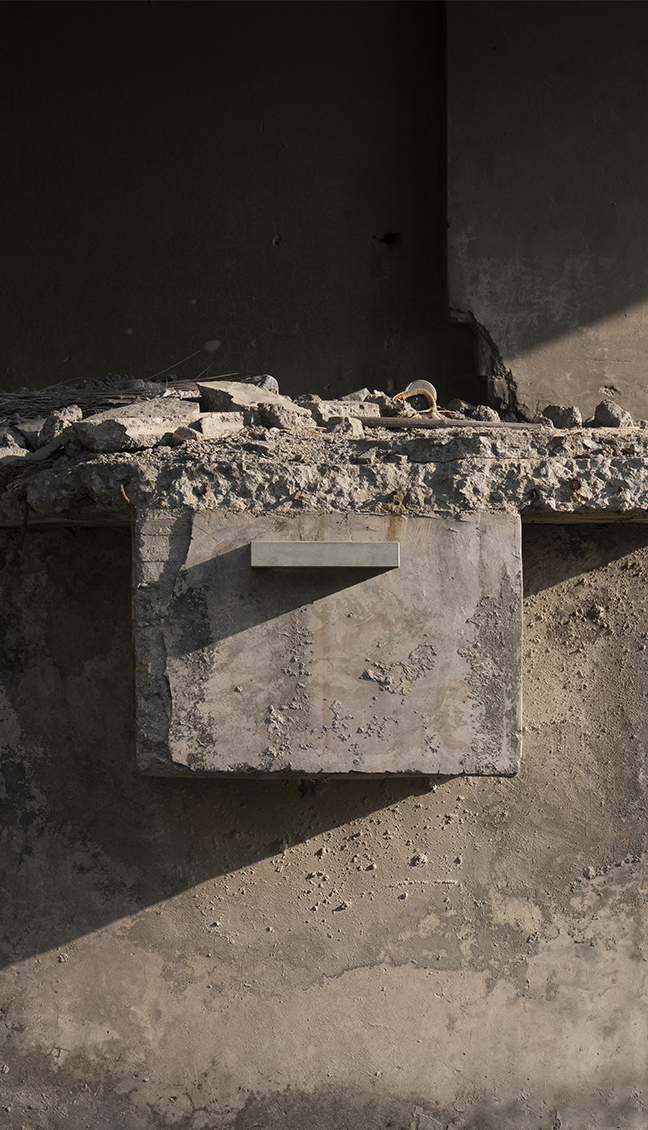
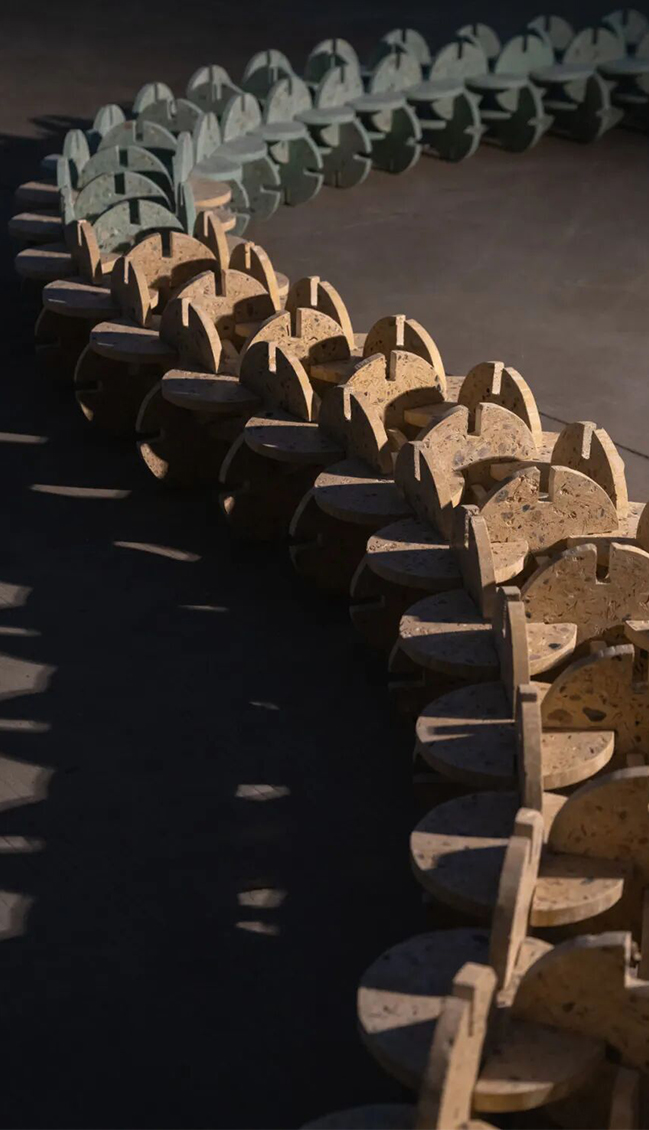
Sustainable China--The Ultra‑Rational Transformation of Industrial Solid Waste
Making Sustainability Visible
We do not inhabit a planet that can be endlessly extracted from. We exist within a cyclical, self‑renewing living system. Yet the linear logic of "take‑make‑discard" has long served as the inertial law of modern development. It severs the connection between humanity and nature, depletes resources without pause, and places ever‑heavier burdens on ecosystems.
Within this system, design—the creative force meant to shape the future—is often co‑opted by consumerism. It manufactures fleeting trends, continuously fuels new desires, and transforms design from an act of value creation into a tool that drives mindless consumption.
Sustainable China is not a moderate reform initiative. It is a creative response to this modern predicament.
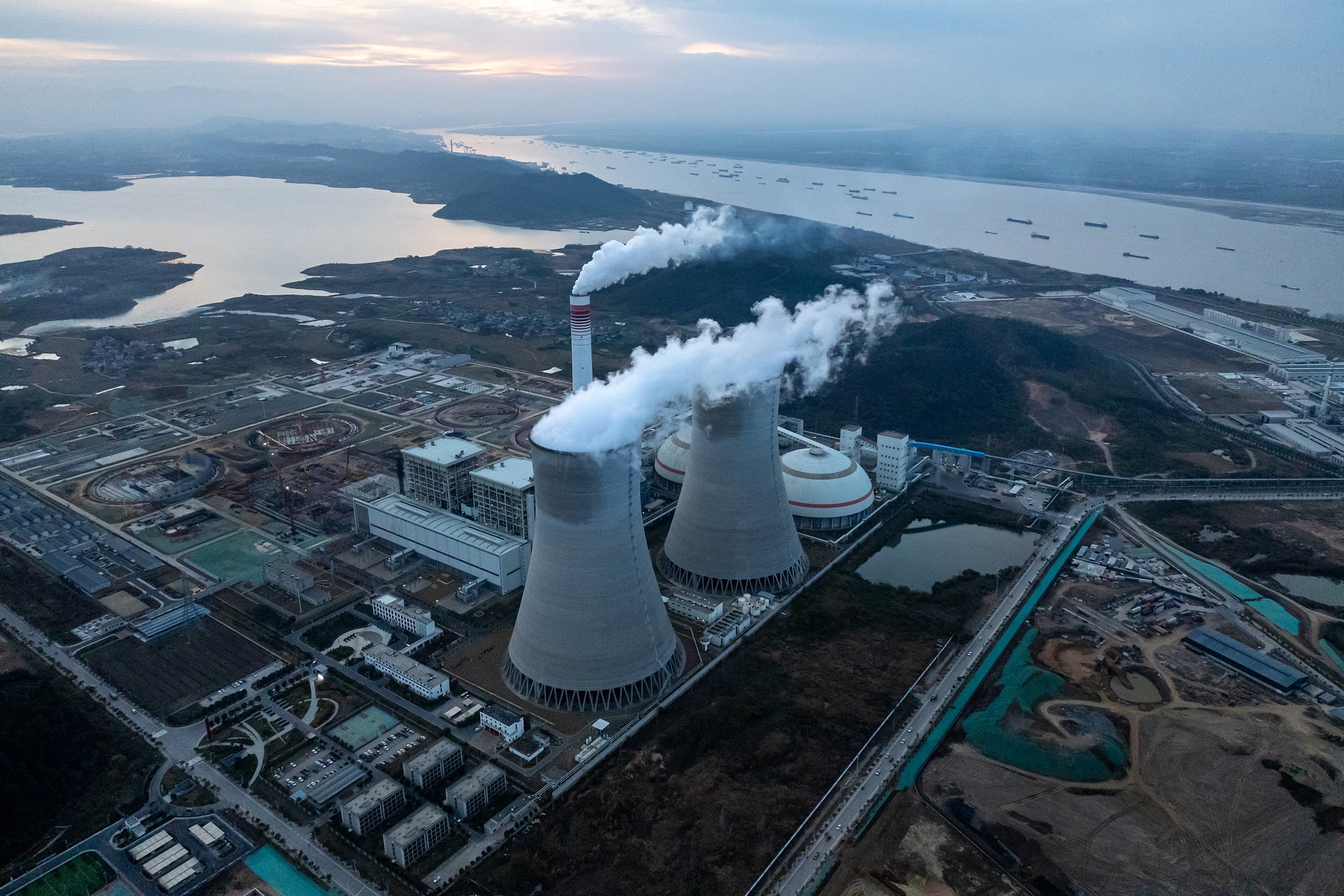
We seek to break the linear logic of "take‑make‑discard." Using design as our medium and materials as our starting point, we re‑examine the relationships between resources, production, and consumption—sketching a new vision for a "Circular China."
China operates one of the world's largest manufacturing systems—and with it, generates vast quantities of industrial solid waste. Can these materials, long treated as the end‑point of production, become the starting point for a new cycle of creation?
Bentu Design takes industrial solid waste as its point of entry. Through materials research, process transformation, and design practice, we make overlooked substances visible again—and regenerate value in what has been defined as "waste."
Our mission is to translate sustainability from abstract data and slogan‑level ideals into a material reality that can be trusted.
This is more than an exhibition. It is a responsibility Bentu Design undertakes at this very moment.
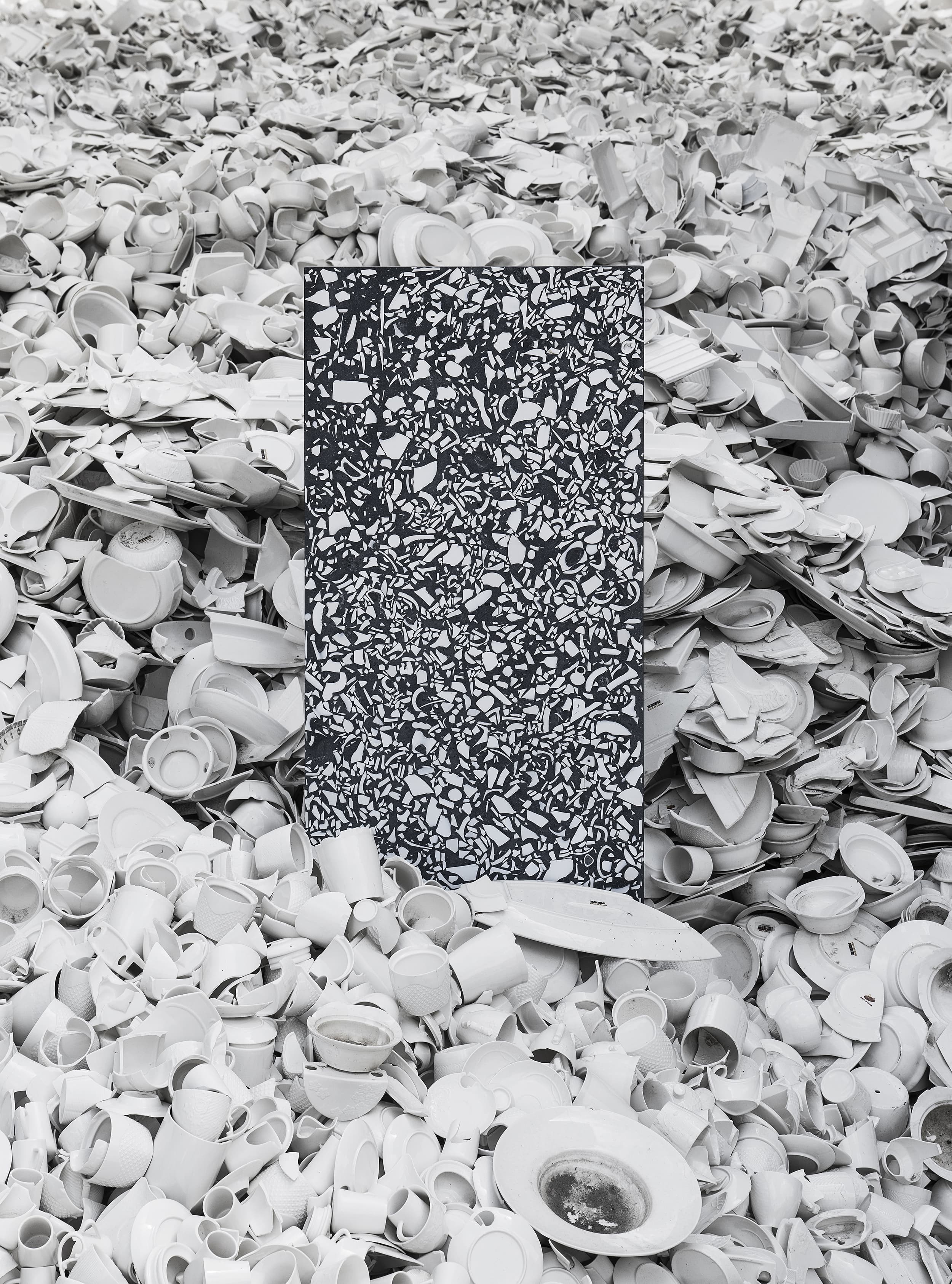
I. Material Circulation
Making sustainability visible means redirecting the flow of matter—making the cycle visible.
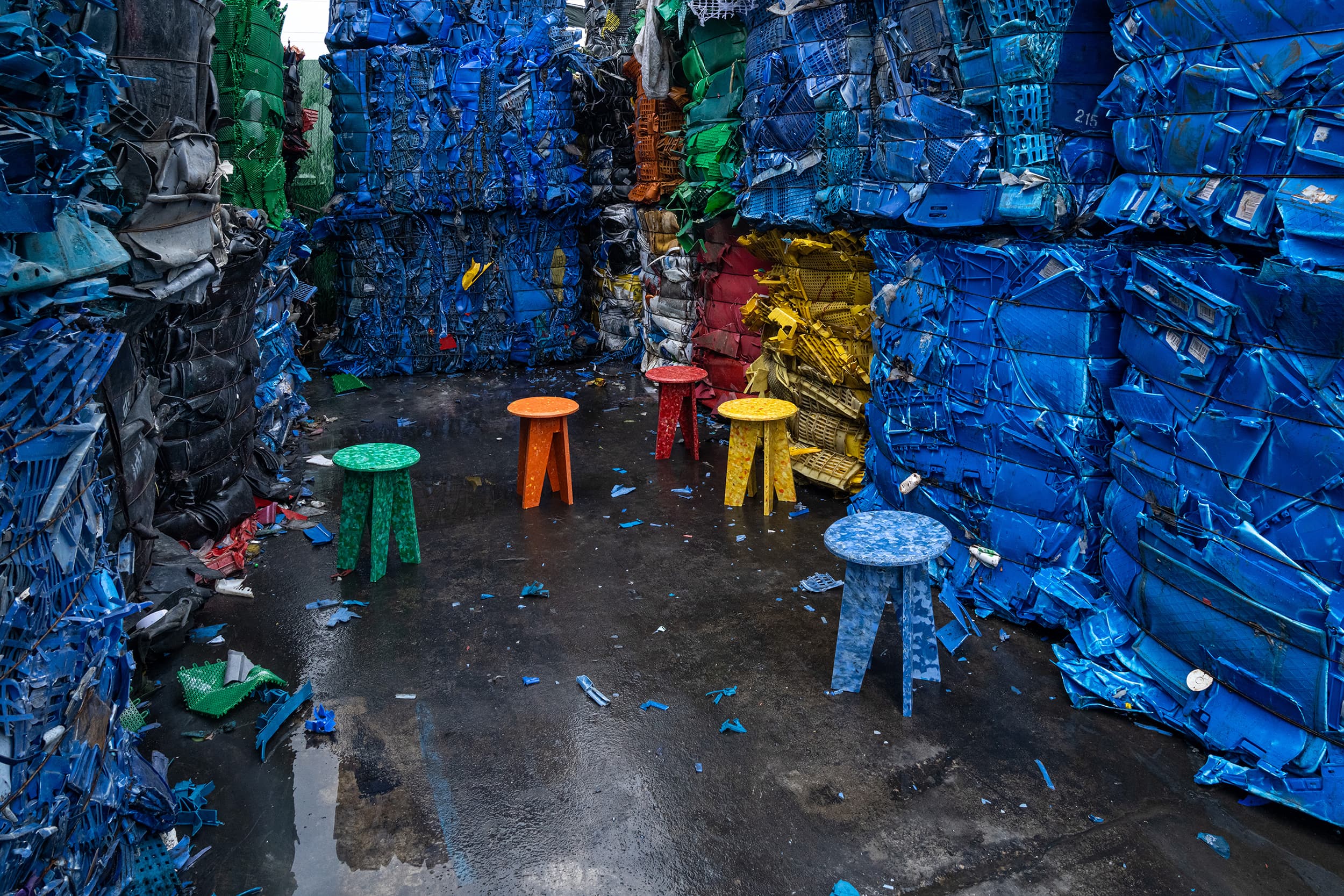
We take waste by‑products from cities and large‑scale industry, retrieve them from the end of the linear production chain, and return them to the production loop—giving them an entirely new material fate.
This is not mere "waste valorization." It is a re‑examination of the modern industrial logic of "production–consumption–discard." A visit to any factory floor reveals that so‑called "waste" is largely a label imposed by human convention—not the inherent destiny of matter.
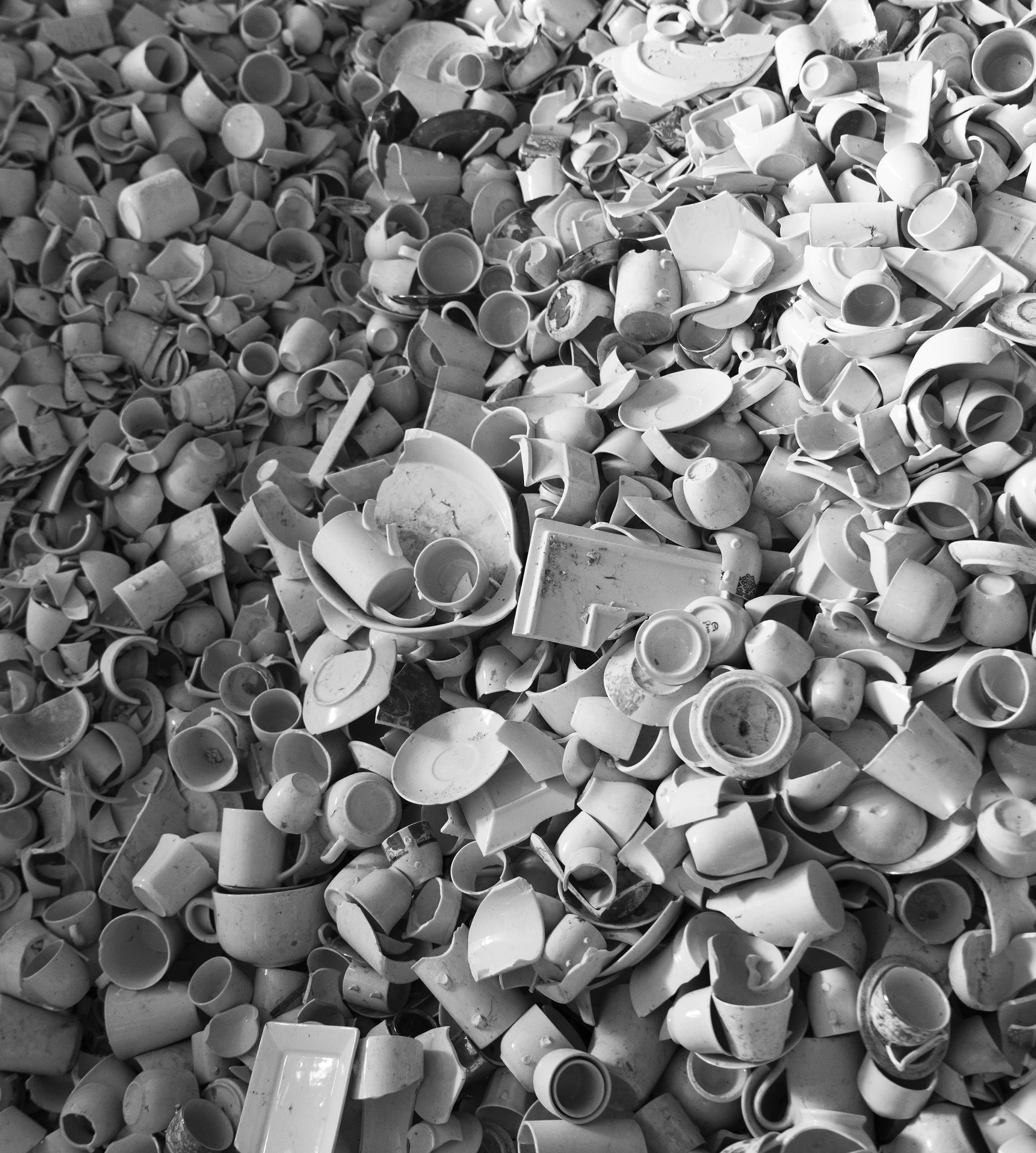
We reject the very concept of "waste." It is merely matter that has lost its function within one particular production system. Shift the scale, the technology, or the production scenario—and it still holds value.
One industry's waste becomes another's raw material.
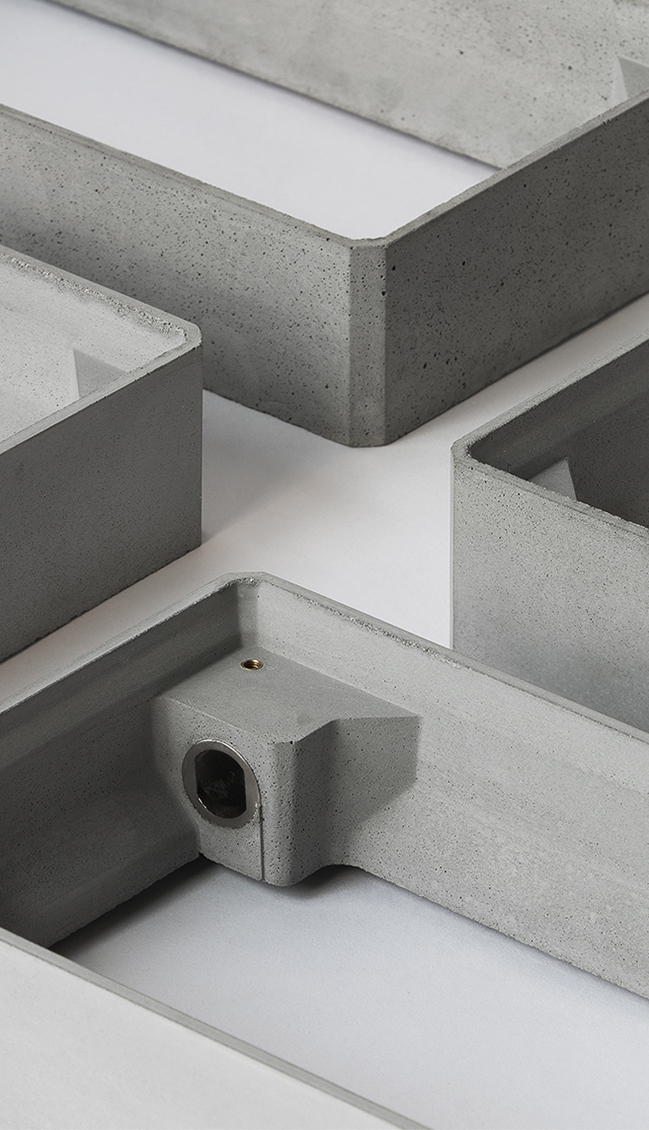
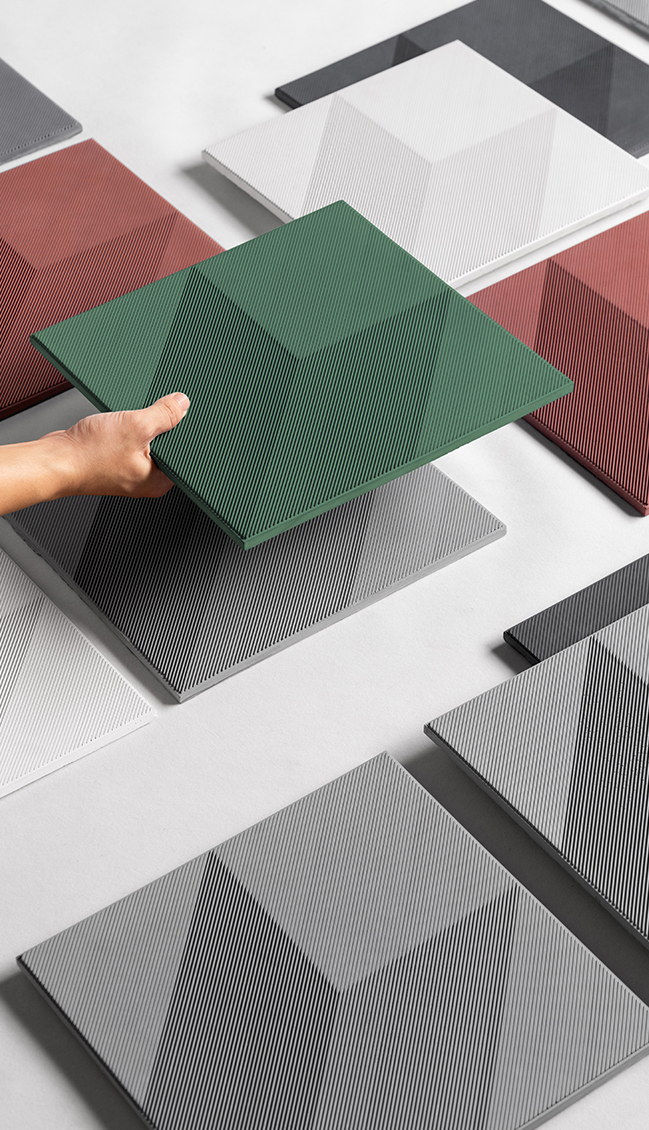
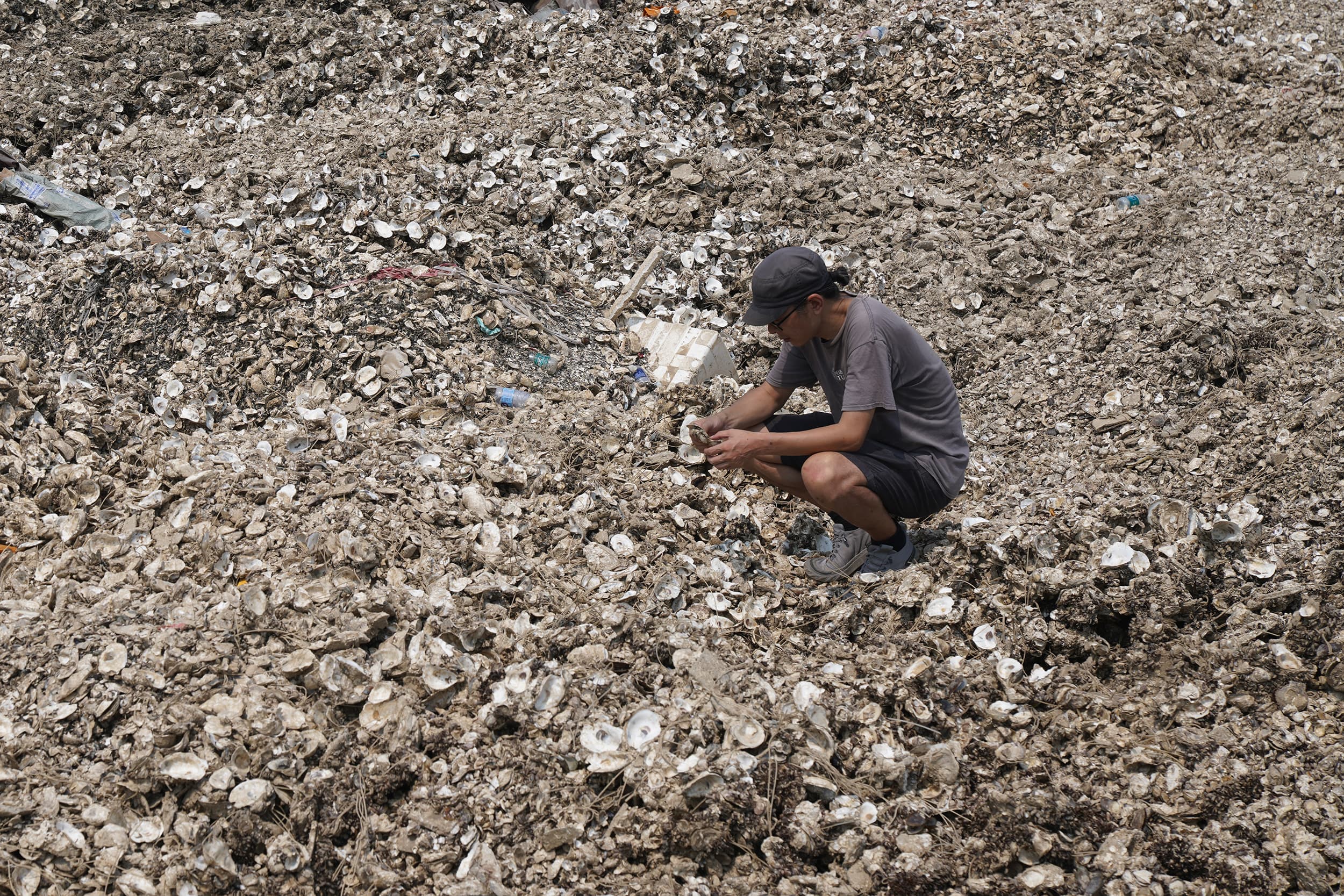
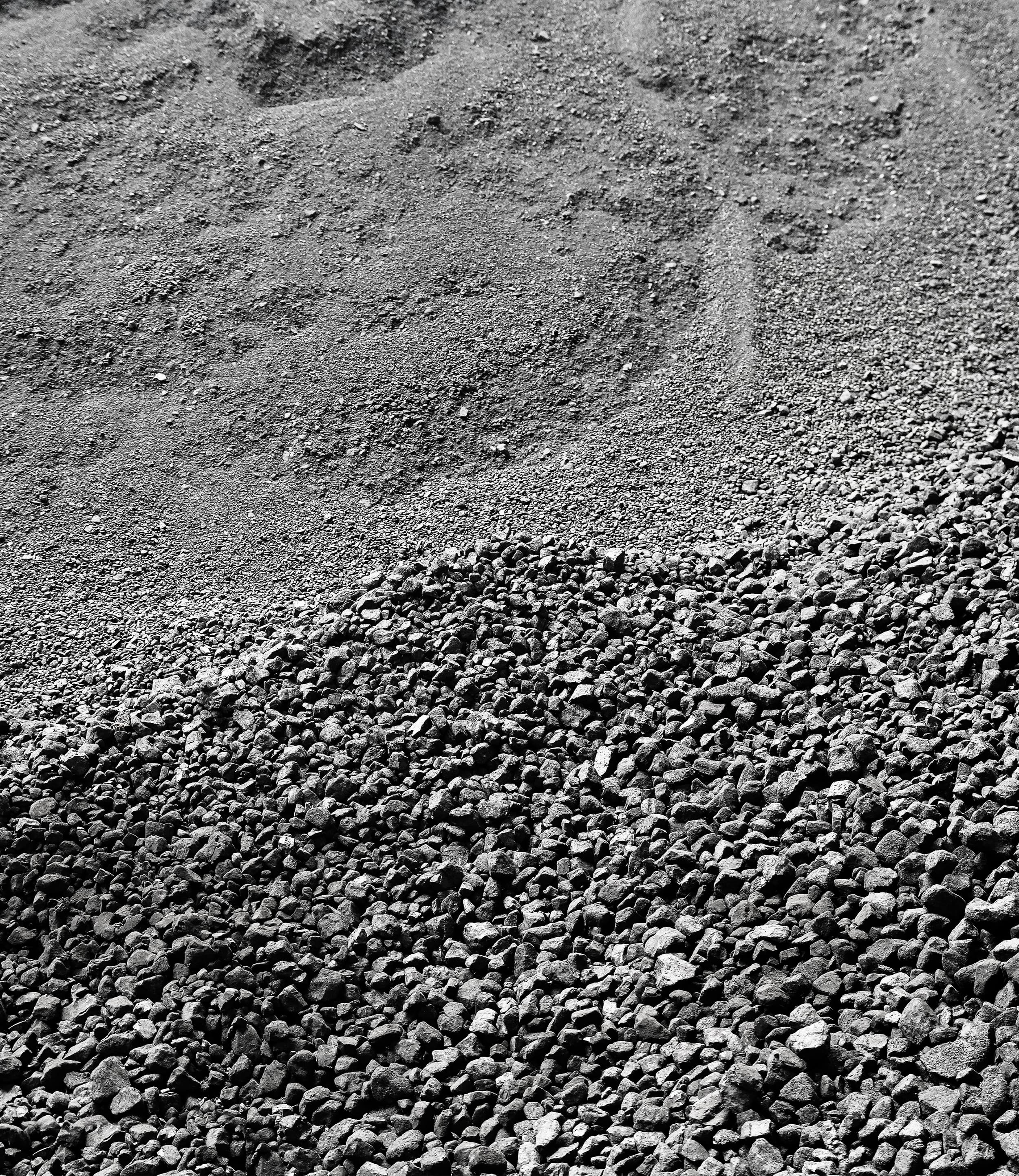
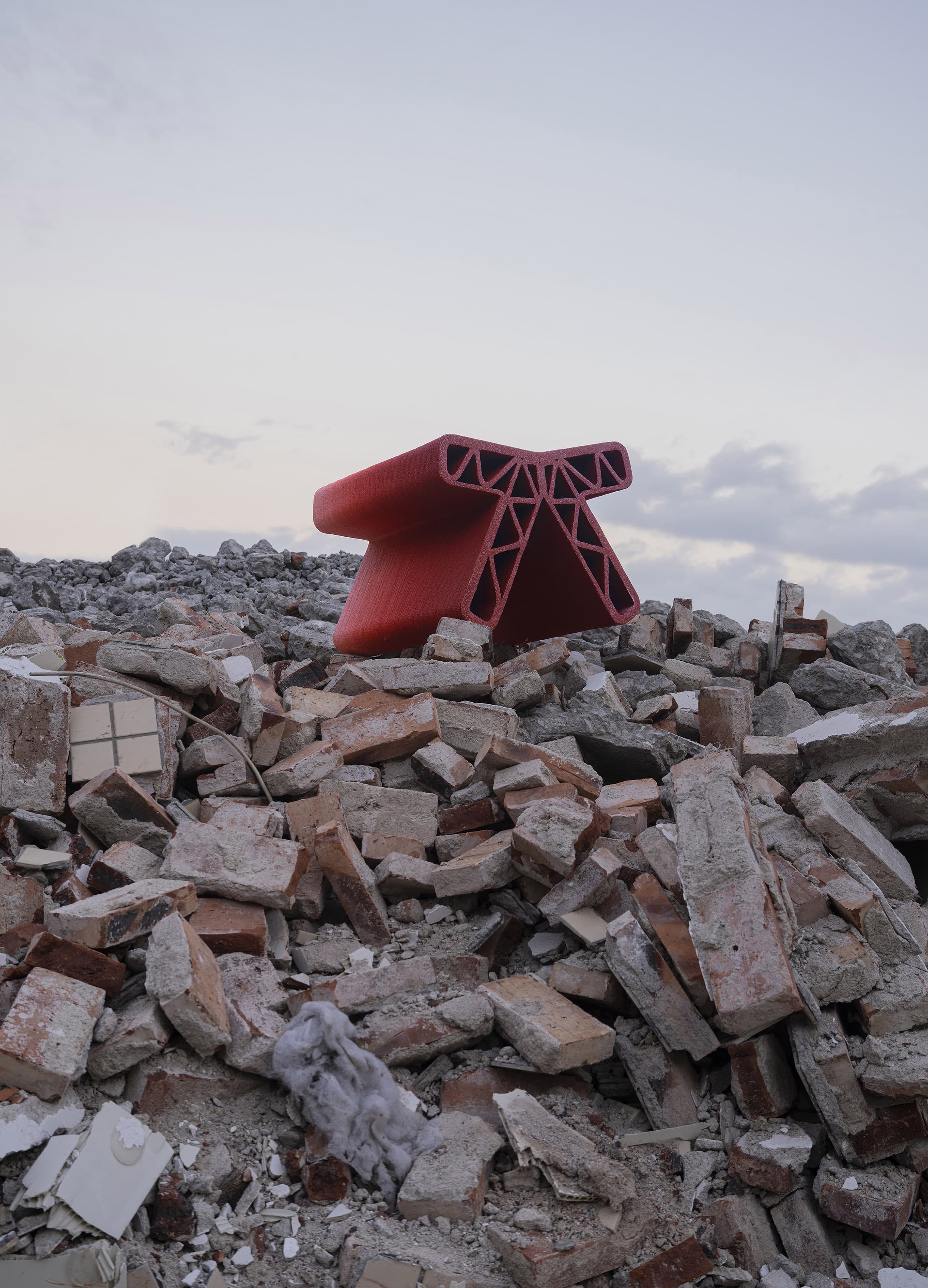
For over a decade, Bentu Design has immersed itself in China's industrial supply chains, intervening in real production sites with creative materials engineering. Mining tailings, construction debris, ceramic scrap—after screening, grading, compounding, and transformation—are reintegrated into material systems. In our projects, solid waste content can reach over 80%, yielding high‑density building materials with compressive strengths exceeding 100 MPa—and extending further into furniture and art installations.
Here, waste is no longer the end of an industrial chain. It is the beginning of a new cycle of production.
Making sustainability visible is not about presenting abstract concepts. It is about bringing matter that was destined for disposal back into the world.
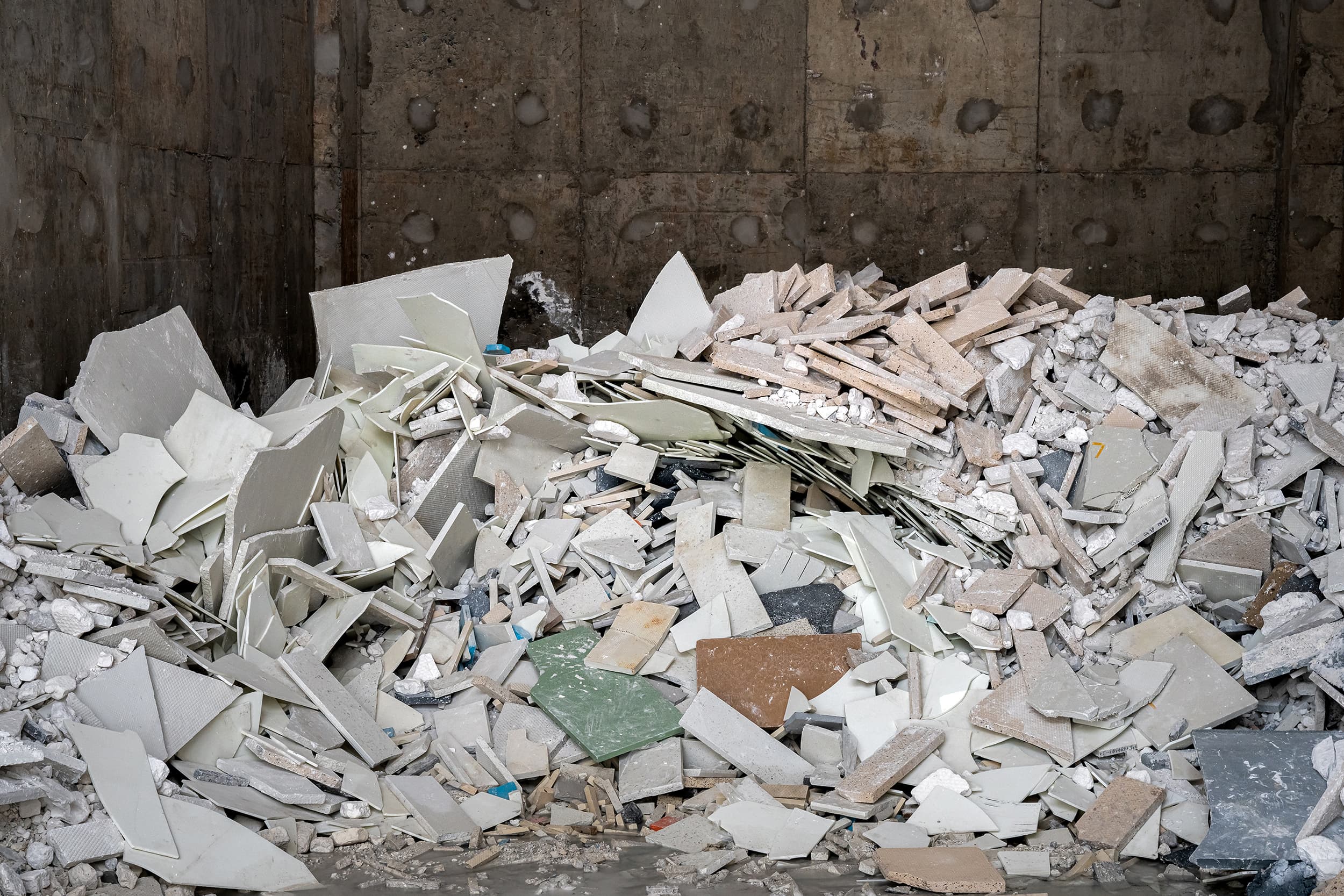
II. Value Recalibration
Making sustainability visible is a recalibration of design's value.
When design becomes a servant to desire, it participates in a one‑way consumption: manufacturing short‑lived trends, accelerating the obsolescence and disposal of objects. Design no longer responds to real life.
What needs to change is the way design intervenes in the world.
Design should shift from one‑way consumption to collaborative creation—no longer producing ever more objects, but reorganizing the relationships among people, materials, industry, and environment.
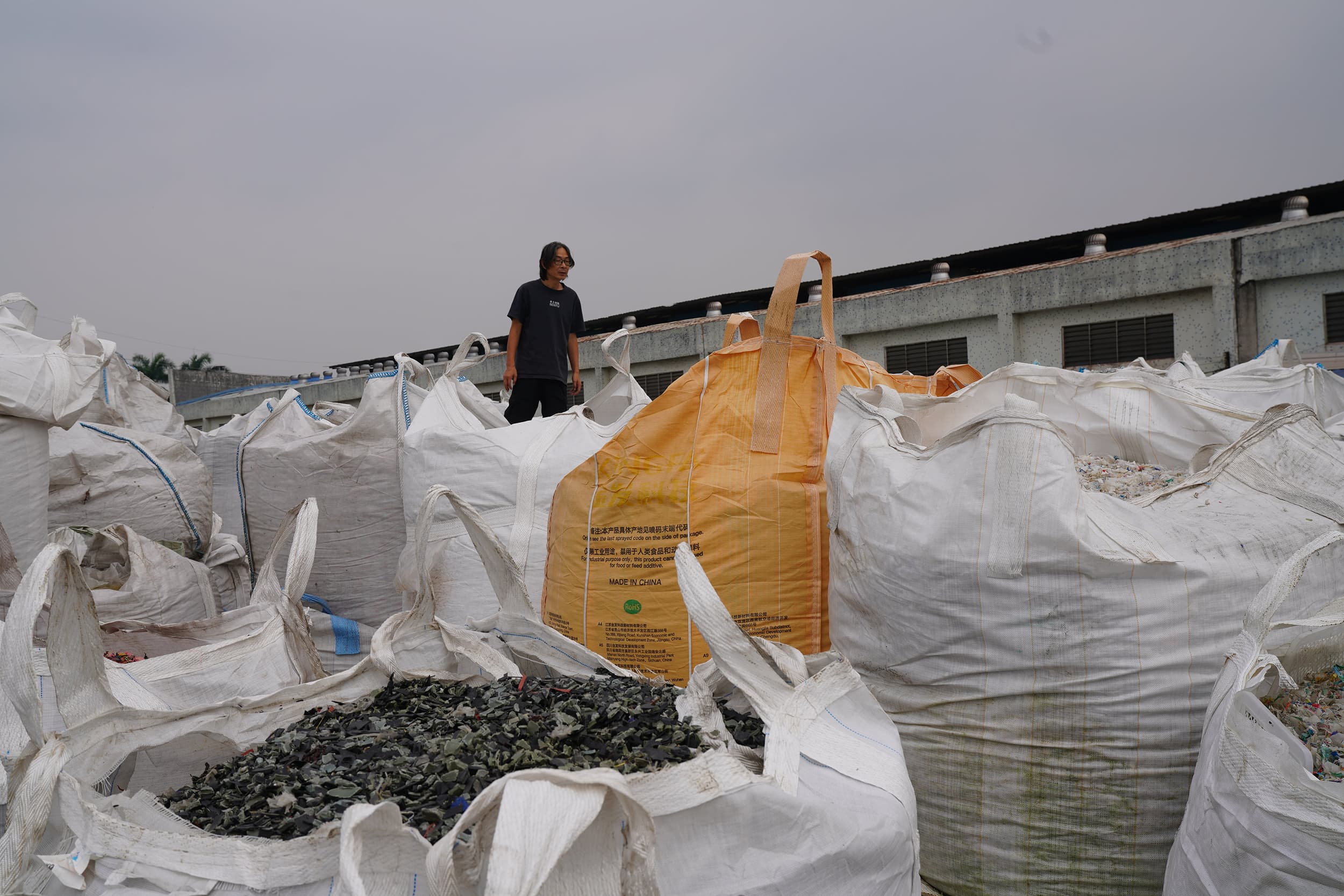
As "Forager Living in Southern China", Bentu Design has always sought new value in the matter that others overlook.
We do not focus solely on the final form of a material. We also ask about its origins: Which city did it come from? Which industrial chain? Which production site? Who produced it, and who bears the cost behind that production? How long is its life cycle—and after it ends, can it re‑enter the loop?
A piece of recycled concrete, a slab of reclaimed terrazzo, a piece of furniture—none are merely design objects with form and function. They are also a supply chain, a fragment of urban memory, a web of resource relationships, and a choice about the future. Design should transcend formal expression and take on the responsibility of value judgment.
We seek to rebuild a creative ethic: not trading consumption for beauty, not exchanging resource waste for novelty, not defining design's value by fleeting trends. Truly valuable design gives objects longer lives—and gives dignity to the people, lands, and industries behind the materials.
From a consumptive aesthetic to a creative ethic. This is a shift in design methodology—and the beginning of our re‑understanding of what "creation" truly means.
III. Systemic Symbiosis
Making sustainability visible means design re‑understanding the inner connections between people and objects, between industry and ecology.
Design science is undergoing a deep shift. In the past, we treated materials, products, cities, and nature as independent entities. Today, a growing body of practice reminds us: no material exists in isolation. It originates from specific land, energy, and industry—and will ultimately flow into a larger environmental cycle.
Truly nature‑based design does not imitate nature's outward forms. It reads nature's logic of building relationships.
Life never grows in isolation. Different species depend on one another, exchange resources, balance each other—co‑evolving into complex, stable ecosystems.
The same is true of industrial systems.
The by‑product of one industry can become the raw material of another. What was once a material burden can evolve into a new node linking industry, cities, and land.
So we do not merely ask, "What can this waste be made into?" We go further: "What relationships can it form?"
Sustainable design is moving from single‑point material innovation toward systemic relational restructuring.
The global industrial system—built on fossil fuels and linear consumption—is revealing its fragility with each passing day. Crisis compels us to ask: Can industrial production cease to oppose ecology, and instead become part of the circulatory relationship?
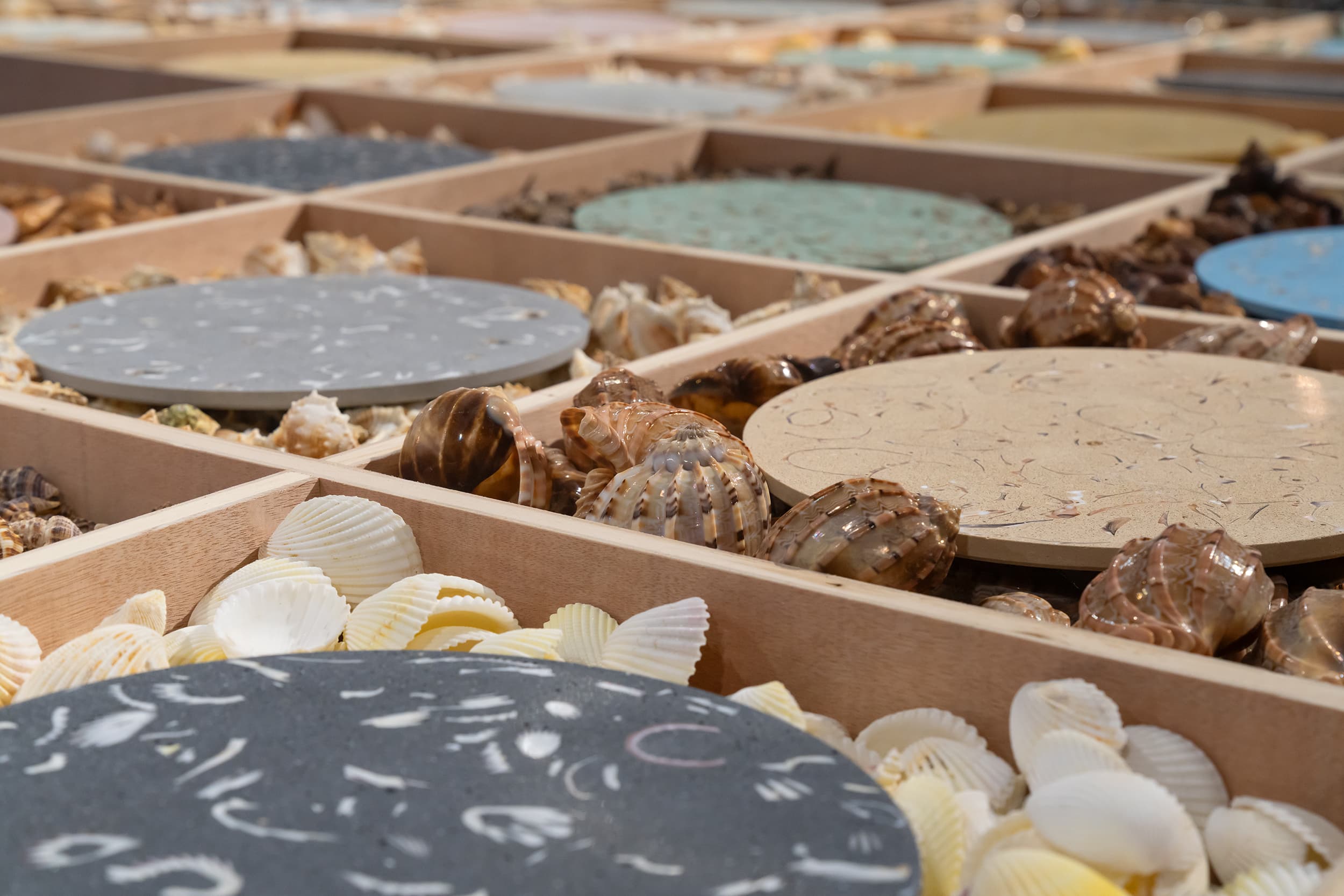
We are moving from the information age's "Internet of Everything" toward the "symbiosis of all things"—industrial matter and geo‑ecology intertwined.
This is not simply a materials‑technology upgrade. It is an expansion of design's scale: from individual products and single materials, to the synergistic co‑existence of industry, cities, and ecosystems. We aspire to build a system that can grow continuously, depend on one another, and evolve without end.
The ultimate destination of design is no longer to complete a static object, but to construct the possibility of continuously generating relationships.
IV. Digital Editing
Making sustainability visible is the deep integration of information and matter.
The industrial age relied on standardization and mass production—and in doing so, generated vast quantities of waste that are difficult to identify, sort, and reuse. Digital technology is rewriting this relationship.
In Bentu Design's digital workshop, materials are no longer passive substances awaiting processing. They become information carriers—identifiable, recordable, calculable, and recombinable.
The chemical composition, particle structure, mechanical properties, and origin data of waste materials are re‑interpreted through testing, scanning, and data analysis—transformed into digital parameters that can be called upon and edited. Materials acquire a new language.
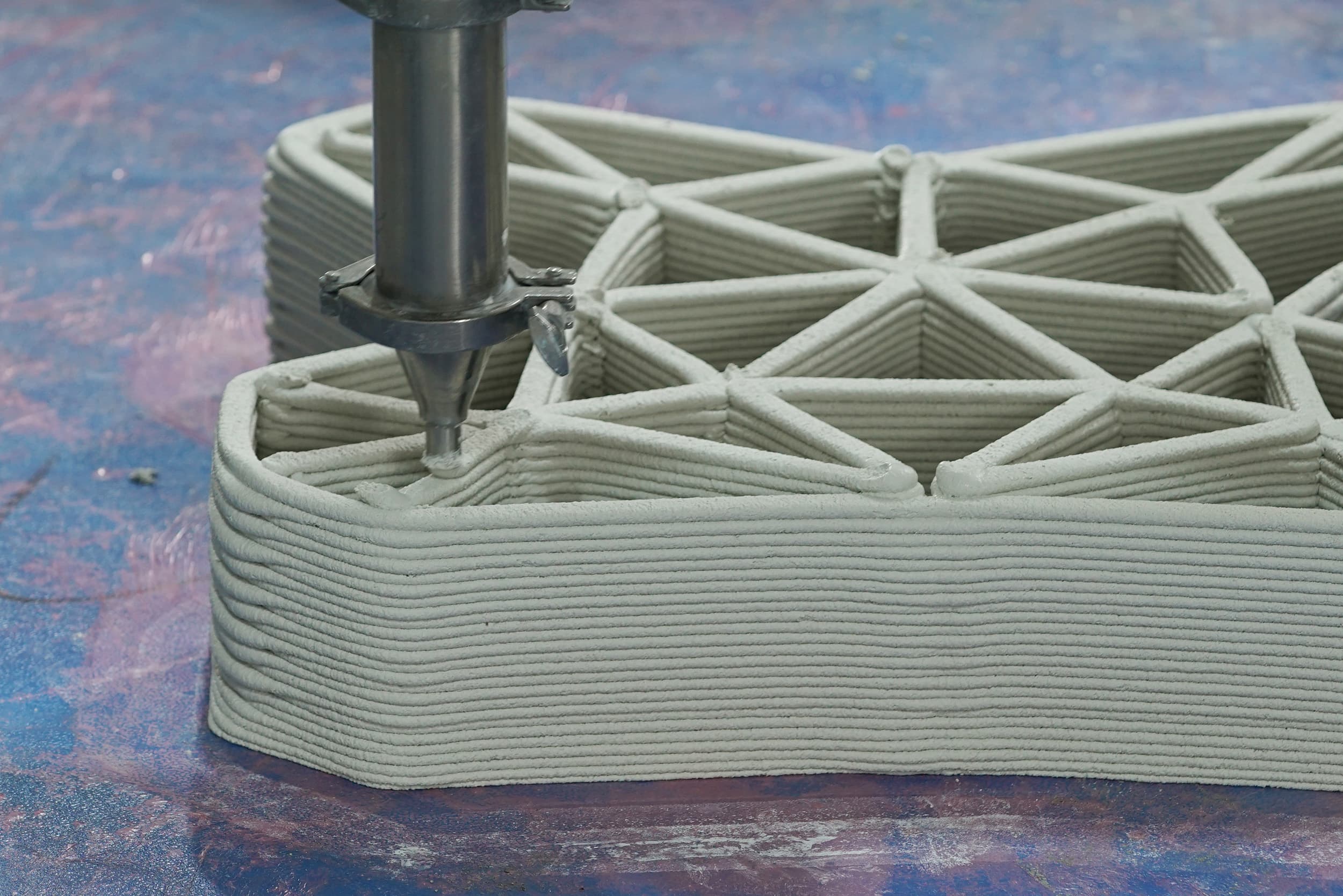
3D printing—particularly dual‑extruder FDM deposition—is no longer merely a manufacturing tool. It becomes a material editor. Digital code controls material path, density, structure, and scale—giving solid waste that was previously inaccessible to traditional industry the chance to be redesigned and remanufactured.
In the past, we first produced standardized materials, then used those materials to produce standardized products. Digital manufacturing reverses this logic: starting from the material itself—reading it, measuring it—and adapting the production method to the substance.
This is a shift from "shaping materials" to "conversing with materials."
Waste is no longer the end‑point of consumption. It becomes an opportunity for digital technology to reconstruct the material life cycle: Waste → Data → Algorithm → Matter → Use → Circulation.
Digital editing makes the once‑hidden trajectory of circulation visible—and from this, a new industrial future emerges.
Sustainable China is not just an exhibition. It is the beginning of action—a long‑term practice revolving around matter, design, and the future.
Crisis is not merely a predicament that civilization must face. It can also be the birthground of a new civilization.
We use design as our language and materials as our medium. On this land—rich with ancient wisdom and charged with real‑world challenges—we re‑understand resources, restructure production, and rebuild the connections between humanity and nature, cities and industry. Let matter circulate. Let values be recalibrated. Let systems coexist. Let the future grow anew.
Is waste the tombstone of the past—or the foundation stone of the future?
The answer lies nowhere else. It is embedded in every choice we make, every creation we bring forth, and every practice we carry out without hesitation.
Making Sustainability Visible
Xu Gang
Forager Living in Southern China
Founder & Design Director, Bentu Design / Nongzao / Buzao
Founder, Museum of Sustainable Material Design

- Contact
+8620 8977 0506
- Press
press@bentudesign.com
- Enquiry & Sales
info@bentudesign.com