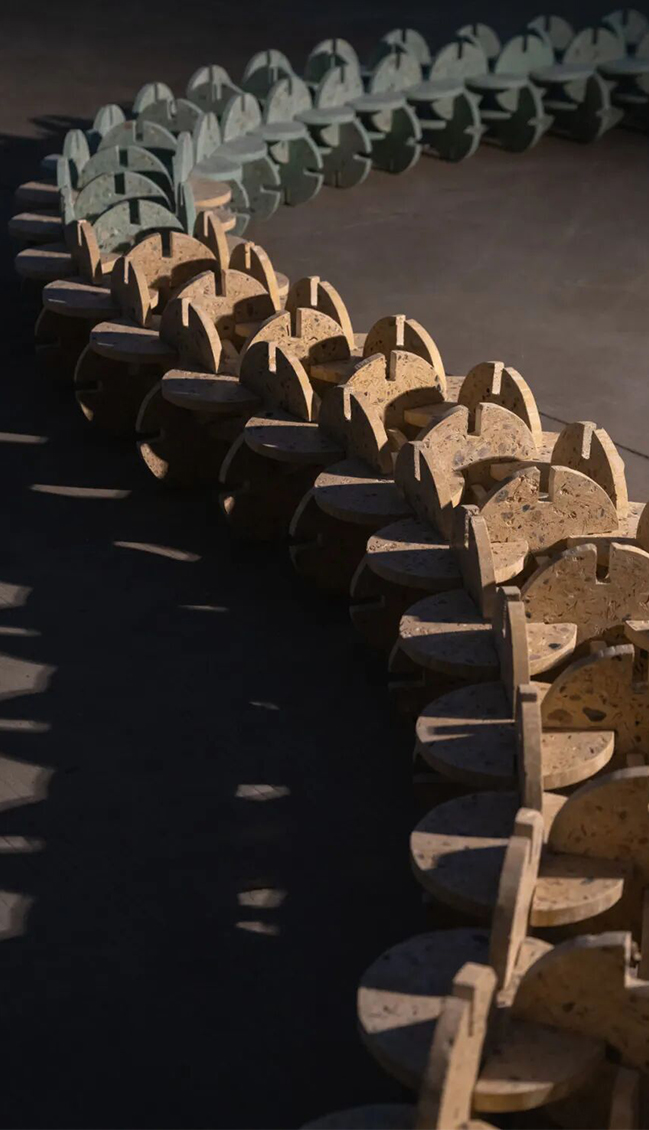
Under the Urban Stratification: A Sustainable Design Perspective on Construction Solid Waste
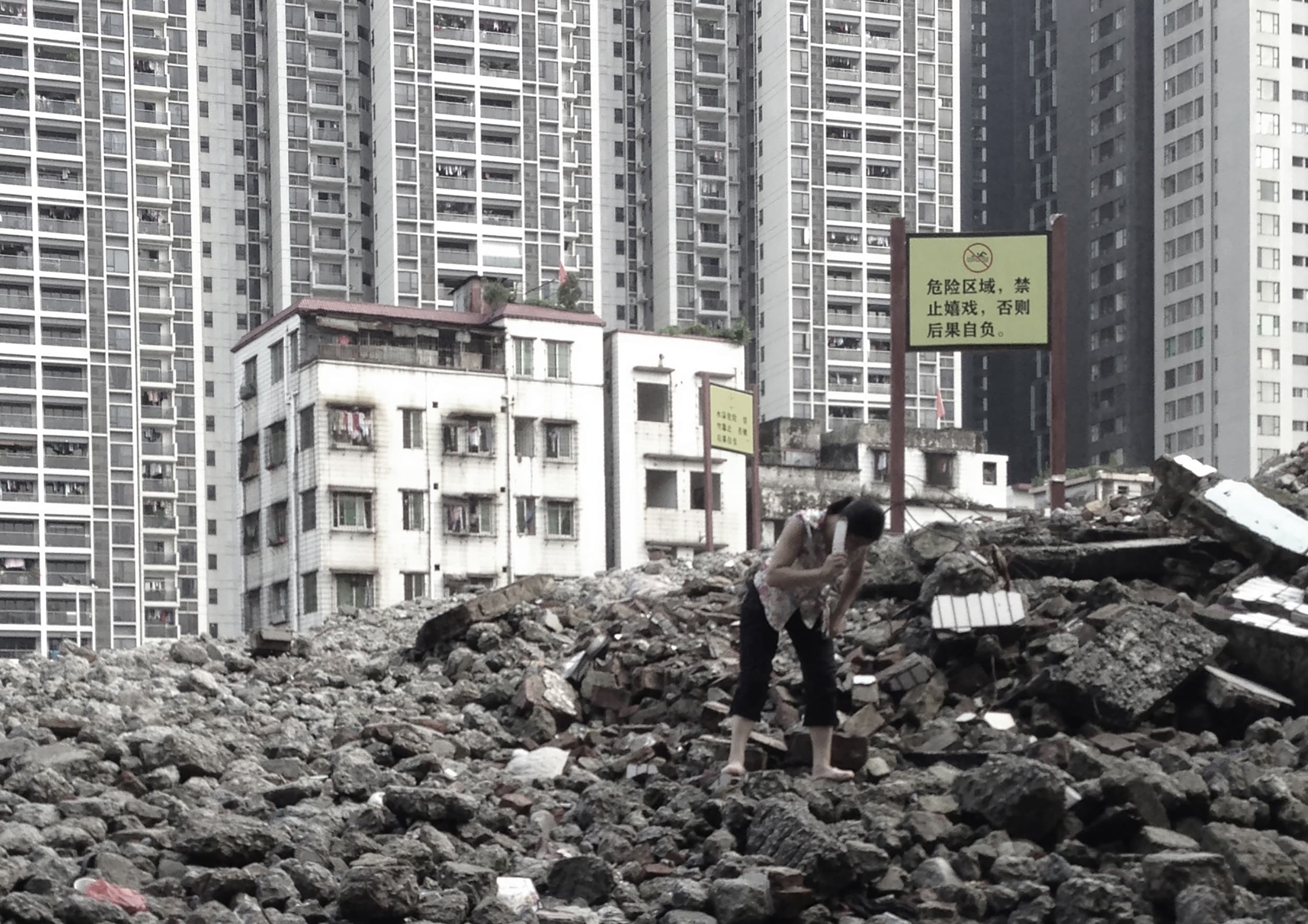
Cities grow, dismantle and renew endlessly. Every demolition, reconstruction and urban renewal leaves fresh architectural traces on the land, while generating massive volumes of construction solid waste. As the rapid iteration of urbanisation devolves into a linear cycle of “construction – abandonment – accumulation”, the land’s carrying capacity, urban ecological metabolism, and the symbiotic relationship between civilisation and nature have become inevitable and profound issues for the industry. From a design-oriented perspective, we should move beyond simplistic waste disposal thinking, re-examine the intrinsic value of construction solid waste, and explore the path of reviving ruins from the dimensions of civilisational stratification, urban metabolism and resource regeneration. This constitutes the core intention of our reflections and practices on the sustainable design of construction solid waste.
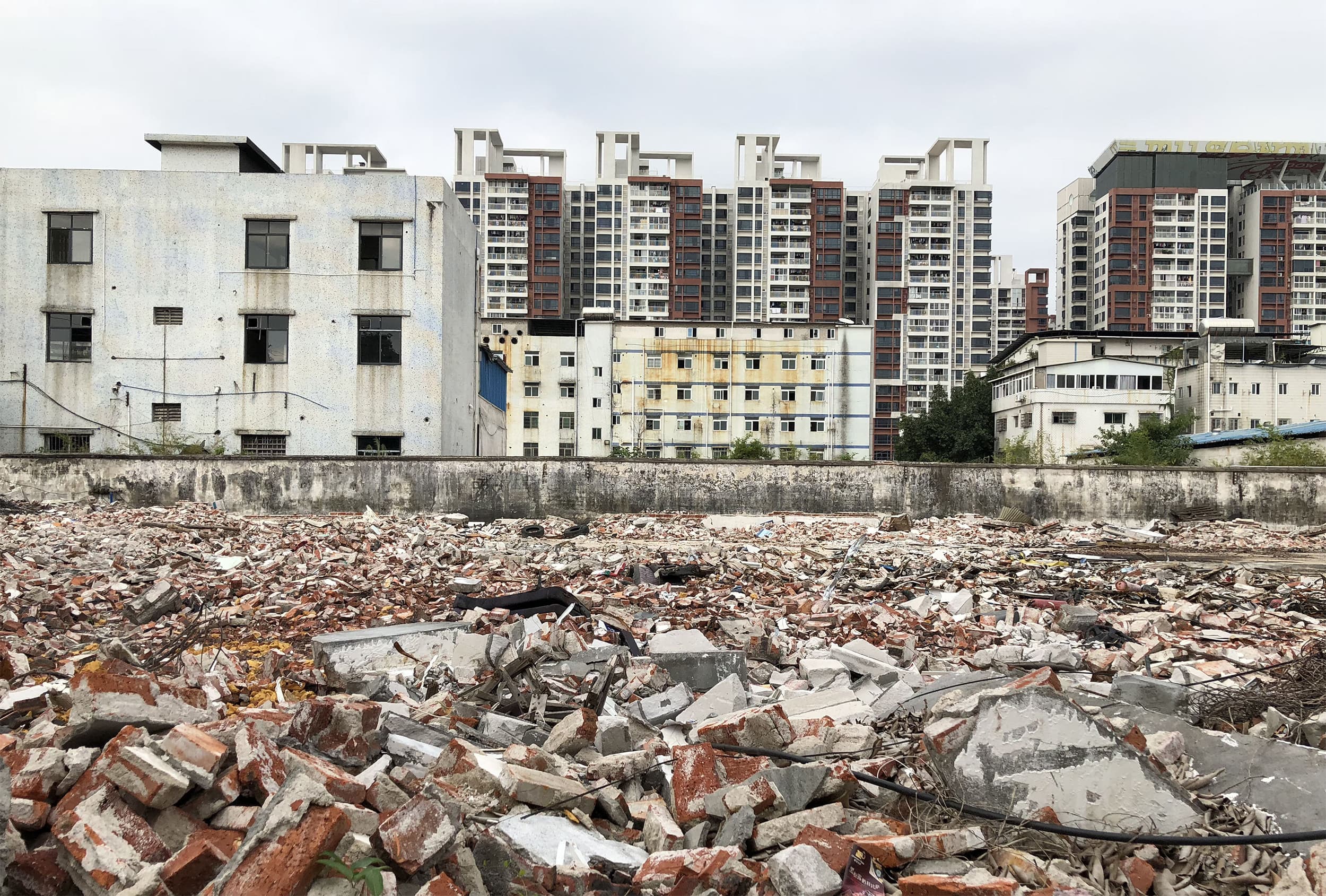
Urban space is a flowing theatre, and more profoundly, a stratified historical narrative engraved on the land with bricks, steel and concrete.
In contemporary China, the rhythm of urban renewal has reached an astonishing pace. Within a single decade, the same land parcel may transform from rice fields to garment factories, then to e-commerce parks, and eventually to wellness and retirement complexes, undergoing multiple rounds of drastic transformation. Authoritative data illustrates this striking “China Speed”: the average service life of buildings in China is merely 30 years, far shorter than the 100–180 years in the EU and the UK, and approximately 110 years in North America. When urban renewal deteriorates into a cycle of premature obsolescence, the land no longer serves as a solid foundation of civilisation, but turns into a transient canvas repeatedly painted over by consumer desires and easily erased by the tides of time.
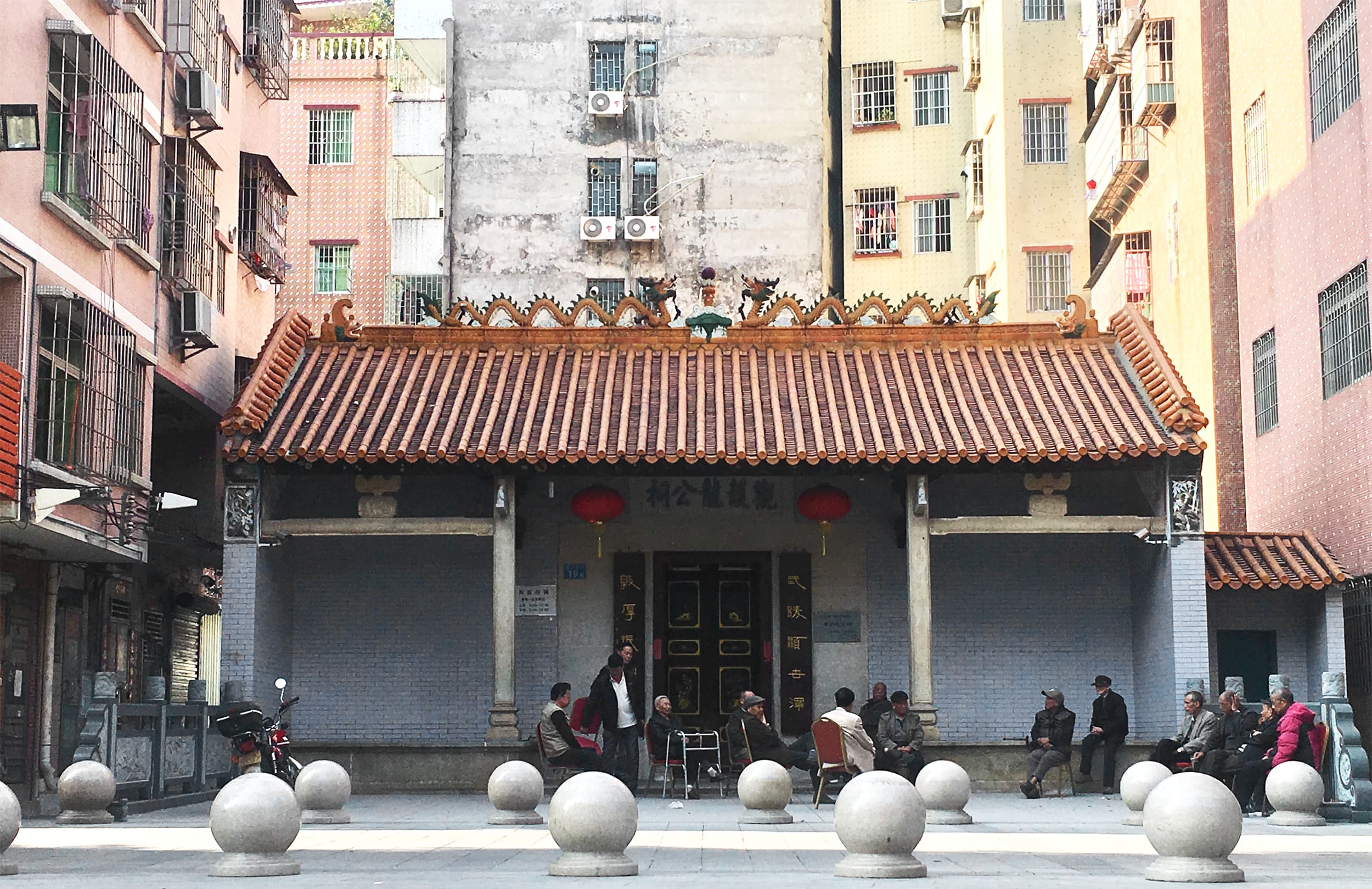
A city is not only a human settlement and living arena, but also an enduring field of interplay between civilisation and nature. From the ridges and ancestral halls of agrarian civilisation, to red-brick factories and residential blocks in the industrial era, and further to glass curtain walls and commercial complexes in the consumer age, the collective aspirations of each era are condensed into unique spatial forms, depositing layer upon layer across the earth. It is foreseeable that the concrete foundations of today’s futuristic drone logistics hubs, as outlined in smart city blueprints, may become “urban scars” awaiting remediation in just a few years for future generations. The land bears all existence in silence, quietly embracing the ambitions and ideals of every era.
Every inch of urban land beneath our feet resembles an ancient palimpsest, preserving living traces and spiritual codes of successive eras. Ancestral hall foundations embody clan ethics; old building ruins preserve collective memories; glass curtain walls reflect the logic of capital. These layers do not merely replace one another, but interpenetrate, merge and converse amid collapse, fragmentation and burial. The new marks imprinted by emerging technologies inevitably embody the inherent paradox of human civilisation: creation is accompanied by destruction.
Our pursuit of construction inherently carries a predetermined fate of waste generation. The prevailing model of urban overlay and renewal is essentially a superficial burial of the value embodied by previous constructions. The land’s silence never equals indifference; it judges silently by taking ecological carrying capacity as the ultimate criterion. When unregulated construction and endless spatial overlay exceed the land’s metabolic threshold, systemic imbalance ensues: subsiding foundations, compacted soil, fractured hydrological systems, and the ever-expanding mountains of construction waste encircling cities.
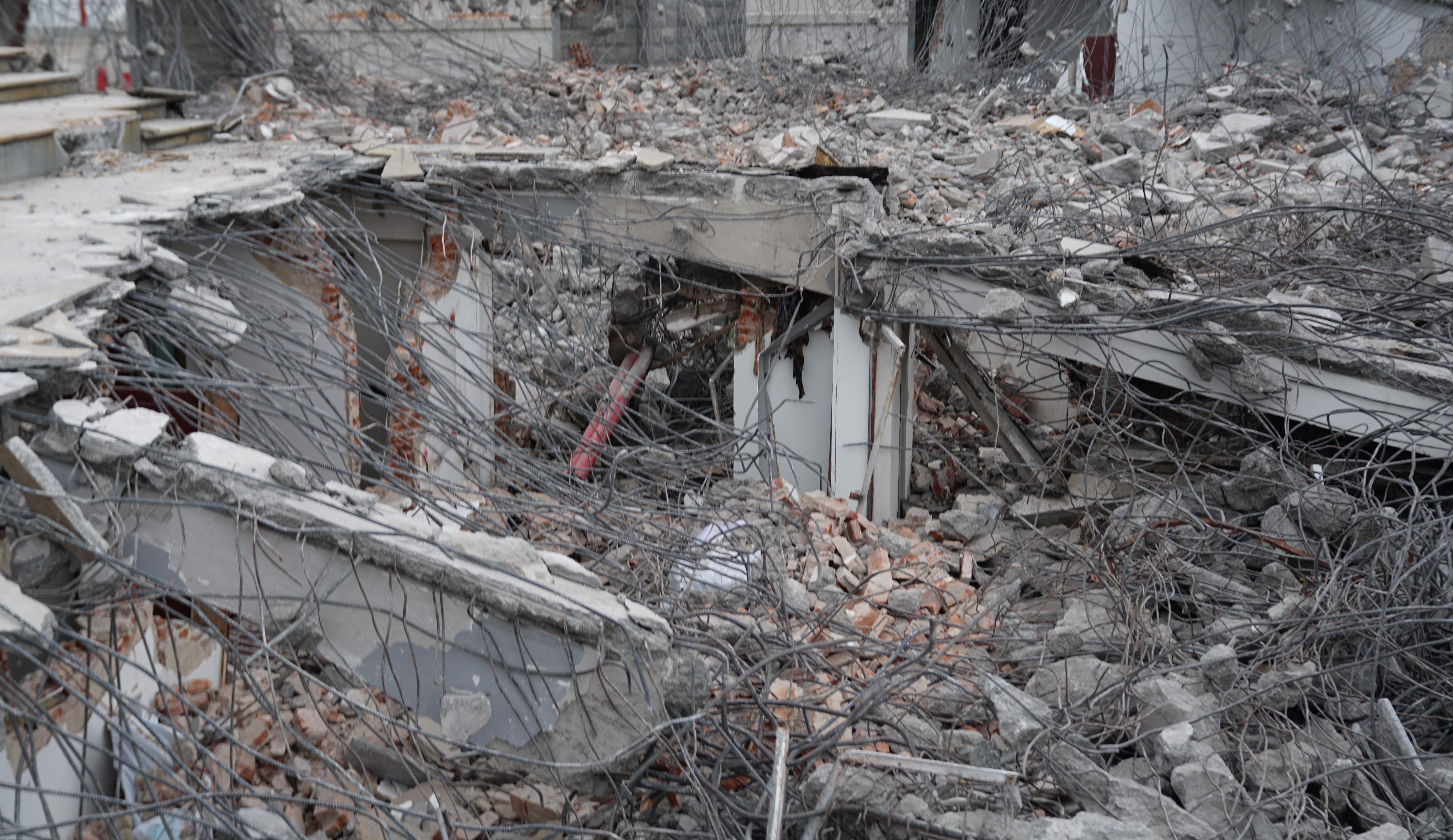
Such “mountains of waste” are the tangible manifestation of the land’s silent judgment. Piles of broken concrete, twisted steel, decayed timber and dismantled bricks form the indigestible metabolic surplus of linear urban civilisation. As an ancient Persian poet wrote: “The first civilisations built cities by streams; the last civilisations search for springs in the desert.” The fundamental divide lies in whether a civilisation can comprehend the intrinsic logic of the land. Ancient city-building followed natural water and land textures to coexist with nature; searching for springs in the desert represents a costly passive self-rescue after ecological metabolic collapse. The repetitive cycle of demolition and reconstruction today is accelerating the degradation of fertile riverside landscapes into ecologically barren terrain. Landfills encroach on green spaces, hardened ground suffocates the ecological respiration of soil and water, and the disorderly accumulation of construction ruins has evolved into severe ecological thrombosis in urban metabolism.
Looking ahead, the real challenge is not to pursue another round of superficial renewal with more sophisticated technologies, but to forge a regenerative development model that maintains symbiosis with the land. This demands a fundamental shift in cognition: regarding buildings pending demolition not as useless ruins, but as urban mineral veins waiting for value transformation; viewing urban renewal not as a complete erasure of the past, but as the awakening, reconstruction and regeneration of accumulated spatial resources. We shall shift from destructive demolition and reconstruction to sustainable organic regeneration, and from one-way resource exploitation to two-way coordinated symbiosis between humanity and nature.
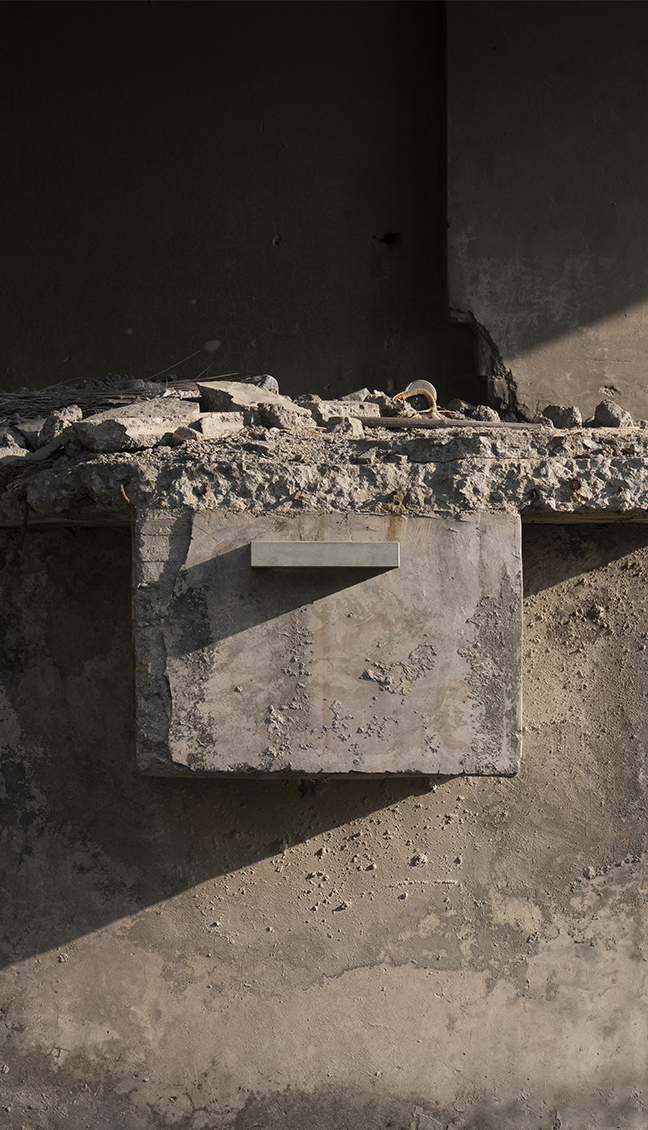
This marks the original aspiration of our exploration into the sustainable design practice of construction solid waste. What we seek to address is not merely how to dispose of construction waste technically, but how to establish a brand-new design narrative. With professional design thinking, we listen to the intrinsic value of ruins, transform urban “scars” into “seeds” of circular regeneration, and extend the lifecycle of building materials across traditional boundaries. Ultimately, under the silent witness of the land, we break the linear deadlock of “overlay and abandonment”, and move toward a sustainable path of “circulation and symbiosis”.
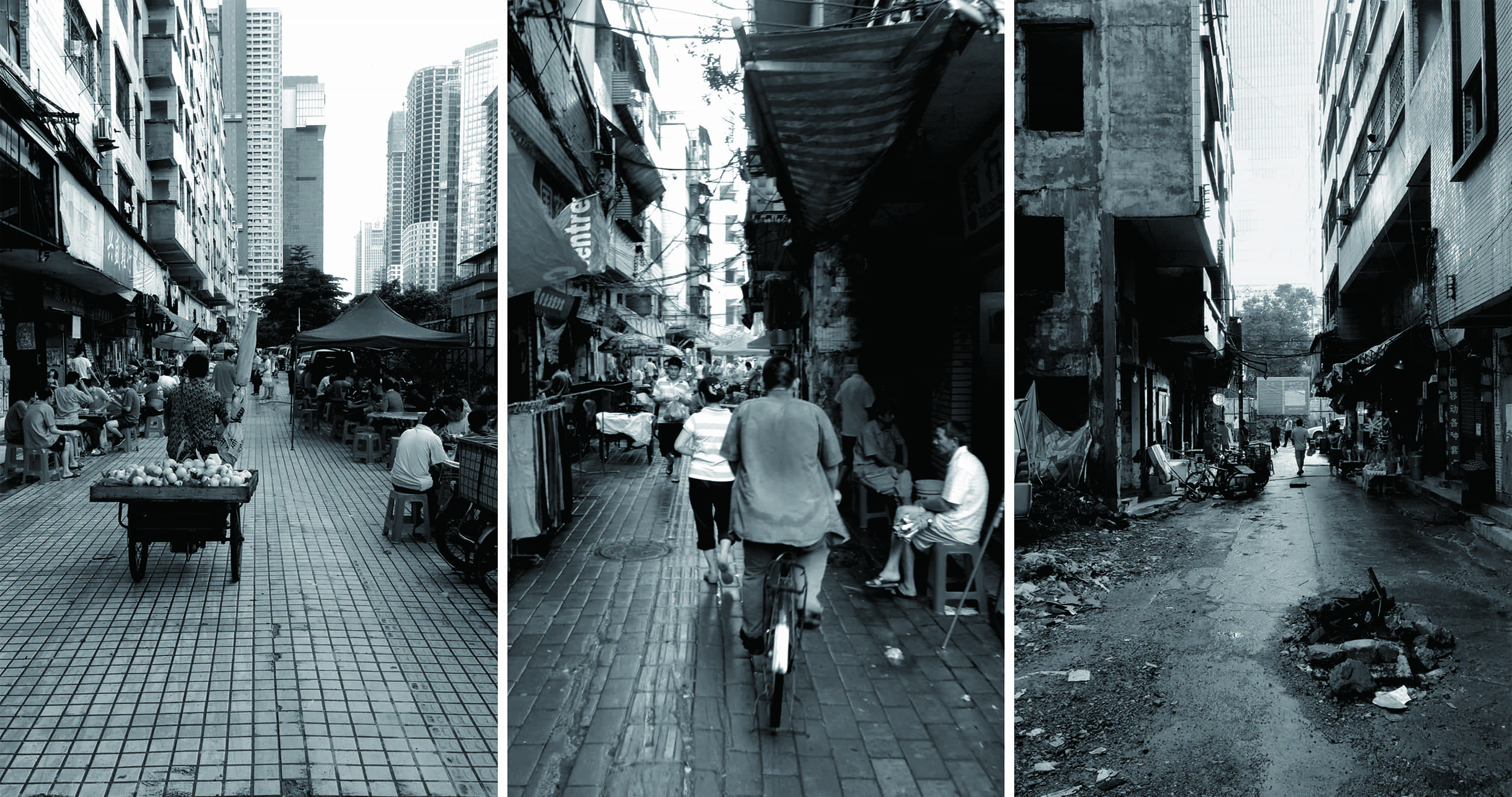
The resilience of civilisation lies not only in the grand narrative of taller, larger and faster construction, but more importantly, in the humility to reflect on layered urban ruins and repair the fractured rhythm of ecological metabolism. Only in this way can we regain the harmonious coexistence between humanity, cities and nature amid the profound respiration of the land.
Nevertheless, such ideal symbiosis relies first on healthy and orderly urban metabolism. China’s rapid urbanisation has fallen into severe metabolic disorder: it consumes natural resources and iterates urban spaces at an extreme pace, generating massive amounts of construction solid waste that burdens urban ecological development and restricts long-term urban growth. According to the Ministry of Housing and Urban-Rural Development, China produces over 2 billion tonnes of construction waste annually, accounting for 30% to 40% of total municipal solid waste, with an alarming historical stockpile volume. In stark contrast to its massive output, the resource utilisation rate remains persistently low. While we forge ahead in building the future, we are also accumulating profound challenges concerning urban ecological foundations.
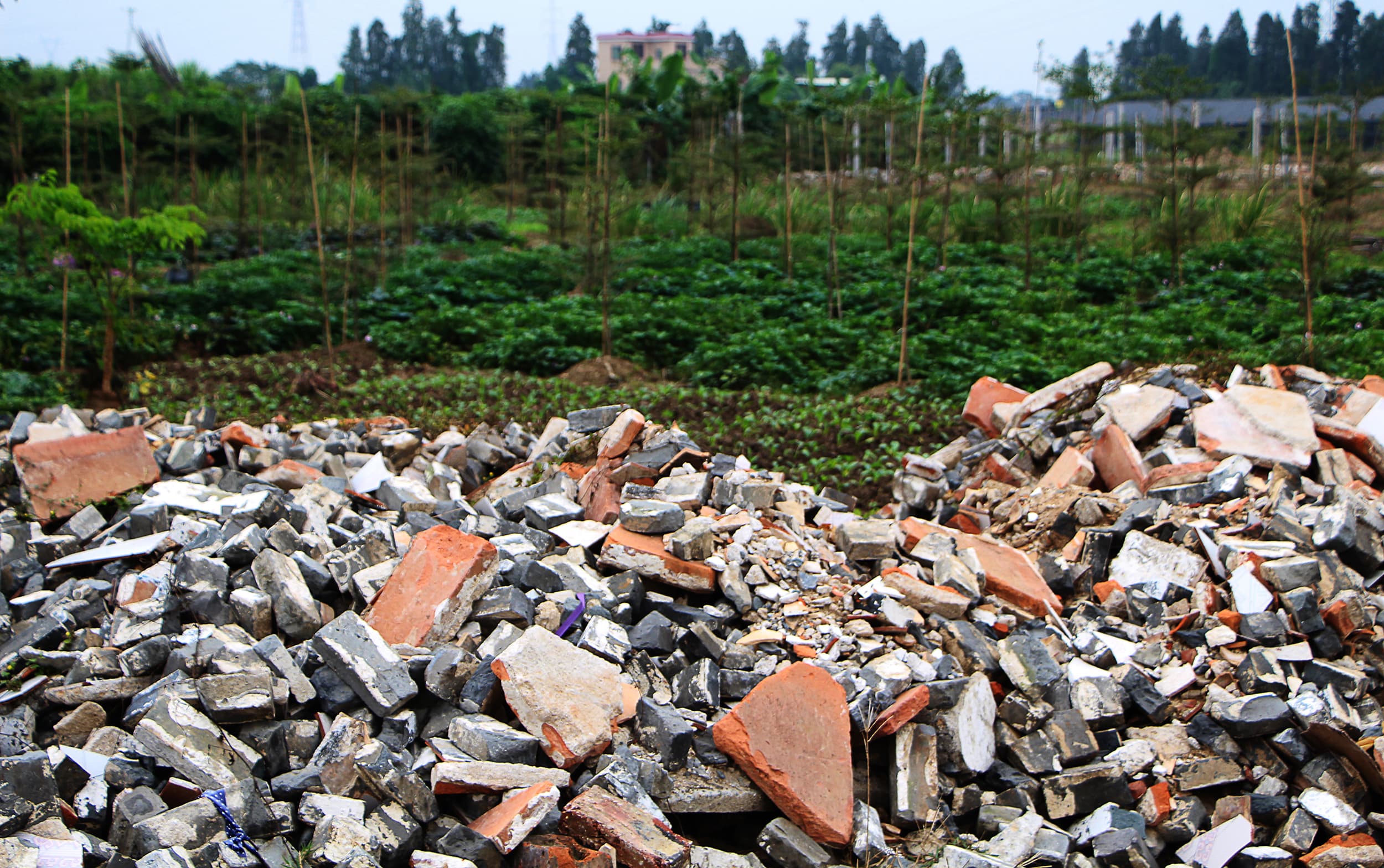
Crudely stacked and haphazardly disposed construction solid waste has evolved from a by-product of urban development into a multi-dimensional and systematic crisis. Public safety is the most immediate concern. For a long time, construction solid waste has been dumped and landfilled arbitrarily. Suburban ponds and ditches are often occupied and filled without regulation, weakening regional flood regulation and storage capacity and exacerbating urban waterlogging risks. Temporary waste piles around construction sites lack standard support structures, prone to landslides and collapses under rainfall or vibration, frequently disrupting traffic and endangering residential areas. In addition, combustible mixtures within waste piles may trigger deep-seated concealed fires. Their remote locations hinder fire rescue, posing long-term potential safety hazards.
More concealed than visible waste accumulation is the persistent erosion of air and water environments. Open-air stockpiling and simple landfilling turn construction solid waste into a compound pollution source. Under anaerobic conditions, sulphates in building materials are decomposed by microorganisms into hydrogen sulphide, while wooden components release volatile organic acids, generating pungent odours and harmful gases. In dry weather, surface weathering produces dust, becoming a major source of PM2.5 and PM10 pollutants. Illegal waste burning in some areas converts plastics, asphalt and other materials into highly carcinogenic substances such as dioxins and polycyclic aromatic hydrocarbons, causing irreversible secondary air pollution.
The most concealed and costly damage involves soil and groundwater contamination. Rainfall leaches harmful substances from waste piles, forming toxic leachate dissolved with alkaline cement components, heavy metals from coatings and various organic additives. Without anti-seepage treatment, pollutants infiltrate soil and shallow groundwater directly, or flow into rivers and lakes with surface runoff. Relevant studies show that unlined construction waste landfills can contaminate surrounding groundwater for decades, with extremely high ecological restoration costs. The damage manifests in two aspects: physical occupation of suburban land aggravates the “city surrounded by garbage” dilemma; chemical erosion destroys soil structure, causing compaction and salinisation. Heavy metals accumulate along the food chain, depleting soil ecological carrying capacity cumulatively and irreversibly.
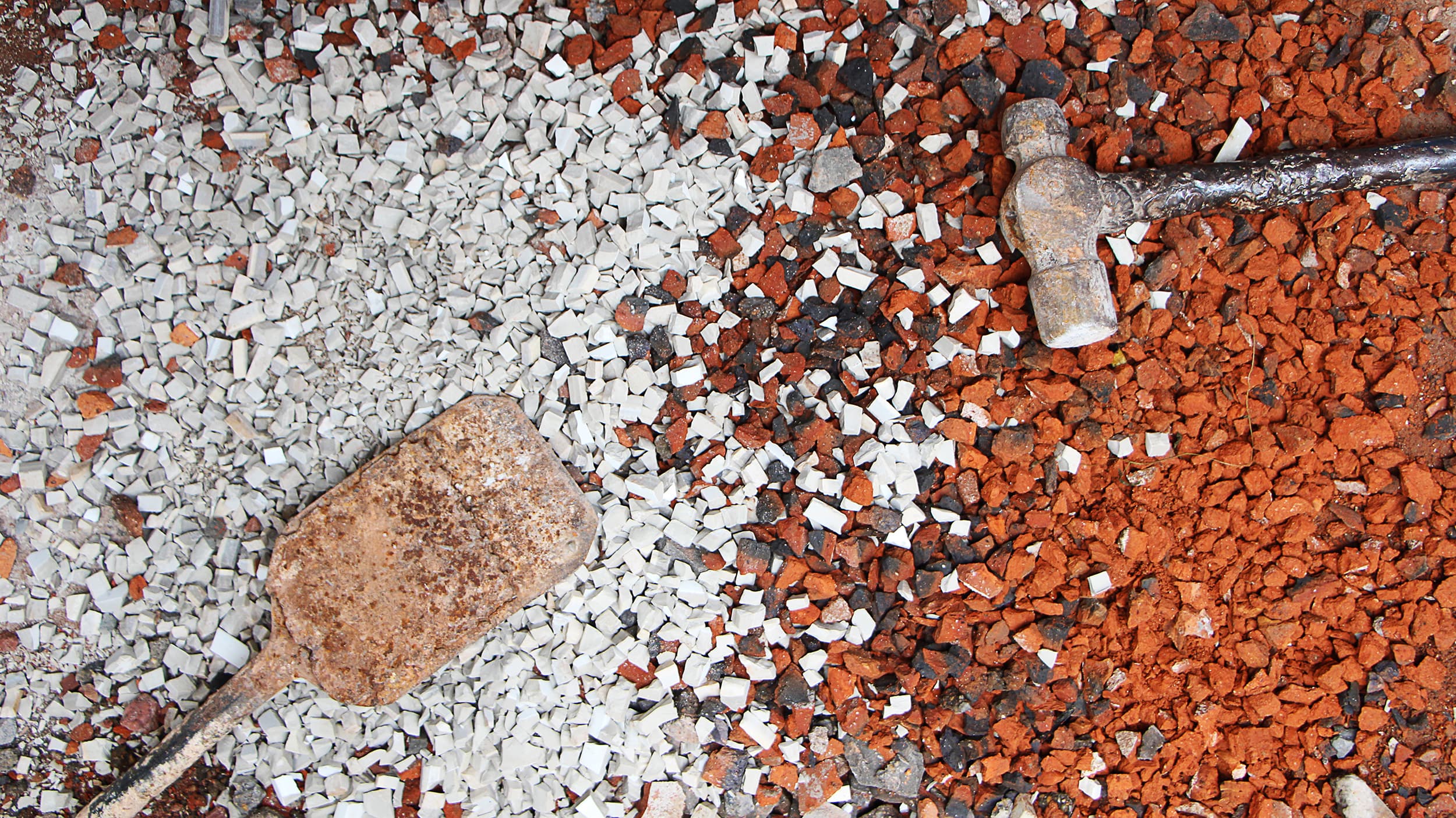
It is evident that construction solid waste is far more than a municipal waste management issue. Fundamentally, it reflects the traditional linear development model of “extraction – production – abandonment”, embodying the drawbacks of extensive urbanisation in the past. To resolve this dilemma, we need in-depth reforms in both concept and practice. The core is to redefine massive urban metabolic waste as recyclable, high-value urban mineral resources.
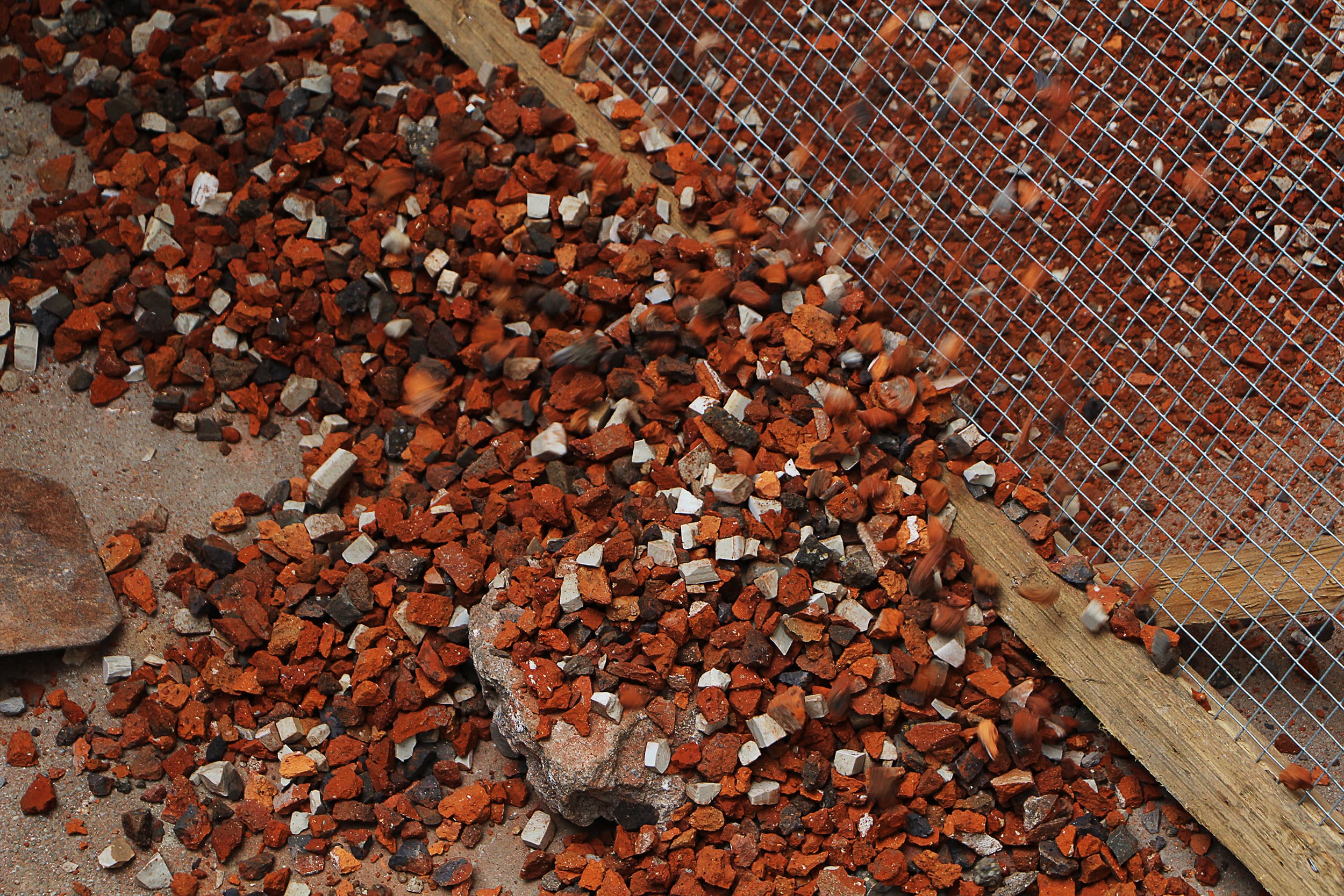
Such value transformation starts with precise deconstruction and advanced sorting of construction solid waste at the source. With an annual output exceeding 2 billion tonnes, the high-value utilisation of concrete and brick waste dominates the green transformation of the industry. Pristine raw material sorting is the prerequisite for high-value regeneration: two-stage crushing and multi-level screening, combined with magnetic separation for steel recovery, air separation for light impurity removal, water flotation for wood and plastic elimination, as well as photoelectric intelligent sorting and robotic precise classification. These processes ensure the purity of recycled aggregates, laying a solid foundation for subsequent material quality and application.

On this basis, professional technologies endow waste building materials with upgraded performance and renewed lifecycles. Waste concrete is a composite of natural aggregates, aged mortar and interfacial transition zones. The core of regeneration optimisation is to reshape physical properties via reverse deconstruction. Physical techniques such as vertical shaft impact crushing and particle shaping remove loose aged mortar on aggregate surfaces, optimising particle morphology and reducing water absorption. Mineral polymer modification and gel impregnation strengthen internal pore structures and interfacial bonding, comprehensively enhancing the stability of recycled aggregates. Graded recycled aggregates, mixed synergistically with industrial solid wastes such as fly ash and slag powder, form innovative cementitious systems, enabling waste building materials to re-enter high-quality application scenarios.
The innovation of materials and concepts extends far beyond waste disposal. From a macro resource perspective, construction solid waste acts as an inexhaustible urban mine. Industry research shows that utilising 100 million tonnes of construction solid waste can replace approximately 120 million tonnes of natural sand and gravel, effectively reducing mountain excavation. Meanwhile, recycled building materials deliver remarkable carbon reduction benefits compared with virgin raw materials. According to academic research published in New Building Materials, each tonne of recycled building material reduces carbon dioxide equivalent emissions by approximately 0.73 tonnes, covering raw material extraction, transportation and production links. It also fundamentally curbs illegal dumping and soil-water pollution. Industrially, it integrates intelligent collection, precise sorting, recycled manufacturing and ecological design, steering the construction industry from high-energy, high-emission linear economy toward low-carbon circular green economy.
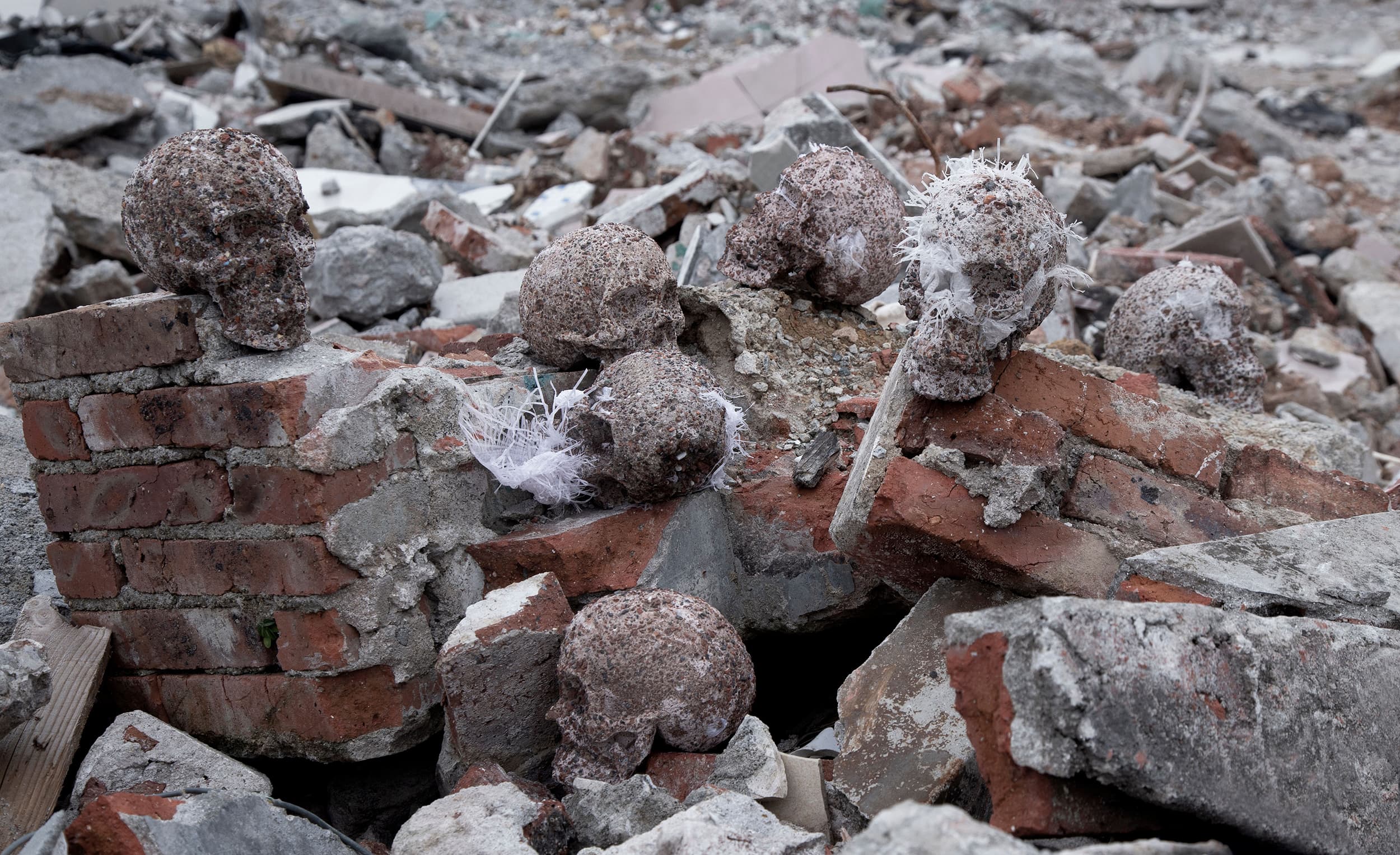
In essence, the sustainable design practice of construction solid waste is a value exploration integrating material science, environmental engineering and systematic design thinking. It achieves not only the technical regeneration of waste materials, but also a profound shift in urban development philosophy. We should recognise the inherent value of ruins, transforming the “scars” of the end-of-life cycle into new starting points for urban circular development. The future resilience of cities hinges on whether we can break away from linear consumption reliance through design speculation and professional practice, and return to the original symbiosis of respecting land textures and building cities alongside natural water systems.
Author: Xu Gang
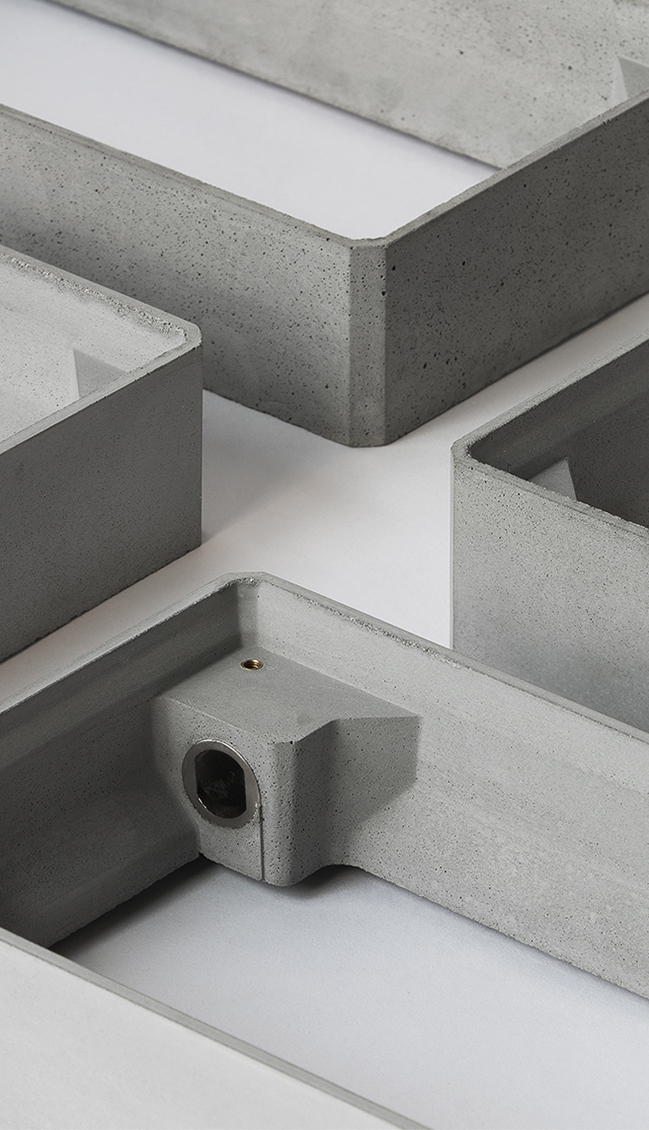
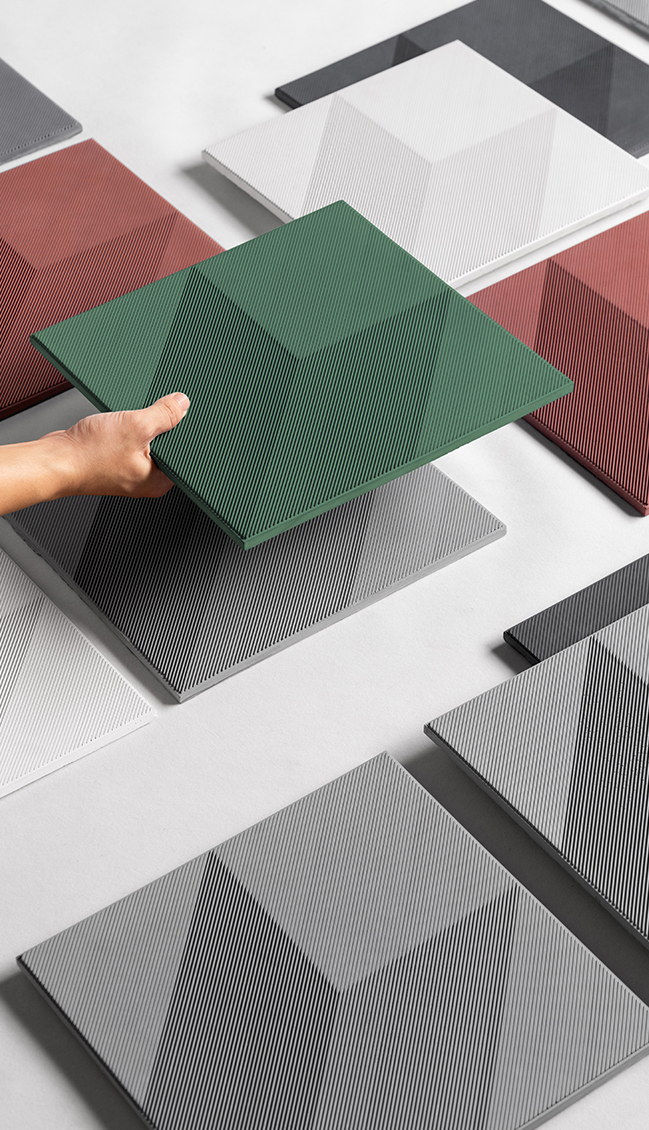
This article is an original work of the “BENTU Local Regeneration Speculative Series”. Taking urban construction solid waste as the research sample, it systematically interprets the cognitive logic of transforming construction waste from urban redundant waste into sustainable design resources.

- Contact
+8620 8977 0506
- Press
press@bentudesign.com
- Enquiry & Sales
info@bentudesign.com