A Decentralised Model for Sustainable Manufacturing Standards
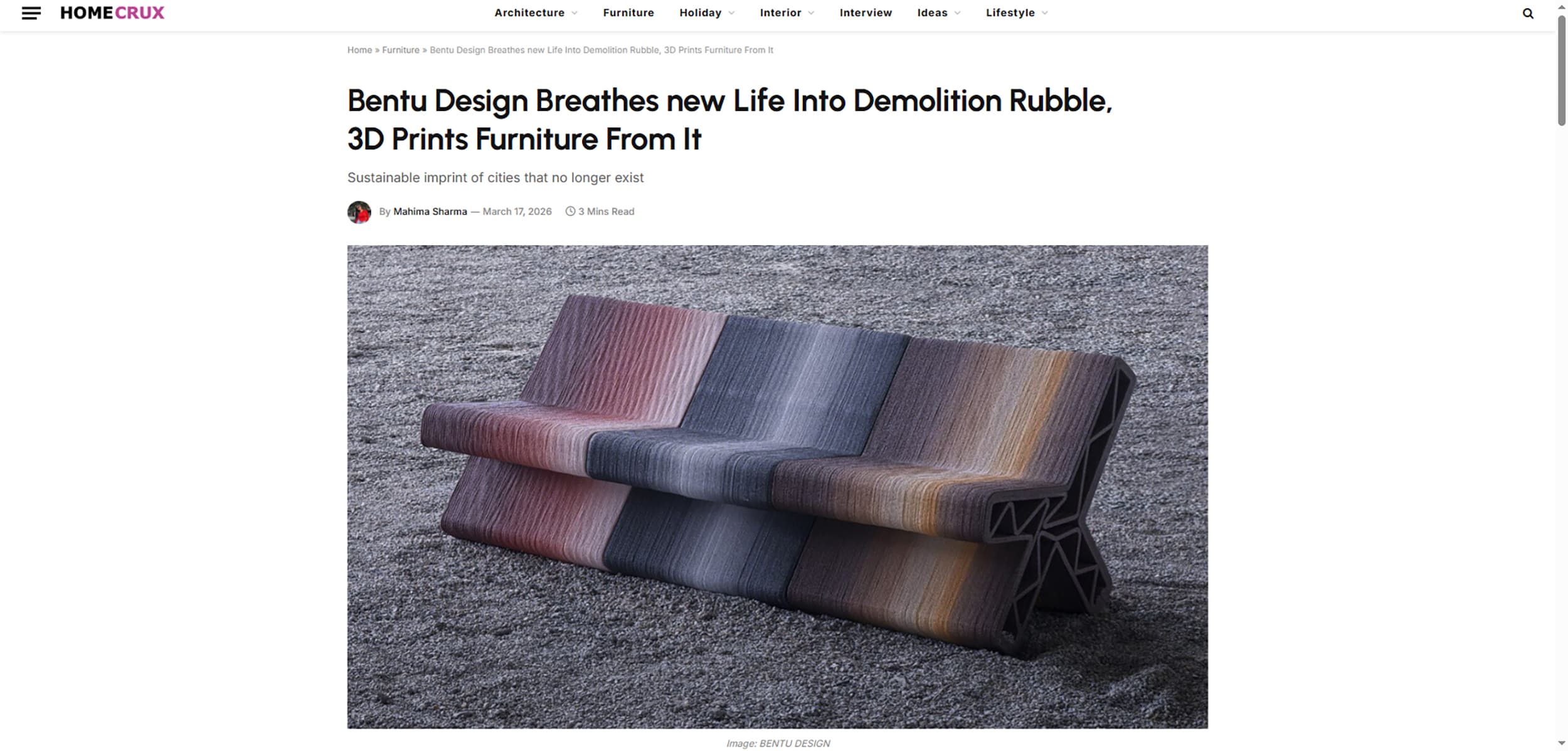
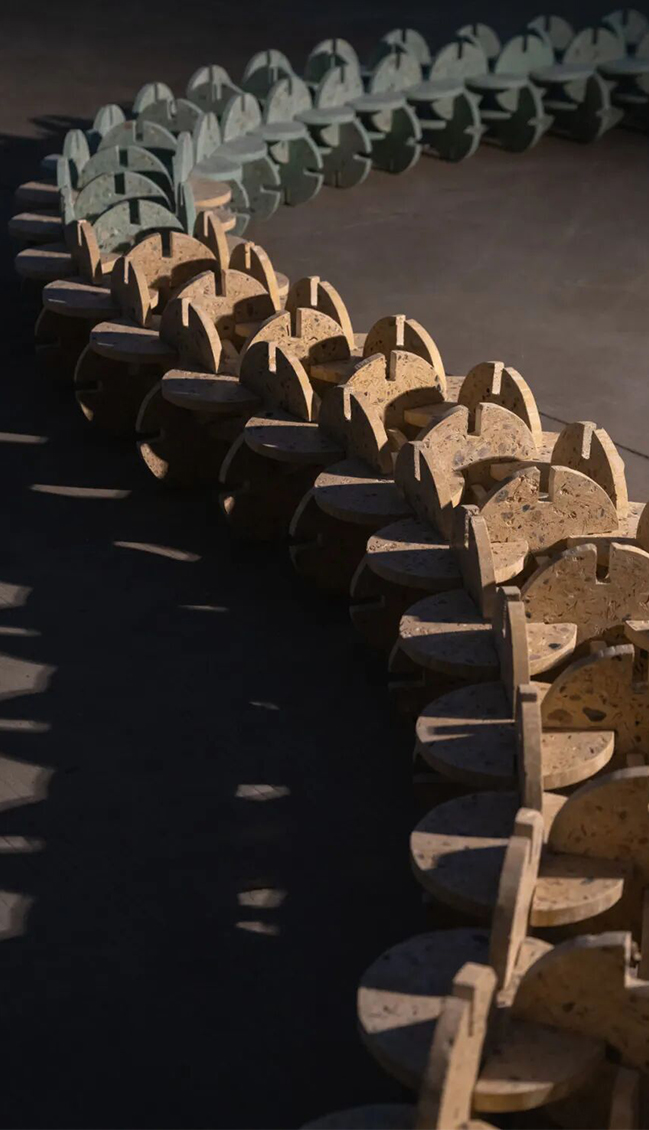
In early 2026, leading global 3D printing specialist media 3Dnatives released an in-depth technical analysis of the Inorganic Growth project. Going beyond simple result presentation, the report fully unpacks its complete implementation logic: the blending principle of 85% industrial and construction waste, the on-site deployment model of containerised mobile workstations, and how the dual-nozzle FDM system delivers stable colour-gradient forming. More than ordinary popular science for case studies, this serves as a detailed public technical archive for the entire industry.
In the same period, international design media Designboom also published an in-depth feature. Concentrated coverage by multiple global professional platforms confirms a key conclusion: the process developed by BENTU is being recognised worldwide as a referable, openly shareable approach to sustainable manufacturing.
Across the global sustainable technology sector, numerous innovations face the same dilemma: high R&D costs, complex system architectures, and heavy reliance on proprietary equipment and special chemical raw materials, making large-scale promotion difficult in developing regions and resource-limited areas. Even after laboratory validation, such solutions rarely enter real-world scenarios and fail to become inclusive alternatives.
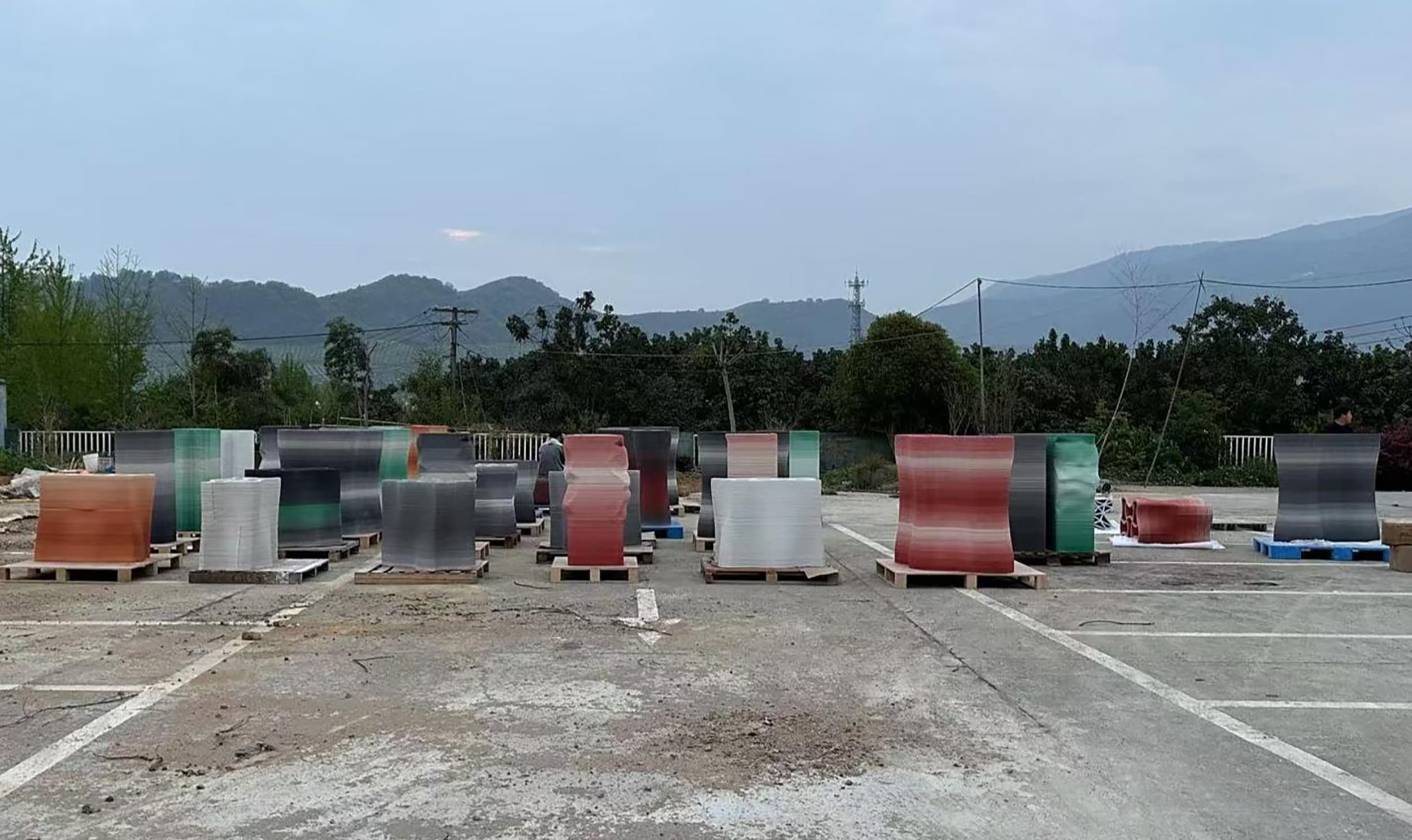
BENTU has adopted a distinctly different path: it avoids building barriers via high-end equipment and achieves breakthroughs through a minimalist material logic.
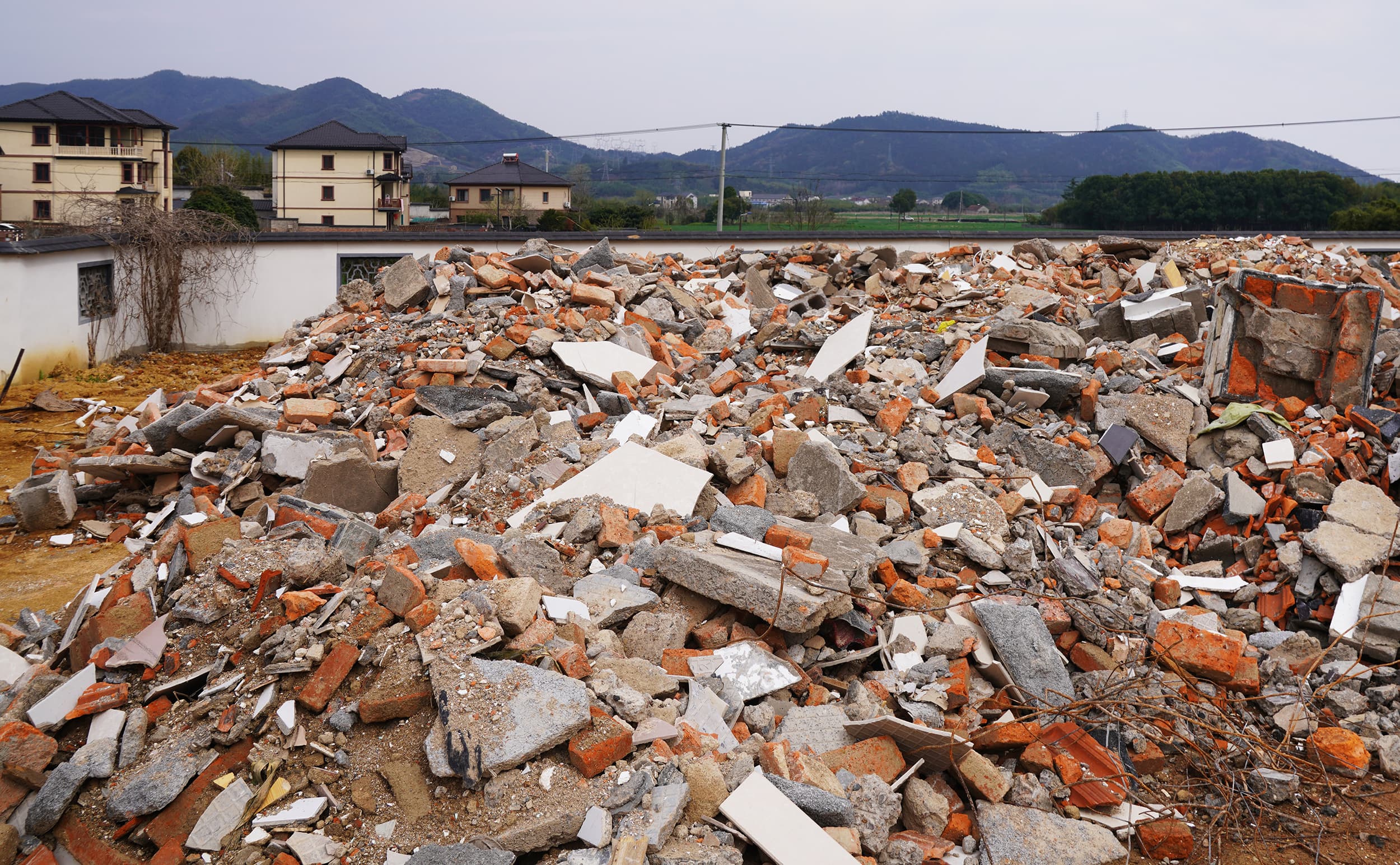
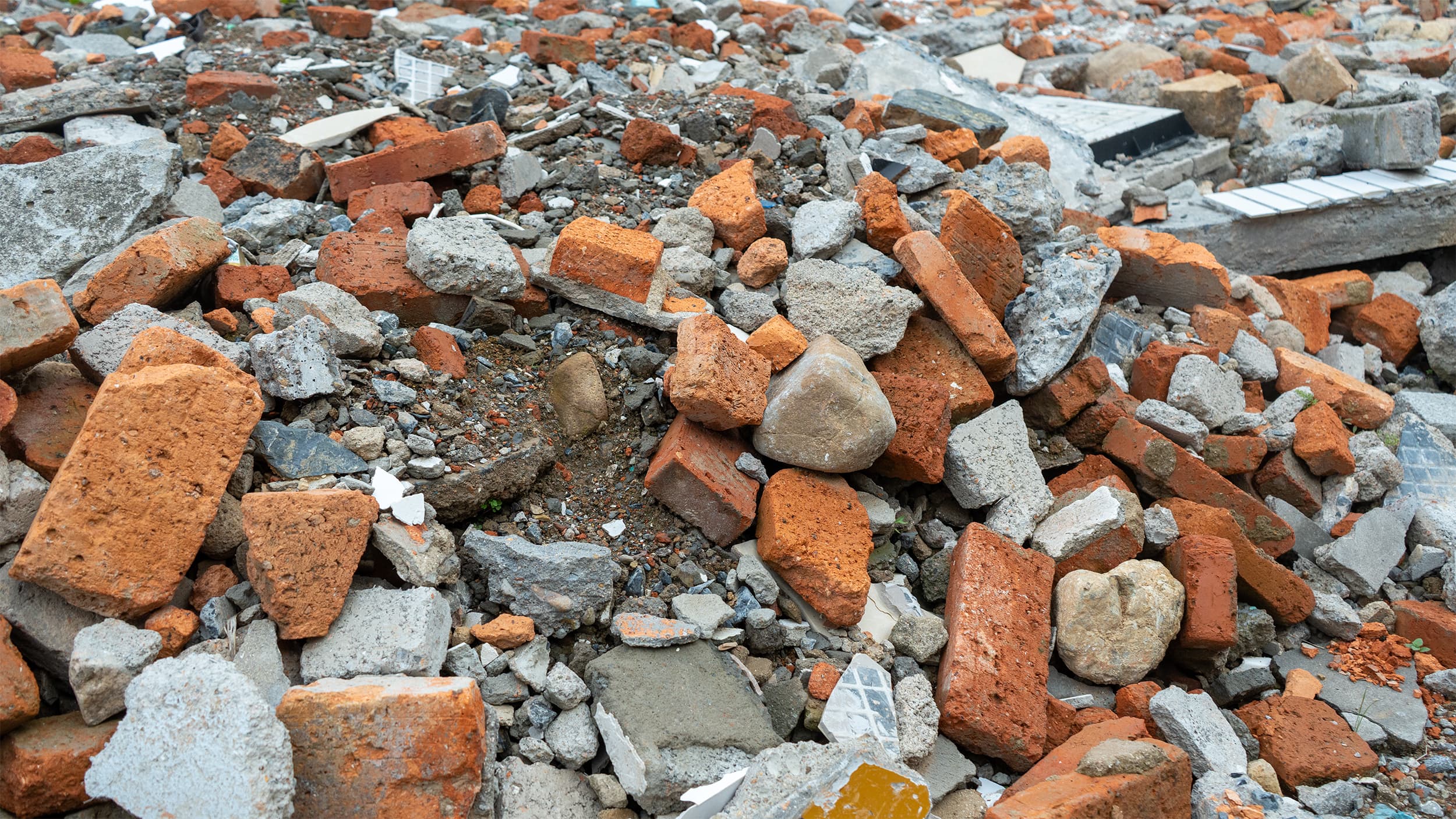
Take the Inorganic Growth project as an example: 85% of raw materials come from on-site construction waste, including broken bricks, tiles and discarded concrete blocks, supplemented by conventional industrial solid waste such as mineral powder and fly ash. The entire gelling system cures at ambient temperature without high-temperature sintering. The forming equipment is not multi-million-dollar precision industrial machinery, but a mobile FDM concrete extrusion 3D printer fully housed inside a shipping container, capable of operating directly at demolition sites.
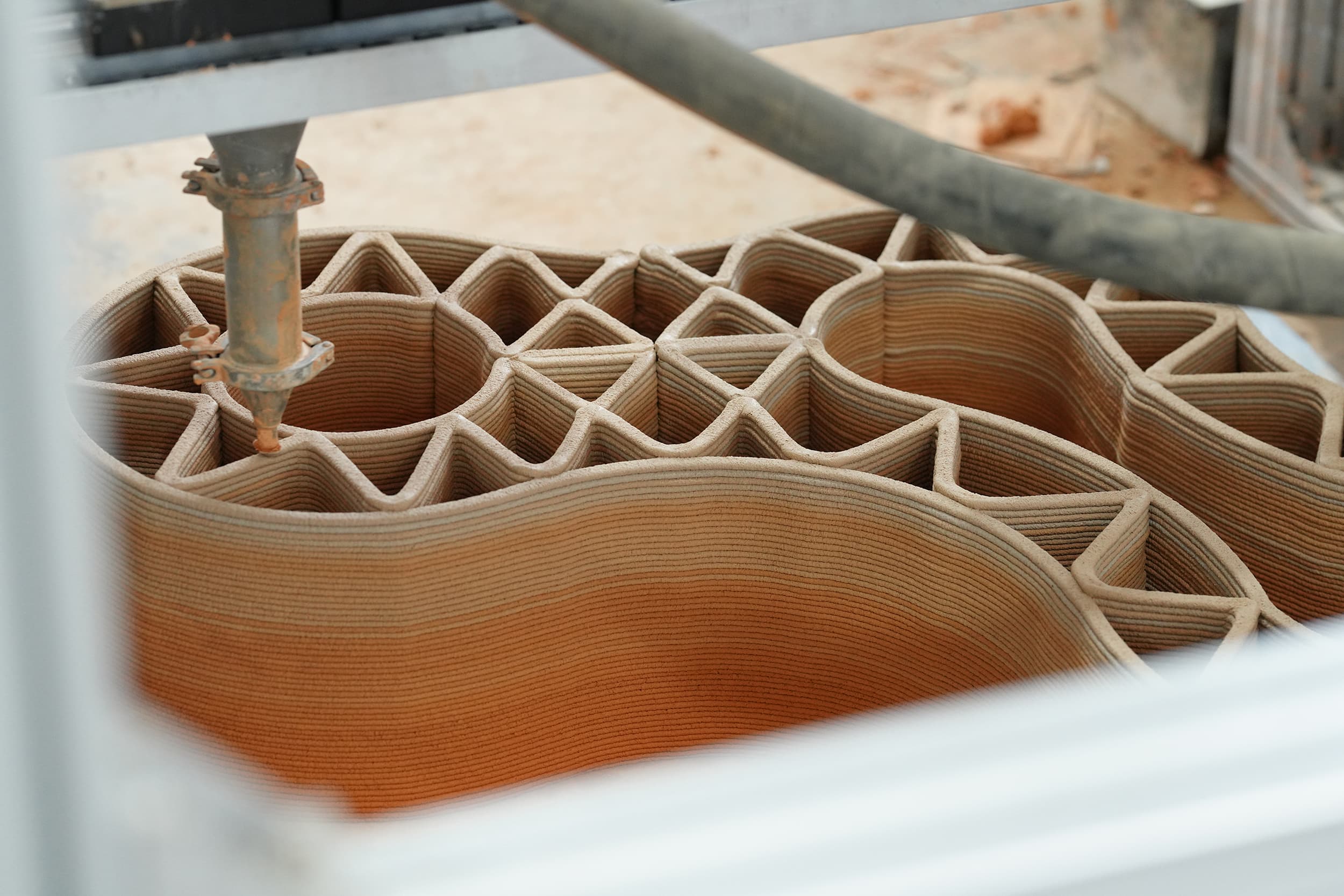
The practical value of this model is clear: replication is feasible anywhere with access to construction waste and basic electricity supply. It requires no purpose-built fixed factories, exclusive patent licensing fees, nor long-term on-site senior technical engineers. Practitioners only need to master basic particle grading principles and respect the natural physical properties of various waste materials to process massive piles of construction debris into functional urban public infrastructure stably.
This defines what it means to be "referable": it is not a sealed, paywalled technical black box, but a transparent, independently iterable practical methodology built on fundamental material science knowledge.
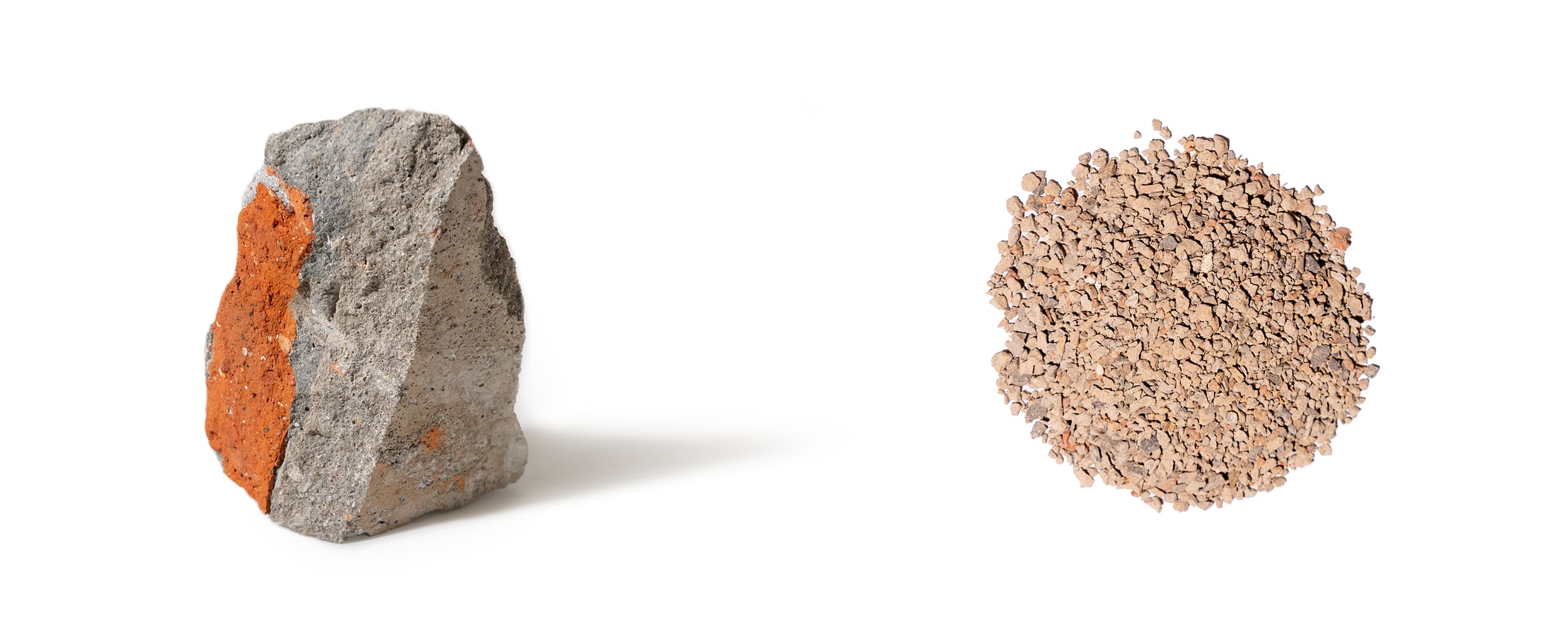
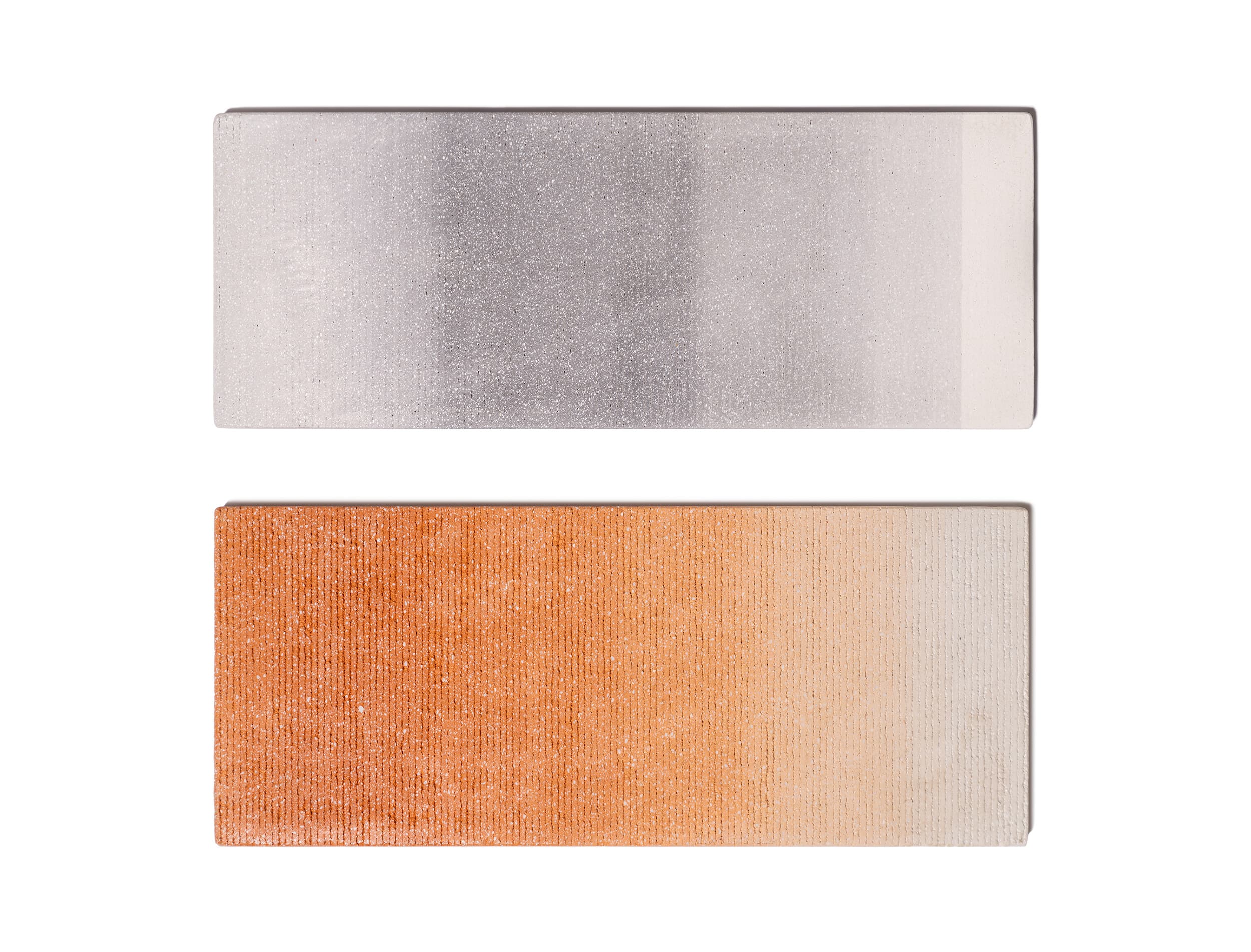
The 3Dnatives article focuses on the project’s core process: a multi-stage particle grading system. Coarse aggregates of 8–16 mesh form the structural skeleton; medium aggregates of 30–60 mesh fill internal voids; fine powder above 100 mesh achieves overall compaction. Particle grading is well-established fundamental knowledge in concrete technology, not a brand-new scientific invention.
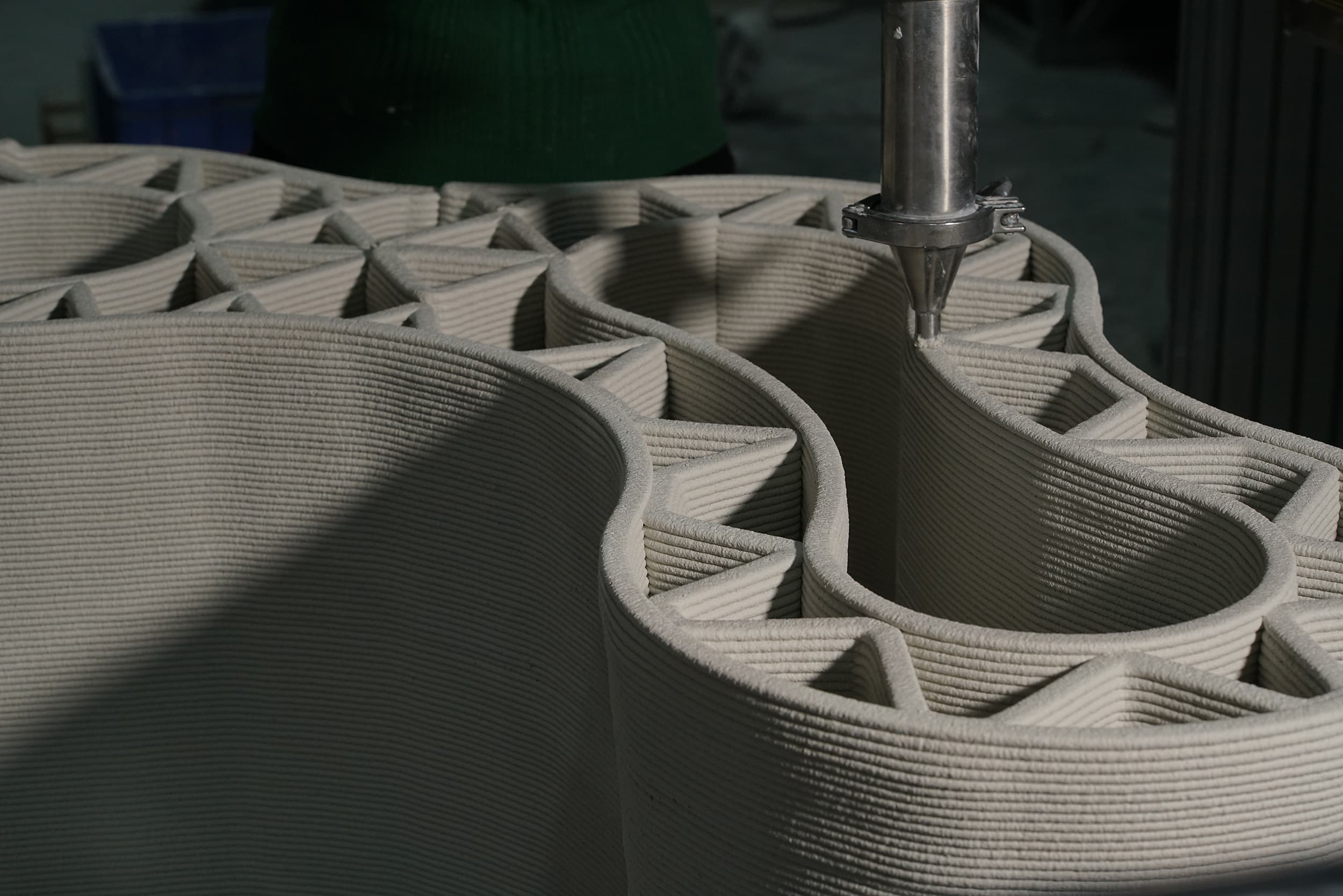
BENTU’s innovation lies in applying this basic principle to mixed construction waste with irregular compositions. Commercial concrete relies on artificially processed sand and stone with uniform particle sizes and controllable components. Demolition waste, by contrast, features irregular shapes, mixed materials and unstable performance, making it incompatible with standardised conventional processes. Producing stable structures from such non-standard raw materials demands precise control over material properties.
The team avoids excessive forced modification of waste: it does not grind all materials uniformly into ultra-fine powder, nor rely on large volumes of chemical additives for artificial bonding. Instead, it leverages the natural size differences of crushed materials after basic breaking: coarse particles bear structural loads, medium particles fill gaps, and fine powder densifies internal spaces. Each type of waste occupies a dedicated position within the structure, enabling diverse materials to fulfil respective functions and jointly form a robust whole.
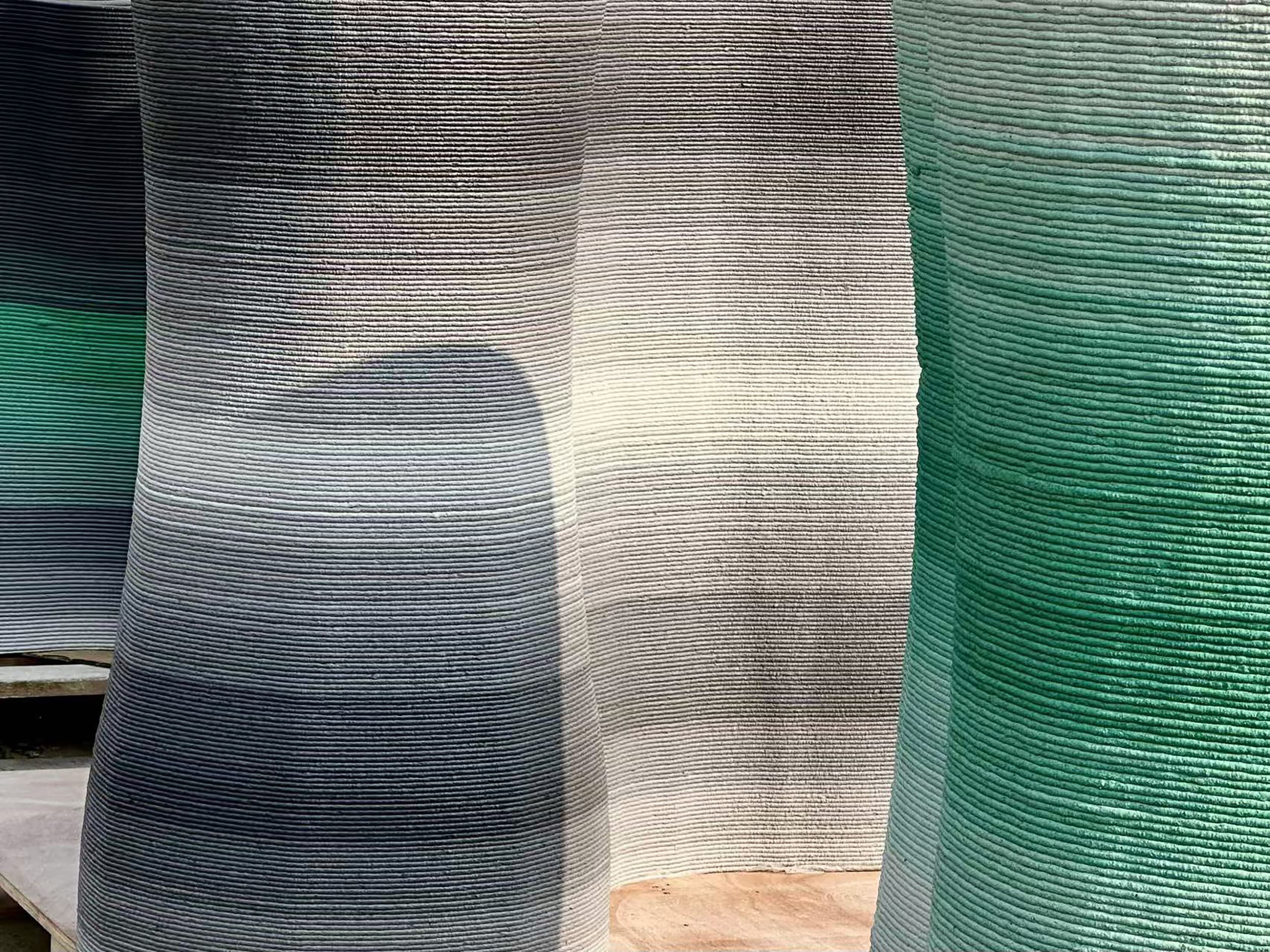
Another core focus of 3Dnatives is the integrated containerised mobile printing workstation. The full 3D printing unit is enclosed within a shipping container for full vehicle transport to demolition sites, breaking the constraints of traditional production modes. Manufacturing is no longer tied to fixed factories, long-distance freight and lengthy supply chains; production takes place directly where raw waste is generated.
This decentralised production model offers immense reference value for vast developing regions with weak infrastructure, high logistics costs and insufficient industrial support. Centralised large-scale factories require heavy capital investment and have limited transportation radii, making them poorly suited to scattered rural locations, suburban demolition sites and small-town urban renewal projects. By contrast, mobile workstations only require basic power generation equipment, local waste materials and simply trained workers to produce public benches, small landscape components and basic municipal facilities on-site.
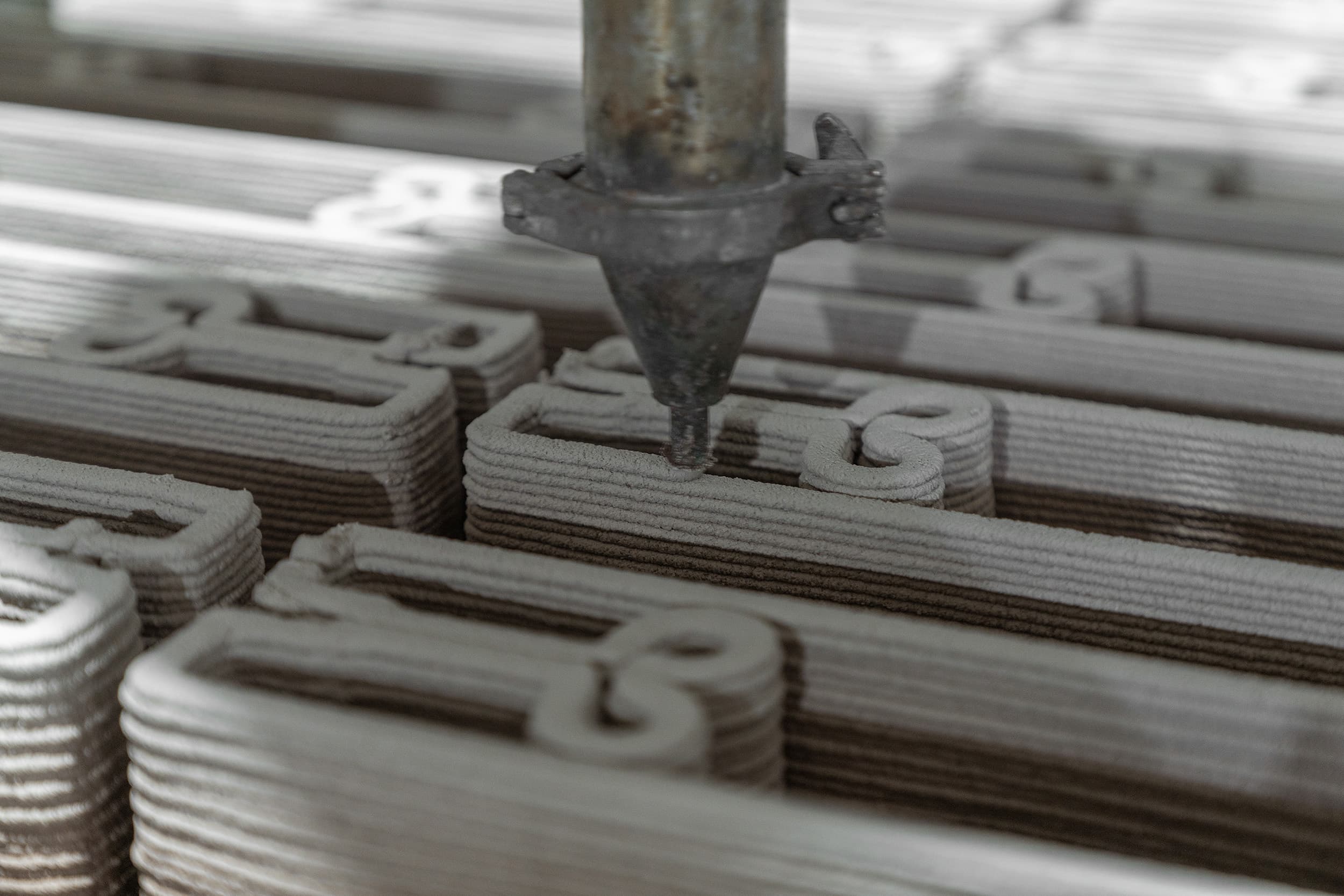
This is not low-end manufacturing, but a production logic adapted to diverse real-world conditions: it rejects blind pursuit of single ultra-large output in favour of targeted on-demand responsiveness; it avoids mandatory global unified process parameters and prioritises adaptation to local resource conditions. It also clarifies that sustainable manufacturing does not mean applying one universal technology worldwide, but enabling technology to adapt proactively to the actual conditions of different regions.
Sustained international media attention to this solution essentially reflects recognition of its pragmatic manufacturing model. More than a decade of continuous practice proves that high-quality sustainable technology never requires extravagant packaging. It does not necessarily demand cutting-edge laboratory breakthroughs or massive capital investment; it only needs practitioners willing to work deep inside waste sites, craftsmen patient enough to fine-tune formulas, and designers who respect materials.
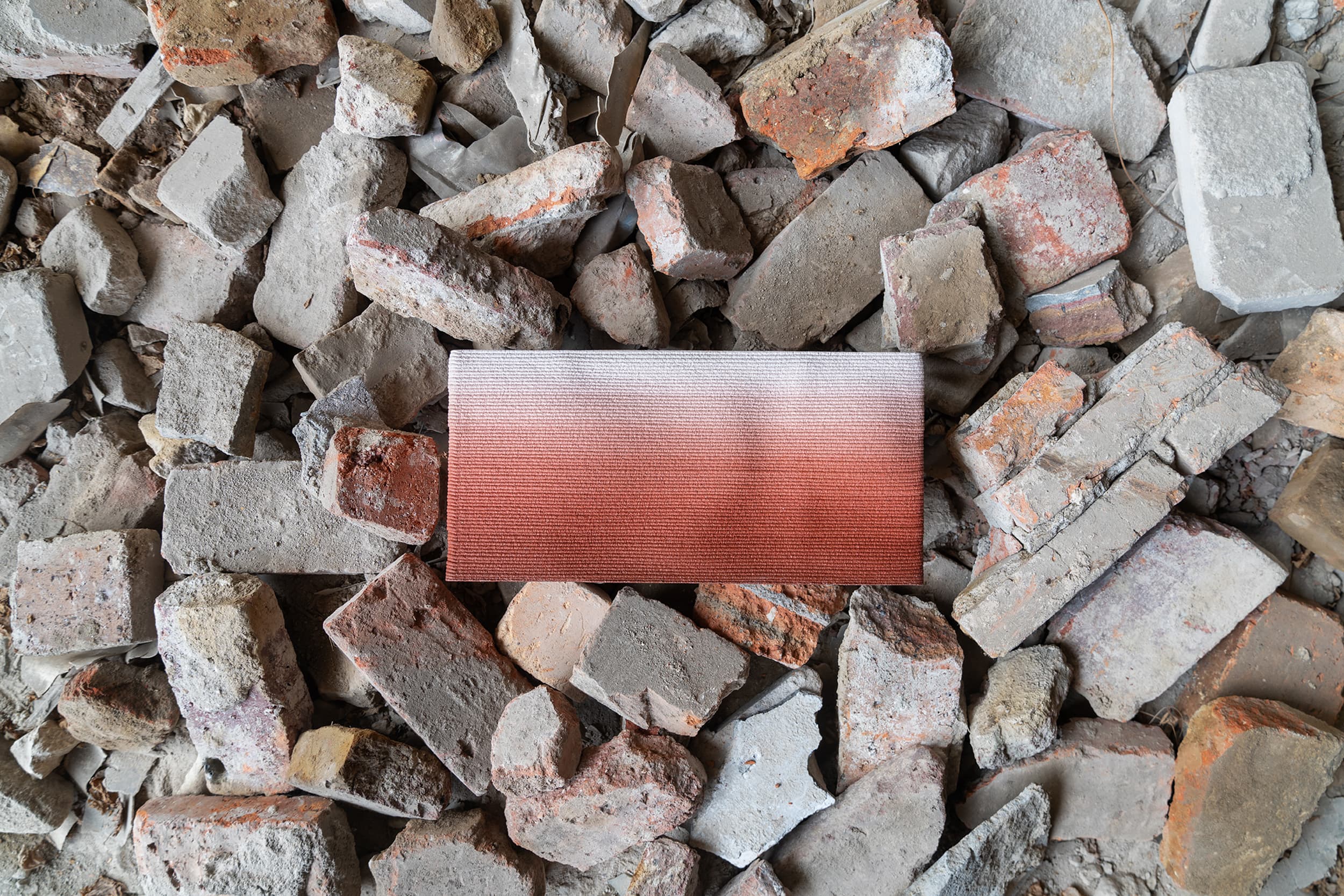
This openly shared sustainable manufacturing standard is recorded not merely in patent documents, but accumulated across waste stockyards, countless bench tests, and physical works naturally grown from urban ruins. It awaits further iterative innovation by practitioners worldwide based on local conditions.
Author: Xu Gang
This original article belongs to the BENTU Brand Reflection Series. Taking international media’s technical interpretation of the Inorganic Growth project as an entry point, it explores the decentralised model of sustainable manufacturing.

- Contact
+8620 8977 0506
- Press
press@bentudesign.com
- Enquiry & Sales
info@bentudesign.com