Curating as a Sustainable Action
Design can go beyond object-making. Curating gives voice to invisible material cycles, overlooked human relationships, and neglected social realities. Over seven years, from the Yangtze River to Shenzhen, from design exhibitions to a marine culture festival, we have used each curatorial practice to ask and answer one question: Can sustainability be made visible and widely communicated?
Curating is a more multidimensional form of expression than product design, and a vital bridge that brings sustainable concepts from professional circles to the general public. From the ruins of Huangbian Village in Guangzhou in 2018 to Guangzhou Design Week in 2025 – nearly seven years – I have kept asking: Beyond creating objects, what else can design carry and change?
The answer has gradually emerged through practice. Design can evolve into curating, which reshapes public understanding of sustainability while connecting government, industry, academia and the public, leaving behind a tangible and thought-provoking intellectual site for our times.
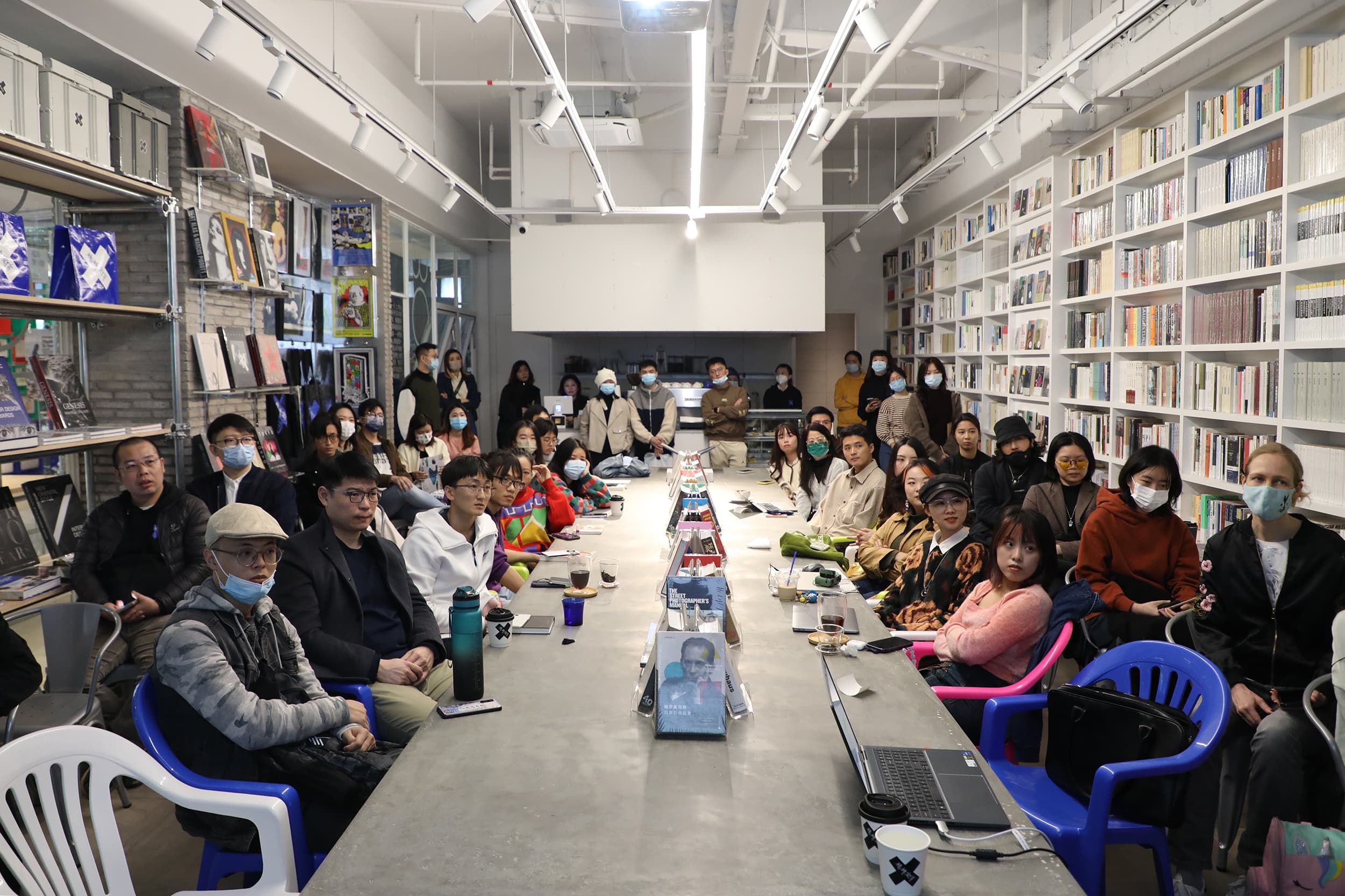
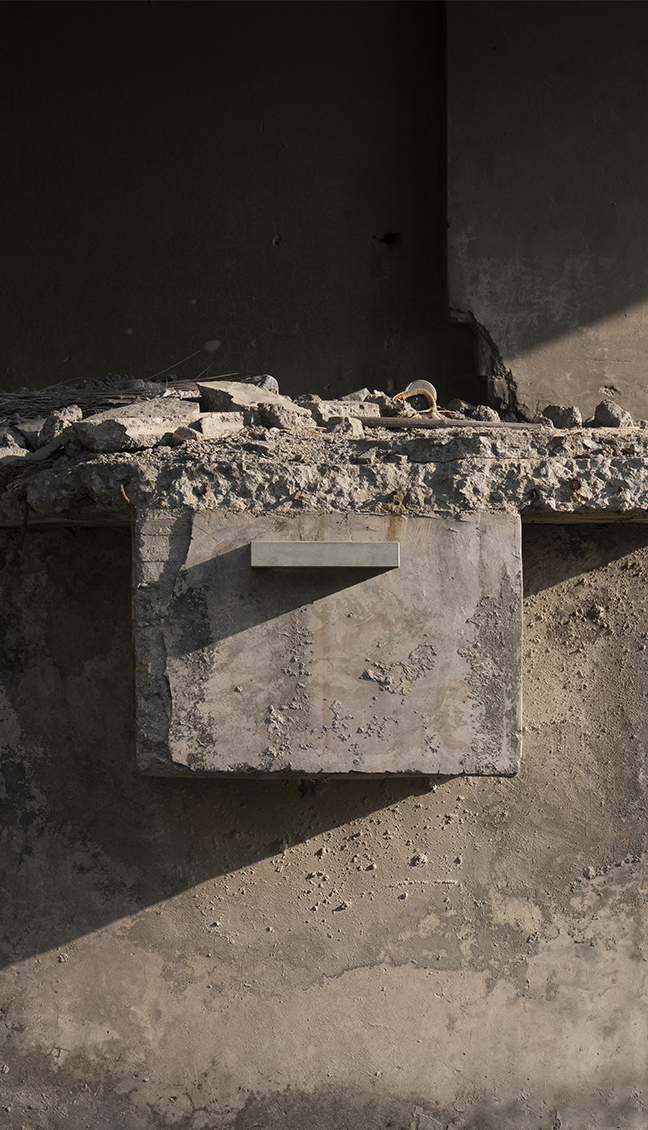
In late 2018, Huangbian Village was being demolished. Amid the rubble, people were not clearing construction waste – they were moving art installations. Thus was born Wutopia – China’s Huangbian Experimental Research Exhibition. There was no white‑cube gallery, no deliberate spotlight. The entire ruin was the exhibition space, and the salvaged building debris became the most authentic works.
That was my initiation into curating. At the time, I had no mature methodology – only a simple intuition. After years of deep work on products and materials, what we had accumulated went far beyond technical data and design drawings. There were also many reflections that no single product could contain: the relationship between people and waste, the real conditions behind industries, and those social realities ignored by mainstream design discourse. These needed a more three‑dimensional and inclusive space than any artefact could offer.
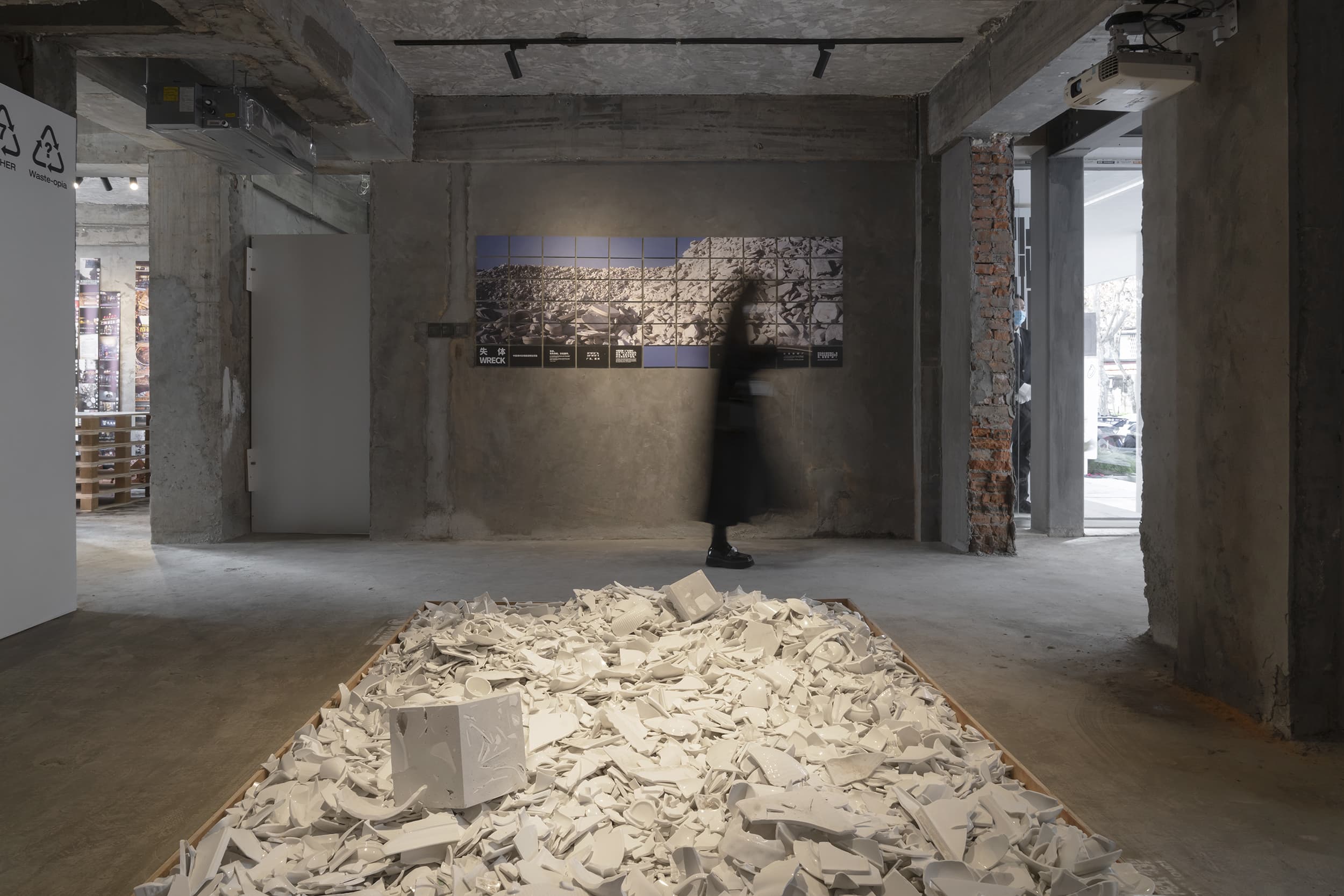
Wutopia made considerable waves in professional circles. But more importantly, it confirmed for me that design should not stop at the product. A piece of furniture made from waste porcelain, placed in a gallery, is easily labelled a “beautiful object” – people tend to overlook the entire narrative of material cycling behind it. An exhibition, in contrast, can fully present the process and reveal those social and environmental issues that the product form conceals. From that moment on, curating became another language for articulating my vision of sustainable design.
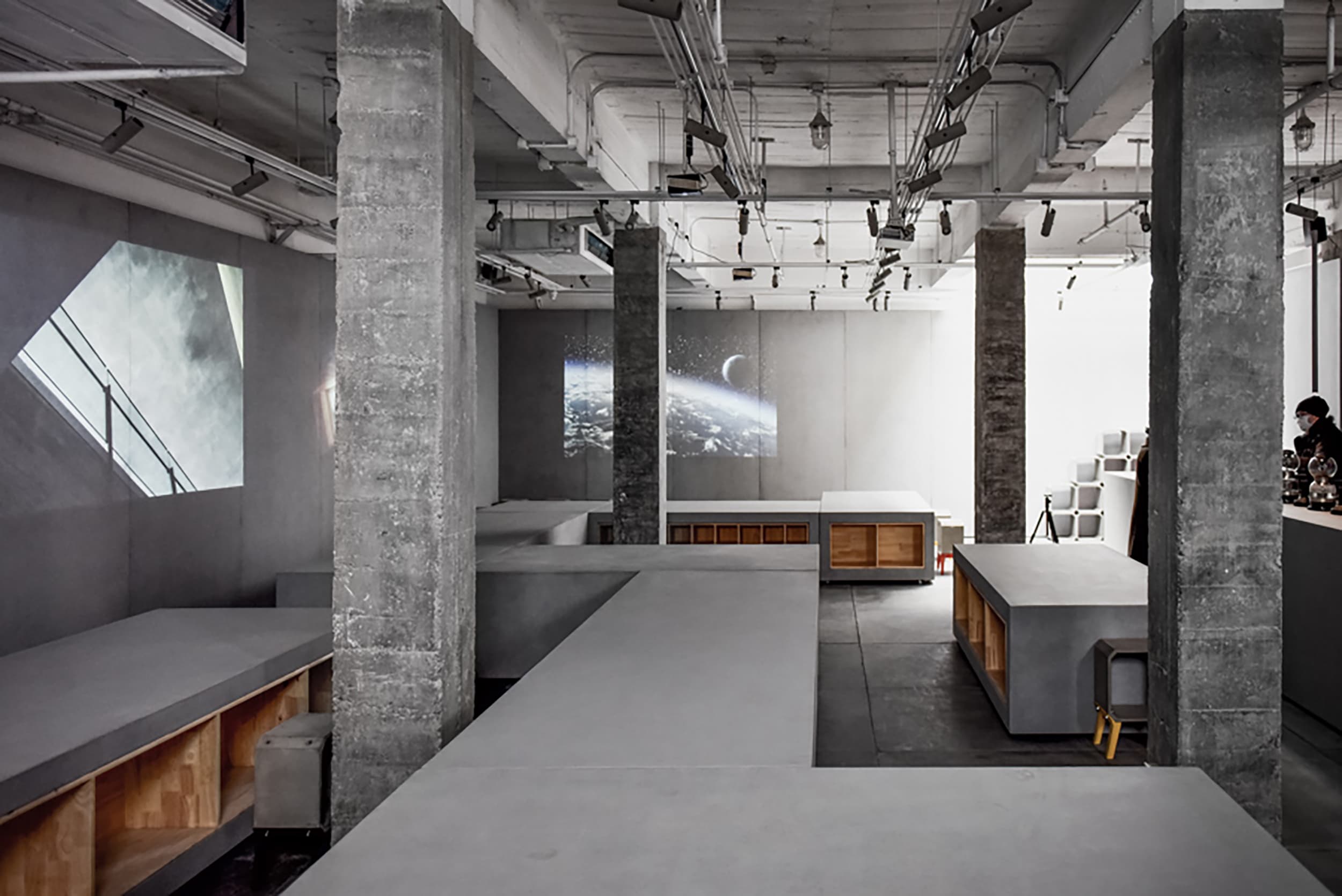
On 20 May 2022, the Museum of Sustainable Design (Materials) launched its first major exhibition – Return Design. As curator, I invited dozens of design teams and institutions from China and abroad to participate. With “making sustainability visible” at its core, the exhibition responded to the ever‑changing relationship between human habitation and the ecological environment.
The title Return Design carries two layers of meaning.
The first is “Return”: a return to circulation, a return to the origin of materials. The world is made of matter, and human activities increasingly intervene in natural material systems. The linear model of high consumption and high emissions that began with the Industrial Revolution has disrupted nature’s material cycles, leading to the twin crises of environmental pollution and resource depletion. According to the law of conservation of mass, nothing truly disappears. Building a closed‑loop system in which resources are absorbed, used, broken down and regenerated within industrial chains is the essential path to ecological and industrial sustainability.
The second is “Design”: the reconfiguration and re‑creation of the material world. But if design remains trapped in the logic of linear consumption and single use, it will eventually exhaust the planet’s finite resources. What Return Design advocates is a fundamental shift in design thinking: from linear consumption to circular regeneration, from one‑way extraction to symbiotic coexistence with nature.
I wrote in the exhibition preface: Rebellion is an awakening of consciousness, a self‑renewal of humanity. Self‑rebellion is the core of innovation. To reshape oneself with entirely new ways of creating.
If Return Design was a declaration of principles, then the exhibition series in the second half of 2022 brought sustainable curating into a much broader public arena.
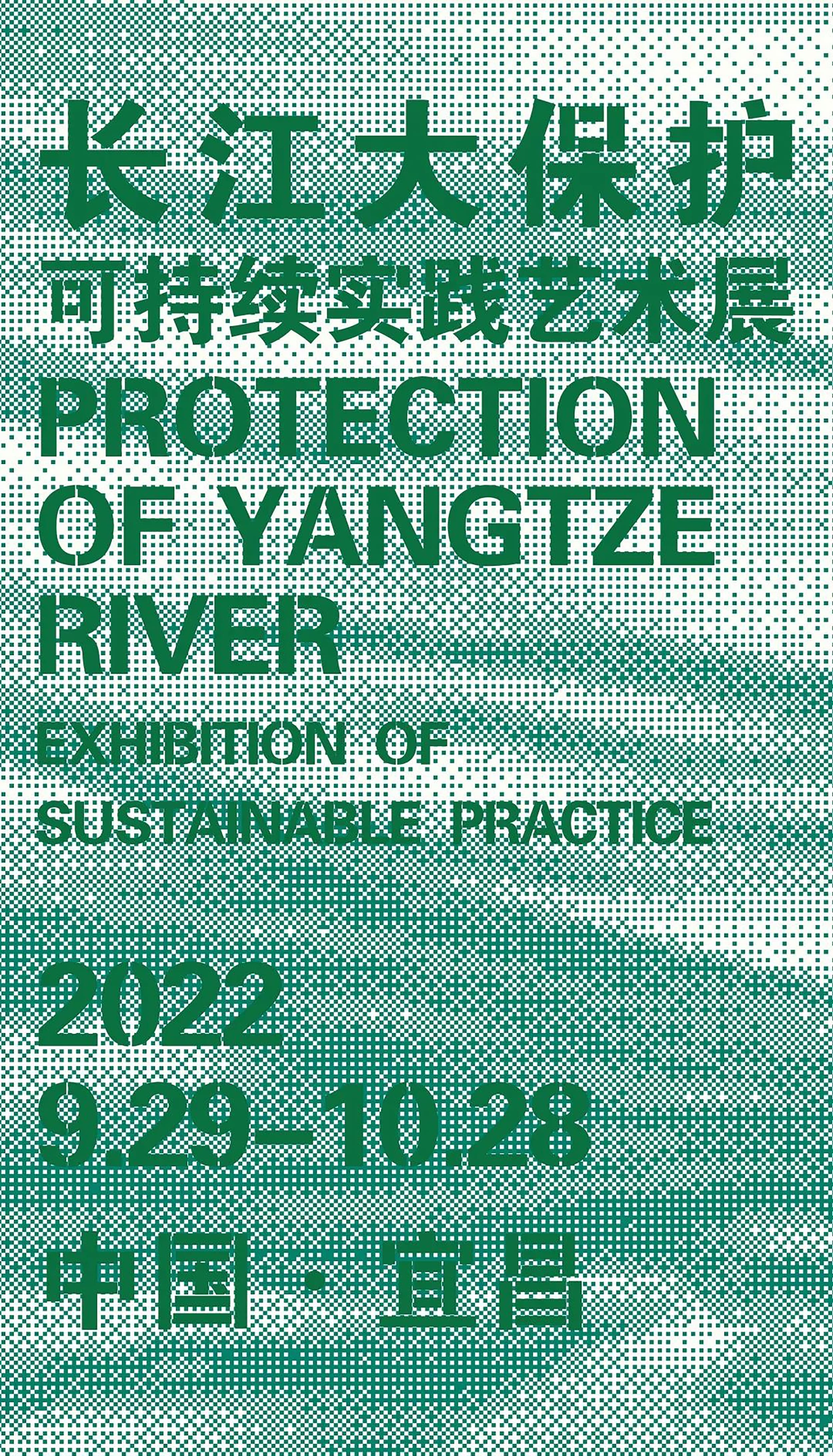
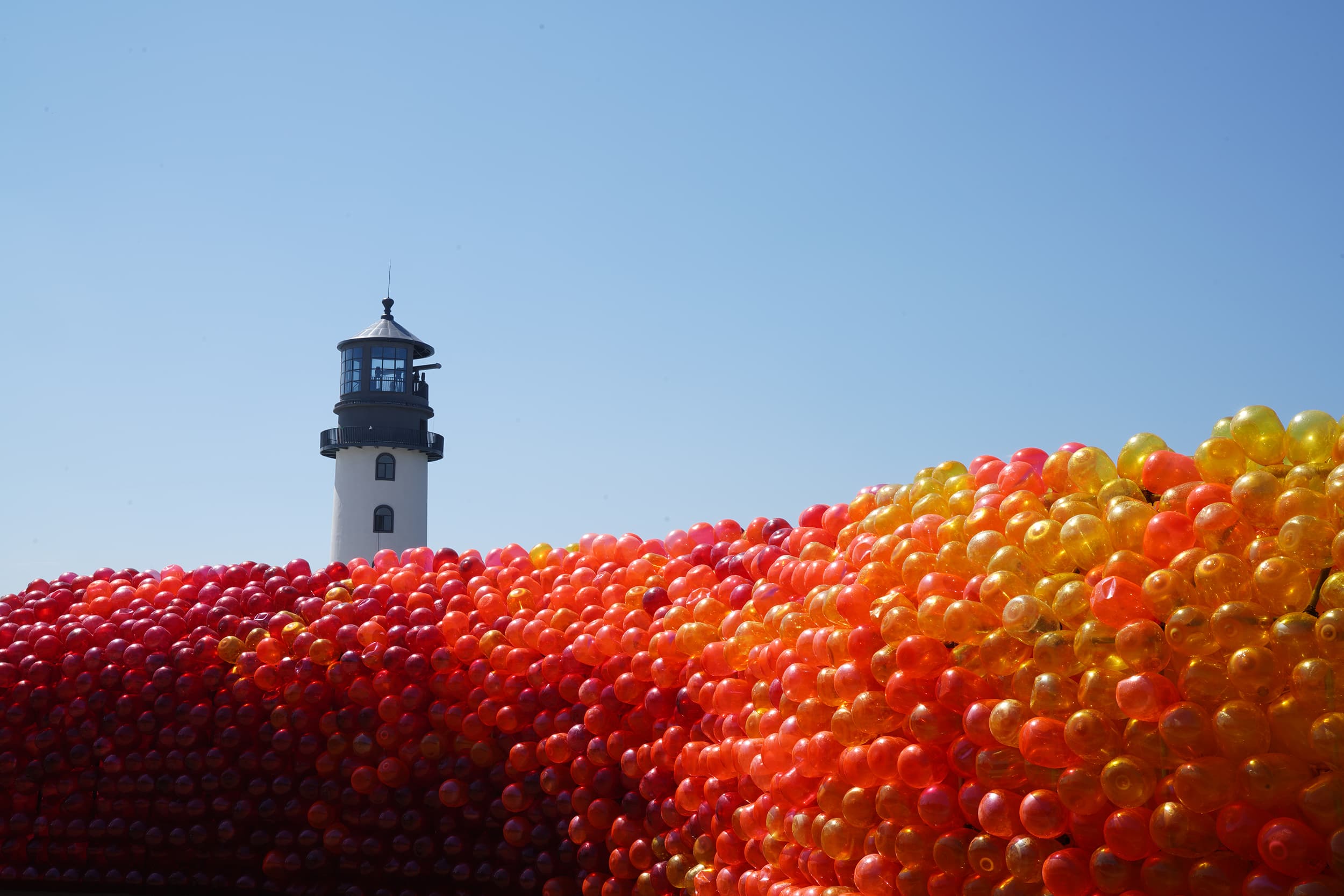
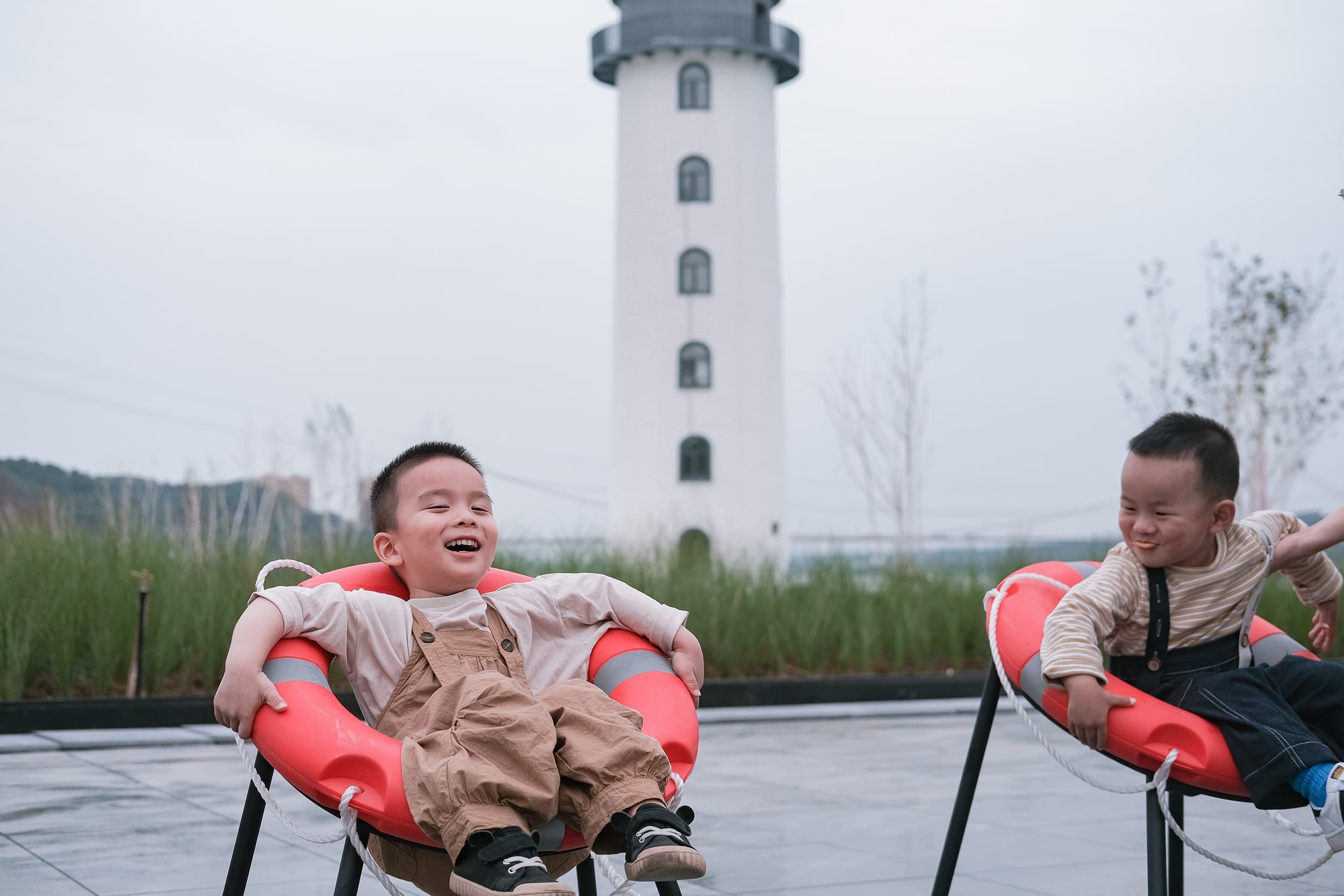
On 29 September 2022, the Yangtze River Conservation – Sustainable Practices Art Exhibition opened at the Lighthouse Plaza of Binjiang Park in Yichang. The exhibition took place against the backdrop of Yichang being named a “National Demonstration Zone for Ecological Civilization” by the Ministry of Ecology and Environment, firmly rooted in China’s top‑level design for ecological progress. It was co‑hosted by the Chinese Society for Ecological Civilization Research and Promotion, the Chinese Society of Urban Economics, Yichang Municipal Government, and Hubei Institute of Fine Arts, with co‑organisation by the Yichang Municipal Headquarters for Optimising Urban Functions, Hubei Xingfa Group, the Museum of Sustainable Design (Materials), BENTU, and others.
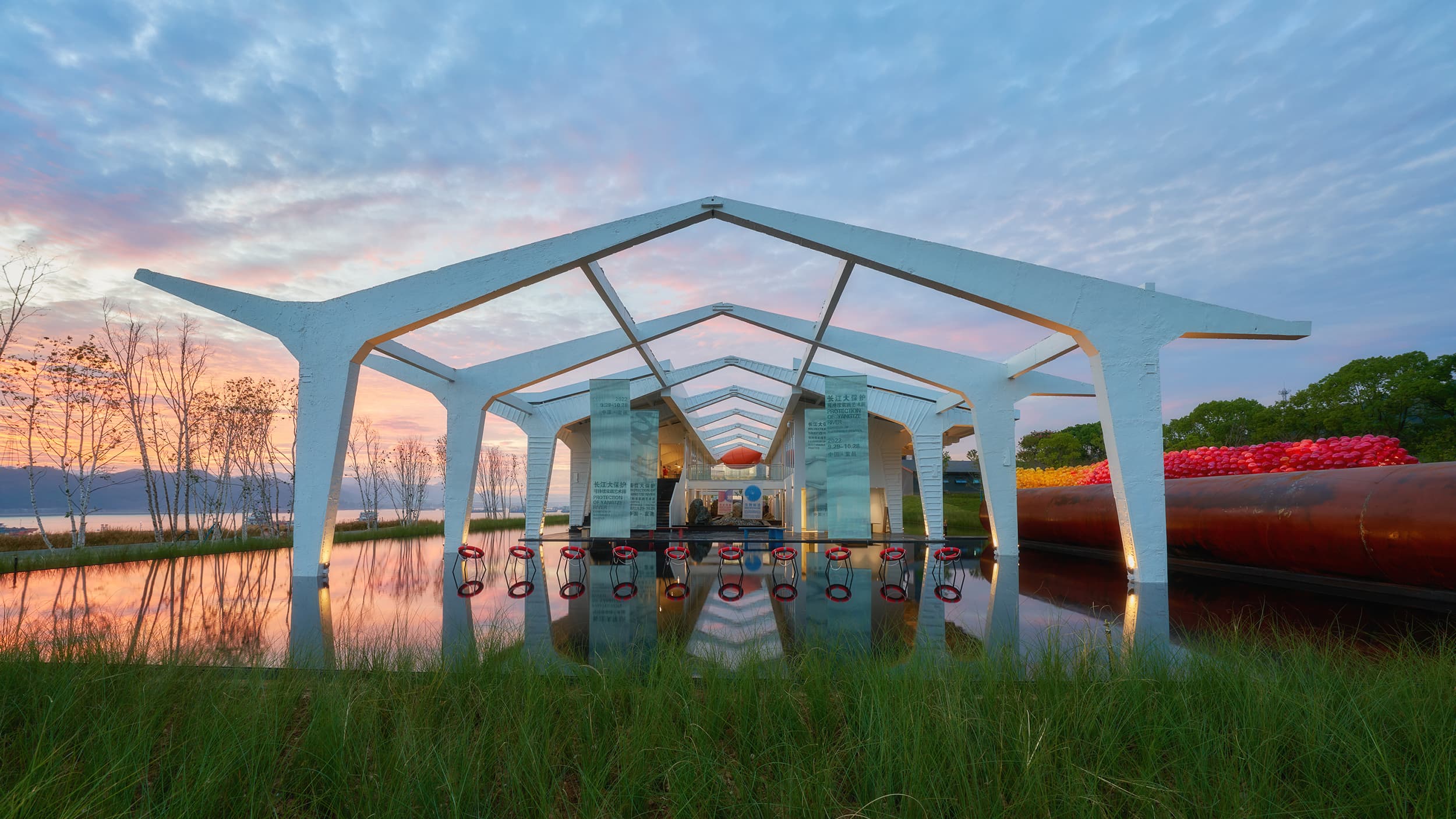
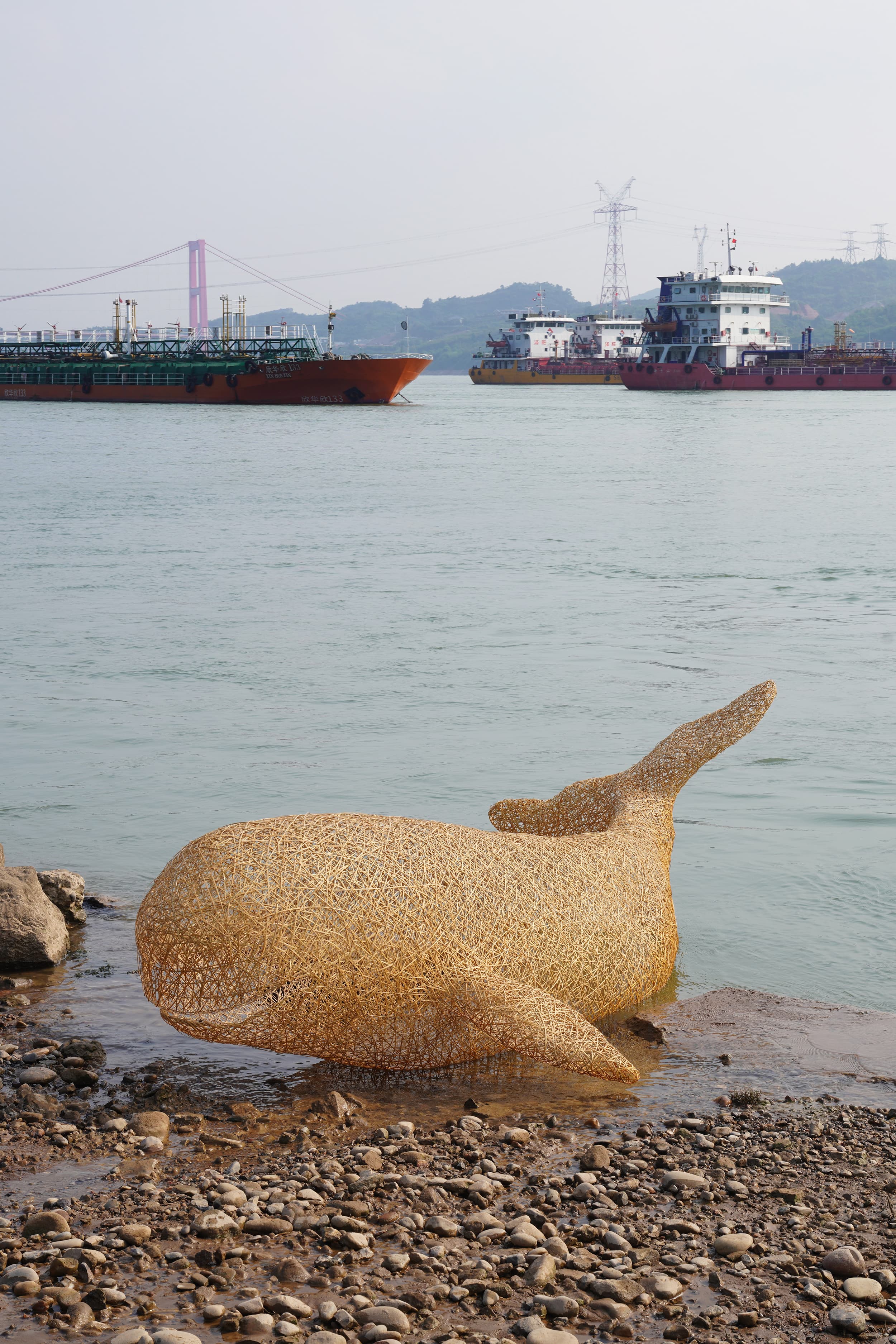
This was China’s first sustainable art exhibition on Yangtze River conservation created through official‑public collaboration. The exhibition unfolded along three dimensions: waste recycling, biomanufacturing, and cultural heritage. Our curatorial team went to the Three Gorges reservoir area for field research, enduring temperatures above 40°C and living and working alongside the clean‑up crews. The exhibition brought together over 50 categories of waste‑derived art installations and hundreds of creative products made from solid waste, contributed by more than 40 artists and designers from 16 countries. It also connected leading international design schools and cutting‑edge materials laboratories, creating a cross‑disciplinary resonance among art, technology and environmental protection.
The social response far exceeded expectations. By 28 October, the exhibition had received over 350,000 on‑site visits and more than 15 million online views. One media outlet commented: “This is an ecological proposition answered together by 20 million people.” A visitor wrote: “Environmental protection is not the business of a few – it is a shared challenge for every person and for this planet. We are all slowly coming to understand it, and to act.” Reflecting on this enthusiasm, I once said: “Our curating simply took one step further along the ecological practices that Yichang itself had initiated. Only when a city truly understands nature can it strike an aesthetic balance between development and ecology.” From this perspective, the works in the exhibition were merely the surface; the city of Yichang itself was the grandest ecological work.
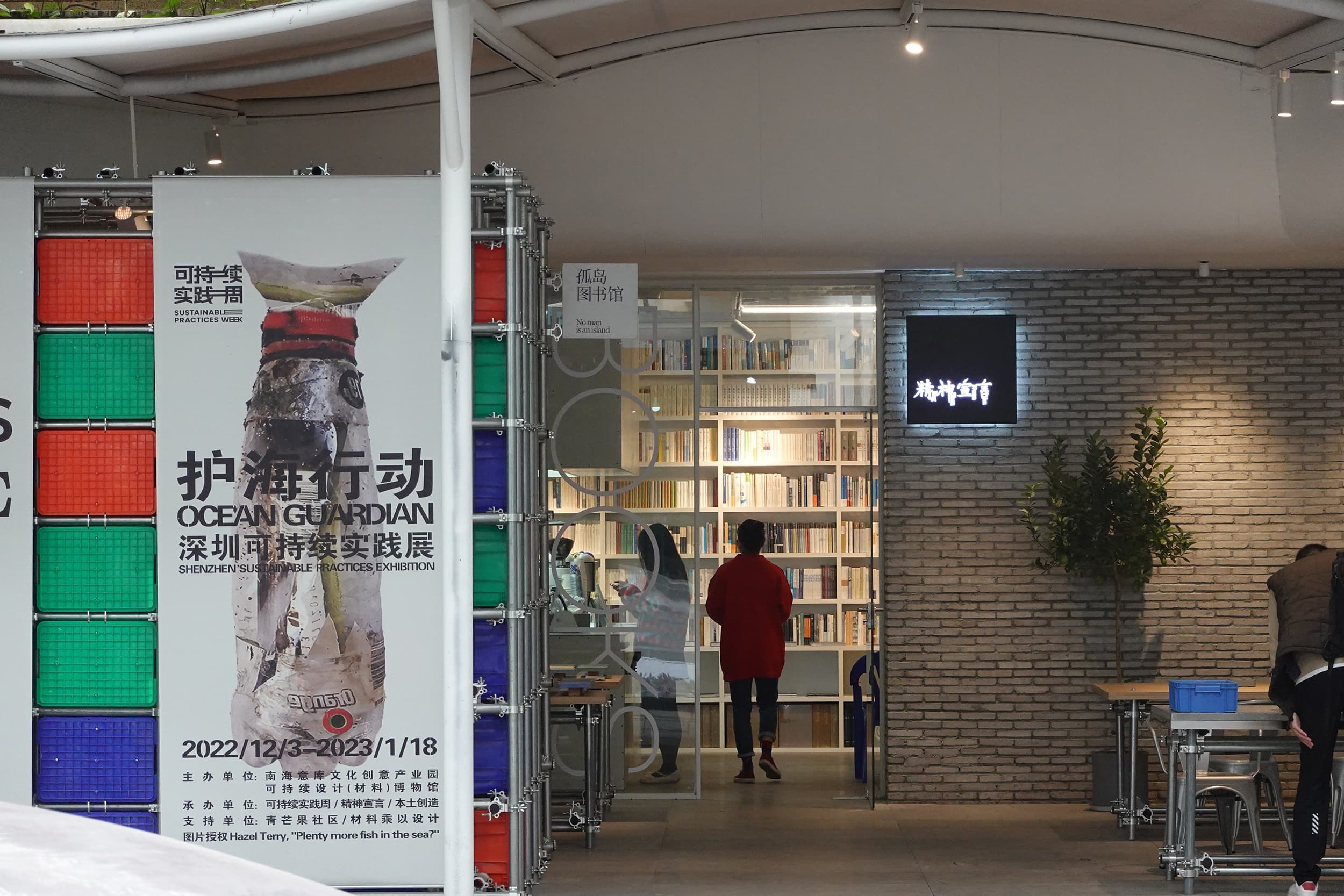
Less than a month after the Yangtze exhibition closed, we launched Ocean Protection Action – Shenzhen Sustainable Practices Exhibition. Co‑organised by the Museum of Sustainable Design (Materials) and BENTU, with deep academic support from Green Mango Community and NANOxARCH (Materials x Design), it was hosted by Nanhai E‑Cool Cultural and Creative Industrial Park.
The Museum of Sustainable Design (Materials) focuses on bridging design innovation, material research and ecological sustainability, carrying the academic mission of turning environmental concepts into experiential art. Nanhai E‑Cool, relying on Shekou’s mature cultural and creative ecosystem, provided a vibrant local venue and community connection.
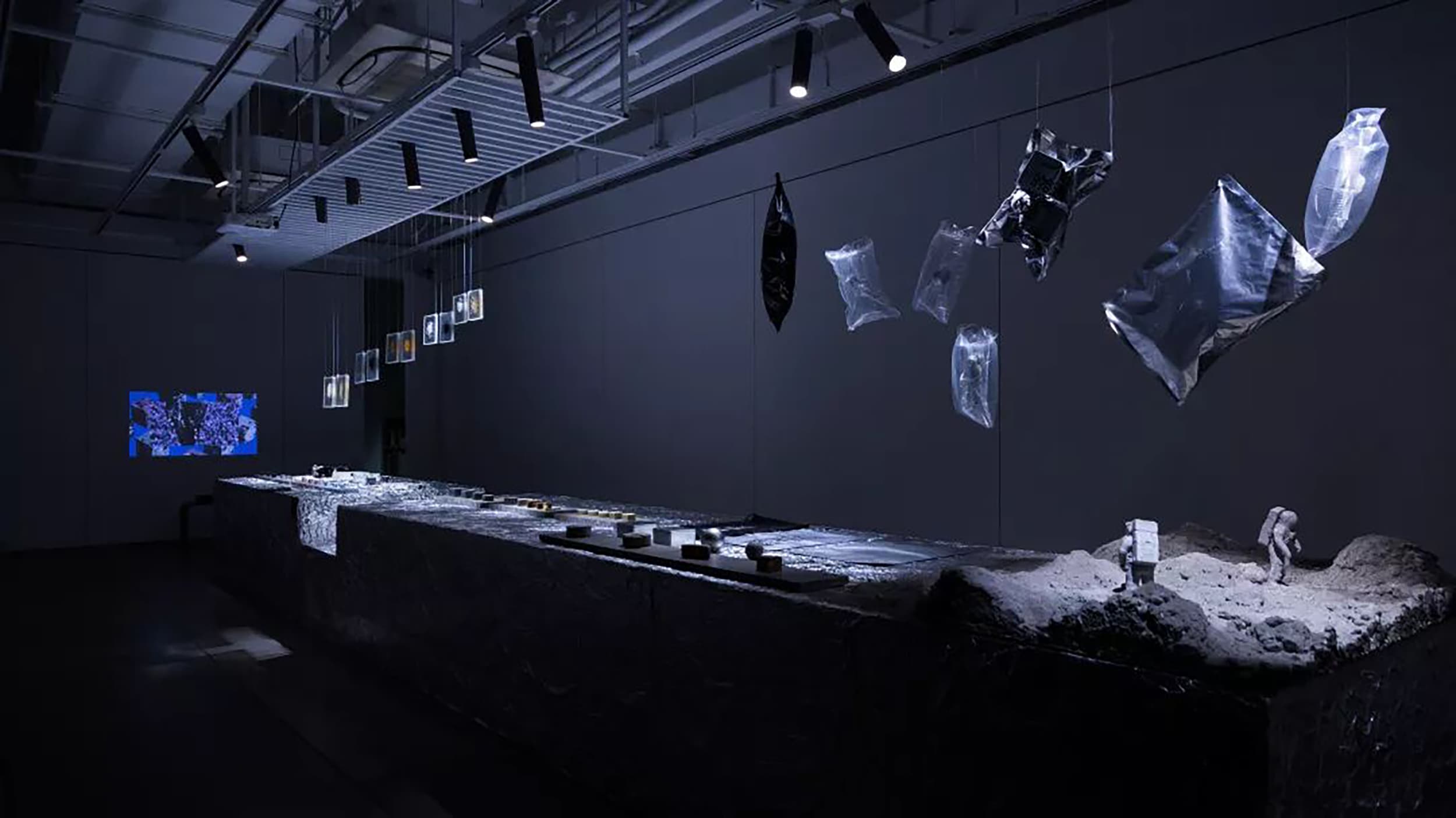
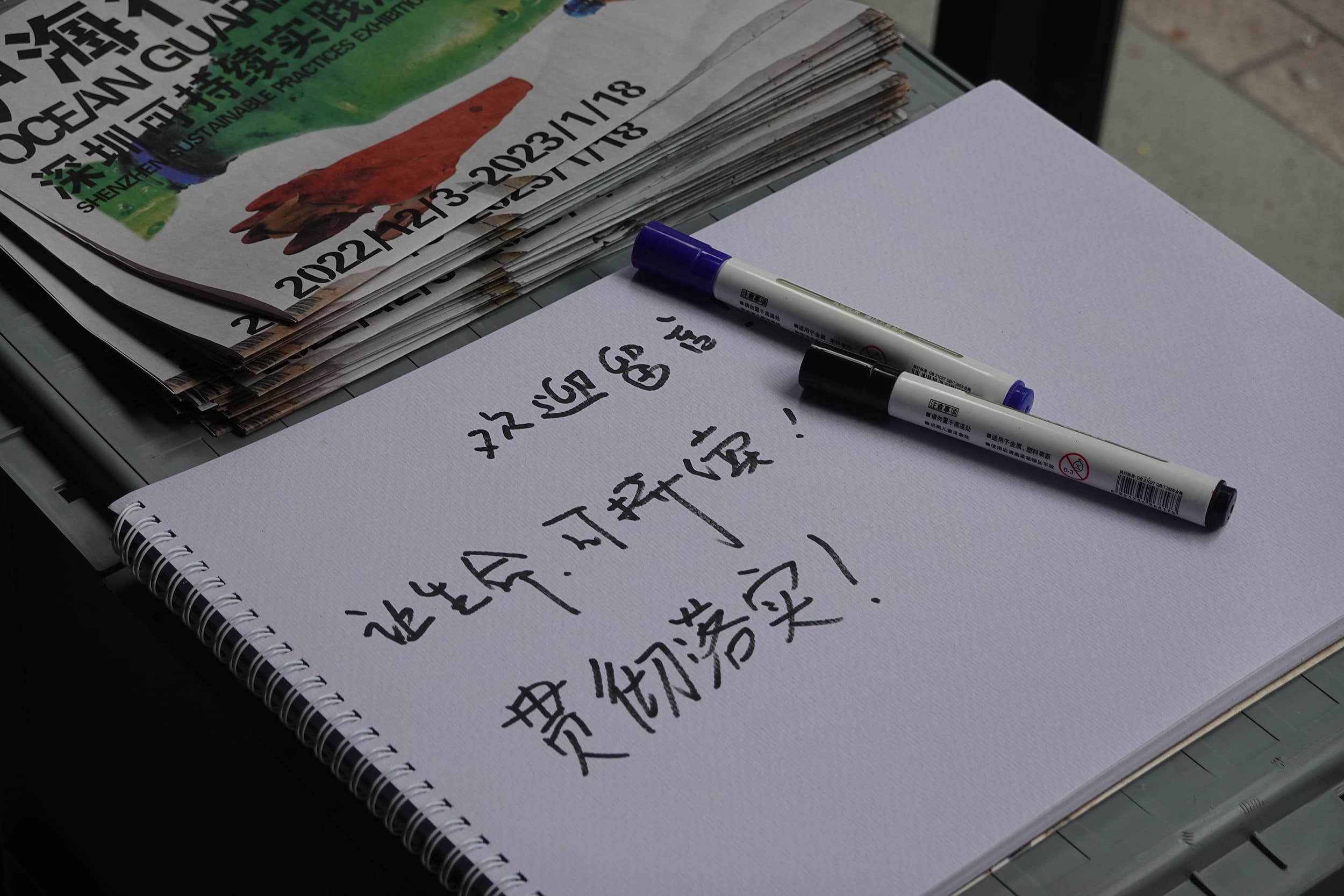
Ocean Protection Action deconstructed the dilemmas and potential solutions of marine pollution across four sections: awakening of consciousness, native marine waste, land‑based plastic waste, and marine aquaculture waste. Using art installations, physical products, archival displays and thematic salons, it took place in the outdoor spaces of Nanhai E‑Cool and the floating venue of Spirit Declaration Bookstore, creating an open, sincere public dialogue on sustainability.
The exhibition was accompanied by several high‑quality “Sea Salon” talks. Lei Yuxi, founder of NANOxARCH, gave a talk titled “Listening to the Garbage in the Sea,” sharing the global state of marine waste and explorations of recycled materials. In just 90 minutes, the audience raised nearly twenty dimensions of questions – from carbon reduction accounting and solid waste recovery systems to the relationship between sustainable materials and the social economy. The dialogue was sincere, sharp, and professional. An academic discussion of substantial depth grew organically within an urban commercial community.
At the same time, we launched a public engagement mechanism called “Ticket for a Bottle” – an initiative to collect “the blood of Shenzhen.” Citizens were invited to participate in urban water sampling, tracing the ecological conditions of Shenzhen’s rivers, streams and drainage channels. Nanhai E‑Cool’s E‑space and Spirit Declaration Bookstore together formed a flowing, sustainable spiritual exhibition hall, extending from individual reflections on single books and an “Island Library” to a collective call to action for the city’s public life.
The original intention of Ocean Protection Action was to use an exhibition to awaken public awareness of sustainability, using conceptual dissemination and on‑the‑ground practice to alert people to the urgency of protecting the marine ecology. When sustainable design truly enters communities and daily life, the audience is no longer a passive observer but an active participant in the city’s ecological public life, and the exhibition itself becomes a lasting public action for the future.
Sustainable curating cannot remain confined to closed museum halls – it must step onto real land, take root in concrete industries, and arrive at the sites where waste accumulates.
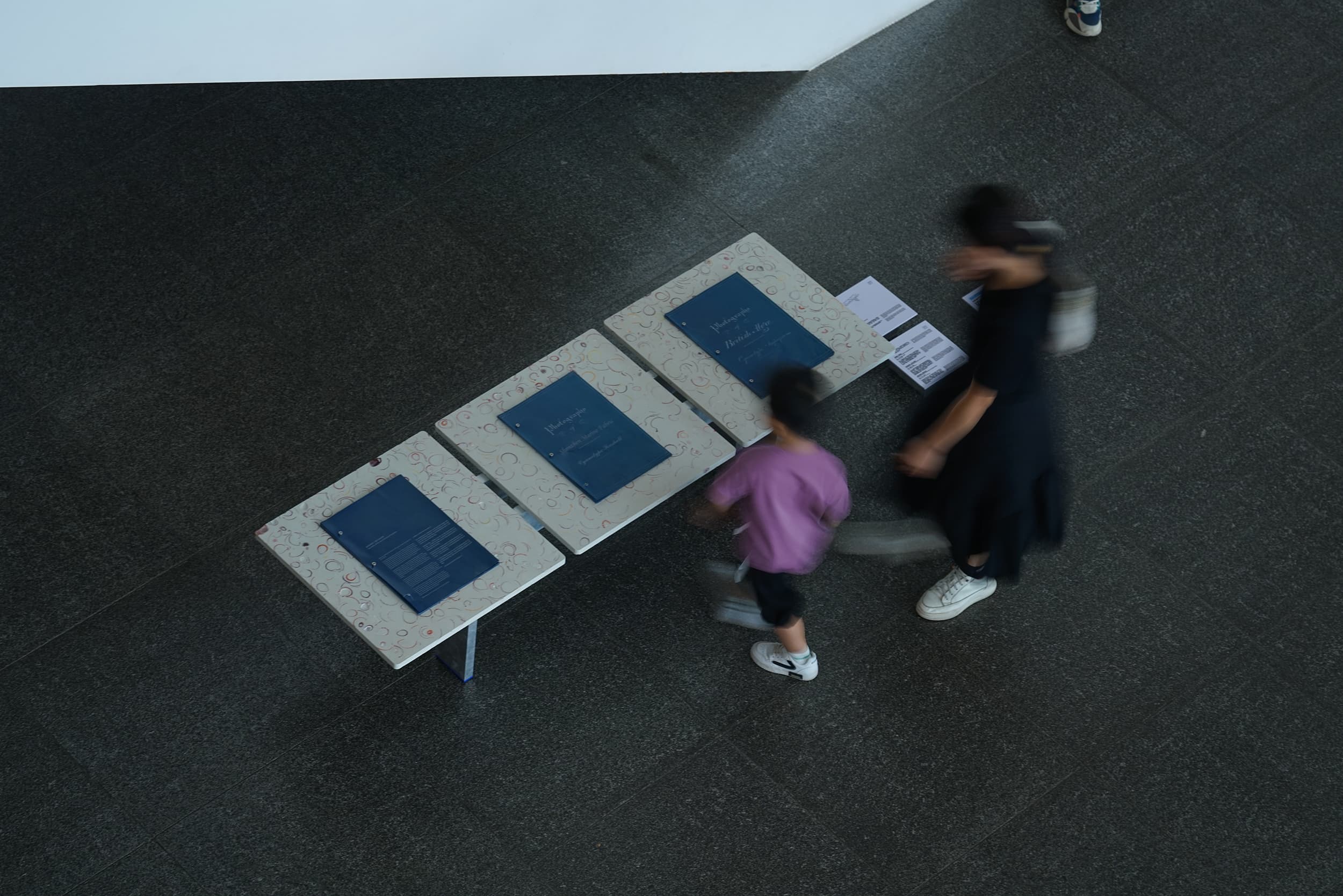
In October 2023, DP LAB, focusing on green sustainable architecture and innovative materials, established T2M – a physical platform integrating R&D, production, design implementation, and training exchange. BENTU, guided by the concept of “In‑Situ Becoming,” held a week‑long thematic exhibition In‑Situ Awakening: WAKEN, divided into two chapters: “In‑Situ Becoming” and “Conspiracy of Futurists.” The exhibition concentrated on the infinite possibilities of merging local waste materials with contemporary aesthetics.
The exhibition aimed to break through traditional industrial value logic, shifting focus from material resource consumption to low‑carbon spatial creation and the construction of sustainable lifestyles. We hoped to “awaken” public environmental consciousness and sustainable awareness through curating, while deepening localised sustainable practice. As curator of this local initiative, I delivered a keynote speech titled “In‑Situ Becoming,” emphasising the value of land’s original nature and advocating deep dialogue and co‑creation with specific sites to achieve the regrowth of local material and humanistic spirit.
In March 2023, the third Design Spring “Contemporary Design Exhibition” opened grandly at the Guangzhou Pazhou Complex. After 726 days of preparation, the scale was enormous: three halls, over 20,000 square metres, five main sections, 22 renowned curators, 16 thematic exhibitions, more than 1,000 innovative works debuting, over 30 academic forums, four major professional awards, bringing together over 100 leading scholars, more than 300 pioneering designers and artists, and over 100 original design brands.
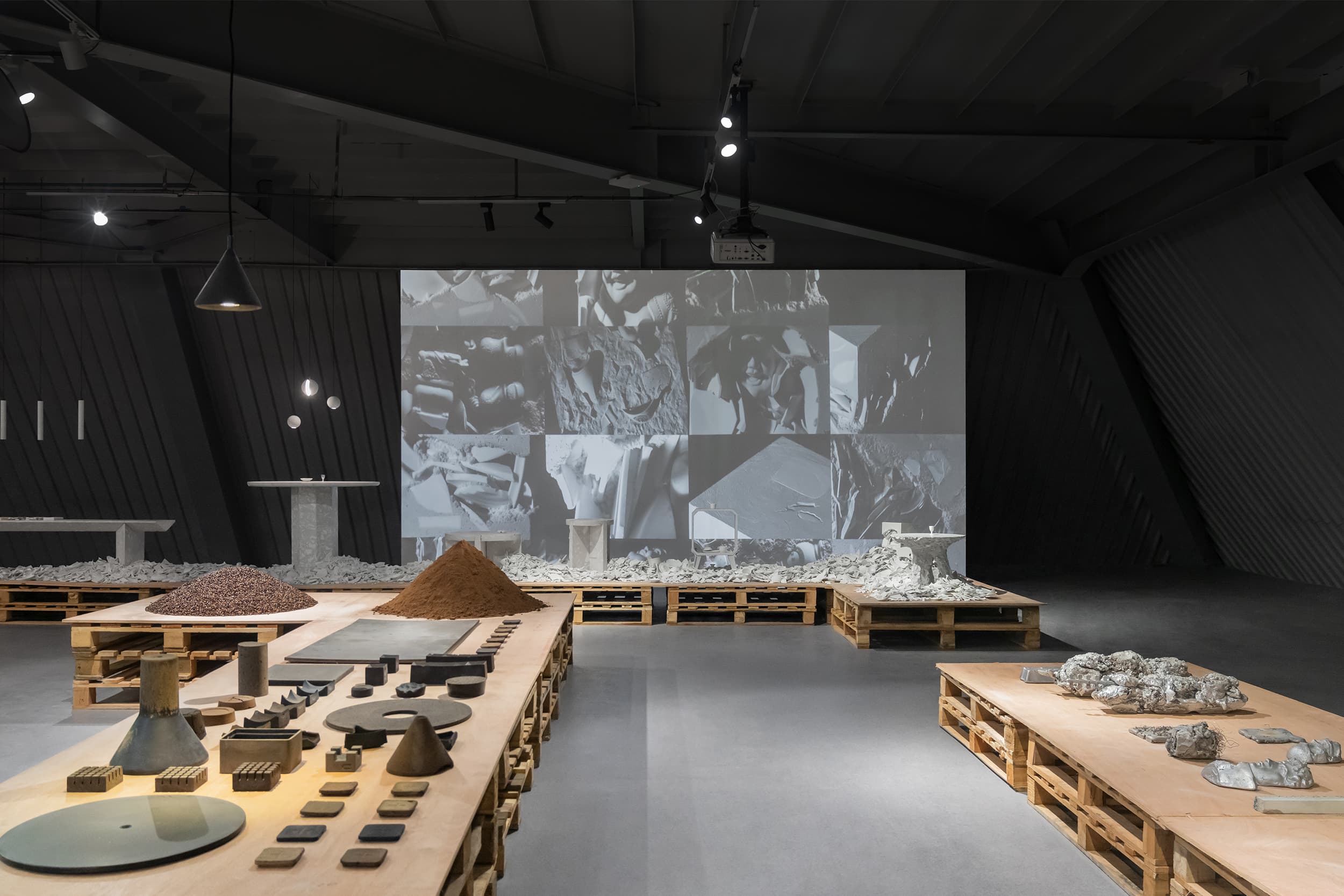
I participated as a co‑curator, presenting the thematic exhibition Everything Concrete.
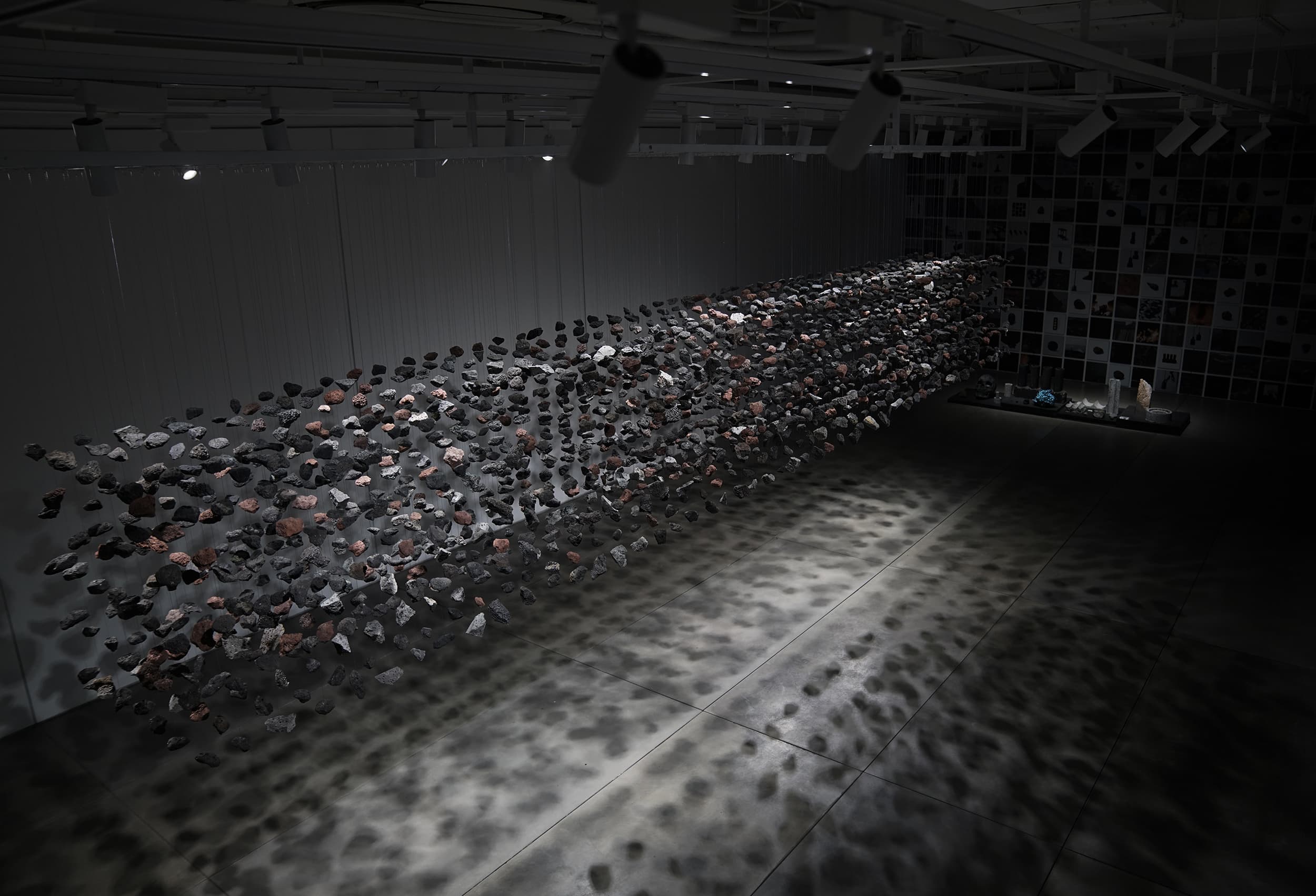
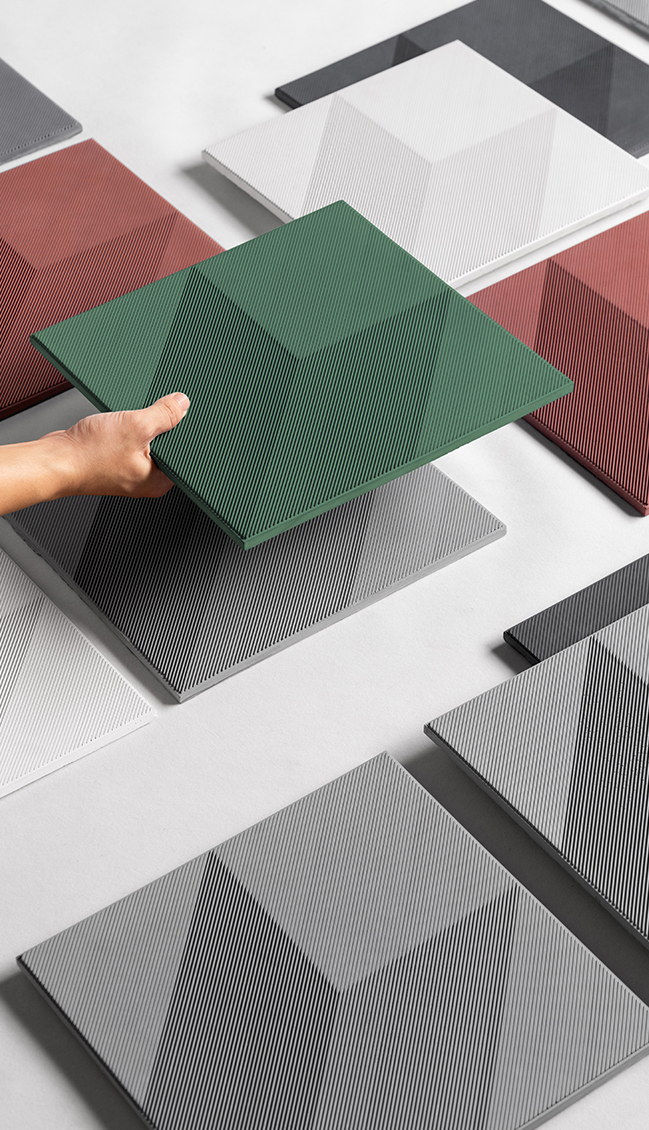
Everything Concrete focused on solid waste recycling experiments. The exhibits included construction waste, Chaozhou household ceramic scraps, oyster shells, waste plastics, metals, glass, and other recycled materials. “Concrete” signifies blending (con‑) and regeneration (crete). Using design as a medium and industrial production as support, various solid wastes were reshaped and restructured, forming a creative model of blending and cyclical coexistence.
The goal was to restore value to materials through on‑the‑ground practice, and to maintain the transcendence of individual inner spirit amid the turbulent waves of material consumption. Upholding the philosophy of interdependence and diverse coexistence, we sought to rebuild new relationships between people and materials, people and nature. This core idea resonates with Leonardo da Vinci’s statement in the Codex Atlanticus: “Everything comes from everything; everything is made of everything; everything turns into everything.” Matter is never destroyed – each regeneration is a fresh restart of life.
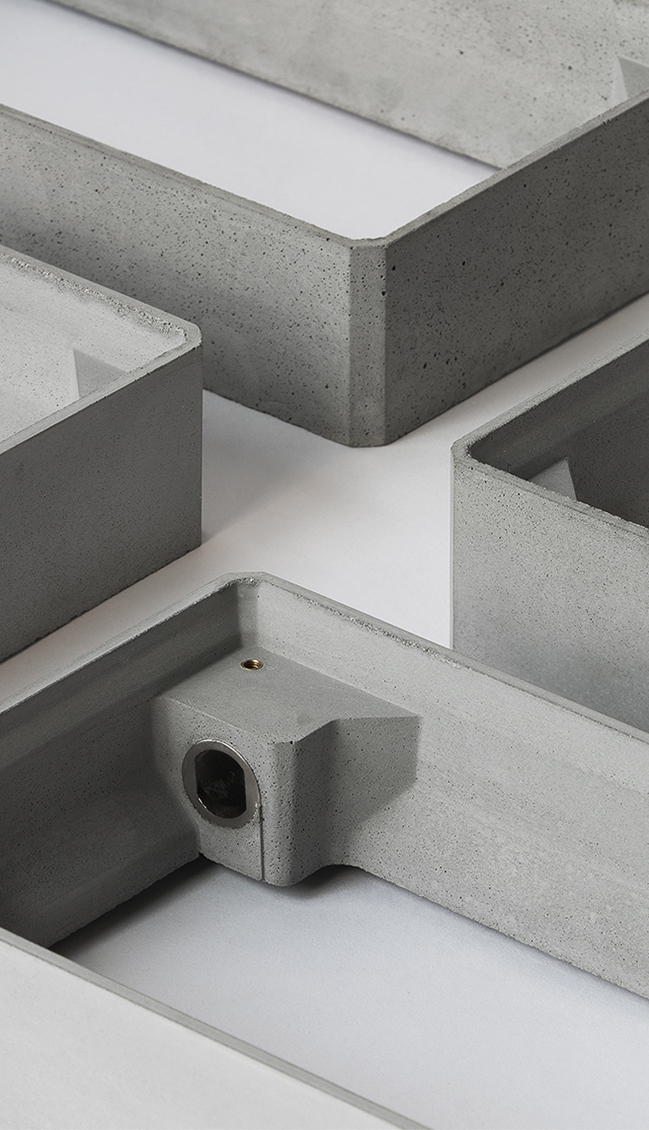
The entire scaffolding structure of the Design Spring “Real Sustainable Design” section was built using foam‑ceramic composite materials developed by BENTU – minimalist, transparent, low‑carbon and environmentally friendly. In the video area, recycled waste buoys collected from the seaside were tied together as a backdrop. In front of the curtain stood a slowly melting ice sculpture of a sofa. This powerful visual statement needed no explanation: waste is never the end of life’s journey; it is merely awaiting redefinition and re‑editing.
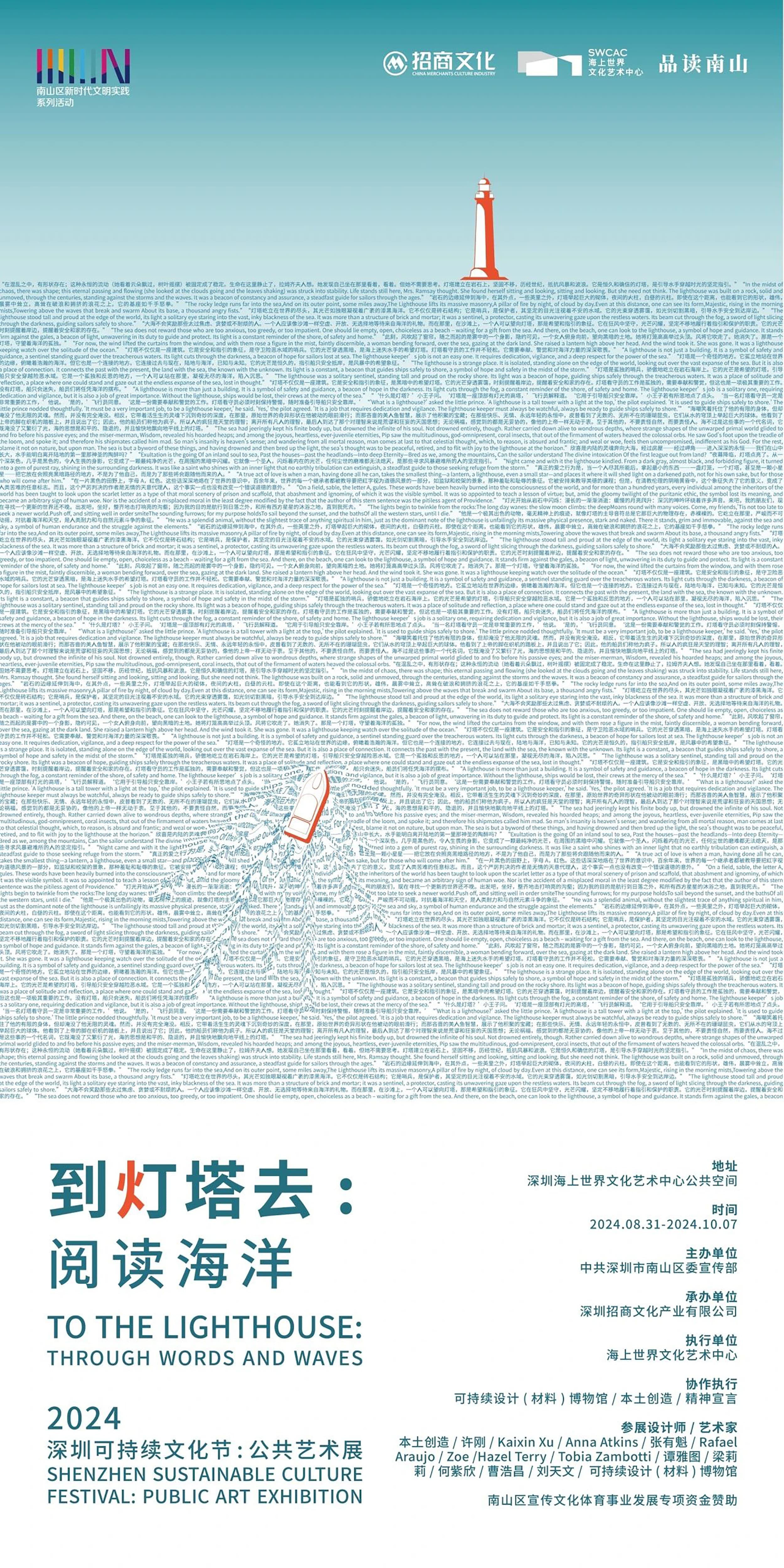
From 31 August to 7 October 2024, To the Lighthouse: Reading the Ocean – 2024 Shenzhen Sustainable Culture Festival · Public Art Exhibition was held in the public spaces of the Sea World Culture and Arts Center in Shenzhen. Organised by the Publicity Department of the CPC Nanshan District Committee, hosted by Shenzhen CICC Industrial Development Co., Ltd., executed by the Sea World Culture and Arts Center, with collaborative execution by the Museum of Sustainable Design (Materials), BENTU, and Spirit Declaration Bookstore, the 38‑day exhibition was free and open to all.
The curatorial logic unfolded in three progressive chapters.
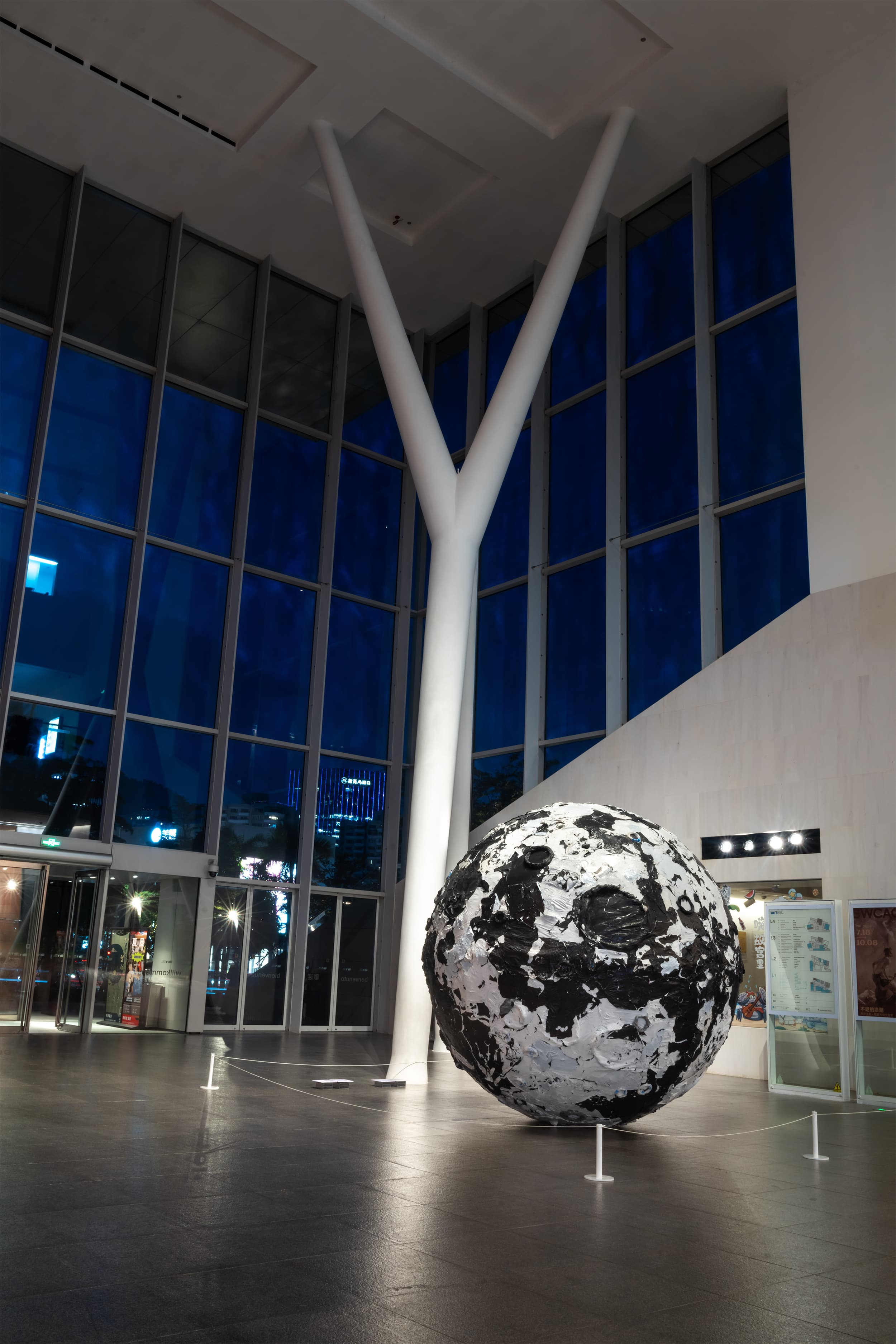
Reading the Ocean’s Texture – returning to the material essence of the sea. The large‑scale art installation Full Moon was made entirely of discarded express delivery plastic bags. Its quiet yet striking visual language questioned the ecological cost of everyday consumer behaviour – every online order, every takeout meal, silently grows this “plastic planet.”
Cyanotype Invaders, a photography series by Tan Yatu and He Zixin of the Museum of Sustainable Design (Materials), used the ancient cyanotype process to capture the real appearance of waste along Shenzhen’s coastline: abandoned fishing nets, plastic fragments, foam buoys – soaked in seawater and exposed to sunlight, leaving cold, eerie blue marks on light‑sensitive paper. Recording modern industrial pollution with an ancient craft – the contrast of time and form is in itself a powerful, wordless accusation.
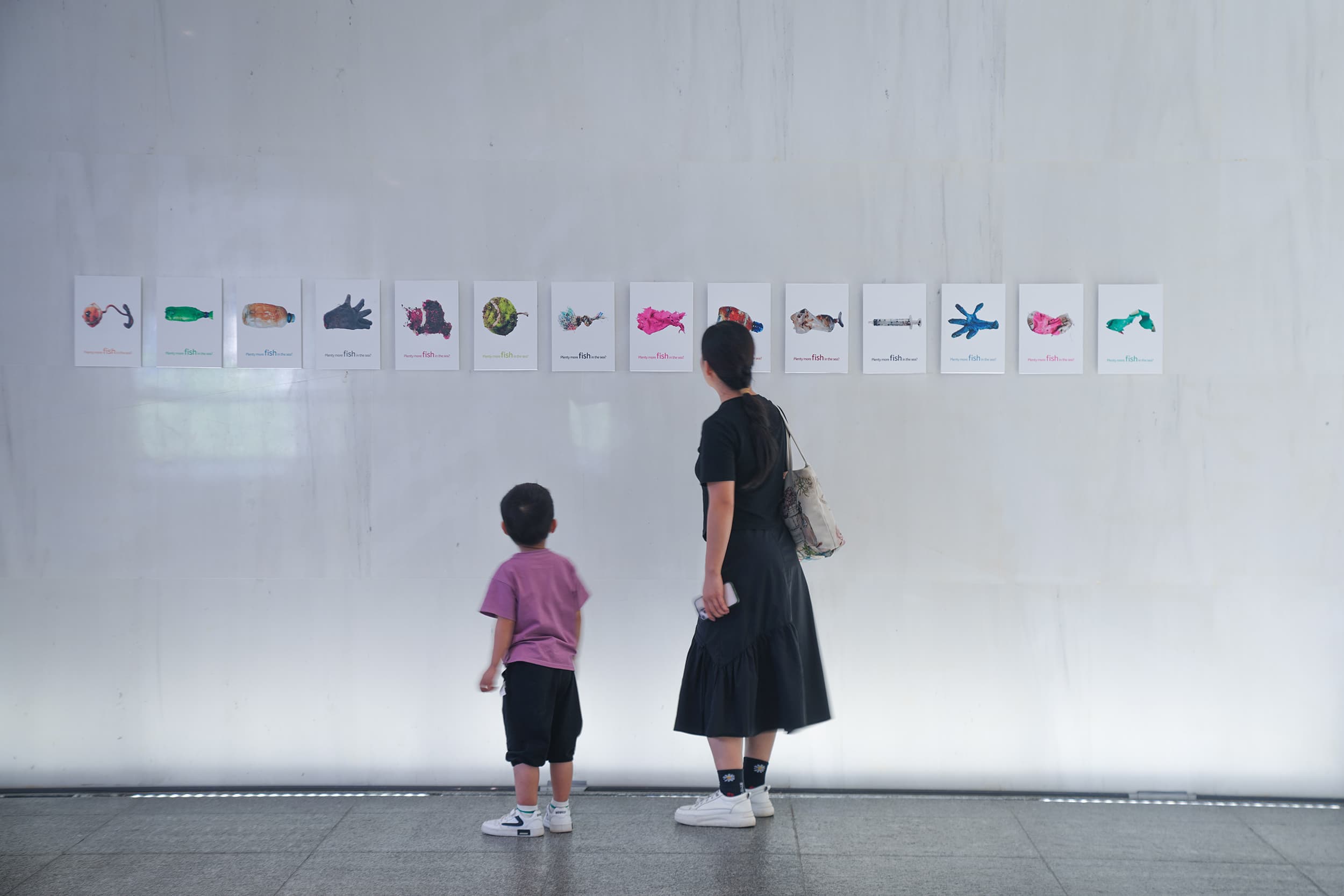
Reading the Ocean’s Resonance – depicting the interwoven symbiosis of marine life. A British illustrator created collaged schools of fish using marine waste: plastic bottle caps became fish eyes, discarded fishing nets became fins, lighter fragments became scales. Using waste itself to tell the plight of waste has far more empathic power than didactic preaching.
A 3D‑printed public lounge chair made from algae explored the possibility of using algae extract as a base material for 3D printing, transforming the biodegradable nature of marine organisms into functional public furniture. This is not taking from the ocean, but coexisting gently with it – borrowing with kindness.
Reading the Tidal Civilisation – connecting marine history with contemporary urban civilisation. Shenzhen rose from a small fishing village to an international metropolis; the ocean is its foundation. The lighthouse symbolises protection, guidance and hope in marine civilisation – exactly what this exhibition aims to convey: sustainable ideals are like a lighthouse for our times; they do not set the course for anyone, but they help every traveller see the direction and walk with firm steps.
Choosing Shenzhen for this marine‑themed public art exhibition was not only a matter of geographical endowment but also a necessity born of the city’s developmental mission.
If public exhibitions aimed at a broad audience focus on awakening ecological awareness, then curatorial practices embedded in industry exhibitions serve to empower the profession from within – making sustainable concepts a professional obligation and industry standard for designers.
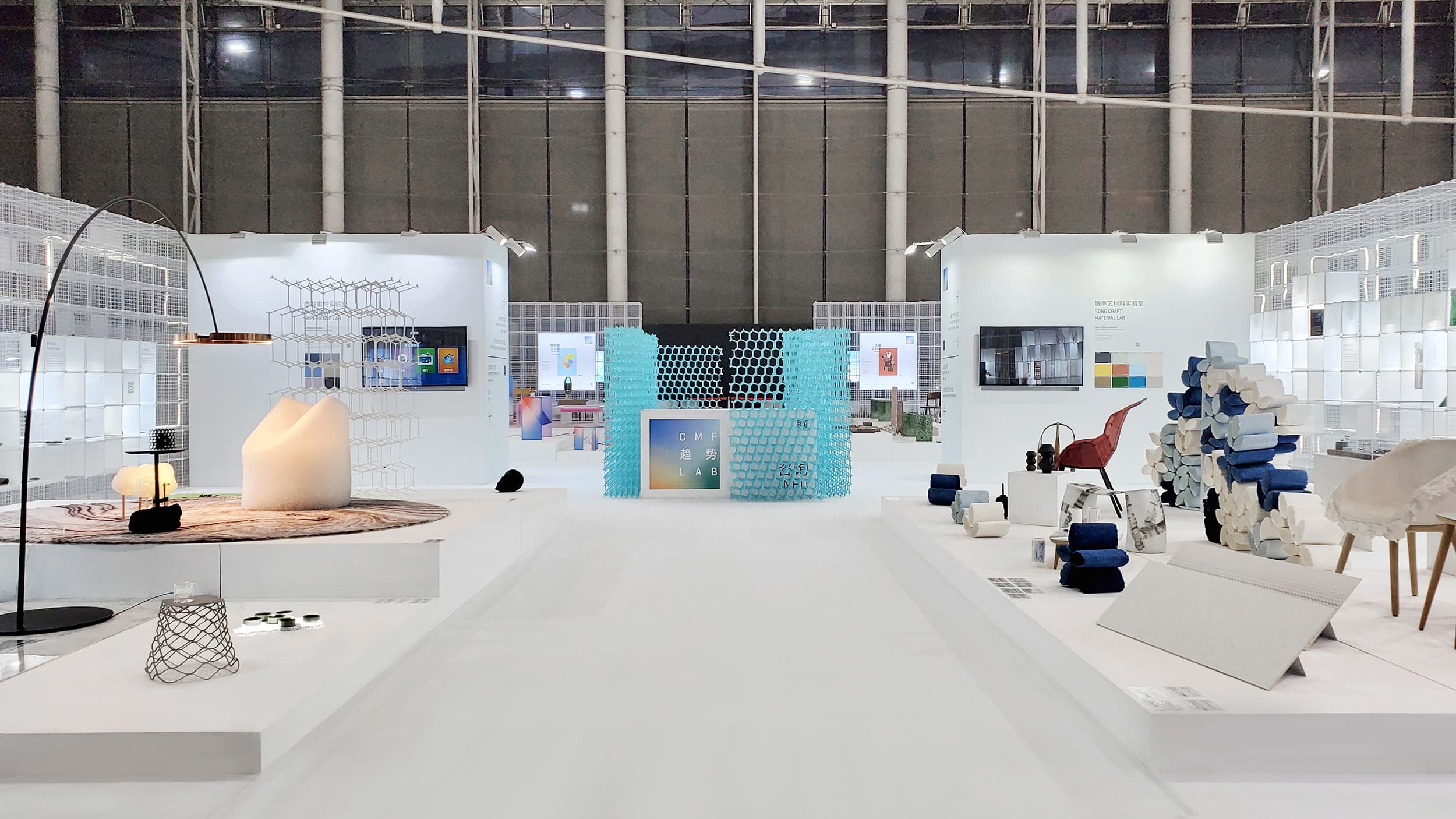
CMF is the link in product design closest to supply chain implementation, and a critical entry point for moving sustainable concepts from idea to reality. In 2022 and 2023, I was invited as co‑curator of “CMF Trends Lab” and delivered keynote speeches titled Self‑Renewal and Everything Concrete, exploring the deep connections between individual inner needs, consumer desires, and social sustainability, as well as future pathways for change.
The value of this series of curatorial projects and speeches lies not in displaying novel waste materials, but in moving “sustainable materials” from a niche concern to a core track of an industry trend exhibition. Sustainability no longer needs slogan‑like advocacy – it is already being seriously addressed and deeply practiced by the industry.
In 2025, Guangzhou Design Week celebrated its 20th anniversary. With the theme “Dear,” it attracted over a thousand brands from more than 20 countries and exceeded 460,000 visits. As the winner of the “Sustainable Material & Design Person of the Year 2024” award, I was invited to curate the Sustainable China series – a sustainable design practice exhibition.
The exhibition built a complete narrative across four dimensions:
Material Circulation – Rescuing waste from the “end‑of‑life grave” of linear life cycles, reconstructing a new material narrative. Let the waste of one industry become the raw material of another. Slag, ceramic fragments, and waste plastics are transformed into brand‑new building materials, furniture and artworks – dissolving the very concept of “garbage.”
Value Reconstruction – Design must shift from one‑way resource consumption to collaborative, symbiotic creation. No longer merely shaping consumer desire, but weaving new social and humanistic fabric. It pursues not only formal aesthetic innovation but also a complete ethical narrative behind materials – from source, maker, and user to lifecycle and potential for regeneration – building a full chain of sustainable value.
Systemic Symbiosis – Moving from the “Internet of Everything” of the information age to the “Symbiosis of Everything” of the ecological age. This is not merely a technological iteration but a shift in worldview. Symbiosis is not only a law of natural survival but also the fundamental source of civilisational evolution and innovation.
Digital Compilation – Embracing the avant‑garde concept that “material is information,” we reconstruct materials in the digital workshop. Waste is scanned and analysed, transformed into editable digital code. 3D printing acts as a “material editor,” compiling that code into new physical entities. Production is no longer brute‑force shaping, but a deep dialogue between human and material, technology and nature.
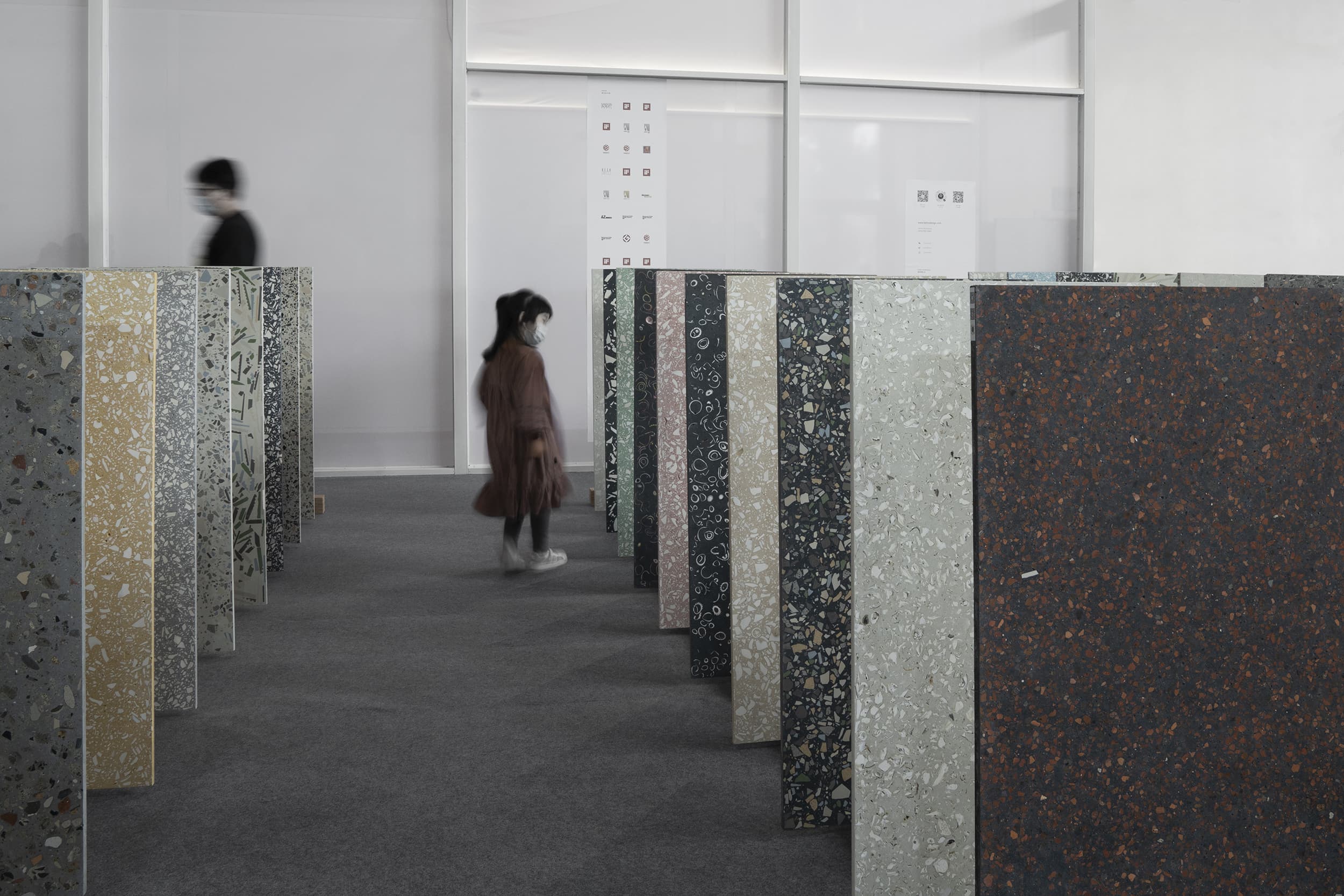
Sustainable China was never a temporary exhibition – it is the beginning of a long‑term action. Is waste a tombstone for past development, or the cornerstone for a future civilisation? The answer lies in every choice we make, every act of creation.
Looking back over nearly seven years of curatorial practice, my deepest realisation is this: exhibition is an open form of social work – never something that ends upon delivery like a product. The real life of an exhibition begins only when it opens – when visitors walk in, generate thoughts, raise questions, feel resonance, and even participate actively. These authentic interactions and echoes are the core value of curating.
An exhibition will eventually close, but the reflections awakened and the ideas planted within its walls will continue to grow and spread slowly after the audience leaves.
What, then, have these sustainable curatorial practices across different cities left for society?
They have reshaped the public’s perception of waste. When ordinary people see furniture cast from waste porcelain, panels made from steel slag, or art installations built from plastic bottles in an exhibition hall, they no longer see garbage as a burden to discard – they see its potential regenerative value and aesthetic possibilities. This quiet shift in perception is something no policy text could ever achieve.
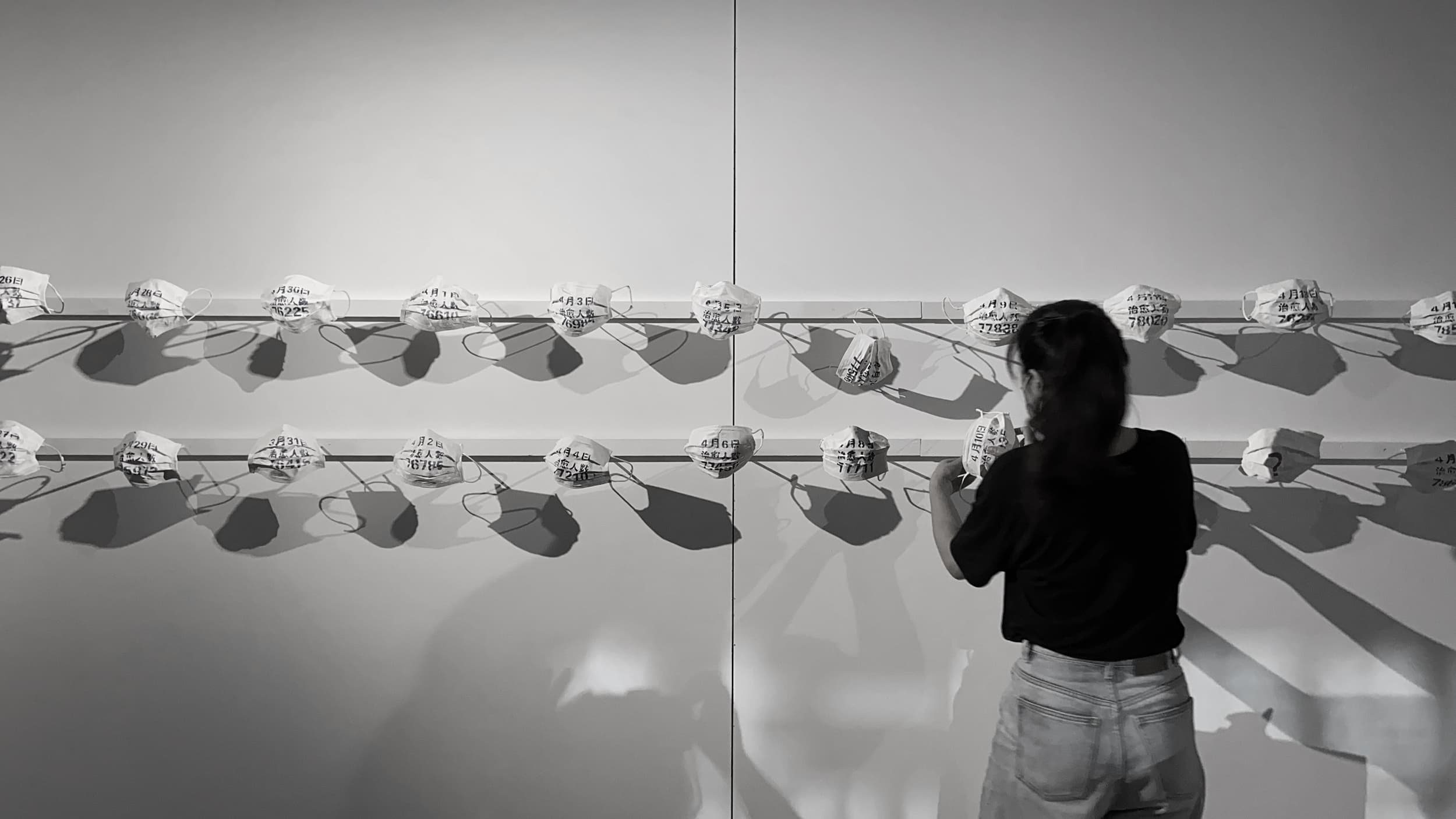
They have lowered the psychological barrier for public participation in environmental protection. Ecological issues are often packaged as grand, distant and anxiety‑inducing. Curating, through tangible scenes and real stories, makes sustainability accessible and relatable. One visitor to the Yichang exhibition said afterwards: “I used to think protecting the Yangtze was the government’s job. Now I understand that ordinary people can also do their part.” That is the unique power of curating.
They have built a bridge for equal dialogue between designers and the public. Curating brings behind‑the‑scenes material research and design thinking to the forefront, allowing the public to see the complete journey of waste’s transformation. This transparency and sincerity gradually build public understanding and trust in sustainable design.
After years of deep engagement with sustainable design – walking through ruined villages, industrial sites and urban spaces – I am more convinced than ever that the future of sustainable design does not lie in creating isolated, beautiful products. It lies in launching a series of concrete, impactful, and warm‑hearted actions.
Curating is precisely such a sustainable action.
It knows no end, only steady direction.
And the people it slowly changes will, in turn, slowly change this world.
Author: Xu Gang
This article is an original work of the BENTU Sustainable Curating Action Series, using years of cross‑city curatorial practice to explore exhibition as a form of public action that reshapes public understanding of and participation in sustainable design.

- Contact
+8620 8977 0506
- Press
press@bentudesign.com
- Enquiry & Sales
info@bentudesign.com