Cement: From Ancient Binders to the Backbone of Modern Industry— BENTU’s Material Exploration and Practice
Cement is hailed as the "grain of architecture", serving as the most fundamental core material underpinning modern human settlements and urban infrastructure. Despite fluctuations in the global economic cycle, the annual global output of cement remains steadily around 40 billion tonnes, supporting countless projects including cities, bridges, dams and highways. Far from being a hastily invented industrial product, cement embodies accumulated wisdom forged through thousands of years of human practice and iterative refinement. Its evolutionary journey is not merely a progressive history of material advancement, but also a humanistic chronicle where Eastern and Western architectural civilizations pursued independent exploration and achieved integrated progress.
I. Emergence of Ancient Cementitious Materials: Early Explorations Across East and West
Long before the advent of modern cement, ancient people utilized diverse binders to bond stones and bricks for constructing residences and city fortifications. The earliest binders were sourced directly from nature, including clay, mud, gypsum and lime.
Early Development of Ancient Western Construction Binders
In ancient Egypt, locals mixed Nile river mud with sand and straw to ram earth bricks, leveraging the natural adhesive property of clay to build dwellings. Though vulnerable to water erosion, these primitive building materials endured for millennia in arid regions. Between 3000 BCE and 2000 BCE, ancient Egyptians mastered the application of calcined gypsum as a primary bonding material, with traces of gypsum cementing techniques still preserved in grand pyramid complexes.
The ancient Greeks calcined limestone to produce lime, which was blended with sand to form mortar. In 146 BCE, the Roman Empire conquered Greece, inherited lime production technology and made groundbreaking improvements. Roman craftsmen discovered that mixing volcanic ash rich in reactive silica with lime and water yielded water-hardening mortar, famously known as Roman mortar. This pivotal material enabled the construction of iconic landmarks such as the Pantheon and aqueducts. In regions lacking volcanic ash, ground broken bricks were adopted as substitutes to achieve equivalent effects, forming the classic three-component mortar composed of lime, volcanic ash and sand. Early concrete relics unearthed in Pompeii still retain remarkable structural strength to this day. Roman mortar technology spread widely across Europe and prevailed for over a millennium.
Distinctive Ancient Chinese Construction Cementitious Materials
Developing independently from Western systems, ancient Chinese ancestors forged a unique developmental path for cementitious materials based on local resources and formed exclusive traditional construction techniques.
As early as the Yangshao Culture period (c.5000-3000 BCE), ancient Chinese people pioneered the white ash surface construction technique. Discovered by Liang Siyong at the Hougang Site in Anyang in 1931, this architectural relic was later verified via chemical composition analysis and carbon-14 dating conducted by scholars including Zhao Quanju and Qiu Shihua. Research confirmed that China had already matured the artificial lime calcination technology over 4,000 years ago. Featuring smooth texture, high firmness, moisture resistance and insect repellency, white ash surfaces were widely applied to walls and floors, ranking as the earliest man-made construction binders discovered in China.
Ancient white ash materials fell into two categories: uncalcified ground calcareous nodule powder and high-temperature calcined lime powder, which were applied concurrently to suit diverse construction scenarios. After the Shang Dynasty, timber-framed architecture became mainstream, and easily accessible yellow mud and straw-mixed mud were popularized as common masonry materials among civilians, remaining in use until modern times.
Historical documents and archaeological findings jointly testify to the evolution of ancient cementing craftsmanship. Zuo Zhuan records the application of calcined shell lime for construction; Tiangong Kaiwu elaborates standardized lime production procedures including layered stacking and coal-fired calcination in the Ming Dynasty; Palace-style Stone Bridge Construction Standards compiled in the Qing Dynasty explicitly specifies the proportion standards of triad soil. Further archaeological studies in 2023 proved that starch-based organic additives were blended into lime building materials as early as 4,700 years ago, pioneering the research and application of organic composite cementitious materials in China.
During the Qin and Han dynasties, brick and stone architecture flourished, driving large-scale development of lime calcination industries. Ancient architectural remains such as Han tombs in Wangdu, Hebei Province, fully demonstrate the sophisticated application of lime mortar in the Han Dynasty. Sections of the Great Wall constructed across successive dynasties were bonded with high-quality lime mortar, standing firm against wind and rain for thousands of years. In the Northern and Southern Dynasties, the classic Chinese construction material triad soil was finalized with a basic formula of lime, clay and fine sand. Subsequent improved formulas incorporated pottery particles, slag and gravel. Boasting high strength and superior waterproof performance, triad soil was extensively used for foundation laying, roof construction and water conservancy dam projects.
Organic composite modification stands as the most innovative highlight of ancient Chinese cementitious materials. Ancient craftsmen incorporated natural organic ingredients such as glutinous rice slurry, tung oil, animal blood and bletilla striata into lime and triad soil, greatly enhancing bonding strength, flexibility, impermeability and weather resistance. Glutinous rice lime mortar was massively adopted in constructions ranging from brick relief buildings of the Northern and Southern Dynasties, ancient pagodas and temples of the Song Dynasty, to the Nanjing City Wall and river flood control dykes built in the Ming Dynasty. Dense, rigid, earthquake-resistant and corrosion-proof, these well-preserved structures reflect its outstanding physical properties. Folk anecdotes that such mortar was extremely hard to break and even required gunpowder for demolition vividly illustrate its superior performance.
Joseph Needham, a distinguished British historian of science, stated in Science and Civilisation in China that from the 3rd century to the 13th century, China possessed far more sophisticated technologies and practical construction experience than Western countries in the fields of construction material preparation and practical building craftsmanship. Evolving from primitive earth-based building materials to refined lime mortar and ingenious organic composite mortar, ancient Chinese cementitious materials completed a full developmental cycle covering primitive application, technological maturity and innovative optimization. Coexisting with the Western inorganic volcanic ash mortar system, they laid solid practical foundations for the birth of modern industrial cement.
II. Birth of Modern Cement: Origin and Industrialization of Portland Cement
The Industrial Revolution boosted the rapid development of large-scale infrastructure and marine engineering, exposing prominent performance limitations of traditional natural binders which failed to meet the demands for high strength, excellent water resistance and long service life in construction projects. After numerous trials by engineers, modern silicate cement came into being.
In 1756, John Smeaton, known as the Father of British Civil Engineering, devoted himself to solving the seawater erosion problem during lighthouse construction. After comparative experiments, he confirmed that lime produced by calcining clay-containing limestone featured excellent hydraulic properties capable of long-term resistance against seawater corrosion, laying the technical foundation for modern cement.
James Parker patented Roman cement in 1796, and Foster developed early mixed construction cement in 1822, gradually shaping the prototype of modern cement manufacturing techniques. On October 21, 1824, Joseph Aspdin refined a new type of cementitious material by calcining and grinding limestone and clay at a ratio of 3:1. Named Portland cement for its similar hue to Portland stone in Britain after hardening, it was officially patented, marking the formal emergence of modern cement. In 1845, two core production principles were established in the industry: sufficient high-temperature calcination of raw materials and precise proportioning, which stabilized the quality and service performance of Portland cement.
In terms of material mechanism, silicate cement mainly consists of four core mineral components: tricalcium silicate, dicalcium silicate, tricalcium aluminate and tetracalcium aluminoferrite. These substances undergo complex hydration reactions with water, forming hardened products dominated by calcium silicate hydrate (C-S-H gel). Accounting for over 50% of total hydration products, C-S-H gel determines the early strength and structural compactness of cement.
In the 1850s, optimized calcination temperature enabled mass cement production. The advent of rotary kilns in 1877 revolutionized cement manufacturing and drastically improved production efficiency. High-alumina cement using bauxite was developed in France in 1907, enriching the category of special cement. In the 20th century, suspension preheating technology launched in the 1930s cut cement production energy consumption by 40%, and the pre-calciner kiln technology invented in Japan in 1971 further reduced thermal consumption. Eventually, a globally mature, high-output and energy-efficient industrial cement production system was fully established.

III. Advanced Cement Technological Upgrading: Admixtures, Fiber Systems and Ultra-high Performance Materials
Following the widespread popularization of ordinary Portland cement, conventional cement-based materials can no longer satisfy the construction requirements of large-span bridges, super high-rise buildings, national defense special projects and deep-sea infrastructure in terms of strength, toughness, workability and durability. Three core technological upgrades have elevated cement from basic civil construction materials to high-performance professional engineering materials.
Concrete Superplasticizers: Core Solutions to Construction Dilemmas
Before the popularization of superplasticizers, concrete construction faced an irreconcilable contradiction: reducing mixing water content enhanced concrete compactness and structural strength yet resulted in stiff slurry difficult for pouring and vibrating; increasing water content for convenient construction formed abundant capillary pores inside concrete, which severely weakened structural strength, impermeability and service life. Mechanical vibration alone could not fundamentally resolve this industry-wide challenge.
As core functional admixtures, superplasticizers are essentially surfactants that evenly attach to cement particles to break flocculation structures and release free water wrapped inside particles. They realize three core advantages simultaneously: low water-binder ratio, convenient construction and high structural strength by improving slurry fluidity with fixed water-cement ratio or cutting mixing water while maintaining construction workability. Regarded as the third technological revolution in concrete industry after reinforced concrete and prestressed concrete, superplasticizers brought profound changes to the field.
The first-generation lignosulfonate ordinary water reducers emerged in 1935, kicking off the development history of admixtures. In 1962, Kenichi Hattori from Kao Corporation in Japan developed naphthalene-based superplasticizers launched under the brand name Mighty in 1964 with a water reduction rate ranging from 15% to 30%. Meanwhile, melamine-based high-efficiency water reducers were successfully developed in Germany. In 1981, Dr. Hirata from Nippon Shokubai filed the world’s first patent for polycarboxylate superplasticizers, which achieved commercial application in 1986. Featuring a high water reduction rate of 25%-45%, low mixing dosage, excellent slump retention performance and environmental friendliness, polycarboxylate superplasticizers have become mainstream high-performance admixtures relying on steric hindrance effect with far superior dispersion effect compared with traditional electrostatic repulsion-based water reducers.
Fiber-reinforced Concrete: From Empirical Application to Systematic Research
The concept of enhancing building material toughness with fibers dates back to ancient times. Ancient Egyptians mixed straw into adobe bricks for toughening, while ancient Chinese added hemp fibers and paper strips into lime mortar to prevent cracking, representing primitive fiber modification practices. Nevertheless, complete theoretical systems and standardized engineering applications were only formed in the 20th century.
The concept of fiber-modified concrete was proposed in 1874, and steel fiber concrete entered experimental application in the early 20th century. The establishment of fiber spacing theory in 1963 provided rigorous scientific basis for fiber selection, proportion design and layout planning, symbolizing the entry of fiber concrete into a scientific development stage.
Various functional fibers were successively industrialized with continuous technological breakthroughs. Alkali-resistant glass fibers doped with zirconia were invented in 1966 to solve the corrosion failure problem of ordinary glass fibers in high-alkali cement matrix. Glass fiber reinforced concrete (GRC) is widely applied to building curtain walls, decorative components and landscape products for its lightweight property, flexible moldability and excellent decorative effect.
Polypropylene, nylon, polyvinyl alcohol and other polymer synthetic fibers gained rapid popularity in the 1980s. Though unable to significantly improve the overall flexural strength of concrete, they effectively restrain surface cracks caused by plastic shrinkage and drying shrinkage during concrete initial setting, and are widely used in cast-in-place floor slabs, walls, pavements and thin-walled components.
Since the 1990s, high-strength high-modulus polyethylene fibers, aramid fibers, carbon fibers and other high-end reinforcing fibers have been applied in cutting-edge special projects such as aerospace, nuclear power facilities and explosion-proof national defense constructions. Meanwhile, hybrid fiber composite application technology matured rapidly. Combined application of fibers with different materials and particle sizes achieves multi-performance advantages including crack resistance, toughening, high strength and wear resistance, perfectly adapting to harsh working conditions such as tunnel lining, alpine region pavements and high-seismic-resistance buildings, and fundamentally remedying the inherent defects of cement-based materials including high brittleness, easy cracking and poor impact resistance.
UHPC: The Pinnacle of Modern Cement-based Material Technology
Ultra-high Performance Concrete (UHPC) stands as the elite achievement of integrated innovations in modern cement material technology, developing in a complete path of theoretical breakthrough, material optimization, engineering application and industrial standardization.
In 1979, Danish scholar Hans Henrik Bache put forward the DSP dense particle packing theory and applied for relevant patents, forming the core theoretical support for UHPC research. Adopting ultra-fine active powder materials such as silica fume to optimize particle gradation and eliminating coarse aggregates, ultra-dense cement matrix with compressive strength ranging from 150 to 345 MPa was prepared. In 1987, steel fibers were incorporated into DSP matrix by Danish Aalborg Building Materials Laboratory to develop composite reinforced materials, solving the brittleness defect of ultra-high strength materials and paving the way for practical engineering application of UHPC.
French scholars de Larrard and Sedran formally confirmed the unified professional term UHPC in 1994. In the same year, Pierre Richard developed Reactive Powder Concrete (RPC), which was commercially promoted by Bouygues Group and became the most widely used mainstream UHPC category worldwide. The world’s first UHPC pedestrian bridge was completed in Canada in 1997, initiating the demonstration application of high-end building materials globally. By 2018, France had established comprehensive standards covering UHPC materials, structural design and construction acceptance, taking the lead in completing UHPC industrial standardization worldwide.
Standard UHPC generally boasts a compressive strength exceeding 120 MPa with the maximum limit reaching 800 MPa, and its flexural strength is 3 to 5 times that of ordinary concrete. Possessing ultra-high compactness, outstanding impermeability, frost resistance, corrosion resistance and impact resistance, UHPC features a theoretical natural service life of over 200 years, and is mainly applied to high-end fields such as long-span municipal bridges, urban landmark buildings, offshore engineering and national defense facilities.
IV. Development of Modern Cement Industry in China
In 1889, with the support of Li Hongzhang, Tang Tingshu founded Tangshan Cement Plant relying on local abundant limestone and clay resources in Tangshan, establishing China’s first mechanized cement factory and kicking off the industrialization process of modern Chinese cement. Restricted by insufficient funds, backward technologies and poor management in the late Qing Dynasty, the factory suffered long-term losses and ceased production in 1893.
Restructured under the leadership of Yuan Shikai in 1906, the factory was officially renamed Qixin Cement Co., Ltd. in 1907. It introduced advanced Danish rotary kilns and raw material grinding equipment, and successfully manufactured the renowned Horse Brand cement. Celebrated for superior quality, it won awards at the 1911 Turin Expo, realized bulk export in 1912 and claimed gold medal at the 1915 Panama-Pacific International Exposition. Occupying 92.02% of the domestic market share in 1919, Horse Brand cement became a landmark product representing national industry in modern China.
After the founding of the People’s Republic of China in 1949, cement was listed as a core strategic material for national economic construction. A large number of key cement production bases were built in Handan, Datong, Xiangxiang, Yaoxian and other regions to guarantee the supply of infrastructure materials. China issued the first unified national cement industry standard in 1952, officially defining Portland cement as silicate cement and unifying national standards for raw material proportioning, production techniques and performance detection.
China comprehensively introduced complete sets of new dry-process cement production technologies from Japan in the 1970s, and completed localized transformation of core equipment and independently developed pre-calciner kiln production lines adapting to domestic raw material conditions in the 1980s, which rapidly expanded production capacity and reduced energy consumption and production costs. After decades of steady development, China has ranked first globally in both annual output and consumption of cement, and built the world’s largest and most complete industrial chain covering all categories of cement products.
Obvious gaps and catching-up momentum can be observed in the century-long development pattern of the global cement industry. China started far later than Western countries in the industrialization of ordinary silicate cement, leaving a long developmental gap. In the field of concrete water reducers, China lagged behind overseas countries by approximately 20 years in the research and development of initial products, yet narrowed the gap to less than 10 years through rapid progress and even achieved technological overtaking in high-end polycarboxylate products. In terms of fiber-reinforced concrete, domestic scientific research projects and experimental studies keep pace with international standards with equivalent large-scale civil application progress. As for UHPC ultra-high performance materials, China fell behind by around 15 years in basic theory introduction and 10 years in practical engineering application, yet has realized synchronous development and even taken the lead in multiple practical application technologies in innovative fields including composite structures of long-span bridges, main structure application of large-scale public buildings and research on localized low-cost proportioning formulas.
V. Low-carbon Development: Transformation Path of the Cement Industry
The cement industry constitutes one of the major sources of global carbon emissions. Industrial measured data shows that producing one ton of ordinary silicate cement clinker generates approximately 0.8 tons of carbon dioxide, among which about 60% derives from limestone decomposition. Such process emissions cannot be eliminated simply by replacing fuels, making the cement industry recognized as a hard-to-abate sector worldwide. Cement-related carbon emissions account for around 80% of total emissions from building material industries, placing it at the core position of carbon emission reduction work.
Accounting for more than half of global cement output, China faces tremendous pressure in carbon reduction. From 2025 to 2026, six national ministries jointly issued policies to promote ultra-low emission transformation in the cement industry, requiring 50% of cement clinker production capacity in key atmospheric pollution prevention and control areas to complete renovation by the end of 2025. As the cement industry has been incorporated into the national carbon market, relevant carbon emission monitoring, reporting and verification systems are being established and gradually incorporated into carbon quota management. This indicates that extensive development modes have been completely phased out, and enterprises must realize industrial restructuring via technological carbon reduction and industrial logic innovation.
Globally, increasingly stringent carbon reduction goals represented by the Paris Agreement aiming to control global temperature rise within 1.5°C pose higher requirements for high-emission industries such as cement. The upcoming implementation of the EU Carbon Border Adjustment Mechanism will bring additional carbon costs to China’s cement exports. Domestically, China’s dual-carbon goals will lead to gradual tightening of cement industry carbon quotas and rising carbon prices, forcing backward production capacity to withdraw from the market. Restricted by both output and carbon emissions, low-carbon transformation has become an inevitable choice rather than an optional plan for the survival and development of the cement industry.
Currently, there are two major technical routes for cement carbon reduction. The first is process optimization, including energy-saving renovation, alternative fuel application, oxygen-enriched calcination and carbon capture technology to cut carbon emissions on the basis of existing production processes. The second is material substitution, which partially or completely replaces traditional cement with low-carbon new cementitious materials such as geopolymers and carbon-sequestering materials.
Process optimization covers high-efficiency energy-saving equipment renovation, waste heat power generation, biomass and solid waste alternative fuels. Oxygen-enriched calcination applied in advanced kiln systems improves combustion efficiency and reduces thermal consumption, while end-of-pipe carbon capture, utilization and storage (CCUS) serves as a key measure to eliminate residual carbon emissions.
Material substitution stands as the most extensive and direct carbon reduction method at present, which replaces cement clinker with low-carbon binders free from high-temperature calcination or with lower carbon emissions. Carbon-sequestering cementitious materials and geopolymers are two most promising research directions. Carbon-sequestering cementitious materials realize greenhouse gas solidification by leveraging carbonation reactions between carbon dioxide and minerals during production. Geopolymers form three-dimensional network structures via alkali activation reaction at room temperature without high-temperature calcination, utilizing industrial solid wastes as raw materials to avoid carbon emissions from the source.
Carbon-sequestering Cementitious Materials: Integrating CO₂ into Building Materials
Inspired by the natural formation principle of stalactites, carbon-sequestering cementitious materials are developed based on carbonation reactions between calcium-magnesium rich minerals and carbon dioxide-containing aqueous solutions. Researchers have simulated this natural mechanism to design novel carbon-sequestering cementitious material systems dominated by low-temperature minerals such as larnite. Core innovations include a calcination temperature around 200°C lower than that of ordinary silicate cement clinker, directly cutting production carbon emissions by about 25%. More importantly, intense carbonation reactions occur when these materials contact carbon dioxide to form products with excellent mechanical properties, capable of sequestering hundreds of kilograms of carbon dioxide per ton of materials. Successful large-scale pilot production marks the key transition of carbon sequestration technology from laboratory research to industrial application. Essentially, this technology transforms the cement industry from a major carbon emitter into a carbon sink carrier, enabling building materials to act as effective tools for addressing climate change rather than environmental burdens.
Carbon sequestration technology is also extended to carbonation curing and recycled aggregate fields. Advanced carbonation curing technology improves mechanical properties and realizes industrial carbon sequestration by precisely controlling parameters such as water content, carbon dioxide concentration and pre-hydration degree during the curing process, providing synergistic technical routes for low-carbon development of the cement industry while promoting efficient resource utilization of solid wastes.
Geopolymers: Replacing Cement with Industrial Solid Wastes
Geopolymers are emerging low-carbon cementitious materials mainly made from industrial solid wastes including slag, fly ash, steel slag, red mud and gangue, which form stable three-dimensional network structures via alkali activators at room temperature. Characterized by low carbon emissions, high activity and excellent durability, geopolymers are regarded as ideal green substitutes for traditional cement.
The carbon reduction advantages of geopolymers lie in two aspects: raw materials are existing industrial wastes that eliminate ecological damage caused by natural limestone mining; production requires no high-temperature calcination, with energy consumption only accounting for 20% to 30% of that of traditional cement. In terms of strength and durability, geopolymer concrete is comparable or even superior to ordinary traditional concrete.
Panoramic Blueprint for Low-carbon Transformation of the Cement Industry
Driven by multiple approaches including energy-saving renovation, fuel substitution, end-of-pipe carbon capture and material replacement, the low-carbon transformation of the cement industry is advancing steadily. Representing two vital directions of material substitution routes, carbon-sequestering materials turn waste carbon dioxide into available raw materials while geopolymers realize resource regeneration of industrial solid wastes. Both innovations point to a common future: cement-based materials are evolving beyond simple construction media into ecological restoration carriers. Carbon-sequestering materials absorb carbon dioxide via building products, and geopolymers revitalize waste resources, jointly promoting the transformation of the cement industry from a high-carbon problematic sector into a solution provider for circular economy and steady advancement towards green, circular and sustainable development.
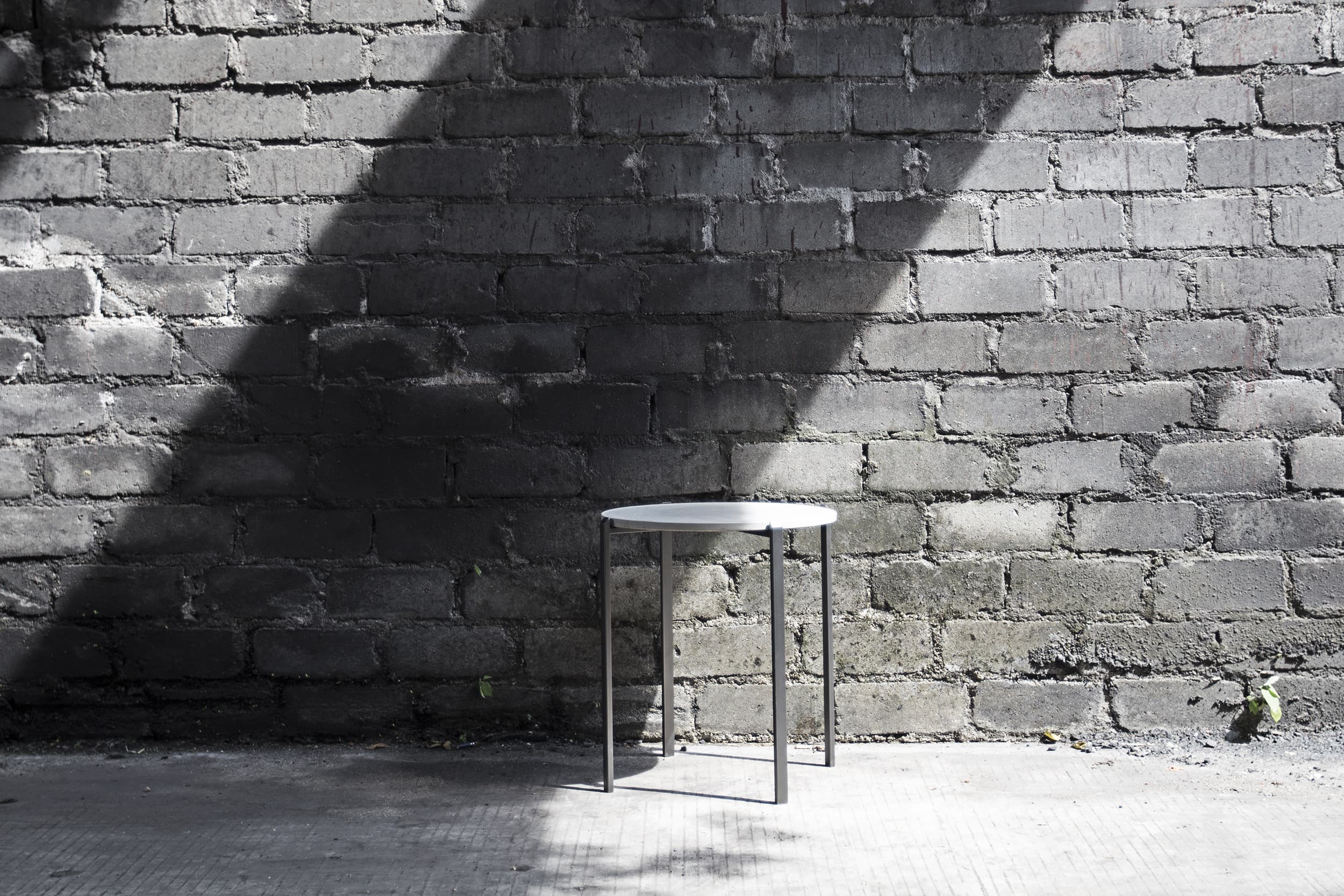
VI. Contemporary Practice: BENTU’s Exploration of Solid Waste Utilization and Low-carbon Development
The inheritance of ancient cementitious material craftsmanship and continuous technological innovation have never ceased. From ancient Roman volcanic ash mortar to modern ultra-high performance concrete, cement materials keep evolving. Currently, the whole industry stands at a critical turning point transforming from high-carbon operation to low-carbon development. Such transformation takes place not only in advanced laboratories and large-scale factories, but also in design studios and rural factories across southern China — the core field where BENTU has devoted itself to for nearly two decades.
Rooted in in-depth local material research and adhering to place-based construction concepts, BENTU takes local waste materials and cement-based substrates as the core research and development direction to explore new possibilities for cementitious materials. Its practical practices not only inherit the ancient wisdom of utilizing local materials and adapting to local conditions embodied in traditional triad soil preparation techniques, but also conduct pragmatic explorations for the low-carbon upgrading of the modern cement industry.
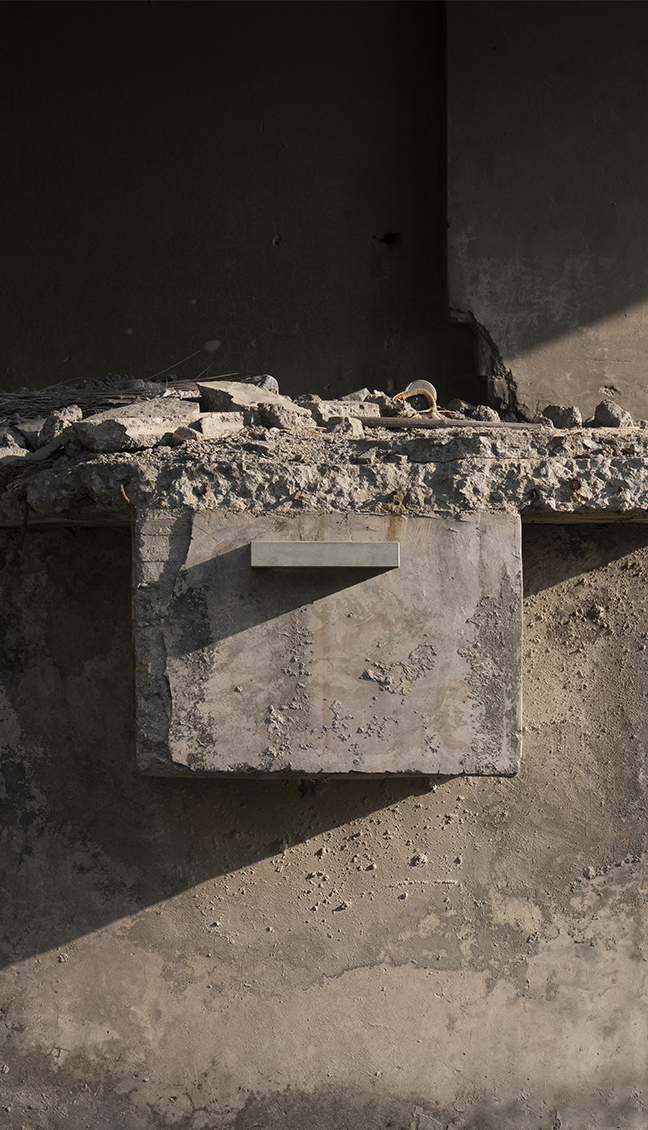
Drawing inspiration from traditional triad soil construction wisdom and the dense particle packing principle of UHPC, BENTU fully taps into the renewable value of urban industrial residues and idle rural wastes, and formally puts forward the core philosophy of the Second Mountain. Against the backdrop of dwindling natural mineral resources, urban industrial solid wastes, construction demolition wastes and rural discarded materials have become emerging urban mineral resources with tremendous ecological and utilization value from the perspective of sustainable development.
High-value Recycling of Solid Wastes Based on UHPC Principles
Learning from the core dense packing principle of UHPC, BENTU applies precise particle gradation, normal-temperature high-pressure molding and non-firing curing technologies to the resource recycling of various industrial solid wastes. Scientific proportioning of coarse waste ceramic aggregates, medium steel slag aggregates and fine powder materials such as fly ash and slag powder optimizes the packing structure of waste raw materials. Building materials manufactured via normal-temperature high-pressure molding process deliver far superior mechanical properties compared with traditional concrete. Eliminating high-temperature firing procedures drastically cuts carbon emissions during production, with the comprehensive utilization rate of solid wastes exceeding 80%.
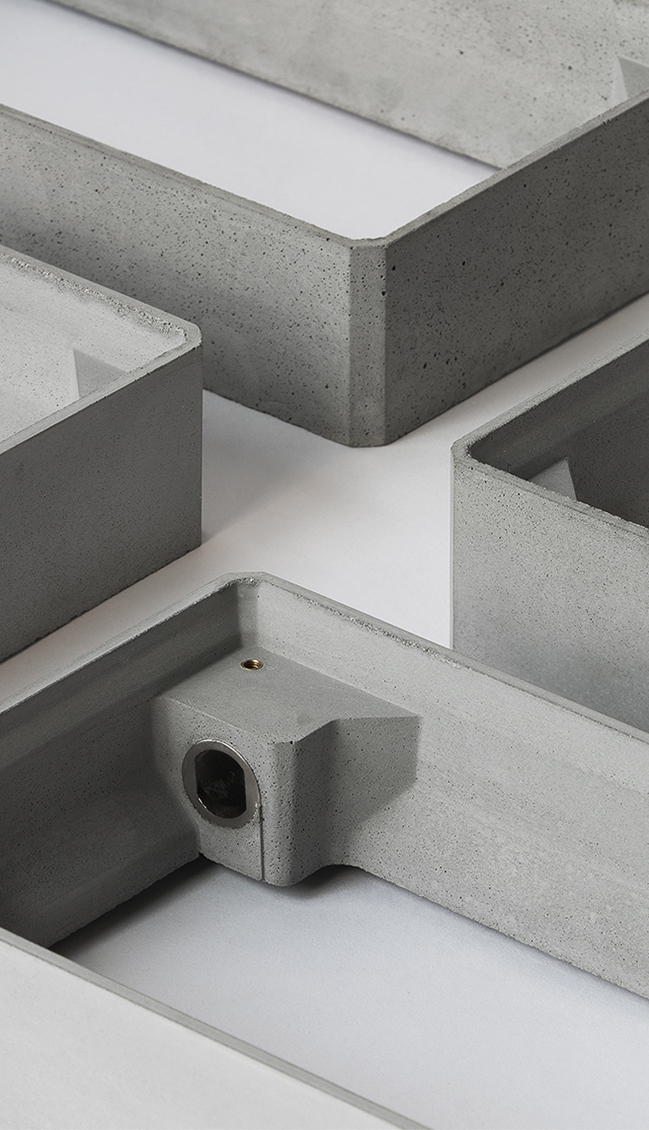
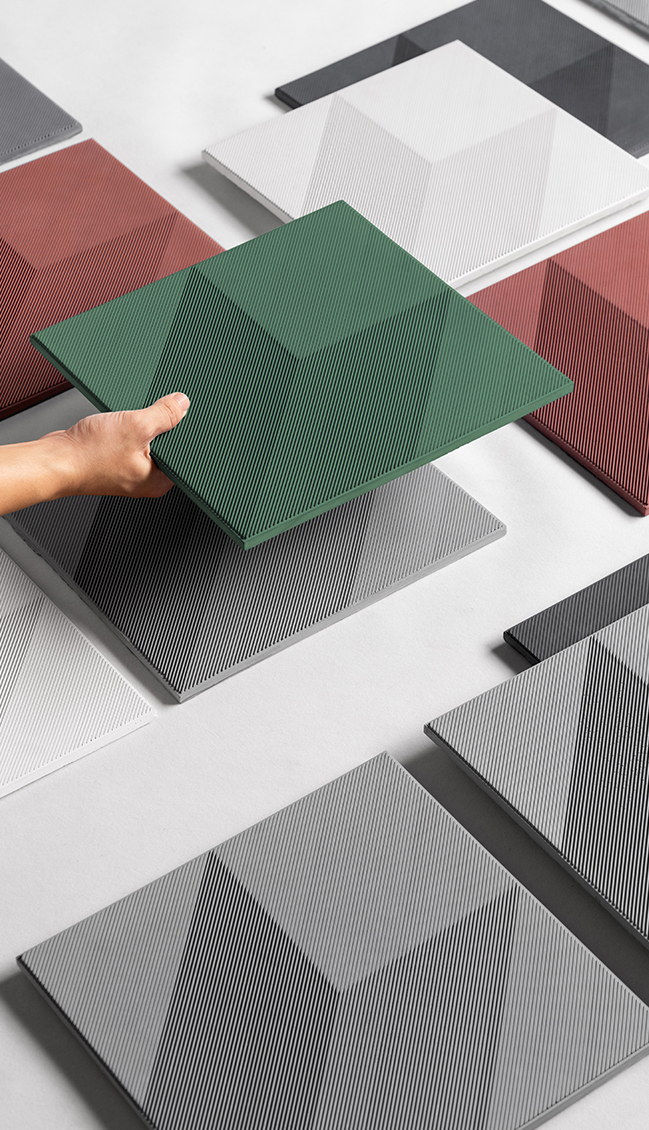
In the Loss of Form project implemented in Chaozhou, graded and crushed waste ceramics are combined with mineral cementitious materials for normal-temperature non-firing consolidation, achieving a waste ceramic utilization rate of over 80%. Finished materials and products retain the original warm texture and natural grain of ceramics, endowing industrial wastes with brand-new application value and breaking away from discarded fates. Cooperating with Dongpeng Group, BENTU launches the Local Generation material series by integrating four types of industrial solid wastes including waste ceramics from Jingdezhen, power plant fly ash, steel slag and sandstone tailings, and develops four distinctive material textures. The proportion of solid waste raw materials exceeds 70%, and all raw materials are sourced within a 100-kilometer radius of project sites, establishing a short-cycle ecological mode featuring local material acquisition, local processing and local on-site application.
Such practices achieve not only technological breakthroughs in materials but also in-depth integration between industrial wastes, design aesthetics and spatial application. Recycled solid waste panels, household products and decorative lamps developed by BENTU are widely applied in public spaces, commercial scenarios and daily living scenes. Retaining original particle textures and historical traces of wastes without excessive modification, every finished product serves as a tangible urban stratum carrier recording urban development marks.
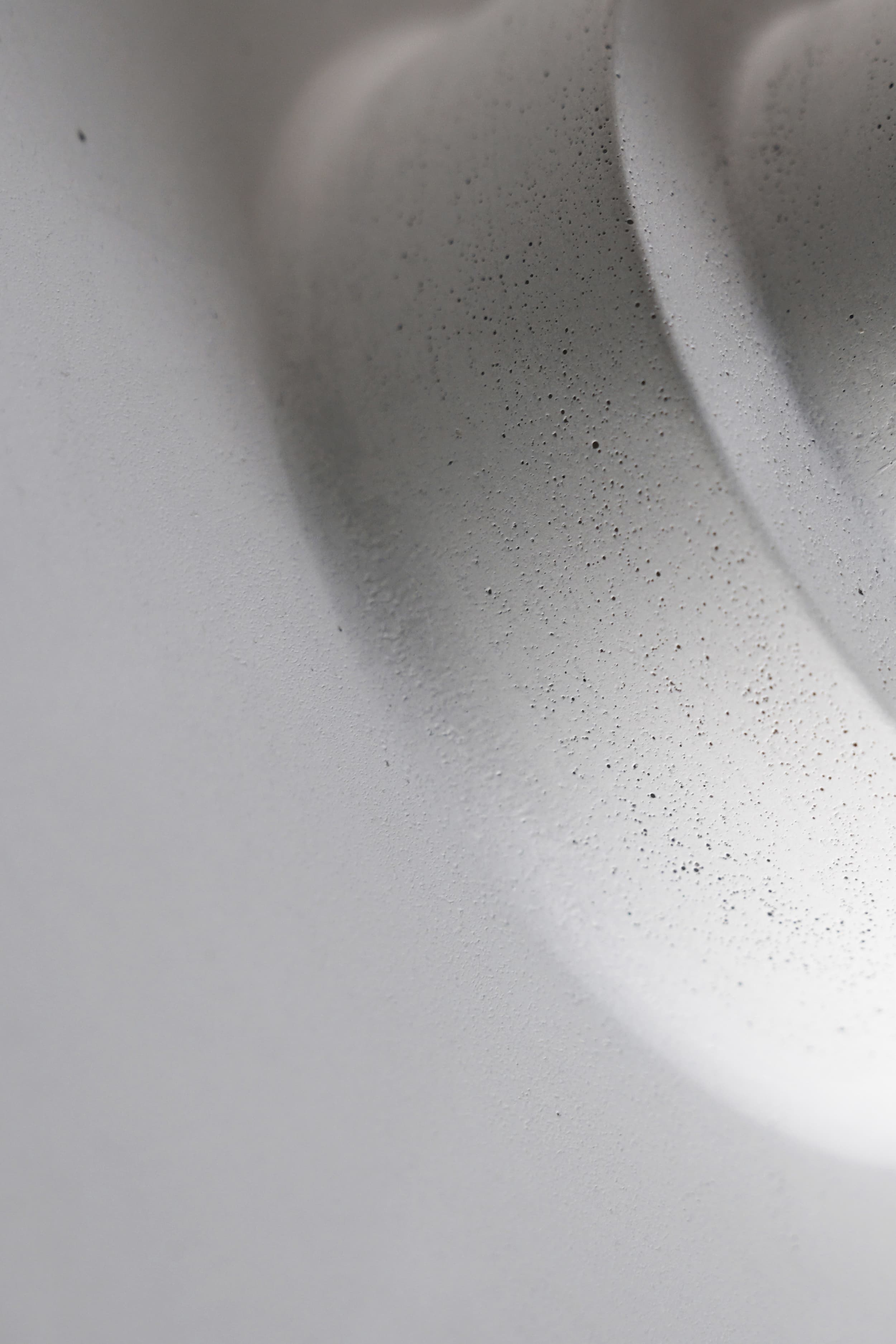
Independent Research and Development of Carbon-based Rock: Building Negative-carbon High-strength Material Systems
Based on solid waste resource utilization practices, BENTU integrates carbon dioxide capture and mineralization curing technologies to independently develop the flagship low-carbon building material achievement — Carbon-based Rock negative-carbon high-strength material system, representing the core material innovation achievement of BENTU over the past two decades.
Carbon-based Rock is mainly composed of 60% steel slag powder and 30% waste ceramic sand supplemented with a small amount of other solid wastes, with the total proportion of solid wastes reaching no less than 90%. Shaped via carbon dioxide mineralization curing process, it belongs to novel negative-carbon environmentally friendly materials. Its core development concept is to connect industrial material circulation chains by taking wastes from upstream industries as production raw materials for downstream industries and build a complete application system of negative-carbon materials. Its application scenarios cover building curtain wall facing materials, municipal pavement stones, road facilities, urban public furniture as well as interior decorative building materials and household base materials.
In terms of performance, Carbon-based Rock overcomes the industry bottleneck of insufficient strength of building materials with high solid waste content, achieving a compressive strength of 50-70 MPa and flexural strength above 12 MPa. Its full-life-cycle carbon footprint is over 70% lower than that of traditional concrete, and net negative carbon emissions can be realized under optimal technological conditions, reaching benchmark industry standards.
Technically, Carbon-based Rock forms a synergistic strengthening structure featuring dual filling and dual bonding effects via pore filling of mullite crystals derived from waste ceramic sand and cementation effect of carbonate crystals generated from steel slag carbonation. Meanwhile, it establishes a zero-long-distance transportation mode covering local raw material collection, local carbon source acquisition and local on-site application. Localized layout of industrial solid wastes, carbon source gases and application scenarios effectively reduces transportation energy consumption and improves the urban material circulation system.
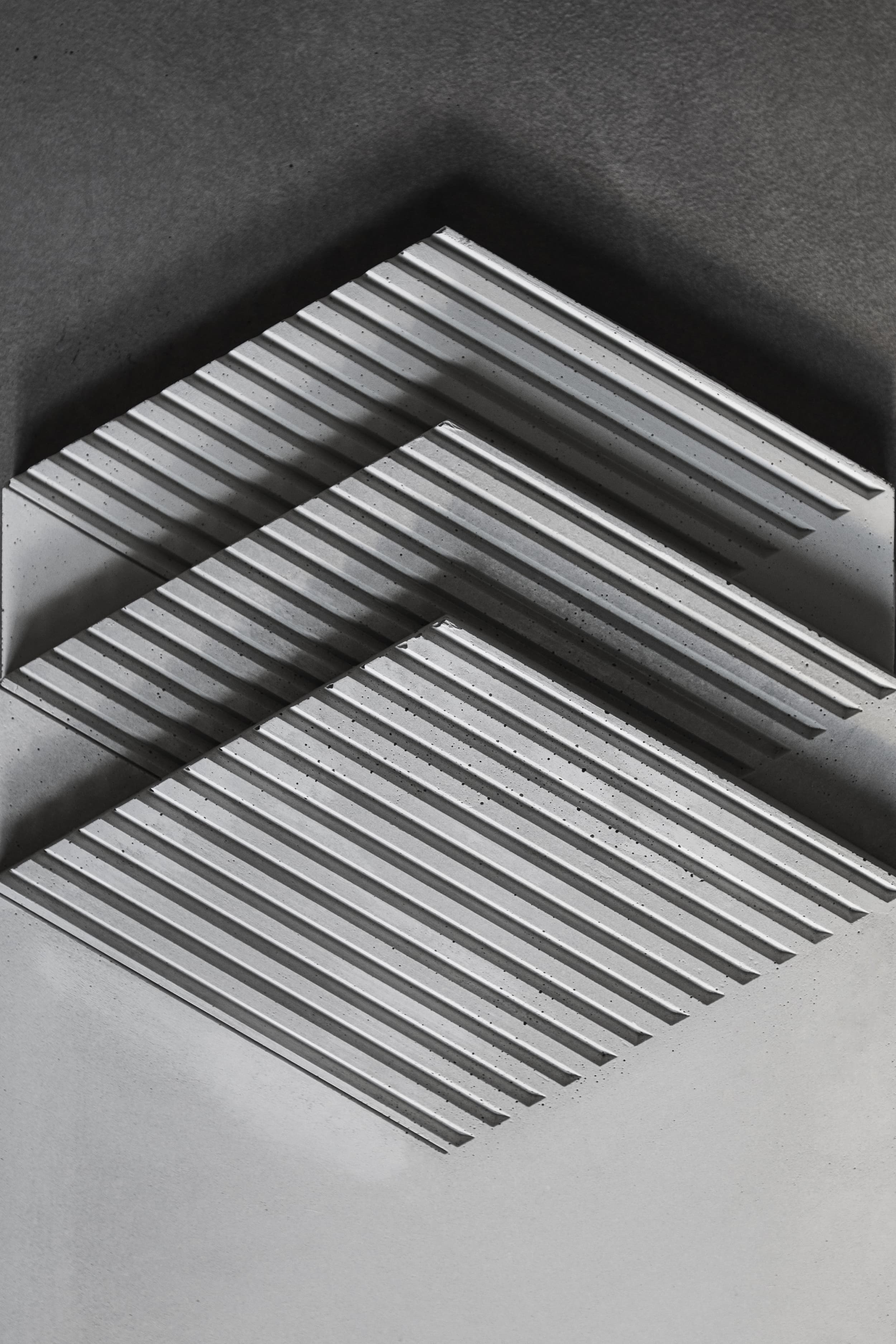
In-depth Research on Geopolymer Technology: Low-carbon Activation of Silt and Residual Wastes
BENTU keeps exploring alkali-activated geopolymer technology, adopting industrial by-products such as metakaolin, fly ash and slag as well as natural waste raw materials including fish pond silt and river dredged silt for normal-temperature polymerization molding with alkali activators, completely abandoning the high-energy-consumption high-temperature firing process of traditional cement production.
In the ecological project of mulberry-fish ponds in Shunde, Guangdong Province, local fish pond silt is adopted as core silicon-aluminum raw materials and mixed with fly ash and slag powder for normal-temperature solidification to develop non-fired ceramsite panels. This technology effectively solves the accumulation problem of fish pond silt and converts agricultural wastes into practical low-carbon building materials. Test data shows that such panels feature a flexural strength of 8-12 MPa and compressive strength of 30-50 MPa, meeting diverse application demands including interior and exterior wall decoration, space partition and ground pavement. Compared with traditional high-temperature sintered ceramsite, the non-firing process cuts energy consumption by over 70% and reduces carbon dioxide emissions by approximately 300 kilograms per ton of finished products.
This practical practice inherits the thousand-year ecological circulation wisdom of mulberry-fish pond ecosystems and transforms the traditional agricultural circulation logic into modern geopolymer material circulation principles. It breaks the industrial barriers between agricultural wastes and construction building materials, rebuilds the material symbiotic bond between urban and rural ecological systems as well as industry and agriculture sectors, and transforms traditional aquaculture waters into raw material bases for low-carbon building materials.
On-site 3D Printing Application: Practicing Digital Low-carbon Manufacturing
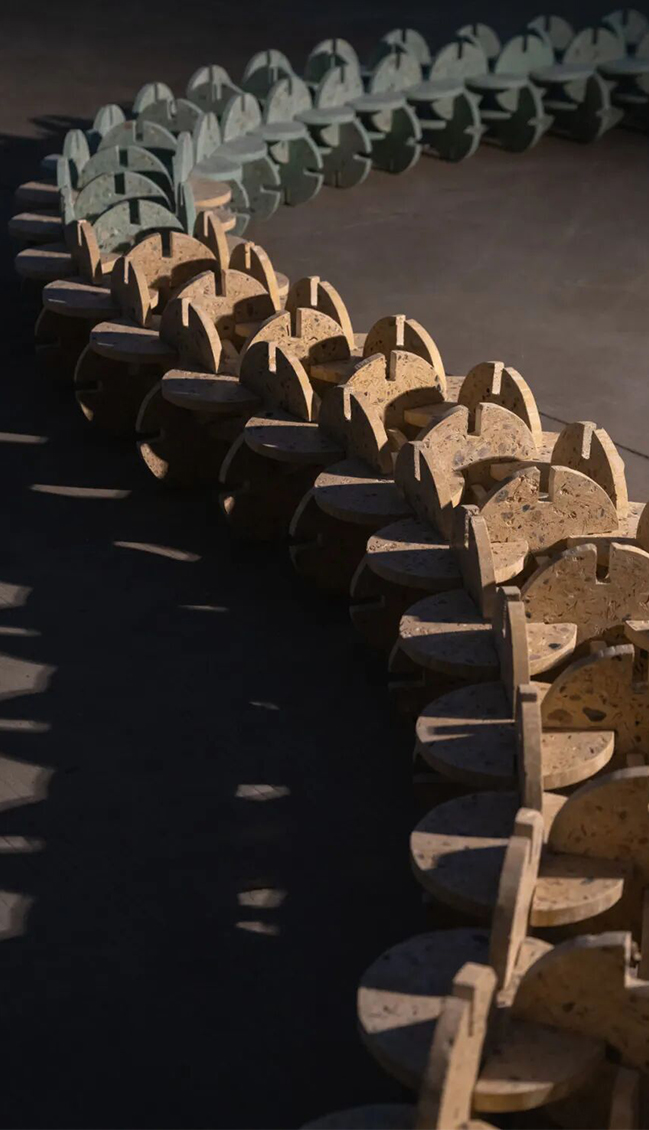
Leveraging digital intelligent manufacturing technologies, BENTU has built a mobile geopolymer 3D printing workstation in Qingshan Village, Hangzhou. Construction wastes generated from local demolition projects are crushed and processed on-site to print urban public benches directly. Taking advantage of the layer-by-layer forming characteristics of 3D printing and the thixotropic molding superiority of alkali-activated materials, it forms an integrated closed-loop production mode covering demolition, crushing, sorting, raw material preparation and on-site printing.
Practical application data proves that the on-site intelligent manufacturing mode reduces carbon emissions generated by transportation by 70% and achieves a comprehensive material utilization rate of 92%. Series products including Loss of Form non-fired ceramic panels and Inorganic Growth 3D printed household products all reach efficient material utilization standards. The mobile on-site printing mode breaks the inherent boundaries among building material production, long-distance transportation and on-site construction, enabling low-carbon manufacturing to be deeply integrated into local practical scenarios.
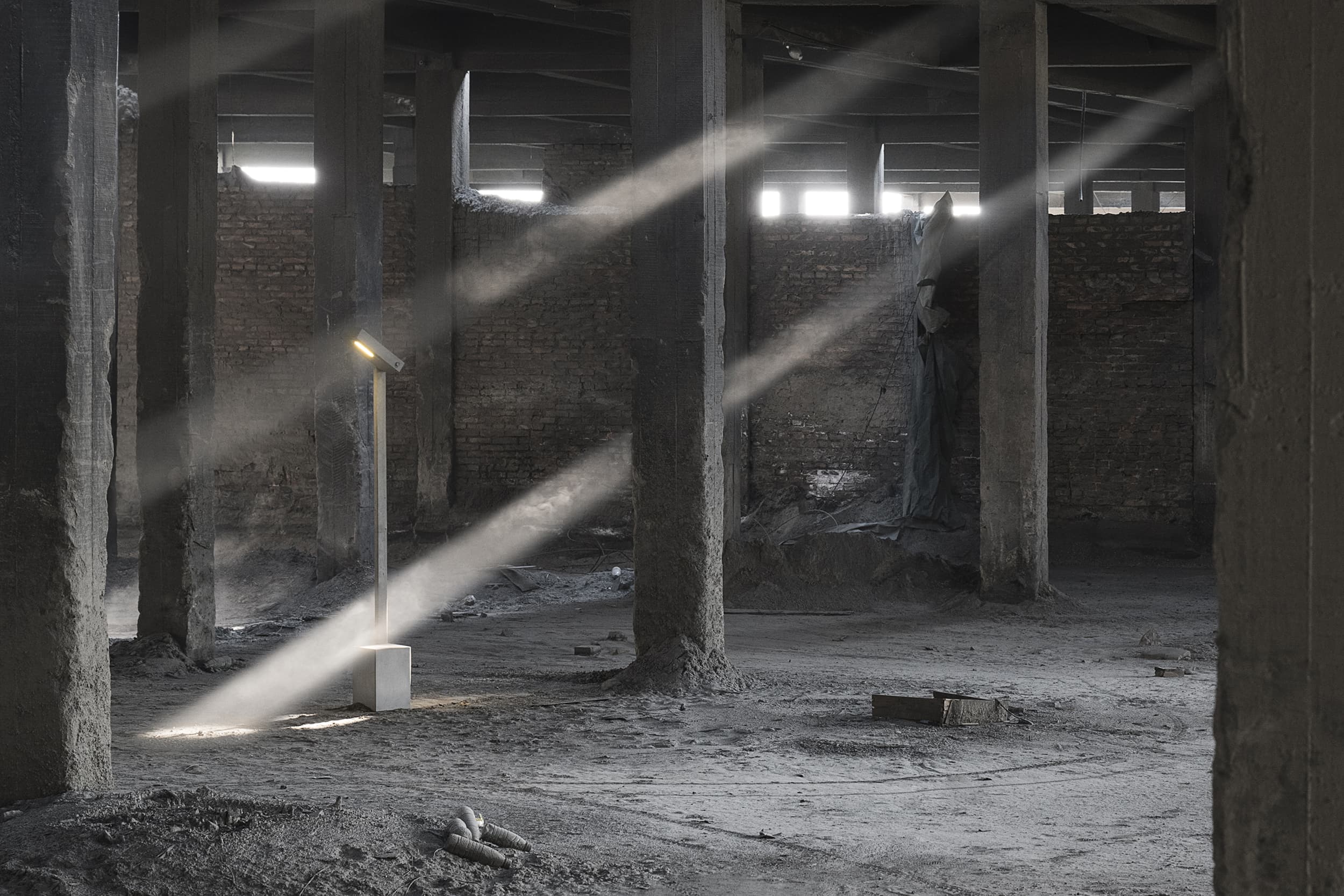
Concept Upgrading: From the Second Mountain to Negative-carbon Material Ecosystem
From waste ceramic recycling-based Loss of Form creations and multi-solid waste recycled Local Generation series, to the Second Mountain philosophy exploring the resource value of urban wastes and the Carbon-based Rock system realizing active carbon sequestration, BENTU has completed a comprehensive upgrading process from single waste utilization to the construction of a full-dimensional low-carbon material ecological system.
The Second Mountain philosophy redefines the resource attributes of urban wastes, enabling industrial residues, agricultural silt and construction debris across urban and rural areas to become brand-new resource carriers replacing natural mines. Further developed based on this concept, the Carbon-based Rock technology realizes permanent carbon dioxide sequestration and storage on the basis of waste recycling, promoting the transformation of traditional high-energy-consumption cement-based building materials into green carriers for waste disposal and carbon sink storage.
From ancient earth digging and lime calcination for house construction, to modern industrial mass cement production, and current waste-recycled low-carbon new material research and application, the millennial local construction philosophy has been well inherited. BENTU always adheres to core development principles: high-quality building materials should not only meet engineering practical standards but also carry regional humanistic heritage; low-carbon development is not merely a single-industry mandatory indicator, but a lifestyle integrated into urban space and daily public life.
Sticking to original aspirations, BENTU commits itself to promoting cross-industry waste circulation and utilization, applying cutting-edge material technologies to serve people’s daily lives and restoring the authentic essence of materials. This constitutes the core mission of BENTU’s in-depth research on cementitious materials and exploration of low-carbon sustainable development paths.
Author: Xu Gang
This original article belongs to the BENTU Material Speculation Series, sorting out the thousand-year evolution context of Eastern and Western cementitious materials and recording innovative practical achievements of local low-carbon materials.

- Contact
+8620 8977 0506
- Press
press@bentudesign.com
- Enquiry & Sales
info@bentudesign.com