From Waste to Empathy: How BENTU’s Sustainable Design Has Become a Globally Referable Practice
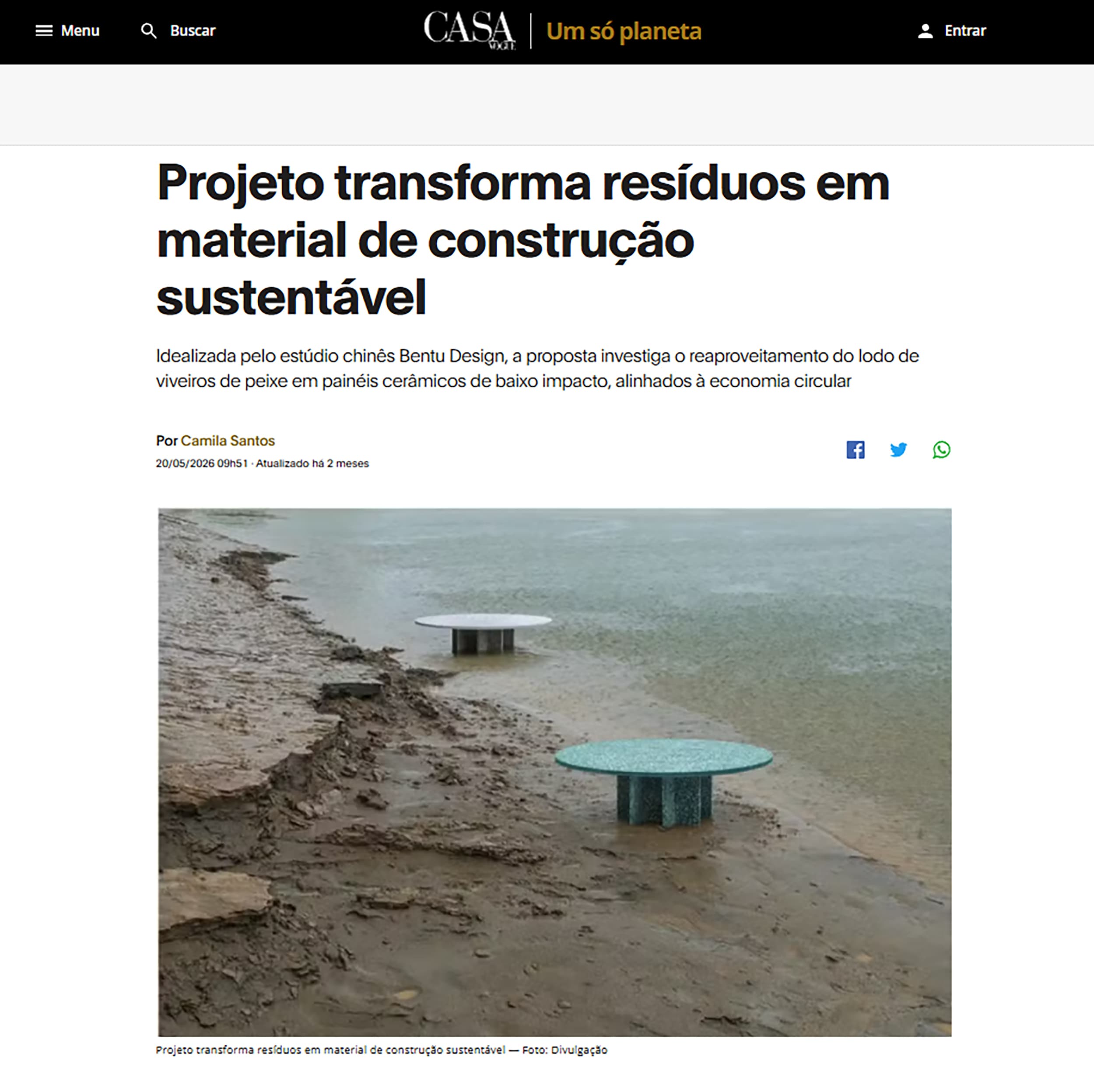
In May 2026, authoritative Brazilian design media Casa Vogue Brasil published a special feature under its flagship column Um Só Planeta (One Single Planet), documenting BENTU’s long-term research and development of low-carbon building materials derived from solid waste. This overseas media spotlight is no random occurrence: amid escalating global ecological pressure, the international design industry is urgently seeking viable sustainable solutions with low implementation barriers, controllable costs and tangible real-world impacts.
Rooted in the Pearl River Delta for over a decade, BENTU has delivered landmark projects one after another, including public benches made from mineral slag, the Life Series urn crafts, water towers built from discarded plastic bottles collected along the Yangtze River, and stools fabricated from used face masks. Its practice breaks three prevalent misconceptions in contemporary sustainable design: it avoids simple copying and paraphrasing of Western sustainability narratives; rejects deliberate stacking of oriental cultural symbols for exotic attention; and shuns lab-only technologies obsessed with experimental parameters yet disconnected from real industrial scenarios. The team has forged a complete local closed-loop pathway: starting from solid waste, taking low-energy material circulation as its core technical logic, and driven internally by healing life memories and collective emotions. It builds an industrial technical system adaptable to global industrialisation and replicable at low cost, while embedding personal and epochal memories within tangible materials to build emotional bonds that transcend cultural barriers.
Only when replicable technical feasibility aligns with resonant emotional empathy can sustainable design gain lasting vitality and global promotion value.
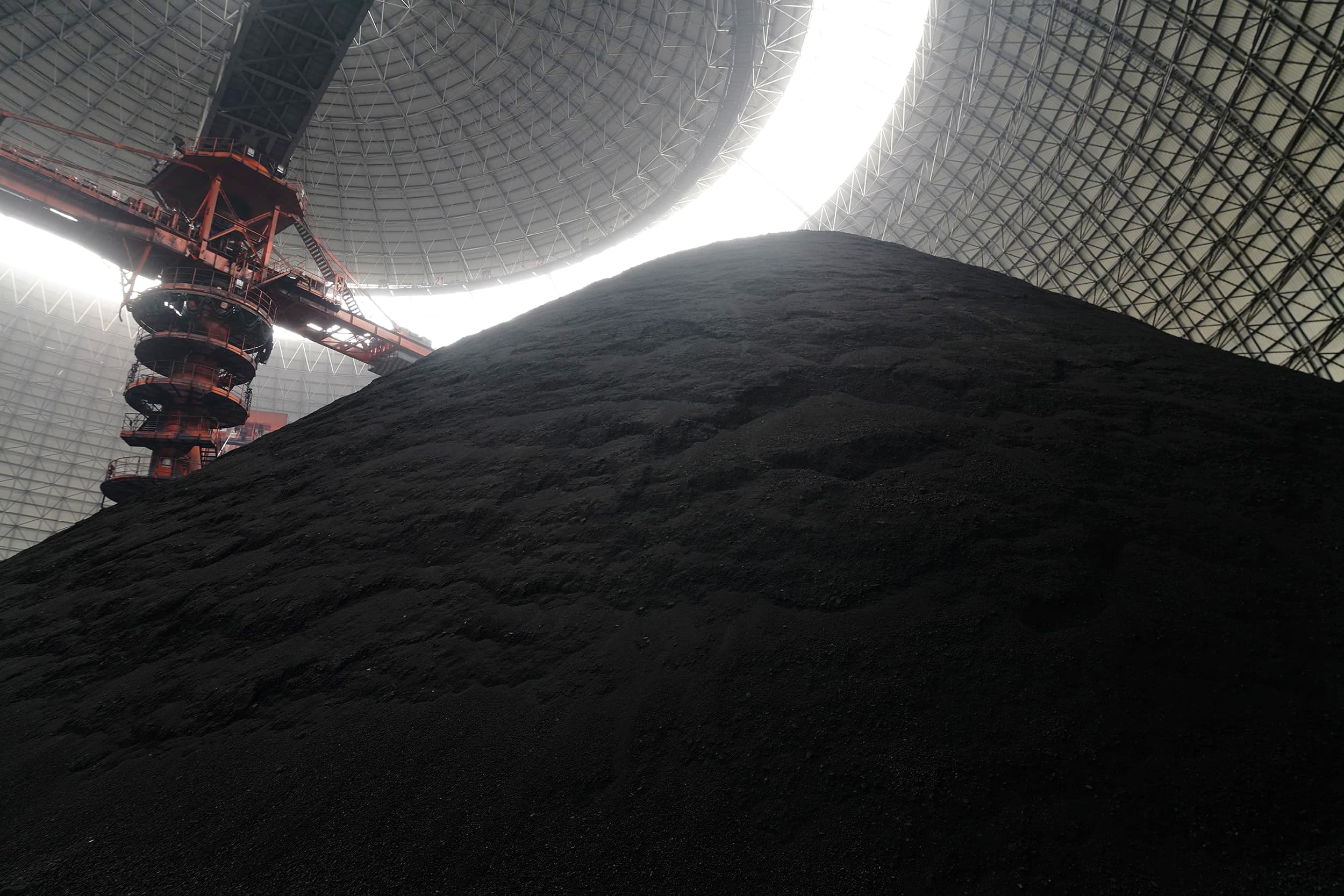
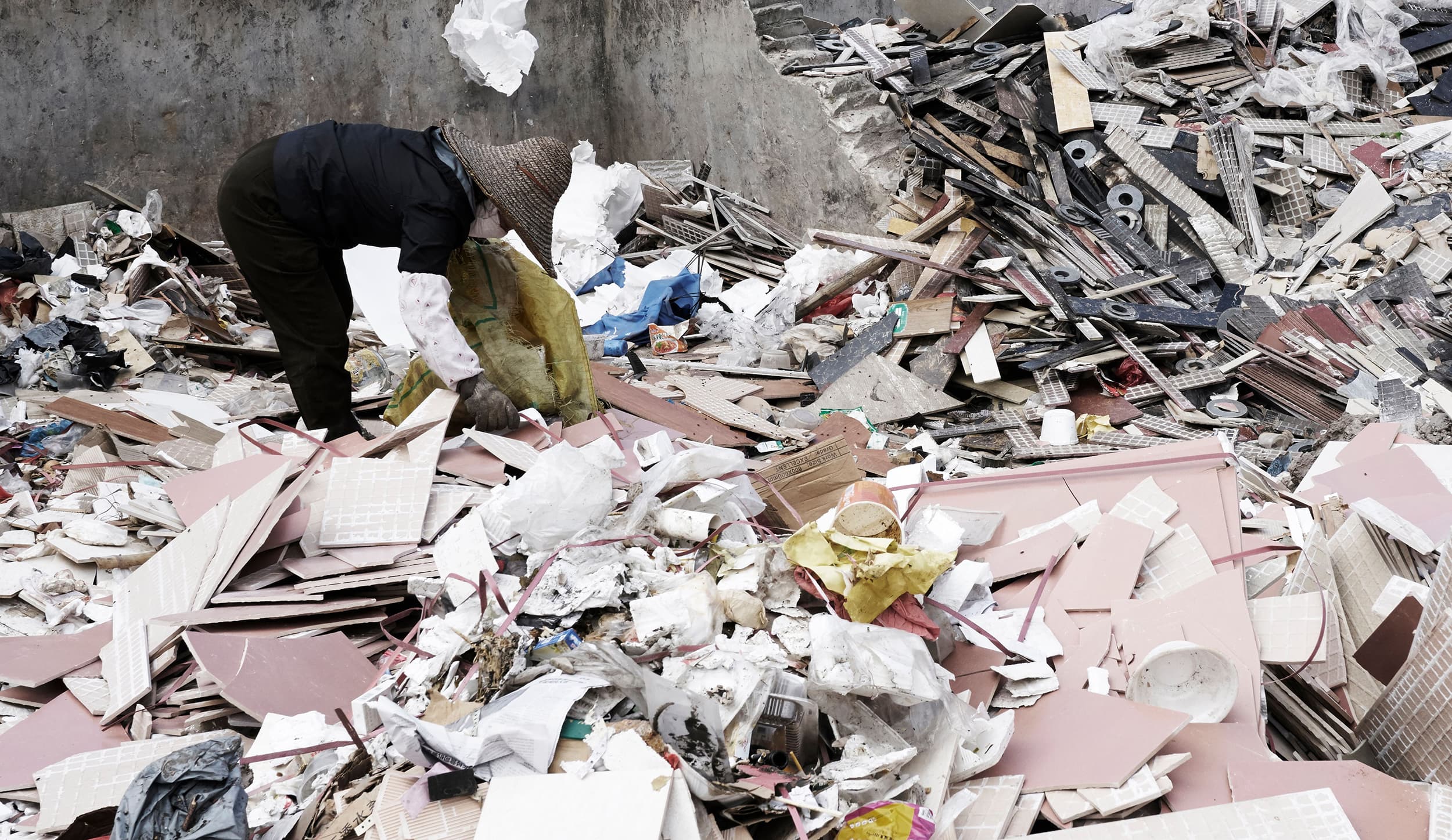
Global annual output of urban solid waste exceeds 2 billion tonnes. Massive volumes of industrial solid waste generated by metallurgy, thermal power, ceramics and construction industries are stockpiled in open-air yards year-round, triggering severe environmental hazards such as heavy metal infiltration into soil, groundwater contamination and long-term land occupation. Mainstream global disposal methods have long fallen into a binary dilemma: on one side, cutting-edge modification technologies from universities and research institutions mostly remain at the academic paper stage, unfit for large-scale mass production; on the other side, industrialised regions rely on centralised recycling systems equipped with large incinerators, sophisticated chemical processes and substantial fiscal subsidies, which carry exorbitant overall energy consumption and maintenance costs unaffordable for most emerging industrial regions.
BENTU offers a more pragmatic alternative: a distributed regeneration system featuring ambient-temperature non-firing forming, high solid waste mixing ratios, low equipment thresholds and strict local sourcing. This model does not create market monopolies through exclusive proprietary technology; its core lies in respecting the inherent physical properties of materials, enabling local replication in any industrial zone worldwide.
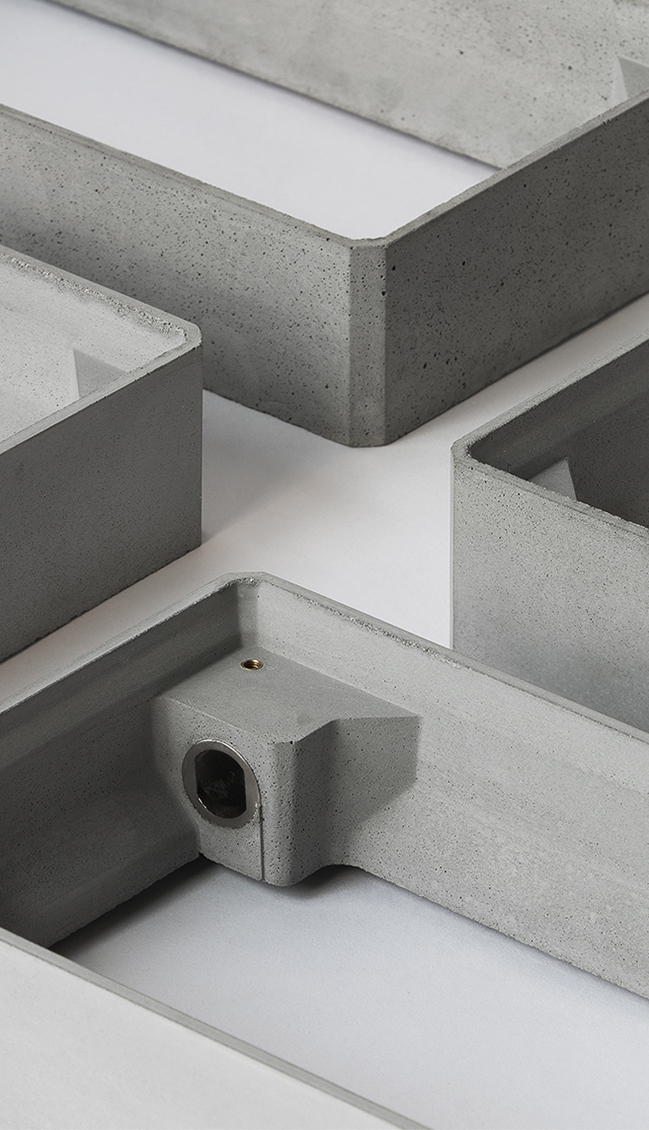
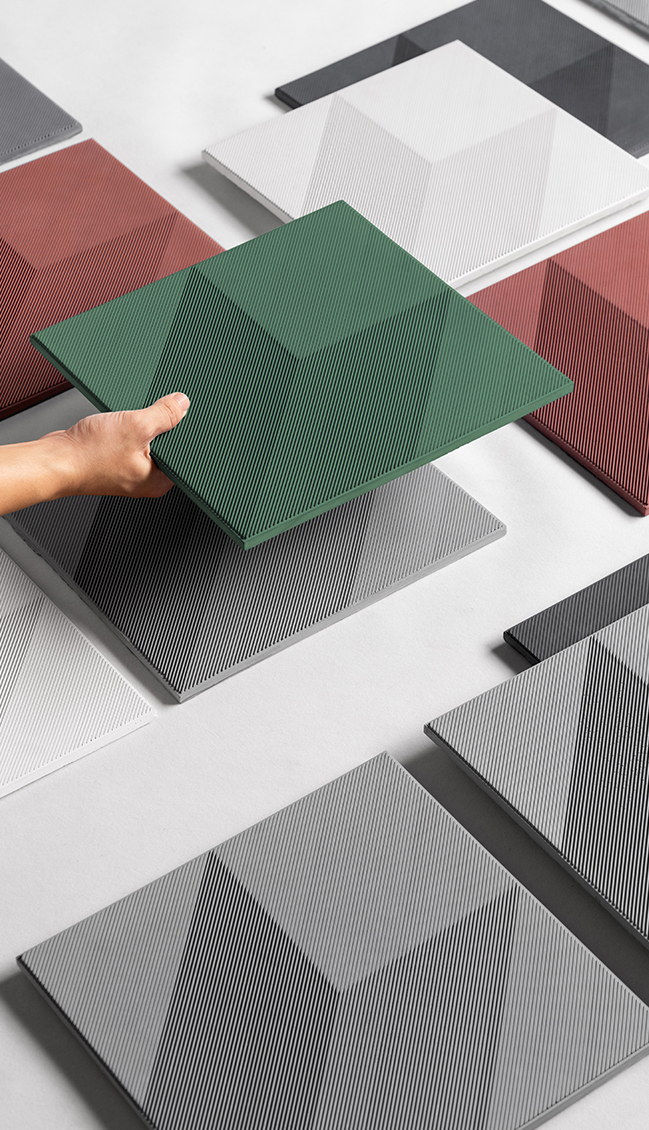
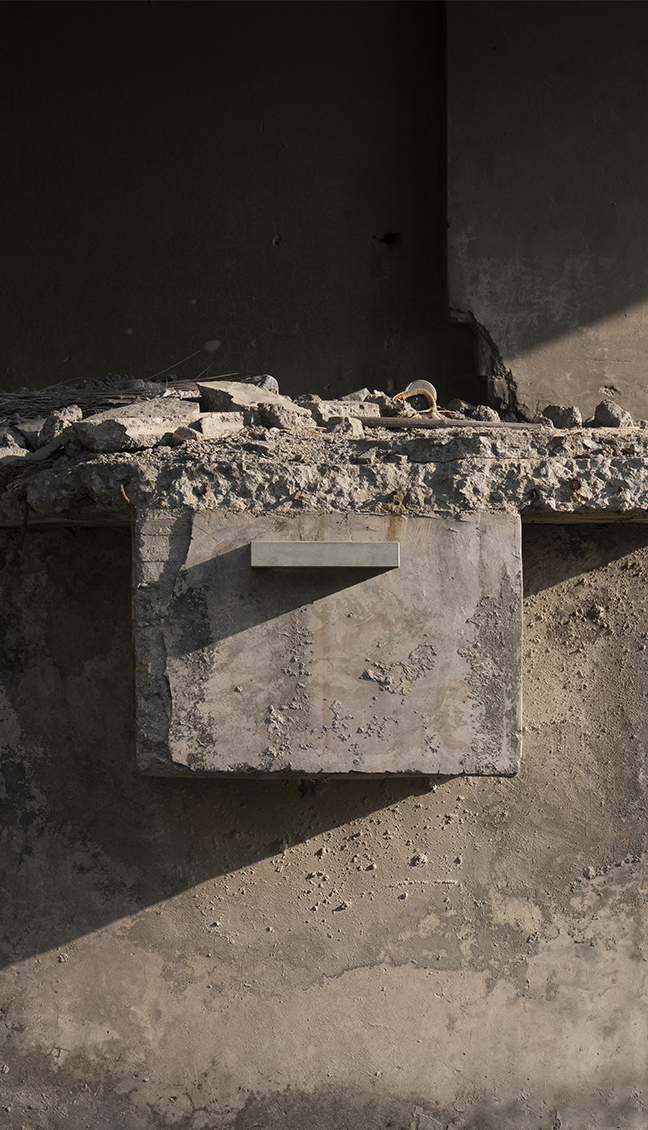
The landmark project Second Mine addresses a universal pain point across the global steel sector: steel slag, iron slag and fly ash have long been mostly landfilled, resulting in extremely low comprehensive utilisation rates and persistent resource waste and environmental burdens. Partnering with Minmetals Land and Dongpeng New Materials, the team crushes, screens and reconstructs multi-stage particle grading for industrial residues, translates theories of ultra-high-performance concrete into new gelling substrates, and adopts full ambient-temperature curing without high-temperature sintering, with waste content exceeding 70%. Finished products outperform conventional commercial concrete in mechanical strength, frost resistance and weather resistance.
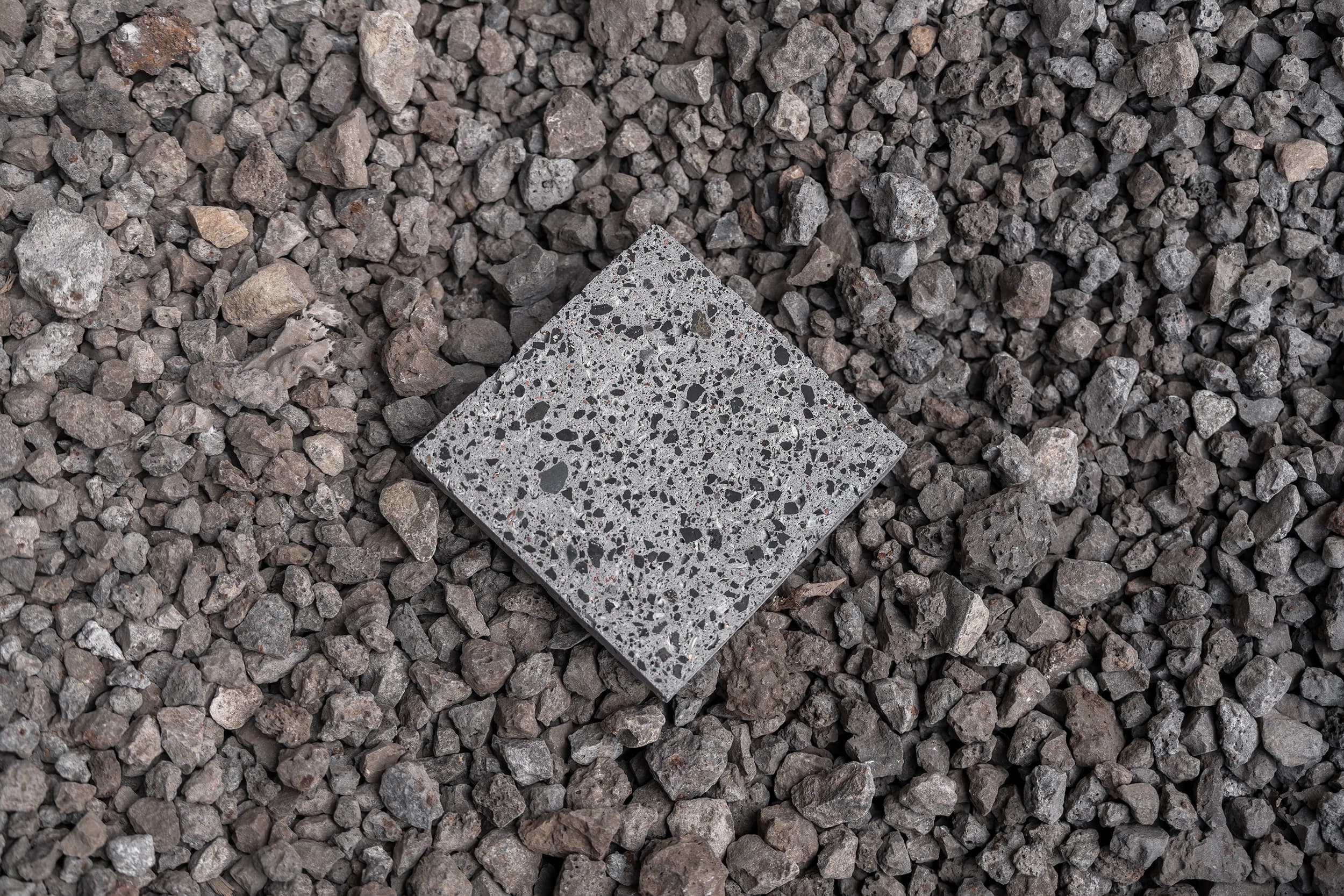
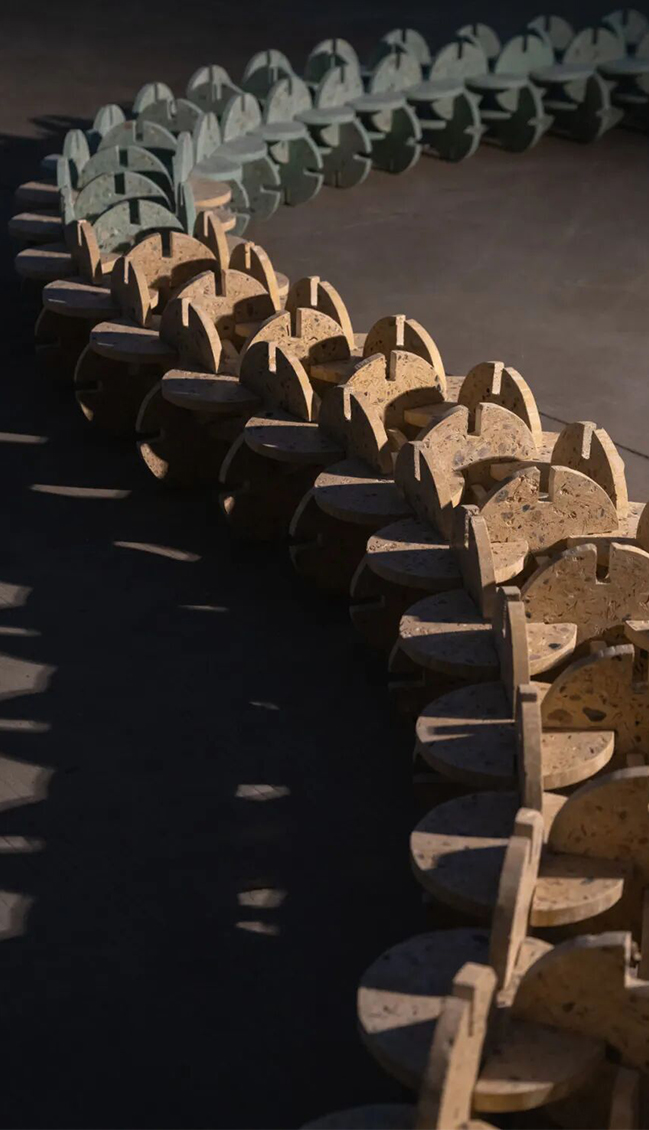
The defining strength of this process is its full preservation of the rough pores inherent to steel slag, the soft matte tone of fly ash and the native texture of irregular aggregates. These so-called "imperfections" are not polished smooth; instead, industrial imprints become the material’s unique visual language. Production eliminates chemical additives and large high-temperature kilns, relying solely on mature particle grading principles and standard ambient curing for stable mass manufacturing. Its exceptional global adaptability is evident: whether in South American mining bases, Southeast Asian power plants or South Asian steel factories, there is no need for huge investment in exclusive production lines or monopolistic technology licensing. With basic aggregate proportioning knowledge plus local crushing and mixing equipment, mountainous industrial residues can be processed into structural building materials, park benches, street seating, landscape components and other public facilities.
The same logic applies to diverse waste streams: broken porcelain scraps from Jingdezhen, stone powder from Yunfu and local construction waste in Foshan have all been regenerated via this approach. More than ten years of practice confirms a truth: solid waste pollution is a global challenge, yet the optimal solution lies in local closed-loop management — waste is collected nearby, processed on-site and reused for urban construction locally, drastically cutting carbon footprints from long-distance transportation, controlling full-chain costs and avoiding secondary energy consumption caused by cross-border long-haul recycling. At a time when the industry widely chases high-end, large-scale centralised treatment solutions, this plain, robust technical system stands as a scarce inclusive model for the international market: it operates without capital subsidies or hype-driven concepts, and can be referenced, fine-tuned and implemented in any industrialised region.
If its mature technical system lays the foundation for global replication, its distinctive emotional narrative enables the brand to be truly understood and recognised worldwide.
For a long time, global sustainable design communication has been constrained by two rational frameworks: the utilitarian resource perspective, which defines waste as "resources misplaced" and emphasises only economic recycling value; and the moral accountability perspective, which repeatedly warns against human pollution through guilt-laced preaching. While logically valid, both easily lead to public aesthetic fatigue and emotional numbness: cold data and rational science fail to drive long-term behavioural change, while elaborate art installations confined to galleries remain far removed from ordinary daily life. BENTU redefines waste value: garbage is no longer merely an environmental problem to be solved, but a tangible carrier holding life stories, epochal marks and collective emotions, enabling wordless emotional communication through touchable physical objects.
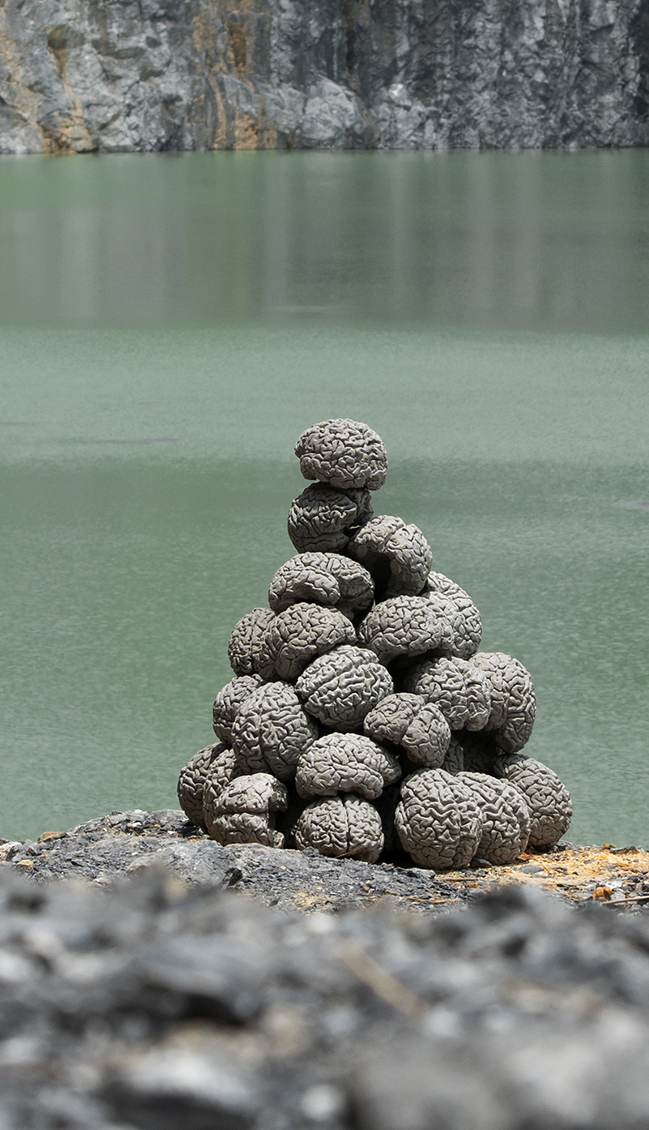
Launched in 2016, the Life Series experiment blends pet ashes with mineral-based gelling materials to produce coffee tables, flower vessels and wall clocks. This is far beyond simple circular recycling; it is a material practice centred on separation and loss. Traditional funeral practices isolate death within exclusive cemeteries, creating physical divides between life and passing away. Works from this series transform mortal remains into everyday objects placed in living rooms and balconies, making companionship and touch a daily reality. Farewell becomes gentle, enduring coexistence rather than total separation. Yearning for departed lives and hope for emotional continuity are universal human feelings transcending race, religion and geography, instantly understandable to all without verbal explanation.
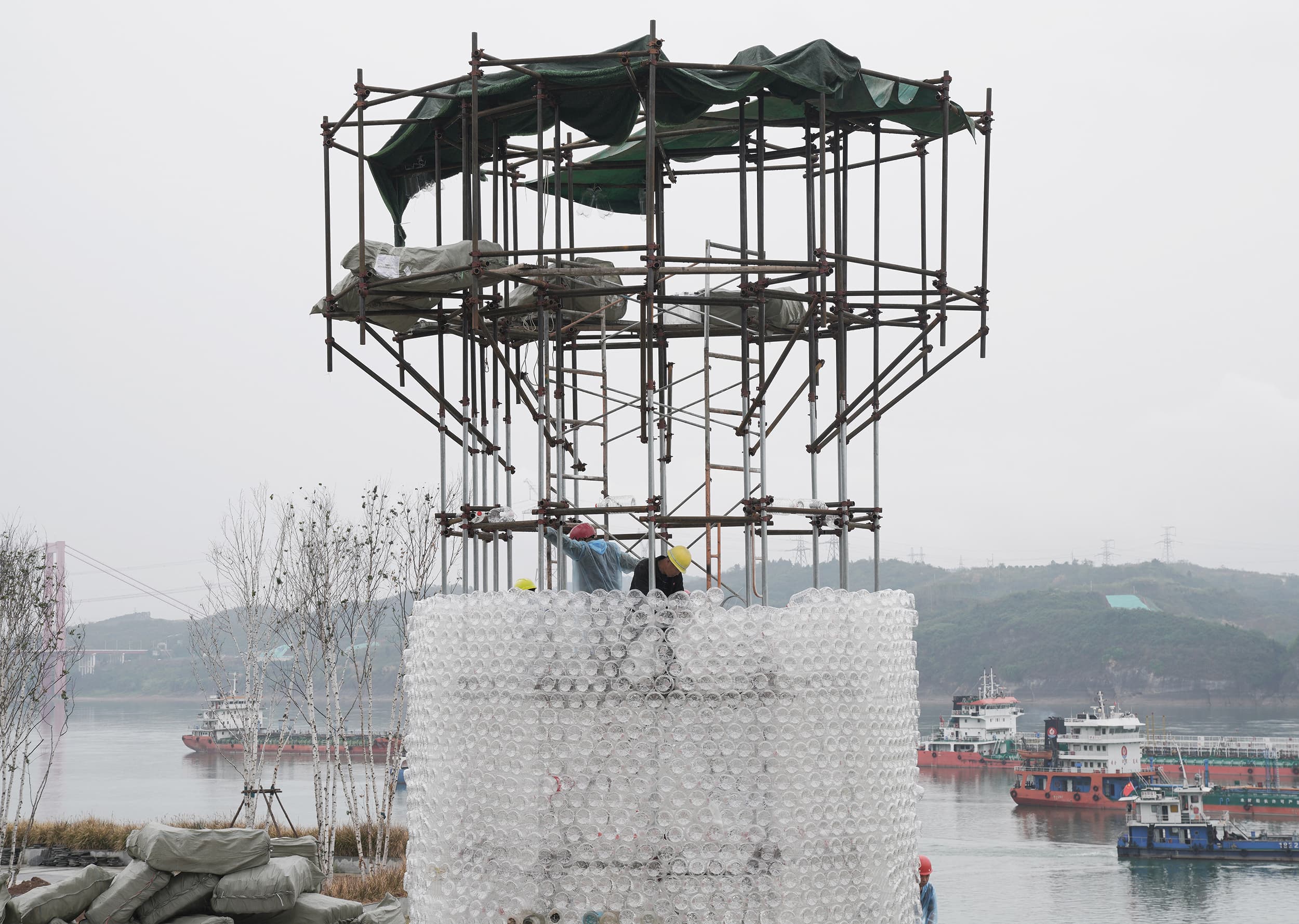
The Water Tower installation erected along the Yangtze River in 2022 was constructed from 6,000 discarded plastic bottles recovered from the Three Gorges Reservoir area at full real scale. Microplastics invading water systems and food chains are well-documented facts, yet abstract numbers rarely evoke genuine empathy. This transparent riverside structure invites passers-by to walk through, touch and observe up close, turning the distant ocean plastic crisis into an immersive, visible spatial impact. It is not exhibited inside art galleries but rooted in urban public waterfronts, plainly reminding everyone of the unavoidable environmental costs behind daily consumption.
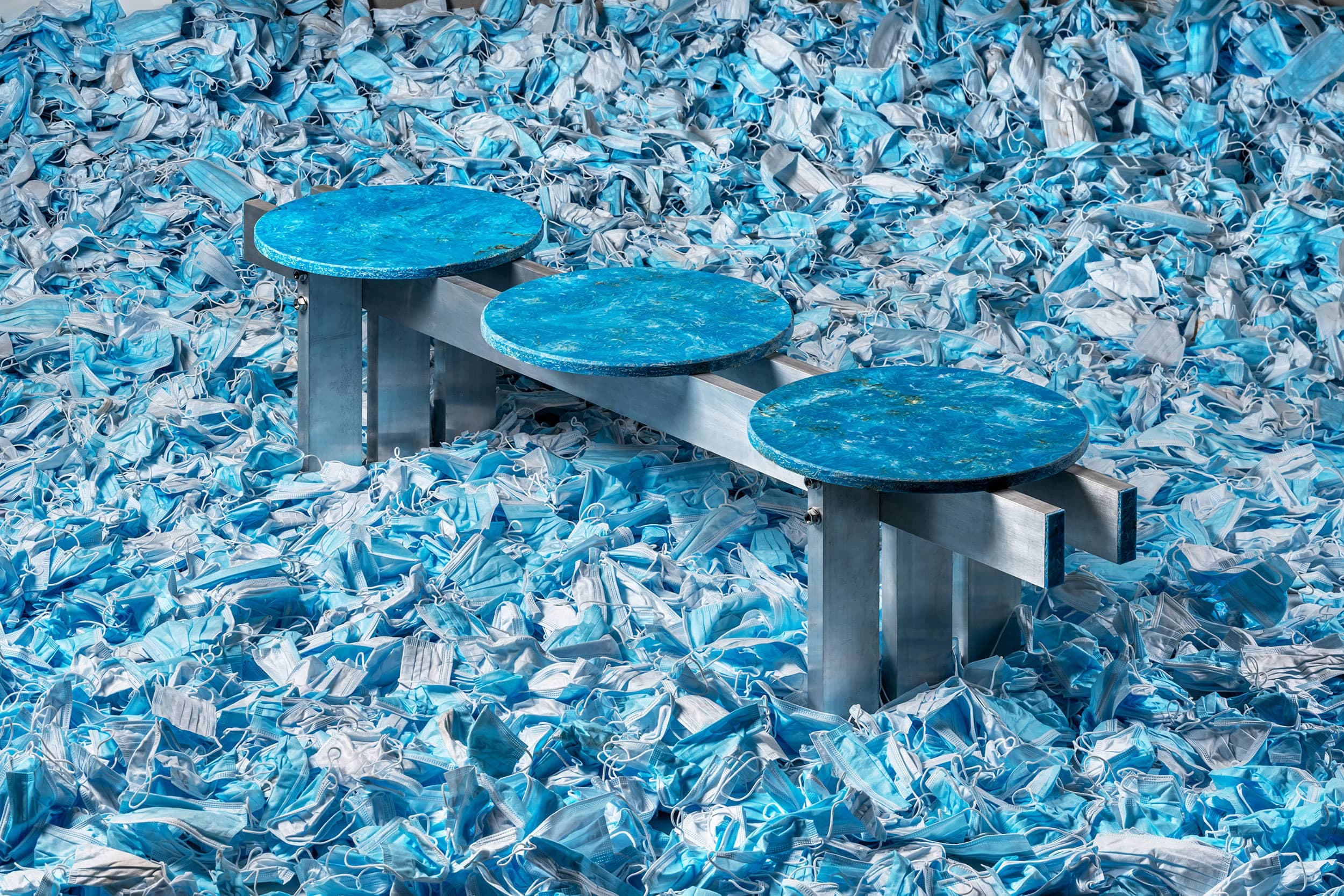
The Mask Stool, launched in 2024, is made from massive quantities of discarded single-use pandemic masks thermo-pressed and cured into public seating. Thin, fragile disposable epidemic fabrics are reborn as sturdy, long-lasting public furniture; melted fibres retain chaotic textures and natural colour variations, each subtle grain recalling days of isolation, longing and mutual care. This piece preserves not a commodity, but shared public memories held by humanity across the globe. When citizens sit down, they naturally reflect on that period and gain restrained yet profound environmental awareness.
The life crafts, plastic water tower and mask stool form a complete emotional narrative chain, addressing respectively personal grief over life and death, global ecological anxiety and collective public health memories of an era. The creation avoids slogan-style lectures and forced indoctrination via jargon, awakening instinctive emotions through sight and touch. Against an industry landscape saturated with over-rational sustainability messaging yet lacking emotional expression, this path of triggering inner consciousness through physical experience fills a long-standing communication gap.
External observers often draw fragmented conclusions: mass-produced slag benches belong to industrial public infrastructure, while ash vessels fall under humanistic artistic experiments, seemingly unrelated fields. Within BENTU’s integrated system, however, all works share one underlying logic: material circulation is never merely physical and chemical reactions, but a holistic process of memory sedimentation, emotional bearing and ethical value expression.
Slag benches carry decades of production traces left by steel industry workers; ash coffee tables preserve the final emotional imprints of individual lives; the plastic water tower records environmental harm wrought by rampant consumerism; and the mask stool freezes a universally shared historical period. The team deliberately retains native pores, natural colour differences and rough textures of waste materials in craftsmanship, refusing extreme industrial polishing that erases historical marks — essentially rejecting the violent elimination of material history. Regeneration does not erase the original past of waste, but allows these traces to remain visible and perceptible in new forms.
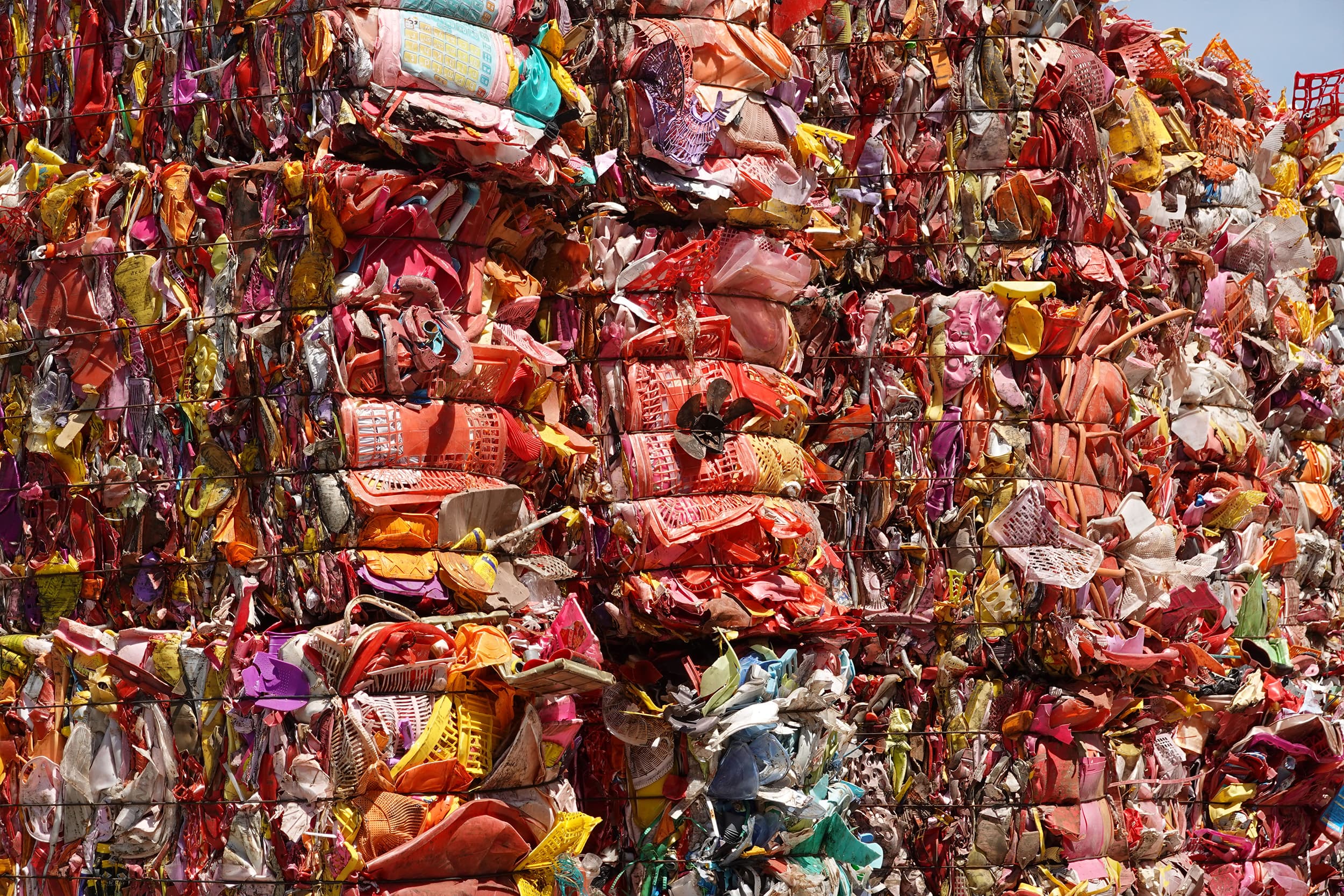
Built on years of practice, BENTU delivers a clear definition: genuine sustainable design never sacrifices user experience for sustainability indicators, nor indulges in overly literary expression detached from industrial scalability. It balances large-scale engineering capacity with humanistic care: it delivers replicable technical solutions to address global resource challenges, and builds cross-cultural recognition through shared emotions.
For more than a decade, starting from waste yards across the Pearl River Delta, BENTU has carved out its unique practical path through on-site collection, material trials and process iterations, without copying any pre-existing overseas models. The special report by Casa Vogue Brasil marks a landmark milestone: the international design community now sees far beyond the brand itself, recognising a complete solution capable of responding to global ecological anxiety and touching universal human emotions.
As public furniture made from local waste is gradually placed in urban squares worldwide, pedestrians run their hands over slag textures, gaze at plastic bottle grains and perceive authentic epochal memories. Sustainability is no longer an industry concept requiring repeated popular science, but a life instinct integrated into daily routines and sensory experiences.
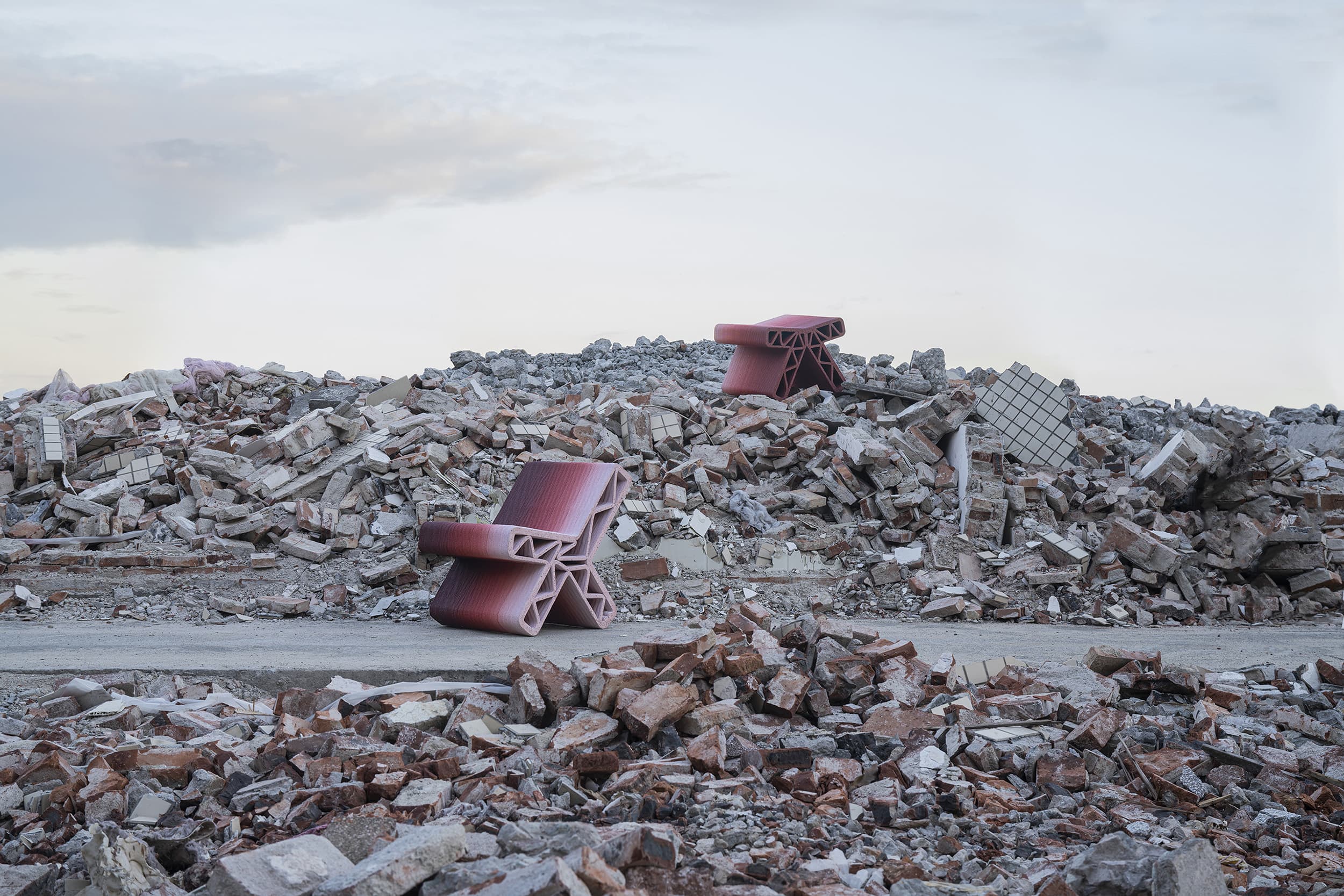
From factories in Shunde to a global vision; from mineral slag to public benches; from mortal remains to daily vessels; from plastic bottles to riverside installations — BENTU has delivered a humble yet resolute proof: discarded human waste can become a universal global language that needs no translation. It touches people through authentic texture rather than didactic preaching; it pursues no technical vanity, with its ultimate mission to restore relationships between humanity and nature, humanity and memory, and humanity and time.
What we continue to explore is a sustainable design practice with replicable technology and resonant empathy: rooted locally, oriented toward the world.
Author: Xu Gang
This original article belongs to the BENTU Brand Reflection Series. Taking international media coverage as an opportunity, it discusses how sustainable design responds to global ecological issues and universal human emotions through material transformation.

- Contact
+8620 8977 0506
- Press
press@bentudesign.com
- Enquiry & Sales
info@bentudesign.com