Reflections After “Sustainable China”
From an Exhibition to an Ongoing Material Practice
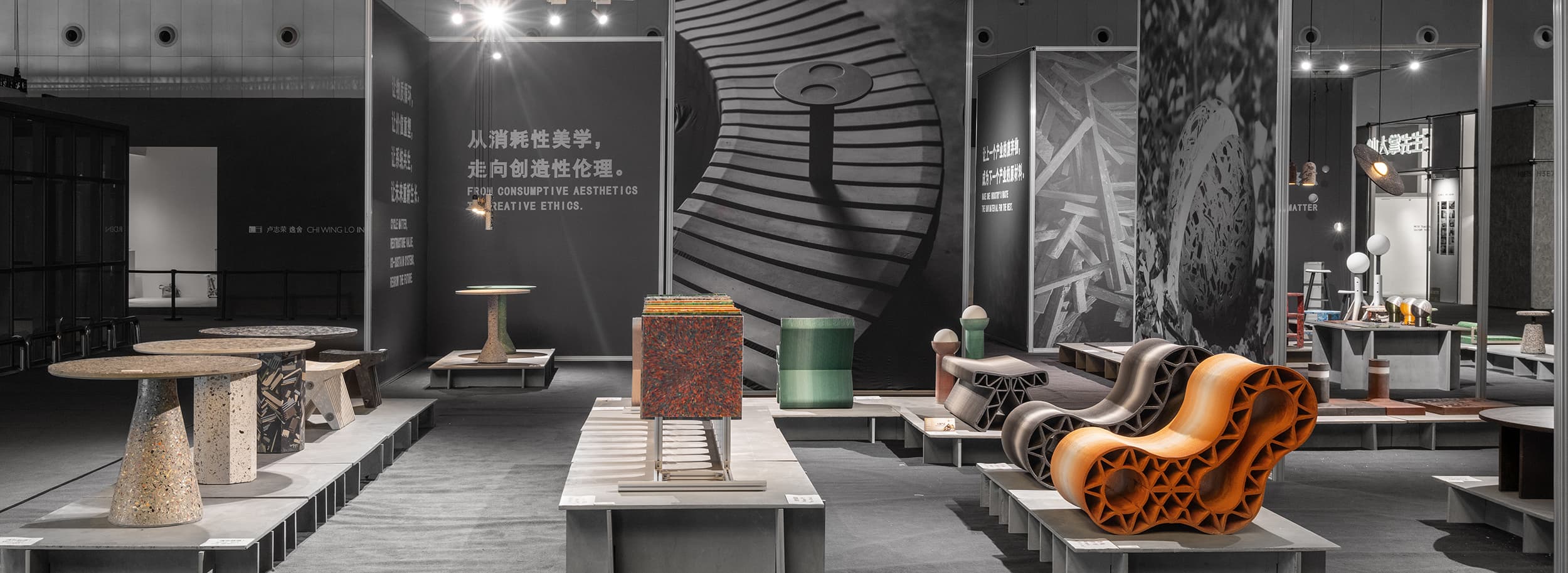
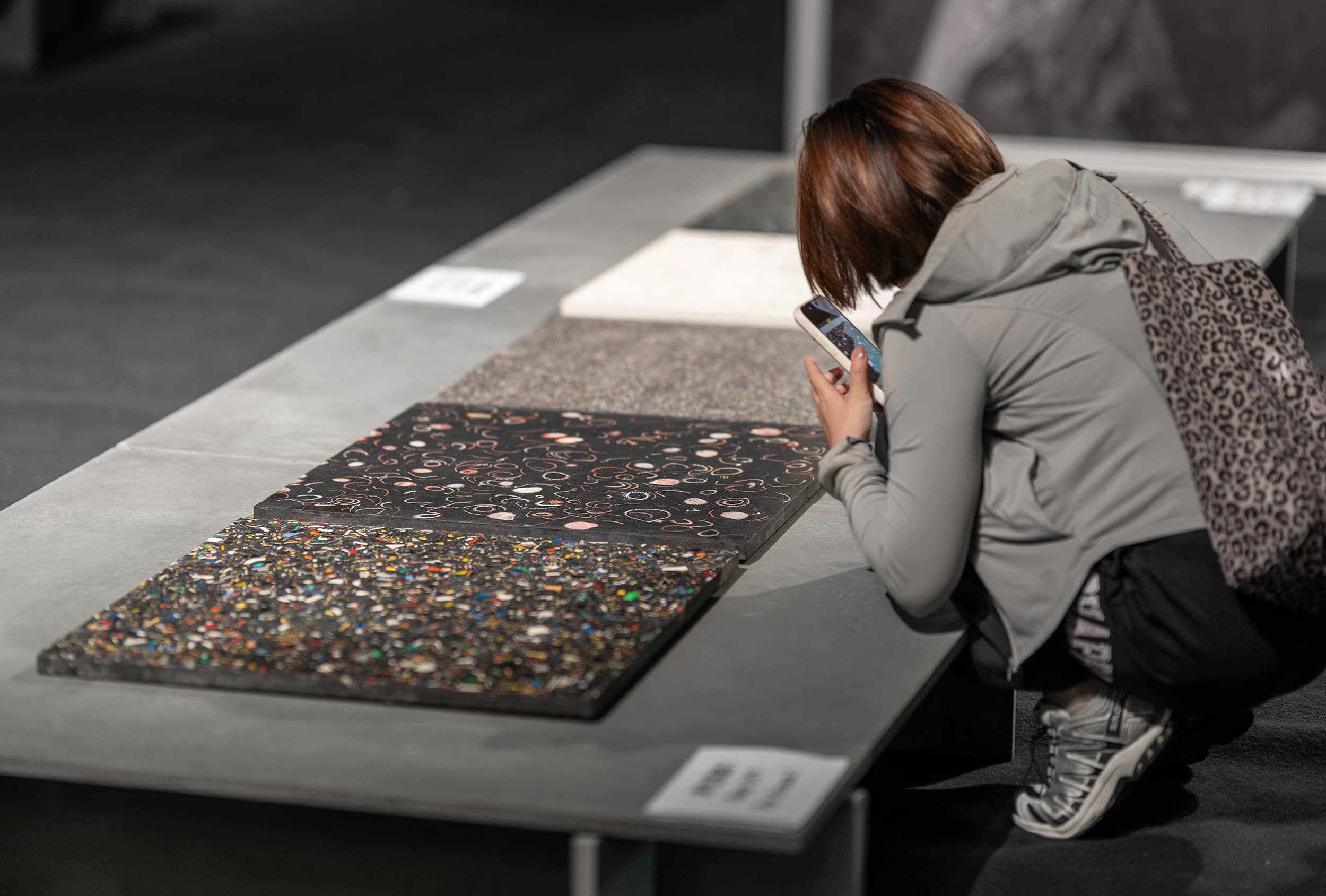
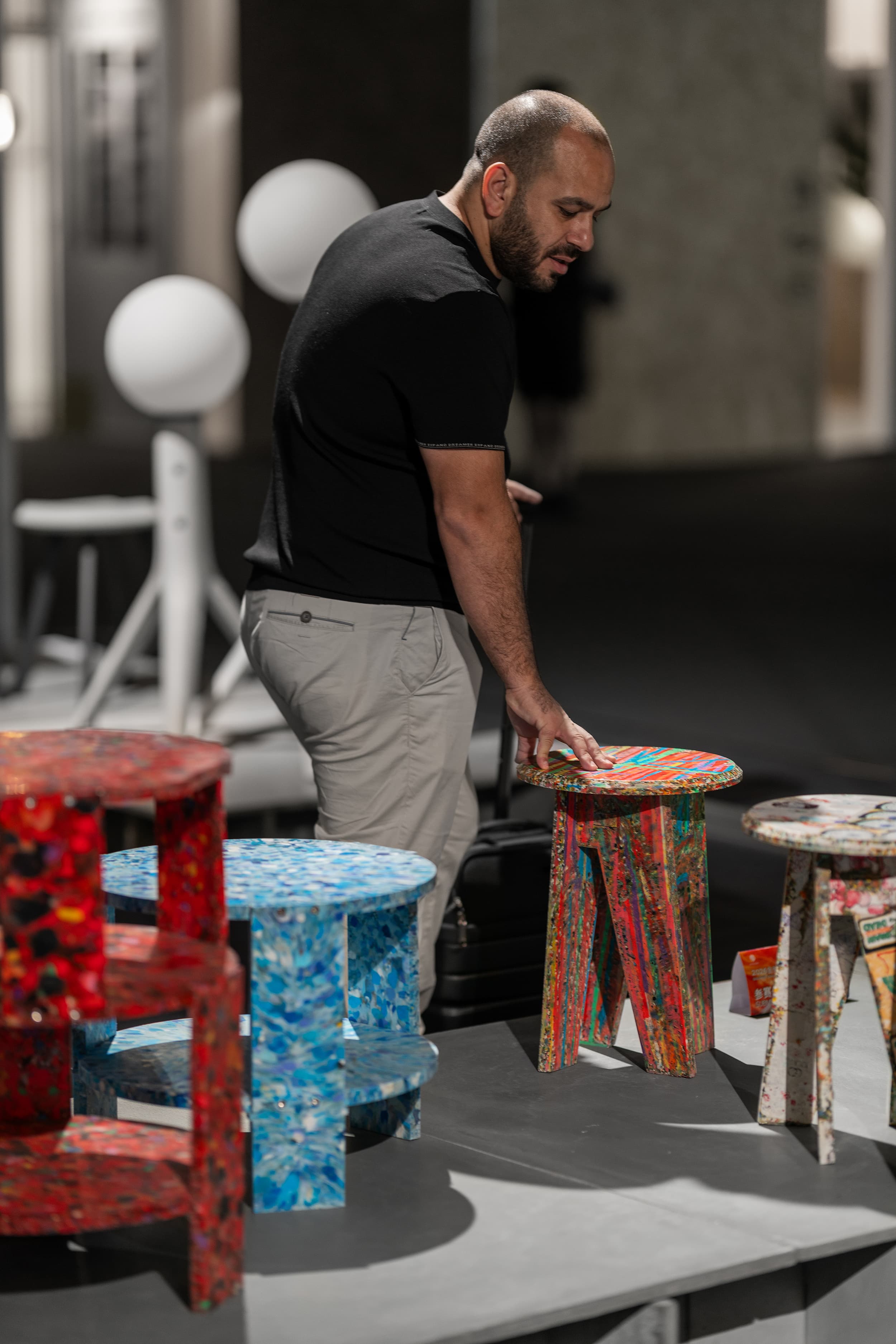
At H3 “Design Highland” of Modern Shanghai Design Week 2026, BENTU presented Sustainable China — a concentrated exploration of industrial solid waste, urban domestic solid waste and material regeneration, staged within a space of over 300 square metres.
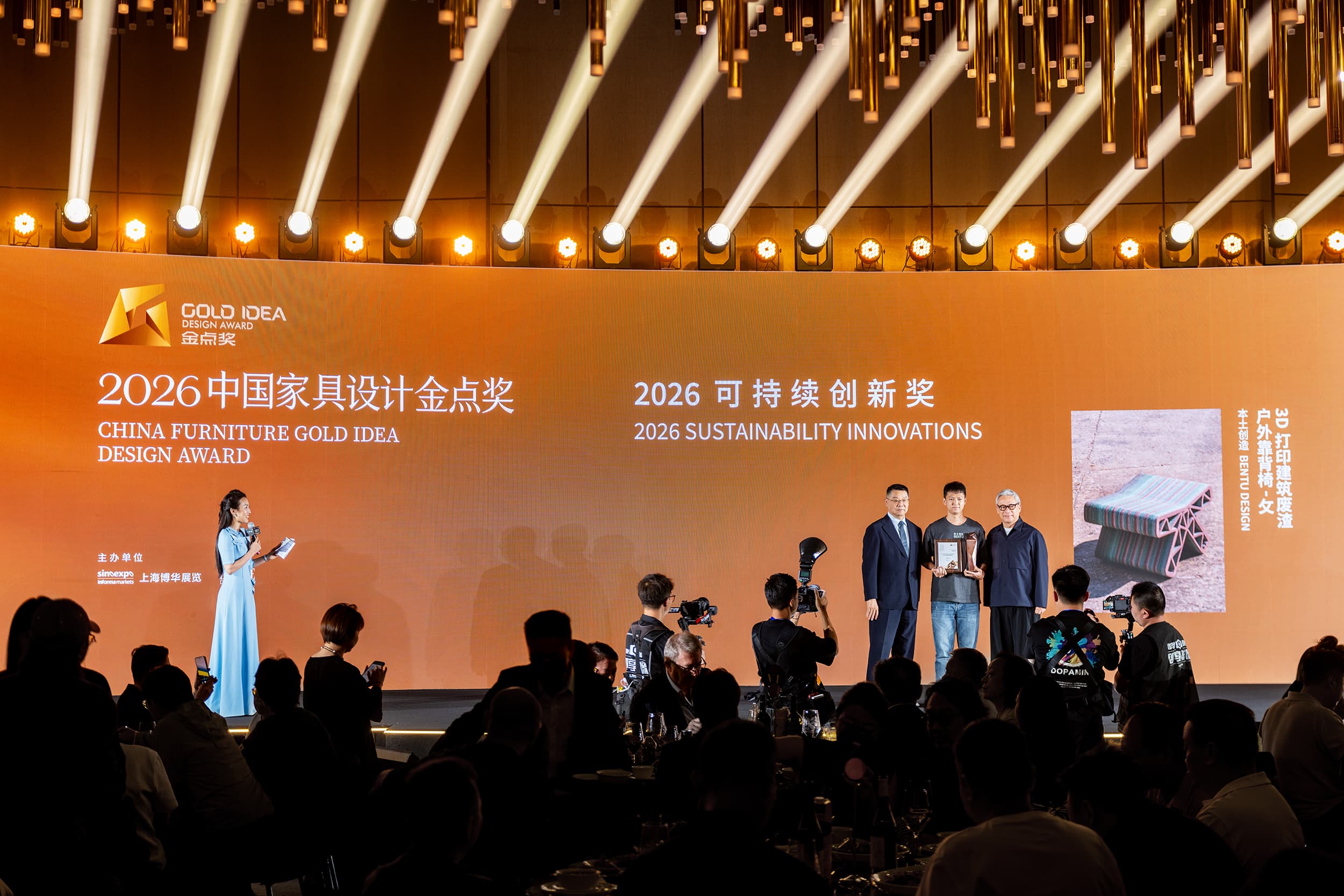
Once the exhibition concludes, installations will be dismantled, exhibits will leave the venue, and visitors’ memories will gradually fade. The Golden Pin Sustainable Innovation Award, the Golden Axe Annual Benchmark Material Enterprise honour, alongside multiple Golden Axe recognitions for seating furniture, outdoor furniture and product innovation, represent interim validation of this work. Yet for us, these accolades are not what Sustainable China was truly meant to leave behind.
If this exhibition is remembered merely as a showcase of “waste regeneration”, it will not have truly fulfilled its task. What we seek to preserve is a renewed perspective on matter, alongside practical methodologies capable of taking root and evolving within industrial ecosystems.
1. Not “What Waste Becomes”, but How Matter Re‑enters Reality
Throughout the show, we kept encountering one question: is BENTU developing sustainable materials, or sustainable design? Neither description is entirely accurate.
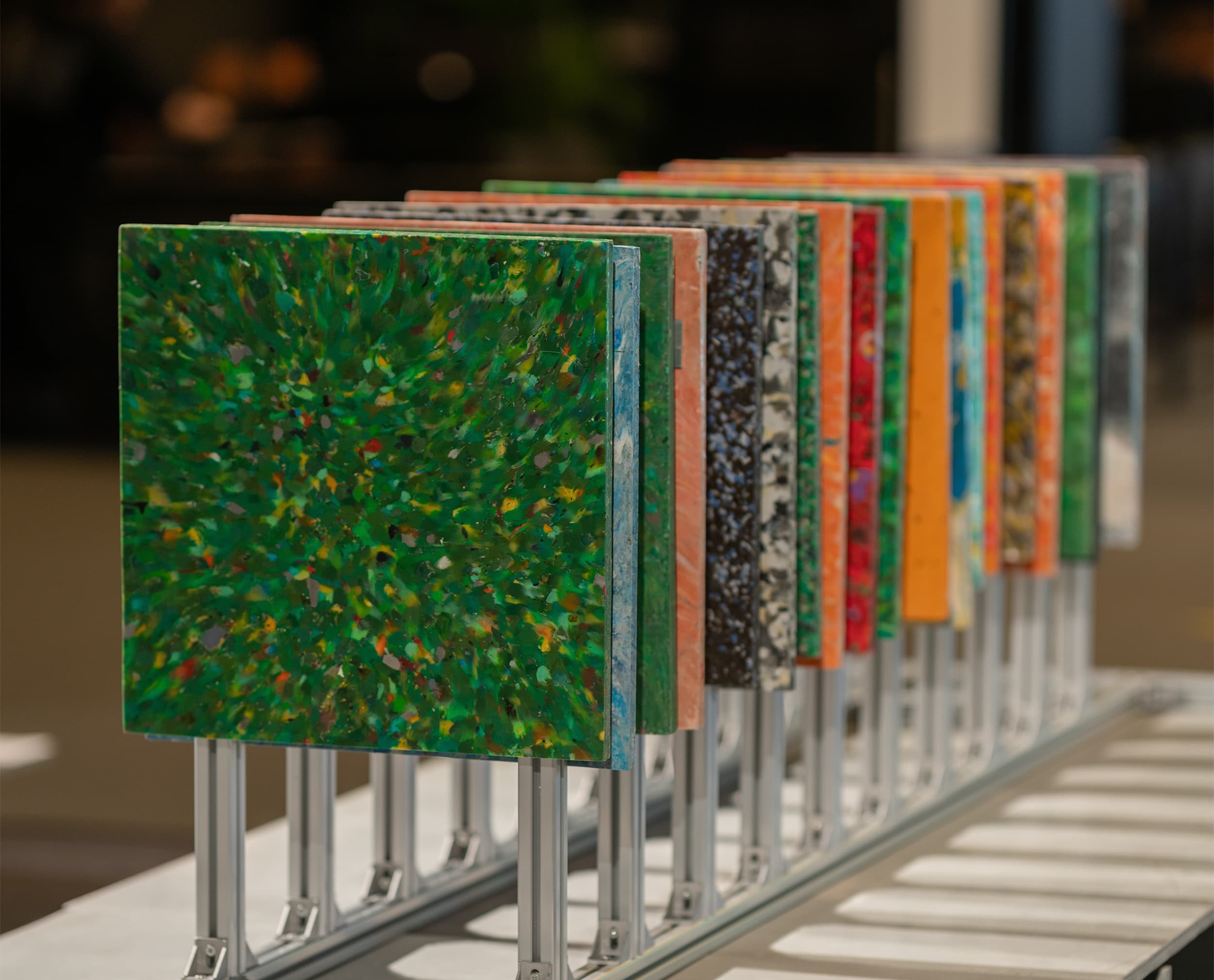
When this practice is reduced simply to “waste regeneration”, attention tends to fixate on end‑products: construction waste turned into furniture, industrial slag into panels, marine debris into urban seating. This narrative is not wrong, yet it only observes outcomes, overlooking the systems that produce them.
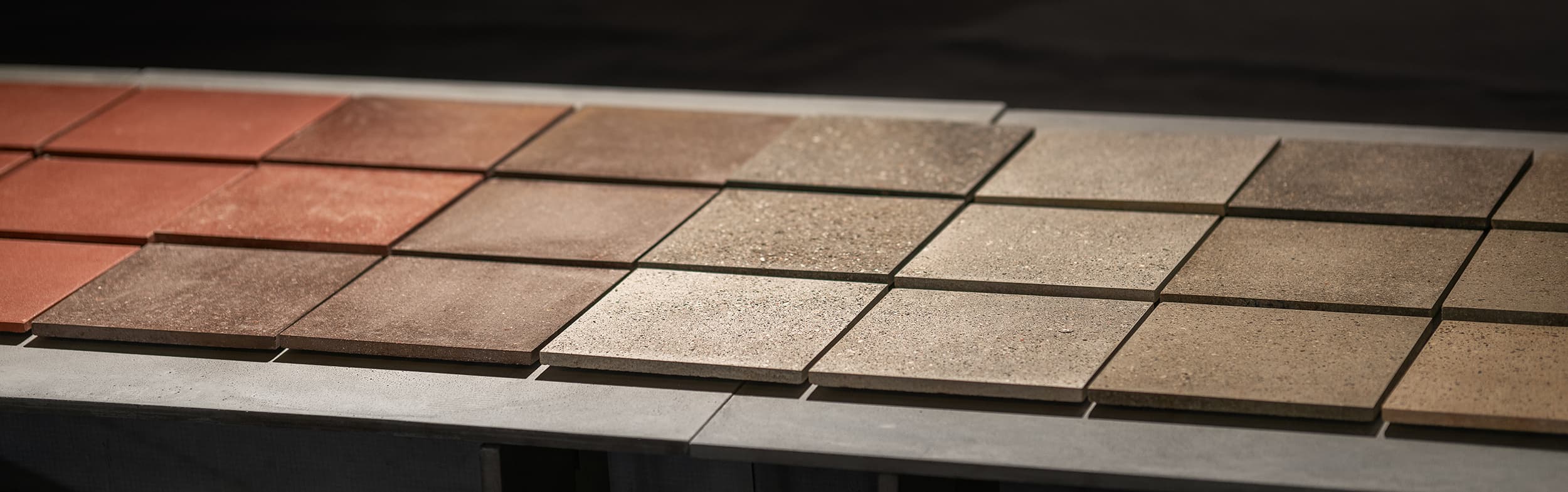
What Sustainable China demonstrates is not the aesthetic makeover of a single waste stream, but a complete pathway leading from material source to real‑world application:
Solid‑waste sorting and traceability → material testing → engineering modification and compounding → digital editing and forming → engineering deployment → re‑entry into the circular loop.
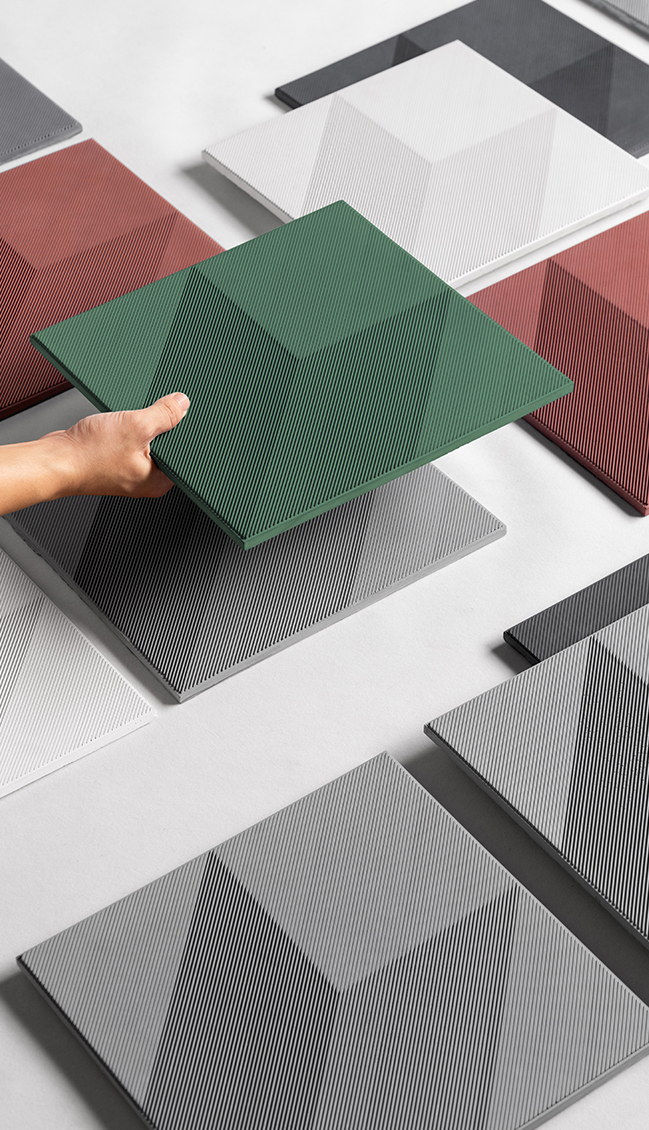
Materials on display — steel slag, construction debris, mining tailings, waste plastics, rubber, bottom ash from waste‑to‑energy plants, marine shells and more — originate from vastly different industrial and production systems. Their sole common trait is having once been labelled “waste” by modern industrial production.
What fascinates us most is this label itself. “Waste” is nothing more than a human‑assigned tag. Being classified as waste does not strip a substance of all its value. More often, it simply no longer fits its original production system. When technologies, scales or application contexts shift, or when the material moves into a different industrial sector, it can regain its status as a resource.
Our core endeavour, therefore, is not to “beautify” waste. Instead, we aim to unlock a possibility: letting production surpluses from one industry serve as raw materials for another.
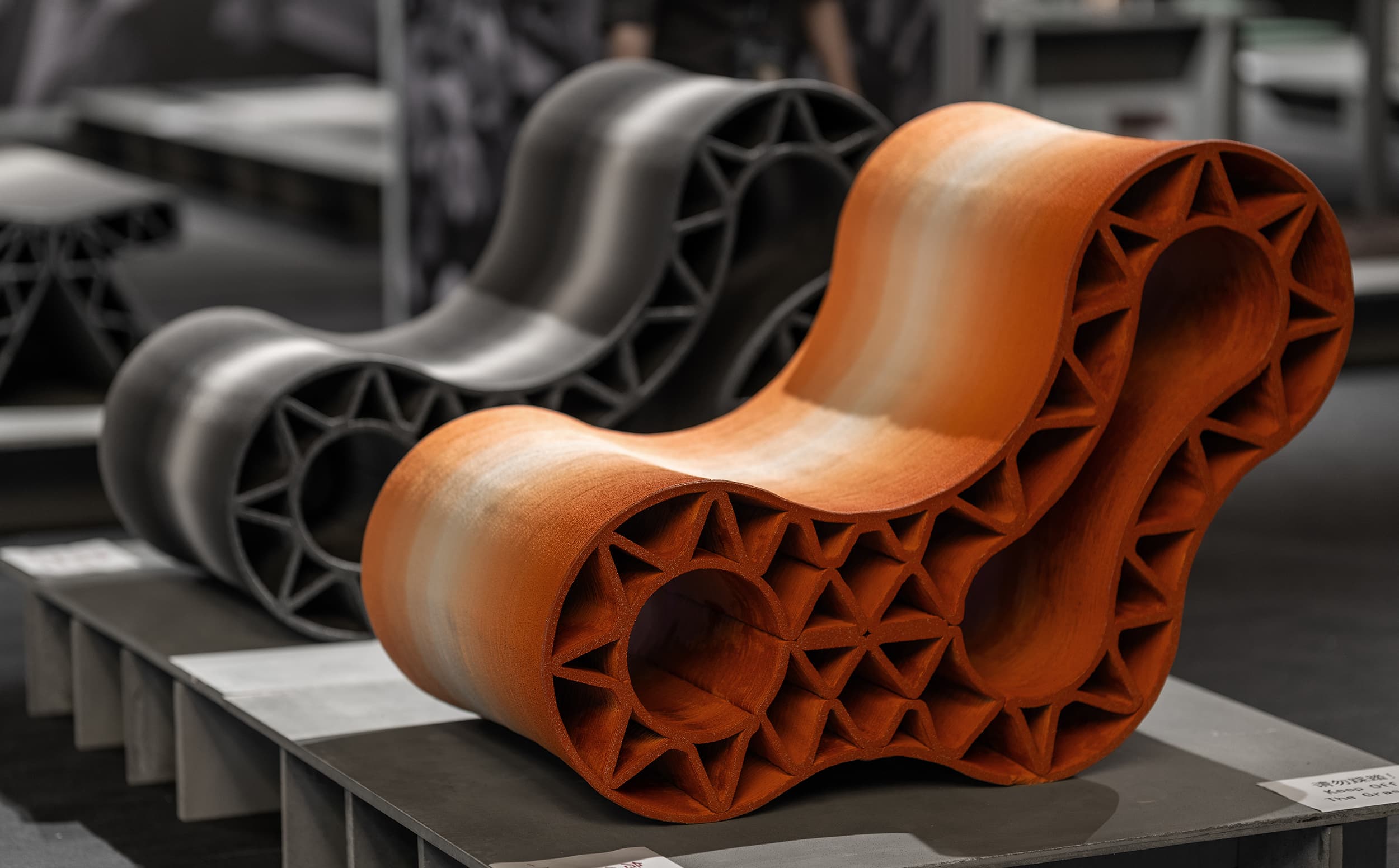
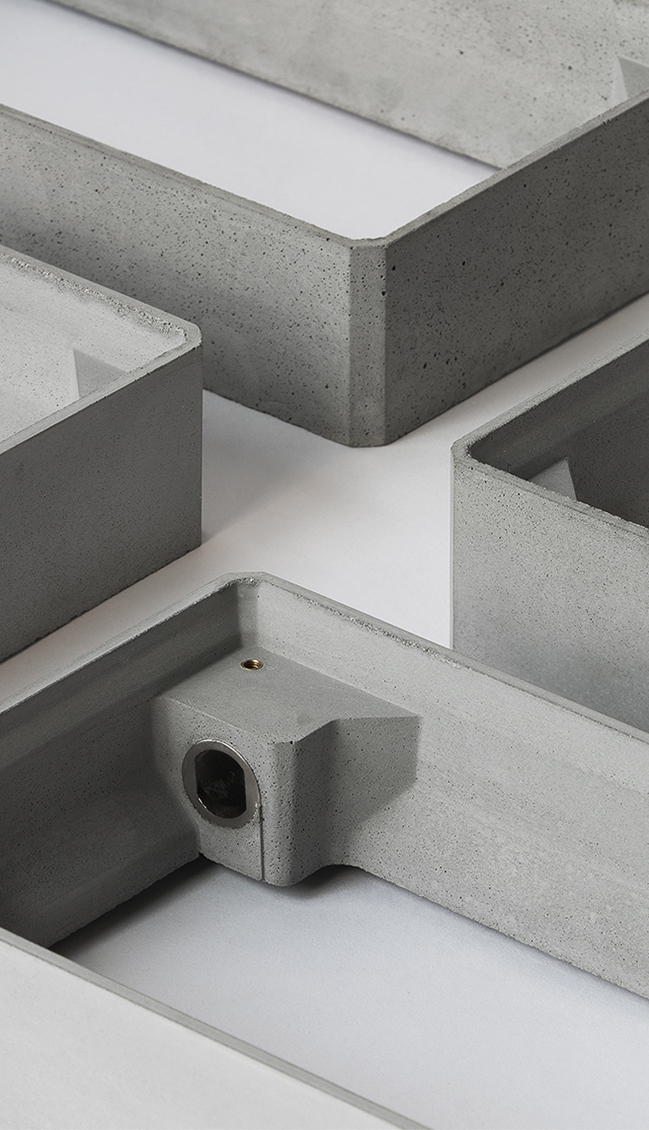
This is why BENTU has spent more than a decade diving deep into China’s industrial supply chains. We venture into mines, factories and construction sites, engaging with real‑world production systems spanning ceramics, mining, building materials, plastics and rubber. Behind vast industrial machinery, we seek out overlooked materials. Through screening, particle grading, compounding, modification, forming and iterative process refinement, solid waste content in some projects exceeds 80 %, while recycled materials achieve compressive strength above 100 MPa. These materials ultimately become, or are deployed within, architecture, furniture, public spaces and art installations.
Looking at comparable sustainable narratives across China: some remain limited to product lines built from single recycled materials, staying firmly within the realm of eco‑products; others adopt a cultural lens yet remain disconnected from actual industrial realities. What sets Sustainable China apart is that it bridges the full technical chain, stretching from waste sources all the way to engineering implementation.
We are increasingly convinced: sustainability is not about repackaging waste into appealing objects. It is about returning matter to the real world.
2. What the Exhibition Truly Leaves Behind: Reusable Methodologies
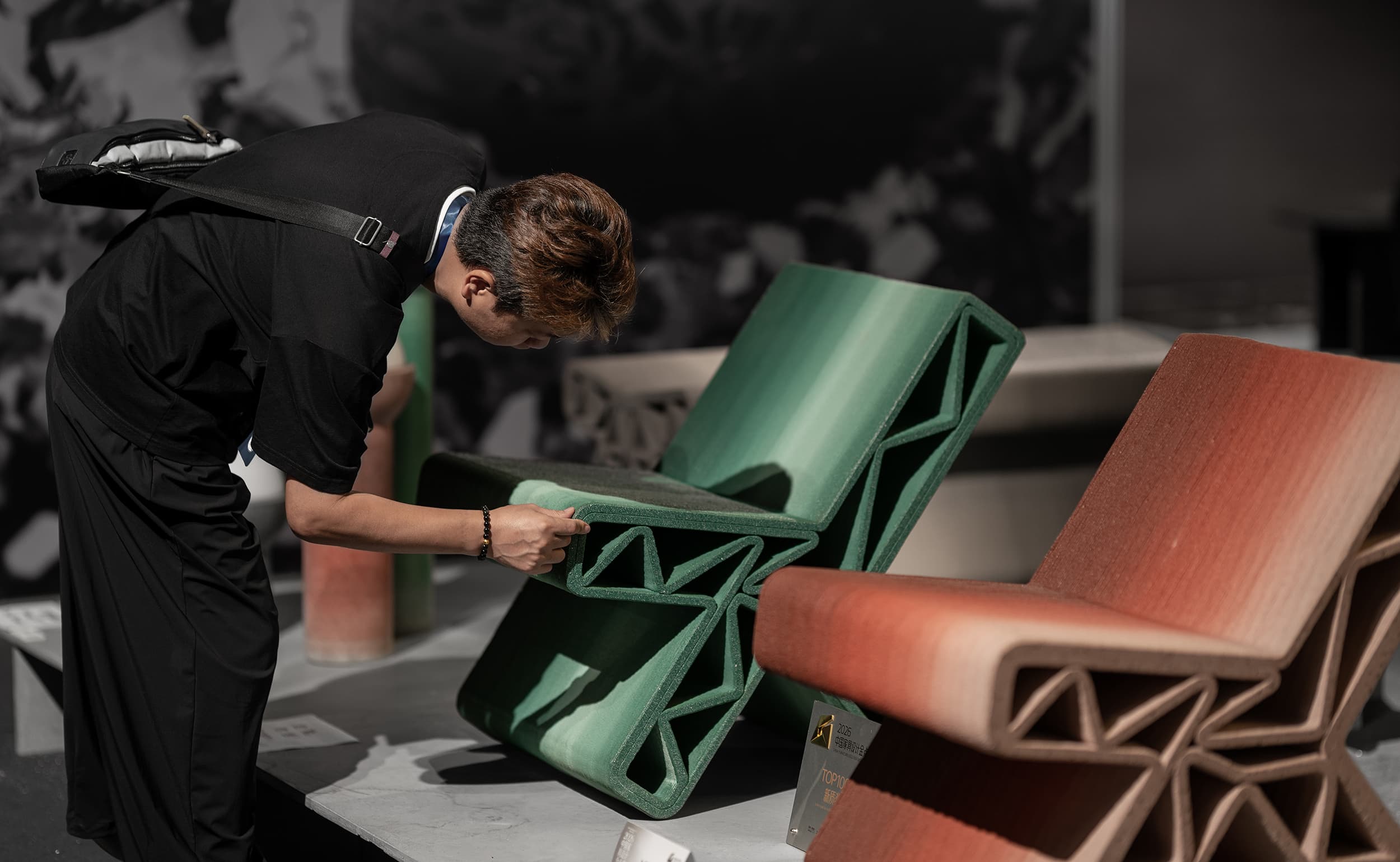
For general audiences, an exhibition is first and foremost an experience of seeing. A fragment of waste, a piece of furniture, an installation can spark a realisation: these materials can exist in such forms.
We do not expect every visitor to grasp engineering terminology such as solid waste content, particle grading, dual‑nozzle FDM deposition, compressive strength or interfacial modification. We only hope to leave a concrete image: substances once dismissed as rubbish can, through reorganisation and remanufacturing, once again become part of everyday life. This shift in perception may be subtle. Still, we believe meaningful change often begins with a new way of seeing.
For industry practitioners, our ambitions run deeper. We do not want hard‑won insights accumulated over more than ten years to crystallise only into a handful of striking exhibits, nor do we wish to keep material formulations and technical pathways confined within one brand. For this reason, a vital dimension of Sustainable China lies in opening up our practice to the public.
We intend to systematise material research, manufacturing know‑how, engineering datasets and lessons learned from failure, so that these resources may serve as a shared foundation for designers, manufacturers, research institutions and local industries. An exhibition is not an endpoint; it is where knowledge begins to circulate.
This is our understanding of open-source practice. It is not merely publishing a single formula, but laying bare an entire practical workflow: how waste is identified and sorted; how materials are tested and modified; how materials are designed for engineering deployment; how finished products are used; and how they finally re‑enter the cycle.
If more stakeholders can build upon already‑validated practical groundwork, we spare future practitioners from repeating lengthy cycles of trial‑and‑error.
3. From “Making Products from Waste” to “How Industries Re‑circulate Matter”
Regenerating one single material solves only one isolated problem. Real‑world sustainability challenges extend far beyond individual products.
We used to ask: What can this waste be made into? Today, we increasingly ask a different question: What other systems can it connect with?
The first question leads toward a product. The second points to a whole system. By‑products from one industry can become feedstock for another; construction waste generated within a city can re‑enter urban development. Even materials deemed worthless today may become new nodes linking industries, cities and land.
When we view solid waste through this lens, it ceases to be merely a problem to be “disposed of”. Instead, it becomes a gateway for reorganising industrial relationships. Our focus has thus moved beyond material recycling to how matter flows across industrial sectors. This is how Sustainable China evolves from material‑centred practice into systemic practice.
China possesses one of the world’s largest manufacturing ecosystems. Such scale brings enormous resource consumption, yet also creates immense stocks of existing material. Seen from another angle, the massive volumes of industrial solid waste generated across China today are not merely a burden of development. They may constitute a largely unrecognised “second mine” for China’s future.
Historically, we extracted ore, aggregates and energy from nature to fuel industrial civilisation. Going forward, can we begin to “mine” resources from material stocks already embedded within cities and industrial systems? This is a different kind of mine. It does not lie beneath the earth’s surface; it resides in factories, cities, buildings, supply chains and our everyday lives.
Policy is already advancing this vision. China’s Circular Economy Development Plan targets improved major resource productivity by 2030, alongside an annual comprehensive utilisation of 4.5 billion tonnes of bulk solid waste. Our exhibition condenses this grand vision into a physical space: steel slag and blast‑furnace slag substitute for cement clinker, cutting carbon dioxide emissions from clinker production; recycled construction aggregates replace natural sand and gravel, reducing carbon footprints from extraction and transportation; high‑solid‑waste‑content 3D printing eliminates conventional mould‑making and lowers manufacturing waste.
Sustainability is no longer a catchy slogan. It is quantifiable carbon data and industrially adoptable pathways.
4. Digital Technology: Our First True Capacity to “Edit Matter”
As material systems grow more complex, digital technology offers a new possibility.
Traditional industry tends to force materials to conform to fixed standards. Only materials meeting uniform dimensions, performance and specifications qualify for standardised production. Materials that fail to meet these criteria are often discarded. Digital manufacturing is rewriting this dynamic.
When we can capture a material’s chemical composition, particle structure, density, mechanical performance and provenance, the material itself becomes readable information. Within BENTU’s digital research and manufacturing framework, we translate such data into parameters, then reorganise matter via algorithms and digital fabrication:
Waste → data → parameters → algorithms → new matter → new applications → recirculation.
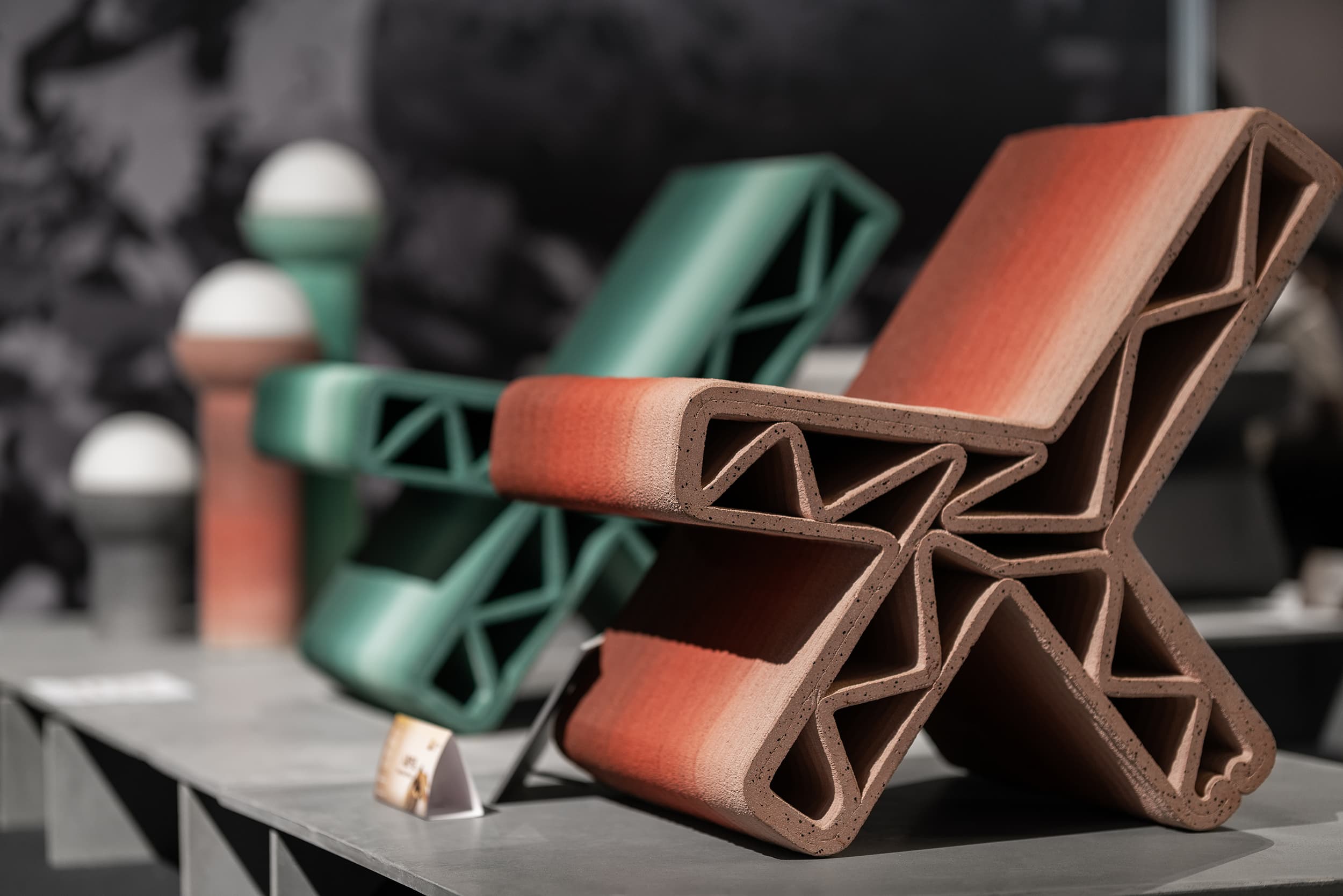
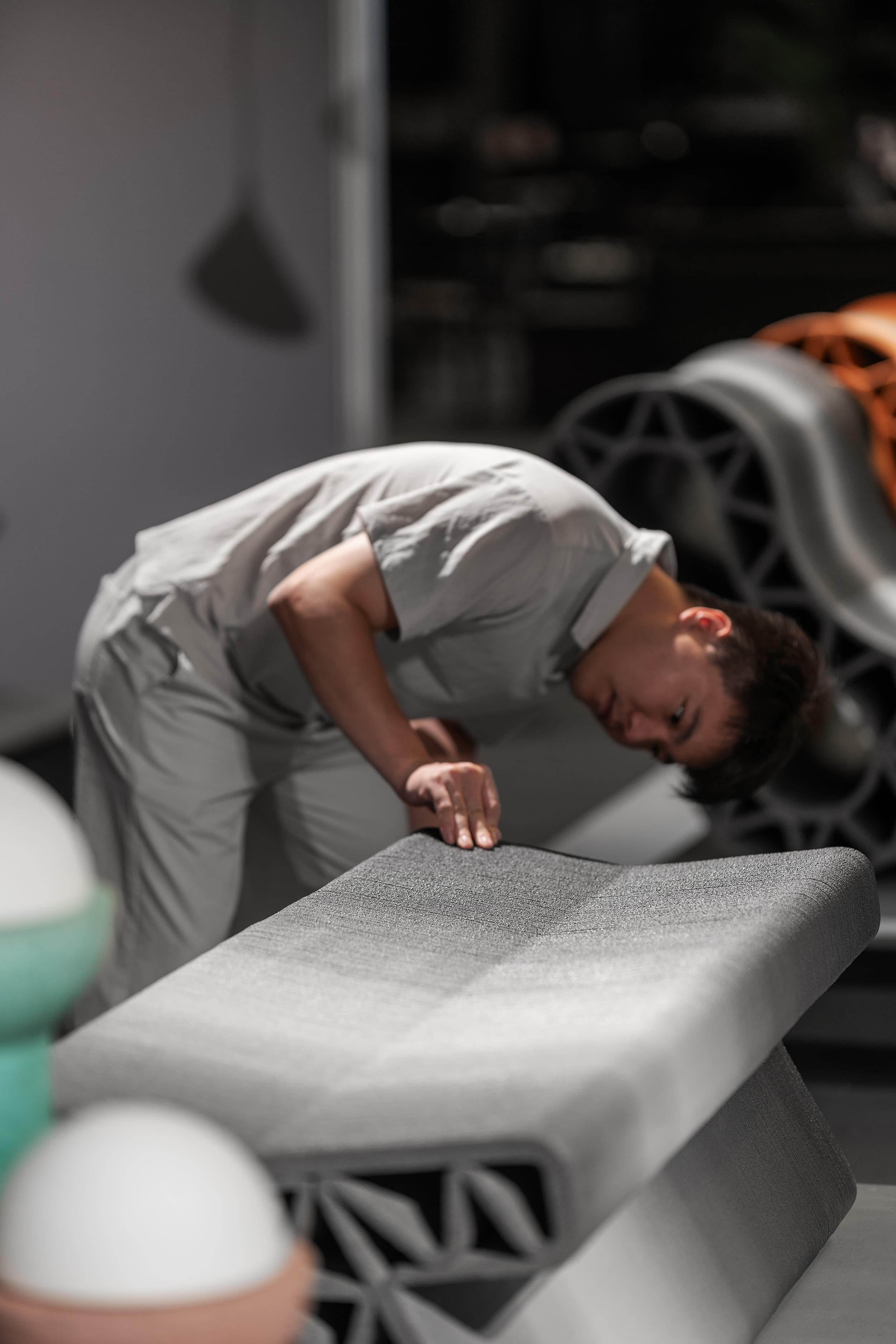
3D printing — particularly dual‑nozzle FDM deposition — brings this vision closer to reality. It is no longer merely a production tool, but a new “matter editor”. Instead of forcing all materials into a single standard, we learn to understand each material on its own terms, and adapt production methods to suit it.
This means designers of the future will design more than just form, function and colour. They will also design material lifecycles, pathways for material flow, inter‑industrial relationships, and even how objects may re‑enter the world once their first service life ends.
Digital technology does not erase matter. On the contrary, it renders previously invisible and unquantifiable material realities open to understanding.
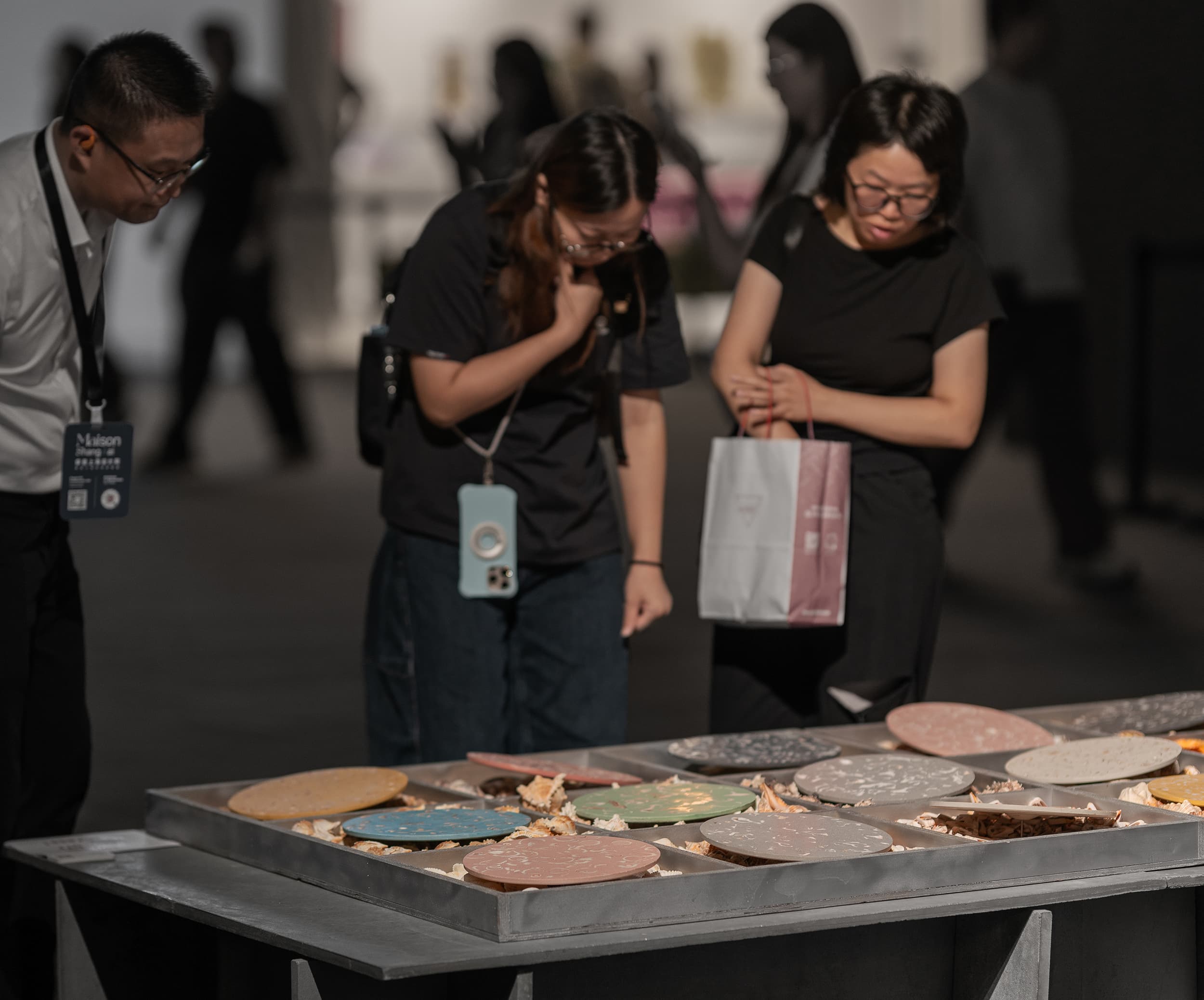
5. Sustainable China Truly Begins After the Exhibition Closes
Exhibitions have short lifespans. A meaningful project ought not to end when the show closes. For us, Sustainable China is therefore a starting point.
Moving forward, we will compile exhibition‑derived practices into the White Paper on Solid‑Waste Regenerative Design (2026). Our goal is not merely to document the exhibition, but to build a durable, reusable knowledge framework.
Every category of solid waste merits independent research: its origins, its industrial affiliation, its physical and chemical properties, screening, grading and modification protocols, achievable performance, suitable application scenarios, carbon‑reduction potential, and pathways for subsequent circular reuse.
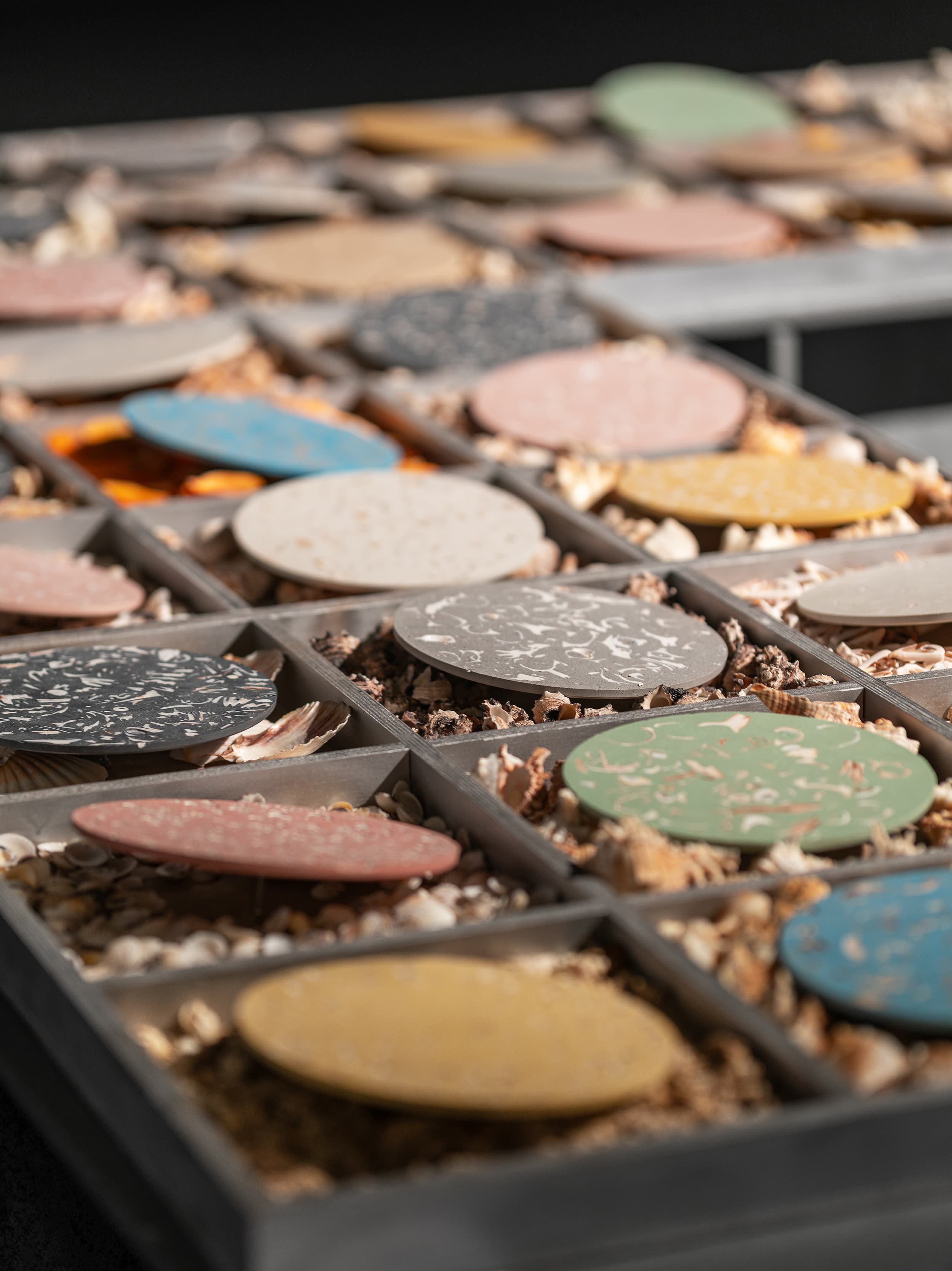
In parallel, we aim to leverage the Sustainable Design Materials Museum (SDMM) to develop systematic material archives and a searchable material database. Rigorously tested materials should not exist only within isolated exhibitions or projects, but be continuously documented, retrievable and open for study.
Looking further ahead, these methodologies can be extended to resource‑rich cities, manufacturing hubs and industrial clusters. Different regions across China hold distinct material lineages: ceramics in Foshan, steel in Tangshan, coal in Shanxi, dense manufacturing in the Yangtze River Delta, and extensive electronics, plastics, metals and consumer‑goods supply chains in the Pearl River Delta. Every place holds its own “material map”.
If we build local circular material systems rooted in regional industrial surpluses, the idea of “Chinese sustainable design” will move beyond abstract rhetoric. It will take tangible root in every city and every industrial chain.
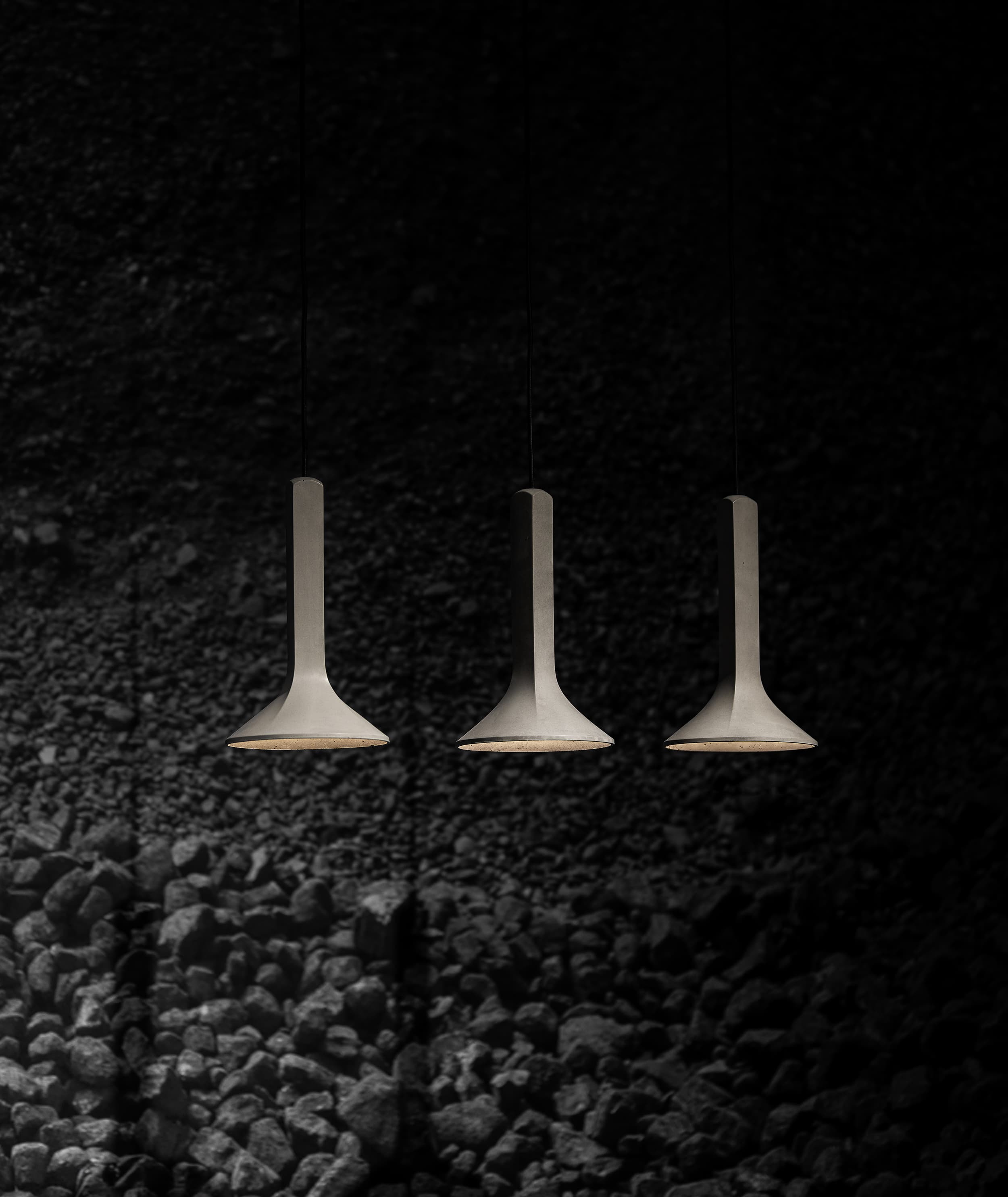
6. What We Seek: China’s Own Path to Sustainability
Discussions of sustainability often fall into two traps: grand, abstract slogans, or polished green consumer goods. The former is disconnected from reality; the latter rarely goes beyond product‑level outcomes. We are convinced that China’s genuine sustainable practice must sit between these extremes. It must engage with real‑world industrial systems, production costs, material performance, engineering standards, supply chains and market realities.
China possesses immense manufacturing capacity and vast stocks of industrial solid waste. Where past industrial civilisation grew by extracting resources from nature, future circular civilisation may learn to rediscover resources within material that already exists.
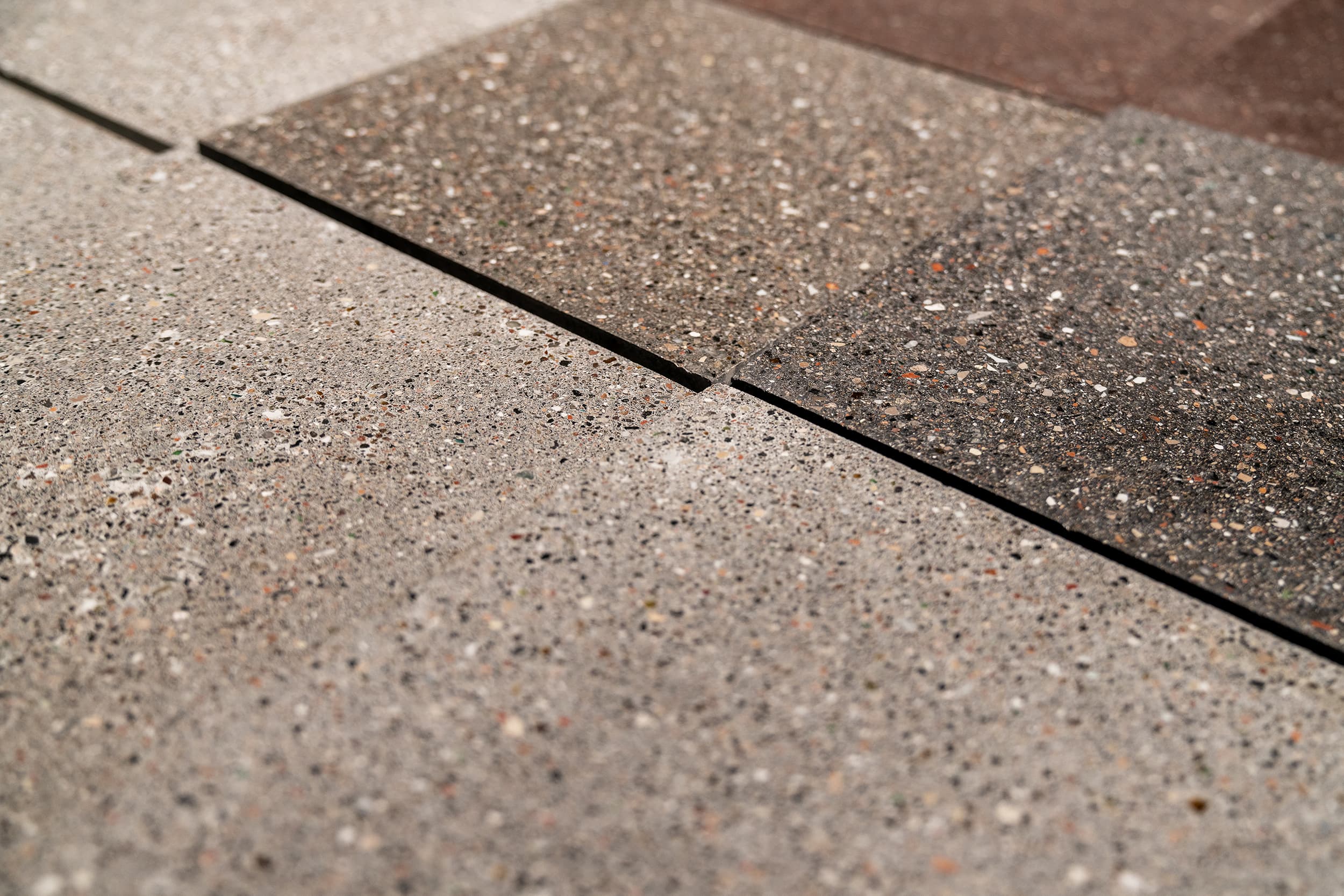
This is what we call the “second mine”. It is not a physical mining site, but a new worldview of resources. It invites us to re‑examine matter that has already been extracted, manufactured, used and discarded. Such materials have not truly vanished; they are simply waiting to be re‑appreciated.
Global pressure for ESG compliance continues to mount, while domestic circular‑economy policy has shifted from advocacy to mandatory requirements. Countless enterprises, real‑estate developers and municipal projects wish to pursue green transition, yet lack actionable pathways. Our material systems are built to answer exactly these real‑world needs.
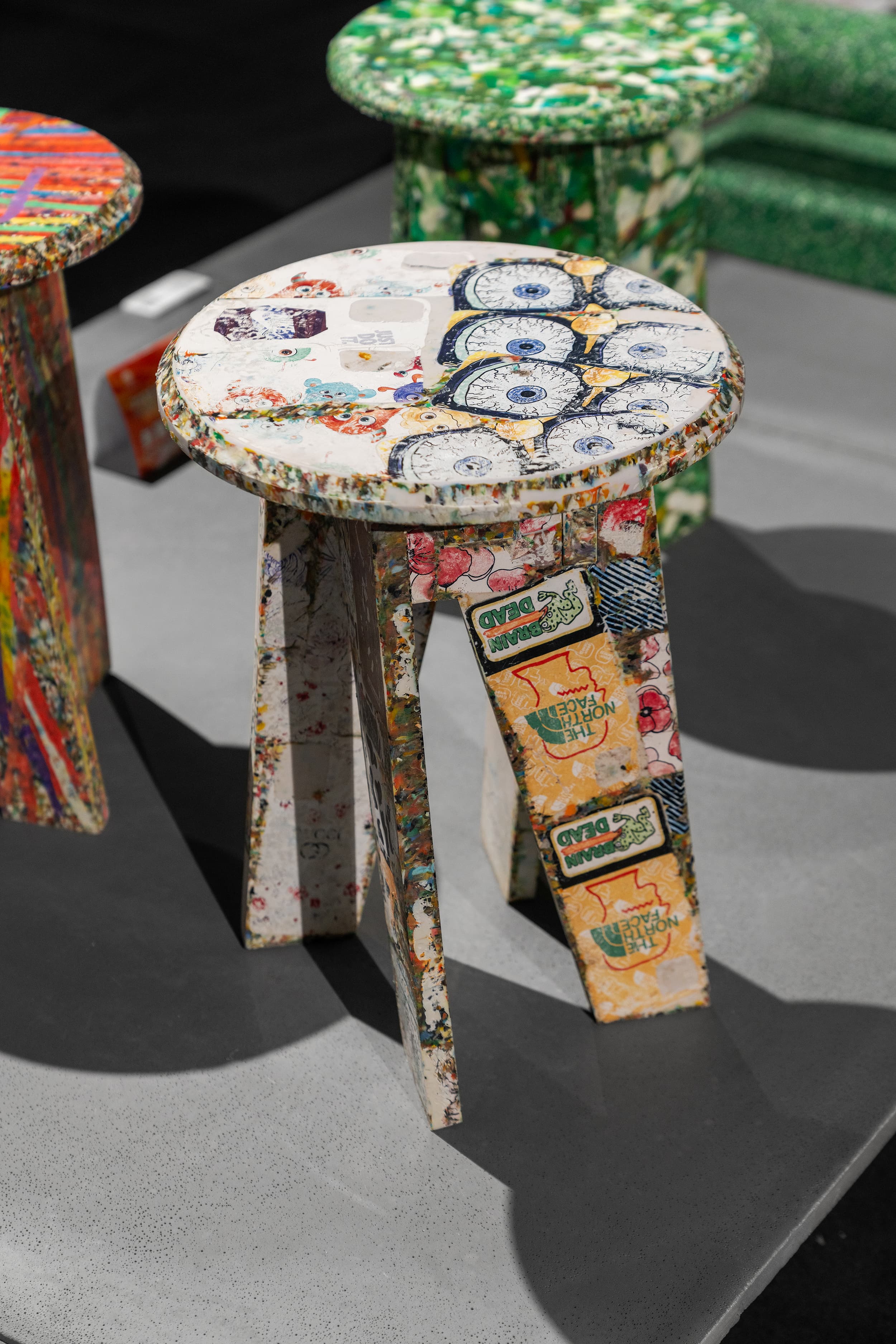
7. After the Exhibition, We Remain “Gatherers of South China”
More than a decade ago, we entered materials and industry through design. As our journey unfolds, we grow increasingly certain that BENTU’s core interest is never merely “making something”. What matters more to us: What already exists in the world? What is being overlooked? What value is fading away? What materials are being wasted? What knowledge is being forgotten? Which industries could connect, yet remain isolated by systemic fragmentation?
For this reason, we still embrace the identity: gatherers living in South China.
Gathering is not about collecting trash. Within a highly industrialised world, it means rediscovering overlooked value. We source materials from waste, knowledge from traditional craft, wisdom from local industries, and circular possibilities from China’s vast manufacturing landscape.
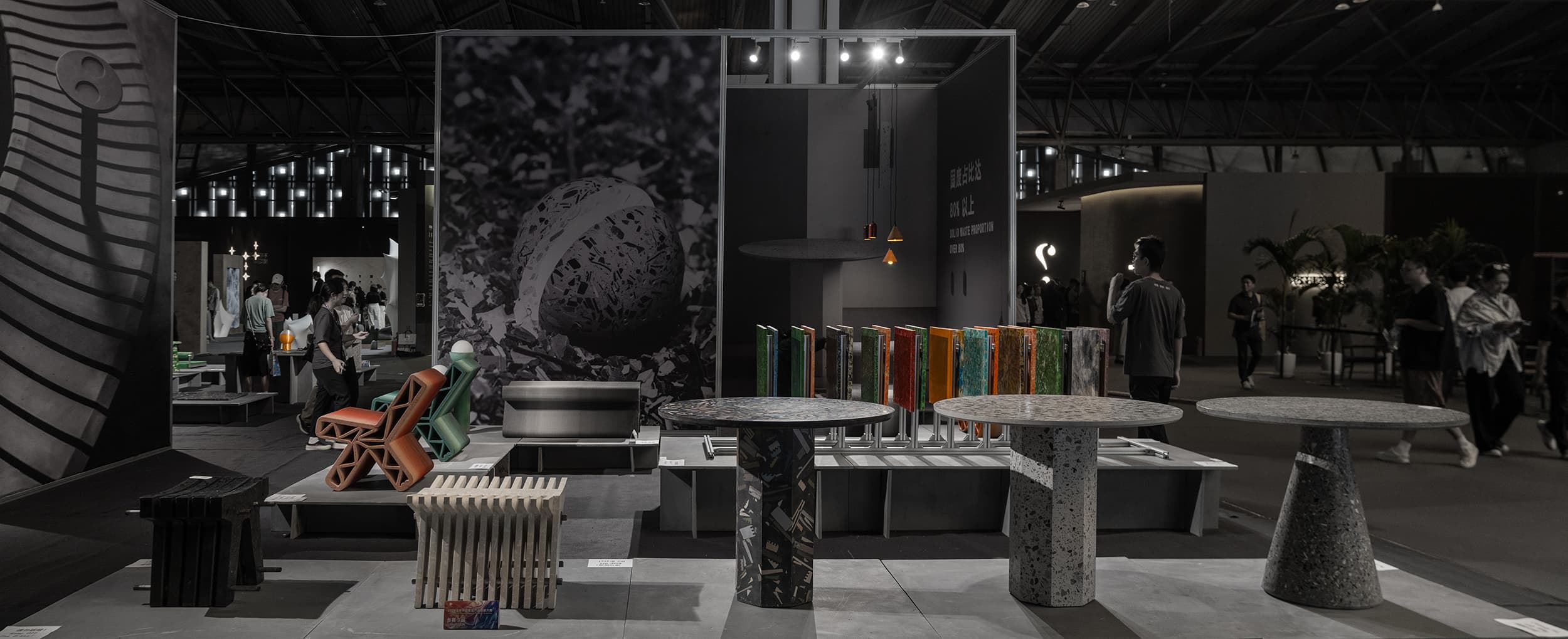
An exhibition may end, yet a practice should not. Sustainable China is therefore not a project’s conclusion. It is a seed. It may grow into a white paper, a material library, an open database, or eventually reach more factories, cities and industrial sites. Our hope is that it becomes more than a BENTU brand initiative: it evolves into a living body of home‑grown Chinese sustainable practice.
As the linear “take‑make‑dispose” model of civilisation reaches its limits, we need to rethink: perhaps the priority is not to produce ever‑more, but to re‑understand everything that already exists. This exhibition has closed. But Sustainable China has only just begun.
Let matter circulate. Let value be reshaped. Let systems coexist. Let the future take root and grow.
Author: Xu Gang
This article is an original piece in the BENTU Brand Reflection Series. Taking the exhibition practice of Sustainable China as its starting point, it explores the deeper value of China’s home‑grown sustainable industrial pathways.

- Contact
+8620 8977 0506
- Press
press@bentudesign.com
- Enquiry & Sales
info@bentudesign.com